
The Enigmatic Paracas Necropolis: A Glimpse into Ritual and Afterlife

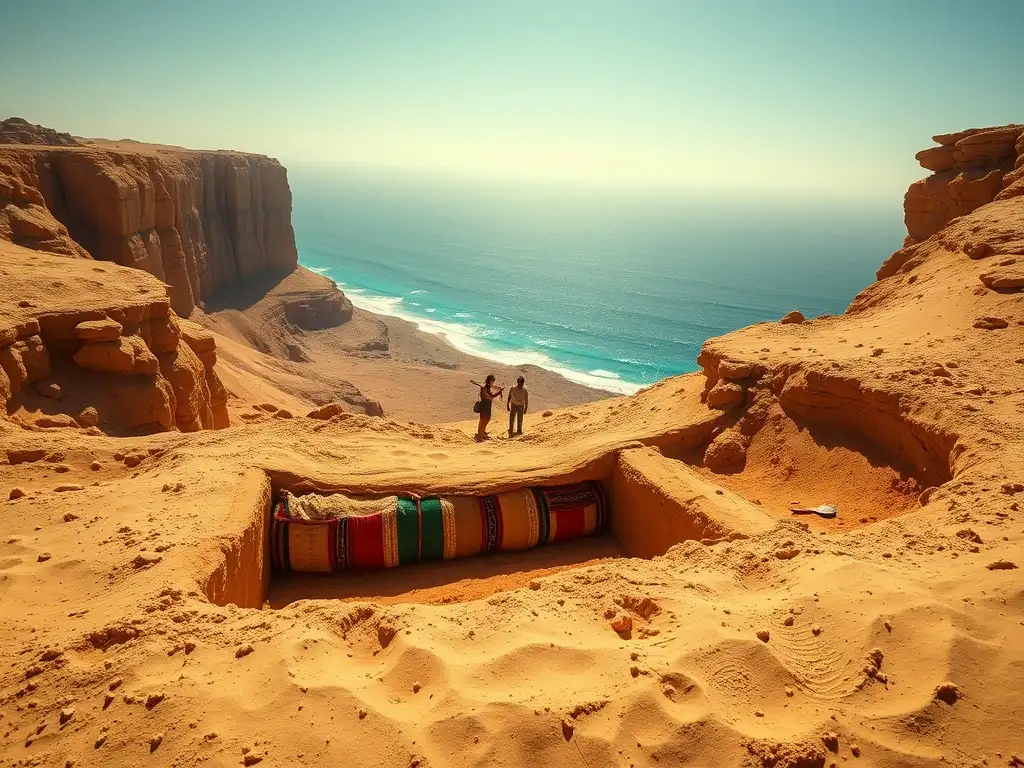
Step into a world lost to time, where the whispers of ancient Andean cultures echo across millennia. Dive into the captivating tapestry of civilizations that flourished along the Peruvian coast, exploring their breathtaking artistry and intricate societal structures. But prepare to be enthralled by the enigmatic secrets of the Paracas Necropolis burial rituals – a journey into a vibrant afterlife unlike any other. Uncover the mysteries that lie within... dare you?
The Paracas Necropolis, located on the southern coast of Peru, stands as a testament to the complex beliefs and sophisticated mortuary practices of the Paracas culture (circa 800 BCE – 200 CE). This vast burial ground, containing thousands of intricately wrapped mummies, offers an unparalleled window into the worldview of this pre-Inca civilization.
Unlike many other ancient societies, the Paracas' elaborate burial rituals weren't simply about disposing of the dead; they were a vibrant expression of their cosmology, social structure, and beliefs about the afterlife. This article delves into the fascinating details of these rituals, exploring the evidence unearthed from the Necropolis and attempting to unravel the mysteries surrounding their unique burial practices, directly addressing the significance of Paracas Necropolis burial rituals.
We'll examine the elaborate mummy bundles, the grave goods, and the overall arrangement of the tombs to gain a deeper understanding of this enigmatic culture and their profound connection to the spiritual realm. Prepare to be amazed by the ingenuity and artistry displayed in these ancient funerary practices, providing a significant contribution to our understanding of Andean mortuary traditions.
Introduction to the Paracas Culture and its Necropolis
The Paracas culture flourished on the arid southern coast of Peru, a region characterized by its challenging environmental conditions. Despite these limitations, the Paracas developed a remarkably sophisticated society, renowned for its textile artistry, advanced metallurgy, and distinctive funerary practices. Their mastery of textile production is particularly striking, with intricate designs and vibrant colors found in the mummy bundles and other artifacts.
These textiles, often made from cotton and camelid fibers, showcase incredibly detailed depictions of animals, mythical beings, and geometric patterns, reflecting a rich symbolic language. The Paracas Necropolis itself is a sprawling complex, not a single, unified site, but a series of burial grounds spread across the desert landscape. The sheer scale of the Necropolis, with its thousands of tombs, suggests a large and well-organized society with established beliefs surrounding death and the afterlife.
Archaeological excavations have revealed a wealth of information about the Paracas, but many mysteries remain, fueling ongoing research and scholarly debate. The sheer number of mummies and the complexity of their burial rituals highlight the central role that death and the afterlife played in their worldview.
The Elaborate Mummy Bundles: A Tapestry of the Afterlife
The most striking feature of the Paracas Necropolis is undoubtedly the intricately wrapped mummies. These are not simply bodies wrapped in cloth; they are elaborate works of art, meticulously crafted and adorned with layers upon layers of textiles, often incorporating feathers, precious metals, and other grave goods. The process of creating these mummy bundles was clearly a highly ritualistic undertaking, requiring significant time, skill, and resources.
The textiles themselves often depict scenes related to the afterlife, suggesting that the bundles were not merely containers for the deceased but rather symbolic representations of their journey into the spiritual world. Analysis of these textiles has revealed complex iconography, providing clues about the beliefs and mythology of the Paracas people.
The sheer artistry and craftsmanship involved in creating these bundles underscore the importance placed on the proper preparation of the deceased for their transition to the next life. The variety in the complexity of the bundles also likely reflects social hierarchy within Paracas society, with the most elaborate bundles belonging to individuals of high status.
Grave Goods and Their Symbolic Significance
Beyond the mummy bundles themselves, the Paracas Necropolis yields a wealth of grave goods. These artifacts, ranging from pottery and tools to ornaments and textiles, provide further insight into the beliefs and practices surrounding death and the afterlife. The careful selection and placement of these objects within the tombs suggest a deliberate effort to provide the deceased with everything they might need in their journey to the next world.
Certain objects, such as specific types of pottery or ornaments, may have held particular symbolic significance, potentially representing status, power, or access to the spiritual realm. The inclusion of food and drink offerings also points to beliefs about sustaining the deceased in the afterlife.
Detailed analysis of these grave goods, combined with the study of the mummy bundles, paints a comprehensive picture of Paracas beliefs concerning the transition from life to death and the nature of the afterlife itself. The careful arrangement of these objects within the tombs further emphasizes the ritualistic nature of Paracas burial practices.
The Architecture of Death: Tomb Construction and Arrangement
The organization and construction of the tombs themselves offer additional clues about Paracas burial rituals and societal structure. While the exact nature of the tomb construction varies, many are subterranean, reflecting a deliberate effort to protect the deceased from the harsh elements of the desert environment. The arrangement of the tombs within the Necropolis is also significant, potentially reflecting social organization or kinship ties.
Some areas may have been designated for elite members of society, while others may have been reserved for commoners. Further research into the spatial organization of the Necropolis could provide valuable insights into the social structure and power dynamics within Paracas society.
The study of the architectural aspects of the Necropolis complements the analysis of mummy bundles and grave goods, offering a more holistic understanding of Paracas burial practices and their cultural significance. The overall arrangement of the tombs, therefore, is not simply a matter of practicality; it reflects a complex system of beliefs and social organization.
- Introduction to the Paracas Culture and its Necropolis
- The Elaborate Mummy Bundles: A Tapestry of the Afterlife
- Grave Goods and Their Symbolic Significance
- The Architecture of Death: Tomb Construction and Arrangement
Unveiling the Paracas Necropolis: Location and Discovery
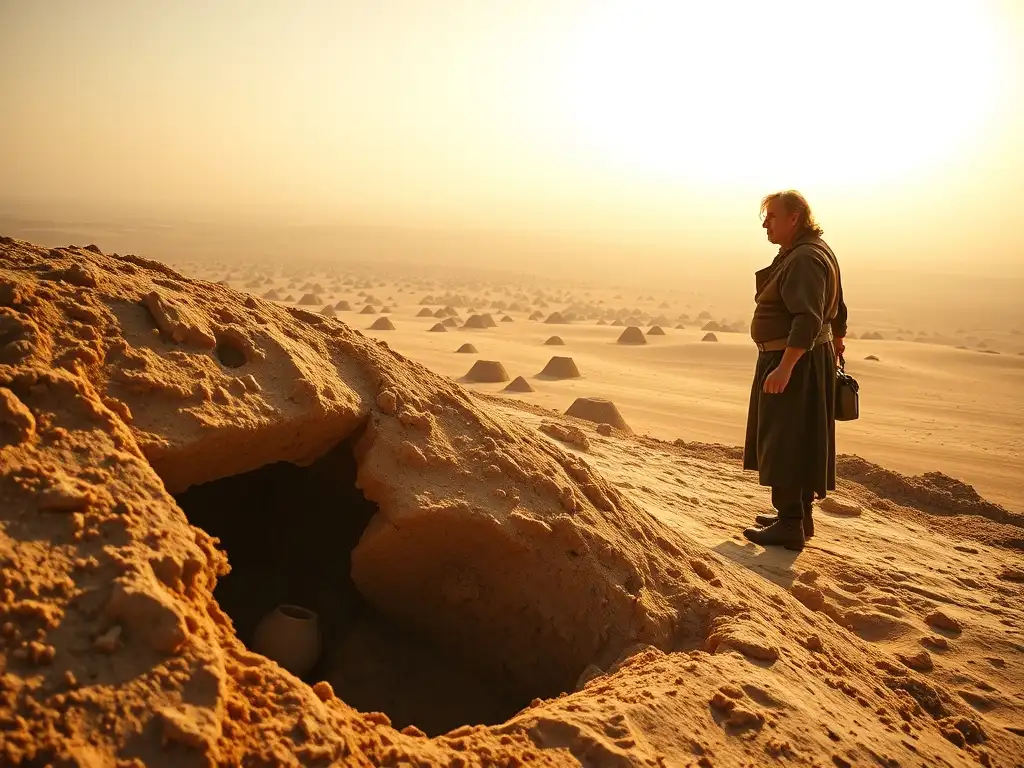
The Paracas Necropolis, a sprawling cemetery located on the southern coast of Peru, stands as a testament to the elaborate burial rituals of the Paracas culture (circa 800 BCE – 200 CE). Its precise location, within the broader Paracas region, contributes significantly to our understanding of the culture's worldview and societal structure. The sheer scale of the necropolis, with its thousands of burial bundles, underscores the importance placed on death and the afterlife by this fascinating civilization.
The Paracas people were masters of textile artistry, and this skill is profoundly evident in the elaborate grave goods discovered within the necropolis, showcasing their sophisticated craftsmanship and religious beliefs. Analyzing the location within the broader geographical context reveals strategic choices potentially linked to resource availability, proximity to sacred sites, or even cosmological alignments – areas requiring further research to definitively conclude.
The Paracas Necropolis burial rituals, therefore, aren't isolated events but rather integral aspects of a complex cultural landscape. The careful placement of tombs, the selection of grave goods, and the overall organization of the necropolis itself reflect a deep-seated belief system and a highly organized society capable of undertaking such monumental undertakings.
The Cerro Colorado Site: Center of the Paracas Necropolis
Cerro Colorado, a prominent geographical feature within the broader Paracas Necropolis, serves as a focal point for many of the most significant archaeological discoveries. This elevated location, likely chosen for its visibility and symbolic importance, contains a high concentration of elaborate burial bundles. The sheer density of these tombs, packed closely together, suggests a potentially stratified society where burial practices reflected social standing.
Analysis of the Cerro Colorado site reveals a complex system of burial chambers, ranging from simple pits to more elaborate structures, indicating a hierarchy within the community's funerary practices. Excavations have yielded a wealth of artifacts, including intricately woven textiles, ceremonial objects, and human remains exhibiting evidence of mummification techniques. The careful arrangement of these artifacts within the burial chambers provides valuable insights into the beliefs and practices surrounding death and the afterlife.
For example, the inclusion of specific tools, food items, and personal adornments suggests a belief in an afterlife that mirrored aspects of earthly life. The consistent presence of certain motifs in the textiles also hints at shared religious beliefs and possibly a structured priesthood overseeing the funerary rites. Further research into the stratigraphy of the Cerro Colorado site may reveal more about chronological changes in burial practices and social organization within the Paracas culture.
Archaeological Discoveries at the Paracas Burial Site
The Paracas Necropolis has yielded a remarkable collection of archaeological finds shedding light on Paracas burial rituals. The most striking discoveries are undoubtedly the fardos, or burial bundles. These are not simply corpses wrapped in cloth; they are complex constructions, often containing multiple individuals, adorned with meticulously crafted textiles, and accompanied by a wide array of grave goods. The textiles themselves are masterpieces of pre-Columbian art, showcasing intricate designs and unparalleled weaving techniques.
These textiles often depict mythological figures, animals, and symbolic patterns that reflect the complex cosmology of the Paracas people. Beyond the textiles, the grave goods include pottery, jewelry made from precious metals and stones, and tools indicative of the daily lives of the deceased. The careful selection and arrangement of these items indicate a deliberate attempt to provide the deceased with everything they might need in the afterlife.
The discovery of numerous mummies within the necropolis offers further insights into Paracas mortuary practices. The mummification techniques employed were sophisticated and involved a complex process of removing internal organs, desiccation, and wrapping the body in layers of textiles. The careful preservation of the bodies underscores the importance placed on the physical remains of the deceased, suggesting a belief in the continued existence of the spirit even after physical death.
Analysis of the mummies has provided valuable information about the diet, health, and lifestyle of the Paracas people. The presence of certain pathologies in the skeletal remains, for instance, can indicate prevalent diseases or environmental factors during their lifetime.
The study of these remains, combined with the analysis of grave goods and textiles, offers a multi-faceted understanding of Paracas society and its beliefs about the afterlife. The Paracas Necropolis burial rituals, therefore, are not merely funerary practices but a window into a rich and complex culture.
Paracas Necropolis Burial Rituals and Practices
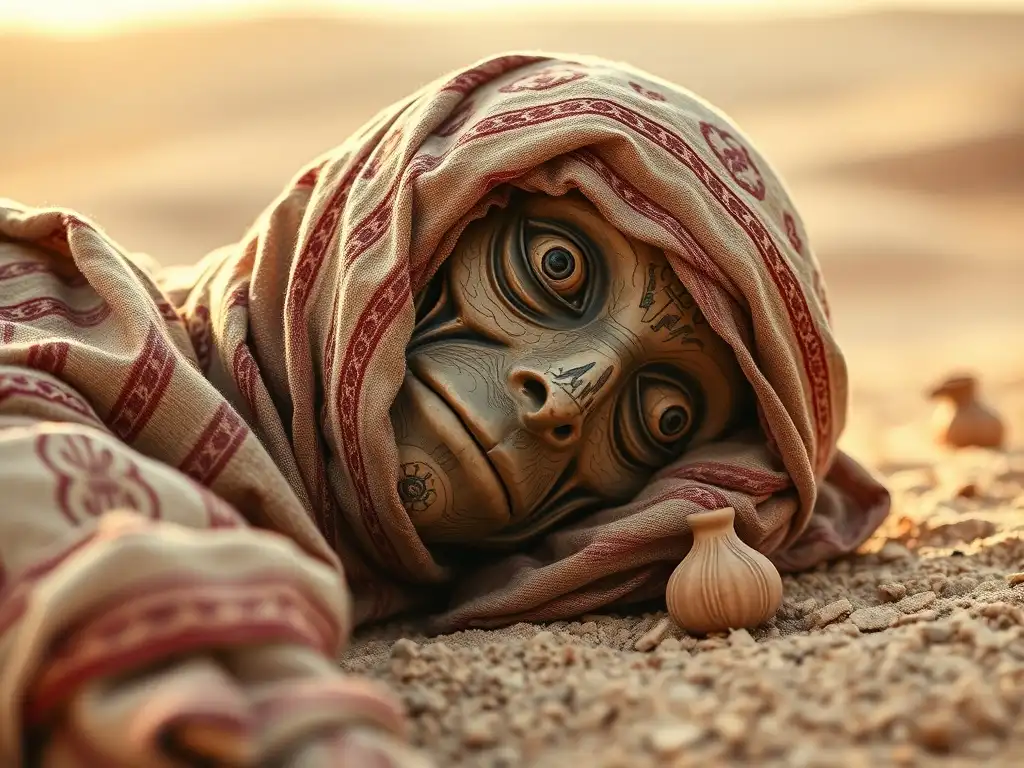
The Paracas Necropolis, a sprawling cemetery on the southern coast of Peru, stands as a testament to the elaborate burial rituals practiced by the Paracas culture (circa 800 BCE – 200 CE). These rituals, far from simple interment, reveal a complex worldview focused on the afterlife and the enduring connection between the living and the dead. Analysis of the numerous mummies and grave goods unearthed from this site offers invaluable insight into the Paracas understanding of death, the soul, and the transition to the next world.
The meticulous preparation of the deceased, the elaborate adornment of the mummies, and the inclusion of a wide array of grave goods all point to a sophisticated funerary system deeply ingrained in Paracas society. Understanding these "Paracas Necropolis burial rituals" is key to unlocking a deeper appreciation for this fascinating civilization.
Preparing the Dead: Mummification in Paracas Culture
Paracas mummification techniques were remarkably advanced for their time, showcasing a profound understanding of anatomy and preservation. Unlike the later Inca practice of desiccation, Paracas mummification involved a complex process that resulted in remarkably well-preserved bodies. The process began with the careful evisceration of the corpse, removing internal organs to prevent decomposition.
This was followed by a thorough washing and cleaning of the body. Subsequent steps involved the application of various substances – possibly plant extracts, resins, and oils – to further inhibit decay. The precise composition of these materials remains a subject of ongoing research, with scientists continually analyzing the chemical makeup of the mummies to refine our understanding.
Specific details about the exact methods, such as the tools used and the duration of the process, are still being uncovered through ongoing archeological investigations. Evidence suggests that the process was likely performed by specialized individuals, perhaps priests or shamans, reflecting the ritualistic importance placed on the proper preparation of the deceased. The meticulous nature of the mummification process underscores the high social standing accorded to the dead within Paracas society and the belief in an active afterlife.
The Art of Paracas Mummification: Techniques and Materials
The sophistication of Paracas mummification is evident not only in the preservation techniques but also in the artistic embellishments applied to the mummies. Many mummies were adorned with elaborate headdresses, masks, and textiles. These adornments were not merely decorative; they were integral to the funerary ritual, often reflecting the social status and identity of the deceased. The materials used in the process varied, with textiles playing a particularly significant role.
The Paracas people were renowned for their mastery of textile production, creating intricate and vibrantly colored fabrics using techniques such as tapestry weaving, embroidery, and featherwork. These textiles, often adorned with complex iconography, were used to wrap the mummies, forming protective layers around the preserved bodies. The careful selection and placement of these textiles suggest that they served not only as protective coverings but also as symbolic representations of the deceased's identity and their journey into the afterlife.
Analysis of textile fibers and dyes used in the process provides further insights into Paracas technology and their access to various resources. For example, the use of certain dyes indicates trade networks reaching far beyond the immediate Paracas region. The vibrant colors and intricate designs of Paracas textiles continue to captivate researchers and demonstrate the artistic prowess of this ancient culture.
Wrapping the Deceased: Paracas Burial Bundles
The final stage of the Paracas burial ritual involved the careful wrapping of the mummified remains in multiple layers of textiles. These layers formed what are known as "Paracas burial bundles," tightly bound packages containing the mummy, grave goods, and various other offerings. The size and complexity of these bundles varied greatly, depending on the status of the deceased. Some bundles were relatively small and simple, while others were enormous, containing multiple layers of textiles and a wide range of grave goods.
These grave goods, ranging from pottery and tools to elaborate jewelry and textiles, were intended to accompany the deceased into the afterlife. The careful arrangement of these objects within the bundles suggests a deliberate intention to provide the deceased with the necessities and comforts of the next world. The presence of certain objects, such as food offerings and ceremonial items, indicates beliefs about the nature of the afterlife and the continued existence of the soul.
The creation of these burial bundles was a labor-intensive process, requiring considerable skill and time. The intricate layering and arrangement of textiles within the bundles reflect a deep reverence for the deceased and a belief in the importance of a proper send-off into the afterlife. The analysis of these bundles continues to reveal new insights into Paracas beliefs about death, ritual, and the journey of the soul.
Paracas Necropolis: Understanding the Afterlife Beliefs
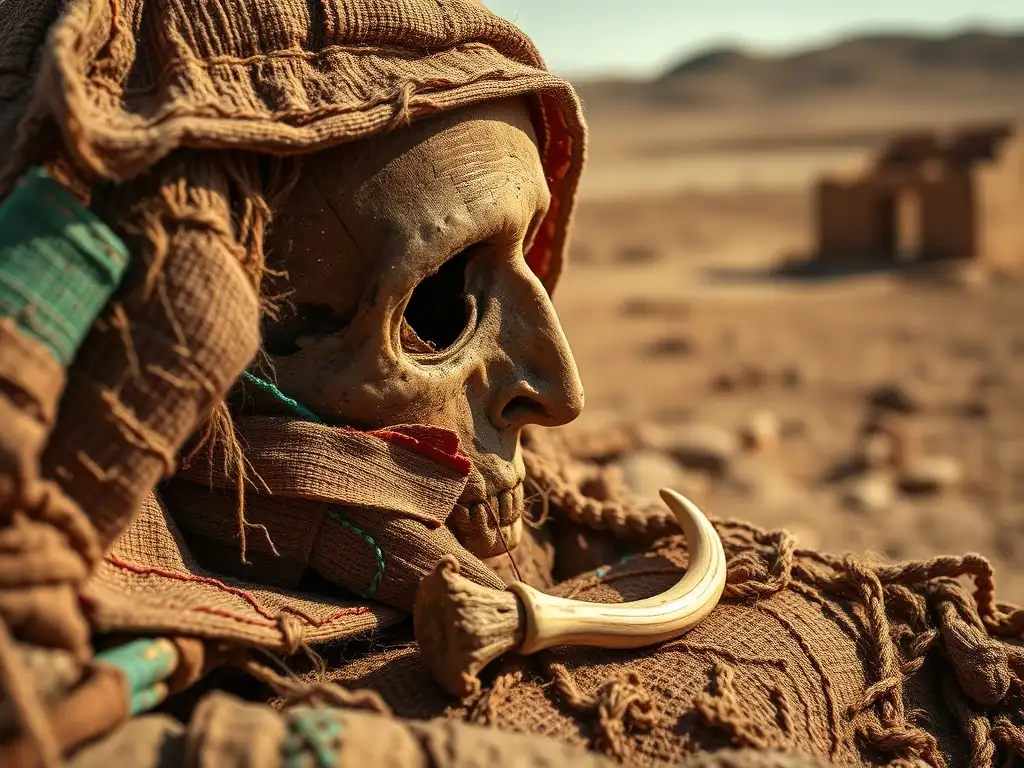
The Paracas Necropolis, a sprawling cemetery located in the Pisco Valley of southern Peru, offers unparalleled insight into the complex beliefs surrounding death and the afterlife held by the Paracas culture (circa 800 BCE – 200 CE). Unlike many other ancient cultures whose funerary practices focused on simpler internments, the Paracas developed elaborate burial rituals that reflect a sophisticated worldview and a deep preoccupation with the continuation of life beyond death. The sheer scale of the necropolis, with its thousands of tombs, attests to the paramount importance of funerary practices within their society.
Analyzing the Paracas Necropolis burial rituals reveals a fascinating blend of symbolic representation, social stratification, and practical considerations that shaped their understanding of the afterlife. The meticulous care taken in preparing the bodies and the lavish grave goods suggest a belief in a vibrant and continued existence in the hereafter.
Symbolic Meanings in Paracas Burial Goods
Paracas burial goods are not merely items of material wealth; they are powerful symbols laden with meaning, providing valuable clues to their cosmological beliefs. The textiles, arguably the most striking artifacts, are masterpieces of craftsmanship, featuring intricate designs and vibrant colors. These designs are not random; they frequently depict mythical creatures, celestial bodies, and stylized representations of plants and animals.
For example, the recurring motif of the feline, often depicted in a predatory pose, might symbolize power, agility, and connection to the spirit world. Similarly, representations of serpents, associated with fertility and rebirth in many cultures, are prevalent in Paracas textiles.
Furthermore, the use of specific colors also holds symbolic weight. Red, often associated with blood and life force, frequently appears in funerary textiles, possibly indicating a connection between death and renewal. The meticulous arrangement of these textiles within the tombs further underscores their importance as symbolic markers of the deceased's journey into the afterlife.
Detailed analysis of the iconography reveals a rich tapestry of beliefs related to shamanism, ancestor veneration, and their understanding of the cosmos. [Specific interpretations of specific textile motifs pending further research]. The complexity and artistry of these textiles suggest a highly developed symbolic language that requires further interdisciplinary study to fully decode.
Offerings and Grave Goods in Paracas Burials
Beyond the textiles, a wide array of offerings accompanied the deceased in their final journey. These offerings, carefully selected and placed within the tombs, provide further evidence of the elaborate nature of Paracas Necropolis burial rituals. These include ceramic vessels, often intricately decorated with similar motifs found on the textiles, containing food and drink intended for the deceased's sustenance in the afterlife. The inclusion of such items suggests a belief in the continued physical needs of the deceased even after death.
The presence of tools, such as spindles and weaving implements, indicates a desire to maintain the deceased's social role and identity in the afterlife. For example, a skilled weaver might be buried with their tools, implying a continuation of their craft in the spirit world. Similarly, the inclusion of ornaments, such as necklaces and ear spools made of precious materials like gold and silver, reflects social status and the desire to maintain one's prestige even beyond death.
The variety and quantity of grave goods vary significantly between tombs, hinting at the importance of social stratification within Paracas society, a theme we'll explore further in the next section. The sheer volume of offerings found in some tombs points to considerable resources dedicated to these funerary rites.
The Paracas Necropolis burial rituals clearly reveal a stratified social structure. The size and contents of the tombs themselves directly correlate with the social standing of the deceased. Elaborate tombs, filled with an abundance of grave goods and featuring intricately mummified bodies, belonged to the elite members of society. These individuals likely held positions of power, wealth, and prestige during their lifetimes. Conversely, simpler burials with fewer offerings suggest a lower social standing.
This social hierarchy is further evidenced by the differences in the mummification techniques employed. The elite received elaborate mummification processes, involving the removal of organs, the application of various substances, and the wrapping of the body in layers of textiles. This contrasts sharply with the simpler mummification techniques used for individuals of lower social standing.
The stark differences in the funerary treatment underscore the importance of social status in Paracas society and its reflection in their beliefs about the afterlife. The meticulous record-keeping and analysis of the tombs are crucial in understanding the social dynamics and power structures within the Paracas civilization.
Analyzing the distribution of grave goods across different burial types allows archaeologists to reconstruct a more comprehensive understanding of Paracas social organization and its relationship to their beliefs about death and the afterlife. This systematic approach to the study of the necropolis is essential for gaining a deeper understanding of the intricate tapestry of Paracas culture and its unique funerary practices.
The Significance of the Paracas Necropolis
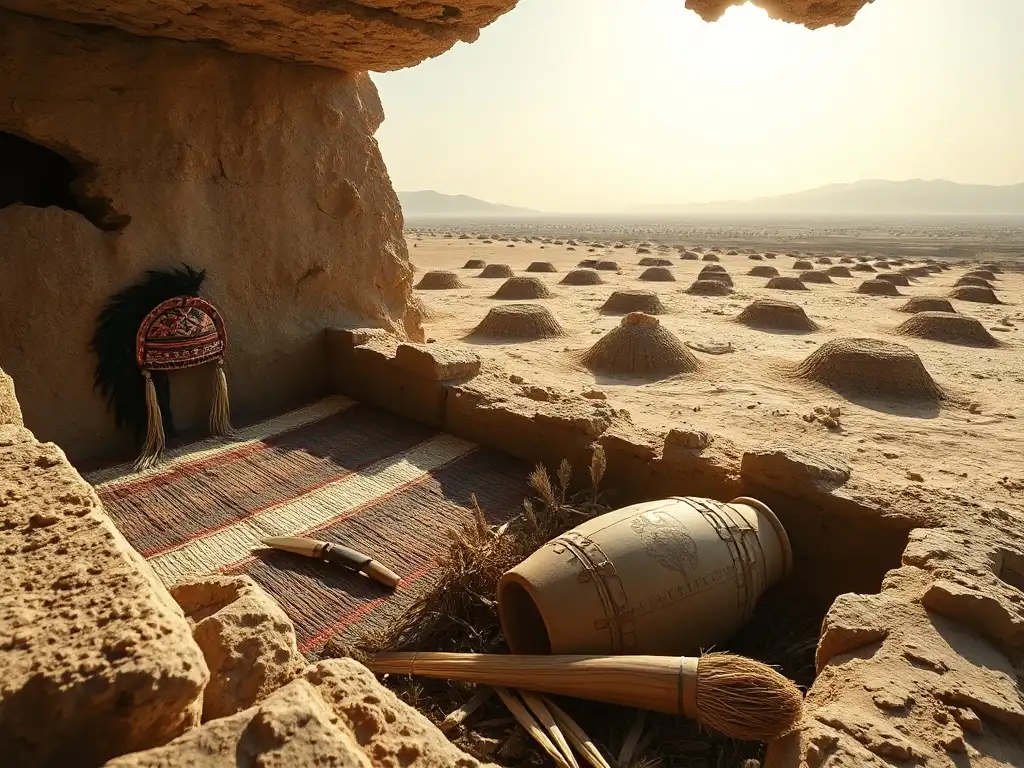
The Paracas Necropolis, located on the southern coast of Peru, stands as a monumental testament to the Paracas culture's complex worldview and sophisticated funerary practices. Its significance extends far beyond its sheer scale; it provides invaluable insights into the social structures, religious beliefs, and artistic achievements of this pre-Incan civilization. The sheer number of elaborate tombs, the intricate textiles, and the unique mummification techniques employed all contribute to the Necropolis's enduring importance in our understanding of Andean history.
The meticulous preservation of these burial sites, despite the passage of centuries, offers a rare and privileged glimpse into the lives and beliefs of the Paracas people. The study of "Paracas Necropolis burial rituals" reveals a society deeply invested in elaborate death rites, reflecting a complex cosmology and a profound respect for their ancestors. The site continues to yield new discoveries, constantly challenging and refining our understanding of this fascinating culture.
Insights into Paracas Society and Religious Beliefs
The Paracas Necropolis's layout and the contents of the tombs offer compelling evidence about the social hierarchy and religious beliefs of the Paracas. The size and complexity of the burial chambers directly correlate with the social standing of the deceased. Larger tombs, often containing multiple individuals and a wealth of grave goods, suggest an elite class with significant power and influence.
These grave goods, including meticulously crafted textiles, ornate pottery, and gold ornaments, indicate a highly stratified society with specialized artisans and a robust economy capable of supporting such elaborate funerary practices. The presence of multiple individuals in some tombs suggests communal burial practices, possibly reflecting kinship ties or shared social status. The inclusion of food offerings, tools, and other everyday objects in the tombs suggests a belief in an afterlife where the deceased continued to require sustenance and material possessions.
Analysis of these "Paracas Necropolis burial rituals" provides a window into their spiritual world, revealing a reverence for ancestors and a complex belief system that permeated all aspects of Paracas life. Further research on the specific arrangement of artifacts within the tombs could reveal additional insights into their symbolic meaning and the specific beliefs associated with death and the afterlife. The discovery of new tombs and the ongoing analysis of existing artifacts continue to add to this understanding, constantly refining our interpretation of Paracas society and belief systems.
Paracas Necropolis: A Window into Andean Pre-Incan Culture
The Paracas Necropolis is not simply a significant site for understanding the Paracas culture; it also offers a crucial perspective on the broader Andean pre-Incan cultural landscape. The sophisticated mummification techniques employed, for example, demonstrate a level of anatomical knowledge and surgical skill that was remarkably advanced for its time. These techniques, along with the elaborate textiles and intricate pottery found within the tombs, showcase the Paracas' mastery of various crafts and their contribution to the development of Andean artistic traditions.
The distinctive style of Paracas textiles, renowned for their vibrant colors, intricate designs, and fine weaving techniques, influenced subsequent Andean cultures. The unique artistic motifs and iconography found in Paracas art, including representations of deities, mythical creatures, and scenes from daily life, provide valuable clues to their cosmology and worldview. Studying the "Paracas Necropolis burial rituals" allows for a comparative analysis with other contemporary Andean cultures, highlighting both unique Paracas traits and shared cultural elements across the region.
By analyzing the stylistic elements and technological innovations found in the Necropolis, we can better understand the network of cultural exchange and influence that existed among the various pre-Incan societies of the Andes. The Paracas Necropolis, therefore, acts as a vital link in the chain of Andean cultural development, offering invaluable insights into the broader pre-Incan context. Continued research and cross-cultural comparisons are crucial to fully appreciate the Necropolis's contribution to our understanding of Andean prehistory.
The Paracas Necropolis Legacy and Preservation
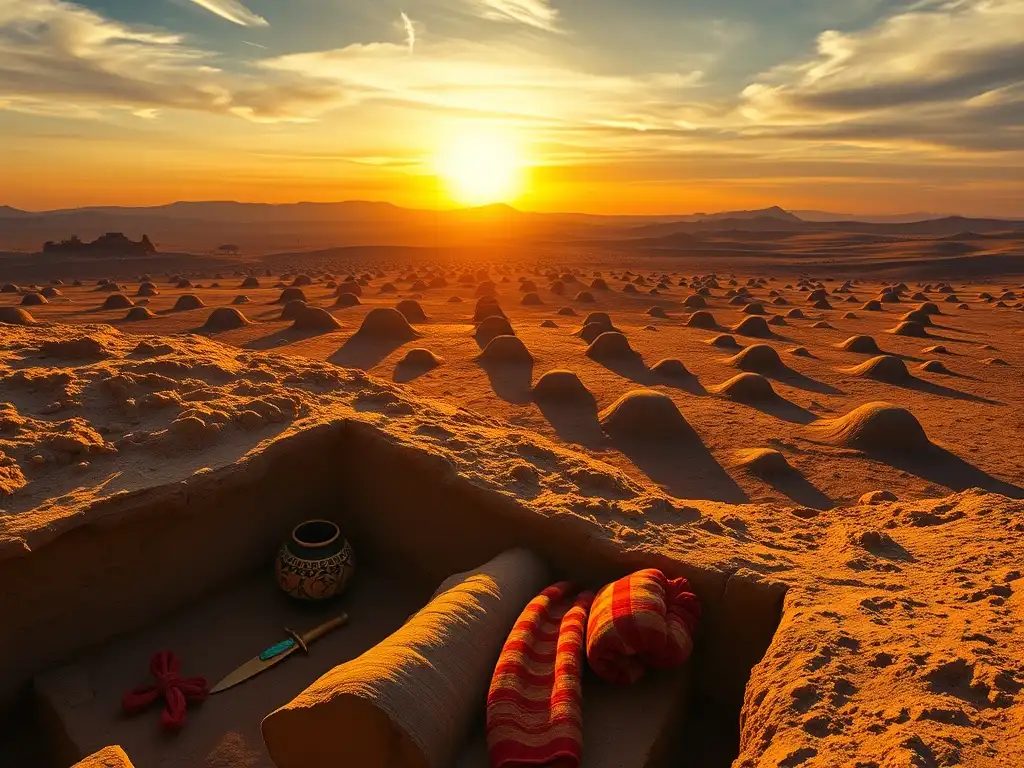
The Paracas Necropolis, a sprawling cemetery on the southern coast of Peru, stands as a testament to the elaborate burial rituals and complex worldview of the Paracas culture. Its legacy extends far beyond its physical remains; it continues to shape our understanding of Andean pre-Columbian societies and their unique relationship with death and the afterlife. The sheer scale of the necropolis, with its thousands of intricately woven textiles, elaborate grave goods, and mummified remains, provides unparalleled insight into the social structures, artistic achievements, and spiritual beliefs of the Paracas people.
The exceptional state of preservation of many artifacts, despite the harsh desert environment, is a testament to the meticulous burial practices employed. Analysis of these artifacts, including the iconic Paracas textiles, reveals sophisticated weaving techniques and intricate designs reflecting a deep understanding of symbolism and cosmology. The discovery and study of the Paracas Necropolis have revolutionized our understanding of "Paracas Necropolis burial rituals," offering a window into a rich and complex society that flourished centuries before the Inca Empire.
The site's enduring importance lies not only in its historical significance but also in its ongoing potential to yield further discoveries and deepen our appreciation for this remarkable civilization. The legacy of the Paracas Necropolis is one of continuous revelation, reminding us of the enduring power of human creativity and the mysteries that still lie buried within the sands of the Peruvian coast.
Challenges in Preserving the Paracas Archaeological Site
Preserving the Paracas Necropolis presents significant challenges. The arid desert climate, while contributing to the preservation of organic materials, also poses risks. Erosion from wind and occasional flash floods can damage fragile structures and artifacts. Furthermore, the site's accessibility and popularity make it vulnerable to looting and vandalism.
Illegal excavations threaten the integrity of the archaeological record, destroying valuable contextual information and potentially irreplaceable artifacts. The delicate nature of the mummies and textiles requires specialized preservation techniques, adding to the complexity and cost of conservation efforts. Another crucial challenge involves balancing preservation with responsible tourism. While tourism can generate revenue for preservation efforts, uncontrolled access can lead to damage and degradation.
Careful management of visitor flow, educational initiatives, and the implementation of sustainable tourism practices are vital for mitigating these risks. Moreover, the lack of adequate funding and resources often hinders effective preservation strategies. Securing consistent financial support from governmental and international organizations is crucial for implementing long-term conservation plans and ensuring the Necropolis's survival for future generations. The ongoing struggle to balance preservation with access underscores the importance of collaborative efforts between archaeologists, government agencies, local communities, and international organizations to protect this invaluable cultural heritage.
Ongoing Research and Future Discoveries at the Necropolis
Despite decades of research, the Paracas Necropolis continues to hold many unanswered questions. Ongoing research focuses on several key areas, including a more comprehensive understanding of the social organization of the Paracas people, the intricacies of their religious beliefs, and the evolution of their burial practices over time. Advanced technologies such as 3D scanning and DNA analysis are being employed to create detailed digital records of the artifacts and mummies, facilitating further study without causing damage.
These techniques also allow for the creation of virtual tours and educational resources, making the Necropolis accessible to a wider audience while minimizing the impact of physical visits. Furthermore, ongoing excavations at the Necropolis may uncover new burial chambers and artifacts, providing further insights into the lives and beliefs of the Paracas people. Future research may also focus on exploring the connections between the Paracas culture and other contemporary Andean civilizations, shedding light on the broader cultural landscape of the region.
The potential for new discoveries remains high, promising to further enrich our understanding of "Paracas Necropolis burial rituals" and the remarkable civilization that created this extraordinary site. The ongoing work at the Necropolis is a testament to the enduring fascination with this enigmatic culture and a commitment to unlocking its secrets for the benefit of future generations.
Conclusion: Reflecting on the Paracas Necropolis and its Mysteries
The Paracas Necropolis, a sprawling testament to a sophisticated and enigmatic culture, continues to captivate archaeologists and historians alike. Its sheer scale, the meticulous craftsmanship evident in the textiles and artifacts, and the unique burial rituals all contribute to its enduring mystique. The site offers a profound glimpse into the Paracas worldview, their beliefs about the afterlife, and the intricate social structures that governed their society. Understanding the Paracas Necropolis burial rituals is crucial to unlocking a deeper comprehension of this pre-Incan civilization. While much has been unearthed, many questions remain unanswered, prompting further research and investigation.
The Enduring Enigma of Paracas Burial Practices
The Paracas people didn't simply bury their dead; they meticulously prepared them for a journey into the afterlife. Their burial practices, as revealed through the Necropolis, were elaborate and symbolic, reflecting a complex belief system. The mummification process itself was remarkably advanced for its time.
Unlike the simple desiccation methods employed by some other cultures, the Paracas developed a sophisticated technique involving the removal of internal organs, the application of various substances, and careful wrapping in layers of textiles. This wasn't merely a practical method of preservation; it was a ritualistic act, a transformation of the deceased into a sacred entity prepared for the next stage of existence.
The intricate textiles found within the tombs further highlight the ritualistic nature of Paracas burials. These are not simply burial shrouds; they are vibrant works of art, often depicting complex iconography and symbolic patterns. The use of specific colors, motifs, and weaving techniques likely held significant meaning within the Paracas worldview, potentially representing social status, religious beliefs, or even specific narratives about the afterlife.
Analyzing these textiles provides invaluable insights into the religious and cosmological beliefs of the Paracas. Further research into the dyes and fibers used could offer even more detailed information about their trade networks and resource management.
The arrangement of grave goods within the tombs also speaks volumes about Paracas burial rituals. The careful placement of objects, such as pottery, tools, and ornaments, suggests a deliberate intentionality. These items weren't randomly thrown into the graves; they were carefully selected and positioned, perhaps representing offerings to the deceased or items intended for use in the afterlife.
The quantity and type of grave goods could also indicate the social status of the individual buried. For example, tombs containing elaborate textiles and gold ornaments likely belonged to members of the elite. A detailed cataloging of grave goods from various tombs across the Necropolis, along with a comparative analysis, could provide a clearer understanding of Paracas social stratification.
The sheer number of tombs within the Necropolis, and the variations observed in their construction and contents, suggest a long period of occupation and evolving burial practices. This requires a chronological study of the Necropolis to understand the evolution of Paracas burial rituals over time. Further research and excavations, combined with advanced dating techniques, could reveal a more precise timeline of the Necropolis's use and the changes that occurred in their funerary practices throughout the Paracas period.
This would give us a clearer picture of how their beliefs and traditions evolved. The ongoing research and careful analysis of the artifacts and skeletal remains from the Paracas Necropolis continues to unveil new information about this fascinating culture, enriching our understanding of "Paracas Necropolis burial rituals" and their place within the broader tapestry of Andean civilization. 🕵️♂️
Frequently Asked Questions
What is the Paracas Necropolis?
The Paracas Necropolis is a vast ancient burial ground located in southern Peru, containing thousands of elaborately mummified individuals. It offers invaluable insights into the Paracas culture and their beliefs about the afterlife.
What makes Paracas burial rituals unique?
Paracas burial rituals were incredibly complex and involved extensive mummification techniques, the creation of elaborate textiles and grave goods, and the placement of bodies in unique positions within the tombs. These practices highlight their advanced knowledge and belief in an afterlife.
What kind of artifacts are found in Paracas Necropolis tombs?
Tombs within the Necropolis contain a variety of artifacts, including textiles, ceremonial objects, jewelry, and food offerings. These provide clues to their social structure, religious beliefs, and daily life.
How were the Paracas mummies prepared?
Paracas mummification was a sophisticated process involving the removal of internal organs, the desiccation of the body, and the wrapping of the remains in layers of cloth. The resulting mummies are remarkably well-preserved.
Why is the Paracas Necropolis important for understanding Andean civilizations?
The Necropolis provides crucial information about the Paracas culture and their place within the broader context of Andean civilizations. Its unique burial practices offer a valuable window into their beliefs, social structures, and technological advancements, influencing later Andean cultures.
Final Reflection: Echoes of the Paracas: Unraveling the Mysteries of Death and Ritual
The intricate burial rituals of the Paracas culture remain a powerful testament to the enduring human fascination with the afterlife, a fascination that resonates deeply with our own contemporary anxieties and spiritual searches. Their elaborate mummification techniques and the rich offerings placed alongside the deceased speak volumes about a society deeply invested in navigating the transition between life and death, a concern that continues to shape our own cultural narratives and individual experiences.
The Paracas Necropolis, with its thousands of carefully preserved bodies, offers a window into a worldview profoundly different from our own, yet undeniably relatable. The meticulous preparation of the deceased, the symbolic significance of the grave goods, and the sheer scale of the necropolis itself underscore the profound importance placed on death and remembrance. Death is not an ending, but a transformation.
This simple statement, though perhaps not explicitly Paracas in origin, captures the essence of their funerary practices, highlighting the belief in a continued existence beyond the physical realm. This resonates with our own ongoing exploration of mortality and the search for meaning in the face of the unknown.
Consider the implications of the Paracas’ dedication to their mortuary rituals. What can we learn from their unwavering belief in the afterlife? How can we, in our own lives, cultivate a similar sense of reverence for the cycle of life and death?
You, the reader, are now invited to reflect on your own relationship with mortality, and to consider how the enduring legacy of the Paracas Necropolis might inspire a deeper appreciation for the complexities of human existence and the enduring power of ritual. Let the echoes of their ancient practices inspire you to contemplate your own legacy and the meaning you wish to leave behind.
Unveil the Mysteries of the Paracas Necropolis!
Thank you for exploring the captivating world of the Paracas Necropolis with us! You've taken a significant step toward understanding the complex rituals and beliefs surrounding this remarkable site. Let's delve deeper.
Here are some ways to further connect with ancient Andean cultures:
- Expand your research: Explore the fascinating burial practices and beliefs about the afterlife of other Andean civilizations. Read books, watch documentaries, and immerse yourself in their rich history.
- Share your discoveries: Discuss your newfound knowledge with friends, family, or online communities. Initiate conversations about the significance of burial rituals across different cultures and how they reflect our perspectives on life and death.
- Engage with the archaeological community: Connect with others who share your passion for history by joining a local archaeological society or group. Participating in lectures or even archaeological digs can be incredibly rewarding.
Now, we'd love to hear your thoughts: What aspect of Paracas culture most captivated you, and how do you see it mirrored in contemporary views on life and death?