
The Valdivia Timeline: From Early Settlements to Cultural Transformation

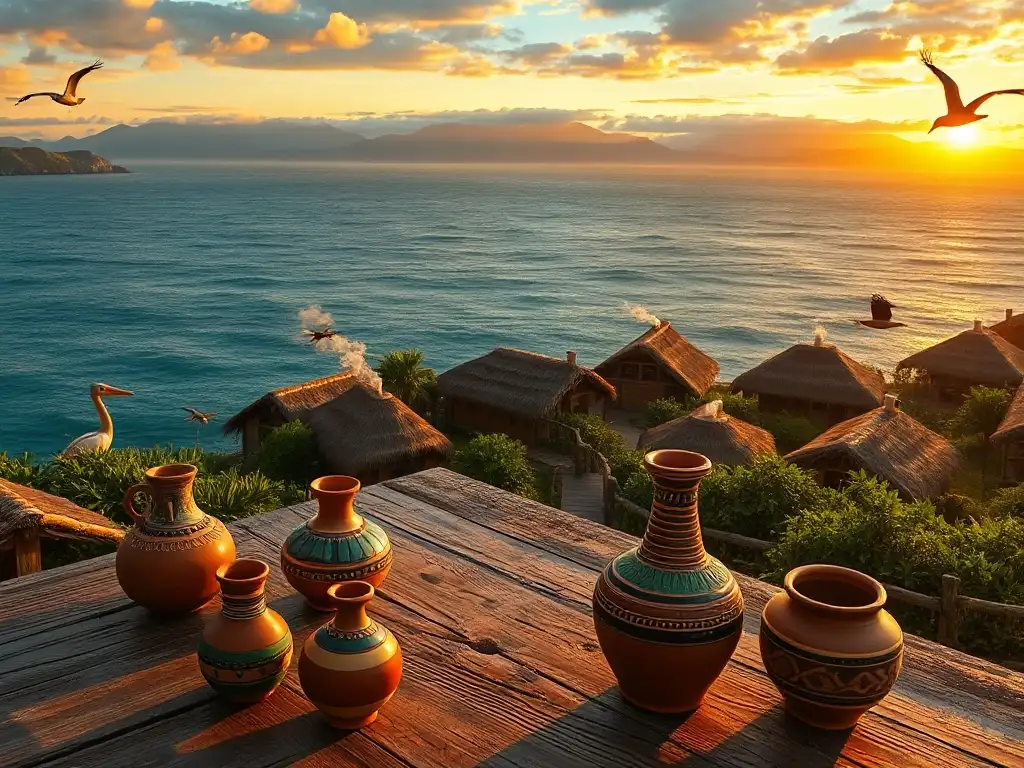
Step into a world lost to time, yet echoing with the whispers of a vibrant past. Journey with us through the Andes, where ancient empires rose and fell, leaving behind a legacy of breathtaking artistry and unparalleled innovation. But before the Incas, before the Nazca Lines, there was Valdivia… Uncover the mysteries of the Valdivia settlement timeline, a pivotal period that shaped the very fabric of coastal Andean society. Prepare to be amazed as we delve into a story of resilience, ingenuity, and the enduring power of human civilization.
The Valdivia culture, flourishing along the coast of present-day Ecuador from approximately 3500 to 1800 BCE, represents one of the earliest known complex societies in South America. Its significance lies not only in its impressive longevity but also in its pioneering contributions to the development of Andean civilization.
This timeline explores the key phases of Valdivia development, from its initial settlements to its eventual transformation, offering a chronological journey through the remarkable achievements of this coastal culture. Understanding the Valdivia settlement timeline provides crucial insights into the broader context of early Andean societal evolution, demonstrating the ingenuity and adaptability of these early inhabitants in shaping their environment and leaving a lasting legacy.
This exploration will delve into archaeological evidence, artistic expressions, and the societal structures that defined this pivotal era in Andean prehistory. We will uncover the story of the Valdivia people, their innovations, and their impact on the subsequent development of coastal Ecuadorian cultures.
Introduction to the Valdivia Culture and its Significance
The Valdivia culture stands as a testament to the remarkable capacity of early human societies to thrive in challenging environments. Located along the fertile coastal plains of Ecuador, the Valdivia people developed a sophisticated understanding of agriculture, pottery, and social organization. Their legacy is profoundly significant for several reasons: they represent one of the earliest examples of pottery production in the Americas, predating many other well-known Andean cultures.
Furthermore, their advanced societal structures and artistic achievements demonstrate a level of complexity that challenges previous assumptions about the development of early civilizations in the region. The Valdivia culture's influence can be traced in the subsequent development of coastal Ecuadorian cultures, highlighting its pivotal role in the broader Andean cultural narrative.
Their mastery of coastal resources, innovative agricultural techniques, and distinctive artistic style all contributed to their lasting impact on the region. Understanding the Valdivia's place in the Andean timeline is key to appreciating the rich tapestry of pre-Columbian history.
Early Valdivia Settlements: The Dawn of a Coastal Civilization
The emergence of the Valdivia culture marks a significant turning point in the prehistory of the Ecuadorian coast. The transition from nomadic hunter-gatherer lifestyles to settled agricultural communities represents a profound shift in societal organization and resource management. This period witnessed the development of specialized labor, increased population density, and the beginnings of complex social structures. The precise mechanisms driving this transformation remain a subject of ongoing research, but the available evidence points to a combination of factors, including environmental changes, technological innovations, and possibly increased social interaction with neighboring groups.
The Initial Valdivia Communities: Location and Characteristics
The earliest Valdivia settlements were concentrated along the fertile coastal plains of southwestern Ecuador, taking advantage of abundant marine resources and suitable land for agriculture. These communities were relatively small, consisting of dispersed settlements rather than large, centralized urban centers. Archaeological evidence suggests a focus on subsistence agriculture, supplemented by fishing and gathering.
Housing structures were simple, often constructed from readily available materials like wood and thatch. The social organization of these early communities is still being researched, but evidence points toward a relatively egalitarian social structure, with less pronounced social stratification than in later periods. Further research is needed to fully understand the social dynamics of these initial settlements.
Archaeological Evidence of Early Valdivia Life: Real Alto
The site of Real Alto stands as a crucial location for understanding early Valdivia life. Excavations at Real Alto have unearthed substantial evidence of early Valdivia settlements, including residential structures, burial sites, and a wealth of artifacts. The findings at Real Alto provide valuable insights into the daily lives, social structures, and burial practices of the early Valdivia people. The detailed analysis of the artifacts recovered from Real Alto is essential for reconstructing the material culture and understanding the technological advancements of this early period. [Specific details on artifacts and their significance pending further analysis of Real Alto findings].
The First Valdivia Pottery: Origins and Development
The emergence of pottery production represents a technological milestone in the Valdivia culture. The earliest Valdivia pottery is characterized by its simple forms and use of natural pigments. These early vessels were primarily used for practical purposes, such as food storage and cooking. Over time, Valdivia pottery became increasingly sophisticated, with the development of more complex forms, decorative techniques, and the use of a wider range of colors and designs.
The evolution of Valdivia pottery reflects not only technological advancements but also evolving aesthetic sensibilities and social practices. The stylistic changes in pottery throughout the Valdivia timeline provide valuable insights into the cultural development of this fascinating civilization. The development of distinctive stylistic features helped to define the unique identity of the Valdivia culture and its place within the broader Andean context.
- Introduction to the Valdivia Culture and its Significance
- Early Valdivia Settlements: The Dawn of a Coastal Civilization
The Development of Valdivia Society and Culture
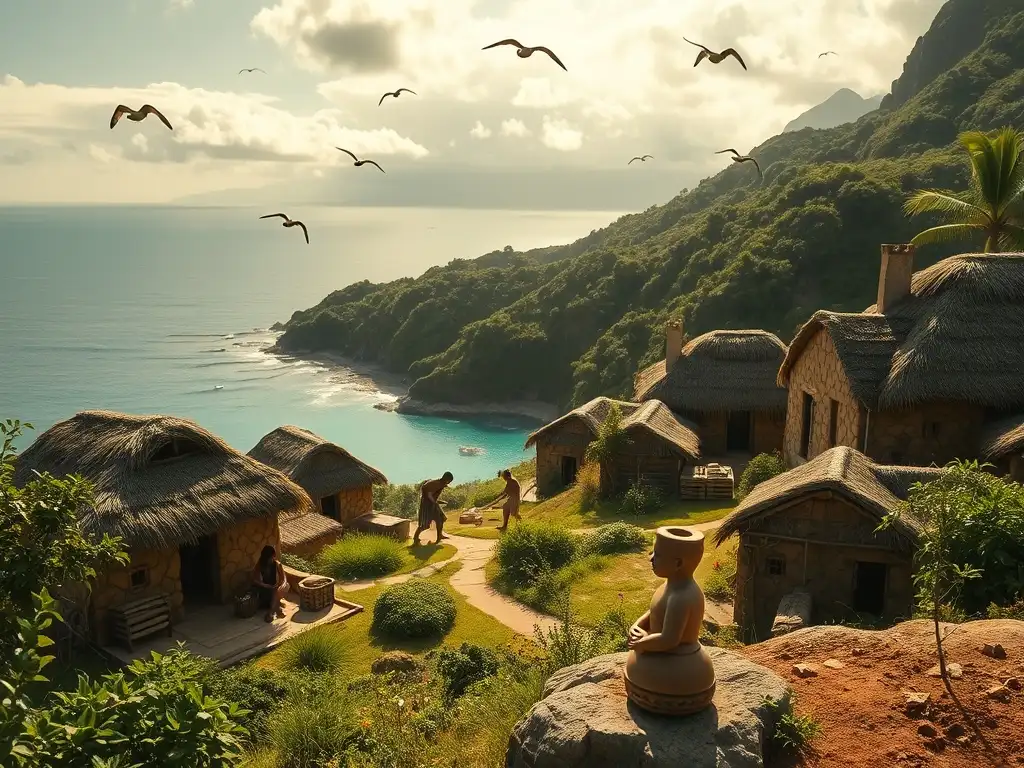
This section delves into the societal structures, daily life, artistic expressions, and craftsmanship of the Valdivia culture, offering a detailed look at how this early Andean civilization evolved and flourished. Understanding the intricacies of Valdivia society provides crucial insight into their cultural achievements and lasting legacy. The Valdivia settlement timeline, as we will see, is punctuated by significant advancements in social organization, artistic expression, and technological innovation.
The Valdivia people, pioneers of the Ecuadorian coast, did not possess the monumental architecture or highly stratified social hierarchies seen in later Andean civilizations. However, evidence suggests a degree of social organization beyond simple egalitarian bands. Archaeological findings reveal settlements of varying sizes, indicating potential differences in social status or roles within the communities.
Larger settlements may have housed specialized artisans or individuals with leadership roles, though definitive evidence of formal political structures remains elusive. Further research into settlement patterns and burial practices is needed to fully understand the complexities of Valdivia social organization. The distribution of artifacts within settlements also hints at specialized activities and potential division of labor, although the exact nature of these roles remains a subject of ongoing debate among researchers.
Valdivia Village Life: Daily Routines and Practices
Daily life for the Valdivia people revolved around subsistence activities such as fishing, gathering shellfish, and cultivating crops like squash and beans. Evidence suggests a sophisticated understanding of marine resources, evidenced by the diversity of fishing implements discovered at various sites. The construction and maintenance of dwellings, the creation of tools and pottery, and the preparation of food were likely shared responsibilities within the community.
The presence of communal areas within settlements suggests shared activities and social interaction beyond the immediate family unit. Reconstruction of daily routines is challenging due to the limitations of the archaeological record, but the available evidence paints a picture of a community actively engaged in a range of activities essential for their survival and cultural expression.
Evidence of Social Complexity in Valdivia Communities
While lacking the overt markers of complex societies found in later periods, hints of social complexity are present in the Valdivia archaeological record. The size and layout of settlements, the presence of specialized artifacts, and variations in burial practices all suggest a degree of social stratification. For instance, the discovery of elaborate burials with grave goods indicates a potential elite class, although the precise nature of their power and influence remains unclear.
Further research into mortuary practices and the analysis of isotopic signatures in human remains could shed light on dietary differences and social status. The development of complex ceramic styles and the presence of large-scale workshops suggest specialized craft production and potentially a system of exchange networks within and possibly beyond the immediate Valdivia region.
Valdivia Art and Craftsmanship: A Cultural Expression
Valdivia artistry is remarkable for its sophistication and innovation, particularly in the realm of ceramics. These early artisans demonstrated a remarkable mastery of techniques and an artistic sensibility that is both unique and influential within the broader context of Andean art history. The evolution of Valdivia ceramics, figurines, and textile production showcases the development of aesthetic preferences and technological advancements over time.
The Evolution of Valdivia Ceramics: From Simple to Complex
The development of Valdivia pottery represents a significant technological and artistic achievement. Early Valdivia ceramics were relatively simple in form and decoration, often characterized by plain surfaces or simple incised lines. Over time, however, a remarkable evolution occurred, with the emergence of more complex forms, refined techniques, and intricate decorative motifs.
The shift from simple, utilitarian vessels to more elaborate, aesthetically pleasing forms reflects a growing sophistication in ceramic technology and artistic expression. This development is a testament to the ingenuity and artistic skills of the Valdivia potters. The increasing complexity of ceramic styles may also reflect changes in social organization and the emergence of specialized craft production.
Valdivia Figurines: Symbolism and Cultural Significance
Valdivia figurines are among the most iconic artifacts of the culture. These small, meticulously crafted figures, predominantly female, are characterized by their stylized features and often include details such as elaborate headdresses and jewelry. The prevalence of female figurines suggests a significant role for women in Valdivia society, possibly relating to fertility, motherhood, or spiritual beliefs.
The symbolism embedded within these figurines remains a subject of ongoing interpretation, with scholars proposing connections to fertility cults, ancestor veneration, or perhaps even representations of deities. The diversity of styles and features across different figurines suggests a rich and nuanced symbolic language. Further research is required to fully understand the meaning and significance of these fascinating artifacts.
Valdivia Textile Production and Weaving Techniques
While less well-preserved than ceramics, evidence suggests a significant tradition of textile production in Valdivia culture. The scarcity of well-preserved textiles makes it challenging to fully reconstruct their weaving techniques and aesthetic styles. However, fragments of textiles and associated tools indicate a knowledge of weaving and possibly other textile-related technologies.
The use of cotton and other natural fibers suggests an understanding of plant cultivation and processing. Further research is needed to fully elucidate the extent and complexity of Valdivia textile production and its role in their material culture and social practices. The limited evidence suggests a sophisticated understanding of fiber manipulation and weaving techniques, adding another layer to our understanding of Valdivia technological achievements.
Valdivia Economy and Subsistence Strategies
The Valdivia economy was intricately linked to its environment, primarily relying on a sophisticated combination of agriculture and marine resources. This duality shaped their social structures and cultural practices, demonstrating a remarkable adaptation to the coastal ecosystem. Their success hinged on a deep understanding of the rhythms of nature and the development of sustainable practices that ensured the long-term viability of their settlements.
The abundance of resources, coupled with innovative techniques, allowed for a relatively stable and prosperous society, laying the foundation for future cultural development. Evidence suggests a complex system of resource management, indicating a level of societal organization often overlooked in early coastal settlements. Further research into Valdivia waste disposal sites could reveal more about their consumption patterns and resource management strategies.
The absence of large-scale fortifications or evidence of significant inter-group conflict suggests a relatively peaceful coexistence, at least within their immediate region. This peaceful period allowed for the flourishing of artistic expression and technological innovation, traits which are hallmarks of the Valdivia culture.
Valdivia Agriculture and Fishing Practices
Valdivia agriculture was characterized by the cultivation of various crops adapted to the coastal climate. While the precise details of their agricultural techniques remain under investigation, archaeological findings point to the cultivation of squash, beans, and possibly maize, though the latter's presence is still debated among scholars. These crops provided crucial dietary staples and formed the backbone of their subsistence strategy. The development of irrigation systems, though possibly less sophisticated than those of later Andean cultures, likely played a significant role in maximizing crop yields.
Evidence of raised fields or other forms of water management is currently being explored by researchers. Alongside agriculture, fishing played a pivotal role in the Valdivia diet. The abundance of marine resources along the Ecuadorian coast provided a reliable source of protein and other essential nutrients.
The development of sophisticated fishing techniques, including the use of nets and hooks, allowed for efficient harvesting of fish and shellfish. Analysis of shell middens reveals a diverse range of marine species consumed, reflecting a comprehensive understanding of their marine environment. The variety in their diet suggests a resilient food system capable of withstanding fluctuations in marine resources.
Trade Networks and Exchange within the Valdivia Region
While the extent of Valdivia trade networks remains a topic of ongoing research, evidence suggests a degree of interaction and exchange within the region. The distribution of certain artifacts, particularly ceramic styles and specific types of obsidian, points to the existence of trade relationships between different Valdivia settlements. The movement of these goods could have been facilitated by both land and sea routes, connecting communities along the coast and potentially inland.
The nature of these exchanges—whether based on reciprocal gift-giving, bartering, or more formalized trade systems—is currently unclear, requiring further investigation. The discovery of obsidian tools made from materials not locally sourced provides strong evidence of inter-regional exchange, expanding our understanding of Valdivia social networks. The standardization of certain ceramic forms across different sites suggests a degree of cultural integration and shared practices, possibly facilitated by these trade networks.
Further analysis of chemical traces on artifacts could potentially shed light on the origin of materials and the routes used for trade. The presence of exotic goods, even in relatively small quantities, indicates a level of social complexity and interconnectedness exceeding that of many contemporary cultures. This points to a dynamic and evolving social landscape, far from the simplistic view of isolated coastal settlements.
Key Periods in the Valdivia Settlement Timeline
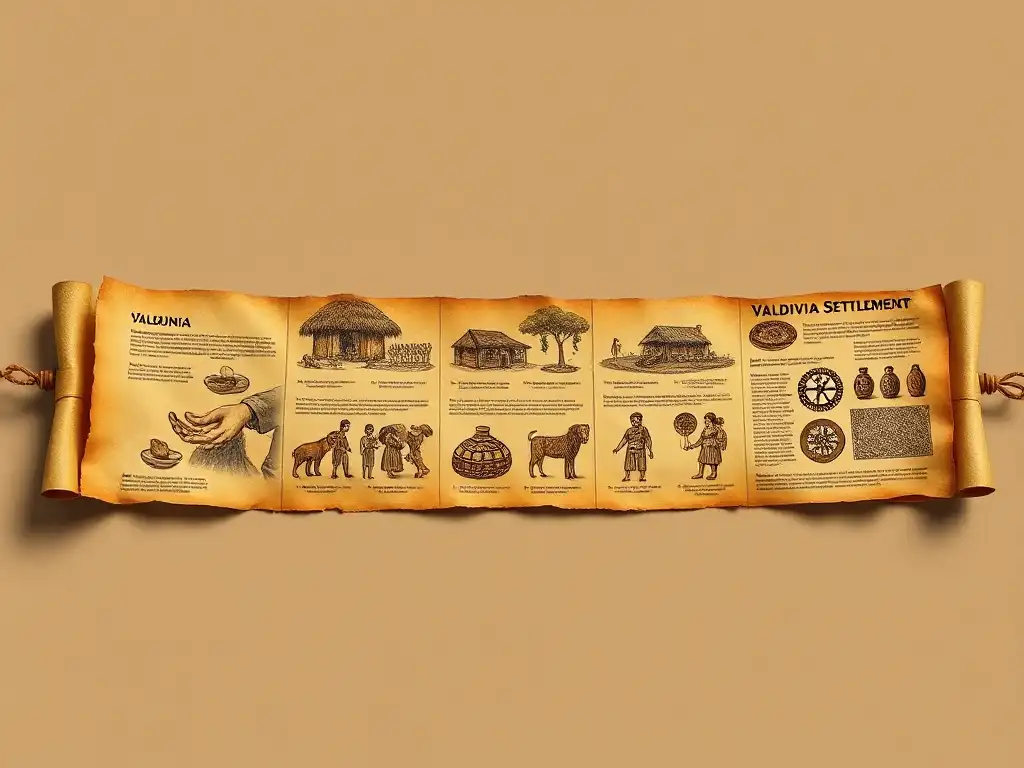
This section delves into the chronological development of the Valdivia culture, a significant pre-Columbian civilization of coastal Ecuador. We will examine key periods, highlighting advancements in pottery, settlement patterns, social structures, art, technology, and trade networks, offering a comprehensive understanding of the Valdivia settlement timeline. Understanding this timeline is crucial for appreciating the complexity and lasting impact of this fascinating civilization. We'll explore the distinct phases of Valdivia development, providing a nuanced perspective on their evolution.
The Formative Period of Valdivia Culture: 3500-2300 BCE
This initial phase marks the emergence of the Valdivia culture, laying the groundwork for its later flourishing. Evidence suggests a gradual transition from nomadic lifestyles to increasingly settled communities. The development of sophisticated pottery techniques during this period is a defining characteristic, representing a significant technological and artistic leap. This era saw the foundation of many of the cultural hallmarks that would later define the Valdivia civilization. The careful study of archaeological finds continues to refine our understanding of this crucial formative period.
Key Developments in Valdivia Pottery during the Formative Period
The earliest Valdivia pottery is characterized by its simple, hand-built forms. However, even in these early examples, we see evidence of artistic expression through the use of simple decorations and the careful selection of clay types. Over time, the pottery became more refined, with the introduction of techniques like burnishing and the use of various pigments to create decorative patterns.
The development of distinctive styles and shapes reflects a growing sophistication in ceramic technology and an increased focus on aesthetics. The evolution of Valdivia pottery provides a tangible record of the cultural growth and innovation of the period. Analysis suggests a possible link between pottery styles and regional variations within the Valdivia settlement areas.
Changes in Valdivia Settlement Patterns and Social Structures
Archaeological evidence points to a shift from small, dispersed settlements to larger, more organized communities during the formative period. This suggests a growing complexity in social organization and possibly the emergence of hierarchical structures. While the exact nature of Valdivia social organization remains a topic of ongoing research, the changes in settlement patterns strongly imply a transition toward a more complex social system.
Further investigation into burial practices and the distribution of artifacts may help shed more light on the social dynamics of early Valdivia society. The emergence of larger settlements could indicate the development of specialized labor and the beginnings of trade networks.
The Middle Valdivia Period: 2300-1500 BCE
The Middle Valdivia period witnessed a significant expansion and refinement of Valdivia culture. This era saw a flourishing of artistic expression, technological advancements, and the expansion of trade networks, solidifying the Valdivia culture's position as a prominent force along the Ecuadorian coast. The period is characterized by a distinctive artistic style and increasingly complex social structures, reflecting a period of growth and stability.
The Flourishing of Valdivia Art and Technology
This period showcases the peak of Valdivia artistic achievement. Pottery became increasingly sophisticated, with intricate designs and the use of a wider range of colors and techniques. Figurines, often depicting stylized human and animal forms, become more common and exhibit greater detail and artistry.
The development of more advanced techniques in pottery production, including the use of molds, suggests a higher level of specialization and organization within the Valdivia communities. The artistry of this era reflects a deep understanding of materials and a sophisticated aesthetic sensibility. The precise techniques used in creating these intricate pieces are still being studied by archaeologists today.
Expansion of Valdivia Influence and Trade Networks
The Middle Valdivia period saw an increase in the size and complexity of Valdivia settlements, suggesting a growing population and a more complex social structure. Evidence of long-distance trade networks has also been found, indicating contact with other cultures along the coast and potentially inland. The exchange of goods and ideas likely contributed to the cultural development and technological advancements seen during this period.
The extent of Valdivia trade networks and their impact on the broader cultural landscape remain areas of active research, with ongoing excavations yielding valuable new data. The discovery of Valdivia artifacts in distant locations provides compelling evidence of the reach of their influence. Further analysis of traded goods may reveal more about their economic and social interactions with other cultures.
The Late Valdivia Period: 1500-500 BCE
This period marks a significant shift in Valdivia culture, showcasing a fascinating blend of continuity and change. While the characteristic pottery styles persist, albeit with subtle modifications, we see a clear evolution in societal structures and artistic expressions. The previously prevalent simple, geometric designs on pottery begin to incorporate more complex motifs, including stylized figures and increasingly abstract patterns. This suggests a potential shift in religious beliefs or artistic conventions, perhaps reflecting a greater emphasis on symbolic representation.
Archaeological evidence, though still under active research and interpretation, hints at a possible increase in social stratification during this time. The size and complexity of some settlements seem to indicate the emergence of more hierarchical structures, possibly led by individuals or groups wielding greater power and influence. The exact nature of this societal evolution remains a subject of ongoing scholarly debate, with multiple theories vying for prominence. Further research, including detailed analysis of burial sites and settlement layouts, is crucial to fully understand the social dynamics of the late Valdivia period.
The development of new technologies, though subtle, also contributes to the narrative of this era. While the fundamental techniques of pottery production remain consistent, there is evidence of experimentation with new clay types and firing methods, leading to slight variations in the texture and durability of the pottery. These seemingly minor changes may reflect adaptations to environmental shifts or simply the ongoing evolution of artistic and technological skills within the Valdivia communities.
Gradual Changes and Transformations within Valdivia Society
The Late Valdivia period witnessed a gradual but significant transformation of Valdivian society. While the core aspects of their culture, such as pottery production and agricultural practices, persisted, subtle shifts in social organization and artistic expression are evident. One significant change lies in the complexity of their pottery designs. Earlier Valdivia pottery featured primarily simple geometric patterns. However, in the Late Valdivia period, we observe a marked increase in the complexity and abstraction of these designs.
This evolution reflects a potential shift in religious or symbolic practices, with the emergence of more elaborate iconography. Furthermore, the size and layout of settlements suggest a possible increase in social stratification. Larger settlements with more complex structures indicate the emergence of a more hierarchical social organization, perhaps with centralized leadership or elite groups. This contrasts with the potentially more egalitarian structures observed in earlier Valdivia periods.
The exact nature of these social changes remains a subject of ongoing research and debate amongst archaeologists. Analysis of burial sites and the distribution of artifacts within settlements offer valuable insights into social hierarchies and power dynamics. However, more research is needed to fully understand the intricacies of Valdivian social organization during this transitional phase. The transition wasn't abrupt; it was a gradual process of adaptation and evolution, mirroring the subtle changes observable in their material culture.
The Decline of Valdivia and the Emergence of New Cultures
The decline of the Valdivia culture around 500 BCE is a complex issue with multiple contributing factors. Environmental changes, such as shifts in rainfall patterns or sea levels, may have played a significant role in disrupting agricultural practices and resource availability. Internal societal pressures, such as increased competition for resources or internal conflicts, could also have contributed to the decline. The emergence of new cultural groups in the region, bringing with them different technologies and social structures, likely exerted further pressure on the Valdivia.
The gradual waning of the distinctive Valdivia style in pottery and other artifacts suggests a slow process of cultural assimilation or replacement rather than a sudden collapse. The evidence points towards a gradual decline rather than a catastrophic event. The Valdivia culture wasn't simply erased; its influence persisted in the cultures that followed, leaving a lasting legacy on the region's artistic and technological traditions.
The decline of Valdivia paved the way for the rise of other significant cultures along the Ecuadorian coast, each building upon and modifying the precedents established by their predecessors. The story of the Valdivia is not one of a complete disappearance, but rather a transformation and integration into the broader tapestry of Andean cultural development. Understanding this decline provides critical context for understanding the subsequent development of coastal Ecuadorian cultures.
Transformations and Legacy of the Valdivia Culture
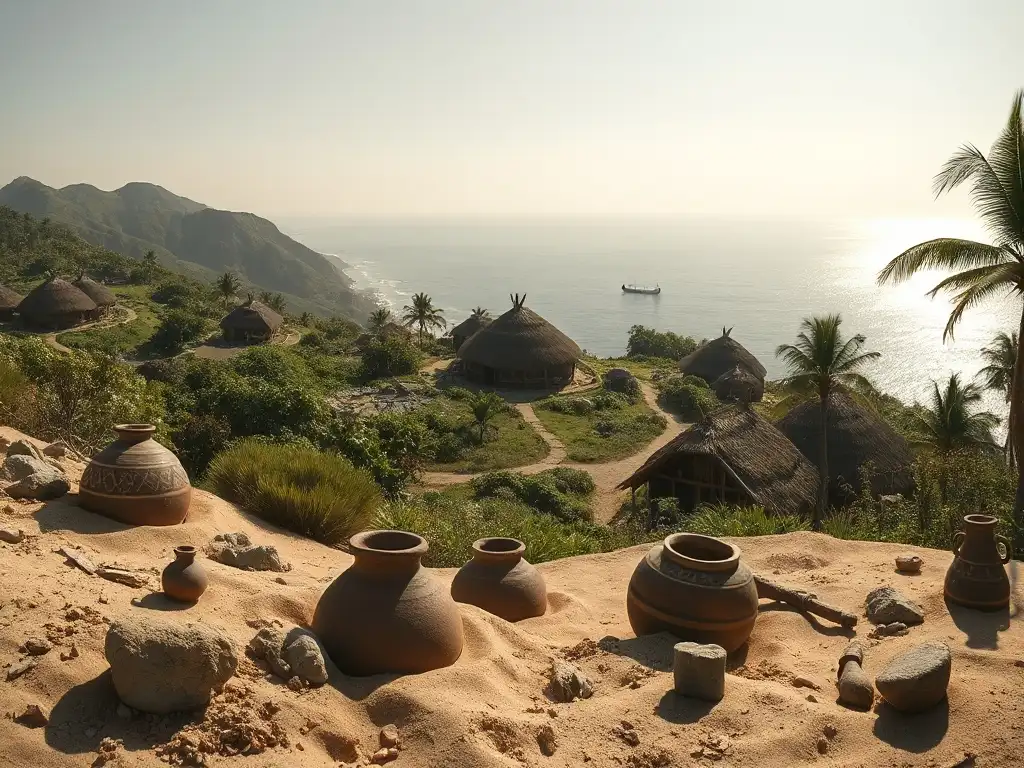
The Valdivia culture, flourishing along the coast of present-day Ecuador from roughly 3500 to 1800 BCE, left an indelible mark on the subsequent development of Andean civilizations. Its impact extended far beyond its relatively short lifespan, influencing artistic styles, agricultural techniques, and even societal structures. Understanding this legacy requires examining its contributions to later cultures and appreciating the unique innovations that defined the Valdivia period. The Valdivia settlement timeline, therefore, is not simply a chronological record but a key to understanding the broader trajectory of Andean development.
The Influence of Valdivia on Subsequent Andean Cultures
The Valdivia culture's influence can be traced through various channels, impacting the development of later Andean societies in profound ways. Their innovations in pottery, agriculture, and social organization served as a foundation upon which subsequent cultures built. The Valdivia's sophisticated ceramic techniques, for example, laid the groundwork for the advanced pottery styles seen in later cultures like the Machalilla and Chorrera.
This early expertise in ceramic production highlights the Valdivia's significant contribution to the overall development of Andean art and technology. Their mastery of coastal agriculture, particularly their cultivation of various crops, also influenced the agricultural practices of later coastal communities. The development of a complex social structure within the Valdivia culture, evidenced by the presence of elaborate ceremonial centers and sophisticated burial practices, also suggests a level of societal organization that impacted the development of later hierarchical societies in the Andes.
Valdivia's Contribution to Andean Pottery and Art Styles
Valdivia pottery is renowned for its exquisite craftsmanship and unique aesthetic qualities. Characterized by its finely polished surfaces, often decorated with intricate designs, Valdivia ceramics stand out for their sophisticated techniques. The use of shell temper in the clay, the development of unique forms like the iconic female figurines, and the incorporation of various pigments all point to a high level of artistic skill and innovation.
These techniques and stylistic elements were adopted and adapted by later Andean cultures, demonstrating a clear lineage and influence on subsequent ceramic traditions. The stylistic innovations of the Valdivia, such as the use of specific motifs and the development of unique vessel forms, continued to resonate in the artistic expressions of later coastal cultures. The spread and evolution of these styles provide crucial evidence for understanding cultural exchange and interaction in the Andean region.
The Lasting Impact of Valdivia on Coastal Agricultural Practices
The Valdivia people were pioneers in coastal agriculture, developing sophisticated techniques for cultivating crops in a challenging environment. Their mastery of irrigation systems, their selection of suitable crops adapted to the coastal climate, and their knowledge of soil management all contributed to their success. The Valdivia's agricultural innovations, such as the use of raised fields and the cultivation of various crops like beans, squash, and possibly maize, laid the foundation for the subsequent development of intensive coastal agriculture in the Andean region.
This sustainable approach to agriculture demonstrates a deep understanding of the coastal ecosystem and its resources. Later coastal communities built upon this foundation, adapting and refining Valdivia techniques to support growing populations and intensifying agricultural production. The Valdivia’s success in cultivating food resources in a challenging environment had a significant impact on the development of subsequent Andean societies.
Understanding the Valdivia Settlement Timeline: Key Insights
Pinpointing the precise dates and durations of various Valdivia phases remains a complex task, requiring careful analysis of archaeological data. However, the general timeline reveals a period of significant cultural development and transformation. The early Valdivia phase is characterized by the emergence of early pottery and the development of basic agricultural practices. Later phases witness increasing complexity in pottery styles, the development of larger settlements, and the diversification of agricultural techniques. The timeline, therefore, is not static but rather reflects a dynamic process of cultural evolution.
The Importance of Archaeological Research in Understanding Valdivia
Archaeological research plays a crucial role in reconstructing the Valdivia settlement timeline and understanding the culture's development. Excavations at various sites, including those in the Santa Elena Peninsula, have yielded significant data on settlement patterns, pottery styles, and burial practices. Radiocarbon dating of organic materials found at these sites provides chronological benchmarks for the different phases of the Valdivia culture.
The meticulous analysis of artifacts and the systematic recording of spatial relationships within settlements contribute valuable insights into the social organization, economic activities, and daily life of the Valdivia people. Further research, including advanced dating techniques and interdisciplinary collaborations, promises to refine our understanding of the Valdivia timeline even further.
The Valdivia Culture in the Context of Andean Prehistory
The Valdivia culture occupies a significant place in Andean prehistory, representing one of the earliest complex societies in the region. Its emergence predates many other well-known Andean cultures, placing it at a crucial point in the development of Andean civilization. The Valdivia's innovations in pottery, agriculture, and social organization laid the groundwork for subsequent cultural developments. Understanding the Valdivia culture, therefore, provides essential context for comprehending the broader trajectory of Andean prehistory. Its unique characteristics and its influence on later societies make it a crucial component in the puzzle of Andean cultural evolution.
The Enduring Legacy of Valdivia's Cultural Contributions
The Valdivia culture’s legacy extends far beyond its chronological boundaries. Its innovations in pottery, agriculture, and social organization left a lasting impact on subsequent Andean societies. The Valdivia's sophisticated ceramic techniques, their mastery of coastal agriculture, and their development of complex social structures all contributed to the rich tapestry of Andean civilization.
The enduring influence of the Valdivia culture serves as a testament to its importance in the development of the Andean region. Studying the Valdivia helps us understand not only the past but also the long-term processes of cultural evolution and adaptation in one of the world's most fascinating regions.
Conclusion: The Valdivia Timeline and its Relevance Today
The Valdivia timeline, spanning from roughly 3500 BCE to 1500 BCE, represents a significant chapter in the pre-Columbian history of South America. Its impact extends far beyond its relatively short lifespan, leaving an indelible mark on subsequent coastal Ecuadorian cultures and contributing significantly to our broader understanding of early societal development in the Americas. The meticulous craftsmanship evident in Valdivia pottery, the sophisticated social structures hinted at by their settlements, and the innovative agricultural techniques they employed all demonstrate a level of complexity that challenges previous assumptions about the capabilities of early societies.
The discovery and ongoing study of Valdivia sites continue to reshape our understanding of the trajectory of human civilization in the region. Further research is crucial to fully understand the nuances of their social organization, their interactions with neighboring groups, and the ultimate factors contributing to their cultural transformation.
The legacy of the Valdivia culture is not merely historical; it holds contemporary relevance. Understanding the Valdivia experience allows us to appreciate the ingenuity and resilience of early Andean peoples, highlighting the capacity for human innovation even in challenging environmental conditions. Their achievements in pottery, agriculture, and social organization serve as a testament to the potential for societal advancement and offer valuable insights for contemporary researchers and archaeologists seeking to understand the complexities of human development.
The continued study of the Valdivia culture provides a crucial lens through which to examine broader themes of societal change, adaptation, and innovation in the context of ancient Andean civilizations. By appreciating their advancements and understanding their eventual decline, we gain a deeper understanding of the intricate processes that shape the development and transformation of cultures throughout history. The Valdivia story serves as a powerful reminder of the rich and complex tapestry of human history, a history that continues to unfold with each new archaeological discovery.
The ongoing investigation into the Valdivia settlement timeline promises to further enrich our knowledge of this fascinating and important culture. 🌍
Frequently Asked Questions
What is the Valdivia culture known for?
The Valdivia culture is renowned for being one of the earliest known ceramic traditions in the Americas. They are also significant for their elaborate figurines, many depicting female figures, and their sophisticated coastal adaptation strategies.
When did the Valdivia settlement begin and end?
The Valdivia period is generally dated from approximately 3500 to 1800 BCE. This represents a significant timeframe for early Andean development. The exact start and end dates are still being refined through ongoing archaeological research.
Where were the Valdivia settlements located?
Valdivia settlements were primarily located along the coast of present-day Ecuador, in the Guayas province. Their proximity to the ocean played a crucial role in their economy and lifestyle.
What kind of technology did the Valdivia people use?
The Valdivia people demonstrated advanced ceramic technology for their time, producing finely crafted pottery. They also developed effective fishing and agricultural techniques, adapting to their coastal environment.
How did the Valdivia culture influence later Andean civilizations?
The Valdivia culture's early adoption of pottery and other technologies likely influenced subsequent Andean societies. Their achievements laid a foundation for later complex developments in the region.
Final Reflection: Echoes of Valdivia: A Legacy of Innovation and Resilience
The Valdivia culture, as detailed in this timeline, wasn't merely a collection of settlements; it represented a pioneering chapter in human history, a testament to ingenuity and adaptation that continues to resonate today. Understanding their sophisticated social structures, advanced ceramic artistry, and innovative agricultural practices provides a crucial lens through which to view the development of complex societies in the Americas and beyond. Their story challenges simplistic narratives of progress and offers a rich tapestry of human experience.
The enduring impact of the Valdivia culture extends far beyond its geographical boundaries. Their legacy is woven into the fabric of Ecuadorian identity and serves as a powerful reminder of the interconnectedness of human history. Their achievements, often overlooked in broader narratives, highlight the importance of recognizing and celebrating diverse cultural contributions. The past is never dead. It's not even past.
– William Faulkner. This quote perfectly encapsulates the ongoing relevance of the Valdivia culture, whose influence continues to shape our understanding of early American civilizations and the enduring power of human creativity.
Consider, for a moment, the ingenuity of the Valdivia people, their ability to thrive in a challenging environment, and the lasting impact of their artistic and technological innovations. You too possess the capacity for innovation and resilience. Let the story of the Valdivia inspire you to explore your own creative potential, to embrace challenges with courage, and to leave your own unique mark on the world. Let their legacy be a call to action, a reminder that even in the face of adversity, the human spirit can flourish and create lasting beauty.
**Embrace the Journey: Connect with Valdivia's Rich Heritage! **
Thank you for exploring Valdivia's fascinating history. You've uncovered the layers of early settlements and the cultural transformations that shaped this remarkable civilization. Now, let's delve even deeper!
Here are some ways to further engage with Valdivia's history:
- **Visit Local Museums:** Immerse yourself in Valdivia's history by visiting museums and cultural centers showcasing artifacts and stories of this vibrant culture.
- **Attend Cultural Events:** Participate in workshops or festivals celebrating Andean traditions. These events offer opportunities to learn more about the living heritage and connect with others who share your interest.
- **Share Your Discoveries:** Inspire others by discussing your newfound knowledge with friends, family, or on social media. Let's spread appreciation for Valdivia's captivating past!
Which aspect of Valdivia's transformation most captivates you, and how will you continue to explore it?