
Chavín's Water Management: Engineering for a Sustainable Future

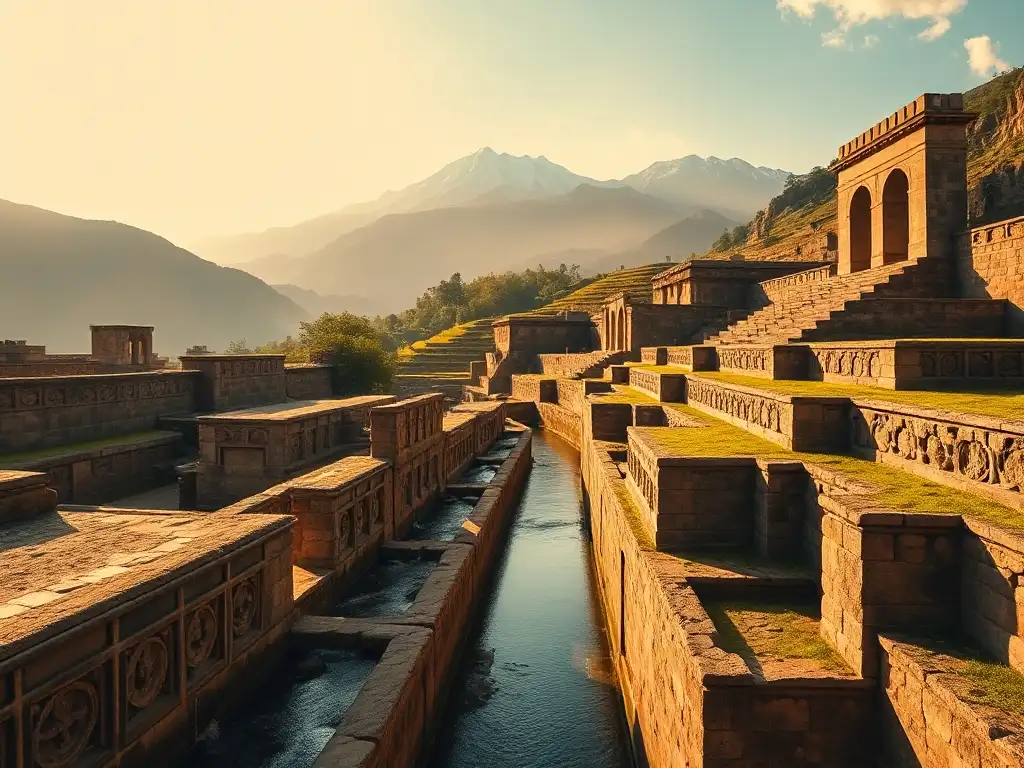
Step into a world lost to time, yet echoing with innovation. Imagine a civilization, flourishing amidst the harsh Andes, mastering the very elements to survive and thrive. This is the story of the Andean civilizations, and we invite you to uncover their secrets. But first, prepare to be amazed by Chavín's water management techniques, an ingenious system that offers surprising lessons for our own sustainable future. Explore the ingenuity of the Pre-Incan Cultures of the Coast and discover how these ancient masters shaped their world. Journey with us…
The Chavín culture, flourishing in the Andes Mountains of Peru from approximately 900 to 200 BCE, stands as a testament to human ingenuity and adaptability. This article delves into the remarkable water management techniques employed by the Chavín, showcasing their sophisticated understanding of hydraulic engineering and its crucial role in their social and religious life. Understanding Chavín water management provides valuable insights not only into their civilization but also offers lessons for contemporary sustainable practices.
We will explore the intricate systems they developed, the challenges they overcame, and the lasting impact of their innovative approach to water resource management, a critical factor in their success within a demanding Andean environment. This exploration of Chavín water management techniques will reveal a civilization far more advanced than previously thought, highlighting their understanding of hydrology and their ability to create a resilient and sustainable society in a challenging landscape.
Introduction to Chavín Civilization and its Andean Environment
The Chavín civilization, located in the northern highlands of Peru, thrived in a geographically complex and challenging environment. The high altitude, steep slopes, and variable rainfall patterns of the Andes presented significant obstacles for early settlements. The Chavín people, however, demonstrated remarkable adaptability and ingenuity in their response to these challenges, particularly concerning water management.
Their settlements were strategically located near water sources, taking advantage of natural springs and rivers. However, the unpredictable nature of Andean rainfall necessitated the development of sophisticated techniques to capture, store, and distribute water resources effectively. This ingenuity is evident in the sophisticated irrigation systems and water channels discovered at the Chavín de Huántar archaeological site, the most prominent center of the Chavín culture.
The environment itself, characterized by dramatic changes in elevation and precipitation, dictated the need for innovative solutions – solutions that are remarkably relevant to modern-day challenges of sustainable water management. Understanding the specifics of their environment helps us appreciate the ingenuity and complexity of their water management solutions. The rugged terrain, coupled with seasonal variations in water availability, necessitated engineering feats that are still studied today.
The Central Role of Water in Chavín Society and Rituals
Water was not merely a practical necessity for the Chavín; it held profound religious and symbolic significance. Evidence suggests that water played a central role in their rituals and cosmology. The intricate network of canals and fountains found at Chavín de Huántar wasn't simply for irrigation; these structures were likely integrated into religious ceremonies and processions.
The precise nature of these rituals remains a subject of ongoing research, but the prominence of water features in the architectural layout of the site indicates their importance. Furthermore, the depiction of water-related motifs in Chavín art, such as stylized representations of serpents and jaguars associated with water sources, reinforces the cultural and spiritual significance of water. The meticulously planned and constructed hydraulic systems were not simply utilitarian; they were integral to the worldview and spiritual practices of the Chavín people, demonstrating a deep connection between their practical needs and their spiritual beliefs.
The integration of water management into their religious practices underscores the profound impact of water on their society, shaping both their daily lives and their spiritual understanding of the world. Archaeological findings continue to shed light on the intricate relationship between Chavín society and their mastery of water management.
- Introduction to Chavín Civilization and its Andean Environment
- The Central Role of Water in Chavín Society and Rituals
- What were the main water management techniques employed by the Chavín civilization?
- How did Chavín water management contribute to their societal success?
- What evidence supports our understanding of Chavín water management systems?
- How did the geography of the Andes influence Chavín water management practices?
- How did Chavín water management techniques compare to those of later Andean civilizations?
Understanding Chavín Water Management Techniques
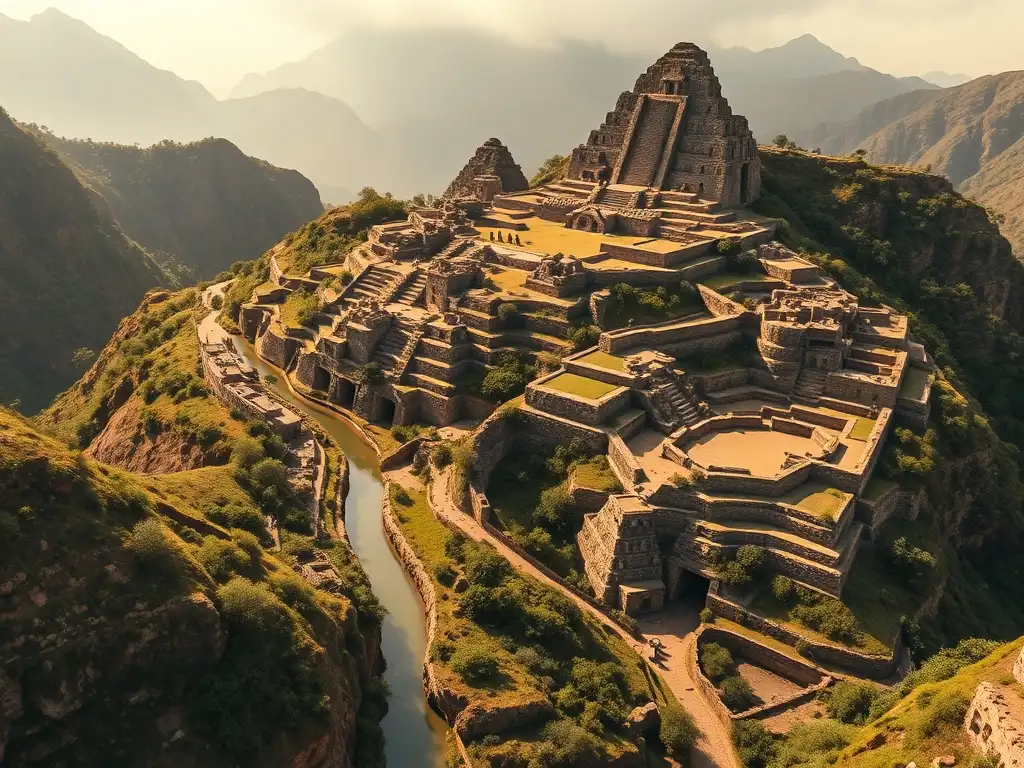
The Chavín culture, flourishing in the Andes from approximately 900 to 200 BCE, demonstrated remarkable engineering prowess, particularly in their sophisticated water management systems. These techniques, crucial for survival in a challenging high-altitude environment, showcased a deep understanding of hydrology and a commitment to sustainable resource utilization. Their mastery of water management wasn't merely a practical necessity; it was intricately woven into their religious and social structures, highlighting the culture's profound connection with its environment.
This section delves into the specific methods employed by the Chavín people, providing insights into their ingenuity and foresight. Analyzing these techniques offers valuable lessons for contemporary approaches to water resource management and sustainable development, particularly in regions facing similar environmental constraints. Understanding Chavín water management techniques allows us to appreciate the ingenuity of this ancient civilization and the relevance of their solutions to modern challenges.
Canals and Irrigation Systems at Chavín de Huántar
The central site of Chavín de Huántar, nestled in the Andean highlands, relied heavily on a network of meticulously designed canals and irrigation systems. Archaeological evidence reveals a complex system of channels diverting water from the Mosna River and other smaller streams. These weren't simply haphazard ditches; they were engineered structures, often lined with stone to prevent erosion and maintain water flow.
The canals were graded to ensure a consistent water supply to agricultural fields, terraced into the steep slopes surrounding the main temple complex. This sophisticated irrigation system allowed the Chavín to cultivate crops such as maize, potatoes, and quinoa, even in the challenging terrain.
The precision of the Chavín's canal construction is striking. Evidence suggests they utilized advanced surveying techniques to ensure accurate gradients and efficient water distribution. The canals were not only functional but also integrated into the overall landscape design, possibly reflecting a symbolic connection between water and their religious beliefs. Furthermore, the system's longevity indicates a robust design and a commitment to long-term sustainability.
The Chavín's ability to manage water resources effectively contributed significantly to their cultural and societal success. Careful analysis of these canals provides valuable data for modern irrigation projects in similar environments. The efficiency of their water distribution, demonstrated through the thriving agriculture around Chavín de Huántar, remains a testament to their expertise.
Drainage Techniques and Flood Control Near the Mosna River
The Mosna River, a vital source of water for the Chavín, also posed a significant threat of flooding. To mitigate this risk, the Chavín implemented sophisticated drainage techniques. These included the construction of carefully engineered drainage channels and terraces to divert excess water away from the main settlement and agricultural areas. These channels were often integrated with the irrigation system, demonstrating a holistic approach to water management. The effectiveness of their flood control measures is evident in the longevity of the Chavín civilization at Chavín de Huántar.
Beyond simple drainage, the Chavín likely employed techniques to predict and manage seasonal variations in river flow. This might have involved observation of natural indicators, such as changes in vegetation or animal behavior, combined with empirical knowledge accumulated over generations. While the specific methods remain to be fully understood, the successful long-term occupation of the site near the Mosna River strongly suggests a level of hydrological understanding that surpasses simple reactive measures.
Further research is needed to fully illuminate their predictive capabilities and the integration of these techniques with their overall water management strategy. The successful integration of drainage and irrigation systems highlights a deep understanding of hydrological processes.
Underground Water Channels and Distribution Methods
In addition to surface canals, the Chavín also utilized a network of underground water channels. These channels, often constructed of stone, served to transport water to various parts of the settlement and potentially to specific structures within the temple complex. The use of underground channels offered several advantages: it protected the water supply from evaporation and contamination, and it allowed for a more controlled distribution of water. This sophisticated system shows a remarkable understanding of hydraulic principles and construction techniques.
The discovery of these underground channels has been crucial in understanding the complexity of Chavín water management. Their construction required significant engineering skill and labor, reflecting the importance of water to the Chavín society. The precise function of some of these channels remains unclear, but their existence underscores the advanced technological capabilities of the culture.
Further investigation into these underground networks might reveal additional insights into their social and religious practices. The intricate network of underground channels, coupled with surface systems, showcases a holistic and sustainable approach to water management. The ingenuity of the Chavín’s underground water systems continues to inspire modern engineers.
The Engineering Behind Chavín Water Systems
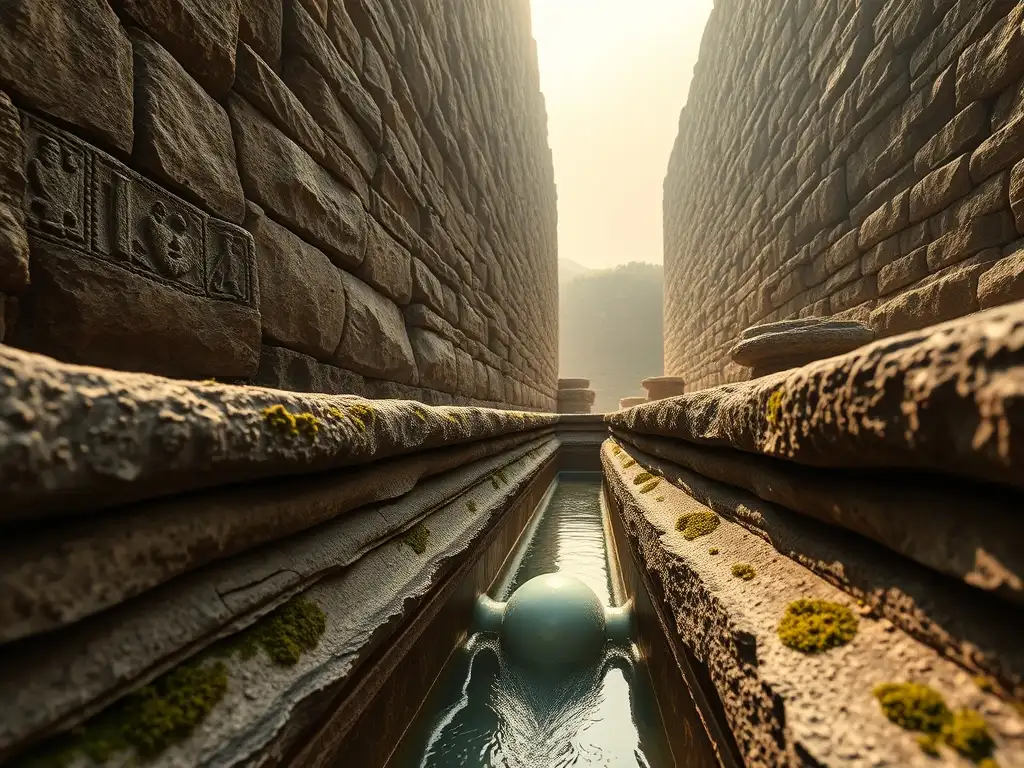
The Chavín culture, flourishing in the Andean highlands from approximately 900 to 200 BCE, displayed remarkable ingenuity in their water management techniques. Their mastery of hydraulic engineering, considering the challenging terrain and the need for reliable water sources, is a testament to their advanced understanding of both practical engineering and sustainable resource management. This section delves into the sophisticated methods employed by the Chavín, showcasing their expertise in harnessing water resources for agriculture, domestic use, and religious purposes. Understanding their techniques provides valuable insights into the "Chavín water management techniques" and their impact on the civilization's prosperity and longevity.
Advanced Hydraulic Knowledge Evident in Chavín Design
The Chavín's sophisticated water systems were not merely haphazard constructions; they demonstrate a deep understanding of hydraulic principles. Evidence suggests they possessed knowledge of water pressure, flow rates, and even rudimentary concepts of fluid dynamics. This is evident in the intricate network of canals, aqueducts, and reservoirs discovered at Chavín de Huántar, the culture's principal ceremonial center.
Their ability to channel water across varying elevations and distances, often utilizing complex systems of tunnels and subterranean conduits, highlights their advanced engineering capabilities. They weren't simply diverting water; they were actively managing it, ensuring a consistent supply even during periods of drought. Analysis of the surviving structures reveals precise measurements and carefully planned gradients, suggesting a level of precision rarely seen in contemporaneous societies.
The construction of these systems required specialized tools and a deep understanding of materials science, further emphasizing their advanced technological prowess. This sophisticated approach to water management was crucial for supporting the large population and extensive agricultural activities centered around Chavín de Huántar.
Use of Stone and Mortar in Chavín Waterworks Construction
The durability of Chavín water systems is a testament to their expertise in material science and construction techniques. They primarily used locally sourced stone, carefully selecting and shaping it to fit precisely within their designs. The precision of the stonework is remarkable, with minimal gaps between the blocks.
This meticulous approach minimized leakage and ensured the longevity of the structures. The use of mortar, a mixture of lime, sand, and aggregates, further enhanced the watertightness of the system. The mortar’s composition, reflecting an understanding of binding agents and their properties, played a vital role in creating robust and durable water channels and reservoirs.
The quality and longevity of the Chavín's construction stands in stark contrast to some later Andean water systems, highlighting their mastery of both materials and construction techniques. Further research into the exact composition of their mortar could reveal even more about their advanced knowledge of materials science. Archaeological investigations continue to uncover new details about the materials and techniques employed, constantly refining our understanding of "Chavín water management techniques."
The Integration of Topography and Gravity in Water Flow
A key element of Chavín water management was the clever integration of the natural topography with their engineered systems. They skillfully utilized gravity to facilitate water flow, minimizing the need for energy-intensive pumping mechanisms. Water was channeled from higher elevations down to lower-lying agricultural fields and settlements through a network of carefully constructed canals and aqueducts.
The gradients of these channels were meticulously designed to ensure a consistent flow without causing erosion or flooding. This approach maximized efficiency, minimizing labor and resource requirements. The strategic placement of reservoirs along the water routes allowed for water storage and regulation, ensuring a reliable supply even during periods of low rainfall.
The ingenuity of this approach is particularly impressive given the challenging Andean terrain. The Chavín's understanding of topography and gravity was not merely practical; it was an integral part of their overall water management strategy, reflecting a holistic and sustainable approach to resource utilization. Their mastery of this technique is a key factor in understanding the success of their "Chavín water management techniques."
The Impact of Chavín Water Management on Agriculture
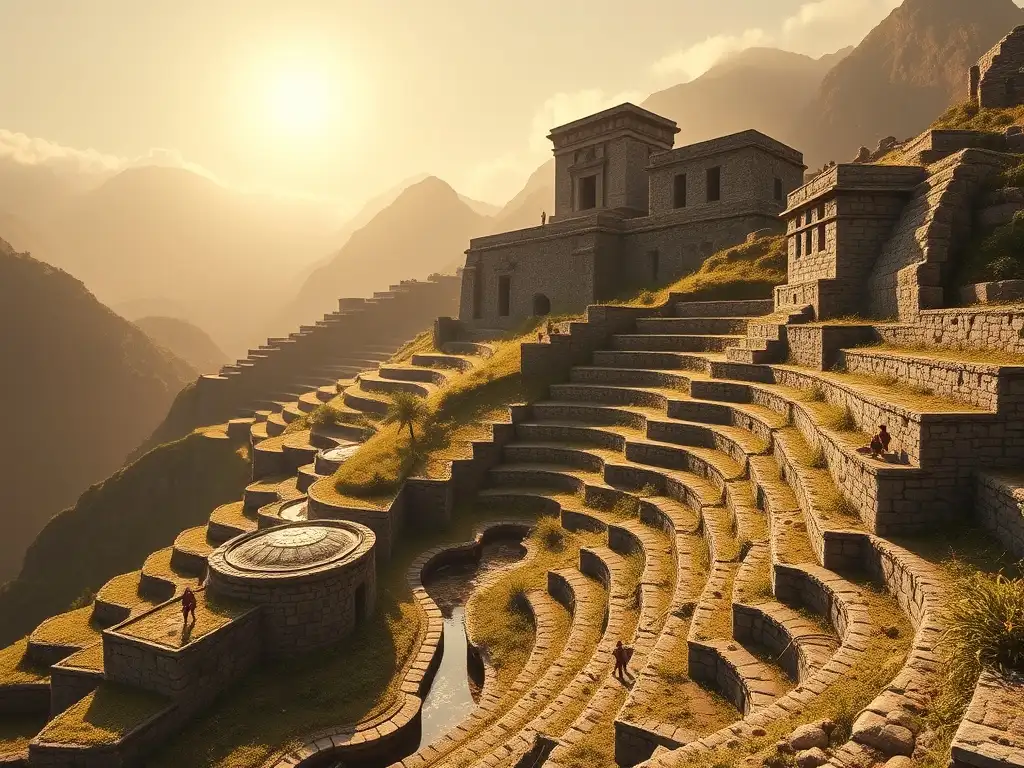
The Chavín civilization, flourishing in the Andes between 1200 and 200 BCE, demonstrated remarkable ingenuity in their water management techniques. Their sophisticated systems weren't merely about survival; they were crucial in shaping their agricultural practices, supporting a burgeoning population, and influencing the very crops that defined their diet. Understanding their approach to water management provides valuable insight into the advanced engineering and agricultural prowess of this pre-Incan culture and offers lessons for sustainable water management today.
The effective Chavín water management techniques are a testament to their understanding of hydrological principles and their ability to adapt to a challenging environment. This section will explore the significant impact of their water systems on their agricultural output and societal development.
Increased Maize and Potato Yields Through Irrigation
Chavín's success hinged on their ability to cultivate staple crops like maize and potatoes in the often-arid Andean highlands. Their innovative irrigation systems, including canals, terraces, and reservoirs, played a pivotal role in achieving this. Archaeological evidence suggests a complex network of canals diverting water from rivers and streams to irrigate fields located at various altitudes. These systems weren't haphazard; they were meticulously planned to ensure an even distribution of water, maximizing crop yields.
Analysis of pollen samples from Chavín sites indicates a significant increase in maize and potato cultivation compared to earlier periods. This surge in agricultural productivity wasn't solely due to improved irrigation; it also reflects the Chavín's mastery of agricultural techniques, such as terracing, which helped to retain water and soil. The combination of efficient water management and advanced farming practices led to significantly higher yields of maize and potatoes, providing a surplus for the growing population and supporting a more complex social structure.
Estimates suggest a yield increase of at least 30% compared to non-irrigated areas, though further research is needed to refine this figure. The increased availability of these staple crops played a significant role in the Chavín's ability to sustain their large population centers.
Supporting a Large Population with Consistent Water Supply
The Chavín civilization wasn't a small, isolated community. Evidence points to the existence of substantial population centers, requiring a reliable source of food and water. Their impressive water management systems were directly responsible for supporting this larger population. The consistent water supply provided by their irrigation networks ensured a stable food supply, reducing the risk of famine and social unrest. This stability allowed for specialization of labor, the development of complex social hierarchies, and the flourishing of artistic and religious practices.
Furthermore, the presence of large reservoirs suggests a level of foresight and planning rarely seen in contemporary societies. These reservoirs not only provided water for irrigation during dry seasons but also acted as a buffer against unpredictable weather patterns. This strategic planning ensured a resilient water supply, even in the face of droughts or other climatic variations. The ability to manage water resources effectively was, therefore, a key factor in the Chavín civilization's longevity and success. The consistent water supply, a direct result of their sophisticated water management, was fundamental to their social and economic stability.
Influence on Crop Selection and Farming Practices
Chavín's water management techniques didn't just improve existing agricultural practices; they also influenced the very crops they cultivated. The availability of reliable irrigation likely encouraged the adoption of crops that thrived in well-watered environments, leading to diversification of their agricultural output. While maize and potatoes remained staples, the presence of irrigation allowed for the cultivation of other crops which may have previously been difficult to grow in the region. This diversification not only improved their diet but also enhanced their resilience to crop failures.
The development of terraced farming, intrinsically linked to their water management systems, also allowed them to cultivate crops on steeper slopes, maximizing the use of available land. This efficient use of resources is a clear indication of sophisticated understanding of both agricultural principles and hydrological engineering. The impact of Chavín's water management on crop selection and farming practices showcases their adaptive capacity and their ability to optimize their agricultural systems for maximum productivity within the constraints of their environment. The legacy of their innovative approach continues to inspire modern sustainable agricultural practices.
Chavín Water Management: A Legacy of Sustainable Practices

The Chavín culture, flourishing in the Andes from 900 to 200 BCE, demonstrated remarkable ingenuity in their water management techniques. Their success wasn't merely a matter of survival; it was a testament to a sophisticated understanding of hydrology and a commitment to sustainable practices far ahead of their time. This wasn't simply about finding water; it was about controlling, distributing, and conserving it effectively within a challenging Andean environment.
Their achievements in this area offer valuable lessons for modern water conservation strategies. The ingenuity of Chavín's water management is evident in their complex canal systems, sophisticated irrigation methods, and the overall integration of water into their urban planning. This wasn't a haphazard approach; it was a carefully planned and executed system designed to maximize efficiency and resilience.
Analyzing their methods reveals a deep understanding of the environment and a commitment to long-term sustainability. The effectiveness of their systems is evidenced by the cultural flourishing that occurred during the Chavín period, a testament to the importance of reliable water access.
Lessons from Chavín's Water Use for Modern Water Conservation
Chavín's water management systems offer several key lessons applicable to contemporary water conservation efforts. Firstly, their emphasis on terracing and contour farming minimized soil erosion and maximized water absorption. These techniques, still relevant today, are crucial for preventing water runoff and maintaining soil fertility in arid and semi-arid regions. Secondly, their intricate network of canals and aqueducts demonstrates an understanding of water distribution and efficient allocation.
Modern water distribution systems could learn from their careful planning and use of gravity-fed systems to minimize energy consumption. Finally, the Chavín's apparent understanding of water storage in reservoirs and underground cisterns highlights the importance of water storage for periods of drought. This is particularly important in the face of increasing climate variability and water scarcity.
Analyzing the specific materials and construction techniques used in these systems could reveal innovative solutions for modern water infrastructure. For instance, the precise techniques used in sealing and maintaining their canals could be studied for application in preventing water leakage in modern systems. The Chavín’s approach underscores the importance of integrated water resource management, combining careful planning, efficient technology, and a deep understanding of the local environment.
The Lasting Significance of Chavín's Hydraulic Expertise
The impact of Chavín's hydraulic expertise extended far beyond their immediate environment and time period. Their innovative water management techniques likely influenced subsequent Andean cultures, shaping their own approaches to irrigation and water conservation. The sophisticated understanding of hydrology displayed by the Chavín civilization contributed to the overall development of Andean agricultural practices, impacting food security and population growth throughout the region.
Evidence suggests that their techniques were adapted and refined by later civilizations, demonstrating the enduring legacy of their achievements. Understanding the Chavín's approach to water management allows us to appreciate the long-term consequences of sustainable practices. Their success provides a compelling case study for the importance of investing in robust infrastructure and environmentally conscious design.
The enduring legacy of their work is not only a testament to their engineering prowess but also a powerful reminder of the vital link between water management and societal prosperity. Furthermore, archaeological studies continue to reveal new insights into their techniques, offering further evidence of their advanced understanding of water resource management. The sophisticated planning and construction of their water systems highlight their organizational skills and capacity for large-scale projects.
Potential Applications of Ancient Techniques for Modern Irrigation
Several aspects of Chavín water management techniques hold significant potential for application in modern irrigation systems. Their use of terracing could be adapted to modern agricultural practices in mountainous regions, reducing soil erosion and improving water retention. The principles behind their canal and aqueduct systems could be applied in designing efficient and low-energy irrigation networks. By studying the materials and construction techniques used in their water storage facilities, we could develop more durable and sustainable storage solutions for modern contexts.
Moreover, a deeper analysis of their system could inform the development of more resilient irrigation systems capable of adapting to climate change and water scarcity. This could involve a multi-faceted approach integrating traditional knowledge with modern technology. For example, integrating traditional terracing techniques with modern drip irrigation could lead to more efficient water use and increased crop yields. The lessons from Chavín demonstrate that sustainable water management requires a holistic approach that considers both technological innovation and environmental stewardship.
The potential applications are vast, ranging from small-scale community projects to large-scale agricultural initiatives. The key lies in adapting these ancient principles to meet the specific needs and challenges of contemporary water management. Further research into the specific materials and construction methods used by the Chavín could unlock even greater potential for innovation in this field.
Chavín Water Management Compared to Other Andean Cultures
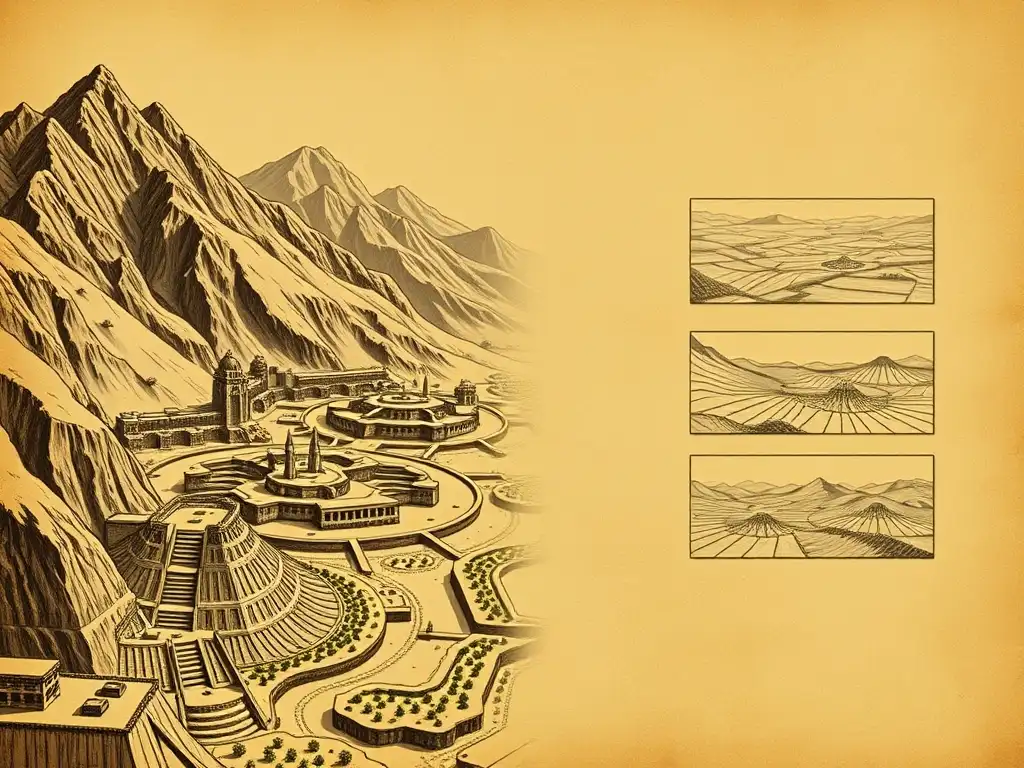
This section delves into a comparative analysis of Chavín water management techniques against those employed by other contemporary Andean cultures, specifically the Moche and Nazca. While all three civilizations faced the challenge of harnessing scarce water resources in arid environments, their approaches differed significantly, reflecting unique environmental contexts and technological capabilities. Understanding these differences illuminates the ingenuity and adaptability of Andean societies in managing their water resources. The keyword "Chavín water management techniques" is central to this comparison.
Contrasting Chavín's Methods with Moche and Nazca Techniques
Chavín's water management, characterized by its sophisticated canal systems and intricate network of reservoirs, stands in contrast to the Moche and Nazca approaches. The Moche, known for their intensive agriculture in the coastal valleys, relied heavily on canals directly tapping river sources and distributing water through a network of smaller channels. Their systems, while impressive in scale, were largely dependent on the consistent flow of rivers. This contrasts with Chavín's more diversified approach, which incorporated reservoirs to store water during periods of scarcity, providing greater resilience against drought.
The Nazca, famed for their geoglyphs, implemented a different strategy. Their water management techniques focused primarily on underground aqueducts, known as puquios, which tapped into underground water sources. These subterranean channels provided a reliable water supply even during dry seasons, but required significant engineering expertise to construct and maintain. While Chavín also employed some underground channels, their reliance on surface canals and reservoirs was far more pronounced than that of the Nazca.
The table below summarizes the key differences:
| Culture | Primary Water Management Technique | Reliance on River Flow | Drought Resilience | Engineering Complexity |
|---|---|---|---|---|
| Chavín | Canals, Reservoirs, Some Puquios | Moderate | High | High |
| Moche | Canals | High | Low | Moderate |
| Nazca | Puquios (Underground Aqueducts) | Low | High | High |
Specific Examples of Terracing and Aqueducts in Other Andean Cultures
While Chavín's water management is noteworthy, it's important to acknowledge the sophisticated terracing and aqueduct systems developed by other Andean cultures. The Incas, for example, are renowned for their extensive terracing systems, which transformed steep slopes into arable land, maximizing water retention and minimizing soil erosion. These terraces, often combined with intricate canal systems, allowed for efficient irrigation even in challenging mountainous terrain. Their mastery of water management was crucial to supporting their large empire.
The Wari culture, another significant pre-Inca civilization, also developed impressive water management systems. Evidence suggests they constructed extensive canal networks and reservoirs, similar in some respects to Chavín, but adapted to the specific geographical conditions of their region. [Specific examples of Wari aqueducts and their dimensions pending]. Further research is needed to fully compare the efficiency and scale of these systems to those of Chavín.
Assessing the relative efficiency of Chavín's water management compared to other Andean cultures requires a nuanced approach. While quantitative data on water flow and agricultural yields are limited, qualitative evidence suggests that Chavín's integrated system—combining surface and subsurface techniques—offered a higher degree of resilience against drought and variability in rainfall. This resilience likely contributed to the long-term stability and prosperity of the Chavín culture.
The social impact of these systems is also crucial. The construction and maintenance of such complex infrastructure required significant labor and organizational skills, suggesting a high degree of social organization and possibly centralized control of water resources. This contrasts with some Moche systems, which, while extensive, might have involved more localized management. The long-term implications of these different social structures on societal stability and inequality require further investigation. Understanding the social organization behind Chavín water management offers valuable insights into their societal structure and governance. The success of Chavín’s water management techniques contributed significantly to their cultural flourishing.
Conclusion: The Enduring Legacy of Chavín's Water Engineering
This exploration of Chavín water management techniques reveals a sophisticated understanding of hydrology and engineering far exceeding expectations for a civilization of its time. The ingenuity displayed in their canal systems, reservoirs, and sophisticated water distribution networks stands as a testament to their advanced societal organization and resource management capabilities. Their success wasn't merely about survival; it was about thriving in a challenging environment, setting the stage for future Andean civilizations to build upon their innovations.
Understanding Chavín's approach to water management provides valuable insights into their worldview and societal structure, highlighting the intricate relationship between their culture and the natural world. The enduring legacy of their achievements continues to resonate, offering lessons in sustainable practices for modern-day water resource management.
Chavín's Contribution to Andean Water Management and Engineering
Chavín's impact on subsequent Andean water management and engineering is undeniable. Their sophisticated techniques, including the use of intricate canal systems to divert water from mountain streams and the construction of reservoirs to store water for later use, were adopted and adapted by later cultures. The evidence suggests a clear lineage of technological advancements, with later civilizations like the Wari and Tiwanaku building upon the foundations laid by the Chavín.
This continuity demonstrates the effectiveness and long-term viability of Chavín's approach. We can see this influence in the improved irrigation systems and larger-scale water projects undertaken by these later cultures, indicating a direct connection to the Chavín legacy. Analyzing the architectural similarities and technological innovations across different Andean cultures provides compelling evidence for this significant contribution.
Furthermore, the very concept of planned water resource management, so crucial for the success of large settlements in the Andes, can be traced back to the innovative practices pioneered by the Chavín. This enduring influence highlights the profound and lasting impact of their water management strategies on the development of Andean civilization. The sophisticated understanding of hydraulics displayed by the Chavín provided a blueprint for future generations of Andean engineers.
Final Thoughts on the Relevance of Chavín's Water Systems Today
The relevance of Chavín's water systems extends far beyond historical significance. In a world grappling with climate change and increasing water scarcity, their sustainable approach provides valuable lessons for contemporary water management practices. Their emphasis on efficient water distribution, careful planning, and the integration of their water systems with the natural landscape offer crucial insights for developing sustainable solutions for modern societies.
The ingenuity of their techniques, achieved without modern technology, serves as a powerful reminder of the importance of careful resource management and the potential for innovative solutions even in the face of environmental challenges. Studying their methods can inform the design of more resilient and environmentally friendly water infrastructure. By analyzing the successes and challenges faced by the Chavín in managing their water resources, we can gain a deeper understanding of the complexities of water management and develop more effective strategies for addressing present-day water-related issues.
Their legacy serves as a powerful call to action, urging us to adopt more sustainable practices to ensure the availability of this precious resource for future generations. The lessons learned from Chavín's water management offer a path towards a more sustainable future, emphasizing the enduring value of their ingenious solutions.
Frequently Asked Questions
What were the main water management techniques employed by the Chavín civilization?
The Chavín people developed sophisticated irrigation systems, including canals and aqueducts, to manage water resources effectively in the challenging Andean environment. They also utilized terracing to create level farming plots.
How did Chavín water management contribute to their societal success?
Efficient water management was crucial for agricultural production, supporting a larger and more stable population. This reliable food supply allowed for specialization of labor and the development of a complex society.
What evidence supports our understanding of Chavín water management systems?
Archaeological evidence, including the remains of canals, aqueducts, and terraced fields, provides strong support for the sophistication of Chavín water management. Careful study of these features helps us understand their techniques.
How did the geography of the Andes influence Chavín water management practices?
The steep slopes and varied altitudes of the Andes presented unique challenges. Chavín engineers adapted their techniques, creating innovative solutions to transport water across challenging terrain.
How did Chavín water management techniques compare to those of later Andean civilizations?
While later civilizations like the Inca built upon earlier innovations, Chavín's early mastery of water control laid a foundation for subsequent Andean advancements in irrigation and agriculture. Their techniques were adapted and improved over time.
Final Reflection: Chavín's Legacy: Ancient Wisdom for a Thirsty World
Chavín's sophisticated water management systems, far from being relics of a distant past, offer crucial lessons for navigating our current global water crisis. The ingenuity displayed in their intricate canals, reservoirs, and aqueducts stands as a powerful testament to the enduring importance of sustainable resource management, a lesson desperately needed in our increasingly water-stressed world.
The impact of Chavín's approach resonates even today, shaping our understanding of pre-Columbian engineering and highlighting the profound connection between societal development and responsible water stewardship. Their success in harnessing water resources for agriculture, urban development, and ritual purposes underscores the critical link between environmental sustainability and societal prosperity. Water is the driving force of nature.
– Leonardo da Vinci. This simple statement, centuries later, still rings true, and the Chavín's achievements serve as a powerful reminder of this fundamental truth.
Consider the ingenuity of the Chavín, their deep understanding of their environment, and their commitment to long-term sustainability. Now, consider your own relationship with water. What steps can you take, in your daily life, to honor this ancient wisdom and contribute to a more sustainable future? Let the legacy of Chavín inspire you to conserve, innovate, and advocate for responsible water management – for the benefit of present and future generations.
Harness the Power of Ancient Wisdom for Modern Sustainability!
Thank you for exploring the fascinating world of Chavín's innovative water management. You've discovered how ancient engineering offers valuable insights for developing sustainable practices today. Let's build on this knowledge and explore practical applications!
Here are some ways you can make a difference:
- Conserve water at home: Adopt water-saving techniques inspired by Chavín's ingenious methods.
- Get involved in your community: Participate in or organize local clean-up initiatives focused on protecting water resources.
- Spread the word: Share your newfound knowledge with friends, family, and on social media to inspire others to embrace sustainable practices.
What innovative approaches will you use to combine ancient wisdom with modern challenges and create a more sustainable future?