
Chavín Religion: Exploring the Pantheon of Gods and Spirits

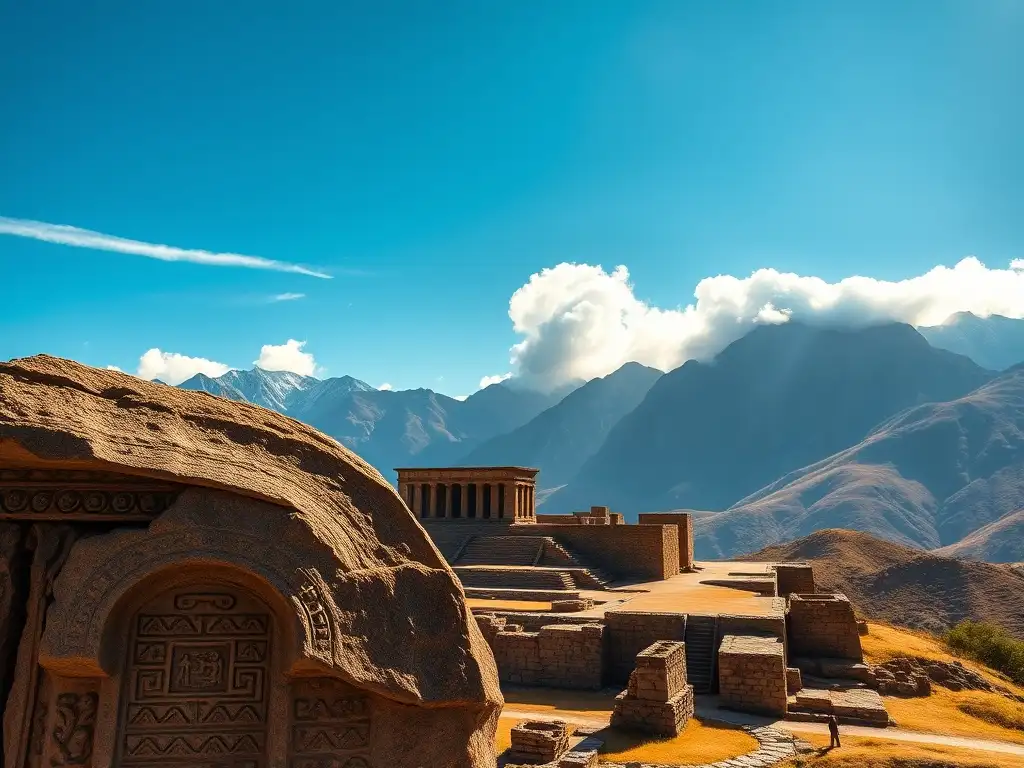
Step into a world lost to time, a realm of towering temples and enigmatic rituals. Uncover the secrets of the Andes, where civilizations flourished long before the Incas. Prepare to be captivated by the mysterious world of Chavín religious beliefs, a journey into a fascinating pantheon of gods and spirits that shaped the very fabric of Pre-Incan coastal cultures. What powerful forces fueled their awe-inspiring creations? Explore the answers, and discover the astonishing legacy of Chavín.
The Chavín culture, flourishing in the Andean highlands of Peru from approximately 900 to 200 BCE, left behind a legacy of monumental architecture, intricate art, and a complex religious system that continues to fascinate researchers today. Understanding Chavín religious beliefs is crucial to grasping the societal structure and worldview of this influential pre-Inca civilization.
Their religious practices, expressed through elaborate iconography found on ceramics, textiles, and monumental stone carvings, reveal a pantheon of powerful deities and spirits deeply interwoven with the natural world. This article delves into the fascinating world of Chavín religion, exploring the key deities and their symbolic representations, providing insights into the beliefs and practices that shaped this enigmatic culture.
We will examine the evidence, analyze the iconography, and attempt to reconstruct a picture of the Chavín spiritual landscape, shedding light on the "Chavin religious beliefs" that underpinned their society. The influence of Chavín religious ideas spread throughout the Andes, impacting subsequent cultures and leaving an indelible mark on the region's spiritual heritage.
Understanding Chavín Religious Beliefs and Practices
Chavín religious beliefs were deeply intertwined with the natural environment. The mountainous terrain, the powerful rivers, and the abundant wildlife all played significant roles in their cosmology. Evidence suggests the existence of elaborate rituals, possibly involving shamanistic practices and the use of hallucinogenic substances like San Pedro cactus.
These rituals likely played a central role in connecting the community with the spiritual realm and maintaining cosmic balance. The intricate carvings found on their ceremonial centers, such as the Chavín de Huántar site, depict a complex array of deities and supernatural beings, suggesting a sophisticated theological system. Unfortunately, the lack of written records leaves much to interpretation, relying heavily on archaeological findings and careful analysis of their artistic creations.
Further research is needed to fully understand the intricacies of their rituals and the social hierarchies within their religious system. The evidence points toward a theocratic society, where religious leaders held considerable power and influence. The scale and complexity of Chavín ceremonial centers underscore the importance of religion in shaping their society.
The Chavín Pantheon: Key Deities and their Representations
The Chavín pantheon is characterized by its zoomorphic and anthropomorphic deities, often combining features of different animals and humans. These hybrid creatures represent the powerful forces of nature and the supernatural world. The most prominent deities include the Jaguar God, the Serpent Deity, the Harpy Eagle God, and the Caiman Deity, each possessing unique iconographic features and symbolic meanings.
The representation of these deities varied across different media, from monumental stone carvings to smaller ceramic artifacts, demonstrating the widespread importance of these figures in Chavín society. The consistent presence of these symbols across various sites suggests a degree of religious unity and standardization across the Chavín sphere of influence. The stylistic consistency also points towards a centralized religious authority or a shared understanding of religious iconography.
The Jaguar God in Chavín Religious Iconography
The Jaguar God is one of the most prominent figures in Chavín iconography. Often depicted with fangs, claws, and feline features, this deity represents power, strength, and the predatory nature of the Andean wilderness. Its presence in many Chavín sites suggests its importance as a central figure in their religious beliefs.
The jaguar, a powerful apex predator, likely symbolized the dominance and authority of the Chavín elite and their control over resources. The imagery of the Jaguar God is often associated with rituals of power and possibly human sacrifice, although the extent of these practices remains a subject of ongoing research. The intensity of the jaguar's gaze in many depictions adds to its aura of power and mystery.
The Serpent Deity and its Significance in Chavin Culture
The Serpent Deity, another key figure in the Chavín pantheon, represents the life-giving force of water and the cyclical nature of life and death. Snakes, prevalent in the Andean ecosystem, are frequently depicted in Chavín art, often intertwined with other symbols, emphasizing their connection to fertility and renewal. The serpent's ability to shed its skin likely symbolized regeneration and the continuous cycle of creation and destruction.
The representation of the Serpent Deity often includes intricate details, showcasing the artistic skill of Chavín artisans and the significance of this deity within their religious system. The symbolic association of serpents with water sources is further emphasized by the location of many Chavín sites near rivers and springs.
The Harpy Eagle God and its Role in Chavín Beliefs
The Harpy Eagle God, with its powerful talons and piercing gaze, embodies the connection between the earthly and celestial realms. The eagle's ability to soar high above the mountains likely symbolized the Chavín's connection to the gods and the spiritual world. The Harpy Eagle God’s representation often features sharp features, representing the eagle's predatory nature and its role as a powerful force of nature.
Its inclusion within the Chavín pantheon highlights the importance of aerial power and the spiritual significance of the high Andes. This deity's role in Chavín beliefs likely involved mediating between the human world and the divine, acting as a messenger or intermediary.
The Caiman Deity and its Representation in Chavín Art
The Caiman Deity, a powerful aquatic creature, reflects the importance of water resources in the Chavín worldview. Caimans, inhabiting the rivers and waterways of the Andes, were likely seen as powerful and sacred beings. The representation of the Caiman Deity in Chavín art frequently emphasizes its powerful jaws and teeth, symbolizing its dominance in its aquatic environment.
This deity’s association with water resources underlines the crucial role of water in Chavín life, both for sustenance and spiritual significance. The Caiman Deity's role likely involved ensuring the provision of water and fertility, a vital aspect of their agricultural society. The imagery of this deity often appears alongside other deities, suggesting a complex interplay within their religious system.
Chavín Ritual Practices and Ceremonies
Chavín religious practices were deeply intertwined with their cosmology and pantheon. Archaeological evidence suggests elaborate and complex rituals, often involving significant effort and resource investment. These rituals likely served multiple purposes, from ensuring a bountiful harvest to appeasing powerful deities and maintaining cosmic balance.
The architecture itself played a vital role, with temples designed to channel spiritual energy and facilitate ritual interactions. The placement of specific artifacts and the orientation of structures suggest a sophisticated understanding of astronomy and its connection to their religious calendar. Furthermore, the presence of numerous plazas and open spaces within the Chavín sites indicates a strong communal aspect to their religious life, with large-scale ceremonies involving many participants.
These gatherings likely strengthened social bonds and reinforced the community's shared beliefs. Analysis of human remains discovered at Chavín de Huántar provides further insight into the rituals, often showing signs of ritual sacrifice or mummification, further highlighting the importance of death and the afterlife in Chavín belief systems.
Chavín Religious Rituals and their Purpose
Chavín religious rituals were not merely symbolic acts; they were vital components of maintaining the social order and ensuring the well-being of the community. One primary purpose was to ensure agricultural prosperity. Rituals related to planting and harvesting seasons are evidenced by the discovery of agricultural tools and offerings found in sacred contexts.
Another key purpose was to appease the powerful gods and spirits inhabiting their world. The elaborate nature of the ceremonies, including the use of hallucinogenic substances, suggests an attempt to transcend the mundane realm and communicate directly with these supernatural beings. Additionally, rituals played a crucial role in legitimizing the power of the elite, who likely controlled access to and interpretation of religious knowledge.
The construction and maintenance of monumental architecture, such as the Chavín de Huántar temple complex, served as both a religious and political statement, reinforcing the authority of the ruling class. Finally, rituals likely served a social function, bringing together the community and reinforcing shared beliefs and values, promoting social cohesion and stability. The sheer scale of some of the discovered ceremonial spaces suggests the participation of large sections of the population.
The Role of Shamanism in Chavín Religious Life
Shamanism was likely central to Chavín religious life. The depiction of figures with feline features, often associated with supernatural powers, strongly suggests the presence of shamanic practitioners who acted as intermediaries between the human and spiritual worlds. These individuals may have used hallucinogenic substances, such as San Pedro cactus, to induce altered states of consciousness and facilitate communication with deities.
The intricately carved stones and artifacts found in Chavín sites may represent shamanic visions or experiences, reflecting the importance of these altered states in their religious practices. The shamanic role extended beyond mere communication with the spiritual world; they likely played a crucial role in healing, divination, and maintaining social order.
The power and prestige associated with shamanic abilities likely placed these individuals at the top of the social hierarchy, influencing political and religious decision-making. Evidence of specialized burial practices for some individuals further supports the notion of a powerful shamanic class within Chavín society.
Offerings and Sacred Sites in Chavin Culture
Offerings played a critical role in Chavín religious practices, representing a form of communication and appeasement of the deities. Archaeological excavations have unearthed a variety of offerings, ranging from agricultural products like maize and coca leaves to precious metals and intricately carved artifacts. The placement of these offerings within specific contexts within temples and other sacred sites suggests that particular offerings were associated with specific deities or rituals.
The diversity of offerings reflects the multifaceted nature of Chavín religious beliefs, with offerings tailored to specific needs or occasions. The discovery of human remains in some contexts indicates that human sacrifice may have been practiced, although the exact frequency and significance remain subjects of ongoing research.
The geographical distribution of sacred sites suggests a complex network of pilgrimage routes, connecting different communities and reinforcing the unifying power of Chavín religion across a wide geographical area. The careful selection of locations for sacred sites – often places with significant geological or hydrological features – suggests a deep understanding of the landscape and its spiritual significance.
The Influence of Chavín Religion on Andean Civilizations
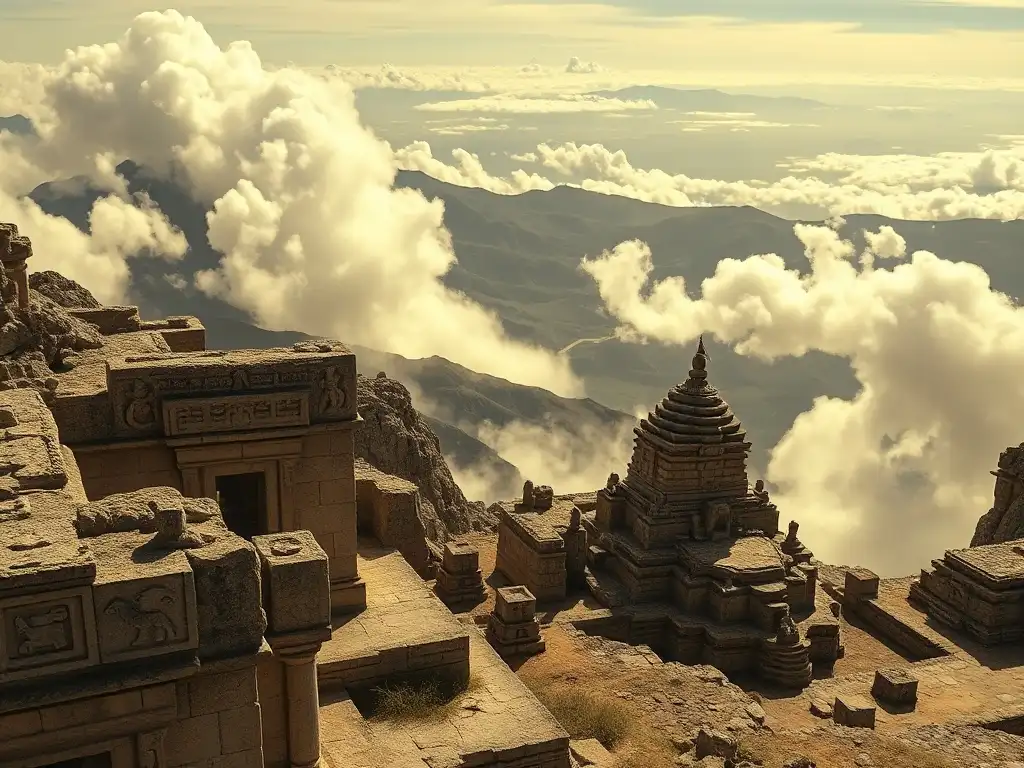
The Chavín culture's influence extended far beyond its geographical boundaries, impacting subsequent Andean civilizations in profound ways. Its religious beliefs and practices spread throughout the Andes, leaving a lasting legacy on the religious landscape of the region. The distinctive iconography and artistic styles of Chavín are found in later cultures, suggesting the adoption and adaptation of core religious concepts.
The widespread distribution of Chavín-style artifacts indicates significant interaction and exchange of ideas across different communities. The adoption of certain religious motifs and practices by later cultures indicates a process of cultural transmission and syncretism, where Chavín religious elements were integrated into existing belief systems. This cultural influence is not just about the spread of religious ideas but also about the dissemination of artistic styles and technological innovations associated with religious practices.
Legacy of Chavín Religious Ideas in Later Cultures
The impact of Chavín religious ideas on later Andean cultures is evident in the continuity of certain motifs and themes across different periods and geographical areas. The feline deity, for instance, appears in various forms in subsequent Andean iconography, demonstrating a persistence of religious symbolism. The use of hallucinogenic substances in religious rituals also appears to have continued in later cultures, suggesting the enduring importance of altered states of consciousness in Andean religious practices.
Certain architectural features and styles found in Chavín sites are echoed in later temple complexes, indicating the adoption of specific architectural conventions associated with religious practices. The adoption of certain ritualistic practices, such as offerings and sacrifices, also points to a direct lineage from Chavín religious traditions. The persistence of these elements across centuries suggests a deep and lasting impact on the religious landscape of the Andes.
Chavín Religious Symbolism and its Transmission
Chavín religious symbolism is characterized by its intricate and often enigmatic nature. The use of stylized representations of animals, such as jaguars, snakes, and birds, frequently appear in their art and architecture, conveying complex religious meanings. These symbols were not merely decorative elements; they represented powerful deities or forces and played a critical role in religious rituals and ceremonies.
The transmission of these symbols across different cultures suggests a process of cultural exchange and diffusion, where Chavín religious ideas were adopted and adapted by neighboring communities. The consistency of certain motifs across geographically dispersed sites suggests a deliberate effort to disseminate religious ideas and solidify a shared religious identity across a vast region. The standardization of these symbols across different media – stone carvings, textiles, ceramics – points to a sophisticated system of religious communication and control.
Influence on Moche and Nasca Religious Practices
The influence of Chavín religion is particularly evident in the religious practices of the subsequent Moche and Nasca cultures. The Moche, for example, adopted and adapted many Chavín motifs and symbols into their own religious iconography. The feline deity, a central figure in Chavín religion, continues to appear in Moche art and artifacts, albeit with modifications reflective of their own cultural context. Similarly, the Nasca culture incorporated elements of Chavín religious beliefs into their own religious system.
The use of hallucinogenic plants in religious rituals, a practice likely originating in Chavín culture, continued in both Moche and Nasca societies. The shared religious elements between these cultures suggest a process of cultural transmission and adaptation, where Chavín religious ideas were integrated into the evolving religious practices of later Andean civilizations. The blending of Chavín and local traditions resulted in unique syncretic religious systems, reflecting the dynamism of Andean religious development.
Chavín Religious Art and Architecture as Expressions of Faith
Chavín religious beliefs were deeply intertwined with their art and architecture. The monumental structures and intricate carvings weren't merely aesthetic achievements; they served as powerful expressions of faith, reflecting the cosmology and spiritual worldview of the Chavín people. The imposing scale of the temples, the meticulous detail in the carvings, and the careful placement of artifacts all point to a society deeply invested in its religious practices.
The very act of creating these works was likely a ritual in itself, a way to connect with the supernatural forces they worshipped. The investment of labor and resources into these projects underscores the central role religion played in Chavín society, shaping their daily lives and defining their social structure. The artistry wasn't limited to grand structures; even smaller objects, such as pottery and textiles, frequently incorporated religious motifs, suggesting a pervasive presence of religious imagery in everyday life.
Chavín Art as a Reflection of Religious Beliefs
Chavín art consistently depicts powerful, often fearsome, deities and supernatural beings. These representations, carved in stone, modeled in clay, or woven into textiles, are not merely decorative; they are active participants in the Chavín religious narrative. The stylized features of these figures—often featuring feline, serpent, or bird-like characteristics—suggest a complex system of beliefs involving animalistic deities or transformations between human and animal forms. The repetition of specific motifs across different mediums and locations further emphasizes their religious significance.
For example, the recurring depiction of jaguars, often associated with power and shamanistic abilities, highlights their importance within the Chavín pantheon. The intense focus on detail, the use of contrasting textures, and the dynamic composition of many artworks all contribute to the overall feeling of awe and power associated with the Chavín religion. Careful study of these artistic expressions provides valuable insights into the beliefs and practices of this ancient culture.
The Chavín de Huantar Temple and its Religious Significance
The Chavín de Huantar temple complex stands as a testament to the central role of religion in Chavín society. Its intricate layout, with its labyrinthine passages and strategically placed chambers, suggests a carefully planned sacred space designed for ritualistic activities. The temple's location, nestled in the Andes mountains, further reinforces its connection to the natural world and the spiritual forces believed to inhabit it.
The temple's architecture itself is a powerful symbol of religious authority, with its imposing scale and intricate carvings designed to inspire awe and reverence. The presence of numerous subterranean galleries and chambers suggests the importance of accessing and interacting with the underworld in Chavín religious practice.
The careful placement of artifacts, such as the Lanzón, within the temple further underscores its significance as a central location for religious rituals and ceremonies. Evidence suggests that the temple wasn't merely a place of worship but also a center for pilgrimage and interregional exchange.
Analysis of the Lanzón and its Religious Context
The Lanzón, a massive monolithic sculpture found within the Chavín de Huantar temple, is arguably the most iconic symbol of Chavín religion. This imposing figure, carved from a single block of stone, depicts a powerful deity with feline and human features, embodying a potent blend of earthly and supernatural power. Its placement deep within the temple, in a dimly lit chamber, suggests its importance as a focal point for religious rituals.
The Lanzón's intricate carvings and symbolic details offer a wealth of information about Chavín cosmology and religious beliefs. Scholars have interpreted the Lanzón as representing a creator god, a shamanistic figure, or a powerful force of nature.
Regardless of its precise identity, the Lanzón's presence within the temple speaks to the central role of this deity in Chavín religious thought and practice. The sheer scale of the Lanzón, its imposing presence, and its intricate detail all contribute to its powerful symbolic significance.
The Spiritual Worldview of the Chavín People
The Chavín people held a complex and multifaceted spiritual worldview, one deeply integrated with their understanding of the natural world. Their beliefs involved a pantheon of deities, often depicted with hybrid animal-human characteristics, suggesting a close relationship between the human and animal realms. These deities were not simply benevolent figures; they represented powerful forces of nature, capable of both creation and destruction.
The Chavín worldview incorporated a strong emphasis on shamanistic practices, with shamans acting as intermediaries between the human and spiritual worlds. Evidence suggests that hallucinogenic substances played a significant role in these rituals, facilitating altered states of consciousness and facilitating communication with the supernatural. The Chavín concept of duality, expressed through the juxtaposition of contrasting symbols and figures, further highlights the complex and dynamic nature of their spiritual beliefs.
Chavín Cosmology and the Understanding of the Universe
Chavín cosmology reflected their understanding of the universe as a dynamic and interconnected system. The world was not seen as a static entity but as a place of constant transformation and interaction between different realms – the earthly, the underworld, and the celestial. Their art and architecture often depicted this interconnectedness, with symbols and motifs representing the interplay of different forces and energies.
The mountain environment in which they lived likely played a significant role in their cosmological understanding, with mountains representing the axis mundi, a connection between the different realms. Their emphasis on duality – the interplay of opposing forces – further reflects their understanding of the universe as a place of constant change and transformation. The placement of their temples and the orientation of their structures suggest a deep understanding of celestial movements and their connection to the earthly realm.
The Concept of Duality in Chavín Religious Thought
Duality was a central concept in Chavín religious thought. Their art and architecture often juxtaposed contrasting symbols and figures, reflecting a belief in the interplay of opposing forces. This duality is not necessarily a conflict but rather a dynamic tension between complementary forces, such as light and darkness, life and death, male and female.
This concept is evident in the depiction of hybrid creatures, combining features of different animals, representing the integration of opposing forces within the Chavín worldview. The complex iconography found in Chavín art further reinforces this idea, with symbols often bearing multiple meanings and interpretations, reflecting the complex interplay of opposing forces. The duality in their belief system might represent their understanding of the cyclical nature of life, death, and rebirth.
Chavín Views on Transformation and the Supernatural
The Chavín people held a strong belief in transformation and the supernatural. Their art frequently depicts figures undergoing metamorphosis, shifting between human and animal forms. These transformations were not merely physical changes but also spiritual ones, reflecting the ability of shamans and deities to move between different realms and states of being.
The use of hallucinogenic substances in religious rituals likely played a significant role in these experiences, allowing participants to access altered states of consciousness and to experience firsthand the transformative power of the supernatural. The emphasis on shapeshifting and other supernatural phenomena in Chavín art suggests a worldview that embraced the fluidity and dynamism of the spiritual realm.
These beliefs profoundly influenced their religious practices, shaping their rituals, ceremonies, and their understanding of the world around them. The power of transformation was not only associated with deities but also with shamans, who were considered to possess the ability to facilitate these transformations.
- Understanding Chavín Religious Beliefs and Practices
- The Chavín Pantheon: Key Deities and their Representations
- Chavín Ritual Practices and Ceremonies
- The Influence of Chavín Religion on Andean Civilizations
- Chavín Religious Art and Architecture as Expressions of Faith
- The Spiritual Worldview of the Chavín People
- What were the main deities worshipped in the Chavín religion?
- How did Chavín religious beliefs influence art and architecture?
- What is the significance of the Chavín style in Andean art?
- What role did shamanism play in Chavín religious practices?
- What evidence supports our understanding of Chavín religious beliefs?
Frequently Asked Questions
What were the main deities worshipped in the Chavín religion?
The Chavín pantheon was complex, but central figures included a jaguar deity, often depicted in feline-like forms, and a deity associated with the serpent. These were likely linked to fertility and power.
How did Chavín religious beliefs influence art and architecture?
Chavín religious beliefs are profoundly reflected in their art and architecture. Zoomorphic and anthropomorphic imagery, including jaguars, snakes, and hybrid creatures, are prominent in temples and artifacts, expressing the power and presence of their deities.
What is the significance of the Chavín style in Andean art?
The Chavín style is significant as it represents an early pan-Andean artistic tradition, influencing later cultures. Its distinctive iconography and artistic conventions spread across the Andes, impacting the art of subsequent civilizations like the Moche and Nazca.
What role did shamanism play in Chavín religious practices?
Shamanism likely played a crucial role, with shamans acting as intermediaries between the human and spirit worlds. They may have used hallucinogenic substances during rituals to facilitate communication with deities and the spirit world.
What evidence supports our understanding of Chavín religious beliefs?
Our understanding is primarily based on archaeological discoveries at the Chavín de Huántar site, including elaborate temples, stone carvings, and ceramic artifacts. These provide visual and material evidence of their religious practices and beliefs.
Final Reflection: Echoes of the Andes: Chavín's Enduring Legacy
The intricate cosmology of the Chavín culture, with its powerful pantheon of deities and spirits, remains a potent symbol of human ingenuity and spiritual exploration, resonating deeply with our contemporary understanding of religious belief and societal structure. Its sophisticated iconography, far from being a relic of a distant past, offers invaluable insights into the development of Andean religious thought and its lasting impact on subsequent civilizations.
The Chavín's emphasis on shamanistic practices, their intricate understanding of the natural world, and their ability to unify diverse communities through shared religious beliefs continue to fascinate and inspire. Their artistic representations, imbued with a sense of awe and mystery, speak to a profound connection with the spiritual realm. The power of myth is that it makes the world meaningful.
- Joseph Campbell. This quote perfectly encapsulates the enduring power of the Chavín religious system, a system that imbued the world around them with significance and purpose, leaving an indelible mark on the cultural landscape of the Andes.
Consider, for a moment, the echoes of Chavín's spiritual legacy in your own life. How do you connect with the world around you? What systems of belief shape your understanding of the universe and your place within it? Take the time to reflect on the enduring power of religious and spiritual expression, and how these beliefs have shaped – and continue to shape – societies across time and cultures. Let the intricate carvings and enigmatic figures of Chavín serve as a reminder of the enduring human need to find meaning, connection, and purpose in the vastness of existence.
**Unveil the Mysteries of Chavín Religion Today! **
Thank you for exploring the fascinating world of Chavín religion with us! You've discovered the rich tapestry of gods and spirits that profoundly influenced Andean civilization. Let's delve deeper into this incredible culture.
Here are some ways to further explore the captivating legacy of Chavín:
- **Dive Deeper:** Learn more about the specific roles of Chavín deities by exploring our in-depth articles. We cover a range of key figures and their influence on society.
- **Engage with the Community:** Join our online forum to share your thoughts and insights on Chavín mythology. Connect with other enthusiasts and share your passion!
- **Create a Personal Connection:** Keep a journal to record your discoveries and reflect on how these ancient beliefs might resonate with your life today. This personal exploration can be incredibly rewarding.
What aspect of Chavín deities has most captivated your interest? Share your thoughts in the comments!