
The Paracas Diet: What They Ate in Ancient Coastal Peru

Dive into the enigmatic world of the Andean civilizations! From the towering heights of the Incas to the breathtaking artistry of the Nazca, we uncover the secrets of these ancient societies. But what fueled their ingenuity and power? Prepare to be amazed by the intriguing details of the Paracas coastal Peru diet, a culinary landscape as rich and complex as the civilization itself. Discover how their food shaped their lives and culture in our exploration of the Pre-Incan Cultures of the Coast. Unravel the mystery – read on!
The Paracas culture, flourishing along the southern coast of Peru from approximately 800 BCE to 200 CE, developed a sophisticated society with remarkable achievements in textile arts and mummification. But beyond their iconic textiles and intricate burial practices lies a fascinating story of their sustenance: their diet. Understanding the Paracas diet provides crucial insights into their societal structure, agricultural practices, and overall adaptation to the challenging coastal environment.
This article delves into the rich tapestry of their food sources, exploring the variety of plants and animals that sustained this remarkable civilization and how their dietary habits reflected their unique relationship with the sea and the land. We will examine the evidence gleaned from archaeological excavations and analyze how their diet shaped their culture and contributed to their remarkable achievements. This exploration of the "Paracas coastal Peru diet" will paint a vivid picture of daily life in this ancient society.
Marine Resources: The Bounty of the Sea
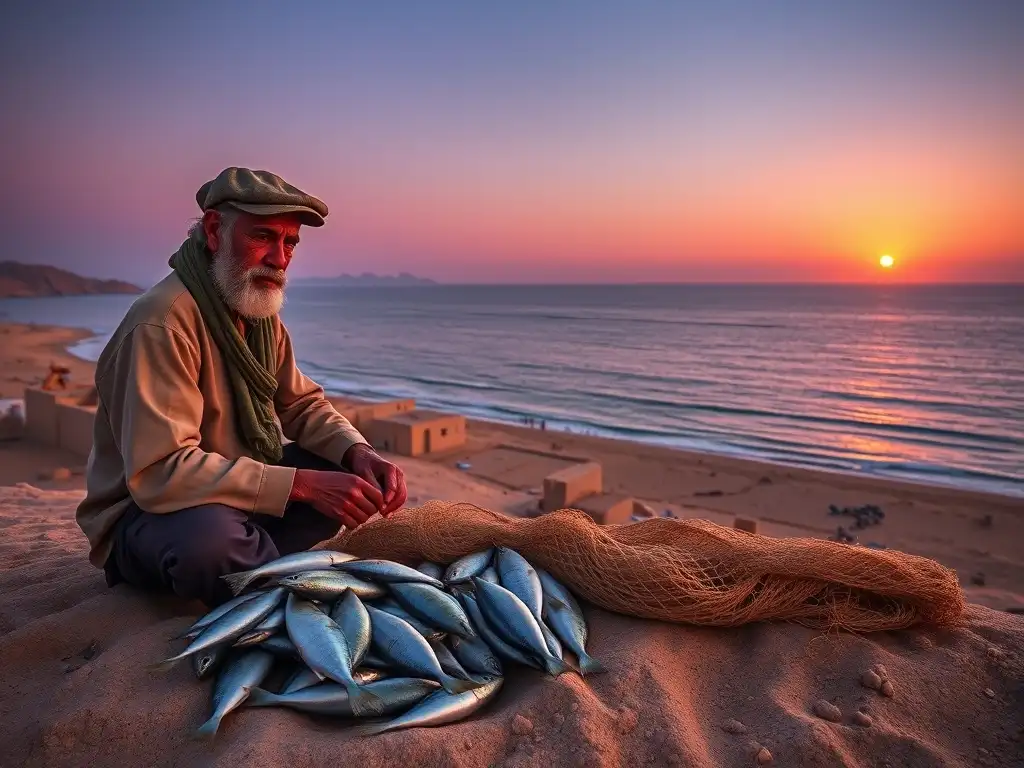
The Paracas people were master fishermen and exploited the abundant marine resources of the Pacific Ocean. Archaeological evidence consistently reveals a heavy reliance on fish, shellfish, and marine mammals. Fish bones, particularly those of anchovies and other small schooling fish, are commonly found in Paracas sites.
The sheer quantity of these remains highlights the importance of fishing in their daily life. Furthermore, the discovery of numerous shell middens – large heaps of discarded shells – provides compelling evidence of the extensive consumption of shellfish, including mussels, clams, and various types of snails. These marine resources provided a significant source of protein and essential nutrients for the Paracas population.
Analysis of isotopic ratios in human remains further corroborates the prevalence of marine foods in their diet, indicating a significant consumption of seafood throughout their lives. The scale of marine resource exploitation suggests a well-organized fishing industry, with specialized tools and techniques likely employed to maximize their catches. This reliance on the sea wasn’t merely for sustenance; it likely played a significant role in their social and religious life as well.
Agricultural Practices: Cultivating the Desert
While the sea provided a substantial portion of their diet, the Paracas people also engaged in agriculture, demonstrating remarkable ingenuity in cultivating crops in the arid coastal environment. They utilized sophisticated irrigation systems to channel water from rivers and streams, enabling them to grow crops such as cotton, beans, squash, and possibly maize. Evidence from botanical remains found in Paracas settlements and burial sites supports this conclusion.
The presence of cotton is particularly noteworthy, given its significance in their textile production, showcasing the intricate connection between agriculture and their renowned craftsmanship. While the scale of agricultural production might have been smaller compared to their reliance on marine resources, it was still a crucial component of their food security, providing essential carbohydrates and other nutrients.
The success of their agricultural practices highlights their adaptive capabilities and their profound understanding of the local environment. Further research is needed to fully understand the extent and complexity of their agricultural techniques and crop yields.
The Paracas diet wasn't solely limited to fish and crops. Evidence suggests the consumption of birds, such as seabirds and possibly some land birds, contributing further to their protein intake. Archaeological findings, however, are currently limited in providing precise details on the extent and frequency of consumption of certain foods.
[Specific information pending: More detailed analysis of faunal remains is needed to fully characterize the range of animal proteins consumed by the Paracas.] The variation in dietary components likely reflected social hierarchies and access to resources. While the details remain somewhat unclear, it's reasonable to assume that individuals with higher social status may have had access to a more diverse range of foods, including rarer or more desirable items.
Understanding the social dynamics associated with food consumption is crucial for a complete comprehension of Paracas society. Future research should focus on identifying potential dietary differences between social groups and exploring their implications for social stratification.
Conclusion: A Thriving Coastal Diet
The Paracas diet, shaped by their environment and ingenuity, was a remarkably successful strategy for survival and prosperity. Their mastery of both marine and agricultural resources allowed them to build a thriving coastal society. Further research into the detailed composition of their diet and the social factors influencing food access will undoubtedly enrich our understanding of this captivating culture.
The "Paracas coastal Peru diet" stands as a testament to their adaptability and resourcefulness, offering valuable insights into their way of life and their place within the broader tapestry of Andean civilizations. The integration of advanced isotopic analysis with ongoing archaeological excavations promises a more comprehensive picture of this remarkable civilization's dietary habits in the future.
- Marine Resources: The Bounty of the Sea
- Agricultural Practices: Cultivating the Desert
- Dietary Variety and Social Implications
- Conclusion: A Thriving Coastal Diet
Understanding the Paracas People and Their Coastal Environment
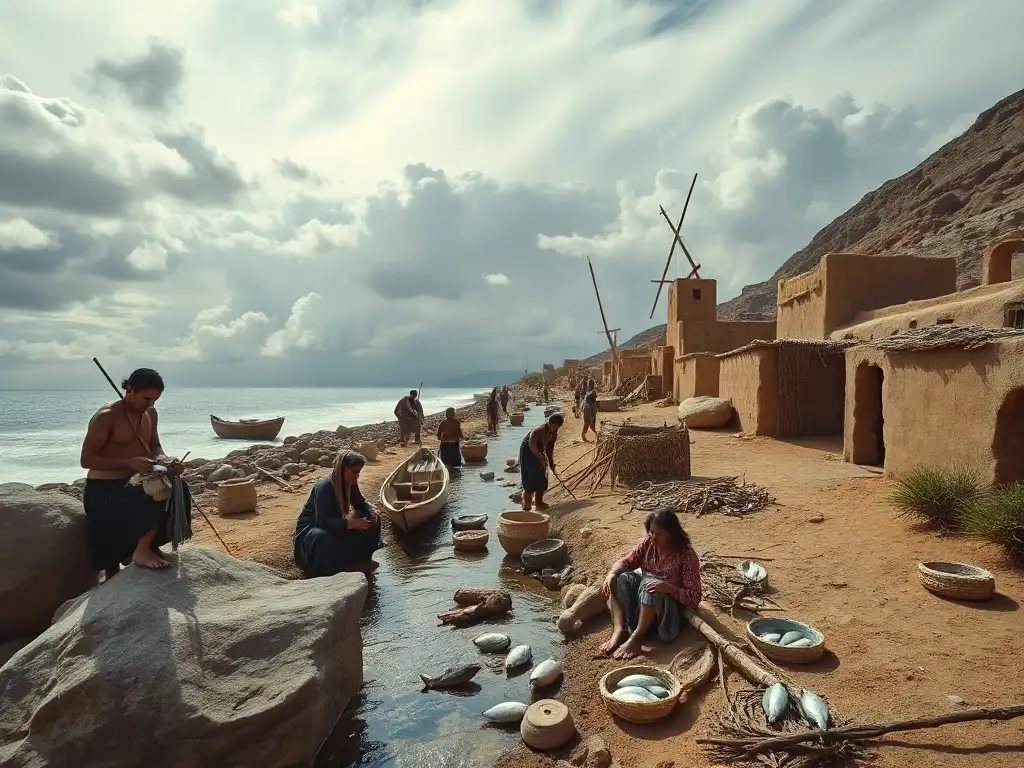
This section delves into the intricacies of the Paracas diet, focusing on how their unique coastal environment shaped their culinary practices and resource management strategies. Understanding the Paracas people's relationship with their surroundings is crucial to appreciating the ingenuity and resilience reflected in their dietary choices. Analyzing their food sources reveals a sophisticated understanding of their ecosystem, showcasing their adaptability and sustainable practices within the challenging coastal environment of ancient Peru. The Paracas coastal Peru diet was, therefore, a direct reflection of their environment and expertise.
The Paracas Culture: A Brief Overview
The Paracas culture flourished along the southern coast of Peru between approximately 700 BCE and 100 CE. Known for their remarkable textile artistry, particularly their intricate and vibrantly colored mantles, the Paracas were also skilled fishermen and agriculturalists. Their society, while less centralized than later Andean civilizations like the Inca, displayed a complex social structure evidenced by elaborate burial practices and the construction of impressive ceremonial centers. Understanding their social organization helps contextualize their food production and distribution systems.
The Paracas were not a monolithic group; regional variations likely existed in their diet, though the overall reliance on marine resources and limited agriculture remained consistent. Archaeological evidence suggests a sophisticated understanding of resource management, crucial for survival in a desert climate with limited freshwater resources. This sophisticated understanding is reflected directly in their unique Paracas coastal Peru diet.
Geographic Influence on the Paracas Lifestyle
The Paracas lived in a harsh, arid environment characterized by coastal deserts, scarce freshwater sources, and a dramatic coastline. The Humboldt Current, a cold ocean current, significantly impacted their lives. This current brought nutrient-rich waters teeming with marine life, forming the backbone of their economy and their diet. The limited arable land forced the Paracas to develop ingenious irrigation techniques to cultivate crops in the oases and valleys.
Their settlements were strategically located near both the sea and these limited agricultural areas, maximizing access to both marine and terrestrial resources. The challenges of their environment fostered innovation in food procurement and preservation techniques, evident in the diverse range of foods they consumed and the methods they used to store them. This adaptation to a challenging geography is key to understanding the nuances of the Paracas coastal Peru diet.
Coastal Resources Available to the Paracas
The Paracas skillfully exploited the abundance of marine resources available to them. Fish, particularly anchovies, formed a significant component of their diet, supplemented by various shellfish such as mussels, clams, and possibly oysters. Seabirds, like guano-producing birds, likely contributed to their diet as well, providing both meat and eggs.
Archaeological evidence, including middens (shell heaps) and bone remains, shows the prevalence of these marine resources in their diet. While less prominent than marine resources, the Paracas also cultivated crops. Evidence suggests the cultivation of cotton, beans, squash, and possibly maize, though the extent of agriculture was limited by the arid environment.
The combination of marine and limited terrestrial resources shaped the unique character of the Paracas coastal Peru diet, showcasing a successful strategy for sustainable living in a challenging environment. Further research into specific isotopic analysis of skeletal remains could provide more precise quantitative data on the proportions of marine versus terrestrial foods in their diet.
Key Components of the Paracas Coastal Peru Diet
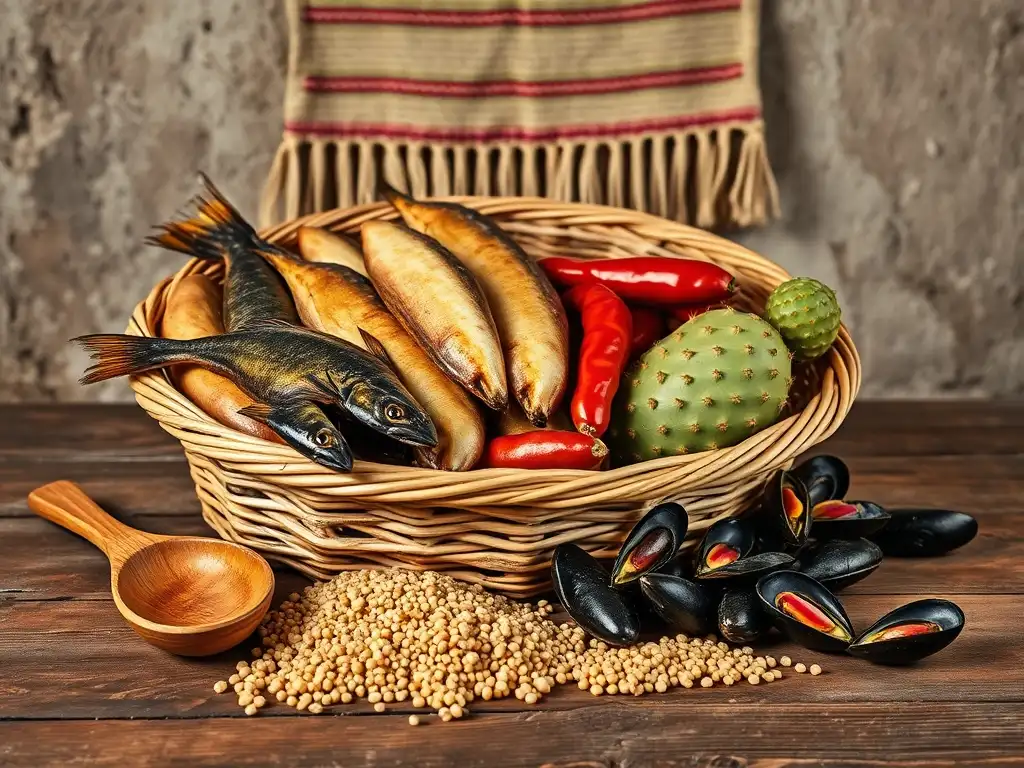
The Paracas culture, flourishing along the southern coast of Peru between 800 BCE and 200 CE, developed a sophisticated diet intricately linked to their environment. Their culinary landscape was shaped by the abundance of the sea and the ingenuity of their agricultural practices. Understanding the Paracas diet provides crucial insights into their societal organization, resource management, and overall lifestyle. The keyword "Paracas coastal Peru diet" perfectly encapsulates this rich and complex topic. Let's delve into the key elements.
Seafood: A Staple in the Paracas Diet
The proximity to the Pacific Ocean profoundly influenced the Paracas diet, making seafood its cornerstone. The ocean provided a readily available and diverse source of protein and nutrients, essential for sustaining a thriving population. Evidence from archaeological excavations consistently reveals the significant role of marine resources in their daily lives. The sheer variety of seafood consumed reflects both the abundance of the coastal waters and the Paracas' advanced fishing techniques.
Types of Fish Consumed by the Paracas
Paracas people consumed a wide variety of fish. Analysis of bone remains from archaeological sites indicates a preference for species readily available in the coastal waters. These likely included numerous types of anchovies, sardines, and other small pelagic fish, which were easy to catch in large quantities.
Larger fish, such as corvina or sea bass, were also part of their diet, albeit possibly less frequently consumed due to the effort required to catch them. The exact species composition remains an area of ongoing research, with new discoveries constantly refining our understanding. The seasonal availability of different fish species likely influenced the Paracas diet throughout the year.
Shellfish and Mollusks in the Paracas Cuisine
Beyond fish, shellfish and mollusks formed a significant part of the Paracas diet. Archaeological evidence points to the consumption of mussels, clams, oysters, and various types of snails. These shellfish were easily collected along the shoreline, providing a readily accessible and nutritious food source. Their shells were frequently found in middens (ancient garbage heaps), offering strong evidence of their widespread consumption. The abundance of shellfish in the Paracas diet suggests their importance in providing essential minerals and vitamins.
Fishing Techniques of the Ancient Paracas
The Paracas employed ingenious fishing techniques to exploit the ocean's bounty. While detailed descriptions are limited, archaeological finds suggest the use of various fishing tools. These likely included simple hooks and lines, nets woven from natural fibers, and possibly even more sophisticated techniques like traps or weirs. The development of these techniques was crucial to their survival, ensuring a consistent supply of seafood throughout the year. Further research into Paracas fishing practices is needed to fully understand the complexity and sophistication of their methods.
Agriculture in the Paracas Region
Despite their reliance on the sea, the Paracas also developed impressive agricultural techniques to supplement their diet. The arid coastal environment posed significant challenges, requiring innovative solutions for water management and crop cultivation. Their ingenuity in this area is a testament to their adaptability and resourcefulness. This agricultural component played a vital role in ensuring dietary diversity and food security.
Crops Cultivated by the Paracas People
The Paracas cultivated a range of crops adapted to the harsh coastal conditions. Evidence suggests the cultivation of cotton, beans, squash, and possibly maize, though the latter's presence is still debated among scholars. Cotton was particularly important, not only as a food source but also as a crucial raw material for textiles, a hallmark of Paracas craftsmanship. Beans and squash provided essential protein and carbohydrates, complementing the seafood component of their diet. The successful cultivation of these crops demonstrates the Paracas' advanced understanding of agriculture in a challenging environment.
Irrigation and Farming Practices
The Paracas overcame the limitations of the arid climate through sophisticated irrigation systems. They constructed canals and terraces to channel water from rivers and streams to their fields, enabling successful crop cultivation. These irrigation systems were crucial for the success of their agriculture, ensuring a reliable water supply for their crops. The precise engineering and scale of these systems highlight their advanced understanding of water management and their ability to adapt to the environment. Detailed studies of these irrigation systems are ongoing, revealing the extent of their technical prowess.
Importance of Agriculture to the Paracas Diet
Agriculture provided crucial dietary diversity for the Paracas. While seafood formed a major part of their diet, crops offered essential vitamins, minerals, and carbohydrates that seafood alone could not provide. The combination of marine and agricultural resources created a balanced and nutritious diet, contributing to the overall health and well-being of the Paracas population. The successful integration of agriculture and fishing highlights their ability to sustainably manage their resources and ensure food security. The Paracas' agricultural achievements are a key component of understanding their complex culture and their ability to thrive in a challenging environment.
Complementary Food Sources of the Paracas
The Paracas diet, while heavily reliant on marine resources, was far from monotonous. A diverse array of complementary food sources significantly contributed to their nutritional intake and overall sustenance. These sources, often overlooked in discussions focused solely on fish and shellfish, reveal a sophisticated understanding of their environment and a resourceful approach to food acquisition.
The Paracas people didn't simply rely on the ocean; they actively cultivated and foraged a variety of land-based foods, demonstrating a nuanced and balanced approach to their diet. This diversification likely played a crucial role in their survival and the flourishing of their culture along the harsh coastal regions of Peru.
The precise proportions of these complementary sources relative to seafood remain a subject of ongoing research, but their importance is undeniable. Further analysis of archaeological findings, specifically of midden contents and plant remains, is expected to provide a more comprehensive understanding of the exact contribution of these complementary foods to the overall Paracas diet.
Wild Plants and Foraging
Foraging played a significant role in supplementing the Paracas diet. Archaeological evidence suggests a reliance on a variety of wild plants, including roots, tubers, and fruits native to the coastal desert ecosystem. These plants likely provided essential vitamins, minerals, and carbohydrates, offering a crucial counterpoint to the primarily protein-based marine diet.
The identification of specific plant species is an ongoing area of research, but preliminary findings indicate the use of plants adapted to arid conditions. The ingenuity of the Paracas in locating and utilizing these resources highlights their deep understanding of their environment and their capacity to exploit even the most challenging landscapes for sustenance.
The prevalence of specific plant remains in Paracas settlements suggests that certain species were particularly important, perhaps even cultivated on a small scale using rudimentary techniques. Further research into the botanical evidence will undoubtedly uncover a richer picture of the role of wild plants in the Paracas diet.
Use of Animals in the Paracas Diet
While marine resources dominated the Paracas diet, evidence suggests the inclusion of land animals, though likely in smaller quantities. Camelids, such as llamas and alpacas, were probably a source of meat and fiber, although the extent of their contribution remains uncertain. The arid coastal environment presents challenges for raising large herds, so their role was probably supplementary rather than central. Small animals, like rodents and birds, may have also been hunted, providing additional protein and fat.
The availability of these land-based protein sources likely varied depending on the season and the proximity to suitable habitats. The relative scarcity of land animal remains in archaeological sites compared to marine resources suggests that they played a secondary role in the Paracas food system, but their inclusion still contributed to dietary diversity and nutritional balance. Further research is necessary to fully quantify the contribution of land animals to the overall Paracas diet.
Evidence of Trade and Food Exchange
The Paracas culture wasn't isolated; evidence points to extensive trade networks connecting them with other Andean communities. This trade likely facilitated access to food resources not readily available in their immediate environment. The presence of certain artifacts and materials in Paracas sites suggests exchanges with groups further inland, potentially involving agricultural products like maize, beans, and quinoa.
These foods, crucial sources of carbohydrates and nutrients, could have significantly supplemented the Paracas diet, particularly during times of scarcity. The scale and nature of this trade remain areas of ongoing research, but the presence of non-coastal materials provides strong evidence of interconnectedness and food exchange. The intricate trade networks suggest a sophisticated social and economic system capable of supporting the nutritional needs of a sizeable population through a complex exchange of goods and resources.
Analyzing the isotopic composition of Paracas remains could offer further insights into the extent to which these traded foods contributed to their overall diet. The integration of these external food sources likely enhanced the nutritional diversity and resilience of the Paracas population.
Analyzing the Nutritional Value of the Paracas Diet
The Paracas culture, flourishing along the southern coast of Peru between 700 BCE and 100 CE, developed a sophisticated diet shaped by its unique environment. Understanding their nutritional intake provides crucial insights into their societal structure, agricultural practices, and overall health. Analyzing the Paracas coastal Peru diet reveals a surprisingly diverse range of food sources, carefully balanced to provide the necessary energy and nutrients for a thriving coastal community.
While detailed dietary records are unavailable, archaeological evidence, coupled with ethnohistorical accounts of similar coastal cultures, allows us to reconstruct a reasonably accurate picture of their nutritional intake. This analysis focuses on the main macronutrient groups: proteins, carbohydrates, and fats, demonstrating the ingenuity of the Paracas in harnessing their environment for sustenance.
Protein Sources in the Paracas Coastal Diet
Protein formed a cornerstone of the Paracas diet, primarily sourced from marine life. The abundance of the Pacific Ocean provided a rich bounty, with fish forming a significant portion of their protein intake. Archaeological excavations have unearthed numerous fish bones, indicating a preference for various species, likely including anchovies, sardines, and other small pelagic fish.
These fish are rich in omega-3 fatty acids, offering significant health benefits. Additionally, shellfish, such as mussels, clams, and possibly even some types of crustaceans, contributed substantially to their protein needs. The Paracas likely employed various fishing techniques, ranging from simple nets to more sophisticated methods, adapting their strategies to the seasonal variations in fish populations.
Beyond marine resources, the Paracas also consumed land-based protein. Evidence suggests that they cultivated beans and squash, which, while primarily carbohydrate sources, also offered a modest amount of protein. Furthermore, it is plausible that they hunted camelids (llamas or alpacas) to a lesser extent, supplementing their diet with this protein source, although marine protein likely dominated their intake.
The precise proportion of marine versus land-based protein remains uncertain, requiring further research and analysis of existing archaeological data. However, the clear dominance of marine resources in the coastal environment points strongly towards fish and shellfish as the predominant protein sources in the Paracas coastal Peru diet.
Carbohydrates and Energy Intake
Carbohydrates provided the bulk of the Paracas' energy requirements. Their primary carbohydrate sources were likely various types of tubers, such as sweet potatoes and other root vegetables, well-suited to the coastal climate. These starchy foods provided a reliable and readily available energy source. Cultivation of these crops likely involved sophisticated irrigation systems, reflecting their advanced agricultural knowledge. Archaeological findings of agricultural tools and irrigation canals support this understanding.
In addition to tubers, the Paracas likely consumed various types of beans, which are excellent sources of both carbohydrates and protein. The exact varieties of beans cultivated remain [specific information pending], but their presence in the diet is strongly suggested by comparative studies with other coastal cultures of the time. These carbohydrates would have provided the necessary energy for daily activities, including fishing, agriculture, and the production of their elaborate textiles. The balance of carbohydrate sources—tubers and beans— likely provided a diverse range of nutrients and ensured a steady supply of energy throughout the year.
The Role of Fats and Oils
Fats and oils played a crucial role in the Paracas diet, primarily derived from marine resources. The fatty fish and shellfish consumed by the Paracas provided essential fatty acids, contributing to their overall health and well-being. Furthermore, the use of marine mammals, such as sea lions, although less certain than fish and shellfish, cannot be entirely ruled out. If consumed, these animals would have provided a significant source of fat.
While plant-based oils were likely less prevalent than those derived from marine sources, the possibility of using oils from plants like the lúcuma fruit, native to the region, cannot be ignored. [Further research needed on plant-based oils in the Paracas diet]. The overall balance of fat intake likely reflected the availability of marine resources, with the high consumption of fatty fish contributing to a relatively high fat intake compared to some inland Andean cultures.
The role of fat in their diet is an area requiring further investigation, focusing on the analysis of lipid residues in archaeological contexts to obtain a more precise understanding of the types and quantities of fats consumed by the Paracas people. This would further refine our understanding of the Paracas coastal Peru diet and its nutritional implications.
Mineral and Vitamin Content in the Paracas Food
The Paracas diet, heavily reliant on marine resources and agricultural produce, likely provided a significant intake of essential minerals and vitamins. Analyzing the precise mineral and vitamin content is challenging due to the limitations of archaeological analysis, but we can make informed inferences based on what we know about the foods consumed and their nutritional profiles in similar climates and contexts.
Fish and shellfish, major components of the Paracas diet, are excellent sources of iodine, crucial for thyroid function. Deficiencies in iodine can lead to goiter, a condition that, while not definitively linked to Paracas populations, has been documented in other ancient coastal communities with similar dietary patterns. The consumption of shellfish also provided zinc, important for immune function and wound healing, and selenium, an antioxidant that protects cells from damage.
The agricultural component of the Paracas diet, including beans, squash, and possibly some tubers, contributed vital vitamins and minerals. Beans are a rich source of iron, crucial for oxygen transport in the blood, and folate, essential for cell growth and development, particularly during pregnancy. Squash provided Vitamin A, critical for vision and immune function, and potassium, vital for maintaining fluid balance. The precise types of tubers consumed remain uncertain [specific information pending], but it is likely that they offered additional carbohydrates and potentially, minerals like calcium and magnesium.
It's important to note that the bioavailability of these nutrients – the extent to which the body can absorb and utilize them – is influenced by several factors, including the preparation methods used by the Paracas. For example, the way food was cooked (boiling, roasting, etc.) could affect the retention of certain vitamins. Further research, potentially involving isotopic analysis of Paracas skeletal remains, could offer more specific insights into the actual mineral and vitamin intake and its impact on their overall health.
Unfortunately, the degradation of organic materials over time presents a significant hurdle to this line of inquiry. However, existing evidence strongly suggests that the Paracas diet, while potentially lacking in some specific nutrients depending on seasonal variations and agricultural output, was generally rich in essential vitamins and minerals necessary for a healthy life. The diversity of their food sources likely mitigated the risk of significant deficiencies.
How the Paracas Diet Shaped Their Health and Society
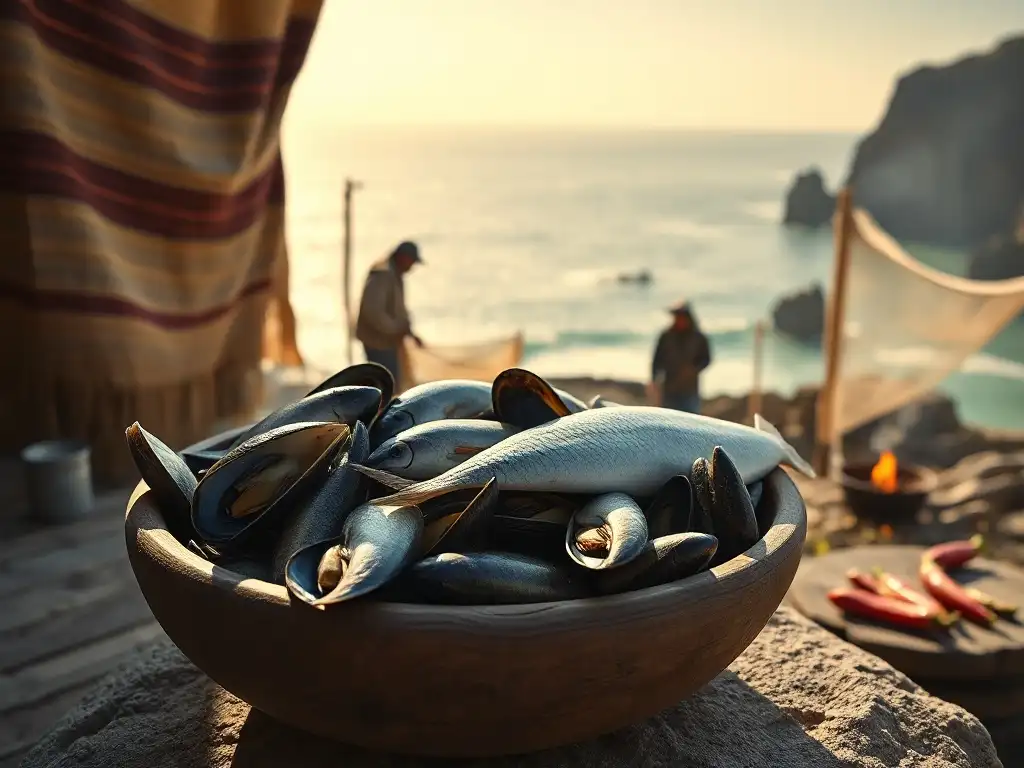
The Paracas culture, flourishing along the southern coast of Peru between 800 BCE and 200 CE, developed a unique dietary system intricately linked to their environment and social organization. Understanding their diet offers crucial insights into their health, social structures, and spiritual beliefs. The Paracas coastal Peru diet wasn't just about sustenance; it was a cornerstone of their civilization. Analyzing their skeletal remains and the archaeological record reveals a fascinating picture of their nutritional intake and its consequences.
Dietary Impact on Paracas Health
Analysis of Paracas skeletal remains reveals a population generally exhibiting good dental health, suggesting a diet rich in fibrous foods that helped clean teeth naturally. However, evidence also points to some nutritional deficiencies. While the abundance of seafood provided essential proteins and minerals, a potential lack of certain vitamins and minerals, possibly due to limited agricultural diversity in certain areas, might have contributed to some health issues. Further research is needed to fully understand the long-term effects of the Paracas diet on their overall health.
For example, [specific information pending] on the prevalence of specific diseases correlated with dietary deficiencies in Paracas remains. Studies comparing the skeletal remains with those of contemporary populations with different diets could illuminate the impact of the Paracas coastal Peru diet on their health outcomes. This comparative analysis would provide a clearer picture of the health benefits and drawbacks of this unique dietary pattern.
The Paracas diet likely reflected social stratification. Archaeological evidence suggests that elites had access to a wider variety of foods, including imported goods, while commoners relied more heavily on locally available resources. This disparity is evident in the types and quantities of food remains found in different burial contexts. Elites might have enjoyed more fish, particularly prized species, along with exotic fruits and vegetables, potentially reflecting their higher social standing and access to trade networks.
Analyzing the isotopic composition of skeletal remains could provide further evidence of dietary differences between social classes, revealing the extent to which access to resources shaped the Paracas coastal Peru diet. For example, a higher proportion of marine protein in elite burials compared to commoner burials would support this hypothesis. The study of food remains in different settlement areas could also clarify the relationship between social hierarchy and dietary habits within the Paracas society.
Rituals and Food Consumption in Paracas Society
Food played a significant role in Paracas rituals and ceremonies. Evidence suggests that certain foods held symbolic importance and were used in offerings to deities or during funerary practices. The intricate textiles and pottery often depict various food items, illustrating their cultural significance.
The presence of specific foods in elite tombs might indicate their use in rituals associated with power and status. Furthermore, [specific information pending] on the ceremonial use of specific plants with psychoactive properties found in Paracas contexts requires further investigation. The Paracas coastal Peru diet was not solely about physical sustenance; it was deeply intertwined with their religious beliefs and social practices.
Further research into the iconography and context of food-related artifacts would illuminate the symbolic meaning of specific foods and their roles in Paracas religious life. Detailed analysis of the chemical composition of food remains found in ritual contexts could reveal the specific types of foods used in these ceremonies. Understanding these ritualistic aspects provides a richer understanding of the holistic significance of food within Paracas society.
Paracas Diet's Influence on Their Culture
The Paracas diet, heavily reliant on marine resources and supplemented by agricultural products, profoundly shaped their cultural practices and societal structures. The abundance of fish, shellfish, and seabirds provided a stable food source, allowing for population growth and the development of complex social hierarchies. This reliable food supply facilitated the creation of large-scale ceremonial centers and the production of elaborate textiles, pottery, and other art forms, all indicative of a society with surplus resources and specialized labor. The intricate designs found on Paracas textiles, for instance, often depict marine life, suggesting a deep connection between their diet and their artistic expression.
The abundance of fish also likely played a role in their religious beliefs and rituals, potentially reflected in the iconography found in their tombs and other archaeological sites. Further research is needed to fully understand the extent of this influence, but the available evidence strongly suggests a significant link between the Paracas diet and their rich cultural tapestry. The ability to consistently harvest and process large quantities of seafood likely contributed to the development of sophisticated technologies related to fishing and food preservation, further impacting their societal development.
For example, the development of specialized tools for fishing and the construction of storage facilities for preserving food would have required collaborative efforts and specialized knowledge, contributing to social organization and complexity. In essence, the Paracas diet wasn't just about sustenance; it was a cornerstone of their cultural identity and societal progress. The success of their food system laid the groundwork for their artistic achievements and complex social structures.
Archaeological Evidence of Paracas Dietary Habits

The Paracas culture, flourishing along the southern coast of Peru from roughly 800 BCE to 100 CE, left behind a rich archaeological record that offers valuable insights into their diet. Understanding their dietary practices provides a crucial lens through which to view their social structures, economic strategies, and overall adaptation to the challenging coastal environment. Analyzing the "Paracas coastal Peru diet" requires a multi-faceted approach, combining different lines of evidence to paint a comprehensive picture. The analysis of food remains, pottery, and burial practices offers the most compelling evidence.
Analysis of Paracas Food Remains
Excavations of Paracas sites have unearthed a variety of organic remains, providing direct evidence of their consumption habits. These remains, though often fragmented and degraded due to the coastal climate, reveal a diet heavily reliant on marine resources. Fish bones, particularly those of anchovies and other small pelagic fish, are frequently found in large quantities at residential sites. This suggests a significant dependence on fishing, likely employing various techniques like netting and hook-and-line fishing.
Furthermore, the presence of shellfish remains, including mussels, clams, and possibly even some types of octopus, indicates a diverse exploitation of coastal resources. Analysis of isotopic ratios in human skeletal remains further supports this conclusion, showing a high proportion of marine protein in their diet. Interestingly, evidence of terrestrial resources is also present, although less abundant. Plant remains, such as those of beans and possibly some tubers, suggest some level of agriculture or foraging for supplemental food sources.
The exact proportion of marine versus terrestrial food in the Paracas diet remains a subject of ongoing research, with more detailed studies needed to quantify the relative contribution of different food groups. The variability in the composition of food remains across different sites may also reflect differences in social status or access to resources. For example, certain elite burials might contain evidence of more diverse and potentially rarer foods compared to those of commoners.
Studying Paracas Pottery and Food Storage
Paracas pottery provides another crucial avenue for understanding their dietary habits. Depictions of food items on pottery vessels offer valuable clues about the types of foods consumed and the methods of food preparation and storage. While the precise identification of some depicted foods can be challenging, many images clearly represent fish, shellfish, and possibly various plant products.
The presence of vessels designed for storage, such as large jars and bowls, indicates a capacity for preserving and storing food for later consumption. This suggests that Paracas people employed strategies to manage food surpluses, mitigating the challenges of seasonal variations in resource availability. Some pottery fragments also show evidence of food residues, which can be analyzed using chemical methods to identify specific food components.
This approach complements the analysis of food remains, offering an independent line of evidence. However, the interpretation of pottery imagery must be approached cautiously, recognizing that artistic representations may not always accurately reflect the entire range of dietary practices. Further research is needed to fully interpret the symbolic meaning of food depictions on Paracas pottery, which could provide further insights into the cultural significance of food in their society.
Insights from Paracas Burial Practices
The elaborate burial practices of the Paracas people offer unique insights into their societal structures and, indirectly, their diets. The presence of food offerings in tombs suggests that food held significant symbolic value and played a role in funerary rituals. While the types of food offerings varied depending on the status of the deceased, they often included marine resources, such as fish and shellfish. The inclusion of these offerings in tombs might reflect beliefs about the afterlife or the importance of providing sustenance for the deceased in the next world.
The quantity and quality of food offerings could also indicate the social status of the individual. Elite burials often contain more abundant and diverse food offerings than those of commoners. The careful placement and arrangement of food items in tombs also suggest ritualistic significance.
Detailed analysis of the food remains from Paracas burials, combined with the study of tomb architecture and associated artifacts, can provide valuable information about the social and cultural context of food consumption and its role in Paracas society. However, the interpretation of burial practices should account for potential biases related to preservation and sampling. More research is needed to fully understand the relationship between burial practices and dietary habits among different social groups within the Paracas culture.
What Bones Tell Us About the Paracas Diet
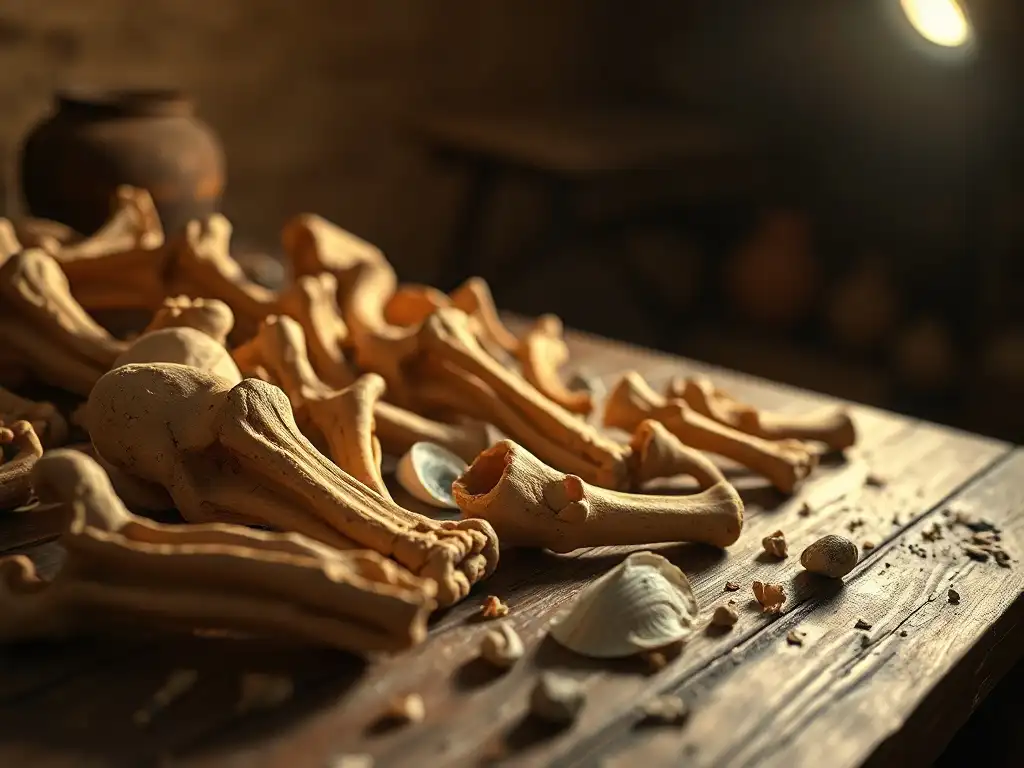
Analysis of skeletal remains unearthed from Paracas sites offers invaluable insights into the dietary habits of this ancient coastal Peruvian civilization. Isotopic analysis of bone collagen, for instance, provides a detailed picture of the types of food consumed over a lifetime. Studies have shown a high proportion of marine protein in the Paracas diet, reflecting their proximity to the rich fishing grounds of the Pacific Ocean. This isn't surprising considering the Paracas' mastery of maritime technology.
The presence of strontium isotopes in bone samples further confirms a predominantly coastal lifestyle, indicating minimal inland migration or agricultural dependence for sustenance. Furthermore, the condition and morphology of the bones themselves can reveal information about nutritional deficiencies or diseases related to diet. For example, evidence of rickets, a disease caused by vitamin D deficiency, might indicate limited sun exposure or insufficient consumption of vitamin D-rich foods. While detailed, specific data on prevalence of such deficiencies in Paracas populations requires further research and clarification, existing studies strongly suggest a diet rich in seafood and possibly supplemented by limited agricultural products.
The absence of widespread signs of malnutrition in many skeletal samples suggests a generally successful adaptation to their environment and a reliable food supply. However, further research is needed to fully understand the variations in diet across different social strata within the Paracas society. This would involve analyzing a larger sample size of skeletal remains, and correlating bone analysis with other archaeological findings, such as the contents of burial sites.
Stable Isotope Analysis: Unlocking the Secrets of Paracas Food Consumption
Stable isotope analysis, a powerful tool in archaeological research, plays a crucial role in reconstructing the Paracas diet. This technique involves analyzing the ratios of stable isotopes (like carbon and nitrogen) in human bone collagen and other organic materials. The isotopic signature of consumed food is incorporated into the body's tissues, offering a record of the diet over a considerable period. For the Paracas, stable isotope analysis has revealed a strong reliance on marine resources. The high proportion of 15 N in bone collagen indicates a significant intake of marine protein, likely from fish, shellfish, and marine mammals. This finding corroborates evidence from other archaeological sources, such as the abundance of fishing implements and the presence of marine fauna in middens (ancient garbage dumps). However, the isotopic data also suggests a certain level of dietary diversity. Variations in carbon isotope ratios point to the incorporation of terrestrial plants into the diet, possibly cultivated crops like maize or beans, although the extent of their contribution remains a subject of ongoing research. The precise mix of marine and terrestrial foods varied likely depending on factors such as geographic location, social status, and seasonal availability. The use of stable isotope analysis, combined with other archaeological methods, allows researchers to create a more comprehensive and nuanced understanding of Paracas foodways and their relationship with the environment. Further studies are needed to refine our understanding of the seasonal and social variations in the Paracas diet through more extensive isotope analysis.
Botanical Remains and the Paracas Diet: Evidence from Plant Remains
Beyond skeletal analysis, botanical remains discovered at Paracas archaeological sites provide direct evidence of plant consumption. Seeds, fruits, and other plant materials preserved in middens, burials, and other contexts offer valuable insights into the agricultural practices and dietary habits of the Paracas people. While the Paracas are primarily known for their maritime expertise, evidence suggests that agriculture played a supporting role in their subsistence strategy. Researchers have identified various plant species, including maize, beans, and possibly squash, indicating the cultivation of crops.
The presence of these plants does not necessarily mean they formed a large proportion of the daily diet compared to seafood, but it suggests dietary supplementation and possibly the existence of specialized agricultural practices amongst certain Paracas groups. The analysis of pollen samples from Paracas sites can also provide information on the surrounding vegetation and the availability of wild plants for consumption. Furthermore, the study of phytoliths (microscopic silica bodies found in plants) can help identify plant species even when macroscopic remains are scarce.
The challenge lies in distinguishing between cultivated and wild plants. Further research is crucial to fully understand the role of agriculture in the Paracas diet, including the extent of crop cultivation, the importance of wild plant foods, and the potential variations in agricultural practices across different settlements. This will involve detailed analysis of a wider range of plant remains from various Paracas sites.
Conclusion: The Significance of the Paracas Diet
The Paracas culture, flourishing along the arid southern coast of Peru, developed a remarkably sophisticated food system that directly reflected their unique environment and ingenuity. Understanding their diet provides crucial insights into their social organization, technological advancements, and overall resilience in a challenging landscape.
This section explores the lasting impact of the Paracas diet, highlighting its environmental adaptation, the lessons it offers for modern sustainable practices, and its enduring legacy in contemporary Andean cuisine. Analyzing the Paracas coastal Peru diet reveals a complex interplay between human ingenuity and ecological constraints, offering valuable perspectives on both ancient and modern food systems.
The Paracas Diet as a Reflection of Their Environment
The Paracas coastal Peru diet was heavily influenced by the readily available resources of their environment. The coastal desert, while seemingly barren, offered a surprising abundance of life. The Paracas people expertly harnessed this bounty, developing intricate fishing techniques to capture a variety of marine species. Evidence from archaeological excavations consistently reveals the presence of fish bones, shellfish remains (including mussels, clams, and various types of snails), and seabird bones in their middens and burial sites. This reliance on marine resources is not surprising, given the proximity of the ocean and the relatively limited arable land.
Furthermore, the Paracas diet wasn't solely reliant on the sea. Limited agriculture, focused on drought-resistant crops like beans and possibly some varieties of maize, supplemented their seafood-centric meals. Evidence suggests they also utilized camelids (llamas and alpacas) for both meat and fiber, although this source likely played a less significant role compared to marine resources in their overall diet. The Paracas' sophisticated understanding of their environment is evident in their ability to exploit a variety of food sources, creating a balanced and sustainable (for their time) food system.
They adapted to the limitations of their environment, maximizing the potential of available resources. This adaptability is a key factor in understanding their success and longevity. The scarcity of fresh water likely influenced their food choices, favoring foods with high water content and those requiring minimal irrigation.
Lessons Learned from the Paracas Food System
The ingenuity of the Paracas in managing their food resources offers valuable lessons for modern sustainable food practices. Their reliance on diverse, locally sourced foods minimized their ecological footprint and promoted resilience to environmental fluctuations. Their fishing techniques, while simple by modern standards, demonstrate a deep understanding of marine ecosystems and a commitment to responsible harvesting. We can learn from their approach to resource management, recognizing the importance of biodiversity and the need to avoid over-reliance on single food sources.
Consider the Paracas' emphasis on seafood. Their diet demonstrates the nutritional value and sustainability of marine resources, particularly in coastal regions. Modern societies could benefit from re-evaluating the role of seafood in our diets, promoting sustainable fishing practices and reducing our reliance on land-based agriculture, which often carries a higher environmental cost.
The Paracas' success also highlights the importance of adapting food systems to local conditions, rather than imposing standardized models that may not be ecologically or socially appropriate. Their example emphasizes the need for localized and sustainable agricultural practices, crucial for food security in the face of climate change.
Paracas Dietary Legacy in Modern Andean Food
The Paracas coastal Peru diet, though centuries old, continues to resonate in the culinary traditions of modern Andean communities. Many of the staple foods consumed by the Paracas – seafood, beans, and camelid meat – remain important components of the Andean diet today. The techniques used by the Paracas to process and preserve food, although possibly refined over time, also likely contributed to the development of modern food preservation methods used in the region. While specific recipes have undoubtedly evolved, the fundamental elements of the Paracas diet persist, demonstrating a long and unbroken connection to the past.
The enduring significance of the Paracas food system is not merely a matter of historical continuity. It also highlights the enduring adaptability of Andean cultures. The ability of Andean communities to adapt and innovate their food systems across generations demonstrates the resilience of their food cultures and their capacity to respond to changing environments and social conditions.
The Paracas legacy serves as a testament to the importance of preserving traditional food knowledge and practices, which often hold the key to sustainable and resilient food systems for future generations. The study of the Paracas coastal Peru diet offers a powerful reminder of the interconnectedness of culture, environment, and food.
Frequently Asked Questions
What was the basis of the Paracas people's diet?
The Paracas diet heavily relied on marine resources, such as fish, shellfish, and seabirds. They also cultivated agricultural products like beans, squash, and potatoes, supplementing their diet with camelids like llamas and alpacas.
How did the Paracas obtain their food?
The Paracas were skilled fishermen and farmers. Their coastal location provided easy access to marine life, while their agricultural practices allowed them to cultivate crops in the arid climate. Trade networks also played a role in supplementing their food supply.
What role did marine resources play in the Paracas diet?
Marine resources were fundamental to the Paracas diet. Fish, shellfish, and seabirds provided essential protein and nutrients. Evidence suggests that fishing was a significant economic and social activity.
Did the Paracas cultivate any crops?
Yes, despite the challenging environment, the Paracas developed sophisticated irrigation systems to cultivate crops such as cotton, beans, squash, and potatoes. These crops provided essential carbohydrates and other nutrients.
What evidence exists to support our understanding of the Paracas diet?
Archaeological evidence, including bone remains, shell middens, and plant remains, reveals the key components of the Paracas diet. Analysis of human remains further indicates the nutritional impact of their food sources.
Final Reflection: Echoes of the Paracas Table: A Legacy of Coastal Ingenuity
The Paracas people, masters of their coastal environment, offer us a powerful lesson in sustainable living and resourcefulness, a lesson that resonates deeply in our modern world grappling with climate change and food security. Their sophisticated understanding of marine and terrestrial resources, detailed in the archaeological record, stands as a testament to human adaptability and the enduring power of community-based food systems. We can learn much from their ingenuity, particularly as we face the challenges of a changing planet.
The Paracas diet, rich in marine life and diverse plant resources, wasn't just a means of survival; it was a cornerstone of their culture, shaping their social structures and artistic expressions. Their ability to thrive in a seemingly harsh environment speaks volumes about human resilience and the importance of understanding and respecting the delicate balance of ecosystems. The land provides, but the sea sustains.
This unspoken truth, evident in the Paracas way of life, holds a powerful message for us today as we strive to build more sustainable and equitable food systems.
Consider the choices you make regarding your own diet. Reflect on the origins of your food, the impact of its production on the environment, and the communities involved in bringing it to your table. Let the legacy of the Paracas people inspire you to make conscious, informed decisions that support both your well-being and the health of our planet.
Embrace a mindful approach to food, one that values sustainability, diversity, and the interconnectedness of all living things. The echoes of the Paracas table call to us, urging us to build a future where nourishment and environmental stewardship go hand in hand.
**Unveil the Secrets of Ancient Peruvian Nutrition! **
Thank you for exploring the fascinating dietary practices of the ancient Paracas culture! By studying their foodways, you've gained valuable insights into their lifestyle and sustainable approach to agriculture. Now, let's apply this knowledge to transform your own eating habits!
Here are a few ways to put your newfound knowledge into practice:
- **Experiment with Paracas-inspired recipes:** Try incorporating nutritious ancient grains like quinoa and amaranth into your meals. Discover the delicious flavors of this ancient civilization!
- **Join or start a local cooking group** focused on ancient South American cuisines to explore sustainable cooking techniques with others in your community.
- **Share your favorite discoveries** and recipes with friends and family on social media to inspire others and spark conversations about culinary history and sustainable food practices.
Which traditional Paracas ingredient are you most excited to try in your cooking?