
Paracas Agriculture: How They Thrived in the Harsh Coastal Environment

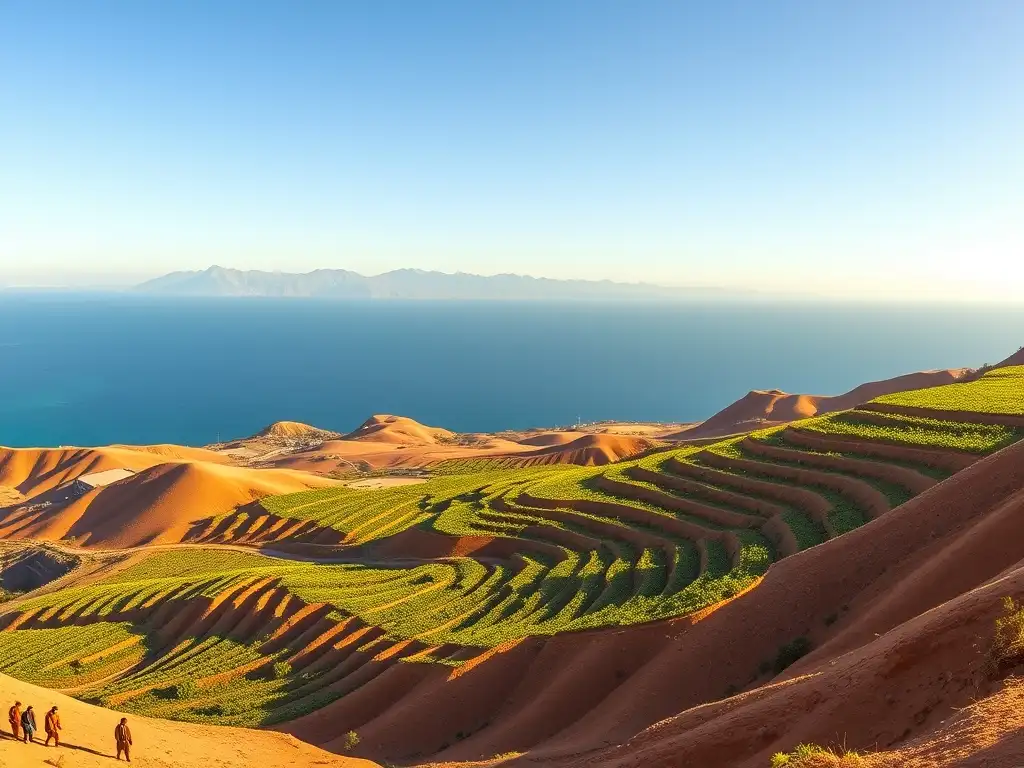
Unravel the mysteries of a civilization that defied the desert! Step into the world of the ancient Andean cultures, where innovation thrived against all odds. Discover how the ingenious Paracas farming techniques allowed these coastal communities to flourish in a seemingly barren landscape. Prepare to be amazed by their resilience and ingenuity – a story waiting to be unearthed in our exploration of the Pre-Incan Cultures of the Coast. Dive in and uncover the secrets of their success!
-
Paracas Agriculture: Thriving in the Desert Coastal Environment
- Introduction to Paracas Agriculture and its Challenges
- The Arid Landscape of the Paracas Peninsula: Environmental Obstacles
- Paracas Farming Techniques: Ingenious Adaptations
- Key Crops Cultivated by the Paracas People
- Coastal Resources and their Integration with Agriculture
- Advanced Paracas Agricultural Practices: A Deeper Look
- Evidence of Paracas Agricultural Sophistication: Archaeological Findings
- The Legacy of Paracas Farming: Lessons for Modern Agriculture
- Conclusion: The Resilience of Paracas Agriculture
-
Frequently Asked Questions
- What were the primary challenges faced by Paracas farmers?
- How did the Paracas overcome water scarcity for their agriculture?
- What crops did the Paracas primarily cultivate?
- What innovative farming techniques did the Paracas use?
- What evidence supports our understanding of Paracas farming practices?
- Final Reflection: The Enduring Legacy of Paracas Ingenuity
- Unleash Your Inner Explorer: Dive into Paracas Agriculture!
Paracas Agriculture: Thriving in the Desert Coastal Environment
The Paracas culture, flourishing on the arid southern coast of Peru between 700 BCE and 200 CE, presents a fascinating case study in human adaptation and ingenuity. This article delves into the remarkable agricultural practices employed by the Paracas people, exploring how they managed to cultivate crops and sustain a thriving civilization in one of the most challenging environments on Earth. Understanding their farming techniques reveals not only their resilience but also their advanced knowledge of water management and resource optimization, crucial for survival in the harsh desert climate.
This exploration of "Paracas farming techniques" will reveal the secrets behind their agricultural success, highlighting the innovative strategies that allowed them to thrive in a seemingly inhospitable landscape. We will analyze the environmental obstacles they faced, the ingenious solutions they developed, and the lasting legacy of their agricultural achievements.
Introduction to Paracas Agriculture and its Challenges
The Paracas Peninsula, located in present-day Peru, is characterized by its extremely arid climate, scarce rainfall, and strong winds. These factors posed significant challenges to agriculture, yet the Paracas people developed sophisticated techniques to overcome these obstacles. Their agricultural practices weren't simply about survival; they were integral to their social structure, religious beliefs, and overall cultural development.
Evidence suggests a complex system involving diverse crops, sophisticated irrigation methods, and a deep understanding of their environment. Unlike many other Andean cultures that relied heavily on highland agriculture, the Paracas focused on utilizing the limited resources available in their coastal setting. This necessitated a unique approach to farming that prioritized water conservation and maximizing yield from limited arable land.
The ingenuity and effectiveness of their methods are a testament to their remarkable adaptation and resourcefulness. We'll examine the specific crops they cultivated, analyzing their choices based on adaptability to the harsh climate and their importance within the Paracas diet and economy. The success of their farming techniques directly contributed to the development of a complex and vibrant society.
The Arid Landscape of the Paracas Peninsula: Environmental Obstacles
The Paracas Peninsula presents a formidable challenge for agriculture. The extremely low annual rainfall, often less than [specific rainfall data pending] millimeters, coupled with strong coastal winds and the presence of shifting sands, created a hostile environment for plant growth. The soil itself is often poor in nutrients and prone to erosion. The lack of reliable freshwater sources further exacerbated the difficulty of cultivating crops. These conditions would have severely limited the types of crops that could be successfully grown.
To illustrate the severity of the conditions:
| Environmental Factor | Description | Impact on Agriculture |
|---|---|---|
| Rainfall | Extremely low, less than [specific rainfall data pending] mm annually | Limited water availability for irrigation |
| Soil | Poor in nutrients, prone to erosion | Reduced crop yields, need for soil amendments |
| Winds | Strong coastal winds | Increased evaporation, potential for soil erosion |
| Water Sources | Scarce and unreliable | Necessity for efficient water management techniques |
The Paracas people's ability to overcome these seemingly insurmountable obstacles showcases their impressive understanding of their environment and their capacity for innovation. Their solution involved a sophisticated system of water management, careful selection of drought-resistant crops, and possibly even techniques for soil improvement. The following sections will explore these strategies in detail. The success of their agriculture was not merely a matter of survival; it laid the foundation for the rich and complex culture that we know today.
Paracas Farming Techniques: Ingenious Adaptations
The Paracas people, inhabiting the arid coastal region of southern Peru, developed remarkable farming techniques to overcome the challenges of their harsh environment. Their success wasn't due to sheer luck, but to a sophisticated understanding of their surroundings and the implementation of innovative agricultural practices. These methods, honed over centuries, allowed them to cultivate a diverse range of crops and sustain a relatively large population in a seemingly inhospitable landscape.
Their ingenuity is a testament to human adaptability and resourcefulness in the face of environmental adversity. The Paracas' agricultural achievements are a significant aspect of their overall cultural development, demonstrating a deep connection with their environment and a profound understanding of sustainable practices. These techniques, while adapted to their unique setting, share some similarities with other ancient Andean agricultural practices, highlighting a shared knowledge and exchange within the region.
Understanding the Paracas Irrigation Methods
The Paracas irrigation systems were crucial to their agricultural success. Given the scarcity of rainfall, they relied heavily on capturing and channeling water from rivers and streams. They constructed intricate networks of canals and ditches, often employing sophisticated terracing techniques to maximize water distribution across uneven terrain. These canals were carefully designed to minimize water loss through evaporation, utilizing materials like clay and stone to create watertight channels.
Archaeological evidence suggests that the Paracas also implemented methods to manage water flow, controlling the rate of irrigation based on the needs of different crops. The precise engineering of these systems reflects a deep understanding of hydrology and a commitment to sustainable water management. Further research is needed to fully understand the extent and complexity of these irrigation networks, but existing evidence points to a remarkable feat of engineering for its time.
The Role of Windbreaks in Paracas Agriculture
The coastal region where the Paracas lived is characterized by strong winds that could damage crops and lead to soil erosion. To mitigate these risks, they strategically planted windbreaks—rows of trees and shrubs—around their fields. These windbreaks not only reduced wind speed but also helped to trap moisture, creating a more favorable microclimate for plant growth.
The selection of specific plant species for windbreaks likely involved careful consideration of their hardiness, growth rate, and ability to withstand the harsh coastal conditions. The effective use of windbreaks showcases the Paracas' understanding of ecological principles and their ability to manipulate their environment to benefit their agriculture. The types of plants used as windbreaks, and their arrangement, are areas ripe for further archaeological investigation.
Soil Management and Fertilization in Paracas Farming
The Paracas understood the importance of soil health and implemented various techniques to maintain its fertility. They likely employed crop rotation, alternating the types of crops grown in a particular field to prevent nutrient depletion. Additionally, the use of organic fertilizers, such as animal manure and composted plant matter, would have enriched the soil and improved its water-holding capacity.
The Paracas' understanding of soil fertility and their methods for maintaining it are impressive considering the limitations of their technology. Further study of Paracas agricultural sites could reveal more specifics about their soil management practices, potentially uncovering further insights into their sophisticated understanding of sustainable agriculture. Careful analysis of soil samples from Paracas agricultural areas would be invaluable in reconstructing their techniques.
Key Crops Cultivated by the Paracas People
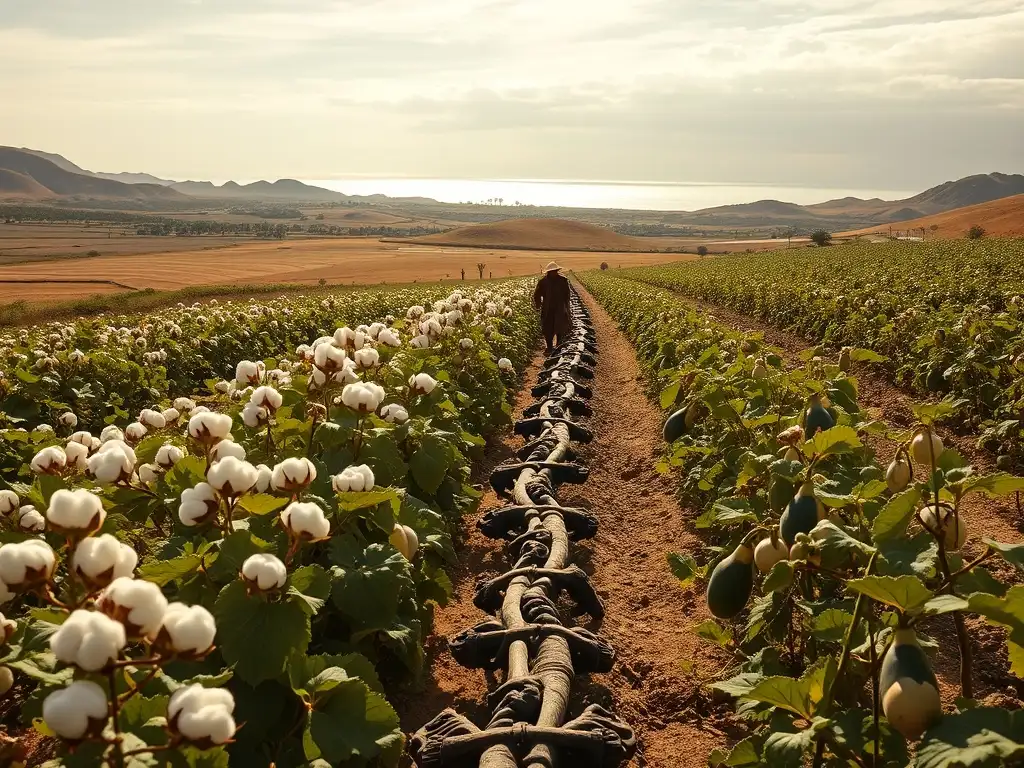
The Paracas cultivated a variety of crops adapted to the coastal desert environment. Their agricultural success relied not only on ingenious irrigation and soil management but also on their ability to select and cultivate crops that thrived in these challenging conditions. Their diet was diverse and sustained by a combination of plant and animal resources, with agriculture playing a central role in providing staple foods. The selection of these crops highlights a deep understanding of the local environment and its limitations.
Cotton Cultivation in Paracas
Cotton was a particularly important crop for the Paracas. They cultivated several varieties of cotton, using the fibers to create textiles renowned for their quality and intricate designs. The cultivation of cotton required careful irrigation and soil management, demonstrating the Paracas' mastery of agricultural techniques.
The importance of cotton in their economy and culture is evident in the abundance of textile artifacts found in Paracas tombs. The specific varieties of cotton cultivated and the techniques employed in their cultivation remain areas of ongoing research. Analyzing the remaining cotton fibers from Paracas textiles could provide valuable information about the specific species grown.
Bean Production in the Paracas Culture
Beans formed another crucial part of the Paracas diet. Various bean species were cultivated, providing a valuable source of protein and nutrients. Beans are relatively drought-tolerant, making them suitable for the arid coastal environment. The Paracas likely employed techniques to optimize bean production, such as intercropping with other crops to enhance soil fertility and minimize erosion. The different bean varieties cultivated by the Paracas, and their cultivation methods, are aspects that require further investigation. Archaeobotanical studies of Paracas sites could reveal more about the types of beans cultivated and their role in the Paracas diet.
Squash and Other Gourds in Paracas Agriculture
Squash and other gourds were also important crops in Paracas agriculture. These crops are relatively easy to cultivate and provide a good source of vitamins and minerals. The Paracas likely cultivated various types of squash and gourds, utilizing their fruits and seeds as food sources.
These plants could also have played a role in other aspects of Paracas life, perhaps being used for containers or other utilitarian purposes. Further research is needed to identify the specific varieties of squash and gourds cultivated and their relative importance in the Paracas diet. The analysis of seeds found at Paracas sites is key to understanding this aspect of their agriculture.
Importance of Paracas Agriculture for Food Security
Paracas agriculture was essential for the food security of the population. The ability to cultivate a variety of crops, despite the challenges of the coastal desert environment, ensured a relatively stable food supply. This agricultural success contributed significantly to the overall prosperity and stability of the Paracas culture.
The sophisticated techniques employed demonstrate the importance of agriculture in their society and the ingenuity with which they addressed the challenges of their environment. The development and maintenance of their agricultural systems would have required significant social organization and cooperation, reflecting a complex social structure that valued agricultural productivity. The extent of their agricultural production and its impact on population size and social organization are important areas for future research.
Coastal Resources and their Integration with Agriculture
The Paracas people, inhabiting the arid coastal regions of southern Peru, developed ingenious farming techniques to thrive in a seemingly inhospitable environment. Their agricultural success wasn't solely dependent on innovative techniques; it was deeply intertwined with the careful exploitation of the coastal resources available to them. The Paracas didn't view agriculture as an isolated activity but as a complex system integrated with other aspects of their lives, especially fishing and the utilization of naturally occurring fertilizers. This integrated approach ensured a relatively stable food supply, even in the face of the challenges posed by the desert climate.
Understanding this interconnectedness is key to appreciating the sophistication of Paracas agriculture and their remarkable adaptation to their surroundings. Their ability to seamlessly blend different aspects of resource management demonstrates a deep understanding of their environment and a sophisticated level of planning. This holistic approach is a hallmark of their agricultural success.
The Use of Guano as a Natural Fertilizer
Guano, the accumulated excrement of seabirds, played a crucial role in Paracas agricultural productivity. Rich in nitrogen and phosphorus, guano acted as a potent natural fertilizer, significantly boosting crop yields in the nutrient-poor desert soils. The Paracas carefully collected and transported guano from offshore islands, demonstrating a clear understanding of its value as a vital agricultural resource. The collection and use of guano weren't haphazard; evidence suggests organized efforts to manage this precious resource, ensuring its sustainable use over generations.
This careful management ensured that the benefits of guano could be sustained, contributing to the long-term success of Paracas farming practices. The scale of guano use suggests significant agricultural output, supporting a substantial population. [Specific data on the quantity of guano used and its impact on crop yields is pending].
Integration of Fishing with Agricultural Practices
Fishing wasn't simply a separate activity for the Paracas; it was intrinsically linked to their agricultural practices. Fish provided a crucial source of protein, complementing the carbohydrate-rich diet derived from their crops. Furthermore, fish waste and other byproducts were likely incorporated into the soil as fertilizer, further enriching the land and boosting agricultural productivity.
This symbiotic relationship between fishing and farming ensured a balanced and sustainable food supply, reducing reliance on any single resource. The proximity of the sea to their agricultural lands facilitated this integration, making the transport of resources relatively easy. This efficient system highlights the holistic and resourceful nature of Paracas resource management, reflecting a deep understanding of their environment and its interconnectedness.
Advanced Paracas Agricultural Practices: A Deeper Look
The Paracas weren't simply subsistence farmers; they employed sophisticated techniques to maximize their yields in a challenging environment. Their agricultural knowledge was advanced for its time, demonstrating a remarkable understanding of water management and soil cultivation. The combination of these techniques allowed them to cultivate a variety of crops, ensuring dietary diversity and resilience against crop failure.
Their farming techniques weren't static; they likely adapted and refined their practices over generations, reflecting a continuous process of learning and innovation. This adaptability is critical to understanding their sustained success in a harsh environment. Further research into Paracas agricultural practices could reveal even more sophisticated techniques.
Terracing and its Significance in Paracas Farming
Terracing, the creation of level platforms on slopes, was a key technique employed by the Paracas to maximize arable land in their hilly coastal environment. By creating terraces, they effectively increased the amount of land suitable for cultivation, reducing soil erosion and optimizing water retention. The construction of terraces required considerable labor and planning, highlighting the importance of agriculture in their society.
The scale and complexity of some Paracas terraces suggest organized community efforts, indicative of a well-structured social organization that supported large-scale agricultural projects. The precise techniques used in constructing their terraces, however, remain an area requiring further investigation. [Specific details on the types of terraces used and their dimensions are pending].
Water Conservation Techniques Employed by the Paracas
The scarcity of water in the coastal desert forced the Paracas to develop sophisticated water conservation techniques. These likely included the construction of irrigation canals and reservoirs to collect and distribute water efficiently, maximizing the use of limited resources. They may have also employed techniques such as dry farming to conserve moisture in the soil.
The precise methods utilized remain a subject of ongoing research, but the success of Paracas agriculture strongly suggests the existence of effective water management strategies. Evidence of sophisticated irrigation systems would further solidify the understanding of their advanced agricultural practices and their ingenuity in adapting to their environment. [Further research is needed to fully document the specific water conservation techniques used by the Paracas].
Evidence of Paracas Agricultural Sophistication: Archaeological Findings
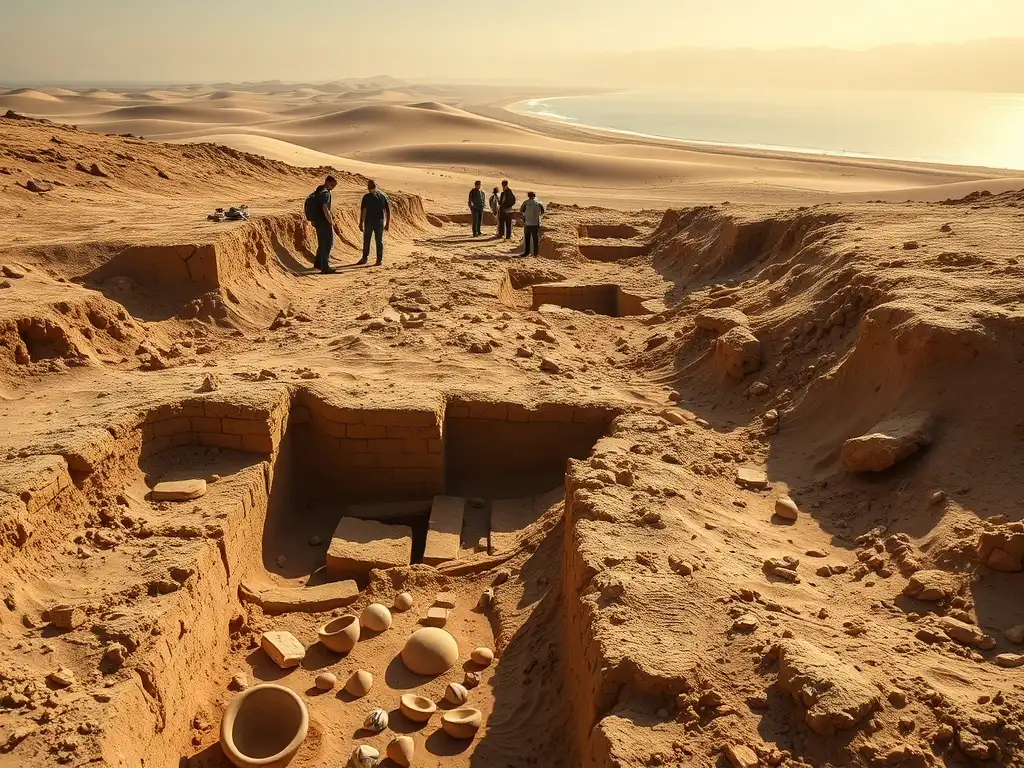
The Paracas culture, known for its exquisite textiles and elaborate burial practices, also demonstrated remarkable agricultural prowess in a seemingly inhospitable environment. Archaeological digs across the Paracas peninsula reveal compelling evidence of their sophisticated farming techniques. Excavations have unearthed a wealth of artifacts, including irrigation canals, terraced fields, and specialized agricultural tools, all pointing towards a well-organized and efficient agricultural system.
The sheer scale of these findings suggests a level of planning and community organization far beyond what might be expected in such a harsh, desert coastal region. Furthermore, the diversity of crops cultivated, as evidenced by plant remains found at various sites, showcases a deep understanding of local ecosystems and the ability to adapt farming practices to maximize yields. The careful selection of crops, adapted to the limited water resources and arid climate, further highlights their advanced agricultural knowledge.
The Cabeza Larga Site: Evidence of Agricultural Practices
The Cabeza Larga site, a significant Paracas settlement, offers a particularly rich source of information about their agricultural practices. Archaeological evidence from Cabeza Larga reveals extensive irrigation systems, meticulously designed to channel water from limited sources – likely rivers and underground aquifers – to the cultivated fields. The intricate network of canals suggests a sophisticated understanding of hydraulic engineering, allowing for the efficient distribution of water across a considerable area.
Furthermore, the discovery of terraced fields on the slopes surrounding the site indicates an awareness of water conservation and soil management. These terraces would have minimized soil erosion and allowed for optimal water absorption, crucial in a desert environment.
The presence of storage facilities at the site also suggests that the Paracas were able to store surplus crops, ensuring food security during periods of drought or scarcity. The combination of sophisticated irrigation, terracing, and storage demonstrates a high level of agricultural planning and resilience.
Interpretation of Agricultural Tools and Remains
Analysis of agricultural tools and plant remains recovered from Paracas sites provides further insights into their farming techniques. The tools, often made from bone, wood, and stone, display remarkable craftsmanship and specialization. Simple tools like digging sticks and hoes would have been used for tilling the land, while more specialized tools suggest a variety of crops and cultivation methods. The presence of grinding stones indicates the processing of grains and other crops, suggesting a diversified diet.
The types of plant remains found – including cotton, beans, squash, and various tubers – reveal a diverse range of cultivated crops, each adapted to the specific environmental conditions. Studying the wear patterns on these tools offers clues about the techniques employed, and the types of soils and crops cultivated. By combining the analysis of tools, plant remains, and environmental data, researchers gain a more complete picture of the Paracas agricultural system.
The Legacy of Paracas Farming: Lessons for Modern Agriculture
The ingenuity of Paracas farming techniques offers valuable lessons for modern agriculture, particularly in arid and semi-arid regions. Their success in cultivating a diverse range of crops in a harsh environment underscores the importance of understanding local ecosystems and adapting farming practices accordingly. The Paracas' mastery of water management, through sophisticated irrigation and terracing, remains highly relevant in today's world, where water scarcity is a growing concern.
Their emphasis on sustainable practices, including careful soil management and crop diversification, provides a model for environmentally friendly agriculture. Studying their methods can inform the development of more sustainable and resilient agricultural systems, particularly in regions facing similar environmental challenges.
Sustainable Practices from the Past
The Paracas' approach to agriculture was inherently sustainable, reflecting a deep understanding of the delicate balance between human needs and environmental resources. Their reliance on locally adapted crops minimized the need for external inputs, reducing their environmental footprint. The use of terraces and irrigation systems maximized water use efficiency, minimizing water waste.
Furthermore, their likely practice of crop rotation and intercropping, although not directly evidenced, would have further enhanced soil health and pest control, ensuring long-term productivity without relying on chemical fertilizers or pesticides. These sustainable practices offer valuable insights for modern agriculture, which is increasingly challenged by environmental degradation and resource depletion.
Potential Applications of Paracas Techniques
The principles underlying Paracas agricultural techniques hold significant potential for application in modern agriculture. Their water management strategies, particularly the use of efficient irrigation systems and terracing, could be adapted to improve water use efficiency in arid and semi-arid regions worldwide. Similarly, their focus on crop diversification and soil management can inform the development of more resilient and sustainable farming systems.
By integrating the lessons learned from Paracas agriculture with modern technologies and knowledge, we can create more efficient, sustainable, and environmentally friendly agricultural practices capable of feeding a growing global population while protecting valuable resources. This includes exploring the potential for reviving ancient crop varieties that were highly adapted to the Paracas environment, potentially enhancing food security and biodiversity.
Conclusion: The Resilience of Paracas Agriculture
The Paracas people, inhabiting a seemingly inhospitable desert coastline, demonstrated remarkable ingenuity and adaptability in their agricultural practices. Their success wasn't merely a matter of luck; it was a testament to their deep understanding of their environment and their development of sophisticated farming techniques tailored to the unique challenges of the Peruvian coastal desert. By mastering irrigation, employing diverse cropping strategies, and carefully managing limited resources, they created a sustainable agricultural system that supported a complex and thriving society. Their achievements stand as a powerful example of human resilience and innovation in the face of environmental adversity.
The Paracas' legacy in agricultural technology continues to inspire and inform modern approaches to sustainable farming, particularly in arid and semi-arid regions. Studying their methods offers valuable lessons for contemporary agricultural practices aimed at maximizing yields while minimizing environmental impact. Further research into Paracas agricultural techniques could uncover even more innovative strategies, potentially contributing to solutions for global food security challenges in the face of climate change.
Understanding the intricacies of their farming methods highlights the importance of adapting to local conditions and respecting the delicate balance of nature, principles crucial for the development of sustainable agriculture today. The ingenuity of the Paracas people serves as a powerful reminder of human adaptability and the potential for sustainable practices even in the most challenging environments. Their story is not just one of survival but of thriving, a narrative that continues to resonate with researchers and farmers alike.
Frequently Asked Questions
What were the primary challenges faced by Paracas farmers?
The Paracas people faced a challenging coastal environment characterized by arid deserts and limited freshwater resources. They had to overcome these obstacles to develop successful farming techniques.
How did the Paracas overcome water scarcity for their agriculture?
They employed sophisticated water management systems, including canals and irrigation techniques, to channel water from rivers and streams to their fields. Fog collection (camanchaca) also played a significant role.
What crops did the Paracas primarily cultivate?
The Paracas cultivated a variety of crops adapted to the harsh climate including cotton, beans, peppers, and squash. These crops were crucial to their sustenance.
What innovative farming techniques did the Paracas use?
The Paracas utilized terracing to create level planting surfaces on slopes and raised fields to improve drainage and soil fertility. These methods maximized their limited arable land.
What evidence supports our understanding of Paracas farming practices?
Archaeological evidence, including irrigation canals, terraced fields, and the remains of crops found in Paracas sites, provides valuable insight into their agricultural practices. Analysis of ancient tools also sheds light on their techniques.
Final Reflection: The Enduring Legacy of Paracas Ingenuity
The innovative farming techniques employed by the Paracas people remain a powerful testament to human adaptability and resourcefulness, a lesson particularly relevant in our era of climate change and dwindling resources. Their success in cultivating a thriving civilization in such a challenging environment offers a compelling case study for sustainable practices and the importance of understanding our relationship with the land.
The ingenuity of the Paracas, their deep understanding of their environment, and their ability to harness limited resources continues to inspire awe and wonder. Their achievements serve as a potent reminder that even in the face of seemingly insurmountable obstacles, human innovation can flourish. Necessity is the mother of invention,
a saying that perfectly encapsulates the Paracas experience and their remarkable ability to transform a harsh landscape into a productive agricultural hub. Their legacy challenges us to reconsider our own approaches to resource management and sustainable living.
Consider the challenges faced by the Paracas, and reflect on how their solutions might inform our own approaches to agriculture and environmental stewardship. What innovative solutions can we develop to address the challenges of our time? Let the spirit of Paracas ingenuity inspire you to explore sustainable practices in your own life, whether it's through reducing your environmental footprint, supporting local farmers, or simply appreciating the intricate balance of nature. The future of our planet depends on our collective ability to learn from the past and build a more sustainable future.
Unleash Your Inner Explorer: Dive into Paracas Agriculture!
Thank you for joining us on this journey through the innovative agricultural practices of the Paracas people! We hope you found inspiration in their ability to thrive in such a harsh desert environment. Now, let's put your newfound knowledge into practice.
Here are some ways to further explore the fascinating world of Paracas agriculture:
- Visit a local museum or historical site to learn more about ancient agricultural techniques and their continuing relevance.
- Start your own garden using sustainable methods inspired by Paracas techniques, such as dry farming.
- Share this article with friends and family, or post it on social media to spread awareness of the ingenuity of ancient civilizations.
Reflecting on the lessons from Paracas agriculture, consider this: What modern agricultural challenges could benefit from the wisdom of ancient cultures? Let's discuss in the comments!