
The Chavín Collapse: What Led to the Decline of a Powerful Culture?

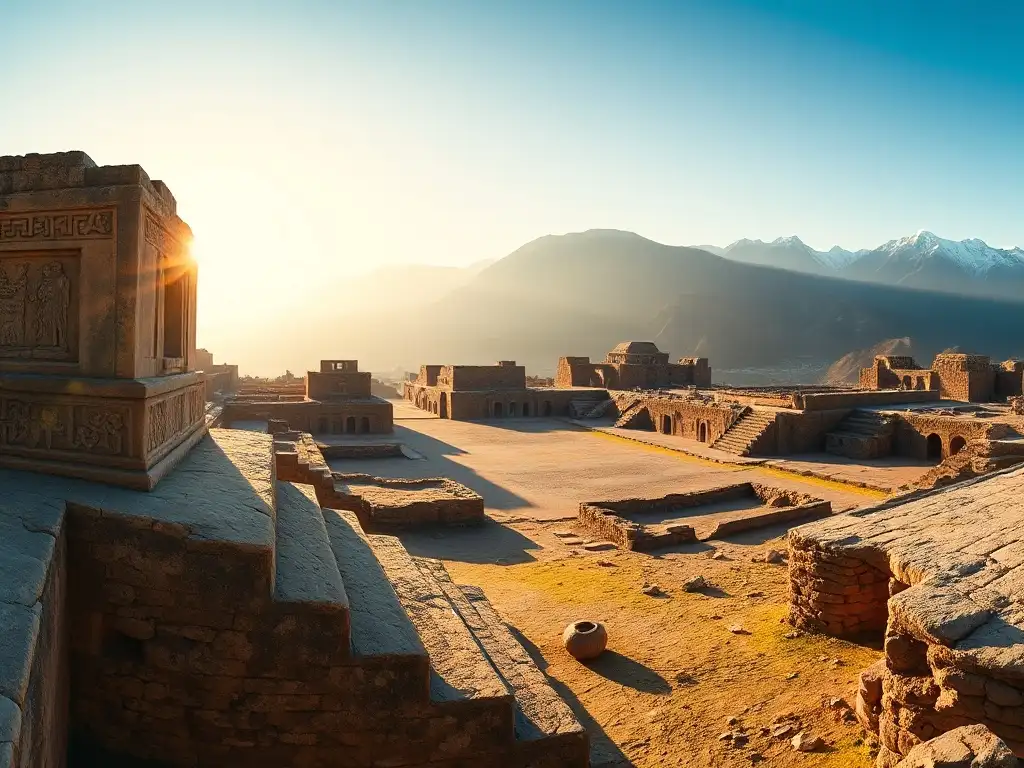
Step into a world lost to time, where towering temples and intricate artistry whisper tales of vanished empires. The Andean Civilizations website unveils the secrets of South America's ancient past, from the mighty Incas to the enigmatic Nazca. But what truly caused the downfall of one of the region's most influential predecessors? Unravel the mystery surrounding the Chavín civilization decline causes and discover the fascinating story of a powerful culture's unexpected collapse. Prepare to be captivated by the complexities of this lost world – your journey begins now.
The Chavín culture, flourishing in the Andes Mountains of Peru from approximately 900 BCE to 200 BCE, represents a pivotal moment in pre-Columbian history. This enigmatic civilization, known for its iconic Lanzón monolith and intricate religious iconography, exerted significant influence across a vast region.
However, the reasons behind the Chavín's eventual decline remain a subject of ongoing scholarly debate, prompting much research and speculation. Understanding the factors contributing to the Chavín collapse is crucial to piecing together a more complete understanding of the complex social, political, and environmental dynamics that shaped the Andean world.
This article will explore the leading hypotheses surrounding the demise of this powerful and influential culture, examining both internal and external pressures that may have contributed to its eventual fading from prominence. We will delve into the complexities of climate change, internal societal pressures, and potential external conflicts, aiming to provide a comprehensive overview of the current understanding of the Chavín civilization decline causes.
Environmental Factors and the Chavín Civilization's Decline
The impact of environmental changes on the Chavín civilization is a crucial area of investigation. Evidence suggests that periods of drought and climate instability may have significantly impacted agricultural production, a cornerstone of the Chavín economy. Reduced agricultural yields could have led to food shortages, social unrest, and ultimately, a weakening of the centralized power structure.
Archaeological findings, such as shifts in settlement patterns and changes in the types of crops cultivated, support this hypothesis. Furthermore, research into paleoclimatology provides valuable data on past climate fluctuations, allowing for a more nuanced understanding of the environmental pressures faced by the Chavín.
Analysis of sediment cores and ice samples helps paint a picture of the environmental context in which the civilization thrived and ultimately declined. The extent to which these environmental stressors directly caused the collapse is still debated, but they undoubtedly played a significant role in the overall weakening of the society.
Beyond environmental factors, internal social and political dynamics likely contributed to the Chavín decline. The centralized nature of the Chavín state, heavily reliant on a complex religious system, may have created vulnerabilities. Potential internal conflicts, power struggles, or the erosion of religious authority could have destabilized the society from within.
The lack of a unified military force, coupled with a potentially overextended administrative structure, may have further weakened the ability of the Chavín to respond effectively to challenges, both internal and external. Analyzing the distribution of Chavín artifacts and the changes in settlement patterns can offer clues about the potential internal fragmentation of the civilization. The absence of clear evidence of widespread warfare doesn't rule out internal conflict as a contributing factor; subtle shifts in power dynamics and societal structures may have been equally damaging.
External Pressures and Interactions with Neighboring Groups
The possibility of external pressures from neighboring groups cannot be ignored. While the Chavín exerted considerable influence, they were not immune to interactions with other cultures. Competition for resources, territorial disputes, or even outright warfare with neighboring societies could have significantly weakened the Chavín. However, the exact nature and extent of these interactions remain unclear.
Further research is needed to explore the potential role of external pressures in the Chavín collapse. Archaeological investigations focused on identifying traces of conflict, analyzing changes in material culture influenced by external groups, and studying the dynamics of trade networks are crucial to understanding this aspect of the Chavín's decline. The absence of definitive evidence of large-scale warfare doesn't exclude the possibility of smaller-scale conflicts or gradual erosion of power through external pressures.
The Legacy of Chavín: A Synthesis of Contributing Factors
The decline of the Chavín civilization was likely a multifaceted process, stemming from a complex interplay of environmental, social, political, and potentially external factors. While the exact weight of each factor remains a subject of ongoing research and debate, it is clear that the Chavín's sophisticated religious system, centralized power structure, and dependence on agriculture made them vulnerable to various stressors. The combination of these pressures likely led to a gradual weakening of the civilization, culminating in its decline and the rise of new cultural centers in the Andean region.
Further research, integrating diverse methodologies and data sources, is crucial to achieve a more comprehensive understanding of this pivotal moment in Andean history. The Chavín legacy, however, endures through its artistic achievements and its lasting influence on subsequent Andean cultures. Understanding its collapse provides valuable insights into the broader dynamics of societal change and resilience in complex ancient societies.
- Environmental Factors and the Chavín Civilization's Decline
- Internal Social and Political Instability
- External Pressures and Interactions with Neighboring Groups
- The Legacy of Chavín: A Synthesis of Contributing Factors
Introduction to the Chavín Civilization and its Mysterious End
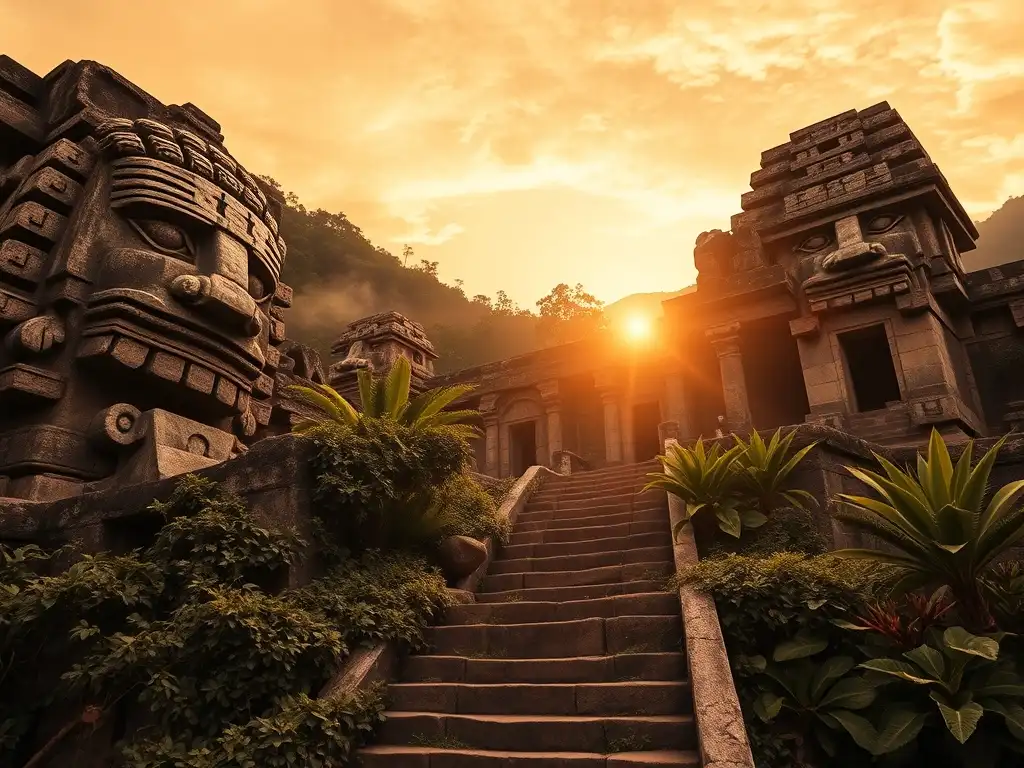
The Chavín culture, flourishing in the Andes from roughly 900 to 200 BCE, represents a pivotal moment in the pre-Columbian history of South America. Its influence spread far and wide, impacting the development of subsequent Andean civilizations. This remarkable civilization, centered in the northern Peruvian highlands around the city of Chavín de Huántar, left behind a legacy of intricate artistry, impressive architecture, and a sophisticated religious system.
Understanding the Chavín civilization decline causes is crucial to comprehending the broader trajectory of Andean cultural development. The abruptness of their decline adds another layer of intrigue to the story, making it a captivating subject for historical investigation.
The reasons for their eventual collapse remain a subject of ongoing debate among archaeologists and historians, with various theories vying for prominence. This section delves into the key aspects of their rise and fall, examining the factors that likely contributed to the end of this influential Andean power.
The Height of Chavín Power in the Ancient Andes
At its zenith, the Chavín civilization exerted considerable influence across a vast geographical area. Their iconic temple complex at Chavín de Huántar served as a powerful religious and political center, attracting pilgrims and traders from distant regions. The distinctive Chavín artistic style, characterized by its intricate carvings depicting jaguars, snakes, and other mythical creatures, became a hallmark of the era, spreading across the Andes through trade networks and cultural exchange.
Archaeological evidence suggests a sophisticated understanding of agriculture and irrigation techniques, allowing for the successful cultivation of crops in the challenging Andean environment. This agricultural prowess likely played a crucial role in supporting the growing population and the complex social structures of the Chavín civilization. The construction of monumental architecture, such as the massive Lanzón monolith within the Chavín de Huántar temple, showcases the impressive engineering skills and organizational capabilities of the Chavín people.
Their mastery of stone carving and construction techniques is a testament to their advanced technological capabilities. The spread of Chavín iconography and artistic motifs throughout the Andes indicates a level of centralized power and influence that was unprecedented for the time. This period represents a high point in Andean cultural development, setting the stage for the later emergence of other powerful Andean civilizations.
The Enigma of the Chavín Decline: A Turning Point in Andean History
The decline of the Chavín civilization remains a complex and debated topic. Several factors likely contributed to their eventual collapse, making it difficult to pinpoint a single cause. One prominent theory centers on environmental changes. Evidence suggests that periods of drought and climate instability may have significantly impacted agricultural production, leading to food shortages and social unrest. This environmental stress could have weakened the Chavín state, making it more vulnerable to internal conflicts or external pressures.
Another contributing factor might have been internal political instability. The centralized power structure of the Chavín civilization might have become increasingly difficult to maintain over time, leading to internal conflicts and the fragmentation of power. The lack of a unified successor state also points to this internal weakening. Furthermore, the rise of competing regional powers could have challenged Chavín dominance, leading to a gradual erosion of their influence and ultimately their downfall. The exact sequence of events and the relative importance of each factor remain uncertain, highlighting the complexity of the Chavín civilization decline causes.
Further research and archaeological investigation are needed to fully unravel the mysteries surrounding the end of this influential Andean culture. The collapse of the Chavín civilization marks a significant turning point in Andean history, paving the way for the emergence of new regional powers and the subsequent development of more complex societies in the Andes. Understanding this decline provides valuable insights into the dynamics of power, resilience, and societal change in ancient Andean societies. The investigation into the "Chavín civilization decline causes" continues to be a fascinating area of study for archaeologists and historians alike.
Theories Surrounding the Chavín Civilization Decline Causes
The decline of the Chavín civilization, a powerful pre-Inca culture flourishing in the Andes between 900 and 200 BCE, remains a captivating mystery for archaeologists and historians. While a single, definitive cause is unlikely, several compelling theories attempt to explain this significant cultural shift. Understanding the potential factors contributing to the Chavín collapse provides crucial insights into the complexities of ancient Andean societies and their vulnerability to environmental and societal pressures.
This section delves into some of the most prominent hypotheses surrounding the Chavín civilization decline causes, examining the evidence and exploring their potential impact. The intricate interplay of these factors likely contributed to the eventual waning of Chavín influence and the rise of subsequent Andean cultures.
Environmental Factors and the Chavín Collapse
Environmental instability is frequently cited as a major contributor to the Chavín civilization's decline. The Chavín culture thrived in a geographically challenging region, heavily reliant on agriculture in a relatively arid environment. Any disruption to this delicate balance could have had catastrophic consequences. Evidence suggests that prolonged periods of drought or flooding, potentially exacerbated by climatic shifts, could have severely impacted agricultural yields, leading to food shortages and social unrest.
This scarcity of resources would have weakened the Chavín's power and ability to maintain their complex social and political structures. Archaeological studies focusing on pollen analysis and sediment cores from the region are crucial in reconstructing past environmental conditions and correlating them with the timeline of the Chavín decline. Further research is needed to fully quantify the extent of these environmental changes and their direct impact on the Chavín population.
El Niño Events and Their Impact on Chavín Agriculture
The cyclical occurrence of El Niño events, characterized by unusually warm ocean temperatures and altered weather patterns, could have played a significant role in the Chavín collapse. These events can trigger devastating floods in some areas and severe droughts in others, creating unpredictable and challenging conditions for agriculture. Evidence from coastal sites suggests that El Niño events were more frequent or intense during the period of Chavín decline.
Such extreme weather events could have repeatedly damaged crops, disrupted irrigation systems, and ultimately destabilized the Chavín's agricultural base. The impact would have been particularly severe given the Chavín's reliance on sophisticated irrigation techniques, which, while impressive, may have been vulnerable to the unpredictable forces of El Niño. The frequency and intensity of these events, combined with the societal and political pressures already present, likely contributed to the overall weakening of the civilization.
The Role of Shifting Rainfall Patterns in the Chavín Decline
Beyond the dramatic effects of El Niño, subtle shifts in long-term rainfall patterns could have also contributed to the Chavín decline. Even minor changes in precipitation could have gradually reduced agricultural productivity over time. This gradual decline, coupled with increasing population pressure, could have created a slow but steady erosion of the Chavín's power and resources. The precise nature of these rainfall shifts and their impact on Chavín agriculture remains an area of ongoing research.
Analyzing isotopic data from ancient plant remains and comparing it to climate models can help shed light on the long-term trends in rainfall and their potential contribution to the civilization's eventual downfall. This research is crucial for understanding the complex interplay between environmental change and societal collapse in the ancient Andes. The Chavín civilization, while remarkably advanced for its time, ultimately highlights the vulnerability of even sophisticated societies to the vagaries of the environment.
The decline of the Chavín civilization, a pivotal moment in Andean prehistory, wasn't solely due to environmental shifts or external invasions. Significant social and political factors played a crucial role in undermining the power and influence of this once-dominant culture. Understanding these internal pressures offers a more complete picture of the Chavín collapse and provides valuable insights into the dynamics of power and societal change in ancient Andean societies. The "Chavín civilization decline causes" are multifaceted, with internal strife being a primary contributor.
Increased Competition Between Chavín Centers and Peripheral Groups
The Chavín culture wasn't a monolithic entity. While a central hub exerted considerable influence, numerous regional centers and peripheral groups existed throughout the Chavín sphere of influence. Initially, these groups likely benefited from participating in the Chavín network, accessing its religious and economic resources. However, over time, this relationship shifted. Evidence suggests increasing competition for resources and prestige between the core Chavín centers and outlying settlements.
This competition manifested in several ways. Archaeological findings indicate a proliferation of local styles in art and architecture, diverging from the standardized Chavín aesthetic. This suggests a growing assertion of local identities and a rejection of centralized Chavín control. Furthermore, the construction of monumental architecture in peripheral regions, though often mimicking Chavín styles, may represent a deliberate attempt by local elites to rival the power of the Chavín heartland.
The emergence of competing religious practices and iconography further underscores this growing fragmentation. This decentralization process, fueled by competition for resources and power, weakened the overall Chavín system, making it more vulnerable to other pressures. Quantifying the exact extent of this competition is difficult due to the limitations of the archaeological record; however, the observable shifts in artistic styles and the construction of local monumental architecture strongly suggest its significance.
As competition intensified, local power structures emerged, directly challenging Chavín authority. Regional elites, initially integrated into the Chavín system, may have gradually consolidated their power, creating independent political entities. This process likely involved the accumulation of wealth, the control of key resources, and the development of local religious ideologies that competed with the Chavín pantheon.
The weakening of Chavín control is evident in the changes observed in settlement patterns and the distribution of artifacts. The once-uniform distribution of Chavín-style pottery and other artifacts becomes increasingly localized, reflecting the rise of distinct regional identities and the decreased influence of the central Chavín centers. This isn't a sudden break, but rather a gradual process of decentralization, with local power structures gradually eclipsing the authority of the Chavín leadership.
The exact mechanisms of this power shift remain a topic of ongoing research, but it is clear that the rise of local power structures significantly contributed to the overall weakening of the Chavín civilization. Further research, specifically focused on the analysis of settlement hierarchies and the distribution of elite goods in different regions, is crucial to better understand this complex process.
The increased competition and the rise of local power structures likely contributed to social unrest within the Chavín civilization. The once-stable social hierarchy, possibly based on religious authority and control over resources, may have begun to fracture. This internal conflict could have manifested in various forms, ranging from localized revolts to broader social upheaval.
While direct evidence of widespread social unrest is scarce, the observed changes in artistic styles, settlement patterns, and the distribution of artifacts suggest a period of significant social and political instability. The abandonment of certain Chavín centers, coupled with the emergence of new settlements with distinct characteristics, points towards a possible breakdown of the existing social order.
The lack of clear evidence could be due to the limitations of the archaeological record, or it may indicate that the decline was a more gradual process, with social unrest emerging as a consequence of other factors, rather than being the primary cause. Further investigation into burial practices and the analysis of skeletal remains could shed light on the prevalence of violence and social inequality during this period, offering a more comprehensive understanding of the social dynamics of the Chavín collapse.
The study of iconography, particularly the representation of conflict or social upheaval in Chavín art, could also provide valuable insights.
Economic Shifts Contributing to the Fall of Chavín
The decline of the Chavín civilization, a powerful pre-Inca culture flourishing in the Andes from roughly 900 to 200 BCE, wasn't a singular event but a complex process involving multiple interacting factors. Economic instability played a crucial role, undermining the societal structures that had supported Chavín's impressive achievements for centuries. Analyzing the economic shifts provides valuable insight into the "Chavín civilization decline causes," revealing a picture of gradual weakening rather than sudden collapse.
Intensified Agricultural Practices and Soil Degradation
The Chavín's success was fundamentally linked to their agricultural prowess. They developed sophisticated irrigation systems, allowing them to cultivate crops in challenging Andean terrains. However, the intensification of agricultural practices over centuries likely led to significant soil degradation.
Evidence suggests increased pressure on arable land to feed a growing population, coupled with unsustainable farming techniques, resulted in reduced crop yields and soil erosion. This ultimately impacted the food supply, creating widespread food insecurity and potentially triggering social unrest. The decreased agricultural productivity weakened the economic base of the Chavín, making them more vulnerable to other challenges.
Further research is needed to quantify the exact extent of soil degradation and its impact on the Chavín's food production, but existing archaeological evidence strongly suggests it was a significant contributing factor. We need more detailed pollen analysis and soil studies from various Chavín sites to fully understand the timeline and severity of this environmental pressure.
Disruptions in Long-Distance Trade Routes and Access to Resources
Chavín's influence extended far beyond its central ceremonial center. A sophisticated network of trade routes connected the civilization to distant regions, facilitating the exchange of valuable goods like obsidian, coca leaves, and exotic feathers. Disruptions to these trade routes, possibly due to political instability in neighboring regions or environmental events like droughts affecting transportation, would have severely hampered Chavín's economy.
The loss of access to crucial resources, whether raw materials for crafts or essential goods for daily life, would have had a cascading effect, impacting various sectors of the economy. The exact nature and extent of these trade disruptions remain areas of ongoing research, with some scholars suggesting that rival groups actively interfered with Chavín's trade networks to weaken their power. A detailed analysis of Chavín artifacts found in distant sites could help pinpoint the timing and scale of these trade disruptions.
The Loss of Control Over Key Economic Centers
The Chavín civilization wasn't a unified empire in the traditional sense. Instead, it exerted influence through a network of interconnected settlements and regional centers. As Chavín's power waned, local elites in these key economic centers likely gained greater autonomy, challenging Chavín's authority and control over resources.
This decentralization of power would have severely fractured the economic system, disrupting trade, taxation, and the distribution of goods. The loss of control over vital agricultural lands and resource-rich areas directly impacted Chavín's ability to maintain its social hierarchy and fund its elaborate religious and ceremonial activities. This process of decentralization likely unfolded gradually over time, with different regions asserting their independence at different rates.
Further investigation into the administrative structures and regional variations within the Chavín sphere of influence is crucial for understanding the dynamics of this economic decline. Analyzing changes in ceramic styles and architectural designs across different regions could provide valuable insights into the processes of political and economic fragmentation.
The Transition After the Chavín Civilization's End
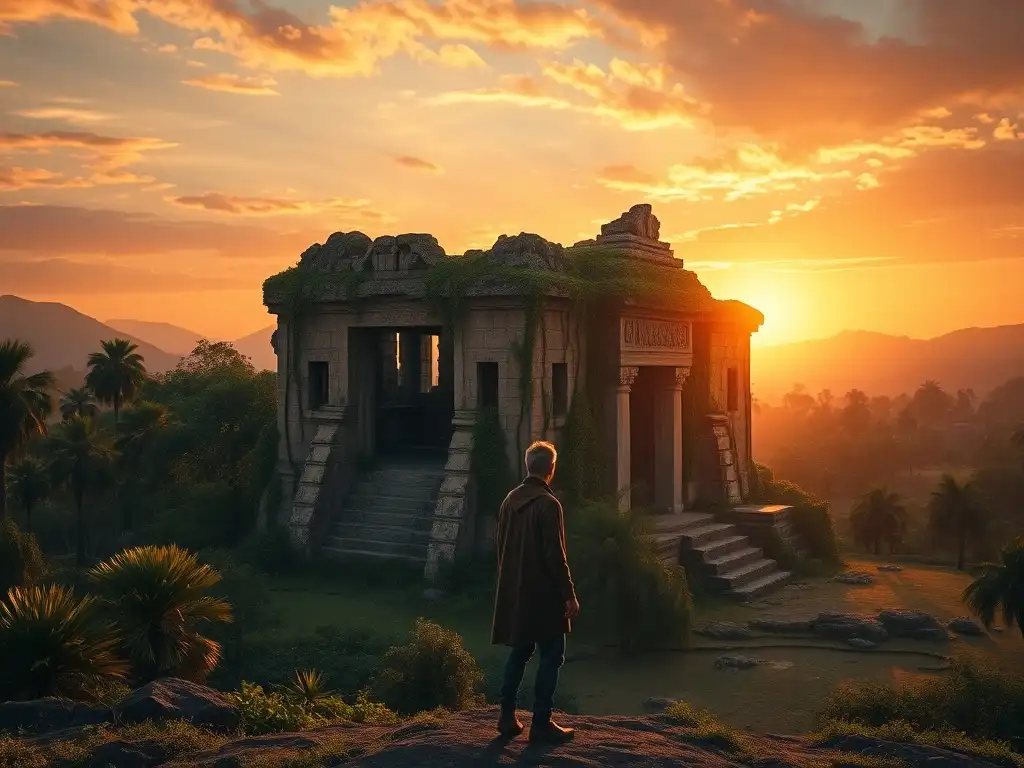
The collapse of the Chavín civilization, sometime around 200 BCE, didn't mark a sudden end to Andean cultural development. Instead, it initiated a period of significant transformation, characterized by the rise of regional powers and the dispersal of Chavín artistic and religious traditions. Understanding this transition is crucial to comprehending the broader trajectory of Andean history and the enduring influence of Chavín.
The decline wasn't a total societal breakdown; rather, a shift in power dynamics and cultural expression. The vacuum left by the Chavín's waning influence allowed for a flourishing of diverse regional identities, each building upon and diverging from the legacy of the Chavín. This period saw the emergence of new artistic styles, religious beliefs, and technological innovations, ultimately shaping the cultural landscape of the Andean region for centuries to come.
The causes of the Chavín civilization decline, as we will explore in the following sections, were likely multifaceted, involving environmental factors, internal strife, and external pressures. The resulting fragmentation, however, paradoxically spurred innovation and diversification.
The Rise of Regional Centers Like Moche and Nazca
Following the Chavín decline, the Andean region witnessed the rise of several powerful regional cultures, each developing unique characteristics while still echoing aspects of the preceding Chavín tradition. The Moche and Nazca cultures are prime examples of this regional diversification. The Moche, located on the northern coast of Peru, developed a sophisticated irrigation system and a distinctive artistic style characterized by intricate ceramics depicting scenes of daily life, warfare, and religious rituals.
Their impressive monumental architecture, including large adobe pyramids, showcased their advanced engineering skills. The Nazca, further south, are renowned for their enigmatic geoglyphs—gigantic figures etched into the desert surface—and their mastery of textile production. Their intricate weavings and pottery demonstrate a high level of artistic skill and cultural complexity.
These regional centers, while distinct, demonstrate a clear continuity with certain Chavín traditions in their artistic motifs, religious symbolism, and architectural styles, albeit adapted and transformed to reflect their own unique cultural identities. The rise of these regional powers highlights the complex interplay between continuity and change in the post-Chavín Andean world. Analyzing the artistic and architectural elements shared between the Chavín and these successor cultures provides valuable insights into the process of cultural transmission and adaptation.
The Continuation of Chavín Iconography in Later Cultures
Despite the collapse of the Chavín state, the civilization's iconic imagery and religious symbolism continued to resonate throughout the Andean region for centuries. The characteristic Chavín style, easily recognizable by its stylized feline and serpent motifs, its emphasis on jaguars and other powerful animals, and its distinctive artistic conventions, persisted in various forms in subsequent cultures. This can be observed in the ceramics, textiles, and metalwork of later cultures, suggesting a lasting impact on Andean artistic traditions.
The continuity of these motifs isn't simply a matter of imitation; rather, they were adapted and reinterpreted to reflect the evolving beliefs and values of the new regional powers. For example, while the Moche adopted certain Chavín stylistic elements, they integrated them into their own unique artistic vocabulary, creating a hybrid style that reflected both continuity and innovation. This suggests that the Chavín influence was deeply ingrained in the Andean cultural consciousness, even after the collapse of the Chavín state itself.
The persistence of Chavín iconography underscores the enduring legacy of this influential civilization. Further research into the specific ways these motifs were adapted and transformed could reveal valuable information about the processes of cultural exchange and transformation in the Andean region.
Legacy of the Chavín Decline and Its Lessons for Andean History
The Chavín civilization's decline offers valuable insights into the complexities of societal collapse and the resilience of Andean cultures. The disintegration of the Chavín state wasn't a singular event but a process involving environmental changes, internal conflicts, and the rise of competing regional powers.
Analyzing this process allows us to better understand the factors that contribute to the rise and fall of civilizations, particularly in complex pre-Columbian societies. The lessons learned from the Chavín collapse are relevant not only for understanding the specific history of the Andes but also for broader anthropological studies of societal change and resilience.
The response to the vacuum left by Chavín showcases the adaptive capacity of Andean communities and their ability to create new cultural and political structures. The subsequent flourishing of diverse regional cultures, each building upon and diverging from the Chavín legacy, highlights the dynamic nature of Andean history and the complex interplay between continuity and change.
The study of the Chavín civilization decline causes therefore provides a crucial lens through which to examine broader questions about power, adaptation, and cultural transformation in the Andean world. Further research into the specific environmental conditions, social dynamics, and political factors at play during the Chavín collapse could yield even deeper insights into this critical period of Andean history. The Chavín legacy continues to inspire further investigation and reassessment of our understanding of early Andean civilizations.
Analyzing the Multiple Factors that Led to the Chavín Collapse
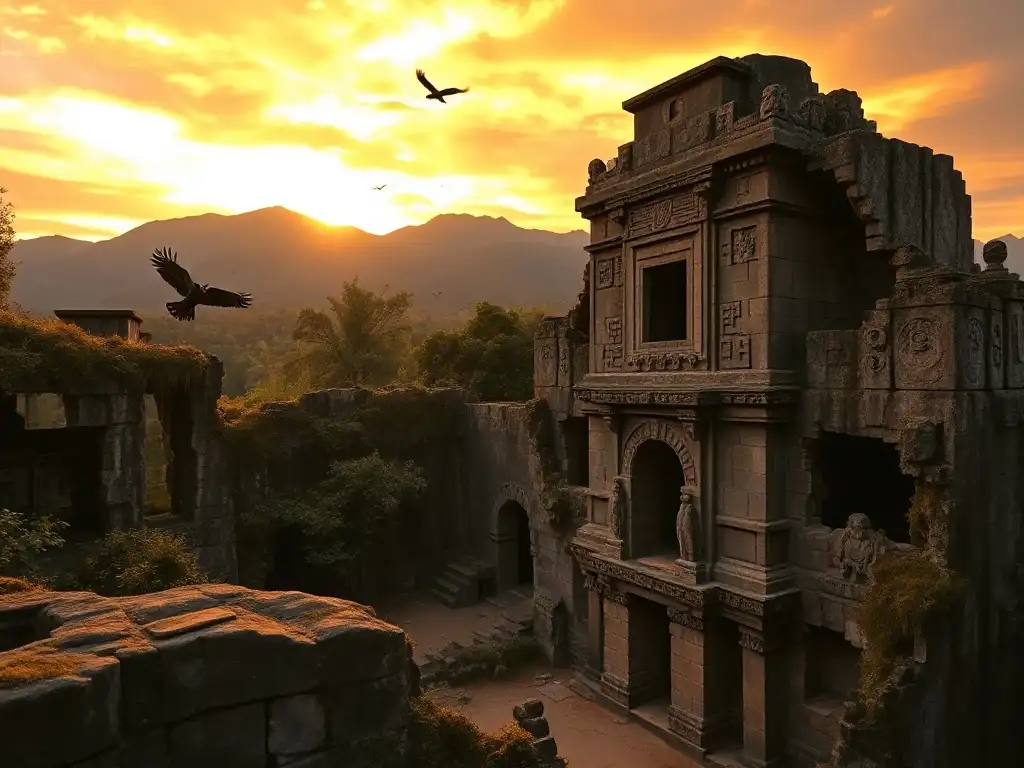
The decline of the Chavín civilization, a powerful pre-Inca culture flourishing in the Andes from approximately 900 to 200 BCE, remains a complex and fascinating puzzle for archaeologists. While a single catastrophic event isn't solely responsible, a confluence of factors likely contributed to its gradual weakening and eventual disintegration. Understanding the Chavín civilization decline causes requires a multifaceted approach, considering the interplay of environmental shifts, social tensions, and economic instability.
This section will delve into these interconnected pressures, exploring how they might have combined to bring about the end of this influential Andean society. The keyword "Chavín civilization decline causes" is central to understanding this pivotal moment in Andean history. Unraveling the complexities of this decline provides crucial insights into the vulnerabilities of even the most powerful ancient societies.
The Chavín's sophisticated irrigation systems and agricultural practices, while impressive, might have become increasingly strained due to environmental changes. Evidence suggests periods of drought and altered rainfall patterns during the later phases of the Chavín culture. This climatic instability could have severely impacted agricultural yields, leading to food shortages and resource scarcity.
Such scarcity, in turn, could have exacerbated existing social tensions. Competition for dwindling resources might have intensified conflict between different groups within the Chavín sphere of influence, weakening the centralized power structure. Furthermore, the economic reliance on a centralized system of control over resources, including obsidian and other prized materials, might have become brittle in the face of environmental challenges.
A disruption in the flow of these resources could have undermined the economic foundation of the Chavín state, leading to instability and ultimately, collapse. The interplay between environmental stress, social unrest, and economic fragility forms a compelling narrative for understanding the Chavín decline.
The Multi-Causal Nature of the Chavín Decline
It's crucial to emphasize the multi-causal nature of the Chavín decline. Attributing the collapse to a single factor, such as warfare or environmental change, oversimplifies a far more nuanced process. Archaeological evidence suggests a gradual weakening of the Chavín's power rather than a sudden catastrophic event. The decline wasn't necessarily a uniform process across the entire Chavín region.
Some sites might have experienced a more rapid decline than others, reflecting the varied local responses to the pressures described above. Several factors likely acted in concert, with the effects of environmental change amplified by existing social inequalities and economic vulnerabilities. The decline was likely a complex process involving a feedback loop, where each pressure exacerbated the others, ultimately leading to the unraveling of the Chavín civilization. Understanding this intricate interplay of factors is essential for achieving a comprehensive understanding of the "Chavín civilization decline causes".
Case Study: Analyzing Ceramic Evidence and Settlement Patterns
Analyzing ceramic styles and settlement patterns offers valuable insights into the processes surrounding the Chavín decline. Changes in ceramic production, particularly a decrease in the quality and standardization of certain types of pottery, might reflect economic stress and a decline in centralized control over craft production. The shift in settlement patterns, from large, centralized ceremonial centers to smaller, more dispersed settlements, suggests a potential decentralization of power and a breakdown of the previously unified Chavín political structure.
For example, a noticeable decrease in the production of high-quality Chavín-style pottery after 200 BCE, coupled with the emergence of regionally distinct ceramic styles, strongly suggests a fragmentation of the Chavín cultural sphere. This evidence, when combined with data on environmental changes and potential social unrest, paints a compelling picture of a gradual decline rather than a sudden collapse.
Further research, including detailed analysis of [specific information pending: radiocarbon dating of settlements and further ceramic analysis], is needed to refine our understanding of this complex historical transition. This detailed examination of the archaeological record is vital to further our understanding of the Chavín civilization decline causes.
This multi-faceted approach, combining environmental, social, and economic analyses with detailed archaeological data, provides a more complete picture of the Chavín civilization decline causes than any single explanation could offer. The story of the Chavín is not one of simple conquest or disaster, but rather a complex narrative of adaptation, resilience, and ultimately, decline in the face of multiple interacting pressures.
Conclusion: Understanding the Chavín Civilization's Demise
The decline of the Chavín civilization, a pivotal moment in Andean prehistory, remains a subject of ongoing debate and research. While no single factor definitively explains its collapse, a confluence of environmental, social, and possibly political pressures likely contributed to its eventual waning influence around 200 BCE. Understanding these multifaceted factors is crucial for comprehending the complexities of societal development and collapse in the Andes. The Chavín civilization decline causes are not simple; instead, they represent a complex interplay of forces that ultimately shaped the trajectory of Andean cultures.
The Significance of the Chavín Collapse for Andean Archaeology
The Chavín collapse holds immense significance for Andean archaeology. Its impact reverberates through subsequent cultural developments. The disintegration of this powerful, centralized network didn't result in a complete societal vacuum. Instead, it triggered a period of regionalization, with smaller, independent cultures emerging and developing their unique identities.
The stylistic and technological innovations pioneered by the Chavín—evident in their iconic art and sophisticated irrigation systems—were adapted and transformed by these successor societies. Analyzing the artifacts and settlements from the post-Chavín period allows archaeologists to trace the dissemination and evolution of Chavín ideas and techniques, highlighting the civilization's lasting legacy despite its decline. Studying the remnants helps us understand how power structures shifted and how new cultural identities were forged in the wake of a major societal upheaval.
The meticulous study of ceramic styles, architectural features, and agricultural practices offers a window into this transformative period. This process of cultural adaptation and diversification is a vital aspect of understanding the broader dynamics of Andean cultural evolution. The Chavín experience serves as a powerful case study of cultural transformation, adaptation, and ultimately, resilience in the face of societal change.
Lessons from Chavín for the Resilience of Complex Societies
The Chavín civilization's demise offers valuable lessons about the resilience—or lack thereof—of complex societies. The intricate network of trade routes, religious centers, and specialized craft production that characterized the Chavín culture was ultimately vulnerable to various pressures. The reliance on a centralized system, while initially successful, might have proven unsustainable in the face of environmental challenges or internal conflicts.
This highlights the importance of adaptability and diversification in maintaining societal stability. A society overly reliant on a single resource or a rigid social structure may be more susceptible to collapse when confronted with unforeseen circumstances. The Chavín experience underscores the need for flexible governance structures and diversified economic strategies to ensure long-term survival.
The study of Chavín's downfall emphasizes the delicate balance between centralized control and regional autonomy in maintaining a complex society. Understanding these dynamics provides insights that are relevant to the study of other ancient civilizations and even contemporary societies facing similar challenges. The Chavín civilization decline causes serve as a cautionary tale about the importance of adaptability and resilience in the face of change.
The Ongoing Research Into the Chavín Decline and Its Implications
Research into the Chavín decline continues to evolve, with new archaeological discoveries and analytical techniques constantly refining our understanding. Advances in radiocarbon dating, geochemical analyses of artifacts, and sophisticated geographic information systems (GIS) are providing more precise chronologies and spatial data. This allows researchers to map settlement patterns, analyze trade networks with greater accuracy, and better understand environmental factors that may have influenced the civilization’s trajectory.
Furthermore, ongoing excavations at key Chavín sites are yielding new insights into the social structures, religious practices, and economic activities of the culture. The implications of this ongoing research are far-reaching. A more nuanced understanding of the Chavín collapse will contribute to a more comprehensive model of societal dynamics in the Andes, informing our understanding of other ancient civilizations and offering valuable perspectives on the processes of cultural change and adaptation.
The ongoing effort to understand the intricacies of the Chavín civilization decline causes is a testament to the enduring power of archaeological inquiry and its capacity to illuminate the past. The future holds the promise of even greater clarity on this pivotal period in Andean history.
Frequently Asked Questions
What is the Chavín civilization?
The Chavín civilization was a pre-Inca culture that flourished in the northern Andes of Peru from approximately 900 to 200 BCE. They are known for their unique artistic style and influence on later Andean cultures.
When did the Chavín civilization decline?
The Chavín civilization experienced a gradual decline starting around 200 BCE, with its influence waning over the following centuries. The exact timing is debated among scholars.
What are the main theories about the Chavín decline?
Several theories exist, including environmental changes, such as droughts and climate shifts, internal conflicts, and the rise of competing cultures. No single cause is universally accepted.
What role did climate change play in the Chavín collapse?
Climate shifts and droughts likely contributed significantly to the Chavín decline by impacting agriculture and resource availability, leading to social instability.
How did the Chavín civilization's influence continue after its decline?
Despite its decline, the Chavín civilization's artistic style and religious iconography continued to influence subsequent Andean cultures for centuries, leaving a lasting impact on the region's artistic and cultural landscape.
Final Reflection: Echoes of Chavín: Lessons from a Fallen Civilization
The collapse of the Chavín culture, far from being a distant historical event, offers a chillingly relevant case study in the fragility of even the most powerful societies. Understanding the interplay of environmental pressures, internal conflicts, and external pressures that contributed to Chavín's decline provides crucial insights into the vulnerabilities inherent in any complex system, whether ancient or modern. The lessons learned resonate deeply with the challenges facing our own interconnected world.
The enduring legacy of Chavín, however, extends beyond its material remains. Its sophisticated artistic achievements, complex religious beliefs, and far-reaching influence continue to shape our understanding of Andean prehistory. The intricate iconography, the monumental architecture, and the widespread adoption of Chavín-style motifs across the Andes speak to the profound impact this culture had on its contemporaries and subsequent civilizations. As the archaeologist Michael E. Moseley eloquently stated, The Chavín phenomenon demonstrates the power of ideas and the ability of a relatively small group to influence a vast region.
This influence, though ultimately superseded, underscores the enduring power of cultural exchange and the lasting impact of even seemingly ephemeral empires.
Consider, then, the parallels between the challenges faced by the Chavín and the complexities of our own time. What environmental pressures are we ignoring? What internal divisions are threatening our social fabric? What external forces are shaping our future?
This article is not just about the past; it's a call to action. By understanding the factors that contributed to the Chavín collapse, we can better equip ourselves to navigate the uncertainties of the present and build a more resilient and sustainable future. Let the echoes of Chavín inspire us to learn from the past and forge a path toward a more enduring legacy of our own.
Unveil the Secrets of the Chavín Collapse!
Thank you for exploring the fascinating world of the Chavín culture with us! We hope you've gained valuable insights into the factors contributing to their dramatic decline. Let's continue this journey of discovery and explore this rich history further.
- Learn more about Chavín architecture by visiting a local museum or exploring online virtual exhibits. Consider focusing on specific architectural features, such as their unique use of stone or the intricate designs found in their temples.
- Join a discussion group focused on Andean civilizations to share your perspectives and theories about the Chavín's demise. Engaging with others can offer new insights and spark further research.
- Broaden your understanding by researching other lesser-known Andean cultures and their interconnected histories. This will reveal the complex web of influences and events that shaped the region.
What aspect of the Chavín decline surprised you the most, and how does it compare to the collapse of other ancient civilizations? Consider factors such as environmental changes, internal conflicts, or external pressures.