
The Valdivia Environment: How Climate Shaped Their Civilization

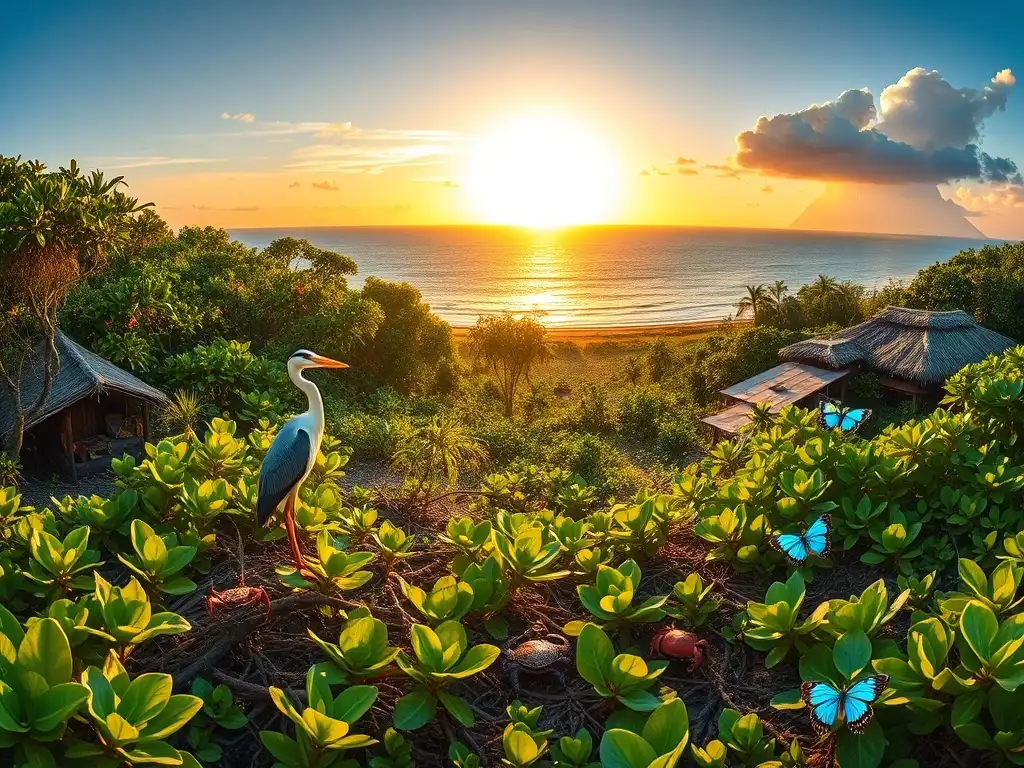
Step into a world lost to time, yet echoing with the whispers of a magnificent past. Discover the breathtaking ingenuity and resilience of the Andean civilizations, from the towering heights of the Incas to the enigmatic coastal cultures. But what secrets does the Valdivia climate impact on civilization hold? Uncover the surprising ways environmental forces shaped these ancient societies, and explore how the climate played a pivotal role in their rise and fall. Prepare to be amazed by the intricate tapestry of history waiting to be unveiled.
The Valdivia culture, flourishing along the coast of present-day Ecuador from approximately 3500 to 1800 BCE, stands as a remarkable testament to human adaptation and ingenuity. This early South American civilization, predating even the Inca, developed a sophisticated social structure and unique artistic traditions within a challenging coastal environment. Understanding the Valdivia civilization requires a deep dive into the interplay between their culture and the natural world, particularly the climate.
This article explores how the specific climatic conditions of the Valdivian coast significantly influenced their settlement patterns, agricultural practices, and overall societal development, providing crucial insights into the factors that shaped this fascinating pre-Incan society. We will examine the geographic context of their settlements, detail the prevailing climate, and analyze the impact of this climate on their civilization's trajectory, offering a comprehensive understanding of the Valdivia climate's impact on their civilization.
Introduction to Valdivia Culture and its Coastal Setting
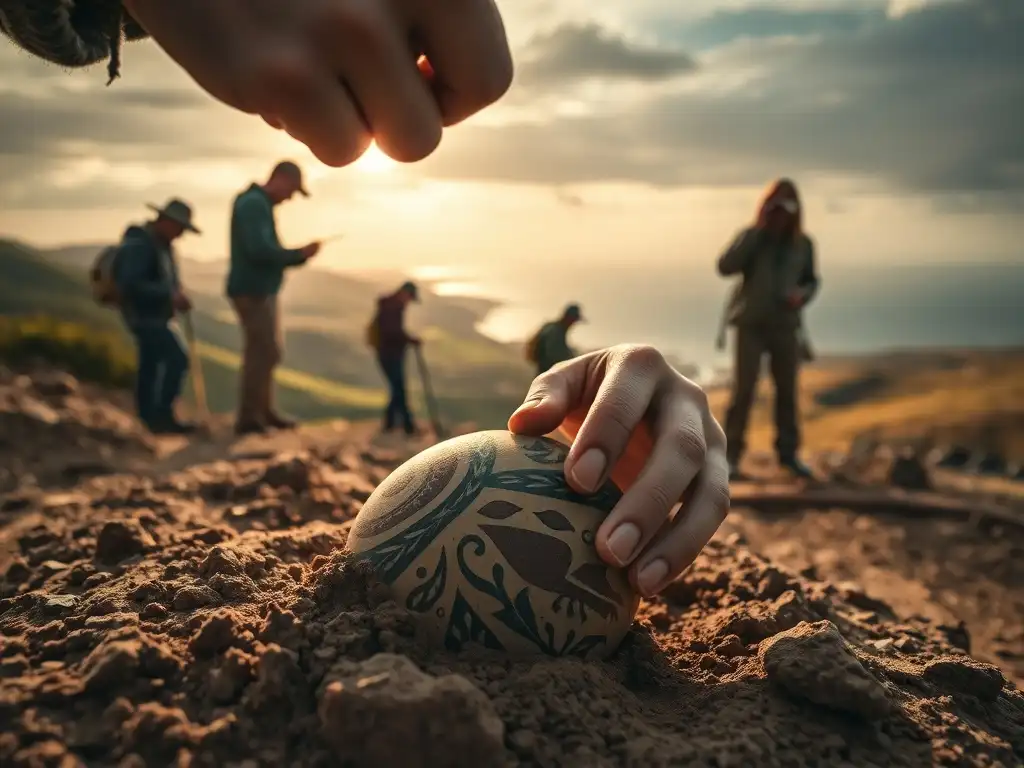
The Valdivia culture is recognized for its remarkable pottery, characterized by its intricate designs and sophisticated techniques. These ceramic artifacts, often depicting stylized figures and marine life, provide invaluable insights into their daily lives, religious beliefs, and social structures.
Their settlements were strategically located along the Ecuadorian coast, taking advantage of the abundant marine resources. This coastal setting, however, presented unique challenges. The Valdivia people had to contend with a diverse range of environmental factors, including fluctuating rainfall patterns, coastal fog ( garúa), and the dynamic forces of the Pacific Ocean. Their success in thriving in this environment showcases their adaptability and resourcefulness. Understanding their relationship with the coastal environment is crucial to comprehending the complexities of their society. The proximity to the sea provided sustenance through fishing and shellfish gathering, but also brought the challenges of unpredictable tides and occasional severe weather. The rich alluvial soils along the river valleys provided fertile ground for agriculture, but the availability of freshwater was also a limiting factor that required careful management.
Understanding the Geographic Context of Valdivia Settlements
Valdivia settlements were not uniformly distributed along the coast. Archaeological evidence suggests a preference for areas with access to both freshwater sources and fertile land suitable for agriculture. Many settlements were situated near river mouths, where the confluence of freshwater and saltwater created a rich ecosystem. This strategic placement allowed for diverse food sources, minimizing the risk of relying solely on one resource.
The selection of these locations also hints at a sophisticated understanding of the local geography and the environmental factors necessary for their survival. However, the precise relationship between settlement location and specific microclimates within the broader Valdivian coastal zone requires further investigation. Detailed studies of individual settlement sites are crucial to fully understanding the nuanced interplay between geography and settlement patterns. For example, [specific information pending] regarding the influence of elevation on settlement choice.
The Valdivia Climate: A Detailed Overview
The Valdivian coast experiences a subtropical climate characterized by relatively high humidity and moderate temperatures throughout the year. While generally warm, the climate is influenced by the Humboldt Current, a cold ocean current that brings cool, nutrient-rich waters along the coast. This current moderates temperatures and creates a relatively stable climate, although fluctuations in rainfall and the intensity of the garúa (coastal fog) could have impacted agricultural production.
The garúa, while providing moisture, could also reduce sunlight, potentially affecting crop yields. Further research is needed to fully quantify the impact of the garúa on Valdivian agriculture. Moreover, the El Niño Southern Oscillation (ENSO) likely played a significant role in shaping the climate variability experienced by the Valdivia people.
Periods of intense rainfall and flooding, alternating with droughts, could have presented significant challenges to their agricultural practices and overall societal stability. Understanding the frequency and intensity of these ENSO events during the Valdivian period is crucial for a complete picture of their climatic context. The interplay between these various climatic factors – the Humboldt Current, the garúa, and ENSO events – created a dynamic and sometimes unpredictable environment that the Valdivia people had to successfully navigate.
- Introduction to Valdivia Culture and its Coastal Setting
- Understanding the Geographic Context of Valdivia Settlements
- The Valdivia Climate: A Detailed Overview
- What was the Valdivia civilization's relationship with its environment?
- How did climate change affect the Valdivia people?
- What evidence shows the impact of climate on the Valdivia?
- Were the Valdivia able to adapt to climate variability?
- How does the Valdivia experience compare to other Andean civilizations regarding climate impact?
The Influence of the Coastal Climate on Valdivia Society
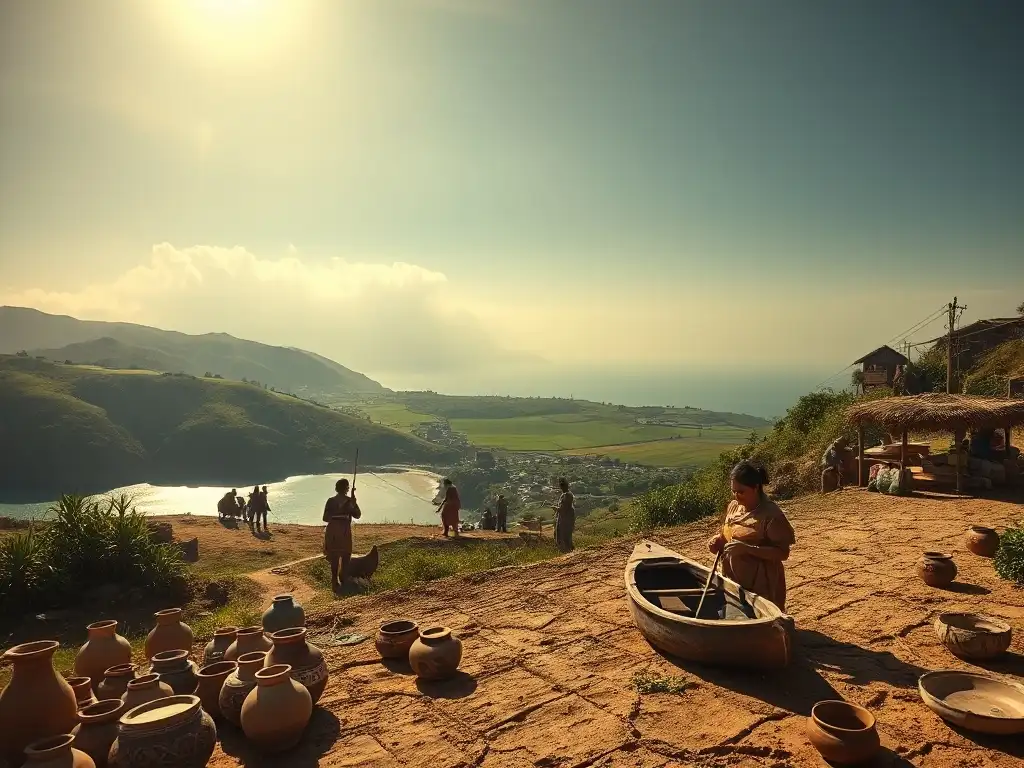
The Valdivia civilization, flourishing along the coast of present-day Ecuador from approximately 3500 to 1800 BCE, experienced a unique interplay between human development and the environment. Understanding the Valdivia climate impact on civilization requires a detailed examination of the coastal climate's influence on their societal structures, agricultural practices, and overall way of life. The tropical coastal climate, characterized by high humidity, relatively stable temperatures, and distinct wet and dry seasons, fundamentally shaped the trajectory of this early Andean culture.
This section will explore the multifaceted ways the climate dictated the lives of the Valdivia people, impacting everything from their daily routines to their long-term societal development. The consistent availability of marine resources and the challenges posed by seasonal variations in rainfall created both opportunities and obstacles for this pioneering civilization.
How the Tropical Coastal Environment Affected Valdivia Agriculture
The tropical coastal environment of the Valdivia region presented both advantages and challenges for agriculture. The consistently warm temperatures and abundant rainfall during the wet season fostered the growth of diverse crops. Archaeological evidence suggests cultivation of various plants, including squash, beans, and possibly maize in later periods.
However, the predictability of rainfall wasn't absolute. Fluctuations in rainfall amounts, even within the wet season, likely necessitated sophisticated water management techniques, although the specifics of these remain a topic of ongoing research. The length of the dry season also posed a significant constraint on agricultural productivity, demanding strategies for water conservation and perhaps the development of drought-resistant crops.
Further research into ancient Valdivia soil samples and plant remains could provide more precise details about their agricultural practices and the extent to which they adapted to the climatic variability. Analyzing pollen and phytolith data from archaeological sites could reveal the types of plants cultivated and the extent of their reliance on different agricultural techniques.
The success of Valdivia agriculture was intrinsically linked to their understanding and adaptation to the nuances of their climate. This intimate relationship between the Valdivia people and their environment highlights the importance of considering climate as a key factor in understanding the rise and development of their civilization. The absence of extensive irrigation systems, unlike later Andean cultures, suggests a reliance on natural rainfall and perhaps localized water management techniques adapted to the specific micro-climates of the region. This highlights a remarkable level of environmental knowledge and adaptation within a relatively early agricultural society.
The Role of Marine Resources in the Valdivia Diet and Economy
The proximity to the Pacific Ocean played a crucial role in shaping the Valdivia diet and economy. The rich marine environment provided a reliable source of protein and other essential nutrients. Archaeological excavations have unearthed numerous shell middens, indicating a significant reliance on shellfish such as mussels, clams, and oysters. Furthermore, evidence suggests fishing played a vital role, with the Valdivia people likely utilizing various fishing techniques to harvest fish and other marine life. The abundance of marine resources likely reduced the pressure on agricultural production, providing a crucial food security buffer during periods of drought or agricultural shortfall.
The importance of marine resources extended beyond sustenance. Seashells were used extensively in the creation of ornaments, tools, and other artifacts, demonstrating a strong connection between the marine environment and the development of Valdivia art and technology. The shells were not only a source of raw materials but also served as a medium for artistic expression and social status differentiation.
The Valdivia's sophisticated understanding of marine ecology allowed them to exploit the ocean's resources sustainably, contributing to the long-term stability of their civilization. This highlights a complex relationship between humans and their environment, where the ocean provided not only food but also the building blocks for their material culture and social structures. Further research could focus on analyzing the isotopic composition of human remains to quantify the proportion of marine versus terrestrial resources in their diet.
Adapting to Seasonal Changes: Valdivia's Environmental Strategies
The Valdivia climate, characterized by distinct wet and dry seasons, demanded adaptability. While the wet season provided ample water for agriculture, the dry season presented challenges requiring innovative strategies for water management and resource allocation. The exact nature of these strategies remains a subject of ongoing research, but evidence suggests various adaptations. For example, the selection of drought-resistant crops, the development of efficient water storage techniques (perhaps using simple earthenware containers), and the diversification of food sources through the exploitation of marine resources likely played crucial roles in mitigating the impact of seasonal variations.
The Valdivia people's ability to adapt to these seasonal changes speaks to their sophisticated understanding of their environment. Their survival and prosperity over centuries depended on their capacity to predict and respond to the fluctuating resources available throughout the year. This understanding likely encompassed detailed knowledge of rainfall patterns, plant growth cycles, and the seasonal availability of marine resources. Furthermore, social organization and community cooperation were probably crucial in managing resources effectively during times of scarcity.
Future research employing climate modeling and detailed analysis of archaeological data could shed further light on the specific strategies employed by the Valdivia to cope with the challenges posed by their dynamic environment. Understanding these strategies is crucial to comprehend the resilience and adaptability of this remarkable early Andean civilization. 🌊
Climate Impact on Valdivia Civilization's Development
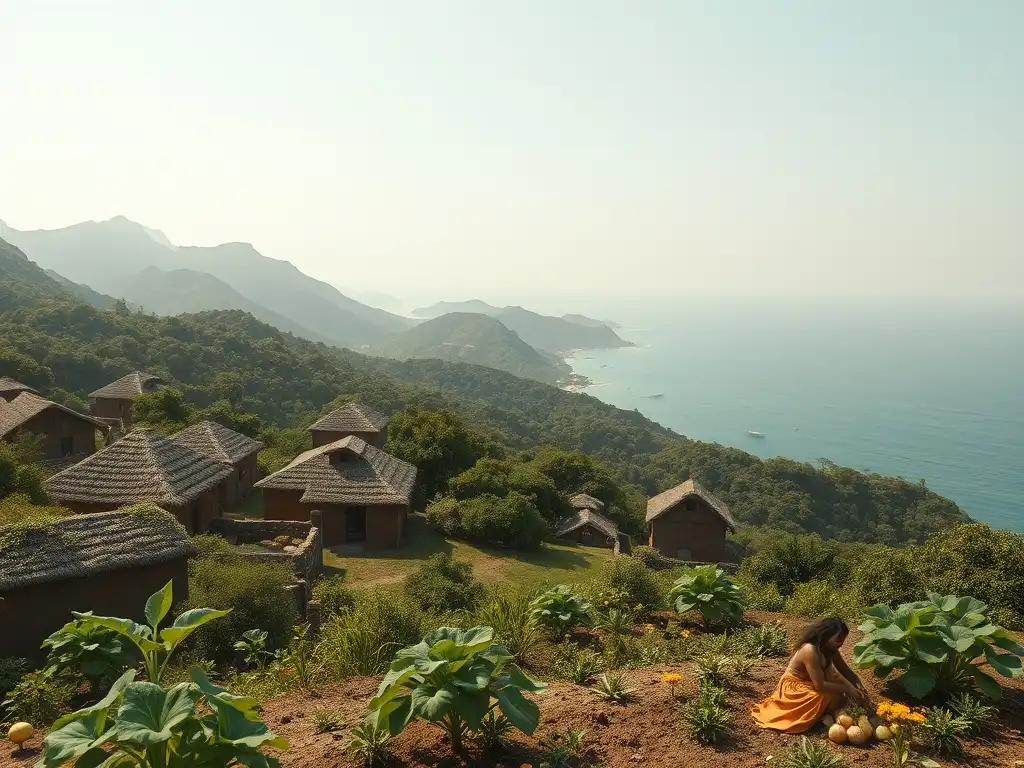
The Valdivia culture, flourishing along the coast of present-day Ecuador from approximately 3500 to 1800 BCE, provides a fascinating case study of how climate profoundly shaped a civilization's development. Understanding the Valdivia climate impact on civilization requires examining the interplay between environmental factors and societal adaptations. The region's unique geography, characterized by a narrow coastal plain nestled between the Andes Mountains and the Pacific Ocean, created a dynamic environment susceptible to significant climatic variability.
This variability, largely driven by the El Niño-Southern Oscillation (ENSO) cycle, played a crucial role in shaping various aspects of Valdivia life, from agricultural practices to social structures. The impact wasn't simply a matter of survival; it fundamentally molded their cultural identity and trajectory. Analyzing the Valdivia's relationship with their environment provides crucial insights into the resilience and adaptability of early coastal societies.
The Effects of El Niño and La Niña on Valdivia Culture
The El Niño-Southern Oscillation (ENSO) is a climate pattern characterized by fluctuating sea surface temperatures and atmospheric pressure in the tropical Pacific Ocean. El Niño events, marked by unusually warm ocean temperatures, bring increased rainfall to the normally arid coastal region. This led to heightened agricultural productivity, potentially allowing for surplus food production and supporting larger settlements. Conversely, La Niña events, characterized by cooler-than-average sea surface temperatures, resulted in drier conditions, potentially leading to crop failures and resource scarcity.
Archaeological evidence suggests that the Valdivia people developed sophisticated strategies to mitigate these climatic extremes. For example, the development of diverse agricultural techniques, including irrigation systems (evidence of which is still debated among researchers), might indicate an attempt to buffer against the unpredictable nature of rainfall patterns caused by ENSO. The presence of storage facilities in some settlements hints at efforts to stockpile resources during periods of abundance to survive leaner times.
The fluctuating availability of resources likely influenced social hierarchies and power dynamics within Valdivia society. Further research focusing on paleoclimate data correlated with archaeological findings is needed to fully understand the nuanced impact of ENSO on Valdivia societal structures and resource management. The precise details of how Valdivia communities adapted to these cyclical changes are still being uncovered through ongoing archaeological investigations.
Climate-Driven Changes in Valdivia Settlement Patterns
The availability of resources directly influenced the spatial distribution of Valdivia settlements. During periods of abundant rainfall (likely associated with El Niño events), the Valdivia population might have experienced population growth and the expansion of existing settlements. Conversely, periods of drought (associated with La Niña) could have forced the abandonment of certain sites due to limited resources.
Archaeological surveys reveal a pattern of settlement growth and decline across different time periods, potentially reflecting the cyclical nature of ENSO events and their impact on resource availability. Evidence of short-term migration or temporary relocation of communities might also exist, though this remains a topic of ongoing research. The size and complexity of settlements varied considerably across the Valdivia cultural sequence, suggesting a dynamic response to environmental pressures.
Larger, more complex sites might have emerged during periods of climatic stability and high agricultural productivity, while smaller, more dispersed settlements might have characterized periods of environmental stress. The precise correlation between specific climatic events and settlement patterns requires more detailed analysis of both archaeological and paleoclimatic data. Further research using advanced dating techniques and high-resolution climate models could significantly enhance our understanding of this dynamic relationship.
The Valdivia climate impact on civilization extended beyond mere survival; it deeply impacted their social organization. The need to manage resources effectively during periods of both abundance and scarcity likely contributed to the development of complex social structures. Evidence suggests a degree of social stratification, with some individuals or families potentially accumulating more wealth and power than others. This inequality could have stemmed from differential access to resources, particularly during periods of scarcity.
The distribution of artifacts, such as elaborate ceramics and shell ornaments, reveals potential variations in status and social standing. Furthermore, the management of irrigation systems, if they existed on a large scale, could have required a degree of centralized organization and leadership. The impact of environmental variability on social dynamics remains a complex issue, requiring further investigation.
The relationship between climate fluctuations and social organization is likely multifaceted and requires a nuanced interpretation of archaeological findings within the broader context of the Valdivia's social and economic systems. More research into burial practices and the distribution of high-status goods will shed more light on the social implications of the Valdivia's relationship with their environment. The interplay between environmental pressures and social adaptations within the Valdivia culture underscores the intricate links between climate and societal development in early Andean societies.
Valdivia's Unique Cultural Adaptations to Their Environment
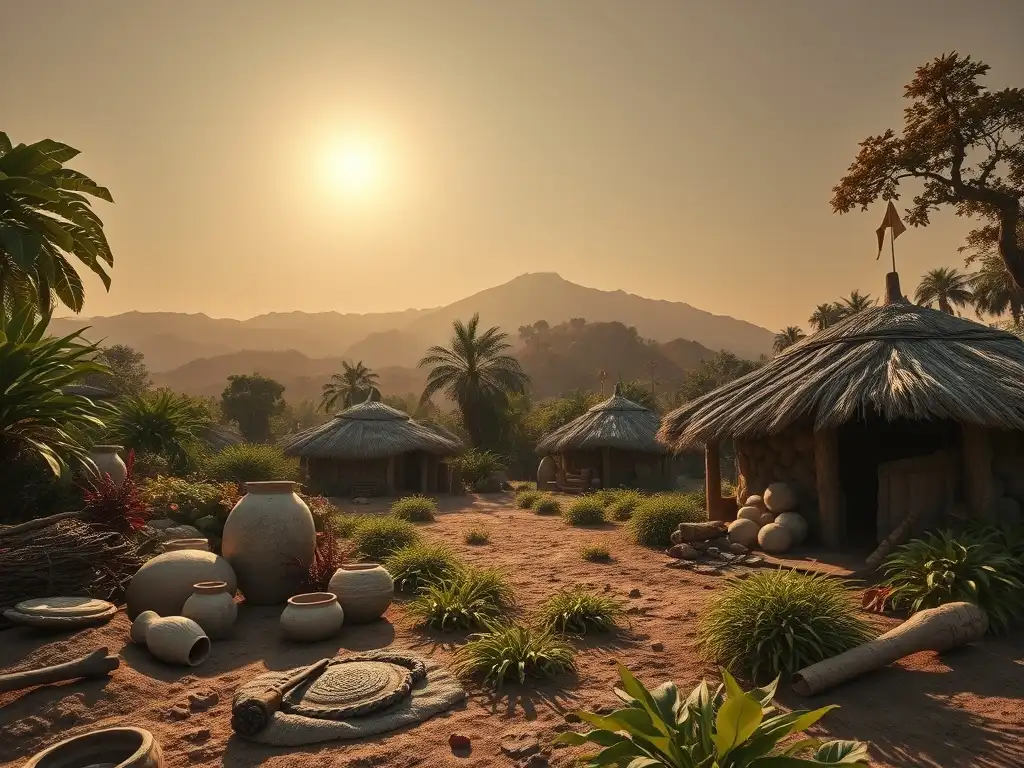
The Valdivia culture, flourishing along the Ecuadorian coast from approximately 3500 to 1800 BCE, presented a remarkable example of human adaptation to a dynamic coastal environment. Understanding the Valdivia climate impact on civilization requires examining how they skillfully navigated the challenges and opportunities presented by their surroundings. Their success wasn't simply about survival; it was about thriving within a system of complex ecological interactions.
The Valdivia people developed sophisticated strategies for resource management, built settlements that considered prevailing weather patterns, and created a unique artistic expression that likely reflected their deep understanding of their environment. This section will delve into specific examples of their ingenious adaptations.
Valdivia Pottery: Clues to Environmental Understanding
Valdivia pottery offers invaluable insights into the civilization's relationship with its environment. The meticulous craftsmanship and stylistic choices in their ceramics often reflect available resources and the climatic conditions influencing their lives. The clay itself, sourced locally, varies in composition depending on the specific geographical location.
Analysis of these clays reveals information about soil types and geological formations, providing a tangible link between the Valdivia people and their landscape. Moreover, the depictions on the pottery, while often abstract, frequently feature marine life – shellfish, fish, and seabirds – suggesting a strong reliance on marine resources and a keen awareness of coastal ecosystems. The prevalence of certain motifs might even correlate with seasonal variations in marine life abundance, hinting at a sophisticated understanding of marine cycles influenced by the Valdivia climate.
For example, [specific pottery motifs and their correlation with seasonal marine life abundance pending]. Further research into the chemical composition of the clay and the stylistic patterns on the pottery could illuminate the subtle ways in which climate impacted their daily lives and artistic expression. The intricate detail and the consistent quality of the pottery across different sites strongly suggest a level of social organization and knowledge transfer that facilitated effective adaptation to the environment.
Valdivia Architecture and Its Relationship with Climate Factors
The location and design of Valdivia settlements reflect a deep understanding of the coastal environment and its climatic variability. While specific data on the construction techniques of all Valdivia settlements is still being researched, available evidence suggests that settlement placement was strategic, often situated near sources of freshwater and sheltered from prevailing winds. The construction materials used – primarily organic materials like wood and thatch – were readily available locally, minimizing the environmental impact of construction.
This contrasts with later Andean civilizations that often used more energy-intensive building materials. [Specific examples of Valdivia settlement locations and their relationship to water sources and wind patterns pending]. The orientation of houses, while not yet fully understood, may have been designed to maximize sunlight during colder months and minimize exposure during the hotter seasons.
Further investigation into the architecture of Valdivia settlements could reveal more nuanced adaptations to the Valdivia climate, including aspects like ventilation and insulation techniques. The ingenuity of their building practices, coupled with their strategic site selection, showcases their impressive capability to thrive within a sometimes unpredictable environment.
Valdivia's Resource Management and Environmental Awareness
The Valdivia culture's success is also attributable to their effective resource management strategies. Their reliance on diverse resources – marine life, plants, and perhaps even some limited agriculture – demonstrates a sophisticated understanding of ecosystem dynamics and a capacity to adapt to fluctuations in resource availability. This likely involved a degree of seasonal migration or resource diversification to mitigate the risks associated with relying on a single resource.
Evidence suggests a sustainable approach to resource harvesting, minimizing overexploitation and ensuring long-term availability. [Specific examples of Valdivia resource management practices and their sustainability pending]. Their knowledge of plant life is also evidenced by the discovery of [specific plants and their uses pending] indicating a nuanced understanding of both the environment and the properties of the local flora.
This holistic approach, balancing the needs of their community with the long-term health of the ecosystem, sets the Valdivia apart as a culture that understood and respected the delicate balance of their environment. Their careful management of resources likely played a crucial role in their longevity and success in a challenging coastal setting. Further research into their agricultural practices and waste management systems will help to complete the picture of their remarkable environmental stewardship.
The Long-Term Impact of Climate on Valdivia Culture
The Valdivia climate, characterized by its coastal location and proximity to the Humboldt Current, profoundly shaped the trajectory of this early South American civilization. Understanding the long-term impact of this climate is crucial to grasping the Valdivia's successes and eventual transformations. The relatively stable, albeit variable, climate provided a foundation for agricultural practices and resource management that sustained their society for centuries.
However, periods of climatic fluctuation, even minor ones, likely played a significant role in societal shifts and adaptations. While specific data on long-term climatic trends during the Valdivia period is still being researched and refined, archaeological evidence, coupled with paleoclimatological studies, suggests a complex interplay between environmental conditions and cultural developments. The Valdivia's resilience in the face of environmental challenges highlights their sophisticated understanding of their surroundings and their ability to adapt to change.
This adaptability, however, was not unlimited, and understanding its boundaries is key to understanding the full story of the Valdivia civilization. Further research into paleoenvironmental records, such as pollen analysis and sediment cores, is needed to paint a more complete picture of the long-term climate influences on Valdivia culture.
Climate Change and the Decline of Valdivia Society
The narrative surrounding the decline of the Valdivia culture is multifaceted and not fully understood. However, evidence suggests that periods of climatic instability may have played a contributing role. While the Valdivia thrived during periods of relatively stable coastal conditions— benefiting from predictable rainfall and marine resources— shifts in the Humboldt Current's strength and temperature, or changes in rainfall patterns, could have disrupted agricultural practices and access to essential resources.
These disruptions, even if relatively small in scale, could have led to resource scarcity, increased competition, and ultimately, societal instability. For example, a prolonged drought or a significant change in the marine ecosystem could have impacted the availability of shellfish, a crucial part of the Valdivia diet. Similarly, changes in rainfall could have affected the cultivation of crops like squash and beans, which supplemented their seafood-based diet.
While it's unlikely that climate change was the sole factor in the Valdivia's eventual transformation, it almost certainly played a significant, albeit complex, role in shaping the trajectory of their society. More research is needed to correlate specific climatic events with archaeological evidence of societal shifts. The precise timing and nature of these climatic events remain areas of active research and debate.
Lessons from Valdivia's Environmental Interaction
The Valdivia civilization offers invaluable lessons about human adaptation to coastal environments. Their sophisticated understanding of their environment, combined with their ability to exploit marine and terrestrial resources, allowed for the development of a complex and relatively stable society. Their strategies for resource management, evidenced by their shell middens and agricultural practices, reveal a remarkable understanding of ecological principles.
The Valdivia's success hinges on their adaptability and flexibility in responding to the inherent variability of their coastal environment. This highlights the importance of understanding environmental dynamics when studying past societies and underscores the critical role of environmental resilience in long-term societal sustainability. Their experience serves as a cautionary tale regarding the potential impacts of environmental instability, even in seemingly stable coastal ecosystems.
Understanding their successes and challenges provides valuable insights for modern societies facing similar environmental pressures, particularly those concerning coastal resource management and climate change adaptation. Their story emphasizes the need for proactive and adaptable strategies to ensure long-term societal well-being in the face of environmental change.
The Legacy of Valdivia's Adaptation to Coastal Conditions
The Valdivia's legacy extends beyond their impressive ceramic artistry and sophisticated social organization. Their highly successful adaptation to coastal conditions offers a powerful case study in human-environment interaction. Their strategies for managing resources, navigating environmental variability, and building resilient communities provide valuable insights for contemporary societies facing similar challenges.
The Valdivia's experience demonstrates the profound interconnectedness between human societies and their environment and highlights the importance of understanding ecological dynamics to ensure long-term sustainability. The development of sustainable resource management practices, the diversification of food sources, and a flexible approach to environmental variability were key to their success. Analyzing these strategies allows us to better understand the principles of resilience and adaptability in human societies, and to apply these lessons to contemporary challenges of climate change and resource scarcity.
The Valdivia's legacy serves as a powerful reminder of the crucial interplay between culture and environment, emphasizing the need for integrated approaches to resource management and environmental conservation. Their story continues to resonate, offering vital lessons for navigating the complexities of a changing world.
Conclusion: The Enduring Link Between Climate and Valdivia Civilization
The Valdivia civilization, flourishing along the Ecuadorian coast millennia ago, stands as a testament to human adaptability in the face of environmental challenges. Their remarkable achievements in pottery, agriculture, and social organization were inextricably linked to the prevailing climatic conditions of their time. Understanding the Valdivia climate impact on civilization allows us to appreciate not only their ingenuity but also the fragility of even the most advanced societies when confronted by significant environmental shifts.
The interplay between the Valdivia people and their environment wasn't a passive relationship; it was a dynamic interaction that shaped their culture, technology, and ultimately, their legacy. Their story serves as a powerful reminder of the crucial role climate plays in shaping human history, a lesson particularly relevant in our current era of climate change.
The Valdivia climate impact on civilization: A Summary
The Valdivia climate, characterized by a relatively stable coastal environment with distinct wet and dry seasons, provided the foundation for their successful agricultural practices. The availability of freshwater resources, influenced by rainfall patterns and the proximity to rivers, directly impacted their ability to cultivate crops like maize, beans, and squash. Evidence suggests sophisticated irrigation techniques were employed to maximize crop yields during drier periods, demonstrating a profound understanding of water management. Furthermore, the coastal location provided access to abundant marine resources, supplementing their agricultural production and ensuring a diverse food supply.
Fluctuations in climate, however, were not without consequence. Periods of drought or unusually heavy rainfall likely impacted agricultural output, potentially leading to social stress and influencing settlement patterns. Archaeological evidence, while still being analyzed and interpreted, points to potential adaptations in settlement locations and agricultural strategies in response to such climate variability.
Analyzing pollen samples and studying the isotopic composition of human remains may reveal further insights into dietary changes and the overall impact of climate fluctuations on the Valdivia population's health and well-being. The study of ancient Valdivia settlements, coupled with paleoclimatological data, offers a compelling case study of how climate profoundly shaped the trajectory of this early coastal civilization. The interplay between environmental stability and periodic shifts directly influenced resource availability, agricultural practices, and the overall societal development.
Further Research on Valdivia Environmental Adaptations
Further research is crucial to fully understand the complex relationship between the Valdivia climate and their civilization. Several avenues warrant further investigation:
- High-resolution paleoclimate reconstructions: More detailed analysis of sediment cores and other paleoclimatological data is needed to refine our understanding of past climate variability in the Valdivia region. This includes more precise dating techniques and a more comprehensive analysis of pollen, charcoal, and other environmental indicators.
- Isotopic analysis of human remains: Analyzing the stable isotope ratios in human bone and teeth can provide valuable information about the Valdivia diet and the impact of climate change on their nutritional intake. This data can be correlated with paleoclimate data to better understand how climate fluctuations affected food availability and human health.
- Advanced archaeological survey techniques: Employing geophysical techniques and remote sensing can help identify previously unknown settlements and agricultural features, providing a more complete picture of Valdivia settlement patterns and their adaptation to environmental changes. This could reveal evidence of migration patterns or changes in settlement density in response to climate shifts.
- Comparative studies with other coastal civilizations: Comparing the Valdivia experience with other contemporaneous coastal civilizations in South America can highlight common adaptations and unique responses to similar environmental pressures. This broader comparative perspective could provide a richer understanding of how coastal communities across the continent responded to climate change.
The ongoing research into the Valdivia civilization will undoubtedly unveil further details about their intricate relationship with their environment. The Valdivia climate impact on civilization continues to be a subject of active research, promising to yield even more compelling insights into this remarkable culture and its resilience in the face of environmental change. 🌊 The integration of advanced methodologies from diverse fields—archaeology, paleoclimatology, and isotopic analysis—holds the key to unlocking a more comprehensive understanding of this fascinating chapter in Andean history.
Frequently Asked Questions
What was the Valdivia civilization's relationship with its environment?
The Valdivia civilization was intimately connected to its environment. Their coastal location heavily influenced their lifestyle, economy (fishing and shellfish gathering), and settlement patterns. Climate variability, particularly rainfall, played a significant role in their success.
How did climate change affect the Valdivia people?
Changes in rainfall patterns and sea temperatures likely impacted the availability of food resources for the Valdivia. Periods of drought could have led to scarcity and potentially influenced social structures and migration patterns. El Niño events may have also played a role.
What evidence shows the impact of climate on the Valdivia?
Archaeological evidence, such as changes in settlement locations and the types of artifacts found, suggests responses to environmental shifts. Analysis of plant and animal remains provides further insight into the impact of climate change on available resources. Sedimentological studies reveal past climate conditions.
Were the Valdivia able to adapt to climate variability?
The Valdivia demonstrated a capacity for adaptation, developing strategies to cope with environmental fluctuations. This may have included diversifying their food sources and adjusting their agricultural practices. The extent of their adaptability, however, is still being researched.
How does the Valdivia experience compare to other Andean civilizations regarding climate impact?
While each Andean civilization faced unique environmental challenges, the Valdivia's dependence on coastal resources made them particularly vulnerable to climate-related changes in sea temperature and rainfall. Comparing their responses to those of inland civilizations like the Inca helps us understand the diverse ways Andean societies interacted with their environments.
Final Reflection: Echoes of the Valdivia: Climate's Enduring Legacy
The Valdivia civilization's story isn't just a historical account; it's a stark warning and a powerful testament to humanity's intricate relationship with its environment. Understanding how climate change profoundly shaped their societal structures, agricultural practices, and ultimately, their decline, offers crucial insights into our own precarious position in the face of a rapidly changing world. The lessons learned from the Valdivia are not relics of the past; they are urgently relevant today.
The ingenuity and resilience of the Valdivia people, despite facing significant environmental challenges, is deeply inspiring. Their sophisticated understanding of their environment, reflected in their advanced agricultural techniques and settlement patterns, underscores the importance of adapting to change. The past is never dead. It's not even past.
– William Faulkner. This quote resonates deeply, reminding us that the Valdivia's experience continues to inform our understanding of climate's impact on civilizations, past and present. Their story serves as a potent reminder that ignoring the signals of environmental instability can have devastating consequences.
Consider the choices you make daily. How can you integrate a deeper understanding of environmental sustainability into your life? Let the legacy of the Valdivia inspire you to become a more conscious steward of our planet. Embrace sustainable practices, advocate for climate action, and remember that the choices we make today will shape the world we leave for future generations. The echoes of the Valdivia’s story call for a future where human ingenuity and environmental stewardship work in harmony.
Unveil the Secrets of the Valdivia Environment!
Thank you for exploring the fascinating world of the Valdivia civilization! Your interest in the impact of climate on their culture demonstrates a keen understanding of how environmental factors shape societies. Let's delve deeper!
Here's how you can continue your exploration:
- Explore related topics: Learn more about how Andean geography influenced other ancient cultures in our comprehensive article. Every discovery enriches our understanding of this complex history.
- Join the discussion: Share your insights on the impact of climate on modern societies in our vibrant online community forum. Your perspective is valuable.
- Connect with us: Follow us on social media for the latest research and discoveries about Andean civilizations.
How does studying the Valdivia environment inform your understanding of contemporary climate challenges?