
Paracas and the Use of Hallucinogens: Ritual Practices and Altered States

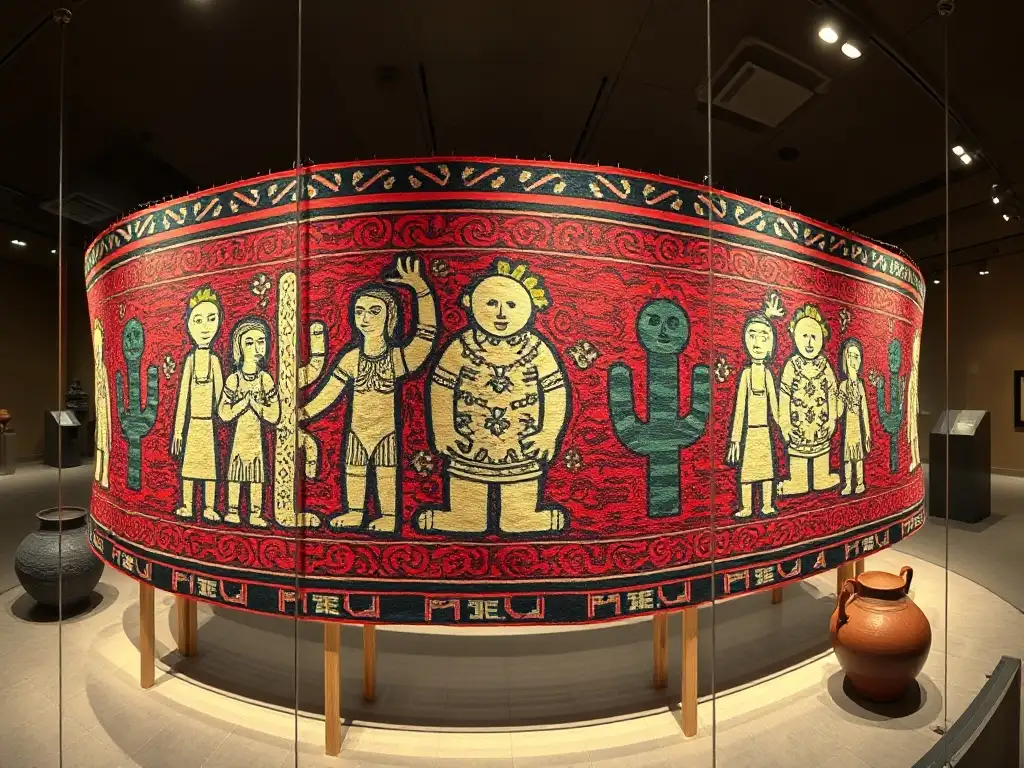
Prepare to journey into a world shrouded in mystery and wonder. For centuries, the secrets of the Andean civilizations have captivated the imagination, but none more so than the enigmatic rituals of the Paracas culture. Discover the shocking truth behind Paracas hallucinogens ritual practices, a glimpse into a world where altered states of consciousness intertwined with profound spiritual beliefs. Dare to delve into the captivating history of the pre-Incan coastal societies and uncover the hidden significance of their practices. The mysteries await…
The Paracas culture, flourishing along the southern coast of Peru between 700 BCE and 200 CE, left behind a legacy of intricate textiles, elaborate burial practices, and a fascinating, albeit mysterious, relationship with hallucinogenic substances. This article delves into the evidence suggesting the significant role hallucinogens played in Paracas religious rituals and their impact on the society's worldview and artistic expression.
We will explore the archaeological findings, analyze the iconography present in their textiles and ceramics, and discuss the potential effects of these substances on their ritual practices and understanding of the spiritual realm. The use of hallucinogens in Paracas society wasn't merely recreational; it was deeply interwoven with their spiritual beliefs, shaping their artistic creations and influencing their social structures.
Understanding this aspect is crucial to gaining a complete picture of this enigmatic civilization and its place within the broader tapestry of Andean cultures. This exploration will help us understand the Paracas' unique perspective on life, death, and the supernatural, a perspective vividly reflected in their breathtaking artifacts.
Archaeological Evidence of Hallucinogen Use
Archaeological excavations of Paracas sites have yielded intriguing clues about the use of hallucinogens. While direct evidence, such as the remnants of the plants themselves, is scarce due to the perishable nature of organic materials, indirect evidence strongly suggests their use.
For example, the discovery of specific plant species known for their hallucinogenic properties in proximity to Paracas settlements, combined with the presence of paraphernalia potentially used for ingestion or preparation of these substances, points towards their intentional use. Furthermore, the analysis of human remains has revealed traces of certain alkaloids associated with hallucinogenic plants, providing further support for this hypothesis.
The complexity of Paracas burial rituals, often involving elaborate textiles and artifacts suggestive of altered states of consciousness, also indirectly points to the role of hallucinogens in their funerary practices. Further research and analysis of existing artifacts, coupled with advanced scientific techniques, are crucial to strengthen this evidence base and provide a more comprehensive understanding of the types and frequency of hallucinogen use within Paracas society.
Iconography and Symbolism in Paracas Textiles and Ceramics
The intricate textiles and ceramics of the Paracas culture are renowned for their vibrant colors, complex designs, and seemingly otherworldly imagery. Many scholars believe that these artistic representations depict altered states of consciousness induced by hallucinogens. The recurring motifs of swirling patterns, anthropomorphic figures with distorted features, and scenes seemingly depicting shamanistic rituals are interpreted by some as visual representations of hallucinatory experiences.
The use of specific colors and symbols may also hold significance, potentially representing different types of hallucinogens or distinct spiritual experiences. A detailed analysis of these visual elements, considering their context within the broader Paracas worldview, may reveal deeper insights into the role of hallucinogens in their religious and social life. The symbolic language embedded in these artifacts serves as a crucial window into the minds of the Paracas people, allowing us to glimpse their perception of reality shaped by the use of hallucinogens.
Ritual Practices and Altered States of Consciousness
The combination of archaeological evidence and iconographic analysis suggests that Paracas ritual practices frequently involved the intentional use of hallucinogens to induce altered states of consciousness. These altered states were likely crucial to their religious experiences, facilitating communication with the spirit world, providing insights into the future, or enhancing the effectiveness of shamanistic healing practices.
The elaborate burial ceremonies, often involving mummification and the inclusion of numerous offerings, may have been part of a ritualistic process aimed at guiding the deceased through a hallucinogen-induced journey into the afterlife. The shaman, a key figure in Paracas society, likely played a central role in these rituals, administering the hallucinogens and interpreting the visions experienced by participants.
Understanding these ritual contexts is vital to comprehending the social and religious significance of hallucinogen use within Paracas culture. The rituals were not simply about inducing altered states, but about harnessing those states for specific spiritual or social purposes.
The pervasive presence of hallucinogens in Paracas culture suggests a profound integration of these substances into their social and religious fabric. The use of hallucinogens may have served to reinforce social cohesion, strengthen community bonds, and legitimize the authority of shamans and religious leaders. The shared experiences induced by these substances could have created a powerful sense of collective identity and strengthened social solidarity.
Furthermore, the hallucinogenic visions may have provided insights into the natural world, influencing their agricultural practices, healing methods, and artistic expressions. In essence, the use of hallucinogens was not merely a peripheral aspect of Paracas culture but rather a fundamental element shaping their worldview, social structures, and artistic achievements. Further research is needed to fully understand the complex interplay between hallucinogens, religion, and social organization within this fascinating civilization.
- Archaeological Evidence of Hallucinogen Use
- Iconography and Symbolism in Paracas Textiles and Ceramics
- Ritual Practices and Altered States of Consciousness
- The Social and Religious Implications of Hallucinogen Use in Paracas Society
- What role did hallucinogens play in Paracas culture?
- What evidence supports the use of hallucinogens by the Paracas people?
- What types of hallucinogens were likely used by the Paracas?
- How did the Paracas use hallucinogens in their rituals?
- What is the significance of Paracas hallucinogen use in the broader context of Andean civilizations?
Paracas Culture: Shamanism, Ritual, and Altered States of Consciousness
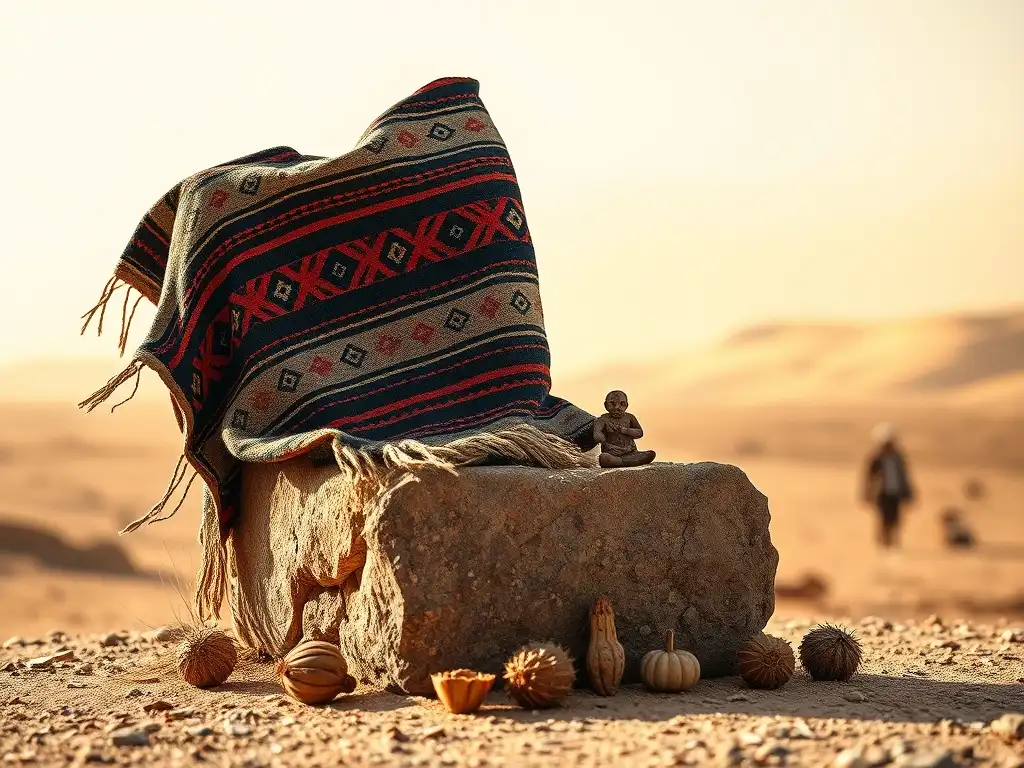
The Paracas culture, flourishing on the southern coast of Peru from roughly 800 BCE to 200 CE, developed a complex system of beliefs and practices deeply intertwined with altered states of consciousness. Evidence suggests the extensive use of hallucinogenic substances played a central role in their religious rituals, social structures, and artistic expressions. Understanding the Paracas' use of hallucinogens requires careful consideration of their sophisticated social organization, the prominent role of shamans, and the rich iconography found on their remarkable textiles. The phrase "Paracas hallucinogens ritual practices" encapsulates a significant aspect of this enigmatic civilization.
The Paracas people skillfully adapted to their arid coastal environment. Their sophisticated irrigation systems allowed for intensive agriculture, supporting a relatively dense population. Archaeological evidence points to a hierarchical social structure, with elites controlling resources and religious authority. This social stratification likely influenced the distribution and use of hallucinogens, with access potentially restricted to specific individuals or groups within the society.
The precise nature of this social hierarchy remains a subject of ongoing research, with ongoing excavations providing valuable insights into the everyday lives of Paracas commoners and elites. Further research is needed to fully understand the extent of social mobility and the mechanisms by which social status was determined and maintained. This is crucial to accurately interpreting the role of hallucinogens in Paracas society. Understanding their social organization provides the context for interpreting the symbolic meaning and ritual significance of hallucinogen use.
The Role of Shamans in Paracas Cosmology and Ritual
Shamans occupied a pivotal position within Paracas society, acting as intermediaries between the living and the spirit world. Their expertise in inducing and interpreting altered states of consciousness, likely through the use of hallucinogens, was crucial to their religious authority. These individuals may have been responsible for conducting rituals aimed at ensuring agricultural success, healing the sick, or communicating with ancestral spirits. The specific hallucinogens employed by Paracas shamans remain uncertain, but the presence of plants with psychoactive properties in the region, such as brugmansia and datura, suggests likely candidates.
The shaman's role extended beyond mere ritualistic practice; their knowledge and abilities were critical to the social cohesion and stability of Paracas communities. The power dynamic between shamans and other members of the society is a critical area requiring further study. This includes analyzing the potential political and economic influence wielded by these religious leaders.
Paracas Textiles and Iconography: Depictions of Ritual and Hallucinogens
Paracas textiles are renowned for their intricate designs and vibrant colors. Many of these textiles depict scenes that appear to represent shamanistic rituals and the effects of hallucinogens. These depictions frequently feature stylized figures with enlarged eyes, distorted features, and other characteristics suggestive of altered perception.
The repeated use of specific motifs, such as stylized plants and animals, could symbolize particular hallucinogenic substances or their associated spiritual meanings. The detailed analysis of these visual representations is essential for understanding the Paracas worldview and their relationship with hallucinogens. Further research into the symbolic language employed in Paracas textiles, including a comparative study with other Andean cultures, is necessary to fully decipher their complex iconography and its connection to the use of hallucinogens in ritual practices.
The meticulous craftsmanship and symbolic richness of these textiles offer invaluable insights into the beliefs and practices of this fascinating civilization, furthering our understanding of "Paracas hallucinogens ritual practices." The ongoing study of these artifacts continues to reveal new details about their cosmology and ritual life.
Hallucinogenic Substances in Paracas Rituals
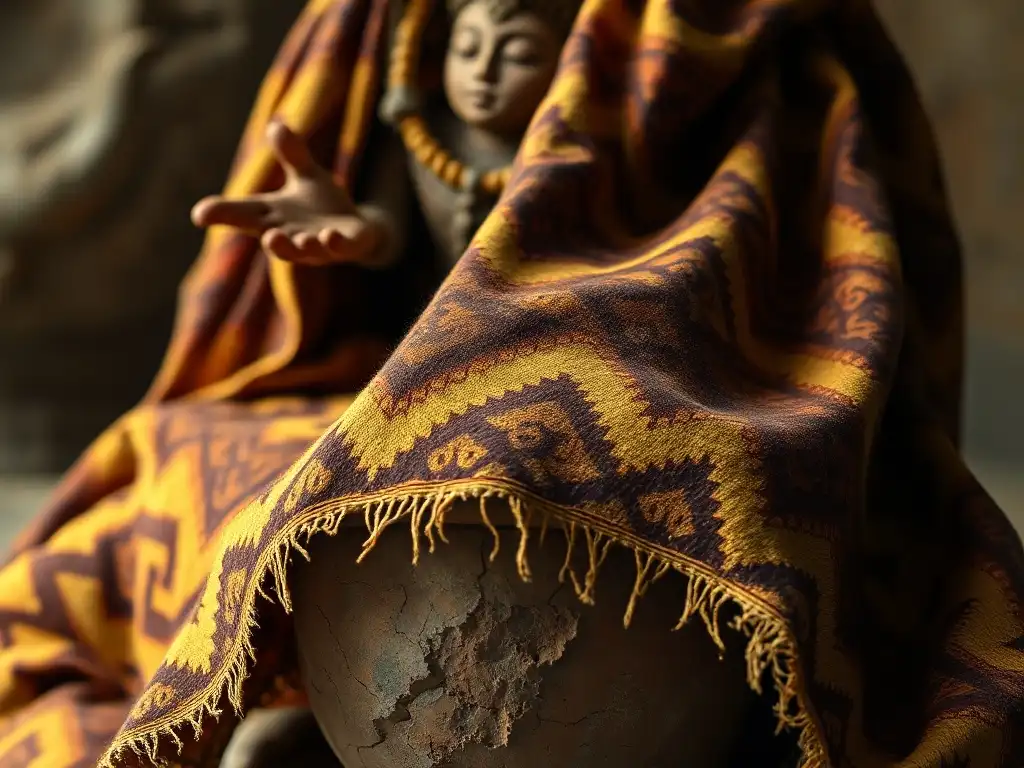
The Paracas culture, flourishing along the southern coast of Peru from approximately 800 BCE to 100 CE, left behind a rich tapestry of textiles, ceramics, and elaborate burial practices that hint at a complex relationship with altered states of consciousness. Evidence strongly suggests the prominent role of hallucinogenic substances in their ritual practices, shaping their spiritual beliefs and social structures. Understanding the types of hallucinogens used, their preparation, and the context of their consumption provides crucial insights into Paracas worldview and societal organization. The term "Paracas hallucinogens ritual practices" encapsulates this fascinating intersection of culture and altered perception.
Identifying Paracas Hallucinogens: Anadenanthera peregrina and Trichocereus pachanoi
Two primary hallucinogenic plants are strongly associated with Paracas ritual practices: Anadenanthera peregrina (also known as yopo or vilca) and Trichocereus pachanoi (San Pedro cactus). Anadenanthera peregrina, a leguminous tree, contains psychoactive compounds like bufotenine and DMT, inducing powerful visions and altered states. Archaeological findings of Anadenanthera peregrina paraphernalia, such as snuff tubes and mortars, are relatively common in Paracas contexts. These artifacts strongly suggest the ritualistic use of this plant's snuff.
The San Pedro cactus ( Trichocereus pachanoi), rich in mescaline, offers a different hallucinogenic experience. While direct evidence of its use in Paracas culture might be less readily available than that of Anadenanthera peregrina, its widespread use in later Andean cultures and the presence of similar cacti in the region suggests its potential inclusion in Paracas rituals.
Further research, including more sophisticated chemical analysis of artifacts and contextual analysis of burial sites, could clarify its role more definitively. The presence of both these plants, with their distinct psychoactive profiles, hints at a nuanced approach to altered states within Paracas society, perhaps employing different plants for different ritual purposes or to achieve varying levels of altered consciousness.
Archaeological Evidence: Residue Analysis and Contextual Findings
The most compelling evidence for Paracas hallucinogen use stems from residue analysis of artifacts and the contextual placement of these artifacts within burial sites. Residue analysis on paraphernalia such as snuff tubes and bowls has revealed the presence of bufotenine, a key psychoactive compound found in Anadenanthera peregrina. The consistent discovery of these tubes alongside other ritual objects in elite burials further underscores the importance of these substances in Paracas religious practices. Moreover, the presence of such objects within elaborate tombs suggests these rituals were not merely recreational but rather deeply ingrained in their social hierarchy and spiritual beliefs.
Furthermore, the spatial arrangement of artifacts within tombs can provide additional contextual clues. For example, the proximity of snuff tubes to textiles depicting shamanistic figures or other ritualistic imagery strengthens the association between these objects and altered states of consciousness. The meticulous preparation and careful placement of these items within the tombs themselves suggests a degree of ritualistic significance beyond mere practical use.
More research is needed, however, to fully understand the nuanced symbolism and meaning embedded within these burial contexts. The detailed study of these burial sites, in conjunction with advanced analytical techniques, holds the key to unlocking more secrets of Paracas ritual practices.
Preparation Methods: Grinding, Brewing, and Administration
The preparation of hallucinogenic substances would have been a crucial aspect of Paracas ritual practices. For Anadenanthera peregrina, the seeds would have been carefully ground into a fine powder, likely using mortars and pestles – artifacts frequently found in Paracas sites. This powder was then likely administered nasally via snuff tubes, a common method of ingestion for this plant.
The intricate designs and materials used in these tubes suggest that their creation and use were not trivial activities but rather highly ritualized processes. This meticulous preparation emphasizes the sacred nature of the substances and the importance of controlled ingestion for achieving the desired altered state.
The preparation and administration of Trichocereus pachanoi, if used, would have differed considerably. The cactus would likely have been cut, possibly cooked or fermented, to extract the mescaline. The exact methods remain uncertain, requiring further research into ethnobotanical parallels with later Andean cultures known to have used the San Pedro cactus. The potential use of both plants highlights the sophisticated understanding of psychoactive substances and their preparation within Paracas society.
The diverse methods of ingestion – nasal for Anadenanthera peregrina and likely oral for Trichocereus pachanoi – further underscores the intentionality and control exerted over the ritual experience. The lack of complete data on Trichocereus pachanoi preparation remains a significant area for future research. Further investigation into the potential use of other plants and the specific techniques employed in their preparation promises to yield valuable insights into Paracas spirituality and ritual practices.
Paracas Hallucinogen Ritual Practices: A Detailed Look
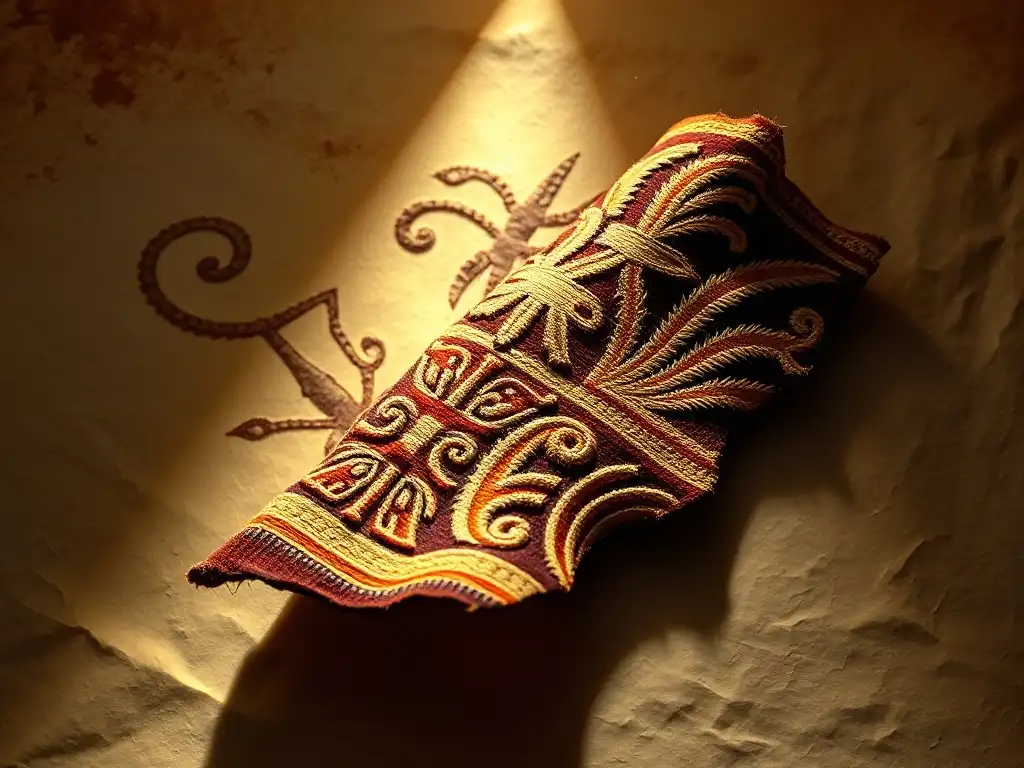
This section delves into the fascinating and complex world of Paracas ritual practices involving hallucinogens. Evidence suggests that the use of these substances was deeply intertwined with their religious beliefs and social structures, playing a significant role in funerary rites, ceremonial gatherings, and shamanic healing. Understanding these practices offers crucial insights into the Paracas worldview and their sophisticated understanding of altered states of consciousness. The use of "Paracas hallucinogens ritual practices" as a keyword is central to understanding their cultural significance.
Ritual Context: Funerary Rites and Ceremonial Gatherings
The Paracas culture, known for its elaborate textile artistry and mummification techniques, also demonstrated a profound connection with the spiritual realm. Archaeological findings strongly suggest that hallucinogenic substances were integral components of both funerary rites and large-scale ceremonial gatherings. Analysis of organic residues found on textiles and within burial contexts has identified traces of several psychoactive plants, including brugmansia (angel's trumpets) and possibly datura (jimsonweed). These plants contain potent tropane alkaloids, known for their hallucinogenic and deliriant effects.
The presence of these substances in funerary contexts suggests their use in facilitating communication with the spirit world during death rituals. It's hypothesized that the ingestion of these hallucinogens by shamans or mourners helped to guide the deceased's soul on its journey to the afterlife and provided a means of connecting with deceased ancestors. Furthermore, the vibrant and often surreal imagery depicted on Paracas textiles might reflect the visionary experiences induced by these substances. The intricate designs, often featuring mythical creatures and supernatural beings, could be artistic representations of altered states of consciousness.
Evidence of large-scale ceremonial gatherings, possibly incorporating hallucinogen use, is more circumstantial but equally intriguing. The discovery of large quantities of plant remains and the existence of monumental structures, such as the large burial mounds, hint at the possibility of communal rituals involving altered states. The scale of these events suggests a significant social and religious importance, with hallucinogens potentially serving to unify participants and facilitate collective visionary experiences.
Further research is needed to fully elucidate the nature and frequency of these events. However, the existing evidence strongly supports the hypothesis that hallucinogens played a significant role in Paracas social and religious life.
Stages of Ritual: Ingestion, Trance, and Post-Experience Integration
While the precise details of Paracas hallucinogen rituals remain shrouded in mystery, we can speculate on potential stages based on ethnographic parallels and the pharmacological effects of the identified plants. The ritual likely began with the ingestion of the hallucinogenic substance, possibly through drinking a brew or consuming plant matter directly. The method of preparation and the specific dosage used would have been crucial factors determining the intensity and duration of the experience.
The ingestion would have been followed by a period of intense sensory alteration, characterized by vivid hallucinations, altered perceptions of time and space, and profound emotional shifts. This phase, the trance state, could have been facilitated by rhythmic chanting, music, dancing, or other sensory stimuli. The shaman, acting as a guide and interpreter of the visions, would have played a vital role in managing the experience and ensuring its safe and meaningful conclusion. The shaman's expertise in herbal preparations and ritual practices would have been crucial to navigate the potentially dangerous effects of these potent substances.
Following the trance state, a period of integration would have been necessary. This crucial stage would involve interpreting the visions and incorporating their meaning into the individual's or community's understanding of the world. The shaman's role would have continued into this post-experience phase, providing guidance and assistance in processing the powerful experiences. This integration process may have involved communal sharing of experiences, artistic expression, or other rituals aimed at integrating the altered state into daily life. We can imagine the intricate Paracas textiles as visual records of these transformational experiences.
Shamanic Trance: Visions, Transformation, and Healing
The Paracas shaman, deeply versed in the use of hallucinogens, acted as a conduit between the human and spiritual worlds. The shaman's trance, induced by the ingestion of hallucinogenic plants, allowed them to access visionary realms, communicate with spirits, and diagnose and treat illnesses. The visions experienced during the trance state provided insights into the causes of illness, revealing hidden spiritual imbalances or the influence of malevolent forces.
The shaman's role extended beyond simple diagnosis. Their understanding of the hallucinogenic experience allowed them to guide individuals through transformative journeys, facilitating healing on both physical and spiritual levels. The process involved not only addressing the immediate physical symptoms but also restoring spiritual harmony and balance. The intense visions, though potentially frightening, were seen as opportunities for personal growth, spiritual insight, and connection to the divine.
The shaman's skillful guidance was crucial in navigating these powerful experiences and integrating their meaning into the patient’s life. This practice exemplifies the sophisticated understanding of altered states of consciousness within Paracas society and their integration of these states into their healing practices. The intricate relationship between Paracas hallucinogens ritual practices and shamanic healing remains a compelling area of ongoing research.
Interpretation of Visions: Symbolic Language and Ancestral Communication
The Paracas people didn't simply ingest hallucinogens and passively experience altered states. Their ritual use of these substances was deeply intertwined with a complex system of symbolic language and beliefs about communication with the ancestral world. Interpreting the visions induced by these powerful plants was a highly specialized skill, likely held by shamans or religious leaders within the community. These individuals acted as intermediaries, translating the often-chaotic and surreal imagery of the altered state into meaningful messages relevant to the community's well-being.
The symbolic language used in interpreting these visions was likely multi-layered and rich in meaning, drawing on established iconography present in Paracas textiles and ceramics. For example, recurring motifs like stylized birds, feline figures, and serpents might have taken on new and potent significance within the hallucinatory experience, representing specific deities, ancestral spirits, or forces of nature.
The shaman's role was not just to identify these symbols but to weave them into a narrative that provided guidance, prophesied future events, or explained past misfortunes. Consider the intricate designs on Paracas textiles – the vibrant colors, complex patterns, and repeated motifs could be seen as a visual lexicon used to codify and transmit these visionary experiences across generations.
The communication with ancestors was a central element of Paracas belief systems. Hallucinogenic rituals likely provided a pathway to interact with deceased relatives, seeking their guidance and blessings. The visions themselves might have involved direct encounters with ancestral spirits, or perhaps symbolic representations of their presence and influence.
The shaman, through their expertise in interpreting the visions, would relay these messages from the ancestors to the living, providing crucial information about communal affairs, agricultural cycles, or impending threats. This intricate system of communication underscores the deep spiritual significance of hallucinogens within Paracas society, demonstrating their integration into the fabric of daily life and belief.
Further research into the iconography and burial practices of the Paracas could illuminate the specific ways in which these visions were interpreted and integrated into their social and religious structures. The limited surviving textual evidence necessitates a heavy reliance on archaeological and anthropological interpretations of their material culture to fully understand this aspect of their ritual practices.
The Significance of Hallucinogens in Paracas Culture
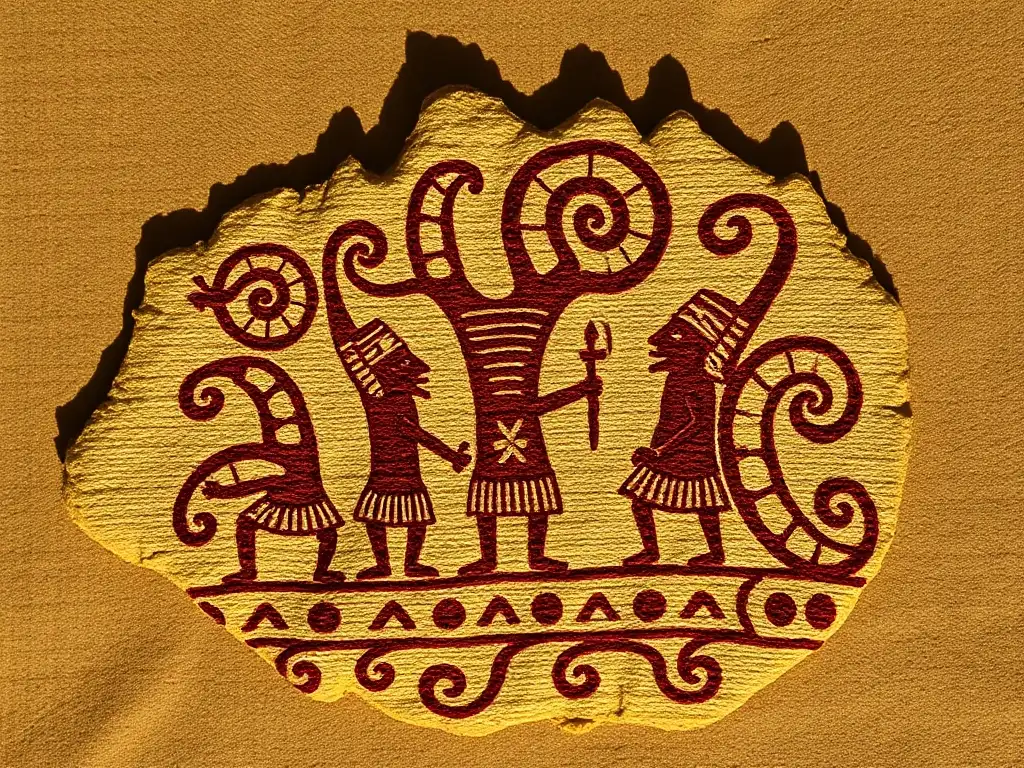
The Paracas culture, flourishing on Peru's southern coast from approximately 800 BCE to 100 CE, left behind a rich tapestry of textiles, ceramics, and intricate burial practices that hint at a profound relationship with hallucinogenic substances. While direct textual evidence is lacking, archaeological findings strongly suggest the use of these substances played a pivotal role in their religious beliefs, healing practices, and understanding of the afterlife.
This section delves into the likely significance of hallucinogens within Paracas society, exploring their integration into ritual practices and their impact on shaping their worldview. Understanding the Paracas hallucinogens ritual practices offers crucial insights into the complexity of this fascinating pre-Columbian civilization.
Hallucinogens and the Divine: Connecting with the Spirit World
The Paracas people likely used hallucinogens to facilitate communication with the spirit world. Evidence points towards the use of plants like brugmansia (angel's trumpets) and datura (jimsonweed), both known for their potent psychoactive properties. The intense visual and auditory hallucinations induced by these plants could have been interpreted as encounters with deities or ancestral spirits.
Many Paracas textiles depict surreal, otherworldly scenes featuring hybrid creatures and fantastical landscapes, suggesting a visual representation of these altered states of consciousness. The intricate designs, often featuring repetitive motifs and symbolic imagery, might have served as mnemonic devices to recall or guide these shamanistic journeys. The careful preservation of these textiles within elaborate tombs further emphasizes their importance in religious contexts.
The use of these hallucinogens, therefore, wasn't simply recreational; it was a sacred act aimed at achieving a heightened spiritual awareness and connecting with the divine. The shaman, a central figure in Paracas society, likely played a crucial role in mediating these experiences, guiding participants through the altered state and interpreting its meaning.
Healing and Curing: Medicinal Properties and Ritual Applications
Beyond their spiritual significance, Paracas hallucinogens likely held medicinal value. Many indigenous cultures throughout the Andes have long utilized psychoactive plants for therapeutic purposes. The shaman may have used these substances to treat physical and mental ailments, believing that the altered state could facilitate healing by providing insights into the source of illness.
This ritual healing could have involved both individual and communal ceremonies, with the hallucinogen acting as a catalyst for spiritual cleansing and restoration. The complex designs found on Paracas textiles, sometimes featuring representations of body parts or disease symptoms, could be interpreted as symbolic representations of healing rituals, further suggesting a connection between hallucinogens and medicinal practices.
While the specific methods of application remain unknown, the potential medicinal use of these plants within a broader ritual context represents another significant aspect of Paracas hallucinogens ritual practices. Further research is needed to fully understand the extent of their medicinal applications.
Afterlife Beliefs: Journeying to the Otherworld
Paracas burial practices provide compelling evidence of their beliefs about the afterlife. The elaborate mummification techniques and the inclusion of grave goods, including textiles, ceramics, and potentially hallucinogenic substances, suggest a complex cosmology that involved a journey to the otherworld. It is plausible that hallucinogens played a role in preparing individuals for this transition, either during a ritual before death or as part of the burial ceremony itself.
The hallucinogenic experience could have been interpreted as a symbolic journey to the afterlife, allowing the deceased to navigate the transition more smoothly. The rich imagery on Paracas textiles, often depicting scenes of death and rebirth, further supports this interpretation. This understanding of Paracas hallucinogens ritual practices provides a profound insight into their complex and nuanced views on death and the journey to the spirit world.
The combination of elaborate burial rituals and the likely use of hallucinogens paints a vivid picture of a culture deeply preoccupied with the afterlife and the spiritual dimensions of existence. Further investigation into the chemical analysis of Paracas grave goods could definitively confirm the presence of these substances and shed more light on their use in funerary rites.
The use of hallucinogens in Paracas society extended far beyond individual spiritual experiences; it played a crucial role in shaping social structures and reinforcing existing power dynamics. Ritualistic ingestion of these substances likely served as a powerful tool for solidifying social bonds within communities and, simultaneously, for reinforcing hierarchical structures.
The controlled environment of these ceremonies, often involving elite members of society leading the rituals, would have fostered a sense of shared experience and collective identity, strengthening social cohesion. This shared experience, particularly when involving potent hallucinogens, would have created strong, lasting bonds between participants, enhancing group loyalty and cooperation.
Furthermore, the distribution and control of hallucinogens likely mirrored the existing social hierarchy. Access to these powerful substances may have been restricted to the elite, with shamans or priests acting as intermediaries, controlling access and interpreting the visions. This exclusive access would have further solidified their position of power and influence within the community, reinforcing the existing social stratification.
By controlling the access to and interpretation of the hallucinogenic experience, the elite maintained their authority and cemented their role as spiritual leaders and intermediaries between the human and supernatural realms. The carefully orchestrated nature of these rituals, therefore, served a dual purpose: fostering social unity while simultaneously reinforcing the existing power structure. The potent effects of the hallucinogens, combined with the carefully constructed ritual context, likely created a powerful experience that reinforced both social cohesion and hierarchical authority.
Archaeological evidence, while limited in directly depicting these social dynamics, points towards a sophisticated social organization in Paracas culture, suggesting a system where ritual and social control were intrinsically linked. Further research into Paracas social structures and the archaeological context of ritual sites could provide more specific insights into this complex interplay. The careful study of burial practices and the artifacts associated with elite individuals might offer clues about the role of hallucinogens in reinforcing social hierarchies.
Paracas Hallucinogens: Comparison with Other Andean Cultures
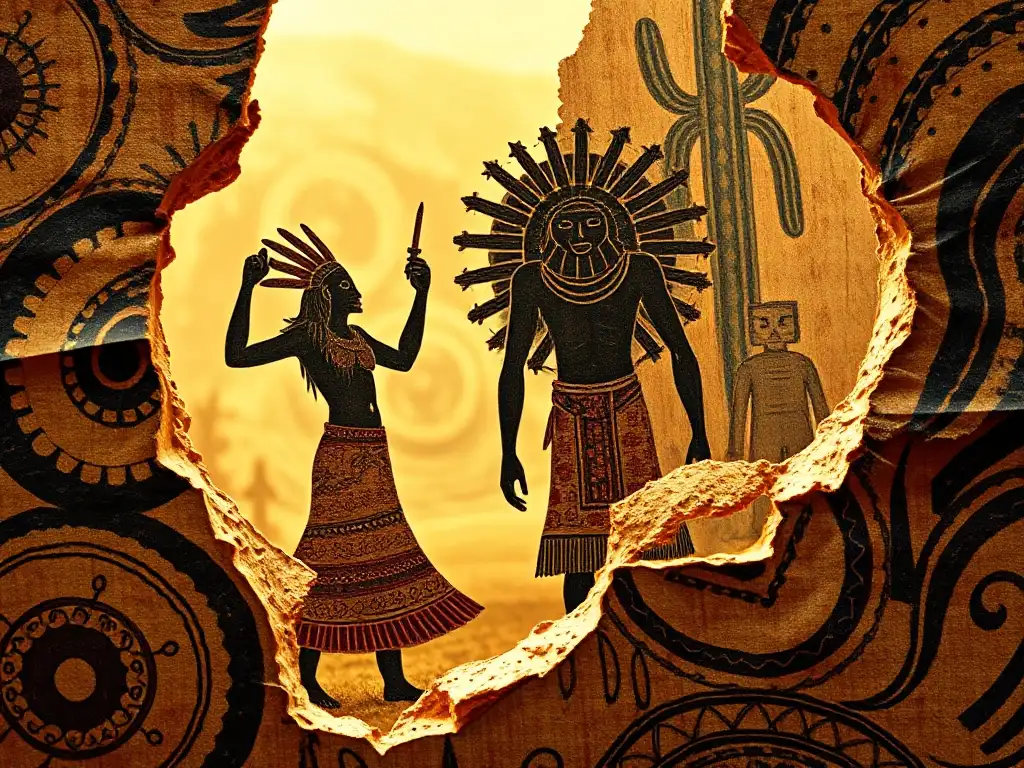
The Paracas culture's use of hallucinogens, while unique in certain aspects, shares similarities and divergences with other Andean societies. Understanding these parallels and contrasts provides a richer understanding of the broader context of psychoactive substance use in ancient Peru. The Paracas people, flourishing between 700 BCE and 200 CE, weren't isolated in their practices; they existed within a network of Andean cultures, each with its own approach to altered states of consciousness.
Hallucinogenic Practices in Andean Cultures: Chavín, Tiwanaku, and Inca
The Chavín culture (900-200 BCE), considered a formative influence on many subsequent Andean societies, is strongly associated with the use of hallucinogens. Archaeological evidence suggests the use of San Pedro cactus ( Echinopsis pachanoi), a potent entheogen. Chavín iconography, featuring stylized figures and intricate motifs, is often interpreted as reflecting altered states of consciousness induced by these substances.
Similarly, the Tiwanaku culture (c. 300-1100 CE), known for its monumental architecture in present-day Bolivia, also appears to have incorporated hallucinogens into its religious practices. Evidence suggests the possible use of coca leaves, though definitive proof remains elusive.
The Inca Empire (1438-1533 CE), while famously employing coca for its stimulating properties, also utilized other psychoactive plants, though the extent of their ritualistic use compared to other aspects of daily life is still under scholarly debate. Unlike the Paracas, who seemingly focused on a more localized set of plants, the Inca empire, with its vast territory and diverse ecological zones, had access to and utilized a wider range of psychoactive flora.
Paracas vs. Moche and Nazca: Contrasting Ritual Approaches
Comparing the Paracas' use of hallucinogens with contemporary coastal cultures like the Moche (100-800 CE) and Nazca (100 BCE-600 CE) reveals significant differences in ritual approaches. While all three cultures show evidence of ritualistic practices, their styles differed markedly. The Moche, known for their elaborate pottery depicting scenes of ritual sacrifice and warfare, may have employed hallucinogens in contexts linked to these activities.
However, their iconography focuses more on the visual representation of power and violence, offering less direct evidence of hallucinogenic use compared to the Paracas textiles. The Nazca, famed for their geoglyphs, also utilized hallucinogens, but their use appears to be more intertwined with astronomical observations and possibly shamanistic practices.
The Paracas, in contrast, appear to have integrated hallucinogens more centrally into their funerary rites, as evidenced by the rich textile finds within their elaborate tombs. The vibrant and complex imagery on these textiles suggests a deep integration of altered states of consciousness into their worldview.
Unique Characteristics of Paracas Psychoactive Plant Use
While the exact identity of the plants used by the Paracas remains a subject of ongoing research, the unique characteristics of their psychoactive plant use lie primarily in their artistic expression. The Paracas textiles are unparalleled in their detail and vibrancy, showcasing complex designs that researchers believe reflect the visual hallucinations and altered perceptions experienced under the influence of these substances. The use of specific colors, patterns, and motifs may have held symbolic significance relating to the effects of the hallucinogens.
Further research is needed to identify the specific plant species and understand the precise nature of their preparation and administration. The absence of widespread evidence of ritual paraphernalia, compared to other cultures, suggests a more individualized or less centralized approach to the use of these substances. This personalized approach, combined with the extraordinary artistic output, makes the Paracas' use of hallucinogens a particularly fascinating and distinct aspect of their culture.
The detailed depictions on their textiles provide a unique window into the Paracas experience of altered states, offering a compelling visual record absent in many other Andean cultures. This unique combination of artistic expression and psychoactive substance use distinguishes the Paracas culture within the broader context of Andean hallucinogenic practices.
Paracas Legacy: Continuing Research and Understanding
The study of Paracas culture and its relationship with hallucinogens remains a vibrant field of research, constantly evolving with new discoveries and analytical techniques. Understanding the intricate details of their ritual practices requires a multidisciplinary approach, combining archaeology, anthropology, botany, and chemistry. The Paracas people, known for their elaborate textiles and unique burial practices, left behind a wealth of archaeological material that continues to fuel scholarly investigation and debate.
Their sophisticated understanding of plant-based compounds and their ritualistic use offers a fascinating glimpse into their worldview and social structures. The quest to decipher the full extent of their practices is an ongoing process, driven by both technological advancements and the persistent curiosity of researchers. This ongoing research is crucial not only for academic understanding but also for the preservation and interpretation of their cultural legacy.
Current Research: Advanced Analysis Techniques and Discoveries
Recent advancements in scientific analysis have significantly impacted our understanding of Paracas hallucinogen use. Techniques like gas chromatography-mass spectrometry (GC-MS) allow researchers to identify specific compounds within ancient artifacts, such as textiles and pottery residues. These analyses have confirmed the presence of various psychoactive substances, including those derived from plants like brugmansia (angel's trumpets) and datura (jimsonweed).
Furthermore, advanced imaging techniques, such as X-ray fluorescence (XRF) and multispectral imaging, are being used to analyze textiles and other artifacts non-destructively, revealing hidden details about their creation and use in rituals. For instance, recent studies using XRF have identified pigments containing traces of psychoactive compounds, suggesting that these substances were incorporated directly into ritual paraphernalia.
This detailed chemical analysis, combined with careful archaeological excavation and contextual analysis, is painting a much clearer picture of the role of hallucinogens within Paracas society. Researchers are also increasingly focusing on the geographical sourcing of these plants, mapping potential trade routes and understanding the broader networks involved in the procurement and distribution of these potent substances.
Interpretations of Paracas Ritual Practices: Evolving Perspectives
Interpretations of Paracas ritual practices involving hallucinogens are constantly evolving as new evidence emerges. Early interpretations often focused solely on the shamanistic aspects, portraying Paracas rituals as primarily concerned with altered states of consciousness for divination or healing. However, more recent research suggests a more nuanced perspective.
Evidence indicates that the use of hallucinogens was likely integrated into a broader range of social and religious activities, extending beyond shamanistic practices. For example, the presence of hallucinogenic substances in burial contexts suggests that these substances may have played a role in funerary rites, possibly facilitating communication with the spirit world or aiding the deceased in their journey to the afterlife.
Furthermore, the intricate textiles, often adorned with hallucinogenic plant motifs, may represent visual representations of altered states of consciousness, providing insights into the Paracas understanding of the cosmos and their place within it. The ongoing debate centers on the specific social contexts and purposes of these rituals, with researchers exploring the potential roles of gender, social status, and political power in shaping the use of hallucinogens.
Preserving Paracas Heritage: Cultural Significance and Conservation
The preservation of Paracas heritage, including the artifacts associated with their hallucinogen use, is of paramount importance. These artifacts offer invaluable insights into a complex and fascinating culture, and their protection ensures the continuation of research and the dissemination of knowledge. Effective conservation strategies are crucial to prevent degradation and damage to fragile textiles and other organic materials.
This requires a multi-pronged approach, encompassing careful excavation techniques, controlled environmental conditions for storage, and the development of non-destructive analytical methods. Furthermore, ethical considerations are crucial, particularly regarding the repatriation of artifacts and the involvement of local communities in research and preservation efforts.
By working collaboratively with descendant communities, researchers can ensure that the interpretation and preservation of Paracas heritage are respectful of cultural sensitivities and contribute to a more complete and accurate understanding of their rich legacy. The ongoing effort to preserve these artifacts ensures that future generations can continue to learn from and appreciate the ingenuity and complexity of the Paracas civilization and their unique relationship with hallucinogens.
Frequently Asked Questions
What role did hallucinogens play in Paracas culture?
Paracas culture heavily incorporated hallucinogenic substances into their religious rituals. These substances, likely derived from plants, were believed to facilitate communication with the spirit world and enhance shamanistic practices.
What evidence supports the use of hallucinogens by the Paracas people?
Archaeological findings, including textiles depicting shamanistic scenes and the presence of plant remains associated with hallucinogenic properties, provide strong evidence for their ritual use. Chemical analysis of artifacts further confirms the presence of these substances.
What types of hallucinogens were likely used by the Paracas?
While definitive identification is challenging, evidence suggests the use of plants containing psychoactive compounds, such as Datura and Brugmansia. These plants produce powerful hallucinogenic effects, altering perception and consciousness.
How did the Paracas use hallucinogens in their rituals?
The ingestion of hallucinogens likely occurred during ceremonies led by shamans. These rituals may have involved trance states, visions, and communication with deities or ancestors, aiming to achieve spiritual enlightenment or healing.
What is the significance of Paracas hallucinogen use in the broader context of Andean civilizations?
Paracas hallucinogenic practices reflect a broader Andean pattern of using altered states of consciousness for spiritual and ritual purposes. This practice is seen across various Andean cultures, highlighting the importance of shamanism and the spiritual world in their belief systems.
Final Reflection: Echoes of the Paracas: A Legacy of Altered States
The ancient rituals of the Paracas people, involving hallucinogenic substances, resonate deeply with contemporary discussions surrounding altered states of consciousness and their role in spiritual exploration. Their practices, though separated from us by centuries, offer a powerful lens through which to examine our own relationship with the mind, the spirit, and the search for meaning. The implications of their sophisticated understanding of psychoactive plants remain strikingly relevant in our modern world.
The Paracas' use of hallucinogens wasn't simply recreational; it was deeply intertwined with their spiritual beliefs and social structures, shaping their art, their worldview, and their understanding of the cosmos. Their legacy continues to inspire artists, anthropologists, and spiritual seekers alike. The shaman, through the use of hallucinogens, acts as a bridge between the human and the divine, revealing hidden truths and facilitating communication with the spirit world.
This quote, though not directly from a Paracas source, encapsulates the essence of their ritual practices and their enduring power to fascinate and intrigue. The ongoing research into these practices continues to unveil new layers of complexity, challenging our assumptions about ancient cultures and their sophisticated understanding of the human mind.
Consider, for a moment, the implications of the Paracas' journey into altered states. What can their experiences teach us about the limits and possibilities of human consciousness? How can we responsibly explore the potential of altered states in our own lives, drawing inspiration from their reverence for the natural world and the profound respect they held for the transformative power of these substances? Let the echoes of the Paracas inspire you to delve deeper into your own inner world, to question your assumptions, and to seek out your own unique path toward understanding the mysteries of existence.
Unveil the Mysteries of Paracas: Take Action Today!
Thank you for exploring the fascinating world of Paracas and their ritual use of hallucinogens. We hope you've gained valuable insights into how these practices shaped their culture and beliefs. Now is the perfect time to delve deeper into this rich and complex legacy.
Here are some ways you can continue your exploration:
- Deepen your understanding of Paracas rituals: Research local museums and universities specializing in Andean history to learn more about their practices. Consider visiting the Paracas National Reserve in Peru for an immersive experience.
- Join or start a discussion group: Gather friends or fellow enthusiasts to explore the role of altered states of consciousness in various cultures. Share your insights and learn from others' perspectives.
- Share your knowledge: Write a blog post or share your thoughts on social media about the intersection of spirituality and hallucinogens in history. Invite others to contribute their own perspectives and experiences.
What aspect of the Paracas' use of hallucinogens in ritual resonated most with you, and how might you integrate these insights into your own spiritual understanding?