
Paracas Burial Goods: What They Reveal About the Afterlife

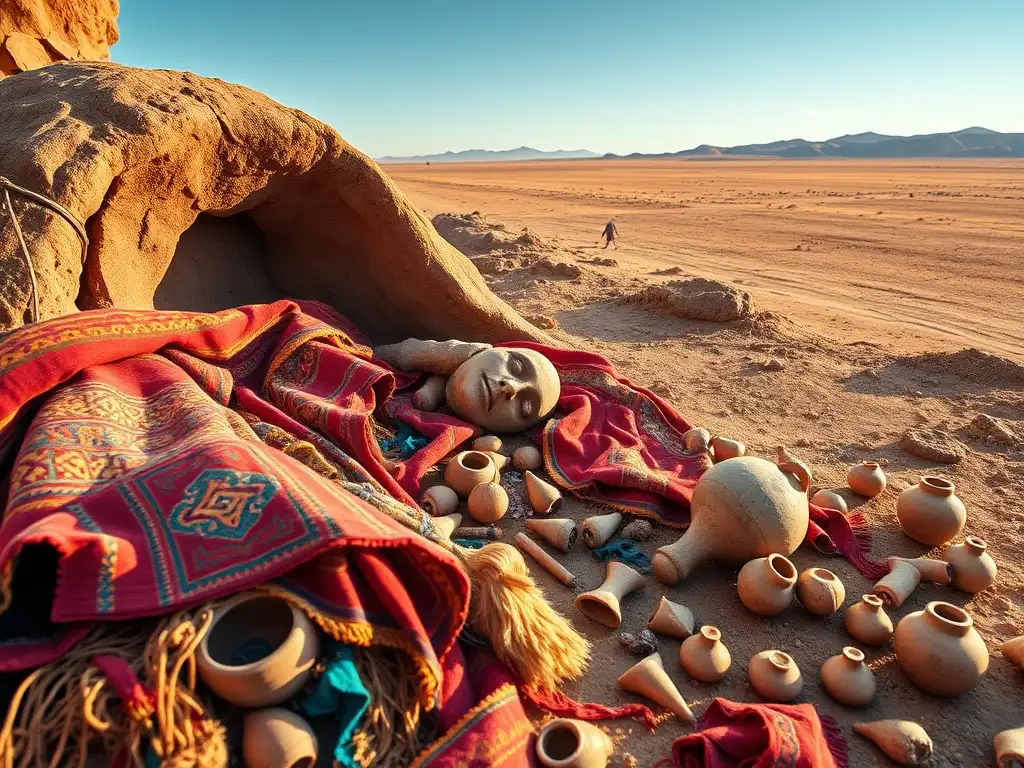
Uncover the enigmatic secrets of the Andes! Journey through millennia of breathtaking artistry and innovation as we delve into the fascinating world of ancient Andean civilizations. But first, prepare to be captivated by the mysterious symbolism embedded within the Paracas burial artifacts. What profound beliefs about the afterlife did these meticulously crafted objects reveal? Discover the answers and more within the depths of our exploration of Pre-Incan coastal cultures.
- Paracas Burial Goods: Unveiling the Afterlife Beliefs of Ancient Peru
- The Significance of Paracas Funerary Practices
- Exploring Paracas Burial Artifacts: A Glimpse into Their Beliefs
- Paracas Burial Artifacts Meaning: Decoding the Symbolism
- The Context of Paracas Tombs: Where the Artifacts Were Found
- Insights Gained from Paracas Burial Goods Analysis
- Paracas Burial Practices Compared to other Andean Cultures
- Conclusion: The Enduring Legacy of Paracas Burial Artifacts
-
Frequently Asked Questions
- What is the significance of Paracas burial artifacts?
- What types of artifacts were commonly found in Paracas tombs?
- What do the textiles found in Paracas burials tell us?
- How do Paracas burial practices compare to those of other Andean cultures?
- What is the meaning behind the specific items found in Paracas burials, like the "Paracas Necropolis"?
- Final Reflection: Echoes from the Sands: Understanding Paracas Beliefs
- Unveil the Secrets of the Afterlife Today!
Paracas Burial Goods: Unveiling the Afterlife Beliefs of Ancient Peru
The arid coastal plains of southern Peru hold secrets whispered across millennia. Within the intricate textiles, meticulously crafted pottery, and ornate grave goods of the Paracas culture (circa 800 BCE – 200 CE), we find a compelling glimpse into their complex beliefs surrounding death and the afterlife.
This article delves into the fascinating world of Paracas burial artifacts, exploring their symbolic meaning and what they reveal about this ancient civilization's unique worldview. Understanding these burial goods offers a profound understanding of the Paracas' spiritual landscape and their profound connection to the supernatural, significantly contributing to our broader understanding of pre-Incan Andean cultures and their perspectives on the journey beyond life.
We will analyze specific examples of artifacts, examining their craftsmanship, materials, and the potential significance of their placement within the burial context to uncover the rich tapestry of their afterlife beliefs. The keyword, "Paracas burial artifacts meaning," will be explored throughout to provide a comprehensive and insightful analysis.
The Significance of Textile Offerings
Paracas textiles are renowned for their vibrant colors, intricate designs, and exceptional craftsmanship. These were not merely clothing; they represented a significant investment of time and skill, often featuring complex iconography and symbolic motifs. Within Paracas tombs, elaborate textiles, including mantles, tunics, and shrouds, were frequently found wrapped around the mummies.
The sheer quantity and quality of these textiles suggest their immense importance in the funerary rites. These weren't simply garments for the afterlife; rather, each textile likely held specific symbolic meaning, perhaps representing status, identity, or a connection to the spiritual realm. Some designs depict supernatural beings or mythical creatures, suggesting a belief in a complex pantheon of deities or spirits that played a role in the afterlife.
The meticulous detail and the time spent in their creation speak volumes about the Paracas' reverence for their deceased and their beliefs about the continuity of life beyond death. Further research is needed to fully decipher the complex symbolism woven into these remarkable fabrics.
Ceramics and Their Role in the Funerary Context
Paracas pottery, often found alongside textiles within the tombs, exhibits a remarkable level of artistic skill and sophistication. The shapes, styles, and decorations of these vessels are highly varied, ranging from simple, utilitarian forms to highly stylized and ornamented pieces. Many vessels depict scenes of daily life, while others display stylized representations of animals, plants, and deities.
The presence of food and drink offerings within these vessels strongly suggests a belief in providing sustenance for the deceased in their journey to the afterlife. The careful selection and placement of these ceramic pieces within the burial context further underscore their importance in the funerary rituals. For example, the presence of specific types of vessels might indicate the social status or gender of the deceased.
Analyzing the contents of these vessels – traces of food, drink, or other substances – can provide further insights into the Paracas' beliefs and practices surrounding death and the afterlife. More detailed chemical analysis of the pottery residues would provide a more complete picture of their funerary practices.
Metalwork and the Representation of Power
While less common than textiles and ceramics, the presence of metalwork within Paracas burials is highly significant. Items such as copper ornaments, needles, and other tools, though not as abundant as other grave goods, reflect a level of metallurgical skill and technological advancement. These metal artifacts were likely associated with status and power, suggesting that the deceased held positions of influence within their society.
The use of specific metals, such as copper, might have held symbolic meaning, potentially representing a connection to the divine or the spiritual world. The careful placement of these metal objects within the burials further suggests their importance in the funerary rites, reinforcing the notion that they played a crucial role in ensuring a successful transition to the afterlife. Further research into the sourcing of these metals and their manufacturing techniques will shed more light on the social organization and economic practices of the Paracas.
Interpreting the Overall Picture: A Synthesis of Findings
The combination of textiles, ceramics, and metalwork found within Paracas tombs paints a rich and complex picture of their beliefs about death and the afterlife. The sheer quantity and quality of the grave goods suggest a strong belief in providing the deceased with the necessary provisions for their journey to the next world. The symbolic imagery found on many of these artifacts suggests a belief in a complex spiritual realm populated by deities, spirits, and mythical creatures.
The careful placement of these objects within the burial context indicates a highly structured and ritualistic approach to funerary practices. Further research, including more detailed analysis of the artifacts and their context, is crucial to fully understand the nuances of Paracas beliefs and their perspectives on the afterlife. The study of Paracas burial artifacts provides invaluable insights into this enigmatic civilization, enriching our understanding of Andean cultures and their enduring legacy.
The Significance of Paracas Funerary Practices
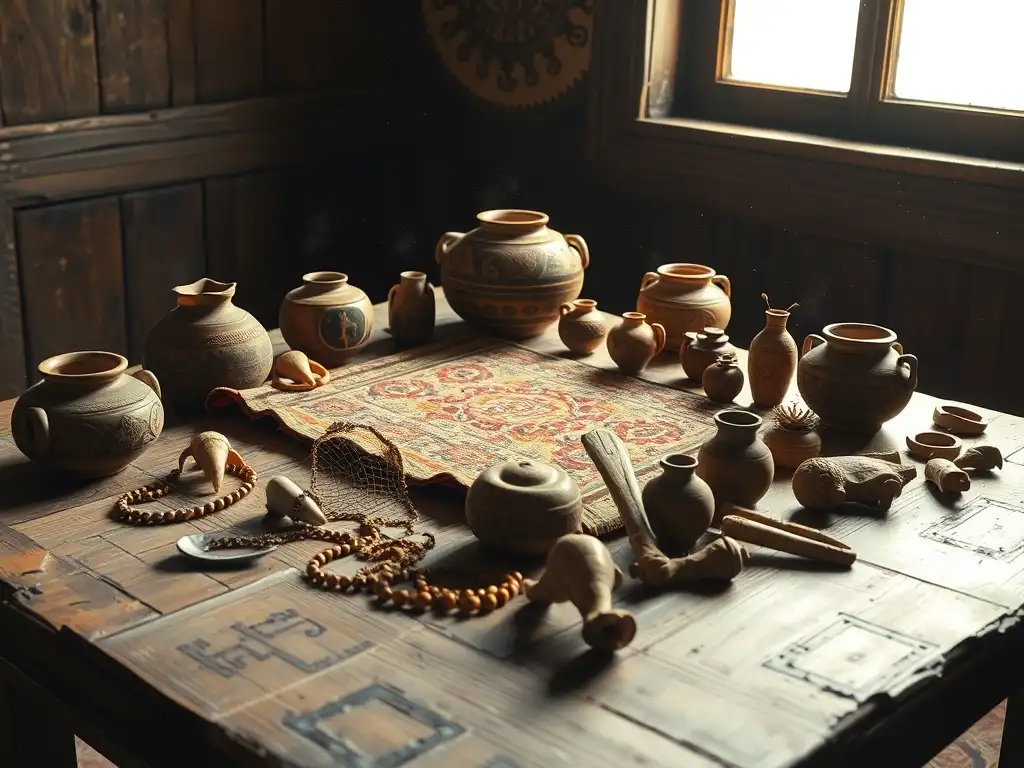
The Paracas culture, flourishing on the southern coast of Peru from roughly 800 BCE to 200 CE, left behind a remarkable legacy, particularly in their elaborate funerary practices. Their unique approach to death and the afterlife is vividly reflected in the incredible array of Paracas burial artifacts meaning far beyond simple grave goods. These artifacts provide invaluable insights into their beliefs, social structures, and daily life.
The sheer scale of their cemeteries, the complexity of their mummification techniques, and the opulence of their grave offerings all point towards a sophisticated and deeply spiritual worldview. Analyzing these Paracas burial artifacts allows us to piece together a compelling narrative of a civilization deeply concerned with the transition to the next world.
Understanding the Paracas Culture's View of Death
The Paracas people didn't view death as an end, but rather a transformation. Their elaborate mummification processes, often involving the removal of internal organs and the application of numerous layers of textiles and other materials, suggest a belief in the continued existence of the spirit or soul. The meticulous care taken in preserving the bodies demonstrates a profound respect for the deceased and a desire to ensure their safe passage into the afterlife.
This wasn't a simple burial; it was a complex ritual designed to facilitate a successful transition. The extensive use of textiles, often decorated with intricate designs and vibrant colors, further underscores the importance of this transition. These textiles weren’t merely shrouds; they were symbolic representations of the deceased's journey and status within society.
The sheer number of artifacts found within Paracas tombs also speaks volumes about their beliefs. Unlike simpler societies where grave goods might be limited to basic necessities, Paracas burials often contain a vast array of objects, ranging from finely crafted pottery and tools to elaborate headdresses and jewelry. This abundance suggests a belief that the deceased would need these items in the afterlife, mirroring their earthly existence.
The inclusion of food and drink further strengthens this interpretation, providing sustenance for the journey and the subsequent life beyond. The meaning behind the specific items included often varied depending on the social status of the deceased, highlighting the social complexities of Paracas society.
The Role of Burial Rituals in Paracas Society
Paracas burial rituals were not simply individual affairs; they were integral to the social fabric of their society. The elaborate preparation of the body, the construction of the tombs, and the selection of grave goods were all communal efforts, involving specialized individuals and potentially entire families. This communal involvement suggests that the afterlife was a concern shared by the entire community, reinforcing social bonds and highlighting the importance of collective memory.
The complexity of the rituals also implies a hierarchical social structure. The variations in the richness and quantity of grave goods clearly indicate different social statuses. Elites were buried with far more elaborate artifacts than commoners, reflecting their power and influence within the community. This disparity in burial practices provides crucial insights into the social stratification of Paracas society and the ways in which death served to reinforce existing power structures. Analyzing the Paracas burial artifacts found in different types of tombs helps researchers understand the distribution of wealth and the social dynamics of the culture.
Consider, for example, the differences between the relatively simple burials of commoners and the incredibly opulent tombs of the elite. The latter often contained thousands of artifacts, including finely woven textiles, intricate gold jewelry, and elaborate pottery. These differences weren't simply aesthetic; they represented a powerful statement about social status and the beliefs surrounding the afterlife.
The quality and quantity of Paracas burial artifacts directly correlated with the individual’s standing in life, illustrating a society that valued hierarchy and social order, even in death. The study of these differences continues to provide valuable data for understanding the nuances of Paracas society and its complex social structures. Further research is needed to fully understand the subtle variations in Paracas burial artifacts meaning and their relationship to social hierarchy.
Exploring Paracas Burial Artifacts: A Glimpse into Their Beliefs
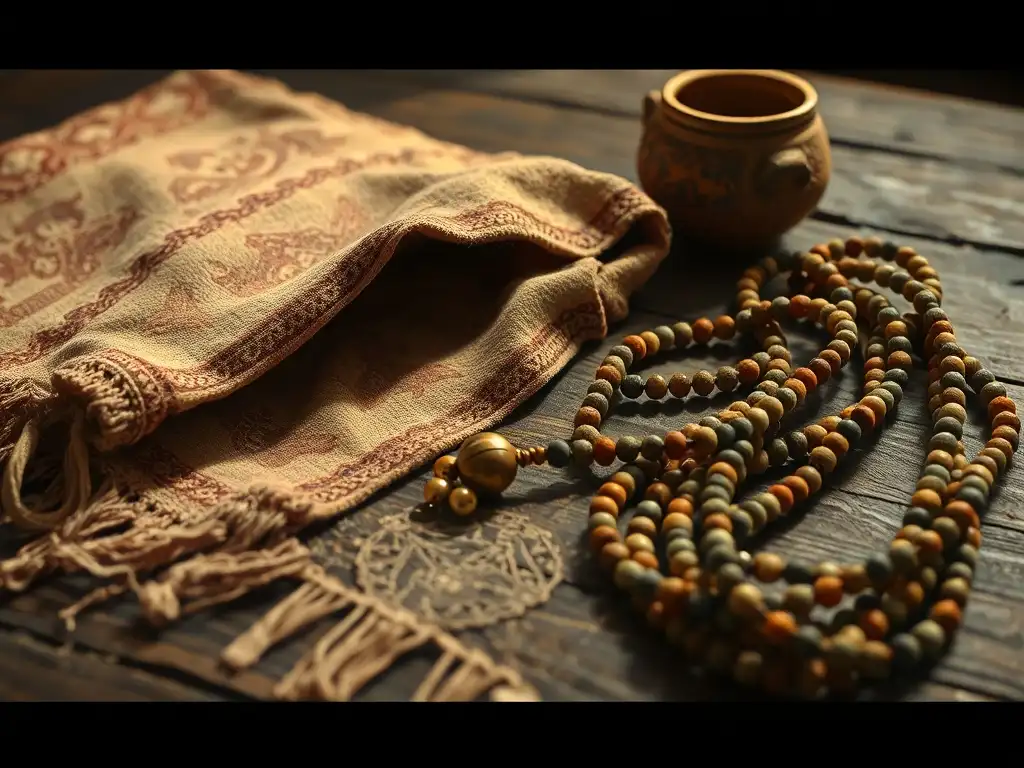
The Paracas culture, flourishing on the southern coast of Peru from roughly 800 BCE to 200 CE, left behind a rich archaeological record, particularly in the form of elaborate burials. Analyzing Paracas burial artifacts meaning provides invaluable insights into their complex worldview and beliefs about the afterlife. Their funerary practices, far from simple interments, were elaborate rituals reflecting a sophisticated understanding of death and the spiritual realm.
The sheer quantity and quality of grave goods discovered consistently point towards a society that placed significant importance on preparing individuals for a continued existence beyond physical death. This section will delve into the key categories of artifacts found in Paracas tombs, exploring their symbolic significance and the clues they offer to the Paracas understanding of the afterlife.
Paracas Textiles: Intricate Weavings for the Deceased
Paracas textiles are renowned for their exceptional craftsmanship and vibrant colors. These weren't merely clothing; they were integral components of the burial ritual, often shrouding the deceased in layers of intricately woven fabrics. The textiles themselves tell a story, with depictions of mythical creatures, stylized figures, and geometric patterns reflecting their cosmology and spiritual beliefs. The sheer scale of some of these textiles, requiring immense amounts of time and skill to produce, underscores the societal importance placed upon the afterlife preparations.
Consider, for example, the famous Paracas mummy bundles: layers upon layers of fine textiles, often adorned with embroidery and intricate detail, wrapped around the mummified remains. The complexity of the weaving techniques, including techniques like tapestry weaving and gauze weaving, showcases a high level of technical skill and artistic expression. The use of natural dyes derived from plants and minerals further highlights their mastery of textile production.
Analysis of the colors and motifs used frequently reveals recurring symbols associated with fertility, power, and the spiritual world, offering further clues to understanding Paracas burial artifacts meaning. Many researchers believe that specific colors and patterns were associated with specific social status or roles in the afterlife. Further research is needed to fully decipher the complex iconography found on these textiles, yet the available evidence strongly suggests a deep connection between the material world and the spiritual realm.
Ceramics and Pottery in Paracas Burials: Symbolic Representations
Alongside textiles, ceramic vessels are frequently found in Paracas burials. These are not simply utilitarian objects; rather, they represent symbolic representations of the deceased's journey into the afterlife. The shapes, sizes, and decorations of the pottery vary considerably, indicating diverse functions and meanings. Some vessels are highly stylized, depicting anthropomorphic or zoomorphic figures, potentially representing deities or spirits.
Others are more functional, perhaps intended to hold food or drink for the deceased's use in the next world. The presence of both elaborate and simple pottery within a single tomb might indicate the importance of social hierarchy even in death, with higher-status individuals receiving more ornate vessels. The prevalence of specific motifs, such as feline imagery or stylized plants, suggests possible connections to shamanistic practices or beliefs about fertility and renewal. Furthermore, the use of different types of clay and firing techniques further adds layers of complexity to understanding the Paracas burial artifacts meaning.
The careful selection of materials and decorative styles emphasizes the deliberate and ritualistic nature of these burial practices. Detailed chemical analysis of the clay used in these vessels could provide further insights into the sources of raw materials and potential trade networks. This would offer a broader contextual understanding of the Paracas culture and its interactions with neighboring societies.
Precious Metals and Ornaments: Reflecting Status and Belief
The inclusion of precious metals and ornaments in Paracas burials underscores the importance of social status and the belief in a hierarchical afterlife. Gold, silver, and copper objects—often intricately crafted into jewelry, headdresses, and other adornments—were frequently found in elite tombs. These luxurious items suggest that the deceased's social standing was believed to persist even after death. The craftsmanship of these objects is remarkable, demonstrating a high level of skill in metalworking techniques.
The use of specific motifs, like stylized birds or feline figures, in the design of these ornaments likely held symbolic meaning related to the Paracas cosmology and beliefs about the afterlife. The presence of such valuable items in the burials highlights the importance placed on the transition into the next world, with the wealth and status of the individual reflecting their anticipated standing in the afterlife. Analysis of the metallurgical techniques employed, including alloying and other metalworking processes, can provide further insights into the technological capabilities of the Paracas culture.
Furthermore, studying the sourcing of the raw materials used in these ornaments could offer valuable information about trade networks and inter-regional exchange. The distribution patterns of these precious metal artifacts across different Paracas burial sites could also shed light on the social organization and power structures within the society. The study of Paracas burial artifacts meaning in this context reveals a deeply stratified society with beliefs about a continuation of social hierarchies beyond death.
Paracas Burial Artifacts Meaning: Decoding the Symbolism
The study of Paracas burial artifacts offers a unique window into the cosmology and beliefs of this enigmatic pre-Inca civilization. Understanding the meaning behind these objects requires careful consideration of their material, craftsmanship, and placement within the elaborate burial contexts. The sheer variety of grave goods – from intricately woven textiles and finely crafted pottery to elaborate headdresses and jewelry – presents a complex tapestry of symbolic representation, hinting at a sophisticated spiritual worldview.
Analysis of these Paracas burial artifacts meaning reveals much about their concepts of the afterlife, social hierarchy, and ancestor veneration. The careful excavation and meticulous cataloging of these finds by archaeologists have been crucial in piecing together this rich, complex puzzle.
The Spiritual Significance of Paracas Grave Goods
The spiritual significance of Paracas grave goods is profoundly intertwined with their elaborate burial practices. Bodies were often mummified and adorned with exquisite textiles, demonstrating a belief in the continued existence of the individual beyond physical death. The textiles themselves are not merely decorative; their intricate designs, often featuring stylized creatures and geometric patterns, are believed to have held potent symbolic meaning, perhaps representing a connection to the spirit world or conveying messages for the deceased's journey into the afterlife.
For example, the frequent depiction of feline imagery could represent shamanic power or connection to the spirit realm, while specific colours might have signified particular deities or cosmological concepts. The placement of objects within the tomb also plays a vital role, with certain artifacts strategically arranged to emphasize their symbolic importance. Further research into the pigments and dyes used in the textiles could reveal additional clues about their spiritual significance.
A deeper understanding of Paracas cosmology is needed to fully decipher the nuanced symbolism encoded within these artifacts. [Specific information pending: detailed analysis of textile iconography and color symbolism].
How Paracas Burial Objects Reveal Beliefs about the Afterlife
Paracas burial objects provide compelling evidence of beliefs about the afterlife. The inclusion of everyday items, such as tools, food, and clothing, within the tombs suggests a belief that the deceased continued to need these possessions in the next world. The quantity and quality of the grave goods often correlated with the social status of the deceased, indicating a hierarchical society with varying beliefs about the afterlife experiences based on social standing. Elaborate headdresses, often made of feathers and precious metals, suggest a belief in a hierarchical afterlife, with those of higher social standing enjoying privileged status even after death.
The presence of musical instruments, such as flutes and drums, suggests that music played a role in funerary rites and possibly in the afterlife itself. The care taken in preparing the bodies and their accompanying grave goods points to a belief in a continued existence, making the afterlife an extension of earthly life, albeit a transformed one. The preservation of these artifacts through mummification techniques also reflects the importance placed on ensuring a successful transition into the afterlife.
This meticulous preparation underscores the centrality of the afterlife in Paracas culture. More research is needed to understand the specific rituals associated with burial and their relationship to beliefs about the afterlife. [Specific information pending: detailed ethnographic studies comparing Paracas burial practices with other Andean cultures].
Paracas Funerary Offerings and Their Connection to Ancestor Veneration
The abundance and variety of funerary offerings found in Paracas tombs strongly suggest a significant connection to ancestor veneration. The practice of including items associated with the deceased's life, such as tools, jewelry, and clothing, indicates a belief that the ancestors remained active participants in the lives of the living. These offerings might have been intended to appease the spirits of the ancestors, seeking their protection and guidance. The meticulous craftsmanship and ornate decoration of many grave goods point to the high regard in which ancestors were held.
The inclusion of textiles depicting ancestral figures and scenes of daily life further strengthens the evidence for ancestor veneration. The placement of these offerings within the tombs, often arranged in specific patterns, suggests a ritualistic aspect to the practice. Furthermore, the continued use of similar motifs and styles in later Paracas textiles could represent a continuous engagement with ancestral traditions and beliefs.
The study of these funerary offerings, therefore, reveals not only the beliefs about the afterlife but also the deep-seated importance of ancestor worship in Paracas society. Analyzing the genetic relationships between individuals buried in close proximity could provide further insights into kinship structures and ancestor veneration practices. [Specific information pending: further analysis of genetic data from Paracas burial sites].
The Context of Paracas Tombs: Where the Artifacts Were Found
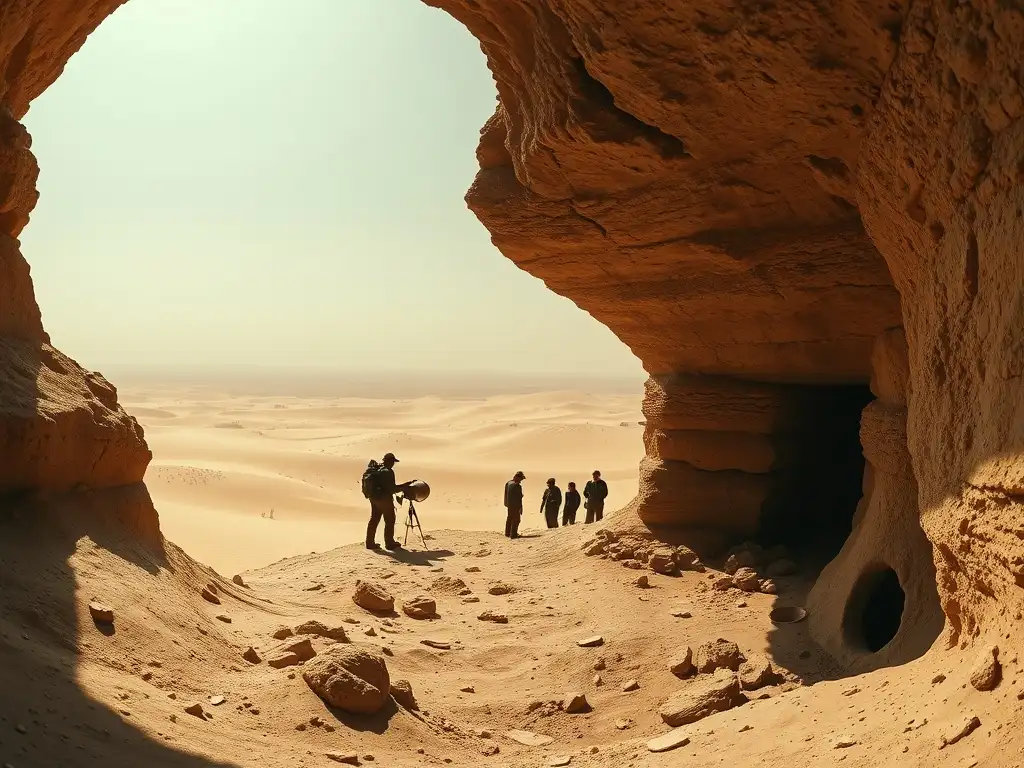
The rich tapestry of Paracas burial artifacts meaning is inextricably linked to the context of their discovery. Understanding the location and arrangement of tombs offers crucial insights into the Paracas worldview and mortuary practices, enriching our interpretation of the artifacts themselves. The meticulous preservation of these sites, often in arid coastal regions, has provided unparalleled opportunities for archaeological investigation, allowing us to uncover details about their funerary rituals and beliefs about the afterlife.
The unique environmental conditions played a significant role in the remarkable preservation of organic materials like textiles and human remains, providing a wealth of information otherwise lost to time. This section delves into the specifics of Paracas tomb locations and their organizational structure, highlighting the significance of this context in understanding the symbolic meaning of the burial goods.
The Location and Types of Paracas Burial Sites
Paracas burial sites are predominantly found along the southern coast of Peru, within a relatively defined geographical area. These sites are characterized by diverse burial types, reflecting a complex social structure and a range of mortuary practices. The most well-known are the subterranean tombs, often elaborate structures built with considerable effort.
These tombs could range from simple pits to complex multi-chambered constructions, reflecting varying social status. Additionally, some evidence suggests the use of surface burials, though these are less common and often less well-preserved due to environmental factors. The choice of burial location and type seemingly held significant symbolic meaning for the Paracas, with the placement of tombs often reflecting proximity to water sources or prominent geographical features.
Further research is needed to fully understand the selection criteria employed for each specific burial type and location. The distribution of these sites hints at a potentially decentralized social organization, with multiple smaller communities practicing similar, yet nuanced, funerary rites.
Wari Kayan and Cerro Colorado: Examples of Paracas Burial Sites
Two notable examples of Paracas burial sites showcase the diversity of their funerary practices. Wari Kayan, known for its extensive network of subterranean tombs, reveals a hierarchical society with elaborate burial rituals for the elite. These tombs often contained a large number of artifacts, reflecting the high social status of the deceased.
The intricate textiles and finely crafted objects found within these tombs highlight the advanced technological capabilities and artistic expression of the Paracas culture. In contrast, Cerro Colorado, another significant site, provides a different perspective. While also featuring subterranean tombs, Cerro Colorado's burials exhibit a greater degree of variation in the quantity and type of grave goods.
This may suggest a more egalitarian social structure or perhaps different mortuary practices within a single community. The differences between these two sites emphasize the complexity of Paracas society and the need for a nuanced approach when interpreting the meaning of their burial artifacts. Further comparative analysis of these and other sites is crucial to refine our understanding of Paracas social organization and mortuary practices.
Analyzing the Arrangement of Paracas Tombs and Burial Goods
The meticulous arrangement of Paracas tombs and the placement of burial goods within them provide invaluable insights into Paracas beliefs about the afterlife. The careful placement of artifacts, often around or upon the deceased, suggests a deliberate attempt to provide the deceased with the necessities and comforts of the afterlife. For example, the inclusion of textiles, food offerings, and tools suggests a belief in a continued existence requiring sustenance and the ability to perform daily tasks. The presence of elaborate headdresses and jewelry may indicate a belief in social status continuing into the afterlife.
The arrangement of these items can also provide clues to the relationship between the deceased and their community. For instance, the presence of multiple individuals in a single tomb may suggest kinship ties or shared social status. Analyzing the spatial relationships between the body and the accompanying artifacts is crucial to understanding the symbolic meaning of each object.
Careful documentation and analysis of tomb architecture and artifact placement are critical steps in interpreting the full significance of Paracas burial artifacts and their connection to the beliefs surrounding death and the afterlife. This detailed approach allows for a more nuanced understanding of the Paracas culture and their complex worldview. The study of Paracas burial artifacts meaning is an ongoing process, requiring continuous investigation and interdisciplinary collaboration to fully unravel the mysteries of this fascinating ancient civilization.
Insights Gained from Paracas Burial Goods Analysis
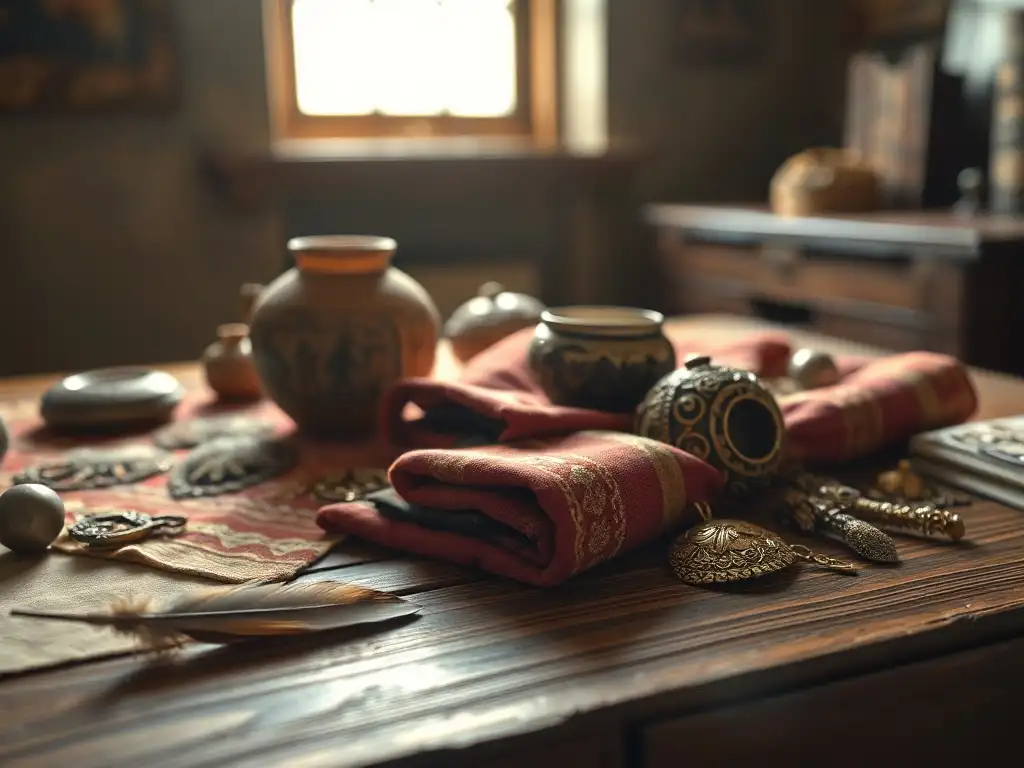
The analysis of Paracas burial goods offers a captivating glimpse into the beliefs, social structures, and artistic achievements of this enigmatic pre-Inca civilization. These meticulously crafted artifacts, often found in elaborate tombs along the southern coast of Peru, provide invaluable insights into their worldview and daily life, enriching our understanding of "Paracas burial artifacts meaning."
The sheer quantity and diversity of these objects, ranging from intricately woven textiles to finely sculpted ceramics, highlight the importance placed on funerary practices and the afterlife. The careful placement and arrangement of items within the tombs themselves further suggest a complex ritualistic system surrounding death and burial.
The contents of Paracas tombs reveal a stratified society with clear distinctions in wealth and status. Elaborate tombs containing a profusion of textiles, gold ornaments, and finely crafted pottery indicate high social standing. For instance, the discovery of tomb bundles containing multiple individuals adorned with prestigious artifacts suggests the importance of kinship and lineage. These "bundles," often containing the mummified remains wrapped in richly decorated textiles, were not uniformly distributed. Some tombs contained only a few simple items, reflecting a less privileged social standing. This variation in grave goods directly correlates with social hierarchy.
We can further analyze this social stratification through a comparison of different grave types. While some tombs were simple pits, others were more elaborate structures, such as subterranean chambers. The complexity of the tomb construction directly reflects the social status of the deceased.
The presence or absence of certain artifacts, such as gold jewelry or specific types of textiles, also provides crucial information on social ranking. Further research into the types and quantities of artifacts found in various Paracas tombs is needed to solidify these interpretations and potentially uncover new layers of social complexity within the Paracas culture. This ongoing research continues to refine our understanding of "Paracas burial artifacts meaning" in relation to social structure.
The religious worldview revealed through Paracas funerary items
Paracas funerary items offer profound insights into their complex religious beliefs and their understanding of the afterlife. The recurring motifs and iconography found on textiles and ceramics suggest a rich pantheon of deities and supernatural beings. For example, the frequent depiction of feline figures, often associated with shamanistic practices, indicates the significance of these animals in their religious system. The use of specific colors and patterns on textiles likely held symbolic meaning related to the spirit world. These symbolic representations are crucial to understanding "Paracas burial artifacts meaning" in a religious context.
Furthermore, the inclusion of food offerings and other everyday objects within the tombs suggests a belief in the continued existence of the deceased in the afterlife, requiring sustenance and possessions. The sheer amount of textiles, often intricately woven with complex designs and vibrant colors, may be interpreted as a provision of clothing and adornments for the deceased in their journey to the afterlife. The presence of tools and implements suggests a continuation of daily activities in the next world.
A detailed study of these items and their arrangement within the tombs could reveal more nuanced aspects of their religious beliefs and practices. The analysis of these offerings directly contributes to our understanding of "Paracas burial artifacts meaning" from a spiritual perspective.
The artistic mastery demonstrated in Paracas burial objects
The artistic skill exhibited in Paracas burial objects is truly remarkable. Their mastery of textile production is especially noteworthy, with intricate techniques such as tapestry weaving, embroidery, and resist dyeing used to create incredibly detailed and colorful designs. The textiles often feature complex geometric patterns, stylized figures, and representations of animals and plants. The vibrant colors, achieved through the use of natural dyes, are remarkably well-preserved, even after centuries.
Beyond textiles, Paracas artisans demonstrated exceptional skill in pottery and metalworking. Ceramics ranged from simple utilitarian vessels to intricately decorated funerary jars. While gold was relatively scarce, its use in ornaments and jewelry highlights their sophisticated metalworking techniques. The precision and artistry evident in these objects showcase the high level of craftsmanship within the Paracas society.
These objects serve not just as grave goods but also as testament to their artistic genius, further adding depth to the meaning behind "Paracas burial artifacts meaning". Further research into the techniques employed and the materials used will undoubtedly reveal even more about the artistic achievements of this fascinating culture. The preservation of these artifacts, and the ongoing analysis of their intricate details, allows us to appreciate the sophisticated artistic practices of the Paracas civilization.
Paracas Burial Practices Compared to other Andean Cultures
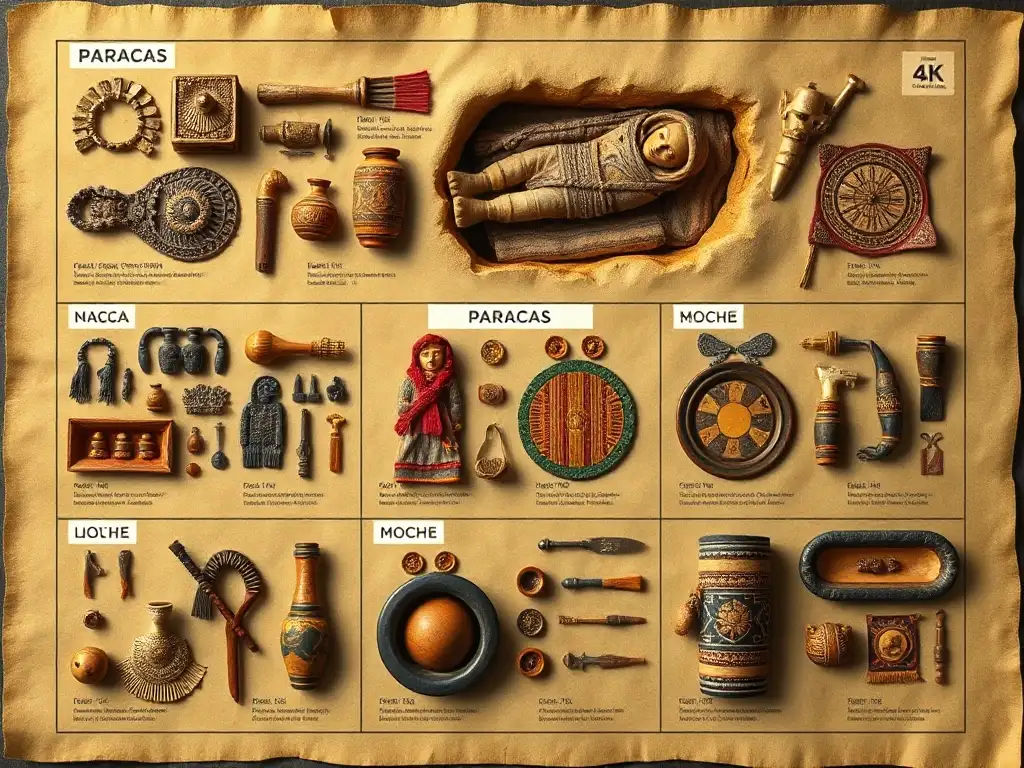
The Paracas culture, known for its elaborate textiles and unique mummification techniques, also exhibited distinct burial practices compared to other Andean civilizations. Understanding these differences sheds light on their unique worldview and beliefs about the afterlife. Analyzing the "Paracas burial artifacts meaning" requires comparing their funerary rituals with those of contemporaneous and geographically proximate cultures.
Contrasting Paracas Funerary Rites with those of the Moche
While both the Paracas and Moche cultures flourished on the Peruvian coast, their burial customs differed significantly. Moche burials, often found in elaborate tombs, frequently included sacrifices, both human and animal, alongside the deceased. These sacrifices were believed to provide the deceased with servants and resources in the afterlife. The Moche also displayed a penchant for highly individualized burial goods, reflecting the deceased's social status and personal preferences. For example, elite Moche individuals might be buried with gold ornaments, finely crafted pottery depicting their lives, and even elaborate headdresses.
In contrast, Paracas burials, while sometimes containing rich offerings, emphasized the preservation of the body through intricate mummification processes. The focus wasn't necessarily on lavish displays of wealth, but rather on ensuring the successful transition of the deceased to the afterlife. While some Paracas tombs contained numerous textiles, pottery, and other artifacts, others were simpler, suggesting a less rigid social hierarchy in funerary practices than what was observed in the Moche culture.
The sheer quantity and quality of textiles, however, consistently suggest a significant investment in the afterlife, regardless of social standing. Further research is needed to definitively correlate the types and amounts of grave goods with social status in Paracas society. [Specific information pending: Detailed analysis of Paracas grave goods and their correlation with social status].
Similarities and differences between Paracas and Nazca burial customs
Both Paracas and Nazca cultures, geographically close and chronologically overlapping, shared some similarities in their burial practices, primarily the use of textiles and pottery as grave goods. The iconic Nazca polychrome pottery, for instance, often features depictions of deities and mythological scenes, likely reflecting beliefs about the afterlife similar to those found in Paracas iconography. However, there are notable differences. Nazca burials often involved multiple individuals interred in a single tomb, while Paracas burials were more frequently individual.
Furthermore, while both cultures utilized textiles, the style and complexity of Paracas textiles far surpass those found in Nazca tombs. The intricate embroidery, complex weaving techniques, and the use of vibrant colors in Paracas textiles suggest a greater emphasis on the symbolic representation of the afterlife, and perhaps a more elaborate conception of it. The Nazca's simpler textiles might reflect a different emphasis in their funerary rituals, possibly focusing on practical items rather than elaborate symbolic displays.
[Specific information pending: Comparative analysis of textile complexity and motifs in Paracas and Nazca burials]. The distinctive styles of pottery from each culture also provide compelling clues to understanding their unique perspectives on the afterlife, highlighting the rich diversity of Andean funerary traditions.
How Paracas afterlife beliefs compare to other pre-Incan traditions
Paracas beliefs about the afterlife, as gleaned from their burial goods, demonstrate a clear focus on providing the deceased with the necessities and comforts for their journey into the next world. The abundance of textiles—clothing, blankets, and shrouds—suggests a concern for the physical well-being of the deceased even in death. The inclusion of food and drink offerings further reinforces this idea. This emphasis on material provision contrasts with some other pre-Incan traditions where the focus might have been more on spiritual offerings or symbolic representations.
Compared to the Wari culture, for example, which had a more centralized and hierarchical society, Paracas burial customs appear less rigidly structured. While the Wari also placed significant importance on funerary rites, their emphasis on elaborate tombs and structured cemeteries suggests a more formal and possibly ritualistic approach to the afterlife. The Paracas, on the other hand, seem to have focused more on the individual needs of the deceased.
This difference could reflect variations in social organization and beliefs about the nature of the afterlife itself. Understanding the specific "Paracas burial artifacts meaning" necessitates analyzing their unique cultural context within the broader framework of Andean funerary traditions. 🌎
Conclusion: The Enduring Legacy of Paracas Burial Artifacts
The intricate textiles, ornate ceramics, and meticulously crafted gold objects found within Paracas tombs offer a captivating glimpse into the worldview of this enigmatic pre-Inca civilization. Understanding the Paracas burial artifacts meaning is crucial to unlocking a deeper comprehension of their beliefs, social structures, and artistic achievements. The sheer artistry and complexity of these artifacts challenge our modern understanding of textile production and metalworking techniques, demonstrating a level of sophistication rarely seen in other contemporaneous cultures. Their enduring legacy extends far beyond their aesthetic appeal; they serve as powerful witnesses to a rich and complex society.
The importance of preserving Paracas archaeological heritage
The preservation of Paracas archaeological heritage is paramount not only for historical accuracy but also for the ethical responsibility we have to future generations. The fragility of many of these artifacts, particularly the textiles, necessitates careful conservation techniques and climate-controlled storage. Looting and illegal trafficking pose significant threats, resulting in the irreversible loss of invaluable information about this civilization. Therefore, robust legal frameworks and international collaborations are essential to combat these threats. Successful preservation efforts involve a multi-pronged approach:
- Improved site security: Implementing advanced surveillance and security measures at known Paracas burial sites.
- Community engagement: Educating local communities about the importance of protecting these sites and involving them in preservation efforts. This fosters a sense of ownership and pride in their cultural heritage.
- Advanced conservation techniques: Investing in research and development of innovative conservation methods to protect these delicate artifacts from deterioration.
- Repatriation of looted artifacts: Working towards the repatriation of Paracas artifacts currently held in museums and private collections worldwide. This is crucial to ensuring that these objects are properly preserved and studied within their cultural context.
The ongoing degradation of many textiles due to factors such as humidity and light exposure highlights the urgency of these preservation initiatives. Without proactive measures, much of the irreplaceable information encoded within these Paracas burial artifacts will be lost forever. The challenge is not only to preserve the physical artifacts but also the knowledge and understanding they represent.
The continued study of Paracas burial artifacts to understand their culture
The study of Paracas burial artifacts is an ongoing process, constantly revealing new insights into their culture. Advanced analytical techniques, such as radiocarbon dating and fiber analysis, are providing more precise chronological data and information about the materials used in their craftsmanship. Furthermore, comparative studies with other Andean cultures are helping to contextualize Paracas practices within the broader landscape of pre-Columbian South America. For example, research comparing Paracas textile techniques with those of the Nazca culture is revealing potential influences and exchanges between these societies.
The ongoing research into the Paracas burial artifacts meaning involves not only scientific analysis but also interdisciplinary collaborations. Anthropologists, archaeologists, textile conservators, and art historians work together to interpret the symbolic meaning of the imagery and motifs found on the textiles and ceramics. This collaborative approach is crucial to developing a comprehensive understanding of Paracas beliefs, social structures, and artistic practices.
For instance, the recurring themes of feline imagery and stylized human figures on Paracas textiles are currently being investigated to understand their possible religious significance. The discovery of new burial sites and the application of new technologies promise to yield even more exciting discoveries in the future.
The Lasting Impact of Paracas on Andean Funeral Traditions
The elaborate burial practices of the Paracas culture left a lasting impact on subsequent Andean civilizations. The meticulous preparation of bodies, the inclusion of rich grave goods, and the construction of elaborate tombs all became recurring themes in Andean funeral traditions.
Evidence suggests that the emphasis on textiles as funerary objects, a hallmark of Paracas culture, continued in later cultures such as the Nazca and Inca, albeit with variations in style and technique. The Paracas burial artifacts meaning extends beyond the immediate context of their own society; they serve as a link connecting different periods and cultures in the Andean region.
The influence of Paracas burial practices can be observed in the complexity and richness of later Andean funerary traditions. The intricate textiles, often depicting mythological figures and scenes of daily life, offered the deceased a continuation of their social identity and connections in the afterlife. This emphasis on providing the deceased with the necessary tools and symbols for the next world strongly influenced the funerary customs of later Andean civilizations.
The legacy of Paracas is not just a historical footnote; it is a living thread woven into the rich tapestry of Andean cultural heritage. The careful study of these artifacts continues to illuminate the complex evolution of Andean funerary practices and provides valuable insights into the enduring beliefs concerning death and the afterlife in the Andes.
Frequently Asked Questions
What is the significance of Paracas burial artifacts?
Paracas burial artifacts provide invaluable insights into their beliefs about the afterlife. The elaborate nature of the goods suggests a strong belief in a continued existence and the need for provisions in the next world. Rich offerings reflect social status and power.
What types of artifacts were commonly found in Paracas tombs?
Common artifacts include textiles, particularly intricate woven mantles and cloths, ceremonial objects, pottery, and jewelry made from precious metals and stones. The variety demonstrates sophisticated craftsmanship and a complex culture.
What do the textiles found in Paracas burials tell us?
The incredibly detailed textiles reveal a high level of artistic skill and a complex social structure. The iconography depicted often provides clues to religious beliefs and cosmological views. Colors and patterns held symbolic meaning.
How do Paracas burial practices compare to those of other Andean cultures?
While sharing some similarities with other Andean cultures, Paracas burial practices had unique features, particularly the elaborate mummification techniques and the quantity and quality of grave goods. This reflects a unique worldview and social organization.
What is the meaning behind the specific items found in Paracas burials, like the "Paracas Necropolis"?
The meaning varies depending on the specific item and its context within the burial. For example, gold jewelry might signify high status, while specific ceramic vessels could have held ritual significance. Research continues to unravel the nuanced meanings.
Final Reflection: Echoes from the Sands: Understanding Paracas Beliefs
The intricate artistry and profound symbolism found within Paracas burial goods remain strikingly relevant today, offering a powerful window into the human need to understand mortality and the afterlife. These artifacts, far from being mere relics of a distant past, speak to enduring questions about our existence and our place in the cosmos, questions that continue to resonate deeply within us.
The meticulous craftsmanship and the sheer emotional weight imbued in these textiles, ceramics, and ornaments reveal a society deeply invested in preparing for a journey beyond the physical realm. Their beliefs, expressed through these carefully chosen grave goods, offer a profound meditation on the human condition. The dead are never truly gone, as long as they are remembered.
This sentiment, though not explicitly Paracas, encapsulates the enduring power of their legacy, preserved through the meticulous care taken in their burial practices and the enduring mystery surrounding their culture. The impact of their worldview continues to shape our understanding of ancient Andean civilizations and the diverse ways humans have grappled with the concept of death and the afterlife.
Consider the implications of these findings. What does the Paracas' dedication to elaborate burial rituals tell us about the value they placed on life, both earthly and spiritual? How can we, in our own lives, cultivate a similar sense of purpose and meaning, finding ways to honor our own legacies and connect with something larger than ourselves? Take a moment to reflect on your own mortality, and consider how you might leave your own mark on the world, a legacy as enduring as the vibrant textiles and haunting beauty of the Paracas burial goods.
Unveil the Secrets of the Afterlife Today!
Thank you for exploring the fascinating world of Paracas burial goods with us! Discovering the significance of these artifacts provides valuable insight into the complex beliefs surrounding death and the afterlife in ancient Andean civilizations. Let's delve even deeper!
Here are some ways to further your understanding and appreciation of this remarkable topic:
- **Experience the rich history of the Paracas culture firsthand by joining a local archaeological tour. **
- **Share your thoughts on social media about how these discoveries reshape our understanding of life after death. **
- **Expand your knowledge by exploring books and documentaries that illuminate ancient funerary practices. **
What aspect of Paracas culture intrigues you most, and how do you think their beliefs about the afterlife compare to our own?