
Paracas Music and Instruments: Sounds of an Ancient Culture

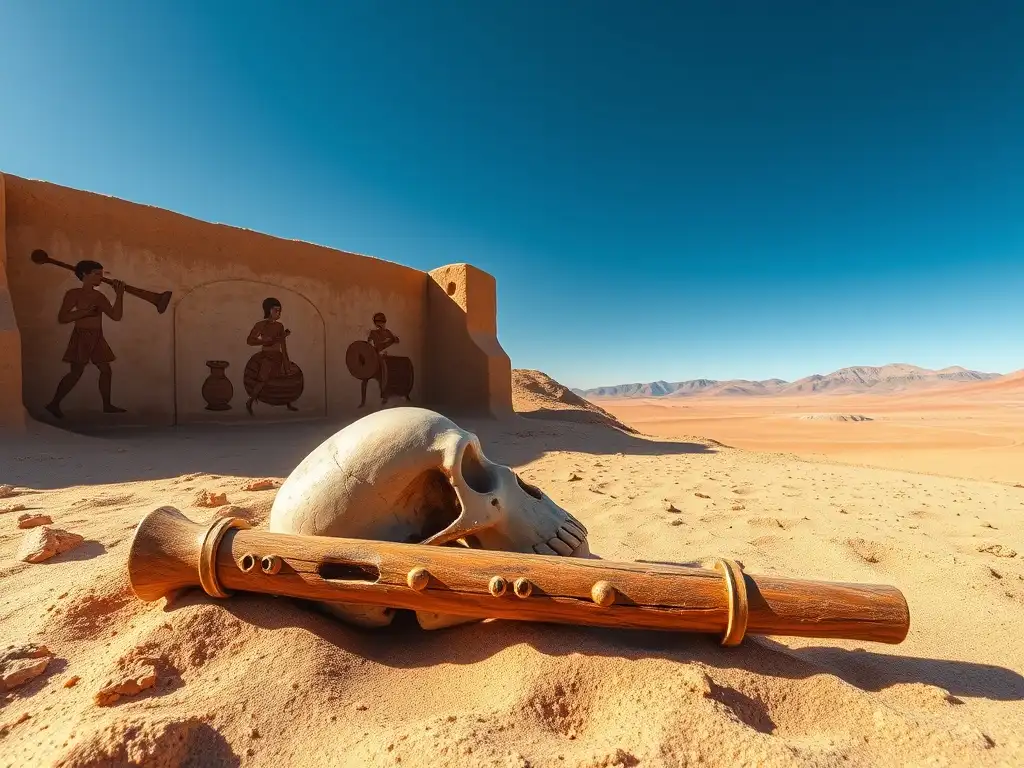
Step into a world lost to time, yet echoing with vibrant sounds. Imagine the haunting melodies of the ancient Andes, a landscape shaped by empires as awe-inspiring as they were mysterious. This journey into the heart of Andean Civilizations begins with an exploration of the enigmatic Paracas musical instruments, offering a glimpse into the sophisticated culture and artistry of these Pre-Incan coastal masters. Prepare to be captivated by the sounds of a civilization that continues to whisper its secrets across the millennia. Discover more about the fascinating world of Paracas music and uncover the stories hidden within their instruments.
The Paracas culture, flourishing along the southern coast of Peru between 700 BCE and 200 CE, left behind a legacy far richer than its renowned textiles. While their mastery of weaving and mummification is widely celebrated, the sounds of their civilization – their music and the instruments that produced it – remain a fascinating, albeit less explored, aspect of their vibrant society.
This article delves into the captivating world of Paracas musical instruments, offering insights into the instruments themselves, their potential uses in ritual and daily life, and what we can glean from archaeological findings to reconstruct the auditory landscape of this ancient Andean culture. Understanding Paracas musical instruments provides a crucial window into their social structures, religious beliefs, and overall worldview, enriching our comprehension of this significant pre-Inca civilization.
We will explore the limited yet intriguing evidence available, highlighting the challenges and rewards of reconstructing the sounds of a lost culture.
Evidence from Archaeological Excavations: Unearthing the Sounds of Paracas
Archaeological digs in Paracas sites have yielded surprisingly little direct evidence of musical instruments. Unlike some other Andean cultures where flutes, panpipes, and drums have been found relatively intact, the arid coastal climate, while preserving textiles remarkably well, has been less kind to organic materials like wood and bone, from which many musical instruments would have been crafted. However, indirect evidence exists. Depictions on textiles and ceramics offer valuable clues. These images, though not providing the instruments themselves, suggest the presence of certain instruments and potentially provide insights into their use within Paracas society. For example, some pottery fragments depict figures playing instruments resembling flutes or possibly wind instruments with multiple pipes. Further research and careful analysis of these depictions are crucial to refining our understanding. The scarcity of physical remains necessitates a multidisciplinary approach, combining archaeological findings with ethnomusicological studies of related cultures to create a more comprehensive picture.
Reconstructing Paracas Instruments: A Multidisciplinary Approach
The challenge of reconstructing Paracas musical instruments requires a multi-faceted approach. Researchers combine meticulous analysis of artistic representations on textiles and pottery with knowledge gleaned from the study of similar instruments found in contemporaneous or geographically proximate cultures. By studying the materials likely used (wood, bone, reeds, gourds), and comparing the artistic depictions to instruments from neighboring cultures, researchers can formulate educated hypotheses about the appearance and sound of Paracas instruments. This process involves careful consideration of the social context suggested by the imagery.
Were these instruments used in religious ceremonies, daily life, or both? Were they associated with specific social classes or rituals? Addressing these questions requires careful consideration of the archaeological context and the wider cultural landscape of the Paracas people.
The Potential Role of Music in Paracas Society: Ritual and Everyday Life
The limited evidence suggests that music played a significant role in both ritual and everyday life within Paracas society. The presence of musical instruments depicted in funerary contexts hints at their use in ceremonies related to death and the afterlife. The vibrant and intricate designs on the textiles themselves, often featuring musical scenes, further support this idea. However, it's crucial to avoid over-interpreting the limited evidence.
Further research is needed to determine whether music was primarily associated with ritualistic practices or also held a significant place in the daily lives of the Paracas people. Did music accompany work, celebrations, or storytelling? This is an area where further investigation and comparative studies with other Andean cultures can significantly advance our knowledge.
Future Research and the Ongoing Quest to Understand Paracas Music
The study of Paracas musical instruments remains an ongoing area of research. Future archaeological excavations may uncover more direct evidence, shedding more light on the types of instruments used and their role in Paracas society. Furthermore, advanced technologies such as 3D modeling and sound reconstruction based on similar instruments from other cultures could help bring the sounds of Paracas music to life.
This multidisciplinary approach, incorporating archaeological findings, ethnomusicology, and technological advancements, promises exciting discoveries in the years to come. The quest to understand the sounds of this ancient civilization is a testament to the enduring fascination with the rich and complex legacy of the Paracas culture. The potential for new discoveries and reinterpretations of existing data keeps the study of Paracas musical instruments a vibrant and exciting field.
- Evidence from Archaeological Excavations: Unearthing the Sounds of Paracas
- Reconstructing Paracas Instruments: A Multidisciplinary Approach
- The Potential Role of Music in Paracas Society: Ritual and Everyday Life
- Future Research and the Ongoing Quest to Understand Paracas Music
Unveiling the Sonic World of the Paracas
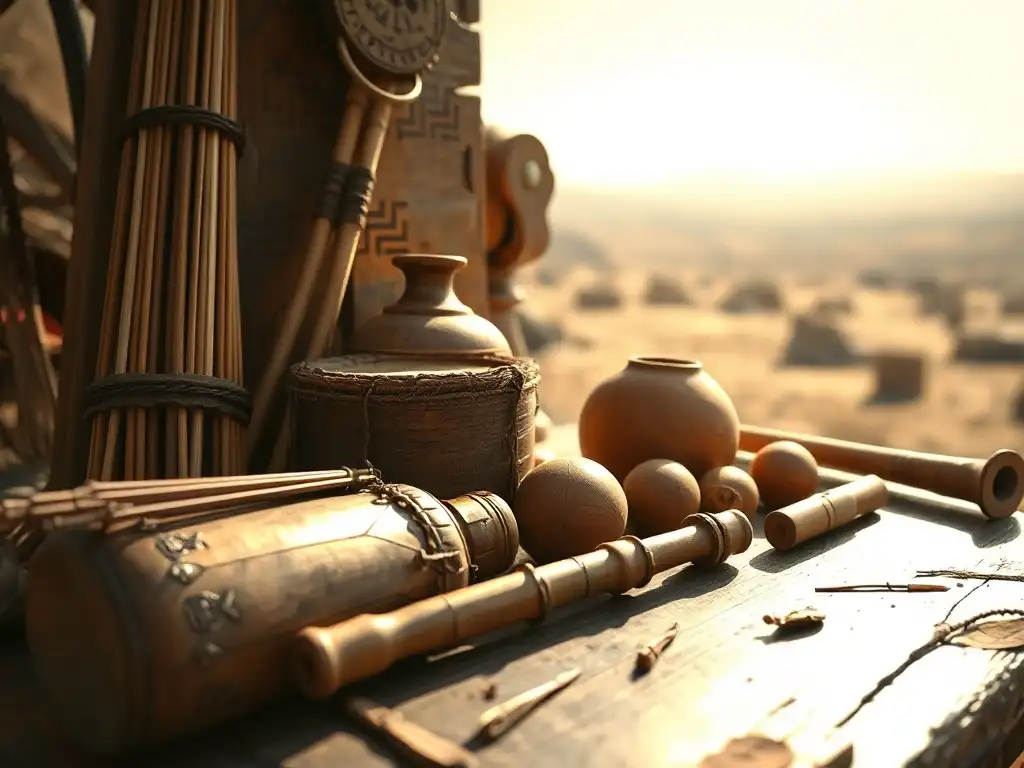
This section delves into the fascinating, yet often overlooked, aspect of Paracas culture: their music and instruments. While archaeological evidence directly related to Paracas music is scarce compared to their textile artistry, we can infer much about their sonic world through contextual clues and comparisons with contemporaneous Andean cultures. Understanding their musical practices offers invaluable insights into their social structures, religious beliefs, and daily life.
The limited physical remains of instruments, coupled with iconographic representations on textiles and ceramics, provide tantalizing glimpses into the soundscapes of this enigmatic civilization. The search for "Paracas musical instruments" often yields limited results, highlighting the need for further research and the importance of this exploration.
The Significance of Music in Paracas Society
Music played a vital role in Paracas society, likely serving various functions. Consider the elaborate textiles themselves; their intricate designs and vibrant colors suggest a sophisticated aesthetic sensibility, which surely extended to other art forms, including music. We can hypothesize that music was integral to religious ceremonies, accompanying rituals and possibly shamanistic practices.
The rhythmic nature of many Andean traditions suggests that music also accompanied agricultural activities, celebrations, and perhaps even funerary rites. The use of percussion instruments, for instance, is common in many Andean cultures and would have served to mark the rhythm of communal work and celebrations. Unfortunately, the precise social functions of Paracas music remain largely speculative due to the lack of direct evidence.
Further investigation into the context of discovered artifacts could shed light on this aspect of Paracas life. We can, however, confidently assert that music was not a peripheral element, but rather, a significant component of their cultural fabric. The scarcity of direct evidence, however, underscores the need for continued archaeological exploration to fully understand the significance of music in this ancient culture.
Paracas Culture and its Artistic Expressions
The Paracas people were renowned for their exceptional textile artistry, a skill that significantly influenced their artistic expression across various mediums. While we haven't unearthed a wealth of Paracas musical instruments, the intricate detail and symbolic imagery found in their textiles hint at the potential complexity and richness of their musical traditions. The vibrant colors and patterns woven into their cloths often depict scenes of daily life, religious rituals, and mythical creatures. These textiles could provide clues to the appearance and use of instruments.
For example, depictions of individuals playing instruments, although rare, would be invaluable. Similarly, the rhythmic arrangements of patterns might reflect the structure of musical compositions. The parallel can be drawn with other Andean cultures where the textiles' designs act as a visual representation of their musical world. We can imagine the soundscapes of Paracas society, informed by the visual richness of their textiles, and envision a diverse musical landscape that complemented their artistic achievements.
The study of Paracas art, therefore, offers a crucial, albeit indirect, pathway to understanding their musical heritage. Further research focusing on iconography within Paracas textiles could significantly enhance our understanding of their musical instruments and practices. The potential for discovery in this field remains high.
Exploring Paracas Musical Instruments
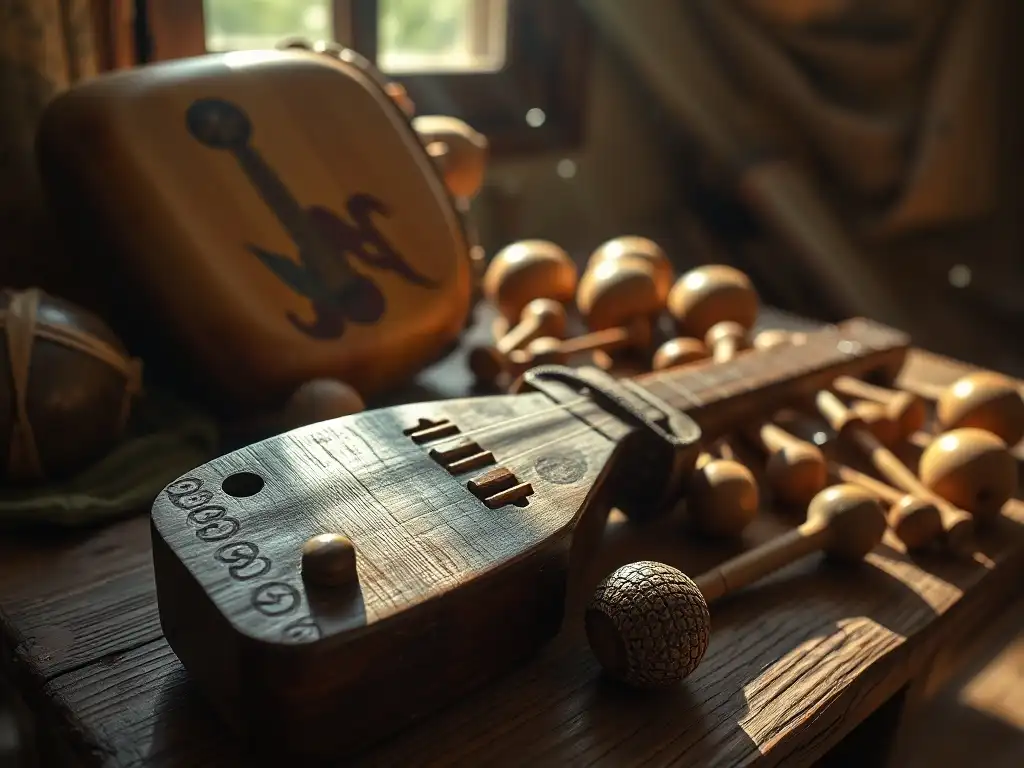
The Paracas culture, flourishing on the southern coast of Peru from roughly 800 BCE to 100 CE, left behind a rich tapestry of textiles, ceramics, and surprisingly, evidence suggesting a vibrant musical tradition. While no intact instruments survive in large numbers, archaeological findings and iconographic representations on textiles and ceramics provide valuable clues about the types of Paracas musical instruments used and their potential role in their society. Analyzing these fragments allows us to reconstruct, albeit partially, the soundscapes of this ancient civilization.
The study of these artifacts sheds light on their sophisticated craftsmanship and the importance of music in their daily life and religious rituals. Understanding their Paracas musical instruments offers a deeper appreciation for the complexity of Paracas culture.
Wind Instruments of the Paracas
The arid coastal climate of Paracas presented both challenges and opportunities for instrument construction. The scarcity of certain materials likely influenced the types of wind instruments developed. Available evidence strongly suggests the use of flutes, antaras (panpipes), and whistles.
Paracas Flutes: Materials and Construction
Paracas flutes were likely made from various materials readily available in their environment. Bone, wood, and possibly reeds are strong candidates. Archaeological excavations have yielded fragments of bone instruments, suggesting that these were popular choices due to their durability and relative ease of carving. The construction techniques likely involved simple drilling and carving, creating holes to produce different notes.
The size and number of holes would have determined the flute's range and melody. Further research is needed to determine the exact techniques employed and the range of materials used. The melodic capabilities of these flutes remain a subject of ongoing study and speculation, but it's likely they played a significant role in both secular and ritual music.
Paracas Antaras: Variations and Uses
Antaras, or panpipes, are a series of reeds or tubes of varying lengths bound together to create a melodic instrument. Depictions on Paracas textiles suggest the existence of antaras, showing musicians playing instruments that closely resemble them. The number of pipes would have varied, influencing the range of notes achievable.
The materials used were probably similar to those used in flute construction: reeds, bone, or wood. Considering their depiction in scenes of ritual and ceremony, it's reasonable to suggest that antaras played a significant role in religious practices. The specific melodies played and their significance remain largely unknown, awaiting further archaeological discoveries and interpretations.
Paracas Whistles: Sounds and Rituals
Small, ceramic whistles have been found in Paracas contexts. These whistles, often decorated with intricate designs, likely served diverse purposes, ranging from children's toys to ritualistic objects. The sounds produced would have been high-pitched and piercing, potentially used to signal or accompany ceremonies. The designs on the whistles often included symbolic imagery, hinting at their potential use in religious or shamanistic practices. The specific sounds and their connection to Paracas beliefs are areas ripe for further research and interpretation. Understanding the role of whistles provides a unique insight into the ceremonial aspects of Paracas life.
Percussion Instruments in Paracas Music
Percussion instruments likely formed an essential part of the Paracas musical landscape, contributing to the rhythmic complexity of their music. While direct evidence is limited, artistic representations and the presence of suitable materials suggest the use of drums and rattles.
Paracas Drums: Types and Symbolism
The existence of Paracas drums is inferred from iconography on textiles and ceramics. These depictions suggest the use of drums of varying sizes and shapes, possibly made from animal hides stretched over wooden frames. The materials used for the drum bodies and the types of beaters used remain unknown, requiring further investigation. The symbolism associated with drums, if any, is also an area requiring more research. It’s possible drums played a crucial role in accompanying dances and ceremonies, adding a powerful percussive element to the overall musical experience.
Paracas Rattles: Materials and Rhythms
Rattles, likely made from gourds or other hollowed-out materials filled with seeds or small stones, are highly probable. The rhythmic potential of such instruments is undeniable, and their use in rituals and dances is a likely scenario. The materials used in their construction would have been readily available, and their relatively simple construction makes them a plausible addition to the Paracas musical repertoire.
The diverse sounds and rhythms achievable with rattles, depending on the materials used and the method of shaking, would have added a vibrant textural element to their music. Further research is needed to confirm their presence and explore their role in the overall musical soundscape of Paracas society.
Stringed Instruments: Evidence and Interpretations
While direct evidence of stringed instruments in Paracas culture is scarce compared to the wealth of textile and ceramic artifacts, archaeological findings offer intriguing clues and allow for informed speculation. The limited evidence primarily comes from depictions in their intricate textiles and, less frequently, in pottery. These representations, though not providing physical instruments themselves, offer valuable insights into the potential types and roles of stringed instruments in Paracas society.
The depictions often show figures holding what appear to be stringed instruments, suggesting their importance in rituals, ceremonies, or everyday life. However, the lack of actual instruments makes definitive conclusions challenging. Scholars often compare the imagery to instruments found in later Andean cultures, such as the charango or arpa, to hypothesize about the potential design and construction of Paracas stringed instruments.
The stylistic similarities, while not conclusive proof, provide a useful framework for understanding. Further research, including more extensive archaeological excavations and advanced analysis of existing artifacts, is crucial to solidify our understanding of Paracas stringed instruments. The potential existence of stringed instruments in Paracas culture adds another layer to our understanding of their rich and complex musical traditions, hinting at a sophisticated musical landscape beyond the percussion instruments that are more readily apparent in the archaeological record.
Speculations on Paracas Stringed Instruments
Based on the limited iconographic evidence and comparisons with later Andean stringed instruments, several speculations can be made regarding Paracas stringed instruments. They might have been simple instruments made from readily available materials such as wood, reeds, or animal sinew for the strings. The size and shape could have varied depending on their intended use – smaller instruments for personal entertainment, larger ones for communal ceremonies. Considering the sophisticated textile techniques of the Paracas culture, it's plausible that the strings were crafted with the same precision and artistry seen in their textiles.
The possibility of stringed instruments being used in both ritual and secular contexts is also worth considering. Perhaps smaller, more portable instruments were used for personal enjoyment, while larger, more elaborate instruments played a significant role in religious ceremonies or social gatherings. The materials used would have likely been influenced by the available resources in their coastal environment. The use of local woods, animal fibers, and potentially even materials like shells, could have contributed to a unique sonic character for these instruments.
However, without further archaeological discoveries of actual instruments, these remain educated guesses based on the available evidence and comparative analysis with related cultures. The study of Paracas iconography continues to be crucial in unlocking these mysteries and gaining a more complete understanding of their musical heritage. Further research is essential to move beyond speculation and develop a more concrete understanding of the reality of Paracas stringed instruments.
The Role of Music in Paracas Life
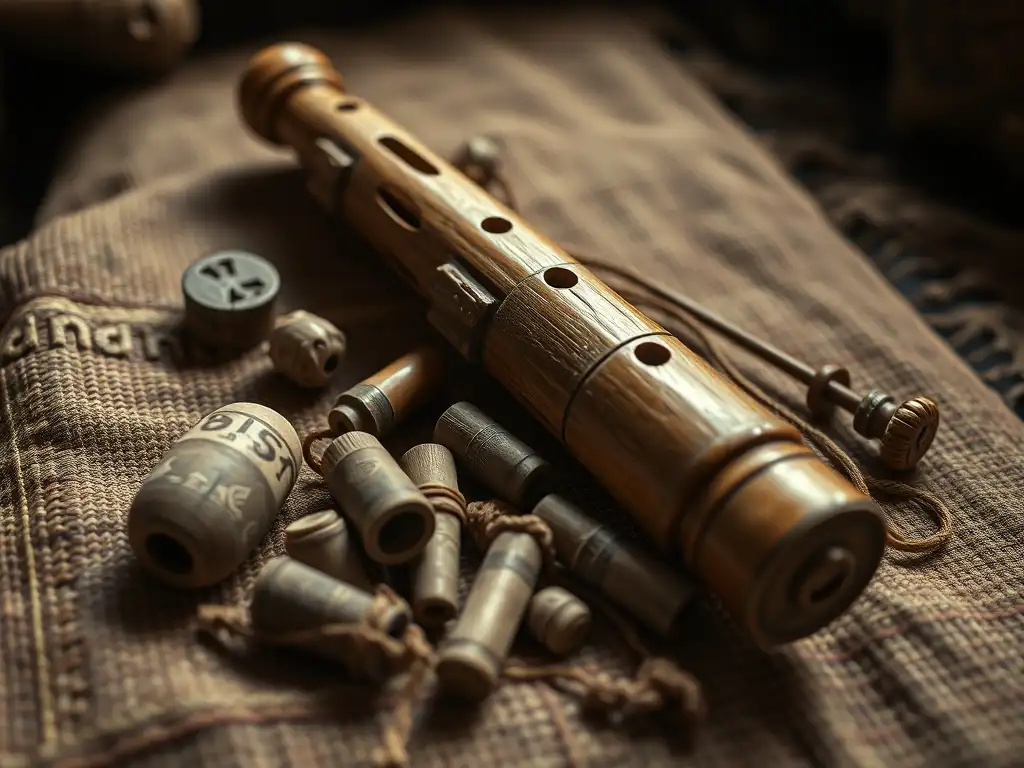
The Paracas culture, flourishing on the southern coast of Peru from approximately 800 BCE to 200 CE, left behind a rich tapestry of textiles, ceramics, and surprisingly, strong evidence suggesting a vibrant musical tradition. While no musical scores survive, the discovery of numerous Paracas musical instruments and depictions of musical activities in their art provide compelling insights into the integral role music played in their daily lives and spiritual beliefs. Understanding the Paracas musical instruments is key to understanding their society.
The sounds of their music, though lost to time, likely echoed through their rituals, funerary practices, and everyday activities, shaping their social fabric and reflecting their worldview. The limited archaeological evidence, however, presents challenges in fully reconstructing their musical landscape. Further research and analysis of existing artifacts are crucial to deepen our comprehension of Paracas music and instruments.
Music in Paracas Rituals and Ceremonies
The association of Paracas musical instruments with religious rituals and ceremonies is strongly suggested by their placement within elite tombs and the presence of musical motifs on textiles and ceramics. It's likely that music played a crucial part in establishing contact with the supernatural, facilitating communication with deities, and ensuring the success of agricultural cycles and other important activities. Consider the intricate depictions found on many Paracas textiles: figures playing panpipes, drums, and possibly stringed instruments are frequently shown in scenes that appear to be ritualistic in nature.
These depictions aren't simply decorative; they are likely visual representations of the sounds and actions integral to their religious beliefs. The rhythmic and melodic aspects of the music would have further enhanced the spiritual atmosphere of these ceremonies, creating a powerful and immersive experience for the participants.
Unfortunately, the specific types of rituals accompanied by music remain largely unknown, highlighting the need for more research focusing on the context of artifact discoveries. The precise role of different Paracas musical instruments in specific rituals awaits further investigation.
Music and Paracas Funerary Practices
The relationship between music and death in Paracas culture is suggested by the presence of Paracas musical instruments within their elaborate tombs. The inclusion of these instruments suggests that music may have played a role in accompanying the deceased on their journey to the afterlife, or perhaps served to honor the departed and appease ancestral spirits. The often-lavish nature of the burials, combined with the presence of meticulously crafted textiles and other artifacts, indicates that musical performances were likely a significant part of the funerary rites.
The types of instruments found in these tombs could provide clues about the nature of these performances: were they somber and mournful, or celebratory and hopeful? Did the choice of Paracas musical instruments vary according to the status or age of the deceased? These are questions that require further investigation.
The limited number of well-preserved instruments found in funerary contexts, however, makes it difficult to draw definitive conclusions. More archaeological evidence is needed to fully explore this fascinating aspect of Paracas culture.
Paracas Music and Daily Life
While the ritual and funerary contexts are prominent, it's highly probable that music permeated the daily lives of the Paracas people. Imagine the sounds of panpipes accompanying agricultural work, or drums marking the rhythm of communal activities. The prevalence of Paracas musical instruments suggests that music was deeply ingrained in their society, serving as a form of entertainment, communication, and social cohesion.
Music may have accompanied celebrations, dances, and storytelling sessions, creating a vibrant and engaging social atmosphere. The variety of instruments discovered suggests a diverse musical landscape, potentially including both solo performances and ensemble music. The lack of written records, however, makes it challenging to reconstruct the specific social contexts in which music was performed.
Further research could explore how the different Paracas musical instruments were used in different social settings. The potential existence of lullabies, work songs, and celebratory music would richly contribute to a fuller understanding of Paracas daily life. The study of similar Andean cultures could provide valuable comparative data to better understand the role of music in the lives of the Paracas people.
Decoding Paracas Musical Styles
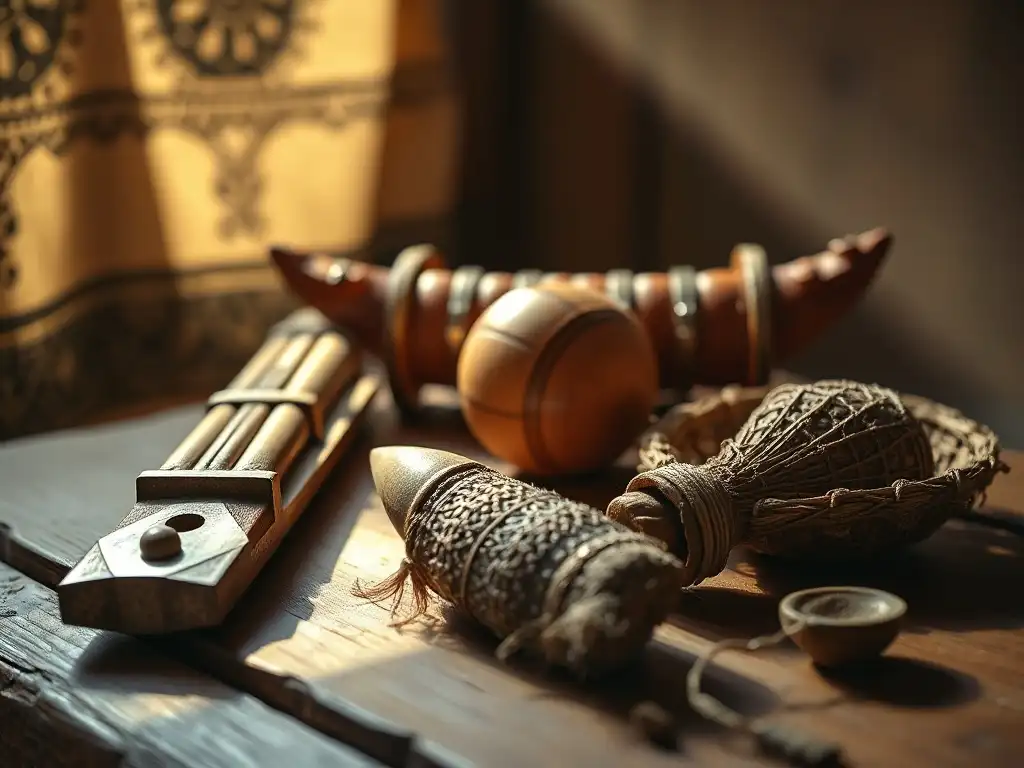
The Paracas culture, flourishing on the southern coast of Peru between 700 BCE and 200 CE, left behind a rich tapestry of textiles, ceramics, and surprisingly, strong evidence suggesting a vibrant musical tradition. While no actual musical recordings survive, careful analysis of their art and artifacts allows us to begin to decode their musical styles. The limited evidence, however, necessitates a cautious and interpretative approach.
We can infer aspects of their music through the depiction of instruments on textiles, ceramics, and even some metalwork. These depictions, though stylized, provide crucial clues about the types of instruments used and possibly, the nature of their melodies and rhythms. The analysis of these visual representations, combined with anthropological comparisons to similar cultures, offers a glimpse into the soundscapes of Paracas society.
The reconstruction of Paracas music remains a work in progress, a fascinating puzzle pieced together from fragmented yet compelling evidence. The scarcity of direct evidence underscores the importance of interdisciplinary approaches, combining archaeological findings with ethnomusicological insights to paint a more complete picture. Further research, particularly focused on uncovering more artifacts depicting musical instruments or scenes of musical performance, is crucial for a more comprehensive understanding.
Analysis of Paracas Musical Patterns
Analyzing the artistic representations of Paracas musical instruments reveals potential patterns in their musical practices. For instance, frequently depicted instruments like panpipes and possibly drums suggest a preference for ensemble playing. The arrangement of musicians in some textile depictions hints at structured performances, perhaps linked to religious ceremonies or social gatherings. The repetition of certain motifs in the textile designs alongside instrument depictions might even suggest recurring melodic phrases or rhythmic patterns.
However, this interpretation remains speculative without further corroborating evidence. We can also examine the size and shape of the depicted instruments to infer potential sonic characteristics. Larger drums, for example, would likely produce lower, more resonant sounds, while smaller ones would likely create higher-pitched, more percussive sounds. The combination of these instruments, along with the possible use of vocals, would have created a diverse and likely complex soundscape.
More research into the materials used in the construction of these instruments would shed further light on their acoustical properties and the overall sonic characteristics of Paracas music. Further detailed analysis of the artistic representations and comparative studies with similar Andean cultures are needed to develop a more nuanced understanding of Paracas musical patterns and structures. The careful study of Paracas iconography, therefore, offers a pathway towards understanding the musical landscape of this enigmatic culture.
The Influence of Geography on Paracas Music
The arid coastal environment of Paracas profoundly influenced the culture's daily life, and it is highly probable that this extended to their music as well. The scarcity of readily available wood might have limited the types of instruments they could create, potentially favoring instruments made from reeds, gourds, or animal hides, materials readily available in their desert environment. The vastness of the desert landscape could have influenced the scale and style of musical performances, perhaps leading to the development of music tailored for expansive open spaces. The proximity to the sea might have also incorporated maritime influences into the music's rhythms and melodies, echoing the sounds of the waves and the seabirds.
However, this is largely speculative; more research is needed to substantiate these connections. Furthermore, the social structure of Paracas society – its hierarchy and religious beliefs – likely played a significant role in shaping their musical practices. Specific instruments might have been associated with particular rituals or social strata, reflecting the complex social organization of the Paracas.
Understanding the interplay between geography, social organization, and musical expression is crucial for a complete understanding of Paracas musical culture. Further investigation into the social context of Paracas music, through the analysis of archaeological contexts and iconographic depictions, is essential to fully appreciate the influence of the environment on their musical traditions. The interplay between the physical environment and the social structures of the Paracas culture is a key area for future research in understanding their unique musical heritage.
Preserving the Legacy of Paracas Music
The Paracas culture, flourishing on the southern coast of Peru from approximately 800 BCE to 200 CE, left behind a rich tapestry of textiles, ceramics, and intricate burial practices. However, understanding their musical traditions presents a unique challenge due to the perishable nature of organic materials. While monumental architecture and elaborate grave goods survive, the instruments themselves rarely do.
This section delves into the fragmented yet fascinating evidence of Paracas music, exploring both archaeological discoveries and contemporary attempts to reconstruct their sonic world. Understanding the Paracas musical instruments is key to appreciating the complexity of this ancient society. The preservation of this knowledge is vital for a complete understanding of their culture.
Archaeological Discoveries of Paracas Instruments
Archaeological excavations in Paracas necropoles have yielded limited, yet significant, evidence of musical instruments. While complete instruments are exceedingly rare due to the organic materials used in their construction (wood, reeds, hides), fragments of bone flutes and potential percussion elements (such as small, carved stones that may have been used as rattles) have been unearthed. These fragments offer tantalizing glimpses into their musical practices.
One notable discovery includes a small section of a possible bone flute, found within a high-status burial. The fragment's intricate carving suggests a level of craftsmanship indicative of the care and importance placed upon musical instruments within Paracas society. Further analysis revealed the presence of small holes, consistent with the finger holes found on other ancient Andean flutes. However, determining the exact scale and range of this particular instrument remains impossible without further complete examples.
Analysis of Paracas iconography also contributes to our understanding. Textiles and ceramics often depict individuals playing instruments, though the instruments themselves are often stylized and not always easily identifiable. These depictions, however, provide valuable clues about the types of instruments used and their potential roles in social and ritual contexts. Careful study of these images, combined with the scarce material remains, allows for a more comprehensive, albeit incomplete, picture of Paracas musical life. The limited discoveries highlight the need for further research and careful preservation of any future finds related to Paracas musical instruments.
Contemporary Efforts to Recreate Paracas Sounds
Despite the limited physical evidence, researchers and musicians are actively working to reconstruct the sounds of Paracas music. This involves a multidisciplinary approach, combining archaeological findings with ethnomusicological research on contemporary Andean musical traditions. By studying similar instruments used by later Andean cultures, researchers can infer potential techniques and materials used in Paracas instrument making.
Ethnomusicologists are particularly valuable in this process, as their expertise in Andean musical traditions can shed light on potential musical structures and performance practices. For example, by comparing the limited Paracas bone flute fragments to existing Andean panpipes and flutes, researchers can hypothesize about the possible range, tonality, and playing techniques used in Paracas music. This process, however, is speculative and relies heavily on informed interpretations and analogies.
The recreation of Paracas sounds remains a work in progress. While perfectly replicating the sounds of a lost culture is impossible, these efforts provide valuable insights into the potential nature of their music and its place within their broader cultural context. Ongoing research and collaborations between archaeologists, ethnomusicologists, and musicians are crucial for continuing to refine our understanding of Paracas musical instruments and their sonic legacy. The process is iterative, with new discoveries and interpretations constantly shaping our understanding.
The Importance of Paracas Musical Heritage
The study of Paracas music, despite the challenges, is crucial for a holistic understanding of their civilization. Music played a vital role in many ancient Andean societies, serving both ritual and social functions. Understanding the role of music in Paracas society helps us appreciate their worldview, social structures, and beliefs. The preservation of this heritage is not merely an academic exercise; it's about connecting with the past and understanding the rich cultural tapestry of the Andean region.
The relatively limited evidence of Paracas musical instruments underscores the importance of continued archaeological investigation and careful preservation of existing artifacts. Every fragment, every depiction, offers a piece of the puzzle, bringing us closer to understanding the soundscape of this ancient culture. Furthermore, continued efforts to recreate Paracas music through informed speculation and collaboration provide a powerful way to connect with the past and transmit this knowledge to future generations.
The legacy of Paracas music is a valuable part of the broader Andean cultural heritage, deserving of continued study and appreciation. The sounds, though lost to time, continue to resonate through the efforts of dedicated researchers and the echoes of Andean traditions. 🎼
Frequently Asked Questions
What types of musical instruments did the Paracas culture use?
The Paracas people utilized a variety of instruments, including panpipes, drums, and possibly stringed instruments, though evidence for the latter is less conclusive. Their musical traditions are still being researched.
How did Paracas music influence later Andean cultures?
Paracas musical traditions likely influenced subsequent Andean cultures, such as the Nazca and Inca. The specific nature of this influence remains a subject of ongoing study by archaeologists and musicologists.
Where can I find examples of Paracas musical instruments?
Examples of Paracas instruments, when found, are usually housed in museums in Peru and other institutions with collections of pre-Columbian artifacts. You might find images online in academic databases or museum websites.
What materials were used to create Paracas musical instruments?
Paracas instruments were often made from natural materials readily available in their environment, such as wood, reeds, animal hides, and possibly bone or shell.
What is the significance of music in Paracas culture?
Music likely played a significant role in Paracas religious ceremonies, social gatherings, and daily life. Unfortunately, the precise meaning and function of music in their culture remains largely unknown, but research continues.
Final Reflection: Echoes of Paracas: A Legacy in Sound
The haunting melodies and rhythmic beats of Paracas music, once vibrant in the coastal deserts of Peru, continue to resonate today, reminding us of the rich tapestry of human expression that transcends time. The intricate craftsmanship of their instruments, unearthed from ancient tombs, speaks volumes about a sophisticated culture that valued music as an integral part of their daily lives and spiritual practices. Their legacy challenges us to consider the enduring power of artistic expression and its ability to connect us to the past.
The study of Paracas musical instruments offers a profound insight into the social structures and beliefs of this ancient civilization. Their unique soundscapes, reconstructed through painstaking research and archaeological discoveries, paint a vivid picture of a people deeply connected to their environment and their spiritual world. Music is the universal language of mankind.
This quote, while simple, perfectly encapsulates the timeless power of music to bridge cultural divides and connect us to something larger than ourselves – something that the Paracas people understood deeply.
Consider the echoes of Paracas music in your own life. What sounds, what rhythms, what melodies resonate with your soul? Take a moment to appreciate the power of music to evoke emotion, to tell stories, and to connect us across vast distances of time and space. Let the legacy of the Paracas people inspire you to explore the musical traditions of your own heritage and to appreciate the universal language of sound that unites us all.
Unveil the Rhythm of Paracas – Take Action Now!
Thank you for exploring the enchanting world of Paracas music and instruments with us! We hope you've experienced the vibrant sounds that echo through time, revealing the rich cultural heritage of the ancient Paracas civilization. Now, let's continue this exploration.
- Experience the Melodies: Immerse yourself in the captivating sounds of traditional Andean music by attending local performances or listening to recordings.
- Explore and Share: Discover the beauty of Andean instruments and the Paracas culture by visiting museums and exhibitions. Share your favorite discoveries with friends and family—let's spread appreciation for this incredible heritage!
- Join the Conversation: Connect with online communities dedicated to Andean music and culture; participate in discussions and learn from fellow enthusiasts.
What aspect of Andean music resonates most with you, and how will you integrate it into your life?