
Paracas Boat Technology: Navigating the Pacific Ocean

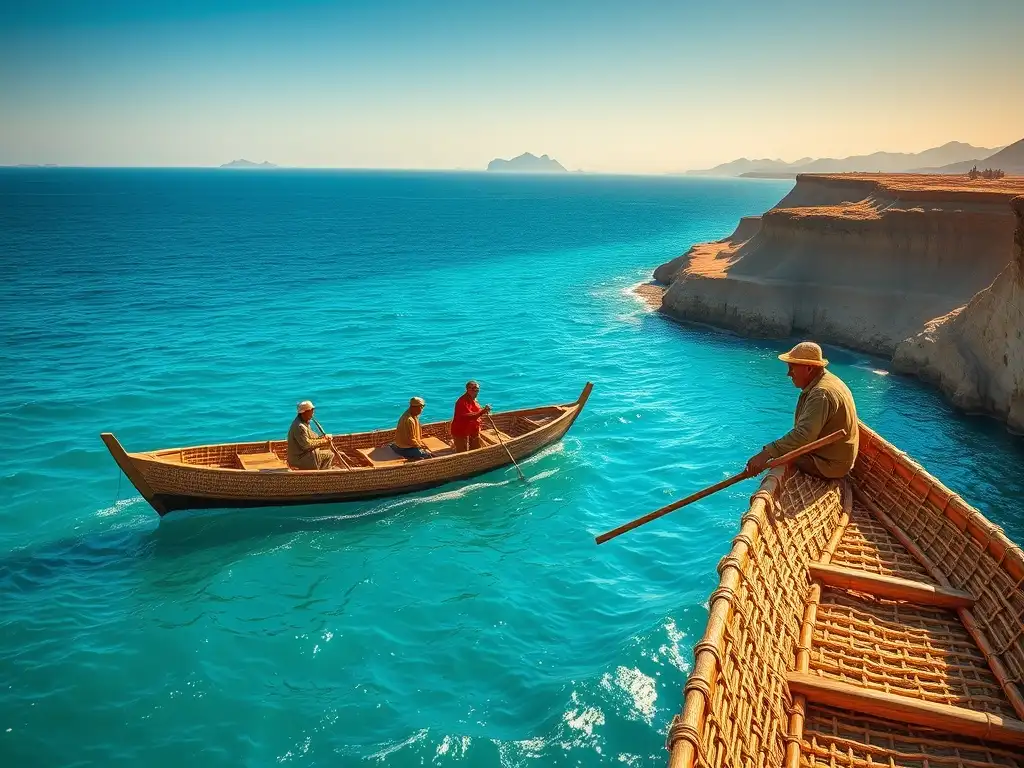
Dive into the enigmatic world of the Andean civilizations! From the towering heights of Machu Picchu to the sun-baked coastal plains, a tapestry of fascinating cultures awaits discovery. But have you ever wondered about the secrets behind the remarkable seafaring prowess of ancient Andean societies? Our exploration begins with the Paracas boat design techniques, revealing ingenious innovations that allowed these skilled navigators to conquer the vast Pacific Ocean. Uncover the mysteries and marvel at the ingenuity—your journey into the heart of Andean history starts now.
The Paracas culture, flourishing along the southern coast of Peru from roughly 800 BCE to 200 CE, left behind a legacy far beyond their iconic textiles. Their mastery of the Pacific Ocean, a feat often overlooked in discussions of pre-Columbian societies, reveals a sophisticated understanding of boat design and navigation techniques. This article delves into the ingenuity of Paracas boat technology, exploring the materials, construction methods, and the crucial role seafaring played in their societal development and economic prosperity.
Understanding their maritime prowess provides invaluable insight into the complex strategies employed by this remarkable civilization to thrive in a challenging coastal environment, enriching our understanding of “Paracas boat design techniques” and their overall cultural significance. We will uncover the secrets behind their impressive seafaring capabilities, moving beyond simple descriptions to analyze the technological advancements that allowed them to navigate the treacherous waters of the Pacific.
Introduction to Paracas Maritime Prowess
The Paracas people weren't just passive inhabitants of the Peruvian coast; they were active navigators and traders, venturing far out into the Pacific Ocean. Evidence suggests their boats were not only used for fishing, a vital part of their subsistence, but also for transporting goods and potentially even for inter-coastal voyages. Archaeological findings, though limited due to the perishable nature of organic materials, reveal glimpses into their impressive boat-building skills.
The remains of reed boats, similar to those used by later Andean cultures, have been found, pointing to a tradition of crafting vessels from readily available natural resources. These were not flimsy rafts; evidence suggests a level of sophistication in their construction, indicating a specialized knowledge passed down through generations. The design likely incorporated advanced techniques for waterproofing and strengthening the hulls, ensuring seaworthiness in the often turbulent Pacific waters.
The exact details of these techniques remain partially obscured by the passage of time, but ongoing research continues to shed light on this remarkable aspect of Paracas culture. Their ability to navigate the Pacific is a testament to their ingenuity and resourcefulness, showcasing a deep understanding of both boat design and ocean currents.
The Significance of Paracas Seafaring
The impact of Paracas seafaring extended far beyond mere transportation. Control of the sea provided access to vital resources, including diverse fish stocks and marine mammals. This ensured a varied diet and economic stability.
Furthermore, maritime trade likely played a crucial role in the exchange of goods with other coastal communities, potentially even extending to the north and south along the coastline. The transportation of valuable resources and luxury goods, such as prized shells and pigments, would have contributed significantly to the economic and social standing of the Paracas people. The ability to navigate effectively also likely contributed to their strategic positioning and control over key coastal territories.
This maritime dominance, while not explicitly documented, can be inferred from the cultural flourishing of the Paracas along the coastline, suggesting a direct correlation between their seafaring prowess and their overall societal success. The significance of Paracas seafaring is therefore multifaceted, intertwining aspects of economic prosperity, social status, and political influence. Their mastery of the sea was not simply a technological achievement but a cornerstone of their cultural identity and societal structure.
Early Paracas Fishing Vessels
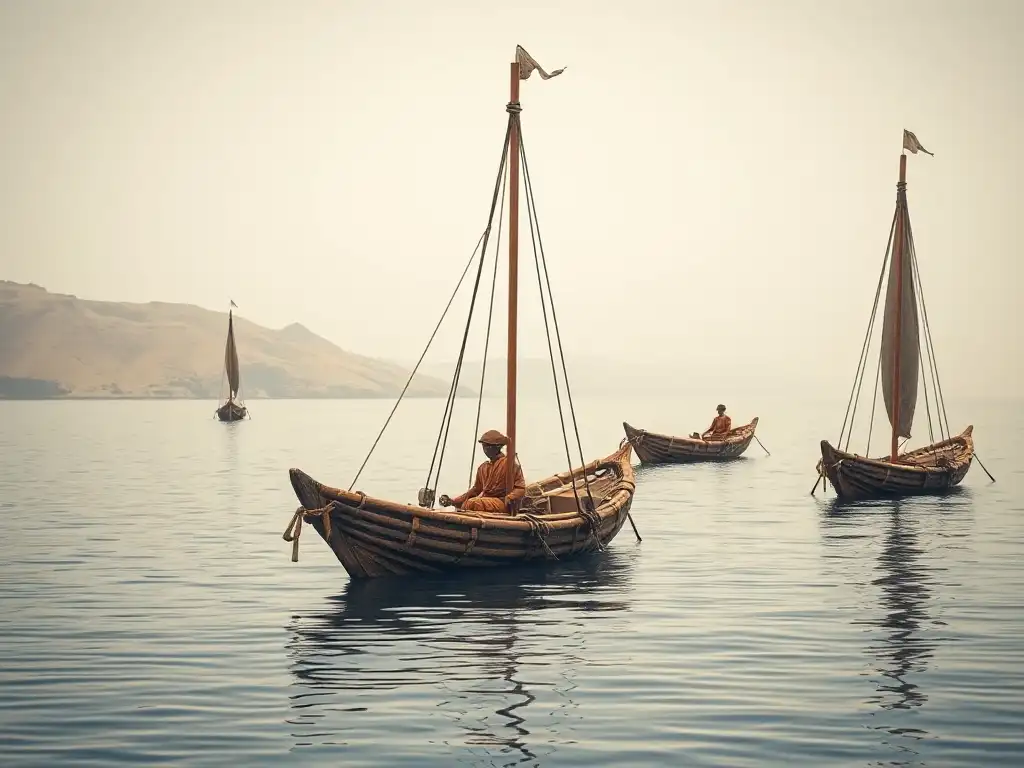
The Paracas culture, flourishing on the southern coast of Peru from roughly 800 BCE to 200 CE, developed sophisticated boat design techniques for navigating the often treacherous Pacific Ocean. Understanding their early vessels provides crucial insight into their maritime prowess and its impact on their societal development. While evidence of their later, more complex boats remains, examining their early craft reveals the foundational ingenuity of Paracas boat design techniques. These early vessels, predominantly simple reed boats, laid the groundwork for the more advanced designs that followed.
The evolution of their boat building demonstrates a remarkable adaptation to the coastal environment and highlights the resourcefulness of this remarkable civilization. The development of these early boats was crucial for their fishing practices, trade routes, and overall survival along the Peruvian coast. Analyzing these vessels helps us understand their overall maritime capabilities and how they shaped their unique culture.
The earliest Paracas boats were likely simple reed rafts, constructed using the abundant totora reeds ( Schoenoplectus californicus ) that grew prolifically along the Peruvian coast. These reeds, known for their buoyancy and flexibility, were expertly bundled and lashed together to create stable platforms. Archaeological evidence suggests a progression in construction, starting with rudimentary rafts and evolving into more structurally sound vessels.
The size varied, ranging from small one-person crafts used for inshore fishing to larger boats capable of carrying multiple individuals and modest cargo. The simplicity of design belies the significant engineering involved in creating watertight structures from such organic material. Mastering techniques for lashing, weaving, and sealing the reed bundles was essential to ensure the seaworthiness of these boats.
The use of simple tools, likely made from stone or bone, showcases the skill and knowledge of Paracas boat builders. Further research is needed to fully understand the specific techniques used in the construction of these early reed boats. [Specific information on early reed boat construction techniques pending]
Materials Used in Early Paracas Boat Construction
Beyond totora reeds, other materials likely contributed to the construction and durability of early Paracas boats. While reeds formed the primary structural component, the use of additional materials like plant fibers for lashing and potentially animal hides for waterproofing would have enhanced their performance. The selection of these materials demonstrates an understanding of the properties of different natural resources and their suitability for marine environments.
The process of preparing the reeds—drying, cleaning, and potentially treating them—would have also played a crucial role in the longevity and seaworthiness of the boats. Evidence of the use of specific types of plant fibers or resins for waterproofing is currently limited, highlighting an area requiring further research. [Specific information on waterproofing techniques pending].
Careful analysis of preserved boat fragments could reveal more detailed information about the materials employed in their construction. Understanding the specific materials used is key to understanding the level of sophistication in Paracas boat design techniques.
Coastal Fishing Techniques with Early Paracas Boats
Early Paracas boats were instrumental in their coastal fishing practices. These vessels allowed them to access rich fishing grounds further offshore, expanding their food sources. The design of these boats, though simple, was well-suited to the coastal waters. Their shallow drafts allowed them to navigate shallow nearshore waters, while their flexibility helped them withstand the impact of waves.
Fishing techniques likely involved the use of simple fishing lines, hooks, and nets, all operated from these boats. The size and type of boat used would have been dictated by the type of fishing and the distance from the shore. Smaller boats may have been used for inshore fishing for smaller species, while larger boats would have been employed for offshore fishing for larger, more valuable fish.
The effectiveness of their fishing strategies is evident in the extensive evidence of fish remains found in Paracas archaeological sites. Detailed analysis of these remains, combined with information about early boat design, could provide a more comprehensive understanding of their fishing practices and the role of their boats in their subsistence strategies. The relationship between Paracas boat design techniques and their fishing success is a key area for future research.
Advanced Paracas Boat Design Techniques
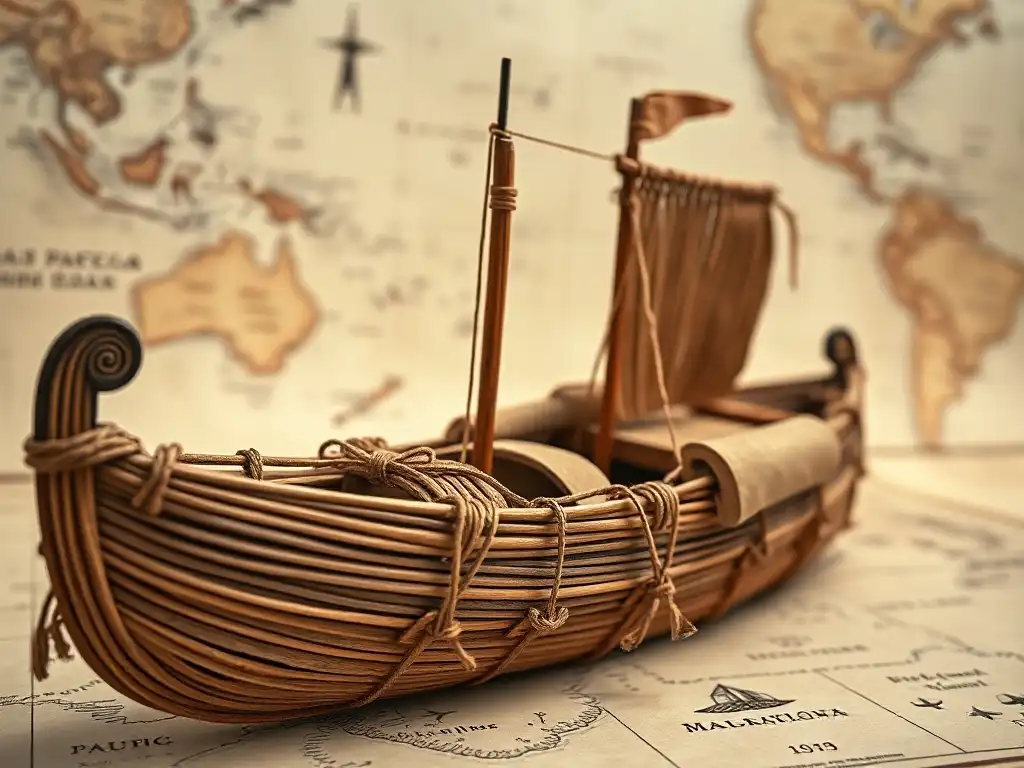
The Paracas culture, flourishing along the southern coast of Peru from roughly 800 BCE to 200 CE, demonstrated remarkable ingenuity in their boat design techniques. Their mastery of maritime technology allowed them to navigate the challenging Pacific Ocean, supporting a vibrant fishing economy and facilitating trade across significant distances. Understanding their shipbuilding practices reveals a sophisticated understanding of hydrodynamics and materials science, far surpassing the capabilities often associated with pre-Columbian societies.
This section will delve into the specifics of Paracas boat design, highlighting their evolutionary trajectory and the innovative solutions they employed. The keyword "Paracas boat design techniques" is crucial in understanding their maritime achievements and the impact on their culture.
Evolution of Paracas Boat Designs
Early Paracas boats were likely simple rafts constructed from bundles of reeds, similar to those used by other coastal cultures. However, evidence suggests a rapid evolution towards more complex vessels. Archaeological findings reveal a progression from basic reed rafts to larger, more sophisticated balsa wood boats, incorporating advanced features such as sewn planks and sophisticated sail systems.
This evolution likely reflects a growing need for larger vessels capable of carrying heavier loads and withstanding harsher sea conditions. The transition from reed to balsa wood signaled a significant leap in technological advancement, as balsa wood provides superior buoyancy and strength. We see a clear increase in vessel size and complexity throughout the Paracas period, showcasing a continuous refinement of their boat building skills.
Analysis of surviving fragments indicates a shift from simpler, single-log rafts to multi-plank vessels, implying a greater understanding of hull construction and stability. Further research is needed to fully map the chronological development of Paracas boat types and precisely pinpoint the timing of these key innovations.
The Ingenuity of Paracas Sail Technology
The development of effective sail technology was crucial to the success of Paracas navigation. While the precise details of their sail designs remain partially obscured by the passage of time, archaeological evidence and iconographic representations indicate a sophisticated understanding of aerodynamics. Paracas sails were likely made from woven textiles, perhaps from cotton or other locally available fibers.
The shape and size of the sails would have been carefully considered to maximize their efficiency in the prevailing winds. The use of multiple sails on larger vessels suggests a capacity for complex maneuvering and the ability to adjust to changing wind conditions. The development of effective sail technology directly contributed to the Paracas culture's expansion and economic prosperity, allowing them to exploit marine resources over larger areas.
It is important to note that the study of Paracas sail technology is still ongoing, with many details yet to be definitively established. Further investigation into surviving textile fragments and iconography could provide valuable insights into the design and construction of their sails. This research could reveal further details on the techniques used to create durable and effective sails for their boats.
Construction Methods of Paracas Rafts and Vessels
The construction of Paracas rafts and vessels involved a range of techniques reflecting both practical know-how and aesthetic considerations. For reed rafts, the process likely involved bundling together large quantities of reeds, secured with rope or fiber. The creation of more sophisticated balsa wood boats, however, involved a more complex process. Evidence suggests that planks were carefully shaped and then sewn together using strong, durable fibers.
The seams were likely waterproofed using natural resins or gums. This process required significant skill and precision, demonstrating a high level of craftsmanship. The use of tools such as stone adzes and chisels is indicated by the careful shaping of the balsa wood planks. The construction of larger vessels may have involved collaboration among multiple individuals, reflecting a well-organized and coordinated effort.
While the exact details of their construction methods remain to be fully uncovered, the surviving remnants of Paracas boats clearly demonstrate a sophisticated understanding of maritime engineering and a remarkable level of skill in their construction. Further research, including detailed analysis of surviving fragments and comparative studies with other pre-Columbian boat-building traditions, could provide a more complete picture of Paracas boat construction techniques. This will help us better understand the intricacies of Paracas boat design techniques and their place within the broader context of Andean maritime technology.
The Purpose of Paracas Maritime Technology
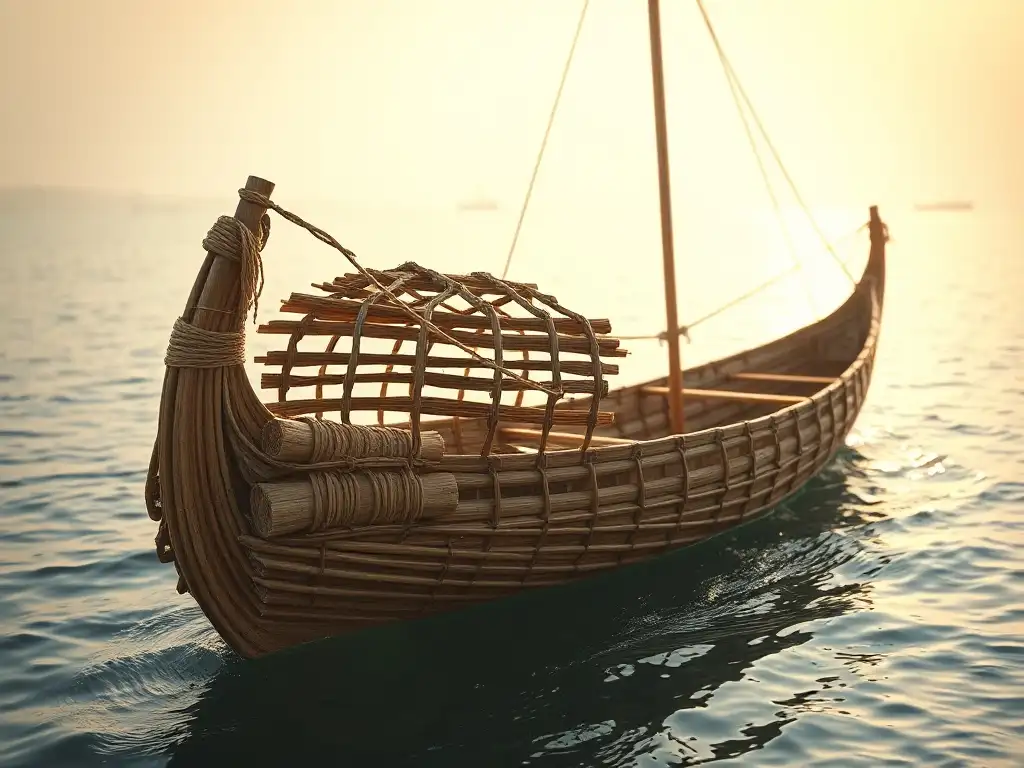
The Paracas culture, flourishing along the southern coast of Peru from roughly 800 BCE to 200 CE, developed sophisticated boat design techniques for a variety of reasons beyond simple fishing. Understanding their maritime capabilities reveals crucial insights into their social structure, economic activities, and interactions with neighboring cultures.
While the exact motivations behind specific voyages remain partially obscured by the passage of time, the evidence strongly suggests that Paracas boat technology served multiple interconnected purposes, all contributing to the growth and prosperity of their civilization. The intricate craftsmanship evident in the recovered remains of their vessels points to a high level of specialized knowledge and a significant investment of resources in maritime pursuits.
This investment itself speaks volumes about the importance of seafaring to the Paracas people. Analyzing their boat design techniques provides a window into their overall worldview and their relationship with the Pacific Ocean, which was far more than just a source of sustenance.
Trade Routes and Exchange Networks of Paracas
The Paracas boat design techniques were directly linked to their extensive trade networks. Archaeological evidence suggests a significant exchange of goods across the coastal regions, facilitated by their seafaring capabilities. Analysis of Paracas textiles, ceramics, and other artifacts found in distant locations indicates a well-established system of maritime trade.
These trade routes weren't just limited to the immediate vicinity; evidence suggests connections with potentially distant communities, possibly even across the Andes. The precise extent of these trade networks is still under investigation, but the sophistication of Paracas boat design, including the use of reeds and other materials tailored for ocean-going vessels, strongly supports the hypothesis of long-distance maritime trade. This trade likely involved the exchange of luxury goods such as textiles, precious metals, and exotic materials, contributing significantly to the economic prosperity and social complexity of Paracas society.
The development of specialized boat design techniques, therefore, was a crucial element in their ability to establish and maintain these vital trade connections. 🚢
Paracas Fishing Practices and Resource Management
Paracas fishing practices were deeply intertwined with their boat design techniques. The design of their boats, optimized for stability and maneuverability in the often-turbulent waters of the Pacific, allowed for efficient and effective fishing. The construction techniques, using bundles of reeds meticulously tied together, created lightweight yet durable vessels capable of navigating the coastal currents and accessing diverse fishing grounds. This enabled them to harvest a wide variety of marine resources, including fish, shellfish, and marine mammals.
Evidence suggests sophisticated resource management practices, indicating a deep understanding of marine ecosystems and the sustainable exploitation of resources. Their ability to reach offshore fishing grounds, facilitated by their advanced boat design, likely played a critical role in supporting the relatively large population of the Paracas culture. The mastery of Paracas boat design techniques was, therefore, not only crucial for trade but also essential for their food security and overall sustainability. 🎣
Evidence of Paracas Ocean Voyages
While the extent of Paracas ocean voyages is still debated among researchers, evidence points towards voyages far beyond coastal waters. The robustness of their boat design, particularly the larger vessels capable of carrying substantial cargo, suggests the potential for more extensive voyages than previously assumed. While direct archaeological evidence of long-distance voyages is limited, the presence of Paracas artifacts in distant locations, coupled with the advanced nature of their boat design techniques, suggests the possibility of voyages to offshore islands or even potentially to other coastal regions.
Further research and archaeological investigation are needed to fully understand the scope of these voyages. The analysis of the materials used in boat construction, the size and capacity of the vessels, and the study of potential navigational aids are all crucial areas of ongoing research that could shed further light on the extent and purpose of Paracas ocean voyages.
The discovery of new archaeological sites and the application of advanced dating techniques may yet reveal the full extent of their maritime explorations and further enhance our understanding of Paracas boat design techniques and their impact on their civilization. 🗺️
Paracas Boat Design vs. Other Andean Cultures
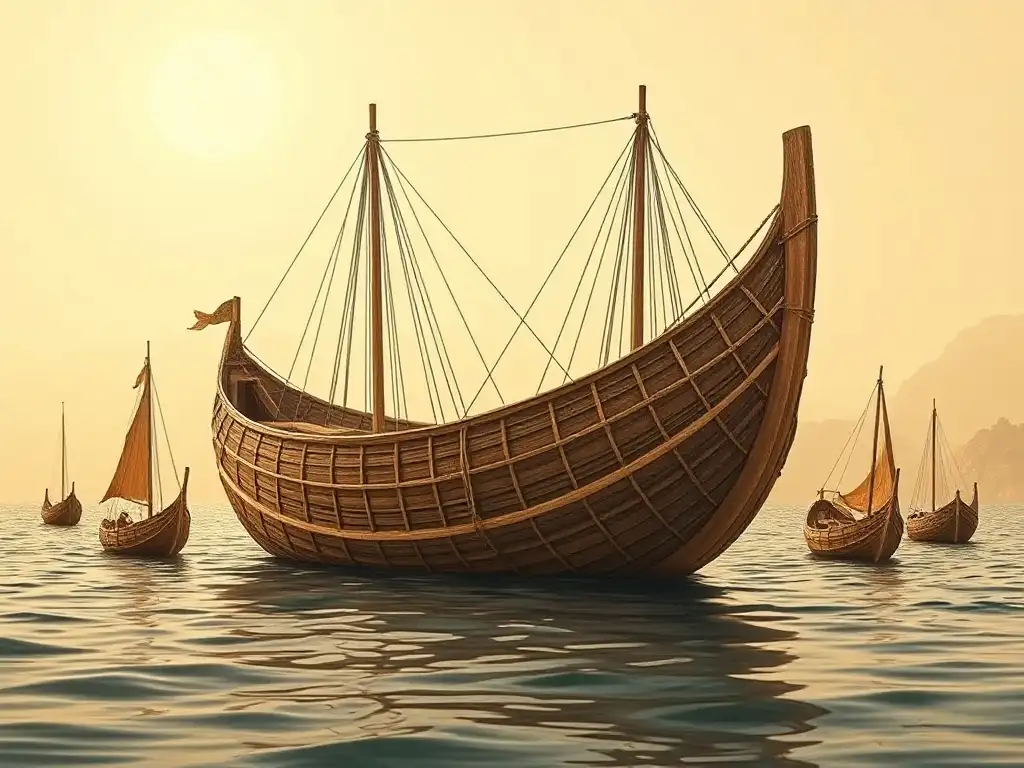
The Paracas culture, renowned for its textile artistry and elaborate burial practices, also displayed impressive maritime capabilities. Understanding their boat design necessitates comparison with contemporaneous Andean cultures, revealing both shared technological influences and unique innovations. Analyzing these differences provides crucial insights into the distinct challenges and solutions faced by coastal communities in navigating the Pacific Ocean. The keyword phrase "Paracas boat design techniques" is central to this analysis.
Comparing Paracas Boats to Moche Vessels
The Moche civilization, flourishing on the northern Peruvian coast, developed sophisticated boatbuilding techniques, primarily focusing on reed boats, similar to the Paracas. However, key distinctions exist. While both cultures utilized bundled reeds, the Moche boats often featured a more pronounced upward curve at the bow and stern, resulting in a distinct hull shape optimized for navigating the often turbulent waters of their region.
Paracas boats, in contrast, while also using bundled reeds, sometimes exhibited a straighter, flatter hull, perhaps reflecting the different conditions of the southern coast. Evidence suggests that Moche vessels were sometimes larger and capable of carrying heavier loads, potentially reflecting their more extensive maritime trade networks. Further research is needed to definitively compare the average size and carrying capacity of both types of vessels, but existing archaeological evidence points towards these differences.
The specific types of reeds used, their preparation methods, and the binding techniques employed also warrant further detailed study to better understand the nuances of "Paracas boat design techniques" compared to Moche practices. Preliminary analysis suggests that subtle variations in reed selection may reflect regional differences in available resources.
Contrasting Paracas Rafts with Nazca Maritime Technology
The Nazca culture, known for its enigmatic geoglyphs, also engaged in maritime activities, but their approach differed significantly from that of the Paracas. While Paracas extensively used reed boats, Nazca technology appears to have leaned more towards simpler rafts constructed from smaller bundles of reeds or even balsa wood. These rafts, while less sophisticated than Paracas boats, were likely adequate for shorter coastal voyages and fishing activities. The scarcity of significant Nazca maritime artifacts compared to the wealth of Paracas finds makes direct comparison challenging.
However, the apparent difference in vessel complexity likely reflects varying needs and resources. The "Paracas boat design techniques," involving more complex construction and larger vessels, suggest a greater emphasis on longer voyages and potentially more extensive trade or fishing operations compared to their Nazca counterparts. More extensive analysis of surviving Nazca artifacts and potential future discoveries are crucial to more fully understand this contrast.
Unique Characteristics of Paracas Boatbuilding
Several features distinguish Paracas boatbuilding techniques. The meticulous bundling of reeds, often secured with strong fibers, created durable and surprisingly seaworthy vessels. The use of specific types of reeds, selected for their strength and flexibility, played a crucial role in the overall structural integrity. Additionally, evidence suggests a potential application of waterproofing techniques, although the precise methods remain unclear.
Further research is needed to explore the possible use of resins, tars, or other materials to enhance the vessel's resistance to water damage and increase its lifespan. The sophisticated design, combined with skilled craftsmanship, allowed Paracas boats to navigate the often unpredictable currents and weather conditions of the Pacific Ocean. The remarkable longevity of some "Paracas boat design techniques," as evidenced by surviving fragments, underscores the ingenuity and effectiveness of their approach.
A comprehensive analysis of these techniques, combined with detailed material analysis, could unlock further insights into the sophistication of Paracas maritime technology and its impact on their social and economic development. The development of advanced "Paracas boat design techniques" played a significant role in shaping their interactions with other coastal communities and influencing their overall cultural development. 🚢
The Legacy of Paracas Boatbuilding
The Paracas culture, flourishing on the southern coast of Peru between 800 BCE and 200 CE, left behind a remarkable legacy, not least in their sophisticated boatbuilding techniques. Their mastery of maritime technology allowed them to navigate the challenging Pacific Ocean, impacting subsequent coastal cultures and leaving a lasting imprint on Andean maritime history. Understanding their boat design techniques reveals a sophisticated understanding of naval architecture and resource management, far exceeding the expectations for a pre-Columbian civilization.
The ingenuity displayed in their designs highlights the advanced capabilities of Paracas artisans and their deep connection to the sea. This section will delve into the lasting impact of their maritime prowess and the ongoing efforts to understand their remarkable achievements.
Influence of Paracas Maritime Technology on Later Cultures
Paracas boat design techniques undeniably influenced later Andean cultures. While direct evidence of technological transfer might be limited, stylistic similarities and the continuation of certain design elements suggest a clear lineage. For example, the use of bundled reeds in boat construction, a hallmark of Paracas craftsmanship, is evident in later coastal cultures. This technique, requiring significant skill and knowledge of material properties, is not easily learned without prior exposure. The prevalence of reed boats along the Peruvian coast for centuries after the Paracas period strongly suggests a continuity of knowledge and practice.
The overall shape and structure of Paracas boats, characterized by their sleek hulls and efficient designs, may have also influenced subsequent naval architecture. While the exact methods of construction remain a subject of ongoing research, the remarkable seaworthiness of Paracas vessels, capable of navigating open waters, provides a compelling argument for their influence.
Further research comparing the structural elements and material choices of Paracas boats with those of later cultures could illuminate the extent of this transmission of knowledge. The lack of extensive written records makes this analysis challenging, relying instead on careful archaeological study and comparative analysis of surviving artifacts.
Preservation of Paracas Boatbuilding Knowledge
The survival of knowledge regarding Paracas boatbuilding techniques is surprisingly limited. Unlike many other aspects of Paracas culture, such as their textiles and funerary practices, which have been extensively documented, detailed information on their boat construction is scarce. This scarcity is largely due to the perishable nature of the materials used—reeds, wood, and other organic substances—which rarely survive the ravages of time and the harsh coastal environment.
However, some insights can be gleaned from archaeological finds. Fragments of boats, tools used in their construction, and depictions in Paracas art offer tantalizing glimpses into their expertise. These fragments, though often incomplete, provide crucial clues about the techniques employed.
The careful analysis of these remnants, combined with ethnographic studies of similar boatbuilding traditions in other parts of the world, can help us piece together a more complete picture. The challenge lies in distinguishing between genuine technological continuity and independent innovation. Further research, including advanced imaging techniques and cross-cultural comparisons, is needed to fully understand the preservation and transmission of Paracas boatbuilding knowledge.
Ongoing Research on Paracas Maritime Technology
Research into Paracas maritime technology is ongoing and continues to yield fascinating results. Archaeologists and anthropologists are employing a range of advanced techniques, such as 3D modeling and digital reconstruction, to analyze surviving fragments and create more accurate representations of Paracas boats. This allows for a more detailed understanding of their structural features and hydrodynamic properties. Additionally, the use of ethnoarchaeological methods—studying contemporary boatbuilding traditions to inform our understanding of past practices—is proving invaluable.
Furthermore, studies of the materials used in Paracas boat construction are revealing new insights into their resource management strategies. Analyzing the types of reeds used, their preparation, and the methods of binding and securing them provides valuable information about their level of technological sophistication and ecological knowledge.
The integration of interdisciplinary approaches, combining archaeological data with insights from naval architecture, materials science, and anthropology, promises to significantly advance our understanding of Paracas boat design techniques and their place in the broader history of Andean maritime culture. The potential for uncovering further knowledge is significant, highlighting the continued importance of research in this area.
Frequently Asked Questions
What makes Paracas boat design unique?
Paracas boats were notable for their large size and double-ended design, unlike other contemporary vessels. This allowed for greater stability and maneuverability in the often-rough Pacific waters.
What materials did the Paracas use to build their boats?
The Paracas primarily used bundles of reeds, expertly woven and lashed together, to construct their boats. This lightweight yet durable material was readily available along the coast.
How did Paracas boat design influence later cultures?
While the exact extent of influence is debated, aspects of Paracas boat-building techniques likely impacted subsequent Andean cultures, contributing to the evolution of maritime technology along the Pacific coast.
While specifics are limited, evidence suggests Paracas navigators likely relied on celestial navigation, along with a deep understanding of coastal currents and wind patterns, to guide their voyages.
Where can I learn more about Paracas boat design techniques?
Further research into Paracas boat technology can be found in archaeological publications and museums showcasing artifacts from the Paracas culture, including detailed models and illustrations of their vessels.
Final Reflection: The Enduring Legacy of Paracas Boat Design
The ingenuity of Paracas boat technology continues to resonate today, a testament to the remarkable adaptability and skill of ancient mariners. Their mastery of reed-based construction, defying the limitations of available materials, offers a powerful lesson in resourcefulness and innovation that remains strikingly relevant in our modern era of sustainable design and engineering. The echoes of their achievements challenge us to reconsider our own relationship with the natural world and the potential for ingenuity within seemingly limited resources.
The impact of Paracas boat design extends far beyond the realm of maritime history; it speaks to the enduring human capacity for innovation and adaptation. Their sophisticated understanding of hydrodynamics and material science, developed without the benefit of modern tools or technologies, is profoundly inspiring. The sea, once it casts its spell, holds one in its net of wonder forever.
This quote, while not directly about Paracas boats, perfectly encapsulates the awe-inspiring nature of their achievements and the enduring power of human connection with the ocean. Their legacy compels us to consider the interconnectedness of human ingenuity and the environment, highlighting the importance of respecting and learning from past civilizations.
Consider the implications of this ancient knowledge. How can we apply the principles of sustainable material use and ingenious design, demonstrated by the Paracas people, to address the challenges of our time? You, the reader, are now part of this ongoing conversation. Reflect on the ingenuity of the Paracas and consider how their innovative spirit can inspire your own approach to problem-solving, resource management, and a deeper appreciation for the power of human creativity in harmony with nature. Let their legacy propel you to explore new possibilities and embrace sustainable solutions.
**Embrace the Sea: Dive into Paracas Innovation! **
Thank you for exploring the fascinating world of Paracas boat technology with us! We hope you've gained valuable insights into how these ancient innovations shaped Pacific Ocean navigation. Now, let's apply these discoveries to your own explorations!
Here's how you can delve deeper:
- **Explore the history of maritime innovation** by visiting local museums or research centers specializing in ancient civilizations and their technologies. Consider researching specific examples, such as the intricate construction techniques or navigational tools used by the Paracas people.
- **Share your newfound knowledge** with friends and on social media. Discuss how ancient advancements continue to inspire modern technology—each shared insight sparks curiosity and fosters appreciation for our maritime heritage.
- **Engage with a community** of history and technology enthusiasts—join forums or local groups to connect with like-minded individuals. Sharing your passion with others can lead to exciting new discoveries and perspectives.
Which aspect of ancient maritime technology most captivates you, and how do you believe it influences modern sailing techniques?