
Chavín's Predecessors: The Roots of Their Cultural Identity

Uncover the mysteries shrouding the rise of the Chavín culture! Before the Incas, before the Nazca lines, a complex web of Andean societies laid the foundation for the breathtaking achievements to come. Dive into the fascinating world of Chavín culture's predecessors, exploring the little-known coastal cultures that shaped their unique identity and artistic brilliance in our "Pre-Incan Cultures of the Coast" section. Prepare to be amazed by what lies hidden beneath the surface of history.
The Chavín culture, flourishing in the Andes from approximately 900 to 200 BCE, stands as a monumental achievement in early Andean civilization. Its iconic art, complex religious beliefs, and sophisticated societal structures have captivated researchers for decades. However, understanding Chavín requires exploring the rich tapestry of antecedent cultures that laid the groundwork for its remarkable rise. This article delves into the pre-Chavín cultural landscape, examining the communities and developments that shaped the unique identity and achievements of this influential civilization.
We'll explore the predecessors of the Chavín culture, tracing the threads of influence that ultimately culminated in the distinctive cultural expression we recognize today. Understanding these roots provides crucial context for appreciating the full impact and significance of the Chavín phenomenon. The exploration of these "Chavín culture predecessors" will reveal a fascinating story of innovation, adaptation, and cultural exchange in the ancient Andes.
Introduction to the Cultural Landscape Before Chavín
Before the emergence of the Chavín culture, the central Andes were already home to a diverse array of societies, each contributing to the evolving cultural landscape. These groups, though varying in their complexity and sophistication, established crucial patterns of settlement, agriculture, and social organization that would later influence the Chavín. Evidence suggests a gradual increase in population density and the development of more complex social structures in the preceding centuries.
The development of irrigation systems, for example, allowed for increased agricultural productivity, supporting larger and more settled populations. This increased population density, in turn, facilitated the development of more complex social hierarchies and specialized labor. Archaeological discoveries continue to reveal new insights into these early Andean societies, constantly refining our understanding of the pre-Chavín context.
The intricate interplay of these diverse groups and their unique cultural expressions created a fertile ground for the later flourishing of the Chavín culture. Analyzing these predecessors reveals a complex picture of cultural exchange and adaptation, highlighting the dynamic nature of societal development in the region.
Initial Settler Communities and Their Impact on Later Andean Societies
The earliest inhabitants of the Andes were likely small, mobile groups who relied on hunting and gathering. However, the adoption of agriculture, particularly the cultivation of crops like potatoes and maize, led to the establishment of more permanent settlements. These early agricultural communities, often located near fertile river valleys, laid the foundation for larger, more complex societies. Their innovations in irrigation and agricultural techniques provided the basis for the increased food production necessary to support larger populations and the development of specialized labor.
For example, the development of sophisticated terrace farming allowed for the cultivation of crops on steep slopes, maximizing available arable land. These early communities also developed distinct artistic styles and religious beliefs, some elements of which can be traced in later Andean cultures, including Chavín. The legacy of these initial settler communities is evident in the later architectural styles, religious iconography, and social structures of the Chavín and subsequent Andean civilizations.
Their achievements provided the crucial building blocks upon which the later, more complex societies were built. Analyzing their contributions helps us understand the evolutionary process that ultimately led to the emergence of the magnificent Chavín civilization. The impact of these early communities is undeniable, forming a crucial link in the chain of cultural development in the central Andes.
- Introduction to the Cultural Landscape Before Chavín
- Initial Settler Communities and Their Impact on Later Andean Societies
- What are some of the earliest Andean cultures that might have influenced the Chavín?
- How did the geography of the Andes influence the development of Chavín's predecessors?
- What are some key characteristics that distinguish Chavín's predecessors from later Andean cultures?
- What kind of evidence do archaeologists use to understand Chavín's predecessors?
- How did the art and religious practices of Chavín's predecessors evolve into the Chavín culture?
Early Coastal Cultures: Foundations of Chavín Society
This section delves into the pre-Chavín coastal cultures that significantly influenced the development of Chavín society, laying the groundwork for their unique artistic expressions, religious beliefs, and social structures. Understanding these predecessors is crucial to appreciating the complexity and sophistication of the Chavín culture, a pivotal moment in Andean civilization. The Chavín culture, while undeniably impactful, didn't emerge in a vacuum; rather, it built upon the achievements and innovations of earlier coastal communities.
We will explore several key aspects of these formative influences, focusing on their artistic styles, ceramic traditions, and agricultural practices. The legacy of these early coastal cultures is woven into the very fabric of Chavín identity.
The Influence of the Initial Period on Chavín Art and Religion
The Initial Period (c. 1800-900 BCE) in the Andean coastal region witnessed the emergence of complex societies with distinct artistic and religious practices. These early cultures, characterized by their sophisticated craftsmanship and intricate iconography, directly impacted the subsequent development of Chavín art and religion. For example, the stylized depictions of jaguars, snakes, and other powerful animals found in Initial Period ceramics and textiles foreshadow the similar motifs prevalent in Chavín art.
The recurring themes of shamanism and supernatural power, also evident in Initial Period artifacts, suggest a continuity of religious beliefs that profoundly shaped Chavín ideology. The stylistic conventions—the use of geometric patterns, the emphasis on zoomorphic representations, and the preference for certain colors—show remarkable similarities. This suggests a direct artistic lineage, or at least a shared cultural reservoir, linking these earlier societies with the later Chavín.
Further research is needed to fully understand the degree of cultural exchange or diffusion between these groups, but the visual parallels are undeniable. This shared artistic vocabulary points towards a complex interplay of influences and exchanges that led to the flourishing of Chavín artistic traditions. The specific mechanisms of this cultural transmission, whether through migration, trade, or religious pilgrimage, remain a subject of ongoing scholarly debate.
Pre-Chavín Ceramics and Their Significance
The ceramics of the pre-Chavín coastal cultures provide invaluable insights into the technological advancements and artistic sensibilities that informed Chavín pottery. These earlier styles, often characterized by simpler forms and less elaborate decoration compared to later Chavín examples, nonetheless demonstrate a clear progression in ceramic technology. The development of new firing techniques, the use of diverse clay types, and the experimentation with different surface treatments laid the foundation for the sophisticated ceramic production that became a hallmark of the Chavín culture.
The evolution of ceramic styles can be tracked through careful analysis of stylistic elements, such as the types of vessels produced, the decorative motifs employed, and the techniques used in shaping and firing the clay. For example, the shift from simple, undecorated bowls to more complex, painted vessels with intricate designs indicates a growing sophistication in both artistic expression and technical skill. Analyzing the chemical composition of the clay and pigments used in these early ceramics can help pinpoint the sources of raw materials and shed light on trade networks that connected different coastal communities.
This data is crucial for understanding the regional interactions and cultural exchanges that contributed to the rise of the Chavín culture. The evolution of pre-Chavín ceramics is a testament to the gradual accumulation of knowledge and innovation that ultimately culminated in the distinctive ceramic traditions of the Chavín period.
The Role of Early Coastal Agriculture in Shaping Andean Societies
The development of sophisticated agricultural techniques along the Andean coast played a crucial role in shaping the social and political structures of pre-Chavín societies. The ability to cultivate crops like cotton, beans, and squash, along with the mastery of irrigation systems, provided a stable food supply that supported larger, more densely populated settlements. This agricultural surplus likely facilitated the emergence of social hierarchies and specialized labor, laying the groundwork for the complex social organization characteristic of later Andean societies, including the Chavín.
The construction and maintenance of irrigation canals and terraces required coordinated labor and a degree of social organization far beyond that of simpler hunter-gatherer societies. This collaborative effort fostered social cohesion and may have contributed to the development of early forms of political authority. Studies of ancient agricultural practices, including the analysis of soil samples and the identification of cultivated plants, provide evidence of the advancements in agricultural technology during this period.
The impact of these agricultural innovations on population density, social stratification, and political development cannot be overstated. The increased food production enabled by these advancements provided the necessary resources for the growth of complex societies and paved the way for the subsequent rise of the Chavín culture. The agricultural basis of these early societies directly influenced their capacity for cultural and technological innovation, thereby contributing to the foundational elements of Chavín society.
Highlands Cultural Development and Its Connection to Chavín
This section explores the development of complex societies in the Andean highlands prior to the flourishing of the Chavín culture, focusing on how these earlier advancements laid the groundwork for Chavín's unique cultural identity. Understanding the predecessors of the Chavín culture requires examining the gradual evolution of social structures, religious beliefs, and architectural styles in the highlands. The Chavín culture didn't emerge in a vacuum; rather, it built upon existing foundations, adapting and transforming them into something entirely new.
We will delve into the specific ways in which these earlier highland developments influenced the later Chavín civilization, revealing a complex tapestry of cultural exchange and innovation. The keyword "Chavin culture predecessors" is central to this understanding.
The Emergence of Complex Societies in the Andean Highlands
The development of complex societies in the Andean highlands was a gradual process, spanning centuries. Long before the rise of Chavín, evidence suggests the existence of smaller, independent communities practicing agriculture and developing rudimentary social hierarchies. Archaeological findings, such as evidence of irrigation systems and early forms of pottery, indicate a growing capacity for organized labor and resource management.
These early settlements, while lacking the centralized authority characteristic of later Andean civilizations, nevertheless laid the groundwork for the more complex social structures that would emerge later. The transition from small, dispersed settlements to larger, more integrated communities was a critical step in the development of Andean societies, paving the way for the sophisticated political and economic systems of the Chavín culture and its successors.
This gradual evolution, marked by increasing population density and social complexity, is a crucial aspect of understanding Chavín's roots. The accumulation of knowledge and experience across generations contributed to the emergence of more sophisticated social organization, a key feature of the later Chavín culture.
The Influence of Highland Religious Practices on Chavín
Religious beliefs played a significant role in shaping Andean societies, and the Chavín culture was no exception. Evidence suggests that the religious practices of earlier highland cultures significantly influenced Chavín's unique pantheon and ritualistic traditions. While specific details remain debated among scholars, the presence of shared iconographic motifs and ritualistic objects across different highland cultures points towards a continuous thread of religious development.
For example, the stylized depictions of jaguars and other powerful animals found in pre-Chavín art reappear in Chavín iconography, suggesting a potential continuity of religious beliefs and practices. The widespread veneration of nature spirits and deities associated with fertility and abundance, common in pre-Chavín societies, likely played a significant role in shaping Chavín's own religious worldview.
The intricate carvings and elaborate temples of the Chavín culture reflect a sophisticated understanding of the cosmos, likely rooted in the religious traditions of their highland predecessors. This continuity of religious themes underscores the importance of understanding pre-Chavín religious practices to fully grasp the Chavín cultural identity.
Early Highland Architecture and its Possible Connection to Later Chavín Structures
The architectural styles of early highland cultures offer valuable insights into the development of Chavín architecture. While Chavín architecture is renowned for its monumental structures and intricate carvings, the foundations of this style can be traced back to earlier building traditions in the highlands. The use of stone, the techniques of construction, and even the basic layouts of some structures show clear similarities between pre-Chavín sites and later Chavín centers.
For example, the use of massive stone blocks and the construction of platforms and terraces, common in pre-Chavín architecture, became defining features of Chavín monumental architecture. While the scale and complexity of Chavín structures were undoubtedly unique, the underlying principles and techniques suggest a clear lineage connecting Chavín architecture to the building traditions of its predecessors. This continuity in architectural styles highlights the gradual evolution of Andean building techniques and the influence of earlier highland cultures on the distinctive architecture of the Chavín culture.
Further research and detailed comparative studies are needed to fully elucidate the complex relationship between early highland architecture and the impressive structures of the Chavín civilization. This research will undoubtedly shed more light on the development of the Chavín culture's unique architectural style.
The Interaction Between Coastal and Highland Cultures Before Chavín
The rise of the Chavín culture in the Central Andes (c. 900-200 BCE) wasn't a spontaneous event. Its unique artistic style, religious beliefs, and sophisticated social organization were built upon a foundation of pre-existing cultural interactions between the coastal and highland regions. Understanding these interactions is crucial to grasping the complexities of Chavín's origins and the development of its distinct identity. The period before Chavín witnessed a significant increase in the exchange of goods, ideas, and technologies, laying the groundwork for the later cultural synthesis that characterized the Chavín horizon.
This wasn't simply a matter of highland cultures dominating coastal ones; rather, it was a complex interplay of influences, with both sides contributing to the evolving cultural landscape. The evidence suggests a dynamic exchange, not a unidirectional flow. This intricate network of relationships is a key aspect of understanding Chavín culture predecessors.
Trade Routes and Cultural Exchange in the Pre-Chavín Era
The pre-Chavín era saw the establishment of well-defined trade routes connecting the diverse ecological zones of the Andes. These routes facilitated the movement of essential resources like obsidian from highland sources, marine resources from the coast, and agricultural products from both regions. The presence of coastal artifacts in highland sites, and vice-versa, provides compelling evidence of this exchange.
For example, [specific examples of coastal artifacts found in highland sites pending] and [specific examples of highland artifacts found in coastal sites pending] illustrate the extent of this interaction. This wasn't merely a simple bartering system; the exchange of goods often carried with it the exchange of ideas, beliefs, and artistic motifs. The presence of similar artistic styles in geographically distant locations strongly suggests a network of communication and cultural diffusion that predates Chavín.
The development of these extensive trade routes was a significant factor in shaping the pre-Chavín cultural landscape, paving the way for the later integration of diverse traditions within the Chavín sphere of influence. Analysis of these trade routes provides invaluable insight into the interconnectedness of pre-Chavín societies and their contribution to the development of the Chavín cultural phenomenon.
Beyond the exchange of material goods, evidence suggests a degree of shared belief systems and ritual practices among pre-Chavín societies. While specific details remain elusive due to limited archaeological data, [specific examples of shared religious practices or beliefs pending], certain similarities in funerary practices across both coastal and highland regions suggest a degree of cultural continuity and interaction. The presence of similar iconography, albeit with regional variations, in different locations further strengthens this hypothesis.
For instance, [specific examples of shared iconography pending] point toward a common ancestor or a process of cultural diffusion. This shared cultural heritage likely facilitated the later integration of diverse traditions within the Chavín world.
The investigation of these shared beliefs and practices offers valuable insights into the cultural matrix from which Chavín emerged, enriching our understanding of Chavín culture predecessors. The common threads found in these practices are indicative of a broader, interconnected society that existed prior to the fully formed Chavín civilization.
How Pre-existing Traditions Shaped the Chavín Phenomenon
The Chavín culture didn't emerge in a vacuum. Rather, it built upon and synthesized pre-existing traditions from both coastal and highland regions. The distinctive Chavín artistic style, for instance, can be seen as a culmination of earlier artistic trends, incorporating elements from both coastal and highland styles.
The iconic Chavín feline deity, for example, [specific details on the evolution of the Chavín feline deity from earlier traditions pending], showcasing a synthesis of pre-existing symbolic representations. Similarly, Chavín religious practices likely incorporated elements from earlier belief systems, creating a unique syncretic religion that incorporated both coastal and highland traditions. The development of sophisticated temple architecture, [specific examples of architectural influences in Chavín temples from earlier traditions pending], also reflects the influence of earlier building techniques and architectural styles.
In essence, the Chavín culture can be understood as a complex synthesis of pre-existing traditions, a testament to the dynamic cultural exchange that characterized the pre-Chavín era. Understanding these pre-existing traditions is essential to fully appreciate the complexity and significance of the Chavín phenomenon and its place within the broader history of Andean civilization, making this analysis vital to understanding Chavín culture predecessors.
Key Pre-Chavín Cultures that Influenced Chavín
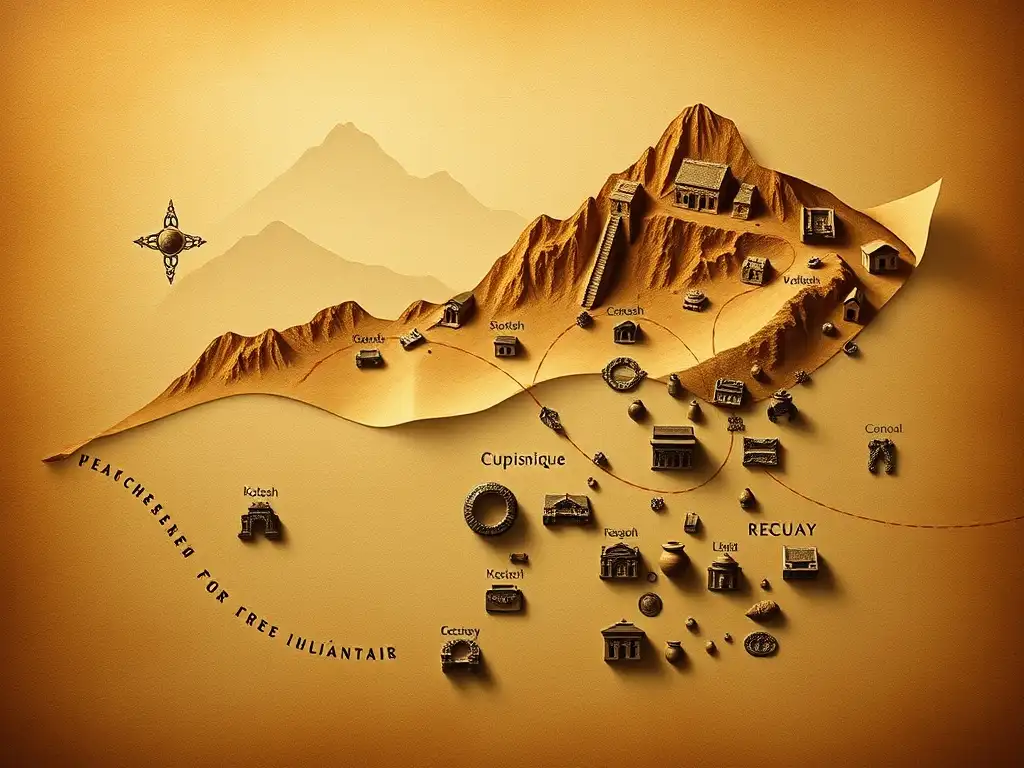
This section delves into the significant pre-Chavín cultures that laid the groundwork for the later flourishing of Chavín art, architecture, religion, and societal structures. Understanding these predecessors is crucial to grasping the complexity and innovation of the Chavín culture itself, and how their unique cultural identity emerged from earlier traditions. We will explore three key cultures – Kotosh, Sechin Alto, and Cupisnique – each contributing distinct elements to the eventual Chavín synthesis.
Analyzing these predecessors helps us better understand the development of Chavín culture and its lasting impact on the Andean region. The evolution of Chavín culture was not a sudden emergence, but rather a gradual process built upon the achievements of these earlier societies.
Kotosh: Art, Architecture, and Rituals
Kotosh, a pre-ceramic culture flourishing in the central Andes around 2300-1800 BCE, provides crucial insights into the early development of Andean religious practices and artistic expression. Its most famous site, also named Kotosh, features remarkable architecture, including the iconic "Temple of the Crossed Hands."
This temple, with its intricate carvings and depictions of ritualistic gestures, suggests a sophisticated understanding of religious symbolism and the importance of ritual within Kotosh society. The artistry displayed – in the form of intricately carved stone and clay figurines – points to a developing aesthetic sense that would later find expression in the monumental architecture and elaborate iconography of Chavín.
The discovery of the "Temple of the Crossed Hands" is particularly significant. The building's unique design and the symbolic importance of the crossed hands suggest a deep-rooted religious belief system that may have influenced later Andean cultures, including Chavín. Archaeological evidence suggests that Kotosh's religious practices involved elaborate ceremonies and offerings, possibly involving human sacrifice, a practice that also appears in later Andean societies.
Kotosh’s influence on Chavín is evident in the similarities of artistic motifs and architectural styles. The emphasis on ritual and religious symbolism in Kotosh’s temples and artifacts foreshadows the later Chavín’s preoccupation with religious iconography and ritual spaces. While the exact nature of the relationship between Kotosh and Chavín remains a subject of ongoing research, the clear parallels in art, architecture, and religious practices strongly suggest a significant cultural connection. Further research into Kotosh's societal organization and technological advancements could reveal even deeper links to the Chavín culture.
Sechin Alto, located on the north coast of Peru, flourished roughly between 1500-900 BCE, predating Chavín. This site is renowned for its monumental architecture, which includes massive stone walls adorned with deeply carved reliefs depicting scenes of warfare, ritual sacrifice, and possibly depictions of deities. These reliefs, while often violent in nature, provide valuable information about the social organization and religious beliefs of Sechin Alto society.
The scale of the architecture at Sechin Alto points to a highly structured and organized society capable of mobilizing significant labor resources. The complex imagery carved into the stone walls suggests a sophisticated religious system involving ritualistic practices and possibly a hierarchical social structure with powerful rulers or priests. The recurring motifs of severed heads and violent scenes may indicate a belief system that emphasized power, conquest, and possibly human sacrifice.
The stylistic similarities between the reliefs at Sechin Alto and certain Chavín motifs, such as the feline deity, suggest a possible link between the two cultures. However, the differences in architectural styles and the overall aesthetic suggest that Chavín did not simply copy Sechin Alto, but rather integrated aspects of its religious and artistic traditions into its own unique cultural expression.
The study of Sechin Alto helps us understand the diverse range of pre-Chavín traditions that contributed to the development of Chavín culture's complex religious and social systems. Further investigation into the social stratification at Sechin Alto would provide valuable insights into the development of social hierarchies in the Andean region.
Cupisnique: Technological Developments
The Cupisnique culture, which flourished along the northern coast of Peru from approximately 1500-500 BCE, is significant for its advancements in ceramic technology and its distinctive artistic style. Cupisnique pottery is characterized by its elaborate ornamentation, often featuring stylized human and animal figures, and distinctive anthropomorphic vessels. These technological advancements, particularly in ceramic production, represent a significant contribution to the development of Andean art and technology.
The Cupisnique culture’s mastery of ceramic techniques, including the use of mold-making and the development of complex decorative styles, was a notable achievement. Their pottery displays a high level of artistic skill and sophistication, influencing later Andean artistic traditions. The stylistic innovations in Cupisnique ceramics, such as the use of distinct surface treatments and the development of complex iconography, would later find echoes in Chavín art. The influence of Cupisnique is particularly evident in the development of Chavín’s distinctive ceramic styles and the use of intricate designs.
The technical expertise of the Cupisnique potters showcases a level of skill and innovation that contributed to the broader technological advancements in the Andean region. The precision and detail in their work is a testament to their artistic talent and technical proficiency.
While the exact nature of the relationship between Cupisnique and Chavín remains unclear, the similarities in stylistic elements and the clear technological advancements suggest a significant influence on the development of Chavín art and technology. Further research into the trade networks and cultural exchanges between Cupisnique and other Andean societies may reveal a clearer picture of their impact on the region.
Analyzing the Legacy of Chavín's Ancestors
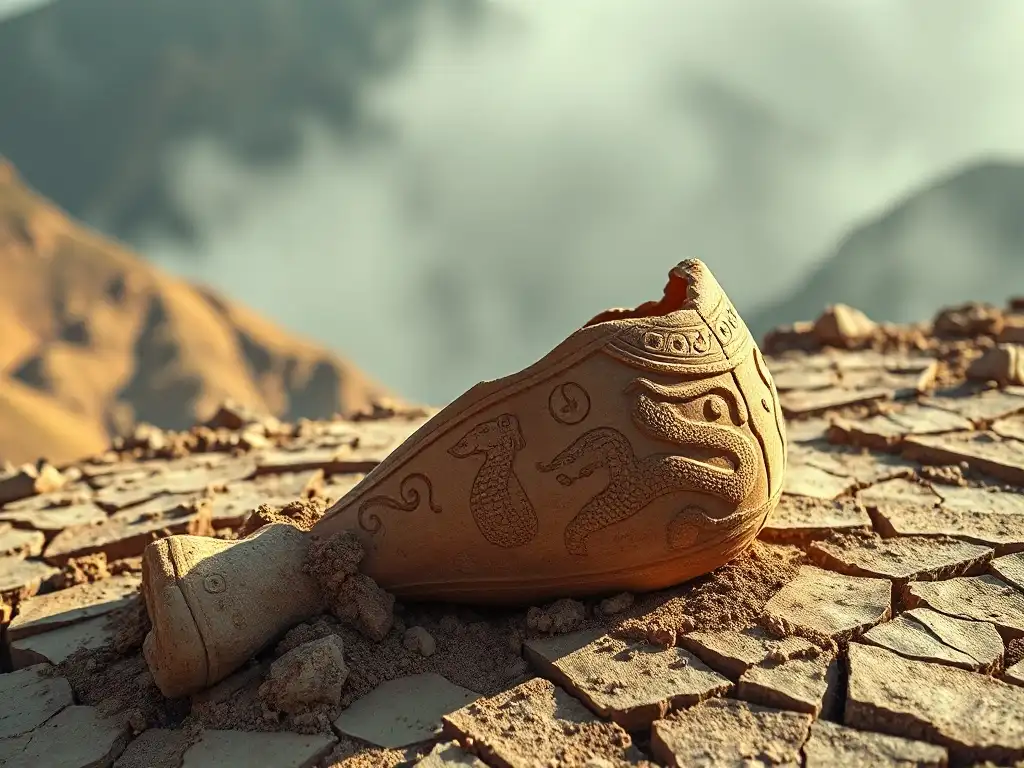
This section delves into the rich tapestry of pre-Chavín cultures, exploring their contributions to the later flourishing of the Chavín civilization. Understanding these predecessors is crucial to grasping the complexity and innovation of Chavín culture itself. We will analyze the archaeological evidence to illuminate the threads of continuity and change that shaped Chavín's unique cultural identity.
The analysis will focus on identifying the specific cultural practices, artistic styles, and technological advancements that directly influenced the Chavín. This approach allows us to move beyond a simplistic narrative of linear progression and appreciate the dynamic interplay of cultural influences that shaped this pivotal Andean civilization.
How Pre-Chavín Cultures Laid the Groundwork for Chavín's Success
The Chavín culture, known for its distinctive artistic style and complex social organization, didn't emerge in a vacuum. Several preceding cultures in the Andean region, spanning various time periods and geographical locations, laid the groundwork for Chavín's remarkable achievements. For example, the Cupisnique culture (1500-500 BCE) in the northern Peruvian coast demonstrated sophisticated ceramic production techniques and a complex iconography that featured feline and other zoomorphic motifs. These stylistic elements, while distinct from the later Chavín style, exhibit clear thematic parallels, suggesting a potential lineage or influence.
Furthermore, the evidence from sites like Kotosh, with its early evidence of ceremonial architecture and religious practices, provides insight into the development of ritualistic traditions that would later become central to Chavín society. The presence of elaborate temples and the use of specific materials in construction point to a growing level of social complexity and the emergence of specialized labor. These developments in social organization and religious practices paved the way for the large-scale religious centers characteristic of the Chavín horizon. The intricate network of pre-Chavín influences, therefore, cannot be overlooked when studying the origins of the Chavín culture.
The Continuity and Transformation of Cultural Practices
Analyzing the transition from pre-Chavín societies to the Chavín culture reveals a fascinating interplay of continuity and transformation. Certain cultural practices, such as elaborate burial rituals and the use of specific agricultural techniques, show clear links between earlier societies and the Chavín. However, these practices were often adapted and refined, reflecting the innovative spirit of the Chavín people.
For instance, while earlier cultures utilized basic forms of irrigation, the Chavín expanded upon these systems, creating more extensive and sophisticated networks that supported larger populations and increased agricultural productivity. Similarly, while earlier societies practiced ancestor veneration, the Chavín developed this practice into a complex religious system centered around powerful deities represented in their distinctive artistic style. This transformation involved not only the refinement of existing practices but also the incorporation of new elements, resulting in a unique cultural synthesis. The evolution of these practices demonstrates the dynamic nature of cultural development, where innovation builds upon existing foundations.
Understanding the Origins of Chavín's Distinctive Style
The highly distinctive artistic style of the Chavín culture, characterized by its iconic feline and other zoomorphic motifs, is a topic of considerable scholarly debate. While the precise origins remain a subject of ongoing research, it is clear that pre-Chavín artistic traditions played a significant role in shaping this unique aesthetic. The stylistic elements found in earlier cultures, such as the use of geometric patterns and stylized representations of animals, appear to have been incorporated and transformed by the Chavín.
| Pre-Chavín Culture | Artistic Characteristic | Chavín Influence |
|---|---|---|
| Cupisnique | Feline motifs, stylized figures | Elaborate feline deities, complex iconography |
| Kotosh | Geometric patterns, simple pottery | Integration into complex textile designs, refined ceramic styles |
| [Culture Name Pending] | [Artistic Characteristic Pending] | [Chavín Influence Pending] |
The Chavín artists didn't simply copy or imitate earlier styles; rather, they synthesized and reinterpreted these elements, creating a powerful and distinctive visual language. The development of this style reflects a complex process of cultural exchange and adaptation, highlighting the dynamic interaction between different Andean societies in the pre-Chavín period.
The unique blend of earlier artistic traditions, combined with Chavín innovations, resulted in an artistic style that would have a profound and lasting impact on the subsequent development of Andean art. Further research, including detailed stylistic analysis and radiocarbon dating, is needed to fully illuminate the origins of this remarkable artistic achievement.
Conclusion: The Importance of Understanding Chavín's Predecessors
Understanding the predecessors of the Chavín culture is crucial for a complete comprehension of their remarkable achievements. The Chavín civilization didn't emerge in a vacuum; rather, it built upon a foundation laid by earlier Andean societies. Ignoring these roots risks a superficial understanding of Chavín's artistic innovations, religious beliefs, and sophisticated social structures.
By studying these precursors, we gain a richer appreciation for the complexity and dynamism of Andean cultural development. The intricate interplay between these cultures highlights the continuous evolution of ideas and technologies across generations and geographical locations, a process that ultimately shaped the Andes' cultural landscape. This understanding isn't just about tracing lineages; it's about appreciating the cumulative nature of cultural progress in the region.
The Cumulative Cultural Heritage of the Central Andes
The Central Andes, encompassing the regions where Chavín and its predecessors flourished, witnessed a gradual accumulation of cultural innovations. Each society built upon the achievements of its forerunners, adapting and refining existing technologies and belief systems. For example, the development of sophisticated irrigation systems, evident in the Cupisnique and Salinar cultures, laid the groundwork for the agricultural surplus that likely fueled the growth of larger, more complex societies like Chavín.
Similarly, early experimentation with ceramics and textile production, seen in the distinctive styles of the Kotosh and Sechín cultures, provided a foundation for the highly refined artistic traditions of Chavín. This cumulative process wasn't linear; there were periods of innovation and stagnation, of interaction and isolation. Yet, the overall trajectory points to a continuous building upon past achievements, demonstrating a remarkable continuity in Andean cultural development.
Analyzing the specific contributions of each predecessor allows us to better understand the unique characteristics of Chavín culture, placing it within the broader context of Andean cultural evolution. The intricate weaving of threads from these earlier cultures is what makes the Chavín tapestry so rich and fascinating.
The Enduring Impact of Early Andean Civilizations on Later Societies
The influence of Chavín's predecessors extends far beyond the Chavín culture itself. Many of the cultural elements, technological advancements, and religious motifs observed in Chavín continued to resonate in later Andean societies, including the Moche, Nazca, and ultimately, the Inca. For instance, the stylistic conventions evident in Chavín iconography, such as the depiction of feline deities and stylized human figures, can be traced in various forms in subsequent artistic traditions.
Furthermore, the sophisticated agricultural techniques developed by earlier societies provided the foundation for the expansive agricultural systems of later empires. This continuity underscores the importance of understanding these earlier cultures in order to fully appreciate the long-term development of Andean civilization. The impact of these early societies is not merely historical; it's a living legacy that shaped the cultural identity of the Andes for millennia.
The echoes of these predecessors resonate even today in the art, architecture, and traditions of the region. The study of Chavín's predecessors offers a unique window into the enduring power of cultural heritage.
Further Research and Exploration of Chavin Culture Precursors
Further research is crucial to enhance our understanding of Chavín's predecessors. More archaeological excavations and detailed analyses of existing artifacts are needed to refine our understanding of their chronology, social structures, and religious practices. Comparative studies across different sites and cultures are also necessary to identify the patterns of cultural exchange and diffusion. Furthermore, advanced technologies such as 14 C dating and isotopic analysis can provide more precise chronological data and insights into the diets and lifestyles of these early Andean populations. By combining archaeological findings with ethnohistorical accounts and linguistic studies, we can create a more comprehensive picture of the complex interactions between these societies and their contribution to the rise of the Chavín culture. The pursuit of this knowledge is not merely an academic exercise; it is vital for a deeper appreciation of the rich and complex history of the Andes and the remarkable achievements of its people. The exploration of Chavín's precursors is an ongoing journey of discovery, promising to unveil further fascinating insights into the origins of one of the Andes' most significant civilizations.
Frequently Asked Questions
What are some of the earliest Andean cultures that might have influenced the Chavín?
The Chavín culture didn't emerge in a vacuum. Several earlier cultures, including the Cupisnique and Kotosh, exhibited features that may have contributed to Chavín's unique artistic and religious expressions. Their influence is seen in pottery styles and architectural elements.
How did the geography of the Andes influence the development of Chavín's predecessors?
The rugged Andean terrain presented challenges and opportunities. Early settlements were often located near water sources vital for agriculture and survival. This geographical limitation influenced the scale and location of their communities.
What are some key characteristics that distinguish Chavín's predecessors from later Andean cultures?
While exhibiting some shared traits, Chavín's predecessors generally lacked the sophisticated urban planning and extensive road networks found in later Andean empires like the Inca. Their social structures were also likely less centralized.
What kind of evidence do archaeologists use to understand Chavín's predecessors?
Archaeologists rely on excavations of sites, analyzing pottery, textiles, and architecture. Radiocarbon dating helps establish timelines, while studying iconography reveals insights into beliefs and rituals.
How did the art and religious practices of Chavín's predecessors evolve into the Chavín culture?
The transition wasn't abrupt. There's evidence of a gradual development and synthesis of elements from earlier cultures. Shared artistic motifs and religious iconography suggest a continuous, evolving cultural thread leading to the flourishing of the Chavín civilization.
Final Reflection: Unearthing the Legacy of Chavín
The intricate tapestry of Chavín culture didn't emerge in a vacuum; its sophisticated artistry and religious beliefs were built upon the foundations laid by its predecessors. Understanding these earlier societies is crucial not only for comprehending Chavín's rise but also for appreciating the enduring power of cultural inheritance across millennia. The echoes of these pre-Chavín societies resonate even today, reminding us of the interconnectedness of human history and the persistent influence of the past.
The exploration of Chavín's predecessors reveals a fascinating story of cultural evolution, demonstrating how innovation often builds upon existing traditions and beliefs. It highlights the importance of recognizing the complex layers of history that contribute to the development of any civilization. The past is never dead. It's not even past.
– William Faulkner. This quote perfectly encapsulates the enduring relevance of understanding Chavín's roots, as their legacy continues to shape our understanding of Andean civilization and the broader human experience. The intricate pottery, the sophisticated agricultural techniques, and the nascent religious practices all point to a rich and complex history that deserves further investigation.
Consider the implications of this journey through time. What can we learn from the careful study of pre-Chavín societies about the processes of cultural change and adaptation? How can we apply this understanding to our own lives and communities? I invite you to reflect on the enduring power of cultural heritage and the importance of understanding our own roots, however distant they may seem. Let the legacy of Chavín and its predecessors inspire you to delve deeper into the stories that shape our world, and to appreciate the intricate connections that bind us to the past.
Unearth Your Connection to Andean Heritage!
Thank you for exploring the fascinating world of pre-Chavín Andean cultures! Your journey into their origins has revealed valuable insights into the complex cultural tapestry that defines Andean identity. Let's build upon this foundation.
Here are some engaging ways to further connect with this rich heritage:
- Immerse yourself in the history of Andean civilizations by visiting a museum featuring their artifacts or exploring an archaeological site. Experience the past firsthand!
- Share your discoveries with friends and family—discuss the Chavín culture and its importance, perhaps even giving a short presentation.
- Connect with others who share your interest in Andean civilizations by joining online forums or social media groups dedicated to the subject.
Reflecting on what you've learned, consider this: What aspect of the Chavín culture most resonates with you, and how can you integrate those values into your daily life?