
The Paracas Climate: How Environmental Conditions Shaped the Culture

Step into a world lost to time, where towering mountains meet the vast Pacific—a world shaped by the relentless forces of nature. Discover the incredible story of the Andean civilizations, from the ingenious Incas to the enigmatic Nazca. But what secrets does the desert hold? This journey begins with the Paracas culture climate impact, revealing how the unforgiving environment of the coastal desert profoundly shaped one of the most captivating Pre-Incan societies. Dare to unravel the mysteries hidden within the sands? Read on to uncover the astonishing truth.
The Paracas culture, flourishing along the southern coast of Peru between 700 BCE and 200 CE, stands as a testament to human ingenuity in adapting to a challenging environment. This article delves into the profound impact of the Paracas climate on the development of their unique culture, exploring how environmental conditions shaped their agricultural practices, social structures, and artistic expressions. Understanding the Paracas climate is key to understanding the remarkable achievements and resilience of this pre-Inca civilization.
We will investigate the arid coastal desert, its limited rainfall, and the ingenious strategies employed by the Paracas people to thrive in this demanding landscape. This exploration of the "Paracas culture climate impact" reveals a fascinating interplay between human adaptation and environmental constraints, highlighting the ingenuity and resourcefulness of this ancient civilization.
Understanding the Paracas Environment: A Coastal Desert Landscape
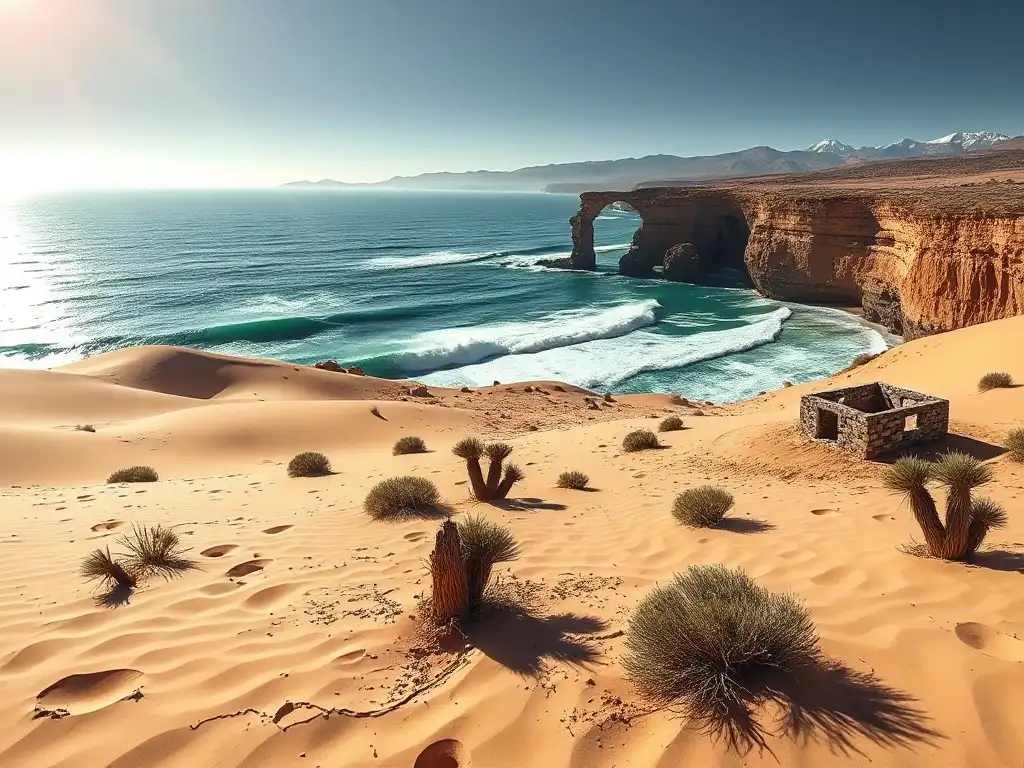
The Paracas Peninsula, where this vibrant culture emerged, is characterized by a harsh, arid coastal desert. The Humboldt Current, a cold ocean current flowing northward along the coast, significantly influences the climate, creating a cool, foggy environment known as garúa. This constant mist provides some moisture, but it's insufficient for widespread agriculture relying on rainfall. The landscape is primarily composed of rocky hills, sandy plains, and steep cliffs, with limited vegetation adapted to survive in extremely dry conditions.
The Paracas people were not only facing a desert but also the constant threat of El Niño events, which could bring devastating floods and disrupt their delicate balance with the environment. Understanding this complex interplay of factors is crucial to appreciating the ingenuity of their survival strategies. The coastal environment, while challenging, also offered resources such as abundant marine life, which played a significant role in their diet and economy.
The Arid Climate of Paracas: Key Characteristics
The arid climate of Paracas is defined by extremely low rainfall, typically less than [specific rainfall data pending] millimeters annually. High levels of evaporation further exacerbate water scarcity. Temperatures vary depending on the time of year and proximity to the ocean, but generally remain relatively mild due to the moderating influence of the Humboldt Current. However, intense sunshine and strong winds are common, contributing to the arid conditions.
The garúa, while offering some moisture, is unpredictable and insufficient to support large-scale agriculture. This scarcity of freshwater significantly influenced all aspects of Paracas life, from their settlement patterns to their agricultural techniques and even their artistic representations. The constant struggle for water shaped their worldview and cultural practices in profound ways. The limited availability of fresh water also necessitated sophisticated water management systems, which will be explored further in a subsequent section.
Limited Rainfall and its Impact on Paracas Agriculture
The limited rainfall in Paracas necessitated the development of innovative agricultural strategies. The Paracas people were not able to rely on rain-fed agriculture. Instead, they developed sophisticated irrigation systems, utilizing canals and reservoirs to capture and distribute the limited water resources available.
They likely focused on cultivating drought-resistant crops adapted to the coastal environment, such as [specific crop examples pending]. Evidence suggests that they may have also practiced some form of intensive agriculture, possibly involving techniques like terracing or raised fields, to maximize water use efficiency. The success of their agricultural practices was essential to supporting their population and the development of their complex society.
The interplay between the arid climate and their agricultural innovations is a compelling example of human adaptation to environmental challenges. Further research is needed to fully understand the complexity and extent of their agricultural techniques, but it's clear they were remarkably adept at making the most of scarce resources.
The Role of the Pacific Ocean in Paracas Climate
The Pacific Ocean played a dominant role in shaping the Paracas climate. The Humboldt Current, a cold, nutrient-rich current flowing northward along the South American coast, significantly impacted the region's temperature and precipitation patterns. This current brought cool, misty air, resulting in a relatively moderate temperature compared to other desert regions at similar latitudes.
However, this also resulted in arid conditions, with minimal rainfall. The coastal fog, known as camanchaca, provided a crucial source of moisture, albeit limited. The interplay between the Humboldt Current and the atmospheric conditions created a unique microclimate characterized by low rainfall, high humidity in coastal areas due to the camanchaca, and significant temperature variations between day and night.
Understanding this delicate balance is crucial to comprehending the challenges and opportunities it presented to the Paracas culture. The El Niño Southern Oscillation (ENSO) also periodically disrupted this pattern, bringing warmer waters and increased rainfall, which could have had profound effects on agriculture and resource availability, potentially leading to periods of both abundance and scarcity. These fluctuations, though infrequent, likely played a significant role in shaping Paracas societal structures and their responses to environmental variability.
Paracas Climate's Influence on Water Management Techniques
The aridity of the Paracas climate necessitated the development of sophisticated water management techniques. The limited rainfall meant that the Paracas people had to rely heavily on other sources of water. Evidence suggests they harnessed the camanchaca through fog harvesting, likely using techniques involving textiles or other materials to capture the moisture from the air.
This method, though not highly efficient in terms of volume, provided a vital supplementary water source, especially during drier periods. Furthermore, the Paracas likely developed intricate systems for collecting and storing rainwater, possibly utilizing reservoirs or cisterns carved into the ground or built from stone. Analysis of archaeological remains might reveal further insights into their water management strategies, potentially uncovering sophisticated irrigation systems or evidence of water wells.
The ingenuity displayed in their water management solutions showcases their deep understanding of their environment and their ability to adapt to its limitations. Without effective water management, the Paracas civilization's survival in such an arid environment would have been impossible.
How the Paracas Adapted to the Desert Environment
The Paracas people demonstrated remarkable adaptability to the challenging desert environment. Their survival hinged on their ability to exploit limited resources and develop strategies to cope with extreme aridity and temperature fluctuations. Agriculture, while challenging, was undoubtedly practiced, likely focusing on drought-resistant crops suited to the coastal environment.
Evidence of cultivated plants, along with irrigation techniques, would help paint a clearer picture of their agricultural practices. The Paracas' mastery of textile production also played a critical role in their survival. The intricate textiles, often made from cotton and other locally sourced fibers, likely had multiple functions, including clothing protection from the harsh sun and potentially even involvement in fog harvesting.
Their sophisticated knowledge of the marine environment, as evidenced by their fishing practices and extensive knowledge of marine life, provided a crucial source of protein and other essential nutrients. Their social and political organization must have also played a key role in resource management and distribution, ensuring equitable access to vital resources within the community. The combination of these adaptive strategies allowed the Paracas to thrive in a region that presented significant environmental challenges, leaving behind a rich cultural heritage that continues to fascinate and inspire.
Paracas Irrigation Systems: Strategies for Survival
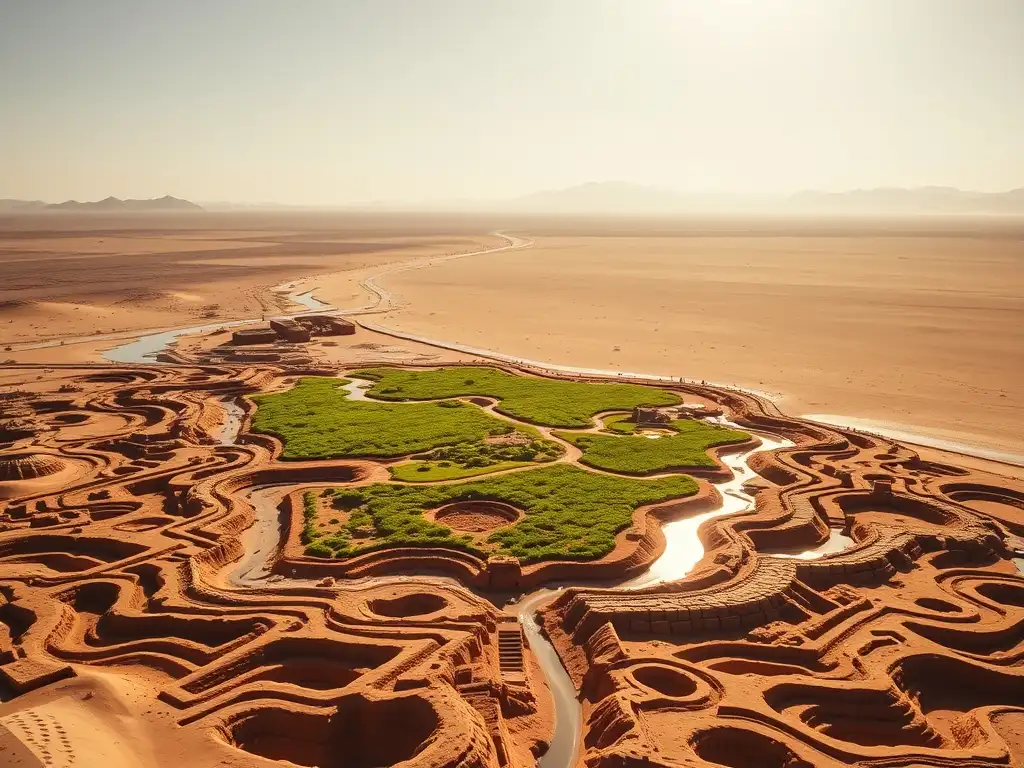
The Paracas culture thrived along the arid southern coast of Peru, a region characterized by extremely low rainfall and scarce freshwater resources. Their ingenuity in overcoming these environmental challenges is evident in their sophisticated irrigation systems. These weren't simple canals; the Paracas developed complex networks of channels and reservoirs, meticulously designed to capture and distribute the limited water available from rivers and underground aquifers. Archaeological evidence reveals intricate systems of subterranean canals, some extending for considerable lengths, which tapped into groundwater sources.
These systems were not only crucial for agriculture, allowing the cultivation of crops like cotton, beans, and maize, but also contributed to the overall prosperity and stability of Paracas society. The effectiveness of these systems is demonstrated by the flourishing of a relatively large population in a harsh environment. The construction and maintenance of these irrigation networks required significant communal effort, highlighting the importance of social organization and collaboration within Paracas communities.
Furthermore, the successful management of water resources likely played a key role in the development of their complex social hierarchy and centralized power structures. Studies of Paracas irrigation techniques have revealed sophisticated understanding of hydrology and engineering, showcasing a level of technical expertise far beyond what might be initially expected from a pre-Columbian coastal society. The precise methods used to locate and access underground water sources remain a subject of ongoing research, but clearly demonstrate the adaptive capacity and resilience of the Paracas people.
The Impact of Climate on Paracas Textile Production
The arid climate of the Paracas region, while challenging, also played a crucial role in the development of their renowned textile production. The dry conditions were ideal for preserving organic materials, including the cotton and other fibers used in their intricate textiles. The lack of humidity significantly reduced the risk of rot and decay, allowing the Paracas to create exceptionally well-preserved garments and artifacts that continue to amaze researchers today. The vibrant colors and intricate designs found on Paracas textiles are a testament to their mastery of dyeing techniques and weaving skills.
The availability of specific plant dyes, influenced by the local flora adapted to the arid climate, contributed to the unique palette of colors characteristic of Paracas textiles. Furthermore, the climate's influence extended to the very nature of the fibers themselves. The cotton grown in the Paracas region, adapted to the harsh conditions, likely possessed unique qualities that influenced the texture and durability of their textiles.
The dry air also aided in the process of spinning and weaving, creating optimal conditions for the production of high-quality textiles. The importance of textile production to Paracas society is evident in the sheer quantity and quality of the surviving artifacts, reflecting not only their advanced technological skills but also the significant cultural and economic role of textiles within their society. The intricate designs often depict ritualistic scenes or mythological figures, highlighting the symbolic and religious significance of their textile art.
Paracas Burial Practices and the Dry Climate
The exceptionally dry climate of the Paracas region played a vital role in the remarkable preservation of their elaborate burial practices. The arid conditions significantly inhibited the decomposition of organic materials, resulting in the discovery of incredibly well-preserved mummies and grave goods. These mummies, often adorned with elaborate textiles and accompanied by a wealth of funerary offerings, provide invaluable insights into Paracas social structures, beliefs, and daily life.
The dry climate prevented the rapid decay of organic materials, such as the intricate textiles, offering a unique window into their artistic skills and cultural practices. The preservation of these artifacts is exceptional, allowing researchers to study details like the pigments used in their dyes, the techniques employed in weaving, and the materials used in creating the intricate funerary bundles. The arid environment also facilitated the preservation of the mummies themselves, revealing details about their physical characteristics, health, and even their diet through analysis of hair and tissue samples.
The well-preserved nature of these burials has allowed for significant advancements in our understanding of Paracas society, including their beliefs about the afterlife and their complex social hierarchies. The sheer number of well-preserved mummies and associated artifacts discovered in Paracas cemeteries underscores the significance of their burial rituals and the importance of the dry climate in their preservation. The study of these burials continues to be a significant source of information, contributing to our ever-evolving understanding of this fascinating ancient culture.
Preservation of Paracas Mummies Due to the Arid Conditions
The arid climate of the Paracas Peninsula, characterized by minimal rainfall and high humidity, played a crucial role in the exceptional preservation of Paracas mummies. The extremely dry conditions inhibited the growth of microorganisms, preventing the decomposition of organic matter. This is in stark contrast to many other regions where the humid conditions lead to rapid decay.
The lack of moisture significantly slowed down the natural decomposition processes, allowing for the remarkable preservation of not only the bodies but also the textiles, hair, and even skin of the mummies. Archaeologists have been able to glean invaluable information about Paracas society, diet, and health thanks to this unique preservation, which is largely attributed to the specific climatic conditions of the region. The aridity also helped protect the burial sites from damage caused by moisture, further enhancing the preservation of these invaluable artifacts.
This natural mummification process is a testament to the powerful impact of the Paracas environment on its cultural practices and the legacy left behind. Scientists continue to study the precise conditions that contributed to this exceptional preservation, enhancing our understanding of both the Paracas culture and the complex interplay between environment and culture.
Climate and the Paracas Artistic Expressions
The Paracas people, masters of textile art, were deeply influenced by their environment. Their intricate textiles, often featuring vibrant depictions of marine life and other natural elements, reflect a close connection to the coastal ecosystem. The arid climate, while challenging, also offered unique resources. The abundance of cotton, a plant that thrives in dry conditions, provided the primary material for their renowned textiles.
The colors used in Paracas textiles, often vibrant reds, yellows, and blues, may have been derived from local plants and minerals, highlighting the resourceful use of the available natural resources shaped by the climate. Furthermore, the designs themselves often reflect the challenges and opportunities presented by the coastal desert environment. For example, the depiction of marine animals like fish and birds likely reflects the importance of fishing and seabird hunting to their subsistence, a direct consequence of their coastal location and the associated climate.
The Paracas' artistic expression serves as a powerful visual record of their adaptation to and interaction with their environment. Their mastery of textile techniques, coupled with the evocative imagery, provides a fascinating insight into the Paracas worldview and their relationship with the world around them. The climate didn't just shape their resources; it shaped their art and their artistic expression.
Paracas Pottery: Reflecting the Environmental Challenges
Paracas pottery, while less renowned than their textiles, still offers valuable insights into their interaction with their environment. The types of clay available, influenced by the local geology and climate, dictated the characteristics of their pottery. The arid climate meant certain clay types might have been more readily available than others, influencing the color, texture, and durability of their vessels.
Depictions on the pottery often reflect the importance of marine resources in their diet and economy, mirroring the themes present in their textiles. The shapes and sizes of the pottery vessels might also reflect practical considerations related to food storage and preparation in a climate where preservation was crucial. For instance, the design might have focused on creating airtight seals to protect food from moisture or pests.
Further research into the specific clays used and the manufacturing techniques employed could reveal more about the impact of the Paracas climate on their ceramic production. The limited availability of water and the need for efficient storage solutions likely influenced both the form and function of their pottery, underscoring the interconnectedness of their culture and their environment. Analyzing the pottery, therefore, provides a valuable lens through which to understand the practical adaptations of the Paracas people to their challenging climatic conditions.
The arid coastal climate of Paracas significantly influenced the social structure of the culture. The scarcity of freshwater resources necessitated sophisticated irrigation systems and water management techniques, likely leading to the development of a hierarchical social structure where specialized individuals or groups controlled access to these vital resources. Evidence suggests the existence of powerful elites, perhaps priests or rulers, who oversaw the complex irrigation networks and redistribution of water, cementing their authority and influence within the society.
This control over essential resources likely fostered social stratification, with distinct classes emerging based on access to water and other vital necessities. The need for collective effort in irrigation projects and other infrastructural developments might have also fostered a sense of community and cooperation, but the unequal distribution of resources ultimately shaped a society marked by both collaboration and hierarchy.
Archaeological findings, though limited in directly revealing social structures, show evidence of larger settlements suggesting centralized organization, potentially reflecting the power dynamics associated with water control. Further research into settlement patterns and burial practices could illuminate the intricate relationships between climate, resource management, and social organization within the Paracas culture.
The Paracas Economy and its Dependence on the Environment
The Paracas economy was intimately tied to the coastal desert environment, exhibiting remarkable adaptability to its challenges. Fishing was a cornerstone of their subsistence, with evidence of sophisticated fishing techniques and the exploitation of a variety of marine resources. The abundant marine life provided a reliable source of protein, while the Paracas people also developed skills in harvesting shellfish and other coastal organisms. Beyond fishing, the Paracas also cultivated limited agricultural resources using innovative irrigation techniques, mainly in oases and valleys where water sources were available.
These agricultural practices, although limited by the arid climate, supplemented their diet with crops like cotton, which was crucial for textile production. The arid climate, however, also presented limitations. The scarcity of rainfall and fertile land meant that the Paracas economy was highly vulnerable to environmental fluctuations.
Periods of drought could have severely impacted agricultural yields and potentially disrupted the delicate balance of their subsistence strategies. The Paracas' mastery of textile production, particularly their renowned fine textiles, might have also been influenced by the availability of cotton and other plant fibers adapted to the arid climate. The intricate weaving techniques and the use of vibrant dyes suggest a highly developed and specialized craft, likely contributing significantly to their economy and potentially serving as a valuable trading commodity.
Potential Climate Shifts and their Impact on Paracas Settlements
While precise data on past climate shifts during the Paracas period is still under investigation, evidence suggests that fluctuations in rainfall and marine productivity could have significantly affected their settlements. Periods of drought, for example, could have led to food shortages and resource scarcity, potentially prompting migrations or adjustments in settlement patterns. Archaeological investigations into settlement locations and the distribution of artifacts could reveal clues about how the Paracas responded to these environmental changes.
The abandonment of certain settlements might correlate with periods of drought or other environmental stresses, while the growth or expansion of others might signify periods of relative abundance. Changes in the abundance of certain marine species could have also impacted their fishing practices and their overall economy. Furthermore, shifts in coastal currents and sea levels could have affected access to marine resources and potentially influenced the construction and location of fishing settlements.
The study of paleoclimatic data, combined with archaeological findings, is crucial in understanding the complex interplay between climate change and the development and decline of Paracas settlements. Further research, including isotopic analysis of human remains and detailed analysis of sediment layers in Paracas settlements, could provide valuable insights into the impact of climate variability on this remarkable culture. Understanding these past climatic impacts offers important insights into the resilience and adaptability of the Paracas, and provides valuable lessons for understanding the impacts of climate change on modern societies.
Environmental Vulnerability and the Resilience of the Paracas Culture
The Paracas culture, flourishing along the southern coast of Peru between 800 BCE and 200 CE, faced significant environmental challenges. The arid coastal desert presented a constant struggle for survival, characterized by scarce rainfall, unpredictable weather patterns, and limited freshwater resources. These factors directly impacted their ability to cultivate crops and maintain livestock, forcing the Paracas to develop ingenious strategies for resource management.
Their ingenuity is evident in their mastery of irrigation techniques, including the construction of canals and subterranean aqueducts to harness scarce water resources from rivers and underground sources. Evidence suggests they also employed sophisticated agricultural practices, such as terracing and the cultivation of drought-resistant crops, maximizing their yields in a challenging environment. The Paracas people were not simply passive victims of their environment; they actively shaped their world to meet their needs, demonstrating remarkable adaptability and resilience in the face of adversity.
This constant adaptation fostered innovation and shaped their social structures, economic systems, and religious beliefs. The scarcity of resources likely played a role in the development of their complex social hierarchy and the intense focus on ritual practices, possibly reflecting a desire for control in the face of environmental uncertainty.
Further Research: Exploring Paracas Adaptation Strategies
While considerable research has been conducted on the Paracas culture, further investigation is needed to fully understand the intricacies of their adaptation strategies. For instance, more detailed studies of their irrigation systems could reveal the extent of their engineering prowess and the impact of these systems on the surrounding ecosystem. Analyzing ancient plant remains and pollen samples could provide crucial information about their agricultural practices and the types of crops they cultivated.
Furthermore, isotopic analysis of human and animal remains can offer insights into their diet, water consumption, and overall health, revealing the effectiveness of their resource management strategies. Ethnoarchaeological studies, comparing their techniques to those of later Andean cultures, could illuminate the long-term effects of their innovations and provide valuable context for understanding their resilience. Finally, a more nuanced understanding of their social organization and religious practices is essential to fully grasp how these aspects were influenced by and helped them navigate the environmental constraints they faced.
The exploration of these areas promises to shed light on the remarkable ability of the Paracas to thrive in a harsh and unpredictable environment. Understanding their adaptive strategies offers valuable lessons for contemporary societies grappling with similar environmental challenges.
Conclusion: The Enduring Legacy of Environmental Influence on Paracas Society
The Paracas culture's remarkable achievements were inextricably linked to their ability to adapt to the challenging environmental conditions of the Peruvian coast. Their innovative irrigation systems, sophisticated agricultural practices, and complex social structures were all shaped by the need to thrive in a harsh desert environment. The constant struggle for survival fostered resilience, innovation, and a deep understanding of their surroundings.
The Paracas legacy extends beyond the impressive textiles and elaborate mummies for which they are renowned; it also lies in their ability to demonstrate the powerful interplay between human ingenuity and environmental forces. Their story serves as a compelling example of how environmental pressures can shape culture, technology, and social organization, providing valuable insights into human adaptability and the enduring legacy of environmental influence on human societies.
The study of the Paracas continues to offer important lessons for understanding human-environment interactions, particularly in the context of today's increasingly pressing environmental challenges. Their success in a challenging environment is a testament to human resilience and the enduring power of adaptation.
- Understanding the Paracas Environment: A Coastal Desert Landscape
- The Arid Climate of Paracas: Key Characteristics
- Limited Rainfall and its Impact on Paracas Agriculture
- The Role of the Pacific Ocean in Paracas Climate
- Paracas Climate's Influence on Water Management Techniques
- How the Paracas Adapted to the Desert Environment
- Paracas Irrigation Systems: Strategies for Survival
- The Impact of Climate on Paracas Textile Production
- Paracas Burial Practices and the Dry Climate
- Preservation of Paracas Mummies Due to the Arid Conditions
- Climate and the Paracas Artistic Expressions
- Paracas Pottery: Reflecting the Environmental Challenges
- How the Paracas Culture Climate Impacted Social Organization
- The Paracas Economy and its Dependence on the Environment
- Potential Climate Shifts and their Impact on Paracas Settlements
- Environmental Vulnerability and the Resilience of the Paracas Culture
- Further Research: Exploring Paracas Adaptation Strategies
- Conclusion: The Enduring Legacy of Environmental Influence on Paracas Society
- How did the climate affect the Paracas culture's agriculture?
- What role did the climate play in the Paracas' textile production?
- How did El Niño events impact the Paracas culture?
- What evidence reveals the Paracas' adaptation to their environment?
- How does understanding the Paracas climate help us understand their culture?
Frequently Asked Questions
How did the climate affect the Paracas culture's agriculture?
The Paracas culture's agricultural practices were heavily influenced by the coastal desert climate. They developed irrigation systems to utilize scarce water resources and cultivated crops adapted to arid conditions. This ingenuity was crucial to their survival and prosperity.
What role did the climate play in the Paracas' textile production?
The Paracas climate, characterized by intense sun and dry air, was ideal for preserving textiles. The arid conditions helped to naturally mummify and protect their intricate woven garments, which are famous for their vibrant colors and complex designs.
How did El Niño events impact the Paracas culture?
Periodic El Niño events brought unpredictable flooding and changes in rainfall, significantly affecting Paracas agriculture and potentially leading to societal disruptions. These events highlight the vulnerability of their society to climate variability.
What evidence reveals the Paracas' adaptation to their environment?
Archaeological evidence, including irrigation canals, specialized crop cultivation, and unique textile production techniques, showcase the Paracas' remarkable adaptation to their challenging coastal desert environment. Their ingenuity is reflected in their cultural achievements.
How does understanding the Paracas climate help us understand their culture?
By examining the relationship between the Paracas culture and their environment, we gain crucial insights into their societal organization, technological advancements, and artistic expressions. Understanding their climate adaptation provides a fuller picture of their achievements and resilience.
Final Reflection: Echoes of the Desert Wind: Paracas and the Enduring Power of Adaptation
The Paracas' ingenious response to their harsh coastal desert environment remains a potent lesson in human resilience, a stark reminder of our inextricable link to the natural world. Their sophisticated understanding of their climate, reflected in their agricultural practices, social structures, and artistic expressions, continues to resonate in a world grappling with the escalating consequences of climate change. The ingenuity they displayed in the face of adversity offers a powerful counterpoint to our current challenges.
The Paracas' story is not just a historical account; it's a living testament to the enduring power of human adaptation. Their ability to thrive in such a challenging environment underscores the importance of understanding our relationship with the planet. The environment is not something we can simply exploit; it is the very foundation upon which our societies are built.
This quote highlights the crucial interconnectedness between human culture and the natural world, a truth the Paracas culture so vividly exemplifies. Their legacy serves as a cautionary tale and a source of inspiration, reminding us of the fragility of our ecosystems and the necessity of sustainable practices.
Consider the ingenuity of the Paracas irrigation systems, their mastery of marine resources, and the intricate details woven into their textiles – all testaments to their deep understanding of their environment. Now, consider your own relationship with the natural world. What lessons can you glean from the Paracas' experience? How can you integrate a deeper respect for environmental sustainability into your daily life? Let the echoes of the desert wind inspire you to act, to become a steward of our planet, and to build a future where human ingenuity and environmental responsibility coexist in harmony.
Embrace the Paracas Legacy Today!
Thank you for exploring how the unique environmental conditions of the Paracas region shaped a fascinating ancient civilization. Understanding their story provides valuable insights into the ingenuity and adaptability of ancient cultures. Now, you can delve deeper and connect with their enduring legacy.
Here are some ways you can engage further:
- Visit local museums and exhibitions showcasing Andean civilizations to see artifacts and learn more about Paracas culture.
- Share this article with friends and family interested in history and environmental science—helping spread awareness of the profound impact of climate on culture.
- Join online communities and forums dedicated to Andean history to participate in discussions and discover new perspectives.
What connections between environment and culture will inspire your future explorations and research?