
The Paracas Elongated Skulls: Delving into the Secrets of Artificial Cranial Deformation

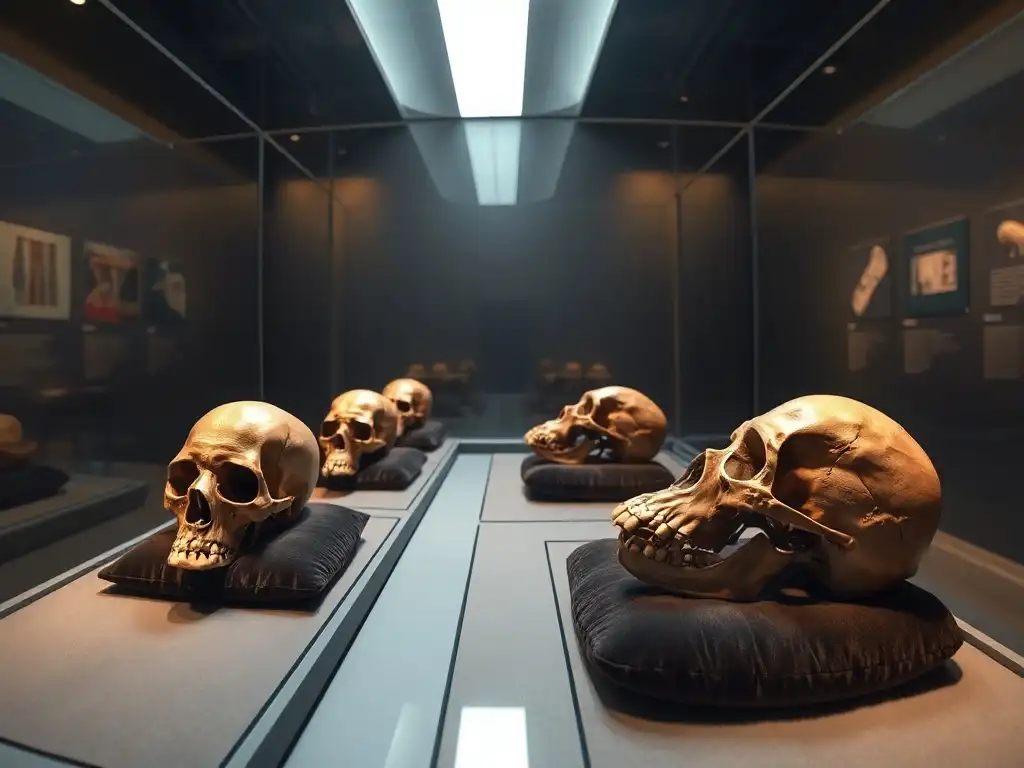
Step into a world shrouded in mystery and marvel at the ingenuity of ancient Andean cultures. For centuries, the Paracas elongated skulls have captivated and confounded researchers, their origins steeped in debate. Discover the fascinating, and often unsettling, truth behind this ancient practice and uncover the secrets held within these enigmatic artifacts. Prepare to delve into the meaning behind the Paracas elongated skulls and unravel the complexities of Pre-Incan coastal civilizations. Dare to explore...
The Paracas culture, a pre-Inca civilization that flourished along the southern coast of Peru between 800 BC and 200 AD, is renowned for its sophisticated textile artistry and its enigmatic funerary practices. However, perhaps the most striking and enduring mystery surrounding the Paracas people is the prevalence of elongated skulls found within their cemeteries.
These skulls, significantly longer than those found in other populations, have captivated researchers and fueled speculation for centuries. This article delves into the fascinating world of Paracas elongated skulls, exploring the practices behind their creation, the prevailing theories surrounding their meaning, and the ongoing scientific investigations attempting to unlock their secrets.
Understanding the significance of these elongated skulls offers a crucial window into the social structures, beliefs, and practices of this remarkable ancient Andean civilization, contributing significantly to our comprehension of the "Paracas elongated skulls meaning". We will explore the evidence and current understanding to shed light on this enduring mystery.
The Practice of Cranial Deformation: Intentional Shaping of the Skull
The elongated skulls of the Paracas culture are not the result of natural genetic mutations or pathologies. Instead, extensive anthropological research confirms that these cranial deformations were intentionally induced through a process known as cranial deformation or head binding. This practice involved the application of tight bindings to the infant's head, gradually reshaping the skull's growth over several years.
The precise methods varied, but generally involved the use of bandages, boards, or other materials to compress the skull's shape. Archaeological evidence, including the discovery of infants' skulls showing the early stages of deformation, strongly supports the intentional nature of this practice. The intensity and duration of the binding process likely varied, resulting in the range of skull elongations observed in Paracas remains.
It's important to note that while cranial deformation was practiced across various cultures globally, the extreme elongation seen in Paracas skulls stands out, hinting at a unique cultural significance within their society. The meticulousness of the process suggests a deeply ingrained cultural practice, possibly reflecting social status or religious beliefs.
Theories Surrounding the Meaning of Paracas Elongated Skulls: Status, Identity, and the Divine
Numerous theories attempt to explain the cultural significance of Paracas elongated skulls. Some researchers propose that cranial deformation served as a marker of social status, with elongated skulls signifying membership in the elite or ruling class. This theory aligns with observations of other cultures where specific physical modifications were used to distinguish social hierarchies.
Alternatively, it's suggested that the elongated skulls represented a distinct identity within the Paracas society, possibly linked to specific clans or lineages. This interpretation emphasizes the role of cranial deformation in establishing and maintaining social cohesion and group identity. Perhaps the most intriguing theory links Paracas elongated skulls to religious beliefs and the concept of divinity.
Some speculate that the elongated skulls were seen as a physical representation of a connection to the gods or ancestors, bestowing upon those with such skulls a heightened spiritual status. Further research into Paracas iconography and religious practices may shed more light on this hypothesis. The diverse interpretations highlight the complexity of understanding this practice within its historical and cultural context.
Scientific Investigations and Genetic Analysis: Unveiling the Biological Reality
Recent scientific advancements, particularly in DNA analysis, have begun to provide a clearer biological understanding of the Paracas elongated skulls. Genetic studies have aimed to determine whether the extreme cranial deformation was associated with any unique genetic traits or mutations. While initial findings suggested some differences compared to other populations, further research is needed to fully understand the genetic implications of this practice.
The ongoing analysis of Paracas DNA promises to shed light not only on the genetic makeup of the individuals with elongated skulls but also on the broader population genetics of the Paracas culture and its relationships with other ancient Andean societies. This scientific approach, combined with anthropological and archaeological studies, offers a multi-faceted approach to unraveling the mysteries surrounding the Paracas elongated skulls. The integration of different scientific fields promises a more comprehensive understanding of this fascinating aspect of Paracas culture.
The Enduring Mystery and Ongoing Research: What Remains Unknown
Despite significant progress, many questions surrounding the Paracas elongated skulls remain unanswered. The precise methods used for cranial deformation, the exact role of this practice within Paracas society, and the full extent of its cultural significance continue to be subjects of ongoing research and debate. Future investigations, incorporating advanced technologies and interdisciplinary collaborations, are crucial for a more complete understanding.
The enduring mystery surrounding these skulls serves as a reminder of the complex and often enigmatic nature of ancient cultures, and the ongoing quest to decipher their secrets. The study of Paracas elongated skulls remains a testament to the power of anthropological inquiry and the enduring fascination with the past. The continued investigation into the "Paracas elongated skulls meaning" promises to reveal further insights into this intriguing Andean civilization.
- The Practice of Cranial Deformation: Intentional Shaping of the Skull
- Theories Surrounding the Meaning of Paracas Elongated Skulls: Status, Identity, and the Divine
- Scientific Investigations and Genetic Analysis: Unveiling the Biological Reality
- The Enduring Mystery and Ongoing Research: What Remains Unknown
Unveiling the Mystery of Paracas Elongated Skulls
Introduction to the Paracas Culture and its Enigmas
The Paracas culture, flourishing on the southern coast of Peru between 800 BC and 100 AD, remains one of the most enigmatic pre-Inca civilizations. Known for their mastery of textile arts – their intricate and vibrantly colored textiles are unparalleled in the ancient world – the Paracas people also left behind a legacy of intriguing burial practices, most notably their distinctive elongated skulls. This deliberate cranial deformation, a practice not unique to the Paracas but particularly prevalent and striking within their society, has fueled speculation and debate for centuries.
Understanding the Paracas elongated skulls meaning requires delving into the broader context of their culture and beliefs. Their sophisticated understanding of medicine, evidenced by complex surgical procedures found on mummified remains, suggests a level of societal organization and knowledge often overlooked in discussions solely focused on the cranial modifications. The Paracas' advanced techniques in mummification also highlight their advanced understanding of the human body and the afterlife, adding another layer of complexity to interpreting the significance of their unique cranial practices.
The sheer number of mummies discovered, along with the elaborate grave goods, points towards a complex social hierarchy and a deep-seated belief system that may hold the key to understanding the purpose behind the elongated skulls. The mysteries surrounding these skulls are intertwined with the broader mysteries surrounding the Paracas culture itself, highlighting a civilization with a rich and complex history that continues to fascinate and challenge researchers today.
The Discovery of the Paracas Skulls and Initial Reactions
The initial discovery of the Paracas elongated skulls, beginning in the early 20th century by Peruvian archaeologist Julio Tello, sparked immediate intrigue and a flurry of speculation. Tello unearthed hundreds of mummies from the Paracas Necropolis, a vast and elaborate burial ground, revealing the striking cranial modifications. The sheer scale of the discovery – the sheer number of individuals exhibiting these elongated heads – immediately set the Paracas apart from other Andean cultures practicing cranial deformation. Early reactions ranged from awe and wonder to theories bordering on the fantastical.
Some suggested extraterrestrial origins, fueled by the unusual skull shape deviating significantly from the natural human form. Others proposed genetic mutations or unknown diseases, lacking the scientific understanding to comprehend the deliberate nature of the cranial alteration. However, these early interpretations were largely based on limited evidence and lacked the rigorous scientific analysis that would later become crucial to understanding the phenomenon. The initial lack of advanced technology to study the skulls in detail hindered accurate conclusions.
The subsequent decades saw a gradual shift towards more scientific approaches, with researchers beginning to investigate the methods employed in cranial deformation and to explore the cultural significance of the practice within the broader context of Paracas society. The early reactions, while often inaccurate, highlight the profound impact the discovery had on the field of archaeology and the enduring fascination with the Paracas elongated skulls meaning. The initial mystery only served to fuel further investigation and the eventual unraveling of some, though not all, of the secrets surrounding these remarkable artifacts.
Cranial Deformation: Practice and Purpose
This section delves into the techniques and potential motivations behind the deliberate cranial deformation practiced by the Paracas culture, a significant aspect contributing to the unique "Paracas elongated skulls meaning." Understanding these practices is crucial to interpreting the cultural significance of these modified skulls.
Understanding Artificial Cranial Modification Techniques
Artificial cranial deformation, also known as head binding or head shaping, was achieved through various methods. The most common technique involved applying tight bandages to an infant's head, gradually altering its shape over several years. The intensity and duration of the binding determined the degree of elongation. Archaeological evidence suggests the Paracas people employed a combination of techniques, resulting in a range of skull shapes, from subtly elongated to dramatically extended.
Some researchers suggest that different levels of elongation might have indicated social status or clan affiliation within the Paracas society. The process, though seemingly simple, required significant dedication and consistent application over a prolonged period, highlighting its importance within Paracas culture. Precise details regarding the materials used for binding remain somewhat elusive, with ongoing research focusing on the analysis of residual materials found on the skulls themselves.
The skill involved in achieving the desired cranial shape without causing harm to the infant would have required specialized knowledge and experience, possibly passed down through generations of skilled practitioners. This suggests a strong level of social organization and control over the practice. The consistency of the shape across multiple individuals points towards a standardized process, further indicating its ritualistic or symbolic significance.
The Cultural Significance of Head Binding in Paracas Society
The cultural significance of head binding within the Paracas society is a subject of ongoing debate among researchers. Several theories attempt to explain the practice's prevalence. One prominent theory links head binding to notions of beauty and aesthetics. The elongated skull might have been considered a symbol of beauty, status, and possibly even divinity, distinguishing members of the elite.
Another interpretation suggests that the practice served a ritualistic or religious purpose. The modification may have been viewed as a way to symbolically transform individuals, connecting them to the spiritual realm or signifying their membership in a particular social group. The meticulous nature of the process supports this idea, suggesting its importance was not merely aesthetic but deeply ingrained in the Paracas worldview.
Further research analyzing burial contexts and associated artifacts could shed light on the specific meaning and function of cranial deformation within the Paracas culture's religious and social structures. While the precise "Paracas elongated skulls meaning" remains partly elusive, the consistent practice across generations underscores its importance. The deliberate and time-consuming nature of this practice strongly suggests it was not a trivial endeavor but a deeply significant aspect of Paracas identity.
Paracas Elongated Skulls Meaning: Status, Identity, and Ritual
The elongated skulls of the Paracas culture are not merely a physical anomaly; they represent a complex interplay of status, identity, and ritual. The degree of cranial elongation might have indicated social standing, with more extreme deformations possibly signifying higher social rank or membership in a specific elite group. This hypothesis is supported by the observation that certain individuals found in elaborate tombs display more pronounced cranial modifications.
The practice likely also served as a powerful marker of identity, uniting individuals within specific clans or lineages. Shared cranial modification might have been a way of visually expressing group affiliation and social cohesion. Moreover, the process of cranial deformation was likely intimately tied to ritual practices.
The timing of the procedure, the materials used, and the care taken during the process all point towards its integration into important life-cycle rituals, possibly associated with birth, initiation, or death. This is strengthened by the fact that many elongated skulls are found within elaborate burial contexts, often accompanied by rich grave goods. The intricate craftsmanship and attention to detail in both the cranial modification and the burial practices highlight the deep cultural and symbolic meaning associated with these individuals.
Further research into the specific burial practices and associated artifacts is needed to fully understand the multifaceted "Paracas elongated skulls meaning." The complex interplay of status, identity, and ritual underscores the significance of this practice as a central element of Paracas culture. The ongoing research and analysis of these remarkable artifacts continue to unveil the rich cultural tapestry of this fascinating pre-Inca civilization.
Examining the Physical Characteristics of Paracas Skulls
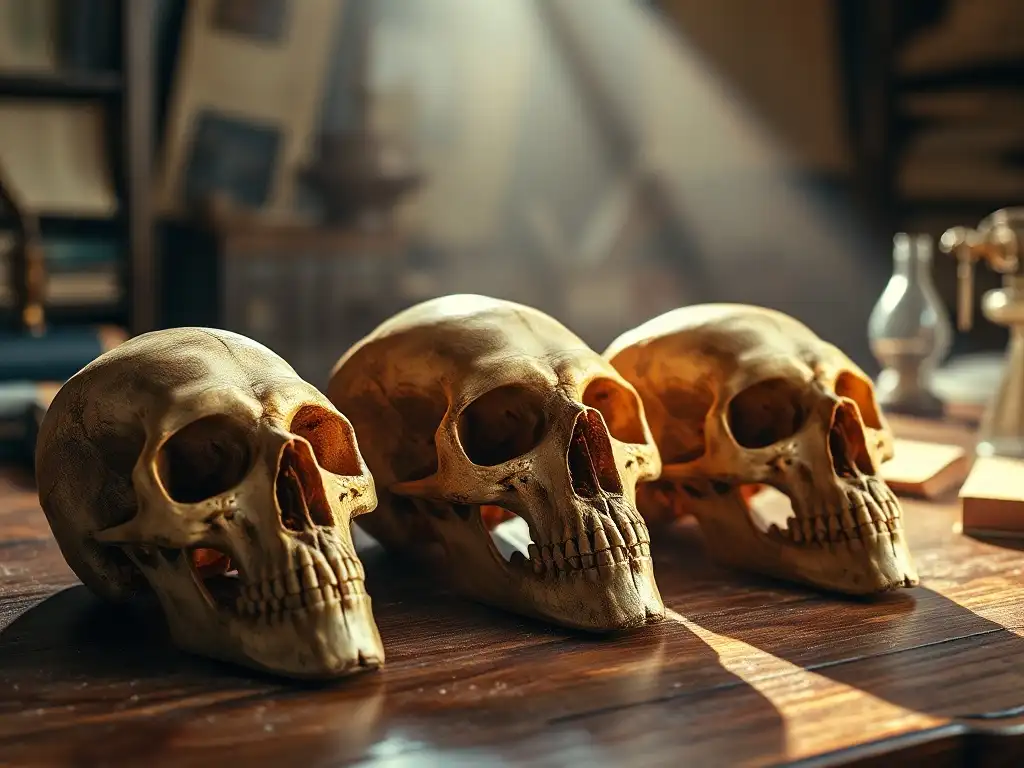
This section delves into the unique physical attributes of the Paracas elongated skulls, providing a detailed analysis of their shape, dimensions, bone structure, and how they compare to naturally occurring cranial variations. Understanding these characteristics is crucial to interpreting the Paracas elongated skulls meaning and the practices behind their creation.
The Unique Shape and Dimensions of the Elongated Crania
The most striking feature of Paracas skulls is their extreme elongation. Unlike naturally occurring cranial variations, which typically exhibit only slight lengthening, Paracas skulls show a dramatic increase in length from the front to the back of the skull. This elongation is not uniform; the cranium's shape is often described as being more conical or pointed than the typical rounded human skull.
Measurements taken from numerous specimens reveal a significant difference in cranial index (the ratio of maximum skull breadth to maximum skull length) compared to modern human populations. While precise average dimensions vary depending on the specific study and sample size, the consistent observation across multiple research efforts is a significantly increased length-to-width ratio.
This pronounced elongation is a key element in the ongoing debate surrounding the Paracas elongated skulls meaning. Some researchers have suggested that the extreme length may have been considered aesthetically desirable, reflecting a cultural preference for this specific cranial shape.
Comparing Paracas Skulls to Natural Cranial Variations
It's vital to distinguish between artificially deformed skulls and naturally occurring cranial variations. While certain populations exhibit naturally longer skulls due to genetic factors, the degree of elongation in Paracas skulls far exceeds any known natural variation. Natural cranial variations, often associated with specific genetic lineages, typically result in a subtly elongated shape, not the dramatic, pointed cone shape characteristic of Paracas skulls. Furthermore, studies comparing Paracas skulls to skulls from other Andean cultures with evidence of cranial deformation show significant differences in the extent and style of modification.
The Paracas method, as evidenced by the bone structure, appears to be unique in its intensity and the resulting cranial shape. This difference reinforces the idea that the Paracas elongated skulls meaning is not simply a matter of natural variation, but a deliberate cultural practice. Detailed comparative analyses using modern anthropometric techniques are essential to fully understand this distinction.
Analyzing Bone Structure and Evidence of Modification
Microscopic analysis of Paracas skull bones reveals evidence of intentional cranial modification. The bones show signs of thickening and remodeling, a response to the prolonged pressure applied during the deformation process. This process, likely begun in infancy, involved the use of tightly bound head wraps or other devices that gradually reshaped the skull's growing bones.
The degree of bone remodeling varies across different skulls, suggesting differences in the intensity and duration of the deformation process, or perhaps variations in the techniques employed. Further research into the specific methods used to achieve this extreme elongation is needed to fully understand the Paracas elongated skulls meaning within the context of their socio-cultural practices. Detailed analysis of fracture patterns and bone density can provide further insights into the techniques and potential risks associated with this practice.
The study of these skeletal modifications is crucial for a complete understanding of Paracas culture and its unique physical anthropology. 🔬 The findings consistently point toward a deliberate and sophisticated process, rather than a simple, accidental occurrence.
Methods of Cranial Elongation in Paracas
The Paracas culture, known for its elaborate textiles and unique funerary practices, is perhaps most famously recognized for its individuals with elongated skulls. This cranial deformation wasn't a random occurrence; it was a deliberate and meticulously practiced process, the methods of which have intrigued researchers for centuries. Understanding these methods is crucial to interpreting the Paracas elongated skulls meaning within their societal context. The practice wasn't uniform across all Paracas individuals; variations in the degree and style of elongation suggest a complex social significance. We'll explore the primary techniques employed to achieve this striking cranial alteration.
The Role of Head Binding and Cradleboards in Cranial Shaping
The most widely accepted method of Paracas cranial elongation involved the use of head binding and cradleboards. Infants, starting at a very young age (possibly as early as a few weeks old), had their heads tightly bound using various materials. This binding, often applied with strips of cloth or other pliable materials, gradually reshaped the skull's developing bones. The pressure exerted on the skull over an extended period caused the bones to elongate in the desired direction.
Simultaneously, or in conjunction with head binding, cradleboards played a vital role. These were rigid boards on which the infant was placed, further restricting head movement and maintaining the pressure required for the cranial deformation. The combination of these two methods ensured that the skull retained its elongated shape as the child grew. The precise materials used in the cradleboards and the degree of tightness of the bindings likely varied depending on family traditions or social status, contributing to the subtle differences observed in the elongated skulls.
Archaeological evidence suggests a level of sophistication in these techniques, implying a long-standing tradition passed down through generations. The level of control demonstrated in achieving consistent elongation across numerous individuals speaks volumes about the expertise and knowledge within the Paracas community. Further research is needed to fully understand the nuances of these techniques, including the possible use of additional tools or materials.
Materials Used in Artificial Cranial Deformation
While the exact materials used in Paracas cranial deformation are not always definitively known, archaeological findings offer clues. Evidence points to the use of readily available materials, indicating a practical approach to the process. Many researchers believe that strips of cloth, possibly woven from cotton or other fibers readily available in the Paracas region, were the primary binding material. The cloth was likely wrapped tightly around the infant's head, carefully positioned to guide the skull's growth.
In addition to cloth, other pliable materials may have been used, perhaps in conjunction with the cloth bindings. These could have included animal hides, plant fibers, or even mud or clay applied to further mold the skull's shape. The choice of material might have been influenced by factors such as availability, cultural preference, or even the individual's social standing.
Unfortunately, the organic nature of many of these materials means that they are not always well-preserved in archaeological contexts, making definitive identification challenging. Analysis of residual materials found on some skulls could potentially reveal more information about the specific materials used. Further research, including advanced material analysis techniques, is crucial to fully understanding the range of materials employed in this practice.
Age and Timing of the Deformation Process
The age at which Paracas cranial deformation began is a subject of ongoing debate among researchers. While the exact age remains uncertain, evidence suggests that the process began very early in infancy, likely within the first few weeks or months of life. This early commencement is critical because the skull's bones are still relatively malleable at this stage. The longer the deformation process continues, the more pronounced the elongation becomes.
The duration of the process is also debated. It's likely that the bindings and/or cradleboards were maintained for several years, perhaps until the skull reached a sufficient level of rigidity. The process was undoubtedly gradual, with adjustments made as the child grew. While the precise timeline remains unclear, the consistent results observed across numerous skulls indicate a well-established and carefully managed practice.
Studies of skeletal remains, coupled with advanced imaging techniques, are continuously refining our understanding of the age and timing of this transformative practice. The meticulous nature of the deformation process underscores its significance within Paracas society, emphasizing the importance placed on this distinctive physical characteristic. Further investigation into the precise timing and duration of the process is necessary to fully unravel its cultural meaning.
Theories and Interpretations of Paracas Skull Elongation
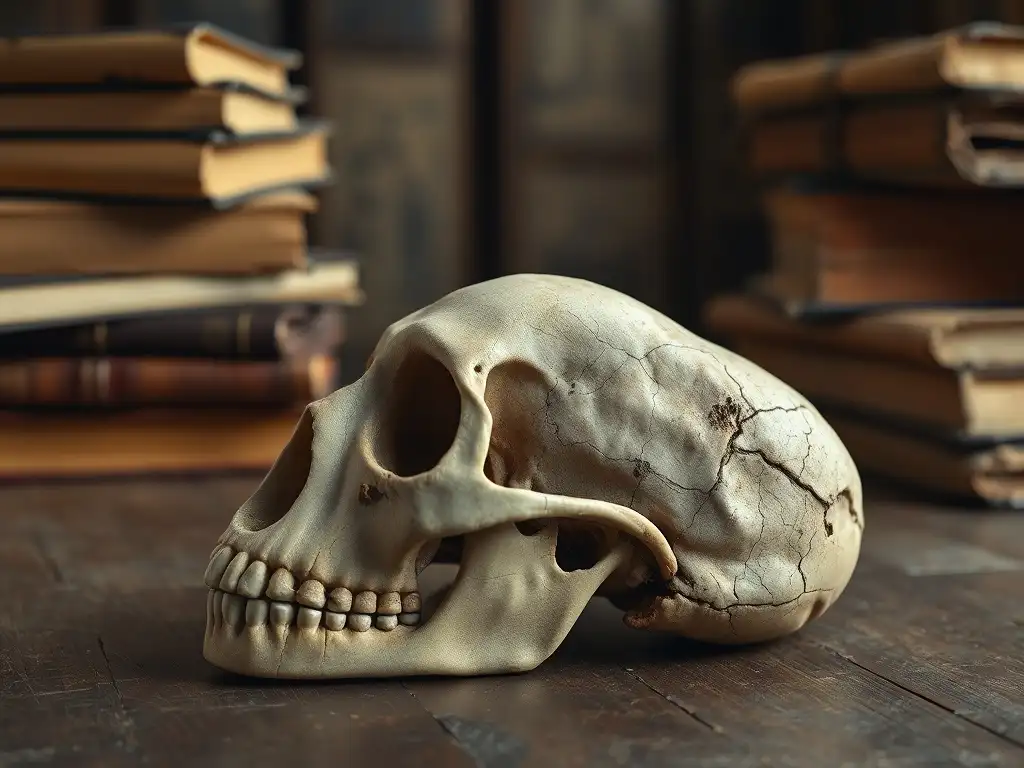
The unique elongated skulls of the Paracas culture continue to fascinate and intrigue researchers and the public alike. The practice of artificial cranial deformation, while present in various cultures across the globe, reaches a striking level of intensity and consistency within the Paracas society. Understanding the Paracas elongated skulls meaning requires exploring the various theories surrounding this practice, ranging from social signaling to religious ritual.
Unraveling these mysteries helps us to piece together a more complete picture of this enigmatic Andean civilization. The sheer number of skulls discovered, coupled with their consistent deformation, underscores the significance of this practice within Paracas society.
One prominent theory suggests that cranial deformation served as a marker of social status and identity within Paracas society. The meticulous and consistent nature of the deformation suggests a deliberate and controlled process, likely performed by skilled practitioners. This implies a level of societal organization and control that would have been necessary to ensure the consistent application of the practice across different social strata.
It's hypothesized that the degree of elongation, the precision of the shaping, or even the specific method used might have indicated an individual's rank or affiliation within the community. Perhaps certain styles were reserved for elites, while others were commonplace among the general population. This would explain the prevalence of the practice across a large number of individuals, but with variations that could reflect social hierarchy.
Further research, including analysis of grave goods associated with elongated skulls and isotopic studies of dietary patterns, could shed light on potential correlations between skull shape and social standing. Unfortunately, conclusive evidence linking cranial deformation directly to social status within the Paracas culture remains elusive. More detailed studies are needed to fully understand the nuances of this social practice.
Religious and Ritualistic Interpretations of Cranial Modification
Another compelling theory centers on the religious and ritualistic significance of cranial deformation. The Paracas people were known for their complex religious beliefs and practices, evidenced by their elaborate textiles, intricate burial rituals, and the prominent role of shamanism in their society. It is possible that elongated skulls were seen as a way to connect with the divine or to achieve a state of altered consciousness.
Some scholars suggest that the process of cranial deformation itself might have been viewed as a sacred rite of passage, symbolizing transformation and rebirth. The deliberate shaping of the skull could have been seen as a symbolic act of altering the individual's essence, bringing them closer to the spiritual realm. The meticulous care taken in the process further supports this interpretation, suggesting a deep reverence for the ritual itself.
The discovery of certain artifacts alongside elongated skulls – [specific artifact types pending] – could provide crucial insights into the religious context of this practice. The symbolic meaning of the elongated skull within the Paracas cosmology remains an area of active research and debate.
Potential Links to Lineage and Ancestry
A third interpretation proposes that cranial deformation served as a marker of lineage and ancestry. The consistent application of the practice across generations suggests that it was a hereditary trait, passed down through families and used to identify members of specific clans or lineages. This would help in maintaining social cohesion and reinforcing group identity within the complex social structure of Paracas society.
The consistent style of deformation across multiple generations could be interpreted as a visual representation of shared ancestry and a way to distinguish different family groups. This might explain the widespread adoption of the practice, as belonging to a particular lineage might have conferred social benefits or access to resources. However, the lack of detailed genealogical records makes it challenging to definitively link cranial deformation to specific family lines.
Further genetic analysis of Paracas remains, combined with a more comprehensive understanding of their social organization, could offer stronger evidence for this hypothesis. The intricate weaving patterns found on their textiles, which often feature repeated motifs, could provide additional clues about the symbolic representation of family lineage and its connection to cranial modification. The elongated skull, therefore, might have served as a powerful visual symbol of kinship and heritage within the Paracas culture.
Scientific Research and Analysis of Paracas Elongated Skulls
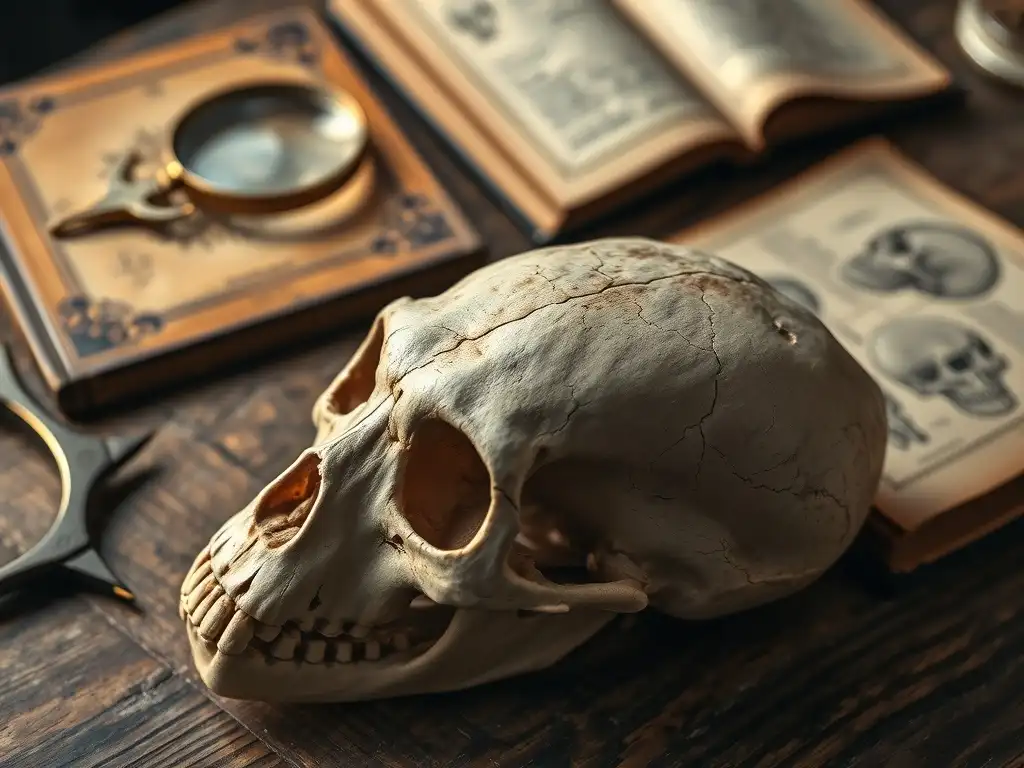
The mystery surrounding the Paracas elongated skulls has fueled much speculation, but scientific research offers a more nuanced understanding of their origins and implications. While the practice of cranial deformation is well-documented across various cultures, the extreme elongation seen in the Paracas skulls presents unique challenges and opportunities for scientific investigation. The "Paracas elongated skulls meaning" is revealed through rigorous scientific analysis, debunking many myths and providing a clearer picture of this ancient practice. Let's delve into some key research areas.
DNA Studies and Genetic Origins of the Paracas People
Genetic analysis of Paracas remains is crucial in understanding the population's origins and relationships to other ancient Andean groups. Studies have revealed that the Paracas people possessed a unique genetic makeup, distinct from other known populations in the region, including the Incas. This suggests a long period of isolation and limited gene flow. While some shared genetic markers may exist with other groups, the overall genetic profile of the Paracas people reveals a significant degree of genetic uniqueness. Further research is ongoing to pinpoint the exact origins of this unique genetic signature and to better understand their migratory patterns and relationships with neighboring cultures. The results so far challenge previous assumptions about the population's origins, highlighting the importance of genomic data in unveiling the complexity of ancient Andean societies. The distinctive genetic profile further emphasizes the unique nature of the Paracas culture and its contribution to the broader Andean tapestry.
Radiocarbon Dating and the Chronological Context of the Skulls
Precise dating of the Paracas elongated skulls is essential for establishing their chronological context within the broader Andean timeline. Radiocarbon dating of organic materials associated with the skulls, such as bone collagen and associated artifacts, provides crucial information.
These dates help researchers place the practice of cranial deformation within the specific time frame of the Paracas culture, clarifying its evolution and variations throughout different periods. This temporal framework is essential for comparing the Paracas practice with similar traditions in other Andean societies and understanding any potential influences or exchanges.
The results of radiocarbon dating have helped establish a more precise timeframe for the Paracas culture and the specific periods during which this unique cranial modification was prevalent, adding crucial detail to the understanding of the "Paracas elongated skulls meaning" within their cultural and historical context. Analysis of the data also shows a significant overlap with other cultural practices, hinting at potential interactions and exchanges within the broader Andean region.
Studies on the Effects of Cranial Deformation on Brain Development
The impact of artificial cranial deformation on brain development remains a subject of ongoing debate. Some studies suggest that while the skull's shape is altered, brain volume may not be significantly affected. However, other research indicates potential effects on brain structure and function, possibly influencing cognitive abilities or sensory perception.
The degree of deformation varied considerably amongst individuals, suggesting different levels of potential impact. Further research is needed to fully understand the long-term consequences of this practice on the cognitive abilities and neurological development of the Paracas people. Understanding these potential impacts is crucial for comprehending the "Paracas elongated skulls meaning" within a broader context of health, societal structures, and cultural practices.
Detailed analysis of skull morphology in conjunction with other available data, such as skeletal indicators of health, may provide more insights into the potential implications of cranial deformation on the overall well-being of the individuals. The ongoing research highlights the complexity of the issue and the need for a multidisciplinary approach.
Debunking Myths and Misconceptions About Paracas Skulls
The Paracas elongated skulls, with their striking cranial deformation, have captivated imaginations for centuries, leading to a plethora of unsubstantiated claims and misconceptions surrounding their origin and meaning. Many theories, often fueled by sensationalist media coverage, stray far from the established scientific understanding. Understanding the true nature of these skulls requires separating fact from fiction, focusing on the rigorous research conducted by anthropologists and archaeologists. The "Paracas elongated skulls meaning" is not inherently mysterious; it's a product of a specific cultural practice, albeit one shrouded in some unanswered questions.
Separating Fact from Fiction Regarding the Origins of the Skulls
The most prevalent misconception is the belief that the extreme elongation of the Paracas skulls is due to extraterrestrial origins or some form of supernatural intervention. This narrative often ignores the vast body of archaeological evidence pointing towards intentional cranial deformation, a practice documented across numerous cultures throughout history. While the degree of deformation in Paracas skulls is particularly pronounced, the underlying mechanism remains firmly within the realm of human cultural practices.
Anthropological studies have shown that this deformation was achieved through the application of tightly bound cranial bandages to infants, systematically reshaping the skull's growth over time. The process, while undoubtedly uncomfortable, did not typically result in significant health problems for the individuals involved. The intensity of the deformation varied, suggesting different levels of social status or adherence to the practice.
Further research into the tools and techniques employed, as well as the social context in which the practice occurred, is crucial for a complete understanding. This includes analyzing the skeletal remains for signs of trauma or disease, which could provide further insight into the health implications of the deformation process. The "Paracas elongated skulls meaning," therefore, lies not in the fantastical, but in the cultural practices and beliefs of the Paracas people themselves.
Addressing Claims of Extraterrestrial or Supernatural Origins
Claims that attribute the Paracas elongated skulls to extraterrestrial intervention often cite the skulls' unusual size and shape as evidence of an alien origin. These claims often lack scientific rigor and fail to consider the established anthropological understanding of cranial deformation. The DNA analysis conducted on some of these skulls, while initially generating headlines about unusual genetic markers, has ultimately failed to support any claims of non-human ancestry.
The results have been interpreted and reinterpreted, leading to considerable debate, but no concrete evidence points toward an extraterrestrial origin. Furthermore, the emphasis on the unusual morphology overlooks the rich archaeological context in which these skulls are found, alongside other artifacts and burial practices that clearly place them within a human cultural framework. The "Paracas elongated skulls meaning" is therefore firmly rooted in human history and culture, not in science fiction.
It's crucial to critically evaluate information sources and rely on peer-reviewed scientific publications rather than sensationalized accounts. The scientific community largely rejects extraterrestrial explanations, emphasizing the importance of evidence-based reasoning and the established understanding of cultural practices related to cranial deformation.
The Importance of Accurate and Responsible Interpretation
The enduring fascination with the Paracas elongated skulls necessitates a responsible approach to their interpretation. Sensationalist narratives, while captivating, can distort our understanding of this ancient culture and its practices. Accurate interpretation requires a multidisciplinary approach, integrating archaeological findings, anthropological analyses, and genetic research.
The "Paracas elongated skulls meaning" should be approached with humility, acknowledging the limitations of current knowledge and the complexities of interpreting ancient cultural practices. Further research is necessary to fully understand the social significance of cranial deformation within Paracas society, including its relationship to social status, ritual practices, and broader cultural beliefs. Responsible dissemination of information is crucial to avoid perpetuating misconceptions and to ensure that the rich history and cultural heritage of the Paracas people are accurately represented.
Respectful engagement with the descendants of the Paracas culture and their perspectives is also paramount. Only through careful and ethical research can we hope to uncover the true meaning and significance of these remarkable artifacts.
Paracas Elongated Skulls and Their Legacy
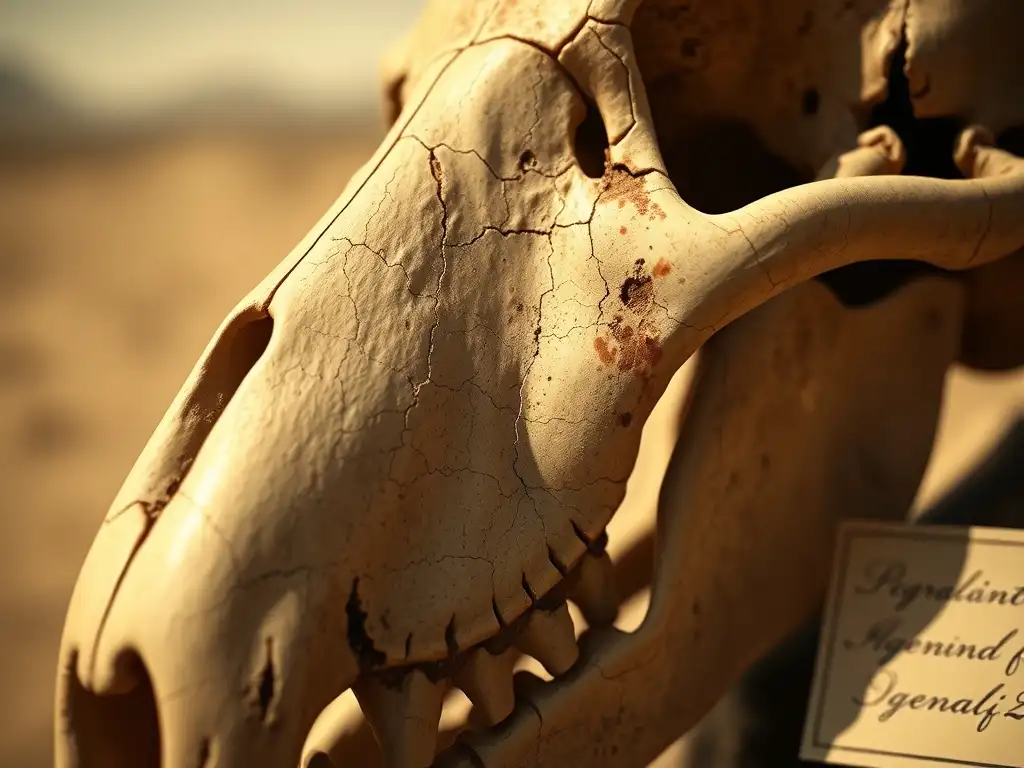
The Paracas culture, flourishing along the southern coast of Peru from approximately 800 BCE to 100 CE, left behind a fascinating and enigmatic legacy. Among their most striking contributions are the intentionally deformed skulls, a practice that continues to spark debate and research even today. The "Paracas elongated skulls meaning" remains a subject of intense scholarly interest, with theories ranging from purely ritualistic practices to potential indications of genetic anomalies.
Understanding the context surrounding this practice is key to unlocking the secrets held within these intriguing artifacts. The sheer number of these skulls discovered, alongside other artifacts, points to a deliberate and possibly significant cultural practice. The consistent nature of the deformation suggests a controlled process, passed down through generations, rather than a random occurrence.
This deliberate cranial modification was not merely cosmetic; it likely held deep symbolic and social meaning within Paracas society. The scale of the undertaking suggests a significant investment of time and resources, further emphasizing its importance within their culture.
The Influence of Paracas Cranial Modification on Later Cultures
The impact of Paracas cranial modification extended beyond their own time. While the practice wasn't universally adopted, its influence can be traced in various ways throughout subsequent Andean cultures. Evidence suggests that some later groups, such as certain Inca communities, may have adopted similar, albeit potentially less extreme, forms of cranial deformation. The continuity, albeit modified, hints at the enduring symbolic power of this practice.
It's important to note that the precise nature of this influence and the extent of cultural exchange requires further research. However, the presence of similar, though not identical, practices in later Andean cultures strongly suggests a degree of continuity and cultural transmission. Did these later cultures interpret the Paracas practice in a similar way? Or did they adapt it to their own specific beliefs and rituals?
These are questions that continue to challenge researchers. Further comparative studies of cranial deformation across different Andean cultures are needed to fully understand the extent and nature of this influence. The study of burial contexts and associated artifacts alongside the skulls themselves can provide crucial information regarding the cultural significance of this practice across time.
Preservation and Study of Paracas Skulls for Future Generations
The preservation of the Paracas elongated skulls is crucial for the continued study of this unique cultural practice. These fragile artifacts require careful handling and storage to prevent degradation. Modern techniques, such as 3D scanning and digital modeling, offer invaluable tools for creating detailed records and facilitating research without risking damage to the original specimens.
Moreover, ethical considerations regarding the handling and study of human remains must always be paramount. Respect for the ancestors and their cultural heritage should guide all research efforts. The development of robust ethical guidelines and collaborative research projects involving archaeologists, anthropologists, and community representatives is vital.
This collaborative approach ensures that the study of these skulls serves not only scientific advancement but also contributes to a deeper understanding and appreciation of the Paracas culture and its people. The creation of accessible digital archives allows researchers worldwide to study these artifacts, fostering broader collaboration and accelerating scientific progress. This careful preservation and responsible study ensure that the "Paracas elongated skulls meaning" continues to be explored for generations to come.
Research into the Paracas culture and its elongated skulls is an ongoing process. New discoveries and advancements in scientific techniques continually refine our understanding of this complex society. Genetic analysis of the skulls, for example, offers the potential to provide insights into the origins and relationships of the Paracas people and the possible underlying causes of the cranial deformation, beyond the purely cultural explanations.
Further archaeological excavations at Paracas sites promise to unearth additional artifacts and skeletal remains, providing more context for the practice of cranial modification. The use of advanced imaging techniques, such as micro-CT scanning, allows for non-destructive analysis of the internal structure of the skulls, potentially revealing further information about the health and lifestyle of the individuals. The combination of archaeological, anthropological, and genetic studies is essential for a holistic understanding of the Paracas culture and the significance of their elongated skulls within their society.
Each new discovery contributes to a richer and more nuanced understanding of the "Paracas elongated skulls meaning", continually refining our knowledge of this fascinating ancient civilization. The ongoing research emphasizes the dynamic and evolving nature of our understanding of the Paracas culture and highlights the importance of continued investigation.
Conclusion: The Enduring Fascination with Paracas Elongated Skulls
Summarizing Key Findings and Insights
The mystery surrounding Paracas elongated skulls continues to captivate researchers and the public alike. While the practice of artificial cranial deformation is well-documented across various cultures and time periods, the sheer scale and apparent consistency of the Paracas examples present unique challenges to interpretation. The prevailing consensus points towards intentional cranial modification, likely a marker of social status or religious affiliation within Paracas society.
This conclusion is supported by the discovery of multiple individuals with elongated skulls interred within elite burial contexts, often accompanied by elaborate grave goods. However, ongoing research continues to refine our understanding of the techniques employed, the potential health consequences, and the broader socio-cultural significance of this practice. The genetic analysis of Paracas skulls, while still yielding new data, has not definitively resolved the origin of the unique characteristics of the elongated skulls.
The "Paracas elongated skulls meaning" remains a complex interplay of cultural practices, social structures, and biological adaptations. Further research, particularly involving advanced genetic sequencing and anthropological studies, will be crucial in unlocking the remaining secrets of this fascinating phenomenon.
The sheer number of elongated skulls found within Paracas cemeteries underscores the widespread nature of this practice. It wasn't a rare occurrence limited to a select few; instead, it seems to have been a significant aspect of Paracas identity and social organization. This widespread adoption suggests a deep-rooted cultural significance, potentially linked to religious beliefs, lineage, or social stratification.
The consistency in the degree and style of deformation further suggests a standardized process, possibly guided by skilled practitioners with a well-established technique. This level of organization indicates a complex social structure capable of coordinating and maintaining such a practice across generations.
Reflections on the Importance of Cultural Understanding and Preservation
The study of Paracas elongated skulls offers a valuable window into the complexities of a little-understood ancient culture. Understanding the "Paracas elongated skulls meaning" is not merely an academic pursuit; it's crucial for appreciating the richness and diversity of human history and cultural expression. The careful excavation and analysis of these remains, combined with the ethical consideration of their treatment, are paramount to responsible archaeological practice. Preserving these artifacts and the knowledge they hold allows us to connect with the past in a tangible way, fostering a deeper appreciation for the ingenuity, beliefs, and social structures of the Paracas people.
The ongoing debate surrounding the origin and significance of these skulls highlights the importance of continued research and interdisciplinary collaboration. By combining genetic analysis, anthropological studies, and archaeological findings, we can piece together a more complete picture of Paracas culture and gain a richer understanding of human history. Failing to preserve these artifacts risks losing invaluable insights into a unique and fascinating civilization, forever silencing the voices of the past.
The enduring fascination with Paracas elongated skulls serves as a powerful reminder of the importance of cultural preservation and the ongoing quest to understand our shared human heritage. The careful study and ethical treatment of these remarkable remains are essential for honoring the legacy of the Paracas people and enriching our collective understanding of the human experience. The mystery surrounding these skulls should inspire further research and a commitment to protecting these invaluable cultural treasures for future generations.
Frequently Asked Questions
What is the significance of Paracas elongated skulls?
The elongated skulls of the Paracas culture are a result of artificial cranial deformation, a practice common in many ancient cultures. While the exact reasons remain debated, it likely held social or ritualistic significance. This practice altered the skull's shape without affecting brain size.
How did the Paracas people achieve elongated skulls?
The Paracas achieved this cranial deformation through intentional binding of infants' heads using various techniques. This involved tightly wrapping the head with cloth or boards, gradually shaping the skull over time. The process began shortly after birth and continued for several years.
Are Paracas elongated skulls unique?
While striking, Paracas elongated skulls are not entirely unique. Cranial deformation was practiced across many cultures globally, though the Paracas examples are notable for their extreme elongation and the culture's sophisticated techniques. Other examples can be found in various ancient civilizations.
What are some theories about the purpose of Paracas cranial deformation?
Theories range from social status markers and religious beliefs to identifying members of specific lineages or clans. Some speculate it was related to aesthetic ideals or a way to distinguish themselves from neighboring groups. The exact purpose, however, is still under debate.
Where can I learn more about Paracas elongated skulls?
You can find further information through academic research papers, books on ancient Andean civilizations, and reputable museum exhibits. Many online resources also explore the subject, but it's crucial to critically evaluate sources for accuracy and bias.
Final Reflection: Unraveling the Enigma of Paracas Elongated Skulls
The practice of artificial cranial deformation, as evidenced by the Paracas skulls, remains a potent symbol of humanity's enduring fascination with altering the body and its relationship with identity. These enigmatic artifacts continue to spark debate and inspire research, challenging our understanding of ancient cultures and the very definition of what it means to be human. The mysteries surrounding their origins and the methods employed continue to captivate researchers and the public alike, highlighting the enduring power of the unknown.
The enduring legacy of the Paracas skulls lies not just in their physical presence, but in the questions they raise about cultural practices, social structures, and the malleability of the human form. They force us to confront our own biases and preconceptions about the past, reminding us that ancient civilizations were far more complex and nuanced than we often assume. The past is never dead. It's not even past.
– William Faulkner. This quote perfectly encapsulates the ongoing relevance of the Paracas skulls, as their secrets continue to unfold, challenging our understanding of history and pushing the boundaries of anthropological inquiry.
Consider the implications of these ancient practices. What does the deliberate alteration of the human skull tell us about the values and beliefs of the Paracas culture? How did this practice shape their social hierarchy and individual identities? You, the reader, are now invited to reflect on these questions and consider the broader implications of body modification throughout history and in contemporary society. Let the enigma of the Paracas skulls inspire you to delve deeper into the mysteries of the past and to appreciate the rich tapestry of human experience across time and cultures.
Unveil the Mysteries of Paracas Today!
Thank you for exploring the fascinating world of Paracas elongated skulls. Your interest in this unique aspect of ancient Andean civilizations provides a valuable opportunity to understand the cultural practices and beliefs that shaped the region. Let's delve deeper!
Here are some ways to further your exploration:
- Learn more: Visit our website for in-depth articles and resources on cranial deformation in ancient cultures worldwide.
- Join the discussion: Share your thoughts and insights with other enthusiasts on our discussion board. What was the cultural significance of these practices, in your opinion?
- Share your discoveries: Tell a friend about these incredible findings or share this article on social media to spark conversations about ancient civilizations and their enduring impact.
What aspect of Paracas culture most captivates you, and how do you believe it contributes to our understanding of human diversity today?