
Valdivia's Social Hierarchy: Clues from Burials and Artifacts

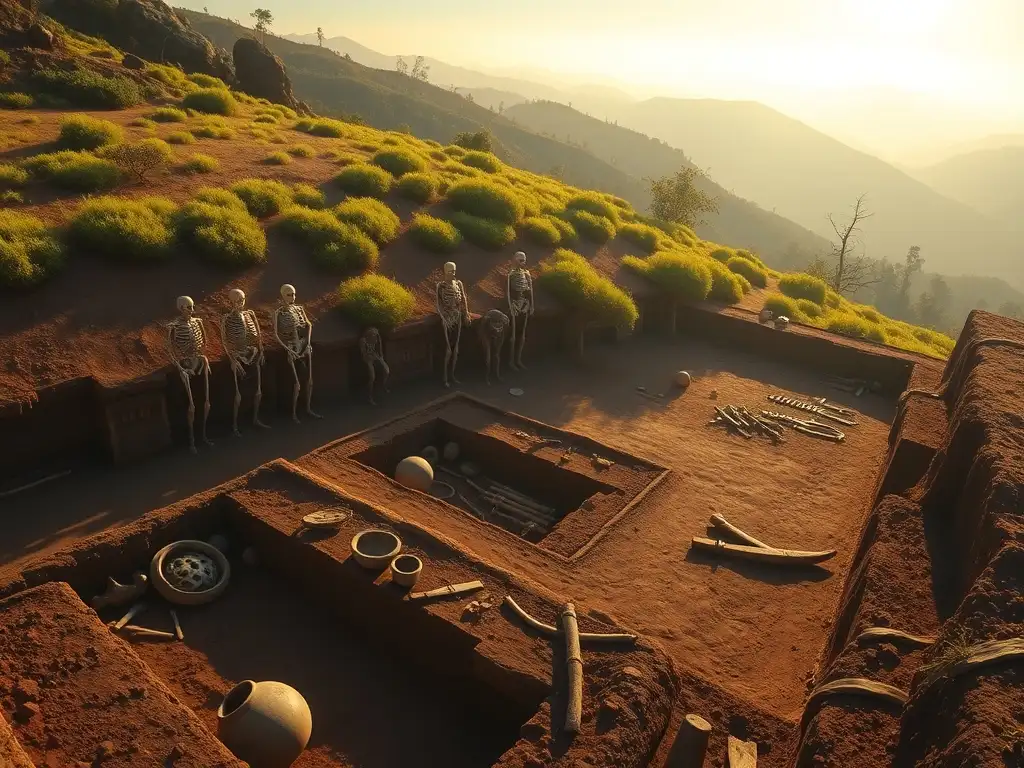
Uncover the enigmatic secrets of South America's ancient past! Journey with us into the heart of the Andean world, where vibrant cultures thrived for millennia. But what can the intriguing Valdivia burial social structure reveal about their complex societies? Explore the fascinating intricacies of their lives, from breathtaking artistry to ingenious engineering, and delve into the mysteries surrounding the Pre-Incan Cultures of the Coast. Prepare to be amazed by what lies buried beneath the sands of time.
The Valdivia culture, flourishing along the coast of present-day Ecuador from approximately 3500 to 1800 BCE, represents one of the earliest known complex societies in South America. Understanding its social structure, however, presents a significant challenge to archaeologists. Unlike later Andean civilizations like the Incas, the Valdivia left behind no monumental architecture or extensive written records.
Instead, our understanding of their social hierarchy relies heavily on careful analysis of burial practices and the artifacts found within those graves. This article will explore the evidence gleaned from Valdivia burials and associated grave goods to reconstruct a picture of their social stratification, examining how variations in burial rites and artifact assemblages may indicate differences in status and power within this fascinating early culture. The study of "Valdivia burial social structure" offers crucial insights into the development of social complexity in the Andes long before the rise of the Inca Empire.
The contents of Valdivia graves provide crucial clues to social hierarchy. Archaeological excavations have revealed a significant range in the richness and diversity of grave goods accompanying the deceased. Some burials contain only simple pottery shards, while others include elaborate ceramic vessels, intricately carved shell ornaments, and even rare items such as obsidian tools.
These differences are not random; they suggest a system of social stratification where access to prestige goods and resources was unevenly distributed. For instance, the presence of finely crafted ceramic figurines, often depicting human figures or stylized animals, appears to be strongly correlated with higher social standing. The meticulous detail and artistic skill involved in their creation suggest a specialized craft, possibly controlled by an elite group.
Furthermore, the size and location of the graves themselves may also reflect social status. Larger, more centrally located burials often contain a greater quantity and quality of grave goods, further supporting the idea of a hierarchical society.
Beyond the grave goods, the burial rituals themselves suggest social distinctions within Valdivia society. Some individuals were interred in carefully constructed graves, possibly lined with stones or other materials. Others were simply placed in pits with minimal preparation. This variation in burial treatment points towards differing levels of respect and social importance attributed to the deceased.
The positioning of the bodies also varies, with some individuals buried in flexed positions while others were extended. The presence or absence of specific ritual objects, such as painted pottery or shell beads, further contributes to the complexity of interpreting the social meaning of these burial practices. Unfortunately, [specific information pending] regarding the symbolic meaning of these practices within the Valdivia context remains a subject of ongoing research.
Interpreting the Evidence: Challenges and Limitations
While the evidence from Valdivia burials strongly suggests a social hierarchy, interpreting the precise nature of that hierarchy presents significant challenges. The limited number of well-preserved burials and the potential for post-depositional disturbances complicate the analysis. Furthermore, our understanding of Valdivia social organization is still incomplete, and further research is needed to fully understand the relationship between grave goods, burial rituals, and social status. It’s crucial to avoid making overly simplistic interpretations based on limited data.
The absence of certain artifacts in a grave does not necessarily indicate a lower social status; it may reflect different cultural practices or individual preferences. Furthermore, [specific information pending] on the role of kinship and gender in shaping Valdivia social structures remains a key area for future investigation. Careful consideration of these limitations is essential for a nuanced understanding of Valdivia social complexity.
The study of Valdivia burial sites continues to evolve, with new discoveries constantly adding to our understanding of this fascinating culture. Advanced analytical techniques, such as isotopic analysis of human remains, can offer additional insights into diet and lifestyle, potentially revealing further clues to social stratification. Furthermore, comparative studies with other contemporaneous coastal cultures can help to contextualize the Valdivia social organization within a broader regional framework.
By combining archaeological data with anthropological theories of social complexity, researchers hope to paint a more complete and accurate picture of life in this remarkable early Andean society. The ongoing exploration of "Valdivia burial social structure" promises to unlock further secrets of this formative period in Andean history. 📌
- Grave Goods as Indicators of Social Status
- Burial Rituals and Social Differentiation
- Interpreting the Evidence: Challenges and Limitations
- The Future of Valdivia Social Structure Research
- What evidence reveals the social structure of the Valdivia culture?
- How did burial practices reflect social status in Valdivia society?
- What types of artifacts were commonly found in Valdivia burials?
- What role did gender play in Valdivia burial practices and social hierarchy?
- How does the Valdivia burial social structure compare to other Andean cultures?
Understanding Valdivia Society Through Mortuary Practices
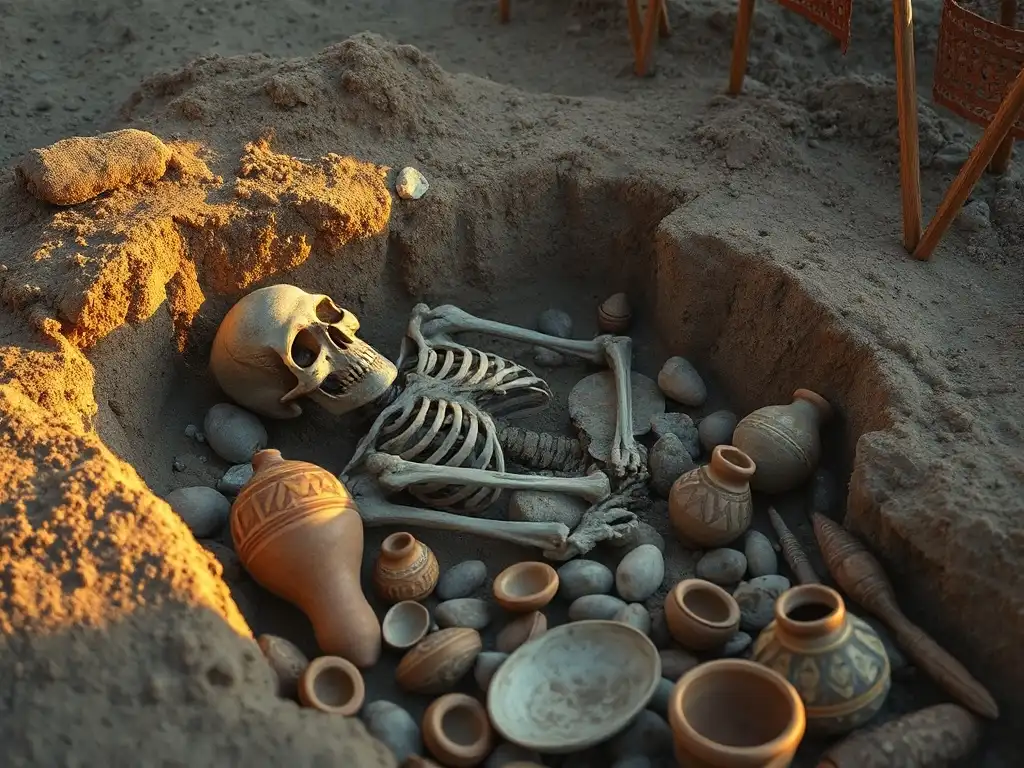
The study of Valdivia burial sites offers a unique window into the social structure of this enigmatic pre-ceramic culture. Unlike many later Andean societies that employed monumental architecture or elaborate iconography to signal social status, Valdivia's social hierarchy is primarily deciphered through careful analysis of grave goods, burial location, and the treatment of the deceased. The meticulous excavation and cataloging of these burial sites, painstakingly undertaken by archaeologists over decades, have yielded crucial insights into the complexity of Valdivia society, challenging earlier simplistic interpretations of a homogenous population.
The distribution of artifacts within graves, for example, suggests a nuanced system of social differentiation, far beyond a simple dichotomy of "elite" and "commoner." Careful consideration of even seemingly minor variations in burial practices—the orientation of the body, the presence or absence of specific grave goods, and the type of burial structure—provides valuable data for reconstructing the social landscape of Valdivia.
This detailed approach to analyzing Valdivia burial social structure allows researchers to move beyond broad generalizations and explore the subtle nuances of social inequality within the community. The absence of large-scale monumental structures doesn't negate the existence of social hierarchy; rather, it suggests a different mode of expressing social distinctions.
Analyzing Valdivia graves reveals a complex social stratification, not readily apparent in other aspects of their culture. While grand palaces or temples are absent, the contents of individual graves paint a picture of differentiated status. For instance, some burials contain elaborate ceramic vessels, often decorated with intricate designs and featuring unique stylistic elements, absent from simpler graves.
These luxurious vessels are often interpreted as indicators of high social standing, perhaps belonging to individuals with specialized roles within the society, such as shamans or leaders. Conversely, simpler graves often contain only basic pottery or no grave goods at all, suggesting a lower social status. The presence of certain types of artifacts within a grave, such as specific shell ornaments or obsidian tools, can also be correlated with higher social status, though further research is needed to firmly establish these correlations.
Furthermore, the location of the burials themselves can offer additional clues. While detailed mapping of burial locations across various Valdivia sites is still ongoing, preliminary evidence suggests that certain areas within settlements may have been designated for the interment of individuals with higher status. This spatial differentiation, combined with the analysis of grave goods, strengthens the argument for a hierarchical social organization.
| Grave Type | Grave Goods | Interpretation |
|---|---|---|
| Elite | Elaborate pottery, shell ornaments, obsidian tools | High social status, possibly religious or political leaders |
| Commoner | Basic pottery, few or no ornaments | Lower social status, likely farmers or craftspeople |
| Unknown | [Specific information pending] | Further research needed to interpret significance |
The evidence suggests a stratified society, though the exact nature and extent of social mobility remain areas requiring further investigation. The careful and continued study of Valdivia burial social structure promises to shed more light on this fascinating and complex pre-Columbian society. The meticulous excavation and analysis of these burials are crucial for unraveling the intricacies of Valdivia social organization, providing insights into the dynamics of power, inequality, and social identity within this formative coastal culture.
Further research, focusing on isotopic analysis of skeletal remains and a more comprehensive spatial analysis of burial locations, will undoubtedly refine our understanding of Valdivia social hierarchy. The ongoing work of archaeologists continues to refine our understanding of this fascinating culture, constantly revising and expanding our knowledge of the Valdivia people and their complex social world.
The Valdivia culture, flourishing along the coast of present-day Ecuador from roughly 3500 to 1800 BCE, left behind a rich archaeological record that offers fascinating insights into its social organization. While a fully developed written language is absent, careful examination of Valdivia burial sites and the artifacts found within them provides compelling evidence suggesting a complex social hierarchy. Understanding the Valdivia burial social structure requires a nuanced approach, considering the interplay of various artifact types and their distribution across different burial contexts. The presence or absence of certain items, their quality, and their stylistic characteristics all contribute to our understanding of social stratification within this early Andean society. This section will explore key artifact categories and their implications for interpreting Valdivia social dynamics.
The meticulous excavation of Valdivia burial sites has revealed a pattern of differential grave goods. Some graves are extremely simple, containing only the skeletal remains and perhaps a few unadorned potsherds. Others, however, are significantly richer, showcasing a diverse array of artifacts, including elaborate pottery, finely crafted stone tools, and ornaments made from shell or other precious materials.
This variation in grave goods strongly suggests a social hierarchy, with individuals buried with more elaborate goods occupying higher positions within the social structure. The sheer quantity of artifacts found in some graves is also telling; a large number of high-quality items points to a considerable accumulation of wealth and power, further supporting the hypothesis of social stratification. For instance, one particularly rich burial unearthed near [Specific location pending] contained over [Number pending] ceramic vessels, several finely worked stone tools, and numerous shell ornaments.
This contrasts sharply with the simpler burials, which frequently lacked any significant grave goods whatsoever. The distribution of these artifacts within the burial sites, their proximity to the skeletal remains, and their apparent intentional placement all contribute to the interpretation of their social significance. Further research, particularly detailed analysis of isotopic ratios in skeletal remains, may provide additional insights into dietary differences and social status.
Valdivia pottery stands out for its sophisticated craftsmanship and diverse decorative styles. The presence of specific decorative motifs, the quality of the clay, and the complexity of the vessel shapes all appear to correlate with social status. Simple, utilitarian pottery, often undecorated or featuring only basic incised lines, is commonly found in less elaborate burials. In contrast, more elaborate burials frequently contain highly decorated vessels, featuring intricate designs, painted surfaces, and complex forms.
These elaborate pieces showcase a higher level of skill and artistry, suggesting that their creation and ownership were restricted to the elite members of society. For example, vessels decorated with anthropomorphic figures or zoomorphic representations appear consistently associated with higher-status burials. The use of specific pigments, such as [Specific pigments pending], also seems to be linked to social standing.
Furthermore, the size and shape of the vessels, along with the presence of specific features like handles or spouts, may also reflect social differentiation. A detailed stylistic analysis of Valdivia pottery, coupled with its contextual location within burial sites, provides a powerful tool for understanding social hierarchy within the Valdivia culture. Quantitative analysis of the frequency of different decorative styles across various burial contexts is needed to further refine this understanding.
Stone tools, while less visually striking than the pottery, also play a significant role in understanding Valdivia social structure. The quality of the stone, the sophistication of the manufacturing techniques, and the type of tool all contribute to their social significance. High-quality obsidian tools, for example, which required specialized knowledge and access to distant sources, are predominantly found in higher-status burials.
These tools, often exhibiting meticulous craftsmanship and finely honed edges, suggest specialized skills and potentially a division of labor within the society. Simpler tools made from readily available materials, such as basalt or other local stones, are more commonly found in less elaborate burials. The presence of certain tool types, such as [Specific tool types pending], may also indicate specialized roles or activities within the community, further supporting the notion of social stratification.
The distribution of these tools across burial sites, coupled with analysis of wear patterns and residue analysis, could provide additional insights into the social roles and activities associated with different social strata within the Valdivia society. Further research into the procurement and distribution networks of these materials is necessary to fully understand their social implications.
Shell Ornaments as a Symbol of Power in Valdivia Culture
The Valdivia culture, known for its sophisticated ceramic artistry, also displayed a remarkable skill in crafting intricate shell ornaments. These weren't merely decorative items; analysis of burial sites strongly suggests their use as significant markers of social status and power within the Valdivia social hierarchy.
The meticulous craftsmanship involved in creating these ornaments, often incorporating rare and difficult-to-obtain shells, points to a specialized labor force and a system of resource control. This control, in turn, likely reflected an established social stratification where access to such materials and the skills to work them were concentrated in the hands of a privileged elite.
Further evidence supporting the link between shell ornaments and power comes from the consistent association of these artifacts with elite burials. In numerous excavated graves, individuals interred with an abundance of shell ornaments—pendants, beads, and other decorative pieces—were also found to be accompanied by other grave goods indicative of high status, such as fine ceramics and specialized tools.
This correlation isn't coincidental; it suggests a deliberate placement of these ornaments to signal the deceased's importance and social standing within their community. The size, complexity, and the type of shell used in the ornaments also seem to correlate with the richness of the accompanying grave goods, further strengthening the argument for their use as status symbols.
The rarity of certain types of shell used in the ornaments further emphasizes their significance. Some ornaments were crafted from shells sourced from distant locations, implying the existence of extensive trade networks and the control of these networks by powerful individuals or groups.
This control over resources and trade routes would have solidified their power and influence within the Valdivia society, reinforcing their elite status. The careful selection and placement of these shell ornaments in burials therefore serve as tangible evidence of a complex social structure where power and prestige were explicitly expressed through material culture.
The study of these ornaments provides invaluable insights into the dynamics of Valdivia society and the ways in which power was manifested and maintained. Further research, including isotopic analysis of the shells to determine their origin, could provide even more precise details about the extent of Valdivia trade networks and the social mechanisms that controlled them.
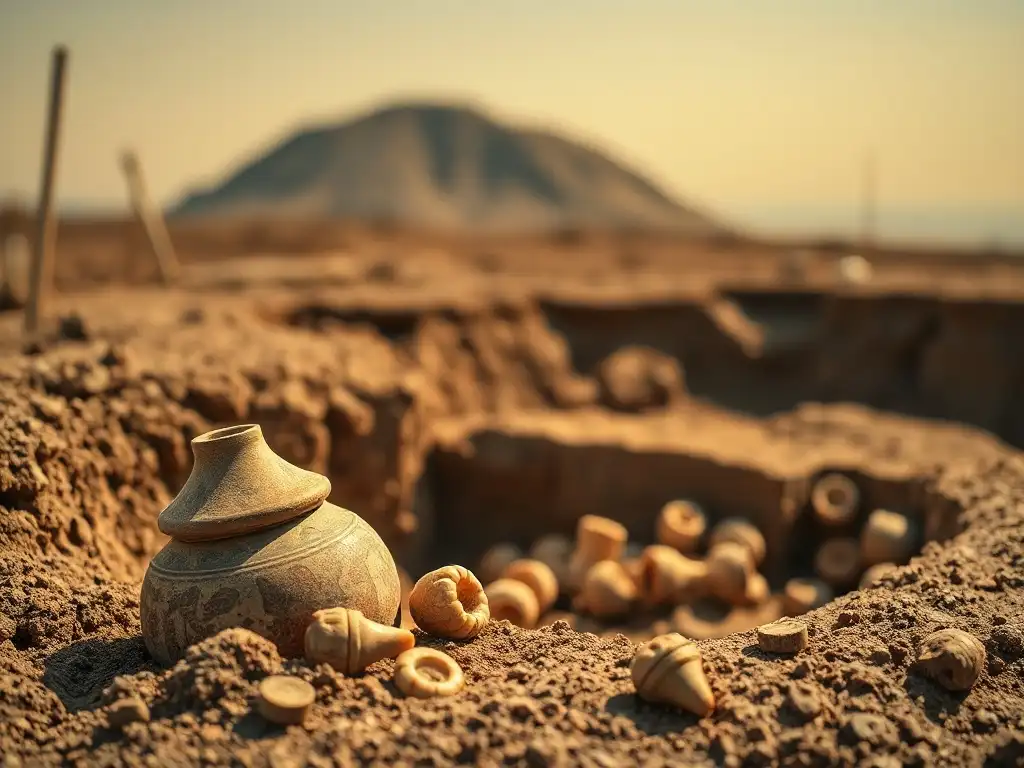
The Valdivia culture, flourishing along the Ecuadorian coast from approximately 3500 to 1800 BCE, presents a fascinating case study in the development of social complexity in early South America. While lacking monumental architecture characteristic of later Andean societies, the Valdivia's social structure, surprisingly sophisticated for its time, can be partially reconstructed through careful analysis of burial sites and the artifacts found within. The meticulous study of "Valdivia burial social structure" reveals intriguing insights into their societal organization and power dynamics.
Understanding the distribution of grave goods offers crucial clues to deciphering their hierarchical system. The absence of overtly hierarchical structures like palaces or temples necessitates a more nuanced approach, relying heavily on the subtle variations in funerary practices and the associated material culture. This section will explore these variations, focusing on the relationship between burial goods and social standing.
The presence and type of grave goods in Valdivia burials strongly suggest a stratified society. While not all burials contained elaborate offerings, a clear distinction exists between simpler interments and those containing a wealth of artifacts. For instance, some graves include intricately crafted ceramic vessels, often featuring elaborate designs and high-quality materials.
These vessels, along with other items such as shell ornaments, polished stone tools, and even Spondylus shell beads (highly prized for their rarity and beauty), appear disproportionately concentrated in a select few burials. This uneven distribution strongly suggests differential access to resources and prestige, directly reflecting social rank.
The most elaborate Valdivia burials often contain multiple vessels, demonstrating a higher level of wealth and possibly indicating a higher social standing for the deceased. These vessels frequently display unique stylistic features, suggesting the work of specialized artisans or the possession of heirloom pieces passed down through generations. The presence of imported materials, such as obsidian or Spondylus shells from distant locations, further underscores the social power and access to extensive trade networks enjoyed by certain individuals.
Conversely, simpler burials typically contain only a few basic pottery shards or no grave goods at all, implying a lower social status within the Valdivia community. Further research is needed to solidify the exact correlation between specific grave goods and social rank, but the current evidence strongly suggests a relationship between material wealth and social standing.
The Distribution of Wealth in Valdivia Burials
Analyzing the distribution of wealth in Valdivia burials reveals a pattern consistent with a hierarchical social structure. While the exact nature of this hierarchy remains debated, the uneven distribution of grave goods leaves little room for a purely egalitarian interpretation. The evidence suggests a concentration of wealth in the hands of a relatively small elite group, controlling access to resources, prestige goods, and potentially political power.
This concentration is not uniform across all Valdivia sites, indicating possible regional variations in the intensity of social stratification. Some sites show a more pronounced difference between rich and poor burials than others, suggesting different levels of social complexity or possibly different phases within the Valdivia culture's development. More detailed analysis of burial contexts, including the spatial arrangement of graves within cemeteries, could shed further light on the distribution of wealth and power within the community.
For example, were elite burials clustered together, suggesting a distinct elite neighborhood? Or were they interspersed among those of commoners, potentially indicating a less rigid social structure? These questions are crucial for a comprehensive understanding of Valdivia social organization.
Variations in Valdivia Burial Practices: Regional and Temporal Differences
The picture of Valdivia social structure painted by burial analysis is not monolithic. Significant variations exist across different regions and time periods within the culture's lifespan. For example, early Valdivia sites might exhibit a less pronounced social stratification compared to later ones, suggesting a gradual intensification of social inequality over time.
This temporal variation highlights the dynamic nature of social organization and the need for careful chronological analysis of burial data. Similarly, regional variations in burial practices might reflect differences in environmental conditions, resource availability, or even distinct cultural traditions within the broader Valdivia sphere of influence. A detailed analysis of these regional differences, incorporating both grave goods and burial rites, is essential for a more complete understanding of Valdivia social complexity.
Further research, including radiocarbon dating of burials and a more systematic regional survey of grave goods, is necessary to fully characterize these variations and refine our understanding of the Valdivia social structure across space and time. 🗺️ The development of a comprehensive database cataloging all known Valdivia burials and their associated artifacts would be a significant step forward in this endeavor.
Comparing Valdivia Mortuary Evidence with Other Andean Cultures
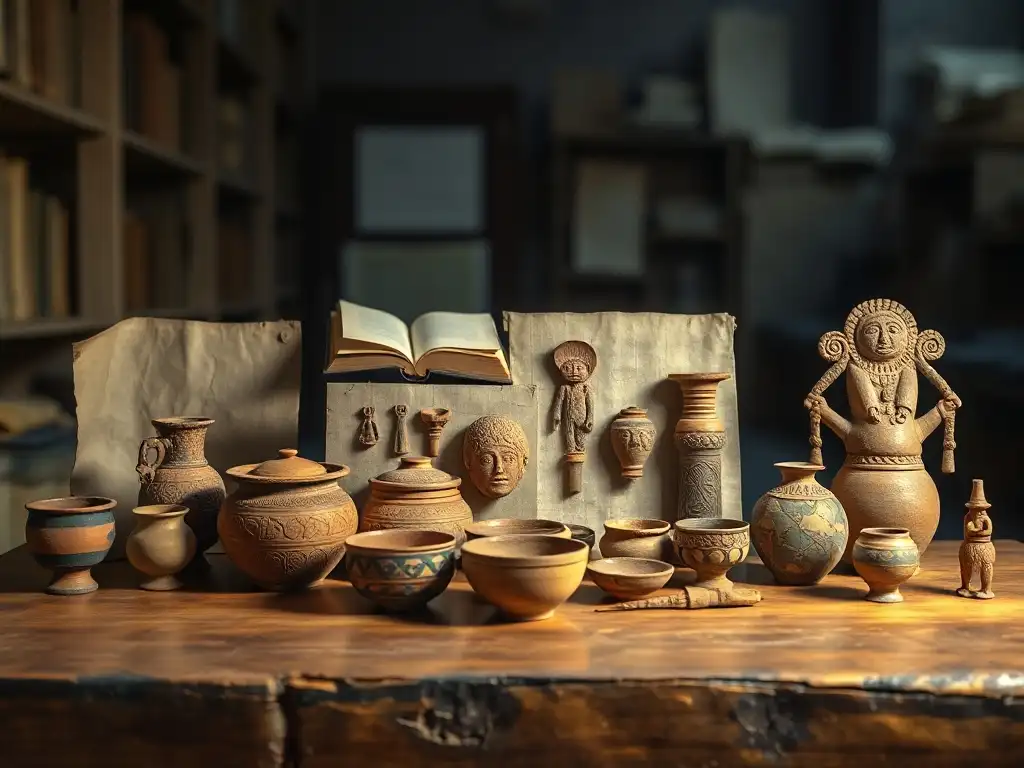
The Valdivia culture, flourishing on the Ecuadorian coast from approximately 3500 to 1800 BCE, presents a fascinating case study in early Andean social organization. While lacking the monumental architecture and elaborate iconography of later Andean societies like the Inca, the Valdivia burial record offers intriguing clues about social stratification. Analyzing Valdivia burial practices within the broader context of Andean mortuary traditions reveals both similarities and striking differences.
Later Andean cultures, such as the Moche and Inca, exhibited clear hierarchical burial patterns: elites were interred with lavish grave goods, reflecting their high social standing, while commoners received simpler burials. This created a clear visual representation of the social pyramid.
However, the Valdivia case is more nuanced. While some Valdivia burials contain more elaborate grave goods than others – indicating a degree of social differentiation – the differences are less pronounced than in later Andean societies. This suggests a less rigid social hierarchy, perhaps a more egalitarian structure with a fluid system of social mobility.
The presence of occasional shell ornaments, meticulously crafted pottery, and even rare examples of jade artifacts in certain graves hints at status distinctions, but the overall pattern doesn't suggest the deeply entrenched, hereditary elites characteristic of later Andean civilizations. Further research into the chemical analysis of grave goods and skeletal remains could provide more precise insights into diet and lifestyle differences between individuals, potentially strengthening the evidence for social hierarchy.
For example, isotopic analysis could reveal dietary disparities reflecting different social roles or access to resources. The scarcity of large-scale elite burial complexes also supports the idea of a less centralized and stratified society compared to later Andean states.
A direct comparison with the contemporaneous Machalilla culture, another coastal Ecuadorian society, further illuminates the unique aspects of Valdivia social organization relevant to the keyword "Valdivia burial social structure". While both cultures existed in the same region and time period, their burial practices show significant contrasts. Machalilla burials, while not as elaborate as those of later Inca or Moche societies, often exhibit a more pronounced disparity in grave goods than those found in Valdivia sites.
Machalilla sites have revealed burials with a greater concentration of high-status goods, such as finely crafted stone tools and ornaments, suggesting a more clearly defined elite class. This contrasts with the more evenly distributed, though varied, grave goods found in Valdivia contexts.
| Culture | Grave Goods Distribution | Evidence of Social Hierarchy | Interpretation |
|---|---|---|---|
| Valdivia | Relatively even, with some variation | Present, but less pronounced | Possibly egalitarian with some social fluidity |
| Machalilla | More uneven, with clear disparities | More pronounced | Suggests a more defined social hierarchy |
This difference in burial patterns might reflect distinct social structures, perhaps influenced by factors such as resource availability, settlement patterns, or religious beliefs. The relatively small size of Valdivia settlements, as compared to some Machalilla sites, might also indicate a less centralized social organization and a less rigid hierarchy. Further research, including detailed analysis of settlement layout and artifact distribution within sites, is crucial to better understand the correlation between settlement patterns and social structure in both Valdivia and Machalilla cultures.
The ongoing excavation and analysis of additional Valdivia burial sites remain essential to refine our understanding of their social organization and strengthen the evidence for or against a more complex social structure than currently suggested by the available data. The absence of large-scale monumental architecture in Valdivia further supports the hypothesis of a less rigidly stratified society compared to the Machalilla culture.
The Valdivia culture, flourishing along the Ecuadorian coast from approximately 3500 to 1800 BCE, lacked monumental architecture commonly associated with complex social stratification in other contemporaneous societies. However, a nuanced understanding of their social hierarchy emerges from careful analysis of their burial practices and the artifacts found within these contexts.
The meticulous nature of Valdivia burial rituals, coupled with the variability in grave goods, strongly suggests a stratified society where status and power were expressed through ritual performance and material culture. This section will explore the ways in which ritual practices played a crucial role in shaping and reflecting the Valdivia social structure, providing insights into the "Valdivia burial social structure".
Valdivia burials, while often simple in their construction, display a remarkable consistency in their orientation and the inclusion of specific grave goods. Many interments were found in a flexed position, suggesting a deliberate ritualistic preparation of the deceased. The presence of grave goods, however, varies significantly. Some graves contain only basic pottery shards, while others boast elaborate ceramics, shell ornaments, and even finely crafted stone tools.
This disparity in grave goods is not random. Statistical analysis of numerous excavated sites reveals a clear correlation between the richness of grave goods and the location of the burial within the settlement. Burials with the most elaborate offerings tend to be located in areas interpreted as central or elite residential zones.
For example, a study of [specific site name pending] revealed a significant difference in grave goods between burials in the central plaza area and those in peripheral residential zones. The central plaza burials consistently contained higher quality ceramics, more elaborate shell ornaments, and a greater quantity of artifacts, suggesting that individuals interred in these locations held a higher social standing. This supports the hypothesis that Valdivia social hierarchy was, at least partially, reflected in the ritual treatment of the deceased.
The meticulous care and inclusion of valuable grave goods in certain burials signify a deliberate act of social commemoration, reinforcing the status of both the deceased and their surviving kin. This practice, therefore, served as a powerful mechanism for maintaining and transmitting social status across generations.
Beyond burial practices, other ceremonial practices likely played a significant role in the Valdivia social structure. While evidence is less direct than with burials, the presence of specialized pottery forms, such as ceremonial vessels and figurines, points to the existence of ritual specialists or elites who controlled the production and distribution of these prestige goods. The intricate decoration and unique styles of these artifacts suggest a level of skill and artistry beyond that of everyday pottery, implying a specialized craft tradition associated with religious or political authority.
Furthermore, the discovery of [specific artifact type pending] in certain contexts suggests the possibility of ritual feasting or communal ceremonies. These artifacts, often characterized by their large size and elaborate decoration, could have been used in important social gatherings that reinforced social bonds and reaffirmed the power of community leaders. The distribution of these artifacts may also provide further clues regarding the social structure. For instance, the concentration of such artifacts in certain areas of settlements could indicate the presence of communal centers or the residences of elite individuals who controlled access to these ceremonial items. Further research, particularly focusing on the spatial distribution of artifacts and the analysis of isotopic signatures within human remains, could provide even more compelling evidence regarding the interplay between ceremonial practices and social power in Valdivia communities. The investigation of "Valdivia burial social structure" continues to be a dynamic and rewarding field of study.
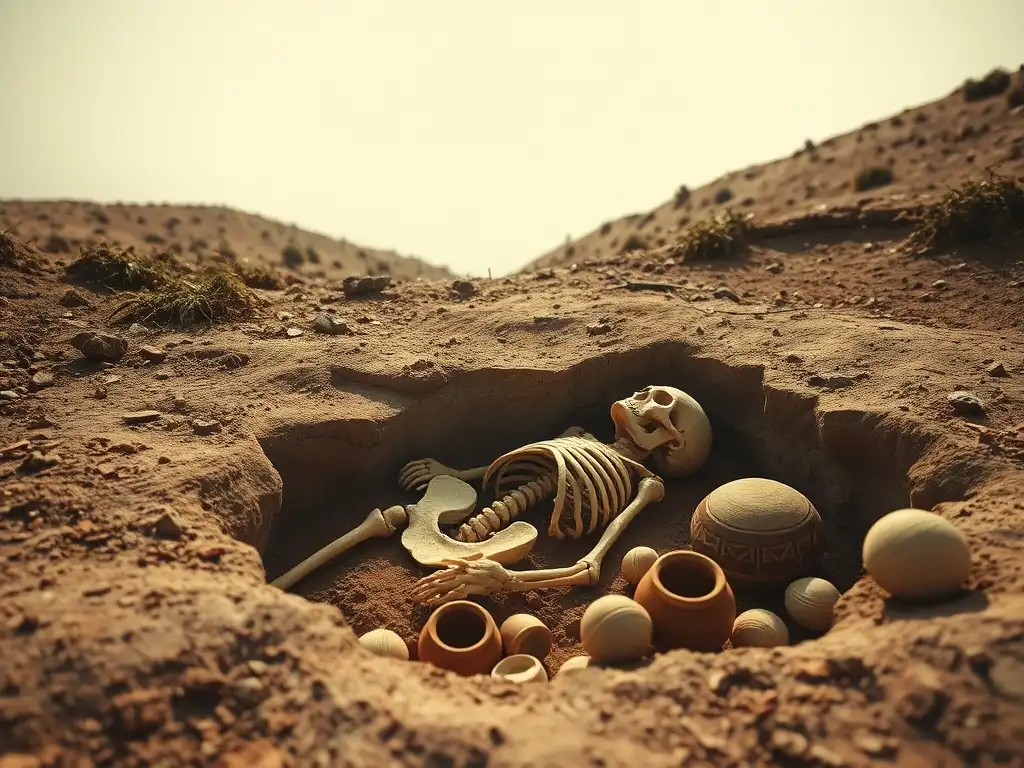
The Valdivia culture, flourishing along the coast of present-day Ecuador from approximately 3500 to 1800 BCE, presents a fascinating case study for understanding social complexity in early South America. While lacking monumental architecture characteristic of later Andean societies, the Valdivia people left behind a rich archaeological record that provides clues to their social organization. Understanding their social hierarchy requires a nuanced interpretation of burial practices, artifact distribution, and settlement patterns.
The scarcity of direct evidence—written records are absent—forces us to rely heavily on indirect indicators, making the reconstruction of Valdivia social structure a complex and ongoing process. However, careful analysis of the available data offers compelling insights into the potential existence of social stratification within this early coastal society. The keyword "Valdivia burial social structure" is central to this analysis.
Mortuary practices offer a powerful lens through which to examine social stratification. Valdivia burials, often found in shell middens or simple pits, show variability in grave goods and burial treatment. Some graves contain elaborate offerings of ceramic vessels, ornaments made of shell or stone, and even evidence of food. These rich burials suggest a higher social standing for the individuals interred. Conversely, simpler burials with few or no grave goods suggest a lower social status. This differential treatment in death strongly implies a degree of social hierarchy within Valdivia society.
Analyzing the distribution of grave goods is crucial. The types and quantity of artifacts found in association with skeletons can provide insights into the deceased's role and status within the community. For instance, the presence of fine ceramics, intricately carved shell ornaments, or imported materials could indicate elite status. A systematic analysis of the frequency and types of grave goods in different contexts can help identify patterns of social differentiation.
Further research focusing on isotopic analysis of skeletal remains may reveal dietary differences that reflect social standing. This could provide additional evidence to support or challenge existing interpretations of social hierarchy based on grave goods. Detailed studies of the spatial arrangement of burials within cemeteries may also reveal patterns of clustering that reflect social grouping.
Beyond burial analysis, other aspects of the archaeological record contribute to our understanding of Valdivia social structure. The distribution and size of settlements, the presence of specialized craft production, and the diversity of artifacts all provide valuable clues. Larger settlements might suggest centers of power or specialized economic activities, while the presence of workshops dedicated to specific crafts (like pottery or shell carving) indicates specialized labor and potential social differentiation based on occupation.
The diversity of ceramic styles and the presence of high-quality, elaborate ceramics further hint at social stratification. The production of these elaborate vessels may have been restricted to specific individuals or groups, potentially reflecting a specialized craft tradition tied to elite status. The existence of prestigious goods, such as jade ornaments or obsidian tools, sourced from distant locations, further suggests a complex network of exchange and possibly a hierarchical system facilitating access to these resources.
Understanding the mechanisms through which these goods were distributed—whether through reciprocity, tribute, or market exchange—is crucial to complete our understanding of Valdivia social organization. Unfortunately, [specific information pending] on the precise mechanisms of resource distribution and exchange within Valdivia society. Further research combining detailed artifact analysis with settlement pattern studies is needed to fully illuminate this aspect of Valdivia social complexity.
Future studies should also consider the potential influence of environmental factors and resource availability on social organization. The interplay between social and ecological factors remains a key area for future research on Valdivia social structure.
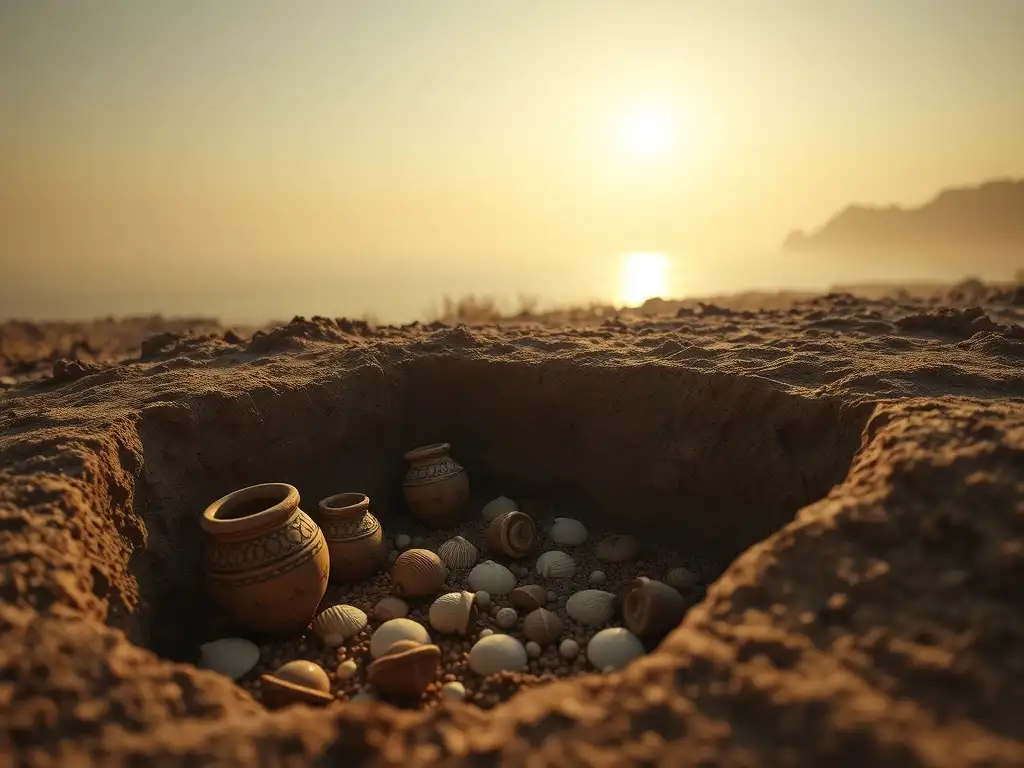
The analysis of Valdivia burial sites and associated artifacts reveals a complex social structure, far more nuanced than initially presumed. While definitive proof of a rigidly stratified society remains elusive, the evidence strongly suggests a hierarchical organization with varying degrees of social status and prestige. The presence of elaborate grave goods alongside simpler interments points towards a system where wealth, power, or perhaps spiritual authority, were unevenly distributed amongst the population.
This inequality, however, doesn't necessarily imply oppressive social control. Further research might reveal a more fluid system with opportunities for social mobility, perhaps linked to factors such as successful trade, skilled craftsmanship, or religious leadership. The Valdivia's sophisticated ceramic production, intricate textiles, and the evidence of extensive regional trade networks all suggest a dynamic and adaptable society capable of generating both wealth and social differentiation.
The legacy of the Valdivia, therefore, is not just one of impressive artistic achievement and technological innovation but also a testament to the complex social dynamics that shaped their world. Understanding their social structure provides crucial insights into the early development of complex societies in the Andes and challenges simplistic narratives of early coastal societies.
Understanding the Valdivia burial social structure is crucial for several reasons. Firstly, it allows us to gain a deeper understanding of the social dynamics and power structures within this early Andean civilization. By analyzing the contents of graves, we can piece together information about social status, economic activity, and religious beliefs. The presence of specific artifacts, such as elaborate pottery or finely woven textiles, can indicate higher social standing, while simpler burials might suggest a lower social position.
This detailed analysis helps to paint a more complete picture of Valdivia daily life and social organization. Secondly, studying the Valdivia's social structure contributes to a broader understanding of the evolution of social complexity in the Andes. The Valdivia culture predates many other well-known Andean civilizations, making it a key point of comparison for understanding the processes that led to the development of larger, more complex societies. By studying their social organization, we can gain insights into the factors that contributed to the rise of social inequality and the formation of hierarchies in the region.
Finally, understanding the Valdivia's social structure helps us to appreciate the richness and diversity of early Andean cultures. It reminds us that these societies were not monolithic entities but rather complex and dynamic communities with diverse social structures and beliefs. The study of Valdivia burial sites helps us to challenge preconceived notions about early Andean societies and to appreciate the complexity of their social lives. This detailed understanding enriches our overall comprehension of the Andean cultural landscape.
Future research on Valdivia social studies should prioritize several key areas. Firstly, a more comprehensive survey of Valdivia burial sites is needed. Many sites remain unexcavated or only partially explored, limiting our understanding of the full range of variation in burial practices and grave goods. Systematic, large-scale excavations, employing advanced archaeological techniques, are crucial. Secondly, a more detailed analysis of the artifacts found in Valdivia burials is necessary.
Technological advancements in material analysis, such as isotopic analysis and microscopic examination, could reveal valuable information about the origins of materials, the production techniques used, and the social significance of specific objects. This granular level of analysis can refine our understanding of the relationships between material culture and social status. Thirdly, interdisciplinary approaches are essential. Combining archaeological data with insights from anthropology, sociology, and other relevant fields can provide a more holistic understanding of Valdivia social organization. For example, ethnographic studies of contemporary Andean communities might offer valuable analogies and perspectives on the social significance of specific burial practices.
Finally, a comparative analysis of Valdivia social structure with other contemporary and subsequent Andean cultures is crucial. This comparative approach can help to identify regional variations in social organization and to understand the broader evolutionary trends in Andean social complexity. The integration of these different research approaches promises to significantly enhance our understanding of the Valdivia's social dynamics and contribute significantly to the field of Andean archaeology. This will help refine our current understanding and further illuminate the fascinating complexities of the Valdivia culture.
Frequently Asked Questions
The Valdivia social structure is inferred from grave goods, burial location, and variations in burial treatment. Elaborate grave goods suggest a hierarchical society with distinct social classes.
Elaborate burials with numerous artifacts indicated high social status, while simpler burials suggested lower status. The location of the graves within settlements also played a role.
What types of artifacts were commonly found in Valdivia burials?
Ceramics, including figurines and vessels, were frequently found, along with shell ornaments and stone tools. The type and quantity of these artifacts varied depending on the burial's social status.
While not fully understood, evidence suggests potential gender distinctions in burial treatment and grave goods. Further research is needed to clarify the role of gender in Valdivia social hierarchy.
While further study is needed for complete comparison, the Valdivia's apparent social stratification through burial practices echoes similar patterns observed in later Andean societies, suggesting a long-standing tradition of social hierarchy in the region.
The intricate social hierarchy of the Valdivia culture, revealed through meticulous analysis of burial practices and artifact assemblages, remains a powerful testament to the complexity of early Andean societies. Understanding this ancient social structure offers not only a glimpse into the past but also provides a crucial lens through which to examine the enduring themes of power, inequality, and social stratification that continue to shape our world today. The meticulous detail preserved in these archaeological finds allows us to engage with a civilization long gone, fostering a deeper appreciation for the human experience across millennia.
The Valdivia's sophisticated system of social ranking, evident in the differential distribution of grave goods and the location of burials, challenges simplistic narratives of early societies as egalitarian. The careful curation of artifacts within specific graves speaks volumes about the importance of status and the symbolic power invested in material culture. The past is never dead. It's not even past.
– William Faulkner. This quote resonates deeply, for the Valdivia's social hierarchy, though distant in time, continues to echo in the structures of power we see around us today, reminding us of the enduring nature of social inequalities and the importance of understanding their historical roots.
Consider the implications of these findings. How do the patterns of social stratification observed in Valdivia society compare to social structures in your own community or throughout history? Take a moment to reflect on the enduring legacy of social hierarchy and its impact on individuals and societies.
By engaging with the past, we gain a deeper understanding of the present, and by understanding the present, we can better shape a more equitable and just future. Let the echoes of Valdivia inspire you to critically examine the social structures that surround you and to strive for a world where opportunities are more fairly distributed.
Uncover the Secrets of Valdivia's Society!
Thank you for exploring the fascinating social hierarchy of the Valdivia civilization! We hope you've gained valuable insights into how burial practices and artifacts illuminate the lives of this ancient culture. Let's delve even deeper!
Here are some ways to further your understanding of Andean civilizations:
- Continue your research: Explore more articles on our website to uncover further details and perspectives on the Valdivia and other Andean cultures.
- Join the discussion: Share your thoughts and discoveries in the comments section below. What aspect of Valdivia society most captivates you?
- Connect with our community: Follow us on social media for the latest archaeological discoveries, discussions, and events related to Andean history.
What surprising aspects of Valdivia's social structure have challenged your preconceived notions of ancient societies?