
The Chavín Transformation: From Simple Village to Powerful Center

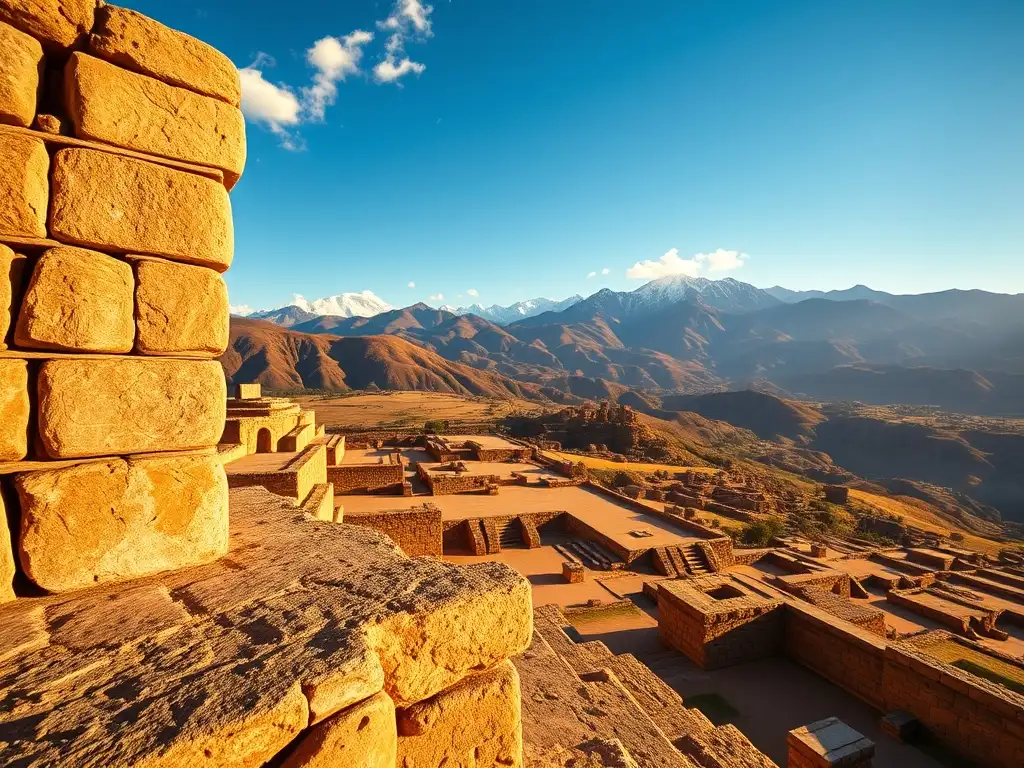
Uncover the mysteries of a civilization that shaped an empire! Journey back in time to explore the enigmatic Andean world, where towering mountains and breathtaking landscapes witnessed the rise and fall of powerful empires. But what if the key to understanding the Incas and their predecessors lies in a seemingly humble village? Discover how the Chavín culture's impact on Andean civilization ignited a transformative wave, forever altering the course of history. Delve into the fascinating story of their ascension and the lasting legacy they left behind – a story that will leave you breathless.
The Chavín culture, flourishing in the Andes Mountains of Peru from approximately 900 to 200 BCE, represents a pivotal moment in the development of Andean civilization. What began as a relatively small village in the Callejón de Huántar, a high-altitude valley, evolved into a powerful religious and political center, profoundly impacting the subsequent trajectory of Andean societies.
This transformation, driven by innovative religious ideologies, sophisticated artistic expression, and possibly advanced agricultural techniques, left an indelible mark on the art, religion, and social structures of numerous later cultures. This article will delve into the key aspects of this remarkable shift, exploring how a small settlement became a major influence on the “Chavín culture impact on Andean civilization.” We will examine the evidence suggesting a significant cultural and technological diffusion emanating from Chavín de Huántar, radiating outwards across the Andes.
The Rise of Chavín de Huántar: From Village to Ceremonial Center
The transition from a simple village to a major ceremonial center was not a sudden event but rather a gradual process spanning centuries. Archaeological evidence suggests an initial period of relatively modest settlement, with simple dwellings and basic agricultural practices. However, over time, the site grew dramatically in size and complexity.
The construction of monumental architecture, including the iconic Chavín temple complex with its intricate network of tunnels, plazas, and underground chambers, demonstrates a significant investment of labor and resources. This monumental architecture, along with the sophisticated artistic style found in the carvings and sculptures, points towards a centralized authority capable of mobilizing large-scale workforces and controlling significant resources. The development of sophisticated irrigation systems may have also played a crucial role in supporting the growing population and sustaining the complex social organization.
The intricate water management systems allowed for increased agricultural production, potentially fueling the expansion of the Chavín influence. The exact mechanisms of this transformation remain a subject of ongoing research, but it’s clear that a complex interplay of factors contributed to Chavín's rise to prominence.
Chavín Art and Iconography: A Pan-Andean Style
The distinctive artistic style of the Chavín culture is arguably its most enduring legacy. Chavín art is characterized by its highly stylized depictions of supernatural beings, often featuring feline and other zoomorphic motifs. These images, frequently depicted in intricate carvings on stone and pottery, are found across a vast geographical area, spanning the northern and central Andes.
The widespread dissemination of this unique artistic style strongly suggests a significant level of cultural interaction and exchange, with Chavín serving as a central source of inspiration and influence. The iconic Chavín style, with its powerful imagery of jaguars, snakes, and other mythical creatures, became a unifying element, connecting disparate communities across diverse ecological zones.
This stylistic uniformity suggests a powerful influence, perhaps stemming from religious beliefs and practices, that transcended geographical boundaries. The consistent portrayal of these motifs in different regions and on various mediums underscores the profound impact of Chavín artistic concepts on Andean art.
The Chavín Religious System: A Catalyst for Cultural Unification
The Chavín religious system played a crucial role in the spread of Chavín influence. The temple complex at Chavín de Huántar served as a pilgrimage site, attracting people from distant regions. The religious beliefs and practices of Chavín likely involved ritualistic use of hallucinogenic substances, such as the San Pedro cactus, which may have facilitated altered states of consciousness and strengthened the religious experience.
The shared religious experiences at Chavín could have fostered a sense of unity and shared identity among diverse groups, creating a network of interconnected communities across the Andes. The symbolic power of Chavín religious iconography, combined with the prestige associated with the pilgrimage site, contributed to the widespread adoption of Chavín beliefs and practices. The adoption of similar religious beliefs, rituals, and iconography across the vast Andean region is a testament to the profound and lasting impact of the Chavín religious system.
The Legacy of Chavín: Lasting Impacts on Andean Civilization
The influence of the Chavín culture extended far beyond its geographical location and temporal limits. The artistic style, religious beliefs, and possibly even agricultural techniques spread across the Andes, laying the foundation for subsequent cultural developments. Many later Andean cultures, including the Moche, Nazca, and even the Inca, show evidence of Chavín influence in their art, architecture, and religious practices.
The Chavín legacy is evident in the recurring motifs, stylistic elements, and shared religious themes found across different Andean cultures. The Chavín culture’s impact on the Andean civilization is undeniable, demonstrating its significance as a formative influence on the development of the region's rich and complex history.
The lasting impact of Chavín’s artistic, religious and potentially technological innovations helped shape the cultural landscape of the Andes for centuries to come. The spread of its influence serves as a powerful example of cultural transmission and its impact on the diverse tapestry of Andean civilizations.
- The Rise of Chavín de Huántar: From Village to Ceremonial Center
- Chavín Art and Iconography: A Pan-Andean Style
- The Chavín Religious System: A Catalyst for Cultural Unification
- The Legacy of Chavín: Lasting Impacts on Andean Civilization
- Chavín's Legacy in Later Andean Art: Iconographic Continuities
- The Influence of Chavín Religious Beliefs: Shared Cosmologies
- Chavín's Role in the Development of Andean Statecraft: Precursor to Complex Societies
- The Long-Term Effects of Chavín’s Cultural and Social Innovations: Foundation for Andean Civilization
- Chavín Culture Impact on Andean Civilization: A Lasting Legacy
- What was the Chavín culture's most significant impact on Andean civilization?
- How did the Chavín culture achieve its influence without a large empire?
- What are some key artistic characteristics of the Chavín style?
- How did the Chavín culture's religious beliefs affect Andean societies?
- When and where did the Chavín culture flourish?
Origins and Early Development of Chavín Society
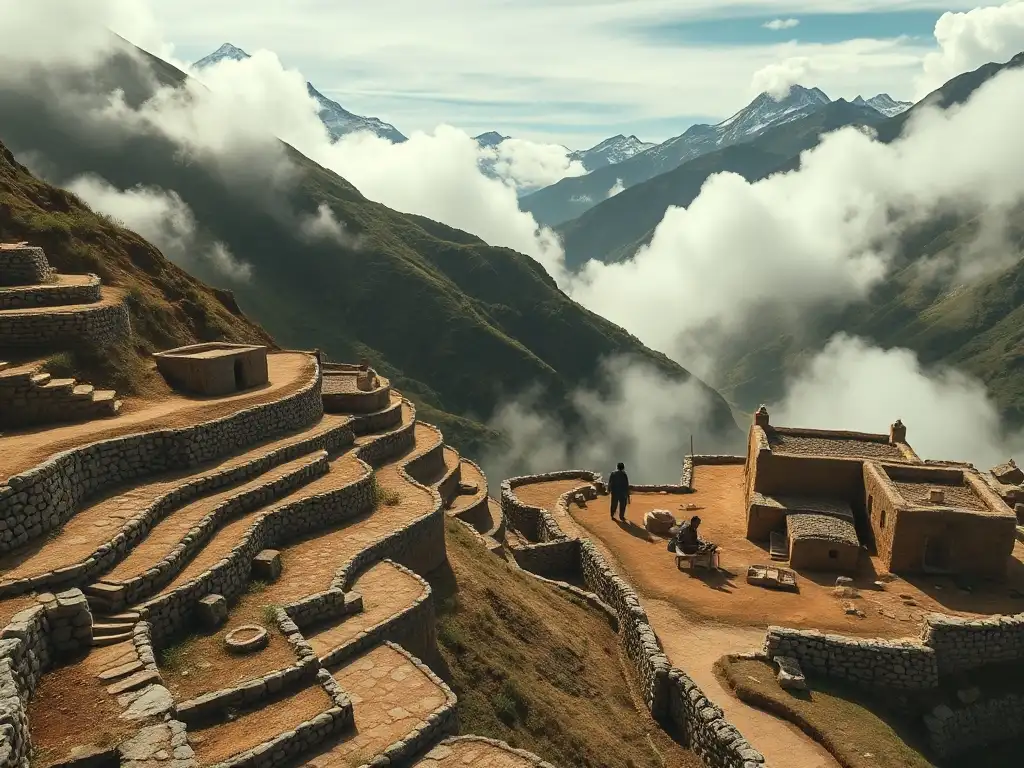
The Chavín culture's impact on Andean civilization is profound and far-reaching, leaving an indelible mark on subsequent societies. Understanding its origins and early development is crucial to grasping the magnitude of this influence. The Chavín phenomenon wasn't a sudden eruption; it was a gradual process built upon pre-existing foundations and evolving social structures. This section explores the key stages in this transformative period, highlighting the factors that contributed to Chavín's rise to prominence. The development of Chavín culture wasn't an isolated event but rather a complex interplay of environmental, social, and technological factors.
Pre-Ceramic Settlements in the Andean Highlands
Before the flourishing of Chavín de Huántar, the Andean highlands hosted various pre-ceramic settlements. These communities, while lacking advanced ceramics, possessed sophisticated agricultural techniques adapted to the challenging terrain. Evidence suggests a reliance on root crops like potatoes and tubers, supplemented by hunting and gathering.
These early inhabitants laid the groundwork for future societal advancements. Their knowledge of agriculture and resource management provided a crucial base upon which the Chavín would build their complex society. Analysis of excavated sites reveals rudimentary housing structures and evidence of early social organization, albeit simpler than the later Chavín hierarchical system.
The understanding of these earlier societies is vital for contextualizing the later Chavín developments and assessing the true extent of their cultural transformation. Further research into these pre-ceramic settlements is needed to fully understand the transition from these simpler communities to the more complex Chavín society. The impact of these early settlements on the Chavín culture itself remains an area of ongoing scholarly debate.
The Emergence of Chavín de Huántar as a Ceremonial Center
The gradual shift from scattered settlements to the centralized ceremonial center of Chavín de Huántar is a key aspect of Chavín culture's development. This wasn't a simple migration; rather, it involved a complex process of social and political integration. Archaeological evidence suggests that Chavín de Huántar's strategic location, nestled in a fertile valley with access to vital resources, played a significant role in its rise.
The construction of monumental architecture, including the iconic Lanzón monolith and intricate underground galleries, points to a highly organized workforce and a centralized power structure. This monumental architecture served not only as religious centers but also as symbols of power and control, influencing the surrounding communities.
The meticulous planning and execution of these structures suggest a high level of social complexity and a sophisticated understanding of engineering principles. The development of Chavín de Huántar as a powerful ceremonial center facilitated the spread of Chavín artistic motifs and religious beliefs across the Andes, impacting the religious practices of numerous societies.
While later Chavín society exhibited hierarchical structures, evidence suggests that the early stages were characterized by a more egalitarian social organization. This isn't to say there was complete equality; however, the stark social stratification seen in later periods was less pronounced. Analysis of burial sites reveals a relatively limited disparity in grave goods, suggesting a less rigid social hierarchy compared to later Andean civilizations.
The early Chavín social structure likely reflected a society focused on collective cooperation for agricultural production and resource management. This egalitarian nature, however, gradually gave way to a more hierarchical system as the Chavín civilization expanded its influence and power. The transition from an egalitarian to a hierarchical structure is a crucial aspect of understanding the Chavín culture's evolution and its long-term influence on Andean social structures.
The factors contributing to this shift remain a subject of ongoing research and debate among scholars, with some suggesting the rise of specialized religious roles played a significant part. The shift in social organization is a testament to the dynamic nature of the Chavín civilization and its adaptation to the changing social and political landscape of the Andes.
The Rise of Chavín Culture and Its Influence
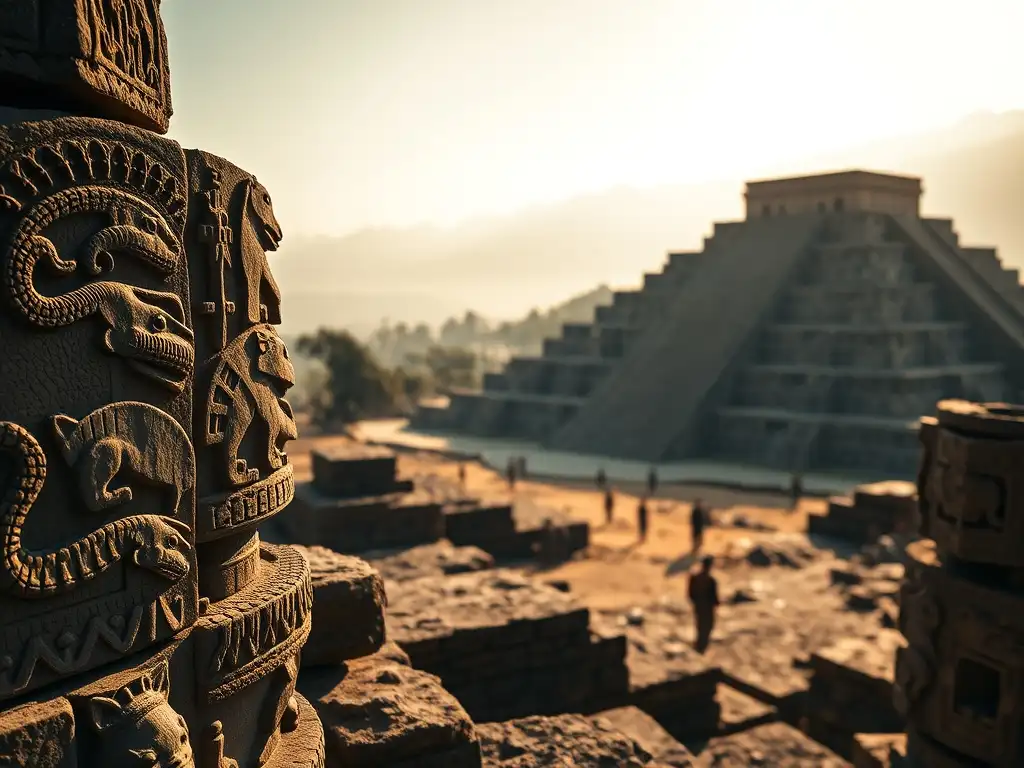
The Chavín culture's impact on Andean civilization is undeniable, marking a pivotal moment in the region's pre-Columbian history. Emerging around 900 BCE in the northern Peruvian Andes, Chavín de Huántar, far from being a simple village, rapidly transformed into a powerful religious and political center. Its influence spread across vast distances, impacting the artistic styles, religious beliefs, and even the social structures of numerous contemporaneous cultures.
This wasn't a conquest in the traditional sense; rather, a complex interplay of religious pilgrimage, trade networks, and the adoption of prestigious Chavín styles fueled this cultural transformation. The scale of this influence is truly remarkable, considering the relative isolation of the Chavín heartland. Archaeological evidence suggests a sophisticated network connecting the highlands and the coast, facilitating the transmission of ideas and artistic conventions.
This network, while still under investigation, likely involved established trade routes and perhaps even the movement of influential individuals or priestly classes. The Chavín impact wasn't uniform across all Andean societies; some absorbed Chavín elements more fully than others, leading to a diverse range of regional expressions of this overarching cultural phenomenon. The study of Chavín culture offers invaluable insights into the early development of complex societies in the Andes, highlighting the power of religious ideology and cultural exchange in shaping the trajectory of Andean civilization.
Chavín's Unique Art and Religious Iconography: The Lanzón
The Lanzón, a massive, intricately carved monolith located within the main temple at Chavín de Huántar, stands as a quintessential example of Chavín artistic and religious expression. This imposing stone sculpture, measuring over 15 feet in height, depicts a stylized feline deity, a recurring motif in Chavín iconography. The Lanzón's surface is covered in complex carvings depicting fangs, claws, and other features associated with this powerful entity. The artistry is breathtaking, showcasing a mastery of stone carving techniques far beyond what was previously thought possible for that period.
The precision and detail are remarkable, even considering the relatively primitive tools available at the time. Beyond its aesthetic qualities, the Lanzón held profound religious significance for the Chavín people. It likely served as a focal point for rituals and ceremonies, acting as a tangible representation of their divine power.
Scholars continue to debate the exact meaning and purpose of the Lanzón, but its central position within the temple complex suggests its importance in the Chavín religious system. Its powerful imagery and intricate detail undoubtedly contributed to the spread of Chavín artistic motifs throughout the Andes. The Lanzón's influence extends far beyond its physical presence, acting as a powerful symbol of the Chavín's religious and cultural authority.
The Spread of Chavín Artistic Motifs: Ceramics and Textiles
The influence of Chavín art extended far beyond the confines of its central site. Characteristic motifs, such as the stylized feline, the serpent, and the “caiman god,” are evident in the ceramics and textiles found across a wide geographical area. These artistic elements weren’t merely copied; they were adapted and reinterpreted by different cultures, leading to a fascinating array of regional variations. For example, Chavín-style ceramics, identifiable by their distinctive painted designs and often featuring jaguars, snakes, and other iconic creatures, have been discovered in sites hundreds of miles from Chavín de Huántar.
This widespread distribution suggests a significant level of cultural interaction and exchange. Similarly, textile fragments exhibiting Chavín-inspired patterns have been unearthed, demonstrating the pervasive influence of Chavín aesthetics in different mediums. This diffusion wasn't a simple process of imitation; instead, local artisans incorporated Chavín motifs into their existing traditions, creating a unique blend of regional and Chavín styles.
This demonstrates the dynamic nature of cultural exchange and adaptation in the ancient Andes. The analysis of these artifacts provides crucial information about the trade networks and the social dynamics that allowed for the spread of Chavín artistic conventions. The variation in regional styles reveals the process of cultural transmission, where the original Chavín style was interpreted and modified by different groups.
Chavín Religion and the Cult of Feline Deities
The Chavín religion played a crucial role in the culture's expansion and influence. Central to this religion was the worship of powerful feline deities, often depicted in a combination of human and animal features. These deities, represented through elaborate sculptures like the Lanzón and intricate carvings on ceramics and textiles, were likely associated with both earthly and supernatural power. The cult of these feline deities seems to have been a key element in the spread of Chavín influence.
Pilgrimages to Chavín de Huántar, the main religious center, likely played a significant role in disseminating religious beliefs and artistic styles. People from distant regions traveled to the site, encountering the Chavín religious system and its powerful iconography firsthand. Upon returning to their homelands, they may have brought with them not only religious ideas but also artistic motifs and techniques, contributing to the widespread dissemination of Chavín artistic conventions. The evidence suggests a complex religious system with hierarchical structures and specialized priests who played a vital role in maintaining and propagating the cult.
The ubiquity of feline imagery across various Andean cultures during this period strongly suggests the widespread adoption and adaptation of Chavín religious beliefs. The precise nature of Chavín religious practices remains a topic of ongoing research, but the impact of their religious ideology on the broader Andean world is undeniable. The influence of Chavín religious beliefs on subsequent Andean cultures is a testament to the power of religious ideas in shaping cultural landscapes.
The Role of Shamans and Rituals: Psychoactive Substances
The Chavín culture's profound impact on Andean civilization is inextricably linked to its sophisticated religious practices, heavily influenced by the use of psychoactive substances. Shamans, wielding considerable power and influence within Chavín society, played a central role in these rituals.
Their expertise in manipulating altered states of consciousness through the ingestion of plants like brugmansia (angel's trumpets) and possibly datura (jimsonweed), allowed them to connect with the spiritual world and mediate between the human and divine realms. These substances, far from being recreational drugs, were integral components of complex ceremonies designed to foster social cohesion and maintain the cosmic order.
Evidence suggests that the consumption of these powerful hallucinogens was not indiscriminate. The carefully crafted iconography found on Chavín artifacts, such as the Lanzón monolith and various ceramic vessels, depicts figures in trance-like states, often surrounded by stylized representations of plants and animals associated with shamanistic practices. This detailed imagery suggests a highly structured and ritualized approach to the use of these substances, implying a deep understanding of their effects and their potential for spiritual insight.
Furthermore, the architectural design of the Chavín de Huántar site itself likely facilitated these rituals, with its labyrinthine passages and dimly lit chambers potentially creating a sensory environment conducive to altered states of consciousness. The carefully controlled environment would have enhanced the shaman's ability to guide participants through a structured and meaningful experience.
The effects of these substances, inducing vivid hallucinations and altered perceptions, were likely interpreted as visions of the divine or communication with supernatural entities. These experiences, mediated by the shaman, reinforced the authority of the religious elite and cemented their control over the community.
The shared experience of these rituals would have fostered a strong sense of collective identity and social unity, contributing significantly to the Chavín culture's ability to exert its influence over a vast geographical area. The impact extended beyond mere social control; the religious beliefs and practices, intrinsically linked to the use of psychoactive substances, shaped the art, architecture, and overall worldview of the Chavín people and their influence on subsequent Andean cultures.
The legacy of these shamanistic practices can be traced in the religious systems of later Andean civilizations, highlighting the enduring impact of Chavín religious innovations on the broader Andean cultural landscape. The precise details of the rituals and the specific combinations of psychoactive plants used remain partly shrouded in mystery, but archaeological and anthropological evidence continuously sheds light on this fascinating and crucial aspect of Chavín culture.
Chavín's Transformation into a Powerful Center
The rise of the Chavín culture, from a relatively small village to a powerful religious and political center exerting significant influence across the Andes, represents a pivotal moment in Andean prehistory. Understanding this transformation requires examining several key factors, including advancements in agriculture, the development of specialized crafts, and the strategic control of vital trade routes. The Chavín culture's impact on Andean civilization is undeniable, leaving a lasting legacy on subsequent cultures and shaping the trajectory of the region's development.
The Intensification of Agriculture: Irrigation Systems
The Chavín's success was fundamentally rooted in their ability to efficiently manage and expand agricultural production. This wasn't merely about cultivating more land; it was about sophisticated techniques that ensured reliable harvests, even in the challenging Andean environment. The construction of extensive irrigation systems stands out as a testament to their engineering prowess and organizational capabilities. These weren't simple canals; they were complex networks designed to channel water from rivers and streams to irrigate terraced fields across varied terrains.
Evidence suggests the use of sophisticated techniques like check dams and diversion channels to control water flow and maximize its impact. This allowed for the cultivation of a wider variety of crops, leading to increased food surpluses. These surpluses, in turn, supported a growing population and allowed for the specialization of labor, paving the way for the development of other crucial aspects of Chavín society.
The surplus also likely played a significant role in the accumulation of wealth and power within the Chavín elite. Detailed analysis of surviving irrigation systems reveals a high degree of planning and coordination, implying a centralized authority capable of mobilizing significant labor forces for large-scale projects. This organizational capacity was a critical factor in the Chavín's ability to consolidate power and influence.
Development of Specialized Craft Production: Metalworking
Beyond agriculture, the Chavín's economic strength was further bolstered by the development of specialized craft production, particularly in metalworking. While previous Andean cultures had worked with metals, the Chavín demonstrated a remarkable advancement in techniques and artistry. They mastered the techniques of hammering, annealing, and alloying, producing intricate objects of gold, silver, and copper.
These weren't merely utilitarian tools; they were often adorned with elaborate designs and served religious or ceremonial purposes. The production of these artifacts required specialized skills and knowledge, concentrated in the hands of skilled artisans. The presence of these high-quality metalworks in sites across a wide geographical area strongly suggests the Chavín's control over the production and distribution of these valuable goods.
The artifacts themselves often feature stylistic elements that are consistent with Chavín iconography, suggesting a link between craft production and the religious authority of the Chavín elite. This control over metalworking not only enhanced their economic power but also contributed to their symbolic authority and prestige across the Andes, solidifying their influence among other groups. The level of sophistication in Chavín metalworking represents a significant leap forward in Andean technology and contributed significantly to the Chavín culture's impact on Andean civilization.
Chavín's Control of Trade Routes: Obsidian and Spondylus Shells
The Chavín's rise to power was also facilitated by their strategic control over important trade routes. Access to valuable resources, such as obsidian (a volcanic glass used for tools) and spondylus shells (used for ornamentation and ritual objects), was crucial for economic prosperity and political influence. Archaeological evidence indicates that the Chavín controlled access to and distribution of these coveted materials.
Obsidian sources were located far from the Chavín heartland, and the presence of Chavín-style artifacts made from obsidian in distant locations suggests a complex network of trade and exchange. Similarly, spondylus shells, sourced from the coast, were found in inland Chavín sites, further demonstrating the Chavín's ability to control and manage long-distance trade. The control of these trade routes not only provided economic benefits but also enhanced the Chavín's political power, allowing them to establish alliances and exert influence over distant communities.
This control over resources and trade networks was instrumental in consolidating the Chavín's position as a powerful center, significantly impacting the development of subsequent Andean civilizations. The strategic management of these resources demonstrates the sophisticated understanding of economics and politics that characterized the Chavín leadership. The Chavín culture's impact on Andean civilization is therefore not just a matter of religious influence, but also a testament to their effective control over trade and resources.
The rise of Chavín de Huántar wasn't solely a matter of military might; its influence stemmed significantly from its religious authority. The Chavín exerted control not through direct conquest, but through a subtle yet powerful form of religious hegemony. Their elaborate temples, adorned with intricate carvings and featuring the iconic Chavín style, became pilgrimage sites for communities across the Andes. These weren't merely places of worship; they were centers of power, where the Chavín priests, acting as intermediaries between the gods and the people, wielded considerable influence.
This religious authority translated directly into political power. By controlling the religious narratives and rituals, the Chavín elite effectively shaped the beliefs and worldview of surrounding societies. This wasn't a forced imposition; rather, it was a gradual process of cultural assimilation, where the prestige and perceived power of the Chavín religion attracted followers and allies. The adoption of Chavín iconography and religious practices became a symbol of affiliation and a way for smaller communities to gain access to the presumed blessings and protection of the Chavín pantheon.
The evidence for this religious influence is abundant. Archaeological finds across a wide geographic area show the spread of Chavín artistic motifs and stylistic elements, indicating the adoption of Chavín religious beliefs and practices. The consistency of these styles across diverse regions suggests a powerful, centralized religious system emanating from Chavín de Huántar.
This wasn't merely the diffusion of artistic styles; it represented the dissemination of a powerful ideology that permeated the political landscape of the Andean region. The Chavín effectively created a pan-Andean religious network that solidified their position as a powerful, albeit indirectly controlling, force in the region.
The control wasn't through armies, but through the hearts and minds of the people, a testament to the enduring power of religious authority in shaping political structures. The impact of this religious authority on the subsequent development of Andean civilizations is undeniable, laying the groundwork for future complex societies and centralized states.
The Impact of Chavín Culture on Andean Civilization
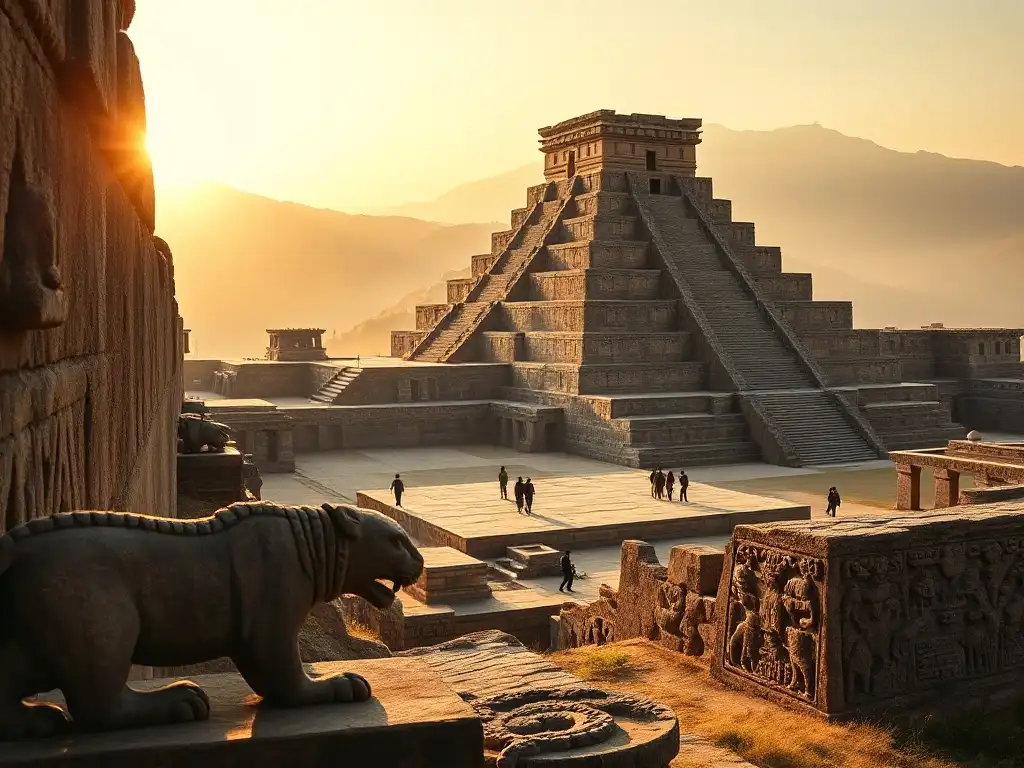
The Chavín culture, flourishing in the Andes from approximately 900 to 200 BCE, exerted a profound and lasting impact on the trajectory of Andean civilization. Its influence extended far beyond its geographically limited heartland, leaving an indelible mark on subsequent Andean societies through artistic expression, religious beliefs, and the development of complex socio-political structures.
Understanding the Chavín's influence is crucial to grasping the evolution of Andean societies and the interconnectedness of pre-Columbian cultures. The Chavín culture impact on Andean civilization is a multifaceted topic, encompassing artistic styles, religious practices, and political organization, creating a ripple effect that shaped the development of later Andean societies.
Chavín's Legacy in Later Andean Art: Iconographic Continuities
Chavín artistic motifs, characterized by their unique blend of stylized feline and serpent imagery, often intertwined with abstract designs and geometric patterns, are readily recognizable in the art of later Andean cultures. The iconic Chavín deity, often depicted as a jaguar-like creature with fangs and a menacing stare, appears in modified forms throughout the Andes for centuries. This stylistic continuity suggests a significant diffusion of artistic ideas and possibly the movement of artisans or artistic patterns.
For instance, the Moche culture, known for its exquisite pottery, incorporated many Chavín-inspired motifs into their work. While the Moche adapted these designs, incorporating their own regional styles, the underlying Chavín influence is unmistakable. Similarly, Nazca ceramics frequently feature stylized feline heads and serpent-like figures reminiscent of Chavín iconography.
This widespread adoption of Chavín artistic conventions suggests a strong cultural influence that transcended geographical boundaries and persisted for several centuries. The dissemination of Chavín artistic styles points to a significant cultural exchange network across the Andean region, even in the absence of direct political control. The persistence of Chavín iconography in later art forms highlights its enduring power and significance in shaping Andean artistic traditions.
The religious beliefs of the Chavín people played a crucial role in shaping the spiritual landscape of the Andes. Evidence suggests a complex cosmology centered around a powerful, possibly shamanistic, deity frequently represented in art. This deity's attributes—a blend of feline and serpent features—suggest a worldview connecting the terrestrial and spiritual realms. The centrality of this deity in Chavín iconography implies its importance in their religious practices, likely involving ritual offerings, possibly hallucinogenic substances, and elaborate ceremonies.
The influence of Chavín religious beliefs extended to later cultures. The use of similar iconography and the presence of ceremonial centers with similar layouts in subsequent cultures point to the diffusion of religious ideas and practices. While the specific details of religious beliefs might have varied across different Andean societies, the underlying cosmology, with its emphasis on supernatural forces and the connection between the human and divine worlds, appears to have been deeply rooted in the legacy of Chavín.
The adoption of similar ritual practices and the persistence of certain mythological motifs suggest a continuity of religious thought across vast distances and considerable periods. The spread of these religious concepts contributed to a shared Andean spiritual framework. Further research into specific rituals and beliefs of subsequent cultures is needed to fully understand the extent of Chavín's religious influence.
Chavín's Role in the Development of Andean Statecraft: Precursor to Complex Societies
The Chavín culture's influence extends beyond art and religion to the very structure of Andean societies. The emergence of large, centralized settlements at Chavín de Huántar, with its elaborate architecture and sophisticated water management systems, indicates a level of social organization and political complexity previously unseen in the Andes. This suggests a nascent form of statecraft, involving centralized planning, resource management, and the ability to mobilize labor on a large scale.
While the exact nature of Chavín political organization remains debated, the evidence suggests a system that moved beyond small, independent villages towards a more integrated, hierarchical structure. This development served as a crucial precursor to the more complex, state-level societies that emerged later in the Andes. The impressive scale of Chavín de Huántar, with its monumental architecture and sophisticated infrastructure, demonstrates the capacity for large-scale collective action, a fundamental characteristic of later Andean states.
The development of specialized crafts, indicated by the production of finely crafted artifacts, further supports the idea of a stratified society with specialized labor roles. While the exact mechanisms of power and control remain unclear, Chavín's influence on the development of Andean statecraft is undeniable, laying the foundation for future complex societies. Further research focusing on analyzing the administrative structures and societal hierarchies within Chavín society is required for a more comprehensive understanding.
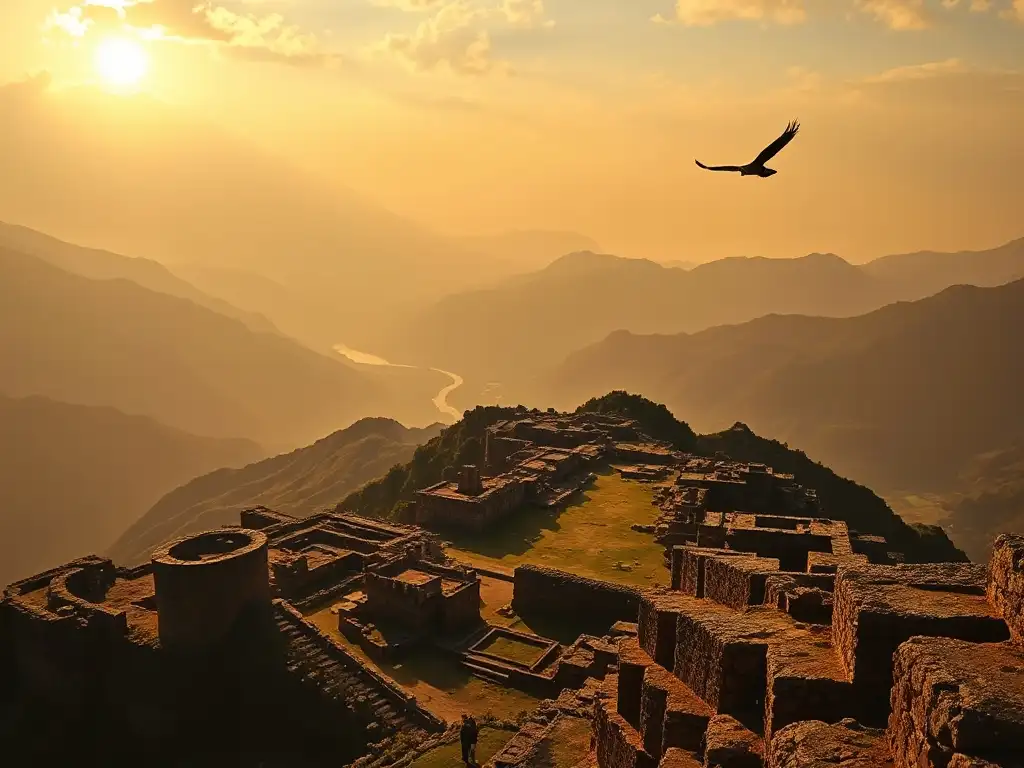
The Chavín culture's impact on subsequent Andean civilizations was profound and long-lasting. Their innovations weren't merely fleeting trends; they laid the groundwork for the complex societies that followed. Consider their sophisticated religious beliefs. The Chavín pantheon, with its jaguar-associated deities and emphasis on shamanistic practices, deeply influenced later Andean religions.
We see echoes of Chavín iconography and religious themes in the art and architecture of cultures like the Moche and Nazca, suggesting a continuous thread of religious thought across centuries. This wasn't a simple adoption; rather, these later cultures adapted and reinterpreted Chavín religious concepts, weaving them into their own unique belief systems. This demonstrates the remarkable staying power of Chavín religious ideas and their role in shaping the Andean worldview.
Furthermore, the advancements in Chavín agriculture and social organization had a significant ripple effect. Their mastery of irrigation techniques, evidenced by the sophisticated canal systems around their ceremonial centers, enabled increased agricultural productivity. This surplus likely supported a larger, more complex population and facilitated the development of specialized labor, crucial for the rise of larger, more stratified societies later on.
The hierarchical structure observed within Chavín society, with its elite class controlling religious and political power, also provided a model for later Andean states. While the specifics of social organization varied across different cultures, the concept of centralized authority and a stratified social hierarchy, pioneered by the Chavín, became a recurring feature of Andean civilizations. The influence of Chavín's innovative societal structures can be seen as a significant factor in the growth and development of subsequent Andean societies.
Chavín Culture Impact on Andean Civilization: A Lasting Legacy
The legacy of the Chavín culture is undeniable. Its impact reverberated throughout the Andean region, shaping the trajectory of countless subsequent cultures. The Chavín's influence extended beyond mere imitation; it spurred innovation and adaptation. Later Andean civilizations didn't simply copy Chavín designs and practices; they integrated Chavín elements into their own unique cultural expressions. This process of cultural exchange and adaptation is a testament to the Chavín's enduring influence and its role in the development of Andean civilization.
The spread of Chavín artistic motifs, for instance, showcases this transformative power. The distinctive Chavín style, characterized by its intricate carvings, stylized depictions of jaguars and other animals, and its use of distinctive artistic techniques such as the use of negative space, appears in the art of numerous later cultures, albeit adapted and modified to reflect the unique cultural identities of those societies.
This widespread adoption of Chavín artistic conventions highlights the significant cultural impact of the Chavín culture and how their artistic expressions became a fundamental part of the visual language of the Andes. The enduring presence of Chavín stylistic elements in later Andean art serves as a powerful symbol of the culture's lasting legacy and its pervasive influence on the artistic development of the region.
The Chavín's legacy is not just a matter of imitation; it is a story of cultural exchange, adaptation, and the enduring power of ideas.
Decline and Legacy of Chavín
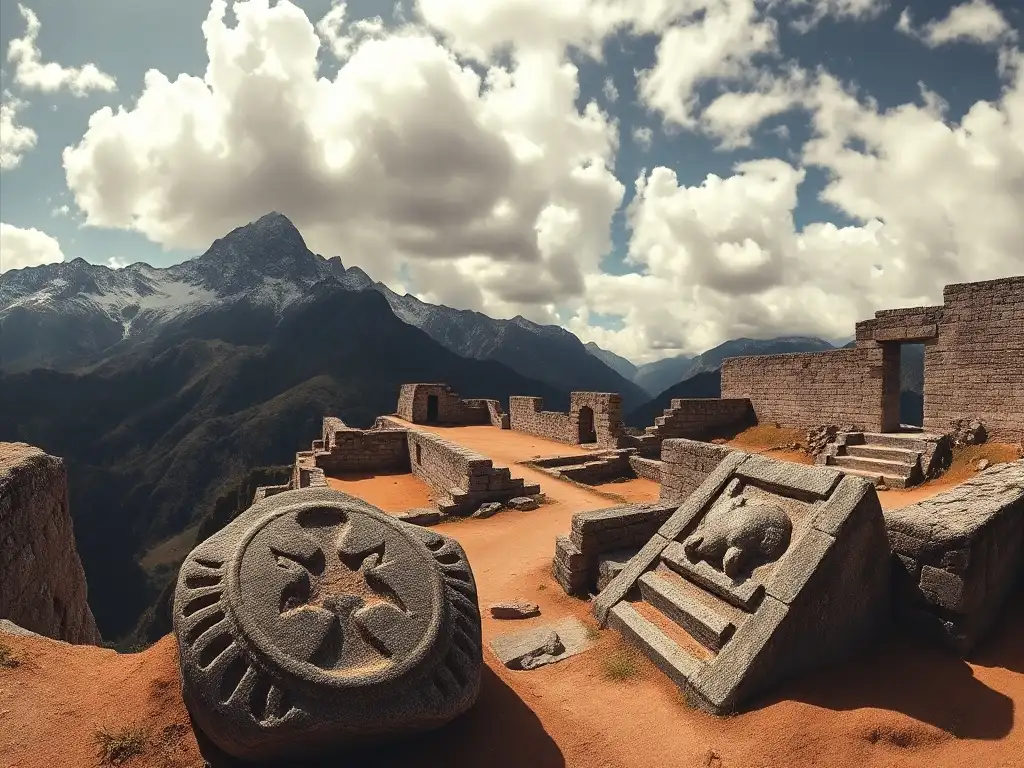
The Chavín culture's impact on Andean civilization was profound and long-lasting, despite its eventual decline. Understanding this decline helps us appreciate the full scope of Chavín's influence and its lasting legacy on subsequent Andean societies. While the exact reasons for its fall remain debated, several key factors contributed to the transformation of Chavín from a powerful religious and political center to a diminished presence.
The story is not one of simple collapse, but rather a complex process of internal weakening and external pressures that ultimately led to a redistribution of power and influence across the Andes. The Chavín culture's legacy, however, continued to resonate for centuries.
Factors Contributing to the Decline of Chavín: Environmental Changes
Environmental shifts played a significant role in the weakening of the Chavín state. Evidence suggests a period of climatic instability around the time of Chavín's decline. This instability may have manifested as changes in rainfall patterns, impacting agriculture and the availability of resources crucial to sustaining the large population centered around the Chavín de Huántar site.
Reduced agricultural yields would have strained the system, potentially leading to social unrest and weakening the central authority's ability to control its vast territory. Furthermore, changes in river flows and flooding could have damaged infrastructure and disrupted trade networks vital for the Chavín economy. The impact of these environmental changes was likely felt across the region, contributing to a general instability that facilitated the rise of other power centers.
Archaeological evidence, such as changes in settlement patterns and shifts in agricultural practices, supports the theory of significant environmental stress contributing to the decline. Further research into paleoclimatology and pollen analysis is needed to fully understand the exact nature and magnitude of these environmental shifts.
The decline of the Chavín's centralized political system was a gradual process, likely involving internal conflicts and the rise of competing power centers. While Chavín maintained a strong religious influence through its iconic iconography and artistic style, its political control seems to have weakened considerably. The evidence suggests that the once unified Chavín state fragmented into smaller, independent entities.
This fragmentation wasn't necessarily violent; it might have been a gradual process of decentralization, with local elites asserting greater autonomy. The absence of a strong central authority allowed regional variations to emerge, leading to the development of distinct styles and practices in different parts of the Andes.
The intricate system of alliances and tributary relationships that once underpinned Chavín's power likely eroded, paving the way for a more decentralized political landscape. Further investigation into the ceramic styles and architecture of the late Chavín period is needed to better understand the specifics of this power shift.
The Enduring Influence of Chavín Culture in the Andes: Regional Adaptations
Despite its decline as a central power, the Chavín culture's impact on Andean civilization was far from over. Its artistic motifs, religious iconography, and architectural styles were widely adopted and adapted by subsequent cultures across the region. The spread of Chavín artistic conventions, such as the depiction of stylized jaguars and other mythical creatures, demonstrates the far-reaching influence of Chavín religious beliefs.
This diffusion wasn't a simple imitation; instead, regional groups integrated Chavín elements into their own existing cultural frameworks, creating unique hybrid forms. For example, while the Moche and Nazca cultures developed their own distinct artistic styles, they incorporated elements of Chavín iconography, suggesting a continued reverence for Chavín religious traditions. This process of adaptation and innovation showcases the remarkable resilience and adaptability of the Chavín cultural legacy.
The enduring presence of Chavín stylistic elements in later Andean art is a testament to its profound and long-lasting impact. The Chavín culture's influence can be seen as a crucial stepping stone in the development of later Andean civilizations, contributing significantly to the formation of a shared cultural identity across the region. The legacy of Chavín is not just a matter of artistic styles, but also of religious ideas and socio-political structures that shaped the trajectory of Andean civilization for centuries to come.
Ongoing Research and Archaeological Discoveries
The study of the Chavín culture and its impact on Andean civilization is far from over. Archaeologists continue to unearth new evidence that challenges existing theories and expands our understanding of this pivotal period. Recent excavations at the Chavín de Huántar site itself have yielded fascinating results, including the discovery of previously unknown structures and artifacts.
These findings are helping researchers refine their understanding of the city's layout, its social organization, and its economic activities. For instance, the uncovering of a complex irrigation system suggests a far more sophisticated understanding of water management than previously believed, highlighting the Chavín's advanced technological capabilities and their impact on the agricultural practices of surrounding communities. This, in turn, influenced population growth and the development of larger, more centralized settlements across the Andes.
Furthermore, research is increasingly focusing on the wider Chavín sphere of influence, examining how Chavín artistic motifs, religious practices, and technological innovations spread throughout the Andes. The analysis of ceramics, textiles, and other artifacts found at sites far removed from Chavín de Huántar reveals a complex network of cultural exchange and interaction. This ongoing research is crucial in understanding the extent of the Chavín culture's impact, revealing how its influence permeated various Andean societies, shaping their artistic styles, religious beliefs, and social structures.
The use of advanced dating techniques, such as radiocarbon dating and thermoluminescence, is also refining our understanding of the Chavín chronology, providing a clearer picture of the rise, flourishing, and eventual decline of this influential civilization. The ongoing analysis of these findings promises to further illuminate the Chavín culture's lasting legacy on the Andean region.
The meticulous examination of even seemingly minor artifacts can reveal significant information about daily life, trade networks, and the overall societal organization of the Chavín people and their far-reaching impact. New technologies and interdisciplinary approaches are continuously improving the accuracy and depth of our understanding of the Chavín's influence on the development of later Andean civilizations.
Conclusion: Understanding Chavín's Significance
The Chavín culture's impact on Andean civilization is undeniable, representing a pivotal moment in the region's prehistory. Its influence extended far beyond its immediate geographical boundaries, leaving an enduring legacy that shaped the development of subsequent Andean societies. Understanding Chavín's significance requires acknowledging its multifaceted contributions, from its innovative artistic styles to its complex socio-political organization. The evidence suggests a powerful center that fostered cultural exchange and technological advancements, ultimately laying the groundwork for the sophisticated civilizations that followed. The mystery surrounding some aspects of Chavín culture only enhances its allure, encouraging further research and interpretation.
Chavín’s Importance in Andean Prehistory: Cultural Unification
Chavín's importance in Andean prehistory lies primarily in its role as a cultural unifier. Before Chavín, the Andean region was characterized by a patchwork of smaller, less interconnected societies. However, the Chavín horizon, spanning roughly from 900 BCE to 200 BCE, witnessed the widespread dissemination of Chavín artistic motifs, religious iconography, and architectural styles across vast stretches of the Andes.
This cultural diffusion, facilitated perhaps by trade networks or religious pilgrimages, suggests a powerful influence emanating from the Chavín center. The striking similarity of artifacts found in distant locations—from the northern coast to the southern highlands—provides compelling evidence of this widespread cultural exchange.
This unification, while not necessarily political, laid the groundwork for future Andean empires by establishing shared cultural values and facilitating communication across different regions. The stylistic consistency across these disparate sites underscores Chavín's impact as a powerful cultural force, shaping the religious and artistic landscape of the Andes for centuries.
The Contributions of Chavín to Andean Civilization: Innovation and Complexity
The Chavín culture was not merely a spreader of existing ideas; it also contributed significantly to Andean innovation and complexity. Their mastery of architecture is evident in the monumental structures at Chavín de Huántar, showcasing sophisticated engineering techniques, including intricate drainage systems and precise stonework. These architectural marvels, along with their elaborate religious iconography – often featuring jaguar-like deities and other supernatural beings – point to a complex religious system and a highly stratified society.
Furthermore, the development of sophisticated artistic techniques, such as the intricate carving of obsidian and the creation of finely detailed ceramics, showcases the advanced craftsmanship that flourished within Chavín society. These innovations were not isolated occurrences; they diffused throughout the Andes, influencing the artistic styles and technological advancements of subsequent cultures.
The evidence suggests a dynamic interplay between innovation within Chavín and its subsequent adoption and adaptation by other Andean groups. The spread of Chavín-style pottery, for example, demonstrates not only the reach of their influence but also the assimilation and transformation of their artistic styles by other communities.
Future Studies and Interpretations
Despite extensive research, many aspects of Chavín culture remain enigmatic. Future studies should focus on refining our understanding of Chavín's socio-political organization, the nature of its religious beliefs, and the mechanisms through which its influence spread so effectively. Further archaeological excavations at Chavín de Huántar and other related sites are crucial for uncovering new data.
Moreover, advanced analytical techniques, such as isotopic analysis and DNA studies, could provide valuable insights into the movement of people and the exchange of goods during the Chavín horizon. A deeper understanding of the economic underpinnings of Chavín society is also needed. Was it primarily based on agriculture, trade, or a combination of both?
Unraveling these mysteries will not only enhance our knowledge of Chavín itself but also provide a more nuanced understanding of the broader trajectory of Andean civilization. The ongoing investigation into the Chavín culture's impact on Andean civilization promises to yield further fascinating discoveries and reinterpretations, adding layers to our understanding of this pivotal period in Andean prehistory. The ongoing research and analysis will undoubtedly continue to refine our understanding of the Chavín culture's lasting impact, solidifying its place as a cornerstone of Andean history.
Frequently Asked Questions
What was the Chavín culture's most significant impact on Andean civilization?
The Chavín culture's most significant impact was the widespread dissemination of religious and artistic motifs across the Andes. This created a unified cultural sphere influencing later civilizations.
How did the Chavín culture achieve its influence without a large empire?
Chavín's influence stemmed from its religious and artistic innovations, not military conquest. Pilgrimage and trade networks spread their ideas and styles throughout the region.
What are some key artistic characteristics of the Chavín style?
Stylized depictions of jaguars, snakes, and other mythical creatures are hallmarks of Chavín art. Their sculptures and ceramics often feature feline features and complex geometric patterns.
How did the Chavín culture's religious beliefs affect Andean societies?
Chavín religion, centered on powerful deities and shamanistic practices, influenced the development of religious beliefs and rituals in subsequent Andean cultures. This created a shared spiritual landscape.
When and where did the Chavín culture flourish?
The Chavín culture thrived in the northern Andes of Peru from approximately 900 to 200 BCE. Their main center was located in the Chavín de Huántar archaeological site.
Final Reflection: The Enduring Legacy of Chavín
The innovative religious and artistic expressions of the Chavín culture weren't merely a fleeting phenomenon; they represent a foundational moment in the development of Andean civilization, profoundly shaping the trajectory of subsequent cultures. Their sophisticated artistic style, complex religious beliefs, and far-reaching influence continue to resonate even today, reminding us of the power of cultural exchange and the enduring impact of a single, transformative society.
The Chavín's impact extends far beyond their immediate geographical location. Their artistic motifs, religious iconography, and architectural styles spread throughout the Andes, acting as a catalyst for cultural unification and the development of shared identities. The Chavín horizon represents a crucial stage in the formation of Andean civilization, providing a common ground for the development of later regional styles and identities.
This quote highlights the lasting influence of Chavín's artistic and religious innovations, demonstrating how a single culture could act as a springboard for broader societal evolution. Their legacy serves as a powerful reminder of the interconnectedness of ancient Andean societies and the importance of understanding their complex interactions.
Consider the intricate carvings, the imposing architecture, and the pervasive religious symbolism of Chavín. These weren't simply aesthetic choices; they were powerful tools for social control, religious expression, and the creation of a shared cultural identity. You, the reader, are invited to reflect on the ways in which cultural exchange and innovation shape societies today. How do contemporary artistic movements, religious beliefs, and technological advancements influence the world around you? What lasting impact will your own generation leave on future civilizations? Let the story of Chavín inspire you to consider the enduring power of cultural transformation.
Unleash the Power of Chavín: Take Action Today!
Thank you for exploring the fascinating Chavín civilization! You've learned about its evolution into a powerful cultural center. Now, let's turn your curiosity into action.
Here are some ways to delve deeper into the rich legacy of the Chavín:
- Visit local museums and cultural centers to see Chavín artifacts and exhibitions. This will give you a deeper understanding of their impact.
- Join online communities dedicated to Andean history. Connect with other enthusiasts, share ideas, and expand your knowledge.
- Consider a trip to the Chavín de Huantar archaeological site. Experiencing the ruins firsthand will create an unforgettable connection to this remarkable heritage.
What aspect of the Chavín civilization intrigues you most, and how do you think it can inform our understanding of ancient societies?