
Chavín Society: Unraveling the Hierarchies of a Complex World

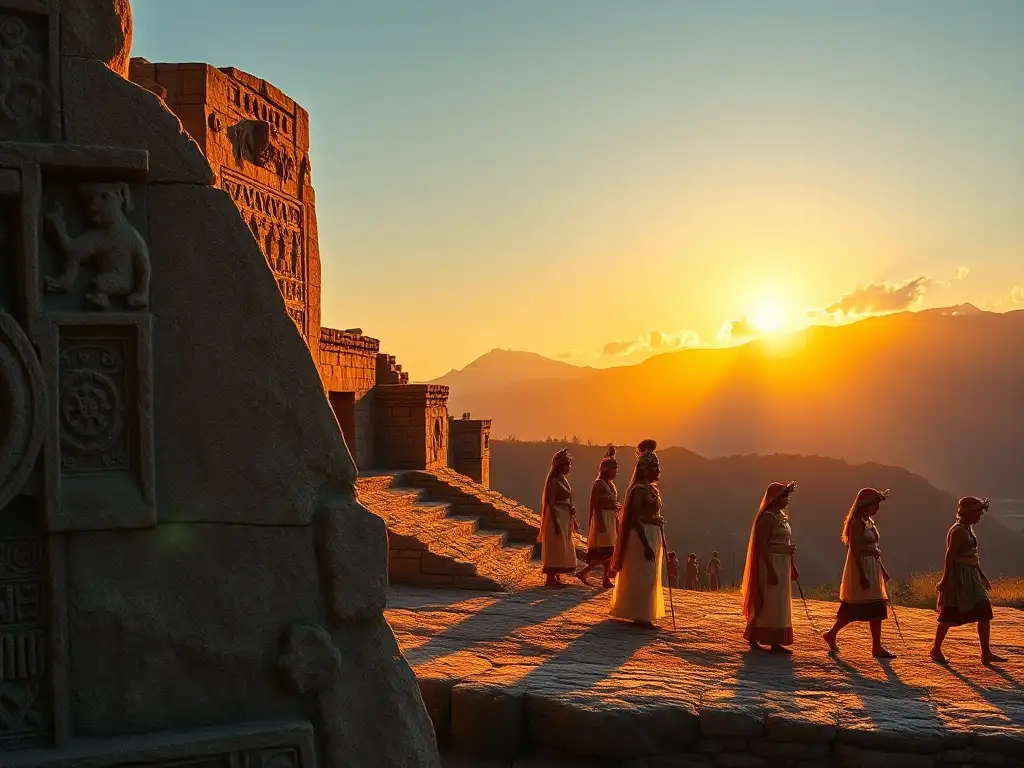
Welcome to Andean Civilizations! Prepare to journey into a world lost to time, where towering empires rose and fell amidst breathtaking landscapes. We delve into the fascinating tapestry of Andean history, art, and innovation, exploring cultures from the Incas to the enigmatic Nazca. But first, we unravel a particularly intriguing mystery: the Chavín civilization social structure. Discover the intricate hierarchies and power dynamics that shaped this pivotal Pre-Incan society—a pivotal piece in understanding the complex rise of Andean cultures. Dare to explore the secrets hidden within...
The Chavín culture, flourishing in the Andes Mountains of Peru between 900 and 200 BCE, presents a fascinating enigma for archaeologists and historians. Its influence spread widely across the region, impacting subsequent Andean civilizations, yet the specifics of its social structure remain a subject of ongoing research and debate. This article delves into the complexities of Chavín society, examining the evidence for hierarchical organization and exploring the roles of various social groups within this influential pre-Inca culture.
We will investigate how the Chavín civilization's social structure facilitated its remarkable artistic achievements, technological innovations, and its lasting impact on the development of Andean civilization. Understanding the Chavín social structure is key to unlocking a deeper comprehension of the culture's power and longevity. We will explore the evidence for social stratification, the potential roles of religious specialists, and the likely organization of labor within Chavín society.
Archaeological evidence suggests a clear social hierarchy within Chavín society. The monumental architecture of Chavín de Huántar, the culture's principal site, points to a centralized power structure. The massive temples, intricate carvings, and sophisticated water management systems required significant coordinated labor, implying a stratified society with specialized roles and a system for allocating resources.
The sheer scale of construction projects like the Lanzón monolith – a massive, carved stone – points to a highly organized workforce with skilled artisans and laborers working under the direction of an elite group. Furthermore, the discovery of elaborate burial sites containing prestigious grave goods, such as gold ornaments and fine ceramics, suggests a clear distinction between elite and commoner classes.
These burials, while relatively few in number compared to commoner burials, demonstrate a significant disparity in wealth and status. Further research is needed to fully elucidate the nature of social mobility within the Chavín hierarchy.
The Role of Religious Specialists in Chavín Culture
The prominent role of religious practices in Chavín culture is undeniable. The elaborate iconography found throughout Chavín sites, featuring stylized depictions of jaguars, snakes, and other powerful animals, suggests the presence of a powerful priestly class. These religious specialists likely held significant social and political influence, mediating between the supernatural world and the everyday lives of the Chavín people.
The complexity of the Chavín religious system, as evidenced by the intricate designs and symbolism found in their art and architecture, implies a highly specialized priesthood trained in ritual practices and esoteric knowledge. The location of temples in prominent positions within the city also suggests the importance of religion in the daily life of Chavín society. The potential existence of specialized religious schools or training centers remains an area of ongoing research.
Organization of Labor and Economic Activities in Chavín Society
The construction and maintenance of Chavín's impressive infrastructure, including irrigation systems, temples, and residential areas, required a highly organized workforce. The diverse range of skills needed, from stone carving and metalworking to agriculture and textile production, points to a specialized division of labor. While the exact nature of the economic system remains unclear, evidence suggests a system of tribute or taxation may have been in place to support the construction projects and maintain the elite class.
Agricultural production, likely based on the cultivation of maize, potatoes, and other Andean crops, formed the economic base of Chavín society. The development of sophisticated irrigation systems demonstrates an understanding of water management and resource allocation, crucial for sustaining a growing population. Further research into the distribution of artifacts and the analysis of settlement patterns is crucial to better understand Chavín's economic organization.
The role of trade in the Chavín economy is also an area requiring further investigation. The presence of exotic materials in Chavín sites suggests the existence of trade networks, though the extent and nature of these networks remain to be fully understood.
The Chavín Legacy and its Impact on Subsequent Andean Civilizations
The influence of the Chavín culture extended far beyond its geographical boundaries. Its distinctive artistic style, religious iconography, and technological innovations were adopted and adapted by subsequent Andean cultures, demonstrating the significant impact of the Chavín social structure and its organizational capabilities. The spread of Chavín-style art across the Andes suggests a complex network of interaction and exchange, reflecting the power and reach of the Chavín civilization.
The legacy of Chavín's sophisticated social organization can be seen in the development of later Andean states, highlighting the importance of understanding this foundational culture. The enduring impact of the Chavín civilization serves as a testament to the effectiveness of their social and political structures.
Further research into the interactions between the Chavín and neighboring cultures is needed to fully understand the extent of its influence. The dissemination of Chavín religious beliefs and practices offers a compelling case study in the transmission of cultural ideas across vast geographical areas.
- Evidence for Social Stratification in Chavín Society
- The Role of Religious Specialists in Chavín Culture
- Organization of Labor and Economic Activities in Chavín Society
- The Chavín Legacy and its Impact on Subsequent Andean Civilizations
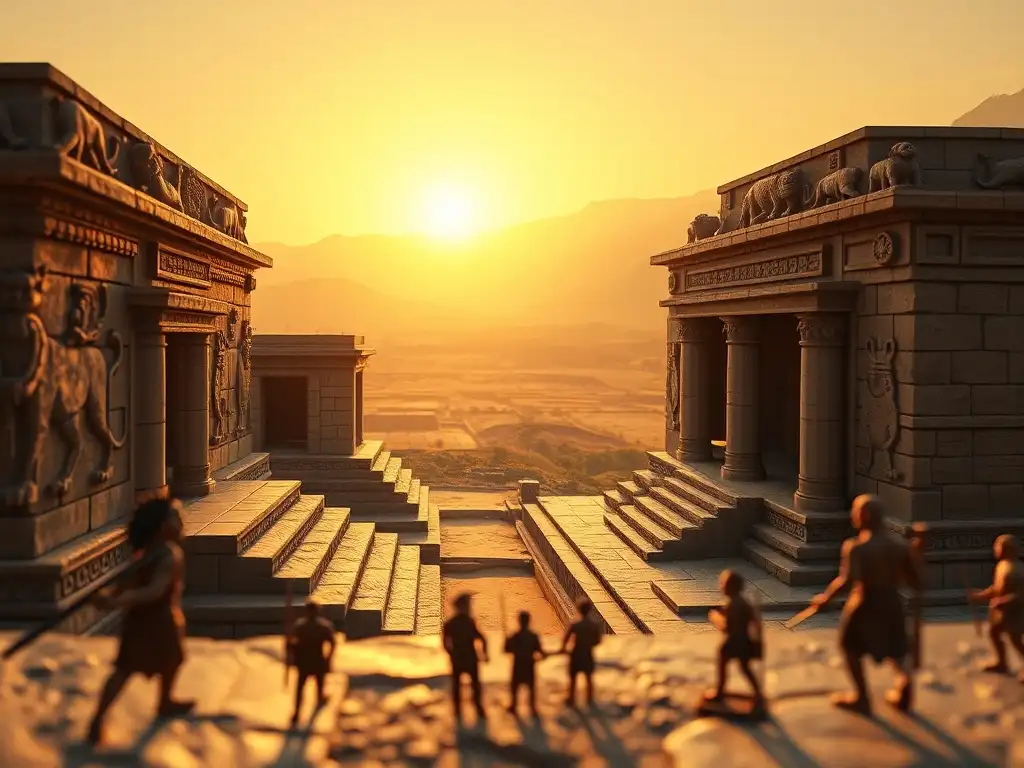
This section delves into the intricate social structure of the Chavín civilization, a pre-Inca society that flourished in the Andes Mountains of Peru between 900 and 200 BCE. Understanding their social organization is crucial to comprehending their remarkable achievements in art, religion, and architecture. The Chavín civilization social structure, while not fully understood, reveals a complex society with clear hierarchies and specialized roles. We will explore the evidence suggesting a stratified society, examining the roles of different social groups and the factors contributing to their social standing.
The Foundation of Chavín Society: An Overview
The Chavín social structure was likely based on a theocratic system, where religious leaders held significant power and influence. Evidence suggests a centralized authority, possibly residing in the main Chavín de Huántar temple complex. This temple served not only as a religious center but also as an administrative and possibly economic hub, controlling the flow of resources and potentially dictating social roles.
Archaeological findings, such as the elaborate carvings and monumental architecture of Chavín de Huántar, highlight the power and prestige of the religious elite. The sheer scale of the construction projects implies a significant level of social organization and the ability to mobilize large workforces. This points towards a hierarchical system capable of coordinating complex labor and resource management.
The presence of specialized craft workshops within the complex further supports the existence of specialized labor and a stratified society. These workshops produced intricate textiles, ceramics, and metalwork, items likely reserved for the elite or used in religious ceremonies.
The common people, likely farmers and herders, formed the base of Chavín society. Their contributions in agriculture and livestock were essential to supporting the priestly class and the wider population. While less visible in the archaeological record, their role was fundamental to the civilization's survival and prosperity.
The distribution of artifacts and the types of dwellings discovered at different sites suggest a degree of social differentiation even within the commoner class. More research is needed to fully understand the nuances of social stratification within this group. Further analysis of settlement patterns and the distribution of everyday objects could shed more light on the daily lives and social standing of commoners within the Chavín social structure.
Several key characteristics define the Chavín civilization's social structure. These include:
- Religious Authority: The paramount importance of religion is evident in the monumental architecture and iconography of Chavín de Huántar and other sites. Religious leaders, likely shamans or priests, occupied the apex of the social hierarchy, wielding considerable influence over the lives of the people. Their power may have been based on their perceived ability to communicate with the supernatural world and control the forces of nature.
- Specialized Labor: The existence of specialized craftspeople, as indicated by the discovery of workshops producing fine textiles, ceramics, and metalwork, suggests a division of labor and a degree of economic specialization within Chavín society. This specialization points to a sophisticated social organization capable of supporting non-agricultural occupations.
- Control of Resources: The centralization of power in Chavín de Huántar and the control of resources, including agricultural products and raw materials, likely contributed to the maintenance of social hierarchy. The elite likely controlled the distribution of these resources, reinforcing their power and influence over the population. Further investigation into the trade networks and economic systems of the Chavín culture is needed to fully understand the extent of this control.
- Social Mobility: The extent of social mobility within Chavín society is still a matter of debate amongst researchers. While a rigid hierarchy likely existed, the possibility of upward or downward mobility depending on factors such as skill, wealth, or religious standing cannot be entirely discounted. Further research, including analyzing burial practices and grave goods, is necessary to gain a clearer picture of social mobility in this fascinating Andean civilization. The study of Chavín iconography may also reveal clues about social status and hierarchies.
The study of the Chavín civilization social structure continues to be a dynamic field of research. New discoveries and interpretations constantly refine our understanding of this complex and fascinating pre-Inca society. The intricate interplay between religious authority, specialized labor, and resource control shaped the social landscape of Chavín, leaving behind a rich legacy for future generations to explore.
The Elite Class in Chavín Society: Power and Control
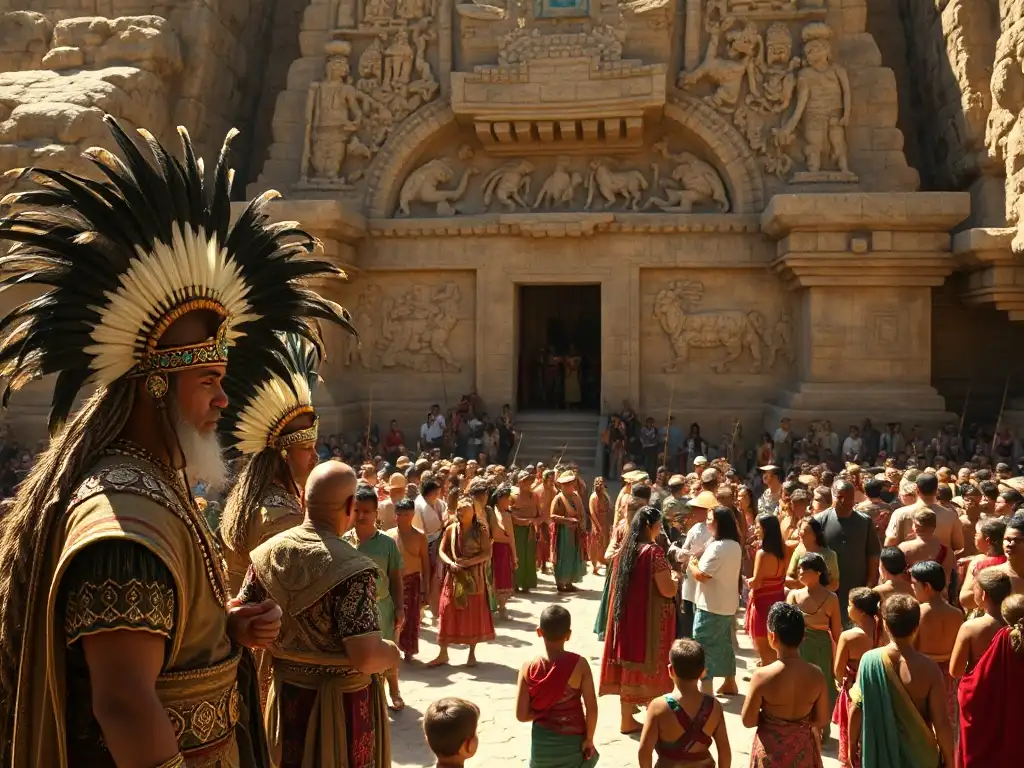
The Chavín civilization, flourishing in the Andes from roughly 900 to 200 BCE, wasn't a unified empire in the same way as the Inca. Instead, its influence spread through a complex network of religious and economic ties, suggesting a sophisticated social structure centered around a powerful elite. Understanding the Chavín civilization social structure reveals a society where power and control were concentrated in the hands of a select few, wielding influence through religious authority, political maneuvering, and control over resources.
The extent of this control is still a subject of ongoing archaeological investigation, but emerging evidence paints a picture of a hierarchical society with significant social stratification. The study of Chavín culture reveals a fascinating case study in the development of complex social organization in the pre-Columbian Andes. The keyword "Chavín civilization social structure" perfectly encapsulates the core of this intricate societal organization.
The Chavín priesthood held a position of paramount importance within the social structure. Evidence suggests they acted as intermediaries between the mortal world and the supernatural, controlling access to religious rituals and interpreting omens. Their authority stemmed not only from religious beliefs but also from their control over vital resources and the production of elite goods.
Archaeological finds, such as elaborate temples and richly decorated artifacts found only in elite contexts, strongly suggest a powerful priestly class with significant influence over the daily lives of the Chavín people. The intricate iconography found throughout Chavín sites, featuring jaguar-like deities and other supernatural beings, further points to the importance of religious belief and the role of the priesthood in shaping Chavín society.
The priests likely managed the complex agricultural systems and controlled the distribution of goods, solidifying their power within the Chavín civilization social structure. The sheer scale of the monumental architecture at Chavín de Huántar suggests a considerable mobilization of labor, indicative of a powerful central authority capable of organizing and directing large-scale projects.
While the exact relationship between priests and shamans remains unclear, the presence of shamanistic practices within Chavín society is undeniable. Evidence suggests that shamans, often associated with altered states of consciousness and healing rituals, may have played a complementary role to the priesthood. They may have held a different, yet equally significant, position within the social hierarchy, perhaps acting as advisors to the elite or specializing in specific rituals.
The use of hallucinogenic substances, like San Pedro cactus, is suspected in Chavín rituals, suggesting a shamanic involvement in religious practices. The interpretation of visions and dreams might have been crucial in guiding political and agricultural decisions, giving shamans considerable influence, even if less formalized than that of the priesthood.
Further research is needed to fully clarify the complex interplay between priests and shamans within the Chavín civilization social structure. The interplay between these roles undoubtedly contributed to the overall power dynamics of the society.
Evidence of Elite Status in Chavín Art and Architecture
The material culture of the Chavín civilization provides compelling evidence for a stratified society. Elaborate textiles, finely crafted pottery, and gold and silver ornaments have been found primarily in elite contexts, suggesting exclusive access to resources and specialized craftsmanship. The monumental architecture of Chavín de Huántar itself speaks volumes about the power and influence of the elite.
The construction of such massive structures required immense organizational capabilities and the mobilization of significant labor, implying a centralized authority capable of directing large-scale projects. The intricate carvings and sculptures found in these structures, often depicting supernatural beings and elaborate iconography, suggest a sophisticated artistic tradition controlled by the elite. The stylistic consistency across different Chavín sites hints at a centralized production and distribution system, further reinforcing the power of the ruling class in shaping cultural production.
These artifacts and architectural marvels offer tangible proof of the vast resources and organizational power wielded by the Chavín elite, contributing greatly to our understanding of their societal hierarchy. The distinctive artistic style also served as a powerful symbol of the elite's authority and legitimacy within the Chavín civilization social structure. The study of this art provides crucial insights into the ideological underpinnings of their power.
Commoners in Chavín Society: Daily Life and Labor
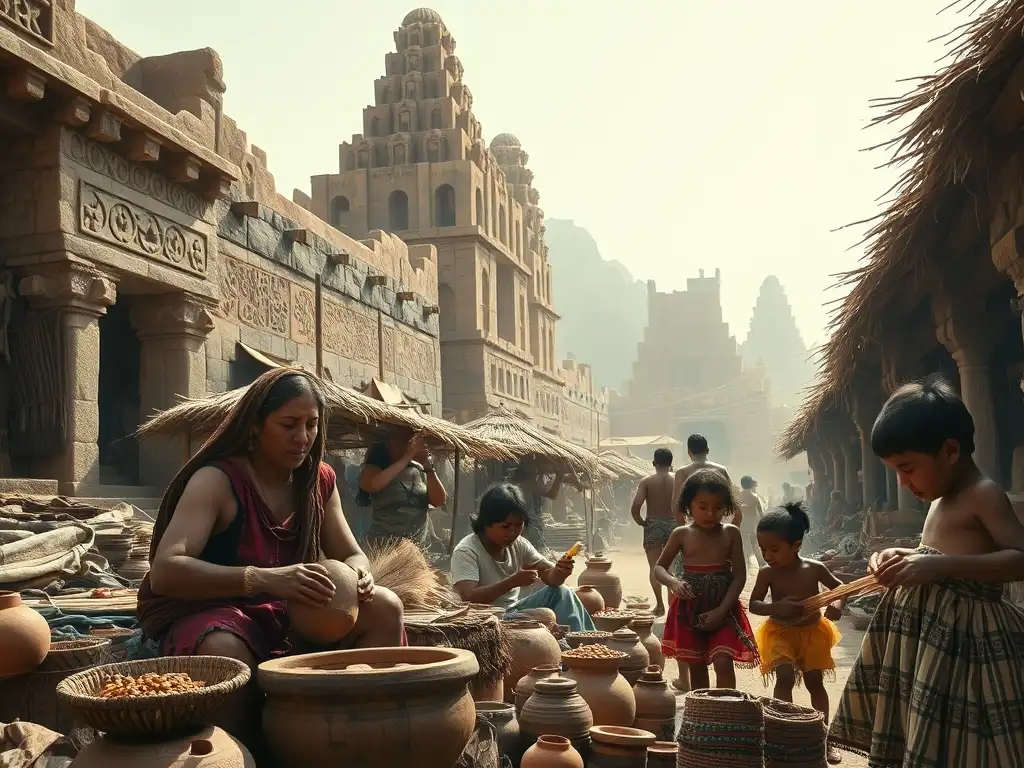
The vast majority of Chavín civilization social structure consisted of commoners, whose lives revolved around agriculture, craft production, and maintaining the complex ceremonial centers. Understanding their daily existence provides crucial insight into the functioning of this enigmatic society. While direct evidence is scarce, archaeological findings and comparative studies with similar Andean cultures allow us to reconstruct a plausible picture of their lives. The social standing of commoners, while not elite, was essential to the overall prosperity and stability of the Chavín state. Their contributions, often overlooked in favor of elite narratives, were fundamental to the societal structure.
Agricultural Practices and Labor Organization
Agricultural production formed the backbone of the Chavín economy. The commoners, primarily responsible for farming, employed sophisticated techniques adapted to the varied Andean terrain. Terracing, irrigation systems (like canals and aqueducts), and the cultivation of diverse crops like maize, potatoes, beans, and quinoa, showcase their agricultural expertise.
Archaeological evidence suggests the existence of a complex labor organization. It's likely that agricultural tasks were divided based on skill, age, and gender, with communal work playing a significant role, particularly during planting and harvesting seasons. The surplus produced was likely channeled to support the elite and the functioning of the ceremonial centers, highlighting the interconnectedness of labor and the broader social structure.
Further research is needed to fully understand the intricacies of Chavín agricultural labor organization, including potential evidence of specialized roles within farming communities, such as irrigation managers or seed keepers. This aspect of the Chavín civilization social structure remains an area of ongoing scholarly discussion.
Craft Specialization and Production
Beyond agriculture, craft specialization played a vital role in Chavín society. Commoners were responsible for producing a wide range of goods, demonstrating a high level of skill and artistry. Textile production, pottery making, and the creation of tools and weapons were likely undertaken by specialized groups within the commoner class. The quality and variety of artifacts found in Chavín sites attest to the sophistication of these crafts.
For instance, the intricate weaving techniques evident in surviving textiles suggest specialized knowledge passed down through generations. Similarly, the diversity of pottery styles and the precision of stone toolmaking point to a high degree of specialization within the craft production sector. The distribution of these goods, both within Chavín settlements and potentially beyond, further underlines the integration of craft production within the overall Chavín civilization social structure. The role of trade and exchange in distributing these crafted goods warrants further investigation.
The Role of Commoners in Chavín Ceremonial Centers
The monumental ceremonial centers, such as the main site at Chavín de Huántar, were not solely the domain of the elite. Commoners played a crucial role in their construction and maintenance. Evidence suggests that they participated in the labor-intensive tasks of quarrying stone, transporting materials, and constructing the massive structures.
Furthermore, their participation extended beyond physical labor. The ceremonial centers were likely sites of communal activity, where commoners participated in rituals, festivals, and other social gatherings. While the exact nature of their participation is difficult to ascertain, it’s likely that their involvement reinforced social cohesion and bolstered the prestige of the ruling elite.
The intricate carvings and complex iconography found within the ceremonial centers might also reflect the collective beliefs and worldview of the Chavín commoners, albeit filtered through the elite's interpretation and control. Further research into the iconography and its possible commoner interpretations could significantly improve our understanding of the Chavín civilization social structure from a less elite-centric perspective. The integration of commoners into the ceremonial life of Chavín remains a key area for future research.
Chavín Hierarchy and its Impact on Culture
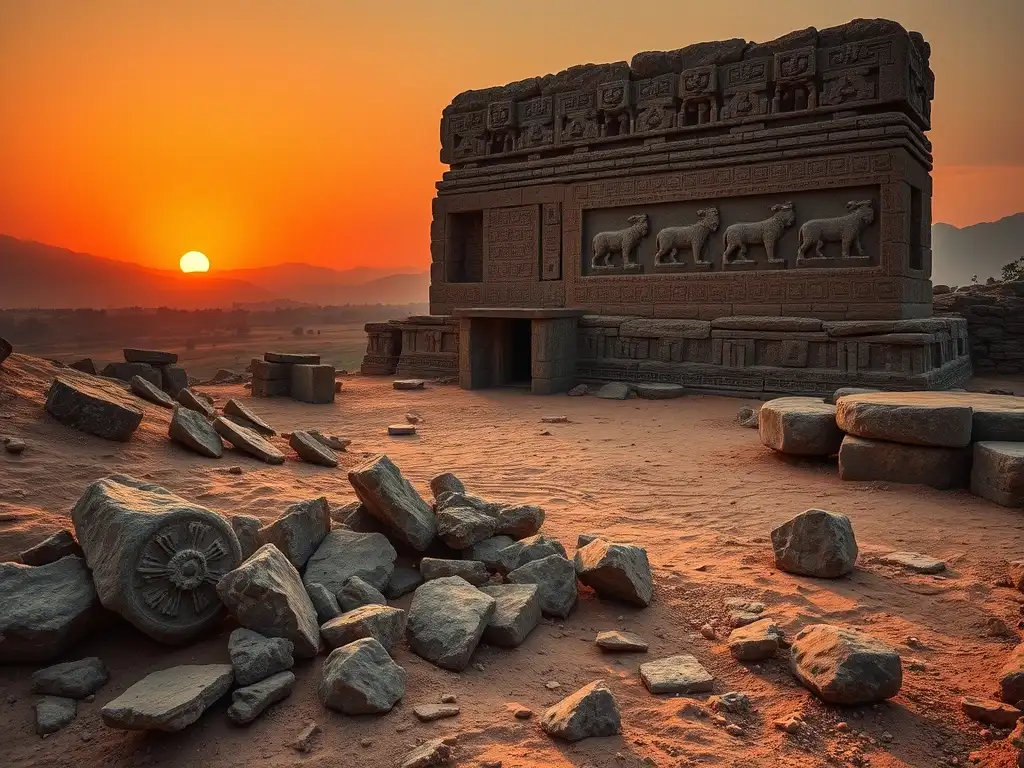
The Chavín civilization, flourishing in the Andes from approximately 900 to 200 BCE, wasn't a unified empire in the traditional sense. Instead, its influence spread through a complex network of religious and economic ties, suggesting a hierarchical social structure that profoundly impacted its culture. Understanding this hierarchy is crucial to deciphering the art, religious practices, and power dynamics of this enigmatic civilization.
Archaeological evidence, while often fragmented, points towards a stratified society with distinct social classes, each playing a specific role within the Chavín world. The precise nature of these classes remains a subject of ongoing research and debate among scholars, but several key aspects are becoming increasingly clear.
Chavín art, renowned for its intricate carvings, stylized depictions of deities, and powerful imagery, reflects the societal hierarchy. The elite likely commissioned and controlled the production of the most elaborate artifacts, such as the intricately carved stone sculptures and ceremonial objects found at Chavín de Huántar. These pieces, often depicting jaguar-like figures and other supernatural beings, likely served to reinforce the power and authority of the ruling class.
The style itself, with its emphasis on symbolism and complex iconography, suggests a sophisticated level of artistic skill and knowledge, potentially concentrated within a specialized artisan class. Conversely, the art created by commoners may have been simpler, focusing on practical objects rather than elaborate displays of religious or political power.
Further research on the stylistic variations in Chavín art, combined with a more thorough understanding of the materials and techniques used, could illuminate the relationship between artistic production and social standing more clearly. The distribution of artifacts also provides clues; finding certain types of art exclusively in elite contexts further strengthens the link between social status and artistic patronage.
The Chavín religion played a central role in maintaining the social order. The powerful religious elite, likely composed of priests or shamans, controlled access to the supernatural world and wielded significant influence over the population. Their rituals, often performed in elaborate temple complexes like Chavín de Huántar, reinforced their authority and legitimacy.
The iconic Chavín imagery, frequently depicting supernatural beings and hybrid creatures, served as powerful symbols of religious authority. The temple itself, a complex architectural marvel, acted as a focal point for religious practices and likely served as a center for the elite. The construction and maintenance of such structures required significant labor, suggesting a system of labor organization controlled by the religious and political elite.
Furthermore, the use of hallucinogenic substances, potentially in ritual contexts, may have further enhanced the power and prestige of religious leaders, who could interpret and manipulate altered states of consciousness. The degree to which religious beliefs were used to legitimize political power within the Chavín social structure remains a topic requiring further investigation.
The Chavín civilization’s influence wasn't based on military conquest but on a complex interplay of religious authority, economic control, and potentially political alliances. The elite likely controlled access to essential resources, such as agricultural lands or specialized crafts, consolidating their power and influence. The control of religious practices further solidified their position at the apex of the social hierarchy.
While evidence of outright warfare is limited, competition and conflict likely existed between different groups vying for power and resources. The intricate iconography and symbolism found in Chavín art might represent attempts to negotiate and manage these power dynamics. The lack of centralized political institutions, coupled with the widespread distribution of Chavín-style artifacts, suggests a more decentralized system of power, with regional elites interacting with and potentially competing against each other.
The full extent of this inter-regional interaction and the mechanisms by which the Chavín elite maintained influence remain areas that require further investigation and analysis of archaeological data. The development of more sophisticated analytical techniques and further excavation efforts are crucial for a deeper understanding of Chavín power dynamics and social organization. The Chavín civilization’s social structure offers a fascinating case study in the complexities of pre-Columbian Andean societies and the interplay between religion, politics, and economics in shaping a culture's identity.
Analyzing the Evidence: Reconstructing Chavín Society
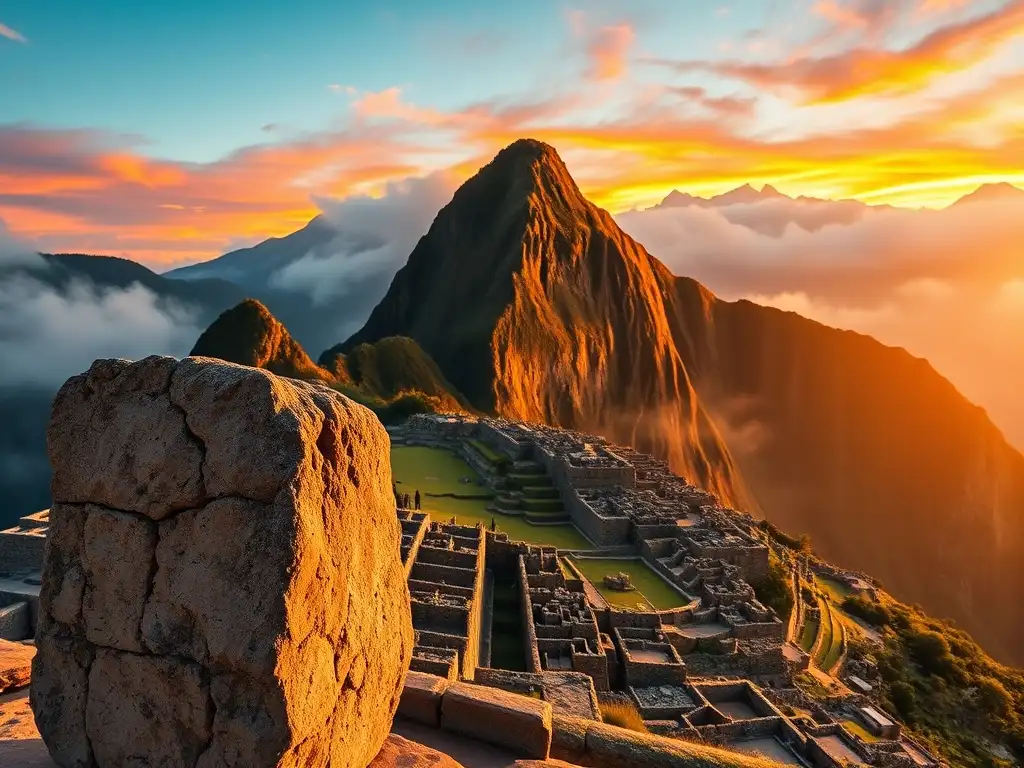
The intricate social structure of the Chavín civilization, a formative Andean culture flourishing between 900 and 200 BCE, remains a subject of ongoing scholarly debate. Understanding their societal hierarchies requires a multifaceted approach, integrating archaeological findings, iconographic analysis, and careful consideration of the layout and function of their major ceremonial centers. The keyword "Chavín civilization social structure" highlights the central theme of this analysis: deciphering the complex relationships and power dynamics within this enigmatic society. This wasn't a simple, egalitarian society; rather, it possessed a clearly defined hierarchy, reflected in its art, architecture, and burial practices.
Archaeological Findings and their Interpretation
Archaeological excavations at sites like Chavín de Huántar provide crucial evidence for understanding Chavín social stratification. The discovery of elaborate tombs containing rich grave goods, such as finely crafted gold and silver objects, jade ornaments, and textiles, points to a distinct elite class. These individuals were likely religious leaders, political authorities, or both, enjoying a privileged position within the society. In contrast, the simpler burials with minimal grave goods suggest a broader population with less access to resources and prestige.
The distribution of residential structures also offers insight. While evidence for extensive urban planning is limited compared to later Andean civilizations, the presence of large, architecturally complex structures at ceremonial centers suggests a specialized workforce and a system of labor organization.
This implies a hierarchical society where certain individuals directed and controlled the labor of others. Further research into the construction techniques and the materials used could reveal more about the division of labor and the social roles associated with specific tasks.
For example, the precise sourcing of obsidian and other materials used in the construction and the crafting of artifacts could reveal complex trade networks and specialized craft production, reflecting a complex social structure that extended beyond the immediate vicinity of Chavín de Huántar. More detailed analysis of settlement patterns beyond the main ceremonial centers is needed to fully understand the geographical extent of Chavín influence and the distribution of power.
Chavín art, particularly the intricate carvings and sculptures found on ceremonial objects and architecture, provides compelling evidence of social hierarchy. The frequent depiction of powerful, often anthropomorphic deities and supernatural beings, with features like fangs, claws, and feathered headdresses, suggests a religious elite wielding considerable influence. These figures often dominate the artistic compositions, visually emphasizing their importance and power within the Chavín worldview.
The stylistic variations in the portrayal of human figures also hint at social differentiation. Some figures are depicted with elaborate adornments and regalia, while others appear simpler and less adorned. This visual distinction likely reflects different social statuses, with the more elaborately dressed figures representing individuals of higher rank.
Further analysis of the iconography, using quantitative methods to assess the frequency and context of different stylistic elements, could reveal more nuanced patterns of social distinction within Chavín art. Detailed studies are needed to fully interpret the symbolism of specific motifs and their relationship to social hierarchy. For instance, the recurring use of specific symbols like the “Lanzón” monolith could be linked to specific social groups or rituals related to power and authority.
Chavín de Huántar itself, the largest and most significant Chavín site, reflects the social structure through its spatial organization. The monumental architecture, including the Lanzón, the central plaza, and the various temples, suggests a highly organized society capable of large-scale construction projects. This implies a centralized authority capable of mobilizing resources and labor, further supporting the existence of a powerful elite.
The layout of the site, with its network of interconnected galleries and chambers, may reflect a controlled access to sacred spaces, reinforcing the power of the religious elite. The placement of elite burials within the ceremonial complex further underscores the close association between religious authority and social status.
More research is needed on the spatial arrangement of domestic structures within and around Chavín de Huántar to fully understand the relationship between the ceremonial center and the wider population. The presence of specialized workshops within the site might indicate different social groups dedicated to specific craft production, further highlighting a complex division of labor.
The analysis of waste disposal areas could also provide insights into the consumption patterns of different social groups, potentially revealing variations in access to resources and dietary habits. The study of Chavín de Huántar offers a rich source of data for understanding the dynamics of this complex and fascinating civilization.
The Chavín civilization, flourishing in the Andes from approximately 900 to 200 BCE, left an indelible mark on the subsequent development of Andean societies. Understanding their social structure is crucial to comprehending the trajectory of later cultures. While the specifics remain debated among archaeologists, evidence suggests a complex hierarchical system, possibly the first of its kind in the region on such a scale, influencing the organizational structures of later Andean cultures like the Moche and Inca.
The sophisticated religious beliefs and centralized power structure of Chavín likely served as a blueprint for later Andean civilizations, providing a model for social control and resource management. This influence can be seen in various aspects, including religious iconography, artistic styles, and the development of urban centers. The very concept of a powerful priestly class, wielding significant influence over the populace, finds its roots in the Chavín period.
This wasn't simply a matter of imitation; rather, the Chavín model likely provided a framework that was adapted and modified by succeeding cultures to suit their unique circumstances. The enduring legacy of Chavín's social organization underscores its importance in the broader context of Andean history.
The impact of the Chavín social structure resonates throughout later Andean civilizations. The centralized authority evident in Chavín, likely embodied by a powerful priestly elite, is mirrored in the sophisticated political systems of later cultures. For example, the Moche civilization, known for its elaborate irrigation systems and monumental architecture, likely inherited aspects of Chavín's organizational prowess.
The Moche's hierarchical structure, with its elite warrior-priests at the apex, shows clear parallels to the likely priestly dominance in Chavín society. Furthermore, the pan-Andean spread of Chavín artistic motifs and religious iconography suggests a widespread influence on religious beliefs and practices, further solidifying the lasting impact of their social organization on the cultural landscape. Evidence suggests that the Chavín's sophisticated religious beliefs and centralized power structure laid the groundwork for later Andean empires' centralized political systems and complex social hierarchies.
This isn't to say that there was a direct line of succession, but rather a transmission of ideas and organizational models. The Chavín civilization's societal blueprint provided a foundation upon which later cultures built, adapting and refining its elements to fit their own contexts.
While both the Chavín and Moche civilizations exhibited hierarchical social structures, significant differences also existed. The Chavín social structure, based on currently available evidence, appears to have been centered around a powerful priestly class controlling religious rituals and potentially economic resources. The Moche, on the other hand, featured a more complex interplay between priestly and warrior elites, often depicted in their elaborate iconography.
The Moche's sophisticated irrigation systems and large-scale public works projects suggest a more centralized, state-level organization than what is currently evidenced in Chavín. However, both societies displayed evidence of specialized labor, with artisans and farmers fulfilling specific roles within the social hierarchy. The Chavín civilization's influence on the Moche is undeniable, but the Moche adapted and expanded upon the Chavín model, reflecting their unique environmental and societal needs.
A detailed comparison requires further archaeological investigation, particularly regarding the economic organization and social mobility within both societies. For instance, the extent of social mobility within the Chavín hierarchy remains an open question, whereas some evidence suggests a more rigid structure within the Moche social order. More research is needed to fully understand the nuances of these two complex societies and the extent to which one influenced the other.
Concluding Thoughts on Chavín Societal Complexity
The Chavín civilization's social structure represents a significant step in the development of Andean societies. While the exact details remain a subject of ongoing research and debate, the evidence strongly suggests a complex hierarchical system with a powerful, likely priestly, elite at its apex. This system, characterized by centralized authority and specialized labor, left a lasting impact on later Andean cultures.
The enduring legacy of Chavín’s social organization is not simply a matter of direct imitation, but rather a testament to the innovative and influential nature of their societal model. Further research, including more sophisticated analysis of archaeological data and a comparative study with contemporary societies, is crucial for a more complete understanding of the Chavín social structure and its broader implications for Andean history.
The study of the "Chavín civilization social structure" continues to be a dynamic field, with new discoveries constantly refining our understanding of this pivotal Andean civilization. The complexity of their societal organization underscores the sophistication and ingenuity of this pre-Incan culture.
Frequently Asked Questions
The Chavín social structure was likely hierarchical, with a powerful elite at the top, possibly religious leaders or a ruling class, controlling resources and labor. This is evidenced by the monumental architecture and sophisticated art found at Chavín de Huántar.
How did the Chavín elite maintain their power?
The Chavín elite likely maintained their power through a combination of religious authority, control over resources, and potentially military strength. Their impressive religious center at Chavín de Huántar suggests a powerful religious influence.
Yes, evidence suggests a stratified society with different social classes. While the specifics are debated, archaeological findings point to distinctions in housing, burial practices, and access to resources.
Religion played a central role, shaping the social hierarchy and unifying the population. The elaborate temples and iconography at Chavín de Huántar suggest the importance of religious leaders and rituals in daily life.
How did the Chavín civilization influence later Andean cultures?
The Chavín civilization had a significant impact on subsequent Andean cultures. Their artistic styles, religious beliefs, and possibly even social structures influenced later civilizations like the Moche and Inca, demonstrating a lasting legacy.
Final Reflection: Echoes of Chavín: Hierarchy and its Enduring Legacy
The intricate social hierarchies of the Chavín civilization, far from being a relic of the past, offer a powerful lens through which to examine the enduring complexities of power structures in societies across time and cultures. Understanding their sophisticated system of religious authority, economic control, and social stratification provides invaluable insight into how civilizations manage resources, consolidate power, and ultimately, shape their own destinies. The echoes of Chavín resonate even today.
The influence of Chavín's centralized power structure, its sophisticated religious ideology, and its impact on subsequent Andean cultures is undeniable. Its artistic and architectural achievements, imbued with potent religious symbolism, continue to inspire awe and fascination. The very existence of such a complex society in the pre-Columbian Andes challenges simplistic narratives of "primitive" cultures, forcing a reevaluation of our understanding of early civilizations. The past is never dead. It's not even past.
– William Faulkner. This quote perfectly encapsulates the enduring relevance of studying Chavín, reminding us that the societal structures and power dynamics they employed continue to inform our own world.
Consider the ways in which power is distributed and maintained in your own community, your nation, and even globally. Reflect on the subtle and overt ways in which hierarchies shape our lives, influencing access to resources, opportunities, and social mobility. Take the lessons learned from Chavín – the complexities of religious authority, the importance of economic control, and the enduring impact of social stratification – and apply them to your own understanding of the world around you. By engaging with the past, we can better navigate the complexities of the present and build a more equitable future.
**Explore the Depths of Chavín Society Today! **
Thank you for exploring the intricate world of the Chavín civilization with us! Your journey through their complex social structures has revealed the richness of their culture and their significant contributions to Andean civilization. Now, let's build on that knowledge!
Here are some ways you can deepen your understanding and share your discoveries:
- **Visit a local museum** featuring Andean artifacts to experience the Chavín legacy firsthand. Seeing these objects in person can bring the past to life.
- Engage in online discussions or forums about ancient societies to exchange ideas and broaden your perspective. Connecting with others who share your interest can lead to fascinating new insights.
- **Continue your exploration** by reading books or watching documentaries about Andean civilizations. You might just discover your next favorite resource!
What aspects of Chavín society surprised or intrigued you the most? We'd love to hear your thoughts in the comments!