
The Chavín Priest: The Power and Role of Religious Leaders

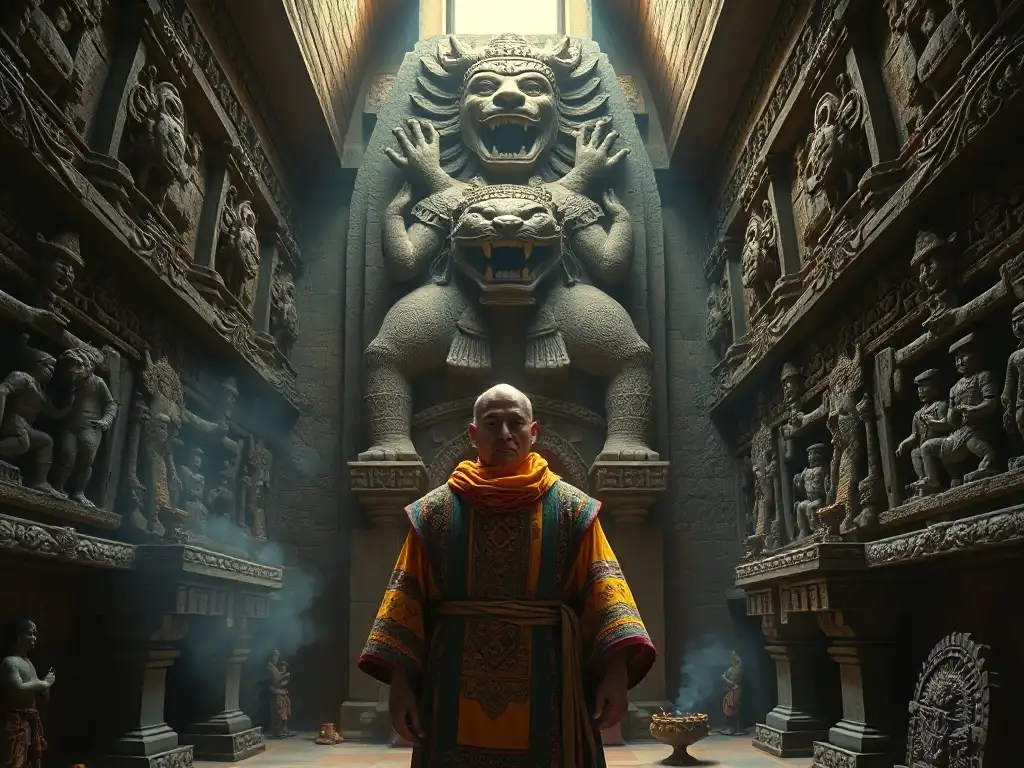
Step into a world lost to time, where the Andes Mountains whispered secrets to a civilization of unparalleled ingenuity. Unearth the mysteries of the ancient Andean cultures, from the intricate artistry of the Nazca lines to the sophisticated engineering of the Incas. But first, prepare to be captivated by the enigmatic Chavín religious leader role, a pivotal piece in understanding the rise of Andean power. Their influence reverberates through millennia – discover how this pivotal position shaped Pre-Incan societies and laid the foundation for future empires. Dare to delve deeper and unlock the secrets of their world…
- The Chavín Priest: The Power and Role of Religious Leaders in Ancient Peru
- Understanding the Chavín Culture and its Religious Significance
- The Chavín Priest: A Central Figure of Authority
- The Power and Influence of Chavín Religious Leaders
- The Chavín Priest's Role in Maintaining Cosmic Order
- The Legacy of Chavín Religious Leadership
-
Frequently Asked Questions
- What was the role of a Chavín religious leader?
- How did Chavín priests influence society?
- What evidence exists to support the power of Chavín religious leaders?
- Were Chavín priests a unified group, or were there different ranks?
- How did the Chavín religious leader's role compare to other Andean civilizations?
- Final Reflection: The Enduring Legacy of Chavín Religious Authority
- Unveiling the Legacy of Chavín Leaders
The Chavín Priest: The Power and Role of Religious Leaders in Ancient Peru
The Chavín culture, flourishing in the Andes Mountains of Peru from approximately 900 to 200 BCE, left behind a legacy of monumental architecture, intricate artistry, and a sophisticated religious system. This article delves into the crucial role of the Chavín priest, exploring their influence on society, their ritual practices, and the power they wielded within this fascinating pre-Incan civilization. Understanding the Chavín priest is key to understanding the culture's social structure, its artistic expressions, and the enduring impact it had on subsequent Andean societies.
We will examine the evidence – archaeological findings and interpretations – to paint a picture of these influential religious leaders and their place within Chavín society. This exploration will shed light on the intricate relationship between religion, power, and the development of complex social structures in the early Andean world. The keyword "Chavín religious leader role" will be explored in detail.
The Chavín social structure, while not fully understood, clearly indicates a hierarchical system with the priest occupying a position of significant power. Archaeological evidence suggests a centralized authority, possibly residing in the main temple complexes like Chavín de Huántar. The priests, likely from elite families, were not just religious figures; they were also key players in managing resources, organizing labor, and potentially even controlling political affairs.
Their influence extended beyond the spiritual realm, shaping the daily lives of the Chavín people. The intricate carvings and iconography found throughout Chavín sites suggest a complex cosmology and a highly structured religious system, with the priests acting as intermediaries between the human and divine worlds. Evidence of specialized craftspeople and elaborate ceremonial objects further supports the idea of a stratified society where the priests held considerable sway.
Ritual Practices and Religious Ceremonies
Chavín religious practices were likely elaborate and intense, involving various rituals and ceremonies centered around the temple complexes. The priests, as leaders of these rituals, played a vital role in maintaining the cosmic order and ensuring the well-being of the community.
We can infer from the architectural design of the temples, with their intricate maze-like passages and subterranean chambers, that ceremonies involved a degree of secrecy and perhaps even altered states of consciousness. The use of hallucinogenic substances, such as San Pedro cactus, is suspected to have played a role in Chavín religious practices, with the priests potentially acting as shamans, guiding participants through these altered states.
The depiction of stylized figures and mythical creatures on ceremonial objects provides clues about the nature of these rituals and their significance within the Chavín worldview. Further research is needed to fully understand the specific rituals, but their importance in the life of the Chavín people is undeniable.
The Iconography and Symbolism of Chavín Religious Art
The art of the Chavín culture is profoundly symbolic and deeply intertwined with its religious beliefs. The priests, as custodians of this religious knowledge, played a crucial role in interpreting and disseminating the meaning of these symbols. The iconic Chavín style, characterized by its ferocious felines, stylized jaguars, and other supernatural beings, appears throughout the art found in temples and tombs.
These images were not merely decorative; they likely represented powerful deities or spirits, with the priests acting as interpreters of their will. The intricate carvings on ceremonial objects, such as the Lanzón monolith at Chavín de Huántar, exemplify the priests’ artistic skill and their deep understanding of the religious symbolism.
The careful placement of these artifacts within temple complexes further highlights their ritual significance and the power of the priests who controlled their use. The study of Chavín art, therefore, offers invaluable insights into the beliefs and practices of its religious leaders.
The Legacy of the Chavín Priest and its Influence on Later Cultures
The influence of the Chavín culture extended far beyond its geographical boundaries and temporal lifespan. The religious ideas, artistic styles, and social structures developed during the Chavín period left a lasting impact on subsequent Andean civilizations. The powerful symbolism and religious iconography of the Chavín priests found their way into the artistic and religious traditions of later cultures, suggesting a continuity of religious thought and practice across different Andean societies.
The hierarchical social structure, with its emphasis on religious authority, also seems to have served as a model for later Andean states. The legacy of the Chavín priest, therefore, is not confined to the Chavín period itself but continues to resonate in the rich tapestry of Andean history and culture. The impact of their religious leadership is a testament to their enduring influence.
Further study is needed to fully understand this cultural diffusion and the specific ways in which the Chavín legacy shaped the development of later Andean societies. The Chavín priest's role continues to fascinate researchers today, showcasing a complex and influential figure in the early Andes.
Understanding the Chavín Culture and its Religious Significance
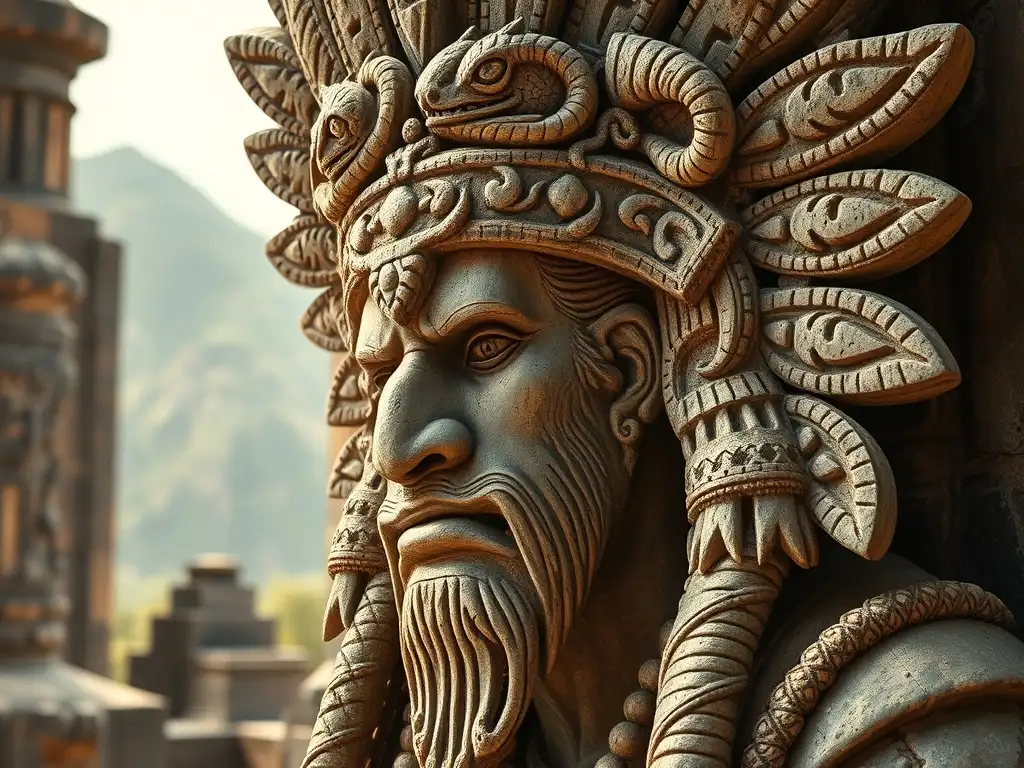
This section delves into the unique characteristics of the Chavín culture and its profound impact on the development of Andean spirituality. The Chavín, flourishing from roughly 900 to 200 BCE in the northern Andes of Peru, weren't simply a civilization; they were a catalyst for religious and artistic innovation that reverberated throughout subsequent Andean societies.
Their influence is evident in the iconography, architectural styles, and religious practices of later cultures like the Moche and Nazca, solidifying their position as a cornerstone of Andean spiritual development. Understanding the role of the Chavín religious leader is crucial to grasping this cultural legacy.
The intricate religious system they established wasn't merely a set of beliefs; it was a powerful social mechanism that shaped their society and left an indelible mark on the Andean world. The power wielded by the Chavín priest stemmed from their perceived connection to the supernatural, a connection carefully cultivated and reinforced through elaborate rituals and impressive architecture.
The Chavín Civilization: A Foundation for Andean Spirituality
The Chavín civilization, situated in the Andes mountains, wasn't characterized by a vast empire in the traditional sense. Instead, their influence spread through a network of religious and artistic exchange. Their capital, located at the Chavín de Huántar archaeological site, served as a central hub attracting pilgrims from across the region.
This pilgrimage system facilitated the dissemination of Chavín religious beliefs, artistic motifs (like the iconic feline-like deity), and possibly technological innovations. The impressive architecture of Chavín de Huántar, with its intricate carvings, underground tunnels, and carefully planned plazas, served not only as a practical center but also as a powerful symbol of religious authority and the power of the Chavín religious leader. The sheer scale and complexity of the site underscore the importance of religious practices within Chavín society and the resources dedicated to maintaining this spiritual center.
The sophisticated water management systems discovered at the site further demonstrate the advanced technological capabilities of the Chavín and suggest a level of societal organization necessary to support such large-scale projects, all under the guidance and authority of the priestly class. The centrality of the Chavín religious leader in managing these resources and overseeing the construction projects is undeniable.
The Importance of Religion in Chavín Society
Religion permeated every aspect of Chavín life. It wasn't a separate sphere of activity but rather the very fabric of their social structure. The Chavín religious leader, often depicted in iconography as a powerful intermediary between the human and spiritual realms, occupied a position of immense authority. Evidence suggests that the priest-class controlled significant resources, likely directing labor for large-scale projects and receiving tribute from surrounding communities.
This control over resources and labor translated into significant political and social power. The elaborate rituals performed by the Chavín religious leader, possibly involving hallucinogenic substances, were key to maintaining this power. These rituals, performed in specially designed spaces within the Chavín de Huántar complex, facilitated altered states of consciousness, fostering a sense of awe and reinforcing the priest's authority as a conduit to the supernatural.
The Chavín religious leader's role wasn't simply confined to ritualistic practices. They also likely played a crucial role in interpreting omens, mediating disputes, and providing guidance on matters of agricultural cycles and societal well-being. This multifaceted role cemented their position as essential figures within the Chavín social structure.
The pervasive presence of religious iconography in Chavín art, from pottery and textiles to monumental sculptures, demonstrates the deep integration of religion into daily life. The study of Chavín art provides invaluable insights into the beliefs and rituals associated with the Chavín religious leader and the overall worldview of the civilization. The intricate details in these artifacts hint at a complex cosmology and a highly developed religious system, further highlighting the importance of the Chavín religious leader in interpreting and maintaining this system.
The power of the Chavín religious leader, therefore, stemmed from a complex interplay of religious authority, control over resources, and the ability to interpret and manipulate the spiritual realm for the benefit of the society. Their legacy continues to shape our understanding of Andean spirituality and the development of religious leadership in the region.
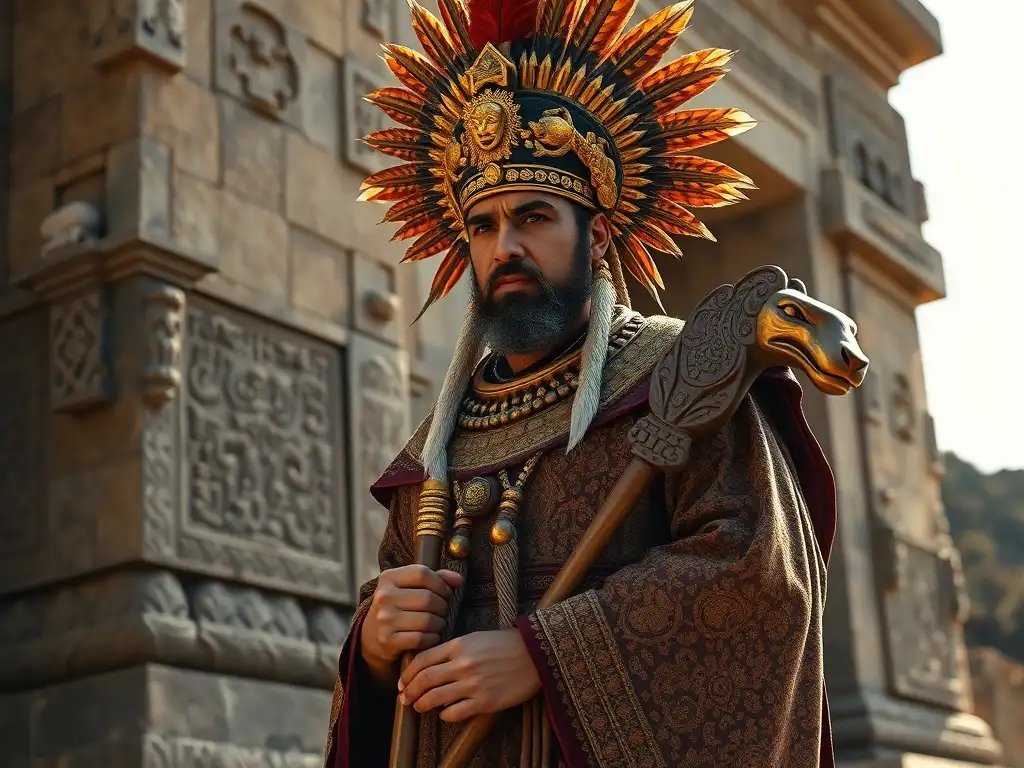
The Chavín culture, flourishing in the Andean highlands from approximately 900 to 200 BCE, was characterized by a highly developed religious system. At the heart of this system was the Chavín priest, a powerful figure whose role extended far beyond simple religious practice. They were key players in the social, political, and economic structures of Chavín society, wielding significant influence over the daily lives of their people.
Understanding the Chavín priest's role is crucial to grasping the complexities of this influential pre-Inca civilization and its lasting impact on subsequent Andean cultures. The very fabric of Chavín society was woven around the authority and influence of these religious leaders, a fact evidenced by archaeological findings and interpretations of their art and architecture. The Chavín religious leader role was multifaceted and deeply intertwined with the spiritual and temporal aspects of life.
The Role of the Chavín Religious Leader in Rituals and Ceremonies
Chavín priests were central to the elaborate rituals and ceremonies that permeated Chavín life. These rituals, often involving hallucinogenic substances like San Pedro cactus, were believed to facilitate communication with the supernatural world. Archaeological evidence suggests that temples, such as the main temple at Chavín de Huántar, served as the focal points for these ceremonies. The priests, acting as intermediaries between the human and divine realms, guided the rituals, ensuring their proper execution. Their knowledge of sacred texts, rituals, and the interpretation of omens was essential to maintaining social order and ensuring the well-being of the community.
The rituals themselves were likely complex and multi-staged affairs, involving elaborate costumes, offerings, and possibly even human sacrifice, although the extent of human sacrifice in Chavín culture remains a subject of ongoing scholarly debate. Evidence suggests that specific priests might have specialized in certain types of rituals or ceremonies, based on their expertise and seniority within the religious hierarchy. This specialization points to a sophisticated religious organization, far more complex than initially assumed.
Further research into the layout of Chavín temples and the distribution of artifacts could shed more light on the specific roles played by different priests within these ceremonial contexts. The meticulous planning and execution of these rituals highlight the significant power and authority vested in the Chavín religious leader.
Chavín Priests as Interpreters of the Divine
Beyond their role in conducting ceremonies, Chavín priests served as interpreters of the divine will. They were considered experts in deciphering signs and omens, providing guidance on matters ranging from agricultural practices to political decisions. Their interpretations influenced the lives of ordinary people, shaping their beliefs and behaviors.
This ability to interpret the divine made them powerful figures, capable of influencing the course of events within their communities. The priests’ understanding of complex cosmological beliefs and their ability to connect these beliefs to everyday life solidified their position as essential leaders. Think of them as the ancient Andean equivalent of a highly respected oracle or spiritual advisor, but with far-reaching political implications.
The priests' interpretation of dreams and visions was also likely significant. Given the widespread use of hallucinogens in Chavín rituals, these altered states of consciousness probably played a crucial role in shaping their understanding of the divine. These experiences, interpreted and communicated by the priests, likely formed the basis of Chavín mythology and religious beliefs, further solidifying the priest’s authority and influence.
The complex iconography found in Chavín art, often depicting supernatural beings and hybrid creatures, likely served as a visual language understood and interpreted by the priestly class. Deciphering this complex visual language remains a key area of ongoing research for scholars attempting to fully understand the Chavín religious leader role.
The Symbolic Attire and Artifacts of Chavín Priests
The symbolic attire and artifacts associated with Chavín priests offer valuable insights into their status and power. They were adorned with distinctive clothing and jewelry, setting them apart from the rest of the population. These items, often made from precious materials such as gold, silver, and jade, served as outward manifestations of their sacred authority. The use of specific colors, textiles, and ornaments likely held significant symbolic meaning, reflecting their connection to the supernatural world.
Specific artifacts, such as intricately carved staffs, ceremonial knives, and headdresses, were also likely used to enhance the priests' authority and power. These objects, often adorned with powerful symbols and representations of deities, served as potent symbols of their religious authority. The careful craftsmanship and use of precious materials underscore the importance of these objects within the Chavín religious system and the high status of those who wielded them.
The intricate designs on these artifacts, often depicting supernatural beings and hybrid creatures, represent a complex visual language that likely played a vital role in Chavín religious practices and the communication of divine messages. Further analysis of these artifacts and their iconography could reveal more about the specific roles and responsibilities of different types of Chavín priests.
Careful study of these artifacts provides crucial clues to understanding the visual language and symbolism that underpinned the Chavín religious leader role. The combination of clothing, jewelry and artifacts served to visually reinforce the priest's position of authority and their connection to the divine.
The Power and Influence of Chavín Religious Leaders
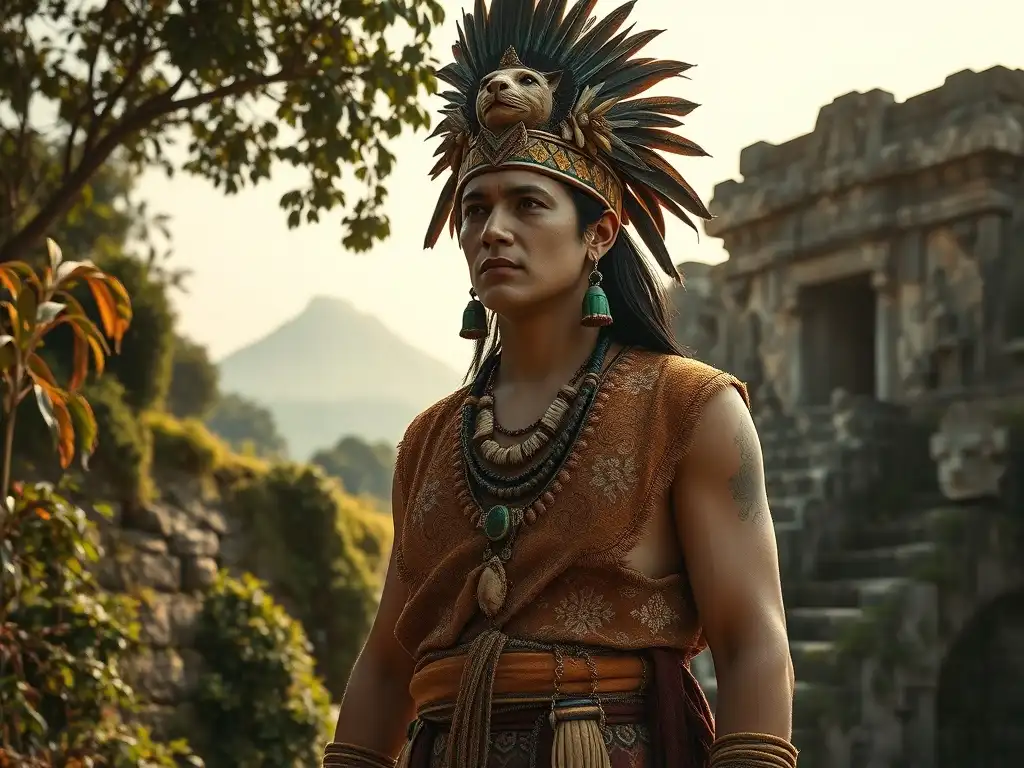
The Chavín culture, flourishing in the Andes from approximately 900 to 200 BCE, is renowned for its sophisticated religious beliefs and the immense power wielded by its religious leaders. These priests weren't merely spiritual guides; they were key players in the socio-political fabric of Chavín society, controlling resources, influencing artistic production, and shaping the very ideology of the civilization. Understanding the Chavín religious leader role requires examining their influence across various aspects of life.
Their power stemmed from their perceived connection to the supernatural world and their ability to mediate between the human and divine realms. This influence permeated every layer of Chavín society, from daily rituals to grand architectural projects.
Control over Chavín Religious Practices and Temple Administration
Chavín religious leaders held a monopoly over religious practices and the administration of the monumental temple complexes. These weren't simply places of worship; they were centers of power, meticulously organized and controlled by the priestly class. The priests oversaw all aspects of temple life, including:
- Ritual Performance: They conducted elaborate ceremonies, often involving sacrifices, hallucinogenic substances, and complex symbolic gestures. The specific rituals and their significance are still being deciphered, but evidence suggests a focus on ancestor veneration, fertility rites, and control over natural forces.
- Temple Maintenance and Construction: The priests directed the massive construction projects, mobilizing labor and resources to build and maintain the impressive temple structures. This required significant organizational skills and control over the workforce, solidifying their power.
- Management of Religious Resources: The priests controlled access to and distribution of resources associated with religious practices, including valuable artifacts, exotic materials, and agricultural surpluses. This control over resources translated directly into political and economic power.
The intricate carvings and designs found within the temples, like those depicting jaguars, snakes, and other powerful creatures, likely served as visual representations of the priests' authority and the power of the deities they represented. These elaborate symbols reinforced the priests’ dominance and their role as interpreters of the divine will.
The Chavín priest class wasn't merely a religious elite; they occupied a position of significant political and social power. Their influence extended beyond the confines of the temples, shaping the social structure and political landscape of the broader Chavín society. Evidence suggests that:
- They controlled agricultural production: The priests likely controlled the distribution of water and land, ensuring sufficient agricultural output to sustain the population and maintain the temple complex. This control over essential resources further solidified their power.
- They acted as intermediaries between different communities: Given the widespread influence of Chavín ideology, the priests may have played a role in mediating conflicts and fostering alliances between different settlements. This role as peacemakers and negotiators enhanced their political standing.
- Their power was likely hereditary: The priestly role was probably passed down through families, creating a powerful dynasty that maintained its control over generations. This hereditary system ensured the continuity of their power and influence.
The intricate social hierarchy of Chavín society, with the priests at its apex, is reflected in the size and complexity of the temple structures and the elaborate artistry associated with the culture. The sheer scale of these undertakings underscores the immense power and resources at the disposal of the priestly class.
Chavín Priests and Their Influence on Art and Iconography
The artistic output of the Chavín culture is intimately linked to the religious beliefs and practices overseen by its priests. The priests didn't just patronize art; they actively shaped its style, content, and meaning. Their influence is evident in:
- The distinctive Chavín artistic style: The iconic feline and serpent motifs, the stylized human figures, and the intricate use of geometric patterns are all hallmarks of Chavín art, reflecting the priests' control over artistic production and their role in shaping cultural identity.
- The use of art for religious propaganda: The monumental sculptures, intricately carved reliefs, and elaborate ceramics served as powerful tools for disseminating religious messages and reinforcing the authority of the priests. These artworks acted as visual representations of the Chavín worldview and the priests' position within it.
- The standardization of artistic motifs: The consistent use of certain motifs across different sites suggests a degree of centralized control over artistic production, indicative of the priests' influence in shaping the aesthetic and ideological landscape of the Chavín culture. This standardization helped to unify the various Chavín communities under a shared religious and cultural identity.
The Chavín priests' influence extended far beyond the purely religious sphere. Their control over resources, their role in mediating conflicts, and their shaping of art and iconography demonstrate their position as powerful figures in the socio-political landscape of the Chavín civilization. Their legacy continues to inspire awe and fascination, highlighting the profound impact of religious leaders on the development and trajectory of ancient Andean cultures. Further research is needed to fully understand the nuances of their power and the extent of their influence.
The Chavín Priest's Role in Maintaining Cosmic Order
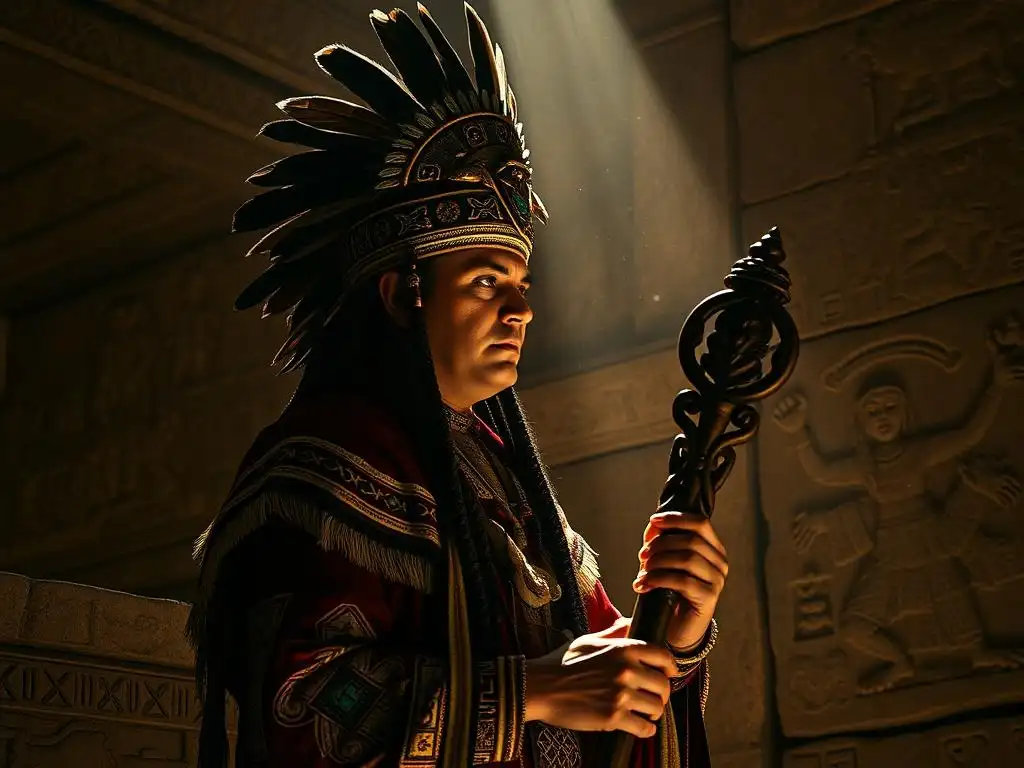
The Chavín culture, flourishing in the Andes from approximately 900 to 200 BCE, was deeply intertwined with a complex religious system. Central to this system was the Chavín priest, a powerful figure whose role extended far beyond simple ritualistic practices. Their influence permeated every aspect of Chavín society, acting as mediators between the human world and the supernatural, influencing political structures, and shaping the very understanding of the cosmos.
The Chavín priest wasn't merely a religious leader; they were a keystone in maintaining the perceived cosmic order, ensuring the prosperity and well-being of the community. Understanding their role provides crucial insight into the intricate workings of this fascinating pre-Incan civilization and the significance of their religious beliefs in shaping their society. The power wielded by these religious leaders was immense, impacting everything from agricultural practices to societal hierarchies.
Mediation Between the Human and Supernatural Worlds
The Chavín priest acted as an intermediary between the human and supernatural realms. They were believed to possess the ability to communicate with deities and ancestral spirits, interpreting their will and ensuring the community's adherence to divine mandates. This role involved a multitude of tasks, from conducting elaborate ceremonies and rituals to interpreting omens and predicting the future.
Consider the intricate carvings found on Chavín artifacts—depictions of hybrid creatures, deities with feline or bird-like features, and complex iconography—all hinting at a worldview where the boundaries between the natural and supernatural were fluid and intricately interconnected. The priests, through their expertise in interpreting these symbols and performing rituals, maintained this delicate balance. Their actions were believed to directly impact the community's fortune, influencing everything from harvests to health.
The success of a harvest, for example, was often attributed to the priest's ability to appease the relevant deities through carefully orchestrated ceremonies and offerings. This mediation wasn't just a symbolic gesture; it was a fundamental aspect of Chavín society, deeply embedded in their daily lives.
Chavín Religious Leaders and Agricultural Cycles
The Chavín priest's influence extended significantly to the agricultural practices of the community. Given the importance of agriculture in a largely agrarian society, the priest's role in ensuring successful harvests was paramount. They likely held detailed knowledge of the agricultural cycles, using their understanding of celestial events and the natural world to predict optimal planting and harvesting times.
This knowledge, combined with their religious authority, allowed them to guide and direct agricultural practices, ensuring the community's survival. The intricate calendar systems developed by the Chavín, evidenced by archaeological findings, likely played a crucial role in this process. Furthermore, rituals and ceremonies performed by the priests were believed to enhance the fertility of the land and ensure bountiful harvests.
Evidence suggests the use of specific offerings and prayers designed to appease the deities associated with agriculture and fertility. This tight connection between religious leadership and agricultural practices highlights the holistic nature of Chavín society, where religion permeated all aspects of daily life.
The Chavín Priest's Connection to Nature and the Cosmos
The Chavín priest's power stemmed from their perceived connection to the natural world and the cosmos. They were not simply interpreters of religious texts; they were seen as conduits of cosmic energy, deeply intertwined with the rhythms of nature. Their understanding of astronomy, evidenced by the alignment of certain Chavín structures with celestial events, suggests a sophisticated knowledge of the cosmos and its influence on the earthly realm.
The priests likely used this knowledge to predict weather patterns, plan agricultural cycles, and interpret natural phenomena, further solidifying their position as essential figures within the community. Their attire, often adorned with symbolic representations of nature and celestial bodies, reinforced this connection. The use of hallucinogenic plants in religious ceremonies further suggests an attempt to transcend the boundaries of ordinary perception and access deeper levels of spiritual understanding, linking the priests to the mysteries of the cosmos and the natural world.
This profound connection to nature and the cosmos provided the foundation for their authority and their crucial role in maintaining the perceived cosmic order of Chavín society. The Chavín priest, therefore, wasn't just a religious figure; they were a vital component of the intricate web connecting the human world with the supernatural, the earthly with the celestial.
The Legacy of Chavín Religious Leadership
The Chavín culture, flourishing in the Andes from roughly 900 to 200 BCE, left an undeniable mark on the religious landscape of ancient Peru. While the specifics of their beliefs remain shrouded in mystery, the role of the Chavín priest stands out as a central element of their societal structure and a powerful influence on subsequent Andean cultures. Their religious authority wasn't simply confined to ritual; it permeated every aspect of life, from agriculture and warfare to artistic expression and social hierarchy.
Understanding the Chavín priest's role provides crucial insight into the complexities of this formative Andean civilization and its lasting impact. The power wielded by these religious leaders shaped not only the Chavín culture itself but also laid the groundwork for religious practices and societal structures seen in later Andean civilizations.
The Influence of Chavín Religious Practices on Later Andean Cultures
The impact of Chavín religious practices extended far beyond their geographical and temporal boundaries. Many scholars believe that the iconic Chavín style, characterized by its distinctive artistic motifs (such as the feline deity and the stylized serpent), spread throughout the Andes through a process of cultural diffusion, possibly facilitated by the Chavín priests themselves. The dissemination of religious iconography and ritual practices suggests a network of interaction and influence among different Andean groups.
Evidence suggests that the Chavín priestly class may have actively promoted the adoption of their religious beliefs and practices, solidifying their influence across a wide geographic area. This expansion is evident in the stylistic similarities found in ceramics, textiles, and architecture across diverse Andean regions, indicative of the far-reaching influence of Chavín religious ideology.
For example, the use of specific deities and ritual objects, such as the Lanzón (a massive, carved stone monolith found in the Chavín de Huántar temple), found echoes in later cultures. The stylistic conventions in depicting these deities and symbols persisted, adapting and evolving over time but maintaining a clear lineage back to the Chavín tradition.
This suggests a continuity of religious beliefs and practices, with later Andean cultures drawing upon and reinterpreting Chavín religious concepts within their own cultural contexts. The legacy of the Chavín priest is therefore not just a historical curiosity but a key to understanding the development of religious systems across the Andean region.
The Enduring Importance of the Chavín Priest in Archaeological Studies
The study of the Chavín priest is crucial for understanding the socio-political organization of the Chavín culture. Archaeological evidence, such as the elaborate temple complexes at Chavín de Huántar and other sites, points to a highly structured society where religious leaders held significant power. The construction and maintenance of these monumental structures required substantial resources and labor, indicating a centralized authority capable of mobilizing large-scale projects. The discovery of richly decorated tombs and artifacts associated with high-status individuals further supports the idea of a powerful priestly elite.
Analyzing the iconography found in Chavín art, particularly the depictions of priests and deities, allows researchers to interpret their religious beliefs and practices. The recurring motifs of jaguars, serpents, and other supernatural beings suggest a complex cosmology and a sophisticated understanding of the natural world. Furthermore, the analysis of human remains found in association with ritual contexts provides insights into the lives and roles of Chavín priests, including their diet, health, and social status.
By combining archaeological findings with anthropological interpretations, researchers can piece together a more complete picture of the Chavín priest's role in their society and the broader impact of their religious ideology. Ongoing research continues to refine our understanding of this important figure and their influence on the development of Andean civilization.
Key Takeaways about the Chavín Religious Leader's Role
The Chavín priest played a pivotal role in the formation and expansion of Chavín culture and its influence on subsequent Andean societies. Their authority extended beyond mere ritualistic functions; they were central to the socio-political organization, influencing artistic expression, architectural achievements, and the very fabric of daily life. The legacy of the Chavín religious leader is deeply embedded in the archaeological record, providing invaluable insights into the religious beliefs, social structures, and cultural dynamics of the early Andean world. The enduring importance of the Chavín priest in archaeological studies underscores the need for continued investigation to further illuminate their complex role and lasting impact on the history of the Andes. Understanding the "Chavín religious leader role" is key to unlocking a deeper comprehension of the pre-Inca Andean civilizations and their rich tapestry of cultural and religious practices. The powerful influence of these religious leaders continues to resonate through the archaeological record, shaping our understanding of this formative period in Andean history.
Frequently Asked Questions
What was the role of a Chavín religious leader?
Chavín religious leaders, or priests, held immense power, acting as intermediaries between the gods and the people. They oversaw religious ceremonies, interpreted divine omens, and likely controlled economic resources.
How did Chavín priests influence society?
Chavín priests wielded significant influence, shaping belief systems, social structures, and even political decisions. Their authority stemmed from their perceived connection to the supernatural world.
What evidence exists to support the power of Chavín religious leaders?
Archaeological evidence, including elaborate temples, complex iconography, and priestly paraphernalia, suggests the significant power and influence of Chavín religious leaders. Monumental architecture also reflects their authority.
Were Chavín priests a unified group, or were there different ranks?
While the exact structure is debated, it's likely there was a hierarchy among Chavín priests, with some holding more authority than others. Further research is needed to fully understand the internal organization.
How did the Chavín religious leader's role compare to other Andean civilizations?
While specifics vary, the Chavín priest's role as a powerful religious and potentially political figure mirrors similar roles in other Andean civilizations, showcasing a common theme of religious authority influencing societal structures across different cultures.
The intricate power dynamics within the Chavín culture, centered around its religious leaders, remain strikingly relevant today. Understanding the sophisticated manipulation of religious authority, the control over resources, and the societal impact of a theocratic system offers crucial insights into the enduring human tendency to seek power through spiritual means. This resonates deeply in our modern world, where religious and ideological leaders continue to wield significant influence, shaping narratives and directing the course of societies.
The Chavín priest's role, far from being a relic of the past, continues to echo in the structures of power we see around us today. The manipulation of belief systems to consolidate power, the use of elaborate rituals to maintain social order, and the construction of monumental architecture to impress and inspire awe – these are strategies that transcend time and geography. Power is not merely a means; it is an end in itself.
This quote, though not directly from the Chavín era, encapsulates the core ambition driving many religious leaders throughout history, including those of the Chavín civilization. Their legacy serves as a potent reminder of the complex interplay between religion, power, and societal control.
Consider the ways in which religious or ideological figures shape your own world. How do their pronouncements influence your beliefs, your actions, and your understanding of the world around you?
Take a moment to reflect on the subtle and not-so-subtle ways in which religious authority continues to shape our modern world. By understanding the past, we can better navigate the complexities of the present and build a future where power is wielded responsibly and ethically, ensuring that the lessons learned from the Chavín priest's influence are not forgotten, but rather, serve as a guide for a more just and equitable society.
Unveiling the Legacy of Chavín Leaders
Thank you for exploring the fascinating power wielded by Chavín priests in shaping Andean culture. Your interest in these influential figures enriches your understanding and highlights the lasting impact of religious leaders throughout history. Now, let's delve deeper into this rich heritage!
- Experience Chavín Culture: Visit a museum showcasing Andean artifacts and traditions to connect with this legacy firsthand. Consider attending a cultural event celebrating Andean heritage.
- Share Your Discoveries: Discuss your newfound knowledge with friends, family, or community groups. You could even organize a discussion about the influence of religious leaders in ancient civilizations.
- Expand Your Knowledge: Explore related topics through further reading on Andean civilizations or by enrolling in an online course.
What aspect of the Chavín priests' influence most captivates you, and how do you see parallels between their role and the influence of religious or spiritual leaders in contemporary society?