
The Paracas Relationship with Nature: Reverence and Dependence

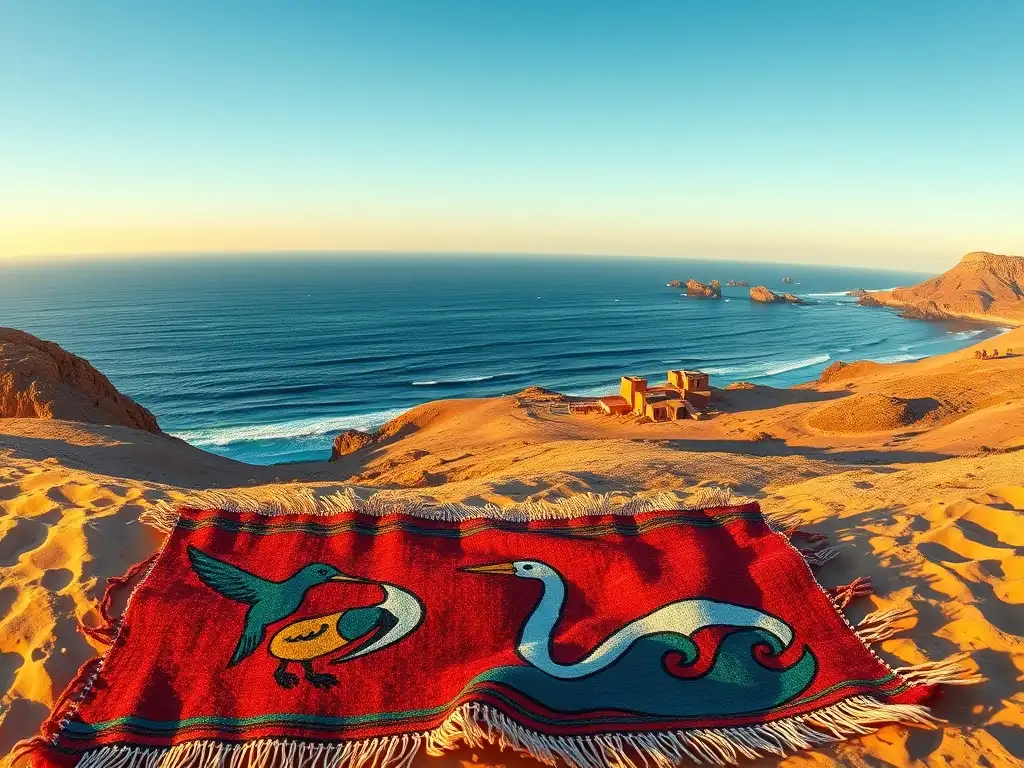
Step into a world lost to time, yet echoing with vibrant life. Uncover the secrets of the ancient Andes, where towering civilizations thrived amidst breathtaking landscapes. This journey begins with the Paracas culture, exploring their profound and intricate relationship with nature – a bond that defined their existence and shaped their remarkable legacy. Dive in and discover how this reverence for the natural world manifested in their art, beliefs, and daily lives. Their story will leave you breathless…
- The Paracas Culture Relationship with Nature: Reverence and Dependence
- Paracas Reverence for the Natural World
- The Paracas Dependence on Natural Resources
- The Impact of Climate on Paracas Society
- The Paracas Legacy: Understanding their Connection to Nature
-
Frequently Asked Questions
- What was the most significant aspect of the Paracas culture's relationship with nature?
- How did the Paracas' environment influence their lifestyle?
- What evidence reveals the Paracas' connection to the natural world?
- Did the Paracas culture impact the environment?
- How did the Paracas' understanding of nature compare to other Andean cultures?
- Final Reflection: Echoes of Reverence in a Changing World
- Reconnect with Nature: Embrace the Paracas Spirit!
The Paracas Culture Relationship with Nature: Reverence and Dependence
The Paracas culture, flourishing along the southern coast of Peru between 700 BCE and 200 CE, presents a fascinating case study of a civilization deeply intertwined with its environment. Unlike many other Andean societies that developed in the high altitudes of the Andes Mountains, the Paracas thrived in a dramatically different landscape: a harsh, arid coastal desert punctuated by oases and rich marine resources.
This unique environment profoundly shaped their worldview, their social structures, and their artistic expressions, forging a complex relationship characterized by both reverence for and profound dependence upon the natural world. This article will delve into the multifaceted ways the Paracas interacted with their surroundings, exploring their intricate understanding of their coastal ecosystem and their symbolic representations of nature's power.
We will examine their agricultural practices, fishing techniques, and the prominent role of natural elements in their iconography and religious beliefs, revealing a culture profoundly shaped and inspired by the forces of nature. Understanding the Paracas' relationship with nature is key to unlocking a deeper understanding of their remarkable achievements and their lasting legacy.
Introduction to the Paracas and their Environment
The Paracas lived in a geographically challenging but remarkably productive environment. The coastal desert of southern Peru is characterized by extremely low rainfall, making agriculture a significant challenge. However, the presence of fog, known as garúa, provided a vital source of moisture, supporting a unique ecosystem of hardy plants.
The Pacific Ocean, a constant presence, offered abundant marine life, forming the basis of their diet and providing materials for various crafts. This delicate balance between the harsh desert and the productive ocean shaped the daily lives of the Paracas people, demanding ingenuity and adaptability. Their ingenuity is evident in their sophisticated irrigation systems, which allowed them to cultivate crops in the otherwise arid land, while their fishing techniques demonstrate an intimate knowledge of the ocean's rhythms and currents.
The Paracas demonstrated a keen awareness of their environment, adapting to its challenges and harnessing its resources with impressive skill. Their success is a testament to their deep understanding of and respect for the natural world that sustained them.
The Paracas People and Their Coastal Ecosystem
The Paracas economy was heavily reliant on the marine ecosystem. Evidence suggests sophisticated fishing techniques, including the use of woven nets and specialized boats, which enabled them to harvest a wide variety of fish and marine mammals. These resources were not only a primary source of food but also provided materials for textiles, tools, and other crafts.
The Paracas also developed intricate knowledge of the marine environment, understanding the migratory patterns of fish and the seasonal variations in the ocean's productivity. This understanding allowed them to optimize their fishing efforts and ensure a consistent food supply. Furthermore, the Paracas were not solely dependent on the sea.
They developed innovative irrigation systems to cultivate crops such as cotton, beans, and squash, utilizing the limited water resources available to them with remarkable efficiency. This combination of marine and agricultural practices ensured the sustainability of their society, demonstrating an impressive level of resource management within the constraints of their environment. The careful balance they maintained between harvesting resources and preserving the ecosystem speaks volumes about their understanding of ecological sustainability – a concept remarkably advanced for its time.
Paracas Reverence for the Natural World
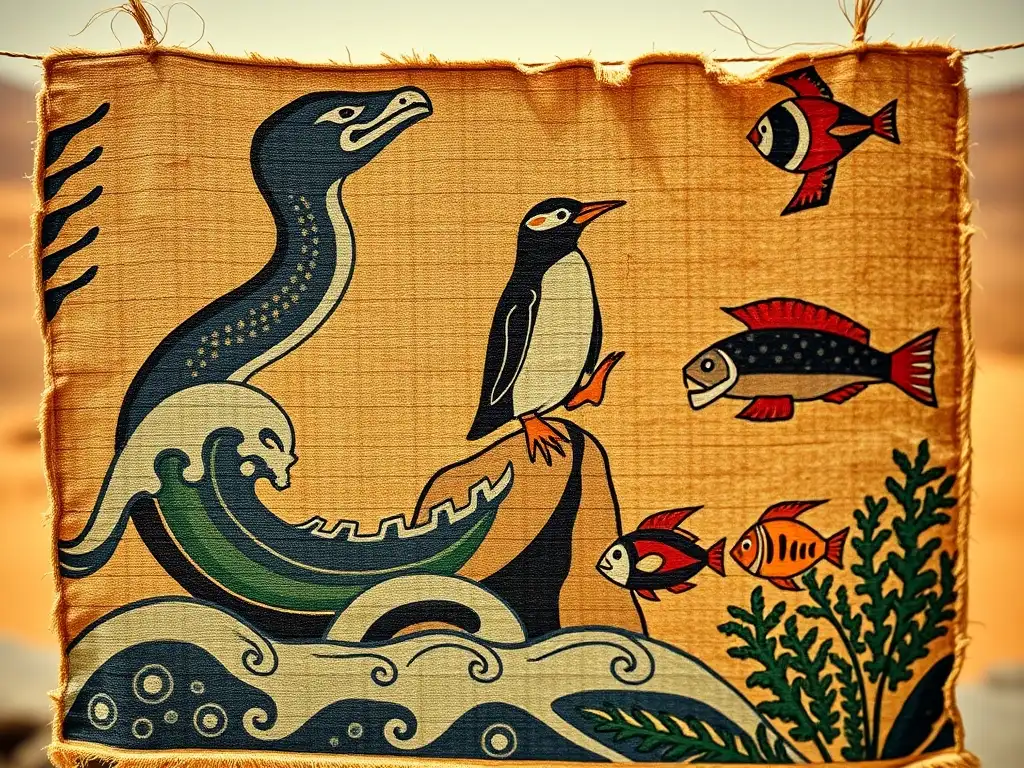
The Paracas culture, flourishing on the southern coast of Peru from approximately 800 BCE to 200 CE, demonstrated a profound relationship with the natural world, one characterized by both reverence and profound dependence. Their survival hinged on understanding and harnessing the resources of their arid environment, leading to a complex interplay between human society and the surrounding ecosystem. This relationship is vividly reflected in their religious beliefs, ritual practices, and artistic expressions.
Understanding this intricate connection offers valuable insights into the ingenuity and spirituality of this remarkable civilization. The Paracas culture relationship with nature wasn't simply utilitarian; it was deeply spiritual, shaping their worldview and influencing every aspect of their lives.
Deities and Natural Elements in Paracas Religion
Paracas religious beliefs were intrinsically linked to the natural world. While specific details remain shrouded in the mists of time, archaeological evidence suggests the existence of deities associated with key natural elements. The ocean, a vital source of sustenance, likely held a prominent place in their pantheon.
The discovery of numerous marine motifs in their textiles and ceramics hints at the worship of sea deities, possibly representing powerful forces controlling fishing success and the ebb and flow of the tides. Similarly, depictions of celestial bodies, such as the sun and moon, suggest a reverence for the cosmic order and the cycles of nature that governed their lives. The sun, crucial for agriculture in the coastal valleys, likely held a significant position as a life-giving deity.
Furthermore, the presence of stylized depictions of animals, such as birds, marine mammals, and camelids, in their iconography points to the belief that these creatures possessed spiritual significance, perhaps as intermediaries between the human and divine realms. The Paracas' understanding of the delicate balance within their ecosystem is clear: their deities weren't abstract; they were manifestations of the natural forces that shaped their existence.
Paracas Rituals Honoring Nature's Cycles
The Paracas' deep-seated respect for nature manifested itself in various rituals designed to honor the cycles of the natural world and ensure its continued bounty. Evidence suggests that they performed ceremonies linked to agricultural cycles, particularly the planting and harvesting seasons. These rituals might have involved offerings to deities associated with fertility and abundance, perhaps including agricultural produce, textiles, and other valuable goods.
Additionally, the intricate textile tradition of the Paracas, featuring depictions of marine life and celestial bodies, points to the use of these textiles in ritual contexts, potentially as offerings or ceremonial garments worn during religious ceremonies. The complexity and artistry of these textiles highlight the importance of these rituals within the Paracas social structure.
Further research is needed to fully understand the specifics of these rituals, but the extant evidence strongly suggests that they were integral to the Paracas worldview and played a crucial role in maintaining their relationship with the natural world. The Paracas relationship with nature was not passive; it was actively cultivated through these carefully constructed rituals.
Evidence of Environmental Awareness in Paracas Art
The exquisite textiles of the Paracas culture offer compelling evidence of their acute environmental awareness. The intricate designs, often depicting a wide array of flora and fauna with remarkable accuracy, showcase a deep understanding of the local ecosystem. From the detailed representation of marine species to the precise depiction of coastal birds and desert plants, the Paracas textiles serve as a visual record of their intimate knowledge of the natural world.
This wasn't simply artistic expression; it was a form of documentation, a testament to their profound connection with the environment that sustained them. The vibrant colors and meticulous craftsmanship also suggest a significant investment of time and resources, underscoring the importance of these representations in their culture. The Paracas' artistic expression, therefore, isn't just aesthetically pleasing; it provides invaluable insight into their detailed observation and understanding of the natural world and their place within it.
Analyzing the Paracas' art reveals a sophisticated understanding of ecological relationships, far surpassing a simple utilitarian perspective. The Paracas culture relationship with nature is beautifully and meticulously documented in their artistic achievements.
Further Research Areas
While significant progress has been made in understanding the Paracas culture relationship with nature, further research is needed to fully illuminate this aspect of their civilization. Specific areas of investigation include: a more detailed analysis of iconography to identify specific deities and their associated natural elements; excavation of more sites to uncover further evidence of ritual practices; and a more comprehensive study of the relationship between Paracas art and ecological knowledge.
The Paracas Dependence on Natural Resources
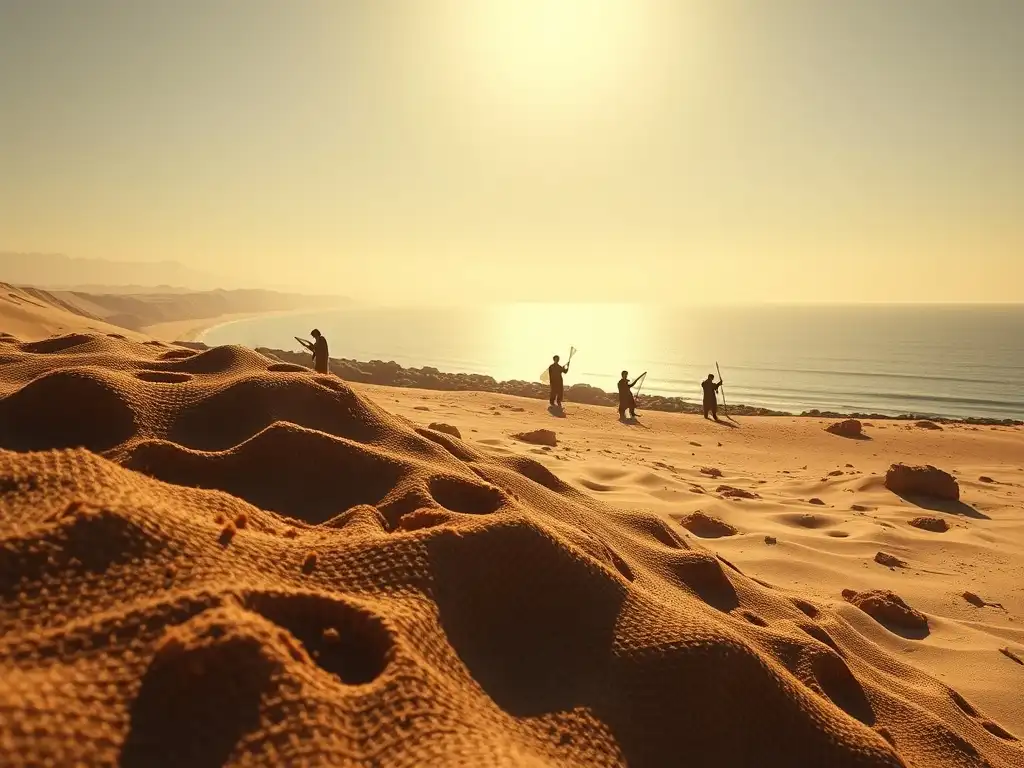
The Paracas culture, flourishing on the southern coast of Peru between 700 BCE and 100 CE, demonstrated a remarkable adaptation to a challenging environment. Their survival and prosperity hinged on a sophisticated understanding and exploitation of their natural surroundings, showcasing a deep interdependence between the Paracas people and their environment. This relationship, far from passive, involved active management and manipulation of resources to ensure the continuity of their society.
The Paracas' success serves as a testament to their ingenuity and resourcefulness in the face of environmental limitations. Understanding this intricate relationship is key to comprehending the Paracas culture's achievements and its ultimate legacy. The Paracas culture relationship with nature was one of profound respect and absolute dependence.
Agriculture and Water Management in the Paracas Culture
The arid coastal desert of southern Peru presented significant challenges to agriculture. The Paracas, however, were not deterred. Their mastery of water management and innovative farming techniques allowed them to cultivate crops in this seemingly inhospitable environment. Evidence suggests a complex system of resource utilization that allowed for sustainable food production, supporting a relatively large population. The ingenuity displayed in their agricultural practices is a compelling example of their deep understanding of their environment and their ability to adapt to its constraints.
Paracas Farming Techniques in Arid Lands
Paracas farmers employed several strategies to overcome the lack of rainfall. They utilized fog harvesting, a technique where the frequent coastal fog ("camanchaca") was captured using specially designed structures to collect condensation. This moisture supplemented the scarce rainfall, providing crucial water for irrigation. Additionally, they developed sophisticated irrigation systems, including canals and terraces, to channel water from rivers and streams to their fields.
These systems, often carved into the rocky terrain, demonstrate a considerable investment in agricultural infrastructure and a long-term commitment to sustainable farming practices. Analysis of ancient Paracas agricultural sites indicates a focus on crops like cotton, beans, and maize, adapted to the local conditions. The extent of their agricultural output, considering the environmental limitations, highlights the efficiency and effectiveness of their methods.
Water Resource Utilization by the Paracas
Beyond irrigation, the Paracas also developed methods for water storage. Archaeological findings suggest the use of underground storage systems (cisterns), which helped conserve water during drier periods. This foresight allowed them to buffer against the variability of the climate and ensure a consistent water supply for their crops and communities.
The construction of these systems required significant engineering skill and collective labor, reflecting the importance of water management in Paracas society. The careful planning and execution evident in their water management strategies underscore their deep understanding of hydrological processes and their commitment to securing essential resources. The Paracas’ ability to thrive in this arid landscape is a direct result of their advanced water management techniques.
Marine Resources and Paracas Subsistence
While agriculture played a vital role, marine resources formed the cornerstone of the Paracas diet and economy. The abundant marine life along the coast provided a reliable source of protein and other essential nutrients, complementing their agricultural production. The Paracas developed sophisticated techniques for harvesting and processing marine life, reflecting a deep knowledge of the ocean's rhythms and the behavior of its inhabitants. Their expertise in this area is evident in the archaeological record, which reveals a wide variety of fishing tools and evidence of extensive seafood processing.
Fishing and Seafood in the Paracas Diet
Analysis of Paracas remains reveals a diet rich in fish, shellfish, and other marine organisms. Species such as anchovies, sardines, and various shellfish were staples of their diet, providing a significant portion of their daily caloric intake. The diversity of marine species consumed indicates a broad range of fishing practices and a deep understanding of the marine ecosystem. The abundance of fish bones and shells found in Paracas settlements underscores the importance of seafood in their subsistence strategy. Their diet, a testament to their mastery of marine resources, was a key factor in their population growth and societal development.
Paracas Techniques for Harvesting Marine Life
The Paracas employed a variety of fishing techniques, including the use of nets, hooks, and traps. Evidence suggests they used woven nets of varying sizes and designs, adapted to different fishing strategies and target species. They also employed sophisticated techniques for processing their catch, including drying, salting, and smoking, to preserve food for later consumption. These preservation methods allowed them to store surpluses and cope with seasonal variations in marine resource availability.
The development of these techniques reflects a nuanced understanding of marine ecology and a commitment to efficient and sustainable resource management. The success of their fishing practices contributed significantly to the prosperity and longevity of the Paracas culture. Their relationship with the ocean was not merely one of exploitation, but of careful stewardship and deep respect. 🐠
Raw Materials and Their Paracas Uses
The Paracas culture's remarkable achievements in textile production, pottery, and other crafts were inextricably linked to their skillful exploitation of readily available natural resources. Their understanding and manipulation of these materials reflect a deep-seated connection with the environment, shaping their artistic expression and daily life. The coastal desert environment, while seemingly harsh, provided a surprisingly diverse palette of resources for the Paracas people.
This resourceful use of available materials speaks volumes about their ingenuity and adaptability to their unique environment. Their mastery extended beyond simple utilization; they transformed raw materials into exquisite works of art, demonstrating a sophisticated understanding of material properties and techniques.
This intimate relationship with nature extended beyond the practical; it infused their artistry with a spiritual significance, reflecting a worldview deeply connected to the land and its bounty. The careful selection and preparation of materials, coupled with their advanced techniques, highlight the Paracas people’s deep respect for and profound dependence on the natural world.
Clay, Stone and Textile Fibers: Sourcing and Working
The Paracas obtained clay for their pottery from nearby deposits, likely selecting specific types based on their desired properties for different vessels. The quality of the clay, its plasticity, and its firing characteristics directly impacted the final product's durability and aesthetic appeal. Evidence suggests they employed a variety of techniques to process the clay, perhaps including the addition of tempering materials to improve its workability and reduce cracking during firing.
Similarly, stone, sourced from local outcrops and riverbeds, served as a crucial material for tools and possibly some ceremonial objects. The type of stone used would have varied depending on the intended purpose, with harder stones preferred for tools requiring greater durability. The selection and shaping of these stones reflect a sophisticated understanding of material properties and tool-making techniques.
Perhaps the most striking example of Paracas resourcefulness lies in their textile production. The Paracas expertly utilized various plant fibers, primarily cotton, to create incredibly intricate and colorful textiles. Archaeological evidence suggests that the cotton was cultivated locally, demonstrating their agricultural capabilities and ability to manage water resources in the arid coastal region.
The process of harvesting, cleaning, spinning, and weaving the cotton fibers required significant skill and labor, underscoring the importance of textile production in their society. Beyond cotton, they may have also used other plant fibers, though further research is needed to definitively identify and quantify their usage. The sophisticated techniques employed in creating their textiles, including intricate embroidery and complex weaving patterns, attest to a high level of technical expertise passed down through generations.
Natural Pigments: Paracas Colors from the Environment
The vibrant colors of Paracas textiles are a testament to their ability to extract and utilize natural pigments from their environment. Many of these pigments were derived from minerals and plants found in the local area, demonstrating a deep understanding of the natural world and its color potential. Ores containing iron oxides likely provided various shades of red, yellow, and brown, while other minerals could have yielded other colors.
Plant-based dyes, derived from sources such as certain flowers, fruits, and roots, likely contributed to the range of hues found in their textiles. The preparation and application of these pigments were likely complex processes, requiring specialized knowledge and skill passed down through generations. The precision and vibrancy of the colors in their textiles suggest a sophisticated understanding of pigment chemistry and application techniques, further highlighting their intimate relationship with the natural world.
The careful selection and blending of pigments allowed them to create a remarkable array of colors, contributing significantly to the aesthetic beauty and cultural significance of their textiles. Further research into the specific plant and mineral sources of Paracas pigments is needed to fully understand the extent of their knowledge and techniques.
The Impact of Climate on Paracas Society
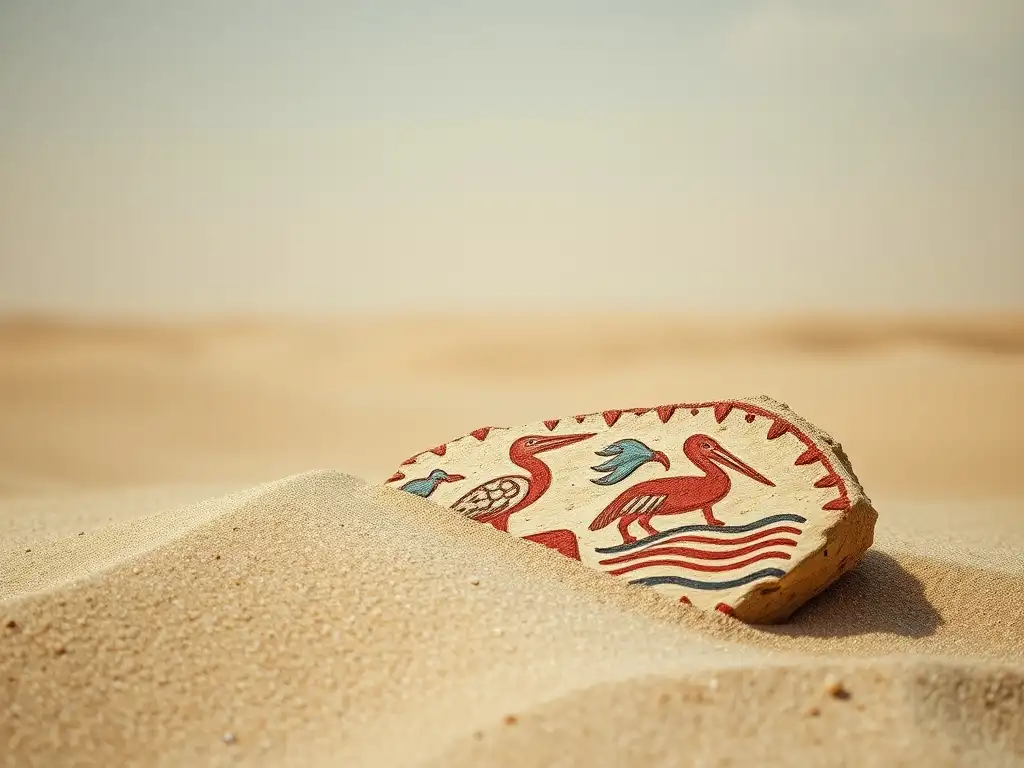
The Paracas culture, flourishing along the southern coast of Peru from approximately 800 BCE to 200 CE, demonstrated a profound relationship with its environment, one characterized by both reverence and dependence. Their survival hinged directly on the capricious nature of the coastal climate, a delicate balance between arid desert and the life-giving influence of the Pacific Ocean. Understanding this interplay is crucial to comprehending the intricacies of Paracas society, its achievements, and its eventual decline.
The coastal desert, though seemingly barren, offered unique resources, but accessing and managing them required sophisticated strategies. The availability of water, primarily from fog and occasional rainfall, dictated agricultural practices, settlement patterns, and overall societal organization. Variations in these resources, influenced by climatic shifts like El Niño events, had profound impacts on the Paracas way of life.
The Paracas were not passive recipients of environmental forces; rather, their cultural practices reflected a deep understanding and adaptation to the challenges and opportunities presented by their surroundings. This section explores the intricate connection between climate and Paracas society, illustrating how environmental factors significantly shaped their social, economic, and spiritual life.
Adaptation Strategies of the Paracas to Environmental Changes
The Paracas people developed ingenious strategies to thrive in their challenging environment. Their agricultural practices were meticulously adapted to the arid conditions. They harnessed the camanchaca, a dense coastal fog, using techniques like fog harvesting to collect moisture and irrigate crops. This involved building walls and terraces to trap the fog, allowing it to condense and drip into channels leading to fields.
Evidence suggests they cultivated a variety of crops, including beans, squash, and cotton, showcasing their agricultural expertise. Additionally, their fishing techniques were highly developed, utilizing various boats and fishing tools to exploit the abundant marine resources of the Pacific Ocean. The Paracas mastered techniques for preserving fish, using methods like sun-drying and salting, ensuring food security during lean periods. These adaptive strategies allowed them to create a relatively stable and prosperous society despite the inherent unpredictability of the coastal climate.
Their settlement patterns also reflected their adaptation strategies, with settlements strategically located near water sources and fishing grounds. The careful planning and execution of these adaptive techniques demonstrate the Paracas’ deep understanding of their environment and their ability to harness its resources for their benefit. Further research into the precise techniques and tools used could reveal even greater insights into their ingenuity. [Specific details on irrigation systems pending]
The Influence of El Niño on Paracas Life
The El Niño Southern Oscillation (ENSO) cycle, characterized by periodic warming of the Pacific Ocean, had a significant impact on Paracas society. While El Niño events brought increased rainfall to the normally arid coastal regions, this was not always beneficial. Intense rainfall could lead to devastating floods, damaging crops and settlements. Conversely, prolonged periods of drought, associated with La Niña events, brought about scarcity of resources, impacting both agriculture and fishing.
Evidence from archaeological sites suggests that the Paracas experienced both periods of abundance and hardship directly linked to ENSO variations. The impact of these climatic fluctuations on Paracas society is evident in the archaeological record, including changes in settlement patterns and the types of artifacts recovered. For instance, during periods of drought, a shift towards a greater reliance on marine resources might be observed, reflecting a change in subsistence strategies. Conversely, periods of increased rainfall may have led to an expansion of agricultural activities.
Understanding the long-term effects of El Niño on the Paracas highlights the vulnerability of their society to climatic variability and underscores the importance of their adaptive strategies in mitigating the risks associated with these natural phenomena. Further research into paleoclimatic data and its correlation with archaeological findings could provide a more comprehensive understanding of this dynamic relationship. Analyzing isotopic signatures in human remains could also reveal dietary shifts associated with El Niño events, providing valuable insights into the impact of these climatic fluctuations on Paracas health and well-being. 🌊
The Paracas Legacy: Understanding their Connection to Nature
The Paracas culture, flourishing on the southern coast of Peru from approximately 800 BCE to 200 CE, left behind a remarkable legacy that extends beyond their iconic textiles and intricate burial practices. A deep and profound relationship with the natural world permeated every aspect of Paracas life, shaping their beliefs, social structures, and artistic expressions. Understanding this intricate connection provides valuable insights into their societal organization and offers compelling lessons for contemporary environmental stewardship.
Their reverence for nature wasn't merely spiritual; it was a practical necessity for survival in a harsh, yet bountiful environment. The Paracas culture relationship with nature was one of profound interdependence, a delicate balance between harnessing the resources of the land and sea and respecting the inherent power of the natural world. This section will delve into the specific ways the Paracas demonstrated this profound connection.
Lessons from the Paracas Culture for Modern Environmentalism
The Paracas' sustainable practices, though unintentional from a modern environmentalist perspective, offer valuable lessons for today's world grappling with climate change and resource depletion. Their agricultural techniques, adapted to the arid coastal environment, involved sophisticated irrigation systems and the cultivation of diverse crops, maximizing yield while minimizing environmental impact. Evidence suggests a careful management of resources, avoiding overexploitation.
Their fishing practices, while intensive, likely incorporated techniques that ensured the sustainability of fish stocks, avoiding the devastating consequences of overfishing seen in modern times. This careful balance between resource extraction and preservation is a stark contrast to many modern unsustainable practices.
Furthermore, the Paracas' artistic representations frequently depict animals and plants with remarkable accuracy and detail, suggesting a deep understanding of the natural world and its interconnectedness. These depictions weren't merely aesthetic; they likely held symbolic meaning reflecting the crucial role nature played in their lives. The intricate weaving techniques employed in their textiles, often featuring depictions of flora and fauna, showcase a profound respect for the materials derived from their environment.
By understanding and emulating their sustainable practices and deep respect for biodiversity, we can draw valuable insights for creating a more environmentally conscious future. The Paracas culture’s relationship with nature serves as a powerful reminder of the importance of living in harmony with our planet.
Preserving the Paracas Heritage and its Environmental Significance
Preserving the Paracas heritage is not merely an archaeological endeavor; it's crucial for understanding and appreciating the complex relationship between humans and the environment. The fragile coastal ecosystem where the Paracas thrived is still vulnerable to environmental threats such as climate change, pollution, and unsustainable development. Protecting the archaeological sites themselves is essential, as these sites offer invaluable insights into their practices and beliefs. However, preservation efforts must also encompass the broader ecosystem, safeguarding the biodiversity that sustained the Paracas civilization.
The ongoing research and conservation efforts focused on the Paracas culture provide crucial data for understanding past environmental changes and their impact on human societies. This knowledge is invaluable for predicting and mitigating the effects of current environmental challenges. The integration of archaeological data with ecological studies allows for a more comprehensive understanding of the long-term interactions between humans and their environment, offering crucial lessons for sustainable development.
This holistic approach to preservation is essential for ensuring that future generations can learn from the Paracas' legacy and understand the importance of a balanced relationship with nature. Effective strategies need to incorporate both archaeological preservation and ecological conservation to safeguard the Paracas heritage and its environmental significance.
Conclusion: The Enduring Bond Between the Paracas and Nature
The Paracas culture's relationship with nature was not merely a matter of survival; it was a deeply ingrained aspect of their worldview, reflected in their art, social structures, and daily practices. Their sophisticated understanding of their environment, coupled with sustainable practices, allowed them to thrive in a challenging coastal landscape for centuries. The legacy of the Paracas offers a powerful counterpoint to modern unsustainable practices, highlighting the importance of a balanced relationship between humanity and the natural world.
By studying their techniques, appreciating their artistic expressions, and protecting their heritage, we can glean invaluable insights into sustainable living and responsible environmental stewardship. The enduring bond between the Paracas and nature continues to resonate today, reminding us of the vital connection between human societies and the planet's well-being. The Paracas culture's relationship with nature serves as a timeless lesson in environmental responsibility and sustainable living.
Frequently Asked Questions
What was the most significant aspect of the Paracas culture's relationship with nature?
The Paracas people showed a deep reverence for nature, viewing it as a source of life and sustenance. Their religious beliefs and artistic expressions reflected this profound connection.
How did the Paracas' environment influence their lifestyle?
The arid coastal desert of Peru heavily influenced their lifestyle. They developed innovative irrigation techniques to cultivate crops and relied heavily on fishing and sea resources.
What evidence reveals the Paracas' connection to the natural world?
Their textiles, featuring intricate depictions of animals and plants, provide strong evidence. Mummy bundles, adorned with natural materials, further demonstrate their close ties to nature.
Did the Paracas culture impact the environment?
While their agriculture required some environmental modification, evidence suggests a sustainable relationship. They adapted to the limitations of the desert rather than drastically altering it.
How did the Paracas' understanding of nature compare to other Andean cultures?
While sharing some common threads with other Andean cultures (e.g., agricultural practices), the Paracas developed unique artistic representations of their relationship with the environment, reflecting their specific coastal context.
Final Reflection: Echoes of Reverence in a Changing World
The Paracas people's profound connection to the natural world remains a potent reminder of our own precarious relationship with the environment. Their intricate textiles, imbued with depictions of marine life and celestial events, serve not just as artistic masterpieces but as powerful testaments to a society deeply intertwined with its surroundings—a stark contrast to our often exploitative modern practices. This ancient reverence offers a crucial lesson for our time, as we grapple with the consequences of environmental degradation.
The enduring legacy of the Paracas' reverence for nature continues to resonate, shaping our understanding of sustainable practices and the importance of respecting ecological balance. Their sophisticated understanding of the marine ecosystem, reflected in their fishing techniques and artistic representations, highlights a level of harmony rarely seen in contemporary society. We do not inherit the earth from our ancestors; we borrow it from our children.
This quote, often attributed to Native American elders, perfectly encapsulates the wisdom embedded within the Paracas' approach to nature—a wisdom we must urgently reclaim.
Consider the intricate details woven into Paracas textiles, the vibrant colors reflecting the abundant life of the sea, the celestial patterns mirroring their deep understanding of the cosmos. These are not merely artifacts of a bygone era; they are powerful symbols urging us to reconsider our own relationship with the planet. Let the echoes of Paracas reverence inspire you to act, to make conscious choices that honor the delicate balance of our shared ecosystem. Let us learn from their past to build a more sustainable future.
Reconnect with Nature: Embrace the Paracas Spirit!
Thank you for exploring the Paracas culture and their profound connection to the natural world. Their deep reverence for the earth is a powerful example of how we can all live more sustainably. Let's begin to honor this connection and cultivate a deeper appreciation for our environment.
- Start practicing sustainability today. This could be as simple as reducing your plastic consumption, starting a compost pile, or buying locally sourced produce. Choose one action that feels right for you.
- Explore the natural world around you. Take a walk in your neighborhood, visit a local park, or volunteer with a conservation organization to increase your understanding and connection with nature.
- Share your experiences. Inspire others to connect with nature by talking about your efforts and experiences with friends or on social media.
What will you do today to nurture your relationship with the environment?