
The Paracas Mystery: Unsolved Questions and Ongoing Research


Step into a world shrouded in enigma, where towering pyramids whisper secrets to the wind and intricate textiles hold clues to a lost civilization. Dive into the captivating realm of Andean history, uncovering the astonishing achievements and enduring mysteries of the ancient cultures that flourished along the Peruvian coast. Prepare to be amazed by the Paracas culture, a society whose advanced practices and intriguing artifacts continue to baffle researchers. What secrets do their elaborate burial practices and enigmatic textiles truly conceal? Unravel the threads of this ancient mystery—explore the unsolved questions and ongoing research surrounding the Paracas culture.
The Paracas culture, flourishing on the southern coast of Peru between 700 BC and 200 AD, remains one of the most enigmatic and fascinating pre-Inca societies. Their mastery of textile arts, their distinctive burial practices, and the sheer scale of their societal achievements continue to captivate archaeologists and historians alike.
This article delves into the enduring mysteries surrounding the Paracas people, exploring unanswered questions and highlighting the ongoing research that strives to illuminate their vibrant yet elusive civilization. We will examine key aspects of their culture, from their complex social structures and unique artistic expressions to the perplexing questions surrounding their origins, societal collapse, and the remarkable preservation of their artifacts.
Understanding the Paracas culture offers crucial insights into the broader tapestry of Andean civilization, providing a deeper understanding of the development and evolution of societies along the challenging Peruvian coastline. The Paracas culture, a pivotal link in the chain of Andean development, offers a rich field of study, and its unsolved mysteries continue to fuel academic debate and inspire fresh research.
Unveiling the Enigmas of the Paracas Culture
The Paracas culture is renowned for its exquisite textiles, considered some of the finest examples of pre-Columbian craftsmanship. These intricate weavings, often featuring vibrant colors and complex designs, showcase a sophisticated understanding of textile techniques far surpassing those of contemporary cultures. However, many questions remain about the production process.
How did they achieve such vibrant colors using natural dyes? What were the social implications of textile production, and how was the labor organized? Further research is needed to fully understand the social and economic structures that supported this remarkable artistic achievement.
Analysis of textile fibers and dyes, along with archaeological excavations of workshops and related structures, are crucial in unraveling these puzzles. The detailed iconography depicted in these textiles also presents a challenge, with many symbols and motifs remaining undeciphered, hindering our understanding of their mythology and beliefs. The sheer scale of production also raises questions about the size and complexity of the Paracas social organization.
The Paracas Necropolis: Secrets Buried in the Sand
The Paracas Necropolis, a vast cemetery containing thousands of intricately wrapped mummies, represents another significant enigma. The mummification techniques employed by the Paracas people were incredibly sophisticated, far exceeding those of other contemporary cultures. The process involved removing the brain and internal organs, then reshaping the body before wrapping it in layers of cloth and adorned with elaborate headdresses and jewelry. But the reasons behind this elaborate process are still debated.
Was it related to religious beliefs? To social status? The sheer number of mummies discovered also poses questions about the population size and social structure of the Paracas society.
Ongoing research into the DNA of the mummies, combined with isotopic analysis of their bones, is helping to shed light on their origins, migrations, and kinship networks. Furthermore, the artifacts found within the tombs provide invaluable insights into their beliefs and daily life, but much remains to be interpreted. The study of the Paracas Necropolis, therefore, remains a key focus for researchers seeking to understand the culture's social structure, beliefs, and practices.
The Collapse of a Civilization: Unanswered Questions
The reasons behind the decline and eventual disappearance of the Paracas culture remain a subject of ongoing debate. While some theories point to environmental factors, such as changes in climate or resource depletion, others suggest internal conflicts or external pressures as contributing factors. The lack of clear evidence of warfare or conquest complicates the matter, leaving the precise causes of their decline somewhat mysterious.
Further research involving paleoclimatological studies, coupled with detailed analysis of archaeological remains, is needed to establish a clearer picture of the circumstances surrounding their disappearance. Understanding the environmental context and potential social or political upheavals is crucial in piecing together the final chapter of this fascinating culture.
Careful consideration of sedimentary records, alongside detailed analysis of skeletal remains for evidence of disease or malnutrition, might offer further clues. The Paracas story, therefore, remains incomplete and continues to challenge our understanding of societal collapse in ancient Andean societies.
Ongoing Research and Future Directions for Paracas Studies
Despite the many mysteries that remain, ongoing research is constantly revealing new insights into the Paracas culture. The application of advanced technologies, such as DNA analysis, isotopic studies, and 3D imaging, is revolutionizing our understanding of their lives, beliefs, and societal structures. Future research should focus on integrating these new technologies with traditional archaeological methods to build a more comprehensive picture.
Collaboration between international researchers and local communities is also crucial to ensure the responsible and ethical preservation of Paracas heritage. The ongoing excavation and analysis of new sites, combined with the continued study of existing collections, promises to unveil further secrets of this remarkable civilization, continually rewriting our understanding of the Paracas culture and its place within the broader context of Andean history. The future of Paracas studies is bright, with many promising avenues of research still to be explored.
- Unveiling the Enigmas of the Paracas Culture
- The Paracas Necropolis: Secrets Buried in the Sand
- The Collapse of a Civilization: Unanswered Questions
- Ongoing Research and Future Directions for Paracas Studies
- What is the Paracas culture known for?
- What are the "elongated skulls" of Paracas, and what theories exist to explain them?
- What are some of the unsolved mysteries surrounding Paracas technology?
- How did the Paracas culture interact with other Andean civilizations?
- Where can I learn more about ongoing research on the Paracas culture?
The Paracas Culture: A Brief Overview
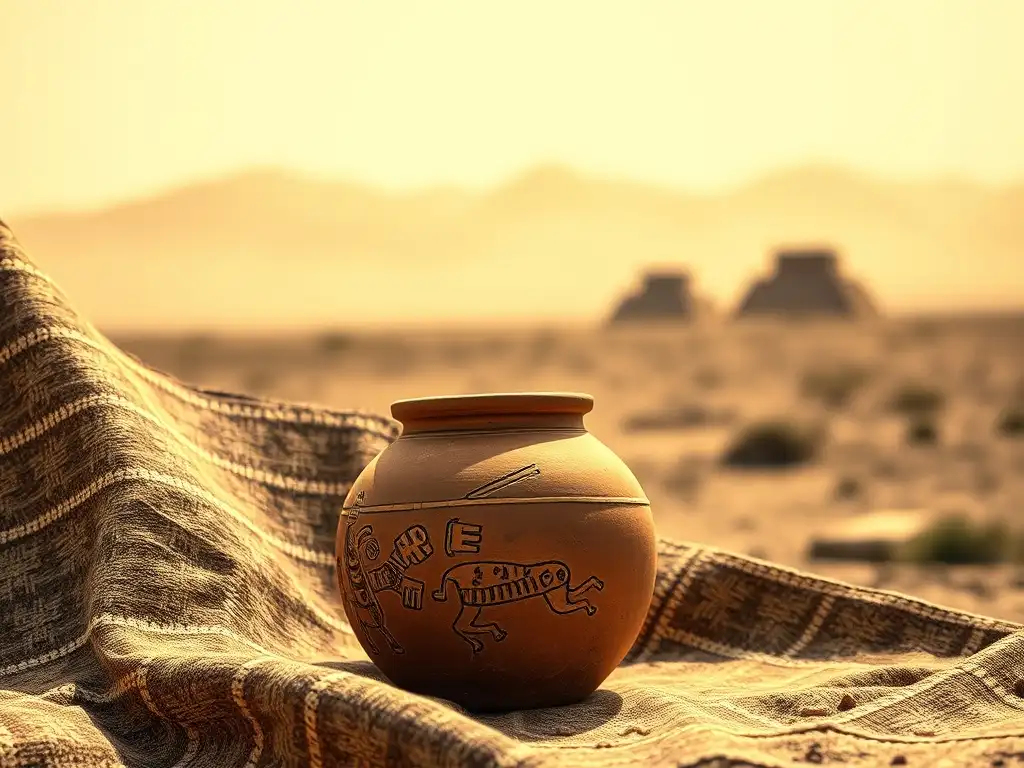
This section provides a concise overview of the Paracas culture, focusing on aspects relevant to understanding the unsolved mysteries surrounding this fascinating civilization. We'll delve into their geographical location, societal structure, and remarkable artistic achievements, laying the groundwork for exploring the enduring enigmas that continue to captivate researchers today. Understanding the Paracas people's context is crucial to appreciating the significance of the unsolved questions surrounding their culture.
Geographical Location and Timeline of the Paracas People
The Paracas culture flourished on the southern coast of Peru, specifically within the Ica and Nazca regions. Their civilization spanned a significant period, generally accepted to be from approximately 700 BCE to 100 CE. This timeframe encompasses two distinct phases: the Early Paracas (700-200 BCE) and the Late Paracas (200 BCE-100 CE).
The Early Paracas period is characterized by a unique burial style involving elaborate textiles and intricate grave goods, while the Late Paracas period shows a shift towards simpler burial practices but a continuation of their exceptional textile production. Pinpointing the exact reasons for the transition between these phases remains a subject of ongoing debate and contributes to the broader "Paracas culture unsolved mysteries" that we are exploring.
The precise environmental factors and societal changes that influenced this transformation are still areas requiring further investigation. The coastal desert environment, with its limited resources, presented unique challenges and opportunities that shaped the Paracas way of life, a factor that influences our understanding of their societal structures and technological innovations.
Key Characteristics of Paracas Society
While much about Paracas social organization remains unclear, archaeological evidence suggests a stratified society. The discovery of elaborate tombs containing rich grave goods indicates a clear elite class, while other burial sites suggest a less privileged population. The nature of the social hierarchy, the extent of social mobility, and the specific roles within the society are all areas where more research is needed.
The intricate textiles found in Paracas tombs hint at a specialized workforce involved in their production – skilled artisans who likely held a significant position within the social structure. Understanding the social dynamics of the Paracas is key to deciphering their artistic achievements and the purpose behind their unique burial rituals.
The distribution of resources, the existence of specialized craftspeople, and the overall societal structure are all pieces of the puzzle that contribute to the ongoing research surrounding the "Paracas culture unsolved mysteries." Further analysis of settlements, grave goods, and the distribution of artifacts is crucial to shed more light on this aspect of their civilization.
Paracas Art and Craftsmanship: Textiles and Pottery
The Paracas people are renowned for their exceptional textile artistry. Their mastery of textile production, including intricate weaving techniques, vibrant colors, and symbolic designs, is unparalleled. The use of various fibers, including cotton and camelid wool, demonstrates their advanced understanding of material science and agricultural practices. The iconic Paracas mantles, often found in their elaborate tombs, are particularly striking examples of their skill.
These large, intricately woven textiles are adorned with complex iconography, often depicting mythological figures, animals, and geometric patterns. The symbolism embedded within these textiles remains a subject of ongoing interpretation and adds to the intrigue of the "Paracas culture unsolved mysteries". The meanings behind the intricate designs and the methods used to create such vibrant colors are still being studied.
Similarly, Paracas pottery, while less celebrated than their textiles, displays a distinct style and provides valuable insights into their beliefs and daily life. The styles, motifs, and techniques used in pottery production vary across the Early and Late Paracas periods, offering clues to the evolution of the culture. Further analysis of both textile and pottery artifacts is crucial to unlocking the secrets of their artistic expression and the deeper meaning embedded within their creations.
Paracas Burial Practices and Rituals
The Paracas culture's elaborate burial practices stand as a testament to their complex beliefs about the afterlife and the significance they placed on their ancestors. Their tombs, often located in subterranean chambers or cliffside niches, weren't simply repositories for the deceased; they were meticulously crafted spaces designed to accompany the dead on their journey to the next world. The sheer scale of some of these burial sites, like those found at the Paracas Necropolis, is staggering, hinting at a highly organized society capable of undertaking immense collective efforts.
One of the most striking aspects of Paracas burial rituals was their mummification techniques. Unlike the Incas, who employed relatively simple mummification, the Paracas developed sophisticated methods involving the removal of internal organs, careful desiccation, and the application of various substances to preserve the body. The resulting mummies are remarkably well-preserved, offering invaluable insights into their physical characteristics, health, and even their diet.
Detailed analysis of Paracas mummies has revealed evidence of various diseases and ailments, providing researchers with a unique window into the health challenges faced by this ancient population. These analyses also help researchers understand the impact of diet and environment on their overall well-being.
Beyond the mummies themselves, the grave goods accompanying the deceased provide compelling evidence of Paracas social hierarchy and beliefs. Elaborate textiles, intricate ceramics, and precious objects were frequently included in the burials. The quality and quantity of these grave goods varied considerably, reflecting differences in social status.
This suggests a stratified society with a clear elite class and a system of social ranking. The presence of certain objects, such as specific types of textiles or ceremonial items, may also indicate specific rituals or beliefs associated with particular individuals or social groups. Further research into the symbolism embedded in these artifacts could unlock deeper understandings of Paracas cosmology and religious practices.
The sheer variety and artistry displayed in Paracas textiles, in particular, continue to fascinate researchers, prompting ongoing study into their production techniques and symbolic meaning. These intricate textiles, often adorned with vibrant colors and complex designs, represent a significant achievement in textile technology and artistic expression for their time. The ongoing study of Paracas textiles is helping us understand their complex social structures and beliefs.
The Paracas Skulls: An Enduring Mystery
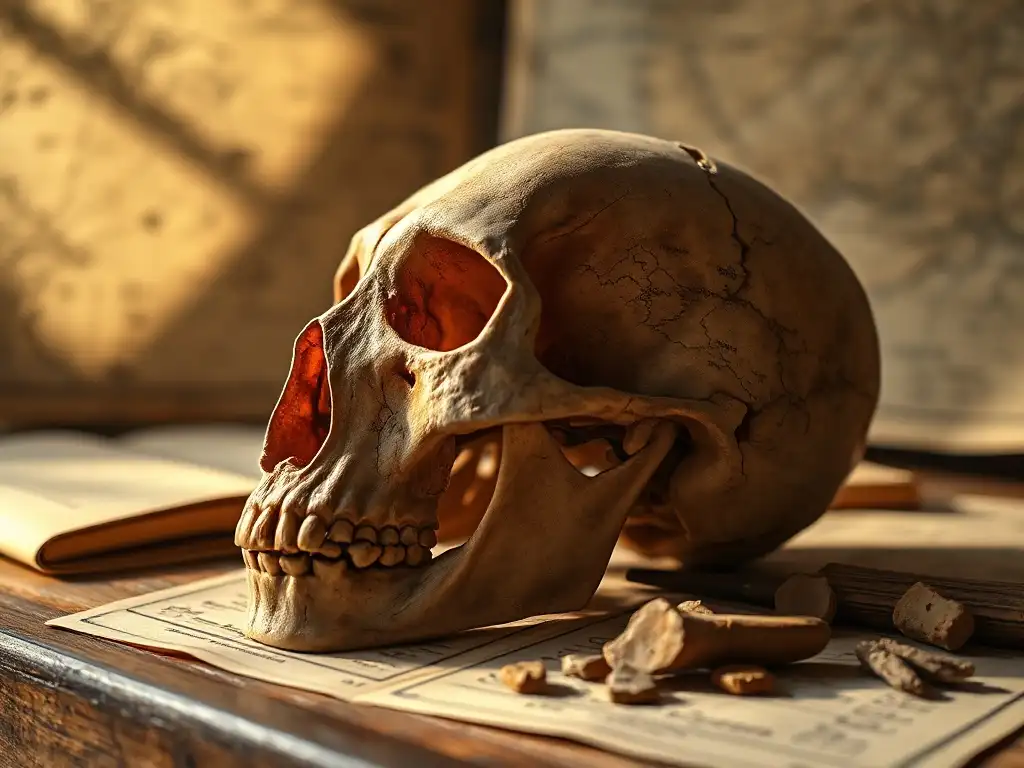
The Paracas culture, known for its intricate textiles and enigmatic burial practices, leaves behind one of the most enduring mysteries of the Andean world: the elongated skulls. These skulls, significantly different from the average human cranium, continue to fuel speculation and debate amongst researchers. Their unique morphology has led to numerous theories, ranging from ancient alien contact to sophisticated cranial deformation techniques, but the true origin remains shrouded in mystery.
The sheer number of these elongated skulls found in the Paracas cemeteries further intensifies the enigma, demanding a thorough investigation into their origins and the cultural significance they held within Paracas society. The enduring fascination with these artifacts underscores the ongoing need for rigorous scientific study to unravel the secrets they hold. The mystery surrounding these skulls, a key component of the broader "Paracas culture unsolved mysteries," continues to attract both professional researchers and amateur enthusiasts alike.
The Elongated Skulls of Paracas: Anomalies and Speculations
The most striking feature of the Paracas skulls is their extreme elongation. The average length is approximately 25% longer than a typical human skull. This significant difference is not simply a matter of visual perception; precise measurements and comparative analyses consistently demonstrate the anomaly.
Early theories, often fueled by sensationalist interpretations, proposed extraterrestrial origins or the existence of a previously unknown hominid species. However, more recent research points towards a more likely explanation involving intentional cranial modification, a practice documented in various ancient cultures worldwide. The degree of elongation in the Paracas skulls, however, surpasses that observed in other cultures practicing cranial deformation, raising questions about the techniques employed and the potential for other contributing factors.
The sheer scale of the phenomenon, with hundreds of elongated skulls unearthed, further complicates the quest for a definitive answer. This striking characteristic continues to be a central element within the "Paracas culture unsolved mysteries" narrative.
Cranial Deformation: Cultural Practice or Genetic Trait?
While cranial deformation is a plausible explanation for the elongated shape of the Paracas skulls, the extent of the deformation presents a challenge to this theory. The process typically involves applying pressure to the skull of an infant, gradually altering its shape over time. However, the extreme elongation observed in Paracas skulls suggests either an unusually prolonged or intense application of pressure, or perhaps a combination of cranial modification and a pre-existing genetic predisposition.
Some researchers suggest that specific genetic factors might have influenced the skull's susceptibility to deformation, leading to a more pronounced elongation than in other cultures. Detailed genetic studies are crucial to exploring this hypothesis.
Determining whether the extreme elongation is solely a result of cultural practices, a genetic anomaly, or a complex interplay of both factors remains a central challenge in understanding the "Paracas culture unsolved mysteries". Further research, particularly involving advanced genetic analysis, is needed to resolve this ambiguity.
Paracas Skull DNA Analysis: Recent Discoveries
Recent advancements in DNA analysis have offered new insights into the Paracas skulls, shedding some light on the "Paracas culture unsolved mysteries" surrounding their origins. Preliminary DNA studies have revealed that the Paracas skulls possess unique mitochondrial DNA, differing significantly from known human populations. This discovery has sparked renewed interest and debate, suggesting the possibility of a previously unknown human lineage or a unique genetic adaptation within the Paracas population.
However, the results are still preliminary and require further investigation and validation through larger-scale studies. The complexity of ancient DNA analysis, coupled with the challenges of preserving and extracting reliable DNA from ancient remains, necessitates cautious interpretation of these findings.
Further research focusing on the complete genome sequencing of these skulls is crucial to definitively determining their genetic makeup and relationship to other known human populations. The potential for groundbreaking discoveries related to human ancestry makes this line of research especially exciting within the ongoing exploration of the "Paracas culture unsolved mysteries".
Unresolved Questions Regarding Paracas Cranial Modifications
The elongated skulls of the Paracas culture remain one of the most enduring and perplexing mysteries of ancient South America. While cranial deformation was a common practice across various cultures, the extreme elongation observed in some Paracas skulls surpasses anything seen elsewhere, raising numerous questions that continue to baffle researchers. The sheer scale of the deformation, often reaching lengths far exceeding naturally occurring cranial shapes, challenges our understanding of the techniques employed and the long-term effects on the individuals who underwent this procedure.
One of the most significant unresolved questions revolves around the method used to achieve such extreme elongation. While many cultures practiced cranial binding, involving the use of boards or cloths to reshape the skull during infancy, the degree of modification in Paracas skulls suggests a more complex or prolonged process. Some theories propose the use of more invasive techniques, possibly involving surgical intervention, although this remains highly speculative due to a lack of direct evidence.
Further research utilizing advanced imaging techniques and anthropological analyses is crucial to determine the exact methods and tools used. The meticulous study of skeletal remains, including microscopic examination of bone structure, could potentially reveal traces of surgical tools or other evidence of invasive procedures.
Another pressing question concerns the cultural significance of this practice. While cranial modification served symbolic purposes in many societies, signaling social status, group affiliation, or religious beliefs, the extreme nature of Paracas cranial deformation suggests a uniquely powerful significance within their culture. Was it a marker of elite status? A ritualistic practice connected to religious beliefs?
Or something else entirely? The absence of clear iconographic representations or written records makes it difficult to definitively answer these questions. Careful analysis of burial contexts, grave goods, and the social stratification within Paracas settlements could provide important clues about the social and ritual significance of elongated skulls. Cross-cultural comparison with other societies that practiced cranial modification, albeit to a lesser extent, could also provide valuable insights.
Finally, the potential health implications of such extreme cranial deformation remain largely unexplored. While some studies have suggested potential neurological or physiological consequences, more research is needed to fully understand the long-term effects on the individuals. The impact on brain development, sensory perception, and overall health requires thorough investigation.
This involves not only the examination of skeletal remains but also the application of advanced imaging techniques like CT scans and 3D modeling to better visualize the internal structure of the skulls and assess any potential abnormalities. A multidisciplinary approach, involving anthropologists, geneticists, and medical professionals, is essential to address this complex and multifaceted issue. The potential for uncovering vital information about the health and well-being of the Paracas people through advanced scientific techniques presents an exciting avenue for future research.
The Paracas Textiles: Decoding the Intricacies
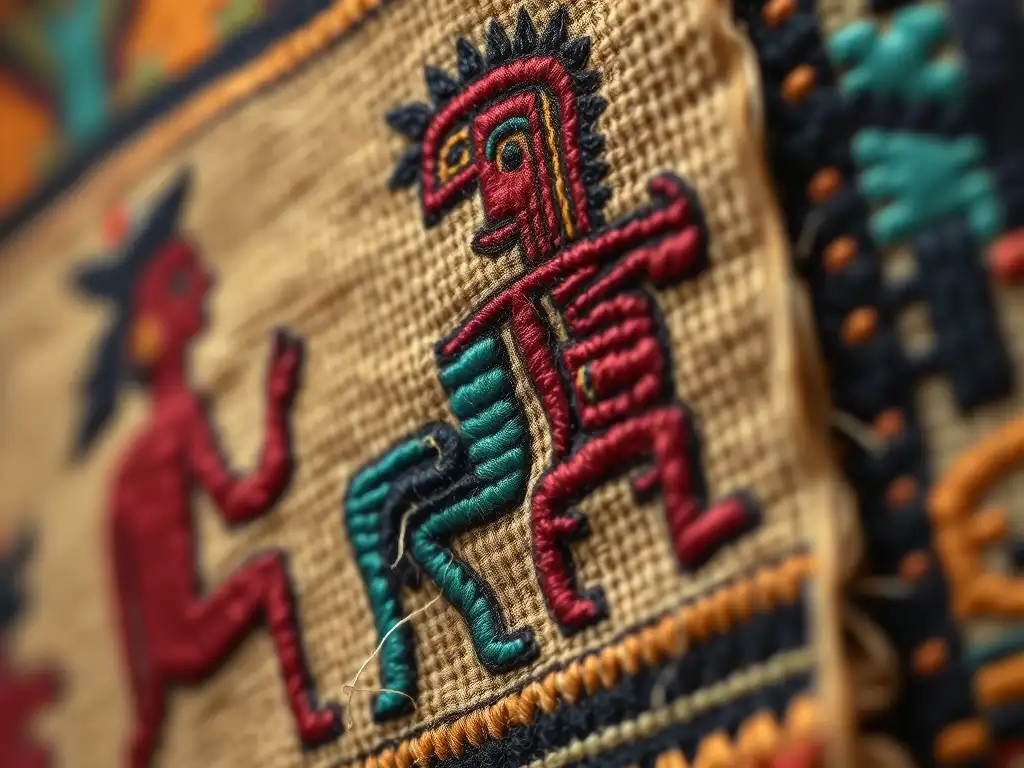
The Paracas culture, flourishing on the southern coast of Peru between 700 BCE and 200 CE, left behind a legacy far exceeding their relatively short lifespan. Central to their enduring mystery, and a key element of the "Paracas culture unsolved mysteries" puzzle, are their incredibly intricate textiles. These aren't simply fabrics; they are breathtaking masterpieces of ancient weaving, showcasing unparalleled skill and artistic vision.
The sheer complexity of these textiles continues to challenge modern textile experts, leading to ongoing research and ongoing debates about their creation. The techniques used remain partially understood, highlighting the advanced technological capabilities of the Paracas people.
Paracas Textiles: Masterpieces of Ancient Weaving
The Paracas artisans employed a variety of advanced weaving techniques, including tapestry, embroidery, and gauze. Their mastery of color is particularly striking. They used natural dyes derived from plants, minerals, and insects, achieving a vibrant and astonishing range of hues that remain remarkably vivid even after centuries.
The precision and detail in their work are simply astounding. Consider the sheer number of threads used in some pieces, often numbering in the thousands, all meticulously interwoven to create incredibly detailed images and patterns. These textiles weren't just functional; they were considered sacred, incorporated into burial rituals and possibly used in ceremonial contexts.
The scale of the undertaking—the sheer volume of textiles produced and the level of skill required—indicates a highly organized and specialized textile industry within Paracas society. The sheer volume of surviving textiles, despite the ravages of time and the elements, is a testament to the quality of the materials and the ingenuity of the weaving techniques. Further research into the specific plant and insect sources of their dyes is ongoing, offering potential insights into their trade networks and environmental interactions.
Iconography and Symbolism in Paracas Textile Designs
The iconography depicted in Paracas textiles is another area shrouded in mystery. While some motifs appear consistently, their exact meaning remains elusive. Common imagery includes stylized representations of humans, animals (especially felines, birds, and marine creatures), and supernatural beings.
Many designs seem to be narrative, telling stories or depicting scenes of ritual or daily life. However, deciphering these narratives is a complex task, requiring careful analysis of both individual elements and the overall composition of the textile. Scholars are employing various methodologies, including comparative studies with other Andean cultures and the use of digital imaging techniques to enhance the visibility of faded or obscured details.
There is ongoing debate about the extent to which these designs reflect religious beliefs, social structures, or cosmological ideas. The recurring themes and symbolic elements point to a rich and complex worldview, yet much work remains to be done in order to fully understand their meaning. The use of anthropomorphic figures, often depicted with exaggerated features, adds another layer of complexity to the interpretation of Paracas iconography.
The Preservation of Paracas Textiles: A Technological Marvel
The remarkable preservation of Paracas textiles is itself a subject of ongoing research. Given the arid climate of the southern coast of Peru, it's not surprising that some textiles have survived. However, the condition of many pieces—their vibrant colors and intricate details—suggests that the Paracas may have employed specific preservation techniques. Researchers are investigating the possibility of the use of natural preservatives, such as resins or plant extracts.
The careful burial practices of the Paracas, often involving elaborate shrouds and multiple layers of textiles, may also have contributed to their preservation. The use of high-quality natural fibers, such as cotton and camelid wool, undoubtedly played a significant role. Analysis of the fibers themselves, including their composition and treatment, is ongoing.
Understanding the preservation factors is crucial not only for safeguarding existing textiles but also for developing improved conservation methods for future discoveries. The longevity of these textiles offers valuable lessons for modern textile conservation practices, providing a fascinating case study in the interaction between materials, climate, and cultural practices. The exceptional preservation of these artifacts is a crucial factor in making them a vital resource for the study of "Paracas culture unsolved mysteries".
Paracas Textile Techniques: Unresolved Questions
The exceptional artistry of Paracas textiles continues to baffle researchers even today. While we understand the basic techniques—such as tapestry, embroidery, and gauze—many aspects remain shrouded in mystery. For instance, the precision and complexity of some designs, particularly those incorporating hundreds of colors and intricate motifs, raise questions about the tools and processes employed. Did they use magnifying glasses? What kind of dyes and mordants allowed them to achieve such vibrant, long-lasting colors?
The sheer scale of some textiles, some measuring many meters in length, suggests a level of organization and collaborative effort that we are only beginning to understand. The lack of surviving workshops or detailed depictions of textile production hinders our ability to reconstruct their methods fully. Further complicating the matter is the degradation of many textiles due to time and environmental factors. This limits our ability to analyze the fibers and techniques in detail, making it difficult to determine the exact methods used to create such masterpieces. The challenge lies not only in identifying the techniques but also in understanding the why behind them – the cultural significance encoded within the intricate weaving and design choices.
Further research into similar textile traditions in neighboring cultures might shed light on some of these unanswered questions. For example, a comparative analysis of Paracas techniques with those of the Nazca or Wari cultures could reveal shared practices or unique innovations. The ongoing research into Paracas textiles is a testament to the enduring mystery and complexity of this ancient Andean culture. Understanding their textile techniques is key to unlocking a deeper understanding of their worldview, social structure, and artistic capabilities. The persistence of these unsolved questions highlights the remarkable ingenuity and enduring legacy of the Paracas people.
Paracas Culture Unsolved Mysteries: Beyond the Known
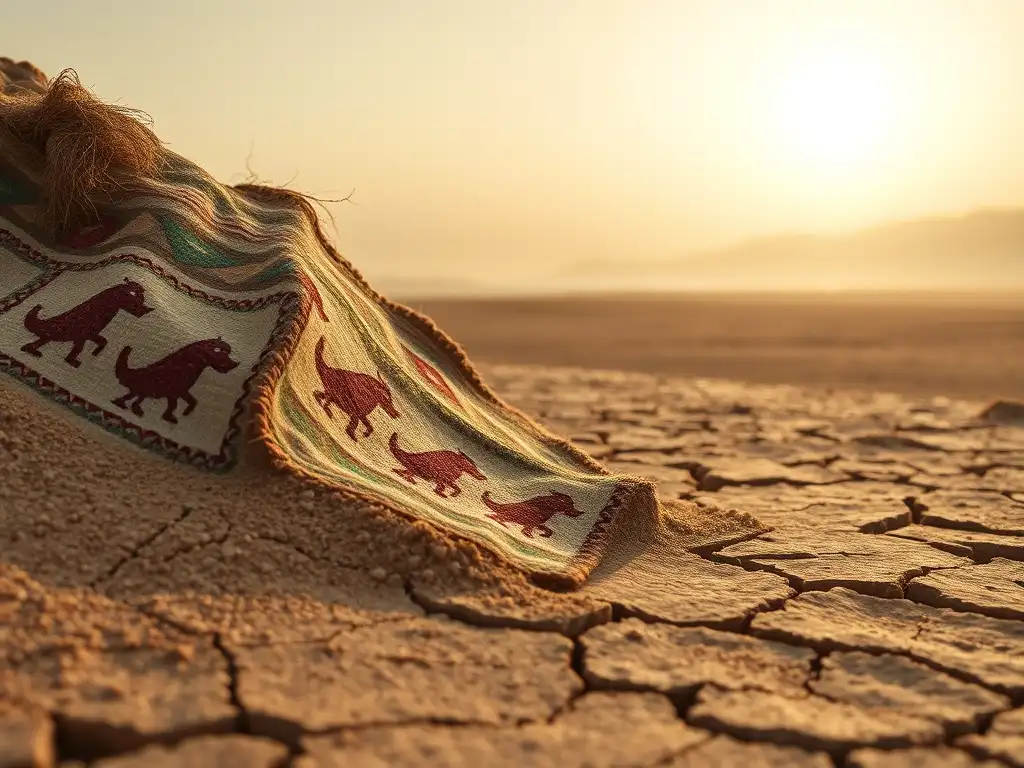
The Paracas culture, flourishing on the southern coast of Peru from approximately 800 BCE to 200 CE, remains shrouded in mystery despite significant archaeological discoveries. While we understand much about their remarkable textile artistry and elaborate burial practices, key aspects of their civilization continue to puzzle researchers. This section delves into some of the most enduring unsolved mysteries surrounding the Paracas people, exploring the ongoing debates and research that aim to shed light on these enigmatic aspects of their history.
The enduring allure of the Paracas culture, particularly its unsolved mysteries, makes it a prime example of the fascinating complexities found within the broader tapestry of Andean civilizations. Understanding these mysteries is crucial to gaining a complete picture of the Paracas' place in the pre-Incan coastal societies.
The Origins of the Paracas People: Competing Theories
The precise origins of the Paracas people remain a subject of scholarly debate. Several competing theories attempt to explain their sudden appearance and the unique characteristics of their culture, which seem to represent a significant departure from preceding societies in the region.
One theory suggests a gradual evolution from earlier coastal cultures, with the Paracas gradually developing their distinctive traits over time. This theory emphasizes the continuity of cultural practices and technological advancements, highlighting similarities in pottery styles and agricultural techniques between the Paracas and their predecessors. However, the dramatic shift in textile production, burial rituals, and artistic expression suggests a more abrupt change.
Another, more radical theory proposes a migration from another region, perhaps even outside of the Andes. This hypothesis is supported by certain aspects of Paracas iconography and technology that appear distinct from earlier coastal traditions. The advanced trepanation techniques, for instance, suggest a level of medical knowledge that may have been introduced from elsewhere.
However, conclusive evidence to support this migration theory is currently lacking. Further genetic studies and comparative analyses of material culture are needed to definitively determine the origins of this fascinating society. The search for the "missing pieces" of their origins continues to drive ongoing research on Paracas culture, fueled by the desire to better understand this pivotal period in the development of Andean civilizations.
Understanding the social structure of the Paracas is crucial to interpreting their culture. While evidence suggests a hierarchical society, the precise nature of this hierarchy and the mechanisms of social control remain unclear. Elaborate grave goods found in certain tombs indicate a clear distinction between elites and commoners. However, the extent of social mobility and the criteria for achieving elite status are still debated.
The discovery of large-scale ceremonial centers implies a degree of centralized authority, but the absence of monumental architecture comparable to later Andean civilizations suggests a less centralized power structure than that of, for example, the Inca. Further research is needed to clarify the roles and responsibilities of different social groups within Paracas society.
Detailed analysis of skeletal remains, alongside the study of settlement patterns and the distribution of artifacts, could provide crucial insights into social stratification and the daily lives of Paracas people from different social classes. The complexity of their social organization, still largely unknown, adds to the enigma surrounding the Paracas culture.
Paracas Religion and Beliefs: Unveiling the Spiritual World
The Paracas' spiritual world is another area ripe with unsolved mysteries. Their elaborate burial practices, involving mummification and the inclusion of abundant grave goods, suggest a complex system of beliefs related to death, the afterlife, and ancestor veneration. The iconic Paracas textiles, often adorned with intricate designs featuring deities, supernatural beings, and symbolic imagery, offer valuable clues into their religious worldview, yet much remains to be deciphered.
The frequent depiction of specific motifs, such as feline figures and stylized birds, hints at a possible pantheon of gods and a rich mythology. However, the precise meanings of these symbols and their roles within the Paracas cosmology are still largely unknown. Further research into iconography, combined with detailed analysis of ritual sites and the context of discovered artifacts, is vital to unraveling the complexities of Paracas religion.
The enigmatic spiritual beliefs of the Paracas people, reflected in their art and burial practices, contribute significantly to the enduring fascination with this remarkable pre-Incan culture and its many unsolved mysteries. The ongoing effort to understand their beliefs offers a captivating glimpse into the rich spiritual landscape of the ancient Andes.
Paracas Decline and Disappearance: What Happened?
The sudden and relatively swift decline of the Paracas culture remains one of the most intriguing unsolved mysteries surrounding this fascinating civilization. While we possess a wealth of knowledge regarding their remarkable textile artistry, complex social structures, and sophisticated surgical techniques, the reasons for their eventual disappearance are still debated among archaeologists and historians. Several theories attempt to explain this enigmatic event, but none provide a completely satisfying answer.
One prominent hypothesis centers around environmental factors. Changes in climate, perhaps a prolonged drought or shifts in ocean currents affecting their fishing resources, could have significantly impacted the Paracas' ability to sustain their population and complex social organization. Evidence of such climatic shifts during the relevant period would be crucial in supporting this theory, and ongoing research focusing on paleoclimatology and environmental reconstruction in the Paracas region is critical for gaining a clearer picture. The impact of El Niño events, known for their devastating effects on coastal communities, is another aspect under intense scrutiny.
Another perspective focuses on internal societal pressures. Perhaps internal conflicts, power struggles between different groups within Paracas society, or a breakdown in their social structures contributed to their downfall. Archaeological evidence of violence or social unrest during this period, such as mass graves or signs of conflict in settlements, could lend credence to this idea. However, the lack of widespread evidence of large-scale conflict complicates this interpretation. The analysis of burial practices and grave goods might reveal subtle shifts in social hierarchies or clues to internal strife, but more comprehensive research is required.
External pressures, such as conflicts with neighboring cultures, are also considered. While direct evidence of warfare is scant, interactions with other contemporaneous societies, such as the Nazca, could have played a role. The nature of these interactions – whether peaceful exchange or hostile conflict – remains unclear and requires further investigation. Comparative studies of material culture and settlement patterns across different coastal regions are essential to evaluate the possibility of external influence in the Paracas decline.
Finally, a combination of factors – environmental stress compounded by internal societal weaknesses or external pressures – likely played a significant role in the Paracas decline. The interplay of these elements is a complex issue, and disentangling their relative importance requires a multidisciplinary approach, integrating archaeological, environmental, and anthropological data.
Future research should focus on refining dating techniques to establish a more precise timeline of the Paracas decline, and on employing advanced analytical methods to examine the existing archaeological record in greater detail. Only through such concerted efforts can we hope to unravel the mystery of the Paracas disappearance and gain a more complete understanding of this remarkable civilization.
Ongoing Research and Future Directions
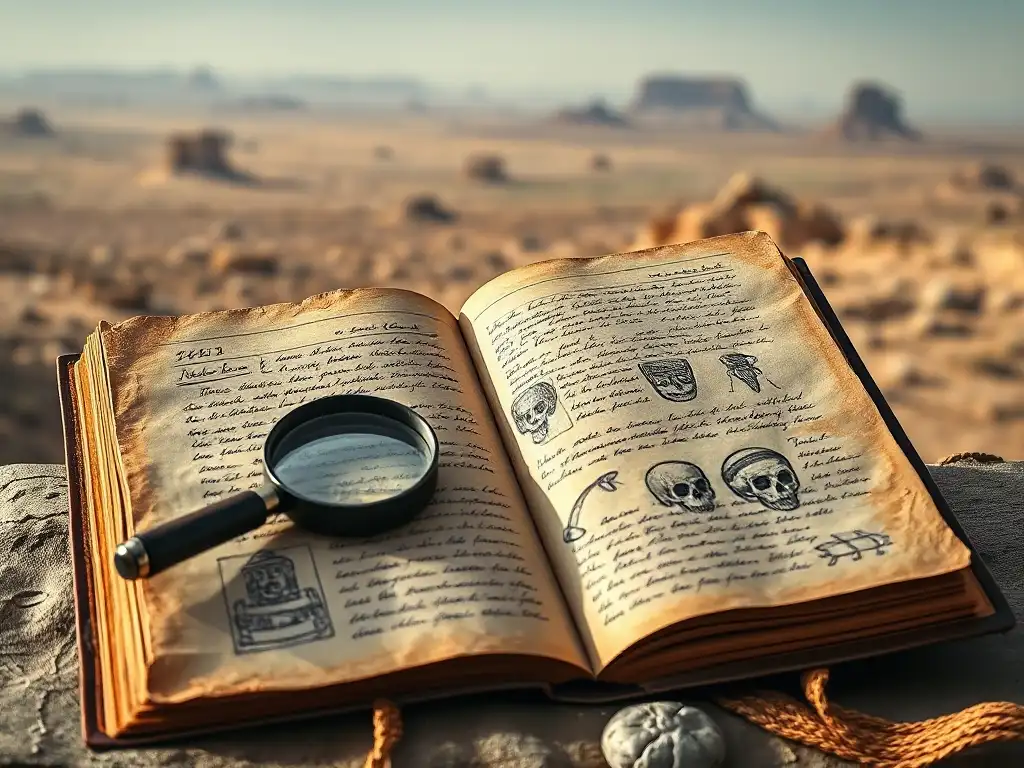
The enigma of the Paracas culture continues to captivate researchers, fueling ongoing investigations into their unique burial practices, intricate textiles, and sophisticated societal structures. Unraveling the mysteries surrounding this pre-Inca civilization requires a multidisciplinary approach, combining archaeological fieldwork with cutting-edge scientific analyses. This section explores the current research landscape and outlines promising avenues for future investigations, focusing on the keyword "Paracas culture unsolved mysteries."
Archaeological Discoveries at Paracas Sites: New Insights
Recent archaeological digs at Paracas sites have yielded exciting new discoveries that shed light on various aspects of this intriguing culture. For example, the excavation of a previously unknown ceremonial complex in 2022 unearthed a trove of artifacts, including intricately carved pottery depicting previously unseen deities and scenes of daily life. This find significantly challenges existing theories about Paracas religious beliefs and social organization. Further analysis of the pottery's chemical composition is underway, potentially revealing information about trade networks and the sourcing of raw materials.
Additionally, the discovery of several previously undocumented burial sites, containing remarkably well-preserved textiles and artifacts, offers unparalleled opportunities to study Paracas funerary rituals and mortuary practices. The careful documentation and analysis of these finds are crucial to deepening our understanding of Paracas culture. These new discoveries highlight the potential for future fieldwork to uncover further evidence relevant to solving many “Paracas culture unsolved mysteries”.
Scientific Analysis and Technological Advancements in Paracas Research
The application of advanced scientific techniques is revolutionizing Paracas research. For instance, radiocarbon dating, combined with detailed stratigraphic analysis, is providing more precise chronologies for Paracas settlements and burial sites, refining our understanding of the culture's temporal development. Furthermore, advanced imaging technologies, such as X-ray fluorescence (XRF) and multispectral imaging, are being used to analyze textiles and artifacts without causing damage.
This non-destructive analysis allows researchers to study the intricate details of Paracas textiles, revealing information about dyeing techniques, fiber sources, and the social significance of specific patterns. Genetic analysis of human remains is also providing crucial insights into Paracas population dynamics, migration patterns, and kinship structures.
The combination of traditional archaeological methods with these cutting-edge technologies promises to unlock many secrets surrounding the Paracas culture and address several “Paracas culture unsolved mysteries”, pushing the boundaries of our knowledge. For example, isotopic analysis of skeletal remains may reveal dietary habits and migration patterns, potentially uncovering connections with other Andean cultures.
The Importance of Preserving Paracas Cultural Heritage
The preservation of Paracas cultural heritage is paramount. The fragile nature of many Paracas artifacts, particularly textiles and organic materials, necessitates careful conservation efforts. Ongoing research into appropriate preservation techniques is crucial to ensure the longevity of these invaluable resources for future generations.
Furthermore, the protection of Paracas archaeological sites from looting and environmental damage is essential. Collaboration between archaeologists, government agencies, and local communities is key to developing effective strategies for site management and public awareness campaigns. Educating the public about the significance of Paracas cultural heritage can foster a sense of responsibility and encourage support for conservation initiatives.
This collaborative approach is vital for ensuring that the legacy of the Paracas people is not only studied but also protected, thus addressing one of the most pressing aspects of "Paracas culture unsolved mysteries": the preservation of their heritage for future generations. The long-term sustainability of research and conservation efforts depends on the continued commitment of all stakeholders involved.
Future Research Avenues for Solving the Paracas Enigmas
Further investigation into Paracas culture requires a multidisciplinary approach, combining archaeological excavation with advanced scientific techniques. One crucial avenue is the application of advanced DNA analysis to the remarkably well-preserved textiles and mummies. This could reveal details about migration patterns, genetic relationships with other Andean cultures, and even insights into their diet and health.
Understanding their genetic makeup might unlock clues about their unique physical characteristics, such as the elongated skulls, a feature that remains a subject of much debate. The application of isotopic analysis to bone samples could offer further insights into their diet and migratory patterns, potentially revealing connections to other coastal or highland communities. Furthermore, detailed analysis of the pigments and dyes used in their textiles, using techniques like mass spectrometry, could reveal the sources of these materials and their trade networks.
This would contribute significantly to our understanding of their economic and social structures. Finally, a renewed focus on the study of their iconography and its symbolic meaning, with the help of specialists in Andean iconography and anthropology, could offer a deeper understanding of their cosmology, beliefs, and social organization. The Paracas culture, with its rich and unique artistic expression, offers a wealth of information waiting to be deciphered through interdisciplinary collaboration.
Future Research Projects
Several specific research projects could significantly advance our understanding of the Paracas culture. One such project could focus on a comprehensive survey and mapping of previously unexplored Paracas sites, using advanced remote sensing techniques like LiDAR and ground-penetrating radar. This could lead to the discovery of new settlements, burial grounds, and potentially even previously unknown ceremonial centers.
Another crucial project would involve a detailed study of the Paracas irrigation systems, examining their construction techniques, scale, and impact on the environment. Understanding their mastery of water management is key to understanding their societal organization and resilience. A third project could be dedicated to the detailed analysis of Paracas textiles, focusing on the techniques used, the symbolism embedded in the designs, and the evolution of their textile production over time.
This might reveal changes in social structures, trade networks, and artistic styles throughout their history. Finally, a long-term project focused on conserving and digitizing the vast Paracas collection housed in museums worldwide is essential to ensure the preservation of this invaluable cultural heritage for future generations and to make this knowledge accessible to researchers globally. These projects, when undertaken with rigorous methodology and collaborative efforts, promise to significantly enhance our understanding of this enigmatic Andean civilization and answer some of the lingering questions surrounding their unique culture and practices.
Frequently Asked Questions
What is the Paracas culture known for?
The Paracas culture, flourishing from 800 BCE to 200 CE, is renowned for its exceptional textile artistry, particularly its elaborate and colorful textiles, and its distinctive, elongated skull burials. These features remain a source of fascination and research.
What are the "elongated skulls" of Paracas, and what theories exist to explain them?
The Paracas culture is famous for its deliberately deformed skulls, achieved through cranial binding. Theories range from ritual practices to socio-cultural status markers, but the exact reasons remain debated and under investigation.
What are some of the unsolved mysteries surrounding Paracas technology?
Paracas technology, especially their advanced textile techniques and metallurgy, presents several puzzles. Researchers are still unraveling the secrets behind their complex dyeing processes and unique metalworking methods.
How did the Paracas culture interact with other Andean civilizations?
The Paracas' relationship with neighboring cultures like the Nazca is a complex subject. Trade and cultural exchange are evident, but the exact nature and extent of their interactions continue to be explored through archaeological discoveries.
Where can I learn more about ongoing research on the Paracas culture?
You can find further information on ongoing research by searching academic databases for publications on Paracas archaeology, or by visiting museums and archaeological sites showcasing Paracas artifacts. Many universities and research institutions are actively involved in the study of the Paracas culture.
Final Reflection: Echoes of the Paracas: Unraveling the Threads of Time
The enigma of the Paracas culture remains a potent reminder of how much we still don't know about our shared human past. Their advanced cranial deformation practices, sophisticated textiles, and unique burial rituals continue to challenge our understanding of ancient societies, sparking ongoing debate and fueling new research avenues. The mysteries surrounding the Paracas are not mere historical curiosities; they are vital clues to understanding the complexities of human development and cultural evolution.
The enduring fascination with the Paracas, I believe, stems from our innate desire to connect with our ancestors and to decipher the narratives etched into the fabric of time. Their legacy transcends mere archaeological findings; it speaks to the resilience of the human spirit and the enduring power of cultural expression. The past is never dead. It's not even past.
– William Faulkner. This quote perfectly encapsulates the ongoing relevance of the Paracas, whose story continues to unfold with each new discovery and interpretation. Their artifacts and burial sites are not static objects of the past, but rather vibrant threads in the ongoing tapestry of human history.
Consider the unanswered questions surrounding the Paracas for a moment. What can their unique cranial modifications tell us about their social structures and beliefs? How did they achieve such remarkable feats of textile artistry?
What can their burial practices reveal about their spiritual worldviews? These are not just questions for archaeologists and historians; they are questions that invite each of us to engage with the past, to ponder the mysteries that still surround us, and to appreciate the rich tapestry of human experience that stretches back through millennia. Let the Paracas mystery inspire you to explore the unknown, to question assumptions, and to embrace the wonder of discovery.
Unlock the Secrets of Paracas Today!
Thank you for exploring the fascinating world of the Paracas culture with us! Your interest in this captivating topic demonstrates a keen understanding of the enduring mysteries and ongoing research surrounding these ancient wonders. Let's delve deeper.
Here are some exciting ways to further engage with the mysteries of Paracas:
- Join the discussion! Share your thoughts and theories in the comments below or on social media. What aspect of Paracas culture do you find most intriguing?
- Expand your knowledge: Explore our recommended readings section to discover more about the Paracas and other Andean civilizations. Become a part of our community of inquisitive learners!
- Participate in upcoming webinars: Sign up for our newsletter to stay informed about future discussions and events focusing on Andean history and archaeology.
What specifically about the Paracas culture has captivated your imagination, and how do you believe it can reshape our understanding of ancient societies?