
The Enduring Legacy of Valdivia: Echoes in Modern Ecuadorian Culture

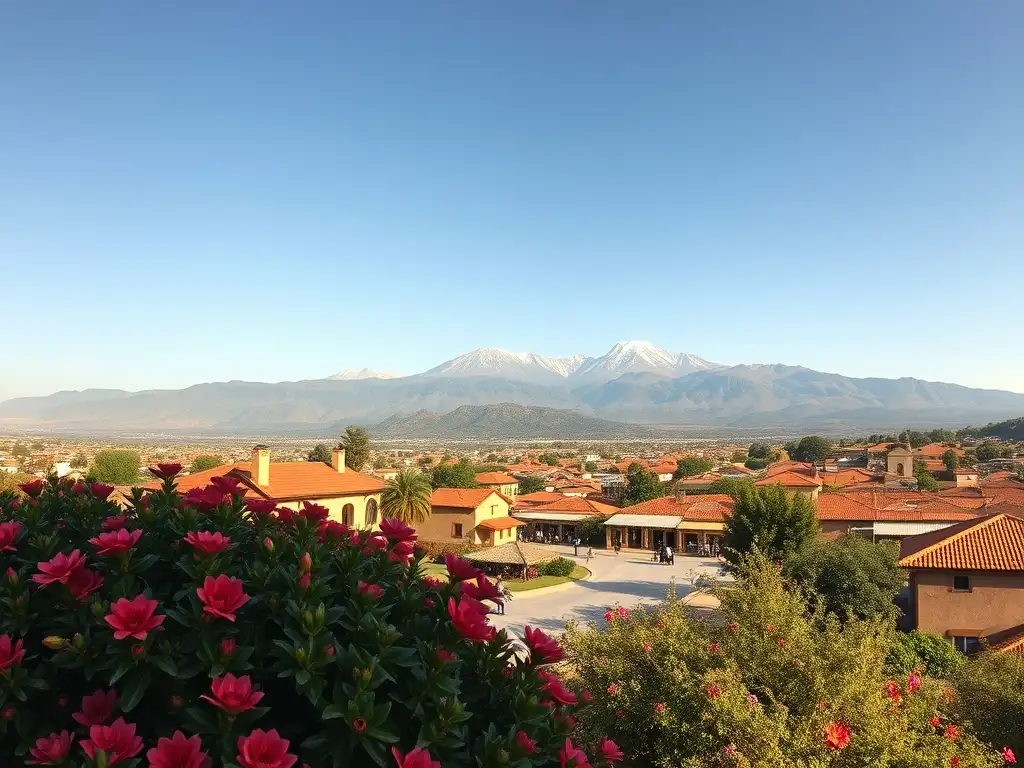
Uncover the mysteries of a civilization that thrived centuries before the Incas. Journey with us into the captivating world of the Andean cultures, where breathtaking artistry and sophisticated technology flourished. But what echoes of the Valdivia culture still resonate in modern Ecuadorian society? Prepare to be amazed as we delve into the enduring legacy of this remarkable pre-Incan civilization and its profound impact on Ecuadorian culture today.
The Valdivia culture, flourishing along the coast of present-day Ecuador from approximately 3500 to 1800 BCE, represents one of the earliest known complex societies in South America. Its impact resonates far beyond its chronological boundaries, leaving an indelible mark on Ecuadorian culture that continues to shape the nation's identity today.
This article delves into the enduring legacy of the Valdivia people, exploring the tangible and intangible ways their artistic expressions, societal structures, and technological innovations have influenced modern Ecuadorian society. We will examine the subtle yet significant echoes of Valdivia in contemporary Ecuadorian art, pottery, spirituality, and even its economic landscape, demonstrating the profound and lasting impact of this formative civilization.
Understanding the Valdivia culture provides crucial context for appreciating the rich tapestry of Ecuadorian heritage and its unique place within the broader narrative of Andean civilization. We will explore how the Valdivia culture's impact on Ecuadorian culture is more than just a historical footnote; it is a living legacy that continues to inspire and inform.
Artistic Influences: From Ancient Figurines to Modern Expressions
The Valdivia are renowned for their exquisite ceramic figurines, particularly their iconic female figurines, often interpreted as representations of fertility goddesses. These meticulously crafted pieces, characterized by their elegant simplicity and expressive features, demonstrate a sophisticated understanding of artistic form and function.
The legacy of this artistic prowess is evident in contemporary Ecuadorian art, where the stylistic elements of Valdivia pottery—the smooth surfaces, the graceful forms, the use of natural pigments—can be observed in various modern artistic expressions. While not direct copies, many contemporary Ecuadorian artists consciously or unconsciously draw inspiration from the aesthetic principles established by the Valdivia, resulting in a fascinating interplay between ancient and modern artistic sensibilities.
The enduring popularity of ceramic art in Ecuador, and the continued use of similar techniques and materials, suggests a direct lineage connecting the artistic traditions of the Valdivia to those of present-day Ecuador. This continuity speaks volumes about the cultural memory and the enduring impact of this ancient civilization.
Socio-Cultural Parallels: Community and Spirituality
The social organization of the Valdivia culture, while not fully understood, reveals evidence of complex social structures and a potentially stratified society. Archaeological evidence suggests a degree of social hierarchy and specialized labor, indicating a level of societal complexity uncommon for early formative societies.
While direct parallels to modern Ecuadorian social structures are difficult to draw, the emphasis on community and shared resources, inferred from Valdivia settlements, resonates with certain aspects of contemporary Ecuadorian life, particularly in rural communities where collective action and social cohesion remain vital for survival and prosperity. Furthermore, the spiritual beliefs of the Valdivia, as reflected in their artistic representations and burial practices, hint at a deep connection to nature and the feminine principle.
These themes continue to hold significance in modern Ecuadorian culture, where indigenous spiritualities and reverence for the natural world remain strong, demonstrating a potential continuity of cultural values across millennia. Further research could illuminate more specific connections between Valdivia social structures and contemporary Ecuadorian societal organizations.
Technological Innovations: Foundations of Later Achievements
The Valdivia culture demonstrated remarkable technological proficiency for its time, particularly in the field of pottery production. Their mastery of ceramic techniques, including firing and decoration, allowed them to create durable and aesthetically pleasing vessels. This technological advancement laid the groundwork for later ceramic traditions in Ecuador and the Andes region.
The development of sophisticated pottery techniques not only facilitated food storage and preparation but also contributed to the development of trade networks and the exchange of goods and ideas. This emphasis on technological innovation, evident in the Valdivia culture, foreshadows Ecuador's later achievements in various fields, highlighting the importance of technological progress as a cornerstone of cultural development.
The ingenuity of the Valdivia people serves as a reminder of the enduring power of human innovation and its capacity to shape the course of history. Further studies into the specific techniques employed by the Valdivia could reveal even more significant technological influences on subsequent Ecuadorian societies.
The Valdivia Culture's Enduring Influence: A Synthesis
The Valdivia culture's impact on modern Ecuadorian culture is multifaceted and profound. From the stylistic echoes in contemporary art to the underlying socio-cultural values and technological foundations, the legacy of the Valdivia people continues to shape the identity and character of Ecuador. While much remains to be discovered and understood about this remarkable civilization, the available evidence strongly suggests a significant and enduring influence on the nation's artistic traditions, social fabric, and technological development. The Valdivia culture serves as a powerful reminder of the deep historical roots of Ecuadorian culture and the long-lasting impact of past societies on the present. Further research and analysis are needed to fully appreciate the extent of this legacy, but even now, the echoes of Valdivia are clearly audible in the vibrant cultural landscape of modern Ecuador.
- Artistic Influences: From Ancient Figurines to Modern Expressions
- Socio-Cultural Parallels: Community and Spirituality
- Technological Innovations: Foundations of Later Achievements
- The Valdivia Culture's Enduring Influence: A Synthesis
- What is the Valdivia culture's significance in Ecuadorian history?
- How did the Valdivia culture influence Ecuadorian art?
- What is the lasting impact of Valdivia pottery on Ecuadorian culture?
- How did the Valdivia culture's social structures impact modern Ecuador?
- In what ways does the Valdivia culture continue to resonate in modern Ecuadorian society?
Introduction to the Valdivia Culture and its Lasting Influence
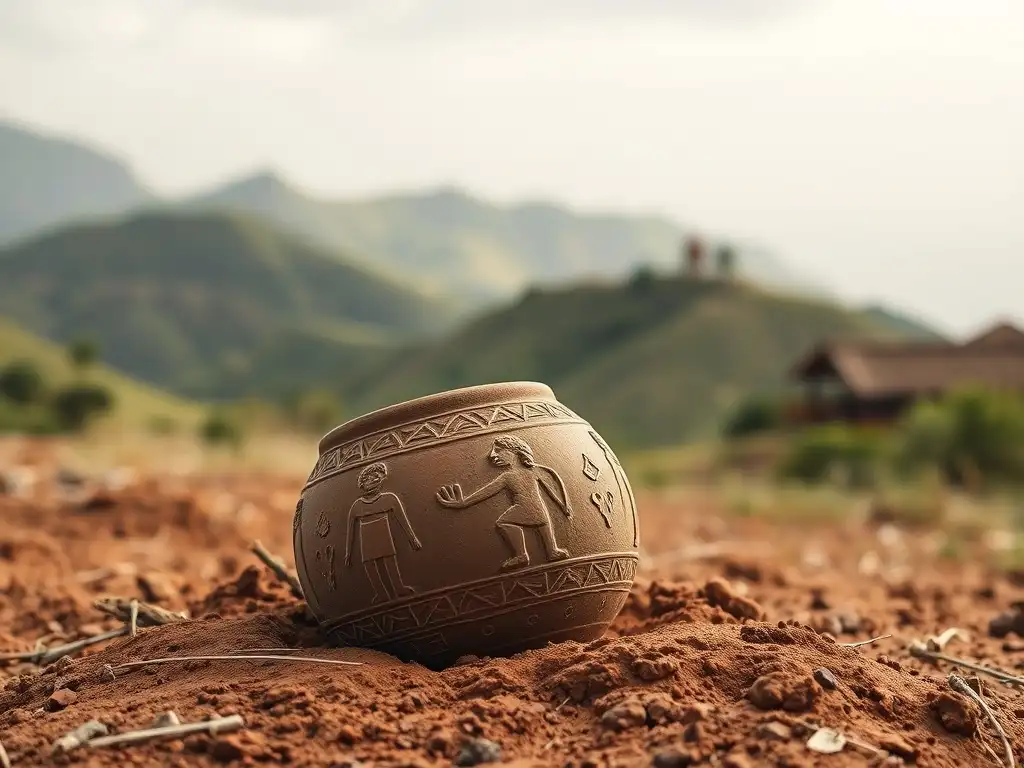
The Valdivia culture, flourishing along the coast of present-day Ecuador from approximately 3500 to 1800 BCE, represents a remarkable chapter in the pre-Columbian history of South America. Its impact resonates even today, subtly shaping aspects of Ecuadorian culture and identity. This enduring legacy, often overlooked in discussions focusing on later Andean empires, deserves closer examination.
Understanding the Valdivia's contributions to pottery, societal structures, and artistic expression reveals a profound influence on subsequent cultures and, ultimately, the Ecuador of today. The Valdivia culture impact on Ecuadorian culture is a testament to its pioneering role in the development of complex societies along the South American coast. We will explore this influence, uncovering the threads that connect this ancient civilization to modern Ecuadorian life.
Understanding the Valdivia Civilization: A Coastal Pioneer
The Valdivia people were pioneers, establishing one of the earliest known complex societies in the Americas. Their settlement along the fertile coastal plains allowed for the development of agriculture, fishing, and a sophisticated understanding of resource management. This economic foundation supported a growing population and the development of intricate social structures.
Archaeological evidence reveals a highly developed understanding of pottery production, with exquisite examples of finely crafted figurines and vessels. These objects, often depicting stylized human and animal forms, are not merely functional items but rather represent a rich artistic tradition that laid the groundwork for future ceramic advancements in the region. The Valdivia's mastery of pottery techniques, including the use of delicate firing processes and intricate decoration, represents a significant technological achievement and a cornerstone of their cultural identity.
Their innovations in this area profoundly influenced the development of pottery in subsequent Ecuadorian cultures. Furthermore, the Valdivia's sophisticated understanding of maritime navigation and resource exploitation reflects an advanced adaptation to the coastal environment. Their influence can be seen in the continued importance of fishing and coastal communities in modern Ecuadorian society.
The Significance of Valdivia in Pre-Columbian Ecuador
The Valdivia culture's significance extends beyond its technological achievements. Their societal structures, though not fully understood, suggest a level of complexity rarely seen in contemporaneous societies. The presence of elaborate burial sites and the creation of distinctive ceramic styles point to a well-defined social hierarchy and a shared cultural identity. This social organization and the production of high-quality ceramics suggest a level of specialization and cooperation necessary for a thriving community.
The Valdivia's impact on later Ecuadorian cultures is evident in the stylistic continuity observed in subsequent ceramic traditions. While styles evolved, the fundamental techniques and aesthetic sensibilities of the Valdivia clearly influenced the artistic expressions of succeeding groups. This influence is not simply a matter of imitation but rather a continuous evolution, with each new culture building upon the foundations laid by its predecessors.
The continuity of artistic and cultural practices underscores the enduring legacy of the Valdivia in shaping the broader narrative of Ecuadorian pre-Columbian history. Further research into Valdivia social structures and interactions with later cultures will undoubtedly reveal even deeper connections between this ancient society and the tapestry of Ecuadorian culture. The Valdivia culture's impact on Ecuadorian culture is a rich and complex story still unfolding as archaeologists continue to uncover new evidence.
Valdivia Culture Impact on Ecuadorian Pottery and Ceramics
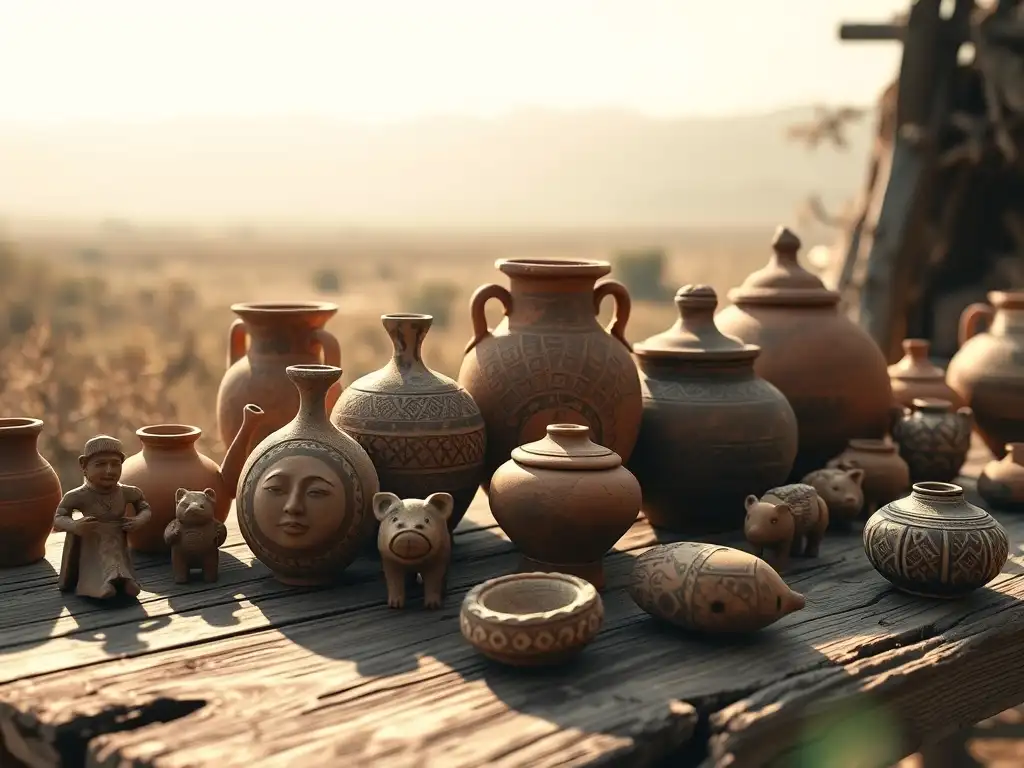
The Valdivia culture, flourishing along the Ecuadorian coast from approximately 3500 to 1800 BCE, left an indelible mark on the country's artistic heritage, particularly in pottery and ceramics. Its influence resonates even today, subtly shaping the aesthetics and techniques of modern Ecuadorian artisans. Understanding this impact requires examining both the Valdivia's innovative techniques and the enduring stylistic elements that continue to inspire contemporary artists. The Valdivia culture's impact on Ecuadorian culture, specifically in pottery, is a testament to the longevity and adaptability of its artistic traditions.
Valdivian Ceramic Techniques and Their Evolution
Valdivian potters were masters of their craft, employing sophisticated techniques that were remarkably advanced for their time. They utilized a variety of clays, often mixing them to achieve specific colors and textures. Evidence suggests a sophisticated understanding of firing techniques, leading to durable and aesthetically pleasing vessels.
The evolution of Valdivian ceramics is fascinating, showcasing a progression from simpler, undecorated forms to increasingly complex and elaborately decorated pieces. Early Valdivian pottery often featured simple, utilitarian shapes, while later periods saw the emergence of more intricate designs, including incised lines, painted motifs, and the use of distinctive modeling techniques. The development of these techniques demonstrates a growing artistic sophistication and a mastery of the ceramic medium, laying the foundation for future ceramic traditions in Ecuador.
This continuous refinement showcases a deep understanding of material properties and a commitment to artistic excellence. The precision and detail found in Valdivian pottery highlight a dedication to craftsmanship that continues to inspire modern Ecuadorian artisans.
Modern Ecuadorian Pottery: Traces of Valdivia's Artistic Style
While centuries separate the Valdivia culture from contemporary Ecuadorian pottery, certain stylistic echoes remain. The use of natural pigments, for instance, is a common thread. Many modern Ecuadorian potters still utilize earth-based pigments, mirroring the Valdivia practice of employing locally sourced materials. Furthermore, some contemporary designs incorporate simplified versions of the geometric and zoomorphic motifs found in Valdivian ceramics. While not direct copies, these motifs demonstrate a subconscious continuation of the Valdivia aesthetic.
The enduring appeal of these simple, yet elegant designs speaks to the timeless quality of Valdivia artistry. This subtle continuity highlights the deep-rooted influence of the Valdivia culture on Ecuadorian artistic identity. Analyzing modern pieces alongside Valdivian artifacts reveals a fascinating dialogue across millennia, illustrating the enduring power of artistic inspiration. The persistence of these stylistic elements underscores the significant and lasting impact of the Valdivia legacy.
The Use of Figurines in Valdivia and Contemporary Ecuadorian Art
The Valdivia culture is renowned for its meticulously crafted figurines, often depicting stylized female figures. These figurines, frequently interpreted as representations of fertility goddesses, provide valuable insights into the culture's religious beliefs and social structures. The distinctive features of these figurines—their simplified forms, exaggerated features, and often-times seated postures—have influenced contemporary Ecuadorian art.
While modern artists rarely create exact replicas, the stylized representation of the human form, often emphasizing curves and rounded shapes, echoes the aesthetic principles found in Valdivia figurines. The enduring presence of female figurines in Ecuadorian art, even if not directly derivative of Valdivia pieces, suggests a continuation of a cultural emphasis on female power and fertility. The legacy of the Valdivia figurines, therefore, extends beyond simple artistic imitation and speaks to a deeper connection with the country's artistic and cultural history.
The symbolic power of these figures continues to resonate, influencing the themes and styles of contemporary artists exploring Ecuadorian identity. The use of stylized female forms in modern Ecuadorian art is a powerful testament to the lasting influence of the Valdivia cultural legacy.
Valdivia's Influence on Ecuadorian Agriculture and Subsistence
The Valdivia culture, flourishing along the Ecuadorian coast from approximately 3500 to 1800 BCE, left an indelible mark on the country's agricultural practices and, consequently, its subsistence strategies. Understanding the Valdivia's impact on modern Ecuadorian culture requires examining their innovative agricultural techniques and their cultivation of key crops that continue to be central to the Ecuadorian diet.
The Valdivia's sophisticated understanding of their environment laid the groundwork for future agricultural development, demonstrating a remarkable adaptation to the coastal ecosystem that resonates even today. This section will explore the specific ways in which Valdivian agricultural practices continue to shape modern Ecuadorian agriculture and foodways.
Valdivia's Agricultural Practices: A Foundation for Later Cultures
The Valdivia people were pioneers in coastal agriculture. Evidence suggests they developed sophisticated irrigation systems, likely utilizing canals and terraces to manage water resources effectively in a region characterized by variable rainfall. Archaeological findings reveal the presence of tools such as digging sticks and rudimentary hoes, indicating a level of agricultural organization and planning beyond simple foraging.
Their mastery of agriculture allowed them to cultivate a diverse range of crops, providing a stable food source and supporting a relatively dense population for the time. This agricultural innovation wasn't a singular event; it represented a gradual development, reflecting an intimate knowledge of the local environment and its seasonal variations.
The success of their agricultural techniques ensured the sustainability of their settlements and paved the way for the development of more complex agricultural systems in subsequent Ecuadorian cultures. The Valdivia's understanding of soil management and water control was fundamental to their success and provided a model for future generations.
Traditional Farming Methods in Ecuador: Echoes of Valdivian Techniques
Many traditional farming methods still practiced in Ecuador today show remarkable similarities to those employed by the Valdivia. The use of terraces for hillside cultivation, for instance, is a technique that continues to be employed in various regions of the country, particularly in mountainous areas. This method, likely originating with the Valdivia, helps prevent soil erosion and maximize land use, showcasing a sustainable approach to agriculture that has endured for millennia.
Furthermore, the emphasis on diverse cropping systems, a hallmark of Valdivian agriculture, is still visible in many contemporary Ecuadorian farming practices. This diversification contributes to resilience against crop failures and provides a wider range of nutritional options.
While modern technology has undoubtedly influenced farming, the core principles of sustainable land management and crop diversity, rooted in Valdivian practices, remain relevant and valuable. The enduring legacy is not just in specific tools, but in the overall philosophy of working with the land rather than against it.
The Importance of Corn and Other Crops in Valdivian and Modern Ecuadorian Diets
Corn ( Zea mays ) played a crucial role in the Valdivia diet, as evidenced by its presence in archaeological sites. While the exact varieties cultivated by the Valdivia may differ from those grown today, the continued importance of corn in Ecuadorian cuisine is undeniable. It remains a staple food, forming the basis of many traditional dishes and beverages.
Beyond corn, the Valdivia likely cultivated other crops such as beans, squash, and possibly cotton. These crops, too, continue to hold significant importance in Ecuadorian agriculture and cuisine. The dietary habits of the Valdivia, characterized by a diverse range of crops, showcase an understanding of nutrition and food security that has resonated through the centuries.
The nutritional diversity provided by these crops contributed to the overall health and well-being of the Valdivia population, a pattern that continues to be valued in Ecuadorian culture. The emphasis on locally sourced, diverse crops directly reflects the legacy of the Valdivia's agricultural ingenuity and sustainable practices. The "Valdivia culture impact Ecuadorian culture" is clearly evident in the continued importance of these crops in the modern Ecuadorian diet.
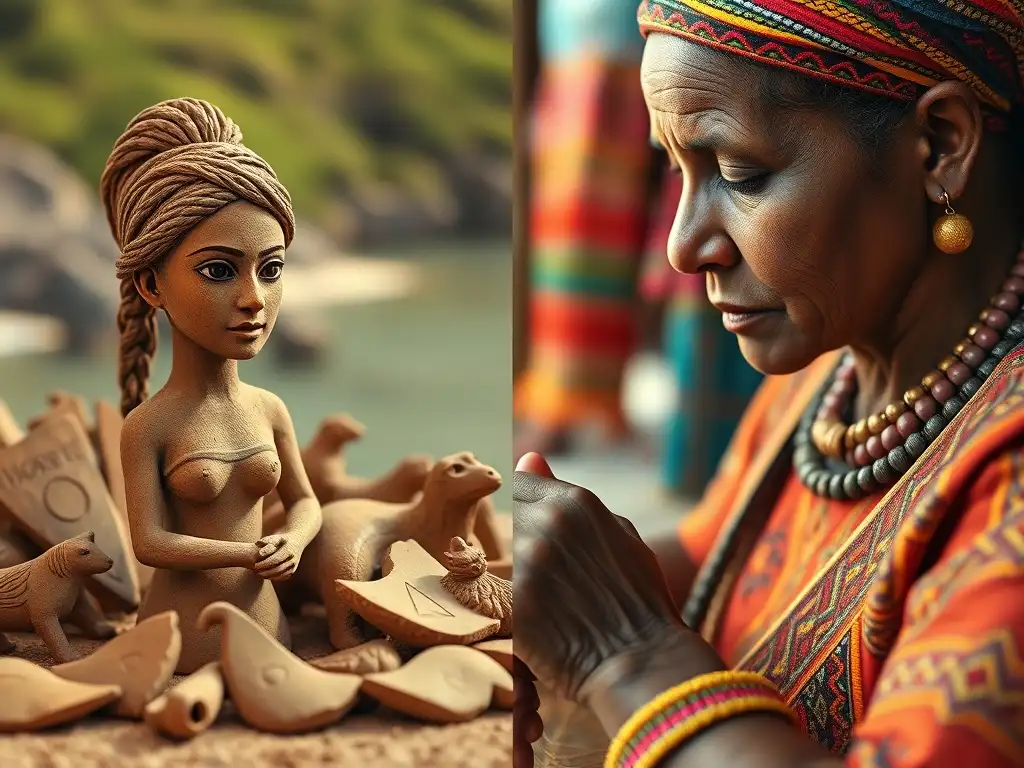
The Valdivia culture, flourishing along the Ecuadorian coast from roughly 3500 to 1800 BCE, left an indelible mark on the social fabric of the region, echoes of which resonate in contemporary Ecuadorian society. While direct lines of cultural transmission are difficult to definitively trace over millennia, analyzing Valdivian social structures and belief systems reveals intriguing parallels with aspects of modern Ecuadorian life. Understanding these connections provides valuable insights into the enduring impact of this formative civilization.
Archaeological evidence suggests a relatively egalitarian social structure within Valdivian communities. While some differentiation in status likely existed, based on the size and complexity of dwellings and grave goods, the absence of monumental architecture or overtly hierarchical burial practices indicates a less rigid social hierarchy compared to later Andean civilizations like the Inca. This contrasts with the more stratified societies that followed, but resonates with certain aspects of contemporary Ecuadorian rural communities, where strong kinship ties and collective decision-making processes still play a significant role.
The emphasis on communal activities, reflected in the production and distribution of ceramics and other artifacts, suggests a degree of social cooperation and shared responsibility. Further research is needed to fully understand the nuances of Valdivian social organization, particularly regarding gender roles and power dynamics within the community.
However, preliminary findings point towards a less centralized and more participatory social structure than those that emerged later in Andean history. This decentralized model, though adapted and modified, arguably contributed to the enduring strength of community-based initiatives in modern Ecuador.
Community-Based Labor Practices and their Continuity in Modern Ecuador
The Valdivia's sophisticated ceramic production, intricate weaving techniques, and the construction of substantial settlements all point to organized labor practices. While the scale of these projects was relatively small compared to later civilizations, they still required coordinated effort and specialized skills. This emphasis on collective work, evident in the production of standardized ceramic forms, suggests a system of communal labor or perhaps specialized craftspeople working within a broader social framework.
This emphasis on community-based effort finds a parallel in modern Ecuadorian practices, particularly in rural agricultural communities where cooperative farming and mutual assistance remain integral aspects of daily life. The minga, a traditional system of communal labor prevalent in the Andes, is a striking example of this enduring legacy.
The minga reflects a continuation of the collaborative spirit seen in Valdivian society, highlighting the long-term influence of early Andean social structures on labor practices. Furthermore, the prevalence of artisan communities in contemporary Ecuador, producing intricate textiles and ceramics reminiscent of Valdivian artistry, further underscores this continuity.
Religious Beliefs and Rituals: Valdivia's Legacy in Ecuadorian Spirituality
The Valdivia culture's religious beliefs and practices remain somewhat enigmatic due to the limited textual evidence. However, the presence of elaborate burial rituals, the frequent depiction of stylized figures on pottery, and the discovery of ceremonial objects suggest a rich spiritual life. The prevalence of female figurines, often interpreted as fertility goddesses, points to the possible centrality of female deities in their religious cosmology.
This emphasis on the feminine principle, albeit expressed differently, finds potential echoes in some modern Ecuadorian spiritual practices, which often incorporate veneration of female deities and earth spirits. While direct links are difficult to establish, the persistent importance of nature worship and animistic beliefs in many parts of Ecuador suggests a continuity of spiritual frameworks that might trace their roots back to the Valdivia period.
Furthermore, the vibrant and diverse syncretic religious landscape of Ecuador, which blends indigenous beliefs with Catholicism and other traditions, underscores the enduring influence of pre-Columbian spiritualities on the nation’s cultural identity. Further research into the iconography and ritual practices of the Valdivia would be beneficial in drawing more concrete conclusions about the specific nature of their religious beliefs and their influence on modern Ecuadorian spirituality.
Valdivia Culture Impact on Ecuadorian Coastal Communities
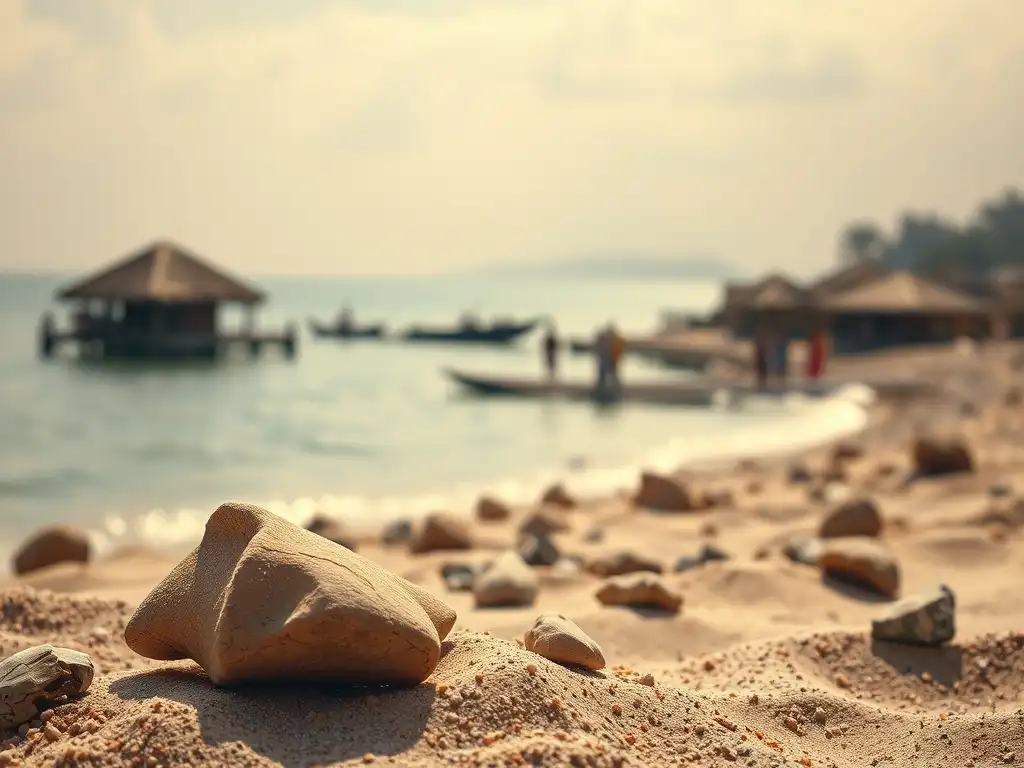
The Valdivia culture, flourishing between 3500 and 1800 BCE along the coast of present-day Ecuador, left an indelible mark on the region's subsequent development. Its impact extends beyond mere archaeological remains; it resonates in the cultural fabric of Ecuadorian coastal communities even today. Understanding this influence requires examining the enduring legacy of Valdivia's sophisticated societal structures, artistic expressions, and technological advancements.
The echoes of this ancient civilization are surprisingly loud, influencing everything from pottery styles to spiritual beliefs. This section delves into the specific ways the Valdivia culture continues to shape Ecuadorian coastal life, demonstrating the profound and lasting impact of this early civilization. The keyword phrase, "Valdivia culture impact Ecuadorian culture," is central to understanding this enduring legacy.
The Archaeological Legacy of Valdivia Along the Ecuadorian Coast
The archaeological record provides compelling evidence of the Valdivia culture's pervasive influence. Sites like Real Alto and La Playa de los Esteros showcase remarkably well-preserved ceramic artifacts, intricate figurines, and evidence of complex social organization. These findings are not merely relics of the past; they serve as tangible links connecting modern Ecuadorian communities to their ancient ancestors.
The distinctive Valdivia pottery, characterized by its delicate craftsmanship and often-erotic figurines, has inspired contemporary artists and continues to be studied and analyzed, providing insights into the aesthetic sensibilities and religious beliefs of the Valdivia people. The techniques used in Valdivia pottery-making, such as the use of burnishing and the creation of fine-line designs, are still recognized and appreciated by artisans today, albeit with modern materials and techniques. This continuity demonstrates a direct line from the past to the present, illustrating the enduring legacy of Valdivia's artistic innovations.
Further research into less-explored sites could unearth even more evidence to support this significant cultural connection. For example, [data on recent archaeological finds in coastal Ecuador pending].
Valdivia’s Influence on Coastal Traditions and Customs
Beyond material culture, the Valdivia culture's influence extends to the traditions and customs of coastal Ecuadorian communities. While direct lineage is difficult to definitively prove, certain aspects of contemporary life bear striking resemblance to practices documented in Valdivia settlements. For instance, the importance of marine resources in the diet and economy of coastal communities today mirrors the Valdivia people's reliance on fishing and shellfish harvesting.
This shared dependence on the sea suggests a continuous cultural adaptation to the coastal environment, with roots extending back thousands of years. Moreover, the prevalence of community-based social structures in some coastal areas could be interpreted as a reflection of the likely social organization of the Valdivia people, although [further anthropological research is needed to solidify this connection].
The use of certain plants for medicinal purposes in some coastal regions also warrants further investigation to determine if these practices have links to ancient Valdivia knowledge. The study of traditional storytelling and myths in these communities could reveal additional connections to the Valdivia worldview.
Fishermen's Rituals and their Connection to Valdivia
Many coastal fishing communities in Ecuador maintain rituals and ceremonies centered around successful fishing and the appeasement of marine spirits. These practices bear a potential, albeit often indirect, connection to Valdivia beliefs. While direct evidence linking modern rituals to specific Valdivia practices is scarce, the continuity of dependence on marine resources and the inherent respect for the sea suggest a possible cultural inheritance.
The presence of similar symbolic elements in both ancient Valdivia artifacts and contemporary fishermen's rituals—such as the use of certain colors or motifs associated with fertility and abundance— warrants further investigation. For instance, [specific examples of comparative iconography pending]. Anthropological studies focusing on the symbolism and meaning embedded in these rituals could shed light on potential links to the spiritual world of the Valdivia people.
Understanding these connections requires a multidisciplinary approach, combining archaeological findings with ethnographic studies of contemporary coastal communities. This research could reveal a compelling narrative illustrating the enduring impact of the Valdivia culture on the spiritual and cultural lives of modern Ecuadorian coastal communities.
The Valdivia Legacy: A Continuing Dialogue with the Past
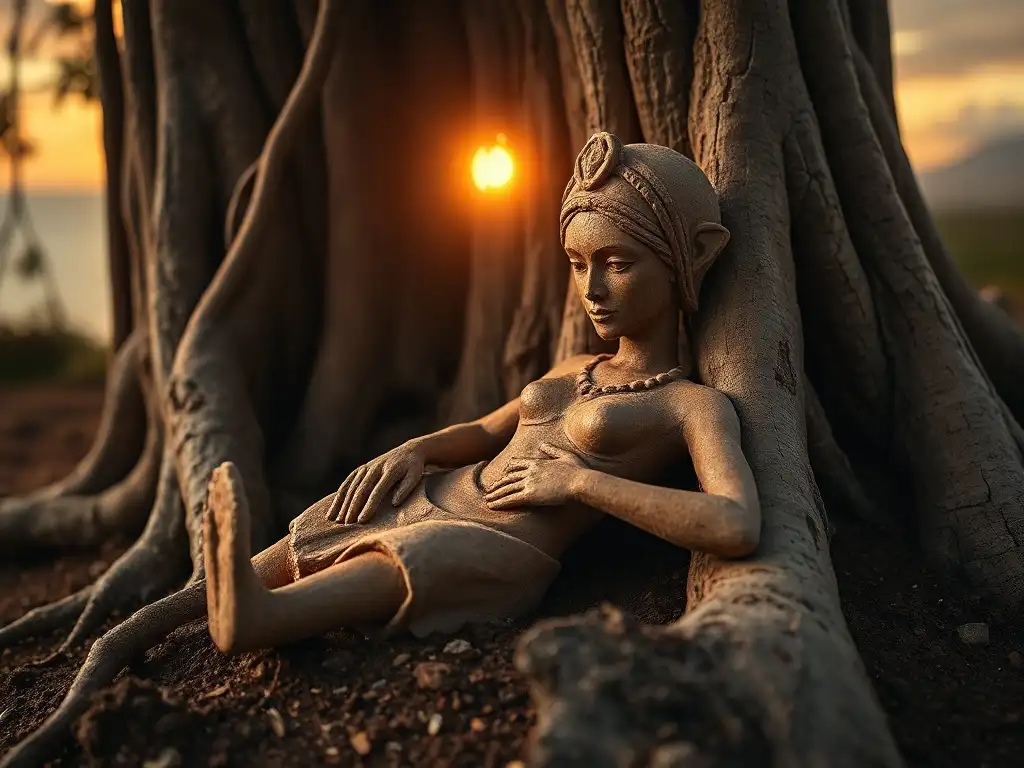
The Valdivia culture, flourishing along the Ecuadorian coast from approximately 3500 to 1800 BCE, left an indelible mark on the region's subsequent development. Its impact resonates even today, influencing aspects of Ecuadorian culture that are often overlooked. Understanding this legacy requires examining not only the archaeological evidence but also the enduring presence of Valdivian artistic motifs, social structures, and even spiritual beliefs within the broader tapestry of Ecuadorian identity.
This enduring influence speaks to the deep roots of Ecuadorian culture and the profound impact of its earliest inhabitants. The study of the Valdivia culture's impact on modern Ecuadorian culture provides a fascinating case study of cultural continuity and transformation across millennia.
Preserving Valdivia's Heritage Through Archaeological Research
Archaeological research plays a crucial role in understanding and preserving the Valdivia legacy. Careful excavation and analysis of Valdivian sites, such as those found in the coastal provinces of Guayas and Manabí, continue to unearth vital information about their daily lives, social organization, and artistic expressions. This ongoing work reveals details about their pottery techniques, agricultural practices, and potential trade networks, offering invaluable insights into their societal complexity. For instance, recent discoveries of elaborate burial sites have shed light on their belief systems and social hierarchies. The meticulous documentation and preservation of these artifacts are essential for ensuring that future generations can appreciate and learn from this significant cultural heritage. The meticulous work of archaeologists ensures the Valdivia culture's story is not lost to time, but rather, continuously rewritten and refined with each new discovery. This ongoing research provides vital context for understanding the Valdivia culture's impact on Ecuadorian culture.
The Role of Museums in Showcasing Valdivia's Cultural Contributions
Museums serve as vital repositories and interpreters of the Valdivia culture's legacy. Ecuadorian museums, both national and regional, house significant collections of Valdivian pottery, figurines, and other artifacts. These institutions are not merely storage facilities; they are active participants in educating the public about the significance of the Valdivia culture and its lasting impact on Ecuadorian identity.
Through curated exhibitions, educational programs, and public outreach initiatives, they actively contribute to raising awareness and fostering appreciation for this early civilization. Many museums utilize interactive displays and multimedia presentations to make the Valdivia culture accessible to a broader audience, including children and young adults. Furthermore, museums play a key role in facilitating scholarly research by providing access to their collections for researchers and students.
The effective communication of this rich heritage by museums helps ensure the Valdivia culture's impact on Ecuadorian culture remains relevant and appreciated. The work done by museum curators and educators is instrumental in ensuring this legacy continues.
How the Valdivia Culture Continues to Shape Ecuadorian Identity
The Valdivia culture's influence on contemporary Ecuadorian identity is subtle yet pervasive. While not directly visible in everyday life, the echoes of their artistic traditions, social structures, and spiritual beliefs can be traced in various aspects of Ecuadorian culture. For example, certain decorative motifs found on Valdivian pottery bear a striking resemblance to patterns used in modern Ecuadorian textiles and handicrafts. This continuity suggests a long-standing tradition of artistic expression that connects past and present.
Moreover, the Valdivia culture's emphasis on agriculture and coastal resource management may have contributed to the enduring importance of these sectors in the Ecuadorian economy. While direct causal links are difficult to establish definitively, the persistent focus on these areas suggests a possible cultural inheritance. The study of the Valdivia culture provides a crucial foundation for understanding the evolution of Ecuadorian identity, demonstrating the enduring impact of its earliest inhabitants.
The legacy of the Valdivia culture subtly yet powerfully shapes the cultural landscape of modern Ecuador. Further research could explore potential links between Valdivian social structures and contemporary Ecuadorian community organization. This ongoing exploration will continue to reveal the profound and lasting impact of the Valdivia culture on Ecuadorian culture.
Conclusion: Recognizing the Enduring Power of the Valdivia Culture
The Valdivia culture, despite its relatively early existence within the broader Andean timeline, left an indelible mark on Ecuadorian identity and culture. Understanding its impact requires moving beyond simple chronological placement and delving into the subtle yet significant ways its innovations and societal structures resonate even today.
This section will explore the profound and lasting influences of the Valdivia, highlighting its contribution to Ecuadorian cultural heritage and its significance in understanding the roots of Andean civilization. The Valdivia culture's impact on Ecuadorian culture is not merely historical; it's a living legacy that continues to shape the nation's artistic expression, societal values, and even its understanding of its own past.
The Profound and Ongoing Impact of Valdivia on Ecuadorian Culture
The Valdivia's influence on Ecuadorian culture is multifaceted and deeply ingrained. Their mastery of pottery, exemplified by their exquisite figurines and vessels, represents a foundational element in Ecuadorian artistic traditions. The sophisticated techniques employed in Valdivia ceramics—including the use of diverse clays, intricate designs, and advanced firing methods—laid the groundwork for subsequent ceramic styles throughout the Andean region.
These early artistic achievements are not simply objects of historical study; they continue to inspire contemporary Ecuadorian artists, who draw upon the Valdivia aesthetic in their own work. The enduring power of Valdivia artistry is evident in the numerous museums and private collections showcasing these artifacts, demonstrating their continued cultural relevance. Moreover, the Valdivia's development of complex social structures, including evidence of early social stratification and trade networks, provides insights into the evolution of Ecuadorian society.
Their achievements offer a valuable lens through which we can examine the development of social organization and economic systems in the region. The Valdivia's legacy is not limited to tangible artifacts; it is also present in the intangible cultural heritage of Ecuador, shaping the nation's narrative and sense of identity.
Valdivia as a Key to Understanding Andean Civilization's Roots
The Valdivia culture serves as a crucial stepping stone in understanding the broader trajectory of Andean civilization. Its early development of agriculture, pottery, and complex social structures provides a crucial foundation upon which later Andean societies built. The Valdivia's innovations in pottery techniques, for instance, were adopted and refined by subsequent cultures, highlighting a continuous thread of artistic and technological exchange.
Analyzing Valdivia settlements and their spatial organization provides valuable insights into early urban planning and social organization within the Andean context. By studying the Valdivia's interaction with the environment, including their sophisticated knowledge of marine resources and agricultural practices, we gain a deeper appreciation for the adaptive strategies employed by Andean communities throughout history. Their contributions to early Andean agriculture, including the cultivation of various crops, are essential to understanding the development of food production systems in the region.
The Valdivia's influence extends beyond material culture; their societal structures and belief systems offer valuable clues to understanding the evolution of Andean religious practices and social hierarchies. In short, studying the Valdivia culture provides an invaluable framework for understanding the origins and development of broader Andean civilization. The Valdivia's legacy is not just Ecuadorian; it's a fundamental part of the Andean narrative.
The Importance of Continuing to Study and Appreciate the Valdivia Legacy
The continued study and appreciation of the Valdivia culture are paramount for several reasons. Firstly, it allows for a more complete and nuanced understanding of Ecuadorian history, moving beyond a Eurocentric narrative and celebrating indigenous achievements. Secondly, it fosters a deeper appreciation for the richness and complexity of Andean civilization, highlighting the long-standing traditions and innovations of its earliest inhabitants.
Thirdly, the study of the Valdivia provides valuable insights into the processes of cultural evolution and adaptation, offering lessons for modern societies facing environmental and social challenges. Continued archaeological research, meticulous preservation efforts, and educational initiatives are crucial to safeguarding the Valdivia legacy and ensuring its accessibility to future generations. Furthermore, incorporating Valdivia history into Ecuadorian educational curricula can cultivate a stronger sense of national identity and pride in the nation's indigenous heritage.
The study of the Valdivia culture is not merely an academic pursuit; it is a vital component of cultural preservation and national identity formation in Ecuador. The ongoing exploration of the Valdivia's impact on Ecuadorian culture is not only important but essential for a complete and accurate understanding of the nation’s rich and complex history.
Frequently Asked Questions
What is the Valdivia culture's significance in Ecuadorian history?
The Valdivia culture represents Ecuador's earliest known complex society, flourishing from approximately 3500 to 1800 BCE. Their impact is profound, laying the groundwork for later Andean civilizations and contributing significantly to Ecuador's cultural heritage.
How did the Valdivia culture influence Ecuadorian art?
Valdivia artistry, particularly their remarkable ceramic figurines, significantly influenced subsequent artistic styles in Ecuador. Their sophisticated techniques and aesthetic sensibilities are still echoed in contemporary Ecuadorian art.
What is the lasting impact of Valdivia pottery on Ecuadorian culture?
Valdivia pottery, characterized by its unique style and sophisticated craftsmanship, is considered a cornerstone of Ecuadorian art history. These pieces provide invaluable insight into their beliefs and daily life, shaping our understanding of their culture.
While direct lineage is difficult to trace, the Valdivia culture's development of complex social structures and early forms of social organization likely influenced the development of later societies in Ecuador, providing a foundation for subsequent societal evolutions.
In what ways does the Valdivia culture continue to resonate in modern Ecuadorian society?
The legacy of the Valdivia culture is evident in contemporary artistic expressions, archaeological research, and a growing appreciation for Ecuador's rich pre-Columbian past. Their story helps define a sense of national identity and cultural pride.
Final Reflection: Valdivia's Whispers in Modern Ecuador
The echoes of the Valdivia culture resonate powerfully in contemporary Ecuadorian society, a testament to the enduring influence of its artistic innovation and societal structures. This ancient civilization, flourishing millennia before the Inca, laid the groundwork for many aspects of Ecuadorian identity, from artistic expression to societal organization, leaving an indelible mark that continues to shape the nation's cultural landscape. Its legacy is not merely historical; it is a living presence, woven into the fabric of Ecuadorian life.
The impact of the Valdivia culture extends far beyond museum exhibits and academic papers; it's a palpable influence on the artistic sensibilities and social dynamics of modern Ecuador. The intricate pottery, the sophisticated understanding of agriculture, and the evidence of complex social organization all speak to a civilization that possessed a remarkable level of sophistication. This legacy continues to inspire contemporary artists and craftspeople, reminding us of the rich tapestry of Ecuador's past. The past is never dead. It's not even past.
– William Faulkner. This quote perfectly encapsulates the enduring relevance of the Valdivia culture, its influence subtly yet powerfully shaping the present.
Consider, for a moment, the artistic traditions of Ecuador. The intricate designs, the vibrant colors, the deep connection to the land – these are all, in some way, descendants of the Valdivia aesthetic. You, the reader, are invited to explore this connection further.
Seek out Ecuadorian art, learn about its history, and discover the subtle yet profound ways in which the Valdivia legacy continues to inspire and inform the cultural landscape. Let the whispers of this ancient civilization guide your own appreciation for the richness and depth of Ecuadorian culture, and recognize the enduring power of the past to shape the present and inspire the future.
Thank you for exploring the fascinating legacy of Valdivia and its profound impact on modern Ecuadorian culture! Your interest helps preserve this important history and enriches our understanding of Andean traditions. Now, let's explore ways to deepen your connection with this vibrant culture.
Here are some suggestions:
- Explore local sites: Visit museums or historical sites in your area that showcase Valdivian art and artifacts. Witnessing these echoes of the past firsthand offers a truly enriching experience.
- Participate in cultural events: Attend workshops or festivals celebrating Ecuadorian heritage. Immersing yourself in your community will deepen your appreciation for this rich history.
- Share your knowledge: Discuss what you've learned with friends, family, or online. Inspiring others to explore the Valdivia legacy expands its reach and impact.
How do you see the influence of the Valdivia culture on contemporary Ecuadorian society? Share your thoughts below!