
Paracas and the Development of Andean Metallurgy

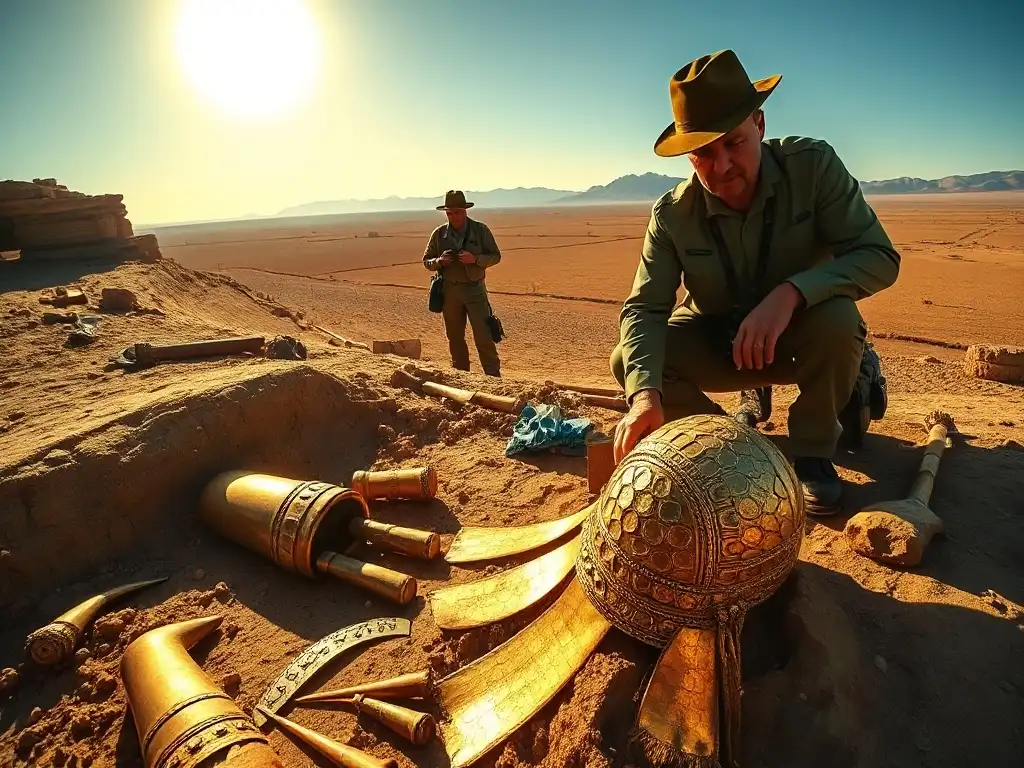
Step into a world lost to time, where the sands whisper tales of ingenuity and artistry. Dive into the fascinating realm of Andean civilizations, uncovering secrets of their advanced societies and breathtaking achievements. But we're not just talking about Incas; prepare to be amazed by the Paracas, and their astonishing advancements in metallurgy – a story of innovation that will redefine your understanding of pre-Incan cultures. Discover how these coastal masters shaped the course of Andean history; their legacy awaits.
The Paracas culture, flourishing on the southern coast of Peru from approximately 700 BCE to 100 CE, represents a pivotal chapter in the development of Andean metallurgy. While not as renowned for their metalwork as later Andean civilizations like the Moche or Inca, the Paracas laid crucial groundwork, experimenting with techniques and materials that would significantly influence subsequent metalworking traditions. This article delves into the Paracas' contributions to Andean metallurgy, examining their early experimentation with metals and the remarkable emergence of goldworking within their society.
Understanding their achievements provides crucial context for appreciating the sophisticated metalworking techniques that would characterize later Andean cultures. The development of Paracas Andean metallurgy offers a fascinating glimpse into the ingenuity and artistry of this pre-Inca civilization, highlighting their significant role in shaping the technological trajectory of the Andes.
Introduction to Paracas Culture and its Metallurgical Significance
The Paracas culture is known for its distinctive textile artistry, elaborate funerary practices, and complex social organization. Their mastery of textile production, evident in the intricately woven and richly colored textiles found in their tombs, suggests a sophisticated understanding of material manipulation and technological processes. This expertise likely translated into their approach to metalworking, albeit on a smaller scale compared to their textile achievements.
While not as prolific in metal production as later cultures, the Paracas' early experiments with metallurgy, particularly with copper and gold, were essential steps in the evolution of Andean metalworking. The scarcity of readily available metal ores in the Paracas region likely influenced their initial approach, focusing on smaller, more refined objects rather than large-scale projects. The discovery of relatively few, but significant, metal artifacts within Paracas contexts underscores their contribution to the foundational stages of Andean metallurgical development.
Early Metalworking in the Paracas Society
Early Paracas metalworking primarily involved copper, a readily available metal in the Andes. Archaeological evidence suggests that the Paracas initially employed techniques such as hammering and annealing to shape copper into simple tools and ornaments. These early pieces often exhibit a relatively rudimentary level of craftsmanship, indicative of an experimental phase in their metallurgical development. However, even these early examples demonstrate a growing understanding of the metal's properties and the potential for its artistic manipulation.
The forms were typically functional, including small tools such as needles and awls, but also included decorative elements such as small pendants and beads. The gradual refinement observable in these early copper artifacts points towards a learning process, with techniques becoming increasingly sophisticated over time. This period represents a crucial stage in the overall trajectory of Andean metallurgy, laying the foundation for more complex techniques in later periods.
The Emergence of Goldworking in Paracas
The emergence of goldworking in Paracas society marks a significant advancement in their metallurgical capabilities. While copper was relatively common, gold was a far rarer and more highly valued material. The Paracas' ability to work with gold, a significantly more challenging metal to process, points to a remarkable level of skill and technological innovation.
The gold artifacts discovered in Paracas contexts, though relatively few in number, are often exquisitely crafted, demonstrating a refined understanding of techniques such as hammering, annealing, and possibly even gilding. These objects, mostly consisting of small ornaments and adornments, highlight the symbolic importance of gold within Paracas society, and their increasing mastery of metallurgical techniques.
The precise methods used by the Paracas to work with gold remain a subject of ongoing research, but their achievements represent a remarkable step forward in Andean metallurgy and a testament to their technical ingenuity. The legacy of their goldworking would continue to influence and inspire future generations of Andean metalworkers.
Paracas Influence on Andean Metallurgy
The Paracas culture, flourishing on the southern coast of Peru between 800 BCE and 200 CE, significantly impacted the trajectory of Andean metallurgy, laying crucial groundwork for later advancements by civilizations like the Nazca and Inca. While not renowned for large-scale metalworking like their successors, the Paracas' contributions were subtle yet profound, influencing techniques and aesthetic preferences that would shape the future of Andean metal artistry.
Their expertise primarily lay in the meticulous crafting of small, intricately designed objects, often associated with elite burials and ceremonial practices. These artifacts, primarily made of gold, silver, and copper, demonstrate a sophisticated understanding of hammering, annealing, and soldering techniques, hinting at a gradual development of metallurgical knowledge within their society.
The Paracas' focus on smaller, highly detailed pieces, such as gold ear ornaments, copper needles, and silver pins, suggests a preference for refined craftsmanship over large-scale production. This emphasis on intricate detail and high-quality execution influenced subsequent metalworkers, setting a standard of excellence that would be emulated and expanded upon by later Andean cultures.
The use of diverse alloys and the incorporation of inlaid stones into metalwork further showcases their advanced metallurgical capabilities and artistic sensibilities. While the exact methods used by Paracas artisans remain partially shrouded in mystery, archaeological findings continue to unveil the complexity and sophistication of their techniques, offering valuable insights into the development of Andean metallurgy.
The impact of Paracas metallurgy is not merely limited to technical innovations. Their aesthetic sensibilities, characterized by a preference for delicate designs and symbolic motifs, also played a critical role in shaping the artistic language of Andean metalworking. The recurring themes and stylistic elements found in Paracas metal artifacts—such as stylized birds, feline figures, and geometric patterns—became prevalent motifs in the metalwork of later Andean cultures, indicating a strong continuity in artistic expression.
This stylistic influence underscores the significance of Paracas culture in establishing a foundational aesthetic framework that would permeate Andean metalworking for centuries to come. Their contribution extended beyond mere technical expertise; it involved shaping the very identity and artistic character of Andean metal craftsmanship. Further research and analysis of Paracas metallurgical artifacts are crucial to fully understand their lasting impact on the development of this important Andean art form.
- Introduction to Paracas Culture and its Metallurgical Significance
- Early Metalworking in the Paracas Society
- The Emergence of Goldworking in Paracas
- Paracas Influence on Andean Metallurgy
- What role did the Paracas culture play in the development of Andean metallurgy?
- How did Paracas metallurgy differ from that of later Andean cultures?
- What types of metal did the Paracas primarily work with?
- What is the significance of Paracas metallurgy in the broader context of Andean history?
- Where can I learn more about Paracas metallurgy and its techniques?
Metallurgical Techniques of the Paracas Culture
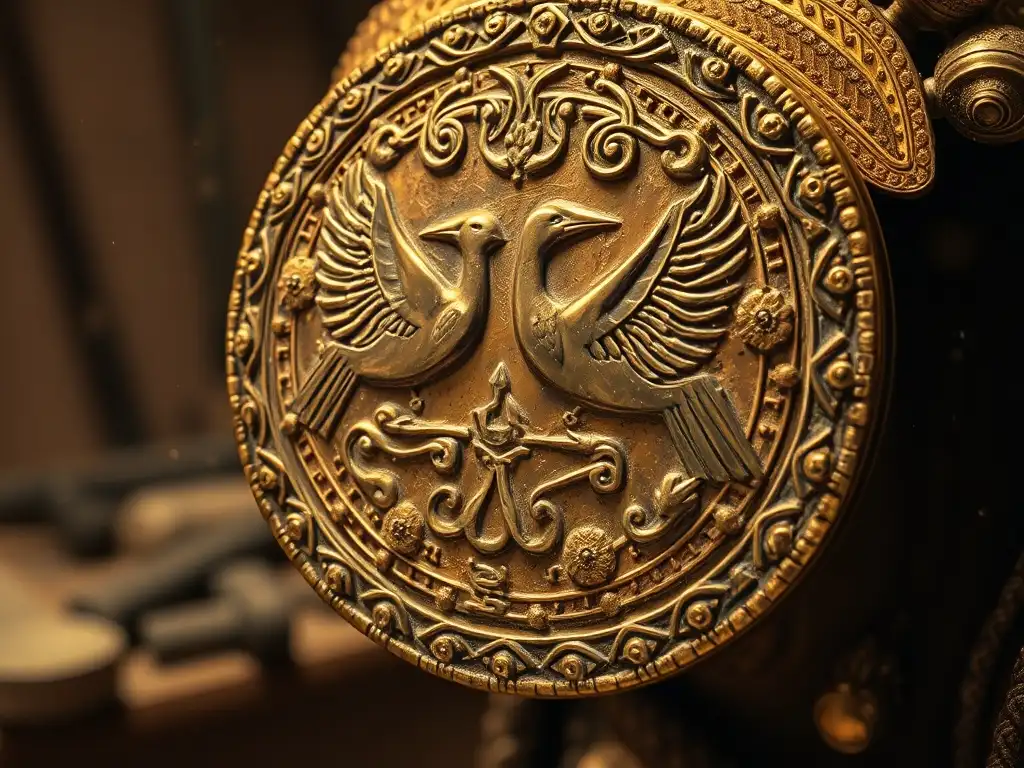
The Paracas culture, flourishing on the southern coast of Peru between 700 BCE and 100 CE, demonstrated remarkable advancements in Andean metallurgy, laying crucial groundwork for later Andean civilizations. While not as prolific as their later Inca counterparts, their metallurgical achievements were significant, showcasing innovative techniques and artistic flair. Understanding their techniques provides invaluable insight into the development of Paracas Andean metallurgy and its influence on subsequent metalworking traditions.
This section will delve into the specific techniques employed by Paracas artisans, highlighting their ingenuity and skill. The development of Paracas Andean metallurgy wasn't just about creating objects; it was about expressing cultural identity and beliefs through intricate craftsmanship.
Cold Hammering and Basic Shaping Techniques
Paracas metallurgists primarily employed cold hammering to shape their metal objects. This involved repeatedly striking the metal with a hammer, gradually refining its form. This technique required significant skill and patience, as the metal's malleability varied depending on the alloy used.
They likely used a variety of hammers, ranging in size and weight, to achieve different levels of detail and precision. Evidence suggests that they may have used stone or wooden mallets for initial shaping, followed by harder materials like bronze or even harder stones for finer details. The lack of high-temperature furnaces limited their ability to readily cast metal into complex shapes, making cold hammering an essential technique in their repertoire.
The resulting artifacts, often made of copper and its alloys, demonstrate a mastery of this challenging method, exhibiting smooth surfaces and well-defined forms despite the limitations of the technology. Analysis of surviving examples reveals a deep understanding of metal behavior under stress, indicating a sophisticated level of empirical knowledge.
The Use of Annealing in Paracas Metalwork
While cold hammering was central to Paracas metalworking, the artisans also understood the importance of annealing – a process of heating and cooling the metal to relieve internal stresses and improve its workability. Although they lacked sophisticated furnaces capable of reaching high temperatures, they likely employed controlled heating techniques, perhaps using charcoal fires or even the sun's heat in conjunction with carefully controlled cooling processes. This process was crucial for preventing cracks and fractures during the hammering process, particularly for larger or more complex pieces.
The precise methods used remain somewhat speculative due to the limited surviving evidence, however, the quality and intricacy of many Paracas metal objects strongly suggest the application of annealing techniques to achieve the desired malleability and durability. Further research employing metallurgical analysis on extant artifacts could reveal more specific details about their annealing processes.
Paracas Metal Decoration Methods
Beyond the basic shaping techniques, the Paracas artisans excelled in decorating their metalwork. They employed a variety of methods to enhance the aesthetic appeal of their objects, reflecting their advanced artistic sensibilities and technical capabilities. These decorative techniques, often combined, contributed to the unique character of Paracas metalwork.
Embossing and Repoussé Techniques
Embossing and repoussé are closely related techniques used to create raised or indented designs on metal surfaces. In embossing, a design is hammered from the front, creating a raised relief. Repoussé, conversely, involves hammering from the back, pushing the metal outwards to form a raised design. Paracas artisans expertly combined these techniques, achieving intricate, three-dimensional effects.
They likely used carefully shaped punches and hammers to create detailed motifs, often depicting stylized animals, plants, or human figures. The precision of these techniques indicates a high level of skill and a deep understanding of metal's properties. The surviving examples showcase a remarkable ability to manipulate the metal, creating subtle variations in texture and relief.
Engraving and Incision in Paracas Metal Objects
Engraving and incision were additional methods used to decorate Paracas metal objects. Engraving involved carving lines into the metal's surface using sharp tools, while incision involved cutting deeper grooves. These techniques were often used in conjunction with embossing and repoussé, adding further detail and complexity to the designs. The tools used were likely made of stone or bone, carefully sharpened to achieve precise lines.
The motifs engraved or incised often complemented the raised designs, creating a visually rich and sophisticated aesthetic. These techniques required considerable skill and steady hands, reflecting the high level of artistry achieved by Paracas metalworkers. The resulting objects are testaments to their technical prowess and artistic vision.
Paracas Metal Artifacts: Examples and Analysis
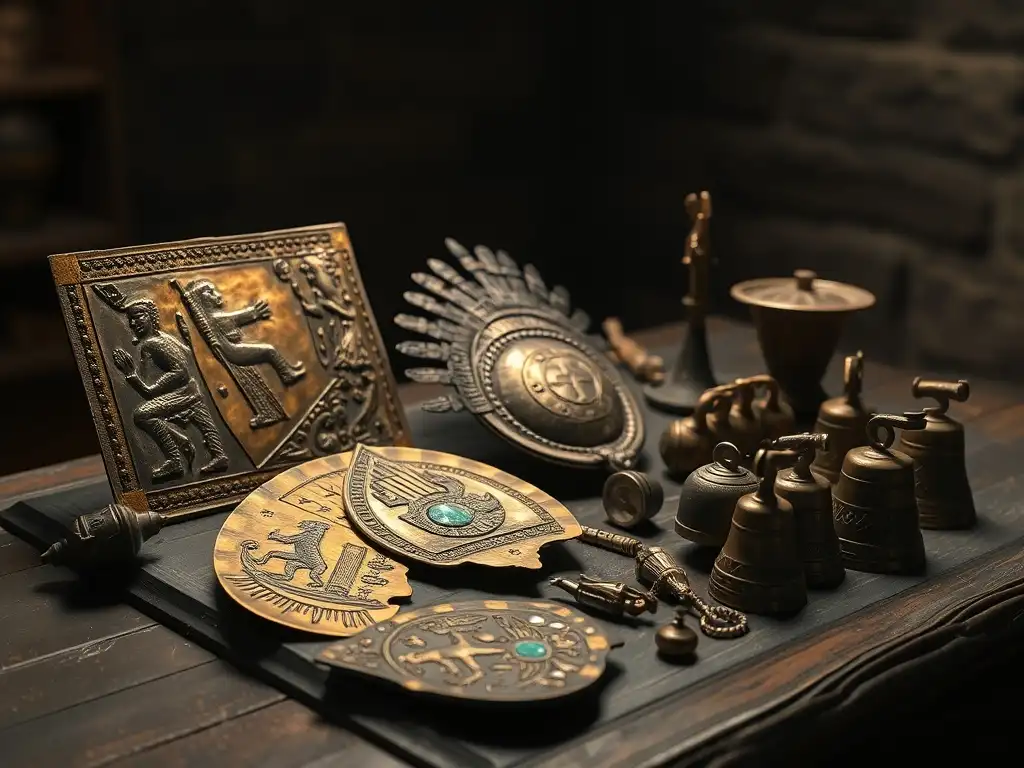
The Paracas culture, flourishing on the southern coast of Peru between 700 BCE and 200 CE, significantly contributed to the development of Andean metallurgy, albeit in a different way than the later Inca. While not as prolific in metalworking as some subsequent cultures, their craftsmanship demonstrates a sophisticated understanding of metal properties and techniques, laying the groundwork for future advancements in Paracas Andean metallurgy development. Their metalwork, primarily using gold and copper, showcases a unique aesthetic and technological skill.
The scarcity of Paracas metal artifacts, however, highlights the precious and likely ritualistic nature of their metal production. This contrasts sharply with the later, more mass-produced metalwork of the Inca.
Paracas Gold Ornaments and Jewelry
Paracas goldworking reveals a mastery of hammering, annealing (heating and cooling to soften the metal), and repoussé (hammering from the back to create raised designs). The most striking examples include intricate headdresses, ear ornaments, and breastplates. The gold itself, often alloyed with other metals, possesses a characteristically soft, malleable quality, lending itself to detailed work.
The scarcity of these objects suggests a high level of ritual importance, possibly connected to elite status or religious ceremonies. The intricate designs frequently feature stylized animals, geometric patterns, and possibly representational figures, although precise interpretations remain a subject of ongoing scholarly debate. The use of gold, a highly valued material across numerous Andean cultures, underscores the power and prestige associated with Paracas society.
Analysis of Paracas Gold Breastplate from Cerro Colorado
One particularly notable example is a gold breastplate discovered at Cerro Colorado. [Specific information pending: Detailed description of the breastplate's dimensions, weight, and specific iconography]. However, preliminary analysis suggests the use of a highly refined gold alloy, indicating a level of metallurgical sophistication exceeding that of earlier coastal cultures.
The intricate designs, possibly depicting mythical creatures or celestial bodies, are achieved through a combination of repoussé and chasing (hammering from the front to refine details). This piece, along with other similar finds, provides crucial evidence for understanding Paracas goldworking techniques and their symbolic significance within the broader context of Paracas Andean metallurgy development. The level of detail and the apparent effort invested in its creation strongly suggest a connection to high-status individuals or religious contexts.
Paracas Copper Objects and Tools
While gold was clearly prized, Paracas artisans also worked extensively with copper. Unlike gold's primarily ornamental use, copper served both utilitarian and ceremonial purposes. Copper's relative abundance compared to gold allowed for a wider range of objects, from simple tools to more elaborate ritual items. The Paracas Andean metallurgy development within copper production involved techniques such as casting (pouring molten metal into molds), hammering, and annealing. The presence of copper tools alongside gold ornaments suggests a well-integrated metallurgical system capable of handling different metals for diverse purposes.
Paracas Copper Awls and their Purpose
Copper awls, small pointed tools used for piercing or making holes, are among the most common Paracas copper artifacts. These simple yet essential tools were likely crucial for various crafts, including textile production (a hallmark of Paracas culture), leatherworking, and woodworking. [Specific information pending: Analysis of the metallurgical composition of several Paracas copper awls, including trace element analysis to determine the source of the copper ore].
The relatively simple design of these awls, compared to the elaborate gold ornaments, reflects their practical function. However, their presence within Paracas contexts suggests that even everyday tools held cultural significance, perhaps reflecting the overall value placed on craftsmanship and skilled labor within Paracas society, contributing significantly to the advancement of Paracas Andean metallurgy development. The study of these seemingly mundane objects provides valuable insights into daily life and the technological capabilities of this fascinating culture.
Ritual and Ceremonial Use of Metals in Paracas
The Paracas culture's mastery of metallurgy wasn't solely for adornment; metal played a significant role in their religious practices and ceremonial life. Evidence suggests that gold, copper, and their alloys were integral components of rituals, possibly reflecting the belief that these materials possessed spiritual or supernatural properties. The scarcity and inherent beauty of these metals likely contributed to their association with deities or elite status within Paracas society.
Elaborate headdresses, adorned with gold and copper elements, have been unearthed in elite tombs, reinforcing the connection between metalwork and high social standing. These weren't merely decorative; the careful placement and symbolic designs suggest they served a ritualistic purpose, potentially used during important ceremonies or to represent specific deities or ancestral figures. The intricate craftsmanship involved, demanding considerable skill and time, further emphasizes the importance of these metal artifacts within the Paracas worldview.
Further research into the context of discovery of these metal artifacts is crucial. The positioning of metal objects within tombs, alongside other grave goods, can offer valuable insights into their ceremonial function. For instance, the presence of gold leaf on textiles or the association of copper objects with specific types of offerings might reveal the specific rituals in which they were employed.
Unfortunately, a comprehensive analysis of the spatial distribution of these artifacts within burial contexts is still lacking, hindering a complete understanding of their ritual significance. However, ongoing archaeological excavations and the application of advanced analytical techniques promise to shed further light on this fascinating aspect of Paracas culture. The careful study of the metal artifacts themselves, including analysis of their composition and manufacturing techniques, will also contribute significantly to a more nuanced understanding of their ritual role.
This interdisciplinary approach, combining archaeological findings with metallurgical analysis and anthropological interpretations, is essential for unlocking the secrets of Paracas metalworking and its religious significance. The discovery of additional well-preserved tombs and associated artifacts would greatly enhance our current knowledge.
The Role of Paracas in Andean Metallurgy Evolution
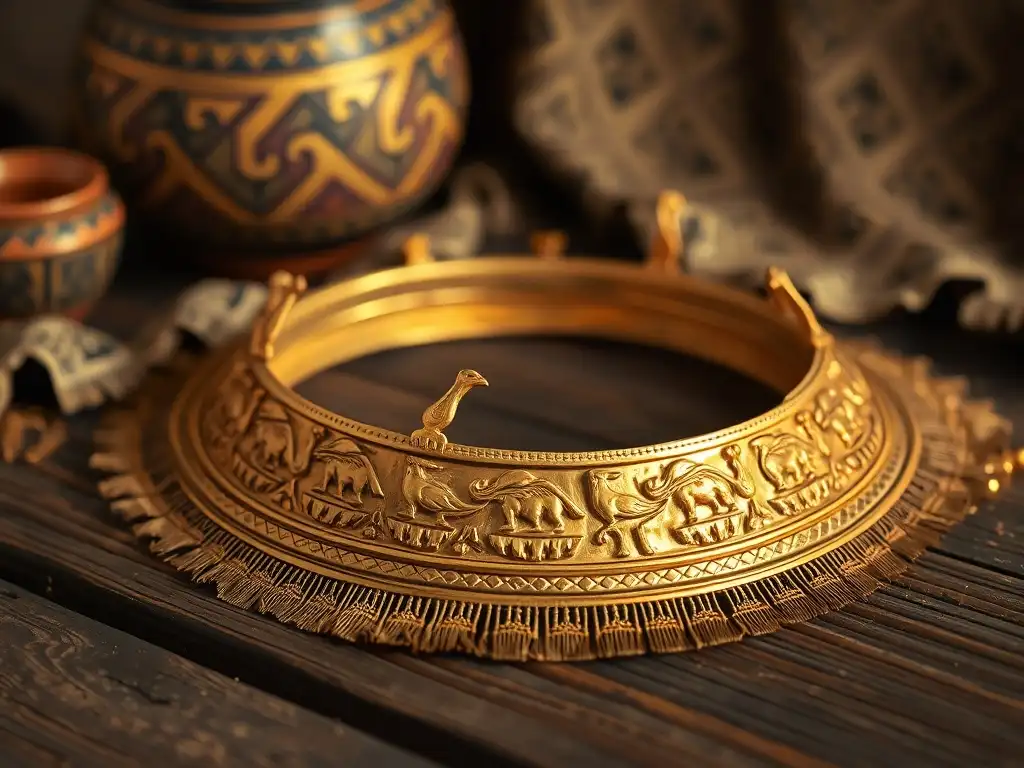
The Paracas culture (c. 800 BCE – 200 CE), flourishing along the southern coast of Peru, played a pivotal, albeit often underappreciated, role in the evolution of Andean metallurgy. While not as prolific as later cultures like the Moche or Inca, their contributions laid crucial groundwork for subsequent advancements in metalworking techniques and artistry.
Their innovations, particularly in the use of copper alloys and the development of specific casting methods, significantly impacted the trajectory of Andean metallurgy, shaping the characteristic styles and techniques of succeeding civilizations. Understanding the Paracas contribution is key to grasping the broader narrative of Andean metalworking development.
The relative scarcity of Paracas metal artifacts, compared to later periods, shouldn't diminish their importance; the sophistication of their techniques, considering the available technology, is remarkable and speaks volumes about their metallurgical ingenuity. We can analyze their impact by examining both their direct contributions and the influence they exerted on later metalworking traditions.
Paracas Contribution to Later Andean Metalworking Traditions
The Paracas' mastery of copper alloying, specifically the use of arsenic and bismuth to harden copper, was a major leap forward. This technique produced stronger, more durable tools and ornaments, improving their functionality and longevity. This technological advancement directly informed the techniques used by later cultures, such as the Nazca and Moche.
The Paracas also demonstrated early proficiency in lost-wax casting, a complex method involving creating a wax model, covering it in clay, melting out the wax, and then pouring molten metal into the resulting mold. While evidence suggests earlier instances of this technique in other Andean regions, the Paracas refined and disseminated it, contributing to its widespread adoption and further development across the Andes. Furthermore, the stylistic elements present in Paracas metalwork, such as the emphasis on specific shapes and decorative motifs, can be traced in subsequent Andean metalworking traditions, indicating a clear lineage and continuity.
The Paracas' legacy is not merely about specific techniques; it's about a foundational understanding of metallurgy that paved the way for the more elaborate and extensive metalworking traditions of later periods. The subtle yet significant influence of Paracas metallurgy is evident in the subsequent flourishing of Andean metal arts.
Comparing Paracas Metallurgy with Other Pre-Incan Cultures
Comparing Paracas metallurgy with that of other pre-Incan cultures reveals both unique characteristics and shared influences. While the Paracas were not the first to work with metals in the Andes – earlier cultures like Chavín show evidence of rudimentary metalworking – they significantly advanced the existing techniques and expanded the range of metal objects produced. Analyzing these comparisons provides a more nuanced understanding of the evolution of Andean metallurgy and Paracas' place within this broader narrative.
Differences between Paracas and Chavín Metalworking
While both Chavín and Paracas cultures utilized copper, the approaches differed significantly. Chavín metalworking, dating back to roughly 1200-200 BCE, was characterized by simpler techniques, primarily hammering and annealing, resulting in relatively plain, functional objects. The objects were often utilitarian, such as tools and adornments.
In contrast, Paracas metalworking showcased a greater complexity, incorporating advanced techniques like lost-wax casting and alloying, leading to more intricate and aesthetically refined artifacts. The Paracas' dedication to intricate designs and the use of more sophisticated techniques represent a clear advancement over the simpler Chavín style. This difference highlights the progression of Andean metallurgical skills over time.
Paracas and Moche Similarities in Metal Techniques
The Moche culture (c. 100-800 CE), known for its highly developed metalworking, shows clear similarities to Paracas techniques. Both cultures utilized lost-wax casting, suggesting a direct lineage or a shared knowledge base. The Moche, however, took these techniques to a greater scale and level of sophistication, producing larger and more complex metal objects, including elaborate headdresses, weaponry, and ceremonial vessels.
While the Moche expanded upon and refined the techniques pioneered by the Paracas, the fundamental principles and techniques remain strikingly similar, illustrating the lasting impact of the earlier Paracas tradition. The similarities in techniques suggest a strong connection and influence, demonstrating how Paracas' innovations became the foundation for later masterpieces. This continuity underscores the importance of understanding Paracas' contribution to the broader development of Andean metallurgy.
Further Research Areas 🔍
Further research is needed to fully understand the extent of Paracas' influence. Specifically, more detailed analysis of Paracas metallurgical workshops and the sourcing of their raw materials would illuminate their techniques and trade networks. Comparative studies focusing on specific metallurgical techniques, such as alloying and casting, between Paracas and subsequent cultures would further clarify the nature and extent of this technological transfer. This would allow for a more complete picture of the development of "Paracas Andean metallurgy development".
The Legacy of Paracas Metalworking
The Paracas culture, flourishing on the southern coast of Peru between 800 BCE and 200 CE, left an indelible mark on Andean civilization, particularly in the realm of metallurgy. While not as renowned for their metalwork as later cultures like the Moche or Incas, the Paracas people laid crucial groundwork, demonstrating early experimentation and mastery of techniques that would profoundly influence subsequent Andean metallurgical development. Their contributions, though less prolific in terms of sheer volume, are significant for understanding the evolution of metalworking in the region.
The Paracas legacy in metallurgy isn't solely about the quantity of artifacts produced, but rather the quality of craftsmanship and the innovative techniques employed, paving the way for the sophisticated metalwork of later periods. This early experimentation with alloys and techniques is a key aspect of Paracas Andean metallurgy development.
The Paracas Influence on Andean Art and Technology
Paracas metalworkers, despite limited access to certain ores compared to later Andean societies, displayed a remarkable ability to work with copper and gold. They crafted intricate objects, primarily ornaments and adornments for elite members of society. These items, often found in elite burials, reveal a sophisticated understanding of hammering, annealing (a process of heating and cooling metal to improve its workability), and cold-working techniques.
The meticulous detail evident in their work, including the creation of delicate sheets and the application of intricate designs, showcases a high level of skill and artistry. This early experimentation with hammering and annealing directly influenced the techniques used by later Andean cultures, forming a crucial link in the chain of metallurgical development across the Andes. The stylistic elements found in Paracas metalwork, such as the use of specific motifs and decorative patterns, are also echoed in the work of succeeding cultures, highlighting the lasting impact of their artistic vision on Andean art and technology.
The intricate designs often featured stylized animals and figures, reflecting the broader Paracas artistic style observed in their textiles and ceramics. These stylistic features are invaluable in tracing the development and diffusion of artistic ideas across the Andean region.
The Importance of Paracas Metalwork for Archaeological Study
The relatively small number of Paracas metal artifacts, compared to the abundance of textiles and ceramics, makes each piece exceptionally valuable for archaeological study. These artifacts provide crucial insights into the early stages of Andean metallurgy, offering a glimpse into the technological processes and artistic styles of the period. The chemical analysis of these objects reveals information about the sources of the metals used, shedding light on trade networks and resource management strategies.
For example, analysis of gold artifacts might reveal whether the gold was sourced locally or from more distant regions, hinting at the extent of Paracas trade connections. Similarly, studying the alloys used can provide clues about the level of technological sophistication achieved by Paracas metalworkers. The scarcity of Paracas metalwork, paradoxically, enhances its importance.
Each surviving piece offers a unique opportunity to reconstruct the lost techniques and practices of this crucial period in Andean metallurgical development. The meticulous study of these rare artifacts is essential for understanding the evolution of Andean metallurgy and its broader cultural context. Further research, including [specific information pending on ongoing analysis of Paracas metal artifacts], promises to further illuminate the importance of Paracas contributions.
Conclusion: Paracas and the Development of Andean Metallurgy
While perhaps overshadowed by the more prolific metalworking traditions of later Andean cultures, the Paracas contribution to the development of Andean metallurgy is undeniable. Their early experimentation with copper and gold, mastery of basic metallurgical techniques, and development of distinctive artistic styles laid the foundation for subsequent advancements. The relatively small but significant body of Paracas metalwork serves as a vital link in understanding the trajectory of Andean metallurgical development, showcasing the ingenuity and skill of these early Andean metalworkers. The study of Paracas metal artifacts continues to be crucial for piecing together the complete story of Andean metallurgy, highlighting the importance of this often-underestimated culture in shaping the rich history of Andean technology and artistic expression. The legacy of Paracas Andean metallurgy development resonates through centuries of Andean artistic and technological achievement.
Frequently Asked Questions
What role did the Paracas culture play in the development of Andean metallurgy?
The Paracas culture, while not as renowned for metallurgy as later Andean civilizations like the Moche, laid crucial groundwork. They developed early techniques in metalworking, particularly with gold and copper, influencing subsequent advancements.
How did Paracas metallurgy differ from that of later Andean cultures?
Paracas metallurgy was characterized by simpler techniques compared to the more sophisticated casting and alloying of later cultures. Their work often involved hammering and repoussé, focusing on smaller, decorative items.
What types of metal did the Paracas primarily work with?
Paracas artisans primarily worked with gold and copper, though less frequently with silver and other metals. Their pieces often featured gold leaf applied to textiles and other materials.
What is the significance of Paracas metallurgy in the broader context of Andean history?
Paracas metallurgy represents a crucial early stage in the development of Andean metalworking. Their techniques and styles directly influenced the later masterful achievements of cultures like the Moche and Inca.
Where can I learn more about Paracas metallurgy and its techniques?
You can find more information in academic journals and museum exhibits focusing on Andean archaeology and pre-Columbian art. Many online resources also offer details on Paracas culture and their metalworking achievements.
Final Reflection: The Enduring Legacy of Paracas Metallurgy
The innovative techniques and artistic mastery displayed in Paracas metallurgy continue to resonate today, reminding us of the ingenuity and cultural richness of ancient Andean societies. The intricate details and sophisticated processes employed in crafting these objects stand as a testament to the advanced technological capabilities of the Paracas culture, a legacy that continues to inspire awe and wonder in modern audiences. Their achievements weren't merely functional; they were deeply symbolic, reflecting a complex worldview and a sophisticated understanding of the world around them.
The impact of Paracas metallurgy extends far beyond the realm of archaeology; it has profoundly shaped our understanding of Andean history and the development of metalworking techniques across the continent. The artistry and technical skill demonstrated in their work influenced subsequent Andean cultures, leaving an indelible mark on the artistic and technological landscape for centuries to come. The past is never dead. It's not even past.
– William Faulkner. This quote perfectly encapsulates the enduring influence of Paracas metallurgy, whose echoes reverberate through the artistic traditions and technological advancements of later Andean civilizations.
Consider, for a moment, the sheer dedication and skill required to create these magnificent artifacts. Imagine the generations of knowledge passed down, the meticulous craftsmanship, and the profound cultural significance imbued within each piece. You, too, can carry forward this legacy by engaging with and appreciating the rich history of Andean cultures.
Seek out museums and exhibitions showcasing Paracas artifacts, delve deeper into the research surrounding their techniques, and share your newfound knowledge with others. Let the enduring brilliance of Paracas metallurgy inspire you to appreciate the ingenuity and creativity of past civilizations and to strive for excellence in your own endeavors.
Thank you for exploring the fascinating world of Paracas and the remarkable achievements in Andean metallurgy! Your interest in this unique historical area provides valuable insights that enrich your understanding of ancient civilizations. Let's put that knowledge to good use!
Here are a few ways you can delve deeper into this captivating subject:
- Visit local museums or explore online exhibitions showcasing Andean artifacts and metallurgical techniques. If possible, plan a visit in person for an even more immersive experience.
- Join online forums or communities dedicated to Andean history. Connect with fellow enthusiasts, share your discoveries, and learn from others' expertise.
- Undertake a research project exploring the influence of metallurgy on daily life, perhaps focusing on your local area or even your family history. You never know what fascinating details you might uncover!
What aspect of Andean metallurgy captivated you most, and how do you plan to investigate it further? Share your thoughts below!