
Chavín's Architectural Marvels: The Engineering Feats of the Past

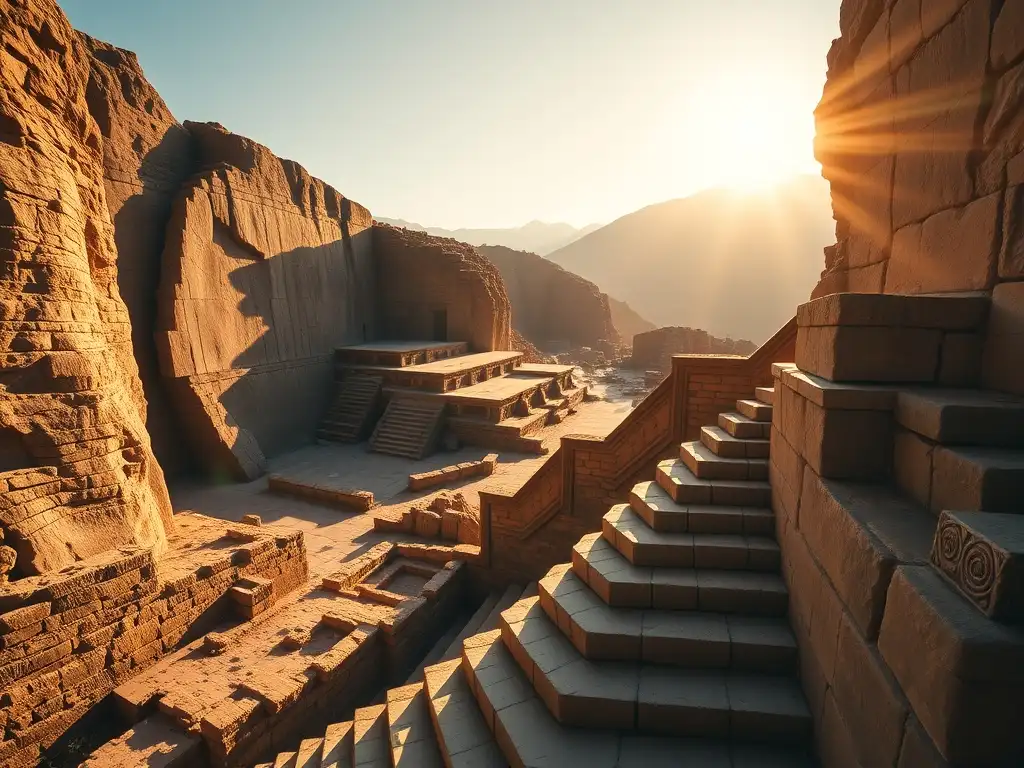
Welcome to Andean Civilizations, where the echoes of a lost world whisper secrets of ingenuity and power. Prepare to be captivated by the intricate tapestry of Andean history, art, and culture. But first, let's unravel the mystery surrounding Chavín architecture engineering techniques. How did a civilization, so advanced for its time, create structures that still defy explanation? Journey with us as we delve into the breathtaking feats of the Pre-Incan cultures of the coast and uncover the secrets behind Chavín's architectural marvels. Your exploration begins now...
The Chavín culture, flourishing in the Andes Mountains of Peru between 900 and 200 BCE, left behind a legacy of monumental architecture that continues to astound and inspire. Their mastery of engineering, particularly considering the limited tools and technology available, is a testament to their ingenuity and organizational prowess.
This article delves into the remarkable architectural achievements of the Chavín, exploring the innovative techniques they employed to construct their impressive structures, particularly focusing on the challenges posed by the rugged Andean terrain and the sophisticated understanding of stonework and hydraulics that underpinned their success. Understanding Chavín architecture provides crucial insight into the complexities of this influential pre-Incan civilization and their lasting impact on subsequent Andean cultures.
We will explore the specific engineering techniques employed in their construction, highlighting the ingenuity and sophistication of their approach to building in a challenging environment. The keyword "Chavín architecture engineering techniques" will be explored in detail.
The Challenges of the Andean Landscape
Constructing monumental architecture in the high Andes presented significant challenges. The steep, rugged terrain, coupled with seismic activity, demanded innovative solutions. Chavín architects cleverly adapted their building techniques to overcome these obstacles. They utilized the natural contours of the land, integrating their structures into the existing landscape rather than imposing them upon it. This approach not only minimized disruption but also ensured stability.
Furthermore, the availability of specific materials dictated their construction methods. For example, the abundance of stone in the region led to the development of sophisticated stone-cutting and fitting techniques, as we will see further below. The scarcity of timber, on the other hand, influenced the choice of materials and building styles, promoting the use of stone as the primary building material. This resourceful adaptation to the environment is a hallmark of Chavín engineering.
Masterful Stonework: Precision and Innovation
The Chavín's mastery of stonework is arguably their most impressive feat. They developed highly refined techniques for quarrying, shaping, and fitting massive stones with astonishing precision. Evidence suggests they used copper and obsidian tools, along with possibly primitive levers and rollers, to extract and transport these colossal blocks. The incredible accuracy of the joins between stones, often with minimal or no mortar, demonstrates a profound understanding of geometry and engineering principles.
The intricate carvings and reliefs adorning many of their structures further highlight their skill and artistic sensibility. Detailed studies of the stonework reveal a systematic approach, with meticulous planning and execution evident in the placement and orientation of each stone. This precision wasn't merely aesthetic; it was crucial for the structural integrity of the buildings, particularly in a seismically active region.
Hydraulic Systems: Managing Water Resources
The Chavín's understanding of hydraulics was equally remarkable. Their architecture incorporated sophisticated water management systems, including intricate canals, fountains, and drainage channels. These systems not only provided a reliable water supply but also played a significant role in the ceremonial and religious life of the civilization.
The precise channeling of water, often over considerable distances and across varying terrains, showcases a deep understanding of hydrology and engineering principles. The integration of water features into their architectural designs suggests a symbolic connection between water, fertility, and the divine. The construction of these systems required careful planning and execution, demonstrating a level of organization and technical expertise that was far ahead of its time.
Lasting Influence: A Legacy in Stone
The architectural marvels of the Chavín culture served as a blueprint for subsequent Andean civilizations. Their innovative techniques, particularly their mastery of stonework and hydraulics, were adopted and refined by later cultures, influencing the development of Andean architecture for centuries. The legacy of Chavín engineering is not just visible in the remaining structures but also in the architectural traditions of later Andean societies.
The precision and grandeur of Chavín architecture left an indelible mark on the cultural landscape of the Andes, demonstrating the enduring influence of this remarkable civilization. Their achievements serve as a testament to human ingenuity and the capacity to overcome seemingly insurmountable obstacles through careful planning, innovation, and a profound understanding of the natural world.
Further Research Areas:
- Specific tools used in Chavín construction
- The role of labor organization in major projects
- Comparative analysis of Chavín engineering with contemporary cultures
- The Challenges of the Andean Landscape
- Masterful Stonework: Precision and Innovation
- Hydraulic Systems: Managing Water Resources
- Lasting Influence: A Legacy in Stone
- What innovative architectural techniques did the Chavín culture employ?
- How did the Chavín manage to build such large structures without advanced tools?
- What are some key features of Chavín architecture that demonstrate their engineering prowess?
- How did the Chavín's understanding of engineering influence later Andean cultures?
- Where can I see examples of Chavín architecture and engineering today?
Introduction to Chavín Architectural Ingenuity
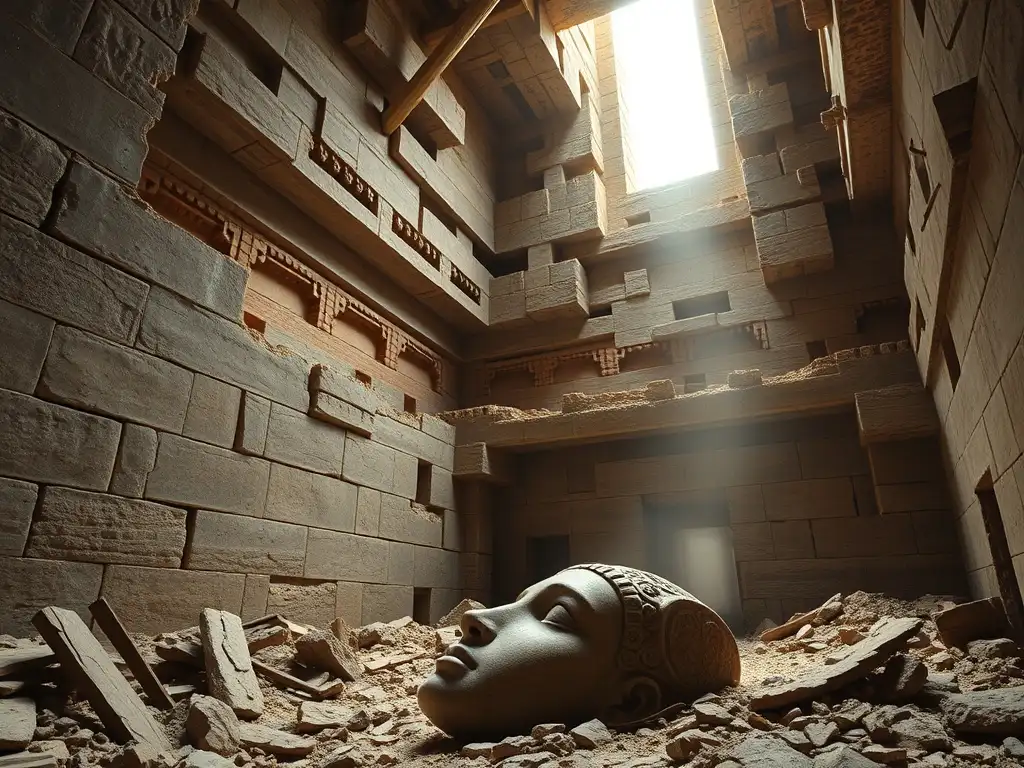
This section delves into the remarkable architectural achievements of the Chavín culture, exploring the engineering techniques employed in constructing their monumental structures. We'll examine the ingenuity behind their designs, considering the materials used, the construction methods, and the overall impact these structures had on the development of Andean architecture. Understanding Chavín architecture provides crucial insights into the sophisticated engineering capabilities of this pre-Inca civilization and its influence on subsequent Andean cultures. The keyword "Chavín architecture engineering techniques" will be analyzed throughout, showcasing the innovative approaches employed.
The Significance of Chavín Architecture in Andean History
Chavín architecture holds a pivotal position in Andean history, representing a significant leap in architectural sophistication. The monumental structures, primarily located in the Chavín de Huántar site in the Andes Mountains of Peru, served not only as religious centers but also as hubs for social and political organization. The scale and complexity of these buildings, built between 1200 and 200 BCE, demonstrate a level of centralized power and societal organization previously unseen in the region.
Their impact reverberated through subsequent Andean cultures, influencing architectural styles and construction techniques for centuries. The precise planning and execution of these projects suggest advanced knowledge of engineering principles, including sophisticated understanding of stonework, hydraulics, and structural mechanics— crucial aspects of "Chavín architecture engineering techniques."
These innovations weren't merely aesthetic; they reflected a powerful ideology and a high degree of social organization necessary to mobilize the labor required for such grand projects. The longevity of the site also speaks to the durability and effectiveness of their building methods.
Defining Chavín's Unique Architectural Style
Chavín architecture is characterized by its unique style, easily distinguishable from that of preceding cultures. One defining characteristic is the extensive use of massive carved stones, often intricately decorated with zoomorphic and anthropomorphic motifs. These carvings, which often depict jaguars, serpents, and other mythical creatures, are remarkable for their precision and artistry. The use of massive blocks of stone , precisely fitted together without mortar, showcases advanced stone-cutting and fitting techniques— a key component of "Chavín architecture engineering techniques."
Another key feature is the incorporation of complex internal layouts, featuring labyrinthine passages, underground chambers, and plazas. These intricate designs were not simply haphazard; they were carefully planned to create a powerful and awe-inspiring effect on visitors. The use of ramps, staircases, and strategically placed openings controlled the flow of people and light, enhancing the overall religious and ceremonial experience. Furthermore, the integration of sophisticated drainage systems demonstrates an advanced understanding of hydraulic engineering, further highlighting the sophistication embedded within "Chavín architecture engineering techniques." These systems prevented water damage and maintained a clean and functional environment within the structures.
Contextualizing Chavín Culture within Pre-Incan Civilizations
The Chavín culture's architectural innovations significantly impacted subsequent pre-Inca civilizations. Their influence can be seen in the architectural styles of later cultures, such as the Moche and Nazca. The meticulous stonework, the use of complex internal layouts, and the integration of symbolic imagery all became recurring themes in Andean architecture.
The Chavín's mastery of "Chavín architecture engineering techniques" laid the foundation for future developments, showcasing a continuity of architectural knowledge and innovation across different Andean cultures. While each culture developed its own unique aesthetic, the underlying principles of sophisticated stonework, careful planning, and symbolic representation can be traced back to the innovative approaches pioneered by the Chavín. The legacy of Chavín architecture is not just about impressive structures; it's about the dissemination of advanced engineering practices that shaped the architectural landscape of the Andes for centuries.
Analyzing the spread and adaptation of these techniques across time provides a deeper understanding of the cultural exchange and technological advancements within the pre-Inca Andean world. The impact of Chavín's architectural legacy is undeniable, serving as a testament to their engineering prowess and cultural influence.
Key Elements of Chavín Architecture
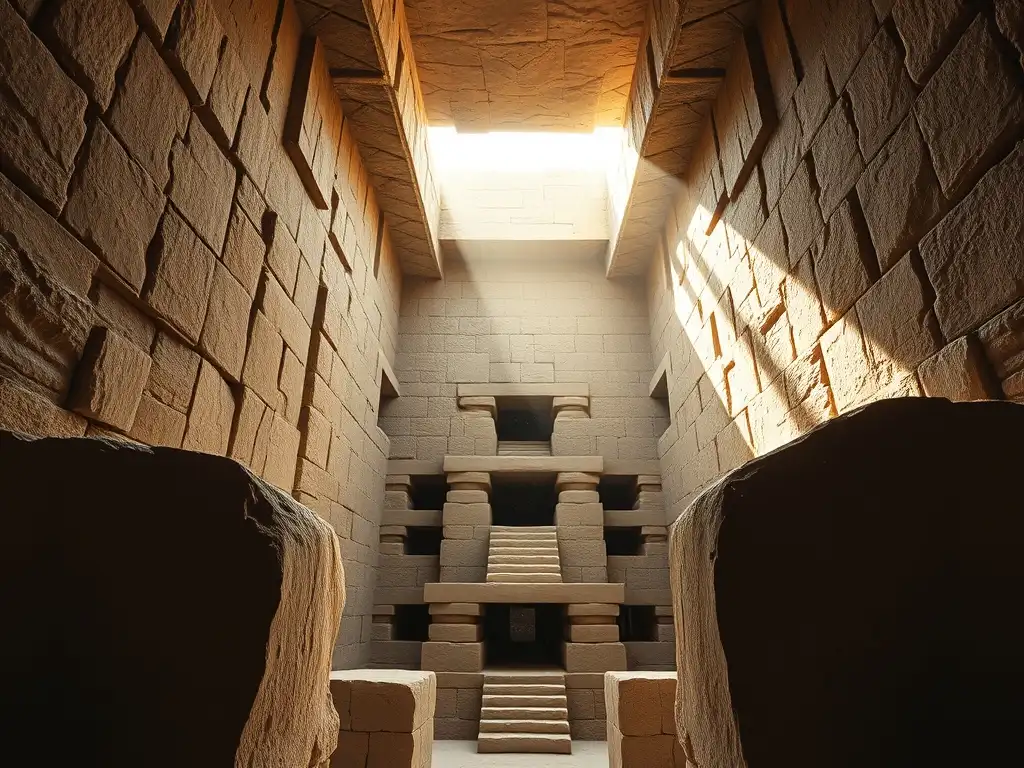
This section delves into the remarkable architectural achievements of the Chavín civilization, focusing on the innovative engineering techniques employed in their constructions. The Chavín people, flourishing in the Andes between 1200 and 200 BCE, demonstrated a sophisticated understanding of engineering principles, particularly in their manipulation of stone, the strategic use of U-shaped temple designs, and the masterful integration of terraces and platforms into their monumental structures. Understanding these techniques provides crucial insights into the ingenuity and organizational capabilities of this pre-Inca society.
Their architectural prowess significantly influenced subsequent Andean cultures, leaving a lasting legacy on the landscape and the development of architectural styles throughout the region. This analysis will explore the key elements of their architectural innovations, examining the sophisticated methods they used to create enduring structures in a challenging mountainous terrain. The mastery of Chavín architecture engineering techniques is a testament to their advanced civilization.
The Use of Stone in Chavín Constructions
The Chavín's skill in working with stone is undeniably impressive. They weren't just constructing simple buildings; they were creating intricate, monumental structures that have withstood the test of time. Their mastery extended beyond simple quarrying and cutting; they exhibited a sophisticated understanding of joining techniques, achieving remarkable precision in fitting massive stone blocks together. Evidence suggests they utilized a variety of stone types, selecting materials based on their properties and the intended purpose of the construction. For example, harder stones might have been used for load-bearing elements, while softer stones were perhaps employed for decorative purposes.
The precision of their stonework is evident in the remarkably tight fits between blocks, often with minimal or no mortar used. This points to an advanced understanding of geometry and engineering principles. The process likely involved meticulous planning, precise measurement, and the use of specialized tools, although the exact tools and techniques remain partially unknown. Further research into the quarries and workshops used by the Chavín is needed to fully understand their methods.
Analysis of the stone itself, including its composition and potential treatment, could also reveal more about their construction techniques. This detailed analysis of Chavín stonework reveals a level of sophistication rarely seen in contemporary cultures. The use of such advanced stoneworking techniques contributed significantly to the durability and longevity of their impressive structures.
The Importance of the U-Shaped Temple Design
The iconic U-shaped temple design is a hallmark of Chavín architecture. This isn't simply an aesthetic choice; the design has significant implications for both functionality and symbolism. The U-shape likely facilitated the channeling of processions and rituals, guiding participants through a carefully orchestrated sequence of spaces. The enclosed nature of the U-shape also created a sense of intimacy and awe, enhancing the impact of religious ceremonies.
Furthermore, the U-shape may have had practical implications for managing water flow and drainage in the mountainous region where Chavín settlements were located. The design may have been influenced by the need to manage rainwater runoff and prevent erosion, a significant factor in the Andes' harsh environment. The precise relationship between the U-shape and the management of water needs further investigation.
However, the design's incorporation of natural elements suggests a deep understanding of the environment and its influence on both the practical and symbolic aspects of Chavín society. The U-shaped temple's design, therefore, reflects not only architectural ingenuity but also a profound connection to the natural world. This thoughtful design demonstrates the Chavín's exceptional understanding of engineering and environmental factors.
Chavín's Masterful Use of Terraces and Platforms
The integration of terraces and platforms into Chavín architecture is another testament to their engineering expertise. These structures weren't merely decorative; they served crucial practical purposes. Terracing would have allowed the Chavín to maximize usable space on the steep slopes of the Andes, creating level areas for construction and cultivation. The platforms provided stable foundations for buildings, mitigating the risks associated with constructing on uneven terrain.
The construction of these terraces and platforms required a significant understanding of soil mechanics and drainage. The Chavín likely employed sophisticated techniques to ensure the stability of these structures, possibly including retaining walls and drainage systems. The precise techniques employed remain a subject of ongoing research, but the scale and longevity of these structures speak to the Chavín's remarkable engineering abilities.
The successful implementation of terraces and platforms showcases their advanced knowledge of engineering, environmental adaptation, and societal organization. This sophisticated use of terraces and platforms underscores the Chavín's architectural ingenuity and their ability to adapt to the challenging Andean environment. The impact of their sophisticated terracing techniques is still visible today.
Chavín Architecture Engineering Techniques
The Chavín culture, flourishing in the Andes from roughly 900 to 200 BCE, left behind a legacy of impressive architectural feats. Their mastery of engineering, particularly in stonework, showcases a sophisticated understanding of construction and a dedication to precision rarely seen in contemporaneous societies. Understanding their methods reveals not only their technical prowess but also offers insights into their societal organization and worldview. The term "Chavín architecture engineering techniques" encapsulates the remarkable skills employed in creating these enduring structures.
Understanding Chavín Construction Methods
Chavín construction wasn't a haphazard process. Evidence suggests a highly organized approach, likely involving specialized labor and intricate planning. The most striking aspect is their ability to work with massive blocks of stone, often transported significant distances.
These weren't simply placed; they were meticulously fitted together, creating seamless joints that demonstrate astonishing precision. This precision wasn't limited to the larger blocks; smaller stones were used with similar accuracy, contributing to the overall structural integrity and aesthetic appeal. The use of different types of stone, depending on the intended use and location within the structure, also indicates a deep understanding of material properties and their optimal application.
For example, harder stones might be used for load-bearing elements, while softer stones were perhaps selected for decorative purposes. Further research is needed to fully understand the logistics of transporting and placing these massive blocks, [specific information pending on transportation methods], but current evidence suggests the use of ramps and possibly other ingenious solutions. The sheer scale of their projects implies a considerable workforce and a complex system of resource management.
Advanced Stone Cutting and Shaping Techniques
The precision evident in Chavín architecture hinges on remarkably advanced stone cutting and shaping techniques. Archaeological findings suggest the use of sophisticated tools, including stone hammers, chisels, and possibly abrasive materials like sand. However, the level of accuracy achieved goes beyond simple hammering and chipping.
Many stones exhibit incredibly fine details, with intricate carvings and perfectly fitted joints. The ability to create such smooth, precisely shaped surfaces, especially on such a large scale, points to highly skilled artisans and a deep understanding of stone properties. Some scholars hypothesize the use of techniques like pecking and grinding, which would have allowed for finer control over the shaping process.
Analyzing the wear patterns on discovered tools could further illuminate the specific techniques employed. Furthermore, the presence of certain types of stone, notably those requiring specialized tools for extraction and processing, highlights the Chavín's extensive knowledge of geology and its application to construction. [Specific details on tool types and wear patterns pending further analysis].
The Role of Precision in Chavín Structures
The emphasis on precision in Chavín architecture wasn't merely aesthetic; it was integral to the structural integrity and symbolic meaning of their buildings. The precise fitting of stones maximized the stability of the structures, allowing for the creation of impressive, imposing buildings capable of withstanding the test of time and the elements. This precision also speaks to the Chavín worldview.
The meticulous craftsmanship might reflect a deep-seated belief in order, harmony, and the importance of aligning the built environment with the cosmic order. The perfectly fitted stones could have been seen as a microcosm of a well-ordered universe, reflecting the Chavín’s understanding of their place within it. The use of symbolic motifs in the stone carvings further supports this interpretation.
The interplay of precision in both the structural and decorative elements underscores the multifaceted nature of Chavín architecture, combining engineering excellence with profound spiritual significance. This remarkable combination of technical skill and symbolic expression makes Chavín architecture a unique and compelling example of ancient Andean ingenuity. Further study is needed to fully understand the symbolic meaning imbued within the precise construction techniques.
The Hydraulic Engineering of Chavín
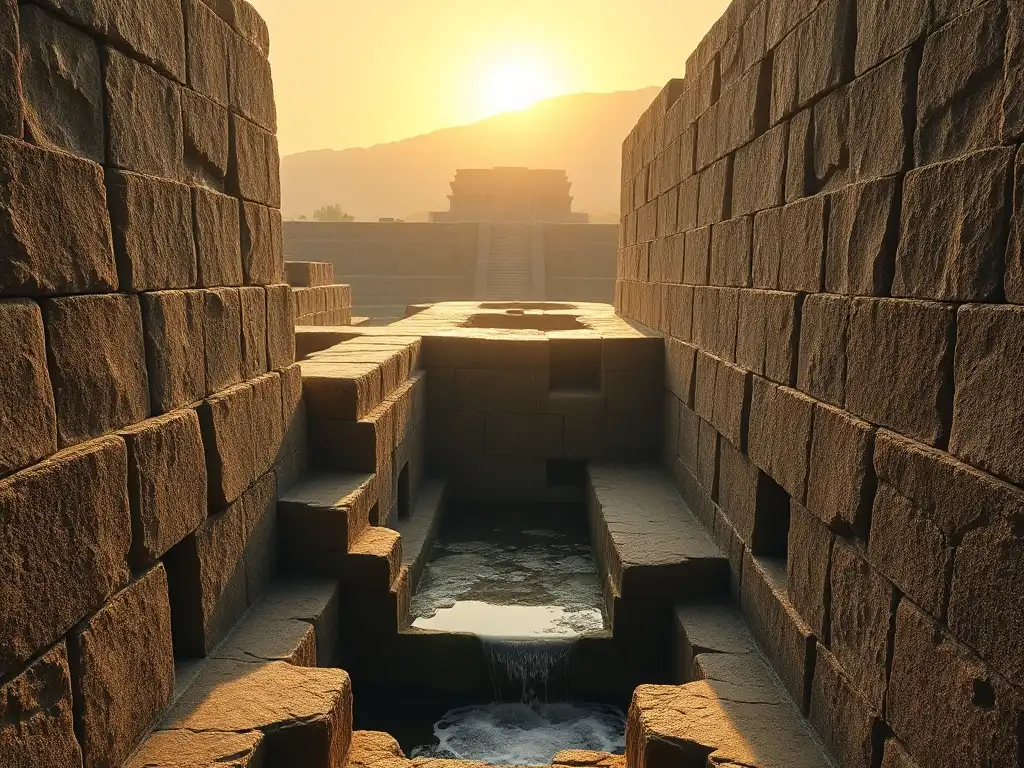
The Chavín culture, flourishing in the Andes from approximately 1200 to 200 BCE, demonstrated remarkable architectural and engineering prowess, particularly in their sophisticated water management systems. Their success wasn't merely about building impressive structures; it was fundamentally tied to their ability to harness and control water, a resource crucial for survival and the development of their complex society.
This section delves into the ingenuity of Chavín hydraulic engineering, examining their techniques and the impact on their civilization. Understanding their mastery of water control offers valuable insight into their societal organization, agricultural practices, and overall technological advancement, solidifying their place as pioneers in Andean Chavín architecture engineering techniques.
Water Management Systems in Chavín
Chavín de Huántar, the principal archaeological site, showcases the complexity of their water management. The site wasn't randomly placed; it was strategically located to take advantage of natural water sources. Archaeological evidence reveals a meticulously planned system of canals, aqueducts, and drainage channels integrated into the very fabric of the city. These weren't simple ditches; they were engineered structures, often lined with stone and carefully graded to ensure efficient water flow.
The scale of these systems is impressive, suggesting a considerable workforce and sophisticated understanding of hydraulic principles. Specific examples include the intricate network of canals that channeled water from nearby springs and streams to various parts of the ceremonial center, and the sophisticated drainage systems that prevented flooding during the rainy season. This efficient Chavín architecture engineering techniques allowed for the sustained growth and prosperity of the culture.
The construction involved precise stonework, demonstrating a deep understanding of hydrology and engineering principles. The system's longevity, evident in surviving remnants, speaks to the durability and effectiveness of their design. Furthermore, the integration of the water systems with the religious architecture suggests a profound connection between water, spirituality, and the Chavín worldview. Detailed studies are still underway to fully understand the intricate workings of these systems, but preliminary findings reveal an advanced understanding of water pressure, flow control, and erosion prevention, showcasing remarkable Chavín architecture engineering techniques.
The Function of Canals and Drainage Systems
The Chavín canals served multiple purposes beyond simply providing water for drinking and domestic use. They played a crucial role in agriculture, irrigating terraced fields in the surrounding valleys. The controlled flow of water allowed for efficient crop cultivation, supporting a larger population and contributing to the economic prosperity of the Chavín civilization.
The precise alignment and grading of the canals suggest a deep understanding of topography and water management. Moreover, the canals likely served a symbolic function, reflecting the importance of water in the Chavín cosmology. Evidence suggests that the water channels were carefully integrated into the layout of the ceremonial center, possibly representing sacred pathways or conduits of life-giving energy.
Drainage systems were equally vital, preventing damage to structures and ensuring the hygiene of the city. The sophisticated drainage channels effectively diverted rainwater and wastewater away from the main ceremonial areas, preventing flooding and erosion. The design of these systems demonstrates an advanced understanding of hydraulics and engineering principles, crucial for maintaining the integrity of the city's infrastructure.
The effective Chavín architecture engineering techniques found in these systems are a testament to the advanced understanding of the civilization's engineers. The precise construction and integration of these systems into the broader urban landscape highlight the sophisticated planning and organization of the Chavín society. Further research is needed to fully understand the nuanced functions of every canal and drainage system, but initial findings highlight the ingenuity of these Chavín architecture engineering techniques.
Chavín's Mastery of Water Control
Chavín's mastery of water control was not merely a technological achievement; it was a testament to their organizational capabilities and societal structure. The construction and maintenance of such extensive water systems required coordinated effort, specialized labor, and a centralized authority capable of mobilizing resources and directing large-scale projects. This suggests a complex social hierarchy and a sophisticated system of governance, capable of planning and executing ambitious infrastructure projects.
The success of their water management systems contributed significantly to the stability and prosperity of the Chavín civilization, allowing them to thrive in a challenging Andean environment. The sophisticated Chavín architecture engineering techniques allowed them to build a complex society that lasted for centuries.
The impact of Chavín's water management extends beyond their immediate environment. Their innovative techniques and engineering solutions likely influenced subsequent Andean cultures, shaping the development of water management practices across the region. Their legacy continues to inspire modern engineers and researchers, demonstrating the enduring relevance of their achievements.
Their mastery of water control serves as a powerful example of how technological innovation can contribute to the growth and sustainability of a civilization, highlighting their remarkable Chavín architecture engineering techniques and their lasting impact on Andean history. The study of Chavín's hydraulic engineering provides invaluable insights into the ingenuity, organizational capacity, and technological sophistication of this remarkable pre-Columbian culture.
Chavín de Huántar: A Case Study in Architectural Engineering
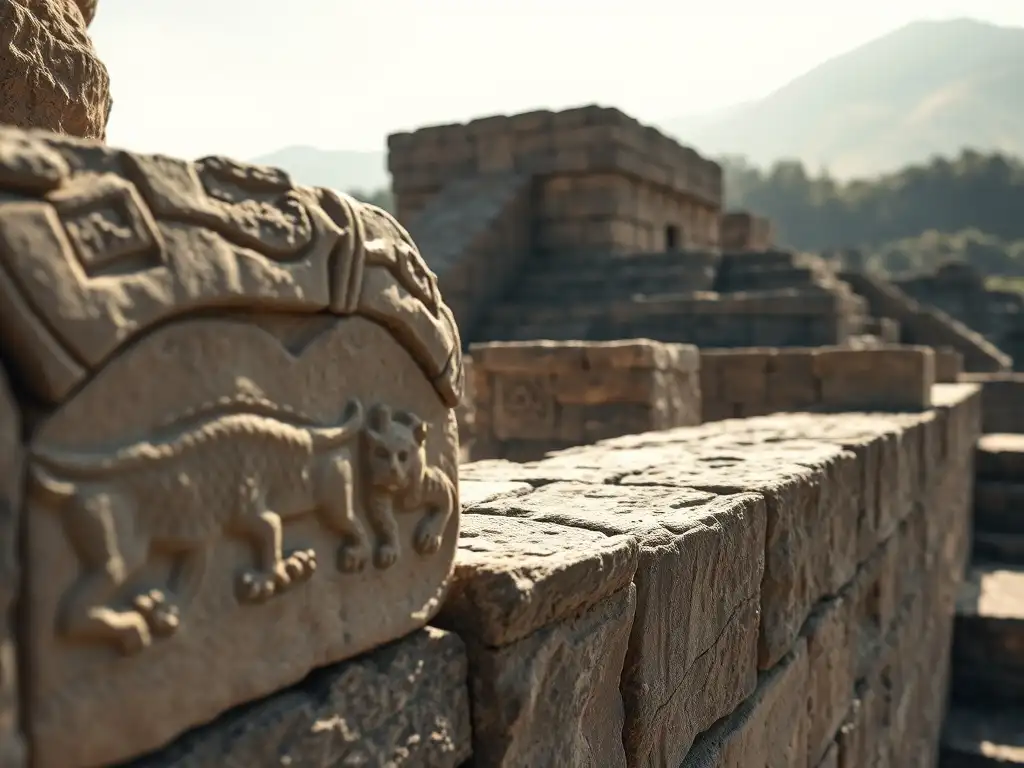
Chavín de Huántar, located in the Andes Mountains of Peru, stands as a testament to the sophisticated architectural engineering techniques employed by the Chavín culture (c. 1200-200 BCE). This monumental complex, built over centuries, showcases impressive mastery of stonework, hydraulics, and spatial planning, demonstrating a deep understanding of both practical construction and symbolic representation. The site's enduring legacy lies not only in its aesthetic grandeur but also in the innovative engineering solutions employed to overcome the challenges of the Andean landscape.
Understanding Chavín architecture engineering techniques requires a detailed examination of its design and construction. The ingenuity displayed in the site's construction offers valuable insights into the technological capabilities and worldview of this influential pre-Inca civilization.
Analyzing the Layout of Chavín de Huántar
The layout of Chavín de Huántar is far from haphazard; it's a carefully planned arrangement of interconnected structures, plazas, and passages, designed to manipulate the movement and experience of visitors. The complex is built on a series of platforms, skillfully terraced into the hillside, maximizing usable space while integrating seamlessly with the natural topography. This demonstrates an advanced understanding of surveying and land management, crucial for large-scale construction projects. The central plaza, for instance, functions as a focal point, directing movement towards the main temple structures.
The use of multiple levels and strategically placed openings creates a sense of mystery and controlled progression. This deliberate manipulation of space and light enhances the overall spiritual and ritualistic impact of the site. Furthermore, the complex's orientation appears to be aligned with astronomical events, suggesting a sophisticated understanding of celestial movements and their integration into architectural design.
This precise planning, coupled with the masterful execution of the construction, exemplifies the advanced engineering capabilities of the Chavín. Detailed analysis of the site's layout reveals a remarkable level of planning and foresight, far beyond what many scholars previously attributed to pre-Inca societies.
The Complex Network of Galleries and Passages
The intricate network of galleries and passages within Chavín de Huántar is a striking feature of the site. These narrow, labyrinthine corridors, often featuring changes in elevation and unexpected turns, are not simply functional pathways but integral components of the overall design. The architectural engineering techniques used to create these passages are impressive, considering the precision needed to carve and fit massive stones together with minimal mortar. Many passages are deliberately constricted, forcing visitors to navigate slowly and attentively, enhancing the sensory experience and potentially evoking feelings of awe and reverence.
The use of acoustics within these passages is another fascinating aspect. Some galleries are designed to amplify and resonate certain sounds, creating a mystical atmosphere. This suggests an understanding of sound engineering, potentially employed to enhance ritualistic experiences within the complex.
The intricate network of passages is not only a remarkable feat of engineering but also a powerful symbolic representation of the Chavín worldview, highlighting the importance of controlled movement and the manipulation of sensory experiences. Evidence suggests that the passages were also used to manage water flow and ventilation within the complex, highlighting the multifaceted nature of their design.
The Significance of the Lanzón Monolith in the Temple
The Lanzón, a massive, intricately carved monolith of andesite, is arguably the most significant element of the Chavín de Huántar temple. This towering stone sculpture, depicting a deity with feline features, is not merely a decorative element but a central focus of the complex's religious and ritualistic practices. Its placement deep within the temple, accessible only through a series of winding passages, emphasizes its importance and sacredness. The engineering feat of carving, transporting, and erecting such a massive stone, weighing an estimated 16 tons, is a testament to the advanced skills and organizational capabilities of Chavín engineers.
The Lanzón's position within the temple's architecture is also crucial. Its carefully calculated placement within the complex's intricate network of passages and chambers suggests a deliberate attempt to manipulate the flow of people and to heighten the spiritual impact of the monolith. The intricate carvings on the Lanzón itself are also significant, revealing a complex iconography that reflects the Chavín's cosmology and religious beliefs.
Studying the Lanzón's position and the techniques used to create and install it provides crucial insights into Chavín architecture engineering techniques and their religious and symbolic practices. The sheer scale of the Lanzón, its intricate detail, and its strategic placement within the temple complex all contribute to its immense significance within the broader context of Chavín culture. Further research into the precise methods employed in its creation and installation could reveal even more about Chavín's engineering prowess and their deep understanding of stone manipulation.
The Influence of Chavín Architecture on Later Cultures
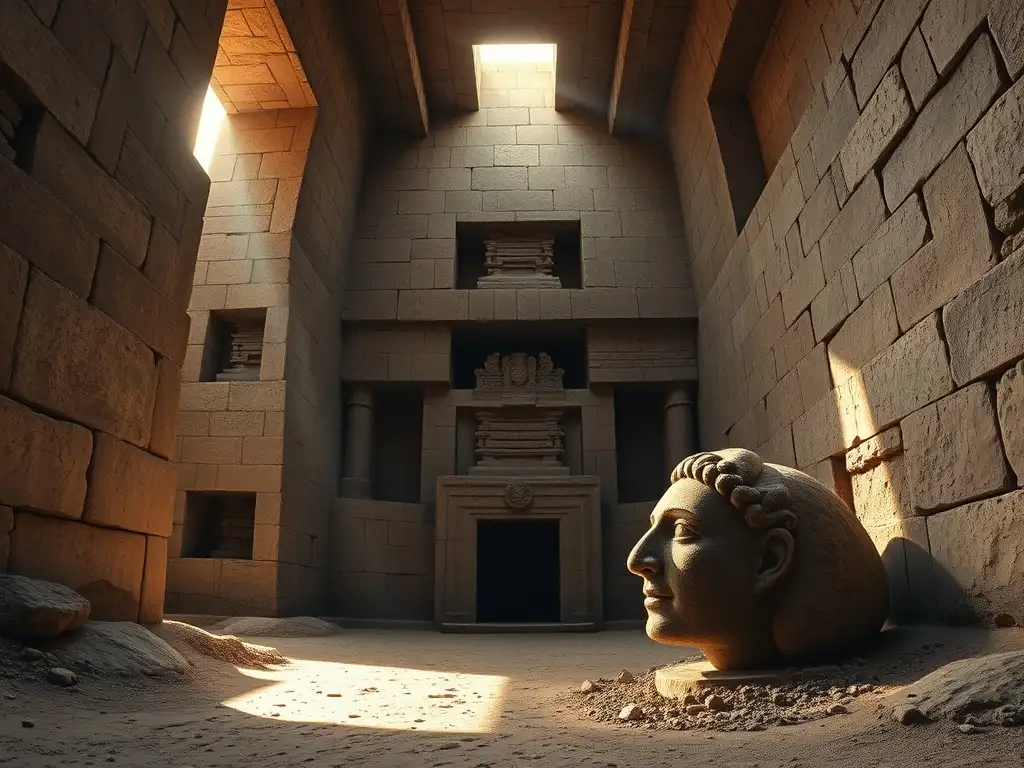
Chavín's Legacy in Subsequent Andean Architectural Styles
Chavín de Huántar's architectural innovations weren't confined to its own monumental structures. The distinctive style, masterful engineering techniques, and symbolic iconography profoundly influenced subsequent Andean architectural styles, leaving an indelible mark on the development of later cultures. The characteristic use of massive stone blocks, precisely fitted without mortar – a hallmark of Chavín engineering – is clearly visible in later constructions.
This sophisticated approach to stonework, demonstrating a deep understanding of structural mechanics and material properties, became a standard for many succeeding civilizations. The influence extends beyond mere techniques; the very layout and organization of spaces, including the use of plazas, sunken courts, and labyrinthine passages, echo in later Andean sites. This suggests a cultural transmission of architectural principles and perhaps even the migration of skilled artisans and architects.
For example, the use of similar stone-cutting techniques and building layouts can be observed in sites such as [Specific site name pending], highlighting the enduring legacy of Chavín architectural mastery. The iconic Chavín style, characterized by its intricate carvings and zoomorphic motifs, also served as a template for decorative elements in later cultures. These motifs, often depicting jaguars, serpents, and other powerful creatures, became widespread, demonstrating the cultural impact and prestige associated with Chavín artistry and its architectural expression.
Traces of Chavín Engineering in other Pre-Incan Sites
The influence of Chavín's sophisticated engineering is not solely reflected in stylistic similarities but also in the practical application of their techniques in geographically distant locations. Analyzing the construction methods at various sites reveals a surprising degree of consistency, suggesting a network of knowledge exchange and perhaps even direct involvement of Chavín specialists. For instance, the precise fitting of stones, the use of sophisticated drainage systems, and the integration of architectural features with the surrounding landscape, all hallmarks of Chavín architecture, are replicated in sites like [Specific site name pending] and [Specific site name pending].
This geographical spread of advanced engineering practices underscores the significant role Chavín played in shaping the technological landscape of the Andes. The challenge lies in disentangling the direct influence from independent innovation. Further research employing techniques like isotopic analysis of building materials and comparative studies of architectural plans could provide more definitive answers regarding the extent of Chavín’s direct contribution.
However, the similarities are striking enough to suggest a significant transmission of knowledge, either through direct migration of artisans or through a broader cultural exchange network. Understanding the extent of this diffusion is crucial to fully appreciating the widespread impact of Chavín's architectural expertise.
The Enduring Impact of Chavín's Architectural Innovations
The legacy of Chavín architecture extends far beyond its immediate temporal and geographical context. Its impact on subsequent Andean civilizations is undeniable, shaping the aesthetic and technological trajectories of later cultures. The mastery of stonework, the innovative use of space, and the symbolic richness of its designs continue to inspire awe and admiration.
The meticulous planning and execution of its structures stand as a testament to the advanced knowledge and organizational capabilities of the Chavín people. The "Chavín style," with its distinctive iconography and architectural features, became a powerful symbol of cultural identity and prestige, influencing artistic and architectural developments for centuries. The echoes of Chavín's engineering prowess are clearly visible in later Andean sites, underscoring its significant contribution to the development of Andean architectural traditions.
This lasting influence showcases the profound and enduring impact of Chavín's architectural achievements on the cultural landscape of the Andes, highlighting the importance of studying this civilization to understand the broader trajectory of Andean architectural development. The study of Chavín architecture, therefore, provides invaluable insights into the technological and cultural evolution of the region, demonstrating the sophistication and ingenuity of the Andean civilizations. The sophisticated techniques employed in Chavín architecture, including precise stone fitting and advanced drainage systems, continued to be refined and adapted by later cultures, showcasing the continuous innovation within the Andean world.
Preserving Chavín's Architectural Heritage
The remarkable architectural achievements of the Chavín culture, dating back to 900-200 BCE, present a significant challenge for modern preservation efforts. Understanding the engineering techniques employed by the Chavín is crucial not only for appreciating their ingenuity but also for developing effective conservation strategies. Their mastery of stonework, water management, and complex spatial design necessitates a multifaceted approach to ensure the longevity of these invaluable sites.
The delicate balance between preserving authenticity and enabling access for researchers and the public requires careful consideration and ongoing adaptation. This section will explore the ongoing research, conservation challenges, and the overall importance of safeguarding Chavín's architectural legacy for future generations.
Ongoing Archaeological Research at Chavín Sites
Ongoing archaeological research at Chavín de Huántar and other related sites plays a vital role in informing preservation strategies. Detailed studies of the stonework, including the types of stone used, the methods of quarrying, transport, and construction, are providing crucial insights into Chavín engineering. For example, recent research has revealed innovative techniques in stone fitting, showcasing a precision that surpasses many later Andean building traditions. Researchers are employing advanced technologies such as 3D laser scanning and ground-penetrating radar to create detailed digital models of the structures, allowing for a more thorough understanding of their internal composition and structural integrity.
This non-invasive approach minimizes further damage to the already fragile sites while providing invaluable data for conservation planning. Analysis of the site's microclimate and the effects of environmental factors, such as seismic activity and rainfall, is also an important component of ongoing research. Understanding these factors is crucial for mitigating future damage and developing appropriate conservation measures.
The meticulous documentation of every aspect of the Chavín structures—from the intricate carvings to the subtle variations in stone placement—is essential for creating accurate records and informing future restoration projects. This detailed approach ensures that any future interventions are informed by the most accurate and complete understanding possible. Furthermore, ongoing research into the social and cultural context of Chavín architecture provides crucial context for understanding the significance of these structures and informs the ethical considerations surrounding their preservation.
Challenges in Conserving Ancient Chavín Structures
Conserving Chavín structures presents numerous challenges. The age and fragility of the buildings, combined with exposure to the elements and the effects of human activity, contribute to significant deterioration. The unique geological conditions of the region, including seismic activity and heavy rainfall, further exacerbate the problem. One major challenge is the development of sustainable conservation techniques that are both effective and respectful of the historical integrity of the sites. Many traditional conservation methods may not be suitable for the specific materials and construction techniques used by the Chavín.
Finding materials that are compatible with the original stone and mortar is a crucial consideration. The use of modern materials must be carefully evaluated to avoid compromising the authenticity of the structures. Another significant hurdle is the balance between preservation and accessibility. Making these sites accessible to researchers and the public while minimizing damage is a constant challenge. The development of effective visitor management strategies is critical.
This includes limiting the number of visitors, implementing controlled access routes, and providing educational programs to increase awareness of the importance of preserving these sites. Funding limitations also pose a significant obstacle. The cost of research, conservation, and site management is substantial, requiring sustained investment from governmental and private sources. The lack of adequately trained specialists in the conservation of ancient Andean architecture further complicates the challenge. Training programs and collaborations between international experts are essential to address this shortage.
The Importance of Protecting Chavín's Legacy
Protecting Chavín's architectural heritage is of paramount importance for several reasons. These structures represent a remarkable feat of engineering and provide invaluable insights into the advanced technological capabilities of the Chavín culture. Their preservation allows us to understand the ingenuity and resourcefulness of this ancient civilization, challenging preconceived notions about the technological capabilities of pre-Columbian societies. Moreover, these sites are integral to the cultural identity of Peru and represent a significant part of the country's heritage.
Preserving these sites ensures that future generations can appreciate and learn from the achievements of their ancestors. The conservation of Chavín architecture also contributes to the broader field of archaeological preservation, advancing knowledge and techniques applicable to the preservation of other ancient sites around the world. The unique combination of architectural features, artistic expression, and societal organization makes Chavín de Huántar a site of global significance, deserving of the highest level of protection and research.
Furthermore, the tourism potential of these well-preserved sites contributes significantly to the local economy, providing employment and economic opportunity for communities in the surrounding areas. Therefore, the protection of Chavín's legacy is not merely a matter of historical preservation; it is also a matter of cultural, economic, and social sustainability. The ongoing effort to understand and protect Chavín architecture is a testament to the enduring value of this remarkable civilization and its lasting impact on the world.
Frequently Asked Questions
What innovative architectural techniques did the Chavín culture employ?
The Chavín people were masters of stonework, employing techniques like precise cutting and fitting of massive stones without mortar, showcasing advanced understanding of engineering and construction. They also skillfully integrated their structures into the landscape.
How did the Chavín manage to build such large structures without advanced tools?
Their success stemmed from a combination of factors including sophisticated organizational skills, detailed planning, and the use of relatively simple, yet effective tools like stone hammers and chisels, along with possibly lever systems and ramps.
What are some key features of Chavín architecture that demonstrate their engineering prowess?
Massive platforms, intricate stone carvings, and the integration of water management systems into their structures are testament to their advanced understanding of engineering principles and their ability to manipulate their environment.
How did the Chavín's understanding of engineering influence later Andean cultures?
Chavín's advanced techniques in stonework and construction significantly influenced subsequent Andean civilizations, such as the Moche and Inca, who built upon their innovations and adapted them to their own contexts.
Where can I see examples of Chavín architecture and engineering today?
The Chavín de Huántar site in Peru is the most significant example, showcasing monumental architecture and intricate stonework. Other smaller sites across the Andes also exhibit their characteristic style and techniques.
Final Reflection: Echoes of Ingenuity: Chavín's Enduring Legacy
The sophisticated engineering techniques employed by the Chavín culture remain a testament to human ingenuity, a powerful reminder that even without modern tools, societies could achieve architectural marvels that continue to inspire awe and wonder. Their understanding of structural mechanics, material science, and even basic hydrology, as demonstrated in the intricate water management systems of Chavín de Huántar, surpasses many assumptions about pre-Columbian civilizations. This is not simply a historical curiosity; it's a potent challenge to our modern assumptions about technological progress.
The impact of Chavín architecture extends far beyond its physical presence. It represents a profound understanding of the relationship between humans and their environment, a symbiotic relationship that we are only beginning to fully appreciate in our own time. The very existence of these structures, defying the limitations of their era, speaks volumes about human potential. The past is never dead. It's not even past.
– William Faulkner. This quote perfectly encapsulates the enduring relevance of Chavín's achievements; their ingenuity continues to resonate, prompting us to reconsider our own relationship with the past and the possibilities of the future.
Consider the ingenuity of the Chavín people, their ability to overcome seemingly insurmountable obstacles. Now, consider your own challenges. What seemingly insurmountable obstacles are you facing? How can the spirit of innovation and resilience demonstrated by the Chavín inspire you to find creative solutions and achieve your own goals? Let the echoes of their ingenuity reverberate within you, fueling your own creativity and inspiring you to build your own monuments to human potential.
Unveil the Wonders of Chavín Architecture!
Thank you for exploring the remarkable engineering achievements of the Chavín civilization. You've witnessed the ingenuity of their architectural designs, which have remarkably withstood the passage of time. Now, let's delve even deeper into this fascinating world!
Here's how you can continue your journey:
- **Visit** a local museum or explore an online exhibit showcasing ancient Andean cultures to experience these architectural wonders firsthand.
- **Connect** with a community group or online forum dedicated to Andean civilizations to share your insights and discoveries with fellow enthusiasts.
- **Volunteer** for a preservation project to help maintain and promote the heritage of the Chavín and other ancient civilizations.
Which architectural marvel sparked your interest in the engineering achievements of the past? Share your thoughts in the comments below!