
The Lanzón Stela: A Journey into the Heart of Chavín Cosmology

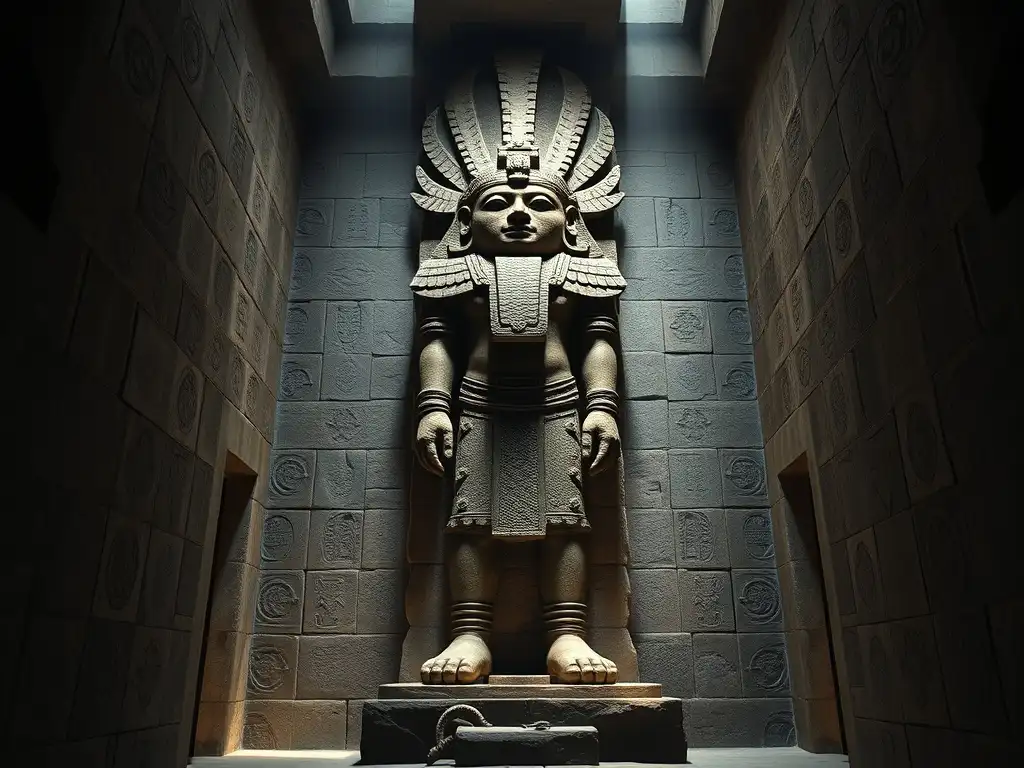
Uncover the mysteries of a world lost to time. Step into the heart of the Andes and embark on a captivating journey through the remarkable achievements of ancient civilizations, from the intricate artistry of the Nazca to the formidable power of the Inca. But first, let’s delve into the enigma of the Chavín Lanzón Stela; its meaning holds a key to understanding the very foundation of Andean cosmology. Dare to explore the secrets etched in stone – discover its significance and unlock the ancient wisdom of a civilization that continues to fascinate and inspire.
The Chavín culture, flourishing in the Andes Mountains of Peru between 900 and 200 BCE, remains one of the most enigmatic and influential pre-Columbian societies. Their sophisticated religious beliefs, reflected in their monumental architecture and intricate art, continue to fascinate archaeologists and historians alike. Central to the Chavín worldview is the Lanzón Stela, a monolithic sculpture that stands as a powerful testament to their cosmology and religious practices.
This article delves into the significance of the Lanzón, exploring its iconography, potential meanings, and its role within the broader context of Chavín religious life. Understanding the Lanzón Stela is key to unlocking a deeper understanding of Chavín culture and its lasting impact on subsequent Andean civilizations.
We will explore what makes this artifact so important, examining its artistic features, its place within the Chavín de Huántar temple, and the interpretations scholars have offered regarding its meaning. The journey will reveal the complexities of Chavín belief systems and the enduring power of this remarkable sculpture.
The Lanzón's Physical Attributes and Location
The Lanzón Stela is a massive, imposing sculpture carved from a single block of grey-green andesite. It measures approximately 4.5 meters (15 feet) in height and is remarkably well-preserved considering its age. Its imposing size alone suggests a significant ritual importance. The sculpture is anthropomorphic, depicting a being with both human and possibly feline or supernatural features. The figure's features are highly stylized, with a large, flat face, wide eyes, and a prominent nose.
Intricate carvings adorn its body, including snakes, jaguars, and other symbolic motifs. The Lanzón is located within the main temple of Chavín de Huántar, situated in a subterranean chamber, further emphasizing its sacred status. Its placement within the temple complex suggests a central role in Chavín religious practices and ceremonies. The precise methods used to quarry, transport, and carve such a massive stone remain a testament to the advanced engineering skills of the Chavín people.
Iconographic Interpretations and Symbolism
The Lanzón's iconography is rich and complex, sparking numerous interpretations among scholars. The figure's features, adorned with various symbols and creatures, are believed to represent a powerful deity or a manifestation of the supernatural world. The snakes, often associated with water and fertility, might symbolize the life-giving forces of nature. Jaguars, revered for their power and strength, could represent the spiritual world or shamanistic abilities. The interpretation of these symbols is often debated, with scholars proposing varied connections to Chavín cosmology and religious beliefs.
Some scholars suggest the Lanzón represents a deity associated with both life and death, a duality reflected in the intertwining of both positive and negative symbols on the stela. Others propose it symbolizes a shaman or a powerful leader, emphasizing the figure's role in mediating between the human and supernatural realms.
The Lanzón and Chavín Cosmology: A Synthesis of Interpretations
The Lanzón's role within Chavín cosmology is still a subject of ongoing research and debate. However, its placement at the heart of the Chavín de Huántar temple complex strongly suggests its central importance in their religious beliefs. The intricate carvings, the imposing size, and the subterranean location all contribute to the Lanzón’s perceived power and sacredness.
Considering the various interpretations of its iconography, it is likely the Lanzón represented a complex synthesis of Chavín religious beliefs, embodying their understanding of the cosmos, the supernatural world, and their relationship with the natural environment. The figure likely served as a focal point for rituals and ceremonies, facilitating communication with the divine and reinforcing the social order. Further research and analysis of the Lanzón, combined with continued archaeological excavations at Chavín de Huántar, promise to further illuminate the complexities of Chavín culture and the true meaning of this remarkable artifact.
The Lanzón Stela continues to stand as a powerful symbol of Chavín ingenuity and spiritual beliefs, a testament to the rich and complex history of Andean civilizations. Its enduring mystery continues to captivate and inspire, inviting further exploration and understanding.
- The Lanzón's Physical Attributes and Location
- Iconographic Interpretations and Symbolism
- The Lanzón and Chavín Cosmology: A Synthesis of Interpretations
Introduction to the Lanzón Stela and its Significance
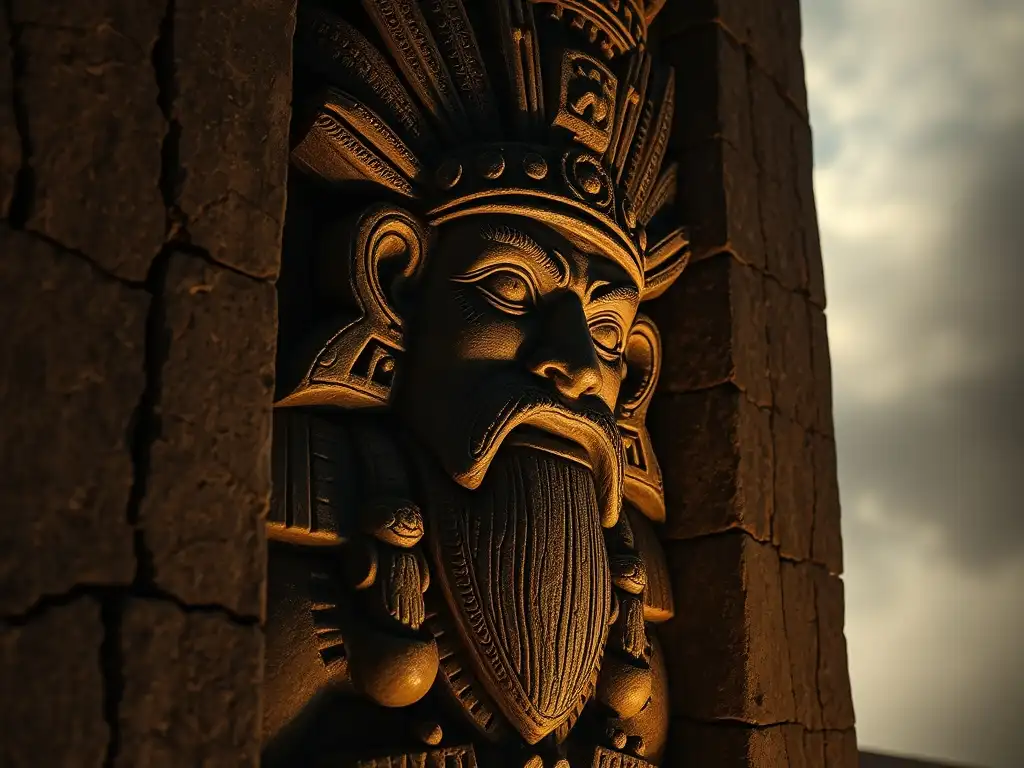
The Lanzón Stela, a monolithic sculpture standing over 15 feet tall, is arguably the most iconic artifact of the Chavín culture. Located within the central temple of the Chavín de Huántar archaeological site in the Andes mountains of Peru, this imposing figure represents a powerful deity and serves as a crucial key to understanding the complex cosmology and religious beliefs of this pre-Incan civilization. The very meaning of the Lanzón Stela is a subject of ongoing scholarly debate, but its undeniable influence on Chavín society and its artistic legacy is unquestionable.
Its intricate carvings, symbolic representations, and sheer scale speak volumes about the sophistication and religious fervor of the Chavín people. The Lanzón Stela's significance extends beyond its artistic merit; it embodies the power and mystery of the Chavín culture, captivating researchers and visitors alike for centuries.
Understanding its meaning provides a crucial window into the spiritual life and societal structure of this formative Andean civilization. Analyzing its iconography allows for a deeper comprehension of Chavín religious beliefs, social hierarchy, and their interaction with the natural world.
Unveiling the Mystery of the Chavín Lanzón
The Lanzón Stela, carved from a single block of white granite, depicts a powerful, anthropomorphic figure. Its features are both human and supernatural, blending elements of feline, avian, and reptilian forms. The deity's face is often described as fierce, with wide, staring eyes, and a fanged mouth. Running down its body are numerous intricate carvings which represent various symbolic elements including snakes, jaguars, and other animals crucial to Chavín iconography.
Scholars have proposed various interpretations of these symbolic elements, some suggesting they represent the forces of nature, while others see them as representing the different levels of the Chavín cosmology. The exact meaning remains elusive, requiring further investigation and interdisciplinary approaches to decipher its fully intended message. The Lanzón’s placement deep within the Chavín de Huántar temple further emphasizes its sacred importance, suggesting it was a focal point for rituals and ceremonies.
Furthermore, the sheer size and craftsmanship involved in creating the Lanzón Stela speaks to the advanced technological capabilities and organized labor force of the Chavín civilization. Evidence suggests that its creation involved a complex process of quarrying, transportation, carving, and placement, all executed with remarkable precision. The Lanzón Stela's creation and placement, therefore, were not merely artistic endeavors, but monumental acts of religious and social significance.
The Lanzón Stela as a Key to Understanding Chavín Culture
The Lanzón Stela isn't just a beautiful carving; it's a fundamental element in understanding the broader Chavín culture. Its iconography provides invaluable insight into their worldview, offering clues to their religious practices, social structures, and interaction with their environment. The presence of recurring motifs, such as the jaguar and serpent, suggests a complex system of beliefs centered around powerful deities and the forces of nature.
The Lanzón Stela's features – its fangs, claws, and other animalistic elements – may represent the power and ferocity of these deities, reflecting the Chavín people's deep respect for and connection to the natural world. The intricacy of the carvings points towards a highly developed artistic tradition, and the sheer scale of the sculpture demonstrates the organizational capacity and engineering skills of the Chavín civilization. Analyzing the Lanzón Stela in conjunction with other archaeological findings from Chavín de Huántar, such as ceramics and textiles, allows for a more comprehensive understanding of Chavín society and its place within the broader context of Andean prehistory.
The Lanzón Stela's enduring presence and its continued study serve as a testament to the lasting impact and enduring mystery of the Chavín culture. Further research, utilizing advanced technologies and interdisciplinary approaches, will undoubtedly continue to shed light on the multifaceted meaning of this remarkable artifact and its significance within the Chavín worldview. The Lanzón Stela, therefore, remains a compelling example of the power of art to transmit cultural values and beliefs across time.
The Physical Characteristics of the Lanzón Stela
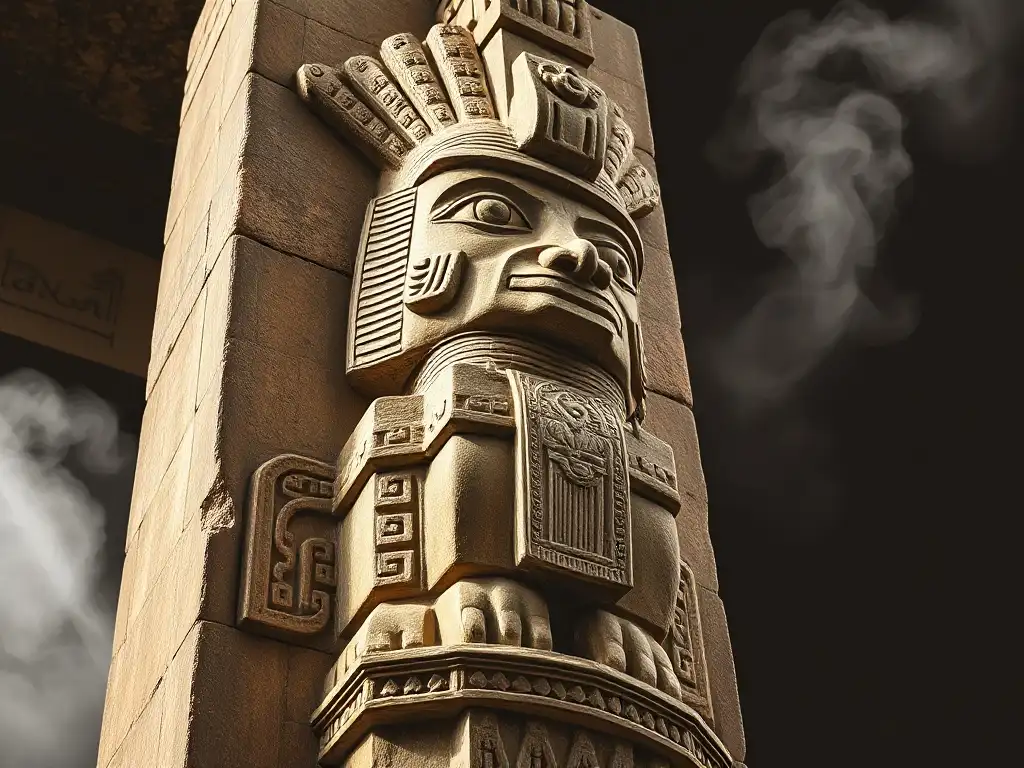
The Lanzón Stela, a monumental carved stone, stands as a central artifact in understanding Chavín cosmology. Its sheer size and intricate carvings command attention, instantly conveying the power and sophistication of the Chavín culture. The sheer scale of the Lanzón alone suggests its importance within the religious and societal structure of Chavín de Huántar. Understanding its physical attributes is crucial to interpreting its symbolic meaning.
Dimensions and Material of the Chavín Lanzón Stone
The Lanzón is a monolithic sculpture, carved from a single block of grey granite. Its imposing dimensions are striking: approximately 4.5 meters (15 feet) in height, a testament to the engineering prowess of the Chavín people. The precise weight is difficult to determine without precise measurements and material density analysis, however, estimates place it in the several tons range.
The granite itself likely originated from a quarry some distance from Chavín de Huántar, highlighting the extensive logistical operations necessary for the Lanzón's creation and transportation. This feat of engineering underscores the importance placed on this sacred object. The choice of granite, a durable and visually striking material, further reinforces its intended permanence and symbolic weight.
The stone's natural imperfections were incorporated into the design, a testament to the Chavín's respect for the material itself. Further research into the exact quarrying location and transportation methods could offer valuable insights into Chavín society's organization and capabilities.
Detailed Iconography: Decoding the Lanzón's Imagery
The Lanzón's surface is densely covered with intricate carvings, a complex tapestry of symbolic representations that reflect Chavín religious beliefs. The imagery is predominantly zoomorphic, featuring a central figure often interpreted as a deity, characterized by feline features such as fangs, claws, and a powerful, predatory stance. These feline attributes are frequently associated with power, hunting, and shamanistic abilities in Andean cultures.
The deity's body is adorned with various symbols, including serpent-like motifs, possibly signifying fertility, water, and the underworld. Other recurring elements include stylized eyes, often depicted in a wide, staring gaze, and geometric patterns that could represent cosmological ideas or abstract concepts. The interpretation of these symbols is ongoing, with scholars debating the precise meanings and interrelationships between different iconographic elements.
However, there’s a consensus that the Lanzón’s imagery reflects a complex worldview that integrates the natural world with supernatural forces. The style of carving, characterized by its depth and precision, suggests a highly skilled artisan workforce, capable of executing complex designs on a monumental scale. Analyzing the placement and layering of the carvings reveals a sophisticated understanding of three-dimensional space and perspective.
The Lanzón's Position within the Chavín Temple
The Lanzón’s placement within the Chavín de Huántar temple complex is not accidental; it occupied a position of paramount importance. Situated deep within the temple's subterranean galleries, the Lanzón was not readily visible, requiring a deliberate journey to reach it. This inaccessibility likely served to enhance its sacred aura, reinforcing its role as a focal point of religious ritual. The Lanzón was not merely an object of veneration; it was actively integrated into the temple's architecture and ritual practices.
The surrounding space was carefully designed to channel and control the movement of people, leading them towards the Lanzón in a processional manner. The placement suggests that the Lanzón served as a conduit between the earthly and spiritual realms, a point of contact between the human and divine. It's likely that rituals involving offerings, sacrifices, and perhaps even shamanistic trances were performed in its presence.
The precise nature of these rituals remains a subject of ongoing research and interpretation, but the Lanzón's central location clearly indicates its significance within the Chavín religious system. Further archaeological investigation of the surrounding area could uncover additional artifacts and evidence that sheds more light on the Lanzón's role in Chavín ceremonial life. The careful arrangement of the Lanzón within the temple's architecture, combined with its powerful iconography, makes it a key element in understanding Chavín cosmology and religious practices.
Decoding the Chavín Lanzón Stela Meaning
The Chavín Lanzón Stela, a monolithic sculpture unearthed at the Chavín de Huántar archaeological site in the Andes Mountains of Peru, stands as a testament to the sophisticated religious beliefs and artistic capabilities of the Chavín culture (c. 900 – 200 BCE). Understanding its meaning requires delving into the intricate symbolism etched into its imposing form. The Lanzón, meaning "great lance" in Spanish, is far more than just a carved stone; it's a window into the heart of Chavín cosmology and its powerful influence on the Andean world.
This section will explore different interpretations of the Lanzón Stela's meaning, examining its depiction of a powerful deity, its symbolic motifs, and its connection to wider Chavín religious beliefs. The phrase "Chavín Lanzón Stela meaning" itself highlights the enduring mystery and fascination surrounding this artifact.
The Lanzón Stela's Depiction of a Powerful Deity
The Lanzón Stela's most striking feature is its depiction of a powerful, possibly anthropomorphic, deity. The figure, carved from a single block of granite, is characterized by a fierce, almost terrifying expression. Its features are exaggerated and stylized, reflecting the Chavín artistic style which emphasized sharp angles, geometric patterns, and a sense of overwhelming power.
The deity's face is often interpreted as having feline characteristics, possibly linking it to jaguars, which were revered animals in Chavín culture. The figure's hands are often described as clawed, further emphasizing its powerful and potentially dangerous nature. The Lanzón's height—approximately 4.5 meters—itself suggests a divine presence, towering over those who would witness it within the temple.
Some scholars propose the Lanzón represents a creator god, while others suggest it embodies a more complex, multifaceted deity with aspects of both creation and destruction. The ambiguity inherent in the representation underscores the depth and complexity of Chavín religious thought. Further research, particularly in the areas of comparative iconography and contextual analysis within the Chavín temple complex, is needed to fully clarify this aspect.
Interpreting the Symbolic Motifs on the Lanzón
Beyond the central figure, the Lanzón is covered in a dense array of symbolic motifs. These motifs, carved in low relief, include stylized jaguars, snakes, birds, and other creatures, often intertwined in complex patterns. These are not merely decorative elements; they are integral to the Lanzón's overall meaning, representing key aspects of Chavín cosmology and beliefs.
For example, the repeated depiction of jaguars likely symbolizes power, ferocity, and shamanistic abilities, reflecting the jaguar's importance in Chavín iconography and ritual practices. The presence of snakes likely represents underworld forces, fertility, and transformation. The complex interplay of these motifs suggests a multi-layered meaning, possibly representing a cosmic battle, the cyclical nature of life and death, or the interaction between the earthly and supernatural realms.
The precise interpretation of each motif remains a subject of ongoing scholarly debate, highlighting the richness and complexity of Chavín symbolism. Detailed studies of similar motifs found in other Chavín artifacts would greatly enhance our understanding.
The Lanzón Stela and its Connection to Chavín Religious Beliefs
The Lanzón Stela was not merely a decorative object; it was a central element within the Chavín temple complex at Huántar. Its placement within the temple's central gallery suggests its importance in religious rituals and ceremonies. Scholars believe the Lanzón served as a focal point for religious practices, possibly a site of offerings, prayers, or shamanistic rituals.
The dark and confined space of the gallery, combined with the Lanzón's imposing presence, likely created a powerful and awe-inspiring atmosphere conducive to religious experience. The Lanzón's prominent position reflects the central role of religious beliefs in Chavín society, where the supernatural world played a significant role in daily life. The powerful imagery and intricate symbolism of the Lanzón would have reinforced the authority of the Chavín religious elite and their control over the supernatural realm.
Further investigation into the archaeological context of the Lanzón, including the analysis of associated artifacts and residues, is essential for a more complete understanding of its function within Chavín religious practices. The impact of the Lanzón on the development of later Andean religious beliefs also warrants further study. Understanding the Chavín Lanzón Stela meaning requires considering its role within the broader context of Chavín culture and its lasting legacy.
The Lanzón Stela's Role in Chavín Rituals
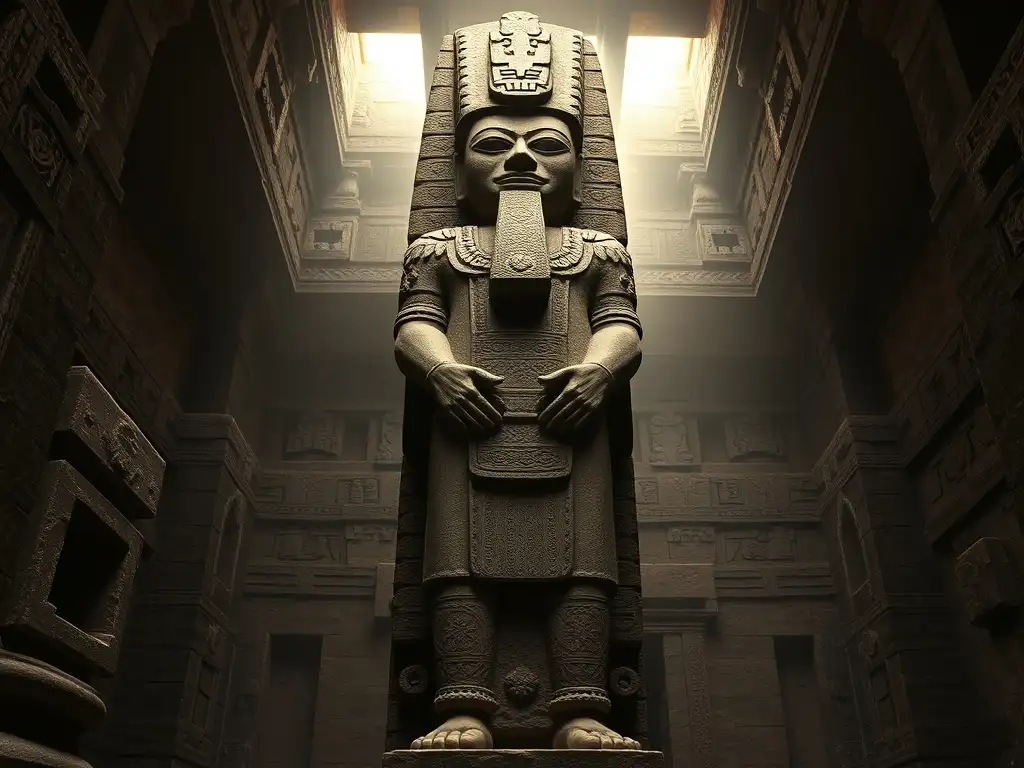
The Lanzón Stela, a monolithic sculpture standing over 15 feet tall, wasn't merely an artistic achievement for the Chavín civilization; it served as a powerful focal point for complex rituals and ceremonies. Its imposing size and intricate carvings, depicting a deity with feline and possibly other zoomorphic features, suggest a central role in their religious beliefs and practices. Understanding the Lanzón's role requires examining its placement within the Chavín de Huántar temple complex and considering the evidence of ritual activity discovered during archaeological excavations. The interpretation of the Chavín Lanzón Stela meaning is deeply intertwined with these ritualistic aspects.
The Lanzón as a Focus of Chavín Ceremonies
The Lanzón was situated in a subterranean chamber, a location emphasizing its sacred and possibly otherworldly nature. Archaeological evidence suggests that this chamber wasn't simply a display space. Instead, it was likely a site for carefully orchestrated ceremonies.
The presence of carefully placed artifacts, including offerings of pottery, textiles, and possibly human remains (though this is debated among scholars), implies structured rituals involving offerings and possibly sacrifices. The sheer scale of the Lanzón itself, dominating the chamber's space, likely enhanced its power and influence during these ceremonies. The intricate carvings, with their layered symbolism and potentially hallucinogenic representations, may have played a crucial role in inducing altered states of consciousness among participants, further intensifying the ritual experience.
This suggests a highly organized, centralized religious system centered around the Lanzón and its potent symbolism. The specific nature of these ceremonies, however, remains a subject of ongoing research and interpretation, with many details still obscured by the passage of time.
The Lanzón Stela and its Association with Shamanic Practices
Many scholars link the Chavín culture's religious practices to shamanism. The Lanzón's imagery, featuring a deity with both human and animal characteristics, aligns with shamanic traditions often involving animal spirits and transformations. The subterranean location of the Lanzón further supports this hypothesis, as shamanic rituals frequently involve journeys into the underworld or other realms of the spirit world.
The intricate carvings on the Lanzón, with their depictions of potentially hallucinogenic plants, might have aided in the shamanic experience, facilitating communication with the spirit world. We can imagine shamans using the Lanzón as a conduit for accessing divine power, performing rituals aimed at healing, divination, or controlling natural forces. Further research into the iconography and context of the Lanzón's carvings could further illuminate its role in Chavín shamanic practices, deepening our understanding of the Chavín Lanzón Stela meaning within this context.
Possible Rituals: Pilgrimage, Offerings, and Divination
The Chavín de Huántar site itself was likely a pilgrimage destination for people from across the Andes. The Lanzón, as the central religious icon, would have been the ultimate focus of these pilgrimages. Pilgrims may have journeyed to the temple complex to participate in ceremonies, make offerings, or seek guidance from shamans.
Offerings found within the Lanzón chamber, such as intricately crafted pottery and textiles, suggest a system of ritual offerings, possibly linked to specific events or requests. The complex iconography of the Lanzón itself may have served as a tool for divination, with shamans interpreting the carvings to predict the future or gain insight into important events. The sheer scale and grandeur of the Lanzón, coupled with its symbolic power, likely made it a powerful instrument for both ritual practice and the reinforcement of Chavín religious authority.
The discovery of additional archaeological evidence in the coming years could significantly refine our understanding of the Chavín Lanzón Stela meaning, potentially revealing even more intricate details about these complex and fascinating rituals. The mystery surrounding the Lanzón continues to captivate researchers and enthusiasts alike, fueling ongoing efforts to unravel the secrets of this remarkable monument.
The Lanzón Stela and its Place in Andean Art History
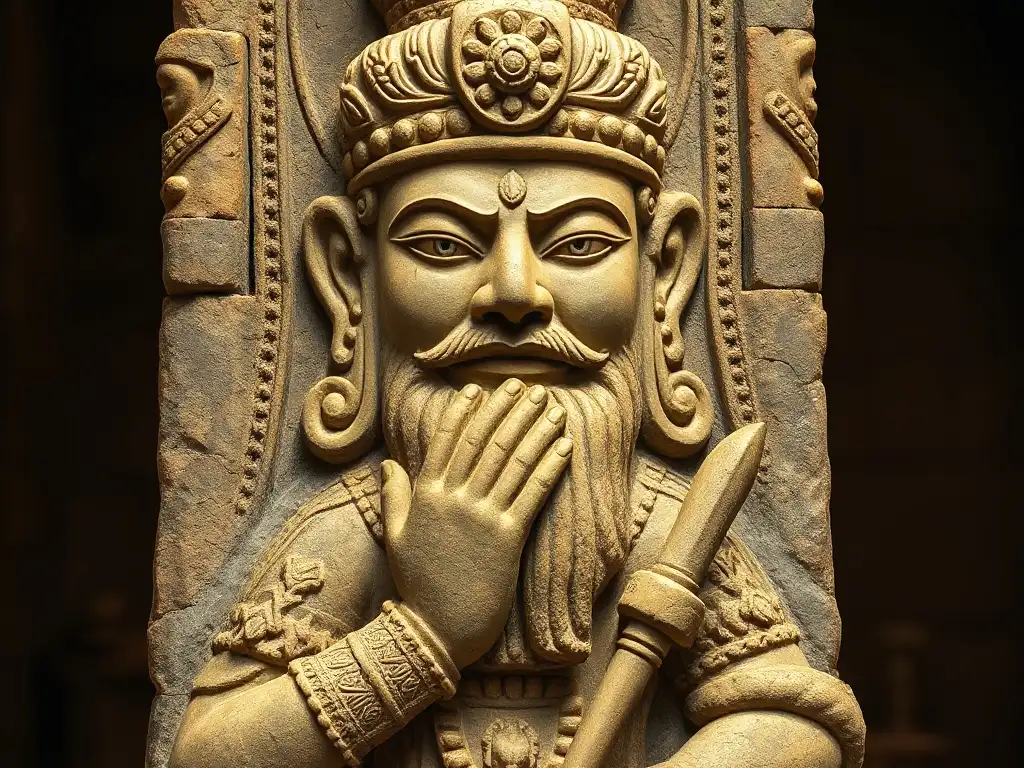
The Lanzón Stela, a monolithic sculpture standing over 4.5 meters tall, occupies a unique position within Andean art history. Its creation, estimated to be between 900 and 500 BCE, predates the rise of many well-known Andean empires, establishing it as a foundational piece in understanding the development of Andean artistic expression. The sheer scale of the Lanzón, coupled with its intricate carvings and symbolic imagery, immediately sets it apart.
Its impact extends far beyond its physical presence; the Lanzón's artistic style, particularly its use of zoomorphic and anthropomorphic motifs, influenced subsequent artistic movements across the Andes. The intricate detail and the sheer size of the Lanzón, carved from a single block of granite, represent a remarkable feat of engineering and artistic skill, a testament to the sophisticated technological capabilities of the Chavín culture. The style of the Lanzón, with its fierce, feline-like features and layered iconography, established a powerful visual language that resonated throughout the region for centuries.
Understanding the Lanzón's place in Andean art history provides crucial insight into the evolution of artistic practices and the transmission of cultural ideas across different Andean societies. Its legacy is undeniable, serving as a touchstone for later artists and a powerful symbol of Chavín culture's lasting influence.
The Lanzón Stela's Influence on Later Andean Art Styles
The Lanzón's iconic imagery and stylistic elements are demonstrably present in subsequent Andean art. The fierce feline features, often interpreted as representations of jaguars or other powerful felines, became a recurring motif in later cultures. The layered carvings, combining human and animal attributes, are mirrored in the complex iconography of later Andean societies.
For instance, similarities can be observed in the art of the Moche culture, known for its intricate ceramics depicting powerful figures with hybrid features. The use of sharp, angular lines and the emphasis on powerful, symbolic forms are also evident in the artistic styles of several cultures that followed the Chavín. The Chavín artistic canon, heavily influenced by the Lanzón, became a template, adapted and reinterpreted across different regions and time periods.
This stylistic continuity reveals a complex network of cultural exchange and artistic influence throughout the Andes, solidifying the Lanzón's position as a pivotal artistic precursor. The Lanzón's enduring legacy is a testament to the power of artistic innovation and the lasting impact of a single, monumental work.
Comparing the Lanzón to Other Chavín Artifacts
While the Lanzón Stela is undeniably the most iconic artifact from the Chavín culture, comparing it to other artifacts helps to contextualize its significance and unique features. Many other Chavín sculptures, such as the Tello Obelisk and the Raimondi Stela, share stylistic similarities, particularly in the use of zoomorphic and anthropomorphic representations. However, the Lanzón's scale, the complexity of its carvings, and its central location within the Chavín de Huántar temple distinguish it.
Other Chavín artifacts often feature individual figures or simpler compositions, whereas the Lanzón presents a more complex and integrated iconographic program. The meticulous detail, the sheer size, and the evident mastery of stone carving techniques showcased in the Lanzón are rarely seen in other Chavín artifacts.
While other artifacts provide important insights into Chavín beliefs and artistic practices, the Lanzón stands as a singular achievement, representing the pinnacle of Chavín artistic capabilities and cosmological expression. The differences, however, highlight the diversity within Chavín artistic production, suggesting a range of artistic skills and creative expressions within the culture.
The Lanzón's Significance Compared to the Tello Obelisk and Raimondi Stela
The Tello Obelisk and the Raimondi Stela, both important Chavín artifacts, offer valuable comparisons to the Lanzón. All three feature intricate carvings with zoomorphic and anthropomorphic elements, reflecting a shared cultural cosmology. However, the Lanzón surpasses the others in scale and complexity.
The Tello Obelisk, while impressive, is smaller and less intricately carved than the Lanzón. Similarly, the Raimondi Stela, famous for its depiction of a central deity, lacks the monumental presence and the overall intricacy of the Lanzón's design. The differences in size and detail reflect variations in artistic expression and possibly different functions within the Chavín religious system.
While the Tello Obelisk and Raimondi Stela offer valuable insights into Chavín iconography, the Lanzón remains the most significant example of Chavín artistic achievement, acting as a central symbol of their religious and cosmological beliefs. The Lanzón's central position within the main temple at Chavín de Huántar further underscores its significance, suggesting a central role in religious rituals and ceremonies. The comparative analysis reinforces the Lanzón's unique status within the Chavín artistic canon and its profound importance in understanding the culture's beliefs and practices.
The Lanzón Stela's Preservation and Study
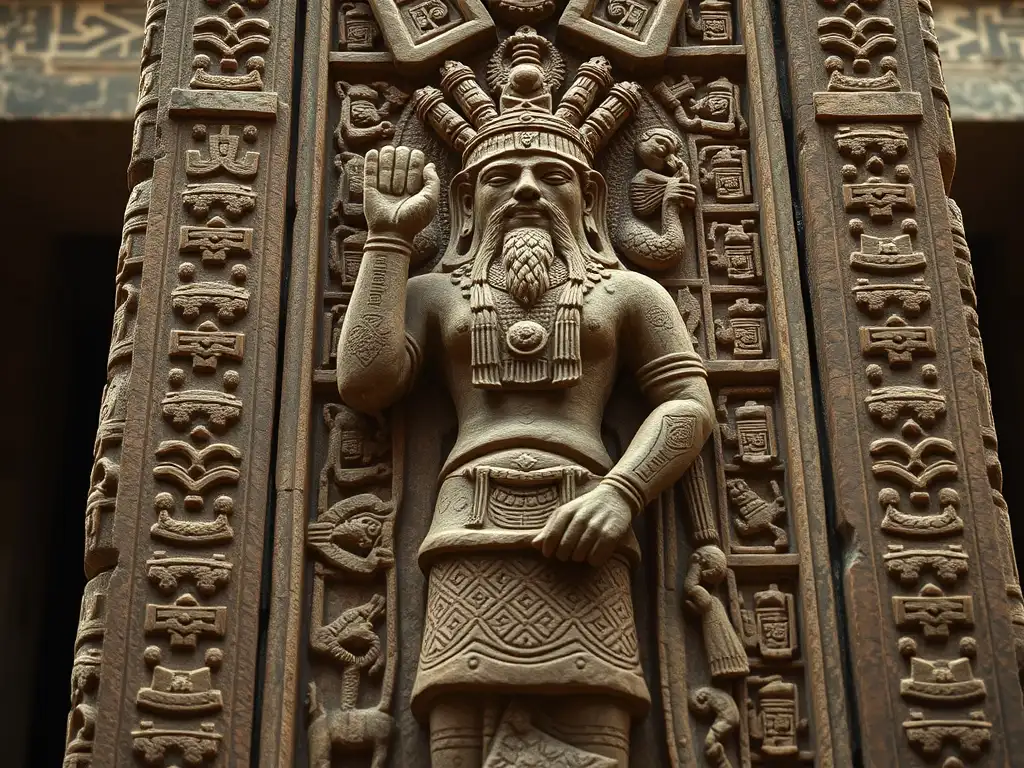
The Lanzón Stela, a monolithic masterpiece of Chavín culture, presents unique challenges and opportunities for researchers and preservationists alike. Its enduring presence, despite centuries of exposure to the elements and potential damage, speaks to the remarkable skill of its creators and the resilience of the stone itself. However, understanding its true meaning and ensuring its continued survival requires a multifaceted approach combining careful scientific study with responsible preservation strategies.
This section delves into the current state of the Lanzón, ongoing research efforts, and the hurdles faced in protecting this invaluable artifact for future generations. The keyword "Chavín Lanzón Stela meaning" is central to our understanding and interpretation of this iconic piece of Andean history.
Current Location and Accessibility of the Lanzón
The Lanzón currently resides within the main temple complex at Chavín de Huántar, Peru. Its location, deep within the heart of the archaeological site, necessitates careful management of visitor access to minimize physical contact and environmental impact. While the site is open to the public, the Lanzón itself is often viewed from a distance or through protective barriers, limiting direct physical interaction.
This controlled access is crucial for preserving the monument's integrity, especially considering its age and the inherent fragility of the stone. The accessibility limitations, however, also pose a challenge for thorough, in-situ research, requiring the development of innovative non-invasive investigation techniques. Detailed records of the Lanzón's condition, including high-resolution photographic documentation and 3D laser scanning, are crucial for monitoring its ongoing state and detecting any signs of deterioration.
This proactive approach is vital for effective long-term preservation. Furthermore, the site's location in a relatively remote area also presents logistical challenges for ongoing research and maintenance efforts.
Ongoing Research and Interpretations of the Chavín Lanzón
Ongoing research into the Chavín Lanzón focuses on several key areas, aiming to unravel its symbolic meaning and understand the sophisticated techniques used in its creation. Scholars are employing a variety of methods, including detailed stylistic analysis, comparative studies with other Chavín artifacts, and advanced imaging techniques to reveal hidden details. The intricate carvings, particularly the feline features and other zoomorphic representations, are subject to ongoing debate, with interpretations varying from depictions of deities to representations of shamanistic experiences.
Analyzing the stone's composition and the methods used for carving provides insights into the technological capabilities of the Chavín civilization. The study of the Lanzón’s position within the temple complex is also crucial, as it helps contextualize its role within the broader Chavín cosmology.
Understanding its relationship to other structures and artifacts within the site can provide clues to its purpose and significance within the religious and social fabric of Chavín society. New research, utilizing advanced techniques such as multispectral imaging, may soon reveal hidden details or layers of carving, further enriching our understanding of the Lanzón and providing more comprehensive answers to the question of "Chavín Lanzón Stela meaning."
Challenges in Preserving the Lanzón Stela
Preserving the Lanzón Stela presents numerous challenges. The stone itself is susceptible to weathering, erosion, and environmental degradation. The effects of temperature fluctuations, humidity, and exposure to sunlight are all factors that contribute to the deterioration of the stone over time. Furthermore, the Lanzón’s age and the inherent fragility of the material increase its vulnerability to damage.
The site’s location in a seismically active region adds another layer of complexity to preservation efforts. Earthquake activity poses a significant risk of structural damage, requiring ongoing monitoring and potentially preventative measures. Managing visitor access and minimizing human impact is another significant challenge. Even with controlled access, the sheer volume of visitors can contribute to wear and tear on the surrounding environment and potentially damage the Lanzón itself.
Therefore, a comprehensive preservation strategy must encompass environmental control, structural reinforcement, and careful visitor management. Moreover, securing adequate funding for ongoing research, maintenance, and preservation efforts is crucial for the long-term survival of this invaluable artifact. The ongoing commitment to research and preservation is essential to ensure that the Chavín Lanzón Stela continues to stand as a testament to the rich cultural heritage of the Andean region and provides answers to the enduring question of its meaning for future generations. The need for continued funding and research is paramount to ensuring the longevity of this priceless artifact and its contribution to our understanding of "Chavín Lanzón Stela meaning."
Conclusion: The Enduring Legacy of the Lanzón Stela
The Chavín Lanzón Stela, a monolithic masterpiece of pre-Columbian artistry and religious significance, continues to captivate and challenge scholars centuries after its creation. Its enigmatic features and imposing presence serve as a powerful testament to the sophisticated cosmology and artistic prowess of the Chavín culture. Understanding its meaning allows us to gain deeper insights into the religious beliefs, social structures, and artistic conventions of this influential civilization.
The Lanzón's enduring legacy transcends its physical form; it embodies a cultural narrative that resonates even today. The ongoing research and interpretations surrounding this remarkable artifact highlight the dynamic nature of archaeological understanding and the enduring power of the past to shape our present. The Chavín Lanzón Stela meaning is still debated, further emphasizing the complexity and richness of this pre-Incan culture.
The Lanzón Stela as a Window into the Chavín Worldview
The Lanzón Stela offers invaluable insights into the Chavín worldview, revealing a complex pantheon of deities and a sophisticated understanding of the cosmos. Its iconic imagery, including the feline features, the intricate carvings, and the overall imposing form, suggests a powerful connection to the supernatural. The Chavín people likely perceived the Lanzón as a powerful symbol representing a principal deity or a manifestation of divine power.
This deity, often interpreted as a jaguar-like figure, may have represented a connection between the earthly and supernatural realms. The meticulous craftsmanship and the placement of the Lanzón within the Chavín temple complex underscore its central role in religious ceremonies and rituals. The repetitive motifs and symbolic elements present on the stela also suggest a complex system of beliefs and rituals centered around this powerful object.
Analyzing the Lanzón’s iconography provides clues to the Chavín understanding of nature, power, and the spiritual world. Further research could reveal even more nuanced interpretations of its iconography, enhancing our understanding of Chavín cosmology and religious practices. The Chavín Lanzón Stela meaning is inextricably linked to their spiritual beliefs.
The Importance of the Lanzón for Understanding Pre-Incan Cultures
The Lanzón Stela holds crucial importance for comprehending the broader context of pre-Incan cultures in the Andes. Its influence is evident in the artistic styles and religious practices of subsequent Andean civilizations. The Chavín artistic style, characterized by its intricate carvings and the use of zoomorphic motifs, served as a foundation for later artistic developments throughout the region.
The religious beliefs and ritual practices associated with the Lanzón also provide a framework for understanding the religious systems of later Andean cultures. The widespread dissemination of Chavín iconography across the Andes suggests a significant cultural influence that extended far beyond the immediate Chavín heartland. By studying the Lanzón and the Chavín culture that produced it, archaeologists and anthropologists gain a deeper understanding of the development of Andean societies, their shared religious beliefs and artistic traditions, and the complex processes of cultural exchange and adaptation.
Understanding the Lanzón’s impact allows us to appreciate the interconnectedness of pre-Incan cultures and the long-lasting influence of Chavín traditions. The Chavín Lanzón Stela meaning, therefore, transcends its immediate cultural context.
The Lanzón Stela's Enduring Mystique and Scholarly Value
The Chavín Lanzón Stela's enduring mystique stems from its enigmatic nature and the ongoing debate surrounding its interpretation. Its impressive size, intricate carvings, and the profound religious significance attributed to it by the Chavín people have captivated scholars and the public alike for generations. The Lanzón continues to be a subject of intense scholarly interest, stimulating new research and interpretations.
The application of advanced technologies, such as 3D scanning and digital imaging, provides researchers with new tools for analyzing the stela's intricate details and revealing previously unseen aspects of its design. Ongoing research also focuses on contextualizing the Lanzón within the broader Chavín archaeological record, seeking to understand its role within the wider religious and social structures of the civilization.
The Lanzón Stela's enduring scholarly value lies in its potential to yield further insights into the complexities of Chavín culture and the broader development of Andean civilizations. The ongoing research and the continued fascination with the Chavín Lanzón Stela meaning ensure its lasting importance in Andean archaeology.
Frequently Asked Questions
What is the Chavín de Huántar site?
The Chavín de Huántar site is an archaeological complex located in the Andes Mountains of Peru. It's the center of the Chavín culture, a powerful early Andean civilization that flourished between 900 and 200 BCE, and is famous for its monumental architecture and intricate art.
What is the Lanzón Stela?
The Lanzón Stela is a massive, carved monolith found within the main temple at Chavín de Huántar. It's considered the central religious icon of the Chavín culture, and its intricate carvings depict a variety of mythological figures and symbols.
What is the meaning of the carvings on the Lanzón Stela?
The precise meaning of the Lanzón's carvings remains a mystery, but scholars believe they represent Chavín cosmology and religious beliefs. The figures are likely deities or supernatural beings, reflecting their worldview.
Why is the Lanzón Stela important to understanding Chavín culture?
The Lanzón Stela is crucial for understanding Chavín culture because it provides insight into their religious practices and beliefs. Its iconic status within the temple suggests its importance in their society and spiritual life.
What makes the Lanzón Stela's art style unique?
The Lanzón Stela's art style is unique due to its complex iconography, blending ferocious and otherworldly imagery. The style is characterized by its abstract and symbolic representations of supernatural beings and forces, influencing later Andean art.
Final Reflection: Echoes of the Lanzón: Unveiling Chavín's Enduring Legacy
The enigmatic Lanzón Stela, far from being a relic of a distant past, continues to resonate with profound implications for our understanding of early Andean civilization and the very nature of religious expression. Its intricate carvings and imposing presence offer a window into a complex cosmology that shaped the social and political landscape of ancient Peru, leaving an indelible mark on subsequent cultures. The sheer scale of its influence, both geographically and temporally, demands continued study and appreciation.
The Lanzón's power lies not just in its artistic merit, but in its ability to transcend time and speak to our contemporary understanding of spirituality and societal structures. Its enduring mystery compels us to question our own assumptions about the relationship between art, religion, and power. The past is never dead. It's not even past.
– William Faulkner. This quote perfectly encapsulates the Lanzón's continuing relevance; its influence echoes through the centuries, shaping our understanding of Andean history and prompting ongoing scholarly debate. The more we learn, the more questions arise, fueling our desire to unravel the secrets held within this magnificent monolith.
Consider the Lanzón's enduring power. Its image, its symbolism, its very existence continue to inspire awe and wonder. You, the reader, are now part of this ongoing conversation. Take a moment to reflect on the article's insights. How does the Lanzón's story challenge your preconceived notions about ancient civilizations? How can we apply the lessons learned from Chavín culture to our own understanding of societal development and religious belief? Let the echoes of the Lanzón inspire you to delve deeper into the rich tapestry of human history and to appreciate the enduring power of artistic and spiritual expression.
**Unveil the Mysteries of Chavín Cosmology! **
Thank you for exploring the fascinating world of the Lanzón Stela and its crucial role in Chavín cosmology. Your discoveries today offer a remarkable insight into the beliefs and artistic achievements of this ancient civilization.
Ready to further explore this rich heritage? Here's how you can continue your journey:
- **Join a museum tour**, either in person or online, to experience Chavín artifacts and learn more about their culture.
- **Share this article on social media** and spark a discussion with other history enthusiasts about the significance of the Lanzón Stela.
- **Deepen your knowledge** by reading a book or watching a documentary about Andean civilizations.
What aspects of Chavín cosmology intrigue you the most, and how will you continue to explore them? Let's keep the conversation going!