
Paracas Social Structure: Unearthing the Hierarchies of the Past

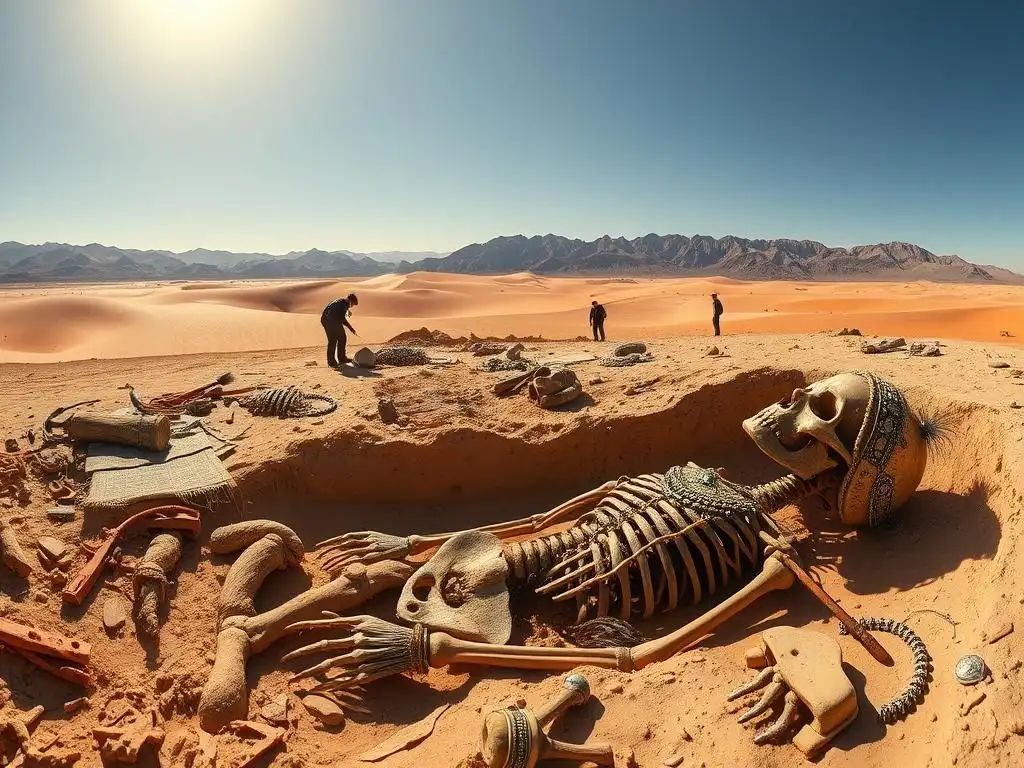
Step into a world lost to time, where the sands whisper secrets of a sophisticated society. Dive into the captivating enigma of the Andean civilizations, uncovering their intricate artistry, advanced engineering, and surprisingly complex social structures. We begin our journey with the Paracas social hierarchy structure, a fascinating glimpse into the power dynamics that shaped this pre-Incan coastal culture. Prepare to be amazed by the intricacies of their stratified society – the clues are buried deep, but their story is waiting to be unearthed. Read on to uncover the secrets of the Paracas.
The Paracas culture, flourishing along the southern coast of Peru between 700 BCE and 200 CE, remains a captivating enigma in Andean archaeology. Their mastery of textile arts, renowned throughout the region, and their distinctive funerary practices, involving elaborate mummification and burial in massive subterranean tombs, are well-documented. However, understanding the intricate social fabric that underpinned these achievements has proven more challenging.
This article delves into the complexities of Paracas social hierarchy structure, exploring the evidence that suggests a stratified society with distinct levels of power and privilege. We will analyze available archaeological data to illuminate the lives of different social groups within this fascinating pre-Inca civilization, shedding light on their roles, interactions, and the systems that maintained their social order.
Understanding the Paracas social structure provides crucial context for interpreting their artistic achievements, technological innovations, and unique worldview. The exploration of their hierarchy offers valuable insights into the broader dynamics of social organization in ancient Andean societies, helping us to better comprehend the evolution of power structures in the region.
The most compelling evidence for a hierarchical social structure within Paracas society comes from the analysis of their burial sites. Paracas tombs vary dramatically in size, complexity, and the richness of grave goods. The largest and most elaborate tombs, often containing multiple individuals, clearly indicate a privileged elite.
These tombs frequently include a wealth of artifacts: exquisite textiles, intricate gold and silver ornaments, finely crafted pottery, and other luxury items. In contrast, smaller, simpler burials often contain few or no grave goods, suggesting a stark difference in social status and access to resources. This disparity in burial practices strongly suggests a stratified society with a clear distinction between the elite and the commoners.
The sheer scale of some of the tombs, requiring significant labor and resources for construction, further points to the existence of organized labor and a centralized authority capable of mobilizing such efforts. Further research into the size and location of these tombs, and the precise distribution of artifacts within them, is crucial for refining our understanding of the nature of Paracas social stratification.
Paracas textiles are world-renowned for their exceptional craftsmanship and intricate designs. The sheer complexity of the weaving techniques and the use of rare and vibrant dyes suggest a specialized workforce, likely composed of highly skilled artisans. The distribution of these textiles within the tombs also provides significant insights into social hierarchy. Elaborately decorated textiles, often featuring complex iconography and rare materials, were predominantly found in the elite burials, while simpler textiles were associated with commoner burials.
This suggests that access to high-quality textiles served as a marker of social status and possibly even a form of social control. A detailed analysis of textile designs and the materials used could reveal further information about social groups and their roles within the society. The presence of specific motifs or symbols on textiles might indicate membership in particular clans or social groups.
The Role of Religion and Ritual in Paracas Society
The Paracas culture placed significant emphasis on religious practices and ritual activities. The elaborate mummification process, the construction of large-scale tombs, and the abundance of ritual objects found in burials all point to a powerful religious system that likely played a crucial role in maintaining social order. The elite may have held significant religious authority, using their religious power to legitimize their social status and control over resources.
Further research into Paracas iconography and religious beliefs could shed more light on the relationship between religion, power, and social stratification. The study of shamanistic practices and their social significance within the community could also provide valuable insights into the dynamics of the Paracas social structure. [Specific information pending on the precise relationship between religious leaders and the elite class].
Despite significant progress in our understanding of the Paracas culture, many questions regarding their social structure remain unanswered. Further archaeological excavations and detailed analysis of existing artifacts are crucial to refine our understanding of the complexities of Paracas society. The application of advanced scientific techniques, such as isotopic analysis and DNA sequencing, could provide additional insights into diet, kinship, and migration patterns, further illuminating the social dynamics of this fascinating civilization.
The study of settlement patterns and the organization of daily life would also contribute to a more complete picture of Paracas social organization. A collaborative approach involving archaeologists, anthropologists, and other specialists is crucial for unlocking the secrets of this remarkable ancient Andean society and gaining a deeper understanding of its complex social hierarchy. The exploration of the Paracas social hierarchy structure is an ongoing process, and future research promises to reveal even more about this captivating civilization.
- Evidence from Paracas Tombs: A Glimpse into Social Stratification
- Analyzing Paracas Textiles: Clues to Social Status and Identity
- The Role of Religion and Ritual in Paracas Society
- Unanswered Questions and Future Research on Paracas Social Structure
- What was the basis of the Paracas social hierarchy?
- How did archaeologists uncover the Paracas social hierarchy?
- What role did textiles play in Paracas social hierarchy?
- Were there different levels within the Paracas elite class?
- How did the Paracas social hierarchy compare to other Andean civilizations?
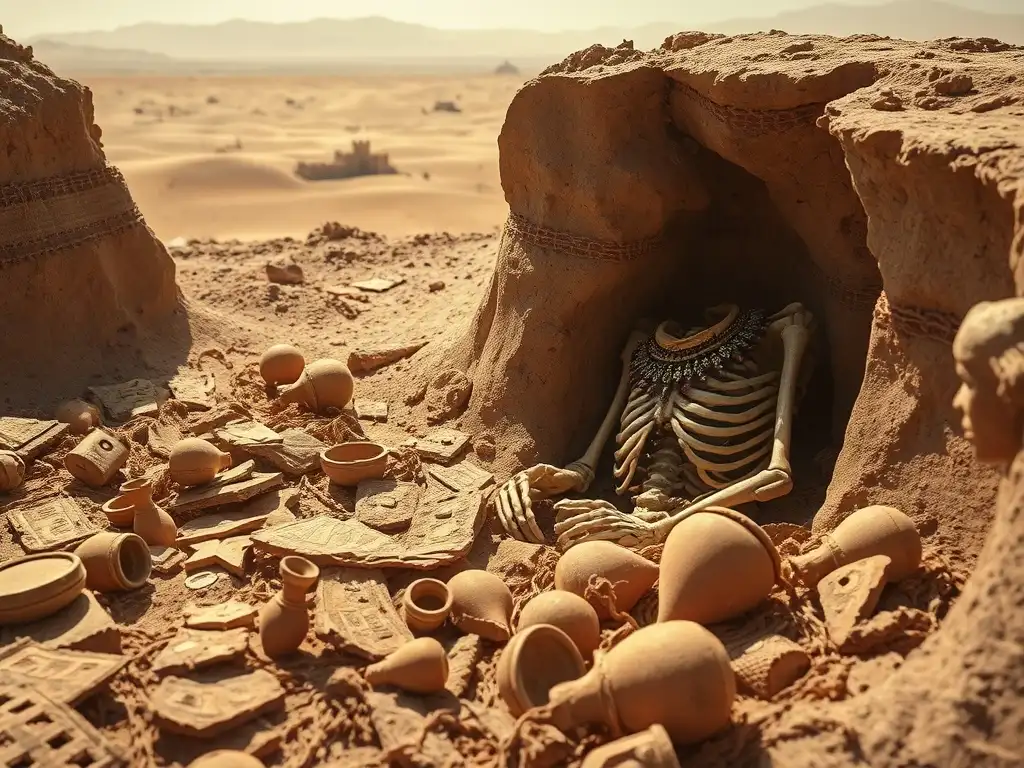
The Paracas culture, flourishing along the southern coast of Peru from approximately 700 BCE to 200 CE, demonstrates a fascinatingly complex social hierarchy. Understanding their social structure is crucial to deciphering their remarkable achievements in textile production, elaborate funerary practices, and sophisticated agricultural techniques. While the exact nature of their political organization remains debated, evidence points towards a stratified society with distinct social classes, each playing a vital role in maintaining the overall functioning of Paracas communities.
The keyword, "Paracas social hierarchy structure," encapsulates the core of this societal organization, reflecting the intricate relationships between different groups within the Paracas civilization. This hierarchical structure wasn't static; it likely evolved and adapted over the centuries, reflecting changes in resource availability, technological advancements, and external pressures.
The social structure of the Paracas was fundamental to their societal success. A well-defined hierarchy facilitated the organization of labor for large-scale projects, such as the construction of monumental structures and the creation of their renowned textiles. The intricate weaving techniques, requiring specialized skills and significant time investment, suggest the existence of a class of skilled artisans who held a privileged position within the society.
Their mastery of textile production not only contributed to the economic prosperity of the Paracas but also served as a powerful symbol of social status. The elaborate burial practices, involving richly adorned mummies and complex grave goods, further highlight the significance of social stratification and the importance of maintaining the social order, even in death.
The distribution of resources, including food, materials, and land, was likely controlled by the elite, ensuring their continued power and influence. This control over resources is a key aspect of understanding the Paracas social hierarchy structure.
Archaeological excavations provide compelling evidence for the complex social organization of the Paracas. The discovery of elite tombs containing an abundance of grave goods, including finely crafted textiles, gold ornaments, and ceremonial objects, stands in stark contrast to the simpler burials of commoners. This disparity in funerary treatment strongly suggests a significant social differentiation.
For instance, the Paracas Necropolis, with its thousands of elaborate tombs, offers a unique window into the diverse social strata. Analysis of the contents of these tombs reveals significant variations in the quality and quantity of grave goods, indicating differences in social status. Furthermore, the scale and complexity of some Paracas sites, such as the extensive cemeteries, suggest a level of social organization and centralized planning capable of mobilizing significant labor forces.
The presence of specialized workshops dedicated to textile production also points towards a system of specialized labor and a hierarchical structure that assigned individuals specific roles within the community. Further research, particularly focused on isotopic analysis of human remains and detailed studies of settlement patterns, can offer additional insights into the dynamics of the Paracas social hierarchy structure and their daily lives. The ongoing investigation continues to uncover new details about this fascinating civilization and its complex social organization.
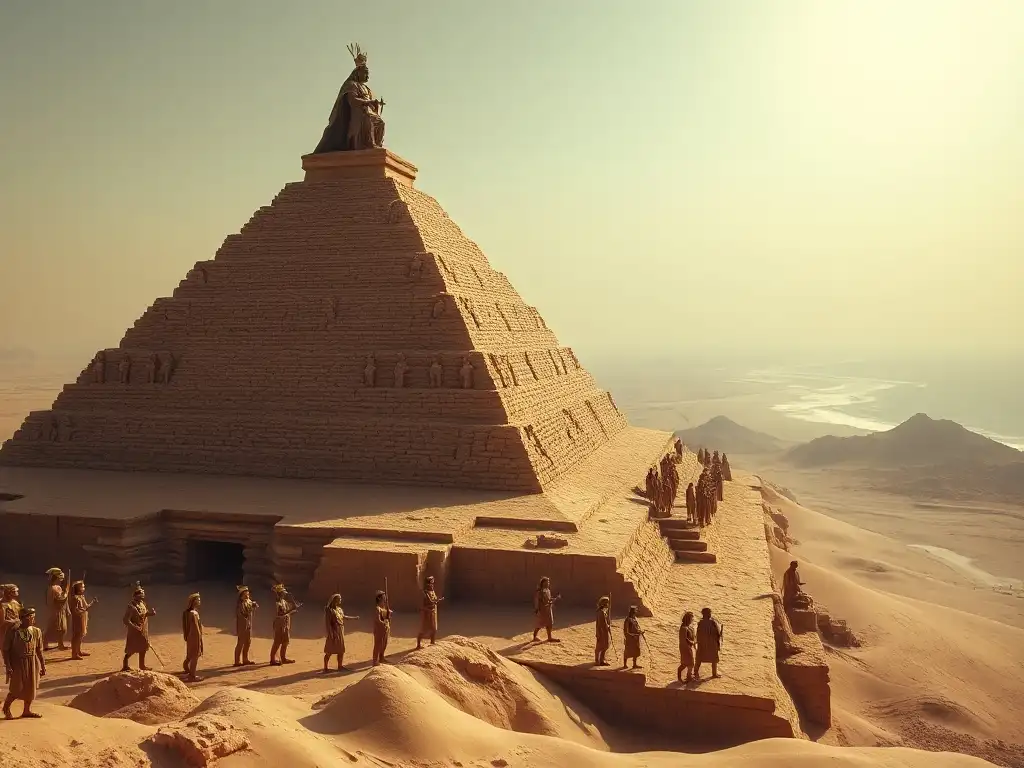
The Paracas social hierarchy structure, while not fully understood due to the limitations of archaeological evidence, reveals a complex society stratified into distinct social layers. Analyzing burial sites, grave goods, and settlement patterns allows us to piece together a picture of this ancient civilization's social organization. The Paracas people, renowned for their intricate textiles and impressive funerary practices, clearly exhibited a system of social stratification reflecting differing levels of power, prestige, and access to resources. Understanding this Paracas social hierarchy structure is crucial to a complete comprehension of their culture and its remarkable achievements.
The Elite Class: Power and Privilege in Paracas Society
The apex of the Paracas social structure was occupied by a powerful elite class, likely composed of rulers, priests, and high-ranking officials. Their elevated status is evident in the lavishness of their burials and the quality of the artifacts found within them. These individuals enjoyed a privileged lifestyle, with access to the finest textiles, elaborate jewelry, and a surplus of food. This stark contrast with the possessions of commoners underscores the significant social divide within Paracas society. The elite's control over resources and religious practices solidified their position at the top of the hierarchy.
Roles of Paracas Rulers and Priests
The exact roles and responsibilities of Paracas rulers and priests remain subjects of ongoing research and debate among archaeologists. However, evidence suggests that these individuals held significant authority, acting as intermediaries between the people and the supernatural world. The intricate iconography found on Paracas textiles and pottery may offer clues to their religious beliefs and ritual practices, revealing potential depictions of deities and ceremonial events. The elite's control over religious practices would have further cemented their power and influence within the community. Further analysis of Paracas iconography is needed to fully understand the roles of these influential figures.
Evidence of Elite Burials and Ritual Practices
The most compelling evidence for the existence of an elite class comes from the spectacular Paracas elite burials. These burial sites, often containing multiple individuals, are characterized by an abundance of grave goods, including finely woven textiles, gold and silver ornaments, and elaborate headdresses. The sheer quantity and quality of these artifacts highlight the immense wealth and prestige enjoyed by the deceased.
Furthermore, the careful arrangement of bodies and grave goods suggests the performance of elaborate funerary rituals, reinforcing the elite's social standing and their connection to the spiritual realm. The scale and complexity of these rituals underscore the importance of death and the afterlife in Paracas culture.
The Artisan Class: Craftsmanship and Specialization
Below the elite class lay a skilled artisan class, responsible for producing the exquisite textiles, pottery, and metalwork that define Paracas culture. This group's specialized knowledge and craftsmanship were essential to the functioning of Paracas society, and their social standing likely reflected their importance. While not as privileged as the elite, they occupied a position of relative respect, given their contribution to the community's material culture and economic prosperity.
Paracas Textile Weavers and Their Social Status
Paracas textiles are renowned for their intricate designs, vibrant colors, and exceptional craftsmanship. The production of these textiles required significant skill and expertise, suggesting a high level of specialization among Paracas weavers. The complexity of the weaving techniques and the use of rare materials indicate a high level of social status for these artisans. While the exact social hierarchy within the artisan class remains unclear, the quality and artistry of the textiles suggest that these weavers held a position of respect and potentially even some degree of autonomy within the community.
Pottery Makers and Metalworkers in the Paracas World
In addition to textile production, pottery making and metalworking were important aspects of Paracas material culture. The creation of finely crafted pottery and metal objects required specialized knowledge and skills, placing these artisans within the higher echelons of the commoner class. The designs and styles of Paracas pottery and metalwork often reflect the aesthetic sensibilities of the elite, suggesting a degree of interaction and patronage between the artisan class and the ruling class.
Further research is needed to fully understand the relationships and interactions between these different artisan groups. The analysis of workshop remains and the identification of specialized tools could shed more light on the organization and social standing of these skilled craftspeople.
The vast majority of Paracas society consisted of commoners, individuals who formed the backbone of the economy and social structure. Their lives revolved around agriculture, fishing, and textile production – the cornerstones of Paracas prosperity. While lacking the political power and prestige of the elite, commoners were crucial to the functioning of the entire society.
Their daily routines were likely dictated by the agricultural cycle and the demands of their communities. Evidence suggests a high degree of cooperation and mutual support within commoner communities, as evidenced by the complex irrigation systems and large-scale textile production which required coordinated effort. The social obligations of commoners extended beyond their immediate families to include participation in communal activities, religious ceremonies, and possibly the construction of monumental structures.
The degree of social mobility within the commoner class remains a subject of ongoing research, with some evidence suggesting limited opportunities for advancement based on skill or merit. However, the majority likely remained in their social standing throughout their lives. Understanding the lives of Paracas commoners is key to grasping the true scale and complexity of their civilization.
Agricultural Practices and the Paracas Economy
The Paracas economy was heavily reliant on agriculture, particularly the cultivation of cotton, which was essential for textile production, a hallmark of Paracas culture. The Paracas people developed sophisticated irrigation systems to maximize agricultural output in the arid coastal region. These systems, often involving intricate canals and terraces, required considerable labor and cooperation, highlighting the importance of communal effort in Paracas society.
Beyond cotton, other crops such as maize, beans, and squash were also cultivated, providing a diverse food source for the population. The surplus generated through successful agricultural practices likely played a significant role in supporting the elite and facilitating the development of specialized crafts and religious activities.
The scale and sophistication of Paracas agriculture suggest a well-organized system of land management and resource allocation, with commoners playing a vital role in its success. Further research is needed to fully understand the complexities of their agricultural practices and their precise contribution to the Paracas economy.
The Role of Commoners in Paracas Society
Commoners were not simply the laborers of Paracas society; they played an integral role in maintaining social order and religious practices. Their participation in communal activities, such as building and maintaining irrigation systems, constructing tombs, and participating in religious festivals, underscored their importance. While lacking the political authority of the elite, commoners were likely involved in local decision-making processes and the administration of their communities. Their contributions to textile production, a central aspect of Paracas culture, further emphasize their significant role in the society.
The intricate designs and techniques employed in Paracas textiles suggest a high level of skill and specialization among commoner artisans. The social cohesion and cooperation within commoner communities were essential for the survival and prosperity of the entire civilization. Understanding the multifaceted role of commoners is crucial to a complete understanding of Paracas social organization.
The existence of a slave class within Paracas society is a topic of ongoing debate among archaeologists. While direct evidence of widespread slavery, as understood in classical terms, is scarce, there are indications of social subordination and possibly captivity. The limited evidence available requires careful interpretation, as the concept of "slavery" in pre-Columbian Andean societies may differ significantly from later historical definitions.
The complexity of Paracas social stratification makes it difficult to draw definitive conclusions about the nature and extent of any captive or slave population. Further research and analysis of archaeological findings are needed to shed more light on this aspect of Paracas social organization. The careful study of burial practices, artifacts, and skeletal remains could reveal further insights into the lives and social status of individuals who may have experienced forms of captivity or forced labor.
Evidence for Captivity and Social Subordination
While definitive proof of a formal slave system remains elusive, some archaeological findings suggest the possibility of social subordination and captivity within Paracas society. Certain burial contexts reveal individuals interred with fewer grave goods or in less elaborate tombs than others, potentially indicating lower social standing. Skeletal remains exhibiting signs of trauma or malnutrition could also suggest a life of hardship and possibly forced labor.
However, interpreting these findings requires caution, as such indicators could also be attributed to other factors, such as disease, accidents, or social marginalization. Further research, particularly bioarchaeological studies, is necessary to explore the connections between physical indicators and social status. The absence of clear textual evidence, a common challenge in the study of pre-Columbian societies, makes deciphering the nature of social subordination particularly challenging.
The Limits of Understanding Paracas Slavery
The limited nature of the archaeological record poses significant challenges to understanding the presence and nature of any slave or captive population within Paracas society. The absence of written records and the complexities of interpreting burial practices and skeletal remains leave many questions unanswered. It is crucial to avoid imposing modern notions of slavery onto a pre-Columbian context, as the social realities of Paracas society were likely quite different.
Future research should focus on developing more nuanced interpretations of available data, considering factors such as social inequality, ritual sacrifice, and warfare. A multidisciplinary approach, incorporating archaeological, anthropological, and bioarchaeological methods, is essential for advancing our understanding of this complex aspect of Paracas social organization. The current evidence, while suggestive, is insufficient to definitively establish the existence of a formal slave system, highlighting the need for more comprehensive research.
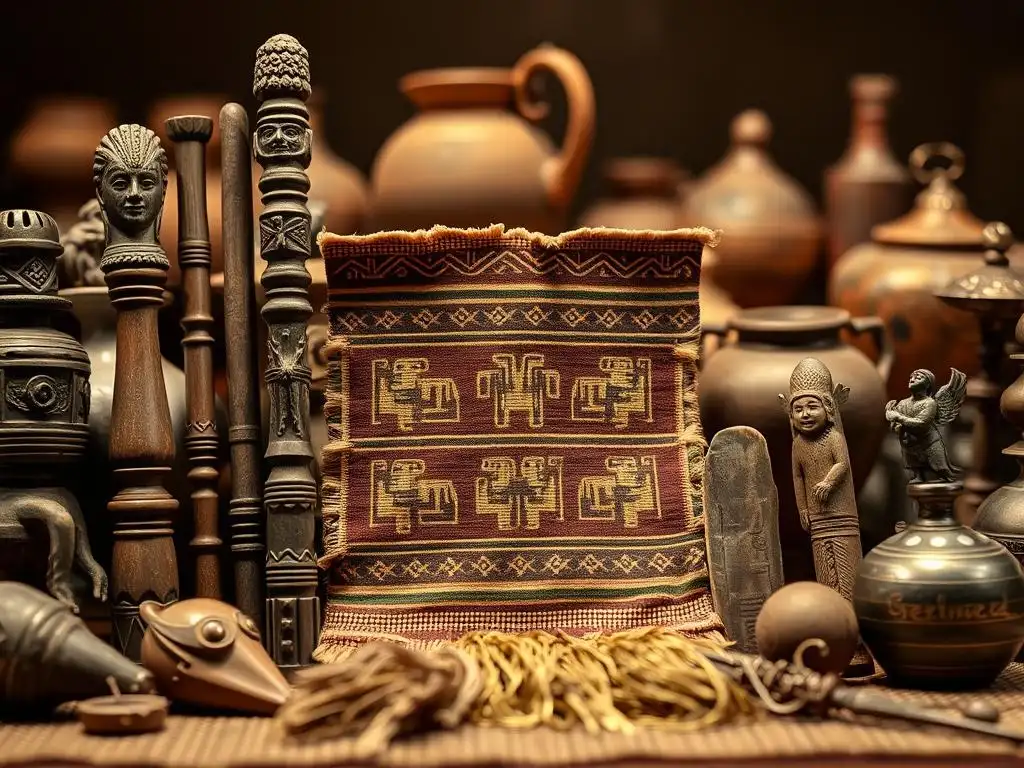
The Paracas culture, flourishing on the southern coast of Peru between 700 BCE and 200 CE, displayed a complex social hierarchy reflected in their burial practices, material culture, and artistic expression. Understanding their social structure requires careful analysis of archaeological evidence, revealing a stratified society with clear distinctions between elites and commoners. The term "Paracas social hierarchy structure" itself encapsulates the intricate layers of power and influence within this fascinating civilization.
Analyzing the distribution of resources and the symbolism embedded in their artifacts allows us to piece together a more complete picture of Paracas social organization. This intricate system, while not fully understood, reveals a sophisticated and stratified society remarkably advanced for its time.
Paracas funerary practices offer invaluable insights into their social stratification. The sheer scale and complexity of their cemeteries, like the one at Cerro Colorado, speak volumes about the importance given to death rituals and the social standing of the deceased. The meticulous nature of the burial rites themselves further reinforces this notion.
Variations in Burial Goods and Tomb Construction
The most immediate indicator of social rank within Paracas society is found in the grave goods accompanying the deceased. Elaborate tombs, often constructed of stone or adobe brick, housed the remains of high-status individuals. These tombs frequently contained a wealth of offerings, including textiles, ceramics, gold and silver ornaments, and other luxury items. In contrast, simpler burials, often lacking elaborate grave goods, are associated with commoners.
The quantity and quality of these items directly correlated with the presumed social standing of the deceased. For example, the presence of finely woven textiles, such as the iconic Paracas mantles, was a strong indicator of elite status. Analysis of tomb size and construction materials also provides valuable clues, with larger, more robust structures typically associated with higher social standing. Detailed studies of these variations are ongoing, constantly refining our understanding of Paracas social hierarchy.
The Significance of Mummification and Cranial Modification
Mummification, a common practice among the Paracas, also reveals social distinctions. While mummification was widespread, the techniques and materials used varied according to social status. Elites often received more elaborate mummification treatments, involving intricate wrapping techniques and the inclusion of various materials to preserve the body.
Similarly, cranial modification, a practice involving the intentional reshaping of the skull during infancy, might have also indicated social status. Although conclusive evidence is still debated, certain styles of cranial modification may have been associated with specific social groups or lineages. Further research, particularly involving isotopic analysis of mummified remains, could reveal more about diet and lifestyle differences among various social strata.
Beyond funerary practices, the distribution of material culture provides further evidence of social stratification within Paracas society. The uneven distribution of luxury goods and prestige items highlights the existence of a clear social hierarchy.
The Distribution of Luxury Goods and Prestige Items
The Paracas are renowned for their exquisite textiles, ceramics, and metalwork. However, access to these luxury goods was not equal. Fine textiles, meticulously crafted with intricate designs and vibrant colors, were primarily found in the tombs of elite individuals. Similarly, elaborate ceramic vessels, often decorated with intricate motifs, were concentrated among the burials of high-status members of society.
Metalwork, particularly gold and silver ornaments, was exceptionally rare and almost exclusively found in elite contexts. This uneven distribution strongly suggests a system where access to resources and skilled artisans was controlled by the elite, reinforcing their social dominance. Quantitative analysis of the distribution of these items across different burial sites is crucial for a more precise understanding of this social hierarchy.
Paracas Art and Its Relation to Social Standing
Paracas art, particularly their textiles, serves as a powerful visual representation of their social hierarchy. The complex iconography and symbolic representations woven into their textiles may have encoded social messages and identities. Certain motifs or designs might have been reserved for the elite, signifying their status and power. Further research into the iconography and symbolism is needed to fully understand the social significance of Paracas art.
The study of stylistic variations in textiles and ceramics also provides valuable insights into potential social distinctions and perhaps even the existence of different craft guilds or specialized workshops serving the elite. The sheer artistry and technical skill evident in Paracas art underscore the existence of specialized artisans, likely holding a privileged position within the society. The relationship between these specialized artisans and the elite remains a key area for future research.
Access to resources played a pivotal role in shaping the Paracas social hierarchy. Control over essential resources directly translated into social power and influence. The more resources an individual or group controlled, the higher their position within the society. This wasn't simply about material wealth; access to resources also dictated access to opportunities, influence, and ultimately, prestige.
The unequal distribution of resources solidified the hierarchical structure, creating distinct social strata with varying levels of power and privilege. This system mirrors patterns observed in many other ancient civilizations, where access to vital resources like food and water was intrinsically linked to social standing. The Paracas, with their complex irrigation systems and extensive agricultural practices, understood this connection intimately. Their sophisticated understanding of water management and agriculture directly contributed to the concentration of power within specific social groups.
Control over Agricultural Lands and Water Resources
Control over fertile agricultural lands and reliable water sources was paramount in the Paracas social structure. Those who held dominion over these resources – likely elite families or powerful clans – enjoyed significant advantages. They could dictate agricultural production, influencing food availability and distribution.
This control extended beyond mere sustenance; surplus agricultural production could be used for trade, generating further wealth and reinforcing their social standing. Archaeological evidence, while still under ongoing interpretation, suggests a system of land tenure that favored certain families or lineages. The presence of larger, more elaborate dwellings in proximity to prime agricultural areas, for example, points towards a correlation between land ownership and social status.
Further research into irrigation systems and agricultural techniques is needed to fully understand the complexities of land ownership and its role in shaping Paracas society. [Specific information pending: Details on the size and distribution of agricultural lands, and the evidence for land ownership patterns].
The Relationship Between Trade and Social Status
Trade acted as a powerful engine driving social stratification within Paracas society. The Paracas were renowned for their exquisite textiles, elaborate pottery, and sophisticated metalwork, all of which were highly valued trade goods. Control over the production and distribution of these items conferred considerable social status.
Those who controlled workshops, artisans, and trade routes amassed significant wealth and influence. The elaborate textiles, often adorned with intricate designs and rare dyes, were not only objects of daily use but also symbols of social standing, worn by elite members of society. The exchange of these luxury goods may have involved complex networks extending beyond the immediate Paracas region, further enriching the elite and solidifying their position within the social hierarchy.
The discovery of caches of high-quality artifacts in certain burial sites suggests that trade played a critical role in accumulating wealth and reinforcing social inequalities within the Paracas culture. The precise mechanisms of trade and the extent of their networks require further investigation, but the link between trade and social status is undeniable. The creation and control of valuable trade goods were a key element in defining and maintaining the Paracas social structure.
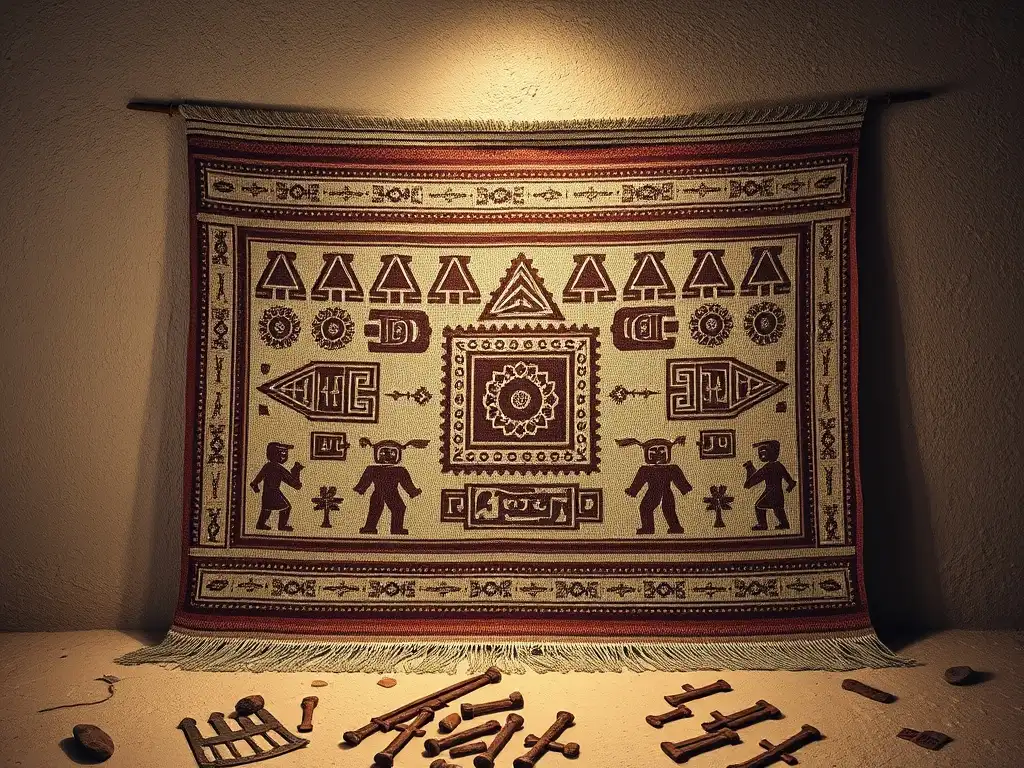
The Paracas social hierarchy structure, a complex tapestry woven over centuries, wasn't static. Understanding its evolution requires examining shifts in social organization across the Paracas' nearly 1000-year existence (approximately 700 BCE – 200 CE). The available archaeological evidence suggests a gradual, but significant, transformation from simpler societal arrangements to a more stratified and centralized system.
This evolution wasn't linear; periods of stability were punctuated by changes driven by factors such as population growth, technological advancements, and perhaps even environmental shifts. The intricate interplay of these factors shaped the power dynamics and social inequalities characteristic of the Paracas culture. Analyzing textile production, burial practices, and settlement patterns provides crucial insights into this fascinating metamorphosis.
The Paracas culture is broadly divided into two periods: Early Paracas (700-400 BCE) and Late Paracas (400 BCE-200 CE). While both periods displayed social stratification, the degree and nature of this stratification differed significantly. Early Paracas societies exhibited a less pronounced hierarchy compared to their Late Paracas counterparts.
Evidence suggests a more egalitarian distribution of resources in the earlier period, although some individuals were clearly distinguished through elaborate burial goods. This suggests the presence of respected individuals or perhaps nascent leadership structures. The transition to Late Paracas witnessed a clear intensification of social stratification, evidenced by the emergence of monumental architecture, large-scale textile production, and markedly different burial practices reflecting distinct social classes.
The sheer scale of the Late Paracas elite burials, containing an incredible array of textiles, gold ornaments, and other precious artifacts, stands in stark contrast to the simpler graves of the common population. This difference highlights the significant power and prestige wielded by the elite in the later period.
Comparing Early and Late Paracas Social Structures
| Feature | Early Paracas (700-400 BCE) | Late Paracas (400 BCE-200 CE) |
|---|---|---|
| Settlement | Primarily smaller, dispersed settlements. | Larger, more centralized settlements likely emerged. |
| Burial Practices | Relatively simple burials; less elaborate grave goods. | Monumental tombs; lavish grave goods for the elite. |
| Textile Production | Smaller-scale textile production; simpler designs. | Large-scale textile production; complex, intricate designs. |
| Social Stratification | Less pronounced social hierarchy. | Highly stratified society; clear elite-commoner division. |
| Political Organization | Likely less centralized political structure. | More centralized political organization likely existed. |
Influences on the Development of Paracas Hierarchy
Several factors likely contributed to the increasing social complexity observed in Late Paracas. Population growth might have led to increased competition for resources and the need for more sophisticated systems of organization and resource management. Technological innovations, particularly in textile production and metallurgy, likely played a crucial role in creating wealth and power differentials. The development of specialized crafts and trade networks may have further enhanced the power of certain individuals or groups who controlled access to these valuable resources.
Additionally, religious beliefs and practices likely played a significant role in shaping the social order, with religious leaders potentially holding substantial influence. Further research is needed to fully disentangle the complex interplay of these factors. [Specific data on environmental impact pending]
The Paracas social hierarchy structure was inextricably linked to its political organization. While the exact nature of Paracas political institutions remains a topic of ongoing research, the evidence suggests a shift towards more centralized power in the Late Paracas period. The monumental architecture, the impressive scale of textile production, and the elaborate elite burials all point to a concentrated accumulation of wealth and power in the hands of a ruling class.
The elite likely controlled access to resources, labor, and religious authority, solidifying their dominance within the social hierarchy. The relationship between religious and secular power is an especially important area for future research.
The Role of Religious Leaders in Paracas Society
The role of religious leaders within the Paracas social structure is a key area of investigation. The elaborate textiles, often featuring complex iconography and ritualistic scenes, suggest a powerful priestly class involved in mediating between the human and supernatural worlds. These individuals may have played a crucial role in legitimizing the power of the elite, reinforcing social hierarchies, and organizing community activities.
The presence of specialized burial sites and the lavish grave goods associated with certain individuals suggest that religious leaders held considerable prestige and influence within Paracas society. Further analysis of iconography and ritual objects is necessary to fully understand the nature and extent of their power. The intricate head-deformations, a practice observed amongst some individuals, may also be linked to the religious or political elite, further highlighting the complexities of Paracas social organization.
The Formation of Paracas Chiefdoms and States
The evolution of Paracas social structure culminated in the emergence of chiefdoms or perhaps even early state-level societies in the Late Paracas period. This transition was characterized by increased social complexity, centralized political authority, and the development of sophisticated social control mechanisms.
The construction of monumental structures and the organization of large-scale textile production point to a centralized administration capable of mobilizing labor and resources on a large scale. While the exact form of political organization remains debated, the evidence suggests a move away from simpler forms of social organization towards a more complex and hierarchical system.
The study of settlement patterns and the distribution of material culture provides vital clues towards understanding the process of state formation within the Paracas culture, a process that laid important groundwork for subsequent Andean civilizations. Further research focusing on the interplay between social stratification, economic organization, and political power is vital to fully understand this pivotal period in Andean history.
The Paracas culture, flourishing on the southern coast of Peru from roughly 800 BCE to 200 CE, presents a fascinating case study in Andean social organization. While not as extensively documented as the later Inca civilization, archaeological evidence, particularly the analysis of burial sites and grave goods, reveals a complex and stratified social hierarchy. Understanding this structure requires careful consideration of the available data, acknowledging the limitations imposed by the passage of time and the inherent challenges of interpreting ancient societies.
The intricate textiles, elaborate mummies, and the sheer scale of some Paracas sites strongly suggest a society characterized by significant social differentiation, with clear distinctions between elites and commoners. The evidence points towards a system where access to resources, prestige, and power were unevenly distributed, reflecting a hierarchical social structure that mirrored, in many ways, subsequent Andean societies. The Paracas social hierarchy structure, though still debated in certain aspects, provides invaluable insights into the development of complex societies in the pre-Columbian Andes.
Analyzing this structure helps us comprehend the broader dynamics of power, social stratification, and cultural expression in the ancient Peruvian world. The Paracas legacy continues to inspire awe and intrigue, prompting ongoing research to unravel the mysteries of this remarkable civilization.
Several key aspects emerge from the study of Paracas social organization. Firstly, the presence of elaborate burial sites with rich grave goods clearly indicates a significant social stratification. The sheer quantity and quality of textiles, gold ornaments, and other artifacts found in elite burials starkly contrast with the simpler grave goods associated with commoner burials. This disparity in grave goods strongly suggests a hierarchical system where power and wealth were concentrated in the hands of a select few.
Secondly, the complexity of Paracas textiles, often featuring intricate designs and rare materials, points towards the existence of specialized artisans and a system of craft production which suggests a degree of social specialization. These skilled craftspeople likely enjoyed a higher social standing due to their specialized skills. Thirdly, the evidence suggests a possible connection between social status and access to resources, with elites controlling access to prime agricultural land and potentially also trade networks.
Finally, the consistent patterns observed in Paracas burial practices across different sites suggest a degree of social cohesion and shared cultural values, even within a stratified society. Analyzing these elements provides a more complete picture of the Paracas social hierarchy, moving beyond simplistic notions of a purely elite-driven structure. Furthermore, understanding the interplay between these elements is crucial to fully grasp the dynamics of Paracas society.
Further Research and Unresolved Questions
Despite considerable progress in understanding the Paracas social hierarchy structure, several key questions remain unanswered. The exact mechanisms of social mobility within the Paracas society remain largely unclear. Further research is needed to determine whether social mobility was possible, and if so, under what circumstances. The role of religion and ritual in reinforcing social hierarchies also requires further investigation.
While the elaborate mummy bundles and ceremonial contexts clearly indicate the importance of ritual, the precise relationship between religious beliefs and social stratification needs further exploration. Additionally, a more detailed analysis of the settlement patterns of Paracas communities could shed light on the spatial distribution of power and wealth within the society. The precise political organization of Paracas society remains somewhat elusive. Was it a centralized state or a collection of independent communities?
More detailed investigation of administrative structures, if any existed, is necessary. Finally, the impact of environmental factors such as climate change on Paracas social dynamics deserves further study. The ongoing research into Paracas society promises to provide a more nuanced understanding of this complex civilization and its place in the broader tapestry of Andean history. The meticulous investigation of these unresolved questions will undoubtedly yield valuable new insights into the dynamic Paracas social hierarchy structure and the lives of its people.
Frequently Asked Questions
The Paracas social structure was likely based on a complex interplay of factors, including religious authority, economic power, and lineage. Evidence suggests a clear distinction between elites and commoners.
Archaeologists have used grave goods, settlement patterns, and textile analysis to understand Paracas social stratification. The presence of elaborate burial goods indicates higher social status.
Textile production and quality were crucial indicators of social standing. Elaborate and finely woven textiles were often found in elite burials, suggesting specialized craft production tied to status.
Were there different levels within the Paracas elite class?
While less clear than the division between elite and commoner, evidence suggests differentiation within the elite, possibly based on religious roles or family lineage. Further research is needed.
The Paracas system shows similarities to other Andean civilizations, such as the emphasis on elite burial practices and the importance of religious authority. However, specific details varied across cultures.
Final Reflection: Echoes of Power in the Paracas Sands
The intricate social hierarchy of the Paracas culture, meticulously unearthed through archaeological findings, remains a powerful testament to the complexities of ancient societies and offers crucial insights into the enduring nature of power dynamics. Understanding their stratified system allows us to better comprehend the organizational structures that shaped not only their civilization but also the development of subsequent Andean cultures. The echoes of their societal organization resonate even today.
The Paracas' sophisticated system of social stratification, evident in their burial practices and the craftsmanship of their textiles and artifacts, continues to fascinate and challenge our understanding of pre-Columbian societies. Their ability to create such a complex and enduring social structure, despite the limitations of their technology, speaks volumes about the human capacity for organization and the enduring human need for social order. The past is never dead. It's not even past.
– William Faulkner. This quote perfectly encapsulates the ongoing relevance of studying the Paracas, as their legacy continues to inform our understanding of societal structures and the enduring human quest for meaning and power.
Consider the implications of the Paracas social structure. How do the power dynamics observed in their society compare to those we see in our own world? What lessons can we learn from their successes and failures in managing social inequality? Take a moment to reflect on the enduring nature of social hierarchies and the importance of understanding their historical roots. Let the intricate tapestry of Paracas society inspire you to critically examine the structures of power that shape our own lives, and to strive for a more equitable and just future.
Unveil the Mysteries of Paracas!
Thank you for exploring the fascinating social structure of the Paracas civilization with us! You've gained valuable insights into the complexities of ancient Andean societies by examining their intricate hierarchies. Now, let's build upon this knowledge and deepen your understanding of this rich history.
Here are some ways you can continue your exploration of the Paracas and broader Andean civilizations:
- Dive Deeper: Explore our extensive collection of articles on Andean cultures to expand your knowledge and uncover new perspectives. You'll find a wealth of information waiting to be discovered.
- Share the Knowledge: Share this article on social media and spark conversations about ancient civilizations. Let your friends and colleagues discover the wonders of Paracas culture!
- Join Our Community: Connect with fellow history enthusiasts who share your passion for Andean cultures by participating in our discussion forum. Engage in stimulating conversations and learn from others' perspectives.
What aspect of the Paracas social structure most captivated you, and how do you believe it reflects the values and beliefs of their society?