
The Valdivia Cosmos: Understanding Their View of the World

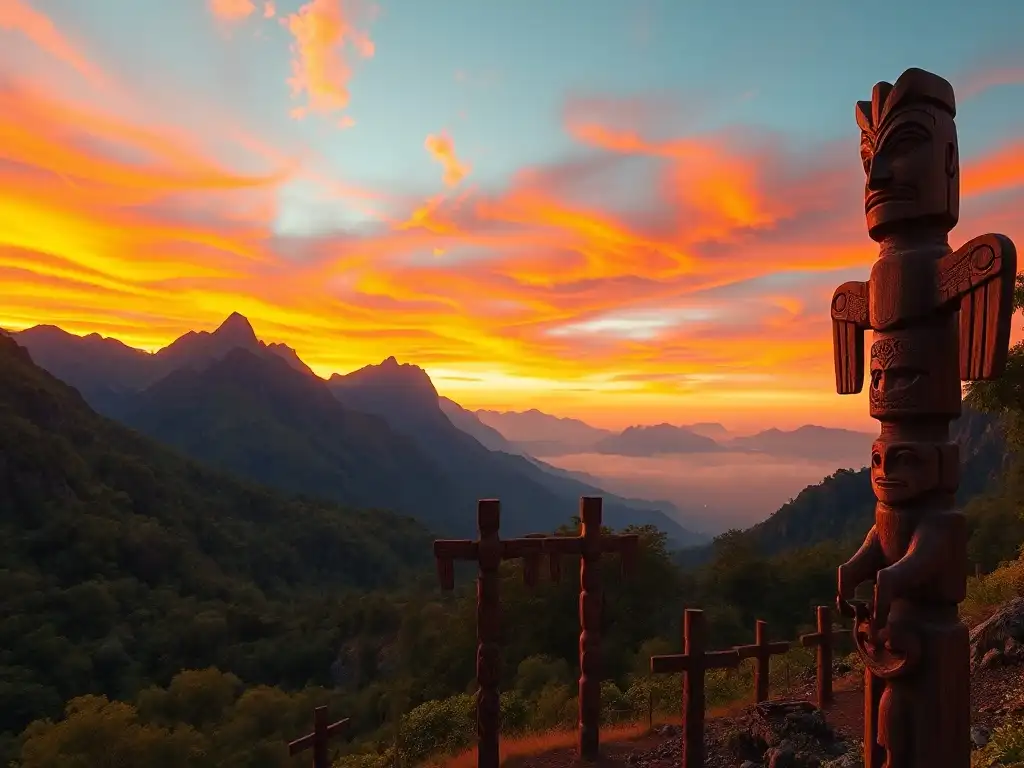
Step into a world lost to time, yet echoing with the whispers of a profound civilization. Journey with us through the captivating tapestry of Andean history, where ingenuity blossomed in unexpected ways. Discover the intricate cosmology of the Valdivia people – a culture that predates even the mighty Inca – and uncover surprising connections between their worldview and the later Andean empires. Unravel the mysteries of "Valdivia cosmology Inca" and prepare to be amazed by the enduring legacy of these remarkable coastal societies. Explore now and witness the dawn of a civilization!
The Valdivia culture, flourishing on the coast of present-day Ecuador from approximately 3500 to 1800 BCE, predates the Inca civilization by millennia. Yet, understanding their worldview, their cosmology, offers a fascinating glimpse into the development of Andean spiritual thought and provides a crucial context for later, more widely known Andean cultures.
While direct textual sources are absent, archaeological evidence, particularly the intricate ceramic artifacts and the careful arrangement of settlements, allows us to piece together a picture of the Valdivia cosmos, revealing a complex relationship with the natural world and a sophisticated understanding of celestial events. This exploration delves into the available evidence to illuminate how the Valdivia people perceived their place within the universe, a perspective that subtly yet significantly influenced subsequent Andean cultures, including the Inca.
The term "Valdivia cosmology Inca" highlights this important connection, underscoring the continuity and evolution of Andean spiritual beliefs across vast spans of time.
Evidence from Valdivia Ceramics
Valdivia pottery provides the most significant window into their cosmology. The intricate designs, often featuring stylized representations of animals, humans, and abstract symbols, are not merely decorative. Many scholars interpret these designs as symbolic representations of their beliefs about the world. For example, recurring motifs of birds and marine life likely reflect the importance of these elements in their daily lives and spiritual understanding.
The frequent depiction of female figures, often associated with fertility and abundance, suggests a matriarchal or at least matrilineal societal structure, which in turn shaped their cosmic views. Further research is needed to fully decipher the meaning of certain abstract symbols, but their consistent appearance across various sites and time periods suggests a shared symbolic language and a cohesive worldview. Detailed analysis of the pigments and firing techniques used in the pottery also provides clues about their technological sophistication and understanding of their environment.
Settlement Patterns and Landscape
The strategic placement of Valdivia settlements along the coast and near rivers further illuminates their relationship with the environment and potentially their cosmology. The careful selection of sites, often overlooking fertile lands and coastal resources, hints at a deep understanding of the natural world and its rhythms. Archaeological evidence suggests a close connection between the settlements and the sea, indicating the sea's potential significance in their spiritual beliefs.
This close relationship with the natural world is a recurring theme in Andean cosmology, extending from the Valdivia culture to later civilizations like the Inca. Further research into the spatial organization within settlements could reveal more about their social structure and its possible connection to their cosmic beliefs. For instance, the presence of certain structures or artifacts in specific locations within the settlements could indicate the existence of dedicated spaces for ritual or spiritual practices.
Interpreting Abstract Symbols: A Continuing Challenge
The interpretation of abstract symbols found on Valdivia pottery remains a challenge. While some symbols can be tentatively linked to specific natural elements or events, many remain enigmatic. The lack of written language makes deciphering their meaning particularly difficult. However, the continued study of these symbols, in conjunction with the analysis of settlement patterns and other archaeological evidence, offers the potential for future breakthroughs in our understanding of Valdivia cosmology.
Comparative studies with other contemporary and subsequent Andean cultures could also provide valuable insights into the meaning and evolution of these symbols. This interdisciplinary approach, combining archaeology, anthropology, and art history, is crucial for unraveling the complexities of Valdivia's worldview. The ongoing research into these abstract symbols promises to significantly enhance our understanding of "Valdivia cosmology Inca" connections.
The Legacy of Valdivia Cosmology
The Valdivia civilization, though ancient, left a lasting impact on the development of Andean thought. Their sophisticated understanding of the natural world, their reverence for fertility and abundance, and their complex symbolic language all contributed to the rich tapestry of Andean cosmology that would unfold in subsequent centuries. While the specific details of their beliefs may remain partially obscured by the passage of time, the enduring influence of their worldview is undeniable, providing a vital foundation for understanding the later, more widely known Andean civilizations, including the Inca.
Further research into the Valdivia culture is not only crucial for understanding their own unique worldview but also for enriching our broader understanding of the evolution of Andean cosmology. The study of Valdivia cosmology offers a compelling narrative of continuity and change within the broader Andean context, enriching our understanding of the "Valdivia cosmology Inca" relationship.
- Evidence from Valdivia Ceramics
- Settlement Patterns and Landscape
- Interpreting Abstract Symbols: A Continuing Challenge
- The Legacy of Valdivia Cosmology
- What is the connection between the Valdivia culture and Inca cosmology?
- How did the Valdivia people express their cosmological beliefs?
- What were some key elements of Valdivia cosmology?
- How does the Valdivia cosmology compare to other Andean cosmologies?
- Where can I learn more about Valdivia cosmology and its relationship to the Inca?
Introduction to Valdivia Worldview
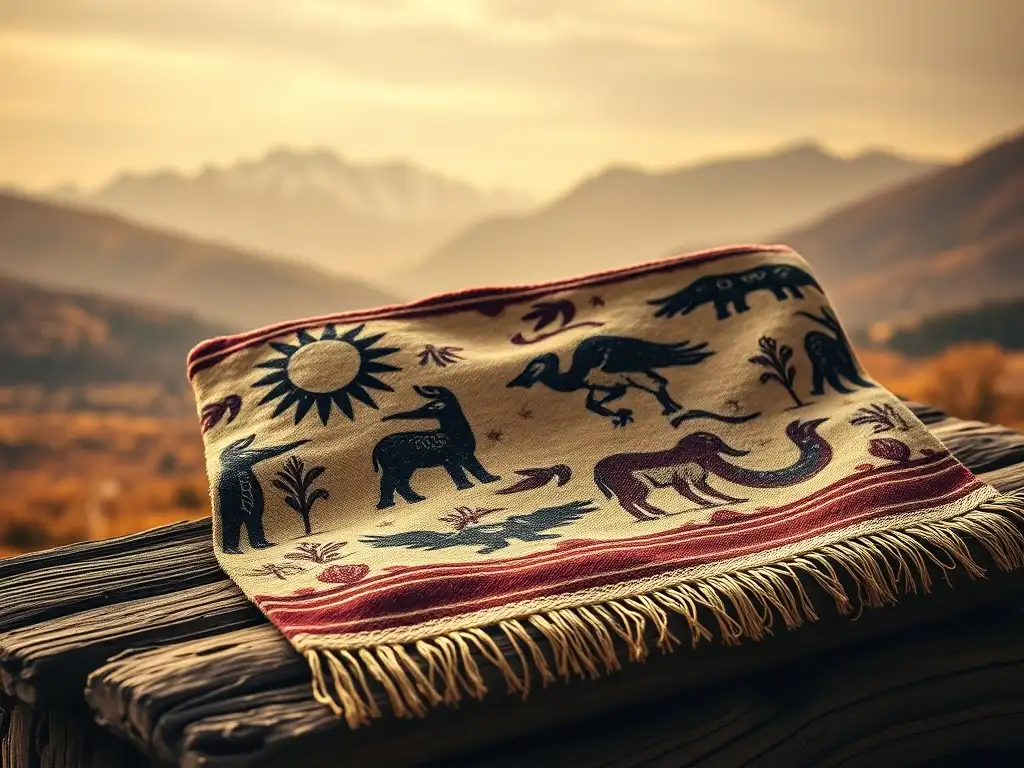
This section delves into the fascinating, yet often enigmatic, worldview of the Valdivia culture, a pre-Columbian society that flourished along the coast of Ecuador from approximately 3500 to 1800 BCE. While direct textual evidence is lacking, archaeological findings offer compelling clues into their cosmology, revealing a sophisticated understanding of their place within the natural world. Unlike later Andean civilizations like the Inca, whose extensive record-keeping allows for more detailed analysis of their beliefs, understanding Valdivia cosmology requires a meticulous interpretation of material culture.
This includes analyzing ceramic artifacts, burial practices, and the spatial organization of their settlements to piece together a picture of their spiritual beliefs and their relationship with the cosmos. The Valdivia people's connection to the sea, the fertility of the land, and the celestial bodies formed the cornerstone of their worldview, shaping their social structures, artistic expression, and daily lives.
Understanding their cosmology sheds light not only on Valdivia culture itself but also contributes to a broader understanding of the development of Andean religious thought and its evolution through subsequent pre-Inca and Inca periods. This exploration will contrast Valdivia cosmology with later Andean belief systems, highlighting both similarities and crucial differences, particularly in relation to Inca cosmology.
The Significance of Valdivia Culture in Coastal Ecuador
The Valdivia culture holds a pivotal position in the prehistory of Ecuador and the wider Andean region. Considered the earliest known complex society in South America, their achievements are remarkable considering their early date. They developed sophisticated ceramic technology, creating intricately decorated vessels, often featuring stylized representations of humans, animals, and possibly abstract cosmological symbols.
The presence of these sophisticated ceramics across a wide geographical area indicates a level of social organization and cultural interaction that was unprecedented for its time. Furthermore, evidence suggests a well-developed understanding of agriculture, with the cultivation of various crops contributing to a stable food supply. This agricultural success, coupled with their mastery of marine resources, provided the foundation for a relatively dense population and the development of complex social structures.
This economic stability likely played a crucial role in fostering the development of their unique worldview, a cosmology intimately linked to the bounty of the land and sea. The Valdivia's impact on subsequent coastal cultures is undeniable, laying the groundwork for the later development of more complex societies and establishing many of the fundamental cultural patterns of the region. Their legacy underscores the importance of studying their cosmology to understand the evolution of Andean thought.
Understanding Valdivia Cosmology: A Pre-Columbian Perspective
Reconstructing Valdivia cosmology presents a unique challenge for archaeologists. The absence of written records compels researchers to rely heavily on material culture. The most significant source of information comes from their exquisite ceramics. Many vessels depict stylized figures, often interpreted as deities or shamanistic figures, interacting with animals and other symbolic elements.
These figures frequently appear in conjunction with marine motifs, suggesting a close relationship between the human world and the ocean. The prevalence of female figurines, often depicted with exaggerated breasts and hips, points towards a possible veneration of fertility goddesses associated with the bounty of the land and the sea. Further, the careful placement of grave goods, including ceramic offerings, in burials suggests beliefs about the afterlife and the continuity of life beyond death. While specific details remain elusive, the combination of these archaeological findings suggests a cosmology deeply rooted in the natural world, with a strong emphasis on fertility, abundance, and the interconnectedness of human society with the marine and terrestrial environments.
Unlike the later, more hierarchical Inca cosmology with its emphasis on the sun god Inti, Valdivia beliefs appear more focused on the generative forces of nature itself, reflecting a different stage in the development of Andean religious thought. Further research, particularly focusing on detailed analysis of settlement patterns and the potential for astronomical observations, could yield more specific insights into their beliefs and worldview. The study of Valdivia cosmology offers a valuable window into the early development of Andean religious thought and provides a crucial comparative point for understanding the evolution of religious beliefs in the region, particularly in relation to the later development of Inca "Valdivia cosmology Inca" beliefs.
Key Elements of Valdivia Cosmology
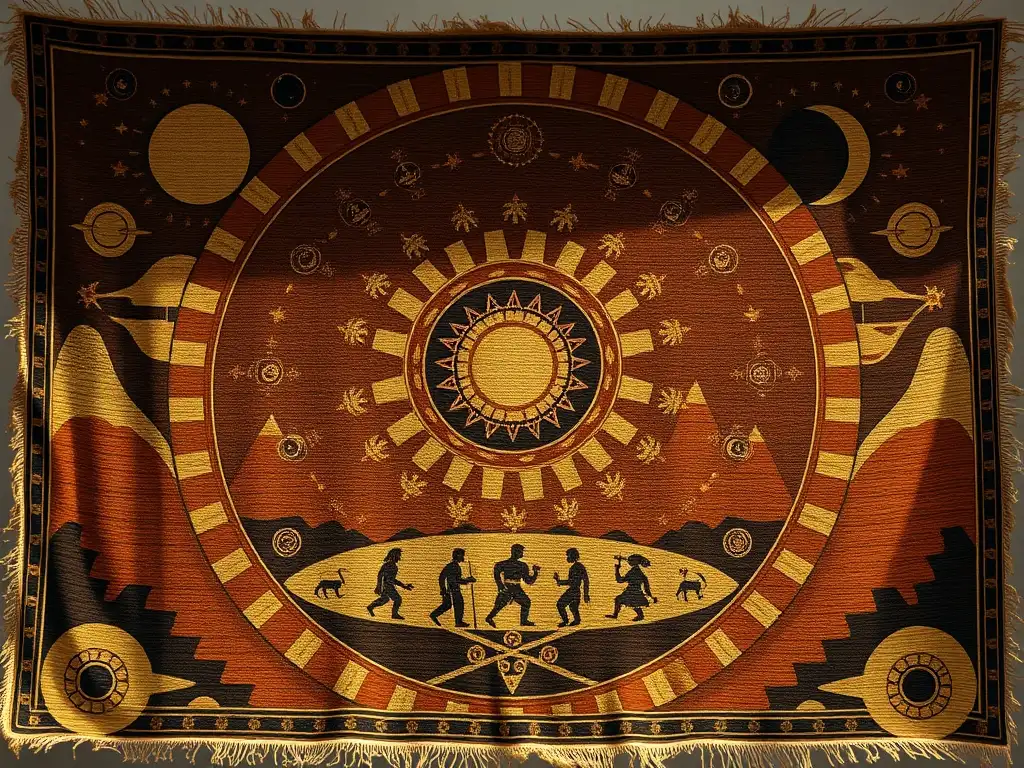
The Valdivia culture, flourishing along the Ecuadorian coast from approximately 3500 to 1800 BCE, possessed a sophisticated cosmology, albeit one expressed primarily through archaeological evidence. Unlike later Andean civilizations like the Inca, whose worldview is extensively documented through texts and chronicles, reconstructing Valdivia cosmology requires careful analysis of their material culture, particularly their distinctive pottery. While a complete, detailed understanding remains elusive, several key elements emerge from the available data.
These elements suggest a deep connection to the natural world, a reverence for fertility and abundance, and perhaps, a nascent form of shamanistic practice. This understanding of Valdivia cosmology offers a fascinating glimpse into the early development of Andean worldviews, providing a foundation upon which later, more complex systems were built.
The limited textual evidence necessitates reliance on careful interpretation of artifacts, leading to some ambiguity in our current understanding. Further research and discovery could significantly alter our current perspective on Valdivia cosmology.
The Valdivian Relationship with the Sea, Land, and Sky
The Valdivia people's existence was intrinsically linked to the interplay of the sea, land, and sky. Their coastal settlements depended heavily on marine resources, evidenced by the abundance of shell middens and fishing implements found at archaeological sites. The ocean wasn't merely a source of sustenance; it represented a powerful, life-giving force. Pottery frequently depicts stylized marine life – fish, birds, and possibly sea mammals – suggesting a symbolic importance beyond mere sustenance.
Similarly, the fertile coastal plains provided agricultural resources, likely including maize and other crops. The depiction of plants on some pottery pieces suggests a deep understanding and appreciation of the land's bounty. The sky, too, played a role.
While direct evidence of celestial observation is limited, the consistent orientation of settlements and the presence of certain symbolic motifs on pottery might hint at an awareness of celestial cycles and their influence on agriculture and marine life. This intricate relationship between the sea, land, and sky formed the bedrock of their worldview, a holistic understanding where all elements were interconnected and interdependent. The Valdivia people's profound respect for this interconnectedness is palpable in their artistry and their settlement patterns.
Valdivia's Shamanistic Beliefs and Ritual Practices
The possibility of shamanistic practices within Valdivia society is suggested by several lines of evidence. The presence of meticulously crafted figurines, often depicting stylized human forms with exaggerated features, raises questions about their function. These figurines, sometimes found in burials or associated with ritual contexts, may have served as representations of deities, ancestors, or shamanistic figures themselves.
The complex iconography present on some pottery pieces further supports this hypothesis. Certain recurring motifs, such as stylized eyes, hands, and other body parts, could represent symbolic elements within a shamanistic cosmology. These motifs may have been used to represent the shaman's ability to interact with the spirit world, influencing fertility, healing, or other aspects of Valdivia life.
Unfortunately, the absence of written records makes definitive conclusions difficult. However, the careful craftsmanship and symbolic significance of these artifacts strongly suggest the presence of ritual practices and a belief system involving supernatural agency. Further research, focusing on contextual analysis of artifact placement and associated grave goods, could shed further light on these practices.
Interpreting Valdivia Pottery: Symbolism and Cosmovision
Valdivia pottery constitutes the primary source of information regarding their cosmology. The intricate designs and symbolic motifs etched or painted onto these vessels offer valuable clues into their worldview. The frequent depiction of stylized figures, animals, and abstract symbols suggests a rich symbolic language that conveyed complex ideas about their relationship with the natural world.
The recurring themes of fertility and abundance, often represented by stylized female figures and depictions of plants and marine life, underscore the importance of these aspects in their cosmology. Moreover, the craftsmanship and artistry involved in creating these pieces highlight the cultural significance attributed to these objects. They were not merely utilitarian items; they were active participants in ritual practices and vehicles for expressing their cosmovision.
Analyzing the specific arrangements and combinations of these symbols within different pottery pieces may reveal a deeper, more nuanced understanding of Valdivia cosmology. However, further detailed comparative studies across various Valdivia sites and pottery styles are needed to fully grasp the extent and complexity of this symbolic language. The stylistic variations across different regions and time periods also present a challenge to interpretation, requiring careful consideration of temporal and geographical contexts.
Valdivia Astronomical Knowledge
The Valdivia culture, flourishing along the Ecuadorian coast from approximately 3500 to 1800 BCE, possessed a surprisingly sophisticated understanding of the cosmos, significantly predating the Inca's well-documented astronomical achievements. While not as extensively documented as later Andean civilizations, archaeological evidence suggests a deep connection between Valdivian society and celestial events, influencing their daily lives, rituals, and agricultural practices. This understanding of the cosmos, or Valdivia cosmology, is slowly being revealed through careful analysis of their settlements and artifacts, offering valuable insights into their worldview and societal structures.
The integration of astronomical observation into their daily lives demonstrates a profound level of cultural and intellectual development, challenging previous assumptions about the technological and cognitive capabilities of early coastal societies. This section will explore the evidence supporting this assertion, focusing on solar and lunar alignments, ritualistic practices, and the connection between celestial events and agriculture.
Evidence of Solar and Lunar Alignments in Valdivia Settlements
Several Valdivia settlements exhibit intriguing architectural features suggestive of deliberate astronomical alignments. While definitive proof remains elusive due to the challenges of interpreting partially excavated sites and the limitations of current dating techniques, preliminary findings are compelling. For instance, the orientation of certain structures in the Real Alto site, a major Valdivian center, appears correlated with the solstices and equinoxes.
This alignment, if confirmed through further research and more precise dating, would strongly suggest a conscious effort to incorporate astronomical observations into the planning and construction of their settlements. Furthermore, the positioning of certain burial mounds relative to the rising and setting sun at specific times of the year also warrants further investigation. The potential alignment of these significant structures with celestial events points towards a systematic understanding of celestial cycles far more advanced than previously believed.
Further research, including detailed mapping of existing sites and the application of advanced geospatial technologies, is crucial to solidify these preliminary findings and establish a definitive link between Valdivia settlements and celestial events. This would provide crucial evidence for the development of Valdivia cosmology.
The Role of the Sun and Moon in Valdivia Rituals
The influence of the sun and moon on Valdivia rituals is suggested by the presence of certain artifacts and stylistic motifs. While direct evidence linking specific artifacts to particular celestial events is scarce, the recurring imagery of sun-like and moon-like symbols in pottery and other artifacts points towards their importance in Valdivian belief systems. These symbols, often depicted in conjunction with other symbolic representations, likely held significant religious or ceremonial meaning.
The prevalence of these symbols suggests a deep-seated reverence for celestial bodies and their influence on the natural world and human life. The complexity of some of these designs further suggests a level of symbolic sophistication that reflects a comprehensive understanding of the celestial cycles and their significance. Further analysis of Valdivia iconography, coupled with comparative studies of other contemporary Andean cultures, is needed to fully decipher the meaning of these symbols and their place within the broader context of Valdivia cosmology.
The discovery of new artifacts or the re-examination of existing ones could provide further insights into the role of the sun and moon in Valdivia rituals and beliefs. The ongoing study of these artifacts is vital to understanding the relationship between Valdivia cosmology and their religious practices.
Valdivia's Understanding of Agricultural Cycles
The Valdivia people were skilled agriculturalists, cultivating a variety of crops along the fertile coastal plains. Their success in agriculture suggests a thorough understanding of seasonal changes, strongly implying a connection to astronomical observations. The timing of planting and harvesting would have been crucial for their survival, and it is highly probable that they used their knowledge of the sun's movement and the lunar cycle to determine the optimal times for these activities.
Evidence of sophisticated irrigation techniques further supports this hypothesis, demonstrating their ability to manage water resources effectively in accordance with seasonal variations. The close relationship between their agricultural practices and the celestial cycles highlights the practical application of their astronomical knowledge. Further research into the relationship between agricultural practices and astronomical events is necessary to fully understand the extent of Valdivia's knowledge and its impact on their societal development.
The study of Valdivia agricultural techniques, combined with analysis of their settlement patterns and environmental conditions, could reveal more nuanced insights into their understanding of agricultural cycles and their connection to Valdivia cosmology. This integrated approach will lead to a more complete understanding of their agricultural practices and how they were influenced by their sophisticated understanding of the cosmos.
Valdivia and Later Andean Cultures: Comparing Worldviews
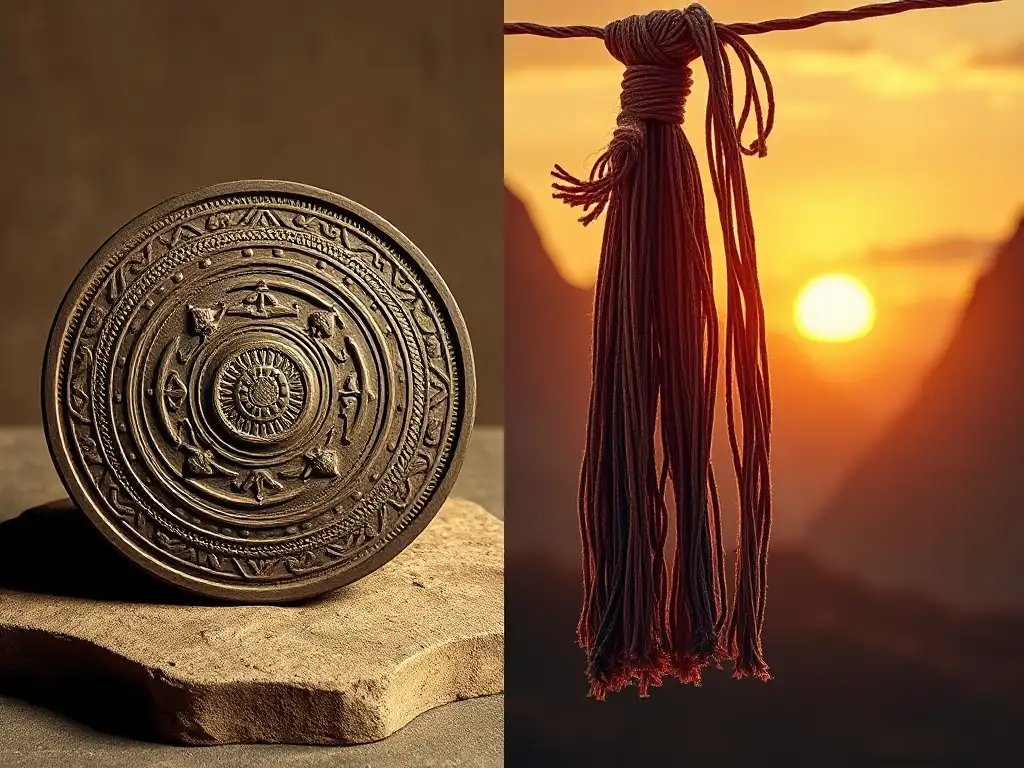
This section delves into the fascinating comparison between the cosmology of the Valdivia culture and that of later Andean civilizations, particularly focusing on the potential connections and divergences in their worldviews. While separated by centuries, understanding the Valdivia perspective offers crucial insight into the broader development of Andean cosmological thought. The Valdivia, existing from approximately 3500 to 1800 BCE, represent one of the earliest complex societies in South America, predating the Inca by millennia.
Their unique artistic expressions, particularly their ceramic figurines, provide valuable clues to their understanding of the cosmos. Analyzing these artifacts alongside the later, better-documented cosmologies of the Inca and other Andean cultures, allows us to trace potential evolutionary paths and influences.
The question of direct lineage is complex, but identifying shared motifs and conceptual similarities allows us to construct a more complete narrative of Andean cosmological development. The goal here is to illuminate the Valdivia's unique contribution to this rich tapestry of belief systems.
Contrasting Valdivia and Later Andean Cosmological Concepts
While a complete understanding of Valdivia cosmology remains elusive due to limited textual evidence, archaeological findings offer compelling insights. Their ceramic figurines, often depicting stylized human figures and animals, may represent mythological beings or shamanistic practices. Unlike the later Andean civilizations, which often feature a highly structured pantheon of gods and goddesses with defined hierarchies (as seen in Inca religion, for example), the Valdivia representations seem more fluid and less rigidly defined.
The Inca, for instance, had a complex cosmology centered around Inti (the sun god) and Viracocha (the creator god), with a clear hierarchy of deities and associated rituals. Valdivia depictions, conversely, suggest a more immediate, possibly animistic relationship with the natural world.
The limited evidence available suggests a focus on fertility, abundance, and the cyclical nature of life and death. This contrasts with the Inca's emphasis on maintaining cosmic order and balance through elaborate rituals and state-sponsored religious practices. The Valdivia's seemingly simpler, more direct engagement with the spiritual realm may reflect a different social structure and level of societal complexity compared to the later, highly centralized Inca empire.
Further research is needed to fully understand the nuances of Valdivia beliefs, but the available evidence points towards a distinct and fascinating worldview. The differences highlight the evolution and adaptation of cosmological ideas across different Andean cultures, illustrating the diversity within the Andean worldview.
Potential Influence on Later Coastal Andean Beliefs
The question of whether Valdivia cosmology directly influenced later coastal Andean cultures is a complex one, requiring careful consideration. While a direct, unbroken line of influence is difficult to definitively prove, the presence of certain recurring motifs and symbolic elements in later coastal Andean art suggests a potential continuity. For example, certain stylized representations of animals and human figures found in Valdivia ceramics reappear, albeit transformed, in subsequent coastal cultures.
These shared visual elements could indicate the transmission of ideas and beliefs across generations. However, it's crucial to acknowledge the possibility of independent development of similar concepts due to shared environmental factors and similar human experiences.
The coastal environment of Ecuador, where the Valdivia culture thrived, likely played a significant role in shaping their worldview. The abundance of marine resources and the powerful forces of nature, such as the ocean and volcanoes, could have influenced the development of their beliefs. Later coastal cultures, facing similar environmental challenges, might have developed similar beliefs independently, reflecting a shared adaptation to the region's unique characteristics.
Further research focusing on comparative iconography and settlement patterns could help to clarify the extent of potential influence. This requires a detailed cross-cultural analysis of archaeological finds, comparing stylistic elements and symbolic representations across different time periods and geographical locations.
The Legacy of Valdivia's Cosmological Understanding
Despite the challenges of interpreting limited evidence, the Valdivia culture's cosmological understanding holds significant value for understanding the broader development of Andean thought. Their early engagement with spiritual concepts and their unique artistic expressions offer a glimpse into the origins of Andean cosmologies. While the direct impact on later cultures, including the Inca, may be debated, their contribution to the broader spectrum of Andean belief systems is undeniable. The Valdivia's focus on fertility, the natural world, and the cyclical nature of life and death, even if expressed differently, echoes in some aspects of later Andean spiritual practices.
The Valdivia's legacy is not necessarily a direct inheritance, but rather a foundational layer upon which subsequent Andean cultures built their own complex cosmologies. Their contributions highlight the dynamic nature of Andean belief systems, constantly evolving and adapting to changing circumstances. By studying the Valdivia, we gain a deeper appreciation for the richness and complexity of Andean spiritual thought and its long-term development.
Further research, particularly focusing on comparative analyses of artifacts and settlement patterns, is essential for a more comprehensive understanding of the Valdivia’s enduring influence on the broader Andean cosmological landscape. Understanding the Valdivia cosmology enhances our comprehension of "Valdivia cosmology Inca" connections and the broader evolution of Andean belief systems.
Valdivia's Ceremonial Sites and Their Cosmic Alignment
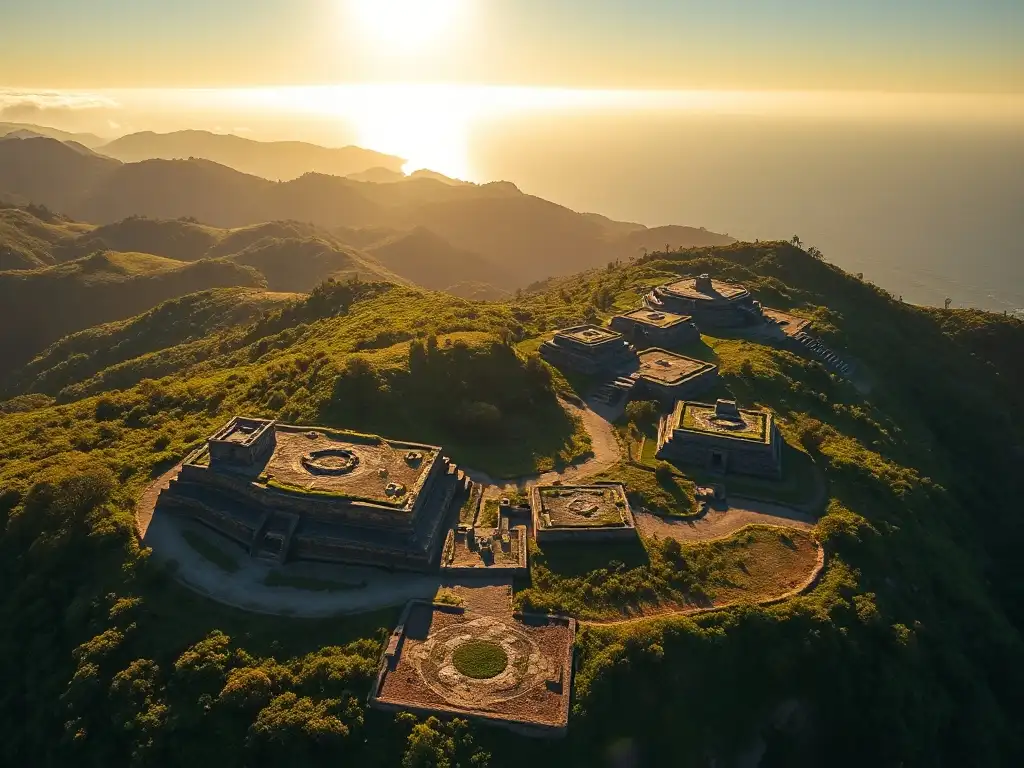
The Valdivia culture, flourishing on the Ecuadorian coast from roughly 3500 to 1800 BCE, left behind a compelling legacy that speaks volumes about their sophisticated understanding of the cosmos. While not as architecturally grandiose as later Andean civilizations like the Inca, their ceremonial sites reveal a deep connection to celestial events and a nuanced cosmology. Unlike the monumental structures of later cultures, Valdivia's cosmological expression is subtle, embedded within the layout of their settlements and the design of their artifacts.
Understanding this requires a careful examination of their spatial organization and the symbolic meaning imbued in their material culture. The subtle alignment of settlements and the careful placement of certain artifacts suggest a keen awareness of solstices and equinoxes, indicating a sophisticated understanding of astronomical cycles and their impact on daily life and agricultural practices.
Further research is needed to confirm specific alignments, as current data remains limited on the precise surveying techniques used to analyze Valdivia site orientations. [Specific data on site alignments pending further archaeological investigation].
The Design and Purpose of Valdivia Mounds and Villages
Valdivia settlements, often situated near fertile river valleys and the coast, were not haphazardly constructed. Evidence suggests a deliberate planning process, with mounds and villages strategically positioned. While the exact purpose of many mounds remains under investigation, their size and location suggest they served ritualistic purposes, possibly as platforms for observing celestial events or as burial sites for important figures. The layout of villages, often clustered around central plazas or mounds, may have reflected a cosmic worldview, mirroring the arrangement of celestial bodies. Analyzing the spatial relationships between different structures within these settlements could unlock valuable insights into Valdivia cosmology. The size and shape of these mounds vary considerably, but many show evidence of repeated construction and modification over time, indicating their importance and continued use over generations. This cyclical nature of construction is consistent with the cyclical nature of the agricultural calendar and the astronomical cycles that governed it.
Valdivia's Connection to the Earth, Sea, and Sky
The Valdivia people's cosmology was intrinsically linked to their environment, demonstrating a deep understanding of the interconnectedness of the earth, sea, and sky. Their proximity to the Pacific Ocean and fertile river valleys shaped their worldview, with the sea and the land representing fundamental aspects of their existence.
The abundance of marine life and the fertile agricultural lands provided sustenance, yet the unpredictable nature of both elements also instilled a sense of awe and respect for the powerful forces of nature. This is reflected in their art, where stylized representations of marine creatures and agricultural motifs are frequently intertwined, symbolizing the vital balance between these two realms.
Moreover, the presence of shell ornaments and artifacts made from materials sourced from both land and sea further emphasizes this integrated worldview, demonstrating a holistic understanding of their environment's interconnectedness. This deep understanding of the environment extended to the skies, with evidence suggesting observation of celestial events influencing their agricultural practices and ritualistic activities.
Ritual Artifacts and Their Significance in Valdivia Cosmology
The artifacts unearthed from Valdivia sites offer invaluable insights into their cosmology. Elaborately decorated pottery, featuring stylized human figures, animals, and abstract designs, often reveals symbolic representations of cosmic phenomena. For example, certain motifs may represent celestial bodies, constellations, or the cycle of life and death.
The use of specific materials, such as certain types of clay or pigments, could also hold symbolic meaning, reflecting the importance of these elements within their cosmological framework. Furthermore, the presence of figurines representing deities or ancestral figures suggests a belief in a spiritual realm and the existence of supernatural forces that influenced their lives. The careful placement of these artifacts within burial contexts or ceremonial sites further underscores their ritualistic significance and their role in connecting the Valdivia people to their spiritual world and the cosmos.
[Detailed analysis of specific artifact motifs and their cosmological interpretations pending further scholarly research]. The study of these artifacts, combined with analysis of settlement patterns and environmental factors, provides a more complete picture of the Valdivia's sophisticated understanding of the world around them. The Valdivia cosmology, therefore, reveals a complex and nuanced relationship between humanity, nature, and the cosmos, a testament to their intellectual and spiritual development.
Valdivia's Cosmovision: A Deep Dive
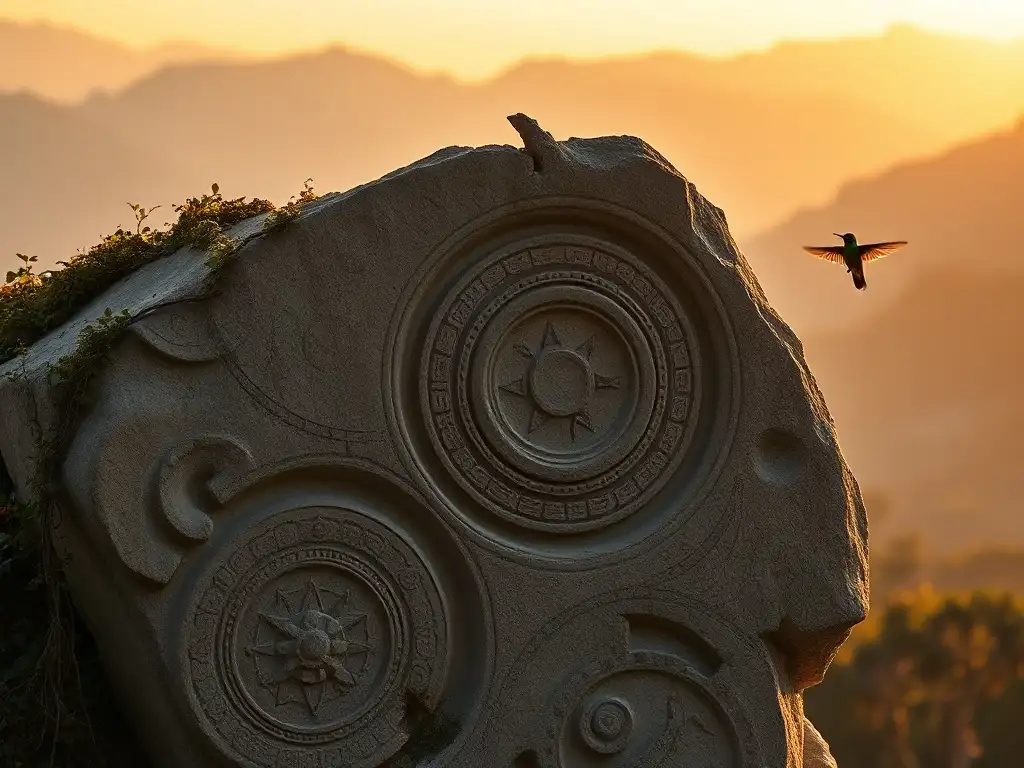
This section delves into the fascinating, yet enigmatic, cosmology of the Valdivia culture, a pre-Inca civilization that flourished along the coast of present-day Ecuador. While direct written records are absent, archaeological evidence, coupled with careful analysis of surviving artifacts and contextual clues, allows us to piece together a compelling picture of their worldview. Understanding Valdivia cosmology offers a unique perspective on the diverse belief systems that existed in the Andean region before the rise of the Inca Empire, challenging simplistic narratives that often overshadow the rich tapestry of pre-Inca cultures.
The term "Valdivia cosmology Inca" highlights the importance of studying these earlier cultures to gain a more nuanced understanding of the later Andean civilizations. This study helps to avoid an Inca-centric view of Andean history, offering instead a more comprehensive perspective of the region’s cultural development.
Analysis of Valdivia Oral Traditions and Interpretations
Unfortunately, no direct Valdivia oral traditions survive. The passage of time and the lack of a written language have left us reliant on indirect interpretations. Archaeological findings, however, provide valuable clues. The recurring motifs found on Valdivia pottery, for instance, frequently depict stylized figures, often interpreted as deities or ancestral spirits, interacting with abstract symbols possibly representing celestial bodies or natural forces. These symbols, often geometric patterns or stylized representations of animals and plants, are not easily deciphered, but their consistent presence suggests a structured belief system.
Further complicating the analysis is the challenge of interpreting these visual representations without the benefit of a written language or direct ethnographic accounts. Scholars often rely on comparative analysis with other contemporary or later Andean cultures, seeking parallels in iconography and ritual practices. However, this approach necessitates careful consideration, acknowledging the potential for misinterpretations arising from cultural differences and the limitations of analogy.
The absence of written records means that any interpretation of Valdivia cosmology remains, to a degree, speculative, requiring ongoing research and critical reassessment. More research is needed to further refine our understanding of the meaning behind these symbols and their significance within the Valdivia cosmological framework.
The Importance of Ancestral Lineages in Valdivia Society
Evidence suggests a strong emphasis on ancestral lineages within Valdivia society. The careful burial practices observed in Valdivia sites, often including grave goods such as pottery and ornaments, indicate a belief in an afterlife and the continued importance of deceased ancestors. The recurring depiction of stylized human figures on pottery may represent these ancestors, suggesting their continued presence and influence in the living world. This emphasis on lineage is a recurring theme in many Andean cultures, reflecting a deep connection to the past and a sense of continuity across generations.
The elaborate ornamentation found on some Valdivia artifacts may also be linked to social status and lineage. Certain designs or materials might have been reserved for individuals of higher standing within the community, reflecting a hierarchical structure that incorporated ancestral veneration into its social fabric.
Analyzing the distribution of these artifacts across different sites and burial contexts may provide further insights into the social and political organization of Valdivia society and the role of ancestral lineage within it. Future research focusing on isotopic analysis of human remains could potentially reveal dietary differences correlating with social status, further illuminating the relationship between ancestry and social hierarchy in Valdivia society.
The Concept of Transformation in Valdivia Beliefs
The Valdivia worldview appears to have incorporated a significant emphasis on transformation and cyclical processes. The recurring imagery of stylized figures and abstract symbols on pottery often presents a sense of fluidity and change, suggesting a belief in the cyclical nature of life, death, and rebirth. This cyclical perspective is echoed in the agricultural practices of the Valdivia culture, which relied heavily on the predictable rhythms of the seasons and the cyclical processes of planting and harvesting.
The prevalence of marine imagery in Valdivia art, such as depictions of fish and shellfish, further supports the idea of transformation. The ocean, with its constant ebb and flow, its capacity for both creation and destruction, represents a powerful symbol of change and renewal.
The Valdivia people likely observed the ocean’s transformative power and incorporated this imagery into their cosmology, reflecting their understanding of the dynamic relationship between land and sea. Further studies on the geographical distribution of Valdivia settlements and their relationship to marine resources could offer a deeper understanding of the influence of marine environments on their worldview and belief system.
The concept of transformation in Valdivia beliefs offers a compelling example of how early Andean cultures integrated their understanding of the natural world into their spiritual and cosmological framework. This perspective challenges simplistic notions of "primitive" belief systems and highlights the sophistication of Valdivia's understanding of the cosmos.
Conclusion: Valdivia's Enduring Cosmic Legacy
The Valdivia culture, despite its relatively early position in the Andean timeline, offers a compelling glimpse into the development of Andean cosmology. Their sophisticated understanding of the cosmos, reflected in their art and perhaps their societal structures, provides a crucial foundation for understanding later, more complex Andean worldviews, including those of the Inca. While the specific details of their beliefs remain partially shrouded in mystery, the surviving artifacts offer invaluable insights into their spiritual and philosophical landscape.
Analyzing Valdivia cosmology allows us to appreciate the continuity and evolution of Andean thought over millennia. The Valdivia's attention to detail in their ceramic representations, for instance, suggests a deep engagement with the natural world and a sophisticated understanding of its cycles.
This meticulous observation of nature and its rhythms likely played a significant role in their agricultural practices and daily life, further highlighting the interconnectedness of their spiritual and practical worlds. The intricate designs on Valdivia pottery weren't merely decorative; they were powerful symbols representing their cosmology, connecting the terrestrial and celestial realms.
The Lasting Impact of Valdivia's Understanding of Their World
The influence of early coastal cultures like Valdivia on subsequent Andean civilizations, including the Inca, is a subject of ongoing debate among scholars. However, several key elements suggest a potential link between Valdivia cosmology and later Andean worldviews. For example, the emphasis on fertility and the veneration of natural forces, evident in Valdivia iconography, resonates with themes found throughout Andean history.
The representation of stylized figures, often interpreted as deities or ancestral spirits, anticipates similar symbolic representations in later cultures. While direct lines of influence are difficult to definitively prove, the presence of shared symbolic motifs and cosmological themes suggests a potential transmission of ideas and beliefs across generations and cultures. Further research into the stylistic evolution of these motifs could illuminate the connections between Valdivia and later Andean cosmologies.
The continuity of certain symbolic patterns, even with stylistic variations, might indicate a persistent underlying cosmological framework. This continuity underscores the importance of studying early Andean cultures like Valdivia to fully understand the rich tapestry of Andean beliefs. The Valdivia's legacy extends beyond their artifacts; it lies in the foundation they laid for the complex and nuanced cosmologies that followed.
Further Research and Exploration of Valdivia Cosmology
Further research into Valdivia cosmology requires a multidisciplinary approach. Archaeological excavations, focusing on previously unexplored sites, are crucial to uncovering additional artifacts that can shed light on their beliefs. Careful analysis of existing collections, using advanced imaging techniques and material analysis, can reveal further details about the creation and meaning of Valdivia ceramics and other artifacts.
Ethnoarchaeological studies, comparing Valdivia practices with those of contemporary indigenous communities, can provide valuable insights into the possible social and ritual contexts of their cosmology. Furthermore, comparative studies with other contemporary coastal cultures can help delineate unique Valdivia characteristics and identify potential influences or exchanges. The application of advanced digital technologies, such as 3D modeling and virtual reality, can enhance the study of Valdivia artifacts and facilitate a more comprehensive understanding of their cosmology.
Understanding the Valdivia's "Valdivia cosmology Inca" connection requires a careful examination of both the similarities and differences between these cultures' worldviews. This interdisciplinary approach is critical to achieving a more holistic understanding of the complexities of Valdivia beliefs.
Reflections on the Valdivia Worldview
The Valdivia worldview, as interpreted from their surviving artifacts, presents a picture of a society deeply connected to the natural world. Their cosmology, while not fully understood, appears to have been deeply intertwined with their daily lives, influencing their agricultural practices, social structures, and artistic expressions. The emphasis on fertility and the cyclical nature of life and death suggests a worldview that was both pragmatic and spiritual.
Their sophisticated craftsmanship, evident in their ceramic work, reflects a profound appreciation for detail and a meticulous attention to symbolic representation. The Valdivia's legacy is not just about the objects they created, but the ideas and beliefs they embodied. Their cosmology offers a captivating window into the early development of Andean thought, highlighting the enduring human need to understand our place in the cosmos.
The Valdivia's story is a testament to the power of human imagination and creativity in shaping our understanding of the world around us, and their enduring impact on subsequent Andean cultures remains a subject worthy of continued study and reflection. The exploration of "Valdivia cosmology Inca" connections continues to reveal fascinating insights into the development of Andean thought.
Frequently Asked Questions
What is the connection between the Valdivia culture and Inca cosmology?
While the Valdivia culture predates the Inca by millennia, exploring their cosmology offers insights into the development of Andean spiritual beliefs. Understanding Valdivia's worldview helps contextualize later, more complex Andean cosmologies, including the Inca's.
How did the Valdivia people express their cosmological beliefs?
The Valdivia expressed their cosmology through ceremonial objects, figurines, and artistic representations found in their settlements. These artifacts depict stylized figures and symbols interpreted as representations of their spiritual world.
What were some key elements of Valdivia cosmology?
While interpretations vary, some scholars suggest a focus on fertility, the ocean, and ancestral veneration in Valdivia cosmology. These themes are reflected in their art and the location of their settlements.
How does the Valdivia cosmology compare to other Andean cosmologies?
While distinct from later Andean cosmologies like the Inca's, the Valdivia's focus on nature and ancestor worship provides a foundation for understanding the evolution of Andean spiritual beliefs. Similarities in themes suggest a shared cultural heritage.
Where can I learn more about Valdivia cosmology and its relationship to the Inca?
Further research can be conducted through academic journals, archaeological publications, and museum exhibits focusing on pre-Columbian Andean cultures. Many books and online resources delve deeper into the topic of Andean cosmology.
Final Reflection: Echoes of the Valdivia Cosmos in a Modern World
The intricate cosmology of the Valdivia culture, though separated from us by millennia, continues to resonate with profound implications for our understanding of human connection to the natural world. Their sophisticated understanding of celestial cycles and their symbolic representation in artifacts challenge our modern, often fragmented, view of existence, reminding us of the enduring power of a holistic worldview.
The Valdivia's deep reverence for the ocean, the mountains, and the celestial bodies speaks to a fundamental human need for connection to something larger than ourselves. This inherent desire for meaning, for understanding our place within the universe, is a constant throughout human history. The cosmos is within us. We are made of star-stuff. We are a way for the universe to know itself.
- Carl Sagan. This quote beautifully encapsulates the enduring relevance of the Valdivia's cosmological perspective, highlighting the inherent interconnectedness between humanity and the cosmos, a theme central to their worldview and one that continues to inspire awe and wonder.
Consider, for a moment, the implications of the Valdivia's perspective. How might a deeper understanding of their cosmology influence our own relationship with the environment? How can we cultivate a more holistic and interconnected worldview in our increasingly fragmented modern society? I invite you to reflect on the enduring wisdom of the Valdivia, to seek out the echoes of their cosmos within yourself, and to strive for a more meaningful connection with the world around you.
Unveil the Mysteries of the Valdivia Cosmos!
Thank you for exploring the fascinating worldview of the Valdivia civilization. Understanding their unique perspective offers a significant appreciation for the rich cultural heritage of the Andes. Now, let's deepen your connection with this ancient society.
- Dive deeper: Choose an aspect of Valdivian culture that captivates you—perhaps their intricate pottery, spiritual beliefs reflected in their artifacts, or innovative agricultural techniques. Share your discoveries with friends to spark engaging conversations.
- Engage with the community: Join online forums or local history groups focused on Andean civilizations. Sharing your insights and learning from others will broaden your understanding.
- Spread the knowledge: Share your newfound knowledge on social media, encouraging others to explore the captivating world of the Valdivia cosmos.
What intrigues you most about the Valdivia worldview? Let's discuss!