
Valdivia Culture: A Glimpse into the Dawn of Andean Coastal Life

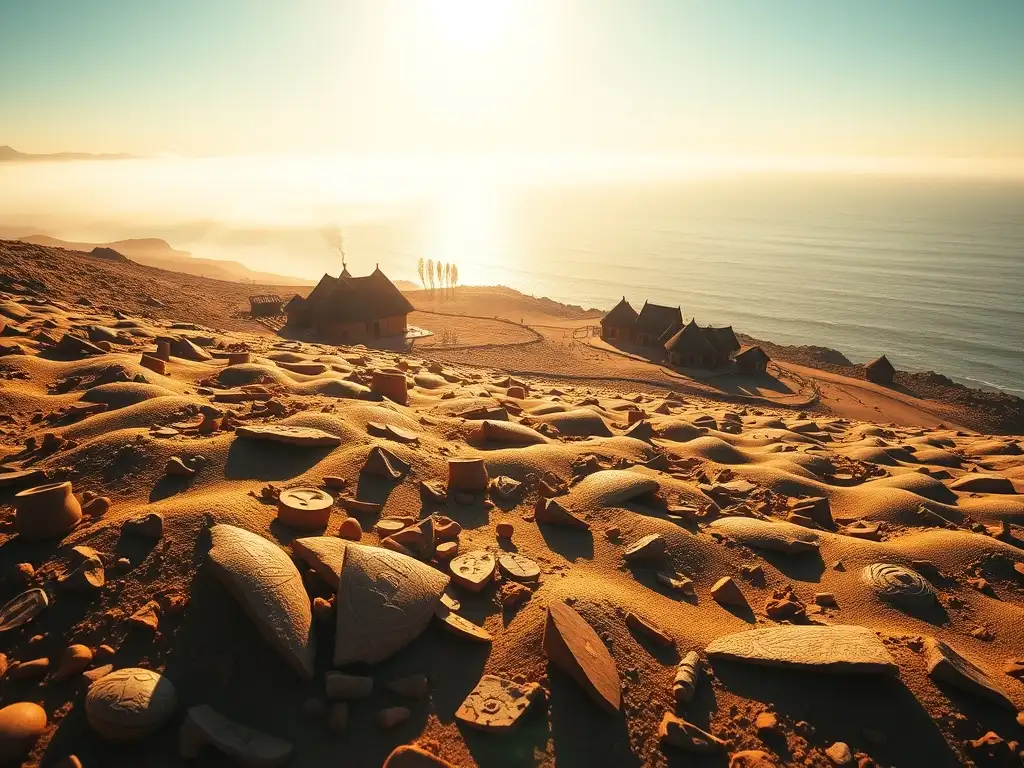
Step into a world lost to time, where vibrant cultures thrived along the shores of ancient South America. Intrigued by the mysteries of the Andean civilizations? Then prepare to be captivated by the Valdivia culture origins, a story of innovation and artistry that predates even the mighty Incas. Uncover the secrets of this fascinating coastal society and witness the dawn of Andean coastal life – a journey through time awaits.
The Valdivia culture represents a pivotal moment in the history of the Andes, marking the earliest known complex society on the South American Pacific coast. This fascinating civilization, flourishing from approximately 3500 to 1800 BCE, predates even the Inca empire by millennia, offering a unique window into the development of early Andean coastal life.
Understanding the Valdivia culture's origins is crucial to comprehending the broader trajectory of Andean civilization, revealing the ingenuity and resilience of its people in adapting to a challenging coastal environment and laying the groundwork for subsequent cultural advancements. This exploration delves into the key aspects of Valdivia culture, examining its origins, societal structures, technological innovations, and lasting legacy, providing a comprehensive overview of this remarkable early Andean society.
We will explore the evidence that sheds light on their daily lives, beliefs, and artistic expressions, highlighting the significance of their contributions to the rich tapestry of Andean history. The keyword "Valdivia culture origins" will be addressed throughout this article, examining various hypotheses and archaeological findings.
Unraveling the Origins: Where and When Did the Valdivia Culture Emerge?
The Valdivia culture emerged along the coast of present-day Ecuador, specifically in the Guayas province. Archaeological evidence points to a gradual development, rather than a sudden appearance. The exact origins remain a subject of ongoing research, but prevailing theories suggest a complex interplay of environmental factors and cultural influences. The fertile coastal plains and abundant marine resources provided a stable base for population growth and agricultural development.
Early Valdivian settlements were located near estuaries and rivers, indicating a reliance on both marine and terrestrial resources. Radiocarbon dating of artifacts consistently places the earliest Valdivian settlements around 3500 BCE, although some researchers suggest even earlier beginnings. The gradual evolution of Valdivian pottery styles and technological advancements over several centuries further supports a nuanced understanding of their origins, suggesting a continuous process of adaptation and innovation.
While the exact social structure of the Valdivia culture remains partially enigmatic due to the limitations of archaeological evidence, several aspects suggest a degree of social complexity. The presence of larger settlements and evidence of specialized craft production (particularly pottery) hint at a stratified society, possibly with individuals or groups specializing in specific tasks. The size and layout of some sites suggest organized communal living, though the extent of centralized authority is still debated among scholars.
Analysis of burial practices, while incomplete, provides some clues about potential social hierarchies. Further research, including advanced DNA analysis and more extensive excavation of settlements, is needed to fully understand the nuances of Valdivian social organization. The discovery of elaborate ceremonial objects also suggests the existence of religious or spiritual leaders within their society.
Technological Innovations: Valdivia Pottery and Beyond
The Valdivia culture is renowned for its exquisitely crafted pottery, considered the oldest known pottery in the Americas. These early ceramics are remarkably sophisticated, showcasing advanced techniques such as modeling, burnishing, and painting. The designs often incorporate abstract motifs and stylized representations of marine life, reflecting a deep connection to their environment. Beyond pottery, the Valdivia people demonstrated ingenuity in other technological spheres.
They developed efficient fishing techniques, utilizing various tools and strategies to exploit the rich marine resources of the coast. Evidence also suggests the use of rudimentary agricultural practices, although the extent of their agricultural production is still under investigation. Their technological innovations laid the foundation for future advancements in Andean technology, influencing subsequent cultures along the coast.
Artistic Expressions: Deciphering Valdivia Art and Symbolism
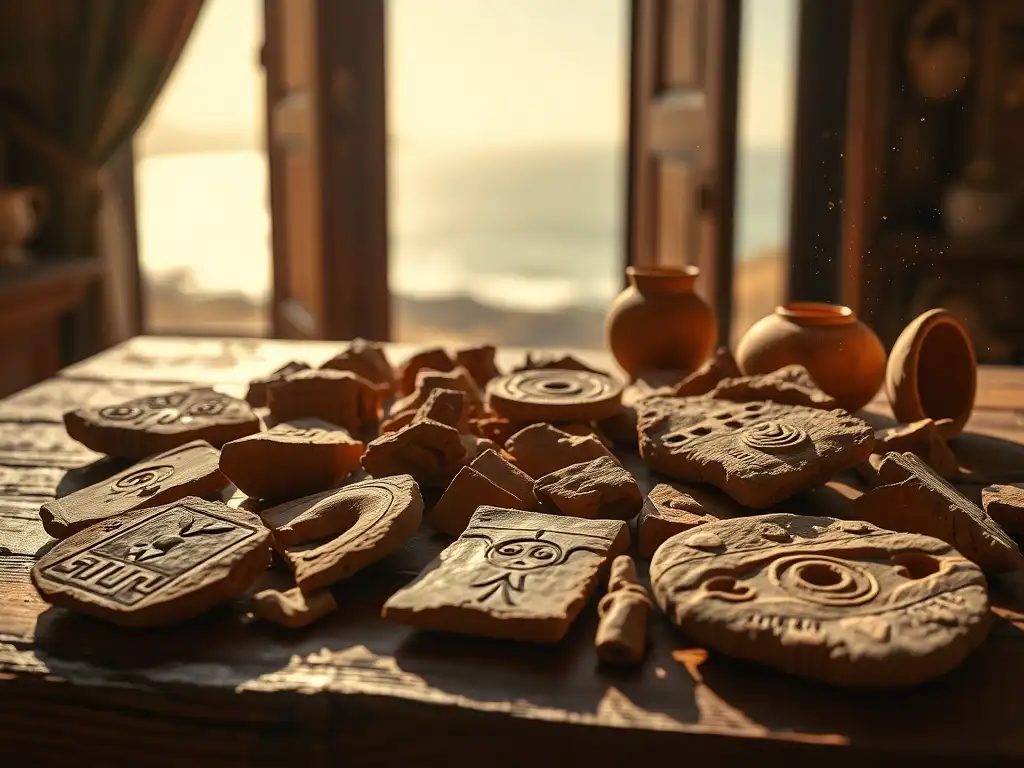
Valdivian art is characterized by its elegance and sophistication, providing invaluable insights into their worldview and cultural beliefs. The intricate designs on their pottery, often featuring stylized figures and abstract patterns, hint at a rich symbolic language. Marine life frequently appears in their art, suggesting the importance of the ocean in their lives and possibly reflecting religious or spiritual beliefs.
The use of various colors and textures in their pottery also demonstrates a keen aesthetic sense. Analyzing the iconography and symbolism present in Valdivian art requires careful study, and ongoing research continues to shed light on the meaning and significance of their artistic expressions. The stylistic evolution of their art over time also provides valuable insights into the cultural changes within the Valdivia civilization itself.
The Valdivia Legacy: A Foundation for Future Andean Cultures
The Valdivia culture, despite its relatively early disappearance, left a lasting impact on the development of Andean civilization. Their advancements in pottery, agriculture, and social organization set the stage for subsequent coastal cultures. The sophisticated techniques they developed in ceramic production were adopted and adapted by later groups, demonstrating the continuity and influence of Valdivian traditions.
Understanding the Valdivia culture's legacy is essential to appreciating the broader context of Andean history. Their contributions highlight the long and complex process of cultural development along the Andean coast, demonstrating the remarkable achievements of early Andean societies and their significant contributions to the region's rich cultural heritage. The influence of Valdivia culture can be traced in the artistic styles and technological innovations of later Andean civilizations, solidifying their place as pioneers in the development of Andean coastal life.
- Unraveling the Origins: Where and When Did the Valdivia Culture Emerge?
- Societal Structures: Understanding the Valdivia Social Organization
- Technological Innovations: Valdivia Pottery and Beyond
- Artistic Expressions: Deciphering Valdivia Art and Symbolism
- The Valdivia Legacy: A Foundation for Future Andean Cultures
Tracing the Valdivia Culture Origins: An Introduction
The Valdivia culture, flourishing along the coast of present-day Ecuador from approximately 3500 to 1800 BCE, represents a pivotal moment in the development of Andean civilizations. Understanding its origins is key to unlocking a deeper comprehension of the complex tapestry of pre-Columbian South American societies. This early culture, predating even the Inca by millennia, left behind a remarkable legacy of artistic expression, technological innovation, and social organization that continues to fascinate and inspire researchers today.
The quest to pinpoint the precise origins of the Valdivia culture involves piecing together fragmented evidence from archaeological digs, analyzing stylistic shifts in pottery, and considering the environmental factors that shaped this unique coastal society. The investigation is ongoing, with new discoveries constantly refining our understanding of this formative period in Andean history.
One of the most captivating aspects of the Valdivia culture is its surprisingly advanced ceramics, indicating a sophisticated level of technological skill and artistic vision for its time. This section will delve into the key aspects that contribute to our current understanding of the Valdivia culture's origins, examining both the historical significance and the geographical context of its emergence.
The Significance of the Valdivia Culture in Ecuadorian History
The Valdivia culture holds immense significance in Ecuadorian history as the earliest known complex society in the region. Its emergence marks a crucial turning point, demonstrating the capacity for sophisticated social organization and technological advancement long before the rise of later Andean empires. The Valdivia people were not merely hunter-gatherers; they developed agriculture, albeit rudimentary compared to later periods, and exhibited a remarkable proficiency in crafting intricately decorated ceramics.
This mastery of pottery production is not just a technological achievement; it also speaks volumes about the development of symbolic thought and social structures. The complex designs found on Valdivia pottery suggest a rich symbolic language, hinting at sophisticated religious beliefs and social hierarchies. The presence of these early forms of artistic expression and social complexity challenges previous assumptions about the pace of cultural development in the Andes.
Furthermore, the Valdivia culture's longevity, spanning centuries, attests to its resilience and adaptability in the face of environmental changes and internal social dynamics. Their legacy laid the groundwork for subsequent coastal cultures, influencing artistic styles and technological innovations that would shape the course of Ecuadorian history for millennia to come. Understanding the Valdivia culture's origins is thus essential to grasping the broader trajectory of Andean civilization.
The Geographical Context of the Valdivia Settlements in Coastal Ecuador
The Valdivia culture thrived in a specific geographical context along the coastal plains of Ecuador, a region characterized by a diverse range of ecosystems. Their settlements were strategically located near abundant resources, including fertile river valleys and rich marine life. This access to both terrestrial and marine resources played a crucial role in supporting their population and enabling the development of a complex society. The coastal environment, while offering plentiful resources, also presented challenges.
The Valdivia people had to adapt to fluctuating weather patterns, including periodic El Niño events, which could significantly impact agricultural yields and marine resources. Archaeological evidence suggests that Valdivia settlements were often situated near estuaries and river mouths, allowing them to exploit both freshwater and marine resources effectively. The distribution of Valdivia sites along the coast reflects a careful selection of locations offering optimal access to resources and protection from environmental hazards.
This strategic settlement pattern speaks to a deep understanding of their environment and a capacity for sophisticated resource management. The specific geographical location of Valdivia settlements helped shape their social organization, technological innovations, and artistic expression, contributing significantly to the unique characteristics of this early Andean culture. Further research into the precise location and distribution of these settlements is crucial to refine our understanding of their environmental adaptations and social dynamics.
Early Valdivia: Exploring the Initial Stages of Development
This section delves into the fascinating early stages of the Valdivia culture, focusing on its origins and initial development along the Ecuadorian coast. Understanding the foundational elements of this civilization is key to appreciating its later achievements and its significant contribution to the broader tapestry of Andean cultural development. We'll explore the earliest evidence of pottery production, the adoption of maize agriculture, and the societal structures reflected in early Valdivia village life. The precise timeline for these developments remains a topic of ongoing research, but archaeological evidence provides compelling insights into the Valdivia culture origins.
Initial Ceramic Production: The Emergence of Valdivia Pottery
The emergence of pottery marks a crucial turning point in the Valdivia culture's development, signifying a sophisticated level of technological advancement and artistic expression. The earliest Valdivia pottery, dating back to approximately 5000 BCE, is characterized by its simple forms and lack of elaborate decoration. These early vessels, often small and bowl-shaped, were primarily utilitarian, used for storage and cooking. However, even these rudimentary pieces exhibit a remarkable technical proficiency in shaping and firing clay, demonstrating a deep understanding of material properties.
The clay used was locally sourced, and analysis reveals the careful selection and preparation techniques employed. The firing process, likely involving open-air kilns, required considerable skill and knowledge to achieve the desired consistency and durability. The lack of complex decoration in early Valdivia pottery might reflect a focus on functionality over aesthetics, but it also underscores the innovation inherent in the very act of creating these vessels.
The consistent quality across different sites suggests a shared knowledge base and possibly the transmission of pottery-making techniques within the early Valdivia communities. Further research into the chemical composition of the clay and the firing techniques could offer even more precise insights into the origins and evolution of Valdivia pottery. The development of pottery laid the groundwork for the more elaborate and decorated styles that would emerge in later Valdivia phases.
The Development of Maize Agriculture in Valdivia
The introduction of maize ( Zea mays) agriculture represents a significant shift in the Valdivia subsistence strategy. While earlier evidence suggests a reliance on foraging and the exploitation of marine resources, the cultivation of maize provided a more stable and predictable food source. The exact timing of maize adoption remains debated amongst scholars, with estimates ranging from 4500 BCE to 3500 BCE.
However, the presence of maize pollen and phytoliths in archaeological contexts strongly supports its cultivation during this period. The transition to agriculture was likely gradual, with maize initially supplementing existing food sources before becoming a more central element of the diet.
The development of maize agriculture had profound implications for Valdivia society. It facilitated sedentism, allowing for the establishment of permanent settlements. This, in turn, enabled greater population densities and the development of more complex social structures. The cultivation of maize also required collaborative efforts, likely fostering cooperation and communication within the community.
Analysis of ancient maize remains can reveal details about the specific varieties cultivated and the agricultural practices employed. Further research could shed light on the impact of maize agriculture on the Valdivia diet, health, and social organization. The adoption of maize agriculture represents a pivotal moment in the Valdivia culture origins story, shaping its trajectory and influencing its subsequent development.
Early Valdivia Villages: Community Life and Circular Houses
The early Valdivia villages offer valuable insights into the social organization and daily life of this ancient civilization. Archaeological excavations have uncovered numerous settlements, characterized by clusters of circular houses constructed from various materials, including wood, thatch, and wattle and daub. These houses, often small and simple in design, were likely occupied by family units. The circular layout suggests a possible emphasis on community cohesion and shared space. The proximity of houses within settlements indicates close social interaction and possibly a communal approach to resource management.
Evidence of craft production, such as the creation of pottery and shell ornaments, has been found within these settlements, suggesting specialized roles within the community. Grave goods associated with burials provide further information about social status and beliefs. While the social hierarchy within early Valdivia communities remains somewhat unclear, the presence of variation in grave goods suggests some degree of social differentiation.
Further research, including detailed analysis of settlement layout, house construction, and burial practices, could provide a more comprehensive understanding of social organization and community life in early Valdivia villages. The structure of these early settlements reflects the social complexity of the Valdivia culture and the foundations of their later achievements. Understanding the layout and organization of these early villages helps paint a clearer picture of the Valdivia culture origins and its development.
The Evolution of Valdivia Culture: Ceramic Mastery and Trade
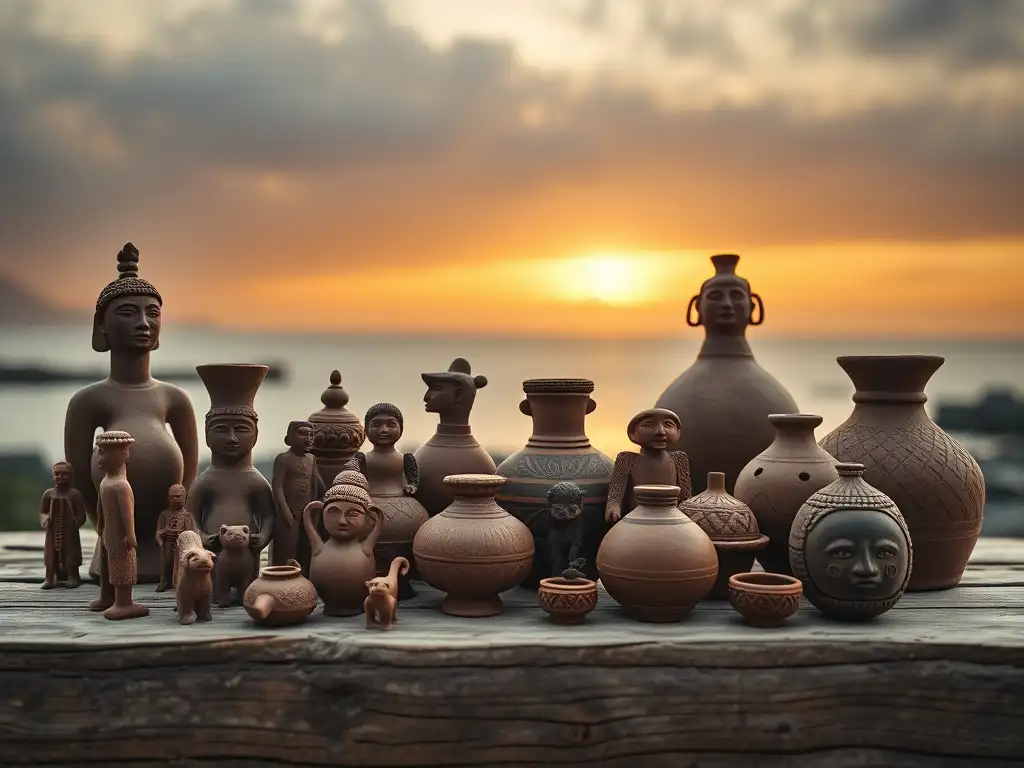
The Valdivia culture, flourishing along the coast of present-day Ecuador from approximately 3500 to 1800 BCE, represents a significant milestone in the development of Andean civilizations. Its origins, a subject of ongoing research and debate within the field of archaeology, are crucial to understanding the broader trajectory of coastal Andean societies. The evolution of Valdivia culture is intricately linked to advancements in ceramic production and the establishment of extensive trade networks, factors that contributed significantly to its social complexity and longevity. Understanding these aspects helps us unravel the mysteries surrounding Valdivia culture origins.
Development of Valdivia Pottery Techniques: From Simple to Complex
Early Valdivia pottery is characterized by its simplicity. Initially, vessels were largely hand-built, using techniques like coiling and pinching. Clay was sourced locally, often mixed with tempering agents like sand or shell to improve its workability and reduce cracking during firing. The earliest pieces were often undecorated, focusing on functionality over aesthetics.
However, as the culture matured, a remarkable transformation occurred. The Valdivia people refined their techniques, moving towards wheel-thrown pottery (though evidence suggests a slow adoption rather than a sudden shift). This allowed for greater precision and the creation of more elaborate shapes and sizes. The incorporation of slip—a liquid clay suspension—enabled a wider range of colors and surface treatments.
Later Valdivia pottery displays intricate designs, painted in red, black, and white pigments, often depicting geometric patterns or stylized representations of marine life. This evolution reflects not only technological advancement but also a growing sophistication in artistic expression and social organization. The increasing complexity of the pottery suggests a specialization of labor, with individuals or groups dedicated to specific stages of production, from clay preparation to firing and decoration.
Valdivia Figurines: Venus Figurines and Their Possible Meaning
Perhaps the most iconic artifacts of the Valdivia culture are its numerous figurines, often referred to as "Venus figurines." These small, stylized sculptures, predominantly female, are crafted from clay and exhibit a range of styles and levels of detail. Some are highly abstract, with simple features and forms, while others are more realistic, with carefully rendered facial features and body proportions.
The consistent depiction of female figures has led to much speculation regarding their meaning and function within Valdivia society. Some scholars suggest they represent fertility goddesses, reflecting the importance of agriculture and reproduction in their culture. Others propose that they may have been used in rituals or ceremonies, or even served as votive offerings.
The diversity in their style and decoration further complicates interpretation, suggesting possible variations in social status, religious beliefs, or even regional differences. Further research, including detailed stylistic analysis and contextual studies, is necessary to fully understand the significance of these fascinating artifacts and their contribution to our understanding of Valdivia culture origins. The ongoing investigation of these figurines continues to provide valuable insights into the beliefs and practices of this early Andean society.
Expansion of Trade Networks: Obsidian and Spondylus Shell Exchange
The Valdivia culture's geographical location along the Ecuadorian coast facilitated the development of extensive trade networks. Archaeological evidence points to the exchange of goods with other coastal communities, as well as inland settlements. Two particularly noteworthy items in this exchange were obsidian, a volcanic glass valued for its sharp edges and used in tools, and spondylus shell, a brightly colored shell prized for its ornamental and ritualistic significance.
Obsidian sources were located far inland, indicating the existence of well-established trade routes connecting the coastal Valdivia people with distant communities. Similarly, spondylus shell, harvested from the ocean depths, was traded extensively along the coast, suggesting a complex system of exchange and distribution. The presence of these materials in Valdivia sites demonstrates not only the economic influence of the culture but also its integration into a wider network of social and political interactions.
This widespread exchange of resources also contributed to the cultural diffusion of ideas and technologies, playing a crucial role in the development and diversification of Andean societies. The analysis of these trade networks offers critical clues to understanding the Valdivia culture origins and its interconnectedness with the broader Andean world. The sophisticated exchange systems point to a complex social organization capable of managing long-distance trade and resource distribution.
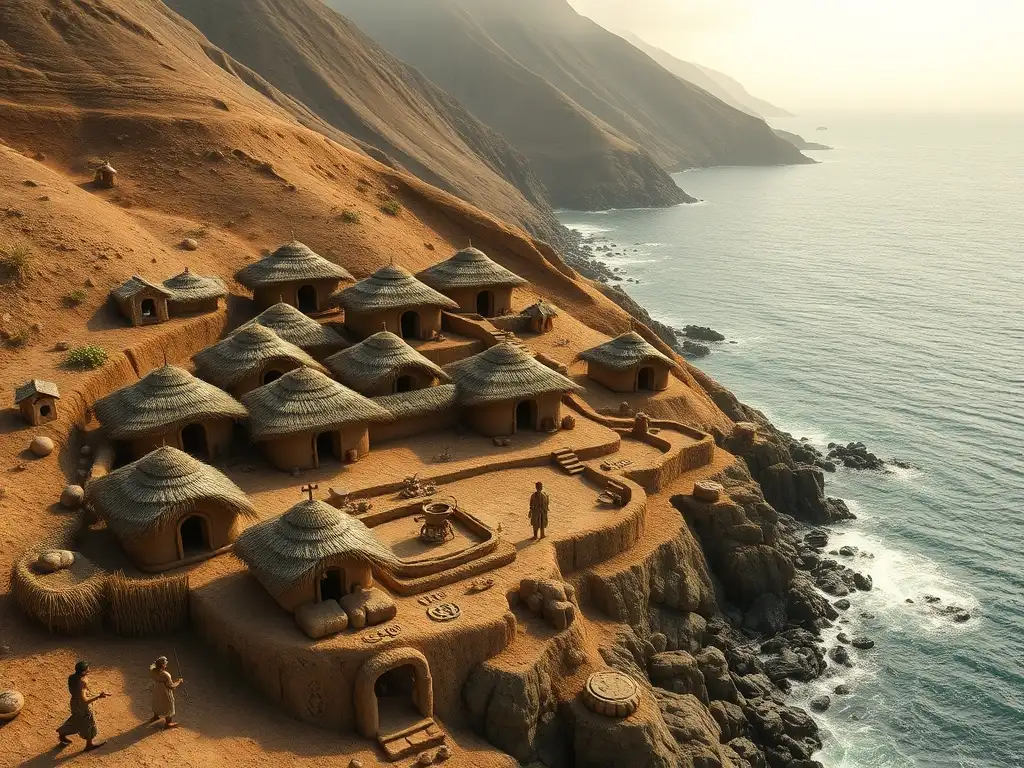
The Valdivia culture, flourishing along the coast of present-day Ecuador from approximately 3500 to 1800 BCE, presents a fascinating case study in the development of complex social structures and belief systems in early Andean societies. While lacking the monumental architecture of later cultures, the Valdivia people displayed a sophistication in their social organization and spiritual practices that reveals a surprisingly advanced level of societal development for its time. Understanding the Valdivia culture origins requires careful examination of their social organization, religious beliefs, and burial practices.
These aspects, though interpreted through limited archaeological evidence, offer valuable insights into the lives and worldview of these early coastal inhabitants. The development of social complexity, evidenced by settlement patterns and artifact distribution, is intertwined with evolving religious practices and beliefs about the afterlife, reflected in their burial customs.
The emergence of larger settlements provides compelling evidence of increasing social complexity within Valdivia society. While early Valdivia sites consisted of small, dispersed settlements, later periods saw the development of larger villages, indicating a shift towards greater population density and potentially more centralized social structures. Archaeological excavations have revealed evidence of planned settlements, with houses arranged in organized clusters.
The size and layout of these larger settlements suggest the existence of specialized roles and a hierarchy within the community. For example, the presence of larger, more elaborately constructed dwellings might indicate the existence of elite individuals or families holding significant social status. Further analysis of artifact distribution within these settlements – such as the concentration of certain types of tools or pottery in specific areas – could reveal evidence of craft specialization or distinct social zones.
The presence of larger, more complex structures within these settlements may also indicate the existence of communal spaces used for gatherings or ceremonies, underscoring the importance of collective activities in Valdivia life. Unfortunately, definitive evidence regarding the precise nature of social hierarchy and governance within Valdivia communities remains scarce, requiring further research to fully understand the nuanced aspects of their social organization. More detailed stratigraphic analysis and careful study of household artifacts would illuminate the dynamics of social stratification in these early settlements.
Religious Practices: Shamanism and Ritualistic Activities
The Valdivia people's spiritual beliefs are primarily inferred from the presence of specific artifacts and burial practices. Evidence suggests the presence of shamanistic practices, with certain individuals potentially holding specialized religious roles. The discovery of intricately carved figurines, often depicting stylized human figures or animals, is interpreted as evidence of ritualistic activities.
These figurines, frequently found in burials or associated with domestic contexts, may have served as representations of deities, ancestral spirits, or shamanistic paraphernalia. The prevalence of certain motifs, such as stylized eyes or hands, on these figurines might signify symbolic meanings related to power, fertility, or other spiritual concepts. Additionally, the presence of elaborate shell ornaments and carefully crafted pottery vessels in some burials points to the importance of ritual offerings and displays of social status related to religious practices.
The absence of monumental structures dedicated to religious purposes suggests that religious activities might have been primarily domestic or localized within smaller community spaces. Further research is needed to explore the specific nature of Valdivia religious beliefs and rituals, especially regarding their understanding of the cosmos and their interactions with the supernatural world. A detailed analysis of iconographic representations on pottery and figurines, combined with a deeper understanding of burial contexts, would provide further insight into their cosmology and religious practices.
Burial Customs: Grave Goods and Afterlife Beliefs
Valdivia burial practices offer crucial insights into their beliefs about the afterlife and social organization. The presence of grave goods, ranging from simple pottery vessels to elaborate shell ornaments and figurines, suggests that the Valdivia people believed in a continuation of life beyond death. The types and quantity of grave goods varied considerably across burials, indicating potential differences in social status or individual importance.
Some graves contained only a few simple objects, while others held a rich array of artifacts, highlighting a possible connection between material possessions and social standing even in the afterlife. The careful placement of bodies and grave goods within the burials also suggests a structured ritual process surrounding death and burial. The orientation of bodies, the arrangement of grave goods, and the presence of specific artifacts might reveal symbolic meanings related to funerary rituals and beliefs about the transition to the afterlife.
The analysis of human remains, including skeletal analysis and isotopic studies, could provide additional information regarding diet, health, and social mobility within Valdivia society. Detailed studies of burial contexts, combined with advanced scientific techniques, are crucial to fully understand the significance of Valdivia burial practices and their implications for comprehending their worldview and social structure. Further investigation into the relationship between grave goods, social status, and ritual practices within Valdivia burial sites would significantly contribute to a more complete picture of their culture and beliefs.
Valdivia Culture's Legacy and Influence
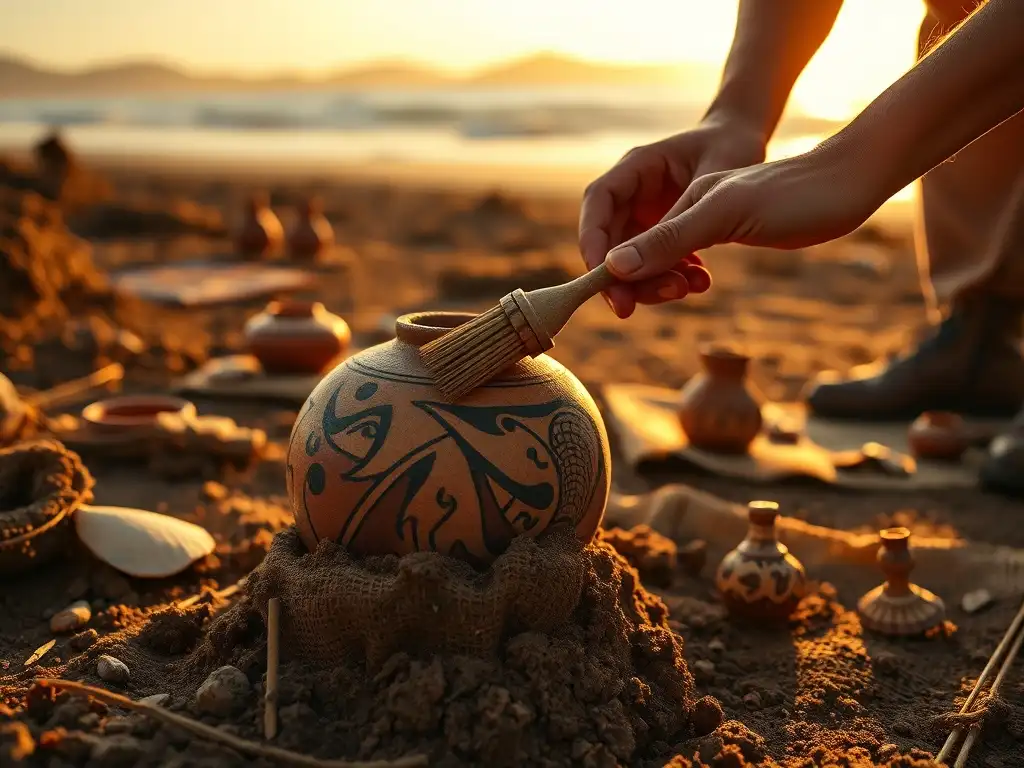
The Valdivia culture, flourishing from roughly 3500 to 1800 BCE on the coast of present-day Ecuador, left an indelible mark on the subsequent development of Andean civilizations. Its influence, though often subtle and requiring careful archaeological interpretation to discern, is undeniable. Understanding the Valdivia culture origins is key to unlocking a deeper comprehension of Ecuador's rich and complex pre-Columbian past.
The impact extends beyond mere material culture; it encompasses social structures, artistic expression, and even potential technological advancements that paved the way for later societies. Analyzing the Valdivia legacy requires examining its contributions to various aspects of Ecuadorian cultural evolution.
Valdivia's Impact on Later Ecuadorian Cultures: Continuity and Change
The Valdivia culture's influence on later Ecuadorian cultures is multifaceted. While distinct cultural entities emerged after the Valdivia period, evidence suggests a degree of continuity in certain aspects of material culture and social organization. For example, the distinctive Valdivia style of ceramic production, characterized by its delicate figurines and intricate designs, shows echoes in later coastal cultures.
Though styles evolved, the fundamental techniques and artistic sensibilities may have been passed down through generations, demonstrating a cultural heritage that transcended the Valdivia period itself. Furthermore, the development of settled agricultural communities, a hallmark of the Valdivia culture, likely laid the groundwork for subsequent agricultural advancements in the region. This transition to a more sedentary lifestyle, with its implications for social organization and resource management, profoundly affected the trajectory of coastal Ecuadorian societies.
Analyzing the pottery styles and settlement patterns of subsequent cultures provides valuable insight into the persistence and adaptation of Valdivia traditions. The evolution of these practices helps researchers trace the threads of cultural continuity and change across millennia. The extent to which this influence was direct transmission or independent innovation remains a subject of ongoing research and debate among archaeologists, highlighting the complexity of deciphering cultural lineages.
The End of the Valdivia Period: Climate Change and Cultural Shifts
The decline of the Valdivia culture is a complex issue, likely resulting from a confluence of factors rather than a single catastrophic event. Emerging evidence points towards significant climatic shifts as a major contributing factor. Changes in rainfall patterns and sea levels could have severely impacted agricultural productivity, a cornerstone of the Valdivia economy.
This environmental stress may have led to increased competition for resources, societal instability, and ultimately, the cultural transformation that marked the end of the Valdivia period. Furthermore, internal societal dynamics, such as population pressures or shifts in social hierarchies, might have played a significant role in the transition to subsequent cultures. Archaeological investigations continue to reveal insights into the gradual changes in settlement patterns, burial practices, and material culture which characterize this period of transition.
Analyzing pollen samples from archaeological sites and studying isotopic ratios in human remains can provide crucial data to support hypotheses regarding environmental changes and their impact on the Valdivia people. The exact timeline and specific causes remain areas of active research, and more data is needed to fully understand the complexities of this cultural shift. This necessitates further investigation into the environmental records and the archeological evidence to refine our understanding of the Valdivia culture's demise.
Preserving the Valdivia Heritage: Archaeological Discoveries and Research
The ongoing discovery and analysis of Valdivia sites are crucial for preserving and expanding our understanding of this pivotal culture. Archaeologists continue to uncover new evidence, including settlements, burial grounds, and artifacts, that offer valuable insights into Valdivia life. Technological advancements in dating techniques, such as radiocarbon dating and luminescence dating, provide increasingly precise chronologies, refining our understanding of the Valdivia timeline and its interactions with other cultures.
Moreover, the meticulous study of Valdivia artifacts – from intricately decorated pottery to sophisticated tools – reveals details about their technology, artistic skills, and social structures. The careful excavation and preservation of these sites are essential to safeguard this irreplaceable cultural heritage for future generations. The collaborative efforts of archaeologists, anthropologists, and other specialists from around the world are vital to this endeavor.
Furthermore, public awareness and education initiatives are crucial in promoting the understanding and appreciation of the Valdivia culture and its lasting impact on Ecuadorian history. The preservation of this heritage is not just about protecting ancient objects; it is about understanding the origins of a complex and fascinating civilization and its enduring legacy. This understanding is essential to appreciate the rich tapestry of Ecuadorian history and its connection to the broader Andean cultural landscape.
Valdivia Culture: A Summary of Key Characteristics and Contributions
The Valdivia culture, flourishing along the coast of present-day Ecuador from approximately 3500 to 1800 BCE, represents a pivotal moment in the development of Andean civilizations. Its significance lies not only in its chronological precedence but also in its unique contributions to the cultural tapestry of the region. Understanding the Valdivia culture origins is crucial to grasping the trajectory of subsequent Andean societies. This early culture laid the groundwork for many of the characteristics that would define later, more complex Andean civilizations.
Its influence can be seen in later pottery styles, agricultural practices, and even social structures. The Valdivia people were pioneers, establishing a sophisticated society on the challenging coastal landscape. They weren't simply surviving; they were thriving and innovating, leaving behind a legacy that resonates even today. Their achievements serve as a testament to human adaptability and ingenuity in the face of environmental challenges.
The Valdivia culture is renowned for its remarkable achievements in several key areas: agriculture, pottery, and social organization. Their agricultural practices, adapted to the coastal environment, involved cultivating various crops, including maize (though perhaps not as extensively as later cultures), beans, squash, and possibly other root vegetables. Evidence suggests sophisticated irrigation techniques were employed, which allowed them to overcome the limitations of coastal rainfall. The development of agriculture was vital for sedentism and population growth.
Their pottery is arguably their most iconic contribution. Valdivia pottery is characterized by its delicate craftsmanship, intricate designs, and the frequent depiction of female figurines. These figurines, often interpreted as fertility goddesses, are among the oldest known examples of ceramic art in the Americas. The stylistic elements of this early pottery would influence later Andean artistic traditions. The precision and artistry demonstrate a high level of skill and a developed understanding of ceramic techniques. Detailed analysis of the clay composition and firing methods used reveals a high degree of technical sophistication.
The social organization of the Valdivia culture remains a subject of ongoing research. However, evidence from settlement patterns and the distribution of artifacts suggests a relatively egalitarian society, possibly organized into small, autonomous villages. The presence of elaborate burial sites indicates some level of social stratification, although the extent of this hierarchy is still debated among archaeologists. The discovery of larger settlements hints at the beginnings of a more complex social structure that would fully develop in later Andean cultures.
The Importance of Valdivia for Understanding Early Ecuadorian Coastal Life
The Valdivia culture offers invaluable insights into the early development of coastal Ecuadorian life. By studying their settlements, agricultural practices, and artistic expressions, we gain a deeper understanding of how early human societies adapted to and shaped their environment. The Valdivia people's successful integration into the coastal ecosystem serves as a model of human resilience and innovation. They demonstrated an ability to thrive in a seemingly inhospitable environment, showcasing the ingenuity of early Andean peoples.
Their sophisticated pottery provides a unique window into their beliefs and worldview. The recurring motifs in their ceramics, particularly the female figurines, suggest a strong emphasis on fertility and the veneration of female deities. This aspect of their culture provides crucial information for understanding their spiritual life and social values. Furthermore, the meticulous craftsmanship displayed in the pottery reveals an advanced understanding of technology and artistic expression. The consistent quality and stylistic features suggest a level of social organization and cultural transmission that facilitated the preservation of these traditions over generations.
The Enduring Legacy of the Valdivia Culture
The Valdivia culture's legacy extends far beyond its chronological lifespan. Its influence can be traced in subsequent Andean cultures, particularly in pottery styles and agricultural practices. The sophisticated techniques and artistic innovations of the Valdivia people laid the foundation for the artistic and technological advancements of later Andean societies. The development of agriculture, especially, paved the way for population growth and the emergence of more complex social structures. The Valdivia culture's impact on Ecuadorian and Andean history is undeniable.
The discovery and ongoing study of the Valdivia culture continually reshape our understanding of the pre-Columbian Americas. It highlights the rich and complex history of the Andean region, challenging previous assumptions about the timeline and development of early civilizations. The Valdivia culture's enduring legacy underscores the importance of preserving and studying these ancient cultures to gain a more complete understanding of human history and cultural evolution.
The meticulous work of archaeologists continues to unveil the secrets of this remarkable civilization, enriching our knowledge and appreciation of the Andean past. Understanding the Valdivia culture origins continues to be a vibrant and essential field of study.
Frequently Asked Questions
What is the Valdivia culture?
The Valdivia culture represents one of the earliest known complex societies in South America. It flourished along the coast of present-day Ecuador from approximately 3500 to 1800 BCE, leaving behind a rich archaeological record. They are notable for their advanced pottery.
Where did the Valdivia culture originate?
The Valdivia culture's origins are believed to be along the coast of Ecuador, specifically in the Guayas province. While the exact origins are still debated, evidence points to a gradual development within the region rather than a sudden migration. The Guayas River valley likely played a crucial role in their development.
What are the Valdivia culture's most significant achievements?
The Valdivia are known for their remarkable ceramic artistry, featuring intricate designs and figurines, many of which are believed to be representations of fertility goddesses. They also developed sophisticated agricultural techniques to support their coastal communities. Their early presence itself is a significant achievement.
How did the Valdivia culture differ from later Andean cultures?
While the Valdivia shared some traits with later Andean cultures, such as agricultural practices, they predate the rise of larger, more centralized states like the Inca. Their simpler social structure and focus on coastal resources differentiated them. They also lacked the monumental architecture of later civilizations.
What is the current state of research on the Valdivia culture?
Research continues to uncover new insights into the Valdivia culture. Archaeologists are actively excavating sites and employing advanced dating techniques to refine our understanding of their chronology and daily life. Ongoing studies are exploring their social organization and trade networks.
Final Reflection: Echoes of Valdivia: A Legacy in Clay and Time
The ingenuity and artistry of the Valdivia culture, the earliest known complex society on the South American coast, continues to resonate today, challenging our understanding of societal development and offering a profound glimpse into the resilience of the human spirit. Their sophisticated pottery, intricate social structures, and innovative agricultural practices stand as a testament to human potential, even in the face of environmental challenges. The legacy of Valdivia is not merely historical; it is a living example of human adaptation and creativity.
The impact of the Valdivia culture extends far beyond its geographical location and temporal boundaries. Their artistic achievements, evident in the exquisite detail of their ceramics, continue to inspire contemporary artists and archaeologists alike, while their societal innovations offer valuable insights into the complexities of early human civilization. The past is never dead. It's not even past.
- William Faulkner. This quote perfectly encapsulates the enduring relevance of the Valdivia culture; its influence shapes our understanding of pre-Columbian societies and continues to inform our present. Their story reminds us of the interconnectedness of human history and the importance of preserving and celebrating our shared past.
Consider the implications of the Valdivia culture's achievements. Their mastery of agriculture in a challenging coastal environment, their sophisticated social organization, and their artistic expression all speak to a capacity for innovation and adaptation that we can all learn from. You, the reader, are now part of this ongoing conversation.
Take a moment to reflect on the ingenuity of the Valdivia people and how their story might inspire you to embrace creativity, resilience, and a deeper appreciation for the rich tapestry of human history. Let their legacy encourage you to explore your own potential and contribute to a future where innovation and understanding flourish.
Uncover the Rich Tapestry of Valdivia Culture Today!
Thank you for exploring the fascinating world of Valdivia culture with us! We hope you've gained valuable insights into this early Andean coastal civilization and its historical significance. Now, let's delve deeper into this captivating heritage.
Here are some engaging ways to further explore Valdivia culture:
- **Visit a local museum or cultural center** showcasing pre-Columbian artifacts to enrich your understanding of Andean civilizations.
- **Connect with other enthusiasts** through online forums or social media groups dedicated to ancient cultures. Share your insights, ask questions, and engage in discussions.
- **Expand your knowledge** by reading books or watching documentaries about the Valdivia culture. Share your newfound understanding with others to inspire their own explorations.
What aspect of Valdivia culture intrigues you most, and how will you continue to learn about it?