Pre-Incan Cultures of the Coast

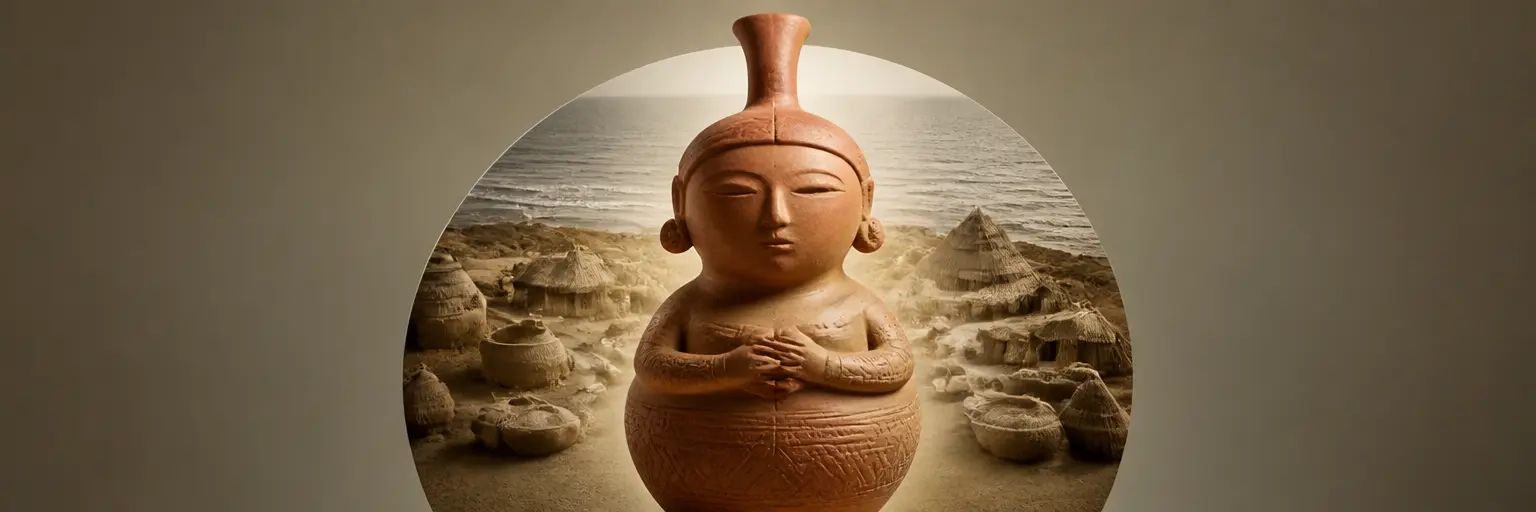
Discover the Valdivia Culture, one of the earliest known civilizations of Ecuador’s Pacific coast, flourishing from around 3500 BCE. Explore its remarkable pottery, coastal settlements, agriculture, fishing traditions, and ceremonial practices, including the iconic “Venus” figurines. 🏺🌊 Learn how Valdivia communities shaped early Andean history and influenced the development of later coastal cultures through innovation, trade, and enduring artistic heritage.
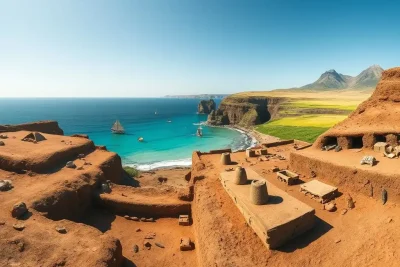
Discover the Valdivia Culture, one of the oldest known sedentary civilizations in the Americas and a foundational society among the pre-Incan cultures of the coast. Flourishing along the Pacific coast of present-day Ecuador from approximately 3500 to 1800 BCE, the Valdivian people developed permanent settlements, maritime traditions, agriculture, ritual practices, and remarkable ceramic art. On Andean Civilizations, explore how this ancient coastal culture contributed to the development of Ecuadorian history, South American archaeology, and the wider story of early Andean societies.
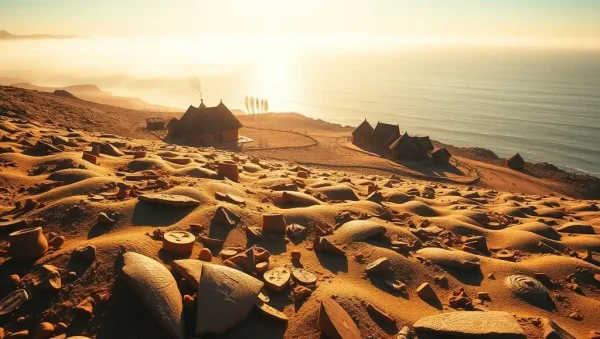
The Valdivia Culture emerged in the tropical lowlands and coastal regions of Ecuador during the Formative Period of the ancient Andes. Archaeologists identify Valdivian communities through distinctive pottery, settlement remains, shell middens, stone tools, and evidence of organized village life. Their appearance represents an important transition from mobile hunting and gathering to more permanent communities supported by farming, fishing, collecting shellfish, and local trade.
Readers can learn how Valdivian society helped establish cultural traditions that influenced later coastal civilizations. Although it predates famous Andean cultures such as the Moche, Nazca, Tiahuanaco, and Inca, the Valdivia Culture provides essential context for understanding the early development of complex societies in the Andes and the long history of human settlement on the Pacific coast.
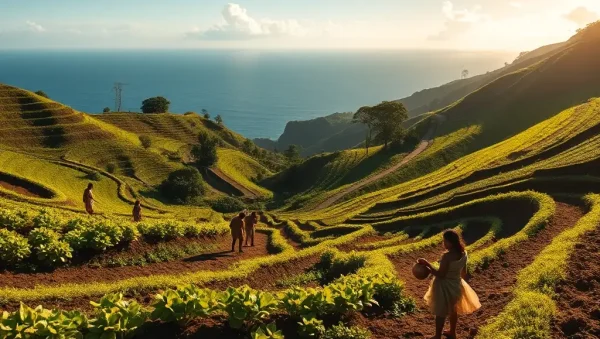
Daily life in Valdivian communities depended on a combination of agriculture and abundant coastal resources. The cultivation of plants such as maize, manioc, beans, and squash supported settled populations, while fishing, shellfish gathering, and hunting supplied important sources of protein. This diversified economy allowed villages to adapt to the tropical environment and make effective use of rivers, forests, estuaries, and the Pacific Ocean.
This subcategory explores the relationship between Valdivian people and their natural environment. You can discover how food production, maritime knowledge, water access, and ecological adaptation shaped early coastal Ecuadorian society. These topics reveal that the Valdivia Culture was not simply a farming community, but a dynamic civilization with sophisticated knowledge of its landscape and resources.
Valdivian ceramics are among the most recognizable archaeological remains from early South America. The culture is especially known for finely crafted bowls, vessels, figurines, and decorated pottery. Many objects feature polished surfaces, incised designs, geometric patterns, and representations of human forms, demonstrating the importance of craftsmanship and symbolic expression in Valdivian communities.
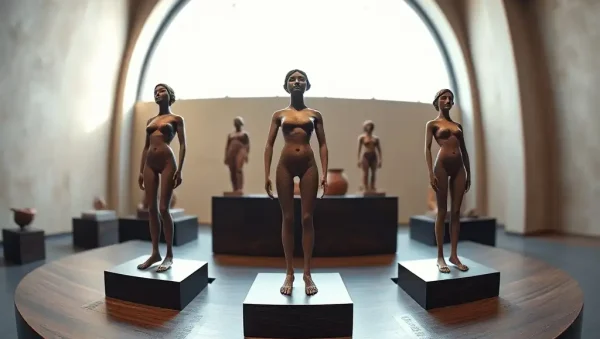
Visitors can explore how Valdivia pottery helps archaeologists reconstruct ancient identity, trade, ritual, and everyday life. The famous Valdivia-style female figurines, often called “Venus” figurines, have generated extensive discussion about fertility, social roles, beauty, spirituality, and ceremonial practices. Studying these artifacts offers valuable insight into the artistic heritage of Ecuador and the origins of Andean ceramic technology.
Valdivian figurines are small anthropomorphic sculptures that commonly depict human figures, particularly women. Their hairstyles, body shapes, facial features, and postures vary, suggesting that they may have represented different stages of life, social identities, ancestors, or religious concepts. Because their exact meaning remains uncertain, these artifacts continue to inspire archaeological research and scholarly debate.
This section examines the possible ceremonial and symbolic functions of Valdivia figurines without reducing them to a single interpretation. Readers can expect accessible explanations of ancient Ecuadorian religion, fertility symbolism, household rituals, identity, and the role of visual art in prehistoric societies. The evidence encourages a careful understanding of what archaeology can reveal—and what remains open to interpretation.
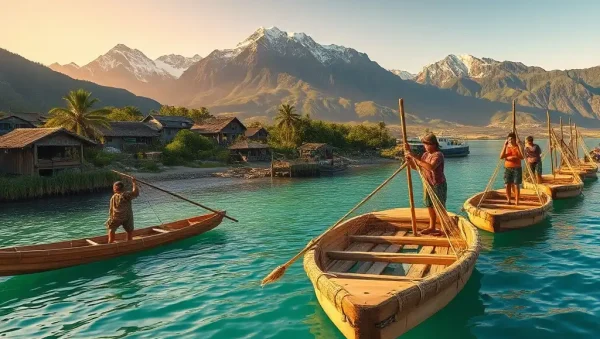
Valdivian settlements provide evidence of communities living in organized villages rather than isolated temporary camps. Houses were constructed from locally available materials, and shared spaces may have supported food preparation, craft production, exchange, and ritual activities. Archaeological remains indicate that social life involved cooperation, family networks, and collective adaptation to the coastal environment.
Learn how settlement patterns help researchers investigate Valdivia social organization, population growth, leadership, and community planning. While direct evidence of political hierarchy is limited, the size and structure of some settlements suggest increasingly complex forms of cooperation. These developments form an important part of the broader history of social evolution in the ancient Andes.
The Valdivia Culture used stone, bone, shell, clay, and other natural materials to manufacture tools, ornaments, containers, and fishing equipment. Shell artifacts and marine remains demonstrate the importance of coastal resources, while similarities between objects from different locations suggest contact and exchange among communities. Such connections may have spread materials, technologies, artistic styles, and cultural ideas across the region.
Readers can discover how prehistoric trade networks in Ecuador contributed to the growth of coastal communities. Valdivian technological achievements—including pottery production, food processing, fishing methods, and toolmaking—illustrate the practical knowledge required to thrive in a challenging tropical environment. These innovations also help explain the culture’s lasting importance in the history of Andean civilization.
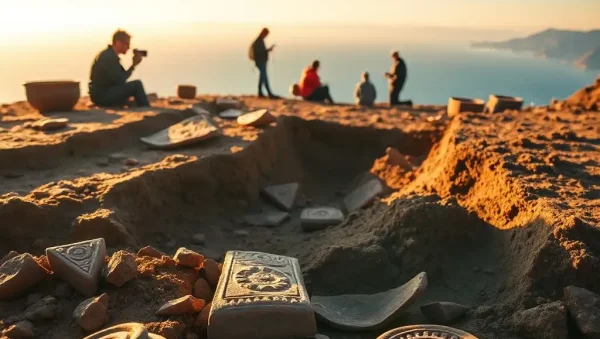
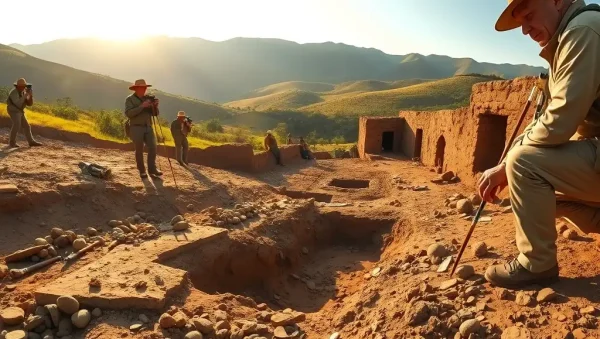
Archaeological research has transformed our understanding of the Valdivia Culture and its place in the ancient Americas. Excavated settlements, ceramics, figurines, botanical remains, animal bones, and environmental evidence allow specialists to reconstruct patterns of diet, residence, craftsmanship, trade, and ritual behavior. Each discovery adds detail to the story of Ecuador’s earliest settled societies.
The Valdivia Culture is important because it demonstrates that the Pacific coast of South America was home to innovative communities thousands of years before the rise of the Inca Empire. Explore its connection to the Formative Period of the Andes, compare it with later pre-Incan cultures, and understand why Valdivian heritage remains central to the study of ancient Ecuador, coastal archaeology, and Andean history.
The Valdivia Culture developed primarily along the Pacific coast of present-day Ecuador, including coastal plains, river valleys, estuaries, and nearby inland areas. Its settlements benefited from access to fertile soils, marine resources, freshwater, forests, and regional travel routes.
The Valdivia Culture is generally dated from approximately 3500 to 1800 BCE, although dates can vary depending on the archaeological site and research method. It belongs to the early Formative Period of the ancient Andes and predates the Inca, Moche, Nazca, and Tiahuanaco civilizations by many centuries.
It is best known for its early pottery, distinctive ceramic styles, female figurines, permanent settlements, agricultural practices, fishing traditions, and evidence of organized coastal communities. Valdivia ceramics are especially significant because they represent some of the earliest pottery traditions in the Americas.
The Valdivia “Venus” figurines are small ceramic sculptures, many depicting women with carefully modeled bodies and hairstyles. Their exact purpose is unknown. They may have been connected to fertility, household rituals, ancestry, identity, or ceremonial practices, but archaeologists continue to study their meaning.
The Valdivia Culture is important because it reveals the early development of settled life, agriculture, pottery, maritime adaptation, artistic expression, and community organization in coastal South America. Studying Valdivia helps explain the deep foundations of Ecuadorian heritage and the long-term evolution of later Andean civilizations.