
The World of Andean Artifacts
Discover the World of Andean Artifacts 🏺—a fascinating journey through the artistry, craftsmanship, and cultural heritage of ancient Andean civilizations. Explore authentic textiles, distinctive Moche pottery, ceremonial objects, and remarkable works connected to the Incas, Nazca, Moche, and Tiahuanaco. Learn how to preserve your collection, recognize genuine artifacts, and make informed choices when exploring Andean art. ✨
 Identifying Genuine Moche Pottery
 Where to Find Reputable Dealers of Andean Art
 Caring for Your Andean Textile Collection
🏺 The World of Andean Artifacts
Welcome to The World of Andean Artifacts, a carefully curated resource for discovering the material culture of the ancient Andes. From intricately woven textiles and expressive Moche pottery to ceremonial objects associated with the Inca, Nazca, and Tiahuanaco civilizations, Andean artifacts reveal how ancient communities understood religion, nature, technology, identity, and social status.
Explore expert-focused guidance on Andean archaeology, pre-Columbian art, ancient textiles, Moche ceramics, artifact authentication, and responsible collecting. Whether you are a collector, student, researcher, museum enthusiast, or traveler interested in South American history, these resources can help you interpret artifacts with greater confidence while respecting their cultural and historical importance.
🧵 Caring for Your Andean Textile Collection
Learn how to preserve Andean textiles by understanding the effects of light, humidity, temperature, dust, pests, and improper handling. This section explains practical methods for storing and displaying woven garments, patterned cloth, ceremonial fabrics, and other historic materials while minimizing deterioration.
Readers can expect guidance on archival storage, textile conservation, safe handling, documentation, and display conditions. You will also discover why professional conservators should evaluate fragile, dyed, embroidered, or exceptionally old textiles before cleaning, repairing, or mounting them.
🛍️ Where to Find Reputable Dealers of Andean Art
Discover how to research dealers who specialize in authentic Andean art, pre-Columbian artifacts, and ethically sourced cultural materials. This section highlights the importance of transparent provenance, accurate descriptions, export documentation, and compliance with national and international cultural heritage laws.
Expect practical advice for evaluating galleries, auction houses, online marketplaces, and private sellers. Clear provenance records, independent condition reports, reliable guarantees, and responsible collecting practices are essential when purchasing textiles, pottery, metalwork, or other Andean archaeological objects.
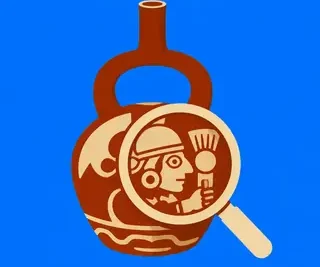
🏺 Identifying Genuine Moche Pottery
Explore the distinctive features of genuine Moche pottery, one of the most recognizable artistic traditions of ancient Peru. Moche ceramic vessels are known for detailed portrait heads, animals, plants, supernatural figures, stirrup-spout bottles, and scenes depicting ritual, daily life, and elite culture.
This section introduces important clues such as clay composition, firing characteristics, iconography, construction techniques, surface wear, and archaeological context. Because sophisticated replicas exist, visual inspection alone cannot guarantee authenticity; qualified specialists, scientific testing, and documented provenance are often necessary.
❓ Frequently Asked Questions About Andean Artifacts
What are Andean artifacts?
Andean artifacts are objects created or used by cultures from the Andes region of South America, including the Inca, Moche, Nazca, and Tiahuanaco civilizations. They may include textiles, pottery, metalwork, tools, ornaments, sculptures, and ceremonial objects.
How can I protect an ancient Andean textile?
Keep the textile away from direct sunlight, high humidity, pests, and rapid temperature changes. Handle it with clean hands or gloves, avoid folding fragile areas, and use acid-free archival materials. For valuable pieces, consult a professional textile conservator.
How do I verify an Andean artifact’s authenticity?
Begin by requesting complete provenance, ownership history, export records, and condition documentation. A qualified archaeologist, conservator, or authentication specialist may also recommend microscopic examination or laboratory testing. No single visual feature proves authenticity.
Is it legal to buy pre-Columbian Andean art?
The legality of purchasing and importing pre-Columbian art depends on the object’s origin, ownership history, export permits, and the laws of the countries involved. Always verify cultural heritage regulations and seek professional legal or curatorial advice before buying.
Why is provenance important for Andean art?
Provenance helps establish where an artifact came from, who owned it, and whether it was legally excavated, exported, and sold. Strong provenance supports authenticity, protects buyers from illicit antiquities, and promotes the responsible preservation of Andean cultural heritage.