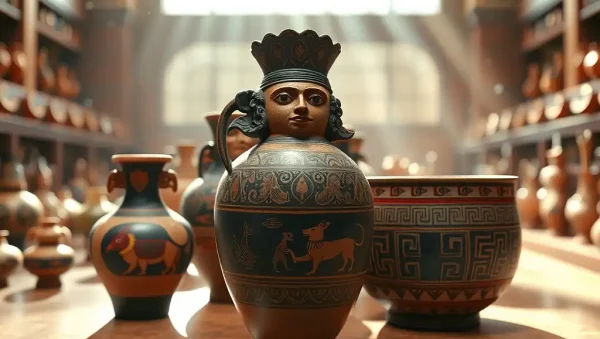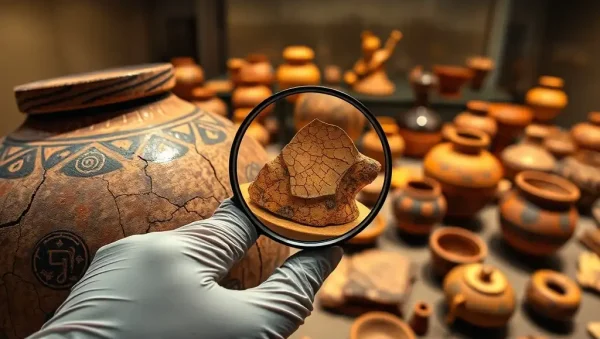
The World of Andean Artifacts

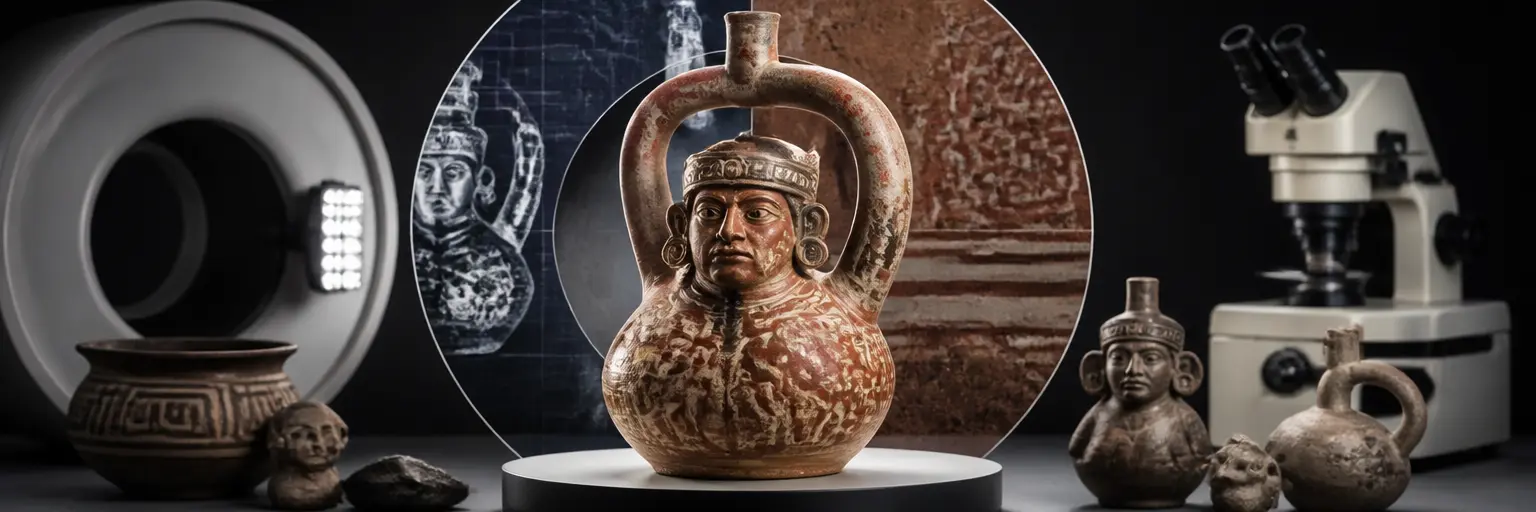
Discover how to identify genuine Moche pottery and distinguish authentic Andean artifacts from modern reproductions 🏺. Explore essential clues such as clay composition, sculptural detail, iconography, firing techniques, surface aging, and documented provenance. Whether you are a collector, researcher, or history enthusiast, this guide offers practical insights into Moche ceramics while promoting ethical collecting and respect for Peru’s cultural heritage. Uncover the artistry and symbolism of one of the ancient Andes’ most remarkable civilizations.
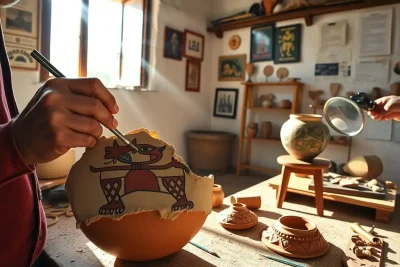
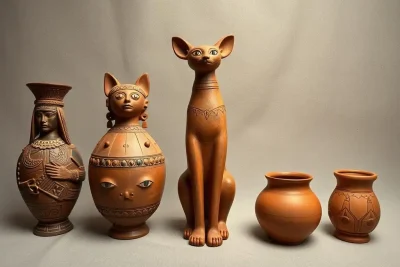
Welcome to Andean Civilizations, your resource for exploring the history, craftsmanship, and cultural legacy of ancient Andean societies. This subcategory focuses on identifying genuine Moche pottery, including ceramic portrait vessels, stirrup-spout bottles, ritual vessels, animal figures, and finely modeled archaeological ceramics from the north coast of Peru. Learn how Moche artists used clay, form, surface decoration, and symbolism to create some of the most recognizable artifacts of pre-Columbian South America. Whether you are a collector, researcher, student, museum visitor, or enthusiast of Andean art, these guides provide practical context for distinguishing authentic Moche characteristics from modern reproductions and misleading attributions.
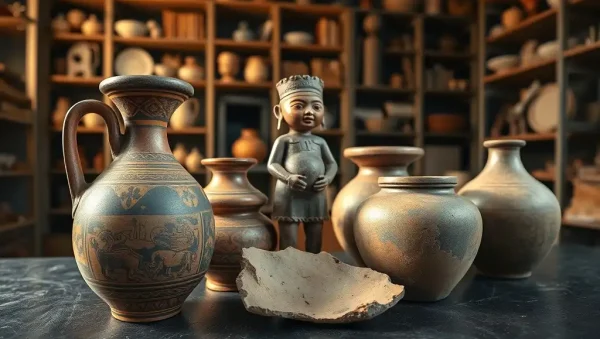
Genuine Moche pottery is known for its distinctive combination of technical precision, sculptural realism, and cultural symbolism. Readers can expect to learn how to examine vessel shape, clay body, firing quality, slip, painted details, and construction methods associated with Moche ceramics from Peru. Particular attention is given to stirrup-spout vessels, portrait vessels, double-bodied forms, modeled animals, warriors, rulers, musicians, and scenes of daily or ceremonial life.
Authentic identification requires more than recognizing a familiar image. This section explains why the relationship between a vessel’s proportions, surface treatment, iconography, and manufacturing technique is essential. You will also discover how genuine examples may show subtle signs of age and handmade production, while modern copies often display repeated molds, overly uniform decoration, inconsistent proportions, or artificial surface wear.
Moche potters developed sophisticated methods for shaping, modeling, polishing, painting, and firing clay. This section explores the materials and techniques that help identify ancient Moche pottery, including fine-grained ceramic paste, burnished surfaces, mineral-based pigments, molded components, and carefully formed stirrup spouts. Understanding these features can help readers compare an artifact with known examples from Moche archaeological contexts.
You can expect practical information about ceramic texture, firing color, painted slip, tool marks, joins, and construction details. These clues should be evaluated together rather than used in isolation. A vessel that appears old may still be a modern reproduction, while an authentic artifact may have restoration, mineral deposits, or conservation treatment that changes its original appearance.
Moche portrait vessels are among the most famous forms of ancient Andean pottery. They often depict identifiable individuals, including leaders, priests, warriors, elders, and people with distinctive facial features. Readers will learn how to study facial proportions, asymmetry, hairstyles, headdresses, ear ornaments, clothing, scars, and expressions when assessing a possible Moche portrait vessel.
Authentic figurative ceramics usually demonstrate a strong understanding of anatomy and a coherent connection between the face, neck, vessel body, and spout. This subcategory also explains how Moche artists represented status, identity, ritual roles, illness, and social life. Iconographic accuracy alone does not prove authenticity; the quality of modeling and consistency with established archaeological examples are equally important.
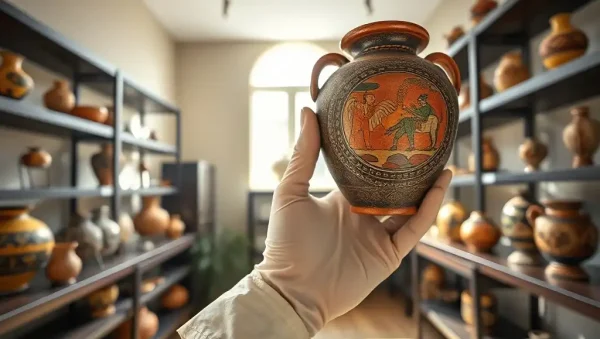
Moche pottery frequently illustrates supernatural beings, sacrificial ceremonies, combat scenes, agricultural activities, animals, plants, architecture, and elite ritual practices. This section helps readers interpret common Moche symbols while considering their relationship to ancient Andean religion and society. Understanding the imagery can reveal whether a vessel reflects genuine Moche iconographic traditions or combines unrelated motifs in a modern design.
Expect discussions of recurring figures such as the Decapitator deity, warrior figures, feline creatures, birds, serpents, deer, llamas, and ceremonial participants. Readers will also learn why context matters: an image may be meaningful because of its placement, repetition, vessel shape, and relationship to other motifs. Careful interpretation supports more responsible identification and prevents attractive but inaccurate attributions.
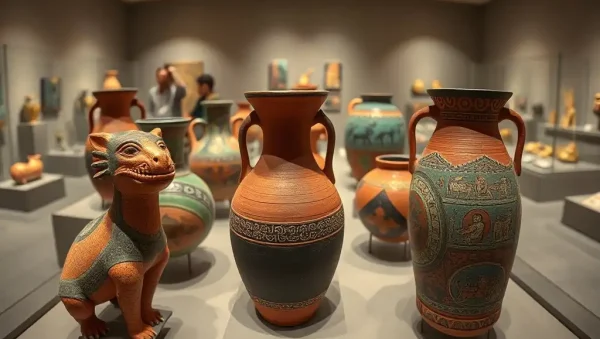
Modern replicas of Moche pottery are widely produced for tourism, interior decoration, educational displays, and commercial collecting. This section outlines common differences between archaeological ceramics and reproductions, including overly smooth surfaces, artificial patination, machine-like symmetry, modern pigments, incorrect clay composition, and recently made tool marks. Readers will gain a framework for comparing a suspected artifact with museum collections, excavation reports, and reliable reference images.
Because skilled copies can appear convincing, the safest approach combines visual analysis with provenance and professional expertise. Do not rely on color, apparent age, or a single decorative feature when evaluating a vessel. A qualified ceramics specialist, conservator, archaeologist, or reputable authentication service may be necessary, especially for objects offered at significant prices or described as originating from an archaeological collection.
Provenance refers to an artifact’s documented ownership history, publication record, exhibition history, and legal export or acquisition records. Readers can expect guidance on the questions to ask before purchasing or researching Moche pottery, including when and where an object entered a collection, whether it has appeared in credible scholarly records, and whether its history contains unexplained gaps.
Responsible study of Andean artifacts must respect Peruvian cultural heritage laws, international agreements, museum standards, and the rights of source communities. Genuine identification is not only a matter of value or rarity. It also involves ethical stewardship, transparent documentation, and protection of archaeological heritage. Avoid buying objects with suspicious origins, undocumented excavation histories, or claims that encourage illicit trafficking.
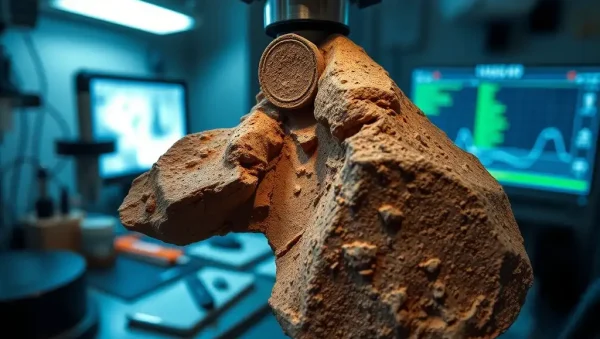
Visual research is useful for preliminary assessment, but it cannot replace scientific examination or expert review. This section explains when to seek professional help, particularly for rare portrait vessels, finely modeled ceremonial ceramics, objects with significant restoration, or pieces marketed as excavated Moche artifacts. Specialists may examine microscopy, pigment composition, thermoluminescence testing, restoration materials, and manufacturing traces.
Readers will also learn how to prepare for an expert consultation by recording dimensions, weight, photographs, inscriptions, damage, repairs, and ownership documentation. Scientific testing should be interpreted carefully because no single test answers every question. The strongest assessment combines archaeological style, material analysis, conservation expertise, and documented provenance.
Important features include technically consistent vessel construction, finely modeled forms, appropriate Moche iconography, period-appropriate pigments, handmade details, and a surface condition compatible with age and burial history. A genuine attribution should be supported by several features together, not by one design element alone.
Compare the object with documented museum examples and examine its clay, firing, proportions, decoration, tool marks, and surface. Be cautious of repeated forms, artificial staining, bright modern paint, excessive symmetry, and vague ownership histories. For valuable pieces, consult a qualified archaeologist, conservator, or ceramics authentication specialist.
No. Many contemporary artists and workshops produce Moche-inspired pottery for education, decoration, and tourism. These objects can have cultural and artistic value, but they should be described honestly as modern replicas, contemporary works, or Moche-style ceramics rather than ancient artifacts.
Provenance helps establish where an object came from, who owned it, and whether its transfer complied with applicable laws. A well-documented history can support an attribution, while unexplained gaps, recent excavation claims, or suspicious export stories may indicate legal and ethical concerns.
Photographs can reveal useful details such as shape, decoration, repairs, and surface condition, but they cannot conclusively prove authenticity. Physical examination, documentation, comparative research, and sometimes laboratory testing are required for a reliable assessment, especially when the artifact is rare or expensive.