The World of Andean Artifacts

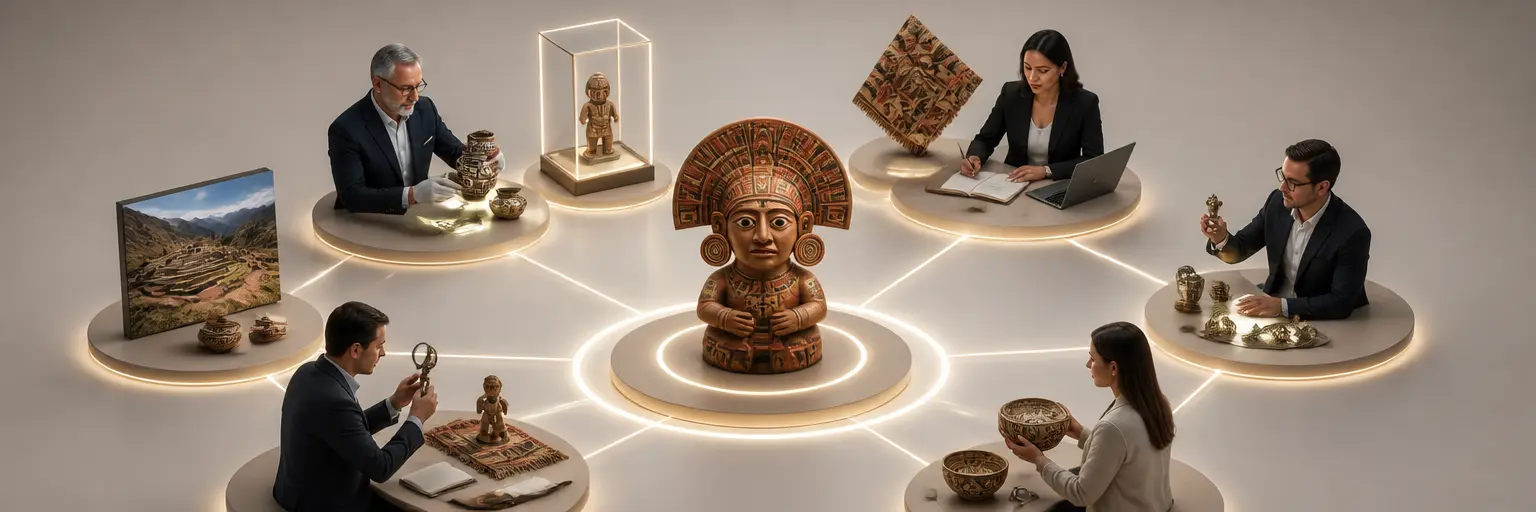
Discover reputable dealers of Andean art and connect with trusted sources for authentic Inca, Moche, Nazca, and Tiahuanaco artifacts 🏺. Learn how to evaluate provenance, craftsmanship, ethical sourcing, and expert credentials while exploring exceptional textiles, ceramics, metalwork, and ceremonial pieces. Whether you are a collector, researcher, or cultural enthusiast, make informed choices and support responsible preservation of ancient Andean heritage 🌎.
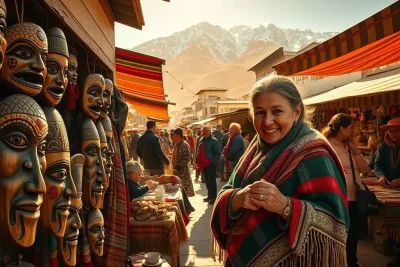
Discover how to find reputable dealers of Andean art and purchase authentic, ethically sourced artifacts connected to the cultural traditions of the Inca, Moche, Nazca, and Tiahuanaco civilizations. This guide from Andean Civilizations explains what to look for when researching galleries, antique specialists, online marketplaces, auction houses, and cultural art dealers. Learn how provenance, condition, certification, fair trade practices, and expert knowledge can help you make informed decisions when buying authentic Andean textiles, ceramics, jewelry, sculptures, masks, and pre-Columbian art.
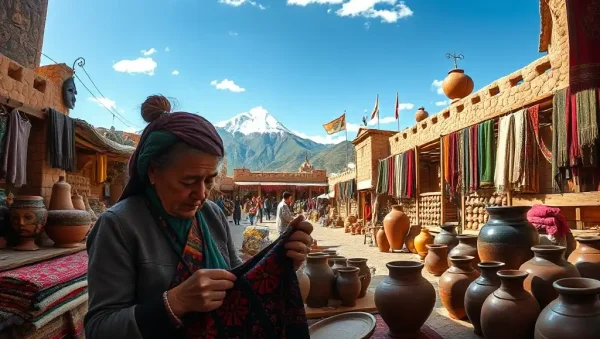
Established galleries and dealers specializing in Andean artifacts can be valuable sources for collectors seeking authentic Inca art, Moche ceramics, Nazca pottery, and Tiahuanaco-inspired works. Reputable businesses often provide detailed descriptions, photographs, condition reports, artist or cultural background, and documentation explaining an object’s origin. Look for dealers with a long-standing history, professional affiliations, transparent contact information, and a demonstrated understanding of ancient Andean civilizations.
A reliable gallery should clearly distinguish between archaeological artifacts, later traditional artworks, museum-quality replicas, and contemporary pieces inspired by Andean heritage. Ask about provenance, export history, restoration, and legal compliance before purchasing. Dealers who welcome questions and provide written information are generally more trustworthy than sellers who make unsupported claims about rarity, age, or ownership history.
Online art platforms make it easier to compare Andean artwork from dealers around the world. Search for platforms that verify sellers, publish secure payment policies, offer buyer protection, and provide clear return procedures. Useful search terms include authentic Andean art dealer, ethical pre-Columbian art, Inca artifacts for sale, and certified Andean textiles. However, attractive photographs alone are not proof of authenticity.
Before buying online, review the seller’s feedback, business history, shipping information, and customer service policies. Request additional photographs, measurements, condition details, and provenance records when necessary. Be cautious of listings that promise guaranteed ancient treasures at unusually low prices, use vague descriptions, or pressure buyers to pay through unprotected methods.
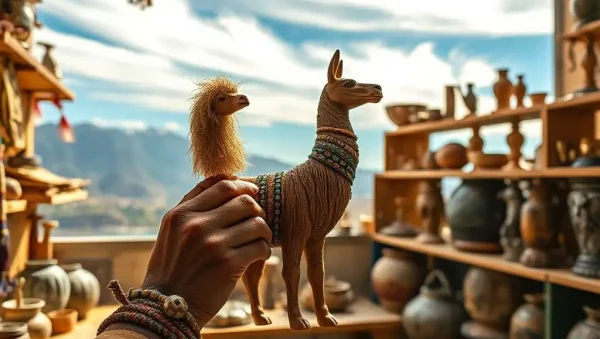
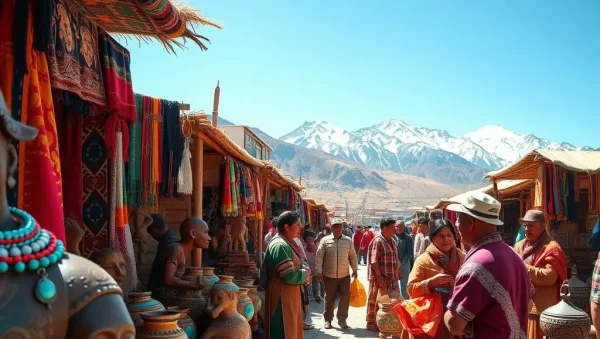
For buyers interested in living Andean traditions, artisan cooperatives and Indigenous makers offer an ethical way to purchase contemporary cultural art. These sources may provide handwoven textiles, alpaca and vicuña-inspired garments, carved objects, ceremonial designs, musical instruments, and handmade jewelry influenced by regional heritage. Buying directly from artisans can support local communities while preserving traditional techniques passed down through generations.
Look for sellers who identify the community, maker, materials, production methods, and fair compensation practices. Contemporary Andean art should not be misrepresented as an ancient archaeological artifact. Ethical dealers celebrate the continuity of Andean culture by explaining whether an item is traditionally made, historically inspired, or produced for modern decorative use.
Provenance is the documented history of an artwork or artifact, including previous ownership, publication, exhibition, excavation, or export records. When researching pre-Columbian art, provenance is especially important because archaeological objects may be protected by national heritage laws. A reputable dealer should explain what documentation is available and avoid making definitive claims that cannot be supported by evidence.
Authentication may involve specialists in archaeology, art history, materials analysis, conservation, or regional Andean studies. Ask whether an object has been examined by an independent expert and whether reports are included with the sale. Check import, export, customs, and cultural heritage requirements in both the seller’s country and your own before completing a purchase.
Compare several dealers before making a decision. Important factors include transparent pricing, accurate descriptions, high-resolution images, written invoices, secure payment options, insurance, professional packaging, and a clear return policy. A knowledgeable dealer should be able to discuss the historical context of the object, including its possible relationship to Inca, Moche, Nazca, Tiahuanaco, Wari, or other Andean traditions.
Use a practical checklist when evaluating a potential seller:
Some sellers use terms such as “museum quality,” “rare Inca treasure,” or “guaranteed authentic” without providing evidence. Other warning signs include stock photographs, inconsistent measurements, suspiciously low prices, incomplete contact details, and pressure to make an immediate purchase. Dealers who refuse to answer questions about provenance or legal status should be approached with caution.
Collectors should also be careful with objects described as “ritual,” “royal,” or “thousands of years old” when no specialist report supports those statements. Authenticity is more than appearance; age, material, technique, cultural attribution, and ownership history all matter. When in doubt, consult an independent expert before purchasing, especially for high-value ceramics, metalwork, stone sculpture, and archaeological artifacts.
The best source depends on the type of art you want to purchase. Established galleries, specialized auction houses, verified art platforms, museums’ affiliated shops, and Indigenous artisan cooperatives can all be reliable options. Always investigate provenance, seller reputation, legal documentation, and buyer protection before purchasing.
Authenticity should be evaluated through provenance, material analysis, artistic technique, condition, cultural context, and independent expert opinion. Photographs and seller claims are not sufficient by themselves. Ask for documentation and consider a qualified specialist for valuable or purportedly ancient objects.
The legality of buying, exporting, importing, and owning pre-Columbian artifacts varies by country. National heritage laws may restrict archaeological objects, and customs authorities may require permits or documentation. Consult official cultural heritage agencies and obtain written records from the dealer before completing a transaction.
Ancient Andean artifacts were created by historical cultures such as the Inca, Moche, Nazca, or Tiahuanaco, while contemporary Andean art is made by modern artists and artisans inspired by regional traditions. Both can be culturally significant, but they should be accurately labeled. Ethical sellers clearly identify reproductions, traditional crafts, and modern interpretations.
Ask about the object’s provenance, age, cultural attribution, materials, dimensions, condition, restoration, ownership history, export records, and return policy. You can also ask whether the item has been independently examined and whether the dealer provides a certificate of authenticity. Clear, complete answers are an important sign of professional service.