
Navigating the Market: Finding Trustworthy Sources for Andean Artifacts

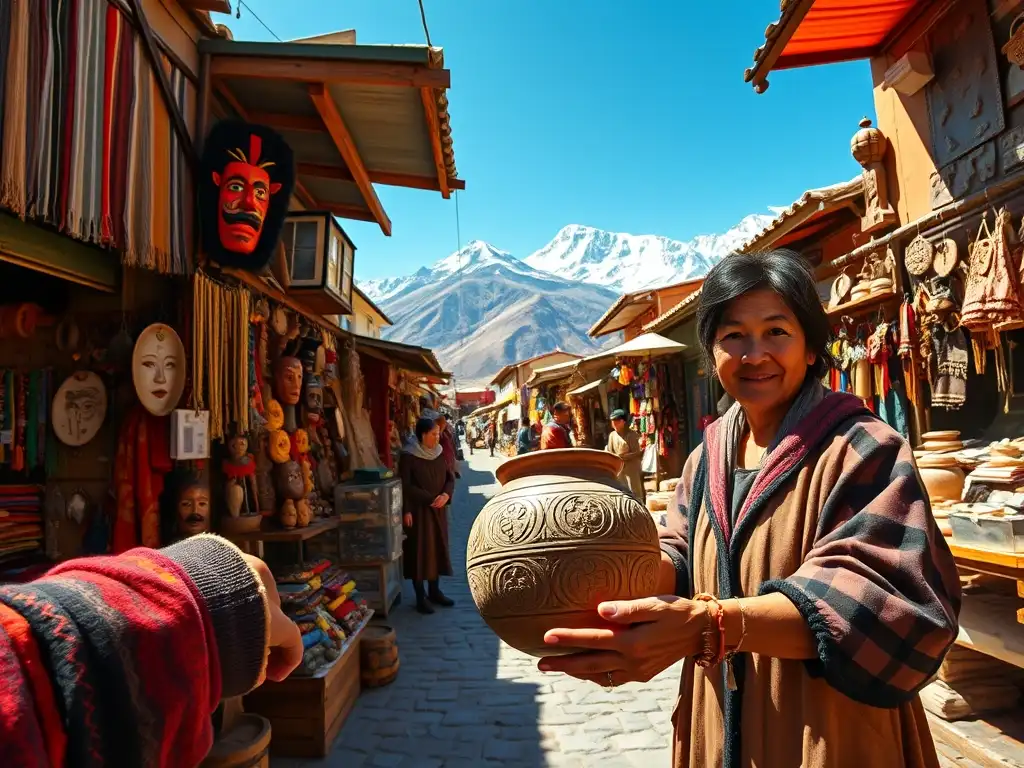
Uncover the mysteries hidden within the breathtaking artistry of the Andes! From the intricate textiles of the Nazca to the awe-inspiring architecture of the Incas, the Andean civilizations left behind a legacy of unparalleled beauty and ingenuity. But navigating the world of Andean artifacts requires caution. This is where our expertise comes in. Learn how to identify trustworthy sources for Andean artifacts, ensuring your acquisitions are both authentic and ethically sourced. Embark on this journey with us and discover the secrets held within these ancient treasures.
The allure of Andean artifacts is undeniable. From the intricate textiles of the Nazca to the majestic goldwork of the Moche, these objects whisper tales of sophisticated civilizations that thrived in the challenging Andean landscape. Acquiring such a piece can be a deeply rewarding experience, connecting you to a rich history and breathtaking artistry.
However, the market for Andean artifacts is fraught with complexities, demanding careful navigation to ensure ethical and authentic acquisitions. This article serves as a guide for those seeking trustworthy sources for Andean artifacts, helping you discern reputable dealers from those engaging in potentially illegal or deceptive practices.
We will explore the crucial aspects of verifying authenticity, understanding provenance, and identifying red flags that signal potential problems. This knowledge will empower you to make informed decisions, contributing to the preservation of Andean cultural heritage and ensuring your purchase is both ethically sound and a genuine reflection of Andean artistry.
Introduction: The Allure and Risks of Acquiring Andean Artifacts
The vibrant colors of a pre-Columbian textile, the intricate carvings on a Moche ceramic vessel, the weight of a meticulously crafted Inca gold ornament – these are just a few examples of the captivating allure of Andean artifacts. These objects represent not only exquisite craftsmanship but also a tangible link to a rich and complex past. The desire to own a piece of this history is understandable, but it's crucial to approach the acquisition process with awareness.
The market for these artifacts is unfortunately susceptible to forgery, illicit trade, and unethical practices. The risk of unwittingly purchasing a fake or an object obtained illegally is significant, undermining the value of the piece and potentially contributing to the erosion of cultural heritage. Therefore, understanding where to find reputable sources is paramount.
Choosing a trustworthy dealer is not merely a matter of securing a beautiful object; it's a commitment to ethical collecting and the preservation of Andean cultural heritage for future generations. The rewards of responsible acquisition are immense, offering the satisfaction of owning a genuine artifact while supporting ethical practices within the market.
Understanding the Importance of Authenticity When Buying Andean Art
Authenticity is the cornerstone of any responsible purchase of Andean art. A genuine artifact offers a direct connection to the past, providing invaluable insights into the techniques, beliefs, and artistic sensibilities of ancient Andean cultures. Conversely, a forgery lacks this historical significance, offering only a superficial imitation. Determining authenticity requires careful examination and a critical eye.
Features such as materials, craftsmanship, style, and patina all play crucial roles in verification. Experts often utilize scientific methods like radiocarbon dating or stylistic analysis to ascertain the age and origin of an artifact. While some visual clues might be apparent to the trained eye, relying solely on visual inspection is insufficient.
It is crucial to work with reputable dealers who can provide comprehensive documentation and provenance to support the authenticity of their offerings. Purchasing from sources that lack transparency regarding the artifact's history should be avoided at all costs. The ethical implications of acquiring a potentially forged or illegally obtained artifact are significant, contributing to the devaluation of genuine pieces and the perpetuation of unethical practices within the market.
Why Provenance Matters: Tracing the History of Your Artifact
Provenance, the documented history of an artifact's ownership and location, is absolutely vital in establishing authenticity and ethical acquisition. A strong provenance demonstrates a clear chain of custody, tracing the object back through time to its origins. This documentation should ideally include records of previous owners, exhibitions, and any relevant scholarly studies. A complete and verifiable provenance significantly reduces the risk of acquiring a forged or illegally obtained artifact. The absence of clear provenance, or the presence of gaps and inconsistencies in the documentation, should raise serious concerns.
Reputable dealers prioritize transparency and readily share detailed provenance information with potential buyers. This transparency is a crucial indicator of ethical practices. By demanding thorough provenance documentation, collectors contribute to the responsible stewardship of Andean cultural heritage and discourage the illegal trade in antiquities. The investment in verifying provenance is an investment in the ethical and historical value of your acquisition.
The Dangers of Forgeries and Illegal Trade in Andean Antiquities
The illegal trade in Andean antiquities poses a significant threat to cultural heritage and fuels unethical practices within the market. Forgeries not only deceive buyers but also undermine the value of genuine artifacts. The creation and sale of forgeries contribute to the erosion of trust within the market, making it more difficult for legitimate dealers to operate.
The illegal excavation and trafficking of artifacts damage archaeological sites, destroying invaluable contextual information and preventing future research. Participating in this illegal trade, even unintentionally, supports criminal activity and contributes to the loss of irreplaceable cultural heritage. It is crucial to be aware of the red flags associated with potentially illegal transactions, such as suspiciously low prices, a lack of provenance documentation, or an unwillingness to provide information about the artifact's origin.
By making informed choices and supporting reputable dealers, collectors can actively combat the illegal trade and protect Andean cultural heritage. The ethical acquisition of Andean artifacts is a collective responsibility, demanding vigilance and a commitment to responsible collecting practices.
- Introduction: The Allure and Risks of Acquiring Andean Artifacts
- Understanding the Importance of Authenticity When Buying Andean Art
- How can I be sure an Andean artifact is authentic?
- Where can I find trustworthy sources for buying Andean artifacts?
- What are some red flags to watch out for when purchasing Andean artifacts?
- What types of documentation should I look for to verify the authenticity of an Andean artifact?
- How can I learn more about identifying authentic Andean artifacts?
Key Factors to Consider When Selecting Andean Artifact Dealers
This section delves into the crucial aspects to evaluate when choosing a dealer for Andean artifacts, ensuring you acquire authentic pieces while supporting ethical practices. Navigating the market for Andean artifacts requires vigilance; understanding the key factors discussed below will significantly reduce the risk of acquiring illicitly sourced items or being misled by unscrupulous sellers. The acquisition of Andean artifacts should be approached with responsibility and respect for the cultural heritage they represent.
Reputation and Expertise: Identifying Reputable Dealers of Andean Art
Choosing a trustworthy source for Andean artifacts is paramount. A reputable dealer possesses not only a deep understanding of Andean cultures but also a proven track record of ethical sourcing and accurate representation of their inventory. This requires careful investigation and due diligence on the buyer's part.
Verifying Dealer Credentials and Experience in Andean Cultures
Before committing to a purchase, thoroughly investigate the dealer's background. Look for evidence of established presence in the field, perhaps through participation in relevant academic conferences or exhibitions, publications on Andean art or archaeology, or affiliations with reputable museums or institutions. Lengthy experience specializing in Andean artifacts is a strong indicator of expertise and credibility.
A dealer's website should provide detailed information about their background and expertise; a lack of such transparency should raise concerns. Consider whether they provide detailed provenance information – a documented history of ownership – for their artifacts. The more detailed and verifiable the provenance, the better.
Reading Reviews and Seeking Testimonials from Previous Buyers
Online reviews and testimonials offer valuable insights into a dealer's reputation. Websites like eBay and specialized online forums often host reviews from previous buyers. Pay close attention to comments regarding the authenticity of the artifacts, the accuracy of descriptions, and the dealer's responsiveness and professionalism. While positive reviews don't guarantee authenticity, a consistent pattern of negative feedback or unresolved disputes should serve as a significant warning sign. Directly contacting previous buyers for their experiences can provide even more detailed and nuanced perspectives. Remember to cross-reference information from multiple sources.
Ethical Practices and Legal Compliance
Beyond expertise, the ethical practices of the dealer are critical. The illicit trade of Andean artifacts is a significant concern, contributing to the loss of cultural heritage and fueling illegal activities. Choosing a dealer committed to ethical sourcing is crucial for responsible collecting.
Ensuring Dealers Adhere to International Laws Protecting Cultural Heritage
Reputable dealers strictly adhere to international laws and regulations governing the trade of cultural artifacts. These laws vary by country, but generally aim to prevent the illegal export and import of artifacts, especially those considered national treasures. A dealer's commitment to these laws should be evident in their practices. They should be able to provide documentation demonstrating the legal acquisition of their artifacts, including import permits and export licenses where applicable. The absence of such documentation should raise serious concerns about the legality of their operations. Look for dealers who actively support initiatives aimed at preserving Andean cultural heritage.
Avoiding Dealers Involved in the Illicit Trade of Artifacts
Several warning signs indicate potential involvement in the illicit trade. These include unusually low prices (suggesting stolen or looted goods), a lack of provenance documentation, or an unwillingness to provide information about the artifact's origin. Dealers who are evasive about their sourcing practices or who offer artifacts seemingly lacking any historical context should be avoided.
Be cautious of dealers who operate primarily online with limited physical presence or verification of their claims. Remember, the acquisition of Andean artifacts should be a responsible and transparent process, prioritizing the protection of cultural heritage above all else. The responsible collector actively contributes to the preservation of these invaluable pieces of history.
Where to Find Trustworthy Sources for Andean Artifacts
This section delves into identifying reliable sources for acquiring Andean artifacts, focusing on reputable auction houses and established galleries specializing in pre-Columbian art. Navigating the market for Andean artifacts requires diligence; understanding the nuances of reputable dealers is crucial to ensuring authenticity and ethical sourcing. The information below provides a starting point for your research, emphasizing the importance of due diligence before any purchase. Remember, the authenticity and provenance of an Andean artifact are paramount.
Reputable Auction Houses Specializing in Pre-Columbian Art
Major auction houses often handle high-value and meticulously vetted Andean artifacts. Their rigorous authentication processes and established reputations offer a degree of assurance, although thorough independent verification is always advisable. However, even with reputable auction houses, buyers should remain vigilant and conduct their research before bidding.
Christie's Pre-Columbian Art Department: Benefits and Considerations
Christie's, a globally recognized auction house, possesses a dedicated Pre-Columbian art department. They employ experts who rigorously examine pieces for authenticity, provenance, and condition. This process often includes scientific analysis and consultation with leading archaeologists and art historians. The benefits include access to a wide range of high-quality pieces and a level of assurance regarding authenticity. However, the high prices commanded at Christie's auctions reflect the exclusivity and rigorous vetting process. It's crucial to understand the auction process, including buyer's premiums and potential unforeseen costs. Additionally, independent verification of provenance remains a critical step even when purchasing from Christie's.
Sotheby's Pre-Columbian Art Sales: Analyzing Auction Records
Sotheby's, another leading auction house, also features regular sales of Pre-Columbian art. Analyzing past auction records from Sotheby's can provide valuable insights into market trends and pricing for specific types of Andean artifacts. This data can inform your purchasing decisions and help you gauge the value of similar pieces.
However, remember that past auction prices are not necessarily indicative of future values, and various factors influence the final sale price. Studying the detailed descriptions and provenance information included in Sotheby's auction catalogs is crucial in assessing the trustworthiness of the offered artifacts. Pay close attention to any mentions of scientific analysis or expert opinions included in these descriptions.
Established Galleries with a Focus on Andean Art
Beyond auction houses, several established galleries specialize in Andean art, offering a curated selection of artifacts. These galleries often have long-standing relationships with collectors and experts, providing a degree of trust and access to pieces not always found at auction.
The Merrin Gallery: Focusing on Ancient Peruvian Ceramics
The Merrin Gallery is renowned for its extensive collection of ancient Peruvian ceramics, particularly those from the Moche and Nazca cultures. Their expertise in pre-Columbian pottery is widely respected, and they often provide detailed provenance information for their pieces. However, even with a gallery like Merrin, it's essential to request and carefully review all available documentation regarding authenticity and provenance before making a purchase. Independent verification from a recognized expert in Andean archaeology or art history remains a best practice.
Throckmorton Fine Art: Known for Textiles and Metalwork
Throckmorton Fine Art is another reputable gallery with a strong focus on Andean artifacts, particularly textiles and metalwork from various cultures. Their collection often features exceptionally well-preserved examples of ancient Andean craftsmanship. They are known for their rigorous authentication procedures and commitment to ethical sourcing.
Nevertheless, prospective buyers should still request detailed provenance documentation and consider seeking independent verification from a qualified expert, especially for high-value pieces. Thorough research and due diligence are vital steps in ensuring a successful and trustworthy acquisition of Andean artifacts. Remember, the ethical acquisition of these artifacts is paramount and should always be a primary concern.
Specialist Dealers with Proven Track Records
Finding trustworthy sources for Andean artifacts often means seeking out specialist dealers with established reputations. These dealers possess extensive knowledge of Andean art and archaeology, enabling them to authenticate pieces and provide detailed provenance information. Their expertise minimizes the risk of acquiring fakes or looted artifacts, a critical concern when dealing with ancient objects.
Building a relationship with a reputable dealer offers access not only to high-quality artifacts but also to invaluable insights into their historical context and cultural significance. They often participate in academic conferences and exhibitions, further solidifying their credentials and commitment to the field. Choosing a specialist dealer demonstrates a commitment to responsible collecting, supporting ethical practices within the art market.
The added benefit of working with a specialist is the opportunity to receive detailed information about the artifact's history, including its discovery location, previous owners, and any relevant scholarly research. This level of transparency is paramount for authenticating and appreciating the value of Andean artifacts.
David Bernstein Fine Art: Specializing in Pre-Columbian Textiles and Their Provenance
David Bernstein Fine Art, for example, is renowned for its expertise in Pre-Columbian textiles. Their catalog frequently includes meticulously documented pieces, complete with detailed provenance reports tracing the artifact's ownership history back decades, sometimes even centuries. They are not just selling artifacts; they are sharing a piece of history, meticulously researched and ethically acquired.
This commitment to transparency and rigorous documentation sets them apart. The level of detail provided by such dealers is invaluable, offering collectors the assurance that their purchase is not only authentic but also contributes to the preservation and understanding of Andean cultural heritage. Their dedication to provenance research allows collectors to confidently acquire pieces with a clear and documented history, minimizing the risk of acquiring objects with questionable origins.
Arte Primitivo: Expertise in the Early Horizon Period
Another example of a specialist dealer is Arte Primitivo, known for its focus on the Early Horizon period (circa 2000-900 BCE) of Andean culture. Their expertise lies in the identification and authentication of artifacts from this crucial period, characterized by the rise of complex societies and unique artistic styles. Their in-depth knowledge of the stylistic features and technological techniques of the Early Horizon allows them to distinguish genuine pieces from imitations.
This specialized focus allows them to offer collectors a deeper understanding of this crucial cultural period and to acquire rare and significant artifacts with confidence. They often publish scholarly articles and participate in exhibitions, contributing to the ongoing research and appreciation of Andean art. They provide detailed information about the context of the artifacts they sell, enhancing their educational value and contributing to the field's understanding.
Online Platforms and Their Associated Risks
The internet has opened up a vast marketplace for Andean artifacts, but this accessibility also presents significant risks. Navigating the online world of Andean art requires caution and a keen eye for detail, as the ease of access also facilitates the proliferation of fakes and illicitly obtained objects. The lack of direct interaction with the seller and the difficulty in verifying provenance information make online purchases considerably riskier than those from established dealers.
It's crucial to understand the potential pitfalls before venturing into the online market for Andean artifacts. The anonymity often associated with online transactions makes it difficult to hold sellers accountable for misrepresentation or fraud.
Cautionary Tales: The Pitfalls of Unverified Online Sellers
Numerous cautionary tales exist about individuals purchasing counterfeit Andean artifacts online. These range from poorly made imitations to outright forgeries crafted to deceive even experienced collectors. The lack of proper documentation and verification processes makes it extremely difficult to determine authenticity, often resulting in significant financial losses and the disappointment of owning a worthless replica. Buyers should be wary of unusually low prices, as these often signal a lack of authenticity or ethical sourcing. The absence of detailed provenance information should also raise immediate red flags. Thorough research and due diligence are crucial when considering purchasing Andean artifacts online.
Tips for Safer Online Purchases of Andean Artifacts
To mitigate the risks associated with online purchases, prospective buyers should prioritize thorough research. This includes verifying the seller's reputation, looking for detailed provenance information, and seeking independent expert opinions before committing to a purchase. Checking for high-resolution images and detailed descriptions can help identify potential inconsistencies or signs of forgery. Communication with the seller is key; ask detailed questions about the artifact's history, acquisition methods, and any accompanying documentation.
If possible, arrange for an independent appraisal or authentication before finalizing the transaction. Remember, a reputable seller will be transparent and willing to provide comprehensive information. Ultimately, caution and thorough due diligence are essential for making safe and informed online purchases of Andean artifacts.
Evaluating the Authenticity of Andean Artifacts
Finding trustworthy sources for Andean artifacts is crucial, but equally important is the ability to assess authenticity. The market for Andean art is unfortunately rife with forgeries, and even experienced collectors can be deceived. This section will equip you with the knowledge to better evaluate the authenticity of potential acquisitions. Understanding the key characteristics of genuine Andean art, and knowing where to seek expert help, are vital steps in responsible collecting. This is especially important when considering the cultural significance of these artifacts. Proper identification helps protect both the market and the heritage of Andean civilizations.
Key Characteristics of Genuine Andean Art
The allure of Andean artifacts stems from their intricate designs, high-quality materials, and the stories they tell of ancient cultures. However, discerning authentic pieces from skillful reproductions requires a keen eye and a deep understanding of Andean artistic traditions. Authenticity assessment involves a multi-faceted approach, combining material analysis with stylistic and cultural considerations.
Recognizing Authentic Materials Used in Andean Artifacts
Genuine Andean artifacts often utilize specific materials sourced from the Andes region. For instance, Incan textiles frequently incorporated alpaca or llama wool, often exhibiting complex weaving techniques. Ceramics from the Moche culture, renowned for their elaborate artistry, were typically made from clay sourced locally, often displaying characteristic surface treatments and pigments.
Identifying the correct types of stone, metals (like gold and silver), and clays is a primary step in authentication. Knowing the geographic distribution of specific materials can help narrow down the origin and potential age of an artifact. For example, a certain type of obsidian might only be found in a specific Andean region, providing valuable clues.
Identifying Craftsmanship Techniques of Different Andean Cultures
Each Andean culture developed unique artistic techniques and styles. Recognizing these distinctive features is critical. For example, Nazca ceramics are known for their polychrome style and intricate designs, often depicting deities and mythological scenes. Tiahuanaco textiles are characterized by their geometric patterns and the use of specific weaving techniques like tapestry or brocade.
The Incas mastered sophisticated metalworking techniques, creating intricate gold and silver objects. Careful examination of the craftsmanship, including the level of detail, the precision of execution, and the consistency of style, can reveal whether an artifact is genuine or a modern imitation. A lack of consistency in style or materials can indicate a forgery. Detailed analysis might reveal inconsistencies in the application of pigments or the type of weaving techniques used.
Seeking Expert Appraisals and Authentication Services
While self-evaluation is helpful, seeking professional expertise is paramount when dealing with valuable or potentially important Andean artifacts. Expert appraisals and authentication services provide an objective assessment of authenticity, provenance, and value.
Recommended Experts in Andean Art Authentication
[Specific information pending: List of reputable experts, museums, or institutions specializing in Andean art authentication.] It is crucial to select experts with recognized credentials and experience in the specific Andean culture and type of artifact in question. Word-of-mouth referrals and recommendations from established collectors can be invaluable. Remember to always verify their qualifications and experience before entrusting them with your artifacts.
Understanding the Appraisal Process and Its Importance
The appraisal process typically involves a detailed examination of the artifact, including its material composition, stylistic features, and any accompanying documentation. Experts may utilize scientific techniques like X-ray fluorescence (XRF) or thermoluminescence (TL) dating to determine the age and composition of the materials. A thorough appraisal report should detail the findings, including a clear statement of authenticity, an assessment of condition, and an estimation of market value.
This documentation is essential not only for insurance purposes but also for establishing the provenance of the artifact, which is crucial in the ethical and legal trade of Andean artifacts. The importance of proper documentation cannot be overstated; it protects both the buyer and the seller and helps safeguard cultural heritage. It also contributes to the overall knowledge and understanding of Andean civilizations.
Making an Informed Purchase of Andean Artifacts
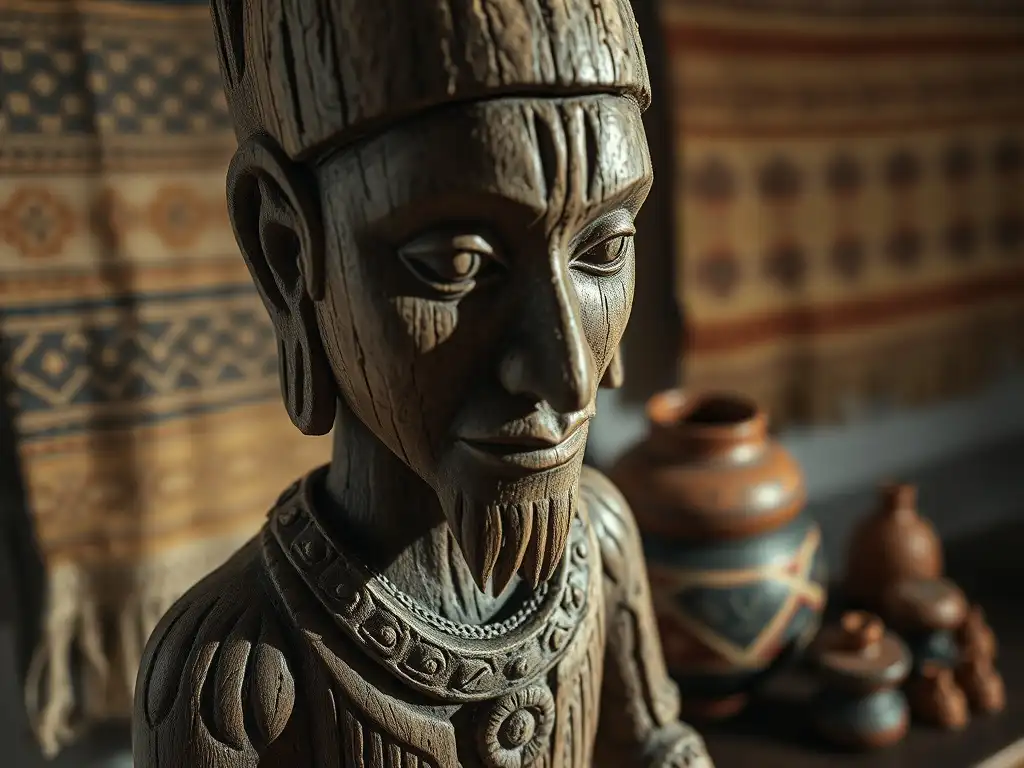
This section focuses on empowering you to make confident and ethical purchases of Andean artifacts. Navigating the market for authentic pieces requires diligence and a discerning eye. By understanding the key questions to ask and the essential research to conduct, you can significantly reduce the risk of acquiring fakes or supporting unethical practices. Remember, responsible collecting contributes to the preservation and appreciation of Andean cultural heritage.
Questions to Ask Before Buying
Before committing to a purchase, thoroughly vet the seller and the artifact itself. Don't hesitate to ask probing questions; a reputable dealer will welcome your inquiries and provide transparent answers. Your due diligence protects both your investment and the integrity of the Andean cultural heritage.
Inquiring about Provenance and Documentation
Provenance refers to the documented history of an artifact, tracing its ownership and journey from its origin to the present. A strong provenance is crucial for verifying authenticity. Ask the seller for detailed documentation, including:
- Chain of Ownership: A clear record showing the previous owners and the dates of transactions.
- Original Acquisition Details: Information about where and when the artifact was originally found or acquired. This might include details of an archaeological excavation, a private collection, or an established market.
- Expert Authentication: Reports or certificates from recognized experts in Andean archaeology or art history who have authenticated the artifact. Beware of generic certificates – seek out those from reputable institutions or highly respected specialists.
- Export Permits (if applicable): Proof that the artifact was legally exported from its country of origin. This is particularly important for artifacts of significant age or cultural value.
A lack of thorough documentation should raise serious concerns about the authenticity and ethical sourcing of the artifact.
Understanding the Return Policy and Guarantee
A reputable dealer will stand behind their products. Inquire about their return policy and any guarantees offered. This demonstrates confidence in the authenticity and quality of their offerings. Specific details to ask about include:
- Return Window: How long do you have to return the artifact if you are unsatisfied?
- Conditions for Return: Are there any conditions for a return, such as the artifact being in its original condition?
- Refund Policy: Will you receive a full refund, or is there a restocking fee?
- Guarantee of Authenticity: Does the dealer offer a guarantee that the artifact is genuine? What recourse do you have if the authenticity is later questioned?
A well-defined return policy and guarantee provide an added layer of protection for your purchase.
Understanding the Fair Market Value
Determining the fair market value of an Andean artifact is crucial for avoiding overpayment and ensuring a responsible purchase. This requires research and a critical eye.
Researching Prices and Comparing Values of Similar Andean Artifacts
Before committing to a purchase, conduct thorough research to understand the typical market price for similar artifacts. Consider the following:
- Auction Records: Review online auction databases to see what similar pieces have sold for in the past.
- Museum Collections: Research museum collections online to gain a sense of the range of values for artifacts of a similar type and age.
- Reputable Dealers' Inventories: Compare prices from different reputable dealers to get a sense of the market range.
- Material and Craftsmanship: Consider the type of material used (e.g., gold, silver, ceramic) and the level of craftsmanship, which can significantly impact value.
By comparing prices, you can better assess whether the asking price is reasonable.
Avoiding Overpayment and Recognizing Potential Scams
The market for Andean artifacts is unfortunately susceptible to scams and inflated prices. Be wary of:
- Unusually Low Prices: Extremely low prices often indicate fakes or artifacts obtained through illegal means.
- High-Pressure Sales Tactics: Reputable dealers don't pressure you into making a quick decision.
- Lack of Transparency: A reluctance to answer questions about provenance or provide documentation is a major red flag.
- Vague Descriptions: Descriptions lacking specific details about the artifact's origin, materials, or age should raise suspicion.
Remember, a responsible purchase involves careful research, informed decision-making, and a commitment to ethical collecting practices. By following these guidelines, you can navigate the market for Andean artifacts with confidence and contribute to the preservation of this rich cultural heritage.
Conclusion: Protecting Andean Heritage through Responsible Purchases
This exploration of finding trustworthy sources for Andean artifacts highlights the crucial role consumers play in preserving this invaluable cultural heritage. The market for Andean art, while offering breathtaking pieces, is also susceptible to illicit trafficking and unethical practices. By making informed choices, collectors can contribute significantly to the protection of these artifacts and the communities from which they originate. Understanding the provenance of an artifact, verifying its authenticity, and supporting ethical dealers are not merely good practices; they are essential steps in ensuring the longevity of Andean cultural legacy.
The Importance of Supporting Ethical Dealers
Supporting ethical dealers is paramount in the fight against the illegal trade of Andean artifacts. Ethical dealers prioritize transparency, providing detailed provenance documentation, and often actively participate in conservation efforts. They often collaborate with archaeologists and cultural institutions, ensuring artifacts are handled responsibly and their historical context is preserved.
Choosing to purchase from such dealers directly impacts the market, signaling a demand for ethically sourced artifacts and discouraging the illicit trade. This support also often translates to funding for ongoing archaeological research and community development projects in the Andean region. For example, many reputable dealers contribute a percentage of their profits to organizations dedicated to preserving ancient sites and supporting local artisans.
This creates a positive feedback loop, fostering sustainable practices within the Andean art market. Consider this: a single purchase from an ethical dealer can directly contribute to the preservation of a significant historical site or support the livelihood of a local artisan community.
Contributing to the Preservation of Andean Culture
The acquisition of Andean artifacts is not just about personal enrichment; it's about participating in a broader narrative of cultural preservation. Each piece tells a story – a story of intricate craftsmanship, sophisticated techniques, and deeply rooted beliefs. By purchasing from ethical sources, you are actively contributing to the preservation of these stories. You are supporting the responsible excavation and documentation of artifacts, ensuring that they are not lost to looting or destruction.
Furthermore, ethical dealers often invest in the education and training of local communities, empowering them to participate in the preservation of their own heritage. This contrasts sharply with the illicit trade, which often undermines local communities and disrupts cultural traditions. The responsible acquisition of Andean artifacts directly counters this destructive trend, fostering a more sustainable and ethical approach to cultural heritage management.
Final Thoughts and Recommendations for Aspiring Collectors of Andean Art
The journey of collecting Andean artifacts should be one of informed appreciation and responsible stewardship. Begin your search by researching reputable dealers and museums. Always request detailed provenance documentation, including information about the artifact's origin, acquisition history, and any relevant certifications. Don't hesitate to ask questions and seek expert opinions to verify authenticity. Remember that the value of an Andean artifact extends far beyond its monetary worth; it represents a tangible connection to a rich and complex cultural heritage.
By choosing to support ethical dealers and engaging in responsible collecting practices, you become a crucial part of protecting this heritage for future generations. Ultimately, responsible collecting is not only a matter of personal ethics but a vital contribution to the ongoing preservation of Andean culture. The beauty and significance of these artifacts should be celebrated responsibly, ensuring their stories continue to be told for years to come. 🌎
Frequently Asked Questions
How can I be sure an Andean artifact is authentic?
Authenticity is crucial. Look for provenance documentation, ideally tracing ownership back to the original excavation. Reputable museums and galleries are your best bet.
Where can I find trustworthy sources for buying Andean artifacts?
Avoid online auctions or unknown sellers. Seek out reputable dealers with established histories and verifiable expertise in Andean artifacts. Museums' gift shops can also offer verified items.
What are some red flags to watch out for when purchasing Andean artifacts?
Be wary of unusually low prices and lack of provenance. Poorly made copies and forgeries are common. Check for signs of damage consistent with age and use, not modern damage.
What types of documentation should I look for to verify the authenticity of an Andean artifact?
Certificates of authenticity issued by reputable experts are vital. Look for details on the artifact's discovery location, date, and previous owners. Photos from the excavation site are also valuable.
How can I learn more about identifying authentic Andean artifacts?
Research is key! Consult academic journals, books, and reputable websites like museum sites. Attend lectures and workshops focused on Andean archaeology and art. Consider consulting with experts for authentication.
Final Reflection: The Enduring Legacy of Andean Cultures
The quest for authentic Andean artifacts is not merely a pursuit of beautiful objects; it's a journey into the heart of a rich and complex history. The irresponsible acquisition and trade of these artifacts contribute to the erosion of cultural heritage, impacting communities and perpetuating harmful practices. Understanding where to source these items ethically is crucial for preserving this legacy for future generations.
The impact of the illicit antiquities trade extends far beyond the monetary value of the objects themselves. It undermines the cultural identity of Andean communities, severing the connection between people and their ancestral past. The past is never dead. It's not even past.
- William Faulkner. This quote resonates deeply, highlighting the ongoing relevance of protecting these artifacts and the stories they hold. The continued demand for these pieces necessitates a heightened awareness and a commitment to responsible collecting, ensuring that the narrative of these cultures is not lost to the shadows of the black market.
You, the reader, now hold the knowledge to make informed choices. Consider the provenance of any artifact you encounter; question its origin and the ethical implications of its acquisition. By supporting reputable dealers and museums, and by advocating for responsible collecting practices, you become a crucial part of the solution. Let us collectively safeguard the invaluable heritage of the Andes, ensuring that these breathtaking artifacts continue to inspire and educate for centuries to come.
Unveil the Authenticity of Andean Artifacts Today!
Thank you for exploring the world of Andean artifacts. You've gained valuable insights into sourcing authentic pieces that respect the rich heritage of Andean civilizations. Now, let's put that knowledge into practice!
Here are some ways to deepen your appreciation and connect with the Andean art community:
- Participate in a local workshop or online course to learn about authentic Andean crafts. Connecting directly with artisans provides unique insights and fosters a deeper understanding.
- Share your knowledge with friends and on social media. Discussing the importance of authenticity in Andean artifacts helps promote ethical sourcing practices.
- Visit an Andean art exhibition or museum. Experiencing these artifacts firsthand enriches your understanding and appreciation of their history and artistry.
What's one interesting fact you've recently learned about Andean artifacts that you'd like to share?