
Investing Wisely: Finding Established Dealers of Andean Cultural Heritage

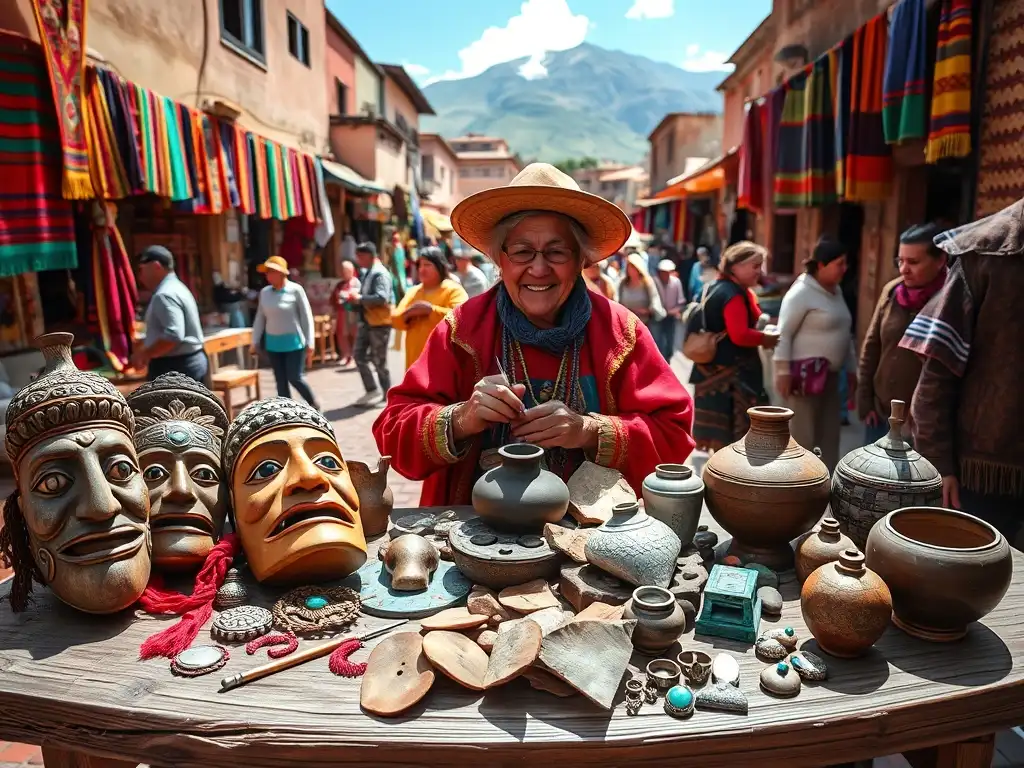
Uncover the secrets whispered on the wind across the Andes. For centuries, these majestic mountains have guarded the legacy of incredible civilizations – the Incas, Moche, Nazca, and more. But navigating the world of Andean artifacts can be treacherous. This is where established dealers become crucial. Are you ready to embark on a journey into the heart of Andean history, learning how to invest wisely and ethically in pieces that tell a thousand stories? Discover the truth behind Andean artifacts dealers and begin your exploration now.
The allure of Andean artifacts—the intricate textiles, the mesmerizing goldwork, the enigmatic ceramics—draws collectors and enthusiasts worldwide. However, navigating the market for these precious pieces of history requires careful consideration and a discerning eye. This article serves as a guide for those seeking to invest wisely in Andean cultural heritage, focusing on how to identify reputable and established dealers who prioritize authenticity and ethical sourcing.
We will explore the complexities of the market, offering insights into identifying genuine artifacts, understanding the crucial role of provenance, and ultimately, making informed purchasing decisions that support the preservation of this invaluable cultural legacy. The acquisition of Andean artifacts is not merely a financial investment; it's an investment in history, culture, and the preservation of a rich Andean heritage for future generations.
We will explore strategies to help you navigate this fascinating yet complex market responsibly and successfully. This guide is designed to empower you to become a more informed and ethical collector of Andean art.
Understanding the Market for Andean Artifacts
The Allure of Ancient Andean Art and Relics
The enduring appeal of Andean artifacts stems from their intricate craftsmanship, rich symbolism, and connection to a vibrant and sophisticated past. From the Nazca Lines' mysterious geometry to the Moche's lifelike pottery and the Inca's mastery of goldsmithing, each piece tells a story of innovation, resilience, and a profound connection to the Andean landscape. This allure, however, has also fueled a market susceptible to counterfeiting and unethical practices.
Understanding the nuances of this market is crucial for discerning buyers. The sheer variety of artifacts—ranging from intricately woven textiles and stunning gold ornaments to monumental stone sculptures and everyday ceramics—presents both exciting opportunities and significant challenges for collectors. The cultural significance of these objects adds another layer of complexity, making ethical sourcing and responsible collecting paramount.
Identifying Genuine Andean Artifacts vs. Replicas
Distinguishing genuine Andean artifacts from expertly crafted replicas demands a keen eye and a thorough understanding of stylistic characteristics and materials. Several factors contribute to accurate identification:
- Material Analysis: Examining the materials used is crucial. Authenticity often hinges on the specific type of clay, metal alloys, and textile fibers employed. Replicas may utilize modern materials or show inconsistencies in their composition.
- Stylistic Consistency: Genuine artifacts exhibit stylistic consistency with known examples from specific cultures and time periods. Replicas may exhibit inconsistencies or blend features from disparate periods or regions.
- Patina and Wear: Genuine artifacts often display a natural patina, a surface discoloration or sheen acquired over time through exposure to the elements. Replicas often lack this natural aging. Signs of genuine wear and tear can also be indicative of authenticity.
- Provenance Documentation: Perhaps the most critical factor is the artifact’s provenance—its documented history of ownership. Reputable dealers should provide detailed provenance records tracing the artifact’s history back to its original discovery or acquisition.
The Importance of Provenance in Andean Artifact Purchases
Provenance is not merely a desirable detail; it is the cornerstone of ethical and legally sound Andean artifact ownership. A well-documented provenance provides a clear chain of custody, demonstrating the artifact’s legitimate acquisition and confirming its authenticity. It also safeguards against the acquisition of looted or illegally trafficked objects. Reputable dealers prioritize transparency and provide comprehensive provenance documentation, including photographic records, expert analyses, and previous ownership records.
Without clear provenance, the risk of unknowingly purchasing a looted or forged artifact increases significantly. Investing in artifacts with verifiable provenance is not only ethically responsible but also protects the collector from legal repercussions and financial losses associated with illicit acquisitions. The absence of provenance should raise serious concerns about an artifact’s legitimacy and ethical sourcing.
- Reputable Dealers: The Foundation of Your Andean Art Collection
- Evaluating Experience and Expertise in Pre-Columbian Art
- Examining Dealer's History and Testimonials
- Transparency: Certificates of Authenticity and Documentation
- Understanding Provenance: Tracing the Artifact's History
- Ethical Sourcing: Respecting Cultural Heritage
- What makes a dealer of Andean artifacts reputable?
- How can I verify the authenticity of an Andean artifact?
- Where can I find established dealers of Andean cultural heritage?
- What legal considerations should I be aware of when purchasing Andean artifacts?
- Are there any resources to help me learn more about Andean artifacts before I buy?
Key Considerations When Selecting Andean Artifacts Dealers
Finding authentic and ethically sourced Andean artifacts requires careful consideration. Navigating the world of Andean artifacts dealers demands diligence and a discerning eye. This section outlines crucial factors to ensure you acquire pieces with verifiable provenance and contribute to the responsible preservation of cultural heritage. The market for Andean artifacts, encompassing items from diverse cultures like the Inca, Moche, Nazca, and Tiahuanaco, is unfortunately susceptible to forgeries and unethical practices.
Therefore, selecting a reputable dealer is paramount. Understanding the nuances of provenance, authentication, and ethical sourcing is vital for any serious collector of Andean art. Remember, your purchase directly impacts the preservation of these invaluable pieces of history.
Reputable Dealers: The Foundation of Your Andean Art Collection
Building a collection of Andean art begins with establishing relationships with reputable dealers. This isn't merely about finding the lowest price; it's about ensuring the authenticity and ethical sourcing of your acquisitions. Reputable dealers prioritize transparency, providing detailed provenance documentation for each artifact. This documentation traces the artifact's history, ideally from its discovery to its current ownership.
Look for dealers who are members of professional organizations dedicated to the ethical trade of antiquities. These organizations often have strict codes of conduct and vetting processes for their members. A reputable dealer will readily provide information about the artifact's origin, excavation methods (if applicable), and any conservation work undertaken.
They should be able to answer your questions thoroughly and openly, demonstrating a deep understanding of Andean cultures and art. Choosing a dealer who values ethical sourcing is crucial; it ensures that your purchase doesn't contribute to the illegal looting or destruction of archaeological sites. Remember, a responsible collector actively supports the preservation of Andean cultural heritage.
Evaluating Experience and Expertise in Pre-Columbian Art
Beyond mere reputation, assess the dealer's expertise in pre-Columbian art. Years of experience handling and authenticating Andean artifacts are invaluable. A dealer with extensive knowledge can distinguish genuine pieces from forgeries, recognizing subtle details and stylistic characteristics unique to different Andean cultures. Look for dealers who actively participate in academic conferences, publish articles or books on Andean art, or collaborate with museums and researchers.
This involvement demonstrates a commitment to the field and a deeper understanding beyond simple commerce. Ask the dealer about their authentication methods. Do they use scientific techniques like thermoluminescence dating or stylistic analysis? A thorough understanding of these methods ensures a higher level of confidence in the authenticity of the artifacts.
Don't hesitate to ask for references or contact other collectors who have purchased from the same dealer. Their feedback can offer valuable insights into the dealer's professionalism and trustworthiness. The acquisition of Andean artifacts should be a journey of informed collecting, not a gamble.
Examining Dealer's History and Testimonials
Investigating a dealer's history is crucial. Search online for reviews and testimonials from previous clients. Pay attention to both positive and negative feedback. A dealer with a long and consistent history of positive reviews suggests reliability and trustworthiness.
Look for dealers with a physical location; a brick-and-mortar presence often indicates a more established and accountable business. However, online dealers can also be reputable, provided they offer detailed provenance information and have a verifiable track record. Check if the dealer is registered with relevant authorities and complies with all applicable laws and regulations regarding the import and export of cultural artifacts. This is especially important for international transactions, as regulations vary significantly between countries.
Remember, due diligence is paramount. Thoroughly researching a dealer before making a purchase protects your investment and ensures that your contribution to the world of Andean art is both ethical and informed. The pursuit of authentic Andean artifacts should be a rewarding experience built on trust and responsible collecting practices.
Transparency: Certificates of Authenticity and Documentation
Reputable dealers of Andean artifacts prioritize transparency. This is paramount when dealing with objects of significant cultural and historical value. A crucial aspect of this transparency is the provision of comprehensive documentation, including certificates of authenticity. These certificates should not be generic templates but rather detailed documents that specifically address the artifact's provenance. This means tracing its history from its discovery or acquisition to its current ownership.
A credible certificate will often include information such as the location of discovery (if applicable), the date of acquisition, details about previous owners, and any relevant archaeological or historical context. The absence of such documentation should raise immediate concerns about the legitimacy of the artifact and the dealer's practices. Look for dealers who readily provide this information without hesitation. Remember, a lack of transparency is a significant red flag indicating potential issues with the artifact's legality or authenticity. Thorough documentation is not merely a formality; it's a crucial element in ensuring you are acquiring an artifact ethically and legally.
Furthermore, a reputable dealer will be prepared to discuss the artifact's provenance in detail, answering any questions you may have openly and honestly. They should be able to provide clear and verifiable evidence supporting the claims made in the certificate of authenticity. This may involve sharing photographs of the artifact's discovery, copies of acquisition permits, or other supporting materials. Don't hesitate to ask detailed questions; a willingness to engage in open dialogue is a hallmark of a trustworthy dealer.
Understanding Provenance: Tracing the Artifact's History
The provenance of an Andean artifact is more than just a list of previous owners; it's a narrative that sheds light on the artifact's journey through time. A well-documented provenance provides essential context, enhancing the artifact's value and significance. Understanding an artifact's provenance allows you to assess its authenticity, legality, and historical importance. For instance, a detailed provenance might reveal that a particular textile was discovered in a specific archaeological site alongside other artifacts, providing valuable information about its cultural context and dating. This information can be invaluable in determining the artifact's authenticity and historical significance.
Dealers who can provide a clear and detailed provenance demonstrate a commitment to ethical practices and a deep understanding of the artifacts they sell. They are not merely selling objects; they are sharing a piece of history. Conversely, a vague or incomplete provenance should be a serious cause for concern. It might suggest that the artifact's origins are unclear or that the dealer is attempting to conceal information about its acquisition.
Always request detailed provenance information and scrutinize it carefully. Look for consistency in the information provided, and don't hesitate to consult with experts if you have any doubts about the provenance's validity. The quality of the provenance directly reflects the dealer's commitment to ethical and responsible practices in the Andean artifacts trade. A robust provenance adds significantly to the value and appreciation of the artifact, both historically and financially.
Ethical Sourcing: Respecting Cultural Heritage
Ethical sourcing is of paramount importance when acquiring Andean artifacts. Many artifacts have been illegally removed from their archaeological contexts, causing irreparable damage to cultural heritage. Reputable dealers actively work to ensure that the artifacts they sell have been acquired legally and ethically. They should be able to provide evidence of legal acquisition, such as export permits and documentation demonstrating compliance with national and international laws regarding the trade of cultural artifacts.
Engaging with dealers committed to ethical sourcing is crucial for protecting cultural heritage and preventing the illicit trade of artifacts. These dealers often work closely with archaeologists, museums, and local communities to ensure that artifacts are acquired legally and responsibly. They may also support projects that promote the preservation of cultural heritage in the Andes region. Choosing to purchase from ethically conscious dealers helps to discourage illegal looting and the destruction of archaeological sites.
By supporting responsible practices, you contribute to the preservation of Andean cultural heritage for future generations. Ask dealers about their sourcing practices; if they are hesitant to answer or provide details, it's a sign that their practices might not be ethical. Remember, supporting ethical sourcing is not just a matter of personal preference; it's a responsibility to protect invaluable cultural heritage.
This section provides practical guidance for navigating the market of Andean artifacts, helping you locate reputable dealers and make informed purchasing decisions. Finding authentic Andean artifacts requires careful research and due diligence. Understanding the nuances of the market, from online platforms to physical galleries, is crucial for responsible collecting. This guide focuses on identifying established dealers of Andean cultural heritage, ensuring the ethical acquisition of these invaluable pieces.
Where to Find Established Andean Art Dealers
Locating reputable dealers of Andean artifacts requires a multi-pronged approach. The market, while offering a wealth of fascinating pieces, also presents challenges regarding authenticity and ethical sourcing. Therefore, focusing your search on established dealers is paramount. Here are some key avenues to explore:
Online Platforms Specializing in Andean and Pre-Columbian Art
Several online platforms specialize in the sale of ancient artifacts, including those from Andean civilizations. These platforms often have robust verification processes and detailed descriptions of each item. Look for platforms that provide high-resolution images, detailed provenance information, and contact details for verification. Reputable platforms often feature articles and educational resources about Andean art, showcasing their commitment to responsible dealing. Remember to always verify seller credentials and check customer reviews before engaging in any transaction. Be wary of platforms with unusually low prices or a lack of transparency about the origin of the artifacts.
Reputable Auction Houses Dealing with Andean Artifacts
Major international auction houses frequently feature Andean artifacts in their sales. These houses often have rigorous authentication processes and employ experts to verify the authenticity and provenance of the items. While the prices at auction can be high, the level of expertise and due diligence applied provides a degree of confidence in the authenticity of the pieces. Research the auction houses' reputations and look for those that specialize in pre-Columbian or Latin American art. Attending previews allows you to examine artifacts in person before bidding.
Brick-and-Mortar Galleries with Andean Art Collections
Many brick-and-mortar galleries, particularly those specializing in pre-Columbian or Latin American art, maintain curated collections of Andean artifacts. These galleries often have established relationships with reputable collectors and scholars, providing access to high-quality pieces with clear provenance. Visiting galleries allows you to examine artifacts firsthand, assessing their condition and craftsmanship. Engage in conversation with gallery staff; their expertise can be invaluable in understanding the context and significance of the artifacts. Look for galleries with a history of exhibitions and publications related to Andean art.
Due Diligence: Questions to Ask Before Purchasing
Before committing to a purchase, thorough due diligence is essential. This involves asking critical questions to ascertain the authenticity and ethical sourcing of the artifact. Remember, responsible collecting involves understanding the historical and cultural context of the piece.
Verification of Provenance: Tracing the History of the Artifact
Provenance refers to the documented history of ownership of an artifact. A complete and transparent provenance record is crucial for verifying authenticity and ensuring the artifact hasn't been illegally obtained. Ask for detailed documentation tracing the artifact's ownership from its discovery or excavation to the current seller. Look for evidence of scholarly research, museum exhibitions, or previous publications featuring the artifact. Incomplete or missing provenance should raise serious concerns. The more detailed the provenance, the greater the confidence in the artifact's legitimacy.
Understanding Export and Import Regulations for Andean Art
The international trade of cultural artifacts is subject to strict regulations. Before purchasing any Andean artifact, ensure that all necessary export and import permits have been obtained. The lack of proper documentation can lead to legal complications and potential seizure of the artifact. Research the specific regulations of both the country of origin and your country of residence. Reputable dealers will readily provide this information. Ignoring these regulations can have serious legal and ethical consequences.
Payment Security and Return Policies
When dealing with high-value items like Andean artifacts, security is paramount. Utilize secure payment methods and carefully review the seller's return policy. A reputable dealer will offer clear terms and conditions regarding payment, shipping, and returns. Ensure that the return policy covers authenticity disputes and allows for a refund or exchange if the artifact is found to be misrepresented. Transparency in these matters is a key indicator of a reputable dealer. Always obtain a certificate of authenticity from the dealer, ensuring it's detailed and backed by evidence.
Case Study: The Museo Larco Gallery
The Museo Larco in Lima, Peru, serves as an excellent example of a reputable institution dealing in Andean artifacts. While not strictly an "Andean artifacts dealer" in the traditional sense, their extensive collection and associated gallery shop provide a valuable case study for discerning collectors. Their approach to acquisition, preservation, and display exemplifies best practices within the field. They represent a model for responsible engagement with Andean cultural heritage, offering a high level of transparency and ethical considerations in their dealings.
The museum's commitment to scholarship and public education further enhances its credibility, setting a high benchmark for other institutions and dealers. Their rigorous cataloging system, detailed provenance records, and commitment to conservation techniques ensure the long-term preservation of their artifacts. Understanding their practices can inform collectors on what to look for in reputable dealers.
Their Expertise in Moche Pottery
The Museo Larco boasts a world-renowned collection of Moche pottery, renowned for its intricate detail and vibrant colors. Their expertise extends beyond mere curation; the museum's researchers actively contribute to the scholarly understanding of Moche culture through ongoing excavations, analysis, and publication. This deep understanding translates into a higher level of authenticity and appraisal when dealing with Moche artifacts.
Their staff's expertise allows them to accurately identify genuine pieces, distinguishing them from forgeries or imitations often found in less reputable markets. This level of expertise should be a key consideration when seeking Andean artifacts dealers. Collectors can expect a higher degree of confidence in the authenticity of items acquired through such established institutions.
Their Commitment to Ethical Sourcing
The Museo Larco's commitment to ethical sourcing is paramount. They actively work against the illegal trafficking of artifacts, ensuring all acquisitions are made through legitimate channels and comply with Peruvian law. This commitment to responsible acquisition sets a clear standard for ethical behavior within the field of Andean art.
They openly share information about the origin and history of their artifacts, providing transparency that builds trust with collectors and researchers alike. This approach contrasts starkly with unscrupulous dealers who may conceal the provenance of their goods, potentially contributing to the illegal antiquities trade. The Museo Larco's transparency serves as a model for responsible dealing in Andean artifacts.
Their Track Record with Collectors
The Museo Larco's long and established history of working with collectors builds confidence in its reliability. Their reputation is built on decades of careful stewardship of its collection and a commitment to academic rigor. While they may not sell artifacts in the same way as a commercial dealer, their gallery shop offers high-quality reproductions and publications that provide access to their expertise and collections for a broader audience. Their interactions with collectors emphasize education and responsible collecting, fostering a community of informed enthusiasts. This approach exemplifies the ideal relationship between reputable dealers and collectors of Andean artifacts.
Case Study: Hypothetical "Andean Treasures" Online Marketplace
In stark contrast to the Museo Larco, consider a hypothetical online marketplace named "Andean Treasures." This example will highlight the potential pitfalls of purchasing Andean artifacts from less reputable sources. The lack of transparency and potential for illegal activity make such platforms particularly risky for buyers. Understanding the warning signs is crucial for protecting yourself and contributing to the ethical preservation of Andean heritage.
Warning Signs: Lack of Documentation
One major red flag on a website like "Andean Treasures" would be the lack of detailed documentation accompanying the artifacts. Reputable dealers provide thorough provenance records, outlining the artifact's history and chain of custody. The absence of such documentation raises significant concerns about the legality and authenticity of the items. Collectors should be wary of vague descriptions or a lack of supporting evidence regarding an artifact's origin. This lack of transparency should be an immediate warning sign, suggesting the seller may be involved in illegal activities.
Unclear Provenance and Potential Risks
Unclear provenance presents several risks to buyers. Purchasing an artifact with an unclear history can contribute to the illegal antiquities trade, undermining efforts to protect cultural heritage. Furthermore, there's a high risk of acquiring a forgery or a piece with questionable authenticity. Buyers may unwittingly invest significant sums in items of little or no actual value. The legal implications of purchasing stolen artifacts are also severe, potentially leading to legal repercussions for the buyer.
The Importance of Recognizing Red Flags
Recognizing red flags is crucial when purchasing Andean artifacts. These include vague descriptions, a lack of provenance information, unusually low prices (which might indicate stolen goods), and pressure to make a quick purchase. Collectors should prioritize thorough research, verification, and due diligence before making any acquisitions.
Engaging with reputable dealers and institutions, like the Museo Larco, provides a safer and more ethical alternative. It is essential to remember that responsible collecting contributes to the preservation of Andean cultural heritage, while irresponsible practices can have devastating consequences. The difference between acquiring a genuine artifact with a clear history and purchasing a forgery or stolen item can be substantial, both financially and ethically.
Maximizing Your Investment in Andean Cultural Heritage
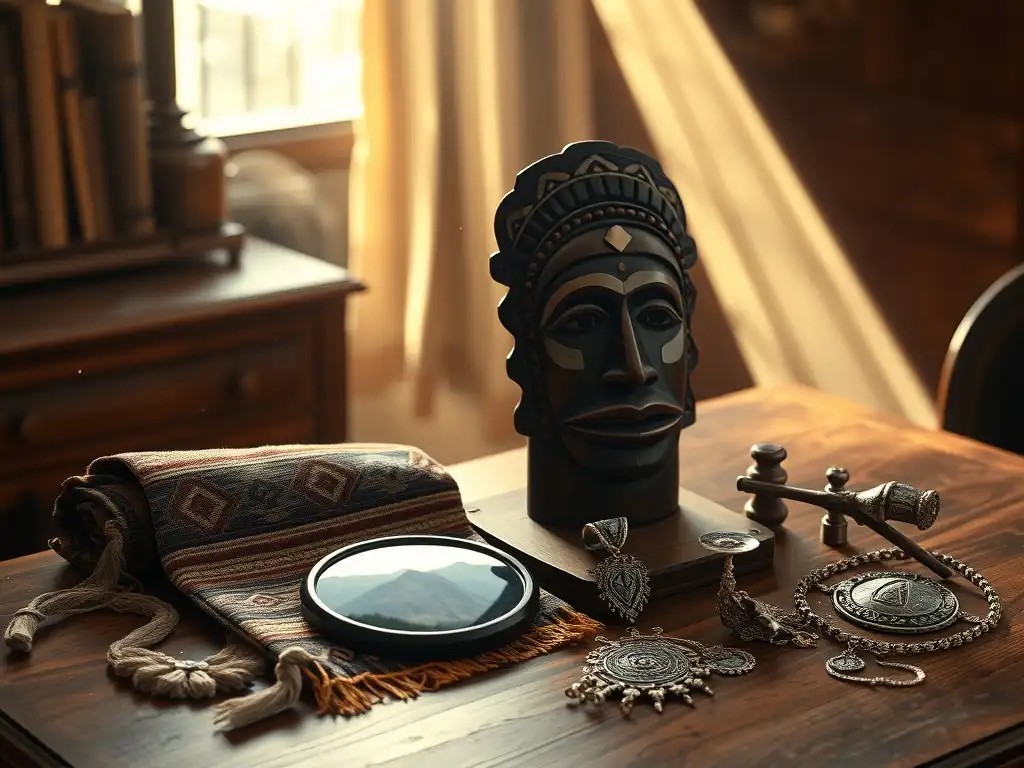
This section focuses on strategies for building a valuable and diversified collection of Andean artifacts, ensuring your investment appreciates over time. Understanding market trends and proper preservation are crucial aspects of responsible collecting. We'll explore how to build a collection that not only holds its value but also increases in worth, while simultaneously supporting ethical acquisition practices. Becoming a discerning collector of Andean artifacts requires knowledge, patience, and a commitment to responsible collecting. The payoff, however, is the ownership of a piece of history, a tangible link to fascinating Andean cultures.
Building a Diversified Collection of Andean Artifacts
Diversification is key to mitigating risk in any investment portfolio, and Andean artifacts are no exception. Focusing on a single culture or artifact type can leave your collection vulnerable to market fluctuations specific to that area. A balanced approach, however, significantly reduces risk.
Focusing on Specific Andean Cultures (Inca, Moche, Nazca, etc.)
Rather than concentrating solely on Inca artifacts, for example, consider broadening your scope to include pieces from other significant Andean cultures. The Moche's renowned pottery, the Nazca's intricate textiles, and the Tiahuanaco's monumental stonework all offer unique investment opportunities. Each culture’s artistic style and technological achievements represent distinct market segments. This diversification protects against overexposure to any single cultural trend. For instance, a surge in interest in Inca textiles might drive up their prices, but a balanced portfolio including Moche pottery would likely remain relatively stable. This strategic approach minimizes risk and maximizes the potential for long-term growth.
Combining Pottery, Textiles, and Metalwork
Beyond cultural diversity, consider the types of artifacts within your collection. A balanced portfolio might include ceramics (pottery), textiles (woven fabrics), and metalwork (gold, silver, copper). Each medium holds its own value and appeal, and market trends can vary between them. Consider the rarity, condition, and provenance of each piece.
For example, a well-preserved Moche stirrup-spout vessel will likely command a higher price than a less rare example. Similarly, a finely woven Nazca textile in excellent condition will be more valuable than a damaged one. The combination of diverse cultures and artifact types offers resilience against market fluctuations and maximizes the potential return on your investment in Andean artifacts dealers.
The Long-Term Value of Andean Art and Antiquities
The value of Andean artifacts is influenced by numerous factors, including rarity, condition, provenance, and historical significance. Understanding these factors is crucial for making informed investment decisions. The market for Andean art and antiquities is dynamic, constantly influenced by scholarly discoveries, economic conditions, and evolving aesthetic preferences. However, certain factors contribute to the enduring value of these pieces.
Understanding Market Trends and Future Appreciation
Several factors influence the appreciation of Andean artifacts. Increased scholarly interest in a particular culture or artistic style can drive up demand and prices. Major museum acquisitions or high-profile auctions can also significantly impact market values. Economic factors play a role as well; periods of economic growth can lead to increased investment in luxury goods, including high-value artifacts. Careful monitoring of auction results, academic publications, and museum acquisitions provides valuable insights into market trends and future appreciation potential. Tracking these trends allows informed decisions to maximize the long-term value of your collection.
Preservation and Care of Your Andean Artifacts
Proper preservation is paramount to maintaining the value of your Andean artifacts. Exposure to light, humidity, and temperature fluctuations can damage delicate textiles and cause deterioration in pottery and metalwork. Storing your collection in a climate-controlled environment, using archival-quality materials, and minimizing handling are essential for long-term preservation. Regular professional inspections can help identify and address any potential issues early on.
This proactive approach not only protects the aesthetic and historical value of your collection but also enhances its investment potential. Neglecting preservation can lead to irreversible damage, significantly diminishing the value of your Andean artifacts. Investing in proper storage and care is an integral part of responsible collecting and ensures the long-term value of your investment.
Recommended Resources for Further Research on Andean Art
Investing in Andean artifacts requires thorough due diligence. Understanding the historical context, artistic techniques, and cultural significance of a piece significantly enhances its value and your appreciation. Therefore, dedicating time to research is crucial before making any purchase. This research will not only help you identify authentic pieces but also allow you to make informed decisions based on your budget and collecting goals. A well-researched acquisition becomes a prized possession, rather than a potential disappointment.
Books and Publications on Andean Archaeology
Several excellent books delve into the intricacies of Andean art and archaeology. These publications offer invaluable insights into the diverse cultures of the Andes, their artistic styles, and the historical context of their creations. For instance, texts focusing on specific cultures like the Incas, Moche, Nazca, or Tiahuanaco provide detailed information on their artistic production. Scholarly journals, often available through university libraries or online databases, offer the latest research findings and analysis of newly discovered artifacts.
By consulting reputable publications, you'll gain a deeper understanding of the nuances of Andean art and develop a discerning eye for authenticity. Don't underestimate the power of academic resources in building your knowledge base as an informed collector of Andean artifacts. The more you know, the better equipped you'll be to identify valuable and authentic pieces.
Museums and Institutions with Andean Art Collections
Museums and institutions worldwide house significant collections of Andean art. Visiting these institutions provides invaluable opportunities for firsthand observation and comparison. Major museums in Lima, Cusco, and other Andean cities often feature extensive exhibitions of pre-Columbian artifacts. Many museums also have online catalogs and databases, allowing you to research collections remotely.
Studying the provenance and documentation of artifacts in museum collections offers valuable insights into authenticity and market value. By comparing your potential acquisition with museum pieces, you can develop a clearer understanding of artistic styles, materials, and techniques, ultimately aiding in your decision-making process. It's also advisable to note the museum's authentication processes and expertise, as this can inform your own vetting procedures.
Expert Consultants and Appraisers of Pre-Columbian Art
Engaging expert consultants and appraisers is a critical step in maximizing your investment in Andean cultural heritage. These professionals possess in-depth knowledge of Andean art and can provide invaluable expertise in authentication, provenance research, and valuation. Their insights can save you from costly mistakes and ensure that your acquisitions are genuine and ethically sourced. When choosing a consultant or appraiser, it's crucial to verify their credentials and experience, looking for those with a proven track record and a deep understanding of Andean art history and market dynamics.
The cost of their services is a worthwhile investment, as it can protect you from fraud and ensure the long-term value of your collection. Remember, a small investment in expert advice can prevent significant financial losses in the long run. Consider this an essential part of responsible collecting.
Conclusion: Making Informed Decisions When Acquiring Andean Art
Acquiring Andean artifacts is a rewarding endeavor, offering a tangible connection to a rich and fascinating history. However, navigating the market requires careful consideration and a discerning eye. This process goes beyond simply finding a seller; it's about building a relationship based on trust, transparency, and a shared respect for the cultural heritage these pieces represent.
Remember, investing in Andean art is not just about financial return; it's about preserving a legacy and contributing to the understanding and appreciation of Andean civilizations. By following the guidelines outlined in this article, you can confidently embark on your collecting journey, knowing you're making informed decisions that benefit both your collection and the preservation of this invaluable cultural heritage.
The thrill of the hunt for authentic Andean artifacts is matched only by the satisfaction of owning a genuine piece of history, carefully acquired from a reputable dealer. Understanding the market, verifying authenticity, and establishing a strong relationship with your dealer are key to a successful and ethically sound collecting experience.
Building a Trusting Relationship with Your Andean Artifacts Dealers
Developing a trusting relationship with your Andean artifacts dealer is paramount. This isn't merely about finding someone who sells beautiful pieces; it's about finding a partner who shares your passion for Andean culture and is committed to ethical sourcing practices. Look for dealers who are transparent about the provenance of their artifacts – where and how they acquired them.
A reputable dealer will readily provide documentation, such as certificates of authenticity and export permits, demonstrating a clear chain of custody. This transparency is crucial, not only for ensuring the authenticity of your purchase but also for ensuring that the artifact's acquisition didn't contribute to the illicit antiquities trade.
Beyond documentation, consider the dealer's expertise. Do they possess in-depth knowledge of Andean cultures and art history? Can they provide detailed information about the piece's style, materials, and historical context? A knowledgeable dealer will be able to answer your questions thoroughly and provide valuable insights into your acquisition. Finally, consider the dealer's reputation. Seek recommendations from other collectors, and research online reviews to gauge their credibility and professionalism. Building a long-term relationship with a trusted dealer offers numerous advantages, including access to exclusive pieces, expert advice, and ongoing support in caring for your collection.
Protecting Your Investment and the Cultural Heritage of the Andes
Protecting your investment in Andean artifacts involves more than just safe storage; it's about ensuring the ethical and legal acquisition and handling of these culturally significant objects. This requires careful attention to provenance documentation, proper storage conditions to prevent damage, and an understanding of the legal implications of owning and trading these items.
Always ensure that any artifact you purchase comes with comprehensive documentation, including certificates of authenticity and export permits, proving its legal acquisition and export. This documentation protects your investment and ensures you are not unknowingly involved in the illegal antiquities trade, which can have severe legal and ethical consequences.
Furthermore, proper storage is vital for preserving the condition of your artifacts. This includes maintaining a stable temperature and humidity level, protecting them from light exposure, and using appropriate display cases to prevent damage. Regular cleaning and maintenance, ideally by a professional conservator, is also recommended.
It is crucial to remember that purchasing Andean artifacts is not merely a financial investment; it's a responsibility. By acquiring artifacts ethically and responsibly, you contribute to the preservation of Andean cultural heritage for future generations. Investing in the proper care and preservation of your collection safeguards both the historical value of your artifacts and their intrinsic worth.
The Rewarding Journey of Collecting Authentic Andean Artifacts
The journey of collecting authentic Andean artifacts is a deeply enriching experience. It’s a voyage of discovery, connecting you with the vibrant cultures and remarkable artistry of the Andes. Each piece tells a story, a fragment of a larger narrative spanning millennia.
From the intricate textiles of the Nazca to the powerful ceramics of the Moche, the artifacts offer a tangible link to the past, allowing you to engage with the ingenuity and creativity of these ancient civilizations. The process of research, verification, and acquisition adds another layer of satisfaction, transforming the simple act of collecting into a journey of learning and personal growth.
This journey, however, requires commitment and diligence. It necessitates a thorough understanding of the market, a keen eye for detail, and a strong ethical compass. By prioritizing authenticity, ethical sourcing, and responsible collecting practices, you not only build a valuable collection but also become a steward of this irreplaceable cultural heritage. The reward isn't just in the beauty of the artifacts themselves; it's in the knowledge that you're contributing to the preservation and appreciation of Andean history and culture, ensuring that these remarkable stories continue to resonate for generations to come. 🕵️♂️✨
Frequently Asked Questions
What makes a dealer of Andean artifacts reputable?
A reputable dealer will provide provenance documentation, demonstrating the legitimate acquisition of their artifacts. They should also be transparent about the artifact's origin and history, and be members of respected professional organizations. Transparency and ethical sourcing are key.
How can I verify the authenticity of an Andean artifact?
Verifying authenticity requires expert examination. Seek independent appraisal from a recognized expert in Andean archaeology or art history. Don't rely solely on a dealer's claims.
Where can I find established dealers of Andean cultural heritage?
Established dealers often participate in international art fairs and have a strong online presence. Check their websites for details on provenance and memberships in professional organizations. Word-of-mouth referrals are also valuable.
What legal considerations should I be aware of when purchasing Andean artifacts?
Purchasing illicitly obtained artifacts is illegal. Ensure the dealer complies with all national and international laws regarding the import and export of cultural heritage. Documentation is crucial.
Are there any resources to help me learn more about Andean artifacts before I buy?
Yes! Museums, academic institutions, and reputable online resources offer extensive information on Andean cultures and artifacts. Researching thoroughly before purchasing will help you make informed decisions and avoid potential problems.
Final Reflection: Preserving Heritage, Investing Responsibly
The ethical acquisition of Andean artifacts is not merely a matter of personal investment; it's a crucial step in preserving a rich cultural legacy for future generations. The irresponsible trade in these objects fuels looting, destruction of archaeological sites, and the erosion of indigenous communities' connection to their past. This impacts not only the historical record but also the very fabric of Andean cultures.
The journey through the world of Andean artifact dealers has underscored the profound responsibility we bear as collectors and enthusiasts. It's a delicate balance between appreciating the artistry and history embodied in these pieces and ensuring their provenance is clear and ethical. As we navigate this complex landscape, we must remember that these objects are more than just commodities; they are tangible links to a vibrant past. The past is never dead. It's not even past.
- William Faulkner. This quote rings especially true when considering the enduring power and significance of Andean cultural heritage.
You, the reader, now hold the knowledge to make informed decisions. Consider the implications of your choices – will you support the ethical preservation of Andean heritage by choosing reputable dealers who prioritize responsible sourcing? Will you become a steward of these invaluable artifacts, ensuring their protection and contributing to a deeper understanding and appreciation of Andean cultures? The future of this incredible heritage rests, in part, on the choices we make today.
Embrace the Legacy: Invest in Andean Culture Today!
Thank you for exploring the intricate world of Andean cultural heritage with us! This article provides valuable insights into making wise investments in these unique cultural treasures. Now, let's put that knowledge into practice.
Here are some meaningful ways to connect further with the Andean legacy:
- Begin your investment journey by researching and connecting with reputable dealers of Andean cultural heritage. Ensure you are supporting the sale of authentic pieces that honor their rich history.
- Visit local galleries and exhibitions featuring Andean art. Experience the vibrant culture firsthand and engage with experts to deepen your understanding.
- Share this article with friends and family who appreciate cultural heritage. Spark conversations about supporting Andean communities through responsible investment.
What unique piece of Andean culture are you most excited to discover or invest in next? Your journey begins now!