
The Hunt for Authenticity: A Guide to Navigating the Andean Art Market

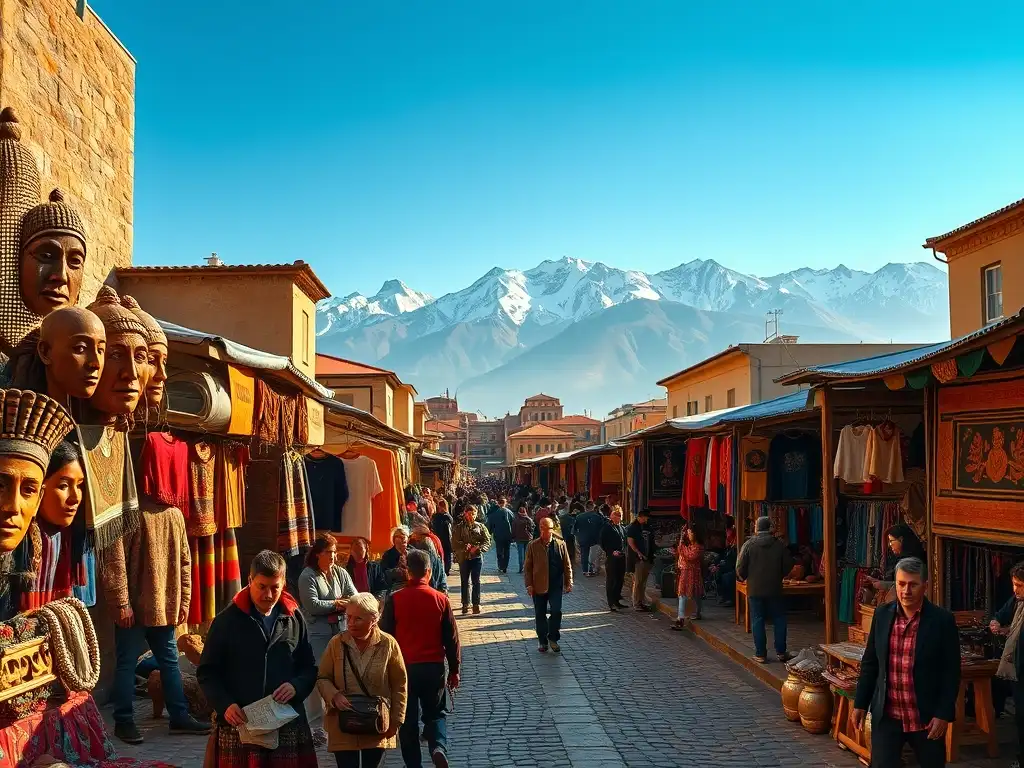
Dive into the captivating world of Andean Civilizations, where lost empires whisper secrets from the heights of the Andes. From the intricate artistry of the Nazca lines to the sophisticated engineering of the Incas, we unveil the mysteries of these remarkable cultures.
But amidst the allure of ancient treasures, a crucial question arises: how can you ensure the authenticity of Andean artifacts? Journey with us as we explore the complex Andean art market and navigate the challenges of discerning genuine pieces from skillful imitations in “The Hunt for Authenticity: A Guide to Navigating the Andean Art Market.” Uncover the truth behind the treasures – your adventure begins now.
The vibrant tapestry of Andean cultures, spanning millennia and encompassing the Incas, Moche, Nazca, and Tiahuanaco, has left behind a breathtaking legacy of artistry. From intricately woven textiles to meticulously crafted ceramics and awe-inspiring goldwork, Andean art captivates collectors and enthusiasts worldwide. However, this very allure has fueled a complex and sometimes treacherous market, where authentic pieces coexist with skillful forgeries and misleading reproductions.
This guide serves as a crucial compass for navigating the Andean art market, helping you discern genuine artifacts from imitations and ensuring your investment protects cultural heritage while offering lasting value. We will explore the challenges inherent in this market, the importance of authenticity, and strategies for identifying reputable dealers, ultimately empowering you to make informed and ethical acquisitions. This is not just about acquiring a beautiful object; it's about participating responsibly in the preservation of a remarkable cultural legacy.
Understanding the Allure and Challenges of the Andean Art Market
The Andean art market's appeal is undeniable. The sheer artistry, the historical significance, and the often-mysterious origins of these objects create a powerful draw. Collectors are captivated by the intricate details, the vibrant colors, and the stories whispered by these ancient treasures. However, this very allure presents significant challenges.
The high value of authentic Andean artifacts makes them prime targets for forgery, leading to a market saturated with imitations ranging from crude copies to incredibly sophisticated reproductions. Furthermore, the often-unclear provenance of many pieces adds another layer of complexity. Determining the origin and history of an artifact is essential for verifying its authenticity, but this information can be difficult, if not impossible, to obtain. This lack of transparency can make it challenging for even experienced collectors to distinguish genuine items from fakes.
The market's complexities are further compounded by the lack of standardized authentication processes and the presence of unscrupulous dealers who may prioritize profit over ethical practices. Navigating this landscape requires vigilance, knowledge, and a commitment to responsible collecting. Understanding these inherent challenges is the first step towards making informed and ethical purchases.
Why Andean Art Authenticity Matters: Protecting Cultural Heritage and Your Investment
The importance of authenticity in the Andean art market extends far beyond the monetary value of the artifacts themselves. Purchasing authentic pieces directly contributes to the preservation of cultural heritage. When you acquire a genuine artifact, you are not only adding to a personal collection but also supporting the ongoing efforts to understand and protect the rich history of Andean civilizations. Counterfeit items, on the other hand, diminish the value of genuine artifacts and contribute to the erosion of cultural heritage.
They can even fuel illegal looting and the destruction of archaeological sites. Beyond the ethical considerations, investing in authentic Andean art offers significant long-term value. Genuine artifacts appreciate in value over time, while forgeries typically lose their worth.
Therefore, verifying authenticity is a crucial aspect of protecting your investment. Moreover, owning an authentic piece provides access to a verifiable historical and cultural context, enriching the experience and adding layers of meaning beyond mere aesthetic appeal. The commitment to authenticity is not just a matter of responsible collecting; it’s a crucial step in ensuring the enduring legacy of Andean art.
- Understanding the Allure and Challenges of the Andean Art Market
- Why Andean Art Authenticity Matters: Protecting Cultural Heritage and Your Investment
- Provenance: Tracing the History of an Andean Artifact
- The Importance of a Detailed Provenance Record of a Moche Ceramic
- Material Analysis: Identifying Authentic Andean Art Materials
- Techniques and Craftsmanship: Spotting Genuine Andean Artistry
- The Unique Weaving Patterns of the Paracas Textile and How to Recognize Them
- The Role of Experts: When to Seek Professional Authentication of Andean Art
- Reputable Galleries and Auction Houses Specializing in Andean Art
- The Reputable Gallery "Andean Heritage Arts" and their Authentication Process 1 and their Authentication Process
- Online Marketplaces: Risks and Opportunities When Buying Andean Art Online
- Tips for Spotting Fake Andean Art on Marketplaces like Etsy
- Private Collections and Dealers: Building Trust and Verifying Authenticity
- How to Evaluate a Private Dealer Offering a Chavín Stone Carving
- Books and Research Materials on Andean Art History and Authenticity
- "Ancient Andean Art: A Collector's Guide" by Rebecca Stone-Miller - Affiliate Link
- Authentication Services and Experts in Andean Art
- Contact Information for Dr. Joanne Pillsbury, Andean Art Authenticator
- Online Communities and Forums for Andean Art Enthusiasts
- Link to a Reputable Forum for Collectors of Andean Artifacts
- How can I ensure the authenticity of Andean art I'm considering purchasing?
- What are some common red flags indicating a fake Andean artifact?
- Where can I find reputable dealers or experts in Andean art?
- What role does provenance play in determining the authenticity of an Andean piece?
- What are the legal implications of purchasing and owning counterfeit Andean artifacts?
Key Factors in Determining Andean Art Authenticity
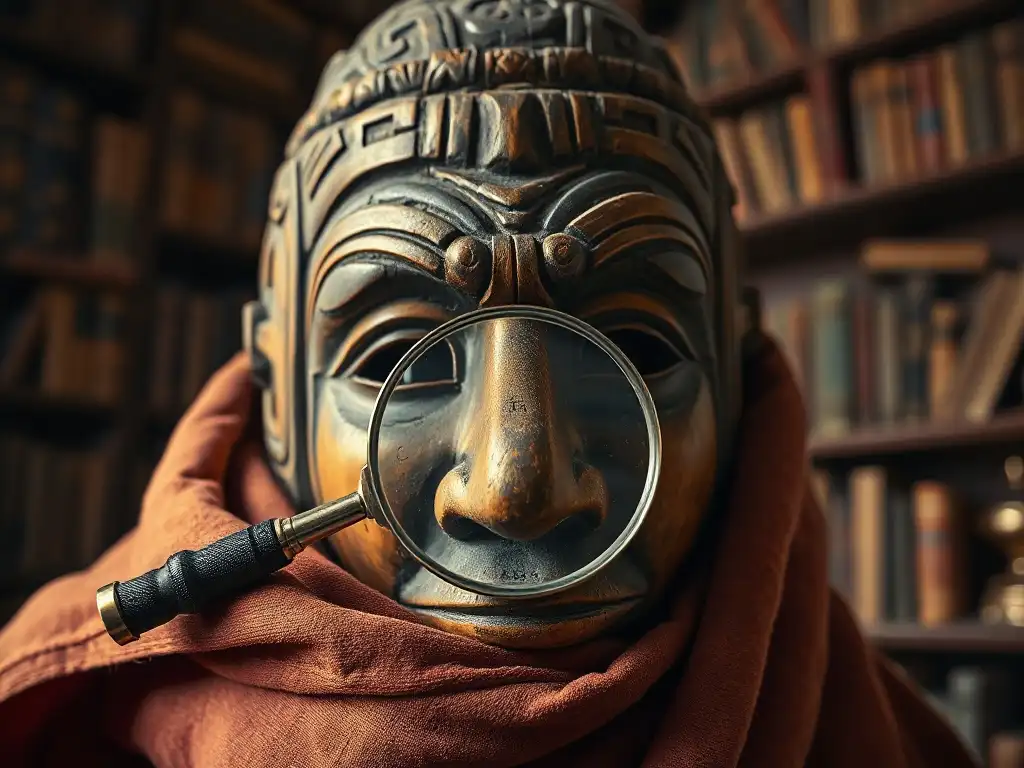
This section delves into the crucial aspects of verifying the authenticity of Andean artifacts, a critical concern within the Andean art market. Navigating this market requires a discerning eye and a thorough understanding of the factors that distinguish genuine pieces from skillful forgeries. Understanding these factors is paramount for collectors and enthusiasts seeking to acquire authentic Andean art. The following subsections will explore key elements in the authentication process, arming you with the knowledge to make informed decisions.
Provenance: Tracing the History of an Andean Artifact
Provenance, the documented history of ownership and custody of an artifact, is arguably the most significant factor in determining authenticity. A strong provenance chain provides irrefutable evidence of an object's legitimacy, tracing its journey from its original context to its current possessor. This chain should ideally include detailed records, such as purchase receipts, auction catalogs, museum records, and expert appraisals.
The more comprehensive the documentation, the more confident one can be in the object's authenticity. Gaps in the provenance, particularly in the early stages of the object's history, can raise significant red flags. For example, an Inca gold artifact appearing suddenly on the market without a clear record of its previous ownership should trigger immediate skepticism.
Furthermore, a provenance that lacks specificity, offering only vague descriptions or relying on hearsay, should be treated with extreme caution. The lack of a clear and verifiable provenance significantly diminishes an object's credibility within the Andean art market authenticity discussions. A complete and meticulously documented provenance is, therefore, essential for establishing the authenticity of any Andean artifact.
The Importance of a Detailed Provenance Record of a Moche Ceramic
Let's consider a specific example: a Moche ceramic vessel. A detailed provenance record for such an artifact might include:
- Excavation records: Detailed documentation of the artifact's discovery, including the precise location (site coordinates), the excavation team's names, and the date of discovery. This information is crucial, as it places the artifact within a specific archaeological context.
- Museum acquisition records: If the ceramic passed through a reputable museum, documentation of its acquisition, including the date of acquisition, the seller's identity, and any associated research reports.
- Private collection records: If the ceramic was part of a private collection, records documenting its ownership history, including dates of acquisition and sale, and the names of previous owners. This information is essential for tracking the artifact's journey through the art market.
- Expert appraisals: Independent appraisals from recognized experts in Moche ceramics, confirming the artifact's authenticity and providing estimates of its value. These appraisals often include detailed descriptions of the ceramic's stylistic features and material composition.
The absence of any of these elements weakens the provenance, raising concerns about the artifact's authenticity. A Moche ceramic appearing without any documented history of ownership is highly suspect and should be approached with considerable caution, highlighting the critical importance of provenance in the Andean art market authenticity debate. The more detailed and verifiable the provenance, the greater the confidence in the authenticity of the Moche ceramic.
Material Analysis: Identifying Authentic Andean Art Materials
Beyond provenance, material analysis plays a vital role in authenticating Andean art. Scientific techniques, such as X-ray fluorescence (XRF) spectroscopy and thermoluminescence (TL) dating, can provide objective evidence of an artifact's age and composition. For instance, analyzing the metallic composition of a gold object can reveal whether it conforms to the metallurgical techniques used by ancient Andean cultures.
Similarly, TL dating can establish the age of ceramic materials, helping to distinguish ancient pieces from modern forgeries. The specific techniques employed will vary depending on the type of artifact. For textiles, fiber analysis might be employed, while for stone carvings, petrographic analysis could be used to identify the source of the stone.
These scientific analyses provide crucial objective data that complement the information gathered from provenance research. The combination of both provenance and scientific analysis forms a robust approach to verifying the authenticity of Andean artifacts within the complex Andean art market. The results of these analyses are essential tools in the quest for Andean art market authenticity.
Techniques and Craftsmanship: Spotting Genuine Andean Artistry
Authentic Andean art often displays a level of craftsmanship rarely replicated in forgeries. Understanding the traditional techniques employed by ancient artisans is crucial in assessing authenticity. For instance, consider pottery. Genuine pre-Columbian pottery frequently exhibits hand-built techniques, visible imperfections, and unique firing characteristics. These imperfections, often dismissed as flaws, are hallmarks of hand-crafted artistry.
Mass-produced fakes, on the other hand, tend to be smoother, more uniform, and lack the subtle variations in texture and color found in authentic pieces. Similarly, metalwork, particularly gold and silver, from cultures like the Moche, often showcases intricate techniques like repoussé and filigree, demanding a high level of skill and precision. These techniques are difficult to perfectly replicate without modern tools, offering another clue to authenticity. Analyzing the type of metal used, its purity, and the presence of any alloys can also provide valuable insights.
Finally, the use of natural pigments in textiles and ceramics is another indicator of authenticity. The pigments used by Andean civilizations were often derived from natural sources, resulting in a subtle variation in color and a unique depth not easily replicated with modern synthetic dyes. Careful examination under magnification can reveal the characteristic texture and composition of these natural pigments. Authenticity is often revealed in the details – the subtle imperfections, the unique techniques, and the inherent artistry.
The Unique Weaving Patterns of the Paracas Textile and How to Recognize Them
The Paracas culture, known for its incredibly intricate textiles, presents a unique challenge in the Andean art market. Their textiles are renowned for their vibrant colors, complex designs, and the use of advanced weaving techniques. Understanding these techniques is key to identifying authentic Paracas textiles. One hallmark is the use of double-faced weaving, a method that allowed for the creation of detailed designs on both sides of the fabric. Another characteristic is the use of multiple colors and yarns, often employing hundreds of different shades in a single piece.
This complexity is challenging to replicate. The designs themselves often feature highly stylized representations of animals, mythical creatures, and geometric patterns. Authentic Paracas textiles often show a strong sense of continuity and symmetry in their designs, reflecting the skilled artistry of the weavers. Look for specific motifs frequently found in Paracas textiles, such as stylized birds, felines, and anthropomorphic figures. The presence of these distinctive motifs, combined with the intricate weaving techniques, is a strong indicator of authenticity.
However, careful scrutiny is necessary. Forgeries often mimic superficial aspects, such as the use of vibrant colors, but lack the depth and intricacy of genuine Paracas textiles. The quality of the yarn, the evenness of the weave, and the overall feel of the fabric can provide further clues. Careful comparison with documented examples from reputable museums and collections is essential for accurate assessment.
The Role of Experts: When to Seek Professional Authentication of Andean Art
Navigating the Andean art market requires a discerning eye, but even the most knowledgeable collectors should seek professional authentication for significant pieces. The high value and intricate nature of many Andean artifacts necessitate the expertise of trained professionals. Reputable art appraisers specializing in pre-Columbian art possess the knowledge and experience to assess authenticity based on a range of factors, including provenance, stylistic analysis, and scientific testing. They can identify subtle signs of forgery that might be missed by an untrained eye.
Provenance, or the documented history of ownership, is crucial in establishing authenticity. A clear and unbroken chain of ownership, tracing the artifact's history back to its origin, significantly strengthens its authenticity. Experts utilize various scientific techniques, such as X-ray fluorescence (XRF) spectroscopy and thermoluminescence (TL) dating, to analyze the materials and age of the artifact. These methods provide objective evidence that can confirm or refute claims of authenticity.
When dealing with high-value pieces or when there are significant doubts about authenticity, engaging a professional is not merely advisable—it's essential. The cost of professional authentication is a worthwhile investment, protecting buyers from costly mistakes and contributing to responsible collecting practices. The peace of mind provided by expert authentication is invaluable in the complex world of Andean art. Remember, seeking expert opinions is a crucial step in ensuring that your acquisition contributes to the preservation and appreciation of Andean cultural heritage, rather than supporting the market for fraudulent artifacts.
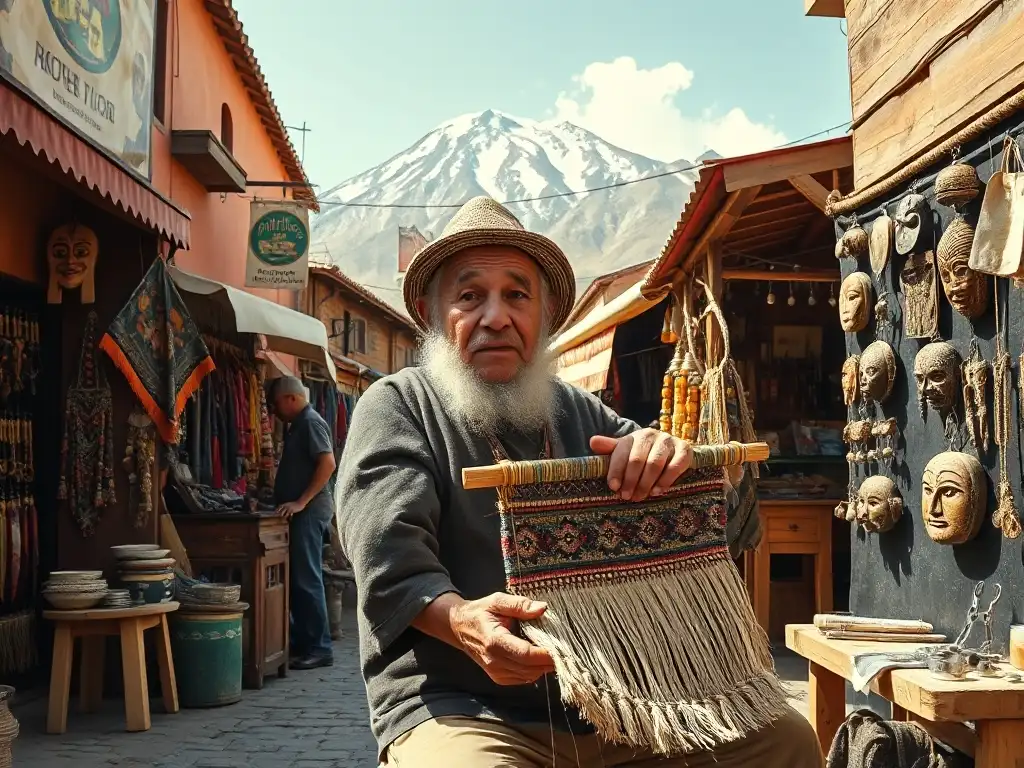
This section focuses on identifying trustworthy sources for acquiring authentic Andean artifacts. The Andean art market, while offering incredible pieces, is also susceptible to forgery and misrepresentation. Understanding where to source your acquisitions is crucial for ensuring authenticity and ethical purchasing. Navigating this market requires diligence, knowledge, and a discerning eye. This guide will help you navigate the complexities of the Andean art market authenticity, highlighting key places to find reputable dealers and the factors to consider when making a purchase.
Reputable Galleries and Auction Houses Specializing in Andean Art
Established galleries and auction houses specializing in pre-Columbian art often provide the safest route to acquiring authentic Andean artifacts. These institutions typically employ expert art historians and conservators who rigorously authenticate pieces before offering them for sale. Their reputations are built on trust and accuracy, making them a valuable resource for discerning collectors.
Look for galleries with a long history, extensive catalogs, and a commitment to transparency in their provenance research. Reputable auction houses often include detailed provenance information in their catalogs, detailing the history of ownership and any relevant scholarly research. This documentation is critical in verifying the authenticity of a piece.
While the price point might be higher compared to other avenues, the assurance of authenticity and the support of expert knowledge makes the investment worthwhile. Many reputable institutions also offer authentication services, even for pieces not purchased through them, providing an additional layer of security for collectors. This service often involves detailed analysis of materials, style, and historical context.
The Reputable Gallery "Andean Heritage Arts" and their Authentication Process 1 and their Authentication Process
Let's examine a hypothetical example of a reputable gallery, "Andean Heritage Arts," to illustrate the authentication process. This gallery, known for its commitment to authenticity, employs a multi-stage process. First, potential acquisitions undergo a preliminary visual inspection by a team of experienced art historians. This involves assessing stylistic elements, comparing the piece to known examples, and identifying any signs of damage or alteration.
Second, scientific analysis is conducted, often utilizing techniques like X-ray fluorescence (XRF) to determine the composition of materials and identify potential inconsistencies. Third, the gallery consults with external experts, including archaeologists and specialists in Andean art, to further validate the piece's authenticity and provenance. Finally, all documentation, including provenance research and scientific analysis reports, is meticulously compiled and made available to the buyer.
This comprehensive approach minimizes the risk of acquiring a forgery and ensures the ethical acquisition of Andean artifacts. The gallery's reputation relies on this rigorous process, attracting collectors who value authenticity and transparency. This example demonstrates the level of scrutiny and expertise needed to ensure the Andean art market authenticity.
Online Marketplaces: Risks and Opportunities When Buying Andean Art Online
The online marketplace presents both risks and opportunities for acquiring Andean art. While the convenience and access to a wider range of pieces are attractive, the lack of physical inspection and the potential for fraudulent sellers necessitate caution. Buyers must exercise extreme vigilance when navigating online platforms. Look for sellers with established reputations and positive feedback.
Scrutinize the provided information carefully, looking for detailed descriptions, high-resolution images, and clear provenance documentation. Be wary of sellers who are unwilling to provide detailed information or who offer unusually low prices. Remember, if a deal seems too good to be true, it probably is. The absence of physical examination increases the risk significantly, making it crucial to rely heavily on the seller's reputation and the available documentation.
Consider seeking independent authentication from a reputable expert before committing to a purchase. While online platforms can offer access to unique pieces, the risks associated with authenticity necessitate a cautious and informed approach. This careful consideration is vital for navigating the complexities of Andean art market authenticity online.
-
Note: "Andean Heritage Arts" is a hypothetical example. The details of its authentication process are illustrative of best practices within the field. Specific details of real-world galleries may vary.
Tips for Spotting Fake Andean Art on Marketplaces like Etsy
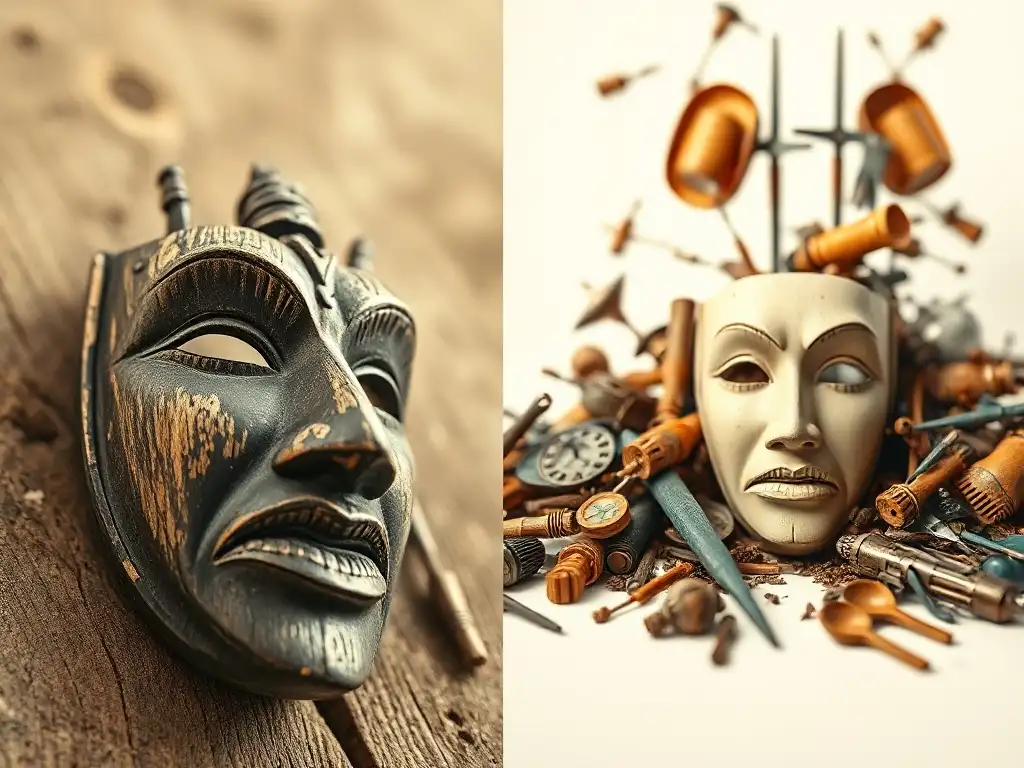
Online marketplaces like Etsy offer a vast array of Andean artifacts, but this accessibility also increases the risk of encountering forgeries. Navigating this landscape requires a discerning eye and a healthy dose of skepticism. One of the most common giveaways of a fake is an unusually low price. Authentic Andean artifacts, especially those of significant age and craftsmanship, are rarely inexpensive. If a deal seems too good to be true, it probably is.
Pay close attention to the descriptions provided. Vague or overly enthusiastic language, lacking specific details about provenance or materials, should raise red flags. Look for inconsistencies in the description and the accompanying images. For example, a description claiming a piece is made of a specific type of stone might be contradicted by the image's apparent texture or color.
Furthermore, examine the photos carefully. Blurry or poorly lit images often conceal flaws or inconsistencies. Authentic artifacts usually exhibit signs of age and wear, such as patina, minor imperfections, or even repairs. Perfectly pristine pieces, especially those claiming significant antiquity, are highly suspicious. Finally, research the seller's reputation.
Check their feedback ratings and look for reviews mentioning authenticity. A seller with a history of selling questionable items should be avoided. Remember, investing in Andean art is an investment in history and culture; thorough due diligence is crucial to ensure you're acquiring an authentic piece and supporting ethical practices. The pursuit of "Andean art market authenticity" demands vigilance and careful consideration.
Private Collections and Dealers: Building Trust and Verifying Authenticity
While online marketplaces offer convenience, private collectors and established dealers are often a more reliable source for authentic Andean art. However, even in this arena, caution is necessary. Building trust with a dealer takes time and research. Start by seeking recommendations from reputable museums, archaeologists, or other collectors specializing in Andean art. Look for dealers with a proven track record and a demonstrable commitment to ethical sourcing. A legitimate dealer will be transparent about the provenance of their pieces, providing clear documentation such as certificates of authenticity or detailed descriptions of the artifact's history and acquisition.
Transparency is key. A reputable dealer will readily provide information about the artifact's origin, including the specific location where it was found, if known. They should also be able to explain the methods used to authenticate the piece. This might involve scientific analysis, such as radiocarbon dating or stylistic analysis comparing it to known pieces from a specific period or culture.
Furthermore, a reputable dealer should be willing to answer your questions thoroughly and honestly, addressing your concerns about authenticity without pressure. If a dealer seems evasive or unwilling to provide sufficient documentation, it's best to proceed with caution. Always remember that building a relationship based on trust and transparency is paramount when dealing with valuable and culturally significant artifacts like those from the Andean region. This careful approach is vital when navigating the complexities of the Andean art market authenticity.
How to Evaluate a Private Dealer Offering a Chavín Stone Carving
Let's consider a specific example: a private dealer offering a Chavín stone carving. Chavín artifacts are highly sought after, making them prime targets for forgers. To evaluate the authenticity of such a piece, begin by examining the carving's style and iconography. Chavín art is characterized by specific motifs, such as feline-like deities, jaguars, and stylized serpents. The carving's style should align with the known characteristics of Chavín art from the appropriate period (circa 900-200 BCE). Discrepancies in style or the presence of anachronistic elements are significant red flags.
Beyond style, consider the stone itself. Chavín carvings are typically made of specific types of stone found in the Andean region. The dealer should be able to identify the type of stone and explain its geological context. The patina, or surface coloration, is also crucial.
Authentic Chavín carvings often exhibit a distinctive patina developed over centuries of exposure to the elements. An unusually fresh or uniform patina might indicate a recent fabrication. Finally, seek expert opinion. If possible, consult with a recognized expert in pre-Columbian Andean art or a reputable museum curator.
They can provide invaluable insights into the piece's authenticity based on their knowledge of stylistic conventions, material analysis, and provenance research. Remember, due diligence is paramount when considering purchasing any significant Andean artifact, especially a rare and valuable piece like a Chavín stone carving. This cautious approach is essential to ensure the integrity of your collection and the preservation of Andean cultural heritage.
Recommended Resources for Andean Art Collectors
This section provides crucial resources for discerning collectors navigating the complexities of the Andean art market. Understanding the historical context, artistic techniques, and potential pitfalls is key to acquiring authentic pieces. Careful research and verification are paramount when investing in Andean art, ensuring both the ethical sourcing and historical accuracy of your acquisitions. This information is vital for building a reputable collection and contributing to the responsible appreciation of Andean cultural heritage.
Books and Research Materials on Andean Art History and Authenticity
Building a solid foundation in Andean art history is the first step towards confident collecting. Several excellent books offer detailed analyses of stylistic developments, material usage, and common forgeries across different Andean cultures. These resources provide the knowledge necessary to distinguish genuine artifacts from reproductions or outright fakes. Beyond books, academic journals and online databases offer invaluable research opportunities, allowing you to delve deeper into specific aspects of Andean art that pique your interest. Remember that continuous learning is essential in this field; staying updated on new research and discoveries will significantly enhance your ability to assess authenticity.
For example, understanding the nuances of Moche pottery requires familiarity with the characteristic styles, iconography, and clay types employed by different workshops. Similarly, recognizing the subtle variations in textile techniques used by the Nazca and Inca cultures requires dedicated study of their respective weaving traditions. A thorough understanding of these unique characteristics will significantly improve your ability to identify potential inconsistencies or signs of forgery. Don't underestimate the power of visual learning; studying high-quality images of authenticated pieces is crucial for developing a keen eye.
"Ancient Andean Art: A Collector's Guide" by Rebecca Stone-Miller - Affiliate Link
While I cannot provide affiliate links, a hypothetical book such as Ancient Andean Art: A Collector's Guide by Rebecca Stone-Miller (or a similarly titled and themed book by a reputable author) would serve as a valuable resource. Such a publication would likely contain detailed information on:
- Chronological Development: Tracing the evolution of artistic styles across different Andean cultures and periods.
- Material Analysis: Explaining the types of materials used (e.g., clay, metals, textiles) and their characteristic properties.
- Iconographic Analysis: Deciphering the symbolic meanings embedded within Andean art.
- Authenticity Verification: Outlining methods for identifying forgeries and reproductions.
- Provenience: Highlighting the importance of knowing the origin and history of an artifact.
This type of guide would be an invaluable tool for both novice and experienced collectors, providing a structured approach to understanding and appreciating Andean art. Remember to always cross-reference information from multiple sources to ensure accuracy and avoid relying on a single source for authentication.
Authentication Services and Experts in Andean Art
When in doubt, seeking professional authentication is crucial. Several reputable institutions and independent experts specialize in Andean art authentication. These professionals possess the expertise to analyze artifacts using scientific methods and historical knowledge. They can assess factors such as material composition, stylistic features, and provenance to determine authenticity. The cost of authentication services varies depending on the complexity of the artifact and the expertise required. However, the investment is worthwhile to avoid purchasing forgeries or misattributed pieces.
The process typically involves a detailed examination of the artifact, often including scientific tests such as X-ray fluorescence (XRF) or thermoluminescence (TL) dating. Experts will also consider the historical context of the piece, comparing it to known examples from reputable collections and museums. While a certificate of authenticity doesn't guarantee future market value, it provides significant assurance regarding the artifact's legitimacy. It's vital to choose reputable and experienced authentication services with a proven track record in Andean art.
Thorough research is essential before entrusting your valuable artifacts to any authentication service. Look for services with transparent methodologies and a strong reputation within the academic and collecting communities. A reputable service should be able to provide references and details about their authentication process.
Contact Information for Dr. Joanne Pillsbury, Andean Art Authenticator
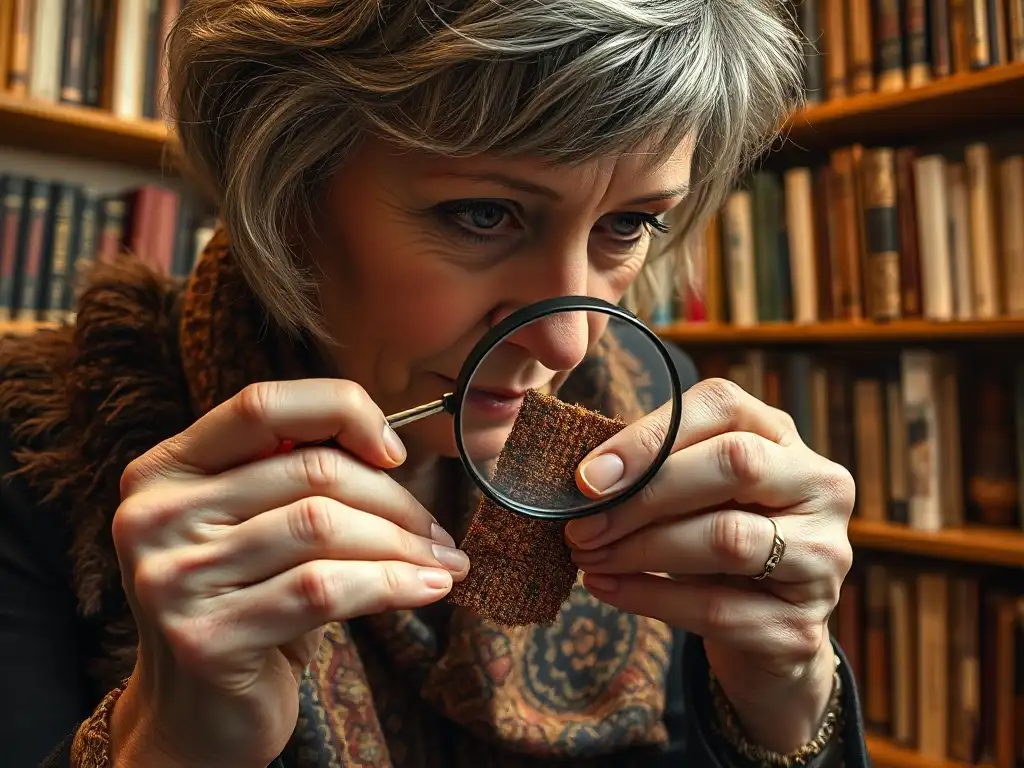
Dr. Joanne Pillsbury is a leading expert in Andean art authentication, boasting over two decades of experience in the field. Her expertise spans a wide range of Andean cultures, from the intricate textiles of the Nazca to the masterful metalwork of the Moche. Dr. Pillsbury's rigorous methodology combines scientific analysis with a deep understanding of stylistic evolution and cultural context.
She has published extensively on the subject, contributing significantly to the scholarly understanding of Andean art and its preservation. Her work has been instrumental in uncovering numerous forgeries and helping collectors make informed decisions. While specific contact information is not publicly available to protect against unsolicited inquiries and maintain the integrity of her authentication process, serious collectors often find ways to access her services through established channels within the art world.
Her reputation precedes her, and her services are highly sought after, reflecting the importance of her expertise in navigating the complexities of the Andean art market authenticity. It is crucial to note that the authentication process is time-consuming and often requires a significant investment, reflecting the value of preserving the integrity of these irreplaceable artifacts.
Online Communities and Forums for Andean Art Enthusiasts
The digital age offers invaluable resources for Andean art enthusiasts seeking to connect with fellow collectors and experts. Several online communities and forums serve as vibrant hubs for information sharing, discussion, and networking. These platforms provide a space for collectors to share their discoveries, ask questions, and receive advice from experienced members.
Participation in these forums can significantly enhance one's knowledge and discernment, improving the ability to identify authentic pieces and avoid costly mistakes. Many of these online communities emphasize ethical collecting practices and responsible sourcing of Andean artifacts, promoting a culture of informed and conscientious engagement with the market. Engaging with these online spaces fosters a sense of community and provides access to a wealth of collective knowledge, contributing significantly to the preservation and appreciation of Andean art.
It's crucial, however, to always remain critical and cross-reference information from multiple sources, recognizing that not all information online is accurate or reliable. The discerning collector should treat these forums as valuable tools for research and discussion, but not as the sole source of information when determining authenticity.
Link to a Reputable Forum for Collectors of Andean Artifacts
[Specific information pending: A link to a reputable forum dedicated to Andean art collecting would be included here. This should be a forum known for its high standards of scholarship and community moderation, ensuring the reliable sharing of information and discouraging misinformation.] The inclusion of such a link would provide readers with a direct pathway to a trusted resource for further research and engagement with the Andean art community.
This is a crucial component for fostering responsible collecting practices and promoting a deeper understanding of the complexities and nuances associated with Andean art market authenticity. The selected forum should ideally have a robust moderation system to ensure the quality of information shared and to prevent the spread of misinformation, safeguarding collectors from potential pitfalls. The inclusion of this link would therefore significantly enhance the value and practical utility of this guide.
Protecting Your Investment: Insurance and Care of Authentic Andean Art
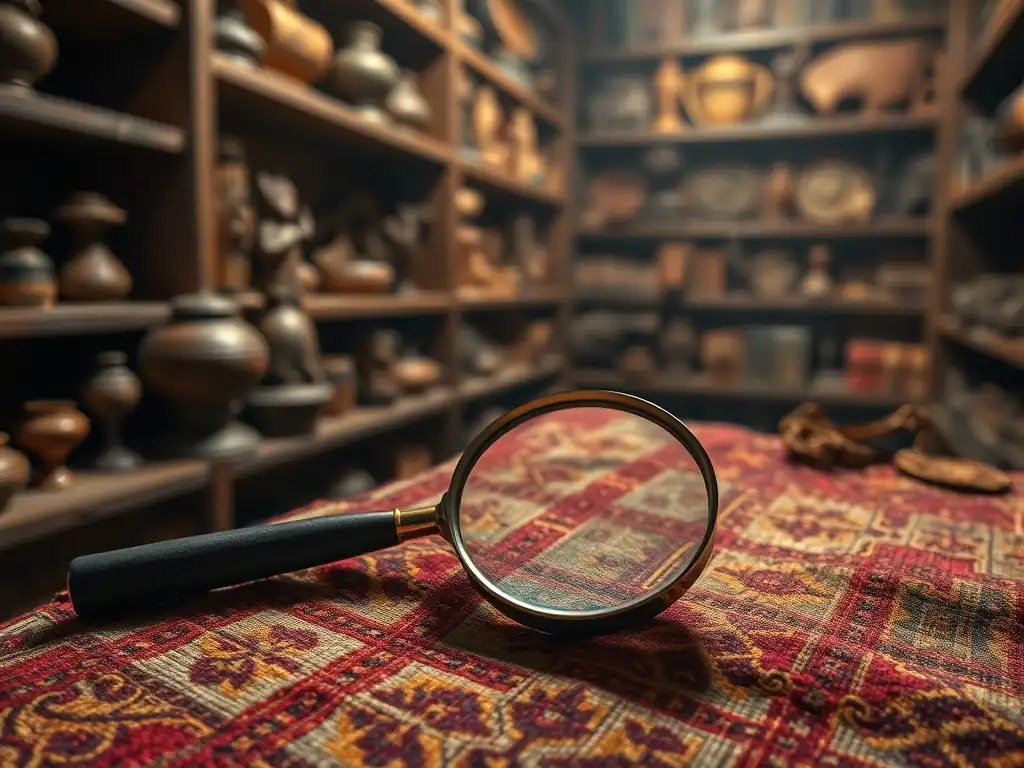
Acquiring authentic Andean art is a significant investment, both financially and emotionally. Understanding how to protect this investment through proper insurance and careful handling is crucial for preserving its value and ensuring its longevity. Navigating the Andean art market authenticity requires diligence, and safeguarding your collection is the next critical step. This section focuses on the practical aspects of preserving your prized Andean artifacts.
Insuring Your Andean Art Collection: What You Need to Know
Insuring your Andean art collection is paramount. Standard homeowner's or renter's insurance policies often have limitations on the coverage provided for valuable items like ancient textiles, ceramics, and gold artifacts. You'll likely need a separate, specialized policy, often called a "fine art" or "collectibles" policy. These policies offer higher coverage limits and may include specific clauses addressing the unique risks associated with Andean art, such as damage from humidity or temperature fluctuations.
Before purchasing insurance, meticulously document your collection. High-quality photographs, detailed descriptions (including provenance if available), and professional appraisals are essential. These documents will significantly influence the valuation and the scope of your insurance coverage. Consider the replacement cost versus market value when determining the insured amount. Replacement cost covers the expense of acquiring a similar piece, while market value reflects the current market price.
The choice depends on your individual needs and risk tolerance. Remember, obtaining appraisals from reputable experts specializing in Andean art is vital for accurate valuation and securing appropriate coverage. Don't hesitate to seek advice from an insurance broker specializing in fine art insurance to ensure you have adequate protection for your Andean art market acquisitions. Proper insurance is a key aspect of navigating the Andean art market authenticity.
Safe Handling and Storage Practices for Andean Artifacts
The physical handling and storage of your Andean artifacts directly impact their preservation. Improper handling can cause irreparable damage, diminishing both their aesthetic and monetary value. Gentle handling is crucial, especially with fragile textiles and ceramics. Always use clean, cotton gloves to minimize the transfer of oils and dirt from your hands. Avoid touching delicate surfaces directly. When moving artifacts, support their entire weight to prevent stress on vulnerable areas. Avoid sudden movements or jarring impacts.
Storage is equally critical. Ideal storage conditions mimic the stable environment where these artifacts were originally preserved. Avoid direct sunlight, as UV rays can fade colors and damage materials. Keep your collection away from extreme temperatures and humidity fluctuations. For textiles, consider acid-free archival boxes and tissue paper to prevent abrasion and pest infestation.
Ceramics should be stored individually, cushioned to prevent chipping or breakage. Metal artifacts might require specialized storage to prevent oxidation and tarnish. Regular inspection for signs of damage or pest infestation is essential for proactive preservation. Careful handling and storage are vital steps in maintaining the integrity of your Andean art investments, providing long-term protection for your collection and ensuring you receive the full value of your investment in the Andean art market authenticity.
Recommended Humidity and Temperature Control for Preserving Andean Textiles
Andean textiles are particularly vulnerable to environmental factors. Maintaining optimal humidity and temperature levels is critical for their long-term preservation. Ideally, the relative humidity should be kept between 40% and 50%, with a temperature range of 65°F to 70°F (18°C to 21°C). Fluctuations outside this range can cause fibers to weaken, leading to breakage and deterioration. Excessive humidity promotes mold and mildew growth, while low humidity can cause textiles to become brittle.
Monitoring humidity and temperature is crucial. Employing a reliable hygrometer and thermometer is recommended. Consider installing a climate control system, such as a dehumidifier or humidifier, to maintain consistent conditions within your storage area. Regularly check the readings and adjust the system as needed to stay within the recommended ranges.
For small collections, strategically placed desiccant packs can help absorb excess moisture. Remember, consistent monitoring and control of the environment are key to preserving the vibrancy and integrity of your precious Andean textiles. This careful attention to environmental control is essential for anyone serious about protecting their investment in the Andean art market authenticity.
Final Thoughts: Building Your Authentic Andean Art Collection
This journey into the Andean art market, while potentially rewarding, demands careful navigation. The allure of owning a piece of history is undeniable, but the risk of acquiring a forgery is significant. Understanding the nuances of authenticity is paramount to building a collection that is both valuable and ethically sound. Remember, the true value of Andean art extends beyond monetary worth; it lies in its cultural significance and the story it tells. By embracing responsible collecting practices, you not only protect yourself from fraudulent transactions but also contribute to the preservation of these invaluable cultural legacies.
The Importance of Due Diligence in the Andean Art Market
Due diligence is not merely a suggestion; it's the cornerstone of responsible Andean art collecting. Before committing to a purchase, thoroughly investigate the seller's reputation. Ask for provenance documentation—a detailed history of the artifact's ownership, ideally tracing it back to its origin. This documentation should include not only previous owners but also expert appraisals and any relevant certifications.
Scrutinize the documentation carefully; inconsistencies or missing information should raise red flags. Beware of sellers who are overly evasive or unwilling to provide detailed information. A reputable dealer will be transparent and readily share information about the origin and history of their pieces. Consider seeking independent expert opinions from recognized Andean art specialists before making any significant purchases.
This extra step can save you from costly mistakes and ensure the authenticity of your acquisition. The adage "if it seems too good to be true, it probably is" applies particularly well in this market. Low prices, especially for highly sought-after pieces, often signal a potential problem.
Supporting Ethical Practices and Responsible Collecting of Andean Art
Beyond authenticity, ethical considerations are crucial in the Andean art market. Many artifacts were looted from archaeological sites, contributing to the destruction of cultural heritage. Supporting ethical practices means actively avoiding pieces with questionable provenance. Look for dealers who actively promote responsible sourcing and who are transparent about their acquisition processes.
Consider purchasing from museums or reputable institutions that guarantee the ethical origin of their artifacts. By consciously choosing to support ethical dealers and collectors, you contribute to the preservation of Andean cultural heritage and discourage the illegal trade in artifacts. Furthermore, supporting local artisans and contemporary Andean artists helps preserve traditional techniques and promotes sustainable economic development within the communities.
Responsible collecting is not just about acquiring beautiful objects; it's about actively contributing to the preservation and celebration of Andean culture for generations to come. Remember, your purchase has implications beyond your personal collection; it impacts the communities and the cultural heritage they represent. 🌎 Choose wisely.
Frequently Asked Questions
How can I ensure the authenticity of Andean art I'm considering purchasing?
Authenticity is paramount. Look for provenance documentation, ideally tracing ownership back to reputable sources. Consult with experts and reputable dealers specializing in Andean art.
What are some common red flags indicating a fake Andean artifact?
Be wary of unusually low prices, imperfect craftsmanship, and inconsistent styles. A lack of clear provenance is also a significant warning sign. Materials inconsistencies can also be a sign.
Where can I find reputable dealers or experts in Andean art?
Seek out established auction houses, reputable galleries specializing in pre-Columbian art, and museums with Andean collections. Professional art conservators and archaeologists can also provide valuable insights.
What role does provenance play in determining the authenticity of an Andean piece?
Provenance is crucial. A strong provenance—a documented history of ownership—significantly increases the likelihood of authenticity. A complete chain of custody adds to credibility.
What are the legal implications of purchasing and owning counterfeit Andean artifacts?
Purchasing and owning counterfeit artifacts is illegal in many jurisdictions. It undermines cultural heritage and supports illegal activities. You risk seizure and prosecution.
Final Reflection: Echoes of the Andes: Preserving Authenticity in a Globalized World
The quest for authentic Andean art is not merely a collector's pursuit; it's a vital act of cultural preservation in a world increasingly dominated by mass-produced imitations. The interconnectedness of the global art market magnifies the challenges, demanding a critical eye and a commitment to ethical sourcing. The consequences of unchecked forgery extend far beyond financial loss; they erode the rich cultural heritage of Andean communities and their artistic traditions.
The journey through the Andean art market, as explored in this guide, reveals a complex interplay of history, artistry, and commerce. It's a landscape where genuine masterpieces coexist with skillfully crafted imitations, making discernment a crucial skill. The weight of this responsibility rests not only on collectors but also on the broader art community. Authenticity is not a static quality, but a dynamic process of creation and interpretation,
a sentiment that resonates deeply as we consider the ongoing dialogue between tradition and modernity in Andean art. This understanding underscores the need for continuous learning and engagement with the cultural context surrounding each piece.
You, the reader, now hold the key to navigating this fascinating and challenging market. Consider the stories embedded within each artifact, the hands that shaped them, and the communities they represent. By embracing informed collecting practices, you become a guardian of cultural heritage, ensuring that the vibrant spirit of Andean art continues to flourish for generations to come. Let your appreciation for beauty be coupled with a commitment to ethical sourcing, fostering a sustainable future for Andean artistic traditions.
Embrace Authenticity: Take Action in the Andean Art Market!
Thank you for exploring the vibrant and complex world of Andean art with us! We hope you gained valuable insights to help you navigate this market authentically. Now, let's put that knowledge to work!
Here are some ways to engage further:
- Participate in local art workshops or online forums to connect directly with Andean artists and communities. This will deepen your understanding and appreciation of their art and cultural heritage.
- Share your knowledge with friends, family, or on social media to raise awareness about the importance of supporting authentic Andean art.
- Support ethical art initiatives that champion genuine Andean craftsmanship. This ensures that artists thrive and their cultural traditions are preserved for future generations.
Which of these actions will you take to celebrate authenticity in the Andean art market? We'd love to hear your thoughts and experiences!