
Decoding the Market: Identifying Genuine Andean Art from Fakes

Dive into the captivating world of Andean Civilizations, where lost empires whisper secrets through their breathtaking artistry. From the intricate textiles of the Nazca to the monumental architecture of the Incas, their legacy continues to fascinate and inspire. But beware the shadows lurking in the market… Are you able to distinguish genuine Andean artifacts from masterful forgeries? Our in-depth exploration of Andean art forgery detection will equip you with the knowledge to navigate this complex world. Uncover the truth behind the treasures – begin your journey now!
The allure of Andean art, with its intricate designs, rich symbolism, and connection to fascinating ancient cultures like the Inca, Moche, Nazca, and Tiahuanaco, has captivated collectors and enthusiasts for decades. This fascination, however, has unfortunately fueled a significant market for forgeries, making the authentication of Andean artifacts a crucial skill for both seasoned collectors and newcomers alike. This article serves as a guide to navigate the complexities of the Andean art market, equipping you with the knowledge and tools to distinguish genuine treasures from expertly crafted imitations. We'll explore the hallmarks of authentic pieces, common forgery techniques, and provide insights into identifying reputable dealers, ultimately helping you confidently acquire and appreciate the beauty of genuine Andean art. This is particularly important given the increasing prevalence of Andean art forgery detection as a necessary skill in the field. Let's delve into the intricacies of this captivating, yet sometimes treacherous, market.
Introduction to Andean Art Authenticity and the Challenge of Forgeries
Authenticating Andean art requires a keen eye for detail and a solid understanding of the materials, techniques, and stylistic conventions employed by different cultures across various periods. The challenge lies in the sophistication of modern forgeries, often mimicking the age, patina, and stylistic elements of genuine artifacts with remarkable accuracy. Forgers often utilize advanced techniques, including the application of artificial aging processes and the incorporation of authentic-looking materials, making detection difficult even for experts.
This necessitates a multi-faceted approach to authentication, encompassing visual inspection, material analysis, and a thorough understanding of the historical context of the artwork. Identifying a genuine piece often involves considering several factors simultaneously, rather than relying on a single definitive characteristic.
For example, a seemingly perfect replica might betray its origins through inconsistencies in the application of pigments, subtle differences in the style of weaving, or the use of materials anachronistic to the purported era. The subtle nuances often separate the genuine from the imitation.
Understanding the Prevalence of Andean Art Forgery
The prevalence of Andean art forgery is a significant concern, driven by the high value placed on authentic artifacts and the relative ease of producing convincing imitations. The demand for ancient Andean pieces, fueled by both private collectors and museums, creates a lucrative black market for forgeries. These forgeries range from crude imitations to incredibly sophisticated replicas that can deceive even experienced professionals.
Several factors contribute to this problem: the widespread availability of raw materials similar to those used in ancient Andean art; the relative simplicity of replicating some techniques (though mastering the nuances is another matter); and the lack of widespread, easily accessible authentication resources for the average collector. The sheer volume of artifacts circulating in the market, coupled with the difficulty in tracing provenance, further exacerbates the challenge. Understanding this prevalence is the first step in developing effective strategies for forgery detection.
The scale of the issue underscores the critical need for careful vetting and due diligence when acquiring Andean art. This requires not only knowledge of the art itself but also a careful consideration of the seller's reputation and the provenance of the piece.
- Introduction to Andean Art Authenticity and the Challenge of Forgeries
- Understanding the Prevalence of Andean Art Forgery
Key Indicators for Andean Art Forgery Detection
This section delves into the crucial aspects of identifying genuine Andean art, equipping you with the knowledge to discern authentic pieces from skillfully crafted forgeries. The Andean art market, while offering breathtaking examples of ancient craftsmanship, is unfortunately also susceptible to counterfeiting. Understanding the key indicators presented here is paramount to making informed and confident purchases. This knowledge empowers you to appreciate the artistry while safeguarding against potentially costly mistakes. We will explore material analysis, construction techniques, and stylistic features to help you navigate this fascinating yet complex market.
Material Analysis: Identifying Authentic Andean Art Materials
Authentic Andean artifacts often showcase materials specific to the region and time period. Analyzing these materials is a cornerstone of Andean art forgery detection. For example, Inca pottery frequently employed fine-grained clays, often exhibiting characteristic mineral inclusions visible under magnification. These inclusions are often unique to specific geographical locations, providing valuable provenance clues. Conversely, modern forgeries may utilize clays with inconsistent textures or lacking these distinctive regional markers.
Furthermore, the analysis extends beyond clay. Metals like gold and silver, commonly used in Andean artistry, often reveal telltale signs of ancient techniques. For instance, the use of lost-wax casting, evident in the fine detail and consistent metal thickness of genuine artifacts, is difficult to perfectly replicate in modern forgeries. Analyzing the alloy composition of gold and silver objects can also be revealing; ancient alloys often differ slightly from modern compositions. The presence of certain impurities or trace elements can act as a "fingerprint" for authentic Andean metalwork.
Finally, consider the use of pigments and dyes in textiles and painted ceramics. Authentic Andean pigments were often derived from natural sources, such as minerals and plant extracts. Detailed analysis using techniques like spectroscopy can reveal the chemical composition of these pigments, helping differentiate between ancient and modern materials. Modern dyes, on the other hand, often have distinct chemical signatures easily identifiable through scientific examination.
Examining the Construction Techniques of Genuine Andean Artifacts
Understanding the construction techniques employed by ancient Andean artisans is vital for Andean art forgery detection. These techniques, developed and refined over centuries, often leave subtle yet distinctive marks on the finished product. For example, Inca stonework is renowned for its precision and remarkable fit of stones without the use of mortar. The meticulous craftsmanship, often involving the careful shaping of stones to interlock seamlessly, is a hallmark of authenticity. Modern forgeries, even those attempting to replicate this style, often exhibit inconsistencies in stone fitting or the use of modern adhesives.
Textile analysis also offers valuable clues. Ancient Andean textiles were often created using intricate weaving techniques, such as tapestry, brocade, and sumptuary weaving. The complexity and precision of these techniques, involving the use of multiple colors and threads, are challenging to replicate accurately. Careful examination of the weave structure, thread count, and the type of fibers used can reveal whether a textile is authentic or a modern imitation. The presence of consistent, fine craftsmanship throughout the textile, versus patchwork or inconsistencies in technique, is another important indicator.
Furthermore, the tools used by ancient Andean artisans are also important to consider. The marks left by specific tools, such as stone chisels or bone needles, can be identified through microscopic examination. These tool marks often differ significantly from those produced by modern tools, providing further evidence for authentication.
Identifying Period-Specific Styles: Recognizing Authentic Andean Art Forms
Recognizing period-specific styles is essential for Andean art forgery detection. Each Andean civilization—from the Nazca and Moche to the Tiahuanaco and Inca—possessed unique artistic conventions. These stylistic variations extend to pottery, textiles, metalwork, and stone carving. For example, Nazca pottery is characterized by its polychrome style, featuring intricate depictions of animals and mythical beings in vibrant colors. Moche pottery, on the other hand, often showcases realistic depictions of human figures and scenes from daily life, often with a high level of detail.
Understanding these stylistic distinctions is crucial for identifying forgeries. A piece purportedly from the Nazca period but lacking the characteristic polychrome style or exhibiting inconsistencies in its iconography should raise immediate suspicion. Similarly, a purported Inca artifact that deviates significantly from established Inca stylistic conventions should be subject to further scrutiny.
Furthermore, the iconography itself plays a vital role. Ancient Andean art frequently incorporated specific motifs and symbols imbued with cultural and religious significance. A thorough understanding of these motifs and symbols, their evolution across different periods, and their regional variations is crucial for detecting discrepancies in forged artifacts.
The presence of anachronistic iconography—symbols or motifs that are inconsistent with the purported time period—is a strong indicator of forgery. For example, the appearance of Inca iconography on an artifact purportedly from the Moche period is a clear red flag. Careful study of archaeological records and established scholarly works on Andean art is therefore essential for developing a keen eye for period-specific styles.
Techniques for Andean Art Authentication
This section delves into the practical methods employed to distinguish genuine Andean artifacts from skillfully crafted forgeries. The market for Andean art, while offering breathtaking pieces showcasing the ingenuity of ancient civilizations, is unfortunately susceptible to fraudulent practices. Therefore, understanding authentication techniques is crucial for both collectors and enthusiasts seeking to acquire authentic pieces. This knowledge empowers informed decision-making, protecting both financial investments and the integrity of cultural heritage. The techniques outlined below represent a multi-faceted approach, combining expert appraisal with scientific analysis.
The Role of Experts in Andean Artifact Verification
Identifying genuine Andean art often begins with the expertise of experienced art historians, archaeologists, and anthropologists specializing in Andean cultures. These professionals possess an in-depth understanding of stylistic variations, material choices, and manufacturing techniques across different Andean civilizations—from the intricate textiles of the Nazca to the sophisticated pottery of the Moche and the monumental architecture of the Inca. Their assessment is not merely visual; it involves a holistic evaluation considering various factors.
For example, an expert might examine the patina of a ceramic piece. A genuine artifact will exhibit a natural patina developed over centuries, reflecting the effects of soil, climate, and time. A forgery, on the other hand, might attempt to mimic this patina artificially, often with inconsistencies that a trained eye can readily detect. Similarly, the expert will analyze the stylistic elements, comparing the artifact's characteristics against known examples from archaeological records and museum collections. Discrepancies in design, iconography, or the use of specific motifs can be strong indicators of forgery.
Furthermore, the provenance—the history of ownership—plays a vital role. Experts scrutinize the documented history of an artifact, tracing its journey from its purported origin to the present. A clear and verifiable chain of custody strengthens the authenticity claim. Lack of documentation or suspicious gaps in the provenance raise significant red flags. Therefore, relying solely on visual inspection is insufficient; the combined expertise of seasoned professionals is paramount in Andean art authentication.
Laboratory Testing Methods for Andean Art Analysis
While expert appraisal forms the initial stage of authentication, scientific analysis provides irrefutable evidence. Modern laboratory techniques offer a range of non-destructive and minimally invasive methods to analyze the composition and age of Andean artifacts. These methods help verify the claimed origin and age of an artifact, providing objective data to support or refute expert opinions.
Several crucial laboratory tests are commonly used:
- Thermoluminescence (TL) dating: This technique measures the accumulated radiation absorbed by crystalline materials over time. It's particularly useful for dating ceramics and other fired objects, providing a chronological framework for assessing authenticity. The TL age of a piece can be compared to the stylistic characteristics to verify its consistency.
- X-ray fluorescence (XRF) spectroscopy: XRF analysis determines the elemental composition of an artifact's material. It helps identify the specific types of pigments, metals, or minerals used in its creation. By comparing the composition to known materials used by specific Andean cultures, inconsistencies can be identified. For instance, the presence of modern pigments in an artifact purportedly from the Inca period would immediately indicate a forgery.
- Petrographic analysis: This microscopic examination of the rock and mineral composition of stone artifacts helps determine their origin and manufacturing techniques. It can reveal inconsistencies between the claimed origin and the actual geological source of the material, thereby exposing potential forgeries.
- Carbon-14 dating: While less frequently used for Andean artifacts than TL dating, Carbon-14 dating can be applied to organic materials found within or associated with the artifact, such as textiles or wood. This offers another independent verification of the artifact's age.
The integration of expert appraisal with these scientific methods provides a robust and reliable system for Andean art authentication. This comprehensive approach minimizes the risk of acquiring forgeries, ensuring that collectors and enthusiasts acquire genuine pieces that reflect the rich artistic heritage of the Andean civilizations. The combination of human expertise and scientific precision is essential for the responsible acquisition and appreciation of Andean art.
Case Studies: Real Examples of Andean Art Forgeries and Their Detection
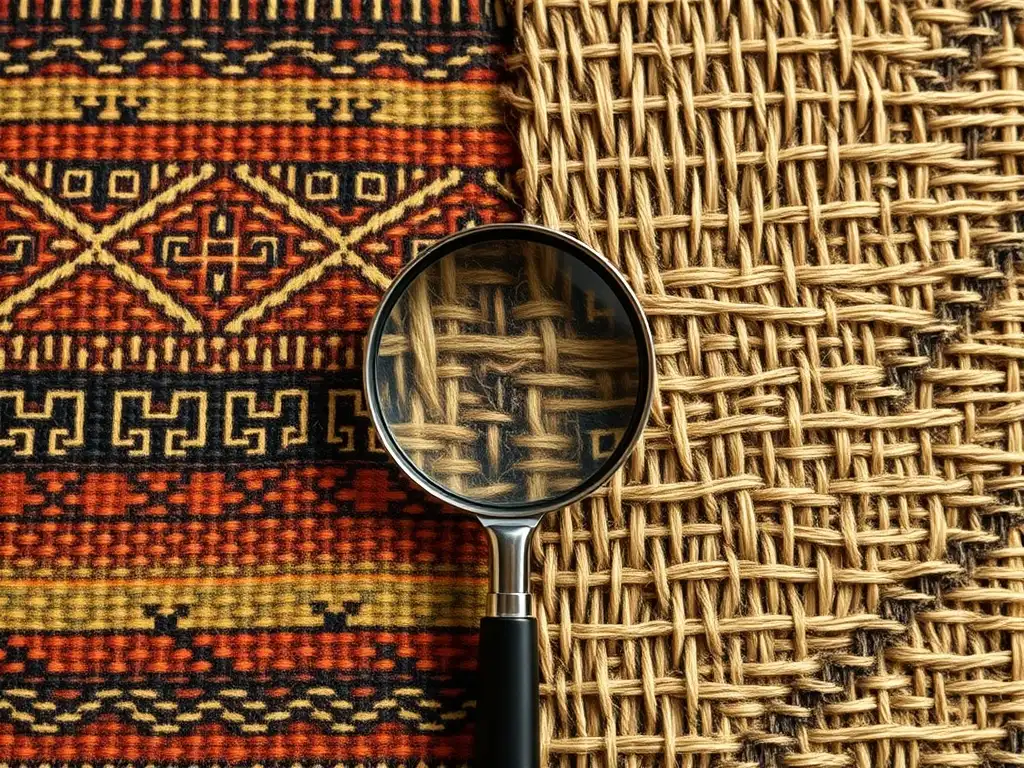
This section delves into specific instances of Andean art forgery, highlighting the techniques used to create fakes and the methods employed for their detection. Understanding these real-world examples is crucial for developing a keen eye for authentic Andean artifacts and mitigating the risks associated with acquiring forgeries. The ability to identify fraudulent Andean art is paramount for both collectors and institutions aiming to preserve the integrity of this rich cultural heritage. This expertise in Andean art forgery detection is essential for responsible collecting.
Case Study 1: A Falsified Moche Stirrup Spout Vessel
One notorious example involves a purported Moche stirrup-spout vessel, offered for sale at a prominent auction. The piece superficially resembled authentic Moche ceramics, exhibiting the characteristic stirrup spout and intricate painted decoration. However, closer examination revealed several inconsistencies that pointed towards forgery.
The clay itself lacked the characteristic texture and mineral composition of authentic Moche pottery. Analysis using X-ray fluorescence (XRF) spectroscopy indicated an unusual elemental profile, inconsistent with known Moche clay sources. Furthermore, the painted designs, while seemingly detailed, lacked the fluidity and spontaneity of genuine Moche artwork. The lines were too precise, almost mechanical, lacking the subtle imperfections and variations in line weight common in hand-painted artifacts.
The pigments used also differed from those traditionally employed by the Moche, further raising suspicion. Finally, the vessel's overall form exhibited a slightly unnatural symmetry, betraying a lack of the organic feel often present in authentic Moche pieces. The forgery was ultimately identified through a combination of material analysis, stylistic assessment, and a comparison with documented authentic examples. This case underscores the importance of employing scientific techniques and expert knowledge in Andean art forgery detection.
Case Study 2: A Fake Inca Silver Figurine
Another compelling case centers on a purported Inca silver figurine, seemingly depicting a deity or shaman. The figurine showcased intricate details and a high level of craftsmanship, initially appearing convincing to inexperienced observers. However, several red flags emerged upon closer inspection.
The silver's patina, intended to mimic the effects of age and oxidation, was unnatural and lacked the subtle variations in color and texture found on genuine Inca silver objects. Metallurgical analysis revealed that the silver alloy used contained an unusual proportion of impurities, inconsistent with the composition of silver used in Inca metalwork. Further, the figurine's style displayed a blend of elements from different Inca periods, suggesting a deliberate attempt to create a more "impressive" or "complete" piece by combining features from diverse eras. Experts noted that the casting technique used was also anachronistic, lacking the hallmarks of Inca metalworking traditions.
This points to modern manufacturing techniques. The intricate details, while impressive, lacked the subtle imperfections and variations that are characteristic of hand-crafted Inca silver. This case highlights the need for rigorous scientific testing and stylistic analysis in Andean art forgery detection, particularly when dealing with precious metals.
The combination of these factors led to the definitive identification of the figurine as a modern fabrication. The case serves as a stark reminder that even seemingly sophisticated forgeries can be unmasked through careful scrutiny and expert analysis. The development of expertise in Andean art forgery detection is a continuous process.
Where to Buy Authentic Andean Art: Reputable Dealers and Sources
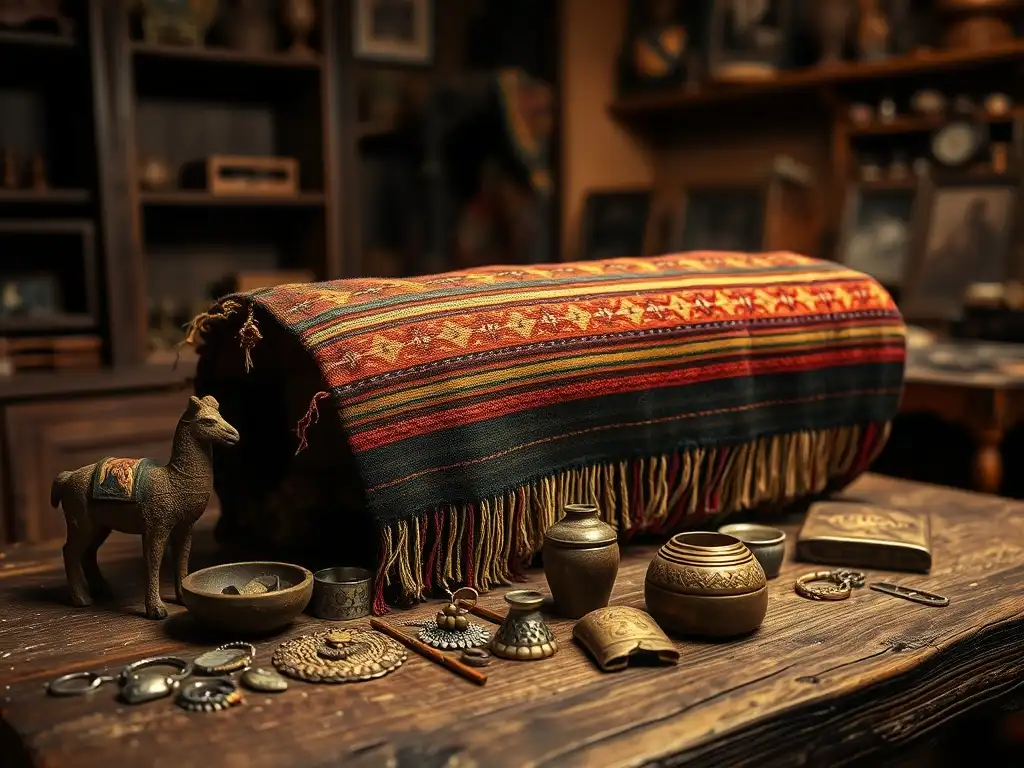
This section focuses on identifying trustworthy sources for acquiring genuine Andean art, a crucial aspect of Andean art forgery detection. Navigating the market requires discernment to avoid purchasing counterfeit artifacts. Understanding the characteristics of reputable dealers is paramount.
Identifying Reputable Dealers Specializing in Andean Artifacts
Choosing a reputable dealer is the cornerstone of acquiring authentic Andean art. Several key indicators can help you distinguish legitimate dealers from those dealing in forgeries. Look for dealers with:
- Established History and Reputation: A long-standing presence in the field, often coupled with positive reviews and recommendations from other collectors or experts, suggests a higher level of trustworthiness. Many reputable dealers will have a website showcasing their inventory and expertise. Years of experience often translates to a deeper understanding of Andean art styles, provenance, and materials.
- Proven Expertise and Knowledge: Reputable dealers possess in-depth knowledge of Andean art history, stylistic variations across different cultures (Inca, Moche, Nazca, etc. ), and the materials used in their creation. They should be able to discuss the provenance (history of ownership) of pieces with confidence and provide supporting documentation when possible. Look for individuals who actively participate in academic conferences or publish articles on Andean art.
- Transparency and Documentation: Legitimate dealers are transparent about their sourcing practices. They should be able to provide detailed provenance documentation, including certificates of authenticity, photographs, and any relevant historical information tracing the object's ownership. This documentation is crucial for Andean art forgery detection. A lack of transparency should raise serious concerns.
- Membership in Professional Organizations: Membership in reputable professional organizations, such as art dealer associations or archaeological societies, demonstrates a commitment to ethical practices and adherence to industry standards. This affiliation often involves rigorous vetting processes.
- Physical Examination and Expertise: Reputable dealers should offer a thorough physical examination of the artifact, allowing you to inspect it closely. They should be able to answer your questions about its materials, construction techniques, and any signs of repair or restoration. This hands-on approach is critical for detecting subtle signs of forgery.
Auction Houses and Their Role in Authenticating Andean Art
Auction houses, while potentially offering a wide selection of Andean artifacts, require cautious navigation. While some prestigious auction houses employ experts to authenticate items, the responsibility for verification ultimately rests with the buyer. Therefore, independent verification is highly recommended before bidding. Consider these factors:
- Auction House Reputation: Choose auction houses with a strong reputation and a history of handling high-value, authenticated artifacts. Research the house's track record concerning Andean art specifically. Look for auction houses that provide detailed catalog descriptions, including provenance information and expert opinions.
- Expert Appraisal and Authentication: Reputable auction houses often engage independent experts to authenticate high-value pieces. However, always request a copy of the appraisal report and examine it critically. Look for clear justification for the authentication and any potential areas of uncertainty.
- Pre-Auction Inspection: If possible, inspect the artifact in person before the auction. This allows for a closer examination of its materials, construction, and any potential signs of forgery. This is an essential step in Andean art forgery detection.
- Due Diligence: Even with expert appraisals, exercise due diligence. Consult with independent experts specializing in Andean art to obtain a second opinion before committing to a purchase. This extra step can be invaluable in avoiding costly mistakes.
Purchasing Andean Art from Museums and Reputable Institutions
Museums and reputable cultural institutions are generally the safest sources for acquiring authentic Andean art. However, purchasing directly from museums is rarely possible, as they primarily focus on preservation and research. Nevertheless, museums often offer museum shops or affiliated organizations that sell reproductions or related items. Consider these points:
- Museum Shops and Reproductions: Museum shops frequently offer high-quality reproductions of Andean artifacts. These reproductions are clearly labeled as such and provide a safe and ethical way to acquire items inspired by Andean art without risking the purchase of a forgery.
- Museum Exhibitions and Catalogs: Museum exhibitions and accompanying catalogs can provide invaluable information about Andean art, helping you to develop a deeper understanding of the styles, techniques, and materials used. This knowledge empowers you to make more informed decisions when purchasing artifacts elsewhere.
- Supporting Ethical Acquisitions: By purchasing reproductions or supporting museums through donations, you contribute to the preservation of Andean cultural heritage and the fight against the illicit trafficking of artifacts. This supports ethical practices within the Andean art community and contributes to Andean art forgery detection efforts.
Remember, the acquisition of authentic Andean art requires careful consideration and thorough research. Prioritizing reputable sources and undertaking due diligence are essential steps in the process. The knowledge gained from this process becomes a valuable tool in Andean art forgery detection.
Protecting Yourself: Steps to Avoid Andean Art Scams
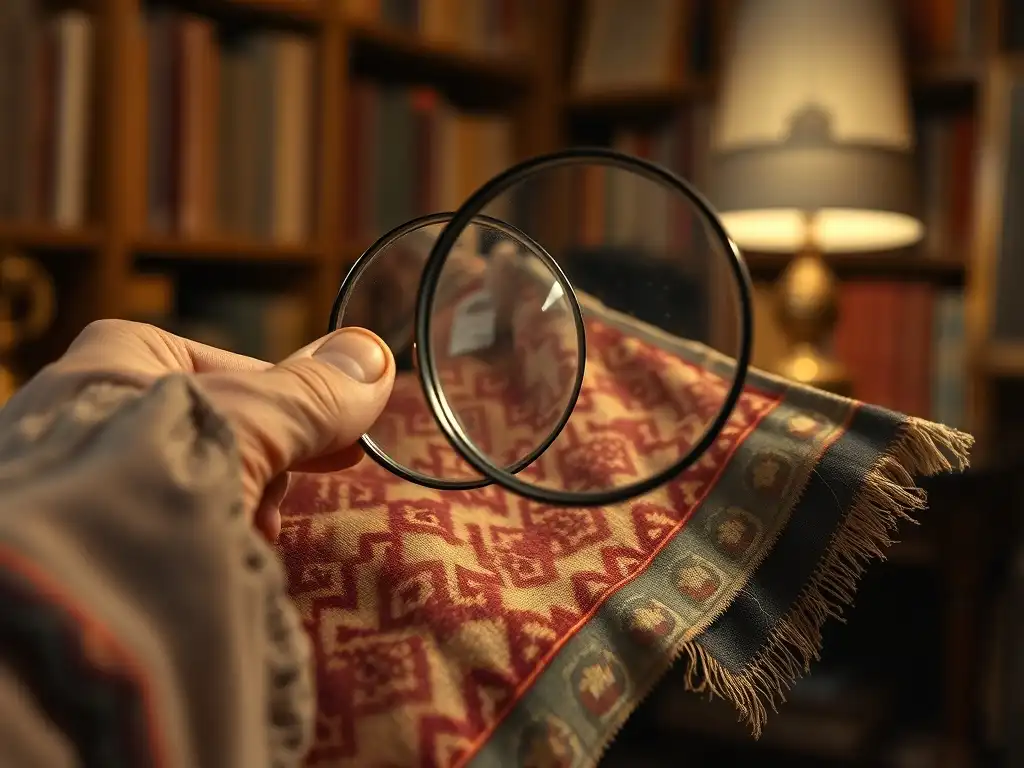
This section focuses on proactive measures you can take to minimize the risk of purchasing counterfeit Andean artifacts. Navigating the market for Andean art requires vigilance and a discerning eye. Understanding the intricacies of authentication and employing due diligence are crucial in ensuring you acquire genuine pieces that reflect the rich heritage of Andean civilizations. The thrill of discovering a unique artifact is undeniable, but protecting yourself from scams is equally important. Let's explore practical steps to avoid falling victim to fraudulent practices.
Due Diligence Before Purchasing Andean Artifacts
Before committing to a purchase, thorough research is paramount. This involves more than just admiring the aesthetic appeal of the artifact. Consider these key steps:
- Research the Seller: Investigate the seller's reputation. Look for established dealers with a proven track record and positive reviews. Be wary of sellers who lack transparency about their sourcing or provenance. A reputable dealer will be open about the artifact's history and origin.
- Examine Provenance: Provenance refers to the documented history of ownership of an artifact. Request detailed provenance documentation, tracing the artifact's journey from its discovery to the present seller. Gaps in the provenance can be a red flag. Legitimate dealers will usually provide this information readily.
- Compare with Authentic Examples: Familiarize yourself with authentic examples of the style and type of Andean art you're interested in. Study museum collections, reputable online databases, and scholarly publications to develop a keen eye for detail. This helps you identify inconsistencies or deviations from known styles.
- Seek Expert Opinions: Don't hesitate to consult with experts in Andean art. Archaeologists, art historians, and reputable appraisers can offer valuable insights and help you assess the authenticity of a piece. Their independent assessment can provide crucial verification.
Understanding the Warning Signs of Andean Art Forgeries
Counterfeit Andean art often displays subtle—or sometimes glaring—signs of forgery. Knowing what to look for can significantly reduce your risk. Here are some common warning signs:
- Inconsistencies in Style and Technique: Forgeries often exhibit inconsistencies in style, technique, and materials compared to authentic pieces. Pay close attention to details such as the quality of craftsmanship, the use of pigments, and the overall aesthetic coherence. A mismatch between the style and the claimed origin is a major red flag.
- Unusual Materials or Manufacturing Processes: Modern materials or manufacturing processes might be used in forgeries. For example, the use of inappropriate glues, paints, or metals can indicate a fake. Authentic Andean artifacts often utilize traditional techniques and materials. A thorough examination by an expert can often reveal such inconsistencies.
- Too Good to Be True Pricing: If the price of an artifact seems exceptionally low compared to market value, be cautious. This could be an indicator of a forgery. Genuine Andean artifacts, especially those with strong provenance, command significant prices.
- Lack of Proper Documentation: As mentioned earlier, the absence of detailed provenance documentation is a major red flag. A seller’s unwillingness to provide such information should raise serious concerns about the artifact’s authenticity.
- Surface Damage that Doesn't Look "Right": While authentic artifacts will show signs of age and wear, the nature of this wear should be consistent with the material and age. Forgeries might exhibit artificial wear or damage that looks unnatural or inconsistent.
The Importance of Documentation and Certification
Once you've acquired an Andean artifact, proper documentation and certification are crucial for its preservation and future value. This provides irrefutable proof of authenticity and protects your investment. Consider these points:
- Obtain a Certificate of Authenticity: A certificate of authenticity from a reputable expert or institution adds significant weight to the claim of an artifact's genuineness. This certificate should detail the artifact’s characteristics and its provenance.
- Maintain Detailed Records: Keep meticulous records of your purchase, including the seller's information, the certificate of authenticity, and any other relevant documentation. This documentation will be invaluable in the future, especially if you decide to sell or insure the artifact.
- Professional Appraisal: A professional appraisal by a qualified expert can determine the market value of your artifact and provide further confirmation of its authenticity. This is particularly important for insurance purposes.
By following these steps and remaining vigilant, you can significantly increase your chances of acquiring genuine and ethically sourced Andean art, adding authentic pieces to your collection while supporting the preservation of this remarkable cultural heritage. Remember, careful research and due diligence are your best allies in the world of Andean artifact collecting.
Conclusion: Ensuring the Preservation of Genuine Andean Art
The acquisition of Andean art is a rewarding experience, offering a tangible connection to a rich and complex past. However, the prevalence of forgeries necessitates a vigilant approach. By understanding the characteristics of authentic pieces and supporting ethical practices, we can collectively combat the insidious trade in counterfeit Andean art. This not only protects collectors from financial loss but, more importantly, safeguards the cultural heritage of the Andean civilizations. The fight against Andean art forgery detection requires continuous effort and education.
The Ongoing Battle Against Andean Art Counterfeiting
The battle against Andean art counterfeiting is a complex and ongoing challenge. Sophisticated techniques are constantly evolving, making identification increasingly difficult. Counterfeiters often employ advanced materials and processes to mimic the age and patina of genuine artifacts. For example, they might use chemical treatments to artificially age pottery or employ modern tools to replicate intricate textile designs.
This necessitates a multi-pronged approach, combining technological advancements with rigorous scholarly research. The development of new analytical techniques, such as advanced imaging and material analysis, plays a crucial role in detecting subtle inconsistencies in forged pieces. Furthermore, collaboration between law enforcement agencies, museums, and private collectors is essential to disrupt the networks that facilitate the illegal trade. Data on successful seizures and prosecutions of counterfeiters, while often confidential for investigative reasons, would significantly bolster public awareness and deter future criminal activity.
[Specific data on successful seizures pending]. The scale of the problem, however, remains largely undocumented, highlighting the need for more comprehensive research into the global trade in fake Andean artifacts. The lack of readily available statistics hampers effective strategies for Andean art forgery detection.
Supporting Ethical Practices in the Andean Art Market
Supporting ethical practices is paramount in preserving the integrity of the Andean art market. This involves prioritizing purchases from reputable dealers who can provide verifiable provenance and documentation. Provenance, tracing the history of an artifact's ownership, is a crucial element in authenticating its origins. Reputable dealers will readily provide this information, including detailed records of acquisition, previous owners, and any relevant scholarly studies.
Furthermore, supporting ethical sourcing is vital. This means ensuring that the artifacts haven't been looted from archaeological sites or obtained illegally. Many reputable dealers actively engage in sustainable practices, working with local communities to ensure fair compensation and the preservation of cultural heritage. Transparency and open communication are key aspects of ethical dealings.
A reputable dealer will be forthcoming about the origins of their artifacts and will readily answer any questions regarding their authenticity. Collectors should be wary of dealers who are evasive or unwilling to provide detailed information. Seeking expert opinions from qualified archaeologists and art historians can also help to ensure that a purchase is legitimate. The cost of such expertise, while a factor, is far outweighed by the potential financial and cultural ramifications of acquiring a forgery.
Fostering Appreciation for Authentic Andean Cultural Heritage
Beyond the financial aspects, fostering an appreciation for authentic Andean cultural heritage is crucial. Educating the public about the importance of preserving these artifacts and the dangers of the counterfeit market is a vital step. Museums and educational institutions play a key role in this process, offering exhibitions, lectures, and educational materials that highlight the significance of Andean art and culture.
Furthermore, supporting initiatives that promote sustainable tourism in Andean communities helps to create alternative economic opportunities that reduce the reliance on the illegal trade in artifacts. By celebrating and protecting these treasures, we ensure that future generations can appreciate the beauty and complexity of Andean civilization. This appreciation extends beyond mere aesthetic value, encompassing the profound historical and cultural significance embedded within each genuine artifact.
Increased public awareness, coupled with stricter regulations and international cooperation, will significantly contribute to the long-term preservation of Andean cultural heritage and the fight against forgery. The development of easily accessible online resources dedicated to Andean art forgery detection would be a significant step forward in promoting responsible collecting.
Frequently Asked Questions
How can I tell if a piece of Andean art is genuine?
Authenticating Andean art requires expert examination. Look for consistent stylistic elements characteristic of the specific culture and period, and consider consulting with a reputable art historian or appraiser specializing in pre-Columbian artifacts. Provenance documentation is crucial.
What are common characteristics of forged Andean art?
Forgeries often exhibit inconsistent styles, incorrect materials, or unnatural patinas. They may lack the subtle details and craftsmanship found in authentic pieces. Poor quality craftsmanship is another major red flag.
What role does technology play in Andean art forgery detection?
Scientific analysis plays a vital role. Techniques like X-ray fluorescence (XRF), thermoluminescence (TL), and carbon dating can analyze the materials and age of an artifact, helping to determine authenticity. Microscopic examination of the piece's surface can also reveal inconsistencies.
Where can I find reputable experts to authenticate Andean art?
Seek renowned museums, universities with archaeology departments, and specialized auction houses for recommendations. Reputable art appraisers with expertise in pre-Columbian art are also a valuable resource. Always verify their credentials.
Why is Andean art forgery detection so important?
Protecting cultural heritage is paramount. Forgeries undermine the historical record and devalue authentic pieces. Combating forgery helps preserve the legacy of the Andean civilizations and ensures the ethical trade of these invaluable artifacts.
Final Reflection: The Enduring Legacy of Andean Art and the Fight Against Forgery
The fight against Andean art forgery is not merely an academic pursuit; it is a crucial battle for the preservation of cultural heritage and the protection of indigenous communities. The illicit trade in fake Andean artifacts undermines the economic livelihoods of artisans, distorts historical narratives, and deprives future generations of authentic cultural treasures. This insidious practice demands our continued vigilance and proactive engagement.
The impact of forgery extends far beyond the monetary value of the artifacts themselves. It erodes the very fabric of cultural identity, stripping away the rich history and spiritual significance embedded within each piece. The destruction of a culture's artifacts is the destruction of its memory.
This quote underscores the profound loss that occurs when authentic Andean art is replaced by imitations, silencing the voices of those who created and cherished these objects for centuries. The ongoing struggle to authenticate and protect these pieces is a testament to the enduring power of cultural heritage and the importance of preserving it for generations to come.
You, the reader, now possess a deeper understanding of the complexities involved in identifying genuine Andean art. Consider how you can contribute to the preservation of this invaluable heritage. Whether it's supporting ethical art dealers, educating yourself and others about the hallmarks of authenticity, or simply raising awareness about the issue of forgery, your actions can make a tangible difference. Let us collectively work to ensure that the vibrant legacy of Andean art continues to thrive, unmarred by the shadows of deception.
**Unveil the Authentic: Take Action Today! **
Thank you for exploring the fascinating world of Andean art with us! Learning to identify genuine Andean pieces is a significant step towards building a valuable collection and appreciating the rich heritage of these remarkable civilizations. Now, let's put your knowledge to work!
- **Start your own collection:** Begin by visiting local galleries and reputable antique markets to discover authentic Andean art. Use the knowledge you've gained to make confident purchasing decisions.
- **Share your newfound knowledge:** Discuss your discoveries with friends, or join online communities dedicated to Andean art to help spread awareness about the importance of identifying authentic pieces.
- **Explore further:** Deepen your understanding of Andean cultures by exploring related articles on our site or following us on social media to stay informed about the latest developments in Andean art authentication.
What aspect of Andean art captivates you most, and how will you integrate it into your life?