
Secrets of the Trade: How to Identify Reliable Andean Art Vendors

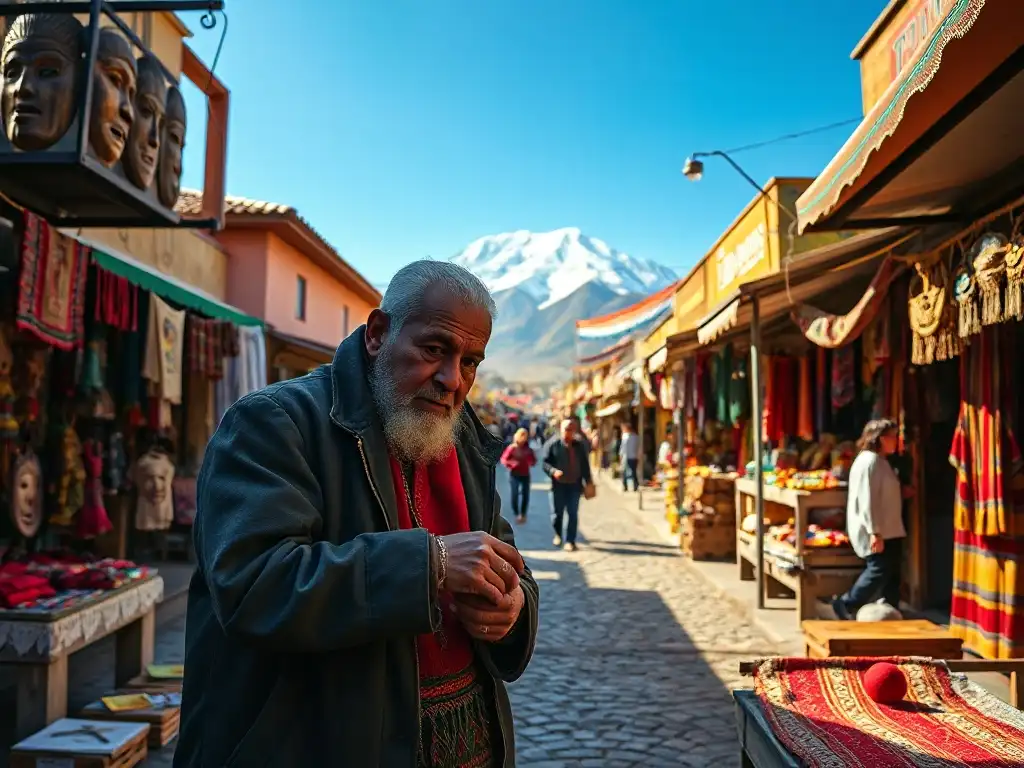
Dive into the captivating world of Andean Civilizations, where lost empires whisper secrets from the mountains. From the intricate artistry of the Nazca lines to the ingenious engineering of the Incas, we unravel the mysteries of a remarkable past. But amidst the allure of ancient artifacts, how do you distinguish authentic treasures from imitations? Discover the answers within our guide on reliable Andean art vendors—your key to unlocking the true wonders of this fascinating heritage. Begin your journey now and uncover the secrets of the trade!
- Secrets of the Trade: How to Identify Reliable Andean Textile Vendors
- Key Indicators of Reputable Andean Textile Vendors
- Red Flags to Watch Out For When Buying Andean Textiles
- Recommended Steps for Verifying Authenticity
- Where to Find Reliable Andean Textile Vendors
- Protecting Yourself: Essential Buyer Practices
- Conclusion: Investing Wisely in Andean Textiles
- Frequently Asked Questions
- Final Reflection: The Enduring Legacy of Andean Art
- Unveil Authenticity: Connect with True Andean Art Vendors!
Secrets of the Trade: How to Identify Reliable Andean Textile Vendors
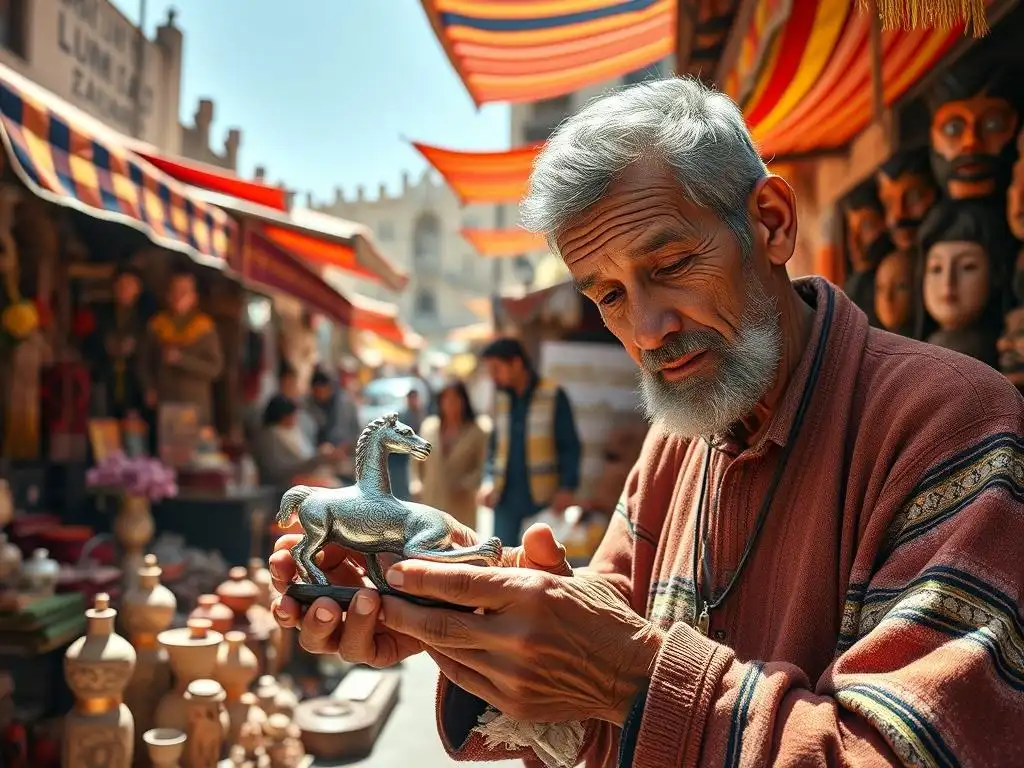
The vibrant tapestry of Andean art, encompassing the exquisite textiles of the Incas, the intricate pottery of the Moche, the enigmatic geoglyphs of the Nazca, and the monumental architecture of Tiahuanaco, captivates collectors and enthusiasts worldwide. However, the allure of these ancient treasures also attracts unscrupulous vendors, making it crucial for discerning buyers to develop a keen eye for authenticity and ethical sourcing.
This guide delves into the essential strategies for identifying reliable Andean art vendors, ensuring you acquire pieces that are both genuine and ethically obtained, contributing to the preservation of this invaluable cultural heritage. We'll explore the nuances of the market, the risks involved in purchasing from unreliable sources, and the crucial steps you can take to protect yourself from fraud while supporting responsible practices.
Ultimately, this knowledge empowers you to become a confident and informed collector, enriching your collection and contributing to the safeguarding of Andean artistic legacy. Let's embark on this journey to uncover the secrets of the trade and discover how to navigate the world of Andean art with confidence and integrity.
The market for Andean art, particularly textiles, is a complex landscape. From bustling artisan markets overflowing with vibrant colors and intricate designs to high-end galleries showcasing museum-quality pieces, the range of options can be overwhelming. However, this diversity also presents opportunities for both incredible finds and potential pitfalls. Successfully navigating this market requires a combination of research, critical observation, and a healthy dose of skepticism.
One of the first steps is understanding the different types of vendors you might encounter. These range from individual artisans selling their own handcrafted work to large-scale dealers with extensive inventories. Each presents a unique set of considerations.
- Individual Artisans: Often offer unique, handcrafted pieces, directly supporting local communities. However, verifying the age and historical context of their work can be challenging.
- Small-Scale Dealers: May specialize in specific types of Andean art, offering a curated selection. Due diligence is still essential to ensure authenticity.
- Large-Scale Dealers and Galleries: Often have extensive inventories and established reputations, but their pricing can be significantly higher. Thorough research into their provenance and ethical sourcing practices is paramount.
Understanding these distinctions allows you to tailor your approach to each vendor, ensuring you ask the right questions and conduct the appropriate level of due diligence. Remember, a reputable vendor will be transparent and willing to provide documentation and information about the origin and history of their pieces.
Why Finding Trustworthy Andean Textile Dealers is Crucial
Finding trustworthy Andean art dealers is crucial for several reasons, extending far beyond simply acquiring a genuine artifact. The ethical implications of purchasing Andean art are significant. Many pieces have deep cultural and historical significance, and their acquisition should support responsible practices that respect the heritage of the Andean peoples. Purchasing from unreliable sources can contribute to the illicit trafficking of cultural artifacts, damaging local communities and undermining cultural preservation efforts. Moreover, acquiring counterfeit pieces not only represents a financial loss but also diminishes the appreciation of genuine artistry and cultural heritage.
Furthermore, a trustworthy dealer offers more than just a sale. They provide valuable context, insights into the history and significance of the artwork, and often build relationships with collectors, contributing to a deeper appreciation of the art itself. This expertise is invaluable for building a meaningful collection. The connection to the history and cultural significance of the piece significantly enhances its value beyond its monetary worth. This holistic approach to collecting ensures that the acquisition is not just a transaction but a meaningful engagement with a rich cultural legacy.
The Risks of Purchasing from Unreliable Sources
Purchasing Andean art from unreliable sources carries substantial risks, ranging from financial loss to unintentional participation in illegal activities. The most significant risk is acquiring counterfeit pieces. These imitations, often skillfully crafted, can be difficult to distinguish from authentic artifacts. This deception results in a significant financial loss for the buyer and undermines the market for genuine Andean art.
Beyond financial loss, purchasing from unreliable sources can unintentionally contribute to the illicit trade of cultural artifacts. This illegal trade often involves the looting of archaeological sites and the exploitation of local communities. By supporting such practices, even unknowingly, buyers become complicit in the destruction of cultural heritage.
Another significant risk is the lack of provenance information. Provenance refers to the documented history of ownership of an artwork, providing crucial evidence of its authenticity and origin. Without proper documentation, it is impossible to verify the legitimacy of a piece, increasing the chance of acquiring a counterfeit or stolen artifact. Therefore, always insist on clear and verifiable provenance information from any vendor you are considering. The absence of this crucial information should raise significant red flags. Remember, responsible collecting involves a commitment to ethical sourcing and the preservation of cultural heritage.
Understanding the Andean Textile Market: A Primer
The Andean textile market is a vibrant and complex tapestry woven from centuries of tradition and modern commerce. Navigating it successfully requires a discerning eye and a solid understanding of its nuances. From the bustling markets of Cusco to online platforms showcasing exquisite pieces, the sheer volume of textiles available can be overwhelming, even for seasoned collectors. Understanding the market's intricacies is crucial in identifying reliable Andean textile vendors. This involves recognizing both the authentic and the imitation, the ethically sourced and the exploitative.
One key aspect is appreciating the sheer diversity of Andean textiles. The styles, techniques, and materials vary dramatically depending on the region, the time period, and the specific community of artisans. The intricate designs, often imbued with deep cultural significance, tell stories of Andean cosmology, mythology, and daily life.
Recognizing these regional variations—the bold geometric patterns of the Nazca, the intricate iconography of the Inca, the vibrant colors of the Lake Titicaca textiles—is a crucial first step in discerning authenticity. A reputable vendor will possess detailed knowledge of these regional styles and be able to trace the origins of their textiles.
Furthermore, understanding the materials is paramount. Traditional Andean textiles often utilize natural dyes derived from plants, insects, and minerals. These dyes, while often producing breathtaking colors, can be susceptible to fading over time.
Knowing the common natural dyes (like cochineal for reds, indigo for blues, and various plants for yellows and browns) and their characteristic properties can help distinguish authentic pieces from those using modern synthetic dyes. A truly reliable vendor will be transparent about the materials used in their textiles, readily providing information about the dyes and fibers employed. They should also be able to explain any signs of wear or age, acknowledging the natural patina of an antique textile rather than attempting to mask it.
Finally, it's essential to consider the ethical implications of purchasing Andean textiles. The market unfortunately faces challenges related to exploitation and cultural appropriation. Supporting reliable vendors ensures that artisans receive fair compensation for their work and that cultural heritage is preserved responsibly.
Look for vendors who actively engage with and support Andean communities, transparently outlining their sourcing practices and showing respect for the cultural significance of the textiles they sell. This ethical consideration is crucial for anyone seeking to acquire authentic and meaningful Andean textiles. Choosing a vendor committed to ethical sourcing isn't just about acquiring a beautiful piece; it's about contributing to the sustainability of Andean textile traditions and the well-being of the artisans who create them.
Key Indicators of Reputable Andean Textile Vendors
This section delves into the crucial aspects of identifying reliable vendors specializing in Andean textiles. Navigating the market for authentic Andean art requires a discerning eye and a proactive approach. By understanding key indicators of trustworthiness, you can confidently acquire pieces that reflect the rich heritage and artistry of Andean cultures. This knowledge empowers you to become a more informed collector, supporting ethical practices and preserving cultural legacies. The focus here is on textiles, a significant element within the broader category of "reliable Andean art vendors."
Provenance Documentation: The Cornerstone of Authenticity
Provenance, the documented history of ownership of an artifact, is paramount when evaluating the authenticity and ethical sourcing of Andean textiles. A reputable vendor will readily provide comprehensive documentation tracing the textile's journey from creation to the present day. This isn't merely a formality; it's a vital safeguard against forgery and the exploitation of cultural heritage. The absence of clear provenance should raise immediate red flags.
Examining Certificates of Origin and Expert Analysis
Certificates of origin, issued by recognized authorities or experts in Andean textiles, offer a crucial layer of verification. These certificates often detail the textile's age, materials, weaving techniques, and any relevant historical context. Look for certificates that include detailed descriptions, high-resolution images, and the credentials of the issuing expert. Independent expert analysis, particularly carbon dating for older pieces, further strengthens the provenance. The more thorough the documentation, the greater the assurance of authenticity.
Understanding the Importance of a Clear Production History
Beyond certificates, a reputable vendor will be able to provide a detailed narrative of the textile's history. This might include information about the weaver, the community of origin, the intended use of the textile, and any significant events or individuals associated with its past. A clear and coherent production history, backed by evidence, significantly enhances confidence in the textile's authenticity and ethical sourcing. This story adds context and value, transforming a mere object into a tangible link to Andean cultural heritage.
Vendor Transparency: Openness and Honesty
Transparency is the hallmark of a reputable Andean art vendor. A willingness to openly address questions, provide detailed information, and engage in open dialogue about the origin and history of their textiles is a strong indicator of trustworthiness. Conversely, evasiveness or a reluctance to share information should be cause for concern.
Asking Detailed Questions About the Textile's Materials and Techniques
Don't hesitate to ask specific questions about the textile's materials, including the type of fibers used (e.g., alpaca, llama, vicuña), the dyes employed (natural or synthetic), and the weaving techniques. A knowledgeable vendor will readily answer these questions with precision and detail, demonstrating a deep understanding of Andean textile traditions. Inconsistencies or vague answers should prompt further investigation. For example, inquire about the specific region known for a particular weaving style to assess the vendor's expertise.
Evaluating the Vendor's Willingness to Share Weaving Methods
A truly reputable vendor will not only be knowledgeable about Andean weaving techniques but may also be willing to share information about the methods used to create the textiles they sell. This sharing of knowledge contributes to the preservation and appreciation of Andean cultural heritage. This willingness to educate and foster understanding demonstrates a commitment to responsible practices that extend beyond mere commerce. This transparency fosters trust and ensures the long-term sustainability of Andean textile traditions. It's a sign of a vendor invested in the preservation of cultural heritage, not just profit.
Vendor Expertise: Knowledge and Experience
Understanding the nuances of Andean textiles requires significant expertise. A reputable vendor will demonstrate a deep understanding of the art form, going beyond simply selling beautiful pieces. This knowledge translates into a genuine passion for the craft and a commitment to authenticity. They should be able to discuss the historical context, the techniques used, and the cultural significance of the textiles they offer.
Don't hesitate to ask probing questions; a knowledgeable vendor will welcome your curiosity and engage in an informative discussion. A lack of detailed knowledge, particularly regarding the specific weaving techniques, dyes used, and regional styles, should raise a red flag. For instance, a vendor unable to differentiate between a traditional lliclla from Cusco and a modern reproduction is likely lacking the necessary expertise. Genuine passion and deep knowledge are key indicators of a reliable source.
Identifying Vendors with a Deep Understanding of Andean Textile Patterns
Authentic Andean textiles are characterized by intricate and unique patterns, often with symbolic meanings tied to Andean cosmology and beliefs. Reputable vendors will possess a thorough understanding of these patterns, recognizing subtle variations and regional styles. They should be able to explain the significance of specific motifs, colors, and weaving techniques.
Look for vendors who can discuss the symbolism embedded within the textiles, connecting the designs to the cultural context and history. For example, a vendor should be able to identify the specific meaning of a particular geometric pattern or a representation of an Andean deity woven into the fabric. A lack of understanding of these patterns suggests a lack of expertise and should prompt further investigation into the vendor's authenticity.
Seeking Dealers Who Specialize in Specific Andean Weaving Styles (Aguayo, Lliclla, etc.)
Specialization is a hallmark of expertise. Vendors focusing on specific Andean weaving styles, like aguayos, llicllas, or chumpis, often demonstrate a deeper understanding of the techniques and cultural significance associated with those particular textiles. This focused knowledge allows them to provide more accurate information and ensures a higher level of authenticity.
For example, a vendor specializing in llicllas from the Lake Titicaca region should be able to discuss the unique characteristics of the wool, the traditional dyes used, and the specific weaving techniques employed by the communities in that area. Conversely, a vendor offering a wide range of unrelated textiles from various regions without demonstrating specialized knowledge in any particular style should be viewed with caution.
Physical Location and Reputation
The physical location of a vendor and their established reputation within the community can provide valuable insights into their reliability. While online vendors can be reputable, verifying their physical presence and established track record is crucial for minimizing risk. A combination of online research and offline verification offers the most robust approach.
Visiting Workshops and Cooperative Stores
Visiting workshops and cooperative stores directly allows you to witness the creation process, interact with artisans, and inspect the quality of materials firsthand. This approach offers a level of transparency that online sales rarely provide. You can observe the weaving techniques, examine the dyes, and gain a deeper understanding of the craftsmanship involved. The opportunity to connect directly with the artisans adds a layer of authenticity and ensures you are supporting ethical and sustainable practices. Seeing the process firsthand helps build trust and confidence in the vendor's claims of authenticity and ethical sourcing.
Researching Online Forums and Community Recommendations
Online forums and communities dedicated to Andean textiles are invaluable resources for researching the reputation of vendors. Many dedicated groups and online platforms exist where collectors and enthusiasts share experiences and provide recommendations. Look for consistent positive feedback and a lack of negative reviews regarding authenticity and ethical practices.
Pay attention to details, such as descriptions of the vendor's knowledge, the quality of the textiles, and their customer service. Negative reviews regarding questionable authenticity or unethical sourcing should serve as a significant warning sign. The collective wisdom of experienced collectors can offer invaluable insights, helping you avoid potential pitfalls and identify reliable sources of Andean textiles.
Red Flags to Watch Out For When Buying Andean Textiles
This section focuses on identifying potential pitfalls when purchasing Andean textiles, helping you discern genuine, ethically sourced artifacts from imitations or products of questionable origin. Authentic Andean textiles represent a significant investment, both financially and culturally, so due diligence is crucial. Recognizing red flags will protect you from disappointment and ensure your acquisition contributes positively to the preservation of Andean heritage. Learning to spot these warning signs is key to becoming a discerning buyer of reliable Andean art vendors.
Unusually Low Prices: A Sign of Mass Production or Imitation
One of the most significant red flags indicating a potential problem with an Andean textile is an unusually low price. While bargains can sometimes be found, prices drastically below market value should raise immediate suspicion. This often signals mass-produced imitations, textiles made with inferior materials, or unethical labor practices. Authentic Andean textiles, particularly those using traditional techniques and high-quality materials like alpaca or vicuña wool, require significant time and skill to create. This labor-intensive process translates to a higher price point.
For example, a hand-woven alpaca shawl using traditional Andean patterns should command a considerably higher price than a machine-made equivalent. The difference in quality, craftsmanship, and cultural significance is substantial. To gauge a fair price, research similar textiles from reputable sources. Compare prices, materials, and craftsmanship details to get a better understanding of market value. Remember, the allure of a bargain shouldn't overshadow the importance of authenticity and ethical sourcing. A significantly low price is often a strong indicator of a lack of authenticity or ethical concerns related to the production of the textile.
High-Pressure Sales Tactics: Avoid Impulsive Purchases
Legitimate and reliable Andean art vendors prioritize transparency and informed decision-making. They will provide ample time for you to examine the textiles, ask questions, and make a thoughtful purchase. Conversely, high-pressure sales tactics should serve as a major warning sign. If a vendor rushes you into a decision, pressures you to buy immediately, or discourages detailed examination, proceed with caution.
This aggressive approach often masks a lack of confidence in the authenticity or quality of the goods. Reputable dealers understand the value of their products and are happy to answer questions and provide detailed information. They prioritize building trust and fostering long-term relationships with their clientele. If you experience any form of pressure or intimidation during the purchasing process, it's best to walk away. Your peace of mind and the integrity of your purchase are paramount. Remember, a genuine vendor will value your informed consent.
Vague or Missing Information on Fiber Content or Dyes
Another critical aspect to consider is the information provided about the textile's fiber content and dyeing techniques. Reliable Andean art vendors will be transparent about the materials used, providing detailed information about the type of wool (alpaca, vicuña, llama), the origin of the fibers, and the dyeing methods employed. Vague or missing information in this regard should raise concerns.
For instance, if a vendor cannot definitively identify the type of fiber or the dyeing process, it may indicate a lack of knowledge about the textile’s origin and authenticity. Authentic Andean textiles often incorporate traditional dyeing techniques using natural pigments derived from plants, insects, or minerals. These techniques are integral to the cultural significance of the textiles.
The absence of this information may suggest the use of synthetic dyes and mass production methods that lack the heritage and cultural significance of authentic Andean textiles. Always seek detailed information and don't hesitate to ask probing questions to verify the authenticity and ethical sourcing of the Andean textiles you are considering. Transparency is a hallmark of reliable Andean art vendors.
Lack of Vendor Transparency or Knowledge of Weaving Traditions
Finding reliable Andean art vendors requires diligent research and a discerning eye. One of the biggest red flags is a lack of transparency regarding the origin and creation of the textiles. Reputable vendors are usually open about the provenance of their pieces, readily sharing information about the artisans, the communities they come from, and the specific weaving techniques employed. They understand the intricate details of the craft and can articulate the history and significance behind the textiles they sell. For example, a knowledgeable vendor should be able to differentiate between a traditional chumpi (a woven belt) from the Andes and a mass-produced imitation.
They should be able to discuss the type of wool used (alpaca, llama, vicuña), the dyeing methods (natural or synthetic), and the specific patterns or symbols woven into the fabric, connecting them to particular Andean cultures or regions. A lack of this detailed knowledge should raise serious concerns about the authenticity and ethical sourcing of the textiles. Avoid vendors who are vague about these details or seem unwilling to share information. This obfuscation is often a sign that they are dealing in counterfeit or ethically questionable products. Remember, a genuine connection to the Andean weaving tradition is a hallmark of a reliable vendor.
The passion and expertise they demonstrate should be readily apparent. Don't hesitate to ask probing questions; a truly reliable vendor will welcome your curiosity and engagement. The depth of their knowledge will be a testament to their commitment to preserving the integrity of Andean textile art. Transparency isn't just about the product itself; it's about the entire supply chain, from the artisan's hands to the buyer. A lack of transparency in any part of this process suggests a potential problem.
Recommended Steps for Verifying Authenticity
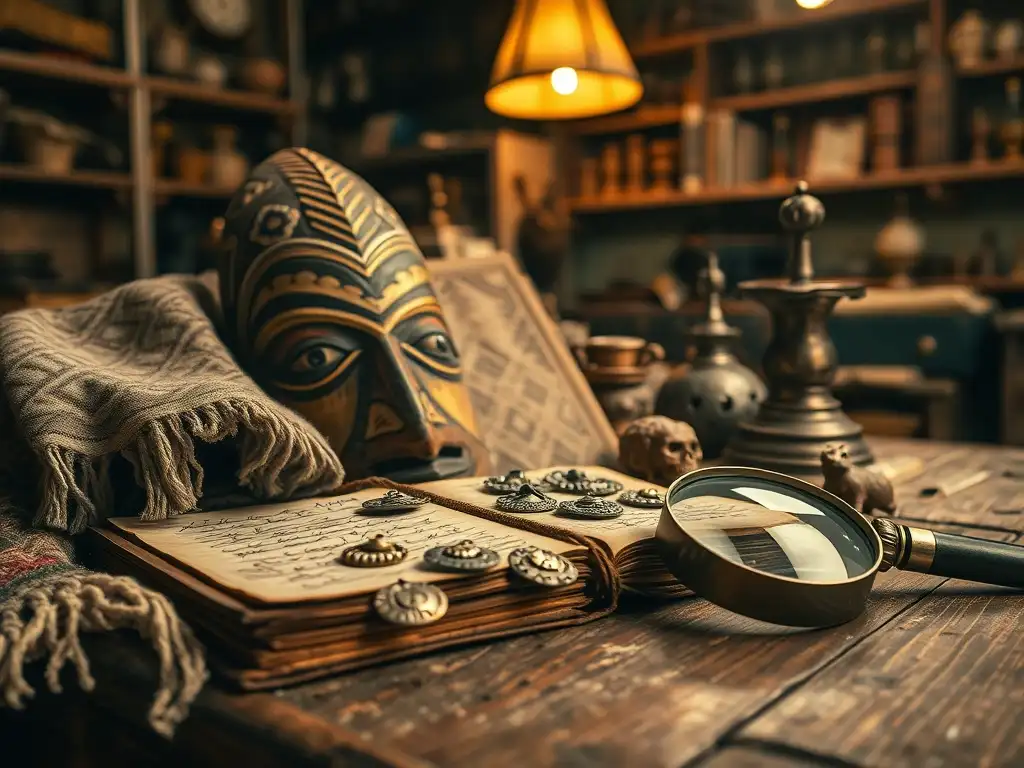
Acquiring authentic Andean art requires diligence and a discerning eye. While many vendors offer genuine pieces, navigating the market requires careful vetting. This section details crucial steps to ensure you're investing in reliable Andean art vendors and acquiring genuine artifacts. Remember, purchasing art from reputable sources directly supports ethical practices and the preservation of cultural heritage. This process is crucial for building trust and ensuring the long-term value and integrity of your collection. The following steps will significantly increase your chances of acquiring authentic and ethically sourced Andean textiles and artifacts.
Consulting with Independent Textile Experts
Authenticating Andean textiles often requires specialized knowledge. Independent textile experts possess the training and experience to identify subtle details that indicate authenticity or forgery. These experts are familiar with the diverse weaving techniques, fiber types, and dyeing methods employed by different Andean cultures across various historical periods.
Their expertise extends beyond visual inspection; they may utilize advanced analytical techniques to verify the age and origin of materials. For example, an expert might identify the specific type of cotton used (e.g., Gossypium barbadense), the presence of natural dyes like cochineal or indigo, or the unique structural characteristics of a particular weaving style. Their reports provide invaluable documentation, enhancing the provenance and value of your acquisition.
Finding a qualified expert requires researching reputable institutions or organizations specializing in Andean textile studies. A detailed report from a recognized expert significantly increases the confidence in the authenticity of the piece and provides crucial information for insurance or resale purposes.
Utilizing Analysts Specializing in Natural Dyes and Fiber Identification
Within the realm of textile expertise, a further level of specialization exists in the analysis of natural dyes and fibers. These analysts employ advanced techniques such as microscopy, spectroscopy (e.g., Raman spectroscopy), and chromatography to identify the specific dyes and fibers used in a textile. This level of analysis is particularly important for distinguishing between ancient and modern materials. For instance, the presence of synthetic dyes immediately indicates a modern reproduction, while the identification of specific natural dyes can pinpoint the geographic origin and historical period of the textile.
This detailed analysis goes beyond simple visual inspection, providing irrefutable scientific evidence of authenticity. The cost of such analysis can be substantial, but for valuable or historically significant pieces, the investment is often worthwhile. The detailed report generated by these analysts provides strong evidence supporting the authenticity claim and serves as invaluable documentation.
Utilizing Reputable Textile Conservation Services
Reputable textile conservation services offer more than just cleaning and repair; they also provide expert assessment of authenticity. Conservators are trained to identify signs of age, wear, and repair, distinguishing between original features and later additions or alterations. They are also well-versed in the deterioration patterns of different materials, allowing them to identify inconsistencies that might point to forgery. For example, a conservator could identify signs of improper past restoration attempts, or the use of inappropriate modern materials in repairs.
Their assessment provides a comprehensive overview of the textile's condition and authenticity, offering insights that complement the findings of textile experts and dye analysts. Engaging a reputable conservation service not only helps verify authenticity but also ensures the long-term preservation of your valuable Andean textile. This proactive approach safeguards your investment and contributes to the responsible stewardship of cultural heritage.
Comparing Pieces with Documented Examples in Textile Archives
Museums and textile archives hold invaluable collections of documented Andean textiles. These archives often include detailed records of the piece's origin, dating, weaving techniques, and even the community that created it. Accessing these resources is crucial for verifying the authenticity of a potential purchase. For example, the Museo Textil de Arequippa in Peru boasts a significant collection of pre-Columbian textiles, meticulously cataloged and researched.
By comparing the piece you're considering with documented examples from such archives, you can identify similarities or discrepancies in weaving styles, fiber types, color palettes, and decorative motifs. These visual comparisons, coupled with the archival documentation, provide powerful evidence supporting or refuting the claimed authenticity and age. Note that access to these archives might require contacting the institutions directly and potentially scheduling appointments. Some archives may have online databases with images, but physical examination is often necessary for a thorough comparison, especially for intricate details.
This step, while demanding time and effort, is arguably the most effective method for confirming the authenticity of older textiles, significantly reducing the risk of acquiring a forgery. Remember to carefully note the specific characteristics of the documented examples, such as the use of particular dyes or specific knotting techniques, to make a sound comparison. The more detailed your comparison, the more confident you can be in your assessment. Don't hesitate to seek the assistance of textile experts if you're unsure about interpreting the details.
Consulting with Experts in Andean Textiles and Archaeology
Seeking expert opinions is paramount in verifying the authenticity of Andean art. Many reputable institutions and private individuals possess extensive knowledge of Andean textiles, pottery, and metalwork. These experts can often identify subtle clues indicative of authenticity or forgery that might escape the untrained eye. Archaeologists specializing in Andean cultures possess a deep understanding of stylistic developments and technological changes across different periods.
Their expertise extends to recognizing variations in weaving techniques, pottery styles, and metalworking practices, allowing them to pinpoint the piece's origin and approximate age. Similarly, experienced textile conservators can analyze the fibers, dyes, and construction techniques, providing insights into the piece's age and origin. Furthermore, some art appraisers specialize in pre-Columbian artifacts, and their assessment can be invaluable. While consulting experts comes with a cost, the price is often justified by the potential financial and historical value of the artifact.
Be sure to choose experts with established reputations and verifiable credentials. Look for individuals with academic affiliations, museum experience, or a proven track record of authenticating Andean artifacts. Don't hesitate to seek multiple opinions to ensure a comprehensive and reliable evaluation. The collective wisdom of several experts can increase the accuracy of your assessment significantly.
Investigating Provenance and Chain of Custody
Understanding the history of an artifact—its provenance—is crucial for verifying its authenticity. A reliable vendor will be able to provide a clear and documented chain of custody, tracing the piece's ownership from its initial discovery or acquisition to the present day. This documentation should include details about previous owners, any relevant exhibitions or publications featuring the piece, and any authentication certificates or reports. Gaps in the provenance or a lack of supporting documentation should raise serious concerns.
For example, a piece with a questionable provenance might have entered the market without clear documentation of its origin, leading to uncertainty about its authenticity. Similarly, a forged chain of custody might aim to create a false sense of legitimacy. Thoroughly investigating the provenance requires careful scrutiny of all available documentation, including sales records, exhibition catalogs, and any accompanying letters or certificates. Seek clarity on how the vendor acquired the piece, including any details of its discovery or previous ownership.
The more comprehensive and transparent the provenance documentation, the higher the confidence in the artifact's authenticity. A complete and well-documented chain of custody is a strong indicator of a reliable vendor and an authentic artifact. Remember, a lack of clear provenance is a significant red flag.
Where to Find Reliable Andean Textile Vendors
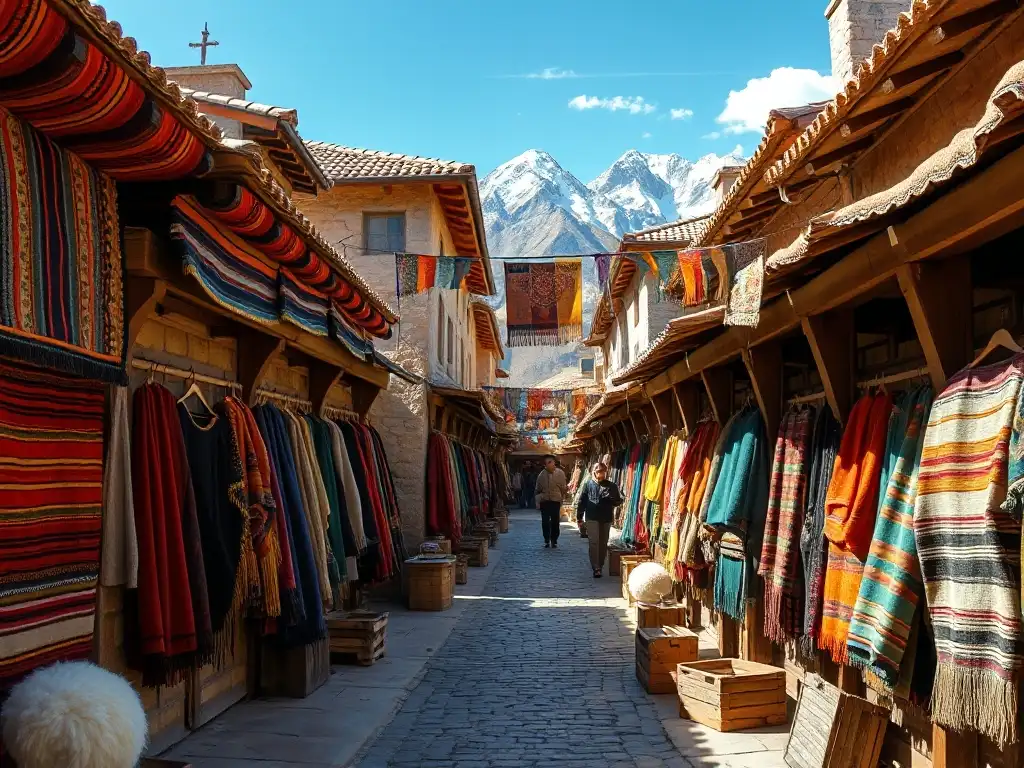
Finding authentic and ethically sourced Andean textiles can be a rewarding but challenging experience. Navigating the market requires careful consideration, ensuring you support artisans and acquire genuine pieces. This section focuses specifically on locating reliable vendors of Andean textiles, a significant aspect of Andean art. Understanding the nuances of the textile trade is crucial for responsible purchasing. The demand for these beautiful and historically significant textiles has unfortunately led to an increase in counterfeits and unethical practices. Therefore, knowing where to source your textiles is paramount.
Established Textile Cooperatives and Fair Trade Organizations
Established textile cooperatives and fair trade organizations represent a cornerstone of ethical sourcing for Andean textiles. These organizations often work directly with artisans, ensuring fair wages, safe working conditions, and the preservation of traditional weaving techniques. By purchasing from these groups, you directly support the Andean communities and their cultural heritage. This contributes to the economic sustainability of these regions and helps safeguard traditional craftsmanship from being lost.
Examples: [Cooperative Name 1] and [Cooperative Name 2] Known for Traditional Textiles
While specific cooperative names are pending ([specific information pending]), it's important to note that many cooperatives specialize in particular textile types or styles. For example, some may focus on intricate alpaca wool weaving, while others might specialize in vibrant cotton textiles using traditional dyeing techniques. Researching cooperatives with a focus on specific Andean regions (e.g., the highlands of Peru or the coastal areas of Ecuador) will yield a more targeted selection. The quality of the textiles varies, naturally, depending on the materials used, the expertise of the weavers, and the time invested in the creation process.
Look for organizations that provide detailed information about their artisans and their production methods. Transparency is key in identifying reliable sources. This includes information about the materials used, the origins of the materials, and the history of the weaving techniques employed. Many organizations also provide certifications indicating their commitment to fair trade practices.
Reputable Online Marketplaces and Artisan Platforms
The internet offers a vast array of options for purchasing Andean textiles, but caution is necessary. Reputable online marketplaces and artisan platforms can offer a convenient and accessible way to acquire authentic textiles, but careful vetting is crucial. Many platforms now feature artisan profiles, providing insights into the creators and their work. This allows buyers to make informed decisions, supporting artisans directly. However, not all online platforms are created equal. Some may lack adequate quality control or ethical sourcing practices.
Considerations When Purchasing Online: Secure Payment Methods and Ethical Sourcing
When purchasing Andean textiles online, prioritize secure payment methods to protect yourself from fraud. Look for platforms that offer buyer protection and secure transaction systems. Furthermore, investigate the platform's commitment to ethical sourcing. Do they verify the authenticity of the products? Do they provide information about the artisans and their working conditions? Look for platforms that actively promote fair trade practices and transparency in their supply chains.
Reading reviews from previous buyers can also provide valuable insights into the reliability of the seller and the quality of the products. Be wary of exceptionally low prices, as these may indicate counterfeit or ethically questionable products. Remember, supporting sustainable and ethical practices is a crucial part of appreciating Andean art. The cost reflects not only the materials and labor but also the preservation of cultural heritage. A higher price often signifies higher quality and ethical sourcing.
Specialized Textile Festivals and Craft Markets
Attending specialized textile festivals and craft markets offers an unparalleled opportunity to connect with reliable Andean art vendors. These events often bring together artisans from across the Andes, showcasing their unique skills and traditions. The sheer volume of authentic textiles on display provides a fantastic environment for discerning buyers to compare quality, techniques, and pricing.
Many festivals are curated, meaning a level of vetting has already taken place, increasing the likelihood of encountering reputable sellers. Furthermore, these events often feature workshops and demonstrations, allowing you to learn more about the intricate processes involved in creating Andean textiles and better appreciate the artistry and craftsmanship. This firsthand experience helps you develop a keener eye for authenticity and quality, making you a more informed buyer.
You can also engage directly with the artisans, asking questions about their techniques, materials, and heritage, fostering a deeper understanding and appreciation for their work. This direct interaction is crucial in building trust and ensuring you are supporting ethical and sustainable practices. Remember to research specific festivals in advance, looking for reviews and recommendations to identify those with a reputation for high-quality, authentic Andean textiles.
Attending Events Focused on Andean Weaving and Fiber Arts
Focusing your search on events specifically dedicated to Andean weaving and fiber arts is key to finding reliable vendors. General craft fairs might include some Andean textiles, but events specifically highlighting this art form tend to attract more specialized and knowledgeable artisans. These events often attract collectors and experts, creating a more discerning marketplace where authenticity is paramount.
Look for events that feature demonstrations of traditional techniques like backstrap loom weaving or natural dyeing, as these often indicate a higher level of commitment to preserving traditional practices. The presence of workshops or talks by experts further signals the event's dedication to promoting genuine Andean art.
By attending these targeted events, you significantly increase your chances of interacting with artisans who are passionate about their craft and committed to producing high-quality, authentic textiles. The concentrated focus on Andean weaving also provides a richer learning environment, allowing you to further your understanding of the cultural significance and historical context of these intricate works of art.
Building Relationships with Trusted Artisans
Developing relationships with trusted artisans is arguably the most effective way to secure reliable sources of Andean textiles. This approach goes beyond simply making a purchase; it involves building a connection based on mutual respect and understanding. This can take time and effort, but the rewards are substantial.
Regularly visiting the same artisans or cooperatives allows you to witness their work firsthand, observe their techniques, and build a rapport. This personal connection fosters trust and provides insights into their practices, ensuring you are supporting ethical and sustainable production methods. By supporting these artisans directly, you're also contributing to the preservation of traditional skills and cultural heritage within their communities.
Furthermore, building these relationships often leads to access to unique and exclusive pieces not typically found in mainstream markets. Over time, you will develop a network of trusted sources providing you with reliable access to authentic and high-quality Andean textiles. Remember to be respectful of their time and traditions, and show genuine interest in their work and stories.
The Importance of Direct Connections with Weavers and Communities
Direct connections with weavers and their communities are paramount when sourcing reliable Andean textiles. Buying directly from the source eliminates intermediaries, reducing the risk of encountering counterfeit or misrepresented items. This direct engagement ensures that the artisans receive a fair price for their work, supporting their livelihoods and preserving their traditional crafts.
Moreover, it allows you to learn directly about the creation process, the materials used, and the cultural significance of the textiles. This knowledge empowers you to make more informed purchasing decisions and fosters a deeper appreciation for the artistry involved. Many communities organize cooperative sales, providing a reliable and ethical means of acquiring authentic textiles while directly supporting the artisans and their communities.
These cooperatives often focus on sustainability and fair trade practices, ensuring ethical sourcing and production methods. By prioritizing direct connections, you contribute to the economic well-being of Andean communities, promoting the preservation of their rich cultural heritage and ensuring the continued creation of beautiful and authentic textiles. This approach not only secures reliable sources but also fosters a more meaningful and responsible engagement with Andean art.
Protecting Yourself: Essential Buyer Practices

Finding reliable Andean art vendors is crucial to ensuring you acquire authentic and ethically sourced pieces. However, even with reputable dealers, understanding buyer best practices is vital to protect yourself from potential pitfalls. This section focuses on the steps you can take to safeguard your investment and contribute to the responsible acquisition of Andean artifacts. This knowledge empowers you to become a more informed and discerning collector of Andean art.
Thoroughly Researching Before Making a Purchase
Before committing to a purchase, comprehensive research is paramount. This isn't merely about browsing online catalogs; it's about delving into the specifics of the artwork and the vendor's reputation. Start by carefully examining the item's description. Look for detailed information about its origin, materials, age, and any associated provenance documentation. A reputable vendor will be transparent and readily provide this information.
Consider the specific characteristics of the art form. For example, understanding the typical weaving techniques used by the Nazca or the distinct pottery styles of the Moche will help you identify potential inconsistencies or signs of forgery. Look for hallmarks, unique patterns, or stylistic elements that are characteristic of a particular culture or time period. Compare the piece to examples in museum collections or academic publications. This comparative analysis is invaluable in assessing authenticity.
Don't hesitate to ask the vendor detailed questions about the piece's history. A truly reliable Andean art vendor will be knowledgeable and happy to answer your inquiries, providing evidence to support their claims. Their willingness to share information and engage in open dialogue is a strong indicator of their trustworthiness. Remember, a reputable vendor understands that informed buyers are essential to the ethical and sustainable trade of Andean art.
Taking Your Time and Examining the Textile Carefully
When dealing with textiles, particularly those from the Andean region, a meticulous examination is crucial. These intricate works often bear the hallmarks of specific cultural traditions and techniques, offering clues to their authenticity. Take your time, and inspect the piece under good lighting. Pay attention to the quality of the fiber – is it consistent throughout? Examine the weaving technique – are the stitches even and consistent with the style characteristic of the claimed origin?
Look for signs of repair or restoration. While some restoration is acceptable, excessive patching or tampering can significantly diminish the value and authenticity of a textile. Assess the dyes used – are they consistent with those employed during the period the textile is claimed to be from?
Look for signs of fading, wear, and tear, all of which can provide valuable insights into the age and history of the piece. If you are unsure about any aspect of the textile, seek the opinion of an expert before making a purchase. Remember, investing in a reputable vendor is only part of the equation; your own careful examination is equally important.
Documenting the Purchase and Keeping Records of Origin
After acquiring an Andean artifact, maintaining thorough documentation is essential. This isn't just about preserving the value of your collection; it's about contributing to the responsible stewardship of cultural heritage. Obtain a detailed receipt from the vendor, including a complete description of the item, its claimed origin, and the date of purchase. If available, obtain any associated provenance documentation, which details the history of ownership of the piece.
Consider commissioning a professional appraisal to confirm the authenticity and value of your purchase. This independent assessment provides an additional layer of protection and serves as valuable documentation for insurance purposes. Keep all documentation in a safe and organized manner. This includes receipts, appraisals, photographs, and any other relevant information pertaining to the acquisition of the artifact. By meticulously documenting your purchases, you not only protect your investment but also contribute to the responsible preservation and understanding of Andean art and culture. This responsible approach ensures that future generations can appreciate these incredible artifacts.
Understanding Fair Trade Principles and Supporting Ethical Practices
Finding reliable Andean art vendors often goes hand-in-hand with supporting ethical and fair trade practices. This isn't just about getting a good deal; it's about ensuring the artisans who create these beautiful pieces are treated fairly and receive a just compensation for their work. Authentic Andean art often represents generations of inherited skills and cultural knowledge, and its creation should be a sustainable and empowering process for the communities involved.
Understanding fair trade principles means looking beyond the price tag. It involves researching the vendor's sourcing methods. Do they work directly with artisans, ensuring transparency in the supply chain? Are the artisans paid fair wages, allowing them to support themselves and their families comfortably? Are their working conditions safe and respectful? These are crucial questions to consider when evaluating the ethical implications of your purchase. A truly reliable vendor will be open and transparent about their sourcing, providing information about the artisans and the communities they work with.
Many organizations promote fair trade principles and offer certifications. While not all Andean art vendors will hold such certifications, the existence of these certifications indicates a commitment to ethical practices. Look for these certifications as a sign of a vendor's dedication to fair labor standards and environmental sustainability. Remember that even without explicit certification, a vendor's commitment to transparency and fair wages is just as important.
By supporting vendors who prioritize fair trade, you're not only acquiring beautiful art but also contributing to the economic empowerment and cultural preservation of Andean communities. This conscious consumerism is vital for the long-term sustainability of Andean art and craftsmanship. It ensures that these traditions continue to thrive for generations to come, enriching both the artists and the buyers. The value of a piece extends beyond its aesthetic appeal; it encompasses the ethical journey from creation to acquisition.
Conclusion: Investing Wisely in Andean Textiles
This exploration into identifying reliable Andean art vendors underscores the importance of thoughtful purchasing decisions. Acquiring Andean textiles isn't merely about owning a beautiful object; it's about participating in a rich cultural legacy and supporting vibrant communities. By carefully considering the factors discussed – provenance, craftsmanship, ethical sourcing, and the vendor's reputation – you can confidently invest in pieces that will bring lasting value, both aesthetically and ethically.
Remember, the true worth of an Andean textile extends far beyond its monetary value; it's a tangible connection to a fascinating history and a living culture. Investing wisely means supporting the continuation of these traditions for generations to come.
The Importance of Supporting Sustainable and Ethical Practices
Choosing sustainable and ethical practices when purchasing Andean textiles is paramount. Many Andean communities rely on textile production for their livelihoods, and supporting fair trade practices ensures that artisans receive fair compensation for their skills and labor. Look for vendors who explicitly state their commitment to ethical sourcing and transparency in their supply chain. This often involves working directly with artisans or cooperatives, ensuring that profits directly benefit the communities involved.
By actively seeking out these vendors, you contribute to the economic well-being of these communities and help preserve traditional weaving techniques. This conscious consumerism empowers these artisans and safeguards their cultural heritage. The impact extends beyond the individual purchase, contributing to the long-term sustainability of Andean textile production. Avoid vendors who cannot clearly demonstrate their ethical sourcing practices; their low prices may come at a significant social and environmental cost.
Enjoying the Beauty and Craftsmanship of Authentic Andean Textiles
The beauty and craftsmanship of authentic Andean textiles are undeniable. From the intricate patterns and vibrant colors to the high-quality materials and meticulous handwork, these textiles are true works of art. Understanding the techniques involved – such as backstrap weaving, natural dyeing processes, and the use of unique fibers like alpaca and vicuña – enhances appreciation for the artistry and skill involved. Authentic textiles often display subtle nuances and imperfections, reflecting the handmade nature of the work. These imperfections, far from being flaws, are often a testament to the artisan's skill and the unique character of each piece. By appreciating these details, you not only enjoy the aesthetic beauty but also gain a deeper understanding of the cultural significance embedded within each textile. The tactile experience of handling an authentic piece, feeling the texture of the fibers and appreciating the weight and drape, adds another layer to the overall enjoyment.
Supporting the Preservation of Andean Weaving Traditions
Supporting reliable Andean art vendors directly contributes to the preservation of ancient weaving traditions. These traditions, passed down through generations, are an integral part of Andean cultural heritage. By purchasing authentic textiles, you help ensure the continuation of these practices, supporting the artisans who keep these traditions alive.
Many of these techniques are unique to specific regions and communities, and their survival depends on the demand for their products. The economic viability of these traditions is directly linked to the ability of artisans to sell their work. Therefore, choosing to buy from reliable vendors who prioritize ethical sourcing and fair trade is a crucial step in safeguarding this rich cultural heritage.
This conscious act of patronage not only preserves traditional weaving techniques but also helps to maintain the cultural identity of the Andean communities. The value of these textiles extends far beyond their monetary worth; they represent a living connection to a vibrant and enduring culture.
Frequently Asked Questions
How can I be sure I'm buying authentic Andean art?
Authenticity is key! Look for provenance documentation, detailed descriptions of materials and techniques, and vendors with a strong reputation and expert knowledge of Andean art. Don't hesitate to ask questions.
Where can I find reliable Andean art vendors?
Several avenues exist. Reputable museums and galleries often have associated shops. Online, seek out vendors with positive reviews and transparent business practices. Check for memberships in relevant professional organizations.
What are some red flags to watch out for when buying Andean art?
Be wary of extremely low prices, lack of information about the piece's origin, and overly generic descriptions. Avoid vendors who are unwilling to answer questions about the art's history or materials.
What types of Andean art are most commonly counterfeited?
Textiles, ceramics, and gold jewelry are frequently replicated. Counterfeits often lack the subtle nuances and quality of materials found in authentic pieces. Careful examination is crucial.
How can I support ethical and sustainable sourcing of Andean art?
Look for vendors committed to fair trade practices, supporting local artisans, and using sustainable materials. Research the vendor's sourcing methods and ensure they're not contributing to the exploitation of cultural heritage.
Final Reflection: The Enduring Legacy of Andean Art
The quest for authentic Andean art is more than just a pursuit of beautiful objects; it's a journey into a rich cultural heritage that deserves respect and careful consideration. The vibrant textiles, intricate ceramics, and powerful sculptures we admire today are tangible links to ancient civilizations and the enduring spirit of the Andes. Understanding how to identify reliable vendors is crucial to preserving this legacy and ensuring its continued appreciation.
The impact of irresponsible sourcing and the proliferation of counterfeit Andean art is a significant concern, threatening both the economic livelihoods of Andean artisans and the integrity of their cultural heritage. The true value of art lies not only in its aesthetic appeal but also in its story, its origins, and the human connection it embodies.
This quote underscores the importance of supporting ethical practices and fostering a deeper understanding of the cultural context surrounding these incredible pieces. My own journey researching this topic has underscored the profound responsibility we all share in ensuring the authenticity and ethical sourcing of Andean art.
Now, consider your own approach to acquiring art. Are you actively seeking out vendors who prioritize ethical sourcing and fair trade practices? I encourage you to reflect on your purchasing habits and to make a conscious effort to support artisans directly or through reputable dealers who champion transparency and sustainability. By making informed choices, we can collectively contribute to the preservation of Andean art and the flourishing of its vibrant traditions for generations to come.
Unveil Authenticity: Connect with True Andean Art Vendors!
Thank you for exploring the vibrant world of Andean art and learning how to identify reputable vendors. Your journey into authentic Andean craftsmanship has just begun! Now, let's put your newfound knowledge into practice.
Here are some ways to enhance your experience and build meaningful connections:
- **Visit Local Markets and Galleries:** Immerse yourself in Andean art by visiting local markets or galleries, where you can interact directly with artists and vendors, learn about their techniques, and discover unique pieces.
- **Share Your Passion:** Inspire others by showcasing your favorite Andean art on social media. Share stories about the pieces and the artists who created them, sparking conversations about authenticity and cultural appreciation.
- **Join Online Communities:** Connect with fellow enthusiasts in online forums or groups dedicated to Andean culture. Exchange tips, recommendations, and insights on sourcing authentic pieces and supporting ethical practices.
Which piece of Andean art has captivated you, and how will you ensure its authenticity within your collection? Perhaps researching the artist's background or seeking expert authentication could help preserve its heritage and value.