
From Pottery to Textiles: Finding Specialized Dealers in Andean Artifacts

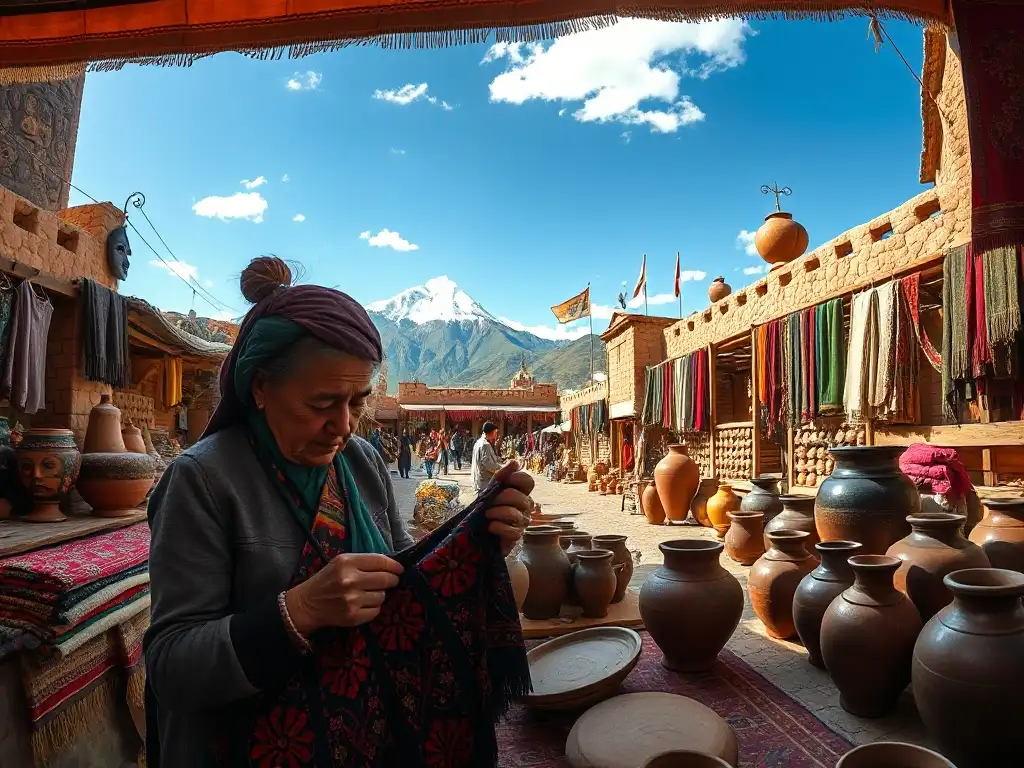
Step into a world lost to time, yet echoing with vibrant life. Imagine uncovering the secrets held within ancient Andean textiles, the intricate artistry of Moche pottery, or the monumental engineering of Tiahuanaco. This journey into the heart of Andean civilizations begins here, but the path ahead is paved with mysteries. Are you ready to navigate the complex world of Andean artifact dealers and uncover the treasures they hold? Let's explore...
- Finding Reputable Andean Artifact Dealers: A Collector's Guide
- Key Considerations When Choosing an Andean Artifact Dealer
- Where to Find Specialized Andean Artifact Dealers
- Identifying Genuine Andean Pottery: Key Characteristics
- Identifying Genuine Andean Textiles: Key Characteristics
- Recommended Reputable Andean Artifact Dealers and Galleries
- Investing in Andean Art: A Guide to Responsible Collecting
- Conclusion: Your Journey into the World of Andean Artifacts
- Frequently Asked Questions
- Final Reflection: Weaving a Legacy: The Enduring Power of Andean Artifacts
- Unveil the Beauty of Andean Artifacts Today!
Finding Reputable Andean Artifact Dealers: A Collector's Guide
The allure of Andean artifacts—from the intricate pottery of the Moche to the finely woven textiles of the Inca—captivates collectors and enthusiasts worldwide. However, navigating the market for these ancient treasures requires careful consideration. This guide aims to equip you with the knowledge and resources to find reputable Andean artifact dealers, ensuring your acquisitions are both authentic and ethically sourced.
The world of Andean art and antiquities is rich and complex, encompassing a vast array of cultures and periods. Understanding the nuances of this market is crucial for responsible collecting, contributing to the preservation of cultural heritage and supporting sustainable practices within the art trade.
This article will explore the key factors to consider when searching for dealers specializing in Andean artifacts, focusing on pottery and textiles, two of the most sought-after categories. We will delve into the market dynamics, the importance of ethical sourcing, and the hallmarks of trustworthy dealers, ultimately empowering you to make informed and confident purchases.
The market for Andean artifacts is diverse, ranging from small, local shops to large international auction houses. The sheer variety can be overwhelming for newcomers. Many factors influence the value and authenticity of an artifact, including its age, origin, condition, and artistic merit.
For example, a finely preserved Moche stirrup-spout jar from a reputable source will command a significantly higher price than a mass-produced replica. Understanding these nuances is essential to avoid costly mistakes and potential legal issues. Additionally, the ethical sourcing of artifacts is paramount.
Many Andean artifacts have been looted from archaeological sites, contributing to the destruction of invaluable cultural heritage. Therefore, it is crucial to support dealers who prioritize ethical and sustainable practices, ensuring that their artifacts are legally acquired and that their business contributes positively to the preservation of Andean culture. This commitment to ethical sourcing extends beyond simply verifying legal ownership; it involves understanding the dealer's commitment to responsible acquisition and support for local communities.
Understanding the Market for Pre-Columbian Artifacts
The market for Pre-Columbian artifacts, including those from the Andean region, is subject to fluctuations influenced by several factors. Demand, driven by collectors and museums alike, plays a significant role. Certain styles and periods are more sought-after than others, leading to price variations. The rarity of an artifact also impacts its value; a unique piece with distinctive characteristics will typically fetch a higher price than a more common example.
Furthermore, the condition of an artifact is crucial. Well-preserved pieces with minimal damage or restoration are highly valued. Conversely, heavily damaged or poorly restored artifacts may command significantly lower prices. Economic conditions can also influence the market, with periods of economic growth often correlating with increased demand and higher prices.
Finally, provenance—the documented history of ownership—is critical in establishing authenticity and value. A clear and unbroken chain of provenance significantly enhances an artifact's desirability and market value. The complexity of the market necessitates careful research and due diligence before any purchase.
Why Reputable Dealers Matter When Acquiring Andean Pottery and Textiles
Choosing a reputable dealer is not just about acquiring a beautiful artifact; it's about ensuring its authenticity, ethical sourcing, and long-term preservation. Reputable dealers provide documentation proving the legal acquisition of their artifacts, often including provenance research and certificates of authenticity.
They are also knowledgeable about the specific cultures and periods they specialize in, capable of providing detailed information about the history and significance of the artifacts they sell. Moreover, reputable dealers often have established relationships with scholars and museums, contributing to the ongoing study and preservation of Andean cultural heritage.
By supporting these dealers, collectors contribute to the ethical and sustainable development of the Andean art market, ensuring that future generations can appreciate and learn from these incredible artifacts. Choosing a reputable dealer offers peace of mind, knowing that your acquisition is not only beautiful but also ethically sourced and legally acquired, contributing to the responsible stewardship of cultural heritage.
Key Considerations When Choosing an Andean Artifact Dealer
Finding authentic and ethically sourced Andean artifacts requires careful consideration and due diligence. Navigating the market for pre-Columbian art necessitates a discerning eye and a commitment to responsible purchasing. This section outlines crucial factors to prioritize when selecting an Andean artifact dealer, ensuring a rewarding and ethical acquisition. Understanding these key considerations will significantly improve your chances of acquiring a genuine and historically significant piece, while supporting sustainable practices within the art market. The search for the perfect Andean artifact should be as enriching as the artifact itself.
Provenance and Authenticity: Verifying Your Andean Treasure
Provenance—the documented history of ownership of an artifact—is paramount in verifying authenticity. A reputable dealer will provide comprehensive documentation tracing the artifact's journey from its point of origin to the present. This documentation might include:
- Original excavation records (if applicable): These records should detail the location, date, and circumstances of the artifact's discovery.
- Chain of custody: A clear and unbroken record of ownership, ideally with accompanying photographs and descriptions at each stage of transfer.
- Expert authentication reports: Reports from recognized experts in Andean archaeology and art history, ideally with their credentials clearly stated.
Lack of thorough provenance should raise immediate red flags. Be wary of dealers who cannot or will not provide sufficient documentation. Remember, a seemingly great deal can quickly become a costly mistake if the artifact's authenticity is questionable. The investment in a genuine Andean artifact is an investment in history, and proper provenance ensures that investment is sound. Authenticity is not just about the monetary value; it's about preserving cultural heritage.
The Importance of Dealer Expertise in Pre-Columbian Art
Choosing an Andean artifact dealer with extensive knowledge and experience in pre-Columbian art is crucial. A knowledgeable dealer can:
- Identify forgeries and reproductions: Years of experience allow experts to spot subtle inconsistencies and telltale signs of fakes.
- Provide accurate appraisals: An expert can assess the age, material, and artistic merit of an artifact, providing a realistic valuation.
- Offer insightful information: A well-informed dealer can share fascinating historical context and details about the artifact's cultural significance.
- Guide you through the acquisition process: They can help you navigate the complexities of purchasing and importing Andean artifacts, ensuring compliance with all relevant laws and regulations.
Look for dealers with demonstrable expertise, perhaps evidenced by affiliations with professional organizations, publications in academic journals, or participation in relevant conferences. A dealer's reputation is built on trust and knowledge; invest in a dealer with a proven track record. This expertise transcends mere salesmanship; it ensures you're making an informed and valuable purchase.
Transparency and Ethical Practices: Buying from Responsible Sources
Ethical sourcing is just as important as authenticity. The Andean region has a rich and complex history, and the acquisition of artifacts should not contribute to the looting of archaeological sites or the exploitation of local communities. Responsible dealers prioritize:
- Sustainable acquisition practices: They should only acquire artifacts through legal and ethical channels, avoiding those obtained through illegal excavation or illicit trade.
- Respect for cultural heritage: They understand the importance of preserving Andean cultural heritage and avoid contributing to its destruction.
- Fair compensation: They ensure fair compensation for any individuals or communities involved in the artifact's sale, promoting economic sustainability.
- Open communication: They are transparent about the artifact's origin and history, readily answering questions and providing complete documentation.
Buying from responsible sources ensures you're not inadvertently supporting illegal activities that damage cultural heritage. Look for dealers who explicitly state their commitment to ethical sourcing and transparency. Supporting responsible dealers contributes to the long-term preservation of Andean cultural treasures and fosters a sustainable art market. Choose wisely; your purchase can make a difference.
Case Study: The Importance of Proper Documentation When Buying a Sipán Warrior Figurine
The acquisition of Andean artifacts, especially those of significant historical and cultural value, requires meticulous attention to detail. A prime example highlights the critical role of proper documentation. Consider the purchase of a Sipán Warrior figurine. These incredibly detailed and historically significant artifacts, originating from the Moche culture of northern Peru, command high prices in the art market. However, the value of such a piece extends far beyond its monetary worth; it represents a tangible link to a rich and complex past. Therefore, thorough documentation is paramount.
A reputable Andean artifact dealer will provide comprehensive documentation alongside the figurine. This documentation should include, at a minimum, a detailed provenance report tracing the artifact's ownership history. This report should ideally detail the circumstances of its discovery, any previous owners, and any relevant authentication processes it has undergone.
The absence of such documentation, or the presence of dubious or incomplete information, should raise serious red flags. A lack of transparency in the artifact's history can indicate an unethical acquisition process, potentially involving looting or illegal trafficking. In such cases, purchasing the artifact would not only be morally questionable but could also lead to legal repercussions.
Furthermore, the documentation should include photographic evidence of the artifact in its original context (if available), professional analyses, and any relevant scientific testing results. This might include radiocarbon dating, material analysis, or stylistic comparisons with other known artifacts. These elements contribute to the artifact's authenticity and provide a deeper understanding of its historical significance.
A reputable dealer understands this and will proactively provide this information, demonstrating their commitment to ethical sourcing and responsible collecting. Buying a Sipán Warrior figurine, or any significant Andean artifact, without such thorough documentation is akin to buying a valuable painting without a certificate of authenticity – it significantly diminishes the piece's value and jeopardizes its integrity.
The comprehensive documentation not only protects the buyer from fraud but also ensures that the artifact’s historical context is preserved and respected, contributing to the responsible study and appreciation of Andean cultures. Ignoring this crucial aspect risks supporting unethical practices within the Andean artifact market and undermines the efforts to protect cultural heritage.
Where to Find Specialized Andean Artifact Dealers
This section delves into the specifics of locating reputable dealers of Andean artifacts, focusing on the nuances of different sales channels and the importance of building trust with experts in the field. Finding authentic and ethically sourced Andean artifacts requires diligence and a discerning eye. This guide helps navigate the complexities of the market, ensuring you acquire pieces with verifiable provenance and contribute to the responsible preservation of Andean heritage.
Online Marketplaces vs. Brick-and-Mortar Galleries: A Comparison
The quest for Andean artifacts often begins online, with platforms offering a vast array of items. However, navigating these digital landscapes requires caution. Online marketplaces, while convenient, present challenges in verifying authenticity and provenance. The ease of access also attracts less scrupulous sellers, potentially leading to the acquisition of fakes or artifacts obtained unethically. Therefore, thorough research and due diligence are crucial. Look for sellers with established reputations, detailed descriptions including provenance information, and high-resolution images showcasing all angles of the artifact. Read reviews carefully and be wary of exceptionally low prices, which could indicate a counterfeit.
Brick-and-mortar galleries, on the other hand, offer a more hands-on experience. You can physically examine the artifacts, assess their condition, and interact directly with the dealers. Reputable galleries often maintain close relationships with archaeologists and experts, providing a higher degree of confidence in the authenticity and ethical sourcing of their inventory. They typically offer detailed provenance documentation and are more accountable for the items they sell. While this approach may be more time-consuming and potentially more expensive, it significantly reduces the risk of acquiring fraudulent or unethically sourced pieces.
| Feature | Online Marketplaces | Brick-and-Mortar Galleries |
|---|---|---|
| Convenience | High | Low |
| Authenticity | Variable, requires significant due diligence | Generally higher, but still requires verification |
| Provenance | Often lacking or incomplete | Usually more complete and readily available |
| Cost | Variable, can be lower but risks are higher | Generally higher, reflecting expertise and verification |
| Physical Exam | Impossible | Possible, allowing for thorough assessment |
While online marketplaces can be a starting point for your search, a balanced approach incorporating visits to reputable brick-and-mortar galleries is strongly recommended for serious collectors of Andean artifacts. The combination offers the broadest search scope while mitigating risks.
Exploring Reputable Auction Houses Specializing in Andean Art
Auction houses represent another avenue for acquiring high-quality Andean artifacts. However, the auction environment demands careful preparation and a thorough understanding of the market. Reputable auction houses often employ experts who authenticate and catalog items, providing detailed provenance information. However, the competitive bidding process can drive prices significantly higher than those found in galleries or online marketplaces. Before participating in an auction, research the auction house's reputation and review the catalog meticulously.
Attend previews if possible to examine the artifacts firsthand. Set a firm budget and stick to it, as the excitement of the auction can lead to impulsive bidding. Understanding the value of different types of Andean artifacts—from pottery and textiles to metalwork and sculpture—is crucial for successful bidding. Remember that auction fees are typically added to the final bid price.
Building Relationships with Knowledgeable Andean Artifact Experts
Perhaps the most valuable resource in the quest for authentic Andean artifacts is a network of knowledgeable experts. These individuals—archaeologists, anthropologists, museum curators, and seasoned collectors—possess invaluable expertise in identifying authentic pieces, understanding provenance, and recognizing signs of forgery. Building relationships with these experts takes time and effort, but the rewards are significant. Attend conferences and lectures related to Andean archaeology and art.
Engage in conversations with experts at museums and galleries. Participate in collecting societies or online forums focused on Andean artifacts. These interactions can provide invaluable insights, guidance, and even access to exclusive sources of authentic pieces.
Remember that building trust and establishing rapport are crucial in this field. Experts will be more willing to assist those who demonstrate genuine interest and a commitment to responsible collecting practices. This approach not only improves your chances of finding exceptional artifacts but also contributes to the ethical stewardship of Andean cultural heritage.
Identifying Genuine Andean Pottery: Key Characteristics
Acquiring authentic Andean pottery is a rewarding experience for collectors and enthusiasts alike. However, navigating the market requires a discerning eye to differentiate genuine artifacts from reproductions. Understanding key characteristics is paramount when searching for reputable Andean artifact dealers.
This section focuses specifically on identifying genuine Andean pottery, providing you with the tools to make informed purchasing decisions and avoid costly mistakes. The knowledge of these characteristics is essential for anyone interested in acquiring authentic pieces, whether focusing on Moche, Nazca, or other Andean cultures. This expertise will significantly enhance your ability to assess the authenticity of any Andean artifact you encounter.
Recognizing Authentic Moche Pottery Techniques and Styles
Moche pottery, renowned for its intricate detail and vibrant colors, is a highly sought-after category within Andean artifacts. Authentic Moche pieces often display specific techniques and stylistic elements that distinguish them from later imitations. For example, the use of slipware, a technique involving applying a liquid clay coating before firing, is a hallmark of Moche pottery. This slip created a smooth surface, perfect for showcasing the detailed, often narrative, scenes depicted on many vessels.
Further, the Moche were masters of modeling, creating three-dimensional figures and scenes that are remarkably lifelike. Pay close attention to the precision of these details; poorly executed modeling is a clear indicator of a forgery. Furthermore, the vibrant colors, often achieved through the use of natural pigments, are another key element to consider. Faded or unnatural colors should raise red flags.
The palettes typically include earthy tones like reds, browns, yellows, and blacks, often used in striking combinations. Finally, the presence of specific iconographic elements, such as stylized figures, mythical creatures, or scenes of daily life, can help verify authenticity. These often reflect specific Moche beliefs and practices, providing a rich historical context. Thoroughly examining these aspects will significantly increase your chances of acquiring a genuine Moche piece from reputable Andean artifact dealers.
Examining the Condition of Andean Pottery: What to Look For
The condition of an Andean pottery piece is crucial in determining its authenticity and value. While some wear and tear is expected on ancient artifacts, excessive damage or inconsistencies can indicate a fake. Look for signs of natural aging, such as minor surface scratches, crazing (a network of fine cracks), and discoloration. These are often signs of age and exposure, not necessarily damage.
However, be wary of pieces with significant damage that appears unnatural or hastily repaired. Clumsily applied repairs, the use of inappropriate materials, or inconsistent patching are strong indicators of a forgery. Furthermore, examine the vessel's base and rim carefully. These areas are often prone to damage, and inconsistencies here might reveal that the piece has been intentionally altered or is a replica.
A professional appraisal from a specialist in Andean artifacts can be invaluable in determining the condition and overall authenticity of a piece. The appraiser can provide a detailed report that will help guide your decision-making process. Remember, a piece's condition directly impacts its value, so a thorough examination is essential, especially when dealing with Andean artifact dealers.
Spotting Replicas and Fakes: Avoiding Common Pitfalls
Many replicas and fakes flood the market, making it crucial to develop a keen eye for identifying them. One common pitfall is overly perfect condition; ancient pottery rarely survives undamaged. A piece that looks too new or pristine is likely a reproduction. Similarly, be wary of pieces with overly bright or unnatural colors. While Moche pottery is known for its vibrant hues, the colors should appear aged and slightly muted, not excessively glossy or vibrant.
Another warning sign is a lack of stylistic consistency. Examine the piece closely for inconsistencies in the design, painting, or modeling. These inconsistencies are often present in fakes due to a lack of understanding of the original techniques. Finally, be cautious of unusually low prices. Authentic Andean pottery, especially high-quality pieces, are valuable artifacts.
Prices that are significantly below market value should raise suspicions. Always deal with reputable Andean artifact dealers who can provide provenance documentation, which traces the history of the artifact. This documentation offers vital evidence supporting the authenticity of the piece. By being aware of these common pitfalls and exercising caution, you can significantly reduce the risk of acquiring a fake. Remember, due diligence is your best defense when navigating the market for Andean artifacts.
Identifying Genuine Andean Textiles: Key Characteristics
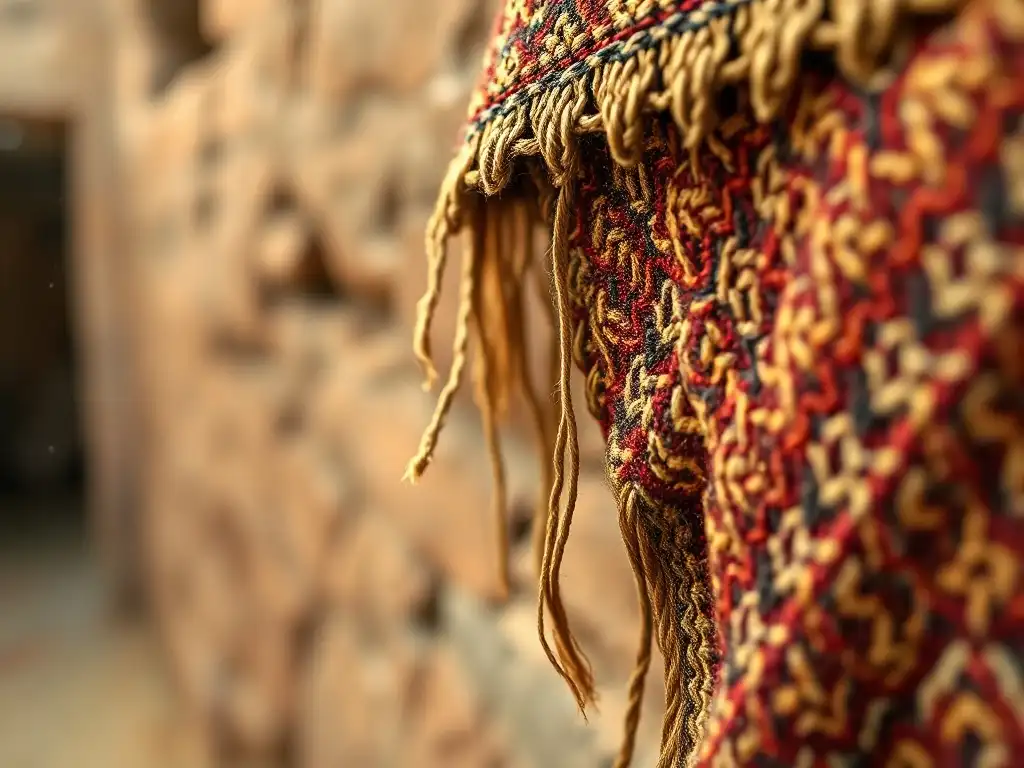
Authentic Andean textiles represent a significant portion of the market for Andean artifacts. Their intricate designs, vibrant colors, and the history woven into their very fibers make them highly sought-after pieces. However, the market is also rife with reproductions, making careful identification crucial for both collectors and dealers. This section will equip you with the knowledge to distinguish genuine Andean textiles from imitations. Understanding the nuances of these ancient crafts is paramount when navigating the world of Andean artifact dealers. Authenticity verification is often the first step in a successful transaction.
Distinguishing Authentic Paracas Textiles from Modern Reproductions
Paracas textiles, originating from the Paracas culture (circa 200 BCE – 200 CE) on the southern coast of Peru, are particularly prized for their exceptional quality and unique style. Their vibrant colors, often achieved through natural dyes derived from plants and minerals, are a key indicator. However, modern reproductions often utilize synthetic dyes which lack the subtle depth and variations found in authentic Paracas pieces.
Authentic Paracas textiles are also characterized by their complex weaving techniques. These include intricate tapestry weaving, embroidery, and the use of multiple types of fibers, including cotton and camelid wool. Reproductions frequently simplify these techniques, resulting in a less refined and detailed finish.
Furthermore, the motifs and designs on authentic Paracas textiles often exhibit a level of sophistication and symbolic complexity rarely replicated in modern copies. The use of geometric patterns, anthropomorphic figures, and mythical creatures reflects the rich spiritual and cultural beliefs of the Paracas people. Careful examination of these motifs, along with an understanding of Paracas iconography, can be crucial in identifying genuine artifacts. Look for subtle inconsistencies in design or color application, which often indicate a reproduction. Even the age of the fibers can be determined by scientific methods, something reputable dealers may offer.
Analyzing Andean Textile Weaving Techniques and Materials
The Andean region boasts a diverse range of weaving techniques, each with its own distinct characteristics. Understanding these techniques is fundamental to identifying authentic Andean textiles. From the simple but durable plain weave to the intricate tapestry and brocade techniques, each method leaves its mark on the final product.
The materials used also play a crucial role. Camelid fibers, such as alpaca and llama wool, are common in Andean textiles, and their unique properties – softness, warmth, and durability – contribute significantly to the overall quality of the piece. Cotton, another staple fiber, was also skillfully utilized, often blended with other fibers to create unique textures and effects.
Analyzing the construction of the textile provides further clues to its authenticity. Look for inconsistencies in the weaving, such as dropped stitches or uneven tension, which are less common in skillfully crafted ancient pieces. Examine the edges and finishing techniques; hand-finished edges often display a unique character absent in machine-made reproductions. A meticulous examination of the materials and construction is as crucial as considering the design itself when assessing authenticity. The feel and texture of the textile, the presence of natural fibers, and the overall quality of the workmanship are all valuable indicators.
Understanding the Significance of Andean Textile Motifs
Andean textile motifs are not merely decorative; they are powerful symbols imbued with deep cultural and religious significance. Understanding these motifs can provide valuable insights into the history and beliefs of the Andean civilizations and aid in the authentication process. Common motifs include geometric patterns representing celestial bodies, animals, and deities. These were often employed to tell stories, record historical events, or express spiritual beliefs.
The colors used also hold significant meaning. For instance, certain colors might symbolize specific deities or social status. The arrangement and combination of motifs and colors can provide crucial clues to the textile's origin and age.
Recognizing the stylistic elements of particular Andean cultures – such as the use of stepped frets in Nazca textiles or the intricate geometric patterns of Inca textiles – is essential for accurate identification. A deep understanding of Andean iconography is therefore a crucial asset when dealing with Andean artifact dealers, allowing you to distinguish genuine artifacts from imitations that may superficially mimic the surface details but lack the deeper symbolic richness of the originals. The study of Andean textile motifs is a field of ongoing research, and access to scholarly resources will enhance your ability to assess authenticity.
Recommended Reputable Andean Artifact Dealers and Galleries
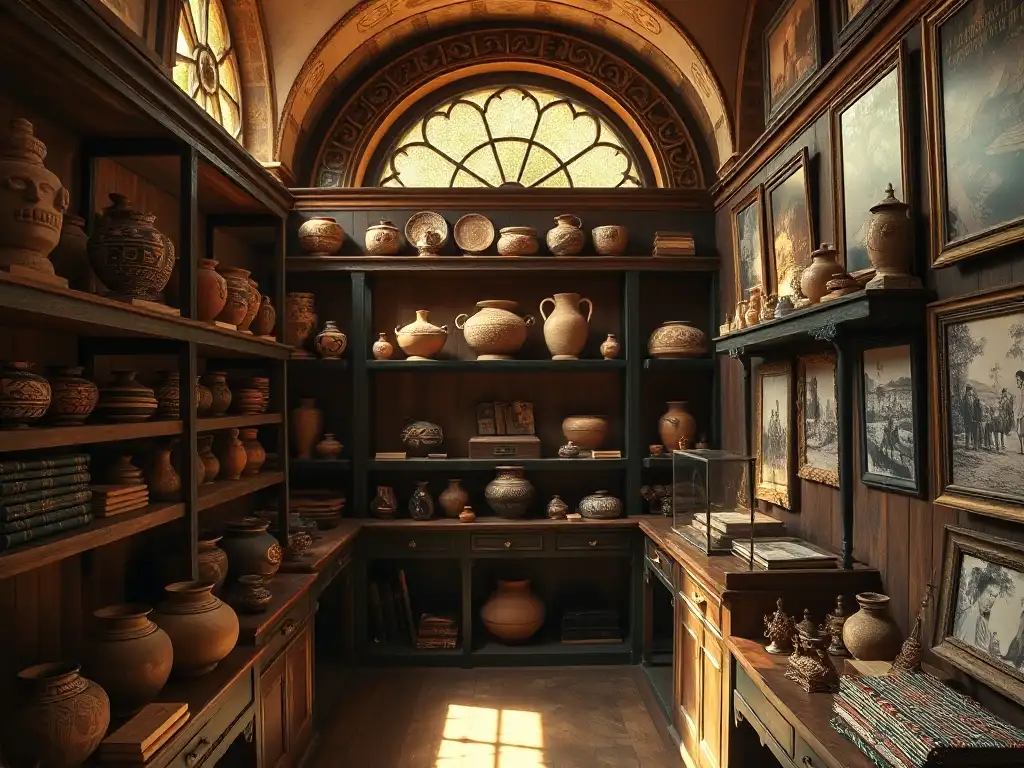
This section provides a curated list of reputable dealers and galleries specializing in Andean artifacts. These establishments are known for their commitment to authenticity, ethical sourcing, and expertise in Andean art. Choosing a reputable dealer is crucial when acquiring Andean artifacts, ensuring the preservation of cultural heritage and supporting sustainable practices. The following profiles highlight their specializations and areas of expertise within the diverse world of Andean antiquities. Remember that due diligence is always recommended before any purchase.
Ancient Art of the Andes: Specializing in Chimú Culture Artifacts
Ancient Art of the Andes is a renowned gallery focusing on the exquisite artistry of the Chimú civilization. Their collection boasts a remarkable array of Chimú pottery, showcasing the characteristic polished blackware and intricate designs. They are particularly known for their expertise in identifying authentic Chimú artifacts, distinguishing them from later imitations. Their catalog often includes detailed provenance information, adding to the value and authenticity of each piece.
They also offer expert consultation services, assisting collectors in building their collections and understanding the nuances of Chimú artistry. Their commitment to scholarly research ensures the accurate categorization and preservation of these significant historical pieces. They regularly host exhibitions showcasing their latest acquisitions and fostering a deeper appreciation for Chimú culture.
The Textile Museum: Known for Their Collection of Wari Textile Pieces
The Textile Museum stands out for its exceptional collection of Wari textiles. The Wari culture, known for its sophisticated weaving techniques, produced textiles of unparalleled beauty and complexity. The museum's collection showcases a wide range of Wari textiles, from intricately woven tunics to ceremonial mantles, representing the diverse artistic expressions of this significant Andean civilization. Beyond their collection, they offer educational programs and workshops, aiming to share their knowledge and promote an understanding of Wari textile production techniques.
Their commitment to preservation ensures the longevity of these fragile yet stunning artifacts, providing a valuable resource for scholars and enthusiasts alike. They also offer detailed catalog information online, providing high-resolution images and descriptive text for each piece. Their expertise in textile conservation is internationally recognized.
Sotheby's: A Trusted Source for High-End Andean Antiquities
Sotheby's, a globally recognized auction house, consistently features high-end Andean antiquities in their sales. They maintain a rigorous authentication process, ensuring the provenance and legitimacy of each item offered. Their clientele includes prominent collectors and museums worldwide, demonstrating their reputation for handling only the most exceptional and valuable pieces. While their offerings cater to a high-end market, their detailed catalog descriptions and expert appraisals provide valuable insights into the world of Andean art and its market values.
Their auctions attract significant attention from scholars and experts, further contributing to the authentication and appreciation of these artifacts. They often include pre-sale exhibitions allowing potential buyers to examine the items up close before bidding. Their extensive network ensures the secure handling and transportation of these valuable and fragile objects. Sotheby's represents a reliable avenue for acquiring truly exceptional Andean artifacts, albeit at a premium price point.
Investing in Andean Art: A Guide to Responsible Collecting
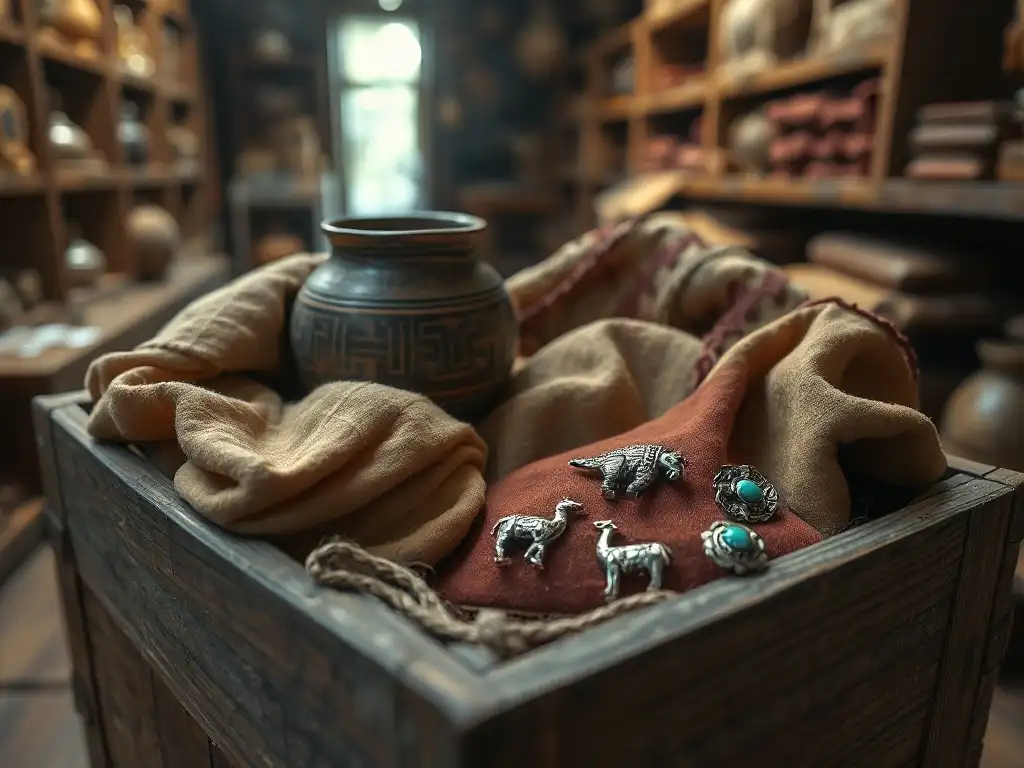
Investing in Andean artifacts can be a rewarding experience, blending passion for history with potential financial returns. However, responsible collecting requires careful consideration of several factors. This section explores the intricacies of building a collection, focusing on both the financial and cultural aspects. Understanding the market and acting ethically are crucial for both seasoned collectors and those just starting their journey. This guide will help you navigate the world of Andean artifact dealers and build a collection you can be proud of.
Understanding the Value of Andean Artifacts: Factors to Consider
The value of an Andean artifact is multifaceted, extending beyond mere monetary worth. Several key factors influence its price and desirability:
- Rarity and Condition: Extremely rare pieces, particularly those in pristine or near-pristine condition, command significantly higher prices. Think of a perfectly preserved Moche ceramic depicting a rarely seen ritual scene versus a more common piece with minor damage. The level of preservation directly impacts value.
- Provenance and Authenticity: A clear and documented provenance—a detailed history of ownership—is paramount. A piece with a traceable history from its discovery to the present significantly increases its value and assures buyers of authenticity. Conversely, artifacts lacking proper documentation raise red flags and often command lower prices or are deemed unsellable. Verifying authenticity through reputable Andean artifact dealers is crucial.
- Artistic Merit and Significance: The artistic skill and cultural significance of the artifact are vital. Highly skilled craftsmanship, unique stylistic elements, and connections to important historical events or figures all contribute to increased value. A finely woven Nazca textile with intricate designs will generally fetch a higher price than a simpler one.
- Material and Technique: The materials used and the techniques employed in creating the artifact also affect its value. For example, gold artifacts from the Incas are naturally more valuable than those made from less precious metals. Similarly, complex techniques like repoussé work in metal or intricate weaving in textiles increase desirability.
- Market Demand: Like any collectible market, supply and demand play a significant role. Certain types of Andean artifacts are more sought-after than others, leading to higher prices. Current trends and collector preferences influence the market value.
The Long-Term Potential of Investing in Andean Art and Antiques
Investing in Andean art offers long-term potential for appreciation, mirroring the growing interest in pre-Columbian cultures. However, it's crucial to remember that this is not a quick-money scheme. The market, while growing, has its fluctuations.
Several factors contribute to the long-term potential:
- Increasing Collector Base: The number of individuals and institutions interested in Andean artifacts is steadily increasing, driving demand. This growing interest fuels price appreciation over time.
- Limited Supply: The finite nature of these artifacts means the supply will never increase. This inherent scarcity contributes to their value over the long term.
- Historical Significance: The enduring historical and cultural significance of Andean civilizations ensures ongoing interest and demand for their artifacts, making them a stable, long-term investment.
Building a Meaningful Collection: Beyond Monetary Value
Building a collection of Andean artifacts transcends mere financial investment; it's about fostering a deeper understanding and appreciation of a rich and complex history. Consider these points when building your collection:
- Focus on a Theme or Period: Specializing in a specific Andean culture (e.g., Moche pottery) or historical period allows for deeper research and a more cohesive collection. This focused approach also tends to be more lucrative in the long run.
- Prioritize Authenticity and Provenance: Always prioritize acquiring authentic pieces with verifiable provenance from reputable Andean artifact dealers.
- Support Ethical Acquisition: Ensure that the artifacts you acquire were obtained legally and ethically, avoiding pieces that may have been looted or illegally exported. Supporting responsible dealers is crucial.
- Research and Learn: Continuous learning about Andean cultures enhances your appreciation and allows you to make informed decisions when adding to your collection. Understanding the historical context of each piece enriches the experience.
- Enjoy the Process: The journey of building a collection is as important as the destination. Take your time, research thoroughly, and enjoy the process of discovering and acquiring meaningful pieces. The emotional connection to your collection is as valuable as its monetary worth.
Conclusion: Your Journey into the World of Andean Artifacts
This exploration into the world of Andean artifact dealers has hopefully equipped you with the knowledge and tools to navigate this fascinating yet complex market. Finding authentic and ethically sourced Andean artifacts requires diligence, research, and a discerning eye. Remember, you're not just acquiring an object; you're acquiring a piece of history, a testament to the ingenuity and artistry of ancient Andean civilizations.
The responsibility of preserving and appreciating these cultural treasures rests with each collector. By supporting reputable dealers and engaging with the community of Andean art enthusiasts, you contribute to the ongoing preservation and understanding of this rich heritage. The quest for authentic Andean artifacts is a journey of discovery, and the rewards – both intellectual and aesthetic – are immeasurable.
The thrill of uncovering a rare piece, understanding its history, and adding it to your collection is a unique experience that only deepens with time. This journey also fosters a deeper appreciation for the ingenuity and resilience of the Andean peoples.
Finding Trusted Partners in Your Andean Art Collecting Journey
Your search for Andean artifact dealers should prioritize authenticity and ethical sourcing. Avoid dealers who lack provenance documentation or who are unwilling to discuss the origin of their pieces. Seek out dealers who are members of reputable organizations and who actively participate in the academic and preservation aspects of the field. Look for details: Are the artifacts accompanied by detailed descriptions and potentially even scholarly analyses? Do they offer guarantees of authenticity?
Many reputable dealers offer extensive catalogs showcasing their collections, allowing you to browse at your leisure. Building relationships with trusted dealers is paramount. Regular communication and transparency are key indicators of a reputable partnership. Consider attending exhibitions and conferences focused on Andean art; networking within the community can lead to valuable connections and insights. Remember, due diligence is crucial.
Never hesitate to ask questions and to seek multiple opinions before making a significant purchase. The acquisition of an Andean artifact should be a well-informed and responsible decision, reflecting your commitment to preserving and appreciating these invaluable cultural treasures. Authenticity verification services can also be beneficial, especially for higher-value acquisitions. The cost is often worth the peace of mind.
Continuing Your Education on Andean Civilizations and Their Art
Your journey into the world of Andean artifacts doesn’t end with a purchase. Continuous learning is vital to fully appreciate the depth and complexity of these ancient cultures. Explore reputable museums and academic institutions that specialize in Andean studies. Many offer online resources, publications, and lectures that can deepen your understanding.
Consider joining societies and organizations dedicated to the study and preservation of Andean art and culture. These groups often provide access to experts, resources, and networking opportunities. Staying current with scholarly research on Andean civilizations is crucial for informed collecting. Academic journals and publications provide invaluable insights into the latest discoveries and interpretations.
Reading books, articles, and watching documentaries about Andean history, art, and culture will enhance your appreciation for the artifacts you collect. The more you learn, the more discerning your choices will become, ensuring that your collection reflects both your passion and your commitment to responsible collecting practices. Remember, the acquisition of an Andean artifact is only the beginning of a lifelong journey of learning and appreciation. Embrace this journey with curiosity and a commitment to ethical and responsible collecting.
Frequently Asked Questions
Where can I find reputable Andean artifact dealers?
Finding reputable dealers requires careful research. Look for dealers with established online presences, positive reviews, and memberships in relevant professional organizations. Verify authenticity certificates and provenance information.
What types of Andean artifacts are commonly available?
The range is vast! You'll find pottery, textiles, gold and silver objects, stone carvings, and mummy bundles, among others. The availability varies depending on the specific civilization and the dealer's inventory.
How can I ensure the authenticity of an Andean artifact?
Authenticity verification is crucial. Seek expert opinions from archaeologists or reputable museums. Examine the artifact carefully for signs of forgery and request detailed provenance documentation from the dealer.
Are there legal restrictions on buying and selling Andean artifacts?
Yes, many artifacts are protected by national and international laws. Purchasing illegally obtained artifacts can carry severe legal penalties. Always ensure the dealer adheres to all relevant regulations and provides necessary documentation.
What is the typical price range for Andean artifacts?
Prices vary dramatically depending on the artifact's age, rarity, material, and condition. Common pottery pieces might cost hundreds of dollars, while rare gold objects can reach tens of thousands or more. Always get a professional appraisal before purchasing high-value items.
Final Reflection: Weaving a Legacy: The Enduring Power of Andean Artifacts
The meticulous craftsmanship of Andean artifacts continues to resonate today, a testament to the ingenuity and cultural richness of ancient civilizations. These objects, far from being mere relics of the past, offer a tangible connection to a vibrant history and a profound understanding of human creativity. Their enduring appeal speaks to our innate desire to connect with our shared heritage and appreciate the artistry of bygone eras.
The journey through the world of Andean artifact dealers, as explored in this article, highlights not only the beauty of these objects but also the crucial role of responsible acquisition and preservation. These artifacts are more than just commodities; they are fragments of a narrative, each piece whispering stories of ancient traditions and beliefs. >“The past is never dead.
It's not even past.” – William Faulkner. This quote perfectly encapsulates the enduring power of these artifacts to inform and inspire us, even across millennia. Their continued presence in the market underscores the importance of ethical sourcing and the need for collectors and enthusiasts to support sustainable practices.
Consider the legacy you wish to leave. Will you be a passive observer of history, or will you actively participate in its preservation? By supporting reputable dealers and engaging with these artifacts responsibly, you become a custodian of cultural heritage, ensuring that the stories woven into these ancient textiles and pottery continue to be told for generations to come. Let the beauty and history of Andean artifacts inspire you to learn more, to appreciate the artistry of the past, and to contribute to the preservation of this invaluable legacy.
Unveil the Beauty of Andean Artifacts Today!
Thank you for exploring the fascinating world of Andean artifacts with us! We hope you've been inspired by the rich heritage and exquisite craftsmanship evident in the pottery and textiles created by talented Andean artisans. Now, we encourage you to further connect with these unique cultural treasures.
Here are some ways to deepen your Andean experience:
- **Explore** local markets and galleries for authentic Andean pottery and textiles to add to your collection. You might even find a specialized dealer who can offer expert advice.
- **Share** your passion with friends and family—perhaps host a gathering showcasing your collection or simply spread the word about Andean art on social media.
- **Connect** with other enthusiasts—join online forums or local groups dedicated to Andean arts to exchange ideas and participate in discussions.
What specific Andean artifact would you most like to acquire, and what draws you to it? We'd love to hear your thoughts in the comments below!