
Reputable Dealers Unveiled: Your Key to Authentic Andean Art

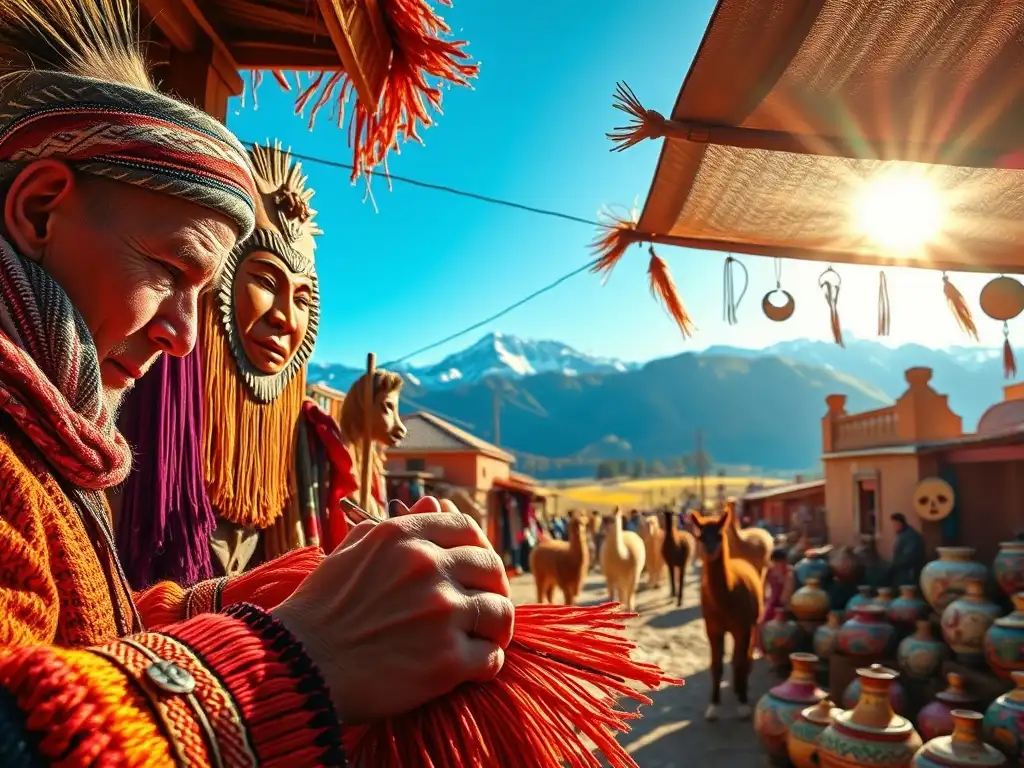
Uncover the secrets whispered on the wind across the Andes Mountains. For centuries, the Incas, Moche, Nazca, and Tiahuanaco left behind a legacy of breathtaking artistry and intricate technology. But navigating the world of Andean artifacts requires discernment. Discover how to find authentic Andean art dealers—your key to unlocking the true treasures of these lost civilizations. Dive into The World of Andean Artifacts and begin your journey.
- Finding Authentic Andean Art Dealers: A Guide to Reputable Sources
- Key Factors When Choosing Authentic Andean Art Dealers
- Where to Find Reputable Dealers of Andean Art
- Red Flags to Avoid When Purchasing Andean Art
- Specific Andean Art Pieces and Where to Find Them
- The Role of Experts in Authenticating Andean Art
- Protecting Your Investment in Authentic Andean Art
- Conclusion: Your Journey to Collecting Authentic Andean Art
- Frequently Asked Questions
- Final Reflection: The Enduring Legacy of Andean Art
- Embrace Authenticity: Connect with Andean Art Today!
Finding Authentic Andean Art Dealers: A Guide to Reputable Sources
Acquiring authentic Andean art can be a deeply rewarding experience, connecting you with the rich tapestry of pre-Columbian cultures and their artistic legacy. However, navigating the market for these artifacts requires careful consideration and a discerning eye. The allure of ancient treasures unfortunately attracts unscrupulous dealers, making the search for reputable sources crucial for both ethical and financial reasons.
This guide will equip you with the knowledge and strategies to confidently identify trustworthy dealers of authentic Andean art, ensuring your acquisitions are genuine and contribute to the preservation of cultural heritage. We'll explore the challenges of authentication, the risks of purchasing counterfeit pieces, and provide practical steps to help you find reputable sources for your collection.
This is essential for anyone interested in owning a piece of Andean history, whether it's a finely crafted textile, a powerful ceramic vessel, or a meticulously carved piece of gold. Understanding the market and its potential pitfalls is the first step towards building a responsible and rewarding collection of Authentic Andean art.
The Challenge of Authenticity in Andean Art
The sheer age and variety of Andean artifacts present significant challenges in determining authenticity. Many pieces have survived centuries of exposure to the elements, looting, and even deliberate attempts at forgery. Determining the age and origin of an artifact requires expert knowledge of materials, techniques, and stylistic conventions employed by different Andean cultures across millennia.
For example, distinguishing between a genuine Nazca ceramic and a modern imitation requires an understanding of the clay types used, the specific painting techniques, and even the subtle variations in iconography. Furthermore, the lack of comprehensive documentation for many artifacts complicates the authentication process, making it essential to rely on reputable dealers with proven expertise.
The subtle nuances that separate a genuine artifact from a sophisticated forgery often go unnoticed by the untrained eye, highlighting the need for careful vetting and professional appraisal. Even seemingly minor details, such as the type of pigment used or the presence of specific wear patterns, can be crucial indicators of authenticity.
Why Verifying Andean Artifact Dealers is Crucial
Verifying the legitimacy of Andean art dealers is paramount for several reasons. First and foremost, it ensures that your purchase contributes to ethical sourcing rather than fueling the illegal antiquities trade. Many artifacts are looted from archaeological sites, causing irreversible damage to cultural heritage.
By supporting reputable dealers who adhere to ethical sourcing practices, you contribute to the preservation of these invaluable artifacts and the protection of archaeological sites. Secondly, verifying a dealer's legitimacy protects your investment. Purchasing counterfeit artifacts not only results in financial loss but also undermines the value of any genuine pieces you may already own.
Reputable dealers provide provenance documentation, offering a clear history of ownership and authentication, which is essential for establishing the value and legitimacy of an artifact. Finally, supporting reputable dealers ensures access to expert knowledge and guidance. These dealers often possess extensive knowledge of Andean art and culture, providing valuable insights into the history and significance of the artifacts they offer.
Understanding the Risks of Counterfeit Andean Art
The market for Andean art is unfortunately susceptible to counterfeiting. Sophisticated forgeries can be incredibly difficult to detect without expert examination, leading to significant financial losses and the disappointment of acquiring a worthless imitation. These forgeries can range from crude imitations to highly refined reproductions that mimic the style and techniques of ancient artisans. The risks extend beyond financial loss; the proliferation of counterfeit artifacts undermines the study and appreciation of genuine Andean art.
The presence of numerous forgeries can make it difficult for researchers and collectors to distinguish between authentic and fake pieces, potentially leading to misinterpretations of cultural history and artistic practices. Understanding these risks is crucial for developing a cautious and informed approach to collecting Andean art, making the guidance of trusted experts essential for making sound purchasing decisions. The potential for deception emphasizes the critical need for thorough due diligence before acquiring any Andean artifact.
Key Factors When Choosing Authentic Andean Art Dealers
Choosing a reputable dealer for authentic Andean art is crucial to ensure you're acquiring genuine artifacts and supporting ethical practices. The Andean region boasts a rich tapestry of artistic traditions, spanning millennia and encompassing diverse cultures. Navigating the market requires diligence and a keen eye for detail. This section outlines key factors to consider when selecting a dealer, helping you confidently acquire pieces that reflect the true artistry and history of the Andes. Finding the right dealer for Authentic Andean art is paramount for responsible collecting.
Provenance and Documentation: Essential for Genuine Andean Artifacts
Provenance—the documented history of ownership—is paramount when verifying the authenticity of Andean artifacts. A reputable dealer will provide comprehensive documentation tracing the piece back through its chain of custody. This documentation might include:
- Original acquisition records: Details about where and when the artifact was originally found. This could include archaeological excavation permits and reports if applicable.
- Previous owners' records: A detailed history of who owned the artifact previously, ideally with supporting evidence like sales receipts or letters of provenance.
- Expert authentication reports: Reports from recognized experts in Andean archaeology and art history, confirming the artifact's authenticity and dating.
The absence of thorough documentation should raise significant red flags. For instance, a dealer offering a stunning Nazca ceramic without any provenance information should be approached with extreme caution. The lack of documentation could indicate the artifact's illicit origin, potentially derived from illegal looting or the black market. Remember, supporting ethical sourcing is crucial; purchasing artifacts with clear provenance contributes to the preservation of Andean cultural heritage. This is vital in the trade of Authentic Andean art.
Looking for Established Reputations in Andean Art Trade
Reputation is everything in the world of Andean antiquities. Dealers with established reputations have built trust within the academic and collector communities through years of honest dealings and transparent practices. Investigating a dealer's background is essential before making any purchases. Look for dealers who:
- Participate in reputable art fairs and exhibitions: Participation in established art fairs demonstrates a commitment to transparency and adherence to industry standards.
- Have positive reviews and testimonials from satisfied clients: Online reviews and testimonials from previous customers can provide valuable insights into a dealer's reliability and ethical practices.
- Maintain professional memberships: Membership in relevant professional organizations, such as archaeological societies or art dealers' associations, signifies a commitment to ethical practices and professional standards.
- Are transparent about their sourcing and pricing: Reputable dealers are open about where they acquire their artifacts and provide clear and justified pricing.
Consider the longevity of the business. A dealer who has been operating for many years with a consistent positive reputation is more likely to be trustworthy than a newer, less-established entity. This is particularly important when dealing with Authentic Andean art, a field rife with potential for forgery.
The Importance of Expert Appraisal for Andean Antiquities
Before making a significant purchase, commissioning an independent appraisal from a recognized expert in Andean art is highly recommended. An expert appraisal provides an objective assessment of the artifact's authenticity, age, material, and artistic significance. This independent verification protects you from potential fraud and ensures you are making an informed investment.
| Feature | Importance |
|---|---|
| Authenticity | Verifying the artifact's genuine origin and age is paramount to avoid purchasing a forgery. |
| Condition | Assessing the artifact's state of preservation helps determine its value and potential restoration needs. |
| Material | Identifying the materials used in the artifact helps establish its authenticity and cultural context. |
| Artistic merit | Evaluating the artifact's artistic quality and historical significance helps determine its overall value. |
Remember, an expert appraisal is an investment in protecting yourself from potential fraud and ensuring the ethical acquisition of Authentic Andean art. It provides crucial information beyond what a dealer might provide, offering an independent viewpoint on the artifact's value and authenticity. This due diligence is vital for responsible collecting.
Where to Find Reputable Dealers of Andean Art
This section focuses on identifying trustworthy sources for acquiring authentic Andean art. Navigating the market for pre-Columbian artifacts requires careful consideration, as forgeries are prevalent. Understanding where to find reputable dealers is crucial for responsible collecting and preserving the legacy of Andean civilizations. This guide highlights key avenues for sourcing authentic pieces, emphasizing the importance of due diligence in every transaction.
Online Marketplaces Specializing in Ancient Andean Artifacts
Several online platforms specialize in the sale of ancient artifacts, offering a convenient way to browse a wide selection. However, caution is paramount. Reputable online marketplaces will provide detailed provenance information, high-resolution images, and expert authentication. Look for platforms that:
- Verify Seller Authenticity: Establish and maintain a rigorous vetting process for sellers, confirming their credentials and expertise in Andean art.
- Offer Detailed Descriptions: Provide comprehensive descriptions of each artifact, including its material, dimensions, estimated age, and cultural context. Vague or incomplete information is a red flag.
- Provide High-Quality Images: Showcase artifacts with multiple, high-resolution images from various angles, allowing for a thorough examination of details. Poor-quality images often mask imperfections or signs of forgery.
- Offer Secure Payment Options: Use secure payment gateways to protect buyers from fraud. Avoid platforms that rely on less secure payment methods.
- Have a Clear Returns Policy: A transparent and fair returns policy demonstrates confidence in the authenticity and quality of the artifacts sold.
It's crucial to scrutinize seller profiles, read reviews, and compare prices before making any purchase. Remember that exceptionally low prices often indicate a high probability of fraud. Authentic Authentic Andean art commands a significant value reflecting its historical and cultural significance.
Auction Houses with a History of Andean Art Sales
Established auction houses with a proven track record of handling Andean artifacts offer a relatively secure avenue for acquiring authentic pieces. These auction houses often employ expert appraisers and authentication specialists, providing a degree of validation for the items sold.
Before bidding, however, thorough research is still essential. Examine the catalog descriptions carefully, paying close attention to provenance details. If possible, request a condition report detailing any damage or restoration. Reputable auction houses will be transparent about any known issues with an artifact.
They will also provide detailed information about the chain of custody, tracing the item's ownership history back as far as possible. This detailed history is a critical factor in determining authenticity. Furthermore, attending pre-auction viewings allows for a hands-on examination of the artifacts, giving you a better sense of their condition and quality. This minimizes the risk of purchasing Authentic Andean art that is damaged or not as described.
Art Galleries Specializing in Pre-Columbian Andean Art
Galleries specializing in pre-Columbian Andean art provide a more curated and personalized approach to acquiring authentic pieces. These galleries typically work with established collectors and scholars, fostering a network of trust and expertise. They often have a deeper understanding of the cultural context of the artifacts they sell, offering valuable insights and information beyond the mere monetary value.
When selecting a gallery, prioritize those with:
- Established Reputation: Look for galleries with a long history of dealing in Andean art and a strong reputation among collectors and experts.
- Expert Staff: Ensure the gallery employs staff with demonstrable expertise in Andean art and archaeology.
- Provenance Documentation: Insist on detailed provenance documentation for any artifact you consider purchasing. This documentation should trace the item's ownership history and provide evidence of its authenticity.
- Transparency: A reputable gallery will be open and honest about any known issues or restorations to an artifact.
Remember, purchasing Authentic Andean art is not just about acquiring a beautiful object; it's about supporting responsible collecting practices and preserving the rich cultural heritage of Andean civilizations. Due diligence and a discerning eye are vital for navigating the market and ensuring you acquire genuine and ethically sourced artifacts. The investment in time and research pays off in acquiring a piece of history you can cherish for generations.
Private Collectors and Their Role in Andean Art Acquisition
Private collectors play a significant, albeit often unseen, role in the acquisition and preservation of authentic Andean art. These individuals, driven by passion and expertise, often possess deep knowledge of specific periods, styles, and artists within the Andean artistic tradition. Their involvement extends beyond mere ownership; many actively research the provenance of their pieces, contributing valuable information to the broader scholarly understanding of Andean art history. This research frequently involves painstaking verification of authenticity, often employing scientific methods like carbon dating or stylistic analysis to confirm the age and origin of artifacts.
The meticulous records kept by serious collectors, detailing acquisition dates, previous owners, and any relevant documentation, are invaluable resources for researchers and museums. Furthermore, private collectors frequently lend or donate pieces to museums and exhibitions, making these artifacts accessible to the public and enriching the understanding and appreciation of Andean art. Their financial investment in the field also helps support the archaeological work that unearths new pieces and provides further context for existing collections. However, it's crucial to note that the opaque nature of some private collections can also present challenges, making it difficult to track the provenance of certain pieces and potentially hindering efforts to combat the illicit trade of Andean artifacts.
Responsible private collecting, therefore, necessitates transparency and collaboration with the academic community and relevant authorities. The ethical acquisition and preservation of Andean art is paramount, and private collectors have a crucial responsibility in ensuring this. The commitment to scholarly rigor and ethical sourcing distinguishes those who contribute positively to the field from those whose actions might inadvertently perpetuate the problems associated with the illicit antiquities market. Ultimately, the role of private collectors in ensuring the long-term survival and accessibility of authentic Andean art is multifaceted and complex.
Red Flags to Avoid When Purchasing Andean Art
This section focuses on identifying potential pitfalls when acquiring Authentic Andean art, helping you navigate the market safely and confidently. Understanding these red flags is crucial to ensuring you invest in genuine pieces and support ethical practices within the Andean art world. Authentic Andean art represents a significant cultural heritage, and responsible purchasing is paramount.
Unusually Low Prices: A Warning Sign for Fake Andean Artifacts
Unbelievably low prices are often the most glaring indicator of fraudulent Andean art. Genuine artifacts, especially those with significant age and historical value, are rarely offered at bargain basement prices. The materials, craftsmanship, and historical significance involved in creating these pieces command a certain value. For example, a meticulously crafted Moche ceramic vessel, authentically attributed to the culture, would not be sold for a fraction of its actual worth.
Dealers offering such deals are likely selling imitations, reproductions, or outright fakes. Remember that authentic Andean art is an investment, and while prices vary based on factors like rarity and condition, significant discounts should raise immediate suspicion. Always compare prices across multiple reputable sources to gauge fair market value before making a purchase.
This due diligence can save you from costly mistakes and disappointment. The allure of a "deal too good to be true" often masks a fraudulent transaction. Be wary of offers that deviate significantly from established market prices for similar pieces.
Lack of Provenance or Documentation: Indicators of Potential Fraud
Provenance, or the documented history of ownership of an artifact, is critical when verifying authenticity. Reputable dealers of Authentic Andean art will provide detailed provenance, often tracing the piece back through previous owners and acquisitions. This documentation serves as a chain of custody, verifying the artifact's legitimacy and bolstering its value.
A lack of provenance is a major red flag. It suggests the dealer may be unable or unwilling to verify the artifact's origin, potentially because it's a forgery or illegally obtained. Furthermore, the absence of accompanying documentation, such as certificates of authenticity or scholarly appraisals, should make you cautious.
A reputable dealer will not only provide provenance but also be transparent about any restoration or repair work undertaken on the artifact. This transparency is crucial in assessing the piece's condition and value accurately. Thorough documentation allows for a comprehensive understanding of the artifact's journey, establishing its authenticity and mitigating risks associated with purchasing questionable items.
Pushy Sales Tactics: A Sign of Untrustworthy Dealers
High-pressure sales tactics employed by a dealer should trigger caution. Reputable dealers of Authentic Andean art prioritize education and transparency. They will be patient, answering your questions thoroughly and providing ample time for consideration. Conversely, a dealer who rushes you into a purchase, pressures you to make a quick decision, or dismisses your concerns is likely operating unethically.
These tactics often mask a lack of confidence in the authenticity or legality of the artifacts they're selling. Furthermore, be wary of dealers who are evasive or reluctant to provide detailed information about the piece's origin, materials, or craftsmanship. Open communication and a willingness to answer questions are hallmarks of legitimate dealers.
If you encounter pushy sales tactics or feel pressured in any way, it's best to walk away. The purchase of Authentic Andean art should be a thoughtful and informed decision, not a rushed transaction driven by aggressive sales techniques. Trust your instincts – if something feels off, it probably is.
Specific Andean Art Pieces and Where to Find Them
This section focuses on identifying reputable sources for specific types of Andean art, helping you navigate the market and acquire authentic pieces with confidence. Understanding the nuances of each culture's artistic style is crucial in discerning genuine artifacts from imitations. The demand for Authentic Andean art dealers is high, so careful vetting is essential.
Sourcing Authentic Moche Pottery from Reputable Dealers
Moche pottery, renowned for its intricate detail and vibrant depictions of daily life and mythology, is highly sought after by collectors. However, the market is flooded with forgeries. To ensure you acquire authentic Moche pottery, consider the following:
- Provenance: Reputable dealers will provide detailed provenance information, tracing the piece's history from its discovery to the present. This documentation should include details about the excavation site (if applicable), previous owners, and any authentication certificates. Lack of provenance is a major red flag.
- Style and Technique: Authentic Moche pottery exhibits specific stylistic characteristics, including the use of slipware, the depiction of specific iconography (e.g., warrior priests, erotic scenes), and the unique molding and firing techniques employed. Study examples from reputable museums and academic publications to familiarize yourself with these hallmarks.
- Condition: While some wear and tear is expected on ancient artifacts, extensive damage or poorly executed repairs should raise concerns. Reputable dealers will disclose any significant damage or restoration work honestly.
- Dealer Reputation: Seek recommendations and reviews from other collectors and experts. Established dealers often have a long history of dealing in authentic artifacts and a strong reputation to uphold.
Acquiring Genuine Inca Textiles Through Established Channels
Inca textiles, famed for their intricate designs, vibrant colors, and the use of sophisticated weaving techniques, are another highly prized category of Andean art. Identifying genuine Inca textiles requires careful attention to detail:
- Fiber Identification: Authentic Inca textiles were often made from camelid fibers (alpaca, llama, vicuña) which possess unique characteristics that can be identified by textile experts. The presence of synthetic fibers is a clear indication of a forgery.
- Weaving Techniques: Inca weavers employed various sophisticated techniques, including tapestry, brocade, and sumptuary weaving. Examine the weave structure closely – a poorly executed weave, inconsistent thread tension, or the use of modern techniques suggests a reproduction.
- Colorfastness: Authentic Inca dyes, derived from natural sources, often exhibit a remarkable level of colorfastness. Fading or unnatural brightness can indicate the use of modern dyes.
- Motifs and Iconography: Familiarize yourself with common Inca motifs, such as geometric patterns, stylized animals, and depictions of deities. Unusual or anachronistic designs might indicate a forgery. The use of khipu (knotted strings used for record-keeping) within the textile, though rare in surviving pieces, would be a strong indicator of authenticity.
Finding Nazca Ceramics and Understanding Their Authenticity
Nazca ceramics are celebrated for their distinctive style, characterized by their elegant forms, polychrome painting, and depictions of stylized figures and mythical creatures. Authenticating Nazca pottery requires a discerning eye:
| Feature | Authentic Nazca Pottery | Counterfeit Nazca Pottery |
|---|---|---|
| Paint Application | Thin, even layers; subtle gradations of color | Thick, uneven layers; harsh color transitions |
| Firing Technique | Consistent firing, resulting in a uniform texture | Inconsistent firing, resulting in uneven texture or pitting |
| Slipware | Often uses a fine slip, creating a smooth surface | May lack a slip or have a rough, uneven surface |
| Iconography | Stylized figures, mythical creatures, geometric patterns | Often incorporates anachronistic or unrealistic elements |
| Provenance | Detailed provenance records should be available | Provenance may be unclear or nonexistent |
Authentic Nazca ceramics often exhibit a delicate balance between intricacy and simplicity. The use of specific colors (e.g., reds, yellows, whites, blacks) and the distinctive style of the figures and designs are key aspects to consider. A comprehensive understanding of Nazca iconography is crucial in assessing authenticity. Consult museum collections and scholarly publications to refine your ability to identify authentic pieces. Remember, the collaboration with a reputable Authentic Andean art dealer is paramount.
The Role of Experts in Authenticating Andean Art
Authenticating Andean art requires a discerning eye and a deep understanding of the diverse artistic styles and techniques employed across various Andean cultures and time periods. The sheer volume of artifacts, both genuine and forged, circulating in the market underscores the critical role played by experts in ensuring authenticity. Without their specialized knowledge, collectors risk acquiring forgeries, undermining the integrity of their collections and potentially contributing to the perpetuation of the illegal antiquities trade.
This section delves into the crucial role these professionals play and the methods they utilize to verify the authenticity of Andean artifacts. Understanding their expertise is paramount for anyone seeking to acquire Authentic Andean art.
Consulting with Andean Art Historians and Appraisers
Andean art historians and appraisers bring a unique blend of academic rigor and practical experience to the authentication process. Their expertise extends beyond mere visual inspection; they possess an intimate familiarity with stylistic nuances, iconographic details, and the historical context surrounding the creation of the artifacts. A reputable historian can trace an artifact's stylistic features to a specific Andean culture and time period, identifying potential inconsistencies or anachronisms that may indicate a forgery.
For example, a purported Inca textile exhibiting weaving techniques characteristic of the pre-Inca Wari culture would raise immediate red flags. Similarly, an appraiser can assess the material's age and condition, identifying signs of wear, repair, or alteration that may point to its authenticity or lack thereof. Their detailed reports often include provenance research, scrutinizing the artifact's documented history to trace its ownership back to its origin, further bolstering its credibility.
These experts are invaluable in navigating the complexities of the Andean art market, providing collectors with the confidence necessary to make informed purchasing decisions. Their involvement is not merely an added expense; it's a crucial investment in the preservation of cultural heritage and the integrity of one's collection. Seeking out experts with proven track records and affiliations with reputable institutions is key to ensuring a reliable assessment.
Understanding Scientific Methods for Authenticating Artifacts
Beyond the expert eye of art historians, scientific methods play a crucial role in verifying the authenticity of Andean artifacts. These methods provide objective evidence that complements the subjective assessments of art historians, offering a more comprehensive approach to authentication. Techniques range from simple visual examinations under magnification to sophisticated laboratory analyses.
For instance, microscopic analysis can reveal the type of pigments used in a ceramic piece, comparing it to known pigment compositions used in specific Andean cultures and time periods. Similarly, X-ray fluorescence (XRF) spectroscopy can identify the elemental composition of metallic objects, helping to pinpoint the source of the metal and potentially dating the artifact. Other techniques, such as gas chromatography-mass spectrometry (GC-MS), can be employed to analyze organic materials, such as resins or dyes, providing further insights into the artifact's age and origin.
The integration of these scientific methods into the authentication process offers a crucial layer of validation, enhancing the reliability and accuracy of the assessment. The scientific analysis results, combined with the historical and stylistic expertise of the art historians, provide a robust and comprehensive authentication process, crucial for guaranteeing the authenticity of Authentic Andean art.
Using Carbon Dating and Other Techniques to Verify Age
Carbon dating, specifically radiocarbon dating, offers a powerful tool for establishing the age of organic materials found in Andean artifacts, such as textiles, wood, and even some pigments. This method measures the remaining amount of carbon-14 in the sample, allowing scientists to estimate its age with a certain degree of accuracy. However, it's crucial to understand the limitations of carbon dating. It's most effective for materials younger than 50,000 years and requires careful sample selection to avoid contamination.
Other techniques, such as thermoluminescence (TL) dating, are employed for inorganic materials like ceramics. TL dating measures the accumulated radiation absorbed by a material over time, providing an estimate of its last heating event – often corresponding to its creation. These scientific dating methods offer crucial chronological context, which, when integrated with stylistic and historical analysis, creates a more complete picture of the artifact's origin and authenticity.
The combination of these methods significantly reduces the risk of acquiring a forgery, ensuring the investment in Authentic Andean art is a sound one. While these methods are expensive, the cost is often justified given the potential value and historical significance of the artifacts. The results provide irrefutable evidence supporting the claims of authenticity, thus increasing the value and credibility of the piece.
Protecting Your Investment in Authentic Andean Art
Acquiring authentic Andean art is a significant investment, both financially and emotionally. Protecting this investment requires a multifaceted approach encompassing insurance, proper storage, and a strong relationship with your dealer. Failing to take these precautions can lead to irreversible damage or loss, significantly diminishing the value and historical significance of your collection. This section focuses on the crucial steps you can take to safeguard your prized possessions.
Insuring Your Andean Artifact Collection
Insuring your Andean artifact collection is paramount. Many standard homeowner's or renter's insurance policies may not adequately cover the value of unique and irreplaceable pieces. You need specialized coverage that accounts for the high value, fragility, and historical significance of these items. Consider the following:
- Appraisal: A professional appraisal is essential. A qualified appraiser specializing in Andean art will provide a detailed assessment of each piece, including its age, materials, provenance, and market value. This document is crucial for insurance purposes. The appraisal should clearly identify each artifact with high-quality photographs.
- Specific Coverage: Seek out insurance policies specifically designed for fine art and collectibles. These policies often offer broader coverage than standard policies, including coverage for damage from unforeseen events like natural disasters, theft, and accidental damage. Ensure the policy covers the full replacement value, not just the depreciated value, of your artifacts.
- Regular Reviews: Your collection's value may fluctuate over time. It's advisable to have your collection reappraised every few years to ensure your insurance coverage remains adequate. This is especially important for rapidly appreciating pieces or if you significantly expand your collection.
- Documentation: Maintain meticulous records of your collection, including the appraisal documents, purchase receipts, and any other relevant documentation. This detailed documentation is crucial in the event of an insurance claim. Consider using a secure digital system to store and back up this information.
Proper Storage and Handling of Ancient Andean Art
The proper storage and handling of Andean artifacts are critical to preserving their condition and longevity. These delicate pieces are susceptible to damage from various environmental factors.
- Environmental Control: Maintain a stable environment with consistent temperature and humidity levels. Fluctuations in temperature and humidity can cause cracking, warping, and deterioration of materials like wood, textiles, and ceramics. Avoid direct sunlight, which can fade colors and damage delicate surfaces.
- Secure Storage: Store your artifacts in a secure location, preferably a climate-controlled environment, protected from dust, pests, and unauthorized access. Use acid-free archival-quality materials for storage, such as acid-free boxes, tissue paper, and padded containers.
- Handling Precautions: Always handle your artifacts with clean, dry hands. Avoid touching delicate surfaces directly. Use cotton gloves when handling particularly fragile pieces. Never attempt to clean or repair artifacts yourself; consult a professional conservator for any necessary cleaning or restoration.
- Pest Control: Regularly inspect your collection for signs of pest infestation. Take appropriate preventative measures, such as using cedar chips or other natural pest deterrents. If an infestation occurs, contact a professional pest control service specializing in artifact preservation.
Building a Relationship with a Trusted Andean Art Dealer
Choosing a reputable dealer is the cornerstone of building an authentic Andean art collection. A trusted dealer not only provides access to genuine artifacts but also offers valuable expertise and support in protecting your investment.
- Due Diligence: Thoroughly research potential dealers before making any purchases. Verify their credentials, reputation, and experience in the field. Look for dealers with a proven track record of providing authentic artifacts and providing accurate provenance information.
- Provenance: Always request detailed provenance documentation for each artifact. This documentation should trace the artifact's ownership history back to its origin, providing evidence of its authenticity.
- Open Communication: Maintain open and honest communication with your dealer. Discuss your collecting goals, budget, and any concerns you may have. A reputable dealer will be transparent and readily answer your questions.
- Ongoing Support: A trusted dealer should provide ongoing support and guidance, offering advice on storage, conservation, and insurance. They should also be available to assist you with any issues or questions that may arise. Building a long-term relationship with a knowledgeable dealer will enhance your collecting experience and protect your investment in authentic Andean art.
Conclusion: Your Journey to Collecting Authentic Andean Art
Acquiring authentic Andean art is a rewarding experience, enriching your understanding of these fascinating civilizations and adding unique pieces to your collection. However, navigating the market requires careful consideration and a discerning eye. By following the guidelines outlined in this article, you significantly increase your chances of acquiring genuine artifacts and supporting ethical practices within the Andean art world. Remember, the pursuit of authentic Andean art is a journey, one that blends passion with informed decision-making.
Recap of Key Steps for Finding Reputable Dealers of Authentic Andean Art
Successfully navigating the world of Andean art begins with a structured approach. Let's recap the crucial steps to finding reputable dealers specializing in Authentic Andean art:
- Thorough Research: Begin with comprehensive online research. Look beyond simple image searches and delve into dealer websites, examining their inventory descriptions, provenance information, and client testimonials. Pay close attention to details – inconsistencies or vague descriptions can be red flags.
- Verification of Credentials: Reputable dealers often hold memberships in professional organizations or possess relevant certifications. Checking for these credentials adds another layer of validation. Look for evidence of participation in relevant academic or archaeological conferences. This demonstrates a commitment to the field and a deeper understanding of Andean artifacts.
- Examination of Provenance: Provenance, the documented history of ownership, is paramount. A reputable dealer will provide clear and detailed documentation tracing the artifact's ownership from its discovery to the present. Incomplete or missing provenance should raise immediate concerns.
- Direct Communication: Engage directly with the dealer. Ask detailed questions about the artifact's history, materials, and any restoration work performed. A reputable dealer will be transparent and readily answer your inquiries. Be wary of evasiveness or reluctance to provide information.
- Physical Examination (if possible): If feasible, examine the artifact in person. This allows for a firsthand assessment of its condition, materials, and craftsmanship. Look for signs of damage, repair, or inconsistencies that could indicate a forgery.
The Importance of Due Diligence in the Andean Art Market
The Andean art market, like many others dealing with antiquities, is susceptible to forgeries and unethical practices. Therefore, due diligence is not merely advisable; it's essential. Failing to perform thorough research can result in acquiring counterfeit artifacts, contributing to the illegal antiquities trade, and ultimately undermining the preservation of Andean cultural heritage.
Consider this example: A seemingly attractive textile offered at a significantly lower price than comparable pieces might raise suspicions. A lack of provenance, coupled with vague descriptions of the artifact’s origin and age, would further solidify the need for caution. This highlights the importance of comparing prices across different reputable dealers and seeking expert opinions when necessary.
The acquisition of Authentic Andean art should be a responsible and informed process. By embracing due diligence and prioritizing ethical sourcing, you not only protect yourself from potential fraud but also contribute to the preservation and appreciation of these invaluable cultural treasures. Remember, supporting reputable dealers ensures the long-term sustainability of the Andean art market and the protection of its rich legacy. The value of a genuine piece extends far beyond its monetary worth; it's a connection to history, a tangible piece of a vibrant past.
Frequently Asked Questions
How can I be sure I'm buying authentic Andean art?
Authenticity is crucial. Look for reputable dealers with proven track records, provenance documentation, and expert authentication. Avoid suspiciously cheap deals.
What makes a dealer reputable when it comes to Andean art?
Reputable dealers possess extensive knowledge of Andean cultures, provide clear provenance, and offer expert appraisals. Transparency and ethical sourcing are key indicators.
What types of Andean art are most commonly sought after?
Textiles, ceramics, and goldwork are highly sought after. However, many other forms of art, including stone carvings and metalwork, also hold significant value.
Are there any red flags to watch out for when buying Andean art?
Be wary of unusually low prices, lack of provenance, or damaged pieces presented as authentic. Dealers who are unwilling to answer questions should be avoided.
How can I find authentic Andean art dealers?
Research thoroughly! Look for dealers with positive reviews, participation in reputable art fairs and exhibitions, and strong online presence showcasing provenance and expertise.
Final Reflection: The Enduring Legacy of Andean Art
The quest for authentic Andean art is not merely a pursuit of aesthetics; it's a journey into a rich tapestry of history, culture, and enduring human creativity. The vibrant colors, intricate designs, and deeply symbolic narratives woven into these pieces speak volumes about the ingenuity and resilience of Andean civilizations. Understanding the provenance and ethical sourcing of these artifacts is crucial to preserving their cultural significance for generations to come.
The impact of irresponsible art dealing on Andean communities and their cultural heritage cannot be overstated. The exploitation of artisans and the illicit trafficking of artifacts threaten to erase the very traditions that give these pieces their unique power. It's a stark reminder of the responsibility we bear as consumers and appreciators of art. The true value of art lies not only in its monetary worth, but in its ability to connect us to the past, to inspire us in the present, and to shape our future.
This quote underscores the importance of supporting ethical practices within the art market.
Now, consider your own role in this story. Are you actively seeking out reputable dealers who prioritize authenticity and ethical sourcing? Will you make conscious choices to support artists and communities directly involved in the creation of Andean art? The future of this incredible artistic legacy rests, in part, on your decisions. Let us all strive to be informed collectors, ensuring that the beauty and cultural significance of Andean art are preserved and celebrated for centuries to come.
Embrace Authenticity: Connect with Andean Art Today!
Thank you for exploring the world of authentic Andean art with us! We hope you've gained a deeper appreciation for the rich culture and exquisite craftsmanship of these ancient civilizations. Now, let's take your appreciation to the next level.
Here are some ways to further engage with Andean art and culture:
- Visit a local gallery showcasing Andean art, or attend an art exhibition to discover unique and inspiring pieces.
- Share this article with your friends and family, or post it on social media to help spread awareness and support for authentic Andean artists and dealers.
- Join an online community dedicated to Andean art to connect with fellow enthusiasts, exchange ideas, and expand your knowledge.
Which piece of Andean art has captivated you the most, and what inspired action will you take next?