The World of Andean Artifacts

Preserve the beauty and heritage of your Andean textile collection with expert guidance on care, cleaning, storage, and conservation. Discover safe techniques for protecting delicate fibers, vibrant dyes, intricate weaving, and historic craftsmanship found in Inca, Moche, Nazca, and Tiahuanaco textiles. 🧵✨ Whether you are a collector, researcher, or cultural enthusiast, learn how to safeguard these remarkable artifacts for generations while honoring the artistry and traditions of ancient Andean civilizations.
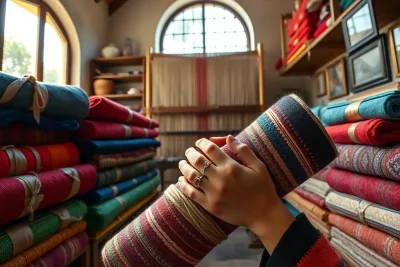
Protecting an Andean textile collection requires knowledge, patience, and careful attention to the materials and techniques used by ancient and modern Andean communities. This subcategory offers practical guidance for preserving Inca textiles, Moche fabrics, Nazca cloth, Tiahuanaco weaving, alpaca garments, llama-fiber textiles, embroidered pieces, and traditional Andean tapestries. Discover how climate, light, handling, storage, cleaning, and display conditions can affect these culturally significant works of art.
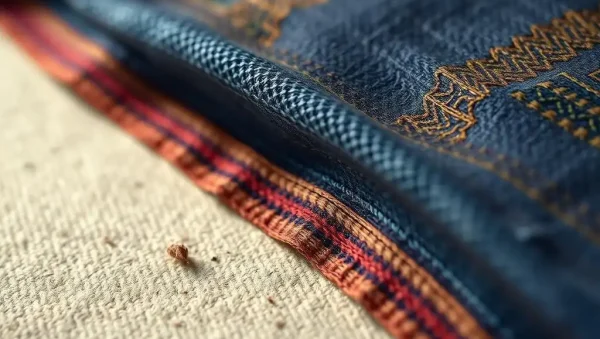
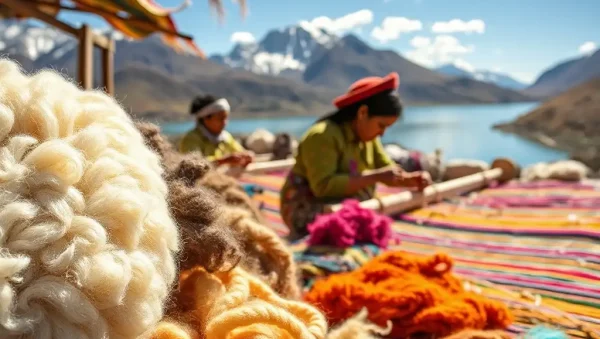
Andean textiles may be made from alpaca wool, llama fiber, vicuña, cotton, plant fibers, and blended materials. Their condition and care requirements depend on the fiber, dye, weave, embroidery, age, and previous restoration. Articles in this section explain how to recognize woven, embroidered, braided, knotted, and tapestry techniques associated with the Inca, Moche, Nazca, and Tiahuanaco traditions.
Readers can also learn why fiber identification matters when creating a conservation plan. Understanding natural dyes, mineral pigments, featherwork, metallic elements, and decorative details helps collectors choose safer storage and display methods while avoiding treatments that could permanently damage an authentic Andean artifact.
Stable environmental conditions are essential for preserving ancient Andean textiles. Fluctuations in temperature and relative humidity can cause fibers to expand, contract, weaken, or develop mold. This section explores practical ways to monitor indoor conditions and create a safe environment for textile collections in homes, museums, archives, and private study rooms.
Guidance covers humidity control, air circulation, protection from condensation, and the risks of placing textiles near radiators, fireplaces, kitchens, bathrooms, or exterior walls. Maintaining a consistent environment can help prevent brittleness, discoloration, insect activity, and structural deterioration in valuable Andean woven art.
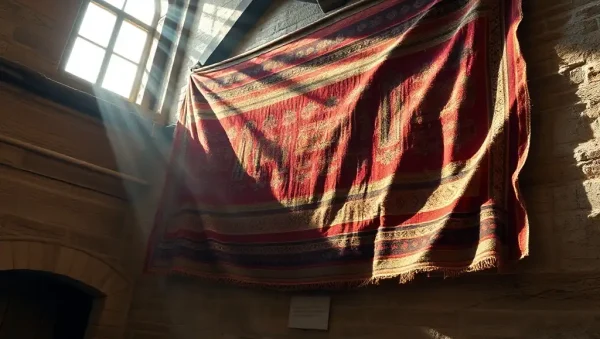
Light exposure is one of the most common causes of irreversible damage to historic textiles. Ultraviolet radiation and strong visible light can fade natural Andean dyes, weaken plant and animal fibers, and create uneven discoloration. Learn how to assess sunlight, artificial lighting, window placement, and display duration.
This subcategory explains how UV-filtering materials, curtains, protective glazing, low-intensity lighting, and timed illumination can reduce risk. Collectors will also discover why rotating displayed pieces and keeping especially fragile textiles in darkness when not being studied are important textile preservation practices.
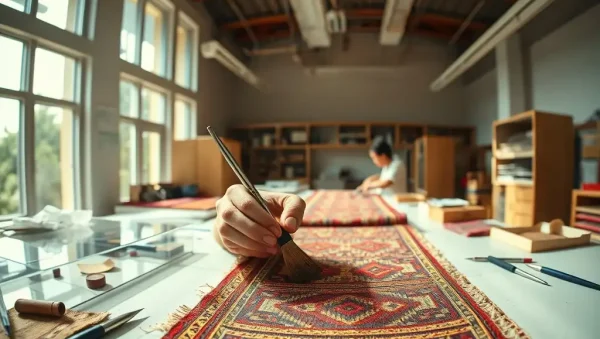
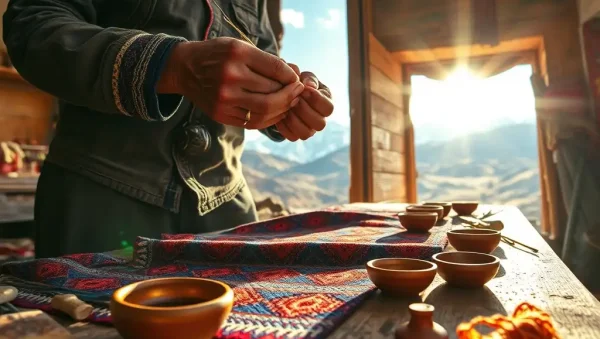
Proper handling is fundamental to the care of fragile Andean textiles. Clean hands, a clear workspace, adequate support, and minimal movement can reduce the risk of tears, abrasion, staining, and distortion. Readers will find recommendations for handling old woven fabrics, ceremonial garments, fragmentary textiles, and heavily decorated pieces.
Careful documentation is equally valuable. Learn how to record dimensions, materials, colors, motifs, inscriptions, condition issues, provenance, and previous repairs. High-resolution photography and written records can support collection management, insurance, scholarly research, and future conservation decisions.
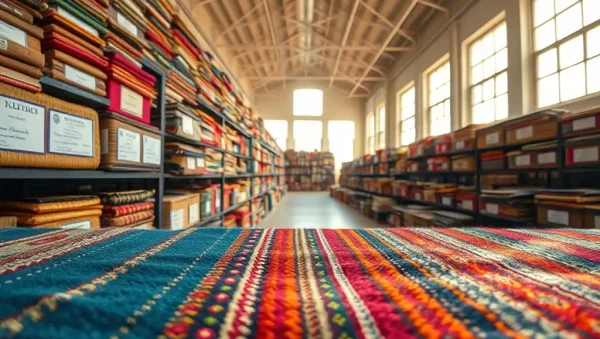
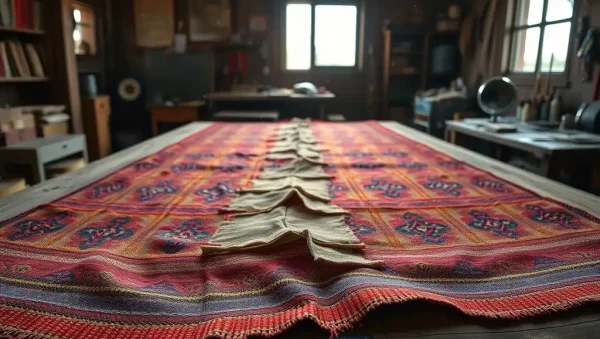
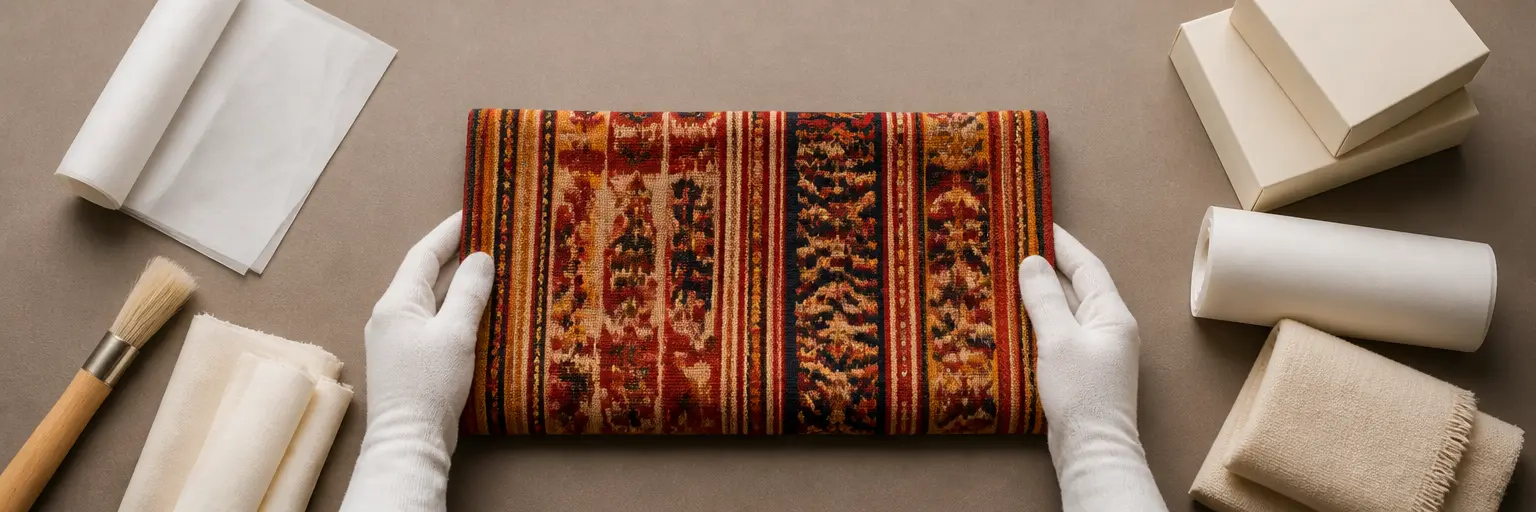
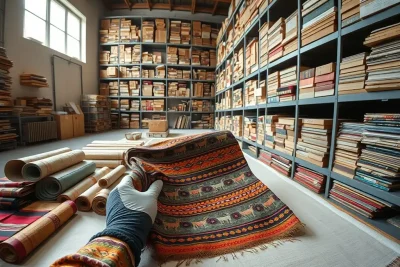
Long-term storage should protect textiles from dust, pests, pressure, moisture, and unsuitable materials. This section covers archival boxes, acid-free tissue, padded supports, breathable coverings, flat storage, and safe methods for rolling or folding when appropriate. Special attention is given to fragile, large, three-dimensional, or structurally weakened textiles.
Readers will also learn how to organize a textile collection without overcrowding. Separating artifacts, avoiding direct contact with untreated wood or acidic paper, and labeling storage containers carefully can make access safer while helping preserve the historical and artistic value of Andean cultural heritage.
Cleaning historic textiles should never be treated like ordinary laundry. Water, detergents, vacuuming, brushing, and chemical products may cause dye bleeding, fiber loss, shrinkage, or permanent distortion. Discover why professional textile conservation is usually the safest option for valuable, rare, or unstable Andean artifacts.
This section also explains how to identify warning signs such as powdery residue, holes, webbing, active insects, mold odors, stains, loose threads, and detached decoration. Practical prevention strategies include quarantine procedures, regular inspection, clean storage areas, and consultation with a qualified conservator before treatment.
Displaying an Andean textile can make its history and craftsmanship accessible while protecting its physical structure. Learn how to use padded mounts, archival supports, secure hanging systems, and conservation-friendly frames. Display recommendations address flat textiles, garments, ritual objects, tapestry panels, and three-dimensional woven forms.
Ethical presentation is also important. Contextual labels should acknowledge the textile’s cultural background, community traditions, materials, and known provenance. Responsible display avoids unnecessary stress on the artifact and supports respectful appreciation of the artistic achievements of ancient Andean civilizations.
Store the textile in a cool, stable, clean environment away from direct sunlight, moisture, pests, and temperature changes. Use acid-free tissue and an archival box or padded support, and avoid plastic wrapping, untreated wood, and tightly compressed storage.
Washing is not recommended unless a professional textile conservator has examined the piece. Historic fibers and natural dyes may react unpredictably to water, detergents, friction, or heat, causing bleeding, shrinkage, staining, or structural damage.
A moderate and stable relative humidity is generally safer than frequent fluctuations. Many collections aim for approximately 45–55% relative humidity, but the ideal range depends on the textile’s materials, condition, and environment. A conservator can provide advice for particularly fragile artifacts.
Keep it away from direct sunlight and strong lamps, use UV-filtering window or display materials, and limit the length of time it remains on display. Rotating textiles and storing them in darkness when not being viewed can significantly reduce light damage.
Contact a qualified conservator when a textile has tears, active pest damage, mold, loose threads, dye transfer, severe fading, structural weakness, or previous repairs. Professional advice is especially important before cleaning, mounting, restoring, or purchasing a rare Andean artifact.