
The Evolution of Andean Farming Techniques: A Story of Continuous Innovation

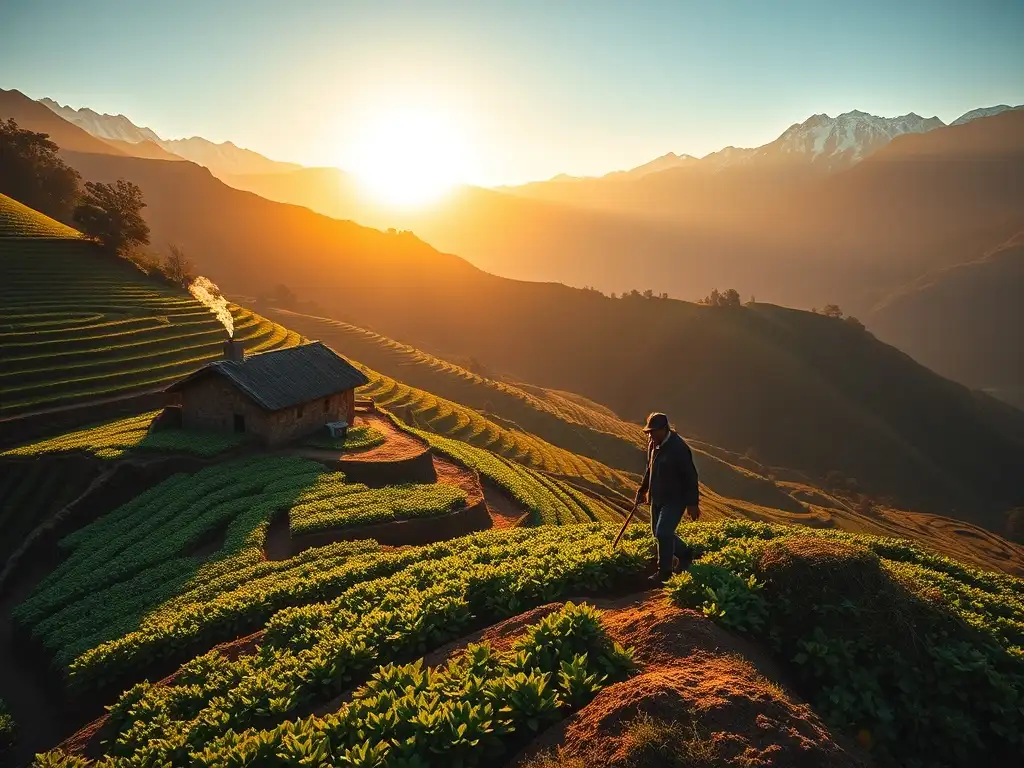
Dive into the captivating world of the Andes! For centuries, these towering mountains were home to ingenious civilizations that defied the harsh landscape. But how did they thrive? Uncover the secrets behind the remarkable evolution of Andean farming techniques, a story of ingenuity and adaptation that shaped entire empires. Prepare to be amazed by the innovations that allowed these cultures to flourish in some of the most challenging environments on Earth. Explore the intricate details and discover how their agricultural prowess continues to inspire us today.
The Andes Mountains, a formidable yet breathtaking landscape, presented ancient civilizations with a unique set of challenges and opportunities. This dramatic topography, with its diverse altitudes, microclimates, and steep slopes, shaped the development of ingenious and sustainable farming techniques. This article explores the evolution of Andean farming techniques, highlighting the remarkable ingenuity and adaptability of the Andean peoples, from the pre-Inca era to the height of the Inca Empire.
We will delve into the innovative methods they employed to cultivate the land, showcasing their profound understanding of their environment and their lasting impact on agricultural practices. The story of Andean farming is not merely a chronicle of agricultural advancements, but a testament to human resilience, innovation, and the deep connection between people and their environment.
Understanding this evolution provides valuable insights into sustainable agriculture and resource management, particularly relevant in today's world facing climate change and increasing food insecurity. This exploration will focus on the "Andean farming techniques evolution," tracing the development of key practices and their impact on Andean societies.
Introduction to Ancient Andean Agriculture
Andean agriculture was not simply a matter of subsistence; it was deeply intertwined with the spiritual and social fabric of Andean societies. Farming was a complex system involving sophisticated knowledge of diverse ecosystems, meticulous planning, and communal labor. The success of Andean agriculture depended on a deep understanding of water management, soil conservation, and crop diversification.
From the high-altitude puna grasslands to the coastal deserts, Andean farmers adapted their techniques to the specific conditions of their environment, developing a remarkable array of innovative solutions. This adaptability is a key theme in understanding the evolution of Andean farming techniques, showcasing a continuous process of refinement and innovation over millennia. The ingenuity of these methods is even more impressive considering the limited tools and technologies available to them.
Early Andean Cultivation Practices: Foundations of Innovation
The foundations of Andean agriculture were laid centuries before the Inca Empire. Diverse pre-Inca cultures, such as the Moche, Nazca, and Tiahuanaco, developed sophisticated farming techniques tailored to their specific environments. These techniques laid the groundwork for the later advancements seen during the Inca period. Understanding these early practices is crucial to comprehending the full scope of Andean agricultural innovation. The continuity and evolution of these techniques highlight the long-term adaptation and refinement of agricultural practices across different Andean societies.
Pre-Inca Farming Methods in the Andes
Pre-Inca Andean farmers employed a variety of methods to maximize crop yields in challenging environments. These included techniques such as raised fields ( waru waru), which were used in the altiplano region to improve drainage and soil fertility. [Specific examples of pre-Inca raised field locations and their dimensions pending]. Additionally, they utilized sophisticated irrigation systems to channel water from rivers and streams to their fields, allowing them to cultivate crops even in arid regions.
[Specific details on pre-Inca irrigation systems and their effectiveness pending]. The development of these systems demonstrates a deep understanding of hydrology and engineering principles. Moreover, the cultivation of diverse crops, adapted to different altitudes and microclimates, further enhanced the resilience of their agricultural systems.
The Development of Terracing in Early Andean Agriculture
Terracing, the creation of flat, step-like platforms on hillsides, was a crucial innovation in Andean agriculture. This technique dramatically increased the amount of arable land available, reducing soil erosion and optimizing water use. Terraces were particularly important in the steep slopes of the Andes, allowing farmers to cultivate crops on land that would otherwise be unsuitable. The construction of these terraces was a monumental undertaking, requiring considerable labor and coordination.
[Data on the scale of terracing projects in various Andean regions pending]. The precision and ingenuity of these terracing systems showcase the advanced engineering capabilities of Andean civilizations. The longevity of many of these terraces is a testament to their effectiveness and durability.
Domestication of Key Andean Crops
The domestication of key Andean crops, such as potatoes, maize, quinoa, and beans, was fundamental to the success of Andean agriculture. These crops were adapted to the diverse climates and altitudes of the Andes, providing a staple food source for Andean populations. The process of domestication involved careful selection and breeding of plants over generations, resulting in crops that were better suited to the local environment and offered higher yields.
[Specific details on the timeline and methods of domestication for key Andean crops pending]. The diversity of Andean crops and their adaptation to various ecological niches underscore the sophisticated understanding of plant genetics and agricultural practices among Andean farmers. This diversity also played a crucial role in ensuring food security and resilience against crop failures.
The Inca Empire and Agricultural Advancements
The Inca Empire, spanning across vast and diverse Andean landscapes, achieved remarkable agricultural feats. Their success wasn't solely due to fertile valleys; it was a testament to their sophisticated understanding of environmental challenges and their ingenious solutions. The Incas mastered techniques passed down through generations, refining and expanding them to support a large and complex empire. Their agricultural practices weren't simply about producing food; they were intricately woven into their social and religious structures, reflecting a deep-seated respect for the land and its bounty.
The empire's success relied heavily on its ability to efficiently produce surplus food, allowing for the support of a large population, including a significant administrative class and a powerful military. This surplus also facilitated trade and the consolidation of power. The ingenuity displayed in their agricultural methods is a significant factor in understanding the Inca's rise and sustained dominance.
Inca Ingenuity: Expanding Terraced Fields
Inca terraced fields, known as andenes, are iconic examples of their agricultural prowess. These weren't simply haphazard slopes carved into hillsides; they were meticulously planned and constructed systems designed to maximize arable land in mountainous terrain. The construction involved careful surveying and engineering to create level platforms, often supported by retaining walls made of stone. The size and scale of these terraces varied depending on the topography, with some spanning vast areas.
The careful design of these terraces served multiple crucial purposes. Firstly, they increased the amount of cultivable land available, converting steep slopes into productive farmland. Secondly, they reduced soil erosion by slowing the flow of water.
Thirdly, they improved water retention, ensuring that crops received adequate moisture even in dry periods. The construction of these terraces represented a significant investment of labor, demonstrating the importance the Incas placed on agriculture and its contribution to the empire's stability. The andenes are not just archaeological marvels; they are testament to the sophisticated planning and engineering skills of the Inca civilization.
Advanced Irrigation Systems Developed by the Incas
Complementing their terraced fields, the Incas developed sophisticated irrigation systems to manage water resources efficiently. These systems involved canals, aqueducts, and reservoirs, all carefully designed to channel water to the fields, even across significant distances and varying elevations. The Incas understood the importance of water management in arid and semi-arid environments and developed innovative techniques to capture and distribute water resources effectively. Their systems were remarkably durable and efficient, capable of supporting intensive agriculture in challenging conditions.
The construction of these systems required advanced knowledge of hydrology, engineering, and surveying. The canals were often lined with stone or other materials to prevent water loss through seepage. The aqueducts, often built across valleys, were impressive feats of engineering, showcasing the Inca's mastery of stonework and their understanding of hydraulic principles. These irrigation systems were crucial to the productivity of Inca agriculture and contributed significantly to the empire's success.
The Significance of Waru Waru Agricultural Structures
Waru waru, raised fields built in wetlands, represent another significant Inca agricultural innovation. These raised platforms, surrounded by canals, created a microclimate that improved soil fertility and water management. The canals served not only for irrigation but also for drainage, preventing waterlogging and maintaining optimal soil conditions. The raised beds provided better drainage and aeration for crops, while the water channels helped regulate temperature and humidity.
The design of waru waru systems shows a deep understanding of the relationship between water, soil, and crop growth. Studies have shown that waru waru systems increase crop yields and improve resilience to drought and frost. The effectiveness of these systems is particularly striking given the challenging environmental conditions in which they were employed. Furthermore, the use of waru waru demonstrates the Inca's ability to adapt their farming techniques to diverse ecological zones within their vast empire.
Post-Conquest Adaptations and Changes in Andean Farming
The Spanish conquest of the Inca Empire in the 16th century dramatically altered Andean farming practices. The introduction of new crops, livestock, and agricultural techniques profoundly impacted the existing systems, leading to both positive and negative consequences. The changes were not uniform across the Andes, varying according to local ecological conditions and the intensity of colonial influence. The effects of the conquest were far-reaching, reshaping the landscape and the lives of the Andean people.
The Impact of European Crops and Livestock
The introduction of European crops like wheat, barley, and oats, along with livestock such as cattle, sheep, and pigs, significantly altered Andean agricultural landscapes. These new species often competed with or replaced traditional Andean crops, leading to a shift in dietary habits and agricultural practices. Some of these new crops were well-suited to the Andean climate and soil conditions and became important components of the Andean diet.
However, the introduction of livestock also had significant environmental consequences, leading to deforestation and overgrazing in some areas. The changes weren't simply about the addition of new species; they also involved the adoption of new agricultural techniques, such as plowing with animals, which altered traditional land management practices. The integration of European crops and livestock into the Andean agricultural system was a complex process with long-lasting effects.
Traditional Andean Farming Resilience Post-Conquest
Despite the profound changes brought about by the conquest, traditional Andean farming techniques demonstrated remarkable resilience. Many indigenous communities continued to cultivate traditional crops and maintain their ancestral farming practices, adapting them to the new circumstances. This resilience is evident in the continued cultivation of native potatoes, quinoa, and other Andean crops, even in the face of competition from introduced species.
Indigenous communities often integrated new crops and techniques into their existing systems, demonstrating a remarkable capacity for adaptation and innovation. Their knowledge of local ecosystems and their deeply ingrained agricultural practices allowed them to maintain food security and cultural continuity despite the disruptive forces of colonization. The persistence of traditional Andean farming techniques is a testament to the ingenuity and adaptability of Andean farmers and the enduring importance of these practices in the region.
Modern Andean Farming Techniques: A Blend of Tradition and Technology

Modern Andean farming techniques represent a fascinating blend of ancient traditions and cutting-edge technology. Farmers continue to utilize techniques passed down through generations, such as the ingenious waru waru system of raised beds, which improves drainage and soil fertility, particularly crucial in the often-challenging Andean terrain. However, they are also increasingly incorporating modern tools and approaches to enhance productivity and resilience.
This includes the adoption of improved seed varieties, often developed through careful cross-breeding programs that combine desirable traits from both traditional and modern cultivars. The use of fertilizers, though approached cautiously to avoid damaging the delicate Andean ecosystems, is also becoming more prevalent, alongside improved irrigation systems which help manage the often scarce water resources.
The integration of these modern techniques, however, always takes place within the context of respecting the unique ecological conditions of the Andes, ensuring minimal environmental impact. This careful balance is a key characteristic of contemporary Andean agriculture.
Contemporary Challenges in Andean Agriculture
Andean agriculture faces numerous contemporary challenges, many stemming from the region's unique geographical and climatic conditions. Climate change, for example, is significantly impacting rainfall patterns, leading to more frequent and intense droughts and floods, impacting crop yields and threatening food security. Soil erosion, exacerbated by unsustainable farming practices in some areas, remains a significant concern, reducing soil fertility and long-term agricultural productivity. Furthermore, the increasing pressure of population growth on available land necessitates more efficient and sustainable farming methods to meet the growing demand for food.
The limited access to markets and the fluctuating prices of agricultural products also pose significant economic challenges for Andean farmers. Finally, the encroachment of urbanization and mining activities further limits available farmland, adding pressure on existing resources. Addressing these multifaceted challenges requires a comprehensive and integrated approach involving government policies, technological innovation, and community engagement.
Sustainable Andean Farming Practices Today
Sustainable Andean farming practices are increasingly gaining importance as farmers recognize the need to balance productivity with environmental protection. The revival and further development of traditional techniques like waru waru are central to these efforts. Farmers are also actively promoting agroforestry, integrating trees into their fields to enhance biodiversity, improve soil health, and provide additional income sources. The use of organic fertilizers and pest control methods is gaining traction, minimizing the reliance on synthetic chemicals and reducing their environmental impact.
Furthermore, water conservation techniques, such as improved irrigation systems and rainwater harvesting, are crucial for managing water scarcity. Community-based initiatives focused on knowledge sharing and collective action are also playing a vital role in promoting sustainable practices and ensuring the long-term viability of Andean agriculture. These efforts highlight the growing awareness and commitment to responsible and environmentally friendly farming techniques in the Andes.
The Future of Andean Agriculture and Food Security
The future of Andean agriculture is inextricably linked to food security in the region. Continued investment in research and development of climate-resilient crop varieties is crucial to adapt to the changing climatic conditions. Improving access to credit and markets for Andean farmers is essential to enhance their economic viability and incentivize the adoption of sustainable practices. Strengthening agricultural extension services and providing farmers with access to information and training on improved farming techniques is equally important.
Promoting policies that support sustainable land management and protect biodiversity is also critical for ensuring the long-term health of Andean ecosystems. Finally, fostering collaboration among researchers, policymakers, and farming communities is essential for developing and implementing effective strategies to enhance food security and build resilience in the face of future challenges. The future hinges on a holistic approach that considers the environmental, economic, and social dimensions of Andean agriculture.
The Legacy of Andean Agricultural Innovation
The legacy of Andean agricultural innovation is remarkable, showcasing a profound understanding of their environment and a capacity for adaptation and ingenuity. For millennia, Andean civilizations developed sophisticated farming techniques tailored to the specific challenges of their high-altitude, often harsh environment. Their mastery of terracing, irrigation, and crop diversification allowed them to cultivate diverse crops, ensuring food security for large populations.
The development of frost-resistant varieties of potatoes and other staple crops demonstrates a deep understanding of plant genetics and adaptation. The legacy extends beyond mere techniques; it embodies a profound connection to the land and a respect for its resources. This deep-rooted knowledge and understanding remain relevant today, offering valuable lessons for modern agriculture and sustainable development.
Lessons from Ancient Andean Farming for Modern Agriculture
Ancient Andean farming practices offer numerous valuable lessons for modern agriculture, particularly in the face of climate change and increasing environmental pressures. The waru waru system, for example, demonstrates the potential of traditional techniques to enhance water management and soil fertility, addressing key challenges facing modern agriculture. The Andean emphasis on crop diversification and intercropping highlights the importance of biodiversity in creating resilient and productive farming systems.
Their ingenious methods of terracing and irrigation provide insights into sustainable land management techniques that are applicable in diverse contexts. By studying and adapting these ancient practices, modern agriculture can learn to create more sustainable and resilient farming systems that are better equipped to address the challenges of the 21st century. This integration of ancient wisdom and modern technology is key to building a more sustainable agricultural future.
Preserving Traditional Andean Farming Knowledge
Preserving traditional Andean farming knowledge is crucial for ensuring the long-term sustainability and resilience of Andean agriculture. This involves documenting and disseminating traditional practices, including detailed descriptions of techniques, crop varieties, and associated knowledge systems. Supporting the transmission of this knowledge from one generation to the next, often through apprenticeship programs and community-based learning initiatives, is equally important.
This preservation effort also requires recognizing and valuing the role of indigenous communities as custodians of this invaluable knowledge. By actively engaging with and supporting these communities, we can ensure that this rich heritage continues to inform and inspire sustainable agricultural practices in the Andes for generations to come. This preservation is not just about maintaining tradition; it's about safeguarding a crucial resource for future food security and environmental sustainability.
Conclusion: A Continuing Story of Andean Farming Techniques Evolution
The evolution of Andean farming techniques is a testament to human ingenuity and adaptability. From the early development of sophisticated irrigation systems to the innovative use of terraces and raised fields, Andean communities consistently demonstrated a remarkable capacity to optimize agricultural production within challenging environmental conditions. This continuous innovation wasn't merely a response to necessity; it was a process of refinement, building upon existing knowledge and incorporating new techniques over centuries.
The legacy of these techniques remains visible today, not only in the enduring landscapes shaped by ancient farmers but also in the continued use of many traditional practices adapted to modern challenges. Understanding this evolutionary journey provides valuable insights into sustainable agriculture and resource management, offering lessons relevant to contemporary agricultural practices worldwide. The resilience and ingenuity of Andean farmers serve as a powerful example of how humans can thrive in harmony with their environment, even amidst adversity.
Further research into the specific techniques used by different Andean cultures, and a deeper understanding of their long-term impact on the environment, will continue to enrich our appreciation of this remarkable story of adaptation and innovation. The ongoing study of Andean agricultural practices offers not only historical insights but also potential solutions for contemporary agricultural challenges, including climate change adaptation and sustainable resource management. 🌱 The story of Andean farming techniques is far from over; it continues to evolve, adapting to new challenges and offering valuable lessons for the future.
- Introduction to Ancient Andean Agriculture
- Early Andean Cultivation Practices: Foundations of Innovation
- The Inca Empire and Agricultural Advancements
- Post-Conquest Adaptations and Changes in Andean Farming
- Modern Andean Farming Techniques: A Blend of Tradition and Technology
- The Legacy of Andean Agricultural Innovation
- Conclusion: A Continuing Story of Andean Farming Techniques Evolution
Frequently Asked Questions
What were the earliest Andean farming techniques?
Early Andean farming relied on terracing to create level fields on slopes, alongside irrigation systems to manage water resources. These techniques allowed for cultivation in diverse, challenging terrains.
How did Andean farming adapt to different altitudes?
Andean farmers developed specialized crops suited to various altitudes, from potatoes and quinoa at high elevations to maize and beans at lower ones. They also employed different agricultural practices depending on the environment.
What role did animal domestication play in Andean farming?
Llamas and alpacas provided crucial labor (carrying goods and manure) and wool, while other animals contributed to farming in different ways. Animal dung served as an important fertilizer.
How did the Inca Empire influence Andean farming techniques?
The Inca expanded and standardized existing techniques, creating a vast network of irrigation canals and storage facilities. They also implemented mit'a, a labor system that supported large-scale agricultural projects.
What evidence reveals the evolution of Andean farming techniques?
Archaeological evidence, such as terraces, irrigation canals, and agricultural tools, alongside ethnobotanical studies of surviving crops and techniques, provides crucial insights into the evolution of Andean farming.
Final Reflection: A Legacy of Ingenuity in the Andes
The ingenious farming techniques developed in the Andes remain a powerful testament to human adaptability and a vital resource for addressing contemporary food security challenges. These ancient methods, honed over millennia, offer not just historical insight but also practical solutions for sustainable agriculture in a world grappling with climate change and dwindling resources. Their continued relevance is undeniable.
The enduring impact of Andean farming techniques extends far beyond the mountains themselves. Their principles of terracing, water management, and crop diversification have inspired agricultural practices globally, demonstrating the power of community-based, environmentally conscious approaches. The mountains are our teachers,
a Quechua elder once told me, and this simple statement encapsulates the deep connection between Andean people and their land, a connection that has shaped not only their survival but also their cultural identity. This wisdom, passed down through generations, continues to resonate, offering valuable lessons for a future where sustainable practices are no longer a choice, but a necessity.
Consider the ingenuity of these ancient farmers, their profound understanding of their environment, and the resilience they built into their systems. Now, consider your own relationship with food, with the land, and with the future. What can you learn from the Andean legacy? How can you integrate these principles of sustainability and innovation into your own life, however small the scale? Let the story of Andean farming techniques inspire you to cultivate a more conscious and responsible approach to the land that sustains us all.
**Embrace the Future of Sustainable Agriculture! **
Thank you for exploring the rich history of Andean farming techniques with us! We hope you were inspired by the generations of innovation that have sustained these vibrant communities. Now, it's your turn to be part of this transformative story and take action.
Here are some ways you can get involved:
- **Adopt a new sustainable practice** in your garden or farm. Consider methods like crop diversification or soil conservation, drawing inspiration from Andean wisdom.
- **Share your knowledge**! Discuss what you've learned about Andean farming with friends, family, or on social media to spread awareness of sustainable agriculture.
- **Learn more** about Andean culture by exploring resources on our website or attending local workshops focused on traditional agricultural practices.
Which innovative farming technique are you most excited to try? Share your thoughts below!