
Hallucinogenic Brews: Exploring Ayahuasca and San Pedro in Andean Rituals

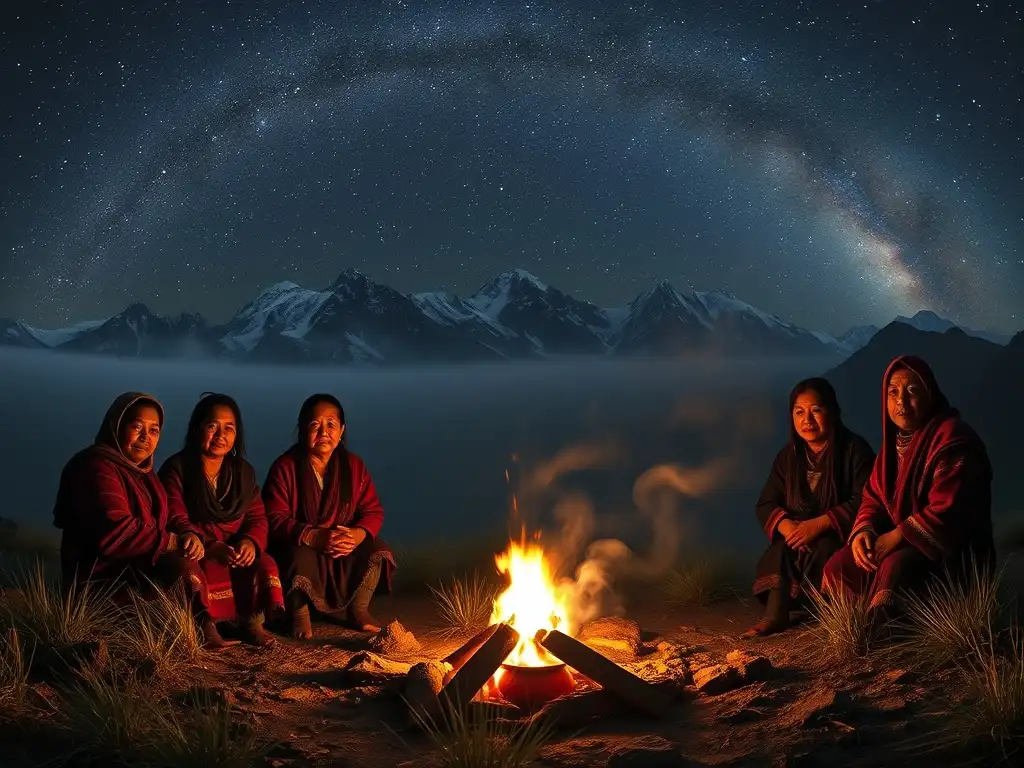
Dive into the enigmatic world of the Andes, where towering mountains hold secrets older than time. Beyond the breathtaking landscapes lies a captivating history woven with intricate artistry, advanced engineering, and profound spiritual practices. But have you ever considered the role of hallucinogenic brews in shaping Andean cultures? Our exploration of Ayahuasca and San Pedro in Andean rituals unveils a fascinating connection between these potent plants and the agricultural heart of these ancient societies – a connection that will challenge your perceptions and leave you craving more. Journey with us to uncover the mysteries hidden within.
The Andes Mountains, a spine of towering peaks traversing South America, are not only a geographical marvel but also a cradle of rich and complex civilizations. For millennia, Andean cultures have developed intricate relationships with their environment, harnessing its resources for sustenance, shelter, and spiritual practices. This article delves into a fascinating aspect of Andean life: the use of hallucinogenic plants in ritual contexts.
We will explore the significance of psychoactive brews like ayahuasca and San Pedro, examining their origins, preparation, ritual use, and the profound impact they had—and continue to have—on Andean spirituality and social structures. Understanding the role of these plants provides crucial insight into the worldview and beliefs of these ancient societies, enriching our comprehension of Andean culture and its enduring legacy.
We will focus on the interplay between these powerful plants and the intricate rituals that surrounded their use, highlighting the deep connection between the Andean peoples and the natural world. This exploration will center on the keywords "Ayahuasca San Pedro Andean rituals," offering a comprehensive overview of this significant aspect of Andean history and culture.
The Significance of Psychoactive Plants in Andean Culture
The use of psychoactive plants wasn't merely recreational in Andean cultures; it was deeply interwoven into their spiritual, social, and even medicinal practices. These plants, acting as conduits to the spirit world, were believed to facilitate communication with deities, ancestors, and the natural world. Evidence suggests that the consumption of these substances was carefully regulated, often overseen by specialized shamans or healers who possessed the knowledge to prepare and administer these potent brews.
The experience was not solely individual; it was a communal affair, serving to strengthen social bonds and reinforce shared beliefs. The specific rituals and ceremonies varied among different Andean cultures, reflecting the diversity of their beliefs and traditions. However, a common thread unites these practices: the profound respect for the power of these plants and their ability to connect individuals to the spiritual realm.
The preparation itself was often a ritualistic process, involving specific techniques and prayers, highlighting the sacred nature of the plants and the reverence with which they were treated. Furthermore, the effects of these brews were interpreted within a complex symbolic framework, contributing to a rich tapestry of mythology and cosmology.
Ayahuasca: Origins, Preparation, and Ritual Use in the Amazon
Ayahuasca, a complex brew primarily known for its powerful hallucinogenic effects, holds a central place in the spiritual practices of many Amazonian indigenous groups, some of which are geographically located near the Andes. While not strictly an Andean plant, its influence extends into the broader context of Andean psychoactive plant use due to cultural exchange and proximity. The preparation of ayahuasca involves a meticulous process, combining the Banisteriopsis caapi vine (containing harmine alkaloids) with other plants, such as Psychotria viridis (containing DMT), to enhance its potency and effects.
The specific combination of plants can vary depending on the tradition and intended purpose. The brewing process itself can last for hours, often involving chanting, prayers, and other rituals, imbuing the brew with spiritual significance. The ritual consumption of ayahuasca is typically guided by a shaman or ayahuascero, who facilitates the experience and interprets the visions experienced by the participants.
These visions are believed to offer insights into personal issues, spiritual growth, and healing. The social context of ayahuasca ceremonies is crucial, fostering a sense of community and shared experience.
The Ayahuasca Vine: Banisteriopsis caapi
The Banisteriopsis caapi vine is the foundational element of ayahuasca. This woody vine, native to the Amazon rainforest, contains beta-carboline alkaloids, primarily harmine, harmaline, and tetrahydroharmine. These alkaloids are Monoamine Oxidase Inhibitors (MAOIs), which play a crucial role in the brew's psychoactive effects by preventing the breakdown of DMT, a powerful psychedelic compound found in other plants used in ayahuasca preparations.
The specific properties and concentrations of these alkaloids vary depending on factors such as the geographical location of the vine, the time of harvest, and the specific preparation techniques used. The vine itself holds significant symbolic meaning within the various indigenous traditions that use it. It is often seen as a sacred plant, imbued with spiritual power and a direct link to the spirit world.
The careful cultivation and harvesting of Banisteriopsis caapi are often integral parts of the larger ritual context surrounding ayahuasca use, reinforcing the deep respect and reverence held for this powerful plant. Further research is needed to fully understand the complex chemical composition and pharmacological properties of Banisteriopsis caapi and its interaction with other plants used in ayahuasca preparations.
The Role of Chacruna (Psychotria viridis) in Ayahuasca Brews
Chacruna, scientifically known as Psychotria viridis, is a crucial component of ayahuasca, the potent hallucinogenic brew central to many Amazonian indigenous cultures' spiritual practices. Its role isn't merely additive; it's synergistic. While the Banisteriopsis caapi vine provides the beta-carbolines (harmine, harmaline, and tetrahydroharmine) that act as monoamine oxidase inhibitors (MAOIs), allowing the DMT in the Chacruna to become orally active, the Chacruna itself contributes the core psychoactive component: N,N-dimethyltryptamine (DMT). This DMT is responsible for the vivid hallucinations and altered states of consciousness experienced during ayahuasca ceremonies.
The precise ratios of Banisteriopsis caapi to Psychotria viridis vary considerably depending on the specific tradition and the desired effects. Some preparations emphasize a more powerful visual experience, while others prioritize introspection and spiritual connection. The careful selection and preparation of Chacruna leaves are paramount to the efficacy and safety of the ayahuasca brew, highlighting the deep botanical knowledge held by traditional practitioners.
The meticulous process, passed down through generations, underscores the reverence and respect afforded to this sacred plant. Improper preparation can lead to adverse effects, emphasizing the importance of working with experienced shamans. The leaves are often meticulously cleaned, dried, and then boiled for extended periods, a testament to the dedication involved in creating this powerful medicine.
Ayahuasca Ceremony: Rituals, Shamanic Guidance, and Spiritual Journeys
Ayahuasca ceremonies are far from casual affairs; they are deeply spiritual experiences guided by experienced shamans or ayahuasqueros. These ceremonies often take place in secluded settings, fostering an atmosphere of reverence and introspection. The setting itself – often a dimly lit hut or clearing – contributes to the overall experience, enhancing the effects of the brew. The ritual usually involves chanting, singing, and prayers, creating a powerful sonic environment that further intensifies the psychedelic experience.
The shaman's role is critical; they act as guides, helping participants navigate the often intense and unpredictable effects of the ayahuasca. They may use songs, icaros (sacred songs), and other techniques to help individuals process their visions and integrate their experiences. The journey itself is highly personal, with participants often experiencing vivid hallucinations, intense emotional release, and profound spiritual insights. Some report encountering spirit guides, revisiting past traumas, or gaining clarity on life's purpose.
The post-ceremony period is equally important, with the shaman providing support and guidance as the participants integrate their experiences. The entire process highlights the integral role of community and shared spiritual practice in the context of ayahuasca use. It's important to remember that these ceremonies are not recreational; they're deeply spiritual practices demanding respect, preparation, and a willingness to confront oneself. The long-lasting impact on participants underlines the profound significance of these rituals within their cultural context.
San Pedro: The Cactus of Power in Andean Shamanism
San Pedro, Echinopsis pachanoi, is a columnar cactus containing mescaline, a powerful psychedelic alkaloid. Unlike ayahuasca's complex preparation, San Pedro's use is relatively straightforward, although the preparation still requires considerable knowledge and skill. Pieces of the cactus are typically cut, boiled, and then the resulting brew is consumed. The mescaline in San Pedro induces hallucinations, altered states of consciousness, and intense spiritual experiences, similar to ayahuasca but often described as less visually intense and more focused on introspection and self-reflection.
In Andean shamanism, San Pedro ceremonies have been used for centuries for healing, divination, and spiritual growth. These ceremonies often involve extended periods of fasting and purification before the ingestion of the cactus brew. Shamans play a crucial role, guiding participants through the experience and helping them interpret their visions. The cactus itself is considered sacred, imbued with spiritual power and viewed as a conduit to the spirit world.
Unlike ayahuasca, which is primarily associated with Amazonian cultures, San Pedro's use is deeply rooted in the Andes Mountains, particularly in Peru, Bolivia, and Ecuador. The specific rituals and practices associated with San Pedro vary across different Andean communities, reflecting the diversity of traditions and beliefs within the region. The enduring presence of San Pedro in Andean shamanic practices demonstrates its deep cultural significance and lasting impact on the spiritual landscape of the region. The cactus's role extends beyond mere ritualistic use; it holds a deeply symbolic meaning within the Andean worldview, representing strength, resilience, and connection to the spiritual realm.
The San Pedro Cactus ( Echinopsis pachanoi ) and its Mescaline Content
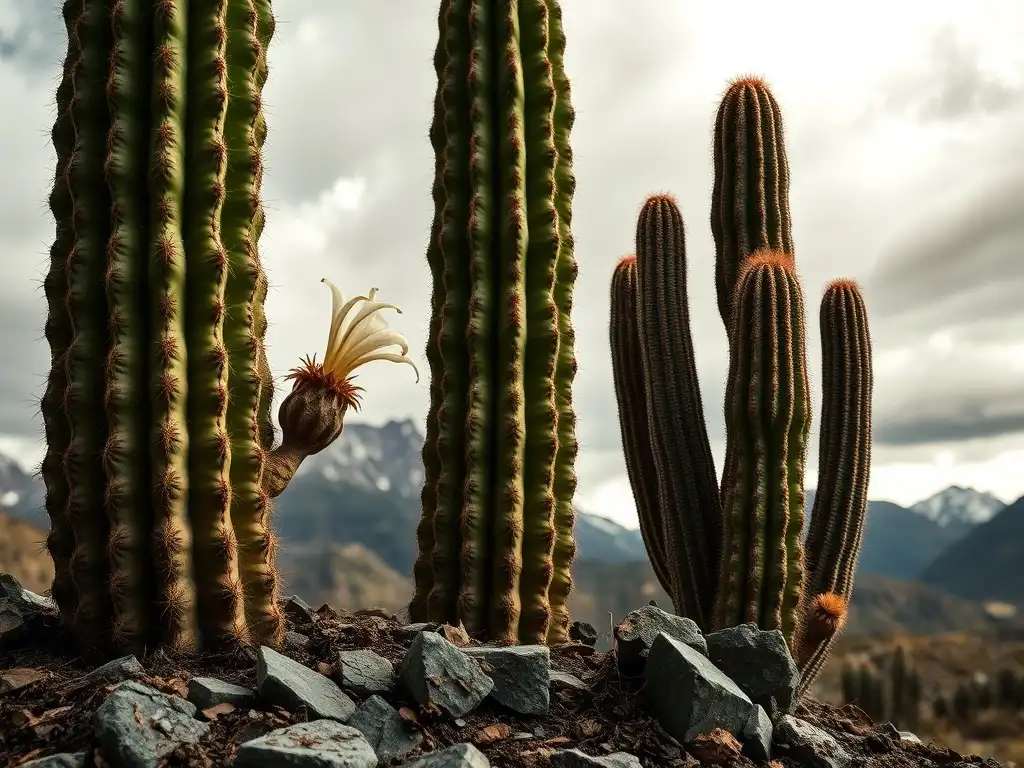
The San Pedro cactus, Echinopsis pachanoi, holds a significant place in Andean spirituality. Its psychoactive properties stem primarily from mescaline, a potent psychedelic alkaloid. Unlike ayahuasca, which is a brew, San Pedro is typically consumed as a cut and prepared cactus.
The mescaline concentration varies depending on factors such as the cactus's age, growing conditions, and even the specific region where it is cultivated. Older, larger cacti generally contain higher concentrations of mescaline. Researchers have identified other alkaloids in San Pedro, such as tyramine, hordenine, and anhalonidine, which may contribute to the overall effects of the brew, though mescaline is the primary active compound responsible for the hallucinogenic experiences.
The precise chemical composition can be quite complex and varies significantly, contributing to the variability in reported effects. Understanding this variability is crucial for responsible discussion and research into San Pedro's use in traditional contexts. Further research is needed to fully elucidate the synergistic effects of all the alkaloids present and how they interact with each other and the body.
Preparing San Pedro: Traditional Methods and Ritual Consumption
Traditional preparation of San Pedro involves a meticulous process. The cactus is typically harvested, cleaned, and then cut into pieces. These pieces are then boiled for several hours in water, sometimes with the addition of other plants believed to enhance or modify the effects. The boiling process extracts the mescaline and other alkaloids into the water, creating a brew that is then consumed.
The duration of boiling and the specific techniques employed vary considerably across different Andean communities and traditions. Some communities may add other ingredients to the brew, such as herbs and spices, for both taste and purported medicinal benefits. The resulting brew can vary in color and consistency, ranging from a light yellowish-green to a darker, more opaque liquid. The consumption of San Pedro is often a communal experience, with participants sharing the brew and engaging in collective rituals.
This communal aspect is crucial to the understanding of the San Pedro experience as a shared journey of spiritual exploration. The amount consumed, and the intensity of the experience, are often carefully controlled and dictated by the shaman or healer leading the ceremony. It’s important to note that the preparation and consumption of San Pedro should only be undertaken under the guidance of experienced practitioners, due to the potential risks associated with improper preparation or dosage.
San Pedro Rituals: Healing Practices and Visionary Experiences
San Pedro ceremonies are deeply rooted in Andean spiritual traditions. These rituals are often conducted by experienced healers or curanderos, who guide participants through the experience. The primary purposes of San Pedro rituals often include healing physical and psychological ailments, achieving spiritual insights, and connecting with the spirit world. Participants may experience vivid visions, emotional breakthroughs, and altered states of consciousness.
The curandero plays a vital role in interpreting these experiences and providing guidance to participants. The specific rituals and practices vary widely depending on the Andean community and tradition. Some rituals may involve music, chanting, prayer, and other forms of spiritual expression. The experiences are often described as profoundly transformative, leading to increased self-awareness, personal growth, and a deeper understanding of one's place in the world.
While the use of San Pedro for healing and spiritual purposes has a long history, it's essential to approach these practices with respect and awareness of the potential risks and to seek guidance from knowledgeable and experienced practitioners. Ethnographic studies have documented the diversity of these traditions and their continued relevance in contemporary Andean societies. The continued practice of these rituals underscores the enduring significance of San Pedro in the cultural and spiritual landscape of the Andes.
Comparing Ayahuasca and San Pedro: Similarities and Differences
Both ayahuasca and San Pedro are powerful hallucinogenic brews deeply intertwined with the spiritual and medicinal practices of Andean and Amazonian cultures. However, despite their shared use in shamanic rituals, significant differences exist in their preparation, effects, and cultural contexts. Ayahuasca, primarily associated with Amazonian cultures, is a complex brew typically combining Banisteriopsis caapi (containing harmala alkaloids) with Psychotria viridis (containing DMT). This synergistic combination is crucial for the brew's psychoactive effects.
San Pedro, on the other hand, originates in the Andes and utilizes the cactus Echinopsis pachanoi, containing mescaline as its primary active compound. While both induce altered states of consciousness, the experience can vary significantly. Ayahuasca often produces more intense, visionary experiences, sometimes described as overwhelming, while San Pedro's effects are often reported as more gentle and introspective, though still powerful.
The duration of effects also differs, with ayahuasca typically producing a shorter, more intense experience compared to San Pedro's longer-lasting effects. Finally, the ritual contexts surrounding their use, as we will explore later, differ considerably reflecting the unique cultural traditions associated with each plant. Understanding these similarities and differences is crucial for appreciating the diversity of Andean and Amazonian shamanic practices.
Active Compounds: DMT in Ayahuasca vs Mescaline in San Pedro
The psychoactive effects of ayahuasca and San Pedro stem from distinct chemical compounds. Ayahuasca's potency comes primarily from the synergistic action of two plants: Banisteriopsis caapi, a vine containing beta-carboline alkaloids like harmine and harmaline, and Psychotria viridis, a shrub containing N,N-dimethyltryptamine (DMT). The beta-carbolines in B. caapi act as monoamine oxidase inhibitors (MAOIs), preventing the breakdown of DMT in the body, allowing it to reach the brain and induce the characteristic psychedelic effects.
DMT is known for its intensely visual and often otherworldly experiences, often involving vivid hallucinations and profound alterations in perception. In contrast, San Pedro's psychoactive properties are attributed to mescaline, a phenethylamine alkaloid found in various cacti of the Echinopsis genus. Mescaline, while also a potent psychedelic, produces a different kind of experience than DMT.
Its effects are often described as more introspective and less visually intense, with a greater focus on emotional and spiritual insights. While both DMT and mescaline interact with serotonin receptors in the brain, their specific mechanisms of action and resulting subjective experiences differ significantly. This difference in chemical composition directly influences the nature and intensity of the altered states of consciousness experienced by those partaking in these rituals.
Ritual Contexts: Amazonian vs Andean Traditions
The use of ayahuasca and San Pedro is deeply embedded within the rich tapestry of Amazonian and Andean spiritual traditions. Ayahuasca ceremonies, often led by experienced shamans or ayahuasqueros, are typically communal events involving chanting, singing, and intense introspection. The focus is often on healing, spiritual cleansing, and connecting with the spirit world. The ritual setting plays a crucial role in the experience, with participants encouraged to confront their inner demons and achieve spiritual growth.
The specific rituals and practices vary across different Amazonian cultures, reflecting the diversity of indigenous traditions. In contrast, San Pedro ceremonies in the Andes frequently involve a more individualistic approach, though they can still be communal. The cactus is often consumed in a more private setting, with the focus on introspection, self-discovery, and healing. While shamanic guidance is often sought, the emphasis might be less on communal interaction and more on personal revelation.
The Andean context often emphasizes the cactus's connection to the earth and its power to facilitate communication with ancestral spirits and deities. These contrasting ritual contexts highlight the diverse ways in which these potent plants are integrated into the spiritual lives of different indigenous communities, reflecting the unique cultural beliefs and practices of each region. The careful preparation, administration, and interpretation of the experience are crucial aspects of both traditions, underscoring the profound spiritual significance attributed to these plants.
Effects on Consciousness: Diverse Visions and Spiritual Insights
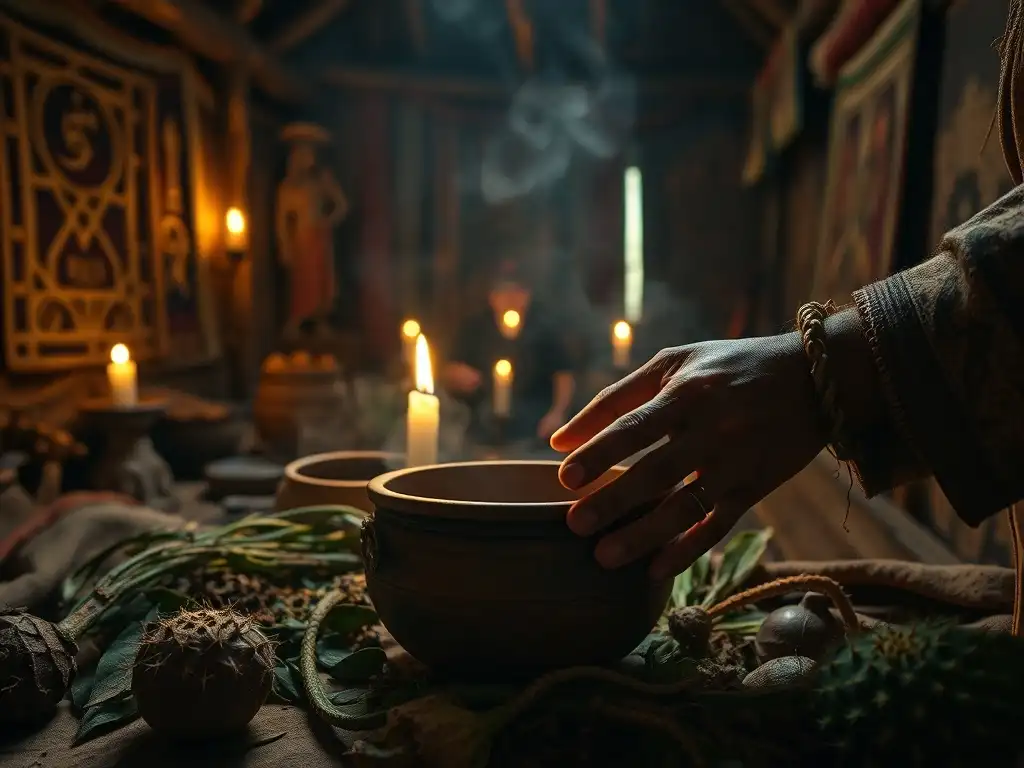
Ayahuasca and San Pedro, potent hallucinogens central to Andean spiritual practices, profoundly impact consciousness. The experiences are intensely personal and varied, defying easy categorization. Users often report vivid, kaleidoscopic visions, sometimes interpreted as journeys to other realms or encounters with spiritual entities. These visions are not simply visual; they often encompass all senses, creating a multi-sensory experience that can be both exhilarating and overwhelming.
The intensity of the experience can lead to profound emotional breakthroughs, allowing individuals to confront deeply ingrained fears, traumas, and unresolved emotional conflicts. Some describe feelings of intense connection with nature, a heightened sense of self-awareness, and a profound understanding of their place in the cosmos. However, the experience is not always positive. Negative visions, feelings of anxiety, fear, or even terror, are also reported, highlighting the importance of proper preparation and experienced guidance.
The specific effects can vary depending on factors such as the dosage, the specific plant preparation, the individual's psychological state, and the setting of the ceremony. Scientific research into the neurochemical effects of these plants is ongoing, but the subjective experiences reported by users remain central to understanding their ritual significance. The enduring appeal of Ayahuasca and San Pedro lies in their capacity to induce these extraordinary states of consciousness, facilitating profound spiritual insights and personal transformation.
The Importance of Shamanic Guidance in Ayahuasca and San Pedro Ceremonies
The consumption of Ayahuasca and San Pedro is not a casual undertaking; it requires careful preparation and, crucially, the guidance of an experienced shaman. The shaman's role extends far beyond simply administering the brew. They act as a spiritual guide, helping participants navigate the often intense and unpredictable effects of the hallucinogens. Their expertise lies in interpreting the visions, providing support during challenging moments, and ensuring the participant's safety and well-being throughout the experience.
The shaman's knowledge of the plants, their properties, and their potential effects is essential for mitigating risks and maximizing the potential for positive outcomes. They use traditional techniques, including singing, chanting, and ritualistic practices, to create a safe and supportive environment for the ceremony. Furthermore, the shaman plays a vital role in integrating the experience post-ceremony, helping participants process their visions and integrate the insights gained into their daily lives.
The shamanic guidance is not merely a safety precaution; it is an integral part of the ritual, ensuring that the experience is meaningful, transformative, and ultimately beneficial for the participant. Without this guidance, the potential for negative experiences and psychological harm is significantly increased. The importance of finding a reputable and experienced shaman cannot be overstated.
The Role of the Shaman in Andean Rituals
The shaman, or paqo in Quechua, holds a central position in Andean spiritual life, acting as a bridge between the human and spiritual worlds. Their role extends far beyond the administration of Ayahuasca and San Pedro; they are healers, diviners, and spiritual leaders within their communities. Their knowledge is deeply rooted in tradition, passed down through generations, encompassing a vast understanding of medicinal plants, cosmology, and ritual practices.
Shamans are often responsible for diagnosing illnesses, not just physical but also spiritual, and prescribing remedies that may involve herbal medicines, rituals, or both. They play a crucial role in maintaining the spiritual balance of the community, performing ceremonies to honor deities, appease spirits, and ensure the prosperity of the community. Their ability to enter altered states of consciousness, often through the use of plant-based medicines, allows them to communicate with the spirit world and access knowledge beyond the realm of ordinary experience.
The shaman's authority and respect within the community are based on their demonstrated abilities, their deep understanding of tradition, and their unwavering commitment to their spiritual calling. The role of the shaman is not static; it is constantly evolving and adapting, reflecting the dynamic interplay between tradition and modernity within Andean cultures. The enduring importance of the shaman underscores the vital role of spirituality and traditional knowledge in Andean societies.
Ethical Considerations in the Use of Ayahuasca and San Pedro
The use of ayahuasca and San Pedro, powerful hallucinogens with deep spiritual significance within Andean traditions, necessitates careful consideration of ethical implications. These plants are not recreational drugs; their use involves profound spiritual and physical risks. One crucial ethical consideration is ensuring the safety and well-being of participants. Experienced shamans or healers should always guide ceremonies, providing a safe and supportive environment.
Improper preparation or consumption can lead to severe physical and psychological harm. Furthermore, the potential for exploitation and abuse is a serious concern. Commercialization of these sacred ceremonies, prioritizing profit over spiritual integrity, undermines their cultural significance and can endanger vulnerable individuals. Ethical practitioners prioritize the well-being of participants above all else, ensuring informed consent and providing appropriate aftercare.
The ethical use of these plants demands respect for their sacred nature and the traditions surrounding them. It's crucial to remember that these are not merely substances but powerful tools with the potential for both healing and harm, requiring responsible stewardship. Furthermore, the long-term effects of repeated ayahuasca or San Pedro use are still being researched, highlighting the need for caution and responsible practices. Ethical frameworks should be developed and adhered to, ensuring the protection and preservation of these sacred traditions.
Cultural Appropriation and Responsible Engagement
The increasing global interest in ayahuasca and San Pedro ceremonies brings the critical issue of cultural appropriation to the forefront. Non-Indigenous individuals seeking these experiences must approach them with profound respect and understanding. Participating in ceremonies without proper guidance or understanding of the cultural context constitutes cultural appropriation, trivializing the deep spiritual significance these plants hold for Indigenous communities.
Responsible engagement requires a commitment to learning about the traditions, respecting the knowledge systems of Indigenous peoples, and supporting their efforts to protect their cultural heritage. This includes actively seeking out opportunities to learn from Indigenous leaders and practitioners, rather than seeking out experiences solely for personal gain. The potential for exploitation and commodification of these ceremonies is significant, and it is crucial to support initiatives that ensure Indigenous communities benefit from the growing interest in their traditions.
Respectful engagement means understanding that these are not tourist attractions but sacred rituals with profound spiritual significance for Indigenous communities and should be treated as such. This requires a commitment to humility, learning, and a deep respect for the cultural heritage of the Andean people. Active support for Indigenous-led initiatives is paramount in ensuring the preservation and responsible use of these sacred plants.
The Future of Ayahuasca and San Pedro in Andean Traditions
The future of ayahuasca and San Pedro within Andean traditions faces complex challenges and opportunities. The increasing global interest in these plants presents both potential benefits and significant risks. On one hand, increased awareness could lead to greater protection of Indigenous knowledge and the preservation of traditional practices. This could also lead to increased financial support for communities seeking to protect their cultural heritage and sustainable practices surrounding these plants.
However, the uncontrolled commercialization of these ceremonies poses a serious threat. The potential for exploitation, misrepresentation, and the erosion of traditional practices demands proactive measures to safeguard the integrity of these sacred rituals. Indigenous communities themselves must be at the forefront of efforts to regulate and protect their cultural heritage. This includes developing sustainable practices that benefit their communities while preserving the sacredness of these plants and ceremonies.
International collaboration and support are crucial in assisting Indigenous communities in their efforts to protect their traditions and ensure the responsible use of ayahuasca and San Pedro for future generations. The future hinges on a delicate balance between respecting tradition and adapting to changing circumstances, ensuring that these sacred plants continue to hold their rightful place within Andean culture and spirituality. The key lies in empowering Indigenous communities to control the narrative and protect their heritage from exploitation and misrepresentation.
Preserving Indigenous Knowledge and Practices
The use of ayahuasca and San Pedro in Andean rituals represents a profound connection between humans and nature, a legacy passed down through generations. Protecting this knowledge is paramount, not just for historical preservation but for the ongoing well-being of the communities that still practice these traditions. This requires a multifaceted approach, focusing on several key areas. Firstly, active collaboration with indigenous communities is essential.
Respectful engagement, ensuring their voices are heard and their perspectives prioritized, is crucial to avoid cultural appropriation and ensure ethical research practices. Secondly, documentation efforts must be rigorous and respectful. This involves not only recording the preparation and use of these brews but also documenting the intricate social and spiritual contexts within which they are used. Oral histories, rituals, and songs all provide invaluable insights into the depth and complexity of these practices.
Finally, educational initiatives aimed at both indigenous communities and the wider public are necessary to raise awareness about the importance of preserving this cultural heritage. This education must combat misinformation and stereotypes, promoting understanding and respect for these ancient traditions. Failure to protect these practices risks losing not only a unique cultural heritage, but also potentially valuable knowledge about traditional medicine and sustainable practices. The loss would be immeasurable.
Modern Applications and Research on Hallucinogenic Brews
While the traditional uses of ayahuasca and San Pedro remain central, modern science is beginning to explore their potential therapeutic applications. Research into the psychoactive compounds within these brews is shedding light on their potential to treat various conditions, including depression, anxiety, and addiction. However, it's crucial to emphasize the ethical considerations surrounding this research.
Studies must be conducted with the full cooperation and informed consent of indigenous communities, ensuring that their knowledge is respected and that any potential benefits are shared equitably. Furthermore, research needs to move beyond simply isolating and analyzing the active compounds. A holistic approach that considers the complex interplay of the plants, the preparation methods, and the ritualistic context is necessary to fully understand their effects.
This interdisciplinary approach, integrating botany, chemistry, anthropology, and psychology, is vital for a complete understanding. The potential benefits are significant, but ethical research practices are non-negotiable. The goal should not be to exploit these traditions for commercial gain, but to utilize scientific understanding to enhance and protect them.
Integrating Traditional Wisdom with Contemporary Studies
The integration of traditional Andean knowledge with contemporary scientific research holds immense promise. By combining the wisdom passed down through generations with the tools of modern science, we can gain a deeper appreciation for the therapeutic potential of ayahuasca and San Pedro. However, this integration must be approached with humility and respect. Indigenous communities should not be viewed as mere sources of data, but as equal partners in the research process.
This collaborative approach ensures that traditional knowledge is not commodified or misrepresented. Furthermore, it’s crucial to acknowledge the limitations of scientific methods when studying complex phenomena like the spiritual and psychological effects of these brews. While scientific research can provide valuable insights into the chemical composition and physiological effects, it cannot fully capture the rich cultural and spiritual context within which these brews are used.
A truly comprehensive understanding requires a nuanced approach that values both traditional knowledge and scientific rigor. This integrated approach can lead to innovative therapeutic interventions while simultaneously contributing to the preservation and revitalization of indigenous cultures. The path forward requires a commitment to mutual respect and collaboration, ensuring that both traditional wisdom and modern science contribute to a more holistic understanding.
The Impact of Ayahuasca and San Pedro on Personal Transformation
Ayahuasca and San Pedro, powerful hallucinogens used in Andean rituals for centuries, profoundly impact personal transformation. Their effects extend beyond mere sensory alteration; they facilitate deep introspection and profound shifts in perspective. Participants often report experiencing vivid visions, intense emotional releases, and a heightened sense of self-awareness. These experiences can lead to significant changes in behavior, beliefs, and overall worldview.
The journey is often described as confronting deeply rooted traumas and limiting beliefs, paving the way for personal growth and healing. The integration of these experiences into daily life is crucial, often requiring guidance from experienced shamans or healers. Many individuals report a renewed sense of purpose, improved relationships, and increased self-compassion following a ritualistic experience with either brew. The transformative power, however, is not guaranteed and depends heavily on the individual's preparation, mindset, and the setting of the ceremony.
It's vital to remember that these are powerful substances and should not be approached lightly. The potential for negative experiences exists if proper precautions and guidance aren't followed. Careful preparation and post-ceremony integration are key factors in maximizing the positive transformative effects.
The Therapeutic Potential of Ayahuasca and San Pedro
The therapeutic potential of Ayahuasca and San Pedro is a subject of growing interest in both academic and clinical settings. While research is still in its early stages, preliminary studies suggest that these plants may hold promise in treating various mental health conditions. Some anecdotal evidence and small-scale studies indicate potential benefits in addressing depression, anxiety, PTSD, and addiction.
The mechanism through which these effects occur is believed to be multifaceted, involving neurochemical changes, emotional processing, and a re-framing of personal narratives. The intense introspective journey facilitated by these brews can bring repressed emotions and traumas to the surface, allowing for processing and healing. However, it's crucial to emphasize that these plants are not a replacement for traditional psychotherapy.
Instead, they can be considered as complementary tools, potentially augmenting the effectiveness of established therapeutic approaches. Further rigorous scientific research is needed to fully understand and validate the therapeutic potential of Ayahuasca and San Pedro, and to establish safe and effective protocols for their use in clinical settings. The use of these substances requires careful consideration and should be guided by qualified professionals.
Legal and Regulatory Status of Ayahuasca and San Pedro
The legal and regulatory status of Ayahuasca and San Pedro varies significantly across different countries and jurisdictions. In many parts of the world, both substances are classified as controlled substances, with strict regulations governing their production, possession, and use. This legal ambiguity often leads to challenges in research and the safe, regulated use of these plants in therapeutic settings.
The lack of clear legal frameworks can also contribute to the proliferation of unregulated ceremonies and potentially unsafe practices. In some regions, traditional use by indigenous communities may be tolerated or even legally protected, while recreational or commercial use is strictly prohibited. The ongoing debate surrounding the legal status of these plants often involves balancing the potential therapeutic benefits with concerns about safety, public health, and cultural preservation.
Understanding the specific legal regulations in a given location is crucial before considering any interaction with Ayahuasca or San Pedro. The legal landscape is constantly evolving, so staying updated on the latest regulations is essential. The complexities of this legal situation highlight the need for clear, informed policies that balance cultural preservation, therapeutic potential, and public safety.
- The Significance of Psychoactive Plants in Andean Culture
- Ayahuasca: Origins, Preparation, and Ritual Use in the Amazon
- The Ayahuasca Vine: Banisteriopsis caapi
- The Role of Chacruna (Psychotria viridis) in Ayahuasca Brews
- Ayahuasca Ceremony: Rituals, Shamanic Guidance, and Spiritual Journeys
- San Pedro: The Cactus of Power in Andean Shamanism
- The San Pedro Cactus ( Echinopsis pachanoi ) and its Mescaline Content
- Preparing San Pedro: Traditional Methods and Ritual Consumption
- San Pedro Rituals: Healing Practices and Visionary Experiences
- Comparing Ayahuasca and San Pedro: Similarities and Differences
- Active Compounds: DMT in Ayahuasca vs Mescaline in San Pedro
- Ritual Contexts: Amazonian vs Andean Traditions
- Effects on Consciousness: Diverse Visions and Spiritual Insights
- The Importance of Shamanic Guidance in Ayahuasca and San Pedro Ceremonies
- The Role of the Shaman in Andean Rituals
- Ethical Considerations in the Use of Ayahuasca and San Pedro
- Cultural Appropriation and Responsible Engagement
- The Future of Ayahuasca and San Pedro in Andean Traditions
- Preserving Indigenous Knowledge and Practices
- Modern Applications and Research on Hallucinogenic Brews
- Integrating Traditional Wisdom with Contemporary Studies
- The Impact of Ayahuasca and San Pedro on Personal Transformation
- The Therapeutic Potential of Ayahuasca and San Pedro
- Legal and Regulatory Status of Ayahuasca and San Pedro
Frequently Asked Questions
What are Ayahuasca and San Pedro?
Ayahuasca and San Pedro are hallucinogenic brews used in traditional Andean rituals. Ayahuasca is a potent concoction, while San Pedro is a cactus containing mescaline. Both are used for spiritual and healing purposes.
How were these brews used in Andean rituals?
These brews were (and still are in some communities) used in shamanic ceremonies for divination, healing, and spiritual growth. They facilitated connection with the spirit world and personal insight.
Which Andean cultures utilized Ayahuasca and San Pedro?
While the use varies regionally, both substances were and are employed by various Andean groups, including the Inca, though possibly not as centrally as some other cultures. Their use is linked to shamanic traditions predating the Inca empire.
Are Ayahuasca and San Pedro ceremonies still practiced today?
Yes, neo-shamanic and traditional ceremonies involving these brews continue in some parts of the Andes, though often with legal and cultural complexities. It is crucial to approach participation with respect and awareness.
What are the risks associated with using Ayahuasca and San Pedro?
Using these substances carries significant risks, including physical and psychological side effects. The setting and guidance of an experienced shaman are crucial to mitigate those risks. Improper use can be dangerous.
Final Reflection: The Enduring Power of Andean Rituals
The resurgence of interest in Ayahuasca and San Pedro ceremonies reflects a growing global need for spiritual connection and healing, a powerful testament to the enduring relevance of these ancient Andean traditions. These powerful plant medicines, far from being mere curiosities, offer a potent pathway to self-discovery and community building, challenging our modern, often fragmented, understanding of well-being. Their continued use speaks volumes about the limitations of purely materialistic approaches to life and the persistent human yearning for something more profound.
The impact of these rituals extends far beyond the immediate experience of the participant. They represent a living link to a rich cultural heritage, a tapestry woven from generations of Andean knowledge and practice. These ceremonies are not simply about altered states of consciousness; they are about community, healing, and a deep connection to the natural world. The earth is what we all have in common.
This simple statement encapsulates the profound respect for nature inherent in these rituals, a respect that our increasingly disconnected world desperately needs to rediscover.
Consider the implications of this ancient wisdom for your own life. How can you cultivate a deeper connection with nature, with your community, and with your inner self? What aspects of your life could benefit from a similar ritualistic approach to healing and self-reflection? The journey of self-discovery is a lifelong process, and the insights offered by Ayahuasca and San Pedro ceremonies, while powerful, are only a starting point. Embrace the opportunity to explore your own inner landscape, to connect with something larger than yourself, and to find healing and meaning in the rich tapestry of human experience.
Immerse Yourself in the Spirit of Andean Traditions!
Thank you for joining us on this journey through the fascinating world of **ayahuasca** and **San Pedro**! We've explored the profound rituals and cultural significance of these plants and their use in traditional ceremonies. Now, let's deepen your connection to these ancient practices.
Here are some ways you can further engage with this incredible aspect of Andean civilization:
- Participate in a guided workshop, either in person or online, to explore these ceremonial traditions more deeply.
- Share your newfound knowledge with friends and family; perhaps start a discussion group to explore the spiritual and cultural implications together.
- Expand your understanding by researching reputable books and resources on Andean spirituality and the powerful rituals associated with these plants.
Which of these options appeals to you most? How will you integrate the wisdom of these traditions into your life?