
The Salt of the Earth: The Role of Salt in Andean Agriculture and Food Preservation

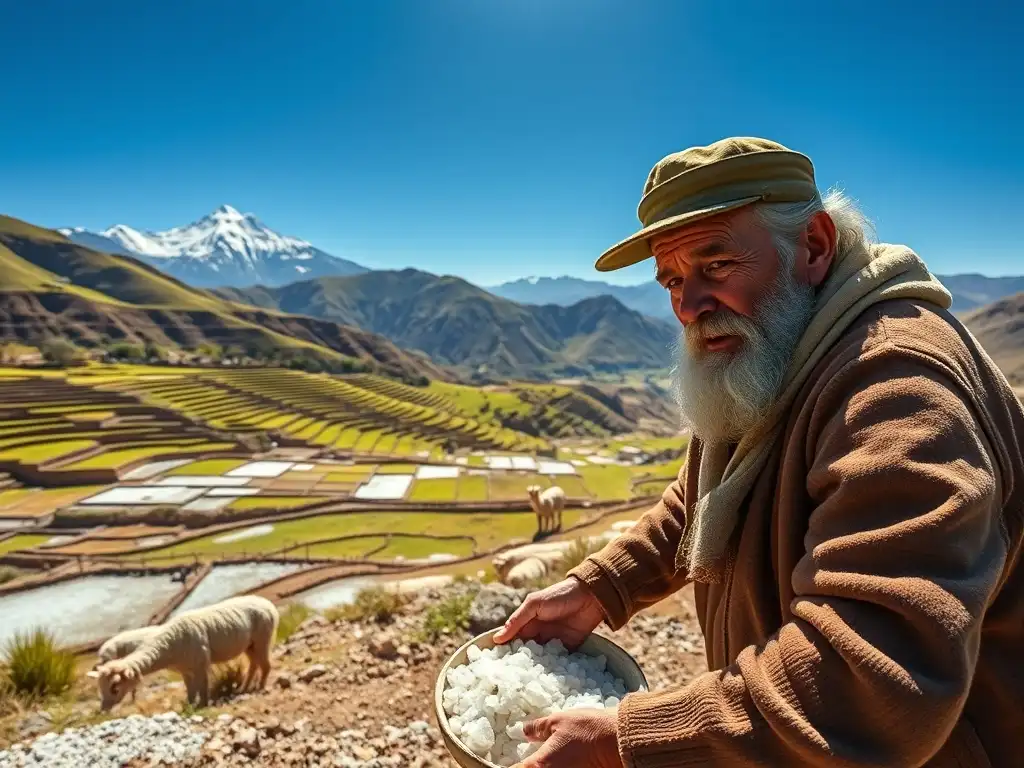
Step into a world lost to time, yet echoing with the ingenuity of ancient Andean cultures. For centuries, the towering peaks and arid valleys of the Andes challenged their inhabitants to survive and thrive. Discover how they not only conquered these harsh conditions but flourished, through a remarkable mastery of their environment. Prepare to be amazed by the intricate and surprisingly effective Andean salt agriculture methods, a testament to human resilience and innovation – a story waiting to unfold within.
More than just a seasoning, salt played a vital, multifaceted role in the lives of ancient Andean civilizations. From its use as a crucial element in agricultural practices to its importance in preserving food and sustaining communities across vast, challenging landscapes, salt's impact on Andean societies is profoundly interwoven with their history and culture.
This article delves into the fascinating world of Andean salt, exploring its sources, extraction methods, and significance in both agriculture and food preservation, revealing how this seemingly simple substance underpinned the success and resilience of these remarkable cultures. We will examine how access to and control of salt resources shaped social structures and economic systems, and how innovative techniques were developed to harness its power.
Understanding the role of salt provides a crucial lens through which to appreciate the ingenuity and adaptability of Andean agricultural practices and their enduring legacy. This exploration will focus on the keyword "Andean salt agriculture methods" and its semantic variations, providing a comprehensive overview of this essential aspect of Andean life.
Introduction to Andean Salt and its Significance
Salt, or sal, was far more than just a culinary ingredient in the Andes. Its importance transcended mere seasoning; it was essential for preserving food, crucial for animal health, and even held symbolic and ritualistic value within many Andean cultures. 1 The arid and high-altitude conditions of the Andes presented unique challenges to food preservation, making salt an indispensable resource for ensuring the long-term storage of crops and other provisions. The availability of salt often dictated the location of settlements and influenced trade routes, highlighting its strategic significance in the economic and social fabric of Andean societies. The scarcity of salt in certain regions further emphasized its value, leading to complex systems of exchange and control. Understanding the significance of salt allows us to better appreciate the ingenuity and resourcefulness of Andean agricultural practices. The impact of salt on Andean civilizations is a testament to the intricate relationship between humans and their environment.
Ancient Andean Salt Sources and Extraction Techniques
The ancient Andeans developed sophisticated methods for locating, extracting, and utilizing salt, adapting their techniques to the specific geographical conditions of different regions. These methods varied across different cultures and time periods, reflecting the diversity of Andean environments and technological advancements. The methods employed were often closely tied to local knowledge and traditions, passed down through generations.
Salt Deposits in the Andes: Geographical Distribution
Salt deposits in the Andes are geographically diverse, ranging from coastal salt flats ( salars) to inland brine springs and subterranean deposits. The distribution of these resources significantly influenced the location of settlements and trade networks. The coastal salars, particularly along the Atacama Desert, provided abundant sources of salt. Inland, brine springs and subterranean deposits were exploited, requiring different extraction techniques.
The varying geological formations across the Andean region led to a diversity of salt extraction methods, each adapted to the specific characteristics of the source. Detailed mapping of these deposits and their exploitation would illuminate further the trade networks and economic organization of Andean societies. [Specific information pending: Detailed map of Andean salt deposits]
Traditional Salt Mining Methods in the Andean Region
Traditional Andean salt mining techniques were often labor-intensive but highly effective. Methods included:
- Evaporation of brine: In areas with brine springs, water was channeled into shallow basins where the sun evaporated the water, leaving behind salt crystals.
- Mining of solid salt deposits: In regions with solid salt deposits, shafts were dug to access the salt, often using basic tools like picks and shovels. This was a more challenging process, requiring significant labor.
- Extraction from salt lakes: Salt lakes provided a significant source of salt, with methods involving the collection of salt deposits from the lakebeds.
These techniques showcased the ingenuity of Andean communities in adapting to their environment and harnessing available resources. The tools and techniques used reflected both the available technology and the specific geological conditions of each region. [Specific information pending: Detailed descriptions of tools used in salt extraction]
The Importance of Salt Access for Andean Societies
Access to salt was not only crucial for food preservation and agriculture, but it also significantly influenced social structures and trade networks. In some regions, control over salt production and distribution became a source of power and wealth, shaping political and economic relations. The value of salt is evidenced by its inclusion in various ceremonial contexts and its use as a form of payment or tribute.
The strategic importance of salt resources led to the development of complex trade routes connecting different Andean communities. The exchange of salt contributed to the integration and interaction of diverse Andean societies, fostering cultural exchange and economic interdependence. Further research into the social and economic impacts of salt control would provide valuable insights into the complexities of Andean societies.
1 Further research is needed to specify the exact symbolic and ritualistic uses of salt across various Andean cultures.
Andean Salt Agriculture Methods: A Detailed Look
The strategic use of salt in Andean agriculture wasn't merely about preserving food; it played a crucial role in soil management and crop cultivation. Andean farmers, across diverse ecological zones, developed sophisticated techniques leveraging salt's properties to enhance yields and adapt to challenging environments. These methods, passed down through generations, represent a remarkable understanding of agricultural principles and environmental adaptation.
The ingenuity of these techniques is particularly evident in their ability to overcome the limitations imposed by high-altitude, often arid, conditions. Understanding these methods provides a unique insight into the agricultural prowess of Andean civilizations and their deep connection to their environment. The impact of these techniques extended beyond immediate food production, influencing the social structure and economic activities of the communities involved.
The Use of Salt in Andean Soil Management
Andean farmers recognized salt's ability to improve soil structure and drainage. In regions with heavy clay soils, the application of salt could help to break up the compacted earth, improving aeration and water infiltration. This was particularly crucial in areas prone to waterlogging, a common problem at higher altitudes.
The precise amount and type of salt used varied depending on the soil type and the specific crop being cultivated. Observations over centuries led to a deep understanding of the soil's needs, allowing for a nuanced application of salt as a soil amendment. Archaeological evidence, such as the remnants of salt deposits found near ancient agricultural terraces, supports the widespread use of this technique.
Salt as a Natural Fertilizer in Andean Farming
While not a primary source of nutrients in the same way as manure or guano, salt acted as a natural fertilizer in certain Andean agricultural contexts. Specific types of salt, rich in trace minerals, could supplement the nutrient content of the soil, boosting crop yields. This was particularly important in areas with nutrient-poor soils, common in high-altitude environments.
The effect was often subtle but significant, contributing to the overall success of the agricultural system. The careful selection and application of salt, demonstrating a sophisticated understanding of soil chemistry and nutrient cycling, was key to its success as a natural fertilizer. Further research is needed to fully understand the specific types of salt used and their precise effects on different crops.
Andean Techniques for Mitigating Salinity Issues
Ironically, while salt was used beneficially, Andean farmers also developed techniques to mitigate the negative effects of excessive salinity. In areas where salt accumulation posed a threat to crop growth, they employed strategies such as drainage systems, crop rotation, and the selection of salt-tolerant varieties. This demonstrates a sophisticated understanding of both the benefits and drawbacks of salt in agriculture. These techniques, often integrated with other water management practices, are testament to the resilience and adaptability of Andean agricultural systems. Further studies on these techniques could offer valuable insights for modern sustainable agriculture, particularly in arid and semi-arid regions.
Specific Andean Crops Benefiting from Salt Application
Certain Andean crops, notably some varieties of quinoa and potatoes, demonstrated a remarkable tolerance for moderate salinity. These salt-tolerant varieties were specifically cultivated in areas where salt application was a common practice. The interaction between specific crop varieties and salt application highlights the deep understanding of plant physiology possessed by Andean farmers. Further research into the genetic basis of salt tolerance in these crops could have significant implications for modern agriculture, providing valuable genetic resources for developing salt-tolerant varieties in other regions. The precise varieties of quinoa and potatoes that benefited most from this practice require further investigation.
Salt and Food Preservation in Andean Cultures
Salt played an indispensable role in preserving food in Andean cultures, extending the shelf life of crops and ensuring food security throughout the year. The methods employed were ingenious and varied, reflecting the diverse range of climates and food sources across the Andes. These techniques, combined with other preservation methods such as drying and freezing, allowed Andean communities to overcome seasonal fluctuations in food availability and maintain a relatively stable food supply. The importance of salt in food preservation is reflected in the cultural significance it held within these communities.
Traditional Andean Methods of Food Preservation with Salt
Traditional Andean methods of food preservation using salt included salting, brining, and dry-curing. Salting involved rubbing salt directly onto the surface of foods like meat or fish, while brining involved submerging foods in a salt solution. Dry-curing combined salting with air drying, further inhibiting microbial growth. The specific techniques varied depending on the food being preserved and the environmental conditions. These methods were not merely about extending shelf life; they also imparted unique flavors and textures to the preserved foods.
Salt Curing Techniques for Meats in the Andes
Salt curing was a particularly important method for preserving meats in the Andes, allowing for the storage of large quantities of protein. Different cuts of meat were cured using various salt concentrations and techniques, resulting in a range of cured products with varying textures and flavors. [Specific details on different curing techniques for various Andean meats pending]. The knowledge of optimal salt concentrations and curing times was essential for preventing spoilage while maintaining desirable organoleptic qualities.
Salt Preserved Andean Fish and Seafood
In coastal regions, salt played a crucial role in preserving fish and seafood. Salting and drying were commonly used to extend the shelf life of fish, particularly in areas lacking refrigeration. [Specific details on the types of fish preserved and the techniques used pending]. These techniques ensured a reliable supply of protein for coastal communities. The methods employed were often adapted to the specific species of fish and the prevailing environmental conditions.
Salt in the Preservation of Andean Tubers and Grains
While less commonly used than for meats and fish, salt was also employed in the preservation of certain Andean tubers and grains. The application of salt could help to inhibit microbial growth and extend the shelf life of these staple crops. [Specific details on which tubers and grains, and the specific preservation methods pending]. This practice likely played a supporting role in ensuring food security during lean times. Further research is needed to fully understand the extent and effectiveness of salt preservation for Andean tubers and grains.
The Cultural and Ritual Significance of Salt in the Andes
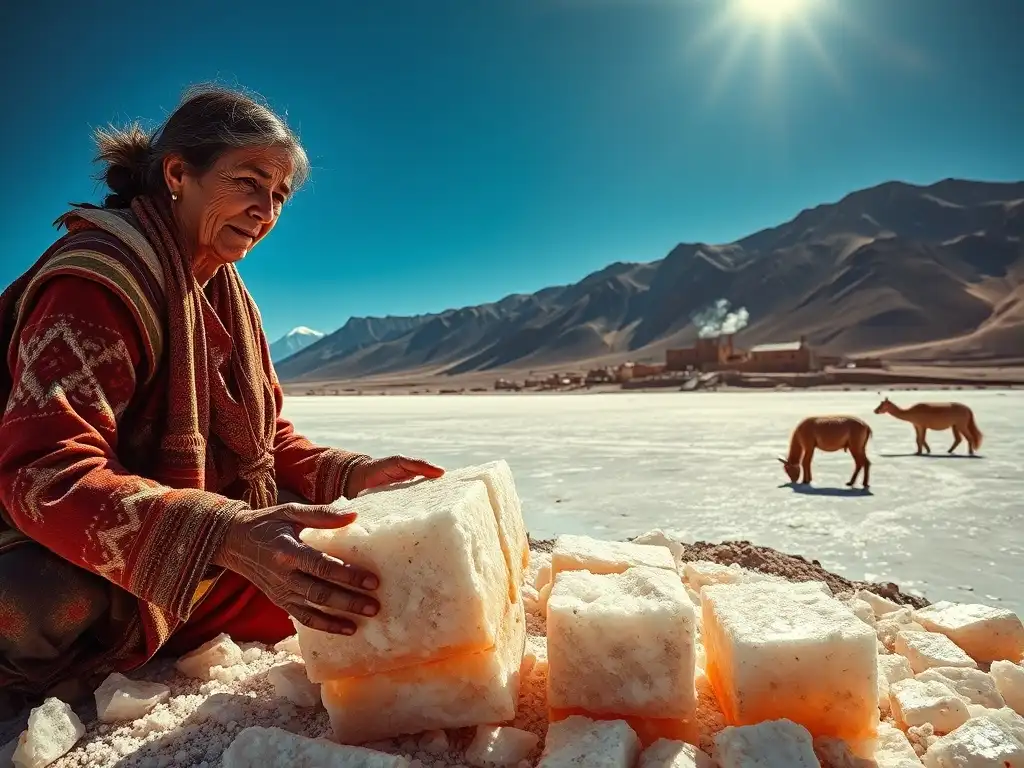
Salt held, and continues to hold, immense cultural and ritual significance in Andean societies. Far beyond its practical applications, salt represented purity, fertility, and even divinity in many Andean cultures. Its crystalline structure, reminiscent of ice and snow from the high Andes, linked it to the sacred realm.
The arduous process of obtaining salt, often involving perilous journeys to distant salt flats or the meticulous evaporation of brine, imbued it with a value that extended beyond its mere material worth. This inherent value is reflected in the intricate ceremonies and rituals surrounding its use, reinforcing its profound importance in Andean life. The scarcity of salt in certain regions further amplified its symbolic weight, making it a prized possession and a crucial element in social and religious interactions.
The careful handling and distribution of salt within communities underscore its deeply ingrained cultural significance. Even today, many Andean traditions continue to incorporate salt in symbolic ways, highlighting its enduring legacy.
Salt as a Valuable Commodity in Andean Trade
Salt's importance is further emphasized by its role as a valuable commodity in Andean trade networks. Pre-Columbian Andean societies established extensive trade routes, facilitating the exchange of goods between different ecological zones. Salt, often mined from salt flats or obtained through evaporation techniques, was a highly sought-after commodity, traded for textiles, pottery, and other essential goods. The value of salt varied depending on its quality and accessibility.
Coastal regions, with their abundant salt resources, often held a significant economic advantage over inland communities. The control over salt production and distribution could confer considerable political and economic power, shaping social hierarchies and influencing inter-community relations. Archaeological evidence reveals the existence of sophisticated trade networks centered around salt, showcasing its crucial role in the Andean economy.
Salt in Andean Religious Practices and Ceremonies
Salt played a prominent role in Andean religious practices and ceremonies. In many cultures, salt was used in offerings and sacrifices to appease deities and ensure a bountiful harvest. Its purity symbolized the cleansing and purification of the sacred space. The act of sprinkling salt during rituals signified a connection between the earthly and spiritual realms.
Specific types of salt, obtained from particular sources, might have held greater religious significance. Some Andean cultures associated salt with the sun god, Inti, reflecting its life-giving properties and its association with light and warmth. The use of salt in funerary rites further underscores its symbolic importance in the Andean worldview, connecting the deceased with the sacred realm. The precise details of these practices varied among different Andean groups, reflecting the rich diversity of their religious beliefs and customs.
Salt's Symbolic Role in Andean Cosmology
In Andean cosmology, salt often held a symbolic role, representing fundamental aspects of the universe and the relationship between humans and the divine. Its crystalline structure was often associated with the stars and celestial bodies, reflecting the Andean belief in a cosmic order. The process of salt formation, through evaporation or mining, mirrored the cyclical nature of life, death, and rebirth.
Salt's connection to the earth and the mountains further linked it to the concept of Pachamama, the Earth Mother, highlighting its role as a life-giving element. The use of salt in rituals and ceremonies reinforced these symbolic associations, solidifying its significance within the Andean worldview. Its symbolic power extended beyond its material value, embedding it deeply within the fabric of Andean spiritual beliefs.
The Impact of Salt on Andean Food Security
Salt played a critical role in ensuring Andean food security throughout history. Its use in food preservation significantly enhanced the availability of food throughout the year, particularly in regions with limited access to fresh produce. The ability to store food for extended periods minimized the impact of seasonal variations and crop failures, contributing to the stability and resilience of Andean communities.
The strategic use of salt in food preservation techniques allowed for the development of diverse and nutritious diets, supporting population growth and social development. The importance of salt in preserving staple crops, such as potatoes and maize, cannot be overstated, given their central role in Andean diets.
How Salt Contributed to Sustainable Agriculture in the Andes
Salt's contribution to sustainable agriculture practices in the Andes is noteworthy. While not directly used as a fertilizer, salt's role in food preservation allowed for the efficient utilization of agricultural surpluses. By preventing spoilage, salt minimized post-harvest losses, ensuring a greater availability of food for consumption and trade.
This reduced reliance on continuous and potentially unsustainable agricultural practices. The preservation of seeds using salt also played a role in maintaining crop diversity and ensuring the continuity of agricultural practices across generations. The careful management of salt resources and its judicious use in food preservation contributed to a more sustainable approach to food production in the challenging Andean environment.
Salt's Role in Storing Food for Long Periods
Salt's effectiveness in preserving food for extended periods was crucial to Andean food security. Methods such as salting meat, fish, and vegetables were vital in preventing spoilage and ensuring food availability during times of scarcity. This allowed for the establishment of food reserves, mitigating the impact of unpredictable weather patterns and crop failures.
The ability to store food for long periods also facilitated trade and exchange, allowing communities to access a wider variety of foods and resources. The techniques used varied depending on the type of food and the availability of salt, reflecting the ingenuity and adaptability of Andean food preservation methods. The long-term preservation of food enabled the development of more complex social structures and facilitated the growth of larger populations.
The Importance of Salt in Feeding Andean Populations
Salt played a fundamental role in feeding Andean populations throughout history. By preserving food, salt significantly increased the caloric intake and nutritional value of the Andean diet, especially during times when fresh food was scarce. This contribution to nutritional security was essential for maintaining the health and productivity of the population, supporting population growth and societal development.
The combination of agricultural practices and efficient food preservation techniques, heavily reliant on salt, allowed for the sustenance of large and densely populated Andean settlements. Salt's contribution to food security was integral to the overall success and resilience of Andean societies, ensuring the availability of nutritious food throughout the year. The long-term impact of salt on Andean food systems is undeniable, highlighting its crucial role in supporting a thriving and diverse population.
Modern Uses and Challenges of Andean Salt Traditions
Contemporary Salt Production in the Andean Region
Contemporary salt production in the Andes continues to blend traditional methods with modern technologies. Many communities still utilize the ancient techniques of solar evaporation from salt lakes and brine springs, passing down knowledge through generations. However, the scale of production has often increased to meet growing market demands.
For example, in the Salinas Grandes of Argentina, while traditional methods persist, larger-scale operations employing machinery for harvesting and processing are increasingly common. This modernization often leads to debates about environmental impact and the preservation of traditional practices. Some producers are now focusing on sustainable practices, aiming for certifications that guarantee both quality and environmental responsibility.
This includes careful water management, minimizing environmental impact, and fair labor practices. The economic viability of these sustainable practices, however, remains a challenge, often requiring government support and market incentives. The balance between economic growth and environmental protection continues to be a focal point in the Andean salt industry.
Challenges to Traditional Salt Practices
Traditional Andean salt production faces numerous challenges in the modern world. The increasing demand for salt often leads to unsustainable harvesting practices, threatening the delicate ecosystems of salt lakes and brine springs. Pollution from mining activities and agricultural runoff also contaminates salt sources, reducing the quality of the salt and impacting the health of the surrounding environment.
Climate change, with its erratic rainfall patterns and increased droughts, further exacerbates these issues, leading to fluctuating salt production and impacting the livelihoods of communities reliant on this traditional industry. Furthermore, competition from cheaper, industrially produced salt poses a significant threat to the economic viability of traditional salt production.
Many traditional salt farmers struggle to compete with the lower prices and larger volumes offered by industrial producers, forcing them to adapt or abandon their traditional practices. The preservation of traditional knowledge and practices is therefore crucial to ensure the long-term sustainability of this ancient industry.
The Future of Andean Salt in Agriculture and Food Preservation
The future of Andean salt in agriculture and food preservation hinges on balancing tradition with innovation. Sustainable practices, coupled with fair trade initiatives, are vital for ensuring the economic viability of traditional salt production. Research into the unique properties of Andean salts and their potential applications in food preservation and agriculture can unlock new markets and value-added products.
This includes exploring the use of Andean salt in niche markets, such as gourmet food and cosmetics, which command higher prices and can provide a more sustainable income for producers. Government support through policies that promote sustainable salt production, protect traditional knowledge, and facilitate access to markets is also crucial.
Promoting ecotourism centered around salt production can also contribute to the economic sustainability of these communities, while simultaneously preserving their cultural heritage. The future success of Andean salt relies on a multifaceted approach that integrates traditional practices with modern technologies and sustainable business models.
Conclusion: The Enduring Legacy of Salt in the Andes
The role of salt in Andean agriculture and food preservation stretches back millennia, deeply interwoven with the cultural and economic fabric of the region. From its use as a crucial agricultural amendment to its importance in preserving food and enhancing flavors, salt has played an indispensable role in shaping Andean societies. While modern challenges threaten traditional practices, the enduring legacy of salt in the Andes remains strong.
The future success of this ancient industry rests on a careful balance between preserving traditional knowledge and adapting to modern demands, ensuring that the unique properties and cultural significance of Andean salt are maintained for generations to come. The preservation of these methods is not just about maintaining an economic activity, but also about safeguarding a vital part of Andean cultural heritage.
The story of Andean salt is a testament to the enduring ingenuity and resilience of Andean communities, their deep connection to the land, and their ability to adapt while preserving their rich traditions. Understanding and supporting the sustainable development of Andean salt production is crucial for preserving this valuable heritage.
- Introduction to Andean Salt and its Significance
- Ancient Andean Salt Sources and Extraction Techniques
- Andean Salt Agriculture Methods: A Detailed Look
- Salt and Food Preservation in Andean Cultures
- The Cultural and Ritual Significance of Salt in the Andes
- The Impact of Salt on Andean Food Security
- Modern Uses and Challenges of Andean Salt Traditions
- Conclusion: The Enduring Legacy of Salt in the Andes
- What is the significance of salt in Andean agriculture?
- How did the ancient Andean people use salt for food preservation?
- What types of crops benefited from Andean salt agriculture methods?
- Were there specific techniques used in Andean salt agriculture?
- How did the knowledge of Andean salt agriculture methods survive?
Frequently Asked Questions
What is the significance of salt in Andean agriculture?
Salt played a crucial role in Andean agriculture, not just for food preservation, but also as a soil amendment. It improved soil structure and fertility in specific environments, enabling successful crop cultivation in challenging conditions.
How did the ancient Andean people use salt for food preservation?
They used salt to preserve food, extending its shelf life and ensuring food security during lean times. This was particularly important given their reliance on agriculture and the need to store harvests. Drying and salting were common methods.
What types of crops benefited from Andean salt agriculture methods?
Various crops, including potatoes, maize, and beans, benefited from the application of salt in Andean agriculture. The specific techniques varied depending on the crop and the local environment.
Were there specific techniques used in Andean salt agriculture?
Yes, various techniques were employed. These included controlled irrigation with saline water and the construction of raised fields to manage water and salt levels. These techniques adapted to different terrains and climates.
How did the knowledge of Andean salt agriculture methods survive?
While some knowledge was lost, much survived through oral traditions and archaeological evidence, showing the sophistication and sustainability of their agricultural practices. Ethnobotanical studies also contribute to our understanding.
Final Reflection: The Enduring Legacy of Andean Salt
The ingenious agricultural and preservation methods developed around salt in the Andes remain profoundly relevant today, offering valuable lessons in sustainable resource management and food security in a changing climate. The intricate relationship between Andean communities and salt, a seemingly simple substance, reveals a deep understanding of ecological balance and the power of traditional knowledge to address modern challenges.
The enduring impact of Andean salt practices extends far beyond the practical; it speaks to a profound connection between people and their environment. These methods, passed down through generations, represent a cultural heritage that deserves both preservation and celebration. They remind us of the importance of respecting the delicate balance of ecosystems and the wisdom embedded within indigenous knowledge systems. The earth provides enough to satisfy every man's needs but not every man's greed.
- Mahatma Gandhi. This quote perfectly encapsulates the sustainable approach inherent in Andean salt agriculture, a stark contrast to many modern, exploitative practices.
Consider the ingenuity of these ancient techniques. Think about how you can apply the principles of sustainability and resourcefulness demonstrated by Andean communities to your own life. What small changes can you make to reduce your environmental impact and contribute to a more sustainable future? Let the legacy of Andean salt inspire you to cultivate a deeper connection with your food, your environment, and the rich tapestry of human ingenuity that has shaped our world.
Uncover the Power of Salt in Andean Cultures!
Thank you for exploring the fascinating role of salt in Andean agriculture and food preservation. You've gained valuable insights into how this vital resource shapes local communities and traditions. Now, let's put that knowledge to work!
Here are some simple steps you can take:
- Support local salt producers by purchasing their products. This strengthens community ties and ensures the continuation of traditional practices.
- Experiment with traditional Andean recipes that incorporate salt in unique and flavorful ways. Add a touch of Andean heritage to your culinary creations!
- Share your knowledge about the importance of salt in Andean culture with friends, family, and on social media. Let's spark conversations about sustainable agricultural practices.
How will you incorporate your newfound appreciation for salt into your daily life and cooking?