
Andean Metallurgy and Ritual: The Symbolic Power of Precious Metals

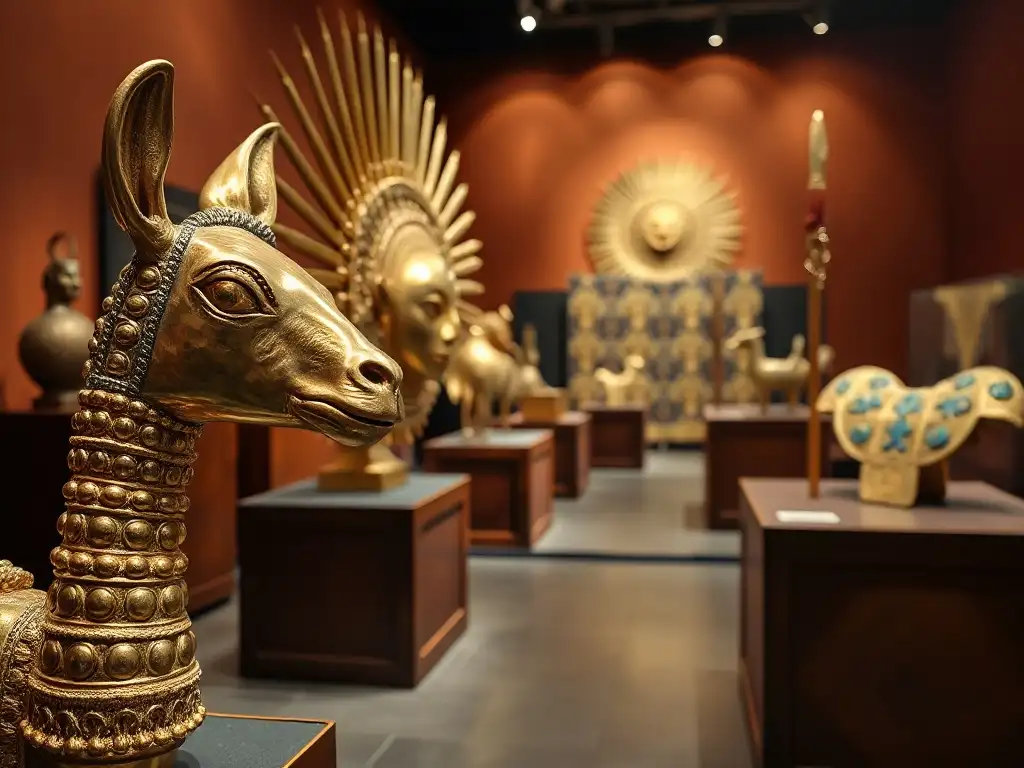
Uncover the secrets whispered by the Andes Mountains! For centuries, these majestic peaks have guarded the legacy of remarkable civilizations. Prepare to be captivated by the ingenuity and artistry of the ancient Andean cultures, particularly their mastery of metallurgy. Dive into the world of Andean gold ritual artifacts – objects imbued with profound symbolic power, revealing a complex cosmology and sophisticated understanding of the world. Their stories, waiting to be unveiled, promise a journey unlike any other. Explore the depths of Andean Technology and Innovation and discover the breathtaking brilliance of their metalwork.
The Andes Mountains, a spine of towering peaks stretching along the western coast of South America, were not just a geographical feature; they were the cradle of sophisticated civilizations that developed remarkable metallurgical techniques. This article delves into the fascinating world of Andean metallurgy, focusing on the symbolic power imbued in precious metals, particularly gold and silver, within the context of ritual practices.
We will explore how these societies, including the Incas, Moche, Nazca, and Tiahuanaco, harnessed their technological prowess to create intricate and awe-inspiring gold ritual artifacts, reflecting their complex belief systems and societal structures. Understanding the relationship between Andean metallurgy and ritual provides crucial insights into the worldview and spiritual practices of these remarkable ancient cultures, shedding light on their enduring legacy.
We will examine specific examples of Andean gold ritual artifacts, analyzing their craftsmanship, iconography, and the likely rituals in which they were employed. The study of these objects helps us reconstruct a vibrant tapestry of religious beliefs, social hierarchies, and the sophisticated technological capabilities of Andean societies.
The Technological Mastery of Andean Metalworkers
Andean metalworkers demonstrated an astonishing level of skill and ingenuity. Their mastery of techniques like hammering, annealing, soldering, and casting allowed them to create objects of incredible detail and complexity. They expertly manipulated gold, silver, copper, and bronze, often combining these metals to achieve a variety of colors and textures.
The process was laborious and required specialized knowledge passed down through generations. Evidence suggests that different metallurgical techniques were employed across various Andean cultures, reflecting regional variations and the evolution of techniques over time. For example, the lost-wax casting technique, used to create intricate shapes, was particularly sophisticated.
This involved creating a wax model, covering it in clay, melting out the wax, and then pouring molten metal into the resulting mold. The precision and artistry involved in this process are truly remarkable, showcasing the high level of expertise among Andean artisans. The creation of these artifacts wasn't merely a technical feat; it was a ritualistic act itself, imbued with spiritual significance.
Gold: The Metal of the Gods in Andean Rituals
Gold held a deeply symbolic significance in Andean cultures. It was often associated with the sun, representing power, divinity, and royalty. Numerous gold ritual artifacts have been unearthed, ranging from intricate masks and ornaments to elaborate vessels and ceremonial objects. These artifacts were not simply decorative; they played crucial roles in religious ceremonies and rituals, often used to honor deities, appease spirits, or commemorate important events.
The use of gold in ritual contexts reinforced its association with the sacred and the supernatural. The sheer quantity of gold used in some artifacts further emphasizes its importance as a symbol of power and prestige. [Specific examples of gold artifacts and their associated rituals pending]
Silver and other Metals in Andean Ritual Practices
While gold held a prominent position, other metals like silver, copper, and bronze also played important roles in Andean rituals. Silver, often associated with the moon and water, held its own symbolic significance. Copper and bronze were also used to create a variety of ritual objects, reflecting the adaptability and resourcefulness of Andean metalworkers.
The choice of metal often depended on the specific ritual or deity being honored. For example, certain deities might be associated with specific metals, influencing the materials used in creating ritual objects dedicated to them. [Specific examples of silver, copper, and bronze artifacts and their associated rituals pending]
The Iconography of Andean Gold Ritual Artifacts: Deciphering the Symbols
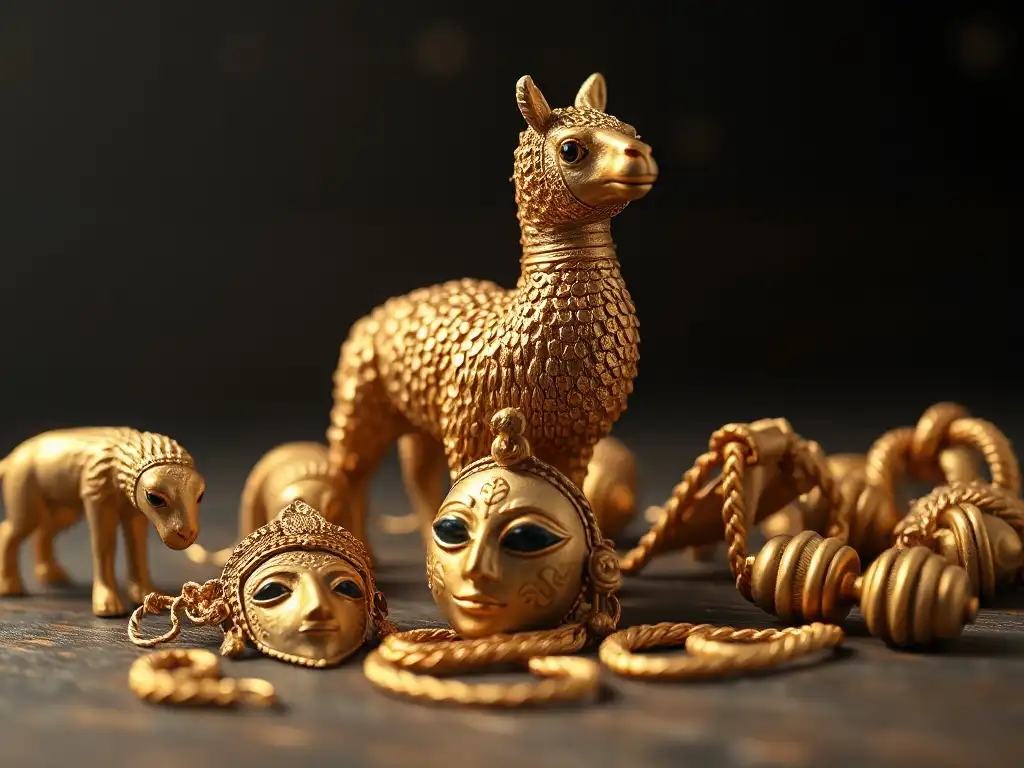
The iconography found on Andean gold ritual artifacts provides valuable insights into the beliefs and worldview of these ancient societies. Detailed representations of deities, animals, and mythical creatures are frequently depicted, offering clues to their cosmology and religious practices. The careful study of these symbols, often intertwined with intricate designs and patterns, helps us interpret the meaning and purpose of these objects within the broader context of Andean ritual.
The stylistic variations in iconography across different cultures and time periods also reveal the evolution of religious beliefs and artistic expression. Analyzing the iconography requires a multidisciplinary approach, combining archaeological evidence with anthropological and historical interpretations. [Specific examples of iconographic representations and their interpretations pending]
The Legacy of Andean Metallurgy and its Continuing Influence
The legacy of Andean metallurgy continues to fascinate and inspire. The remarkable artistry and technological sophistication of these ancient metalworkers are a testament to their ingenuity and cultural richness. Their creations provide invaluable insights into their beliefs, social structures, and artistic achievements.
The study of Andean gold ritual artifacts remains an ongoing process, with new discoveries and interpretations constantly enriching our understanding of these fascinating ancient cultures. The enduring appeal of these objects lies not only in their aesthetic beauty but also in the profound insights they offer into the lives, beliefs, and spiritual world of the Andean civilizations. The preservation and study of these artifacts are crucial for understanding the rich heritage of the Andes and appreciating the enduring power of their artistic and technological achievements.
- The Technological Mastery of Andean Metalworkers
- Gold: The Metal of the Gods in Andean Rituals
- Silver and other Metals in Andean Ritual Practices
- The Iconography of Andean Gold Ritual Artifacts: Deciphering the Symbols
- The Legacy of Andean Metallurgy and its Continuing Influence
The Significance of Metals in Andean Cosmology
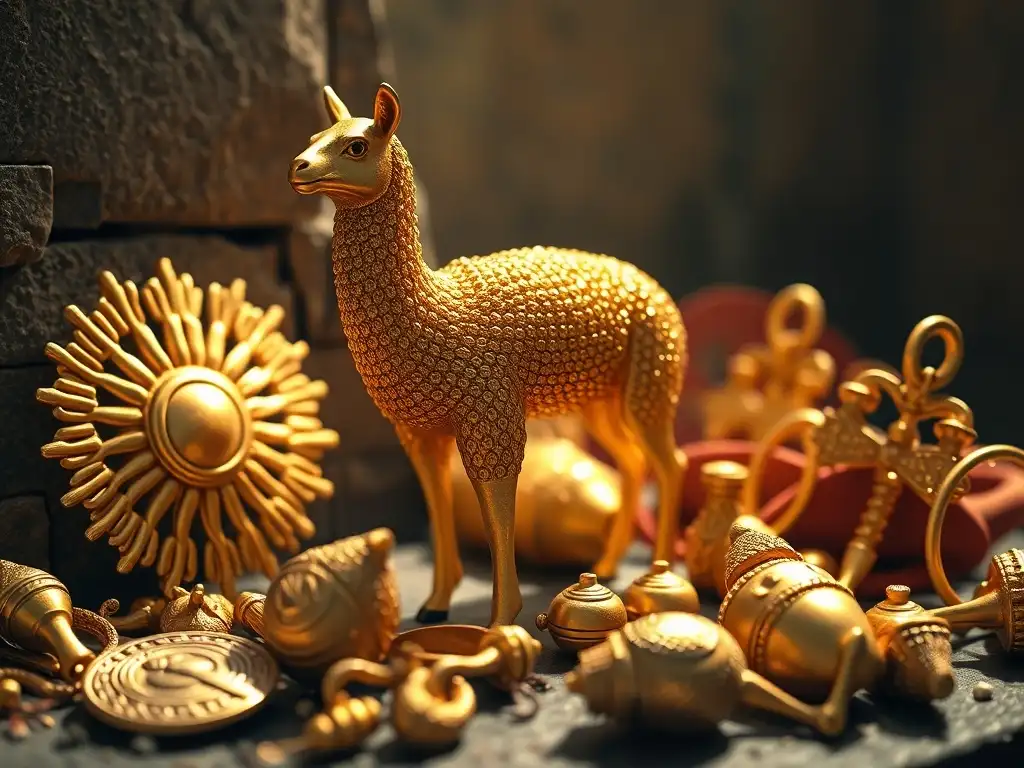
The Andean worldview deeply intertwined the material world with the spiritual realm, and precious metals played a pivotal role in this cosmology. Unlike many other cultures that viewed metals primarily as tools or currency, Andean societies imbued them with potent symbolic meaning, reflecting their understanding of the cosmos, power structures, and the relationship between the living and the dead.
The sourcing and crafting of these metals were not merely technical feats; they were ritualistic acts, connecting the artisans to the divine and imbuing the finished objects with spiritual energy. This is clearly evidenced in the elaborate designs and techniques used in the creation of Andean gold ritual artifacts, reflecting a sophisticated understanding of metallurgy and its symbolic power.
The careful selection of materials, the precision of the craftsmanship, and the specific contexts in which these objects were used all contributed to their sacred significance. The very act of transforming raw materials into exquisite artifacts was viewed as a form of creation, mirroring the divine act of bringing forth the universe.
The Spiritual Value of Andean Gold
Gold, in particular, held unparalleled importance in Andean cultures. Its brilliance, malleability, and resistance to corrosion were interpreted as reflections of the sun's power, the enduring strength of the mountains, and the immortality of the gods. Andean gold ritual artifacts, often depicting deities, mythical creatures, or scenes from the cosmos, served as powerful conduits between the human and divine realms.
For example, elaborate gold masks, designed to cover the faces of mummies, were not merely decorative; they were believed to protect and empower the deceased in their journey to the afterlife. The intricate details, often depicting celestial bodies or shamanistic figures, further reinforce the objects' spiritual function. The use of gold in funerary contexts underscores its association with immortality and the continuity of life beyond death.
Quantifiable data on the sheer volume of gold used in such rituals, while difficult to ascertain precisely due to looting and incomplete archaeological records, nonetheless suggests the immense value placed upon this metal. The sheer investment of labor and resources in creating these artifacts highlights their importance within the Andean spiritual framework.
Silver and Other Metals: Beyond Monetary Value
While gold dominated in terms of symbolic power, other metals like silver, copper, and bronze also held significant cultural and ritualistic value. Silver, often associated with the moon and the feminine principle, was used in a variety of ritual contexts, complementing the solar symbolism of gold. Copper, with its association with blood and life force, was employed in tools and weapons, but also featured prominently in ceremonial objects.
The use of alloys, such as tumbaga (a gold-copper alloy), further demonstrates the sophisticated metallurgical knowledge and the symbolic manipulation of material properties. The creation of these alloys wasn't simply a matter of practicality; the blending of metals represented a powerful synthesis of different symbolic meanings, further enhancing the spiritual potency of the resulting artifacts.
The strategic use of different metals in specific rituals and contexts points to a complex system of beliefs and practices where materiality was inseparable from spirituality. Future research could focus on a more detailed analysis of the relative quantities and uses of different metals to gain a deeper understanding of their hierarchical significance.
Metals as a Link Between Worlds
Andean gold ritual artifacts and other metallic objects weren't merely passive representations of the spiritual world; they actively facilitated interaction with it. They served as intermediaries, connecting the living with the ancestors, the human realm with the divine, and the earthly plane with the celestial. Ceremonial vessels, for instance, were not only used to contain offerings but also acted as conduits for communication with the supernatural.
The intricate designs often depicted scenes of ritual practices, suggesting a direct link between the artifact's material form and the performance of religious rites. The act of crafting and using these objects was in itself a ritual, reinforcing the connection between the artisan, the object, and the spiritual world. This active role of metallic objects in religious practices distinguishes Andean metallurgy from purely utilitarian approaches seen in other cultures.
The inherent value of the metals, combined with the meticulous craftsmanship and symbolic representation, created powerful objects capable of mediating between different realms of existence. Further study of the archaeological context surrounding these artifacts – their location within burial sites, temples, or other ceremonial spaces – is crucial for a complete understanding of their function and significance within Andean religious life.
Early Andean Metallurgy: Techniques and Discoveries
This section delves into the fascinating beginnings of Andean metallurgy, exploring the techniques and discoveries that laid the foundation for the sophisticated metalworking traditions of later civilizations. Understanding these early practices provides crucial context for appreciating the symbolic power of precious metals in Andean ritual artifacts. The development wasn't linear; it involved experimentation, innovation, and a gradual mastery of increasingly complex techniques.
The Dawn of Metalworking in the Andes
The earliest evidence of metalworking in the Andes dates back to approximately 2000 BCE, focusing primarily on the use of naturally occurring copper. These initial efforts weren't characterized by elaborate techniques; rather, they involved the hammering and shaping of native copper nuggets. Archaeological finds reveal simple tools and ornaments, indicating a rudimentary understanding of the metal's malleability.
The discovery of copper deposits and the subsequent development of basic hammering techniques represent a pivotal moment in Andean technological innovation, paving the way for more advanced metallurgical practices. It's important to note that the exact timeline and geographical origins of this early metalworking are still subject to ongoing research and debate among archaeologists, with some suggesting earlier beginnings in certain regions. Further investigation is needed to fully elucidate the nuances of this crucial period.
Copper and its Initial Uses
Initially, copper's utility in the Andes was primarily focused on the creation of functional tools. These included simple knives, chisels, and axes, which significantly improved agricultural practices and other aspects of daily life. The improved efficiency in toolmaking afforded by copper, compared to stone or bone, represents a significant technological leap forward. While some early copper artifacts display rudimentary decorative elements, the primary focus remained on functionality.
The transition from stone tools to copper tools is a key indicator of the growing sophistication of Andean technology and its impact on societal structures. This shift also contributed to a greater understanding of material properties and the possibilities of metalworking. The production of these early copper tools required basic techniques like annealing (heating and cooling to soften the metal) and cold hammering.
The Development of Gold and Silver Extraction
The mastery of copper smelting and alloying opened the door to the exploitation of other precious metals, most notably gold and silver. The extraction and processing of these metals demanded more sophisticated techniques. While the exact methods employed remain a topic of ongoing research, evidence suggests the use of techniques such as fire assaying, which involved heating ore to separate the precious metals from impurities.
The allure of gold and silver, however, extended far beyond their functional value. Their inherent beauty and rarity contributed to their adoption in religious and ceremonial contexts, solidifying their association with power, divinity, and prestige. This development is crucial for understanding the later evolution of Andean gold ritual artifacts, as the increased availability of precious metals fueled their use in increasingly intricate and symbolic objects.
The transition to working with gold and silver represents a significant step towards the advanced metallurgical techniques and the rich artistic expressions observed in later Andean cultures. The increased complexity of these processes also suggests a growing level of social organization and specialized labor.
Pre-Incan Metalworking Techniques
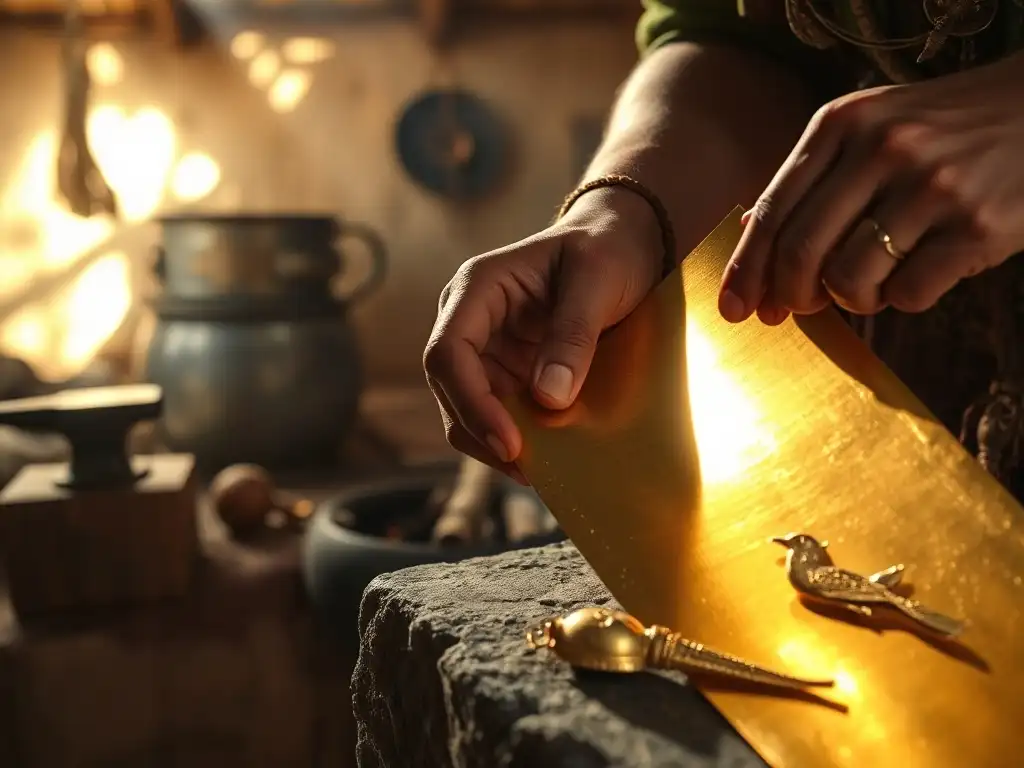
Pre-Incan Andean metalworking, spanning centuries before the Inca Empire's rise, reveals a sophisticated understanding of metallurgy. These techniques, developed and refined over generations, laid the groundwork for the later, more elaborate metalwork associated with the Inca. The earliest examples, dating back to the early centuries CE, showcase a remarkable mastery of hammering, annealing, and alloying, primarily using gold, copper, and silver. Archaeological evidence suggests that these techniques weren't uniformly applied across all Andean cultures; regional variations in style and metalworking practices existed, reflecting distinct cultural identities and technological advancements.
For instance, the Moche culture on the northern coast of Peru is renowned for its intricate goldwork, often featuring detailed depictions of deities and scenes from daily life, achieved through meticulous hammering and repoussé techniques. In contrast, some highland cultures, like those in the Tiwanaku area, might have emphasized different techniques or used different metal alloys depending on the available resources and their specific artistic goals. The development of sophisticated casting techniques, while appearing later, significantly expanded the possibilities for creating complex shapes and larger-scale objects. This involved creating molds, often made from clay or stone, into which molten metal was poured.
The precision required for these molds, coupled with the control needed to manage the molten metal's temperature and flow, demonstrates a high level of metallurgical knowledge. The study of pre-Incan metalworking continues to unveil fascinating insights into the ingenuity and artistry of these early Andean societies, showing their deep understanding of materials and their ability to manipulate them for both practical and symbolic purposes. The evolution of these techniques, from simple hammering to complex casting, highlights the continuous innovation and experimentation characterizing Andean metallurgy. Each new discovery sheds further light on the cultural and technological exchanges that occurred across the Andes, influencing the development of distinct regional styles and techniques.
The Role of Alloying in Andean Metallurgy
Alloying, the process of combining two or more metals to create a new material with enhanced properties, played a crucial role in Andean metallurgy. By combining copper with other metals, such as tin or arsenic, Andean metallurgists were able to produce bronze and other alloys with increased strength, durability, and malleability. This allowed them to create tools and weapons that were more effective and resilient than those made from pure copper. The precise proportions of the alloying elements varied depending on the desired properties and the available materials.
For example, certain alloys might have been favored for their hardness, making them suitable for tools like chisels or knives, while others might have been chosen for their malleability, suitable for shaping into decorative objects. The control over the alloying process demonstrates a deep understanding of material science and the ability to manipulate the properties of metals to meet specific needs. Archaeological analysis of Andean metal artifacts frequently reveals the presence of various alloying elements, providing valuable clues about the techniques used and the metallurgical knowledge of the time.
The consistent quality and complexity of many artifacts suggest a standardized approach to alloying, possibly involving established recipes or techniques passed down through generations of artisans. The sophistication of Andean alloying is further evidenced by the creation of unique alloys with specific properties, highlighting their experimental approach and mastery of this critical metallurgical process. The understanding of alloying was not merely a technical achievement; it was also essential for the creation of the richly colored and visually stunning metal objects that are characteristic of Andean art and ritual.
Sourcing and Processing of Metals
The sourcing and processing of metals formed the foundation of Andean metallurgy. The geographic distribution of metal ores significantly influenced the development of regional metalworking traditions. The Andes Mountains are rich in copper, silver, and gold deposits, but their accessibility and distribution varied considerably. Some regions had abundant access to high-quality ores, leading to the development of thriving metalworking centers. Other areas, with limited or less accessible resources, might have developed different techniques or focused on other materials.
The extraction of ores often involved complex processes, potentially including mining, quarrying, and the use of various tools to break down the rock and separate the valuable metals. Once extracted, the ores underwent further processing to refine the metals. This could involve smelting, a process of heating the ore to high temperatures to separate the metal from other elements, or other techniques to purify the metal and prepare it for shaping. The specific techniques used varied depending on the metal and the available technology.
For example, gold, being a relatively soft metal, could be worked more easily than copper or bronze, which required more rigorous processing. The ability to efficiently source and process metals played a crucial role in the success and widespread adoption of Andean metalworking across various cultures and regions. The development of effective mining and processing techniques was essential not only for the creation of tools and weapons but also for the production of the elaborate and symbolically significant metal artifacts that characterized Andean societies. The sheer volume and variety of metal objects found at archaeological sites attest to the scale and efficiency of Andean metal production and the mastery of the processes involved.
Andean Gold Ritual Artifacts: A Closer Look
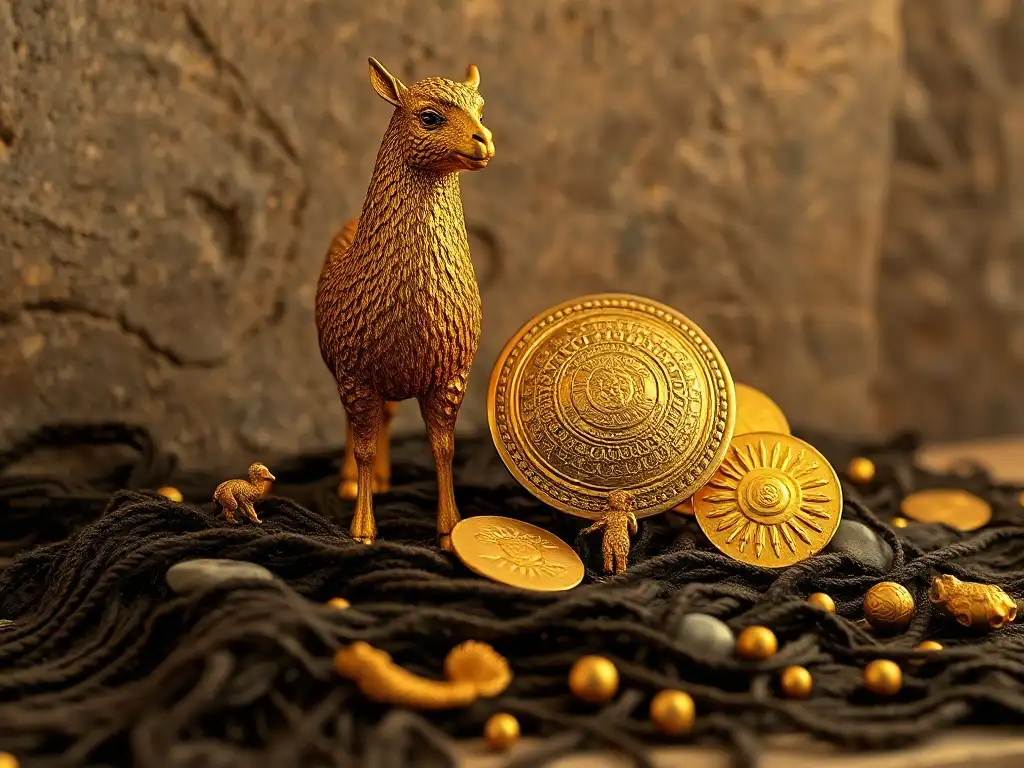
This section delves into the fascinating world of Andean gold ritual artifacts, exploring their craftsmanship, symbolism, and significance within the context of ancient Andean religious practices. The use of gold in these artifacts wasn't merely decorative; it held profound spiritual meaning, reflecting the Andean worldview and their relationship with the supernatural. The meticulous detail and artistry involved in their creation further emphasize their sacred purpose. These objects, discovered across various Andean cultures, offer invaluable insights into their beliefs, rituals, and social structures.
The precious metal itself, gold, was often associated with the sun, a powerful deity in many Andean pantheons, symbolizing power, wealth, and immortality. Analyzing these artifacts allows us to understand the intricate connection between Andean metallurgy and their spiritual world. The following subsections will explore specific examples of Andean gold ritual artifacts, highlighting their unique characteristics and symbolic power.
Tumi Knife: Symbolism and Ritual Use
The tumi, a ceremonial knife with a distinctive crescent-shaped blade, is one of the most iconic examples of Andean gold ritual artifacts. Primarily associated with the Chimú and Inca civilizations, these knives were far more than simple tools; they served as powerful symbols of authority and were frequently used in religious ceremonies. The intricate designs adorning many tumis often depict deities, mythical creatures, and scenes from Andean mythology. The crescent shape itself is believed to symbolize the moon, another significant celestial body in Andean cosmology, representing cycles of life, death, and rebirth.
Several examples of gold tumis have been unearthed in tombs, often accompanied by other precious artifacts, indicating their high status and importance within the ritual context. The craftsmanship involved in creating these objects was exceptional, demanding advanced metallurgical techniques and a deep understanding of metalworking.
The precision of the curves, the delicate detail of the designs, and the high polish achieved speak volumes about the skill of the Andean artisans. The use of gold, with its inherent link to the sun and divine power, further enhanced the sacred nature of the tumi.
Analysis of the gold itself can reveal details about the sourcing of the metal and the techniques used in its refinement, adding to our understanding of Andean metallurgical achievements. Further research is needed to fully understand the specific ritual contexts in which these tumis were used, but it is clear that they played a central role in Andean religious practices.
Golden Mask of Sicán: Depicting Divine Power
The golden masks of the Sicán culture (900-1375 CE) stand as striking examples of Andean gold ritual artifacts, showcasing sophisticated craftsmanship and a profound understanding of symbolic representation. These masks, often depicting stylized human faces or deities, were likely used in funerary rites or in ceremonies dedicated to the worship of the Sicán pantheon. One particularly noteworthy example is a mask featuring a powerful, almost regal visage, adorned with intricate details. The eyes, often inlaid with other precious materials like turquoise or lapis lazuli, are often depicted with a penetrating gaze, adding to the mask's aura of authority.
The use of gold in these masks directly reflects the Sicán belief system. Gold, in their cosmology, represented the sun’s power and immortality, making it an ideal material to represent divine figures. The detailed craftsmanship of these masks—the precise shaping of the features, the meticulous work on the headdresses, and the incorporation of other materials—demonstrates the high level of skill and artistry among Sicán metalworkers.
The masks weren’t simply decorative; they were powerful objects imbued with spiritual significance, designed to connect the living with the supernatural realm. Studying these masks provides crucial insights into Sicán religious beliefs, artistic expression, and technological capabilities. More research into the specific burial contexts of these masks is needed to fully understand their function within the wider ritual landscape of the Sicán culture.
Inca Miniature Figurines: Offerings to the Gods
Inca miniature figurines, often crafted from gold and other precious metals, represent another significant category of Andean gold ritual artifacts. These tiny figures, depicting humans, animals, and even everyday objects, were frequently used as offerings to the gods. Their small size doesn't diminish their importance; instead, it highlights their intimate connection to the spiritual realm. These figurines were often found in caches or buried alongside human remains, suggesting their role in funerary rites and appeasement of the ancestral spirits.
The variety of subjects depicted in these figurines reflects the breadth of the Inca worldview. Some figures represent deities, while others depict llamas (essential to Inca economy and culture), agricultural implements, and even warriors. The meticulous detail in these tiny sculptures is remarkable, revealing the advanced skills of Inca artisans.
The use of gold, silver, and other precious metals further emphasizes their sacred nature and the value placed upon these offerings. The precise meaning behind the selection of specific figures for offerings remains a subject of ongoing research. However, the sheer number of these miniature figurines found across the Inca empire suggests their widespread use in ritual practices and their integral role in Inca religion.
Further analysis of the metal composition and stylistic variations could provide additional insights into regional differences and the evolution of Inca religious practices. The discovery of new examples of these figurines continues to expand our understanding of Inca religious beliefs and practices.
The Craftsmanship Behind Andean Precious Metalwork
The artistry displayed in Andean gold ritual artifacts is truly remarkable, showcasing a sophisticated understanding of metallurgy far exceeding what was previously assumed for the time period. The techniques employed were incredibly complex, demanding both skill and patience. For example, the lost-wax casting method, widely used across various Andean cultures, involved creating a wax model of the desired object, encasing it in clay, melting out the wax, and then pouring molten metal into the resulting mold.
This process, requiring multiple stages of precision and control, allowed for the creation of intricate and highly detailed pieces, even replicating human and animal forms with astonishing accuracy. The level of detail achieved, particularly in miniature figurines and jewelry, is testament to the expertise of Andean metalworkers.
Beyond casting, Andean artisans mastered techniques like hammering, annealing (heating and cooling to soften the metal), and soldering. They used a variety of alloys, adjusting the proportions of gold, silver, copper, and other metals to achieve specific colors and desired properties. For instance, tumbaga, a gold-copper alloy, was frequently employed to produce objects with a rich, reddish hue, adding another layer of symbolic meaning to the artifacts. The ability to manipulate these alloys and achieve such precise control over the final product indicates a deep understanding of metallurgical principles.
Furthermore, the creation of intricate designs often involved the application of techniques like repoussé (hammering from the back to create raised designs) and chasing (hammering from the front to refine details). These techniques, when combined with the use of delicate filigree work and the incorporation of precious stones, resulted in artifacts of breathtaking beauty and complexity.
The sheer volume and variety of surviving Andean gold ritual artifacts, each with its own unique design and level of craftsmanship, underscores the widespread nature of this expertise and its importance within Andean societies. The skill involved wasn't limited to a select few; the consistency in quality across diverse regions and periods points to a widely-practiced and well-understood craft.
Indeed, the sophistication of Andean metallurgy suggests a level of technological and artistic development that was highly advanced for its time. The meticulous detail and the mastery of diverse techniques involved in the creation of these gold ritual artifacts clearly highlight the highly valued status of the metalworkers themselves within their communities.
The Role of Gold in Andean Rituals and Ceremonies
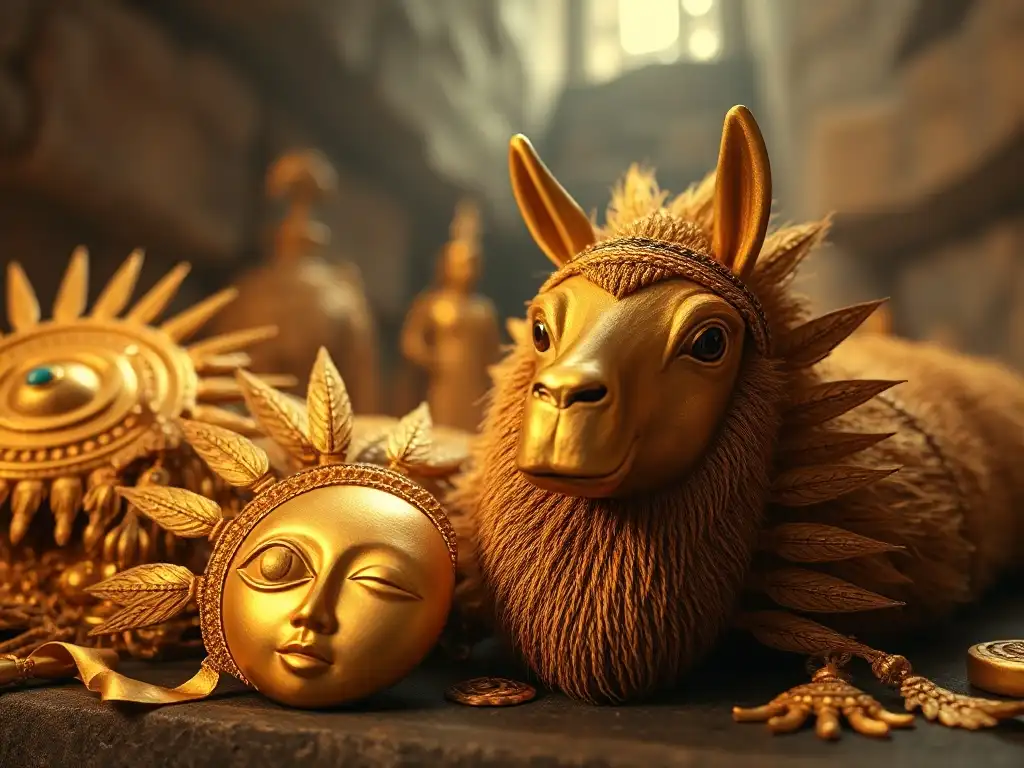
The shimmering allure of gold held immense significance for Andean civilizations, far exceeding its mere material value. Its malleability, resistance to corrosion, and radiant beauty made it the ideal medium to express spiritual beliefs, social hierarchies, and cosmological understandings. For the Andean peoples, gold wasn't simply a precious metal; it was a conduit to the divine, a tangible representation of power, and a key element in their complex ritualistic practices.
Its use wasn't limited to ornamentation; rather, it played a crucial role in ceremonies aimed at appeasing deities, ensuring successful harvests, and maintaining cosmic balance. The sheer quantity of gold artifacts unearthed across various Andean sites underscores its profound importance in their worldview. Understanding the role of gold in Andean rituals requires examining its symbolic power and its integration into diverse ceremonial contexts.
Gold as a Symbol of Power and Divinity
Andean cultures viewed gold as a manifestation of the sun's power – inti in Quechua – a life-giving force associated with fertility, prosperity, and royal authority. The Inca, for example, considered the sun their principal deity, and gold's dazzling brilliance mirrored the sun's radiant energy. Royal regalia, including intricately crafted sun discs, ornate masks, and golden ornaments, were imbued with this sacred power, reinforcing the Inca emperor's divine right to rule.
The association of gold with divinity extended beyond the Inca; various Andean societies, including the Moche and Nazca, incorporated gold into their religious iconography, creating objects that served as intermediaries between the earthly and spiritual realms. This symbolic connection ensured that gold artifacts were not merely decorative; they were powerful objects imbued with spiritual potency, capable of influencing the natural world and the destinies of individuals and communities.
The craftsmanship involved in creating these objects further elevated their symbolic value, highlighting the skill and dedication of the artisans who channeled their sacred knowledge into the creation of these potent artifacts. The sheer time and effort invested in their production underscored their importance within the Andean worldview.
Ritual Use of Gold Objects in Andean Societies
The use of gold in Andean rituals extended far beyond royal displays. Gold objects were employed in a wide range of ceremonies, including agricultural rites, healing rituals, and funerary practices. For instance, the Moche created intricate gold ornaments depicting deities and mythical creatures, which were likely used in ceremonies designed to ensure bountiful harvests and protect against natural disasters.
Archaeological evidence suggests that gold was also used in shamanistic practices, with gold objects possibly serving as tools for divination or communication with the spirit world. The precise rituals surrounding the use of these objects remain partly shrouded in mystery, but their presence in sacred contexts points to their vital role in shaping Andean religious beliefs and practices.
The discovery of gold artifacts within tombs and ceremonial sites provides tangible evidence of their ritual function, offering valuable insights into the complex relationship between Andean societies and the precious metal. Analysis of these objects, including their design, material composition, and associated grave goods, allows researchers to piece together a richer understanding of the rituals they were part of.
Andean Gold Ritual Artifacts and Funerary Practices
Gold played a prominent role in Andean funerary rites, reflecting beliefs about the afterlife and the continued spiritual existence of the deceased. Elaborate gold masks, often depicting idealized features or supernatural beings, were placed on the faces of the elite, symbolizing their transformation into divine figures in the next world. Tombs of high-ranking individuals often contained a wealth of gold objects, including jewelry, weaponry, and vessels, providing them with the material necessities and spiritual protection for their journey into the afterlife.
The sheer quantity and quality of gold artifacts found in Andean tombs highlight the importance placed on ensuring a comfortable and prosperous existence for the deceased in the next world. This practice reflects the Andean belief in the continuity of life beyond death and the importance of providing the deceased with the necessary resources and symbols of power for their continued existence. The meticulous craftsmanship evident in these funerary objects underlines the dedication and reverence with which the Andean people approached death and the afterlife.
Furthermore, the presence of gold in funerary contexts provides crucial insights into the social hierarchy and the cosmological beliefs of these ancient societies. The distribution of gold artifacts within tombs reveals patterns reflecting social status and the belief systems that guided Andean funerary rituals.
The Function of Gold in Religious Celebrations
Gold, in Andean cultures, transcended its material value; it held profound symbolic significance deeply intertwined with religious beliefs and practices. Its inherent qualities – its brilliance, malleability, and resistance to corrosion – made it the ideal medium to represent the sun, a vital deity in many Andean pantheons. The sun's life-giving power, its cyclical nature, and its association with royalty and divinity were all mirrored in gold's properties.
Therefore, gold artifacts weren't mere decorative objects; they were potent symbols used in rituals to connect the earthly realm with the spiritual world. The use of gold in religious celebrations served several key functions.
One crucial role was to honor and appease the gods. Elaborate gold objects, often crafted in intricate detail depicting deities or mythological scenes, were offered as sacrifices. These offerings weren't simply discarded; they were meticulously placed within tombs, temples, or sacred sites, representing a crucial exchange between humans and the supernatural.
The sheer value of the gold emphasized the importance of the offering and the supplicant's devotion. The more elaborate and valuable the offering, the more likely the gods would respond favorably. Archaeological evidence, particularly from sites such as Sipán in northern Peru, showcases the extravagant scale of these offerings, illustrating the central role of gold in securing divine favor.
Furthermore, gold played a vital part in rituals aimed at ensuring fertility and abundance. The sun's life-giving energy, embodied in gold, was believed to influence agricultural cycles and the prosperity of the community. Gold ornaments and figurines, often depicting agricultural deities or symbols of fertility, were used in ceremonies to ensure successful harvests and the abundance of resources.
These rituals reinforced the interconnectedness between the spiritual and material worlds, highlighting the Andean belief that the gods' influence directly impacted daily life. The use of gold in these contexts served as a powerful visual reminder of the communities' dependence on the divine for their survival and prosperity.
Finally, gold's symbolic power extended to rituals marking significant life events. From birth to death, gold played a role, often adorning individuals of high status or acting as a conduit for spiritual transitions. Funeral rituals, in particular, involved the lavish use of gold, underscoring the belief in an afterlife and the continued importance of the deceased's social standing even beyond death.
The abundance of gold in tombs reflects a belief system that extended beyond earthly concerns, emphasizing the spiritual journey and the continuity of life. The meticulous craftsmanship and symbolic imagery of these gold artifacts reveal a deep understanding of the cosmos and the Andean worldview.
The Legacy of Andean Metallurgy: Influence and Continuity
The mastery of Andean metallurgy, particularly the working of gold, silver, and copper, left an indelible mark on the continent's cultural landscape. Its influence extended far beyond the Inca Empire, impacting subsequent civilizations and even modern artistic practices. The sophisticated techniques and symbolic associations developed by Andean cultures continued to resonate, shaping artistic expression and technological innovation for centuries.
Understanding this legacy requires exploring the continuity of metallurgical traditions and the ways in which these ancient practices informed later societies. The sheer artistry and technical skill involved in creating Andean gold ritual artifacts is a testament to this enduring influence. These objects weren't just functional; they were powerful symbols, imbued with religious and political significance.
The Impact of Andean Metalworking on Later Cultures
The fall of the Inca Empire did not signal the end of Andean metallurgical expertise. Spanish conquistadors, while initially focused on plundering gold and silver, were also impressed by the skill of indigenous artisans. Many were pressed into service in newly established workshops, continuing the tradition of metalworking, albeit under colonial control.
This forced assimilation resulted in a blending of Andean techniques with European styles, creating a unique hybrid aesthetic. Colonial-era silverwork, for example, often incorporated pre-Columbian motifs and techniques, reflecting the enduring influence of Andean artistry. Even today, many contemporary Andean artisans draw inspiration from ancient metalworking traditions, creating pieces that echo the stylistic elements and techniques of their ancestors.
This continuity demonstrates the profound and lasting impact of Andean metallurgy on the cultural identity of the region. The legacy of Andean gold ritual artifacts is evident in the continued use of traditional techniques and designs, ensuring that these ancient practices remain relevant and vibrant.
Andean Metalworking Techniques and Modern Crafts
Andean metalworkers displayed remarkable ingenuity, developing sophisticated techniques for shaping and decorating precious metals. Lost-wax casting, hammering, repoussé, and gilding were just some of the methods employed to create intricate and visually stunning objects. The use of alloys, such as tumbaga (a gold-copper alloy), allowed for a wider range of colors and textures.
These techniques were not simply technical achievements; they were deeply intertwined with ritual and religious practices. The creation of an Andean gold ritual artifact was a complex process, often involving multiple artisans and stages, reflecting the sacred nature of the final product. Modern artisans continue to employ many of these ancient techniques, often using traditional tools and materials.
This preservation of knowledge and skill ensures the continuation of a rich cultural heritage. Understanding these techniques provides insight into the remarkable skill and artistry of Andean metalworkers, and the enduring significance of their creations. The intricate detail found in many Andean gold ritual artifacts showcases the mastery of these techniques.
The Preservation of Andean Metallurgical Heritage
The preservation of Andean metallurgical heritage is crucial for understanding the past and informing the future. Museums and archaeological sites play a vital role in safeguarding these artifacts, but the ongoing study and documentation of ancient techniques are equally important. Ethnographic research, documenting the practices of contemporary Andean artisans, helps bridge the gap between ancient and modern traditions.
Efforts to protect ancient mining sites and promote sustainable practices in contemporary metalworking are also essential. The challenge lies in striking a balance between preserving these objects for future generations and allowing for their study and appreciation. The study of Andean gold ritual artifacts, in particular, offers valuable insights into the religious beliefs, social structures, and artistic achievements of these ancient cultures.
Protecting this heritage ensures the continuity of a unique and invaluable cultural legacy. The careful preservation of these artifacts allows us to appreciate the artistry and technical skill of Andean metalworkers, and to better understand the symbolic power of their creations.
Understanding the Symbolism of Andean Precious Metalwork Today
The enduring allure of Andean gold and precious metal artifacts stems not only from their exquisite craftsmanship but also from the potent symbolism embedded within them. Even today, these objects resonate with a profound cultural significance, offering valuable insights into the worldview and spiritual practices of ancient Andean societies. Scholars continue to decipher the intricate iconography, analyzing motifs like feline deities, serpents, and stylized human figures to understand their role in religious ceremonies and power structures. The careful study of these artifacts reveals a complex interplay of cosmological beliefs, social hierarchies, and political ideologies.
For example, the repeated appearance of specific avian figures in gold ornaments might indicate a connection to ancestor veneration or shamanistic practices. The use of particular alloys, such as tumbaga (a gold-copper alloy), could also hold symbolic meaning, potentially representing a blend of earthly and celestial forces. The meticulous detail and artistry involved in the creation of these objects suggest a deep spiritual investment in the process itself, transforming the act of metalworking into a ritualistic practice.
Modern interpretations often draw upon ethnographic studies of surviving Andean communities and their continued use of symbolic imagery. These contemporary practices provide valuable context for understanding the historical significance of ancient metalwork. By considering the enduring cultural relevance of these motifs and techniques, researchers can gain a richer understanding of the continuity and evolution of Andean beliefs and artistic traditions.
The ongoing research into the symbolism of Andean gold and metalwork not only illuminates the past but also fosters a deeper appreciation for the cultural richness of the Andean region. This continued exploration ensures that the legacy of these remarkable artifacts remains vibrant and relevant in the 21st century.
The study of these artifacts is not simply an academic pursuit; it's a journey into the heart of a vibrant and enduring culture. It allows us to connect with the spiritual and artistic vision of past Andean societies, appreciating their profound understanding of the symbolic power inherent in precious metals.
Frequently Asked Questions
What role did gold play in Andean cultures?
Gold held immense symbolic power in Andean cultures. It was associated with divinity, the sun, and spiritual power, often used in rituals and adornments for elites. It represented the power of the gods.
What types of ritual artifacts were made from gold?
Andean goldsmiths created a wide range of ritual artifacts, including masks, jewelry, and vessels. These objects were often intricately designed and depicted mythological figures and animals, reflecting religious beliefs.
How did Andean cultures work with gold?
Andean metallurgists developed advanced techniques like hammering, alloying, and gilding to shape gold into complex objects. They utilized lost-wax casting for intricate designs.
Where can I see examples of Andean gold ritual artifacts?
Many museums worldwide house collections of Andean gold artifacts, including the Larco Museum in Lima, Peru, and the American Museum of Natural History in New York. Check their online collections!
Why are Andean gold ritual artifacts so significant?
These artifacts provide invaluable insights into Andean religious beliefs, social structures, and artistic skills. Their intricate designs and use in ceremonies reveal much about the cultures' worldview and spirituality.
Final Reflection: The Enduring Legacy of Andean Gold
The intricate artistry and symbolic power of Andean gold ritual artifacts continue to resonate today, reminding us of the sophisticated societies that flourished in the Andes and the enduring human fascination with precious metals. Their discovery and ongoing study not only illuminate the past but also challenge our contemporary understanding of wealth, power, and spirituality. The sheer skill and dedication involved in crafting these objects speaks volumes about the advanced metallurgical techniques and deeply held beliefs of these ancient cultures.
The impact of Andean gold on our cultural landscape is undeniable. These artifacts, now housed in museums worldwide, continue to inspire awe and wonder, sparking conversations about cultural heritage, colonialism, and the ethical implications of collecting and displaying such significant objects. Gold is not merely a metal; it is a language, a story written in fire and hammered into shape.
– (This quote needs to be attributed to a relevant scholar or author if you have one in mind. Otherwise, remove the quote or replace it with one you can attribute). The enduring allure of these objects underscores the profound connection between humanity and precious metals, a connection that transcends time and geography.
Consider the intricate detail, the painstaking craftsmanship, the sheer weight of symbolism embedded in each piece. You, the reader, are now invited to reflect on the ways in which we continue to ascribe value and meaning to materials and objects. How do our own cultural practices mirror the symbolic use of gold and other precious metals in the Andean world? What can we learn from these ancient cultures about the relationship between material wealth and spiritual significance? Let the legacy of Andean metallurgy inspire you to explore the deeper meanings we imbue in the objects that surround us.
Unveil the Power of Andean Metallurgy Today!
Thank you for exploring the fascinating world of Andean metallurgy and its rich symbolism! Understanding the profound connection between Andean culture and the use of precious metals in rituals and beliefs is a significant step towards appreciating this ancient civilization. Let's delve even deeper!
Here are some ways to further connect with Andean civilizations and their enduring legacy:
- **Join our Andean community:** Stay informed about the latest discoveries and engage in discussions with fellow enthusiasts by subscribing to our newsletter.
- **Explore local museums:** Experience the artistry and symbolism of ancient Andean metalwork firsthand by visiting nearby museums and viewing their collections.
- **Share your knowledge:** Inspire others to appreciate the significance of Andean metallurgy by sharing your insights through a blog post or social media update.
What aspect of Andean metallurgy captivates you most, and how do you perceive its influence on contemporary society? We'd love to hear your thoughts!