
The Metalworkers' Guilds: Exploring the Organization of Andean Craftsmanship

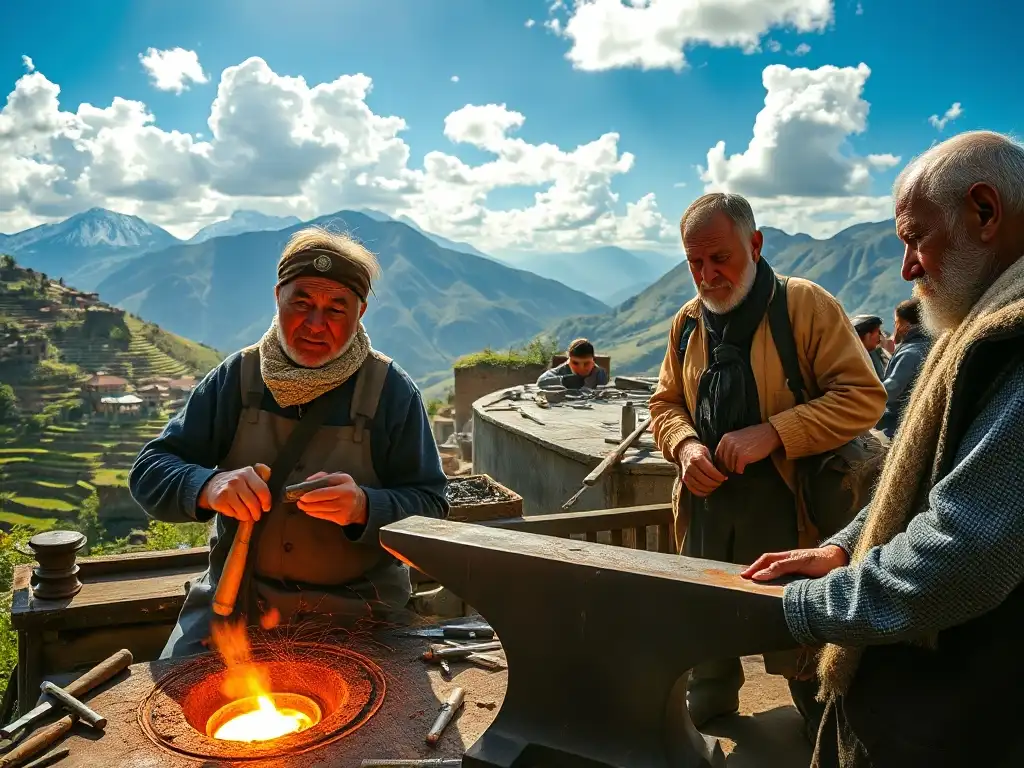
Step into a world lost to time, yet echoing with the echoes of skilled hands and ingenious minds. Discover the secrets of the ancient Andes, a land where empires rose and fell, leaving behind a legacy of breathtaking artistry and unparalleled innovation. But what truly powered this creative explosion? This journey into the fascinating world of Andean metalworking guild organization will unravel the intricate systems that fueled the Andes' technological advancements. Prepare to be amazed as we delve into the heart of their craftsmanship – a story waiting to be uncovered.
The Andes Mountains, a spine of towering peaks running down the western coast of South America, were home to a dazzling array of pre-Columbian civilizations. These cultures, including the Incas, Moche, Nazca, and Tiahuanaco, achieved remarkable feats in engineering, agriculture, and, importantly, metallurgy. This article delves into the fascinating world of Andean metalworking, specifically examining the organization and structure of the guilds that fueled this impressive technological achievement.
We will explore the societal significance of metalworking, the specialized skills involved, and the evidence suggesting a highly structured and organized system of production and distribution within these ancient Andean societies. Understanding the intricacies of Andean metalworking guild organization provides crucial insights into the complex social, economic, and political dynamics of these remarkable cultures. This exploration will reveal how these guilds not only produced stunning artifacts but also played a vital role in shaping the very fabric of Andean societies.
We will uncover the secrets behind the creation of iconic objects, from intricate gold jewelry to powerful ceremonial weapons, and the sophisticated systems that supported their production. Prepare to be amazed by the ingenuity and organizational prowess of the Andean metalworkers.
Andean Metallurgy: A Legacy of Skill and Innovation
Andean metallurgy represents a pinnacle of pre-Columbian technological innovation. The mastery of techniques like hammering, casting, soldering, and alloying allowed Andean artisans to create objects of breathtaking beauty and technical sophistication. The use of gold, silver, copper, and bronze, often combined in intricate designs, showcases a deep understanding of material properties and metallurgical processes.
Archaeological evidence reveals a wide range of metallic artifacts, including elaborate jewelry, ceremonial objects, tools, and weapons. The sheer volume and diversity of these objects suggest a robust and well-organized system of production, likely managed through specialized guilds. These guilds, far from being simple workshops, likely played a significant role in the social and economic structure of Andean societies.
The precision and artistry displayed in Andean metalwork indicate a high level of specialization and training, suggesting a hierarchical structure within the guilds themselves, with master craftsmen overseeing apprentices and specialized workers focusing on particular techniques. The process involved obtaining raw materials, refining ores, creating molds, shaping the metal, and finally, the intricate finishing work, all suggesting a complex division of labor.
The Significance of Metalworking in Ancient Andean Societies
Metalworking in the Andes was far more than a mere craft; it held profound social and religious significance. Metallic objects were not just tools or ornaments; they served as powerful symbols of status, authority, and religious power. Gold, in particular, was associated with the sun and held immense spiritual value. Elites often adorned themselves with elaborate gold jewelry and ornaments, reflecting their privileged position within society.
Ceremonial objects, often made of precious metals, played a central role in religious rituals and ceremonies. The control and distribution of precious metals were likely controlled by the ruling elites, with metalworkers playing a key role in maintaining this control. Evidence suggests that metalworkers held a respected position within their communities, possessing specialized skills and knowledge highly valued by society.
The organization of these guilds, therefore, was not only crucial for production but also for maintaining social order and reinforcing the power structures of the time. The production of these objects was not a random process; it was tightly controlled and carefully managed, demonstrating a high degree of social organization and planning. The distribution of finished products also played a significant role, further highlighting the economic and political importance of Andean metalworking guilds.
- Andean Metallurgy: A Legacy of Skill and Innovation
- The Significance of Metalworking in Ancient Andean Societies
Understanding Andean Metalworking Guild Organization
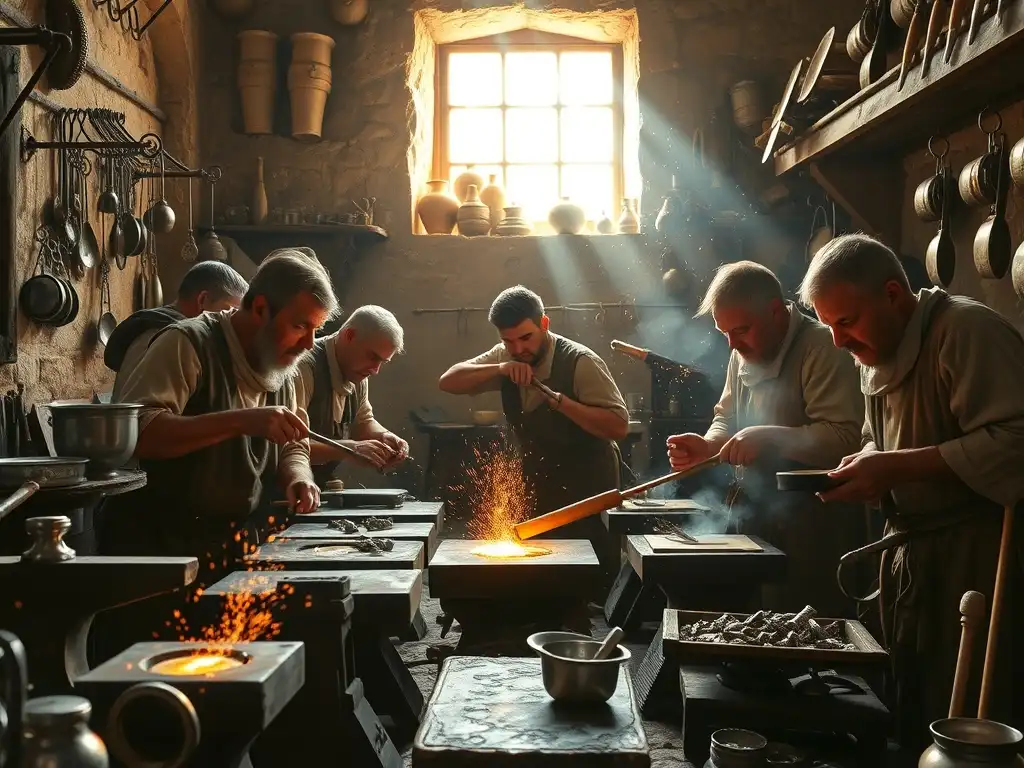
This section delves into the fascinating world of Andean metalworking guild organization, exploring how these crucial social structures facilitated the remarkable metallurgical achievements of ancient Andean civilizations. We'll examine the evolution of artisan organization, the key features of these guilds, and their impact on metal production and societal structure. Understanding the intricacies of Andean metalworking guild organization provides invaluable insight into the sophisticated social and economic systems that underpinned their impressive technological advancements. The term "Andean metalworking guild organization" itself highlights the complex interplay between social structure and technological innovation.
Early Forms of Artisan Organization in the Andes
Before the emergence of formally structured guilds, Andean artisan communities relied on less formalized systems of organization. Evidence suggests a system of reciprocal exchange and apprenticeship within families and small, localized groups. Early metalworking, often involving rudimentary techniques like hammering and annealing, likely occurred within these familial units, with knowledge and skills passed down through generations.
This informal structure, while lacking the formal organization of later guilds, laid the groundwork for the more complex systems that would follow. The transition from this early, familial structure to more formalized guilds was a gradual process, likely influenced by factors such as increasing demand for metal goods and the development of more complex metallurgical techniques.
The Emergence of Specialized Metalworking Guilds
The rise of specialized metalworking guilds coincided with the growth of larger, more centralized Andean states. The increased demand for metal artifacts – from ceremonial objects to tools and weapons – necessitated a more efficient and organized system of production. This period witnessed a shift from small-scale, family-based workshops to larger, more specialized guilds, bringing together skilled artisans under a common organizational structure.
The exact timing of this transition varies across different Andean cultures, but evidence points to its significant development during the Late Intermediate Period (approximately 1000-1476 CE) and its continuation during the Inca Empire. This development marks a crucial turning point in Andean metalworking, transitioning from a largely localized practice to a more sophisticated, large-scale industry. The increasing complexity of metalworking techniques, such as lost-wax casting and alloying, further fueled the need for specialized guilds.
Key Features of Andean Metalworking Guilds
Andean metalworking guilds possessed distinct characteristics that shaped their structure and function. These features distinguished them from other craft organizations and contributed significantly to the quality and quantity of metal production. The organization was not monolithic; variations existed across different regions and cultures within the Andes. However, certain common threads can be identified, providing a framework for understanding these vital social and economic entities.
Guild Structure and Hierarchy
Andean metalworking guilds likely featured a hierarchical structure, with master artisans at the top, overseeing the work of journeymen and apprentices. This hierarchy ensured the transmission of knowledge and skills, maintaining quality standards, and facilitating efficient production. The master craftsman held considerable authority, controlling access to resources, apprentices, and potentially even the distribution of finished goods.
Evidence of this hierarchical structure might be found in the varying quality and complexity of metal artifacts, reflecting the skills of different artisans within the guild. Further research is needed to fully delineate the specific hierarchical structures within different Andean metalworking guilds. [Specific information pending: detailed archaeological evidence of guild hierarchies]
Training and Apprenticeship Systems
A crucial aspect of Andean metalworking guild organization was the apprenticeship system. Aspiring metalworkers underwent rigorous training under the guidance of master artisans, learning the intricate techniques and skills required for their craft. This system ensured the continuation of traditional knowledge and the maintenance of high standards of craftsmanship.
The length of apprenticeship likely varied depending on the complexity of the specific metalworking techniques being learned. Apprenticeship contracts, while not explicitly documented, were likely implicit within the guild structure, binding apprentices to their masters for a period of service in exchange for training and potentially a share of the guild's production.
The Role of Guilds in Metal Production
Andean metalworking guilds played a central role in the production and distribution of metal artifacts. They controlled access to raw materials, tools, and specialized knowledge, ensuring a consistent supply of high-quality metal goods. The guilds likely held a monopoly over certain types of metalwork, influencing both the style and the availability of metal artifacts. Furthermore, the guilds may have been involved in the distribution and trade of their products, either directly or through intermediaries.
Their influence extended beyond mere production, shaping the economic and social landscape of the Andean world. The organization and control of metal production by these guilds contributed substantially to the economic prosperity and cultural identity of the Andean civilizations. The sheer volume and sophistication of Andean metalwork, as evidenced by numerous archaeological finds, speaks volumes about the efficiency and effectiveness of their guild organization.
Guilds and the Production of Andean Metal Artifacts
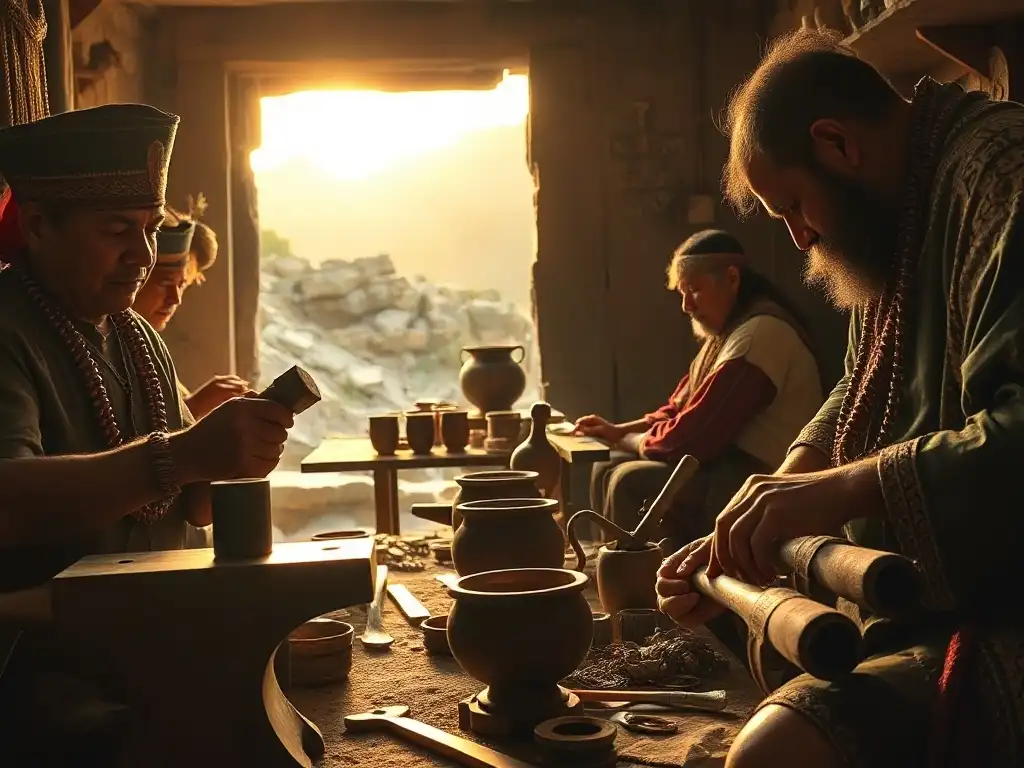
The organization of Andean metalworking was far from haphazard. Evidence suggests a sophisticated system of guilds, though the exact structure and function varied across different cultures and time periods. The term "guild" itself might be an imperfect analogy to European medieval guilds, but it captures the essence of specialized groups of artisans working collaboratively and often inheriting their craft through family lineages.
Understanding the Andean metalworking guild organization requires examining the production process itself, the specific examples of different guilds' output, and the remarkable diversity of metal artifacts they produced. This intricate system demonstrates a high level of social and economic organization, contributing significantly to the development of Andean societies.
The study of Andean metalworking guild organization offers valuable insights into the social structures, economic systems, and technological advancements of these fascinating cultures. Analyzing the distribution of artifacts and the stylistic consistencies across regions further illuminates the networks and interrelationships between different guilds.
The Production Process within Metalworking Guilds
The production of Andean metal artifacts involved a complex and multi-stage process, reflecting the specialized skills within the guilds. Initial stages often involved prospecting and mining for ores, a process likely undertaken by specialized members of the guild or by groups working in conjunction with the guilds. The ore was then refined, often using techniques like smelting and cupellation to extract the desired metal, typically copper, gold, silver, or alloys such as bronze (copper and tin). This would have required specialized knowledge of metallurgy and the control of high temperatures, achieved through sophisticated furnaces.
Following refining, the metal was shaped through techniques like hammering, casting (using molds made of clay or stone), and lost-wax casting (a more intricate method allowing for greater detail). The artisans then applied various finishing techniques, including polishing, inlaying (inserting other metals or materials into the surface), and gilding. The finished products were often decorated with intricate designs, reflecting both aesthetic preferences and symbolic meanings.
The entire process, from ore extraction to final decoration, required a division of labor and specialized skills within the guild, demonstrating a level of organizational complexity far exceeding simple craft production. This hierarchical structure, with master artisans, apprentices, and possibly other specialized roles, ensured the continuation and refinement of metalworking techniques over generations.
The Production of Tumis by the Lambayeque Guilds
The Lambayeque culture (also known as Sicán), flourishing on the northern coast of Peru from roughly 750 to 1375 CE, is renowned for its exquisite metalwork, particularly its tumis. These ceremonial knives, often elaborately decorated with gold and other metals, were prestigious objects associated with elite status and ritual practices. The Lambayeque metalworking guilds likely possessed a high degree of specialization in the production of these iconic artifacts.
The creation of a tumi would have involved a complex sequence of steps, starting with the acquisition of high-quality metals and the creation of detailed molds. The lost-wax casting technique was likely employed to achieve the intricate designs and fine details characteristic of Lambayeque tumis.
After casting, skilled artisans would have spent considerable time shaping, polishing, and decorating the tumi, often using techniques like repoussé (hammering from the back to create raised designs) and chasing (hammering from the front to refine details). The incorporation of precious metals, such as gold and silver, into the tumi's design further underscores the specialized skills and the guild's access to valuable resources.
The consistent stylistic elements across many Lambayeque tumis suggest a standardized production process within the guilds, with shared techniques and design aesthetics passed down through generations of artisans. The production of these objects was not only a technological feat but also a testament to the organizational capacity and artistic skill of the Lambayeque metalworking guilds.
The Diversity of Metal Products: From Tools to Ritual Objects
Andean metalworking guilds produced a remarkably diverse array of objects, ranging from practical tools to elaborate ritual artifacts. This demonstrates the adaptability and versatility of their skills and the multifaceted role of metal in Andean societies.
| Object Type | Material(s) | Function | Significance |
|---|---|---|---|
| Tumi | Gold, silver, copper | Ceremonial knife | Ritual, elite status |
| Spindle whorls | Copper, bronze | Spinning | Daily life, textile production |
| Adzes | Copper, bronze | Woodworking tools | Construction, carpentry |
| Figurines | Gold, silver, copper | Ritual, decorative objects | Religious beliefs, social status |
| Ornaments | Gold, silver, alloys | Personal adornment, status symbols | Social hierarchy, ritual practice |
| Vessels | Gold, silver, copper | Storage, ritual use | Storage of food, drink, or sacred substances |
| Weapons (knives, axes) | Copper, bronze, gold | Warfare, hunting | Military power, social control, hunting success |
The diversity showcased in the table above highlights the extensive range of skills and knowledge within the Andean metalworking guilds. The production of these objects, which varied greatly in size, complexity, and function, required a high degree of specialization and coordination within the guild system. The use of different metals, alloys, and techniques further underscores the sophistication of Andean metallurgy and the organizational capabilities of the guilds that facilitated this technological prowess. The presence of both utilitarian and ceremonial objects highlights the integrated role of metalworking within Andean societies, influencing various aspects of daily life and ritual practices. 🌍
The Impact of Metalworking Guilds on Andean Society
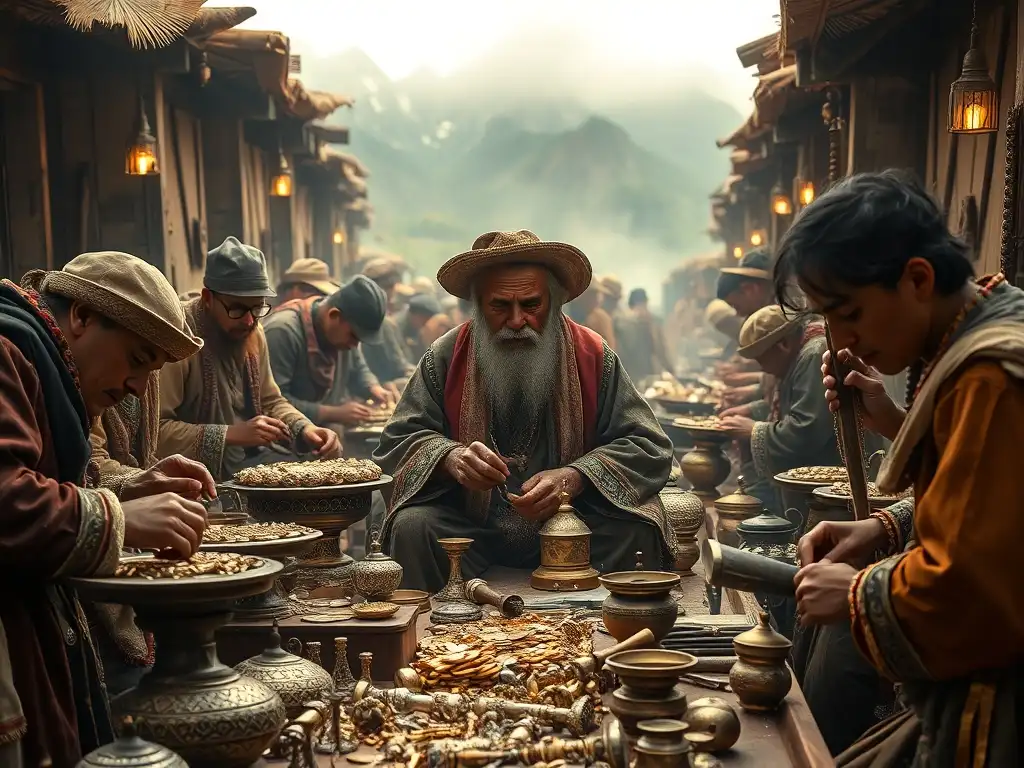
The rise of sophisticated metalworking in the Andes profoundly impacted Andean societies, far beyond the mere creation of tools and adornments. The organization of metalworkers into guilds, while not always formally structured like European guilds, played a crucial role in shaping the economic, social, and intellectual landscape of these civilizations. Evidence suggests a complex network of specialized labor, controlled distribution, and hierarchical structures within these metalworking communities, resulting in significant societal changes.
Understanding the Andean metalworking guild organization is key to comprehending the broader dynamics of these ancient societies. The level of sophistication achieved in Andean metallurgy, particularly in gold and silver working, speaks volumes about the organization and skill involved.
Economic Influence of Metalworking Guilds
The economic influence of Andean metalworking guilds was substantial. These guilds controlled the production and distribution of highly valued metal objects, from everyday tools to elaborate ceremonial items. This control translated directly into economic power.
The guilds likely held monopolies on certain techniques or access to specific resources, giving them considerable leverage in trade and negotiations. For example, the control over the supply of gold and silver, essential for both practical and ritualistic purposes, would have allowed the guilds to influence political and economic decisions at both local and regional levels. Analysis of archaeological sites reveals a consistent pattern of high-quality metalwork, indicating a level of standardization and mass production suggesting an organized system of labor and distribution.
The economic power of the guilds likely extended beyond the direct production of metal objects; they likely controlled the mining of ores and the refining processes, further solidifying their economic dominance. This centralized control allowed for the accumulation of wealth within the guild structures, impacting the distribution of resources throughout Andean society. Further research is needed to quantify the precise economic impact, [specific data on economic output of metalworking guilds pending].
The skill and expertise required for Andean metalworking resulted in high social status and recognition for the metalworkers themselves. Unlike other craftspeople, metalworkers were often associated with elite classes and religious authority. The creation of intricate gold and silver objects for religious ceremonies and royal adornment clearly elevated the social standing of those involved in the process.
Archaeological findings consistently reveal the burial of metalworkers with prestigious grave goods, indicating their esteemed position within their communities. The specialized knowledge and techniques passed down through generations further solidified their social standing, creating a sense of exclusivity and prestige. Moreover, the guilds themselves likely held significant political influence, acting as intermediaries between the ruling elites and the wider population.
The social stratification within the guilds themselves also merits further investigation, [specific details on internal guild hierarchies pending]. The interplay between social status and the economic power of the guilds remains a key area for future research in understanding Andean social structures.
The Transmission of Metallurgical Knowledge
The continuity of Andean metalworking techniques across generations points to a sophisticated system of knowledge transmission within the guilds. This knowledge was not simply passed down casually; it involved a structured apprenticeship system, possibly involving secret techniques and rituals. The intricate processes involved in the lost-wax casting, alloying, and hammering techniques demonstrate a complex body of knowledge that required years of training to master.
The standardization of styles and motifs across different regions also hints at a network of communication and shared practices amongst different metalworking communities. Master metalworkers likely held positions of authority within the guilds, acting as mentors and instructors for younger apprentices. The transmission of this specialized knowledge likely involved a combination of practical training, oral traditions, and possibly written records, though the latter remains largely undocumented.
The long-term sustainability of Andean metalworking, spanning centuries, testifies to the effectiveness of this knowledge-sharing system. Understanding the precise mechanisms of this transmission is crucial for a complete understanding of Andean metalworking guild organization and its impact on technological innovation. [Further research is needed to clarify the specific methods of knowledge transmission within Andean metalworking guilds] 👨🔧
The Decline and Transformation of Andean Metalworking Guilds
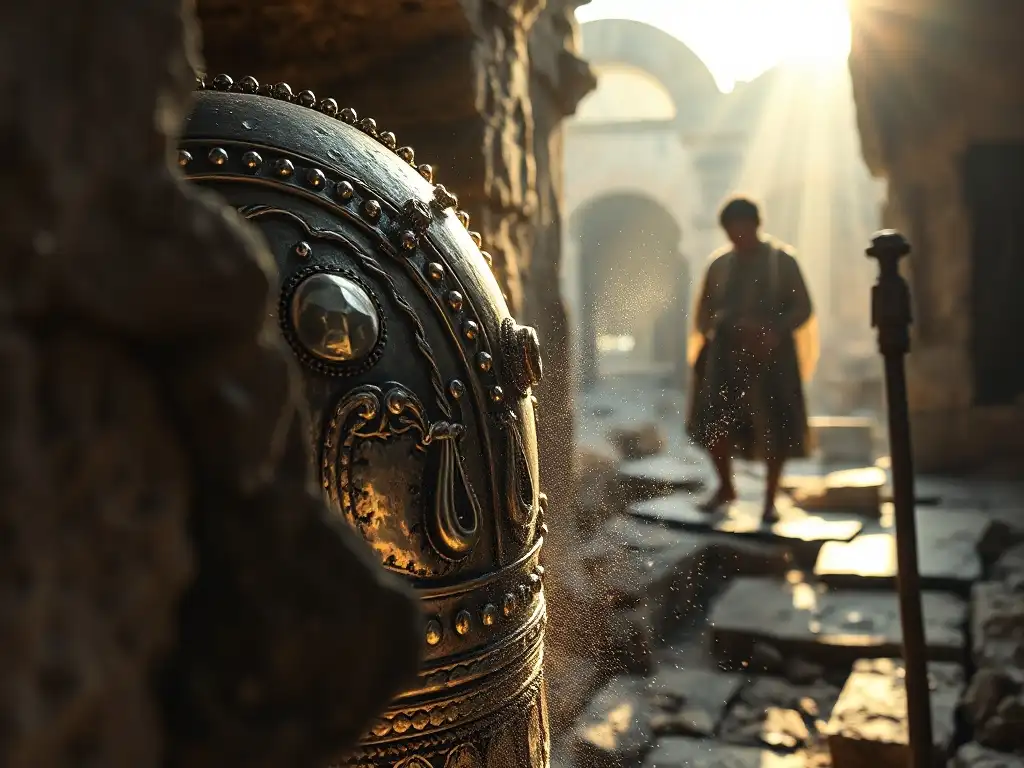
The sophisticated organization of Andean metalworking guilds, responsible for producing the stunning artifacts we admire today, wasn't immutable. Their intricate systems of knowledge transmission, specialized labor, and hierarchical structures gradually underwent significant transformations, eventually leading to their decline as independent entities. Understanding this decline offers crucial insights into the broader socio-economic shifts impacting Andean societies. This section will explore the key factors contributing to this decline and the subsequent evolution of Andean metalworking practices.
Factors Contributing to the Decline of Traditional Guilds
Several intertwined factors contributed to the erosion of the traditional Andean metalworking guilds. One significant aspect was the gradual shift in economic priorities. As Andean societies faced internal conflicts and external pressures, the demand for certain types of metalwork may have decreased, impacting the economic viability of some guilds. Furthermore, the availability of raw materials, particularly high-quality ores, likely fluctuated over time, potentially leading to scarcity and impacting production. This scarcity, combined with increasing competition (perhaps from less formally organized workshops), could have weakened the guilds' collective bargaining power and overall stability.
Another crucial factor was the impact of disease. The introduction of new diseases during the colonial period decimated populations, including skilled artisans. This loss of expertise, coupled with the disruption of established apprenticeship systems, severely hampered the guilds' ability to maintain their knowledge base and train new generations of metalworkers. The resulting skills gap further weakened their position within the broader economy. We can imagine the devastating effect this had on intricate techniques passed down through generations, potentially leading to the loss of some specialized knowledge forever.
Finally, the internal dynamics within the guilds themselves may have played a role. Possible internal conflicts, power struggles, or a lack of adaptability to changing circumstances could have weakened their cohesion and resilience. The exact nature of these internal dynamics remains largely unknown, requiring further research to fully understand their impact on the guilds' ultimate decline. Archaeological evidence, combined with ethnohistorical accounts, could shed light on these internal processes.
The Impact of Colonialism on Metalworking Practices
The arrival of the Spanish dramatically altered Andean metalworking practices. The colonial period witnessed a significant disruption of traditional guild structures. The Spanish crown implemented policies aimed at controlling the extraction and production of precious metals, primarily silver and gold, diverting resources and labor away from traditional crafts. This centralized control, often through mita labor systems, effectively dismantled the independent functioning of many guilds, subordinating them to the colonial economic system.
The introduction of European technologies and aesthetic preferences also impacted Andean metalworking. While some techniques were absorbed and adapted, many traditional styles and forms were supplanted by European designs. This cultural overlay resulted in a hybrid artistic tradition, blending indigenous skills with European influences. The demand for religious artifacts, for example, shifted production towards specific forms, often at the expense of traditional items. The resulting decline in the production of certain traditional objects highlights the profound impact of colonial policies on the continuation of traditional Andean metalworking practices.
Modern Echoes of Ancient Andean Craftsmanship
Despite the significant transformations experienced by Andean metalworking guilds, echoes of their past continue to resonate in contemporary craft practices. Many modern artisans draw inspiration from traditional techniques and designs, preserving aspects of the ancient heritage. While the formal guild structures may be gone, the knowledge and skills developed over centuries are still evident in the work of many contemporary metalworkers. This continuity speaks to the enduring legacy of Andean metalworking, showcasing the resilience and adaptability of indigenous traditions.
The revival of interest in pre-Columbian art and culture has also contributed to a renewed appreciation for traditional Andean metalworking. Museums, researchers, and collectors actively support efforts to document and preserve these ancient techniques, fostering a sense of cultural pride and encouraging the continuation of these skills. This modern interest represents a remarkable continuity, linking the past with the present, and ensuring that the legacy of Andean metalworking continues to thrive, albeit in a transformed context. The ongoing research and documentation efforts are essential to fully understand and appreciate the rich history and enduring influence of these ancient guilds. 1
1 Further research is needed to fully quantify the impact of specific colonial policies on Andean metalworking guilds.
Conclusion: Legacy of Andean Metalworking Organization
The sophisticated organization of Andean metalworking guilds left an undeniable mark on the history of the region. Their impact extends far beyond the impressive artifacts they produced; it reveals a complex social structure, advanced economic systems, and a deep understanding of metallurgical processes. Understanding the intricacies of this organization provides valuable insights into the overall societal dynamics of Andean civilizations, highlighting their remarkable achievements in technology, social engineering, and artistic expression.
The legacy of these guilds continues to inspire awe and admiration, prompting ongoing research and a deeper appreciation for the ingenuity of Andean peoples. Analyzing the organization of these guilds allows us to understand not only their metallurgical prowess but also their sophisticated social and economic structures. This understanding helps us appreciate the complexity and interconnectedness of Andean societies, challenging simplistic narratives and providing a more nuanced view of their achievements.
The meticulous record-keeping and the clear hierarchical structure within the guilds further showcase the advanced level of societal organization present in these ancient civilizations. Further research into less-studied guilds could reveal even more about the nuances of Andean metalworking practices and their social context. This rich history offers valuable lessons for modern society, highlighting the importance of specialized skills, collaborative work, and sustainable practices.
The Enduring Importance of Andean Metalworking Techniques
Andean metalworking techniques, honed over centuries within the highly structured guild system, remain remarkably advanced even by today's standards. The mastery of alloying different metals, such as gold, silver, copper, and tin, to create diverse alloys with specific properties, demonstrates an exceptional understanding of metallurgy. Techniques like lost-wax casting, hammering, and repoussé were employed with astonishing precision, resulting in intricately detailed and aesthetically stunning artifacts.
These techniques weren’t merely functional; they were integral to the cultural and religious practices of the time. The durability of some of these artifacts, despite the passage of centuries, is a testament to the quality of materials and the skill of the artisans. Analysis of surviving metalwork pieces reveals a remarkable consistency in quality control, highlighting the effectiveness of the guild system in maintaining standards and ensuring the high quality of the final products.
This level of craftsmanship is not merely a testament to individual skill, but also to the effectiveness of the guild system in training, regulating, and incentivizing high-quality production. The techniques themselves, passed down through generations within the guild structure, represent a continuous process of innovation and refinement, demonstrating the adaptability and resilience of Andean metalworking traditions. The legacy of these techniques extends beyond the mere creation of artifacts; they represent a profound understanding of materials science and manufacturing processes far ahead of their time.
Lessons from Andean Guild Systems
The Andean metalworking guilds offer invaluable lessons for contemporary organizations and management practices. The guilds’ success stemmed from a combination of factors: specialized training programs ensuring a skilled workforce, a clear hierarchy providing structure and accountability, and a system of shared knowledge and collaboration fostering innovation. The emphasis on apprenticeship and the transmission of knowledge across generations ensured the continuity and advancement of metalworking skills. This structured approach to training and mentorship provides a compelling model for modern workforce development, emphasizing the importance of continuous learning and skill development.
The hierarchical structure, while potentially rigid by modern standards, also provided clear lines of responsibility and fostered efficiency in production. Interestingly, the guilds also seem to have incorporated aspects of quality control and standardization which are central components of modern manufacturing. The system's success in maintaining high standards of craftsmanship over extended periods highlights the importance of robust organizational structures and effective management practices. Furthermore, the collaborative nature of the guilds, with artisans specializing in different aspects of the metalworking process, demonstrates the power of teamwork and division of labor in achieving complex goals.
Understanding the organizational structure of these guilds offers valuable insights for modern businesses seeking to foster innovation, efficiency, and a skilled workforce. The success of the Andean metalworking guilds serves as a compelling case study in effective organizational design and the importance of a skilled, well-trained, and collaborative workforce. Their legacy continues to inform and inspire modern approaches to craftsmanship, organization, and management.
Frequently Asked Questions
How were Andean metalworking guilds organized?
Andean metalworking wasn't formally organized like European guilds. Instead, craft specialization and knowledge were likely passed down through family lineages and apprenticeships, with potentially some regional organization based on shared resources and markets.
What role did the state play in Andean metalworking?
The state played a significant role, particularly during the Inca Empire. The Inca controlled access to resources like metals and likely commissioned large-scale projects, though the exact nature of their organization remains debated.
What types of metals were primarily used in Andean metalworking?
Andean metalworkers skillfully used gold, silver, copper, and bronze (an alloy of copper and tin), often combining them in intricate designs. They also employed techniques like alloying and plating to enhance their work.
How did Andean metalworkers acquire their skills?
Skills were predominantly acquired through a system of family transmission and apprenticeships. Master craftspeople passed down their knowledge and techniques to younger generations, ensuring continuity of their craft.
Were there any specialized roles within Andean metalworking communities?
While formal guild structures were absent, there's evidence suggesting specialization existed. Some individuals might have focused on particular techniques (e.g., goldsmithing), while others might have concentrated on specific stages of production or types of objects.
Final Reflection: Forging a Legacy: The Enduring Power of Andean Metalworking Guilds
The intricate artistry of Andean metalworking, once a cornerstone of ancient societies, continues to resonate today, a testament to the enduring power of tradition and collective skill. The meticulous techniques, passed down through generations within tightly knit guilds, represent not just craftsmanship but a profound cultural inheritance, a living history forged in fire and hammered into enduring form. Understanding the organizational structures of these guilds offers a vital key to unlocking the secrets of this remarkable legacy.
The impact of these guilds extends far beyond the creation of beautiful and functional objects; they shaped social structures, economic systems, and artistic expression in the Andes for centuries. Their intricate networks of apprenticeship, shared knowledge, and mutual support fostered a sense of community and pride that remains palpable even now. The craftsman is not merely a maker of things, but a keeper of stories, a weaver of traditions, and a guardian of cultural memory.
This quote, though not directly from an Andean source, perfectly encapsulates the role these guilds played and continue to play in preserving a vital part of Andean identity.
Consider the implications of this rich history. How can we, in our modern world, learn from the collaborative spirit and dedication to craft that characterized these guilds? You, the reader, are invited to reflect on the power of collective knowledge and the importance of preserving traditional skills. What steps can you take to support artisans and craftspeople in your own community, to champion the preservation of unique cultural expressions, and to appreciate the enduring legacy of human ingenuity? Let the legacy of the Andean metalworkers inspire you to forge your own path of creativity and collaboration.
Unleash Your Craftsmanship Potential!
Thank you for exploring the rich history of Andean metalworking guilds with us! Your interest in this vibrant tradition underscores the importance of preserving both craftsmanship and cultural heritage. Now, let's explore ways to further engage with this fascinating subject.
Here are some suggestions to deepen your connection:
- Join a Local Craft Workshop: Learn new skills and connect with fellow artisans by finding a metalworking or related craft workshop in your area.
- Share Your Knowledge: Inspire others by discussing what you've learned about Andean metalworking with friends, family, or online. Building a community around these intricate art forms helps ensure their appreciation continues.
- Explore Online Resources: Discover more about the history and artistry of Andean guilds through documentaries, articles, and other online resources.
What aspect of Andean metalworking most excites you? We'd love to hear your thoughts!