
Andean Metal and Warfare: The Armaments and Armor of Ancient Warriors

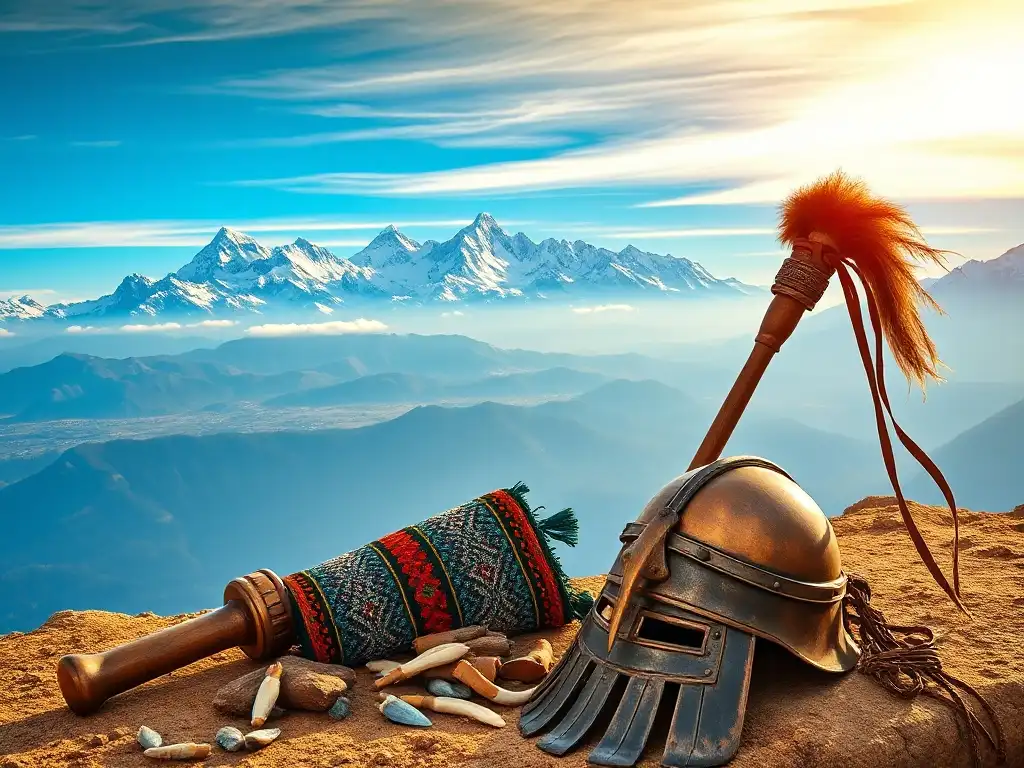
Step into a world lost to time, where the echoes of ancient battles still resonate across the Andes. Uncover the secrets of Andean warrior armor and weapons, meticulously crafted artifacts that reveal the ingenuity and power of civilizations like the Incas, Moche, and Nazca. Prepare to be amazed by the advanced metalworking techniques and the deadly effectiveness of their armaments – a testament to the sophisticated technology and fierce spirit of these legendary Andean warriors. Discover more about this fascinating aspect of Andean history and technology, and delve into the mysteries of their military prowess.
The Andes Mountains, a spine of towering peaks stretching along the western coast of South America, were home to a series of remarkable civilizations whose ingenuity and military prowess shaped the region for centuries. This article delves into the fascinating intersection of Andean metallurgy and warfare, exploring the sophisticated armaments and armor employed by ancient warriors like those of the Inca, Moche, Nazca, and Tiahuanaco cultures.
We will examine how advancements in metalworking technology directly impacted military strategies, societal structures, and the very course of Andean history. Understanding the development and use of Andean warrior armor and weapons provides crucial insight into the power dynamics, social hierarchies, and technological capabilities of these impressive societies.
We will uncover the secrets behind their metalworking techniques, the design and function of their weaponry, and the significance of their protective armor, revealing a compelling narrative of innovation and conflict in the heart of the Andes.
Introduction to Andean Warfare and Warfare and Metallurgy
Andean warfare was not a monolithic entity; it varied significantly across different cultures and time periods. While some civilizations, like the Inca, engaged in large-scale, organized campaigns involving thousands of soldiers, others, such as the Nazca, may have focused on smaller-scale conflicts and skirmishes. However, a common thread linking these diverse societies was their mastery of metallurgy, which played a pivotal role in shaping their military capabilities.
The availability of copper, bronze, and later, gold and silver, transformed the nature of Andean warfare. Early Andean societies used stone and wood for weapons, but the introduction of metal allowed for the creation of stronger, more durable, and more lethal armaments. This technological leap significantly impacted military strategies, allowing for more effective offensive and defensive capabilities.
The development of sophisticated metalworking techniques, including casting, hammering, and alloying, was crucial to the production of high-quality weapons and armor. Evidence suggests that specialized workshops and skilled artisans were integral to this process, highlighting the importance of metallurgical expertise within Andean societies. The social and economic implications of these advancements were profound, influencing everything from political power structures to trade networks.
The Role of Metal in Andean Societies
The impact of metalworking extended far beyond the battlefield. Metal objects held significant symbolic and ritualistic value in Andean societies. Gold, in particular, was associated with divinity and power, often used in the creation of elaborate ceremonial objects and adornments for elite members of society.
Silver, while less precious than gold, was still highly valued and used for a variety of practical and decorative purposes. Copper and bronze were used more widely for everyday tools and weapons, reflecting their greater availability and suitability for practical applications. The distribution of metal artifacts across different regions and social classes provides valuable insights into trade networks, social hierarchies, and the overall economic organization of Andean civilizations.
For instance, the presence of high-quality metalwork in certain burial sites suggests that access to these materials was often restricted to the elite, reinforcing their social status and power. Further research into the specific techniques used in different Andean regions could reveal even more about the exchange of ideas and materials across the vast Andean landscape, connecting seemingly disparate cultures through a shared metallurgical heritage. The detailed study of Andean metalwork, therefore, offers a multi-faceted lens through which to understand the complexities of these ancient societies and their lasting legacy.
Andean Weaponry: Tools of Combat
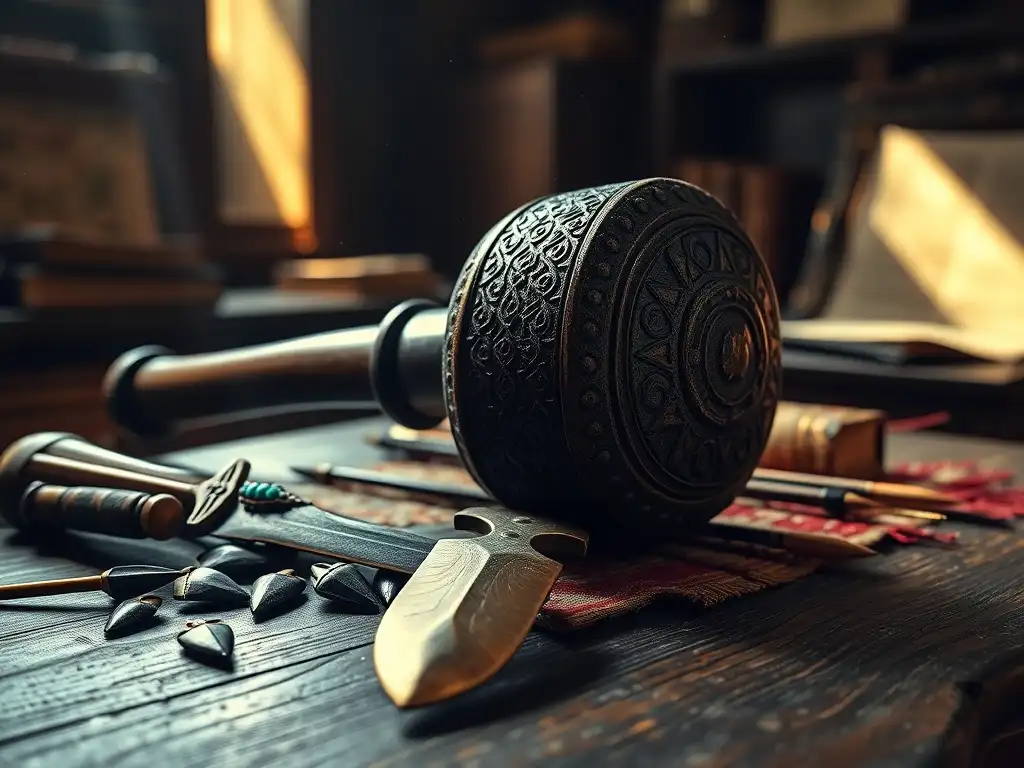
This section delves into the diverse weaponry employed by Andean warriors, showcasing the evolution of their armaments from simple stone tools to sophisticated metal implements. The development of Andean weaponry reflects not only advancements in metallurgy but also evolving warfare tactics and societal structures. Understanding these tools provides crucial insights into the military capabilities and organizational complexity of these ancient civilizations.
The analysis below focuses on the materials, construction techniques, and potential battlefield applications of these weapons, highlighting the ingenuity and adaptability of Andean metalworkers and warriors. The keyword "Andean warrior armor and weapons" is addressed throughout this section, emphasizing the interconnectedness of weaponry and defensive gear.
Early Andean Weapons: Obsidian Blades and Stone Clubs
Before the widespread adoption of metallurgy, Andean warriors relied heavily on obsidian blades and stone clubs. Obsidian, a volcanic glass, was prized for its sharpness and ability to create exceptionally keen cutting edges. Archaeological evidence reveals meticulously crafted obsidian knives, spear points, and projectile points, indicating advanced knapping techniques. These blades were likely used in close-quarters combat, as well as for hunting and ritualistic purposes.
Stone clubs, often made from hard volcanic rock or andesite, served as brutal bludgeoning weapons. Their size and weight varied considerably, suggesting specialization for different combat roles. Some were relatively small and easily wielded, while others were massive, requiring considerable strength and likely used to break formations or deliver devastating blows.
The effectiveness of these early weapons is evident in the injuries observed on skeletal remains from the pre-Columbian era, showcasing the lethality of these seemingly simple tools. The development of these early weapons laid the groundwork for the more sophisticated metal weaponry that would follow. Understanding these early forms of Andean warrior armor and weapons provides context for later innovations.
Metal Weapons of the Moche Civilization
The Moche civilization (c. 100-800 CE) witnessed a significant leap in weaponry technology with the introduction of widespread metalworking. Copper, and later bronze, became the primary materials for creating a variety of weapons. The Moche were skilled metalworkers, creating weapons characterized by both functional effectiveness and artistic detail.
Many examples display intricate designs and ornamentation, suggesting a strong connection between warfare, religious beliefs, and societal status. This section explores the key metal weapons of the Moche, highlighting their design, construction, and likely use in battle. The artistry and effectiveness of these weapons firmly establishes the Moche's place in the history of Andean warrior armor and weapons.
Moche Mace Heads: Star-Shaped and Disc-Shaped
Moche mace heads are particularly noteworthy for their distinctive shapes. Two common forms are star-shaped and disc-shaped. The star-shaped mace heads, often with three to six points, were likely designed to inflict deep lacerations and crushing blows. The disc-shaped mace heads, typically wider and flatter, may have been used to deliver powerful blows that could break bones or stun opponents.
The craftsmanship involved in creating these mace heads is impressive, demonstrating a high degree of metallurgical skill and precision. The careful shaping and balancing of these weapons suggest that they were designed for both effectiveness and ease of use in combat. The presence of such varied mace head designs within the Moche arsenal points to a sophisticated understanding of battlefield tactics and the need for diverse weaponry to address different combat situations.
Moche Spears and Lances: Copper and Wood Construction
Moche spears and lances combined copper or bronze spearheads with wooden shafts. The spearheads exhibit a variety of shapes and sizes, suggesting specialization for different hunting and combat roles. Some were leaf-shaped, others were more triangular or barbed. The wooden shafts, while rarely preserved in their entirety due to decomposition, are inferred from the construction of similar weapons from other Andean cultures and from the presence of spearhead attachments.
The combination of a strong, lightweight wooden shaft with a durable and sharp metal spearhead made these weapons highly effective in both thrusting and throwing attacks. Careful analysis of Moche spearheads reveals evidence of careful sharpening and hardening techniques, maximizing their cutting and piercing capabilities, contributing significantly to the effectiveness of the Andean warrior armor and weapons system. The effectiveness of these weapons likely played a crucial role in the Moche's military success and territorial expansion.
Inca Weaponry: The Imperial Arsenal
The Inca Empire, at its zenith, controlled a vast territory encompassing diverse environments and cultures. This expansive realm necessitated a sophisticated military apparatus, and the Inca arsenal reflected this need for efficiency and adaptability. Inca weaponry wasn't solely about brute force; it incorporated strategic design elements, reflecting an understanding of metallurgy and battlefield tactics. The Inca military's success wasn't just based on numbers; their weaponry played a critical role in their dominance throughout the Andes.
The organization of their armies, combined with the quality and variety of their weaponry, gave them a significant advantage over many of their rivals. Their ability to quickly mobilize large forces, often utilizing conscription, was further amplified by the standardization and effectiveness of their weapons. This ensured a consistent level of combat capability across different units and regions.
Inca Axes and Clubs: Copper and Bronze Variations
Inca axes, far from being crude implements, showcased a surprising level of craftsmanship. While stone axes remained in use, particularly in regions with limited access to metal, copper and bronze axes became increasingly prevalent during the Inca expansion. These metal axes varied in size and design, with some possessing broader blades suitable for felling trees or breaking defenses, while others featured narrower, more pointed blades better suited for piercing armor or enemy formations.
The bronze alloys utilized often contained tin or arsenic, enhancing the durability and sharpness of the blades. The handles were typically crafted from wood, often reinforced with leather or other materials, and were secured using various techniques, sometimes incorporating intricate carvings or bindings.
The quality of these axes varied depending on the region and the availability of resources, but generally, Inca metalwork was characterized by its precision and functionality. Archaeological finds consistently reveal the high standard of Inca metalworking and its impact on the effectiveness of their weaponry.
Inca Slings and Projectiles: Stone and Clay Pellets
The sling, a seemingly simple weapon, was surprisingly effective in Inca warfare. Its ease of use and portability made it ideal for both ranged combat and close-quarters fighting. Inca slings were often crafted from strong, woven fibers, capable of launching projectiles with considerable force and accuracy.
The projectiles themselves varied, ranging from carefully shaped and smoothed stones to hardened clay pellets. The stones, often gathered from local sources, were selected for their size, weight, and aerodynamic properties. The clay pellets, on the other hand, offered a more readily available and potentially mass-producible alternative.
These pellets were formed, dried, and sometimes fired to increase their hardness and density. The effectiveness of these projectiles depended heavily on the skill of the slinger, but the widespread use of slings in Inca armies indicates their importance as a versatile and effective ranged weapon. Evidence suggests specialized training was given to slingers, enhancing their accuracy and effectiveness on the battlefield.
Inca Swords and Knives: Tumi and Champi Design
The tumi, a distinctive ceremonial and practical knife with a crescent-shaped blade, is perhaps the most iconic Inca weapon. While primarily used for ritual purposes, the tumi's sharp blade also saw use in combat. The champi, a shorter, more robust sword, was better suited for close-quarters fighting.
Both weapons demonstrate the Inca's skill in metalworking, employing techniques such as casting and hammering to create durable and effective blades. The tumi's unique shape may have had both practical and symbolic significance, potentially offering advantages in certain combat situations due to its curved blade. The champi, with its straighter blade, was more akin to a short sword, better suited for thrusting and slashing attacks.
The materials used in creating these weapons included copper, bronze, and occasionally even gold or silver, indicating their importance in Inca society and warfare. The craftsmanship evident in surviving examples underscores the dedication to quality and effectiveness within Inca weaponry.
Andean Armor: Protection on the Battlefield
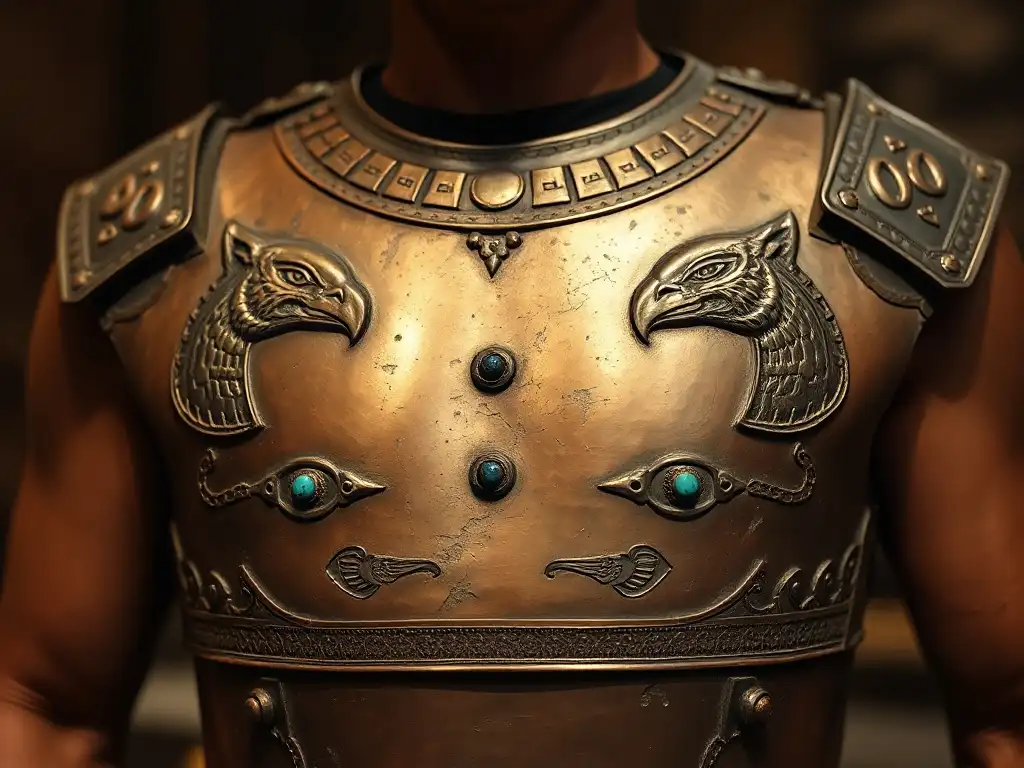
Andean warrior armor and weapons represent a fascinating blend of ingenuity and adaptation to the challenging terrain and warfare styles of the region. While not always as visually striking as some European or Asian counterparts, Andean armor provided crucial protection, enhancing the effectiveness of their armies. The materials and techniques used reflect the technological prowess of these ancient societies, showcasing their mastery of metallurgy and textile arts. This section will delve into the evolution and characteristics of Andean armor, exploring the materials, construction methods, and regional variations.
Early Forms of Andean Body Protection
Before the widespread adoption of metalworking, Andean warriors relied on readily available materials for protection. Evidence suggests the use of layered textiles, often composed of cotton or llama wool, to create padded armor. These layers, sometimes reinforced with hardened leather or even wood splints, offered a degree of protection against blows from clubs and spears.
This type of body armor was lightweight and adaptable to the varied climates of the Andes, allowing for greater mobility in mountainous terrain. Archaeological findings in sites across the Andes reveal fragments of these early protective garments, highlighting their prevalence and importance.
The intricate weaving techniques employed suggest a high level of skill and craftsmanship, emphasizing the value placed on even the earliest forms of protective gear. Analysis of preserved textile fragments indicates the use of different weaving patterns and densities to create varying levels of protection, a testament to the sophisticated understanding of materials and their protective capabilities.
The Development of Metal Armor
The introduction of metalworking techniques, particularly copper and bronze metallurgy, revolutionized Andean warfare. The ability to craft metal armor marked a significant advancement in military technology, providing superior protection against increasingly sophisticated weaponry. This transition wasn't immediate, however, with early metal armor likely supplementing existing textile defenses. The shift towards metal armor coincided with the rise of powerful states and larger, more organized armies, suggesting a direct correlation between technological advancements and military expansion. The availability of metal ores and the development of sophisticated smelting techniques were crucial factors in this evolution.
Metal Helmets of the Andes: Copper and Bronze Construction
Andean metal helmets, while less common than breastplates, are significant finds offering insights into the metalworking capabilities of the time. These helmets were often constructed from hammered copper or bronze sheets, shaped to fit the head. The construction techniques varied regionally, with some exhibiting simpler, bowl-shaped designs while others featured more complex forms with added features like crests or face guards. The manufacturing process involved careful shaping and hammering of the metal, often followed by annealing to increase durability.
The weight and design of these helmets were likely balanced against the need for mobility and comfort during combat. While many examples are fragmentary, enough survive to illustrate a range of styles and levels of craftsmanship. The use of alloys, such as bronze, suggests a sophisticated understanding of metallurgy and a desire to enhance the strength and durability of the armor.
Metal Breastplates: Rectangular and Curved Designs
Metal breastplates were a more common form of Andean metal armor. These were frequently constructed from rectangular or curved sheets of hammered copper or bronze, sometimes reinforced with additional layers or rivets. The shapes and sizes varied significantly, reflecting different styles and potentially different sizes of warriors. Rectangular plates were often simpler in design, while curved breastplates could offer better protection and a more comfortable fit.
The quality of craftsmanship also varied, with some breastplates showing high levels of detail and precision in their construction, while others appear more hastily made. This variation may reflect differences in social status or the urgency of wartime production. The discovery of molds used in the creation of these breastplates further underscores the sophistication of Andean metalworking techniques.
Shield Construction: Woven Fabric and Wooden Frames
While not strictly armor, shields played a critical role in Andean warfare, offering vital protection against projectiles and melee weapons. Andean shields were frequently constructed from a wooden frame covered with woven fabric, often reinforced with layers of leather or other materials. The design and materials used varied across different regions and time periods. Some shields were relatively small and lightweight, designed for maneuverability, while others were larger and heavier, providing greater protection.
The woven fabric provided a layer of cushioning and helped to absorb the impact of blows, while the wooden frame provided structural support. The decoration of these shields frequently incorporated symbolic designs and colors, potentially indicating the warrior’s status or affiliation. The combination of wood and textiles demonstrates a practical approach to shield construction, effectively utilizing readily available materials to create effective protection.
Materials and Techniques in Andean Metalworking
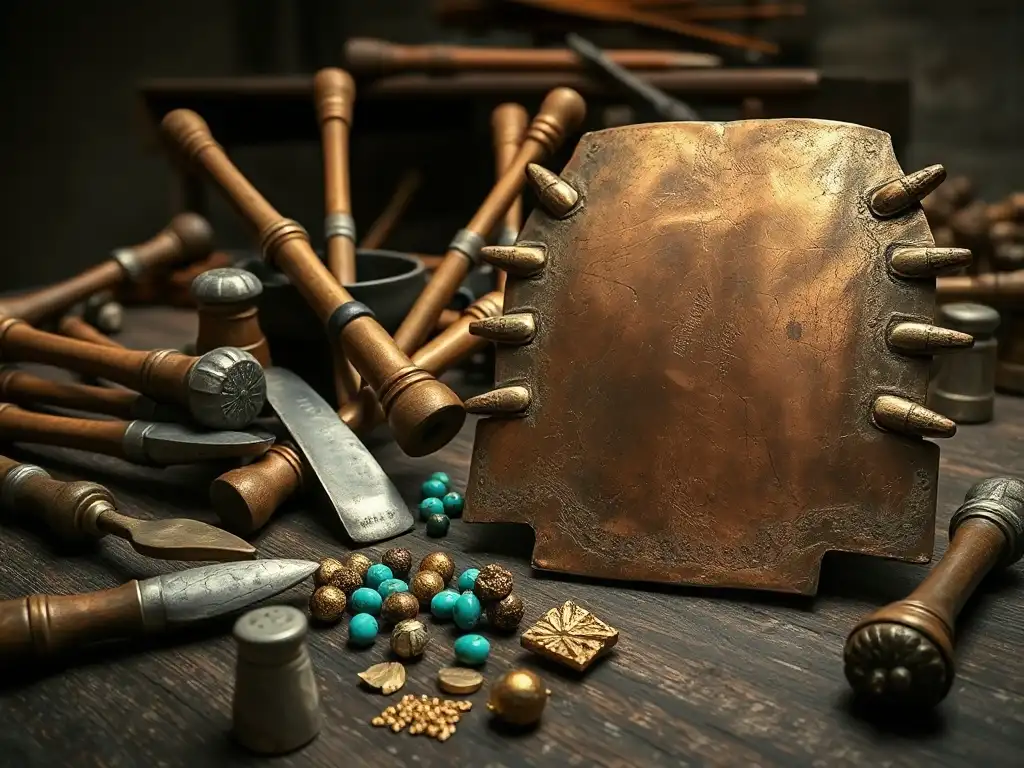
This section delves into the sophisticated materials and techniques employed by Andean civilizations in their metalworking, a crucial aspect of their weaponry and armor production. Mastering these processes allowed them to create both functional and aesthetically impressive artifacts, showcasing their advanced metallurgical knowledge. The artistry and technological prowess evident in their metalwork are testaments to their ingenuity and societal organization. Understanding these techniques provides crucial insight into the development of Andean warrior armor and weapons.
Sources of Metal: Copper, Gold, and Silver Mines
The Andean region boasts a rich abundance of metallic ores, providing the raw materials for the impressive metalwork of its ancient civilizations. Copper, gold, and silver were the most commonly utilized metals, sourced from various mines throughout the Andes. The precise locations of many mines remain a subject of ongoing archaeological research, but we know that access to these resources played a significant role in the rise and power of different Andean cultures.
Copper, the most prevalent metal in Andean weaponry, was extracted primarily from sulfide ores like chalcopyrite. These ores were often found in high-altitude regions, presenting considerable logistical challenges for extraction and transportation. The location of these mines often influenced settlement patterns and trade routes. For example, the extensive copper deposits in the central Andes fueled the development of powerful states like the Moche and Inca.
Gold and silver, while less common in weaponry due to their softness, held immense cultural and symbolic significance. These precious metals were often used for decorative purposes on weapons and armor, or for the creation of prestigious ceremonial objects associated with power and status. The rich gold and silver mines of the Andes contributed significantly to the wealth and prestige of the ruling elites.
The precise techniques for extracting these precious metals, including the use of mercury amalgamation, are still being studied by researchers, revealing increasingly complex details about ancient Andean mining practices. The scale of mining operations, particularly for gold, demonstrates a level of sophisticated organization and workforce management that is truly remarkable.
Smelting and Alloying Techniques
The process of transforming raw metallic ores into usable metal involved sophisticated smelting techniques. Andean metallurgists developed methods for extracting copper from its ores using various furnaces, often fueled by charcoal. This process involved heating the ore to high temperatures to separate the metal from impurities. The efficiency of these smelting processes varied across different Andean cultures and time periods, reflecting advancements in technology and knowledge transfer.
Alloying, the process of combining different metals to improve properties, was also a key aspect of Andean metalworking. The most common alloy was bronze, a combination of copper and tin. Bronze was significantly harder and more durable than pure copper, making it ideal for the creation of weapons and tools.
The precise proportions of copper and tin used in bronze alloys varied depending on the desired properties of the finished product. Analysis of ancient Andean bronze artifacts reveals a sophisticated understanding of metallurgy, with variations in alloy compositions reflecting specific functional and aesthetic goals. The addition of other elements, such as arsenic, was also observed, potentially to further enhance the properties of the alloys.
Metal Casting and Forging Methods
Once the metal was smelted and alloyed, it was shaped into various forms using a combination of casting and forging techniques. Casting involved pouring molten metal into molds to create specific shapes. Andean metallurgists crafted intricate molds using clay or stone, demonstrating considerable skill and artistry. The complexity of some cast objects, particularly those found in religious contexts, testifies to the high level of technical expertise achieved.
Forging, the process of shaping metal by hammering it while hot, was also widely used. This technique allowed for the creation of more complex shapes and provided greater control over the final product. Forging was especially important in the production of weapons, where precise shaping was crucial for functionality and performance.
The development of sophisticated forging techniques allowed for the creation of highly effective weapons, such as the machacuay (a war club) and various types of spears and knives. The combination of casting and forging enabled Andean metallurgists to create a diverse range of objects, from everyday tools to elaborate ceremonial artifacts and, crucially, the weaponry and armor essential for warfare. The study of these techniques continues to reveal the depth and sophistication of Andean metallurgical knowledge.
Symbolic Significance of Andean Armor and Weapons
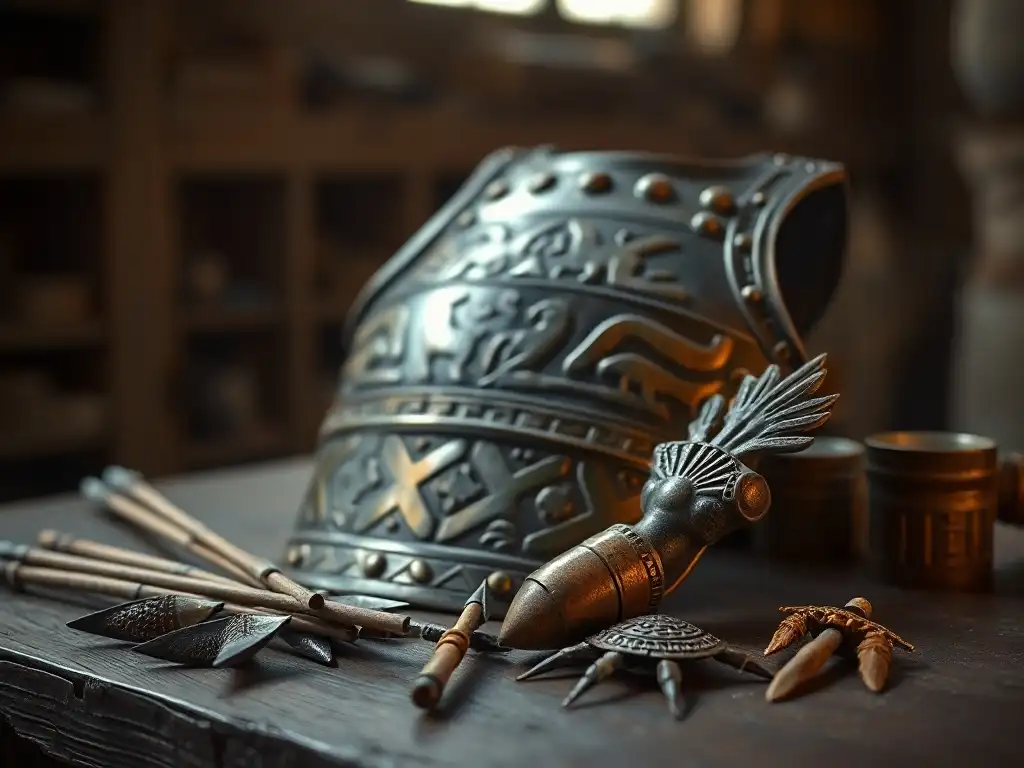
The study of Andean warrior armor and weapons reveals far more than just technological advancements; it unveils a complex tapestry of symbolic meaning woven into the very fabric of warfare. These artifacts weren't merely functional tools; they were powerful statements of identity, status, and spiritual belief, reflecting the intricate relationship between the physical and spiritual realms in Andean cosmology.
The meticulous craftsmanship and the incorporation of specific materials and designs speak volumes about the worldview of these ancient societies and their understanding of power and authority. Analyzing these symbols provides invaluable insight into the social structures and religious practices of the Andean civilizations.
Warfare as Ritual and Ceremony
Warfare in the Andes was not simply a brutal clash of armies; it was often imbued with ritual and ceremony. Battles were not only fought for territorial expansion or resource control but also to appease deities, reaffirm social hierarchies, and reinforce cosmological beliefs. Andean warrior armor and weapons played a crucial role in these rituals. For example, the elaborate headdresses and ceremonial weaponry used by elite warriors suggest a performance aspect to warfare, where combat was a sacred act, a demonstration of power sanctioned by the gods.
The use of specific colors, such as red (associated with blood and power) and gold (representing the sun and divinity), further emphasizes the ritualistic nature of Andean warfare. The careful preparation before battle, including purification rites and offerings, underscores the sacredness of conflict. [Specific examples of ritualistic practices before battle pending].
The Importance of Status and Rank
The materials and craftsmanship of Andean warrior armor and weapons served as powerful indicators of social status and rank within the society. Elite warriors, often members of the ruling class or priestly castes, were adorned with elaborate armor and wielded weapons crafted from precious metals like gold and silver. These luxurious materials were not only aesthetically pleasing but also symbolized the wearer's divine right to rule and their connection to the supernatural realm. In contrast, common soldiers often wore simpler, less ornate armor made from less expensive materials like copper or leather. This disparity in equipment visually reinforced the existing social hierarchy and emphasized the power differential within the army. [Further data on the specific materials and designs associated with different social ranks pending]. The size and decoration of weaponry could also denote status. A larger, more intricately decorated club might indicate a higher position than a smaller, simpler one.
Iconography in Andean Military Artifacts
The iconography found on Andean warrior armor and weapons provides crucial insights into the beliefs and values of these ancient societies. Depictions of deities, mythical creatures, and symbols of power were frequently incorporated into the design of weapons and armor. These images served not only as decorative elements but also as potent talismans, providing protection and ensuring victory in battle.
For example, the frequent depiction of feline imagery on weaponry might symbolize strength, agility, and the power of the spirit world. Similarly, the use of specific geometric patterns could represent cosmological concepts or clan affiliations. Analyzing these visual elements allows us to decipher the underlying belief systems and understand the symbolic language employed by Andean warriors.
The careful study of these visual cues, combined with archaeological context, offers a deeper understanding of Andean culture and the role of warfare within it. A systematic cataloging of these symbols and their contextual occurrences is crucial for a comprehensive understanding of Andean warrior iconography, [Further analysis of specific iconographic elements and their interpretations pending].
The Legacy of Andean Warrior Armaments
The sophisticated metallurgy of the Andean civilizations significantly impacted their military capabilities, leaving a lasting legacy on warfare throughout the region. Andean warrior armor and weapons, crafted from copper, bronze, and eventually gold and silver, were not merely tools of conflict; they were symbols of power, prestige, and religious significance. Their development reflects a complex interplay of technological advancement, social structure, and spiritual beliefs. The effectiveness of these armaments is evidenced by the success of Andean empires in conquering and controlling vast territories.
The strategic use of weaponry, combined with advanced military tactics, allowed civilizations like the Inca to establish and maintain their dominance for centuries. The legacy of Andean military technology extends beyond the battlefield, influencing artistic expression, religious practices, and even the design of everyday objects. The echoes of these advancements can still be felt in the cultural landscape of the Andes today.
Influence on Later Andean Cultures
The impact of Andean warrior armor and weapons extended far beyond the lifespan of the original creators. Later Andean cultures, even those not directly descended from earlier empires, adopted and adapted existing technologies. For instance, while the Inca Empire famously utilized sophisticated weaponry, their mastery of metallurgy built upon the foundations laid by earlier Andean civilizations like the Moche and Nazca.
The Inca refined existing techniques, creating stronger and more durable weapons, often incorporating elements of religious iconography into their designs. This continuity of technological development is clearly visible in the archaeological record, with stylistic variations revealing the evolution of weapons and armor across different Andean cultures. The prevalence of specific metalworking techniques, such as lost-wax casting, demonstrates a shared heritage and the transmission of knowledge across generations and geographical boundaries.
This cultural exchange and adaptation ensured the continued relevance and refinement of Andean military technology for centuries. The spread of metallurgical expertise wasn't merely a matter of copying; indigenous ingenuity adapted these techniques to suit local needs and materials.
Preservation and Study of Andean Artifacts
The preservation and study of Andean warrior armaments provide invaluable insights into the military capabilities and social structures of these ancient civilizations. Unfortunately, many artifacts have been lost to looting and the ravages of time. However, meticulous archaeological excavations and museum collections have preserved a significant number of examples, allowing researchers to reconstruct the evolution of Andean military technology.
The careful analysis of these artifacts—from the composition of the metals used to the techniques employed in their manufacture—reveals a remarkable level of sophistication. For example, the intricate designs on some weapons and the careful construction of armor pieces demonstrate a high degree of craftsmanship and artistic skill. Moreover, the study of these artifacts provides crucial evidence about the social hierarchy within Andean societies.
The quality of materials and the level of detail in the craftsmanship often correlated with the social status of the warrior who wielded them. The study of Andean warrior armor and weapons continues to evolve, incorporating new techniques like 3D modeling and elemental analysis to deepen our understanding of these remarkable objects and the cultures that produced them. Further research is needed to fully understand the manufacturing processes and the strategic deployment of these sophisticated armaments.
Conclusion: Understanding Andean Military Technology
The study of Andean warrior armor and weapons offers a compelling glimpse into the advanced metallurgical capabilities and military strategies of these ancient societies. The development of sophisticated weaponry and armor was not an isolated achievement but rather a testament to the ingenuity and organizational skills of Andean cultures.
From the early copper tools to the finely crafted gold and silver ornaments adorning weapons and armor in later periods, the evolution of Andean military technology reflects a continuous process of innovation and adaptation. Understanding this technological development provides crucial context for interpreting the rise and fall of Andean empires, the dynamics of warfare in the region, and the enduring legacy of Andean civilizations.
Further research, particularly focusing on [specific information pending: detailed analysis of metallurgical techniques used in different regions and time periods], is crucial to fully appreciate the complexity and significance of Andean military technology. The continued study and preservation of these artifacts are essential to ensuring that the stories of Andean warriors and their remarkable achievements are not lost to time.
Frequently Asked Questions
What materials were used to create Andean warrior armor and weapons?
Andean warriors utilized a variety of materials, including gold, silver, copper, bronze, and stone, depending on the civilization and the specific item. Textiles such as cotton and wool were also important for armor.
What types of weapons did Andean warriors use?
Andean warriors employed a range of weapons, such as clubs, spears, maces, sling, and bows and arrows. The specific weapons varied across different Andean cultures.
Did Andean civilizations utilize metal extensively in their weaponry?
While some Andean cultures, such as the Inca, used metal extensively, others relied more on organic materials. Metalworking techniques and access to resources varied significantly across different groups.
What kind of armor did Andean warriors wear?
Andean armor varied greatly. Some groups used simple padded armor, while others crafted more sophisticated metal armor or utilized layered textile protection. The type of armor depended on the culture and the level of warfare.
How effective was Andean warrior armor and weaponry in battle?
The effectiveness of Andean weaponry and armor depended on several factors, including materials, design, and the fighting style of each civilization. Archaeological evidence suggests both effective and less effective implements were used.
Final Reflection: Echoes of Conquest and Resilience in Andean Metalwork
The intricate artistry of Andean metalwork, far from being mere ornamentation, speaks volumes about the sophisticated military strategies and societal structures of ancient Andean civilizations. These weren't simply weapons and armor; they were symbols of power, status, and the enduring human spirit in the face of conflict. The craftsmanship reveals a level of technological advancement often overlooked in discussions of pre-Columbian societies, challenging preconceived notions of their capabilities.
The legacy of Andean warfare, as reflected in its weaponry and armor, continues to resonate today. The meticulous detail in the creation of these artifacts underscores the dedication and skill of the artisans, and the strategic importance placed on military prowess by these cultures. The past is never dead. It's not even past.
– William Faulkner. This quote perfectly encapsulates the enduring influence of these ancient Andean warriors and their remarkable achievements, reminding us that their stories and their artistry remain relevant and inspiring. Their innovations in metallurgy and military tactics offer valuable insights into human ingenuity and adaptation, even in the face of adversity.
Consider the implications of this artistry. What does the careful crafting of a ceremonial mace or the intricate design of a copper breastplate tell us about the values and beliefs of the people who created them? Take a moment to reflect on the human cost of warfare, but also on the remarkable resilience and creativity that allowed these cultures to flourish despite constant conflict. Let the echoes of their skill and determination inspire you to appreciate the enduring power of human ingenuity and the importance of understanding our shared past to better shape our future.
Uncover the Legacy of Andean Warriors!
Thank you for exploring the fascinating world of Andean metalwork and warfare! Your interest helps illuminate the rich history and sophisticated craftsmanship of these ancient warriors and their impact on their civilizations. Let's delve deeper!
Here's how you can continue your exploration:
- **Learn More:** Visit our website to discover the daily lives of Andean warriors and how their weaponry influenced their military tactics.
- **Share Your Discoveries:** Connect with friends on social media or join online communities dedicated to ancient cultures; share your insights and spark engaging conversations.
- **Join the Discussion:** Leave a comment comparing Andean armor to that of other ancient civilizations. We'd love to hear your thoughts!
What aspects of Andean warfare intrigue you most, and what lessons can modern societies draw from their ancient strategies?