
Beyond the Inca Empire: Tracing the Roots of Andean Metalworking

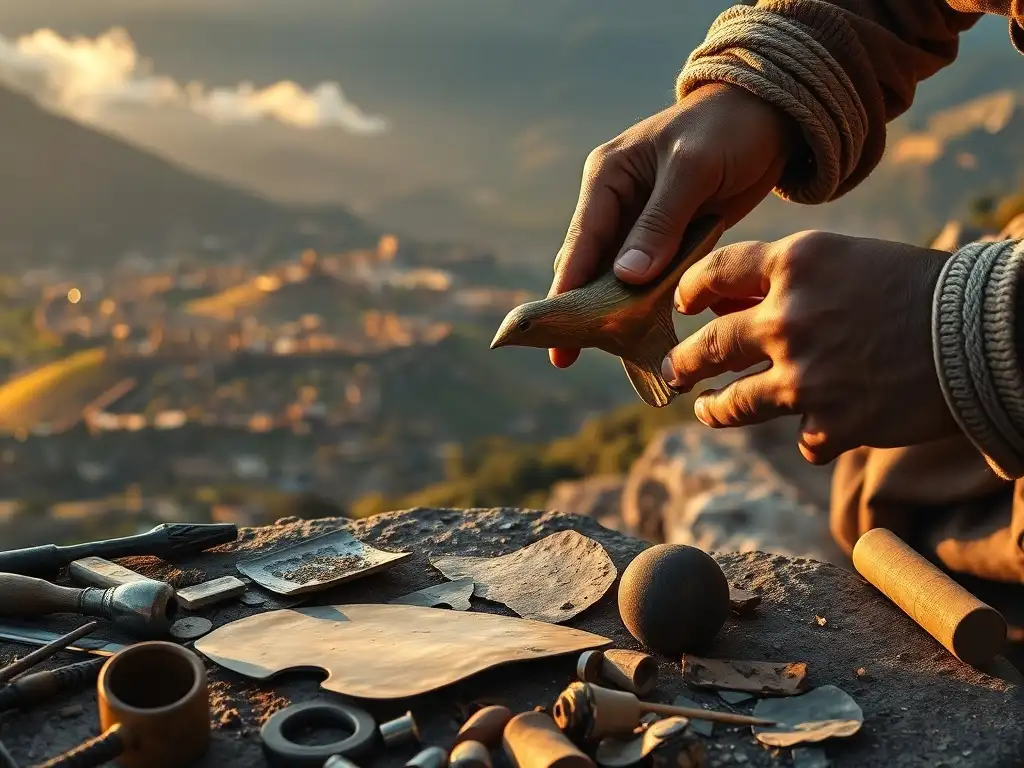
Uncover the secrets whispered by the Andes! For centuries, their mountains have guarded the legacy of masterful artisans. Journey beyond the Inca Empire and delve into the captivating world of Andean metalworking history. Discover how ingenious techniques shaped empires, fueled innovation, and left behind a breathtaking artistic heritage. Prepare to be amazed by the ingenuity and artistry that awaits you – the story is far richer than you imagine.
The Andes Mountains, a spine of towering peaks running along the western coast of South America, are not only a breathtaking geological marvel but also the cradle of sophisticated and remarkably advanced ancient civilizations. While the Inca Empire often dominates narratives of Andean history, the story of Andean metalworking is far richer and deeper, extending millennia before the Inca rose to power.
This exploration delves into the fascinating history of Andean metalworking, tracing its evolution from its humble beginnings to the mastery showcased in Inca artifacts. We will uncover the techniques, artistry, and cultural significance of this remarkable metallurgical tradition, revealing its profound impact on Andean societies and its lasting legacy.
Understanding Andean metalworking history provides crucial insight into the ingenuity, resourcefulness, and interconnectedness of these remarkable ancient cultures, far beyond the often-oversimplified narrative focused solely on the Inca. This journey will illuminate the contributions of various Andean cultures, revealing a complex tapestry of innovation and cultural exchange that shaped the development of Andean metalworking as we know it.
Introduction to Andean Metalworking History
The history of Andean metalworking is a long and complex one, spanning several millennia and involving a diverse array of cultures. Evidence suggests that the earliest forms of metalworking in the Andes emerged during the Early Horizon period (circa 2000-1000 BCE), with the initial use of gold and copper. These early metal objects, often simple ornaments and tools, demonstrate a nascent understanding of metallurgical techniques.
However, the development of sophisticated metalworking techniques was a gradual process, with significant advancements occurring over time. Different Andean cultures, such as the Moche, Nazca, and Tiahuanaco, each contributed to the evolution of Andean metalworking, developing unique styles and techniques. The Moche, known for their impressive artistry, created elaborate gold and silver objects, including intricate masks, jewelry, and ceremonial vessels.
The Nazca, meanwhile, were skilled in the production of copper and bronze tools and ornaments. The Tiahuanaco, a powerful civilization that flourished in the altiplano region, also displayed remarkable metallurgical skills, though their style differed significantly from that of the coastal cultures.
The table below summarizes some key developments in Andean metalworking history:
| Period | Culture | Primary Metals Used | Notable Techniques/Artifacts |
|---|---|---|---|
| Early Horizon | Various | Gold, Copper | Simple ornaments, tools |
| Middle Horizon | Moche | Gold, Silver, Copper | Intricate masks, jewelry, ceremonial vessels |
| Middle Horizon | Nazca | Copper, Bronze | Tools, ornaments |
| Late Intermediate | Tiahuanaco | Gold, Silver, Bronze | Elaborate ornaments, tools, ceremonial objects |
| Late Horizon | Inca | Gold, Silver, Bronze, Copper | Large-scale production, refined techniques, weaponry |
The Inca, while inheriting and building upon existing traditions, significantly expanded the scale and complexity of metalworking. They developed highly organized workshops and employed thousands of skilled artisans to produce vast quantities of metal objects for religious, ceremonial, and practical uses. Their mastery of alloying, casting, and hammering techniques resulted in breathtakingly intricate and beautiful artifacts.
However, it's crucial to remember that the Inca achievements were built upon the foundations laid by preceding Andean cultures. The Inca Empire's sophisticated metalworking wasn't a sudden innovation, but rather the culmination of centuries of experimentation, refinement, and cultural exchange. The legacy of Andean metalworking, therefore, is a testament to the enduring ingenuity and artistic vision of numerous Andean cultures, not just the Inca.
Pre-Inca Metalworking Traditions
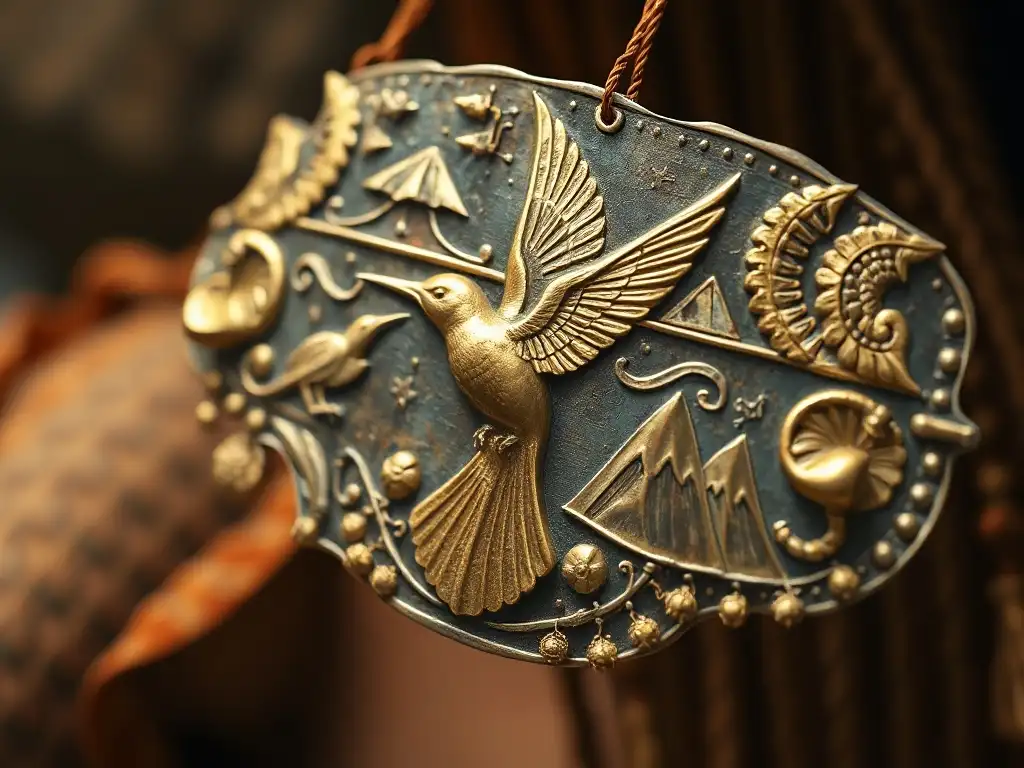
The narrative of Andean metalworking often centers on the Inca Empire, overshadowing the remarkable metallurgical achievements of preceding cultures. Understanding the "Andean metalworking history" requires a journey back in time, long before the Inca rose to prominence. This section delves into the sophisticated techniques and artistic expressions of pre-Inca societies, revealing a rich tapestry of metallurgical innovation that laid the foundation for later advancements.
The mastery of metals wasn't a sudden invention but a gradual evolution, spanning centuries and involving diverse Andean communities. Each group contributed unique styles and techniques, shaping the landscape of Andean metalworking in profound ways. This intricate history, often overlooked, is crucial to appreciating the full scope of Andean metallurgical prowess.
Early Metallurgical Practices in the Andes
The earliest evidence of metalworking in the Andes dates back to approximately 2000 BCE, with the initial use of native copper. These early practices involved the cold hammering of naturally occurring copper nuggets, a technique requiring significant skill and patience. Artifacts from this period, primarily simple tools and ornaments, demonstrate a basic understanding of metal's malleability. The lack of sophisticated smelting techniques suggests a reliance on readily available, naturally soft copper. Evidence suggests that these early metallurgical experiments were not widespread, concentrated in specific regions with access to suitable copper deposits.
The process was largely experimental, with artisans gradually learning about the properties of the metal through trial and error. This early period laid the groundwork for the more advanced techniques that would emerge in subsequent centuries. The development of alloys and more complex shaping methods were still in the future, but the foundations had been laid. 🔨
The Development of Copper Metallurgy
By 1000 BCE, Andean metalworkers had made significant strides. The development of smelting techniques marked a pivotal moment in "Andean metalworking history," allowing for the creation of more complex and durable copper objects. Smelting involved heating copper ores in furnaces to extract the pure metal.
This process required specialized knowledge of metallurgy, including the control of temperature and the use of appropriate fuels and fluxes. The transition from cold hammering to smelting drastically increased the quantity and quality of available copper. Evidence suggests that different Andean societies developed their own variations of smelting techniques, reflecting regional differences in resources and technological innovation.
This period also saw the emergence of sophisticated casting techniques, allowing for the creation of more intricate shapes and designs. The ability to melt and pour copper into molds opened up a world of possibilities for artisans, leading to a dramatic increase in the complexity and variety of copper artifacts. 🔥
Gold and Silver in Pre-Inca Societies
The use of gold and silver in pre-Inca societies represents a significant leap forward in Andean metalworking. These precious metals, rarer than copper, were highly valued and used primarily for ceremonial and elite objects. The working of gold and silver required even more advanced metallurgical techniques than copper, including sophisticated refining processes to remove impurities.
The discovery of gold and silver alloys, such as tumbaga (a copper-gold alloy), further enhanced the range of colors and possibilities available to artisans. The artistry displayed in pre-Inca gold and silver objects is remarkable, showcasing intricate designs and techniques such as repoussé (hammering from the back to create raised designs) and filigree (delicate wirework). These objects often held significant religious or symbolic meaning, reflecting the high status and prestige associated with these precious metals.
👑 The exquisite craftsmanship and the symbolic weight of these items underscore the advanced level of metallurgical skill attained by pre-Inca Andean societies, long before the Inca Empire's influence. The sheer artistry and technical skill involved in creating these pieces highlight the importance of gold and silver in the social and religious landscape of these early Andean cultures.
Regional Variations in Ancient Andean Metalwork
The Andes Mountains, stretching over 4,300 miles along the western coast of South America, fostered a remarkable diversity of cultures, each leaving its unique mark on Andean metalworking history. While gold, silver, and copper were prized across the region, the specific techniques, styles, and iconography varied significantly depending on geographical location and the cultural traditions of each group. The coastal regions, with access to different ores and distinct artistic sensibilities, produced markedly different metalwork than the highland cultures. For instance, the coastal Moche civilization developed highly sophisticated casting techniques, while the highland Tiahuanaco culture focused on intricate sheet metalwork and hammered gold.
This regional variation is a testament to the ingenuity and adaptability of Andean metallurgists, who skillfully adapted their techniques to the resources available in their respective environments. The differences extended beyond mere technique; the subject matter and style of the finished pieces also reflected the unique beliefs and values of each civilization. The iconography found in Moche metalwork, for example, is dramatically different from that found in the Nazca or Tiwanaku traditions, reflecting their distinct mythological and religious systems. Studying these regional variations provides a nuanced understanding of the complexity and richness of Andean metalworking, moving beyond a simplistic narrative of a single, monolithic tradition.
The development of distinct regional styles also underscores the importance of intercultural exchange and the diffusion of ideas across the vast Andean landscape. Evidence suggests that while distinct styles flourished, there was also a degree of cross-cultural interaction, with techniques and motifs being adopted and adapted by different groups. This intricate interplay of innovation and exchange shaped the evolution of Andean metalworking over centuries.
Moche Metalworking: Iconography and Techniques
The Moche civilization (c. 100-800 CE) of northern Peru stands out for its exceptional mastery of metalworking, particularly in lost-wax casting. Their artisans produced an astonishing array of objects, from intricate ceremonial vessels and ornate headdresses to delicate figurines and tools. Moche metalworking is characterized by its highly detailed and realistic iconography, often depicting scenes from their mythology, daily life, and warfare. The use of gold, silver, copper, and alloys demonstrates an advanced understanding of metallurgy. They frequently employed techniques like repoussé and chasing to create three-dimensional effects and fine details on sheet metal objects.
Lost-wax casting allowed them to create complex forms, including hollow vessels with intricate internal details. The Moche artisans were skilled in the use of different alloys, adjusting the composition to achieve specific colors and properties. For example, they could create a wide range of hues, from the deep gold of pure gold to the greenish-gold of copper-gold alloys. The iconography of Moche metalwork provides valuable insights into their beliefs and worldview. Depictions of deities, mythical creatures, warriors, and scenes of ritual sacrifice are common themes.
Many objects were clearly intended for ceremonial purposes, suggesting a close relationship between metalworking and religious practices. The precise techniques used by the Moche are still being studied by archaeologists and metallurgists, with ongoing research revealing new details about their remarkable technological proficiency. Analysis of surviving artifacts continues to unveil the complexity of their casting processes and the nuanced understanding of materials that enabled them to produce such exquisite metalwork. The Moche legacy is one of exceptional artistic skill and technical innovation, making them a pivotal point in the history of Andean metalworking. Their sophisticated techniques and iconography had a lasting impact on subsequent Andean metalworking traditions.
The Rise of Advanced Metalworking Techniques
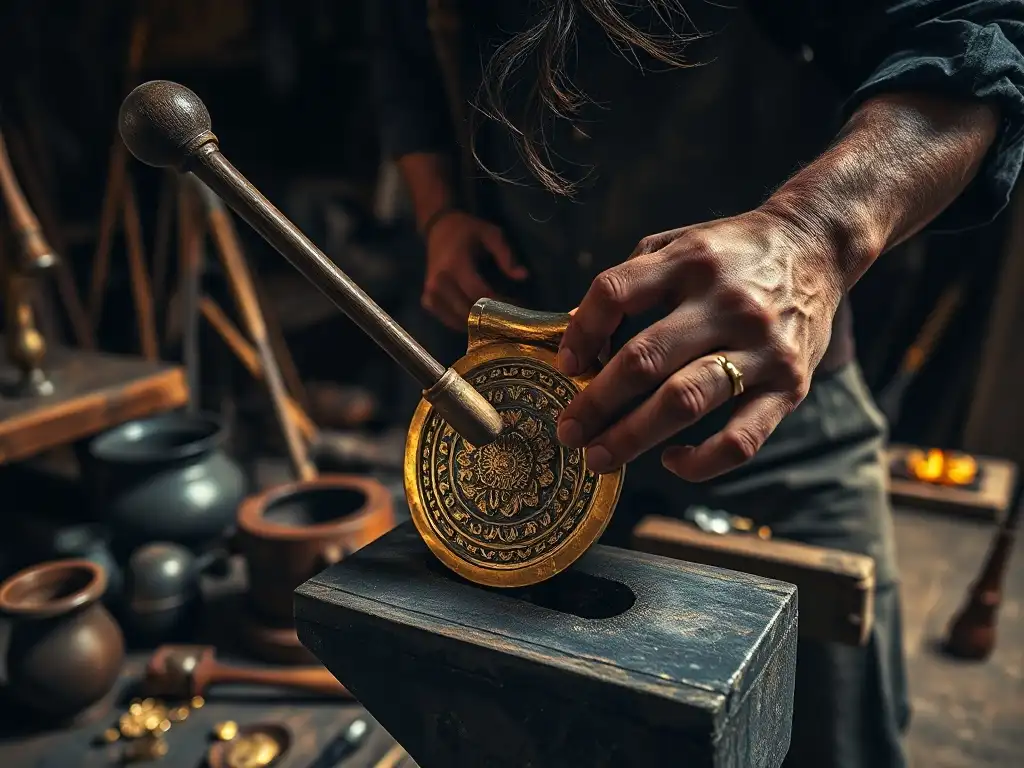
The Andes Mountains, a formidable geographical barrier, also served as a crucible for remarkable technological advancements. Among these, Andean metalworking stands out as a testament to the ingenuity and skill of pre-Columbian societies. While the Inca Empire undoubtedly left a significant mark on Andean metalworking history, its achievements built upon a foundation laid centuries earlier. A rich tapestry of metallurgical traditions, developed by cultures like the Moche, Nazca, and Tiahuanaco, provided the technological bedrock for later Inca innovations.
The development of sophisticated metalworking techniques wasn't a sudden event; it was a gradual process of experimentation, refinement, and cultural exchange spanning millennia. This section delves into the specific advancements that propelled Andean metalworking to new heights, laying the groundwork for the impressive artifacts we admire today. Understanding this evolutionary process is key to appreciating the full scope of Andean metalworking history.
Innovations in Alloying and Casting
Early Andean metalworkers initially relied on readily available native metals like gold, silver, and copper. However, the quest for stronger, more durable, and aesthetically pleasing materials led to significant innovations in alloying. The precise recipes and techniques remain partially shrouded in mystery, but archaeological evidence reveals a sophisticated understanding of metallurgy.
For example, the Moche culture (c. 100-800 CE) expertly crafted alloys of copper and arsenic, resulting in harder and more resistant tools and weapons. Their mastery extended to the creation of tumbaga, a visually stunning alloy of gold and copper, used extensively in elaborate ornaments and ceremonial objects. This wasn't simply a matter of mixing metals; the precise ratios of constituents were carefully controlled to achieve specific properties, showcasing a deep understanding of material science.
Furthermore, the development of efficient casting techniques, including the use of clay molds, allowed for the mass production of standardized items, a significant step towards greater economic and social complexity. The analysis of ancient metal artifacts reveals the meticulous control exercised by these artisans, highlighting their exceptional skills and their profound impact on Andean metalworking history.
The Mastery of Lost-Wax Casting
The lost-wax casting technique, a sophisticated method for creating intricate metal objects, represents a high point in Andean metallurgical skill. This technique, also known as cire perdue, involves creating a wax model of the desired object, covering it in clay, melting out the wax, and then pouring molten metal into the resulting mold. This allowed for the creation of highly detailed and complex shapes that would have been impossible to achieve through other methods.
The precision and artistry evident in many pre-Columbian artifacts, particularly those of the Tiahuanaco culture (c. 500-1000 CE), are a testament to the mastery of this technique. The intricate details found on ceremonial objects, such as the finely rendered features on miniature figures or the delicate designs on elaborate jewelry, are clear indicators of the high level of skill and technological understanding achieved by Andean metalworkers.
The development and widespread adoption of lost-wax casting significantly expanded the possibilities of Andean metalworking, contributing to the creation of visually stunning and culturally significant objects. The refinement of this technique underscores the continuous evolution and sophistication of Andean metalworking history.
Complex Metalworking Techniques in Pre-Columbian Andes
Beyond alloying and casting, Andean metalworkers developed a range of other advanced techniques. Repoussé, a method of shaping metal from the back using hammers and punches, allowed for the creation of three-dimensional relief designs on thin sheets of metal. This technique, combined with chasing (smoothing and refining the surface), allowed for the creation of highly detailed and intricate artwork.
Inlays, where pieces of different metals are embedded into a base metal, added further complexity and visual richness. Gold, silver, and copper inlays were frequently used to enhance the aesthetic appeal of tools, weapons, and ceremonial objects. The combination of these diverse techniques showcases the versatility and creativity of Andean metalworkers, pushing the boundaries of what was considered possible.
The sophisticated knowledge of metallurgy, combined with artistic skill, resulted in the creation of objects that not only served practical purposes but also held significant cultural and symbolic meaning. The sheer diversity of techniques employed—from hammering and forging to casting and inlaying—demonstrates the depth and breadth of Andean metalworking history, painting a picture of a dynamic and innovative metallurgical tradition. The legacy of these sophisticated techniques continues to inspire awe and admiration, underscoring the remarkable achievements of Andean civilizations.
Tumbaga: Gold-Copper Alloys
Tumbaga, a remarkable alloy of gold and copper, stands as a testament to the sophisticated metallurgical skills of Andean civilizations. Its prevalence across various cultures and time periods highlights its importance not just as a material but as a symbol of power, prestige, and religious significance. The precise ratios of gold and copper varied depending on the desired color and malleability, ranging from a pale yellow-gold to a deep reddish hue.
This deliberate manipulation of the alloy's composition demonstrates a keen understanding of metallurgy, far surpassing simple mixing. Archaeological evidence suggests that the creation of tumbaga involved complex techniques, including careful melting, precise mixing, and specialized casting methods. The artisans demonstrated an ability to control the oxidation process, ensuring the final product was both visually appealing and durable.
The mastery of tumbaga production wasn't limited to a single group; instead, it spread across diverse Andean cultures, indicating the sharing of knowledge and techniques through trade networks or cultural exchange. The widespread use of tumbaga in artifacts like jewelry, ceremonial objects, and weaponry underscores its pervasive role in Andean societies.
The creation of tumbaga wasn't merely a technical achievement; it was deeply intertwined with the cultural and religious beliefs of the time. The distinct colors achievable through varying the gold-copper ratio were likely imbued with symbolic meaning, reflecting the cosmological views and spiritual practices of the Andean peoples. For example, a specific shade of tumbaga might have been associated with a particular deity or celestial body, adding layers of meaning beyond its aesthetic qualities.
The intricate designs and detailed craftsmanship found on tumbaga artifacts further emphasize the profound cultural significance of this alloy. The production and use of tumbaga were likely controlled by elite groups, reflecting the power structures and social hierarchies prevalent in Andean societies. The presence of tumbaga objects in elite burials and ceremonial contexts strengthens this interpretation.
The study of tumbaga provides invaluable insights into the complex interplay between technology, culture, and social organization in the Andes. The enduring legacy of tumbaga continues to fascinate researchers and inspire awe at the technological achievements of these ancient civilizations. Further research into the specific techniques and cultural contexts surrounding tumbaga production promises to reveal even more about the sophisticated metalworking traditions of the Andes.
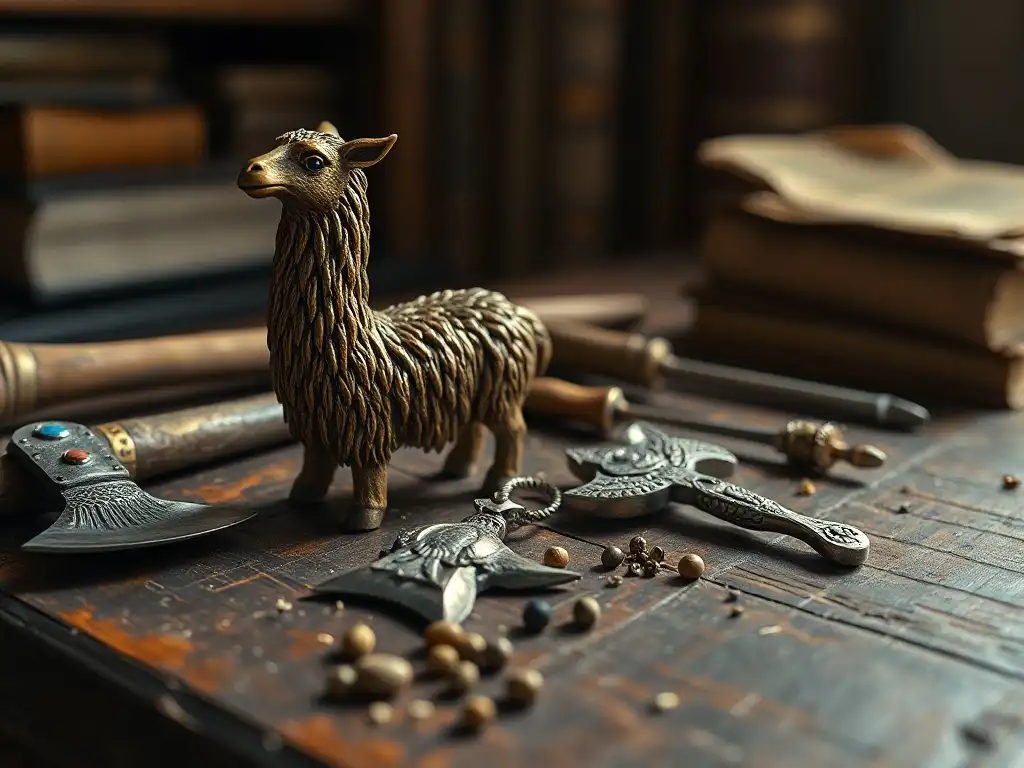
The mastery of Andean metalworking wasn't merely a technological achievement; it was deeply intertwined with the social fabric of these ancient societies. The production, distribution, and use of metal artifacts were closely tied to power structures, reflecting and reinforcing social hierarchies. Analyzing the types of metals used, the complexity of the techniques employed, and the ultimate destination of the finished products reveals a fascinating interplay between metallurgical skill and social status.
The sheer amount of labor involved in mining, smelting, and crafting metal objects, often requiring specialized knowledge and skills passed down through generations, further solidified the social importance of metalworking. This wasn't a craft accessible to all; it was a specialized profession, often associated with elite groups and religious institutions. The uneven distribution of precious metals and sophisticated metalwork across different social strata provides concrete evidence for this relationship.
Metal as a Symbol of Power and Status
Metal, particularly gold, silver, and copper, served as potent symbols of power and high social standing in Andean societies. The sheer rarity of these materials, coupled with the sophisticated techniques needed to work them, ensured their association with elite members of society. Elaborate gold ornaments, such as the intricately crafted crowns and breastplates found in royal tombs, are prime examples.
These weren't merely decorative items; they were powerful symbols of authority and legitimacy, visually communicating the wearer's high social rank and divine connection. Similarly, silver and copper objects, while less rare than gold, were still important markers of status, often appearing in the grave goods of high-ranking individuals and priests.
The size and complexity of these metal objects also correlated with status; larger, more intricate pieces were reserved for the elite, highlighting the labor and resources invested in their creation. Analysis of the metallurgical techniques used—the purity of the metals, the sophistication of the alloys, and the intricacy of the designs—can reveal much about the social standing of those who commissioned or possessed these items.
Ritual and Ceremonial Use of Metals
The use of metals extended far beyond mere adornment; they played a crucial role in Andean religious and ceremonial practices. Gold, in particular, was often associated with the sun and other deities, its radiant color mirroring the celestial bodies revered by these cultures. Metal objects were frequently incorporated into religious rituals and ceremonies, serving as offerings to the gods or as part of elaborate religious paraphernalia.
For example, many gold and silver figurines representing deities or animals have been unearthed from sacred sites, highlighting their significance in religious belief systems. The meticulous craftsmanship of these ritual objects underscores their sacred purpose and their role in mediating the relationship between humans and the divine.
The discovery of metal objects in tombs, often accompanied by other ritual items, further supports their importance in funerary practices and the belief in an afterlife. These findings demonstrate the integral link between Andean metalworking and religious beliefs, with metal serving as a conduit to the spiritual realm.
The Role of Metalworkers in Andean Society
Andean metalworkers occupied a unique and significant position within their respective societies. Their specialized skills and knowledge were highly valued, placing them in a position of relative prestige and power. While the exact social standing of metalworkers varied across different cultures and periods, evidence suggests that they often enjoyed a higher social status than many other craftspeople.
Their workshops, frequently located near sources of raw materials or major population centers, may have been organized in a hierarchical fashion, with master craftsmen overseeing apprentices and specialized laborers. The transmission of metallurgical knowledge across generations, often within family lineages, likely contributed to the development of distinct metalworking traditions and the maintenance of high standards of craftsmanship.
Further research, including archaeological investigations of metalworking workshops and detailed analysis of metal artifacts, is crucial to gain a more complete understanding of the social and economic roles of Andean metalworkers within their complex societal structures. This would contribute to a richer and more nuanced understanding of Andean metalworking history.
The Legacy of Andean Metalworking
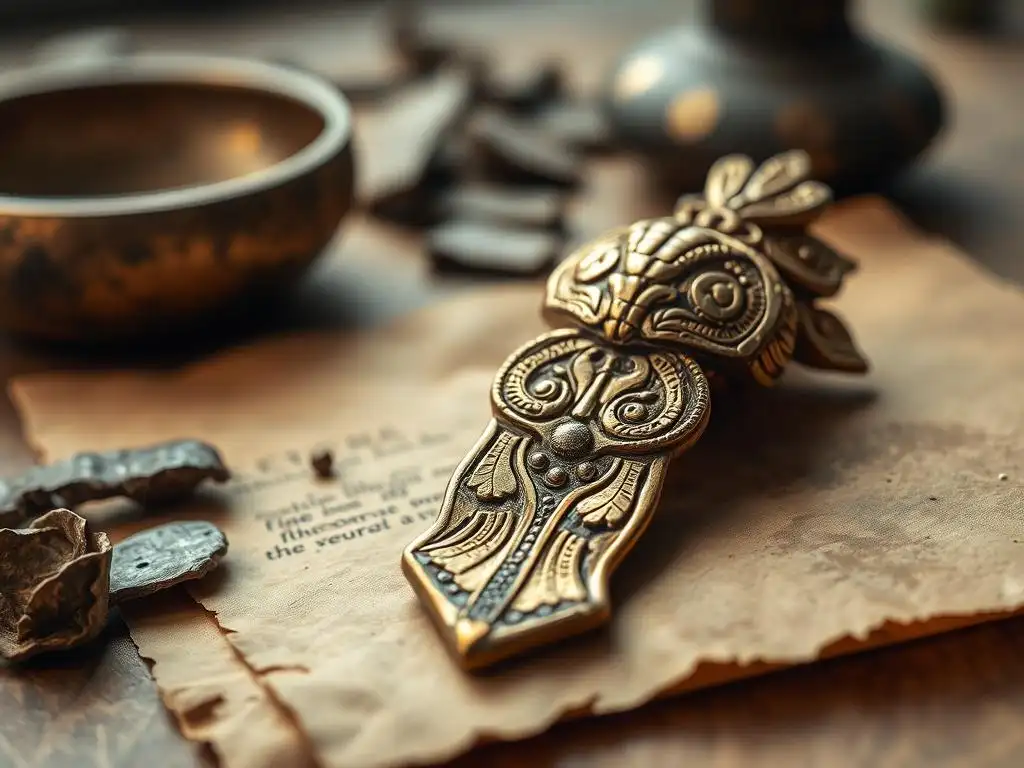
The vibrant tapestry of Andean civilization is inextricably woven with the threads of advanced metalworking. Long before the Inca Empire rose to prominence, sophisticated techniques in metallurgy were already flourishing across various Andean cultures. This legacy, spanning millennia, shaped not only the Inca's renowned artistry but also influenced subsequent societies and continues to fascinate researchers today.
Understanding the evolution of Andean metalworking provides crucial insight into the ingenuity, social structures, and technological prowess of these remarkable civilizations. The rich history of Andean metalworking encompasses a vast timeline, from the earliest experiments with copper alloys to the mastery of gold, silver, and bronze evident in the Inca era. Analyzing the progression of techniques and the stylistic shifts reveals a complex interplay of cultural exchange, innovation, and adaptation.
The sheer variety of artifacts unearthed—from intricate jewelry to monumental sculptures—testifies to the enduring impact of this ancient craft. The development of Andean metalworking techniques was not a linear progression, but rather a dynamic process influenced by environmental factors, technological advancements, and socio-political changes.
Influence on Inca Metalworking
The Inca Empire, while renowned for its metalworking achievements, didn't invent the techniques de novo. Instead, they inherited and refined pre-existing practices from earlier Andean cultures, particularly those of the Chimú and Wari. The Incas strategically incorporated existing metallurgical expertise into their imperial system. This involved not only the appropriation of techniques but also the mobilization of skilled artisans from conquered territories.
Evidence suggests that Inca workshops employed diverse metalworkers, each specializing in particular techniques or materials. This integration of diverse regional styles and expertise contributed to the distinctive character of Inca metalwork. The Inca's organizational prowess further enhanced metalworking.
They established standardized production methods, ensuring a consistent quality and stylistic uniformity across their vast empire. This is a significant departure from the more regionally diverse styles found in pre-Inca Andean metalworking. The Inca's control over resources, including mines and skilled labor, allowed them to produce metalwork on a scale previously unseen in the Andes.
Inca Metalworking: Mass Production and Standardization
Inca metalworking stands out for its remarkable scale and standardization. Unlike previous Andean cultures where metalwork often bore distinct regional styles, the Inca Empire prioritized uniformity. This standardization wasn't just about aesthetics; it reflected the empire's centralized control over resources and production. The Inca state meticulously managed mines, ensuring a steady supply of raw materials.
They also established workshops where skilled artisans worked under strict supervision, adhering to established designs and techniques. This systematic approach enabled the mass production of items like tools, weapons, and ceremonial objects. The Inca's mastery of alloying techniques, particularly in gold and silver, allowed them to create objects of exceptional purity and durability. Their ability to produce large quantities of high-quality metalwork is a testament to their sophisticated organizational abilities and advanced metallurgical knowledge.
The following table illustrates the contrast between pre-Inca and Inca metalworking:
| Feature | Pre-Inca Metalworking | Inca Metalworking |
|---|---|---|
| Scale | Smaller scale, often localized production | Mass production, empire-wide distribution |
| Style | Regional variations, diverse styles | Standardized styles, uniformity across the empire |
| Organization | Decentralized, less formal organization | Centralized, state-controlled workshops |
| Techniques | Wide range of techniques, experimentation evident | Refinement of existing techniques, standardization |
| Materials | Gold, silver, copper, bronze, varied alloys | Gold, silver, copper, bronze, refined alloys |
The Impact of Andean Metallurgy on Later Societies
The legacy of Andean metallurgy extended far beyond the Inca Empire's collapse. The techniques and artistry developed over centuries continued to influence subsequent societies in the region, shaping their own cultural expressions and technological advancements. Spanish conquistadors, upon encountering the Andes, were immediately impressed by the quality and quantity of Inca metalwork. They quickly exploited the existing infrastructure and expertise, using Andean metalworkers to produce goods for the Spanish crown.
This exploitation, however, led to the disruption of traditional practices and the loss of some knowledge. Despite this disruption, elements of Andean metallurgical techniques persisted, influencing the development of metalworking in the colonial and post-colonial periods. The enduring impact of Andean metalworking is evident in the continued presence of certain design motifs and techniques in contemporary Andean art and craft.
The legacy of this ancient tradition serves as a reminder of the remarkable ingenuity and cultural richness of the Andean civilizations. Further research is needed to fully understand the long-term impacts and the extent to which Andean metallurgical knowledge was transmitted and adapted across generations and across different societies. The study of Andean metalworking history continues to uncover new insights into the complexity of these ancient civilizations and their lasting contributions to the world.
Continuing Traditions of Metalwork in the Andes
The legacy of Andean metalworking didn't vanish with the arrival of the Spanish conquistadors. While the vast, organized workshops of the Inca Empire were disrupted, the knowledge and skills passed down through generations found new expressions. Indigenous communities throughout the Andes continued to practice metalworking, albeit often on a smaller scale and with adapted techniques. Access to certain ores and technologies might have changed, forcing artisans to adapt and innovate.
For example, the use of certain alloys, readily available during the Inca period, might have become less common, leading to the exploration of alternative materials and techniques. This adaptation ensured the survival of metalworking traditions, albeit in a transformed state. The intricate designs and symbolic elements characteristic of pre-Columbian Andean metalwork persisted, albeit often integrated with new influences. Religious practices and beliefs continued to heavily influence the designs and the purpose of the metalwork.
For instance, we see a continuing focus on zoomorphic and anthropomorphic motifs, reflecting the deep-rooted Andean spiritual worldview. These pieces, though produced after the conquest, often retain a clear connection to the pre-Columbian past, demonstrating a remarkable resilience of cultural memory and craftsmanship. The continuity of techniques is also notable, with evidence suggesting the transmission of techniques like hammering, casting, and soldering across generations. The study of these post-conquest artifacts provides valuable insights into how Andean communities adapted and preserved their rich metallurgical heritage in the face of profound social and political change.
Contemporary Andean Jewelry Craftsmanship
Today, Andean metalworking thrives in a new form—contemporary jewelry craftsmanship. Artisans across the region continue to create exquisite pieces, drawing inspiration from ancestral techniques and designs while incorporating modern aesthetics. This contemporary Andean jewelry reflects a blend of tradition and innovation. Many artisans use traditional techniques like lost-wax casting, repoussé, and chasing, passed down through their families for centuries.
However, they also experiment with new materials and designs, resulting in unique and contemporary expressions of Andean artistry. The use of precious metals like gold and silver, alongside semi-precious stones found in the Andean region, remains prevalent, highlighting the continued importance of these materials in Andean culture. Many pieces feature iconic Andean motifs, such as condors, llamas, and stylized human figures, ensuring that the rich symbolism of ancient Andean metalwork is preserved and celebrated. This contemporary jewelry isn't simply a revival of past styles; it represents a dynamic and evolving tradition.
It speaks to the enduring power of Andean metalworking, its adaptation to modern times, and its continuing relevance in the lives of Andean communities. The pieces are often imbued with deep cultural significance, reflecting the spiritual beliefs and artistic sensibilities of the artisans. The market for this jewelry, both domestically and internationally, provides crucial economic opportunities for these communities, supporting the continuation of these valuable traditions and preserving the artistic legacy of Andean metalworking for future generations. The vibrant colors, intricate details, and symbolic elements of contemporary Andean jewelry represent not just beautiful objects, but a living testament to the enduring spirit and ingenuity of Andean artisans.
Frequently Asked Questions
What is the main focus of Andean metalworking history?
The main focus is tracing the evolution of metalworking techniques and styles across different Andean cultures, from pre-Inca civilizations like the Moche and Nazca to the Inca Empire. It explores the social and religious significance of metalwork.
When did Andean metalworking begin?
Andean metalworking began surprisingly early, with evidence suggesting preliminary experimentation as far back as the late preceramic period. However, widespread adoption and sophisticated techniques developed considerably later, around 1000 BCE.
Which Andean cultures were particularly skilled in metalworking?
Many Andean cultures excelled, but the Moche, Nazca, and Inca are particularly renowned for their advanced techniques and artistry. Each developed unique styles reflecting their distinct cultural identities.
What types of metals were primarily used in Andean metalworking?
Gold, silver, copper, and bronze were the most commonly used metals. The specific metal used often held symbolic meaning, with gold, for example, frequently associated with divinity and power.
How did Andean metalworking techniques influence later cultures?
Andean metalworking techniques had a lasting impact, influencing subsequent metalworking traditions in the region. The Inca's mastery of metallurgy particularly shaped the development of metalwork after their empire's fall.
Final Reflection: The Enduring Legacy of Andean Metalworking
The intricate artistry of Andean metalworking isn't merely a relic of the past; it's a vibrant thread woven into the tapestry of contemporary Latin American identity. The techniques, designs, and sheer ingenuity displayed in these ancient artifacts continue to inspire awe and spark ongoing research, revealing ever more about the sophisticated societies that created them. This enduring legacy challenges our understanding of pre-Columbian civilizations and forces us to reconsider the simplistic narratives often presented in history.
The impact of Andean metalworking extends far beyond museum displays; it resonates deeply within the cultural consciousness of the region. The symbolic power of gold, silver, and copper, meticulously shaped into intricate objects, continues to influence artistic expression and national pride. As the renowned Peruvian archaeologist, Rafael Larco Hoyle, once stated, The art of the ancient Peruvians is not merely decorative; it is a reflection of their worldview, their beliefs, and their aspirations.
This quote encapsulates the profound spiritual and social significance embedded within these ancient works, a significance that continues to shape modern perceptions of Andean heritage.
Consider the artistry, the innovation, the sheer dedication required to create these masterpieces. Now, consider how that same spirit of ingenuity and perseverance can be applied to your own life. What challenges can you overcome with the same dedication and skill demonstrated by the ancient Andean metalworkers? Let the legacy of their artistry inspire you to strive for excellence, to embrace creativity, and to leave your own unique mark on the world. The echoes of their hammers still ring out, calling us to forge our own paths with the same passion and dedication.
Unveil the Forgotten Craft of Andean Metalworking!
Thank you for joining us on this journey through the rich history of Andean metalworking. We hope you found this exploration insightful and inspiring. Now, let's continue your discovery!
- **Participate in a hands-on workshop** to experience the artistry of Andean metalworking firsthand—create your own piece inspired by ancient techniques.
- **Share your thoughts** with our community by discussing your favorite aspects of Andean metalworking on social media and exploring the craft's influence on contemporary art.
- **Expand your knowledge** by delving into further resources and books to deepen your appreciation of this remarkable art form.
What aspect of Andean metalworking resonates most with you, and how will you integrate it into your creative endeavors?