
Hidden in the Earth: Exploring the Variety of Andean Digging Tools

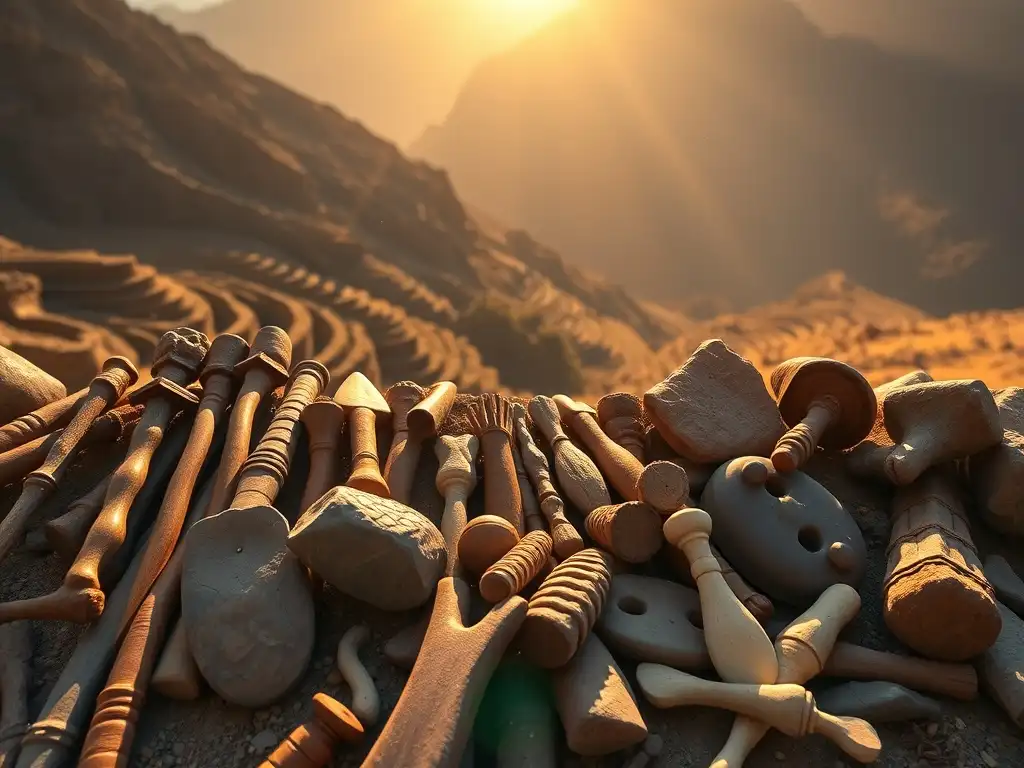
Uncover the secrets buried beneath the Andes! Journey with us through time, as we delve into the ingenious world of Andean preColumbian digging tools. From the intricate designs of the Nazca to the powerful implements of the Inca, discover how these remarkable instruments shaped civilizations and landscapes. Prepare to be amazed by the innovative technology that lies hidden in the earth, waiting to be revealed. Explore the fascinating story now!
The Andes Mountains, a spine of towering peaks stretching along the western coast of South America, nurtured a remarkable tapestry of pre-Columbian civilizations. These cultures, including the Incas, Moche, Nazca, and Tiahuanaco, developed sophisticated agricultural techniques to thrive in diverse and often challenging environments. Central to their success was a diverse array of ingenious digging tools, meticulously crafted to meet the specific needs of their varied terrains and crops.
This article delves into the fascinating world of Andean pre-Columbian digging tools, exploring their design, materials, and significance in shaping the agricultural landscape and the very fabric of Andean society. We'll uncover the ingenuity behind these tools and how they reflect the advanced understanding of these ancient civilizations.
Understanding these tools provides a crucial window into the daily lives, agricultural practices, and technological prowess of the Andean people. This exploration will reveal the hidden ingenuity buried alongside the crops themselves – a testament to the resilience and adaptability of Andean cultures.
Introduction to Andean Pre-Columbian Agriculture and Agriculture
Andean agriculture was far from simple subsistence farming. These societies developed intricate systems of terracing, irrigation, and crop diversification to maximize yields in challenging mountainous regions. The success of these systems was intrinsically linked to the effectiveness of their digging tools.
The varied geography of the Andes—from arid coastal deserts to high-altitude plains—required specialized tools for different tasks and soil types. The cultivation of staple crops like potatoes, maize, quinoa, and beans demanded a range of implements for planting, weeding, harvesting, and soil preparation. Evidence from archaeological sites reveals a surprising variety of tools, demonstrating a high degree of technical skill and adaptation to the environment.
The development of these tools wasn't just a matter of practicality; they also held symbolic and ritualistic significance within Andean communities, reflecting their deep connection to the land and its bounty. Archaeological findings consistently demonstrate the sophistication of Andean agricultural practices and the crucial role played by their tools in shaping their societies.
The Importance of Digging Tools in Andean Agriculture
The importance of digging tools in Andean agriculture cannot be overstated. These tools were essential for all stages of crop production, from initial land preparation to harvesting. For example, the creation of agricultural terraces, a hallmark of Andean ingenuity, required robust tools capable of moving large quantities of earth. Evidence suggests the use of various tools for this purpose, ranging from simple digging sticks to more complex implements like adzes and hoes.
Furthermore, the planting of crops necessitated tools adapted to the specific characteristics of the seeds and soil. Weeding, a crucial aspect of maintaining healthy crops, also relied on specialized tools designed for efficient removal of unwanted vegetation. The harvesting of crops, especially root vegetables like potatoes, required tools capable of carefully extracting them from the ground without damage. The variety and sophistication of these tools underscore the importance placed on agricultural productivity within Andean societies.
The efficiency of these tools directly impacted food security and the overall prosperity of these communities. The careful crafting and maintenance of these tools were integral to the survival and success of Andean civilizations. The absence of animal-drawn plows meant that human labor and effective tools were paramount.
- Introduction to Andean Pre-Columbian Agriculture and Agriculture
- The Importance of Digging Tools in Andean Agriculture
- What types of materials were Andean digging tools made from?
- How did the design of Andean digging tools vary across different cultures?
- What were some of the most common types of Andean digging tools used for agriculture?
- Were Andean digging tools only used for agriculture?
- Where can I learn more about Andean pre-Columbian digging tools?
Types of Andean Digging Implements
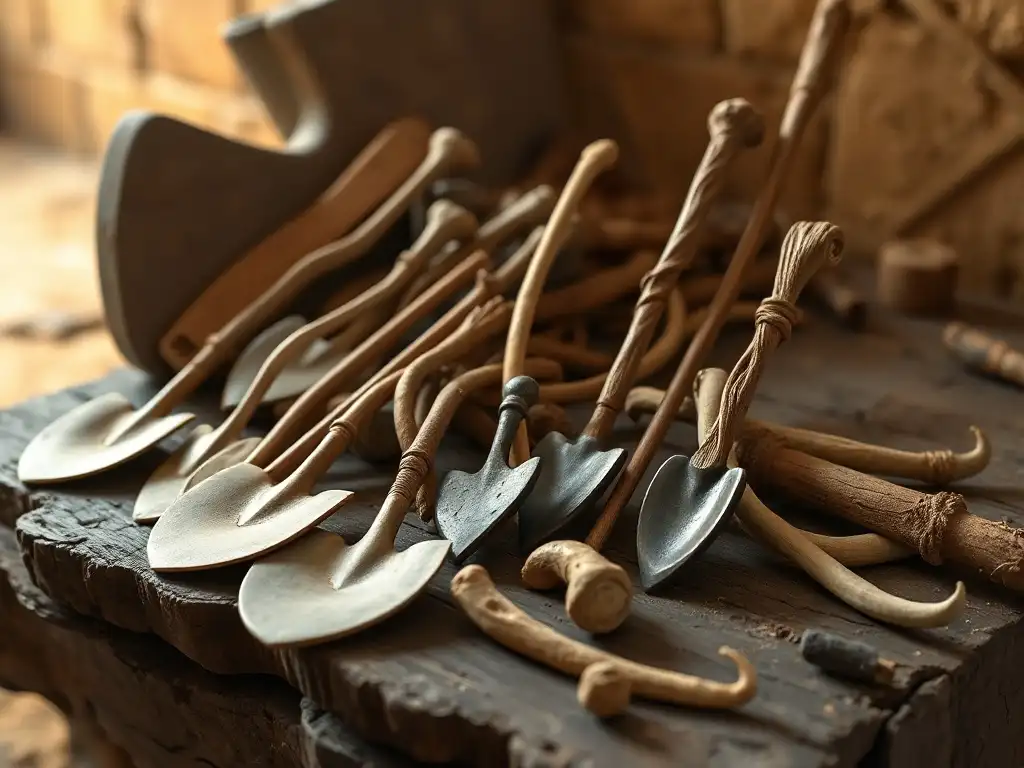
The diverse geography and agricultural practices of the Andes Mountains fostered the development of a variety of ingenious digging tools. These tools, essential for cultivating the challenging terrain and supporting the complex societies that thrived there, represent a remarkable aspect of Andean preColumbian technology. Understanding these implements provides valuable insight into the ingenuity and resourcefulness of Andean civilizations.
While precise details on the manufacturing processes and widespread use of every tool are sometimes scarce due to the limitations of surviving archaeological evidence, we can still glean significant information about their design, function, and cultural significance. The study of Andean preColumbian digging tools reveals a sophisticated understanding of materials science and agricultural techniques, adapted to the unique environmental challenges of the region. The following sections will explore some of the most important examples.
The Chaquitaclla: The Andean Foot Plow
The chaquitaclla, often referred to as the Andean foot plow, is perhaps the most iconic and widely known digging implement from the region. Its distinctive design and efficiency in tilling the soil made it a crucial tool for Andean agriculture for centuries.
Function and Use of the Chaquitaclla
The chaquitaclla's primary function was to loosen and aerate the soil, preparing it for planting. Its design, with a T-shaped wooden handle and a sharpened metal or stone point, allowed the user to leverage their weight and foot pressure to effectively break up compacted earth. This was particularly advantageous in the high-altitude Andean regions, where the soil could be extremely hard and rocky.
The chaquitaclla was not only used for initial soil preparation but also for weeding and other tasks related to crop maintenance. Archaeological evidence suggests its use across a wide range of Andean cultures and environments, highlighting its adaptability and effectiveness. Farmers would use the chaquitaclla in a rhythmic motion, pushing down on the footrest to penetrate the soil.
Materials and Construction of the Chaquitaclla
The chaquitaclla was typically constructed from readily available materials. The handle was usually made from a sturdy piece of wood, often from a local tree species known for its strength and durability. The point, however, often required more specialized materials. While some chaquitacllas utilized sharpened stones, others featured metal points, reflecting the level of metallurgical expertise present in different Andean cultures.
The metal points, often made of bronze or copper alloys, were carefully shaped and attached to the wooden handle, demonstrating advanced skills in metalworking and joinery. The exact methods of joining the metal point to the wood are still being researched, but evidence suggests techniques involving adhesives and possibly metal binding. The construction varied slightly depending on the specific region and culture, but the basic design remained consistent throughout its widespread use.
The Raucana: A Hand-Held Andean Digging Stick
In contrast to the foot-powered chaquitaclla, the raucana was a simpler, hand-held digging stick. While less efficient for large-scale land preparation, its portability and versatility made it a valuable tool in various aspects of Andean agriculture.
Variations of the Raucana Across Different Andean Cultures
The raucana's basic design—a sharpened wooden stick—was remarkably consistent across different Andean cultures. However, variations existed in the length, thickness, and the type of wood used. Some raucanas were longer and thicker, suitable for digging in heavier soils, while others were shorter and thinner, more appropriate for lighter tasks or working in confined spaces.
The choice of wood also varied according to regional availability and the desired properties of the tool—some woods were preferred for their strength and durability, while others were chosen for their lightness and ease of handling. These subtle variations reflect the adaptive nature of Andean technology, which responded to the specific needs and resources of different communities. Further research is needed to fully document regional variations in raucana construction and use across the Andes.
How the Raucana Was Used in Andean Farming
The raucana was used for a range of agricultural tasks, from planting seeds and loosening soil around established plants to weeding and harvesting root crops. Its simplicity allowed for ease of use and maintenance. It was particularly useful for tasks requiring precision or working in areas inaccessible to larger implements like the chaquitaclla. The raucana was likely an essential tool for individual farmers, particularly in smaller plots of land or when dealing with delicate crops that required careful handling.
Its widespread use underscores its importance as a versatile and practical tool within the broader context of Andean agricultural practices. The raucana demonstrates the Andean peoples' ability to create effective tools from readily available materials, showcasing their deep understanding of their environment and its resources. Further archaeological study could reveal more about the specific uses of the raucana in various Andean contexts.
The Llampu: A Broad-Bladed Andean Hoe
The llampu, a crucial tool in Andean agriculture, stands out for its broad, flat blade. Its design reflects a deep understanding of the Andean terrain and the types of soil prevalent in the region. Farmers skillfully utilized the llampu for a variety of tasks, making it an indispensable part of their agricultural toolkit.
The llampu's effectiveness stemmed from its ability to efficiently till the soil, preparing it for planting and cultivation. Its broad blade allowed for wide swaths of land to be worked in a relatively short amount of time, a significant advantage given the often challenging conditions of Andean farming. The size and shape of the llampu also varied depending on the specific needs of the farmer and the type of crop being cultivated.
This adaptability highlights the ingenuity and practicality of this essential Andean tool. Archaeological evidence suggests widespread use across various Andean cultures, underscoring its importance in shaping the agricultural practices of the region. The llampu represents not just a tool, but a testament to the deep connection between the Andean peoples and their land.
Functionality of the Llampu in Soil Preparation
The llampu's functionality extended beyond simple tilling. Its broad blade was ideal for breaking up compacted soil, creating furrows for planting seeds, and weeding. The angle of the blade could be adjusted to suit the task at hand, allowing for precise control over soil manipulation.
Farmers used the llampu to create raised fields, a technique common in the Andes to improve drainage and optimize crop yields, particularly in areas with high water tables. The llampu was essential in the creation and maintenance of these complex agricultural systems, demonstrating its versatility and importance within the Andean agricultural landscape. Moreover, its use often involved a combination of techniques, such as using a digging stick in tandem to loosen the soil before using the llampu to level and refine the planting area.
This demonstrates a sophisticated understanding of soil mechanics and efficient farming practices. Studies of preserved llampus show signs of wear and tear consistent with intensive use, further supporting their crucial role in Andean agriculture.
Construction and Material Aspects of the Llampu
The llampu's construction varied depending on the available resources and the specific needs of the farmer. However, most llampus shared common characteristics. The blade was typically made from a durable material such as wood, stone, or sometimes even bone, depending on the region and the time period.
The handle, often made from a strong wood, was carefully attached to the blade, creating a sturdy and reliable tool. The materials used often reflected local availability; for instance, in regions with abundant hardwood trees, wooden llampus would have been common, whereas in regions with limited access to wood, stone might have been the primary material. The craftsmanship involved in constructing a llampu suggests a level of skill and knowledge passed down through generations of Andean farmers.
Careful consideration was given to the balance and weight of the tool to ensure comfort and efficiency during prolonged use. Archaeological findings continue to reveal variations in llampu construction, highlighting the adaptability of this tool and the ingenuity of its creators.
The Wactana: A Smaller, Hand-Held Andean Pick
The wactana represents a different approach to soil manipulation compared to the llampu. Smaller and hand-held, it was a more specialized tool used for more precise tasks. Unlike the broad sweep of the llampu, the wactana was designed for breaking up hard or rocky soil, or for digging smaller holes for planting. Its relatively smaller size made it more maneuverable in tight spaces and ideal for working on smaller plots of land.
The wactana's pointed end allowed for focused digging, making it a valuable tool for a variety of agricultural and even non-agricultural tasks. Its use demonstrates the sophisticated array of tools employed by Andean farmers to optimize their agricultural output. The wactana, despite its smaller size, played a significant role in shaping the Andean agricultural landscape.
Use Cases of the Wactana in Andean Agriculture
The wactana's utility in Andean agriculture was multifaceted. It was frequently used for planting seeds and seedlings, creating precise holes in the prepared soil. It was also invaluable for loosening compacted soil around existing plants, facilitating better water absorption and nutrient uptake. Furthermore, the wactana could be used for weeding, selectively removing unwanted plants from the cultivated area.
Its compact size and pointed end allowed for precise work, minimizing damage to desirable plants. In areas with rocky or particularly hard soil, the wactana was indispensable, enabling farmers to overcome the challenges presented by difficult terrain. The wactana represents a crucial element in the nuanced toolkit of Andean farmers, demonstrating a sophisticated approach to soil management.
Regional Differences in Wactana Design
While the basic function of the wactana remained consistent across various Andean regions, subtle variations in design existed. These variations often reflected differences in the types of soil, the preferred agricultural techniques, and the readily available materials. For instance, in regions with abundant volcanic rock, wactanas might have incorporated features designed to withstand harder soil conditions.
In other regions, the materials used in construction might have varied, reflecting the availability of different types of wood or stone. These regional differences highlight the adaptability of Andean technology and its ability to respond to the specific environmental and cultural contexts of different areas. Further research into these regional variations could provide valuable insights into the diverse agricultural practices across the Andean region.
The study of these differences underscores the dynamic nature of Andean technology and its response to local conditions. Careful analysis of archaeological finds reveals these nuanced differences, enriching our understanding of Andean cultural diversity.
Materials and Techniques in Andean Tool Making
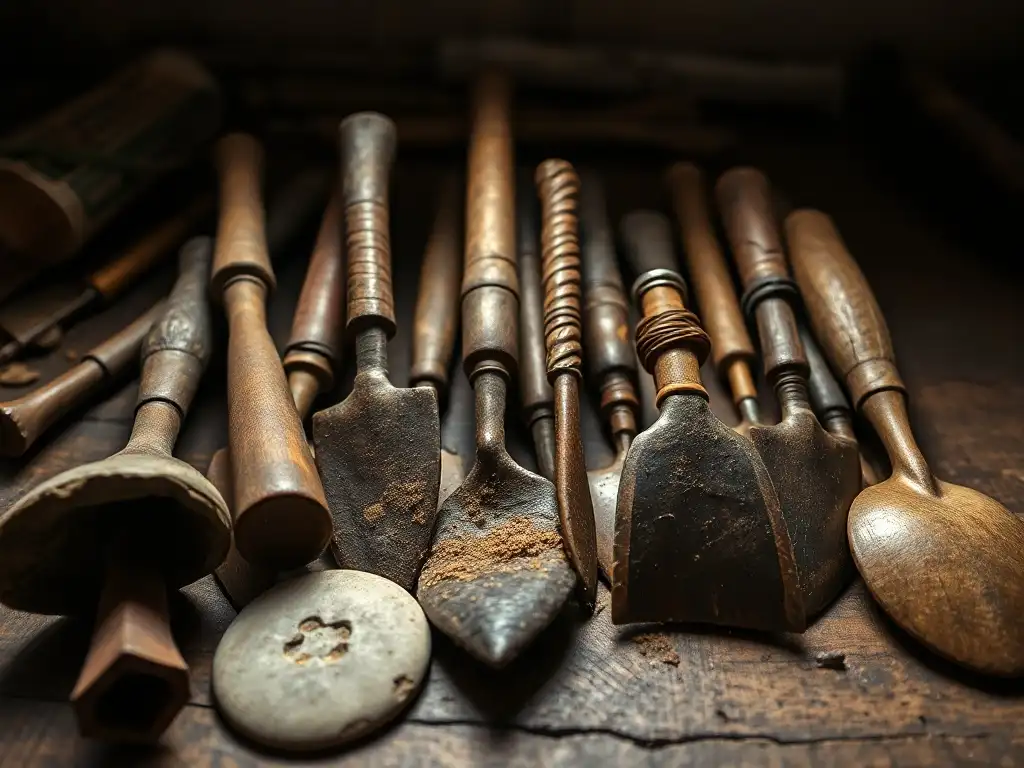
The ingenuity of Andean pre-Columbian cultures is vividly illustrated in their diverse digging tools. These weren't simply crude implements; they represented sophisticated adaptation of available materials and a deep understanding of material properties. The choice of material—be it stone, wood, bone, or metal—was dictated by the intended use, the availability of resources in the specific region, and the desired durability of the tool.
This section explores the key materials and techniques employed in crafting these essential instruments of Andean agriculture and construction. Understanding these methods provides crucial insight into the daily lives and technological prowess of these remarkable civilizations. The study of Andean preColumbian digging tools reveals not only practical applications but also reflects a complex interplay of environmental factors, cultural practices, and technological innovation.
The Use of Stone in Andean Digging Tools
Stone, readily available throughout the Andes, formed the bedrock of early Andean digging tool technology. Different stone types were selected based on their hardness, durability, and ease of working. Obsidian, prized for its sharp edges and ability to retain a keen cutting point, was frequently used for smaller, more delicate digging tasks, possibly for root crops or specialized agricultural activities.
Basalt, a harder and more resistant stone, was favored for larger, more robust tools designed for heavier digging in challenging terrains. The creation of these stone tools involved careful selection of raw materials, followed by shaping through techniques like pecking, grinding, and polishing. Evidence suggests that specialized workshops existed, where skilled artisans crafted these tools, refining their techniques over generations.
Analysis of surviving tools reveals a remarkable consistency in design and craftsmanship, demonstrating a high level of skill and standardization. The effectiveness of these stone tools is evidenced by the extensive agricultural terraces and monumental structures built across the Andean landscape, a testament to the ingenuity and labor of these ancient cultures. Furthermore, the variation in stone type used across different Andean regions reflects the adaptation of tool-making to locally available resources.
The Role of Wood and Bone in Pre-Columbian Tools
While stone dominated the heavier digging implements, wood and bone played crucial supporting roles in Andean tool making. Wood, readily available and easily shaped, was often used for handles and shafts of digging sticks and hoes. The selection of wood species likely depended on factors like strength, flexibility, and resistance to decay. Hardwoods, such as those from the Polylepis genus (commonly known as queuña), were possibly preferred for their durability.
Bone, primarily from camelids such as llamas and alpacas, provided a readily available source of material for smaller digging tools, points, and possibly even shovel-like implements. The use of bone suggests a nuanced understanding of material properties, with bone offering a good balance of strength and ease of shaping. Unlike stone, wood and bone tools were likely less durable, requiring more frequent replacement.
However, their relative ease of acquisition and processing made them essential components in the Andean tool kit. The presence of both stone and wood/bone components in many tools suggests a sophisticated understanding of material combinations, optimizing the strengths of each material for specific tasks. Further research into the types of wood and bone used, and the techniques employed in their shaping, would further illuminate the complexity of Andean tool-making traditions.
Andean Metalworking and its Impact on Tool Development
The introduction of metalworking, particularly bronze and later copper alloys, marked a significant advancement in Andean tool technology. Metal tools, unlike their stone counterparts, offered superior strength, durability, and the potential for more complex shapes. While the exact timing and spread of metalworking varies across different Andean regions, its impact on digging tool technology was profound.
Metal adzes, chisels, and possibly even specialized digging tools, would have significantly increased efficiency in both agricultural and construction projects. The ability to cast and shape metal allowed for the creation of tools with sharper edges and more resilient points, leading to increased productivity and potentially facilitating the construction of even larger and more intricate structures. The discovery of metalworking sites and the analysis of metallurgical techniques provide valuable insights into the technological innovations that drove this transformation.
The transition from stone to metal tools represents a key stage in the evolution of Andean technology, reflecting not only advancements in metallurgy but also a broader shift in societal organization and resource management. Unfortunately, [specific data on the types of metal digging tools and their prevalence is pending]. Further archaeological research is crucial to fully understand the extent of this metal-based tool revolution.
Regional Variations in Andean Digging Tools
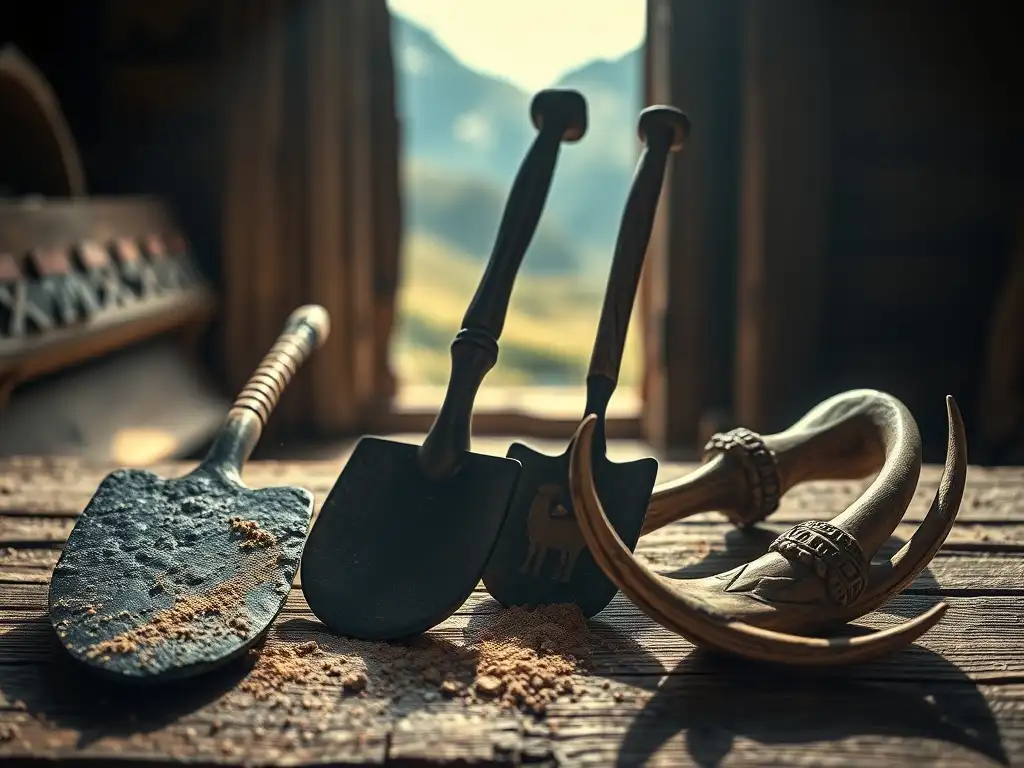
The diverse geography and agricultural practices of the Andes Mountains led to a fascinating array of pre-Columbian digging tools. While similarities exist across different cultures, subtle and significant variations reflect the unique challenges and innovations of each Andean civilization. Understanding these regional differences provides crucial insights into the ingenuity and adaptability of these ancient peoples.
The following sections will delve into the specific tools used by three prominent Andean cultures: the Inca, Moche, and Nazca. Analyzing these tools allows us to better understand the techniques employed in agriculture, construction, and resource extraction, contributing significantly to our understanding of Andean preColumbian digging tools and their impact on society.
Digging Tools of the Inca Empire
The Inca Empire, known for its sophisticated infrastructure and agricultural prowess, utilized a range of digging tools adapted to the varied Andean terrains. Their tools were often made from readily available materials like wood, stone, and bone, reflecting a practical approach to toolmaking. The chaquitaclla, a foot-operated digging stick, stands out as a quintessential Inca implement.
This tool, made from hardened wood, allowed for efficient tilling of the soil, particularly in the challenging high-altitude environments. Its design minimized the physical strain on the user while maximizing digging efficiency. The chaquitaclla’s effectiveness is evident in the extensive Inca terrace farming systems still visible today.
Beyond the chaquitaclla, the Inca also employed various types of shovels and hoes, likely crafted from wood or bone, reinforced with stone or metal tips for durability. These were crucial for tasks ranging from digging irrigation canals to constructing buildings. The lack of widespread metalworking compared to other Andean cultures influenced the Inca's tool designs, leading them to favor robust, yet relatively simple, wooden implements. Archaeological findings suggest a standardization in tool design across the empire, indicating centralized production or widespread knowledge transfer.
Further research is needed to pinpoint the exact materials and manufacturing techniques employed across different regions within the Inca Empire. This would provide a more nuanced understanding of regional variations in Inca digging tools. The development of these tools was undoubtedly crucial for the Inca's agricultural success and societal advancement.
Agricultural Tools of the Moche Culture
The Moche civilization, flourishing on the northern coast of Peru, developed sophisticated irrigation systems and agricultural techniques. Their tools reflected this advanced understanding of agriculture, showcasing a higher degree of specialization than those of some other Andean cultures. Metalworking played a significant role in Moche tool production, resulting in durable and efficient implements. Copper and bronze alloys were used to create stronger and more effective digging tools.
Evidence suggests the Moche utilized a variety of metal-tipped digging tools, including hoes and spades. These metal tips would have significantly increased the longevity and effectiveness of the tools compared to solely wooden or bone implements. The Moche's advanced metalworking skills are also evident in the intricate designs found on some of their agricultural tools, suggesting a level of artistry and craftsmanship beyond mere functionality. Furthermore, the Moche's coastal location likely led to the development of specialized tools for working in sandy soil, perhaps with broader blades or different handle designs.
Unfortunately, the exact composition and design of many Moche agricultural tools remain unclear due to limited archaeological evidence. More detailed analysis of existing artifacts and further excavation are necessary to fully understand the breadth and depth of Moche digging tool technology. This will help to shed more light on this crucial aspect of their advanced agricultural practices.
Earthworking Implements of the Nazca People
The Nazca people, famous for their enigmatic geoglyphs, also possessed a sophisticated understanding of earthworks. Their mastery of large-scale construction projects, such as the extensive irrigation canals, indicates the use of robust and efficient digging tools. While less is known about the specific designs of Nazca digging tools compared to the Inca or Moche, we can infer their characteristics based on the scale and precision of their projects.
The construction of the Nazca lines and the extensive irrigation systems required tools capable of moving significant quantities of earth. It is likely that the Nazca employed large, heavy digging tools, possibly made from wood reinforced with stone or bone. The precise nature of these tools remains a subject of ongoing research.
The scale of the Nazca geoglyphs suggests the use of organized labor and standardized tools, possibly indicating centralized planning and production. Further research into the surviving artifacts and the analysis of the geoglyphs themselves may reveal more information about the specific tools used by the Nazca people and the techniques they employed.
The development of more effective earthmoving tools was crucial for the Nazca's ability to undertake such ambitious projects, which had a lasting impact on the landscape and continue to fascinate us today. The study of Andean preColumbian digging tools, specifically those of the Nazca, is an area ripe for further investigation and discovery.
Tiahuanaco and its Distinctive Tools for Cultivation
The Tiahuanaco culture, flourishing in the Altiplano region of the Andes between approximately 500 and 1000 CE, developed sophisticated agricultural techniques to thrive in the challenging high-altitude environment. Their tools, reflecting this ingenuity, show a remarkable adaptation to the specific needs of their terrain and crops. Unlike some coastal regions that relied more heavily on irrigation, Tiahuanaco's agricultural success hinged on efficient water management and soil cultivation. The tools they employed were crucial to this success.
One of the most prominent tools was the chaquitaclla, a foot-powered plow. While variations existed across the Andes, the Tiahuanaco version likely exhibited specific features adapted to the rocky, often less fertile soils of the Altiplano. These adaptations might include variations in the size and shape of the plowshare, or perhaps modifications to the footrests to provide better leverage in the challenging terrain.
Archaeological evidence, while not always abundant for specific tool variations across different Andean cultures, suggests that the chaquitaclla was a pivotal tool in their agricultural system, allowing for efficient tilling and planting, even in difficult conditions. Further research is needed to fully understand the specific nuances of Tiahuanaco's chaquitaclla design compared to those used in other regions.
Beyond the chaquitaclla, Tiahuanaco farmers likely utilized a variety of hand tools for tasks such as weeding, harvesting, and preparing the soil for planting. These might have included simple digging sticks, hoes made from wood or bone, and perhaps even early forms of metal tools, although the extent of metalworking in early Tiahuanaco remains a subject of ongoing research. The availability of specific materials like wood and stone would have influenced the types of tools crafted.
We can imagine a diverse toolkit, reflecting the multifaceted nature of their agricultural activities throughout the year. The precise composition of these hand tools and their specific forms warrant further investigation through careful analysis of archaeological findings from Tiahuanaco sites.
The relationship between the tools and the crops themselves is also significant. The Tiahuanaco people cultivated a variety of Andean staples, including potatoes, quinoa, and other hardy crops adapted to high altitudes. The tools used for cultivating these crops would have been designed to suit their specific needs – for example, a tool for harvesting potatoes would differ significantly from one used for quinoa. Understanding the interaction between tool design and agricultural practices is key to understanding the sophistication of Tiahuanaco's agricultural technology. Future studies analyzing pollen and plant remains alongside the tools themselves will provide a more complete picture of their agricultural practices. The interplay between environment, technology, and agricultural practices in Tiahuanaco serves as a compelling example of human adaptation and innovation in the face of environmental challenges. Further research into the specifics of Tiahuanaco digging tools will undoubtedly reveal even more about their agricultural expertise and ingenuity.
The Legacy of Andean Digging Tools
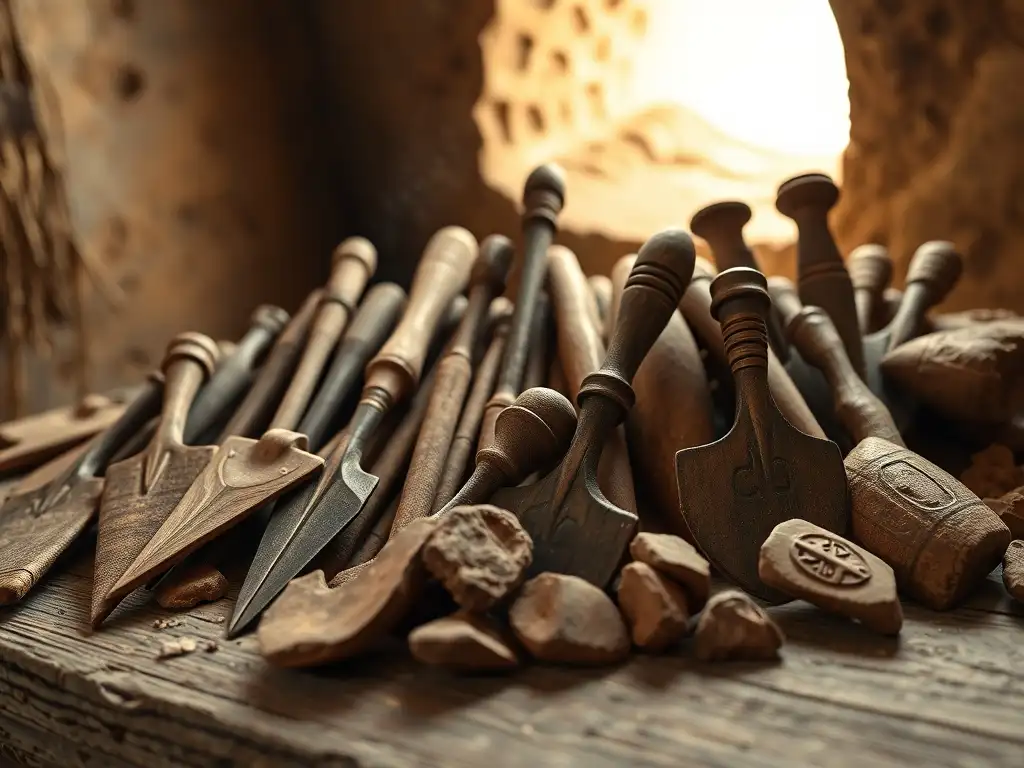
The legacy of Andean digging tools extends far beyond their practical function in agriculture. These implements, crafted with remarkable ingenuity from readily available materials, represent a deep understanding of Andean ecosystems and a sophisticated approach to resource management. Their design, often reflecting an intimate knowledge of soil types and planting techniques, reveals a level of technological sophistication that continues to fascinate archaeologists and anthropologists.
The tools themselves, when unearthed, provide invaluable insights into the daily lives of Andean peoples, offering tangible connections to their past. Analyzing their construction – the materials used, the methods of creation, and the variations across different regions and time periods – allows researchers to reconstruct agricultural practices, social structures, and even trade networks.
The study of Andean preColumbian digging tools thus offers a multifaceted lens through which to understand the complexity and resilience of Andean civilizations. The sheer variety of tools, from simple digging sticks to more complex adzes and hoes, highlights the adaptability and ingenuity of Andean farmers in cultivating diverse terrains and crops across the vast Andean landscape.
Modern Day Applications of Traditional Andean Techniques
Many traditional Andean agricultural techniques, inextricably linked to the tools used, are experiencing a resurgence in the 21st century. The principles of sustainable agriculture inherent in these methods are proving increasingly relevant in the face of climate change and the growing demand for environmentally friendly farming practices. For example, the techniques employed using tools like the chaquitaclla (a foot-powered plow) are being revisited and adapted for modern contexts, offering a compelling alternative to intensive mechanized agriculture.
These methods, often involving terracing, crop rotation, and the careful management of water resources, minimize soil erosion and maximize yields with reduced environmental impact. The inherent efficiency and sustainability of these traditional practices, passed down through generations, provide valuable lessons for contemporary agriculture. Further research into the precise mechanics and effectiveness of these tools and techniques could yield significant benefits for sustainable farming globally, particularly in regions with similar ecological challenges to the Andes.
Understanding the optimization of tool design and application within these traditional methods could lead to innovative improvements in modern agricultural implements. This research into Andean preColumbian digging tools is not just a historical pursuit; it holds the potential to significantly impact future food security and environmental stewardship.
The Importance of Preserving Andean Agricultural Knowledge
The preservation of Andean agricultural knowledge, intimately tied to the tools and techniques used, is crucial for several reasons. Firstly, it safeguards a rich cultural heritage representing thousands of years of accumulated wisdom and adaptation to challenging environmental conditions. This knowledge is not simply historical; it holds practical value for modern agriculture and sustainable resource management.
Secondly, the loss of this knowledge would represent an irreplaceable loss of biodiversity, as many traditional Andean crops and farming practices are uniquely adapted to specific ecological niches. The continued use and study of Andean preColumbian digging tools is vital in this preservation effort. Documenting traditional techniques, studying the design and functionality of the tools, and creating accessible archives of this knowledge are essential steps.
Moreover, supporting local communities in continuing their traditional practices helps ensure the long-term survival of this invaluable cultural and agricultural heritage. The preservation of this knowledge is not merely an academic exercise; it is a critical contribution to global food security and environmental sustainability. Failing to preserve this knowledge would be a significant loss to humanity.
Conclusion: The Enduring Significance of Andean Digging Tools
The study of Andean preColumbian digging tools reveals much more than simply the tools themselves. They serve as tangible links to a rich past, illustrating the ingenuity and adaptability of Andean civilizations. Their enduring significance lies not only in their historical context but also in their potential to inform and inspire modern agricultural practices.
By understanding and preserving the knowledge embedded within these tools and the techniques they represent, we can gain valuable insights into sustainable agriculture, resource management, and the importance of respecting and preserving cultural heritage. The legacy of Andean digging tools is a testament to human innovation and a valuable resource for addressing the challenges of the 21st century.
Continued research and preservation efforts are essential to fully unlock the potential of this fascinating and vital aspect of Andean history and culture. The careful study of these tools offers a unique opportunity to learn from the past and build a more sustainable future.
Frequently Asked Questions
What types of materials were Andean digging tools made from?
Andean digging tools were crafted from a variety of materials, depending on availability and intended use. Common materials included wood, stone, particularly obsidian and andesite, and shell. Metal tools, such as those made of copper and bronze, also appeared later in some cultures.
How did the design of Andean digging tools vary across different cultures?
The design of digging tools varied significantly across different Andean cultures. For example, the Inca favored tools like llautas (small, pointed shovels), while the Moche employed more diverse tools reflecting their agricultural practices. Regional differences in materials and techniques also led to variations in design.
What were some of the most common types of Andean digging tools used for agriculture?
Among the most common were pointed sticks for planting, hoes for cultivating, and spades or shovels for moving earth. The specific form and size of these tools varied depending on the soil conditions and crops being cultivated, reflecting adaptation to the diverse Andean landscape.
Were Andean digging tools only used for agriculture?
No, Andean digging tools had multiple uses beyond agriculture. They were also employed in mining, construction, and even in ceremonial contexts. Their versatility highlights the ingenuity of Andean societies in utilizing readily available resources.
Where can I learn more about Andean pre-Columbian digging tools?
You can find more information in archaeological publications and museum exhibits focusing on Andean civilizations. Academic databases and online resources specializing in Andean history and archaeology also offer valuable insights into these fascinating tools.
Final Reflection: Unearthing the Legacy of Andean Ingenuity
The intricate array of Andean pre-Columbian digging tools reveals not only sophisticated engineering but also a profound connection to the land, a connection that resonates deeply with contemporary concerns about sustainable practices and resource management. These tools, far from being mere implements, represent a testament to human adaptability and ingenuity in the face of challenging environments, a legacy that continues to inspire awe and wonder.
The impact of these tools extends far beyond their immediate practical use; they represent a vital link to a rich cultural heritage and a deep understanding of the earth's resources. These weren't simply tools for survival; they were integral to the spiritual and social fabric of Andean societies. Their careful design and craftsmanship speak volumes about the respect and reverence held for the land. The earth is what we all have in common.
- Wendell Berry. This quote highlights the timeless relevance of understanding our relationship with the natural world, a relationship clearly reflected in the meticulous creation and use of these ancient digging tools.
Consider the ingenuity, the patience, the deep understanding of materials and techniques that went into crafting these tools. Now, consider how you interact with the earth. What can we learn from the Andean people's profound respect for the land and their sustainable practices? Let the legacy of these hidden treasures inspire you to cultivate a more mindful and responsible relationship with our planet, ensuring that future generations can also appreciate the earth's bounty and the ingenuity of those who came before.
Unearth Your Curiosity: Explore Andean Tools Today!
Thank you for exploring the fascinating world of Andean digging tools! Discovering their incredible variety reveals the ingenuity of ancient civilizations. Now, let's build on that curiosity.
Here are some ways to deepen your understanding and appreciation of Andean culture:
- Visit a local museum or cultural center to see exhibits on Andean tools and their historical significance. Seeing these artifacts firsthand brings their stories to life.
- Join a community group or online forum dedicated to Andean history. Sharing knowledge and insights broadens your perspective and connects you with other enthusiasts.
- Undertake a small research project! Choose an Andean tool, research its uses, and create a presentation to share with friends or family.
Have you considered how modern technology might inspire the revival or innovative redesign of these ancient tools? Share your ideas!