
Metallurgy and Power: How Metalworking Shaped Andean Societies

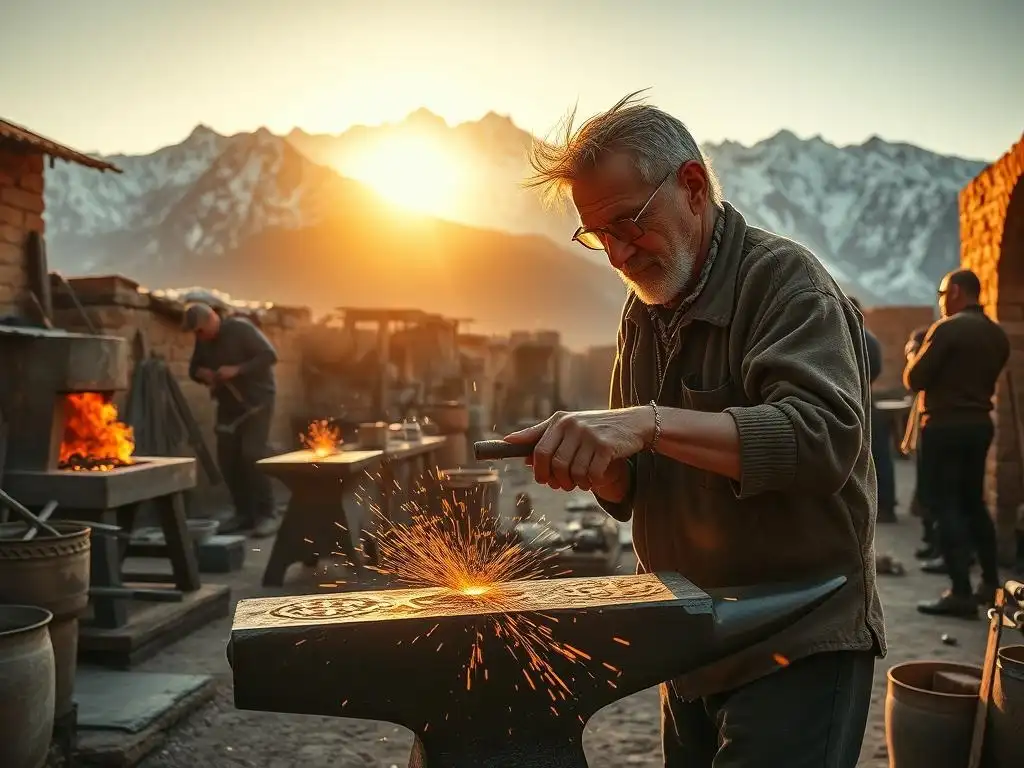
Step into a world lost to time, yet echoing with the clang of hammers and the gleam of gold. Uncover the secrets of the Andes, a land where ingenuity blossomed into breathtaking artistry. This is where we delve into the fascinating story of Andean metalworking techniques, exploring how mastery over metal shaped the power structures, beliefs, and very fabric of civilizations like the Incas, Moche, and Nazca.
Prepare to be amazed by the ingenuity and artistry that transformed simple ore into symbols of divine power and earthly authority. Dare to discover the intricate details of their lost techniques – the journey begins now.
The mastery of metallurgy played a pivotal role in shaping the power structures and social dynamics of the ancient Andean civilizations. From the pre-Inca cultures of the Moche and Nazca to the expansive Inca Empire, the ability to work with metals—gold, silver, copper, and bronze—was not merely a technological achievement; it was a potent symbol of authority, a catalyst for economic development, and a crucial element in religious practices.
This article delves into the fascinating evolution of Andean metalworking techniques, exploring how the development and refinement of these skills impacted the political landscape, social hierarchies, and spiritual beliefs of these remarkable societies. We will examine the progression of techniques, from the earliest rudimentary methods to the sophisticated artistry of the Inca, revealing the intricate connection between metallurgical prowess and the rise and fall of Andean empires.
Understanding Andean metalworking offers a unique window into the ingenuity and complexity of these ancient cultures, illuminating their social, political, and spiritual worlds in unprecedented detail. The journey through this rich history will highlight the ingenuity and artistry of Andean peoples while emphasizing the importance of metalworking as a key driver of their cultural development.
The Dawn of Andean Metalworking: Early Techniques and Materials
The earliest evidence of Andean metalworking dates back to approximately 2000 BCE, with the initial use of native copper. These early techniques were relatively simple, involving hammering and annealing (heating and cooling) to shape the malleable metal. The process was labor-intensive, requiring significant skill and patience.
Objects from this period, such as simple tools and ornaments, often exhibit rudimentary craftsmanship, reflecting the nascent stages of metallurgical development. The sources of copper were crucial, with specific locations yielding higher quality ores becoming strategically important. This early stage saw the development of basic techniques like hammering, cold forging, and annealing, all crucial steps in the later, more complex processes.
The discovery and exploitation of these copper deposits was a catalyst for the growth of early Andean settlements, laying the groundwork for future advancements in metalworking. Archaeological evidence suggests a gradual increase in the sophistication of these techniques, with evidence of casting appearing later, marking a significant leap forward in metalworking capabilities. Furthermore, the limited availability of copper likely meant that early metal objects were reserved for elite members of society, further emphasizing their value and symbolic importance.
Andean Bronze Age: The Rise of Advanced Metalworking
The Andean Bronze Age, beginning around 1000 BCE, witnessed a dramatic transformation in metalworking techniques. The discovery and application of alloying—combining copper with other metals, primarily tin—led to the creation of bronze, a significantly stronger and more durable material. This innovation marked a turning point, enabling the creation of more complex and sophisticated objects. The development of lost-wax casting, a remarkably advanced technique, allowed for the production of intricate figurines, tools, and weaponry.
The Moche culture, known for their elaborate artistry, mastered this technique, producing exquisitely detailed objects that showcased their advanced metallurgical skills. This period also saw the rise of specialized metalworkers, indicating a growing division of labor and a higher level of social organization. The increased production and wider availability of bronze tools also revolutionized agriculture and other aspects of Andean life, leading to increased productivity and further societal development.
The emergence of powerful states and empires can be directly linked to the advancements in bronze metalworking, as the control over metal resources and skilled artisans became a source of significant power and influence. The ability to create sophisticated weaponry, ceremonial objects, and elaborate ornaments consolidated the power of ruling elites and reinforced their status. The stylistic variations in bronze artifacts across different Andean cultures also provides valuable insights into regional differences and cultural exchange.
- The Dawn of Andean Metalworking: Early Techniques and Materials
- Andean Bronze Age: The Rise of Advanced Metalworking
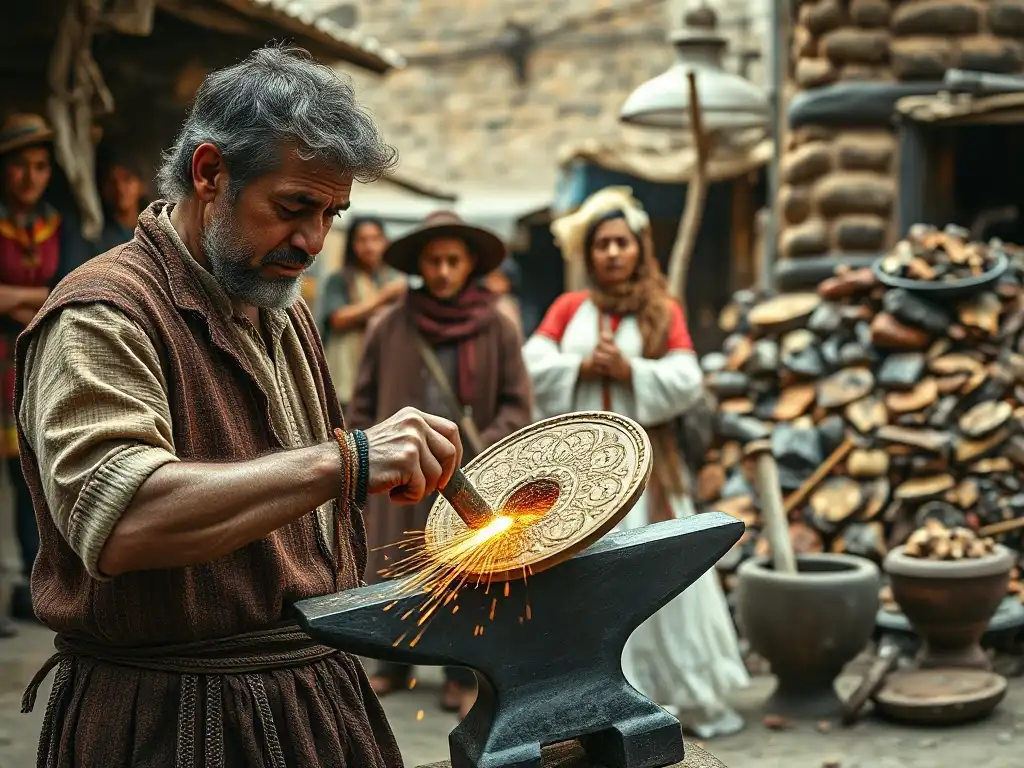
The development of sophisticated Andean metalworking techniques profoundly impacted the social fabric of these ancient societies. The ability to work with metals like gold, silver, copper, and bronze wasn't merely a technological advancement; it became a cornerstone of social organization, political power, and religious belief. The control and distribution of metal resources and the expertise required to transform them into elaborate artifacts directly influenced social stratification and the consolidation of power among elites.
Understanding this intricate relationship is crucial to comprehending the complexities of Andean civilizations. The mastery of Andean metalworking techniques wasn't evenly distributed, leading to significant social differentiation.
The specialized nature of Andean metalworking fostered a hierarchical social structure. Highly skilled artisans, often working within state-sponsored workshops or under the patronage of powerful individuals, occupied a privileged position within society. Their expertise was highly valued, granting them a level of prestige and possibly economic independence not enjoyed by the broader population. Evidence suggests that metalworkers were organized into guilds or specialized groups, further highlighting their importance.
Their creations, often intricate and symbolically charged, served not only practical purposes but also reinforced the social hierarchy. For instance, the elaborate gold and silver ornaments worn by elites served as potent visual reminders of their superior status, while simpler tools and implements were used by commoners. The distribution of metal artifacts reveals a clear pattern of inequality, with the finest pieces concentrated in elite contexts, such as tombs and palaces.
Analyzing the distribution patterns of different types of metal objects – from everyday tools to ceremonial adornments – provides valuable insights into social stratification and the relationships between different social groups. The sheer effort and skill involved in crafting these objects, coupled with the scarcity of the materials themselves, contributed to their high value and symbolic significance within Andean society. Furthermore, the technical knowledge associated with Andean metalworking techniques was likely jealously guarded and passed down through family lines or specific craft organizations.
Elite Power and the Control of Metal Resources
Control over metal resources was intrinsically linked to political power in Andean societies. Access to mines and the ability to organize the extraction, processing, and distribution of metals were crucial elements in consolidating and maintaining elite dominance. The Inca Empire, for example, famously controlled vast mineral wealth, using it to fund state projects, reward loyal subjects, and maintain its authority. The Inca state actively managed mines, employing a workforce to extract and process ore.
This centralized control ensured a steady supply of raw materials for the production of prestigious objects that solidified Inca power and prestige. Other Andean cultures, while perhaps not as centralized as the Inca, also demonstrated a clear connection between access to metal resources and political influence. The ability to commission elaborate metalwork served as a marker of power, allowing rulers and elites to visually display their wealth and authority. Archaeological evidence supports this, showcasing elaborate gold and silver objects from elite tombs and ceremonial sites.
The sheer quantity and quality of these objects highlight the concentration of wealth and power in the hands of a select few. Furthermore, the iconography depicted on these objects often reinforced the legitimacy of elite rule, portraying rulers as divine or semi-divine figures. The control of metal resources, therefore, was not simply an economic matter but a key component of political strategy and the assertion of dominance.
Metal as Symbols of Status and Prestige
Metal objects, particularly those crafted from precious metals like gold and silver, served as potent symbols of status and prestige in Andean societies. The exquisite craftsmanship, rarity of materials, and symbolic value of these artifacts reinforced the social hierarchy and the power of elites. The use of gold, in particular, was often associated with divinity and royalty, emphasizing the sacred power of the ruling class.
The intricate designs and techniques used in Andean metalworking, such as hammering, casting, and soldering, were not merely functional but also artistic expressions that enhanced the symbolic meaning of these objects. For example, the elaborate headdresses, pectorals, and other ornaments worn by elite figures were not just decorative; they served as visual representations of their power, authority, and connection to the supernatural world. The intricate designs and motifs often reflected religious beliefs, mythological figures, and cosmological concepts, further emphasizing the sacred nature of these artifacts.
Even simpler tools and implements, while lacking the same level of ornamentation, still held symbolic value, potentially reflecting social standing or membership in a particular group. The careful selection of materials, the quality of craftsmanship, and the symbolic meanings embedded within these objects all contributed to their role as powerful markers of social status and prestige within Andean society. The study of Andean metalworking techniques thus reveals a complex interplay between technology, social organization, and religious belief.
Andean Metalworking Techniques: A Deep Dive
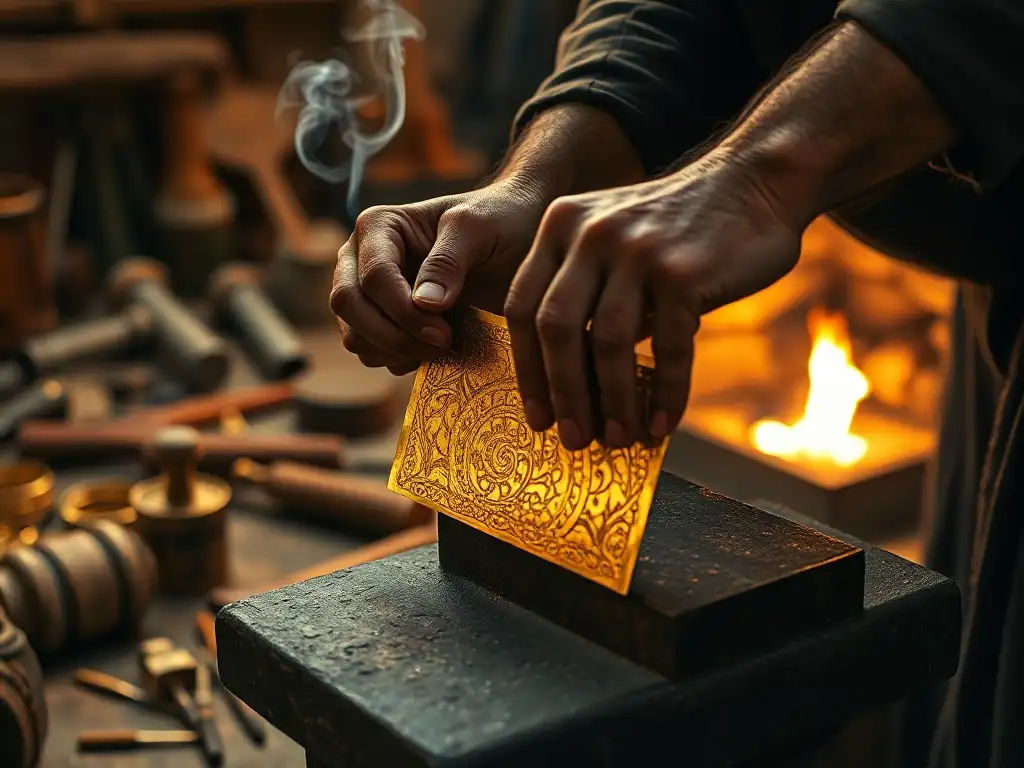
The mastery of Andean metalworking techniques represents a significant technological achievement, profoundly impacting the social, political, and religious landscapes of ancient Andean societies. The skill and artistry involved in transforming raw materials into intricate objects of power and prestige are testament to the ingenuity and advanced knowledge of these civilizations. This section delves into the specific techniques employed, highlighting the nuances and innovations that defined Andean metallurgy.
Understanding these techniques provides crucial insight into the complexity and sophistication of these ancient cultures, shedding light on their social structures, religious beliefs, and economic systems. The term "Andean metalworking techniques" itself encompasses a vast array of processes, each requiring specialized knowledge and skill.
Smelting and Refining Techniques in Ancient Andes
Smelting, the process of extracting metal from its ore, was a crucial first step in Andean metalworking. Archaeological evidence suggests that different ores required different techniques. For example, the smelting of copper, readily available in the Andes, involved heating the ore in simple furnaces, often constructed from clay or stone. These furnaces, fueled by charcoal, reached temperatures high enough to melt the copper, separating it from the impurities. The process was far from simple; it required precise control of temperature and airflow. Insufficient heat would result in incomplete extraction, while excessive heat could damage the furnace.
The refining process, crucial for achieving high-quality metal, involved removing impurities such as slag and other unwanted elements. This was often achieved through repeated melting and pouring, allowing the denser metal to settle while the lighter impurities floated to the surface. Evidence suggests the use of crucibles made from various materials, including clay and stone, to contain the molten metal during refining.
The development of increasingly sophisticated smelting and refining techniques allowed for the production of larger quantities of higher-quality metal, fueling the growth of metalworking as a major industry in Andean societies. The scale of some operations suggests organized labor and specialized knowledge, indicating a complex social organization involved in metal production.
Andean Goldworking Techniques: The Art of Precious Metals
Andean goldworking stands as a testament to the artistic prowess of these ancient civilizations. Gold, a highly valued metal, was intricately worked into a dazzling array of objects, from ceremonial masks and ornaments to intricate jewelry and prestigious vessels. The techniques employed were sophisticated and varied, reflecting the high level of skill and expertise achieved by Andean artisans.
One crucial technique was hammering, which involved shaping the metal using various tools. This required considerable strength and precision, as gold is a relatively soft metal. Hammering was often combined with annealing, a process involving heating and cooling the metal to soften it and prevent cracking.
The artisans also developed techniques for creating intricate designs through repoussé, a method of shaping metal from the back, and chasing, a technique of refining the surface details from the front. The use of molds allowed for the mass production of certain items, demonstrating an understanding of manufacturing processes. Furthermore, the creation of alloys, such as tumbaga (a gold-copper alloy), expanded the range of colors and properties available to the artisans.
The artistry involved in Andean goldworking is unparalleled, showcasing the advanced techniques and aesthetic sensibilities of these cultures. The sheer volume of gold artifacts discovered testifies to the importance of this metal in Andean society, reflecting its symbolic value and its role in power structures.
Copper and Bronze Production in Andean Civilizations
Copper, readily available in the Andes, was among the earliest metals worked by Andean civilizations. The production of copper objects, from simple tools to elaborate ceremonial items, marked a significant technological advancement, impacting various aspects of life. The process involved smelting copper ore, refining the metal, and then shaping it through techniques such as hammering, casting, and annealing. Casting, involving pouring molten metal into molds, allowed for the creation of complex shapes and standardized forms.
The later development of bronze, an alloy of copper and tin, represented a further technological leap. Bronze is harder and more durable than copper, making it ideal for tools and weapons. The source of tin for bronze production remains a subject of ongoing research, highlighting the extensive trade networks that connected different Andean regions. The precise techniques used in bronze production are still being investigated, but evidence points to controlled heating and mixing of copper and tin to achieve the desired alloy composition.
The production of bronze objects, particularly weapons and tools, significantly increased the military and agricultural capabilities of Andean societies, further solidifying their control over resources and territories. The transition from copper to bronze production demonstrates the continuous innovation and technological advancement that characterized Andean metallurgy. The sophistication of these techniques underscores the profound knowledge and expertise possessed by Andean metallurgists.
The Development of Alloying Techniques in Andean Metallurgy
The mastery of alloying—the process of combining different metals to create materials with enhanced properties—was a crucial element in Andean metalworking, significantly impacting the development of their societies. Unlike many other ancient cultures that primarily utilized readily available native metals, Andean metallurgists actively pursued the creation of alloys to achieve specific qualities in their artifacts. This sophisticated understanding of metallurgy allowed them to produce tools, weapons, and ornaments with superior strength, durability, and aesthetic appeal.
The most common alloy used in the Andes was tumbaga, a gold-copper alloy. The precise proportions of gold and copper varied depending on the desired color and hardness, demonstrating a nuanced understanding of metallurgical principles. A higher gold content resulted in a brighter, more lustrous finish, often preferred for prestigious objects like ceremonial masks and ornaments for elite members of society.
Conversely, a higher copper content yielded a harder, more durable alloy, ideal for tools and weapons requiring greater resistance to wear and tear. The ability to control the composition of tumbaga allowed Andean artisans to produce a wide range of objects with diverse functionalities and aesthetic qualities, reflecting the sophistication of their metallurgical knowledge.
The creation of tumbaga wasn't a simple process. It required precise control over temperature and the careful addition of copper to molten gold. Evidence from archaeological sites suggests that Andean metallurgists utilized various techniques, including crucibles and bellows, to achieve the necessary temperatures and oxygen flow for successful alloying. The development of these techniques likely involved considerable experimentation and refinement over generations, highlighting the importance of knowledge transmission and collaborative learning within Andean metallurgical communities. The consistent quality and variety of tumbaga artifacts found throughout the Andes demonstrate the mastery and standardization achieved in their alloying processes.
Beyond tumbaga, Andean metallurgists also experimented with other alloys, though to a lesser extent. Some evidence suggests the use of silver-copper alloys, and possibly even more complex combinations involving tin or other metals, though further research is needed to fully understand the extent of their experimentation with these less common alloys. The development of these alloying techniques directly contributed to the prestige and power of Andean societies, as the ability to produce high-quality metal artifacts became a symbol of wealth, status, and technological prowess.
The control over these techniques played a key role in shaping social hierarchies and political structures within Andean civilizations. The intricate designs and superior quality of the resulting objects strengthened the authority of ruling elites and reinforced their control over resources and labor.
Metalworking and Andean Ritual Practices
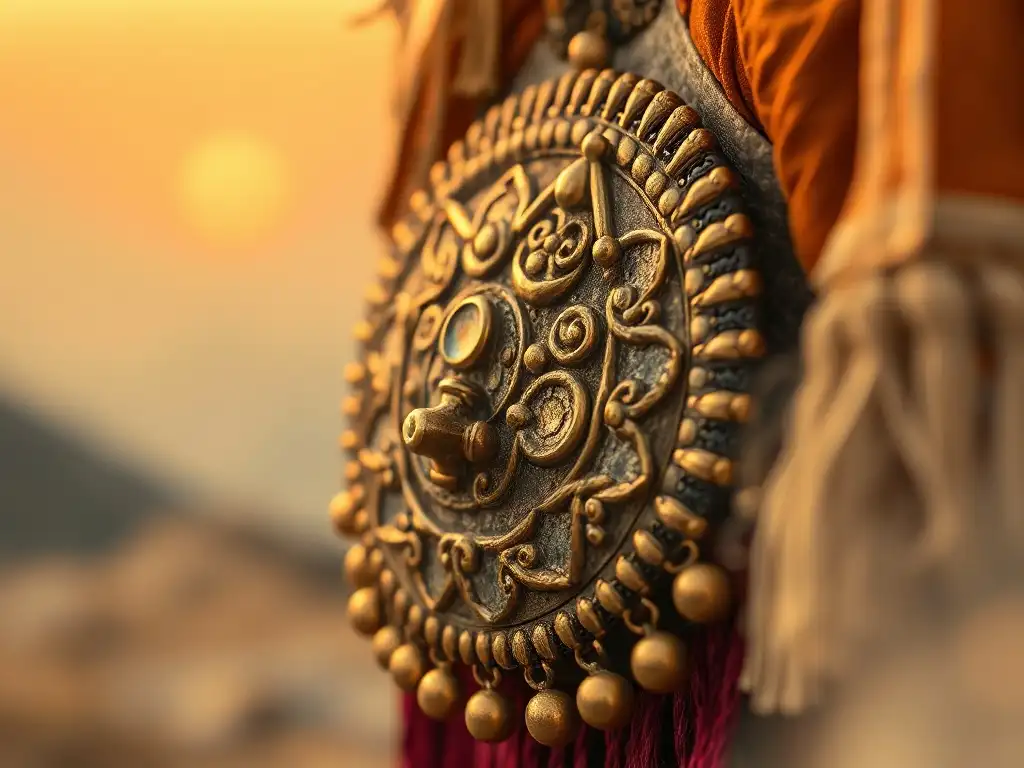
The mastery of Andean metalworking techniques wasn't merely a technological achievement; it was deeply intertwined with the religious and spiritual beliefs of these societies. Metal objects, far from being simple tools or adornments, played a crucial role in ritual practices, reflecting the cosmological views and power structures of the time. The meticulous craftsmanship and the use of precious metals like gold and silver underscored the sacred nature of these artifacts and their significance in Andean religious life.
Understanding the relationship between metalworking and ritual provides crucial insights into the worldview and societal organization of these ancient cultures. The sheer artistry involved in creating these objects suggests a level of societal organization and specialized labor that supported these complex religious practices.
Metal Objects as Offerings and Ritual Paraphernalia
Numerous archaeological discoveries across the Andes reveal the widespread use of metal objects in offerings and ritual contexts. From small, intricately crafted figurines to large, impressive ceremonial items, metal played a significant role in Andean religious ceremonies. The Moche culture, for example, is renowned for its sophisticated gold and silver work, often depicted in their elaborate funerary contexts.
Tombs have yielded stunning examples of metalwork, including intricate headdresses, ceremonial knives ( tumi ), and elaborate breastplates, all suggesting a profound connection between metallurgy and the afterlife. These weren't simply grave goods; they were integral components of rituals designed to ensure a successful transition to the next world. The careful placement and arrangement of these metal objects within the tombs further emphasizes their ritual importance.
The Nazca culture also demonstrated a significant appreciation for metalwork, though their style differed from that of the Moche. While less abundant than Moche metalwork, Nazca artifacts often featured unique designs and techniques. Gold and copper alloys were frequently used, sometimes incorporating inlaid stones or other materials, demonstrating a high level of technical skill and aesthetic sensibility.
These artifacts, found in both burial sites and ceremonial centers, suggest that metalworking played a vital role in Nazca religious practices, reinforcing social hierarchies and symbolizing power and prestige. Analysis of these artifacts reveals not only the technical sophistication of Nazca metallurgy but also the rich symbolic language embedded within their designs.
Metallurgical Processes and Religious Beliefs
The processes involved in Andean metalworking were not simply technical procedures; they were imbued with religious significance. The transformation of raw materials into precious metal objects was seen as a sacred act, connecting the artisans to the spiritual realm. The smelting of ores, the careful shaping and polishing of the metal, and the intricate decoration of the finished products were all likely accompanied by rituals and ceremonies designed to ensure success and appease the gods.
Consider the Inca, whose sophisticated metallurgical techniques involved complex alloying processes and intricate decorative techniques. Their gold and silver work, often incorporating other materials like turquoise and feathers, was not only aesthetically pleasing but also imbued with symbolic meaning. The use of specific metals and alloys likely held particular religious significance, reflecting the Inca cosmology and their understanding of the natural world.
The creation of these objects was not simply a craft; it was a sacred act performed by specialized artisans who held a privileged position within society. Their skills were essential for maintaining the religious and political order. Further research is needed to fully understand the specific rituals and beliefs associated with the Inca metallurgical processes, but existing evidence strongly suggests a profound connection between the two.
The precise details of these rituals remain partially obscured, however, highlighting the need for further archeological investigation and analysis of existing artifacts. The careful study of these artifacts, combined with ethnohistorical accounts, offers a window into the religious beliefs and practices that shaped Andean metalworking.
Andean Metalworking Across Different Cultures
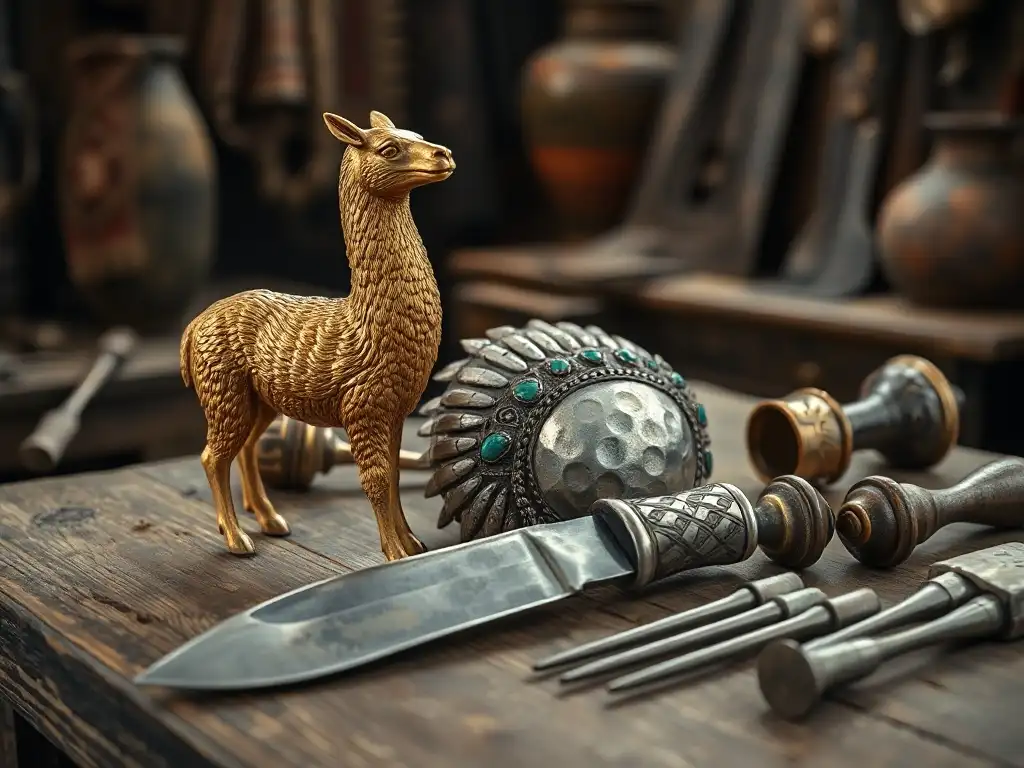
This section delves into the diverse and sophisticated metalworking techniques employed by various Andean cultures, highlighting their unique styles, materials, and the socio-political implications of their metallurgical achievements. The mastery of metalworking wasn't merely a technological feat; it was intrinsically linked to power, prestige, and religious beliefs, shaping the very fabric of Andean societies. Examining the distinct approaches of the Moche, Inca, and Tiahuanaco cultures reveals the breadth and depth of Andean metalworking expertise and its crucial role in their respective histories. Understanding these Andean metalworking techniques provides crucial insight into the complexity and ingenuity of these ancient civilizations.
Moche Metalworking: Masterpieces of Gold and Copper
The Moche civilization (c. 100-800 CE), renowned for its intricate pottery and striking iconography, also displayed exceptional skill in metalworking. Their artisans expertly crafted objects from gold, silver, and copper, often employing a combination of techniques to achieve stunning results. The Moche weren't merely interested in creating functional tools; their metalwork was imbued with symbolic meaning, reflecting their religious beliefs and social hierarchy.
Moche metalworkers were masters of lost-wax casting, a complex process that allowed them to create detailed figurines, ornaments, and even tools. They also employed techniques like hammering, annealing, and gilding to refine and embellish their creations. The use of gold, a precious metal associated with divinity and power, was particularly prevalent in Moche metalwork. Gold objects, often depicting deities, rulers, and mythical creatures, were likely reserved for the elite and used in religious ceremonies. Copper, though less precious, was also widely used, particularly for tools and weapons.
The Moche's remarkable skill is evident in the intricacy and realism of their metalwork. Figurines, for example, often display an astonishing level of detail, capturing the nuances of human and animal forms. The preservation of these artifacts provides invaluable insights into Moche artistry, religious beliefs, and social structure. Analysis of the metals used, along with the techniques employed, continues to reveal new information about Moche Andean metalworking techniques and their societal context.
Inca Metalworking: Imperial Expansion and Metallurgical Innovation
The Inca Empire (c. 1438-1533 CE) inherited and further developed existing Andean metalworking traditions, integrating them into their vast imperial system. Inca metalworkers refined existing techniques and introduced new ones, producing a remarkable array of objects that reflected the empire's power and sophistication. The Inca's mastery of Andean metalworking techniques was directly linked to their political and economic control, as metalwork became a significant component of their tribute system and imperial ideology.
Unlike the Moche, who primarily used gold and copper, Inca metalworkers extensively employed a broader range of materials, including silver, bronze, and even platinum. They excelled in techniques like repoussé and chasing, which allowed them to create intricate designs on metal sheets. The Inca also mastered the alloying of metals, creating stronger and more durable materials. This innovation was particularly important for the production of tools and weapons, supporting the empire's military expansion and agricultural development.
The Inca's metalwork often served a ceremonial or symbolic purpose, reflecting the emperor's divine authority and the empire's power. Elaborate gold and silver objects, such as ceremonial vessels and ornaments, were used in religious rituals and displayed in palaces, signifying the Inca's control over resources and their mastery of sophisticated crafting skills. The sheer scale of Inca metal production, coupled with its high level of artistry and technical sophistication, underscores the central role of metalworking in the empire's success. Further research on Inca Andean metalworking techniques is crucial to fully understand the empire's economic, political, and religious structures.
Tiahuanaco Metalworking: Influences and Unique Styles
The Tiahuanaco culture (c. 500-1000 CE), located in the Bolivian Altiplano, developed a distinctive style of metalworking that reflected both its unique environment and its interactions with other Andean cultures. While their metalwork wasn't as prolific as that of the Moche or Inca, its distinctive characteristics and the techniques employed provide valuable insights into the broader landscape of Andean metallurgy. The Tiahuanaco's mastery of Andean metalworking techniques, albeit on a smaller scale, reveals a sophisticated understanding of material properties and metalworking processes.
Tiahuanaco metalworkers primarily used copper and bronze, often creating tools, ornaments, and ceremonial objects. Their style is characterized by geometric designs and stylized representations of animals and human figures. While they employed techniques similar to those used by other Andean cultures, such as casting and hammering, the Tiahuanaco's aesthetic choices set them apart. The limited number of surviving Tiahuanaco metal artifacts suggests that metalwork might have held a more specialized or restricted role within their society compared to other Andean cultures. However, the artistry and technical skill evident in the surviving pieces indicate a high level of expertise.
Further research is needed to fully understand the role of metalworking in Tiahuanaco society and to pinpoint the specific Andean metalworking techniques they employed. The scarcity of surviving artifacts presents a challenge, but the unique stylistic features of their metalwork offer valuable clues to their cultural identity and interactions with neighboring groups. Analyzing the chemical composition of Tiahuanaco metals could reveal the sources of their raw materials and shed light on their trade networks. This would enhance our understanding of the broader context of Tiahuanaco Andean metalworking techniques within the Andean world.
Chimor Metalworking: Mass Production and Regional Styles
The Chimor culture, flourishing along the northern coast of Peru from roughly 900 to 1470 CE, demonstrated a remarkable capacity for mass production in metalworking, a significant departure from the often more individualized approach seen in earlier Andean societies. This wasn't simply about quantity; the Chimor artisans also maintained a surprising degree of regional stylistic variation within their large-scale production. Archaeological evidence suggests specialized workshops, likely overseen by a centralized authority, were responsible for this output.
The sheer volume of artifacts discovered—tumbaga ornaments, gold and silver jewelry, copper tools—points to a sophisticated system of organization and labor management. This system likely involved a hierarchical structure, with master craftsmen training apprentices and overseeing the production process, ensuring consistency in quality and style across different regional centers.
Unlike some earlier Andean cultures that emphasized unique, highly individualized pieces, the Chimor style often featured repetitive motifs and standardized forms. This does not imply a lack of artistry; rather, it reflects a pragmatic approach to mass production while maintaining a distinct aesthetic. The repetition allowed for efficient production, mirroring the Chimor's sophisticated agricultural and administrative systems. However, careful examination reveals subtle regional differences in design elements, such as the specific depiction of mythical creatures or the preferred use of certain alloys.
These variations, though subtle, point to a degree of local autonomy and artistic expression within the framework of a centralized production system. For example, coastal Chimor metalwork might favor certain marine motifs, while inland workshops might incorporate more terrestrial imagery. These nuances, only discernible through detailed comparative analysis, provide valuable insights into the social and political organization of the Chimor state and its complex relationship between centralized control and regional identity.
Further research into the chemical composition of different Chimor artifacts from various locations could help to pinpoint the sources of raw materials and further illuminate these regional variations. The study of Chimor metalworking therefore offers a unique lens through which to understand the interplay between mass production, centralized power, and local artistic expression in a pre-Columbian Andean society. The remarkable achievement of the Chimor was not just the scale of their production, but their ability to maintain both efficiency and regional stylistic distinctions simultaneously.
The Legacy of Andean Metalworking
The legacy of Andean metalworking is profound and far-reaching, extending beyond the impressive artifacts themselves. It represents a sophisticated understanding of material science, resource management, and social organization. The techniques developed, refined, and passed down through generations, demonstrate remarkable ingenuity and a deep connection to the Andean environment.
This mastery of metalworking wasn't just a technological achievement; it was intrinsically linked to the political and religious power structures of the various Andean societies. The production and control of metal objects, particularly gold, silver, and copper alloys like tumbaga, solidified elite status and legitimized rule. The sheer artistry and technical skill involved in creating these objects—from intricate jewelry to massive ceremonial items—serve as a testament to the expertise of Andean artisans and the significant role of metallurgy in their cultures.
The impact of these techniques reverberates even today, influencing modern interpretations of Andean art and inspiring ongoing research into their processes. Understanding this legacy requires examining not only the techniques themselves, but also the social, economic, and symbolic contexts in which they flourished.
The Enduring Influence of Andean Metalworking Techniques
Andean metalworking techniques continue to fascinate and inspire. Their influence can be seen in contemporary art, jewelry making, and even scientific studies. The precise hammering, casting, and alloying techniques used by ancient Andean artisans are still being studied and replicated today, offering insights into their metallurgical knowledge.
For example, the lost-wax casting method employed by the Moche civilization, resulting in remarkably detailed and lifelike figurines, remains a marvel of ancient technology. The intricate designs and masterful execution of these pieces continue to influence modern artists and designers who draw inspiration from these ancient masterpieces. The knowledge of precisely controlling the composition of tumbaga (a gold-copper alloy) to achieve specific colors and properties is another testament to their sophisticated understanding of metallurgy.
Even today, replicating the vibrant hues and durability of ancient tumbaga artifacts presents a significant challenge. The enduring influence of Andean metalworking is not merely aesthetic; it represents a legacy of innovation and craftsmanship that transcends time and continues to shape our understanding of ancient Andean societies and their technological achievements. The detailed analysis of these techniques provides crucial insights into the social organization and economic systems that supported such advanced metalworking practices.
Andean Metallurgical Knowledge and Modern Applications
The sophisticated metallurgical knowledge of the ancient Andean civilizations holds potential for modern applications. The alloys they developed, particularly tumbaga, exhibited remarkable corrosion resistance, a property that modern scientists are actively investigating to improve the durability of materials. Their understanding of heat treatment and annealing processes, crucial for shaping and hardening metals, is also being studied to inform modern manufacturing techniques.
Moreover, the intricate designs and patterns found on Andean metalwork are inspiring innovations in contemporary design and manufacturing. The precision and control demonstrated in the creation of these objects can be applied to modern fabrication techniques, potentially leading to more efficient and innovative manufacturing processes. The study of Andean metallurgical practices thus offers not only historical insights but also practical knowledge that can be applied to modern challenges in material science and engineering.
Further research into the composition and properties of ancient alloys could lead to the development of new materials with superior performance characteristics. The potential for cross-disciplinary collaboration between archaeologists, metallurgists, and material scientists is immense.
Current Research and Ongoing Discoveries in Andean Metallurgy
Current research in Andean metallurgy is constantly uncovering new information and refining our understanding of ancient techniques. Recent discoveries of workshops and mining sites have provided valuable insights into the production process, from ore extraction to the final stages of crafting. Advanced analytical techniques, such as X-ray fluorescence (XRF) and scanning electron microscopy (SEM), are being used to analyze the composition of ancient alloys and identify the sources of the raw materials.
This allows researchers to trace the trade networks and understand the economic significance of Andean metallurgy. Furthermore, ongoing excavations are revealing new artifacts, adding to our knowledge of the diversity and complexity of Andean metalworking. The application of new technologies, coupled with meticulous archaeological fieldwork, is continuously expanding our understanding of these advanced ancient techniques.
This ongoing research not only sheds light on the technological achievements of Andean civilizations, but also contributes to our broader understanding of ancient societies and their interactions with their environment. The field is dynamic, with new discoveries and interpretations constantly reshaping our understanding of Andean metalworking. The future holds the promise of even more exciting discoveries and a deeper appreciation for the ingenuity of Andean artisans.
Frequently Asked Questions
What role did metalworking play in Andean societies?
Metalworking was crucial to Andean societies. It provided prestige items for elites, tools for agriculture, and weapons for warfare, significantly influencing social structures and power dynamics. Access to metals often dictated social standing.
Which Andean civilizations were particularly skilled in metalworking?
Several Andean civilizations were masters of metallurgy. The Moche, Inca, and Tiahuanaco cultures are especially renowned for their advanced techniques and artistic achievements in metalworking. Each developed unique styles and alloys.
What were some of the common metals used in Andean metalworking?
Gold, silver, copper, and bronze were the most commonly used metals. Andean artisans developed sophisticated techniques to alloy metals, creating unique colors and properties. They also employed techniques like gilding to enhance their work.
What techniques did Andean metalworkers employ?
Andean metalworkers utilized a variety of techniques, including hammering, casting, soldering, and repoussé. They possessed advanced knowledge of metallurgy, allowing them to create intricate and durable objects. Their skills were passed down through generations.
How did Andean metalworking influence political power?
Control of metal resources and metalworking expertise were powerful tools for political control. Elites often used elaborate metalwork to demonstrate their status and legitimacy. The possession of prestigious metal objects often signified power and authority.
Final Reflection: The Enduring Legacy of Andean Metalworking
The mastery of Andean metalworking techniques wasn't merely a technological achievement; it was the bedrock of power, shaping social structures and leaving an indelible mark on the continent's history. From the intricate goldwork of the Moche to the sophisticated alloys of the Inca, these techniques weren't just about crafting beautiful objects; they were instruments of political and religious authority, reflecting complex social hierarchies and cosmological beliefs. The legacy of this skill continues to resonate today, reminding us of the ingenuity and cultural richness of pre-Columbian civilizations.
The impact of Andean metalworking extends far beyond the artifacts themselves. It speaks to a deep understanding of the natural world, a sophisticated knowledge of metallurgy, and a remarkable capacity for artistic expression. These skills fostered trade networks, fueled religious practices, and ultimately defined the identity of entire societies. As the historian, John Hemming, eloquently stated: The Inca Empire was not built on gold, but gold was a powerful symbol of its power.
This quote highlights the interwoven nature of metalworking and power in the Andean world, a relationship that continues to fascinate and inspire researchers and the public alike.
Consider the intricate detail, the innovative techniques, the sheer artistry displayed in surviving examples of Andean metalwork. Now, consider how these skills, developed over centuries, shaped the societies that created them. You, the reader, are invited to reflect on this legacy. How can we appreciate and learn from the ingenuity and resilience of these ancient cultures? How can we ensure that their stories, and the stories embedded within their metalwork, are preserved and celebrated for generations to come? The answer lies in continued research, responsible preservation, and a deeper understanding of the profound cultural significance of Andean metalworking.
Rediscover the Legacy of Andean Metalworking!
Thank you for exploring the fascinating world of Andean metallurgy and its profound impact on the region's societies, trade, and culture. We hope you've gained a deeper understanding of its significance. Now, let's delve further into this incredible legacy!
**Here are some ways to continue your exploration:**
- **Support local artisans:** Seek out metalworking workshops in your community or nearby areas. Learn about traditional techniques firsthand and support the continuation of this vital craft.
- **Share your knowledge:** Discuss your newfound appreciation for Andean metalworking with friends, family, or online. Inspire others to learn about this rich history and its lasting influence.
- **Visit a museum:** Explore museums featuring Andean artifacts or exhibitions on metallurgy. Seeing these remarkable pieces up close will deepen your understanding and appreciation of their historical context.
What aspect of Andean metalworking captivates you most, and how do you see its influence reflected in contemporary craftsmanship? We'd love to hear your thoughts!