
Hammered into History: The Art of Andean Metal Shaping

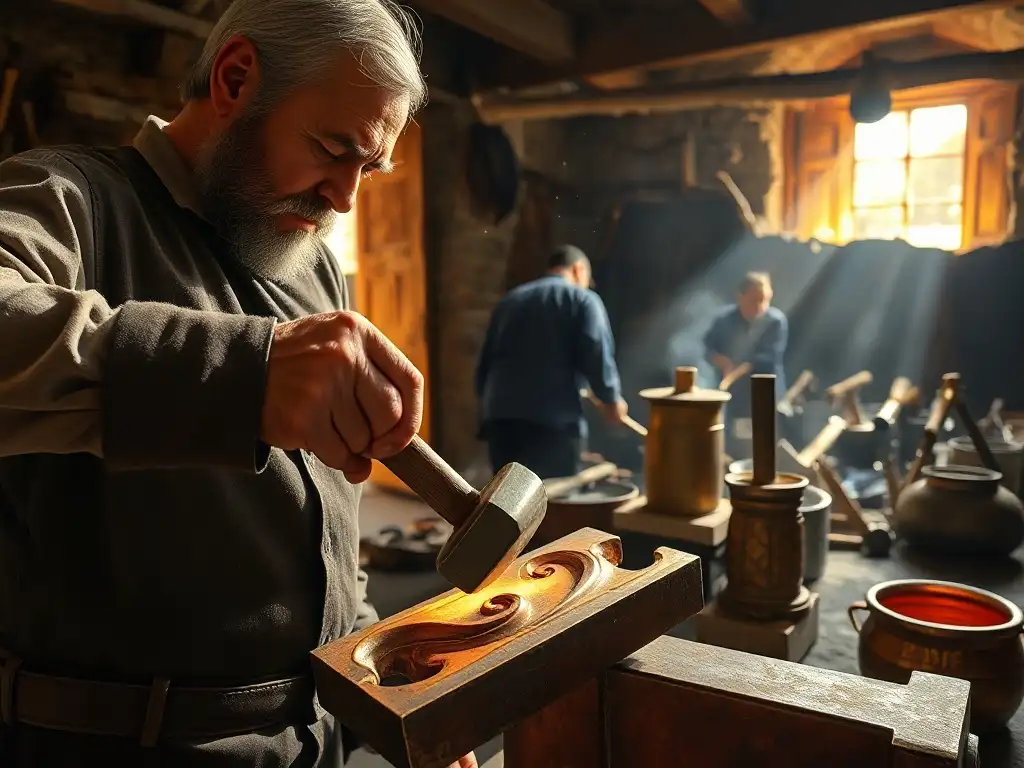
Step into a world lost to time, yet echoing with the skill of master artisans. Prepare to be amazed by the ingenuity of the ancient Andean civilizations, whose legacy extends far beyond towering cities and intricate textiles. Discover the secrets behind their breathtaking achievements in Andean metalworking techniques, a mastery of craft that shaped not only their tools and adornments, but their very history. Uncover the mysteries of hammered gold, shimmering silver, and the lost processes that continue to fascinate experts today... Dive into the captivating story of Andean metal shaping.
The Andes Mountains, a spine of imposing peaks running down the western coast of South America, were not only a geographical marvel but also a crucible for remarkable cultural and technological advancements. Among these, the artistry of Andean metalworking stands out as a testament to the ingenuity and skill of ancient Andean civilizations.
This article delves into the fascinating world of Andean metal shaping, exploring its origins, evolution, and significance within the broader context of Andean technology and innovation. We will examine the diverse techniques employed, the materials used, and the enduring legacy of these remarkable metalworking traditions, focusing on key advancements in Andean metalworking techniques and their impact on the societies that produced them.
From the earliest experiments with copper to the sophisticated alloys and intricate designs of the Inca period, the story of Andean metalworking is one of continuous innovation and artistic expression. Prepare to be amazed by the ingenuity and artistry of these ancient masters.
Introduction to Andean Metalworking and its Significance
Andean metalworking wasn't merely a craft; it was deeply intertwined with the social, religious, and political fabric of Andean societies. Metal objects, ranging from simple tools to elaborate ceremonial items, held significant symbolic value, reflecting power, status, and spiritual beliefs. The mastery of metalworking techniques allowed for the creation of sophisticated weaponry, intricate jewelry, and impressive religious artifacts.
The availability of certain metals, such as gold and silver, also influenced trade routes and economic power dynamics across the Andes. The techniques employed, including hammering, casting, and alloying, evolved over centuries, reflecting both technological innovation and the unique artistic sensibilities of different Andean cultures. Understanding Andean metalworking provides invaluable insight into the complexity and sophistication of these ancient civilizations.
The sheer artistry and technical skill involved continue to impress and inspire researchers and artisans today. The legacy of Andean metalworking lives on, influencing contemporary art and inspiring a renewed appreciation for the ingenuity of these ancient cultures.
The Origins of Andean Metal Crafting
The story of Andean metalworking begins long before the Inca Empire. The development of metallurgy in the Andes was a gradual process, evolving over millennia through experimentation and innovation. The transition from stone tools to metal tools marked a significant technological leap, impacting various aspects of Andean life. This process involved a complex interplay of factors, including the availability of metallic ores, the development of smelting techniques, and the growing understanding of metal properties.
Early Metalworking in the Andes: Pre-Inca Traditions
The earliest evidence of metalworking in the Andes dates back to approximately 2000 BCE, with the initial use of native copper. Early Andean metalworkers, primarily in the northern Andes, discovered that they could shape this relatively soft metal using simple tools. Techniques such as hammering and annealing (heating and cooling) allowed them to create basic tools and ornaments. These early examples demonstrate a foundational understanding of metallurgy, setting the stage for more advanced techniques that would emerge in later periods. The use of copper spread gradually across the Andes, with different cultures adapting and refining the techniques according to their specific needs and aesthetic preferences. Unfortunately, detailed information about the specific methods used by these early metalworkers remains limited, as many of their techniques were likely passed down through oral traditions rather than documented extensively. Archaeological findings, however, continue to provide valuable clues to unlock the secrets of their craftsmanship.
The Development of Copper Metallurgy
The development of copper metallurgy marked a significant step forward in Andean technology. While early metalworking focused on shaping native copper, the later understanding of smelting allowed for the extraction of copper from ores. This development significantly increased the availability of copper, enabling larger-scale production of tools, weapons, and ornaments. The precise timing and location of the development of copper smelting in the Andes are still debated among researchers, but evidence suggests that it emerged independently in different regions over time.
The ability to smelt copper allowed Andean metalworkers to produce higher-quality, more consistent metal, leading to innovations in design and functionality. This technological advancement also contributed to the growth and complexity of Andean societies, fostering specialization of labor and increased trade networks. The impact of this innovation extended beyond the realm of technology, shaping social structures and influencing cultural practices.
Andean Metalworking Techniques: A Detailed Exploration
Andean metalworking techniques represent a remarkable achievement in ancient technology, showcasing ingenuity and artistry. Mastering these techniques allowed Andean cultures to create intricate objects, from delicate jewelry to imposing ceremonial items. The sophistication of their metalworking is evident in the diverse techniques employed, reflecting a deep understanding of metallurgy and material properties. The development of these techniques spanned centuries, evolving and adapting to the available resources and the changing demands of their societies.
The legacy of Andean metalworking continues to inspire awe and admiration, demonstrating the remarkable capabilities of these ancient civilizations. Their expertise in shaping and manipulating metals played a significant role in their social, political, and religious lives. The study of Andean metalworking techniques provides invaluable insights into their technological prowess and artistic sensibilities. This exploration will delve into the specific methods and materials used, highlighting the ingenuity and skill involved in their creation.
Cold Hammering and Shaping Techniques
Cold hammering was a primary method used by Andean metalworkers. This technique involved repeatedly striking the metal with a hammer, gradually shaping it into the desired form. This process required significant skill and precision, as the metal could easily crack or break if not handled carefully. The artisans developed a deep understanding of the metal's malleability and its response to different hammering forces.
They often used various types of hammers and anvils, selecting the appropriate tools based on the metal's hardness and the desired outcome. The process could involve multiple stages, with intermediate annealing to prevent work hardening and maintain the metal's ductility. Evidence suggests the use of specialized hammering techniques to create intricate designs and textures, showcasing the advanced skills of these metalworkers. For example, extremely thin sheets of gold were hammered and shaped into delicate adornments, demonstrating exceptional control and dexterity.
Annealing and its Role in Metal Manipulation
Annealing is a crucial heat treatment process that played a vital role in Andean metalworking. The process involves heating the metal to a specific temperature and then allowing it to cool slowly. This process relieves internal stresses built up during hammering and shaping, restoring the metal's malleability. Without annealing, the metal would become increasingly brittle and prone to cracking, limiting the complexity of the objects that could be produced.
The Andean artisans developed a keen understanding of the optimal annealing temperatures for different metals, ensuring the best results. The control over this process is a testament to their knowledge of material science and their ability to manipulate the properties of metals to their advantage. The precise temperatures and cooling techniques likely varied depending on the specific metal being worked, reflecting a sophisticated understanding of metallurgical principles.
The Art of Gilding and Plating in Andean Metallurgy
Gilding and plating were advanced techniques used to enhance the aesthetic appeal and value of metal objects. Gilding involved applying a thin layer of gold to a base metal, such as copper or silver. This process required skill and precision to ensure even coverage and a lustrous finish. Plating, on the other hand, involved applying a layer of a different metal, often silver or gold, to a base metal.
These techniques were used to create objects that appeared to be made entirely of precious metals, while using less of the costly materials. The methods employed likely involved a combination of techniques, such as hammering, soldering, and possibly electroplating in some cases, although the latter is less likely given the technology of the time. The resulting objects were often incredibly ornate and visually striking, demonstrating the high level of artistry achieved by Andean metalworkers.
Different Methods of Metal Casting in the Andes
Casting was another important method used in Andean metalworking. Different casting techniques were employed, depending on the metal and the desired form. Lost-wax casting, a sophisticated technique, was used to create intricate shapes. This process involved creating a wax model of the desired object, covering it in clay, melting out the wax, and then pouring molten metal into the resulting mold.
Other casting techniques, such as open mold casting, were also employed, particularly for simpler objects. The choice of casting method depended on factors such as the metal's melting point, the complexity of the design, and the desired level of detail. The mastery of these casting techniques demonstrates a remarkable understanding of the properties of metals and the ability to manipulate them into complex forms. The precision and detail achieved in some cast objects are truly remarkable.
The Use of Alloys in Andean Metalwork
The Andean metalworkers demonstrated a sophisticated understanding of alloys, combining different metals to achieve specific properties. Bronze, an alloy of copper and tin, was commonly used for tools and weapons due to its hardness and durability. The precise proportions of copper and tin varied depending on the desired properties. Other alloys, such as tumbaga (an alloy of gold and copper), were used for decorative purposes, creating a range of colors and textures.
The ability to create and manipulate alloys highlights the advanced metallurgical knowledge of Andean cultures. The use of alloys not only enhanced the functionality and aesthetics of their metalwork but also reflects their understanding of material science and their ability to tailor the properties of metals to suit their specific needs. The development and utilization of alloys were integral to the sophistication of Andean metalworking.
Materials Used in Andean Metalwork
The Andean civilizations utilized a variety of metals, each chosen for its unique properties and aesthetic qualities. The availability and distribution of these metals varied across different regions and time periods, influencing the styles and techniques employed by different cultures.
The Importance of Gold in Andean Metalwork
Gold held immense symbolic and religious significance in Andean cultures. Its rarity, brilliance, and malleability made it highly valued for creating ceremonial objects, adornments for elites, and prestigious gifts. Gold's association with the sun and divine power further enhanced its importance.
The sophisticated techniques used to work with gold, such as hammering, repoussé, and gilding, demonstrate the high level of skill and artistry achieved by Andean metalworkers. The sheer quantity of gold artifacts unearthed from Andean sites attests to its widespread use and cultural importance. The Inca, for example, used gold extensively in their elaborate religious rituals and royal regalia.
Silver and its Role in Andean Art
Silver, while less rare than gold, was also a highly valued metal in Andean societies. It was used to create a wide range of objects, including jewelry, tools, and ceremonial items. Silver's reflective qualities and its ability to be easily worked made it a versatile material for artisans. Unlike gold, silver’s use wasn’t solely restricted to the elite, suggesting a broader accessibility and perhaps a different symbolic meaning compared to gold, though still highly valued. The intricate designs and detailed work found on many silver objects demonstrate the skill and artistry of Andean metalworkers.
Copper and its Utility in Tools and Ornaments
Copper was a readily available metal in the Andes and played a crucial role in the development of Andean technology. Its malleability allowed for the creation of various tools, such as axes, chisels, and needles. Copper's relative softness compared to bronze meant that these tools required more frequent sharpening, but its abundance made this a viable material for practical use. Beyond tools, copper was also used for decorative purposes, often combined with other metals to create alloys such as tumbaga. The prevalence of copper artifacts showcases its importance in the daily life and economy of Andean societies.
Tin and its Use in Bronze Production
Tin, although less abundant than copper, was essential for the production of bronze, a crucial alloy for creating stronger and more durable tools and weapons. The discovery and utilization of tin significantly advanced Andean technology, allowing for the creation of more efficient agricultural tools and weaponry that provided a military advantage. The sourcing and trade of tin likely involved complex networks, connecting different regions and contributing to the economic and cultural exchange within the Andes. The skillful blending of copper and tin in precise ratios demonstrates a sophisticated understanding of metallurgy and its impact on material properties.
The Cultural Significance of Andean Metalwork
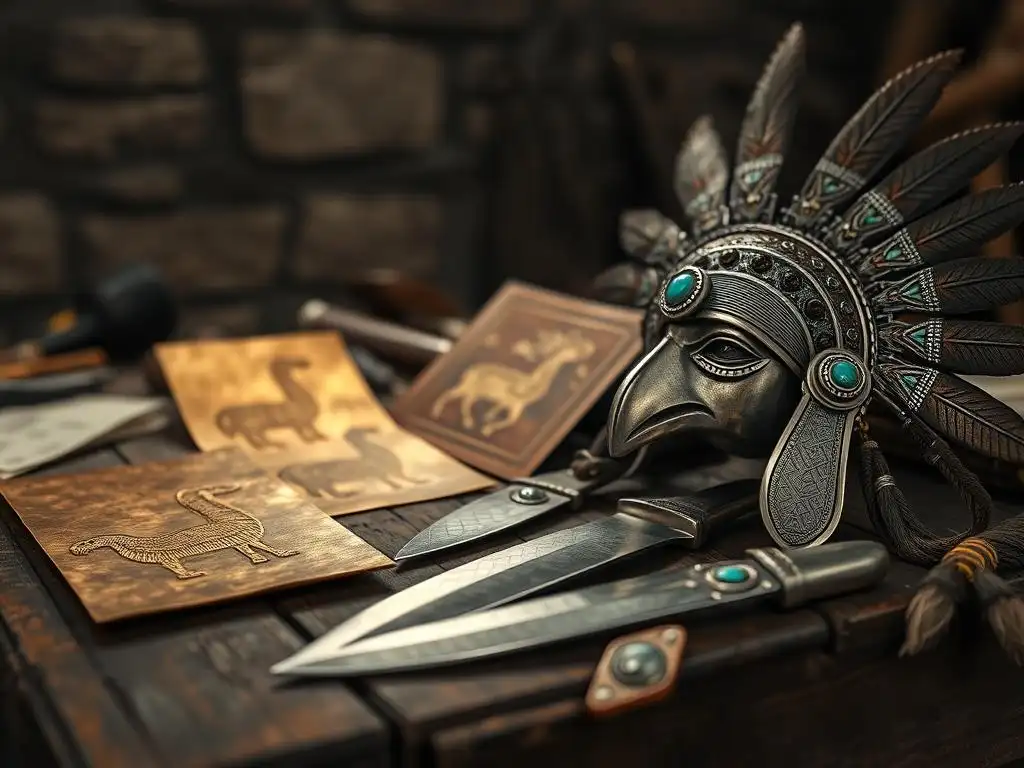
Andean metalworking wasn't merely a technological achievement; it was deeply interwoven with the cultural fabric of these societies. The creation and use of metal objects held profound religious, social, and political significance, reflecting the worldview and values of different Andean cultures. The meticulous craftsmanship evident in surviving artifacts speaks volumes about the dedication and skill invested in this art form. From intricate jewelry to monumental ceremonial objects, metalwork served as a powerful medium for expressing cultural identity and beliefs.
The techniques employed, often passed down through generations, represent a remarkable continuity of knowledge and tradition. The very act of shaping metal was imbued with meaning, transforming raw materials into objects of immense cultural value. This wasn't just about functionality; it was about creating objects that held spiritual power and social prestige.
Metal Objects as Status Symbols
The possession and display of metal objects, particularly those made of precious metals like gold and silver, served as powerful indicators of social status and power within Andean societies. Elaborate jewelry, finely crafted weaponry, and ornate headdresses were often reserved for the elite, signifying their high rank and authority. The intricate designs and the use of rare materials further emphasized the owner's elevated position within the social hierarchy.
For example, the Moche culture is well-known for its masterful goldwork, with many artifacts showcasing intricate depictions of deities and mythical creatures, reserved for the ruling class and priests. This conspicuous consumption of metalwork served to reinforce social stratification and consolidate political power. The sheer artistry and value of these objects solidified their role as potent symbols of status and wealth.
Metalwork in Religious Ceremonies
Metal objects played a crucial role in Andean religious ceremonies and rituals. Many artifacts, such as ceremonial vessels, figurines, and adornments for deities, were crafted from precious metals and adorned with intricate designs. These objects were not merely decorative; they were believed to possess spiritual power and were integral to the performance of religious rites.
Gold, in particular, was often associated with the sun and held sacred significance, linking metalwork directly to the cosmological beliefs of the Andes. The use of metal in religious contexts underscores the profound connection between Andean technology and spirituality. The meticulous craftsmanship involved further emphasizes the sacred nature of these objects and their importance in religious practices.
Metal Art and its Role in Andean Society
Andean metal art wasn't confined to the elite; it played a significant role in the daily lives of Andean communities. While precious metal objects signified status, everyday tools and implements were also crafted from metal, reflecting the practical application of this technology. The artistry and skill applied to these utilitarian objects, even the humblest, highlights the widespread appreciation for metalworking within Andean society.
From agricultural tools to personal adornments, metal objects were integrated into various aspects of life, demonstrating both the practical and aesthetic aspects of Andean metalworking. This widespread use highlights the mastery of the craft and its deep integration into everyday life. The level of skill applied across the spectrum of metal objects reflects a societal value placed on craftsmanship, regardless of the object's purpose.
The Significance of Tumi Knives in Andean Culture
Tumi knives, with their distinctive crescent-shaped blades, are iconic examples of Andean metalworking. These knives were not merely functional tools; they held significant religious and ceremonial importance, often used in rituals and sacrifices. The artistry and detail evident in many tumi knives, including intricate carvings and inlay work, highlight their sacred significance.
The Tumi's importance transcended its practical use as a knife; it became a powerful symbol of authority and ritual power. The discovery of tumis in tombs and ceremonial contexts further underscores their religious and ritual significance. The varying styles and designs of Tumi knives across different Andean cultures also reflect the diverse religious beliefs and practices of those groups.
Regional Variations in Andean Metalworking
Despite the shared technological foundations, Andean metalworking exhibited remarkable regional variations, reflecting the distinct cultural identities and artistic styles of different societies. These differences extend beyond simple stylistic choices; they indicate unique approaches to techniques, material selection, and the symbolic meanings associated with metalwork. The variations in style, technique, and the use of specific metals across different regions offer insights into the diverse cultural landscapes of the Andes.
Moche Metalworking: Mastery in Gold and Copper
The Moche civilization (circa 100-800 CE) is renowned for its exceptional metalworking skills, particularly in gold and copper. Their mastery of lost-wax casting allowed them to create incredibly detailed and intricate objects, often depicting scenes from their mythology and daily life. The Moche were particularly skilled in repoussé and chasing techniques, creating stunning three-dimensional effects in their metalwork.
Their goldwork, in particular, showcases their unparalleled skill, with many artifacts surviving in remarkably good condition, demonstrating the lasting quality of their craftsmanship. The use of alloys and the incorporation of other materials such as turquoise and shell further enhanced the aesthetic and symbolic value of their metalwork.
Inca Metalworking: Precision and Standardization
The Inca Empire (1438-1533 CE) standardized metalworking techniques across their vast territory, resulting in a degree of uniformity not seen in earlier periods. While maintaining a high level of artistry, Inca metalworkers prioritized precision and standardization, producing large quantities of metal objects with consistent quality. The Inca Empire’s mastery of alloying techniques allowed them to create a wide range of colors and textures in their metalwork.
Their use of gold, silver, and copper was not just for aesthetic purposes; it also played a significant role in the political and religious life of the empire, with metal objects used as gifts, rewards, and symbols of imperial power. The standardization, however, didn't stifle creativity; Inca artisans still produced highly sophisticated and intricately designed pieces.
Chimú Metalworking: Elaborate Feathered Headdresses and Vessels
The Chimú culture (circa 1300-1470 CE), known for its sophisticated urban centers and impressive architectural achievements, also excelled in metalworking. They are particularly celebrated for their elaborate feathered headdresses and vessels, often incorporating gold, silver, and copper. The Chimú combined metalworking with other crafts, such as featherwork and textile production, to create stunningly ornate objects.
Their metalwork often features intricate designs and geometric patterns, reflecting their distinct aesthetic sensibilities. The combination of metals and other materials showcases the Chimú's ability to integrate different artistic techniques, creating truly remarkable pieces. Their mastery of casting, hammering, and inlay techniques allowed them to produce intricate and visually striking artifacts.
The Legacy of Andean Metalworking
The legacy of Andean metalworking is profound and far-reaching, influencing not only subsequent Andean cultures but also impacting global perspectives on artistry and technological innovation. The mastery of techniques like hammering, casting, and alloying, evident in the exquisite gold, silver, and copper artifacts unearthed from sites across the Andes, showcases a level of sophistication rarely seen in other pre-Columbian societies. The intricate designs, often incorporating religious iconography and symbolic representations of Andean cosmology, demonstrate a deep connection between art, spirituality, and daily life.
These artifacts, far from mere decorative pieces, served important ceremonial, ritualistic, and even political functions within their respective societies. The sheer volume and variety of surviving metalwork — from delicate jewelry to massive ceremonial objects — testify to the widespread practice and importance of metalworking throughout the Andes. The enduring appeal of these objects today highlights the timeless artistry and enduring skill of Andean metallurgists.
The Influence of Ancient Andean Techniques on Modern Crafts
The influence of ancient Andean metalworking techniques continues to resonate in modern crafts. Many contemporary artisans in the Andes actively draw inspiration from and even utilize traditional methods passed down through generations. This preservation of ancestral knowledge ensures that ancient techniques remain relevant and accessible. However, the modern context frequently involves a blending of traditional and contemporary approaches.
For instance, some artisans might use modern tools alongside traditional ones, or might incorporate contemporary designs while maintaining the fundamental techniques inherited from their ancestors. This fusion creates a dynamic interaction between heritage and innovation, resulting in unique pieces that bridge the gap between past and present. The continued practice of these ancient techniques not only provides economic opportunities for Andean communities but also safeguards a valuable cultural heritage. The enduring relevance of these techniques highlights the inherent adaptability and artistry of Andean metalworking traditions.
Preserving and Studying Andean Metalworking Heritage
Preserving and studying Andean metalworking heritage is crucial for understanding the technological, artistic, and cultural achievements of these civilizations. Museums and research institutions play a vital role in safeguarding these invaluable artifacts, many of which are incredibly fragile. Careful conservation efforts are critical to ensure the long-term preservation of these delicate objects. Ongoing research, including metallurgical analysis and stylistic studies, sheds light on the techniques, materials, and cultural contexts of Andean metalwork. This research helps to reconstruct the processes involved in metal production, from mining and smelting to shaping and finishing. Furthermore, collaborations between archaeologists, metallurgists, and art historians are essential for a comprehensive understanding of these complex artifacts. The interdisciplinary approach is vital for interpreting the socio-political and religious significance embedded within these objects. The ongoing efforts to preserve and study Andean metalworking heritage ensure that future generations can appreciate and learn from the achievements of these remarkable civilizations.
New Discoveries and Research in Andean Metalwork
New discoveries and research in Andean metalwork continue to reshape our understanding of these ancient societies. Recent archaeological excavations regularly unearth previously unknown artifacts, providing fresh insights into metalworking practices and technologies. Advanced analytical techniques, such as X-ray fluorescence spectroscopy and scanning electron microscopy, provide detailed information about the composition of alloys and the manufacturing processes employed. These analyses reveal the sophisticated understanding of metallurgy possessed by Andean metallurgists, enabling them to create unique alloys with specific properties.
Moreover, the ongoing study of iconography and stylistic variations in metalwork helps scholars to better understand the cultural contexts and social implications of these objects. These new discoveries and ongoing research constantly challenge and refine existing theories, adding layers of complexity and nuance to our understanding of Andean metalworking. This dynamic field of study continues to unveil the remarkable artistry and technological prowess of ancient Andean civilizations.
Conclusion: The Enduring Art of Andean Metal Shaping
The art of Andean metal shaping stands as a testament to the ingenuity, creativity, and cultural depth of the ancient Andean civilizations. From the intricate details of hammered gold ornaments to the monumental scale of bronze ceremonial objects, Andean metalwork continues to captivate and inspire.
The enduring legacy of these techniques, visible in both archaeological findings and contemporary crafts, highlights the lasting impact of Andean metallurgists. The ongoing research and conservation efforts ensure that this remarkable heritage will continue to be appreciated and studied for generations to come, offering valuable insights into the technological and artistic achievements of these remarkable cultures.
The study of Andean metalworking techniques provides a rich understanding of not only metallurgical advancements but also the social, religious, and political structures of the Andean world. The enduring appeal of Andean metalwork is a testament to the artistry and skill of these ancient civilizations, a legacy that continues to shape our understanding of pre-Columbian America.
- Introduction to Andean Metalworking and its Significance
- The Origins of Andean Metal Crafting
- Andean Metalworking Techniques: A Detailed Exploration
- Materials Used in Andean Metalwork
- The Cultural Significance of Andean Metalwork
- Regional Variations in Andean Metalworking
- The Legacy of Andean Metalworking
- Conclusion: The Enduring Art of Andean Metal Shaping
- What unique metalworking techniques did Andean civilizations employ?
- Which Andean cultures were particularly renowned for their metalwork?
- What types of metals did Andean metalworkers utilize?
- How did Andean metalworking techniques contribute to their societies?
- Where can I learn more about Andean metalworking techniques?
Frequently Asked Questions
What unique metalworking techniques did Andean civilizations employ?
Andean civilizations were masters of lost-wax casting, a complex process involving creating a wax model, covering it in clay, melting the wax, and pouring molten metal into the mold. They also excelled in hammering and repoussé, shaping metal sheets with hammers and punches.
Which Andean cultures were particularly renowned for their metalwork?
The Moche and Inca cultures are particularly famous for their advanced metalworking. The Moche created intricate gold and silver objects, while the Inca produced large-scale works using different alloys. The Nazca and Tiahuanaco cultures also displayed significant metalworking skills.
What types of metals did Andean metalworkers utilize?
Andean metalworkers primarily used gold, silver, copper, and bronze, often combining these metals to create alloys with desired properties. They also utilized platinum and meteorite iron, showcasing their advanced knowledge of metallurgy.
How did Andean metalworking techniques contribute to their societies?
Metalworking played a crucial role in Andean societies, contributing to their religious practices, political power, and economic systems. Elaborate artifacts served both ceremonial and practical purposes, reflecting social status and power.
Where can I learn more about Andean metalworking techniques?
You can explore numerous museums showcasing Andean artifacts, including the Larco Museum in Lima and the Museo del Oro in Bogotá. Scholarly articles and books on Andean archaeology offer in-depth analysis of their metalworking practices and the technology employed.
Final Reflection: Echoes of the Andes in Modern Metal
The intricate artistry of Andean metal shaping, once a vital part of ancient civilizations, continues to resonate today, a testament to human ingenuity and cultural resilience. From the shimmering gold of the Moche to the subtly nuanced silver of the Inca, these techniques represent not just skilled craftsmanship, but a deep connection to the land and a profound understanding of metallurgical processes that remain surprisingly sophisticated even by modern standards. The legacy of these ancient artisans continues to inspire contemporary artists and researchers alike.
The enduring power of Andean metalworking lies not only in its aesthetic beauty but also in its capacity to tell stories – stories of power, spirituality, and everyday life. These objects, painstakingly crafted centuries ago, speak volumes about the societies that created them, offering invaluable insights into their beliefs, social structures, and technological advancements. The metalworker was not merely a craftsman, but a shaman, a storyteller, weaving narratives into the very fabric of his creations.
This quote, though hypothetical, captures the essence of the profound artistry and spiritual significance imbued in these ancient works. The impact of this artistry continues to shape our understanding of pre-Columbian cultures and influences contemporary artistic expressions.
Consider the echoes of these ancient techniques in your own life. Perhaps you've admired a piece of jewelry, a work of art, or even a simple tool, and felt a spark of wonder at the skill and dedication involved in its creation. Take a moment to appreciate the enduring legacy of Andean metalworking, and let it inspire you to seek out the artistry and craftsmanship in the world around you. Let the echoes of the Andes remind you of the power of human creativity and the enduring beauty of objects imbued with history and meaning.
Unveil Your Inner Artisan!
Thank you for exploring the fascinating world of Andean metal shaping with us! Your journey through history has revealed not only the artistry of ancient civilizations but also their remarkable innovation. Now, let's channel that inspiration into action!
- Try a simple metalwork project using materials you have at home. Whether you create jewelry or a decorative item, let the ancient techniques inspire your creativity.
- Visit a local art exhibit showcasing metalwork or crafts inspired by Andean traditions. Immerse yourself in the culture and techniques that have shaped artistic history.
- Share your newfound appreciation for Andean history and craftsmanship with friends and family! Perhaps host a small gathering to discuss what you've learned.
What aspect of Andean metal artistry most inspires you, and how will you incorporate that inspiration into your life today?